The UK cereal bar market continues to expand, driven by growing consumer demand for convenient, on-the-go breakfast and snack options. Establishing a cereal bar packaging line in the UK requires careful planning around equipment selection, regulatory compliance, and production efficiency. This guide walks through the essential steps to set up a successful operation.
Understanding the UK Cereal Bar Market Landscape
The British cereal and snack bar sector has seen steady year-on-year growth, with health-conscious consumers increasingly seeking products with higher protein, lower sugar, and natural ingredients. This trend directly impacts packaging decisions — manufacturers must ensure their packaging machinery can handle varied bar textures, shapes, and wrapping materials while maintaining speed and precision.
Key market drivers include:
- Rising demand for portion-controlled snack formats
- Growth in private-label and contract manufacturing
- Retailer requirements for shelf-ready packaging
- Sustainability mandates influencing material choices
UK Regulatory and Food Safety Compliance
Before installing any equipment, understanding the UK’s post-Brexit regulatory framework is critical. Food contact materials must comply with relevant food safety standards, while packaging waste obligations fall under Extended Producer Responsibility (EPR) schemes.
| Regulatory Area | Key Requirement | Impact on Packaging Line |
|---|---|---|
| Food Contact Materials | Compliance with UK Food Contact Materials Regulations | Material certification for film, foil, and laminates |
| Weights and Measures | Packaged Goods Regulations (average quantity system) | Integrated checkweighing and rejection systems |
| Packaging Waste | EPR data reporting and recycling obligations | Material selection and waste reduction strategies |
| Health & Safety | PUWER and Machinery Directive (UKCA marking) | Machine guarding, interlocks, and operator safety |
Essential Equipment for a Cereal Bar Packaging Line
A complete cereal bar packaging line integrates multiple machine types to move from bulk product to retail-ready packs. Understanding each stage helps in selecting the right packaging machinery for your specific output requirements.
Primary Packaging Machines
The core of any cereal bar line is the flow wrapping machine or horizontal form-fill-seal (HFFS) system. These machines wrap individual bars in film at speeds ranging from 80 to over 300 packs per minute, depending on bar dimensions and film type.
- Flow Wrappers — Ideal for single bars with heat-sealed longitudinal and end seals
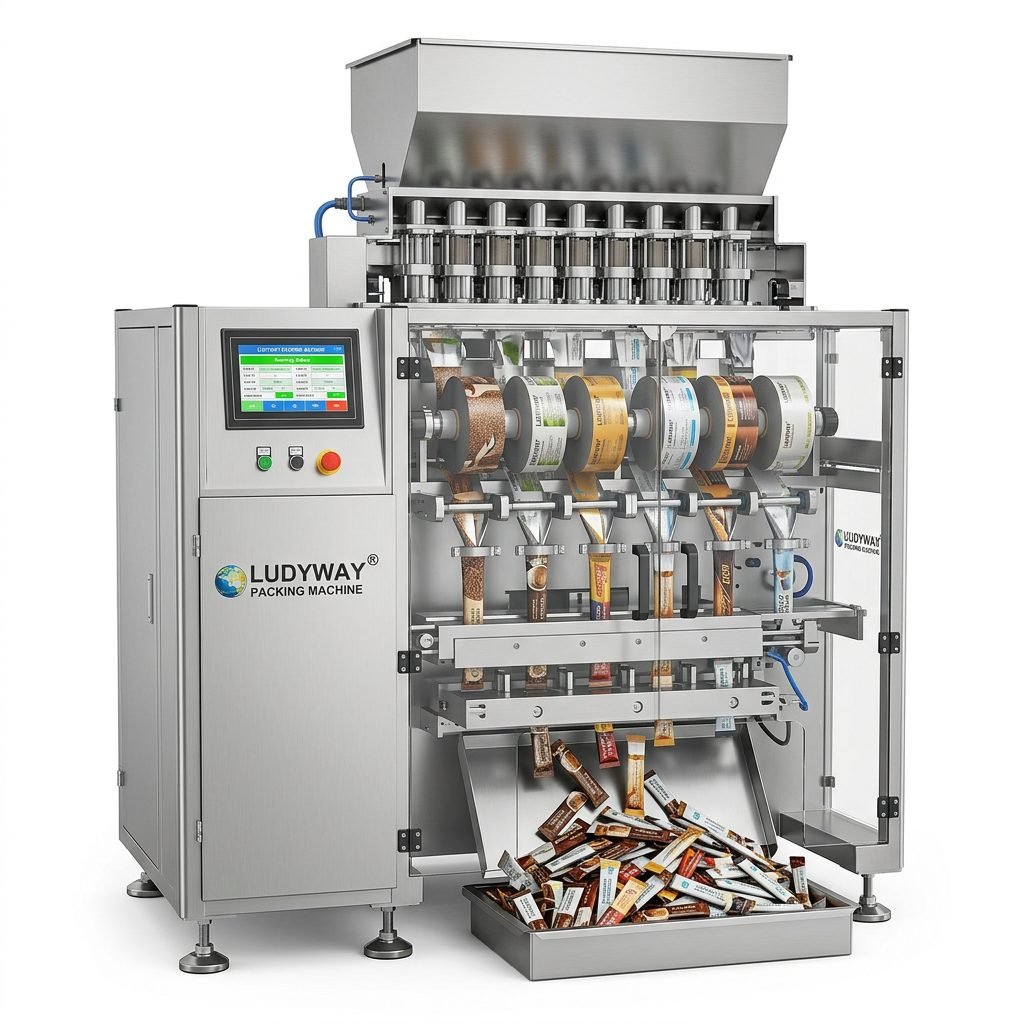
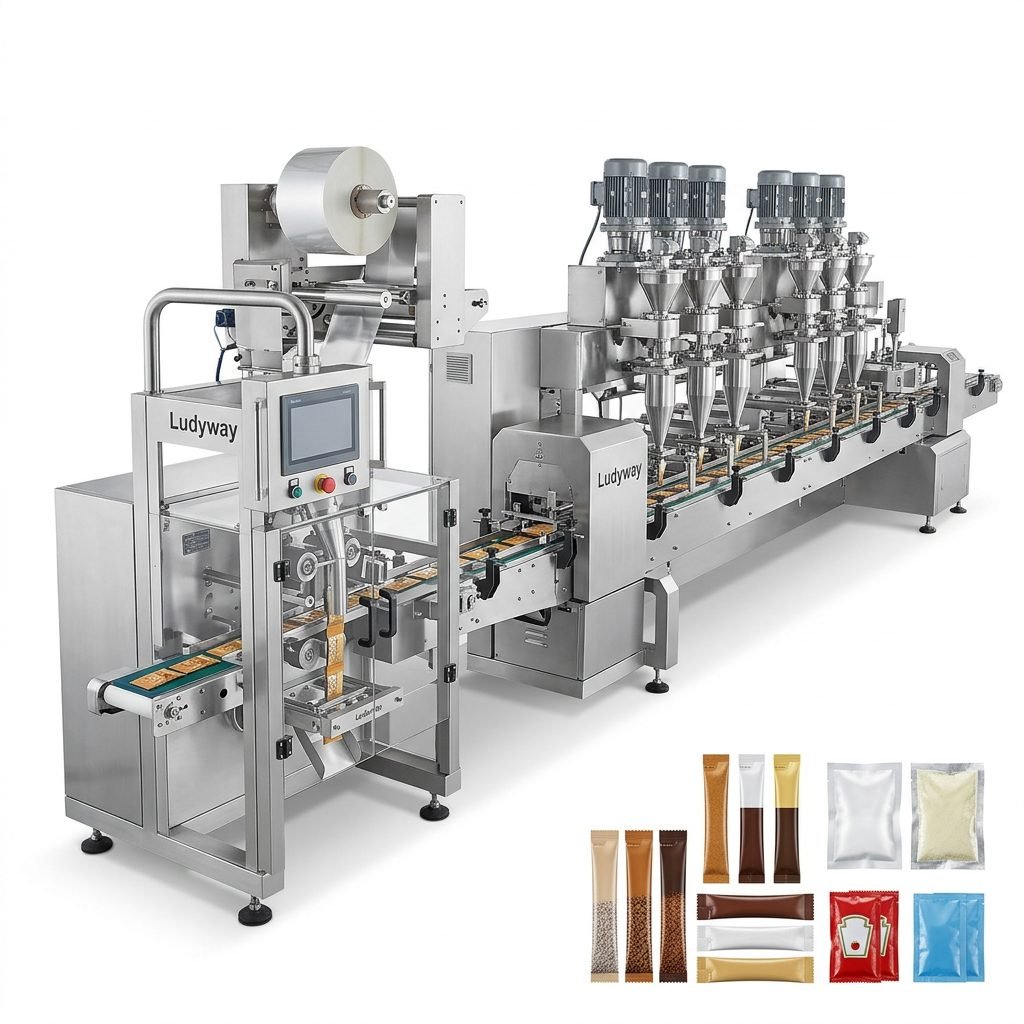
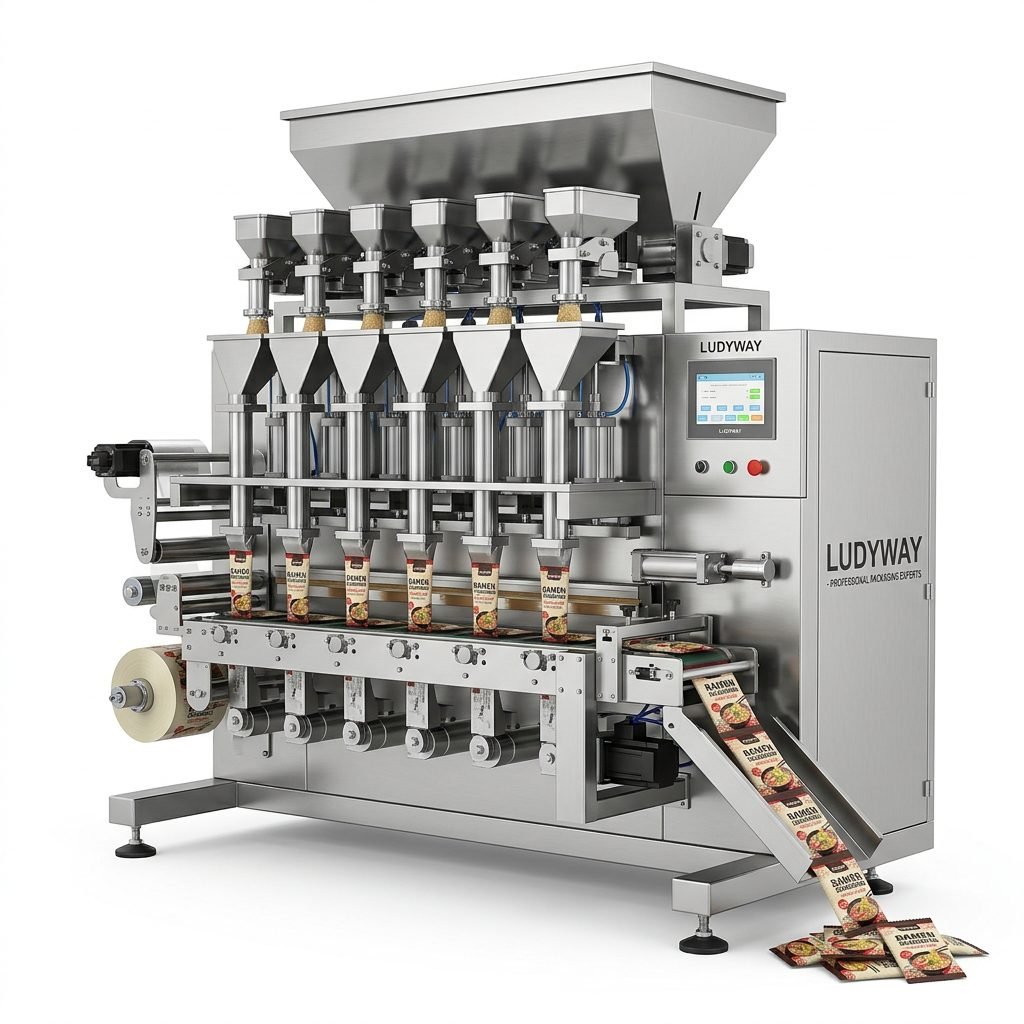
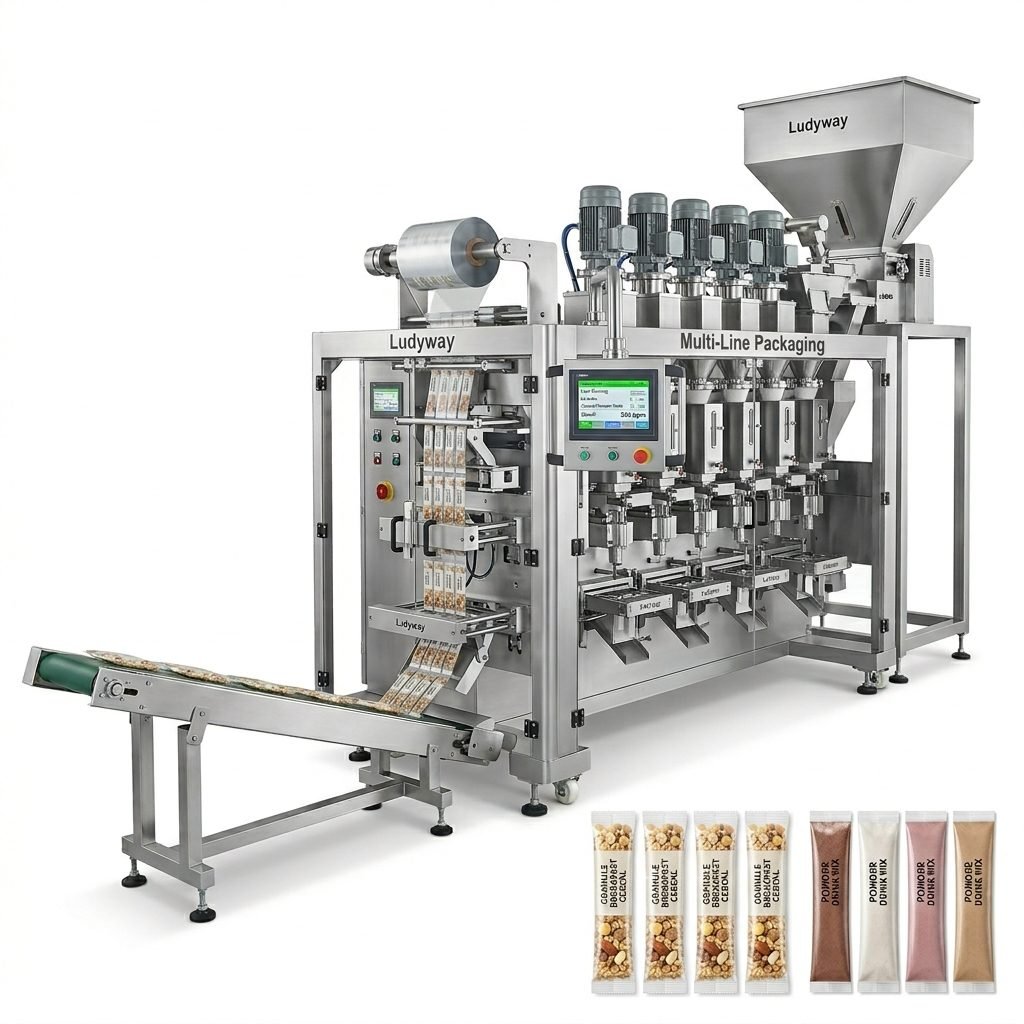
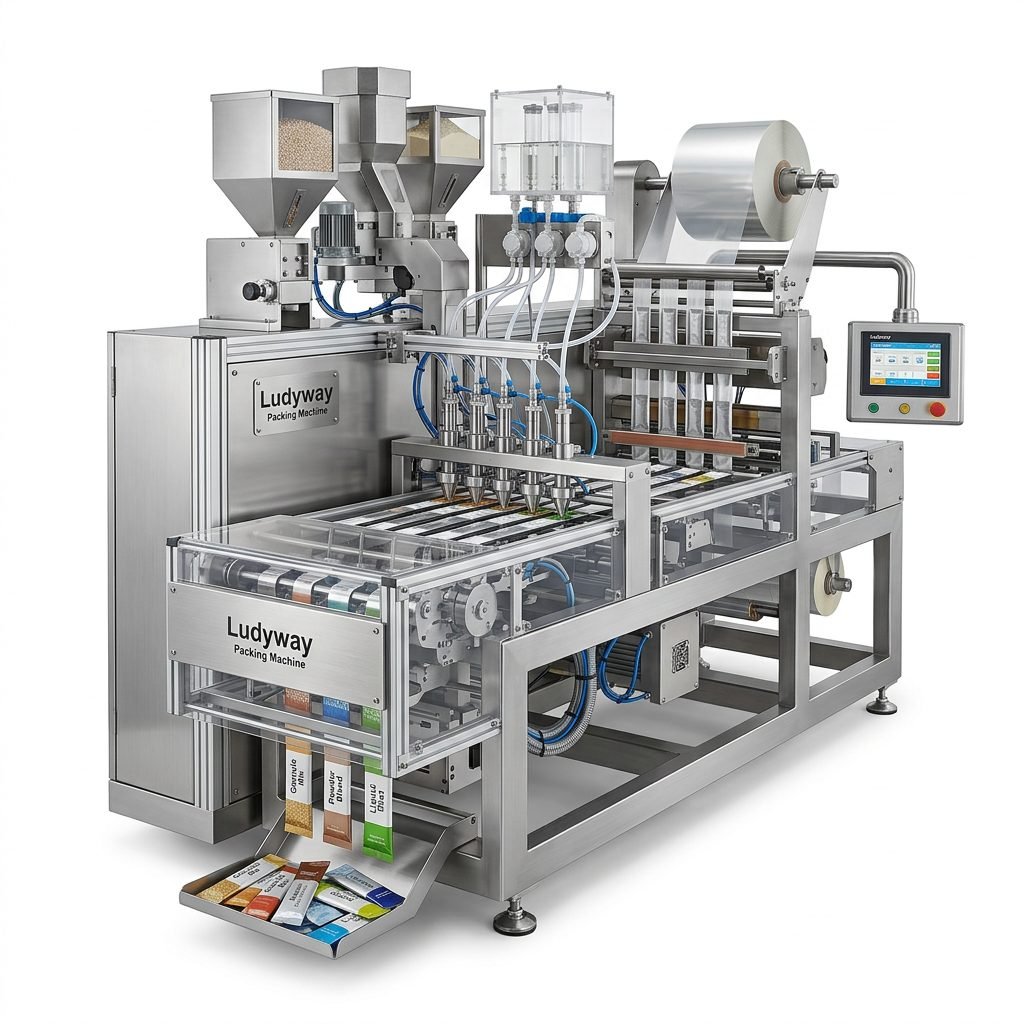
- Multi-Lane Stick Pack Machines — Suitable for mini or bite-sized cereal bar formats
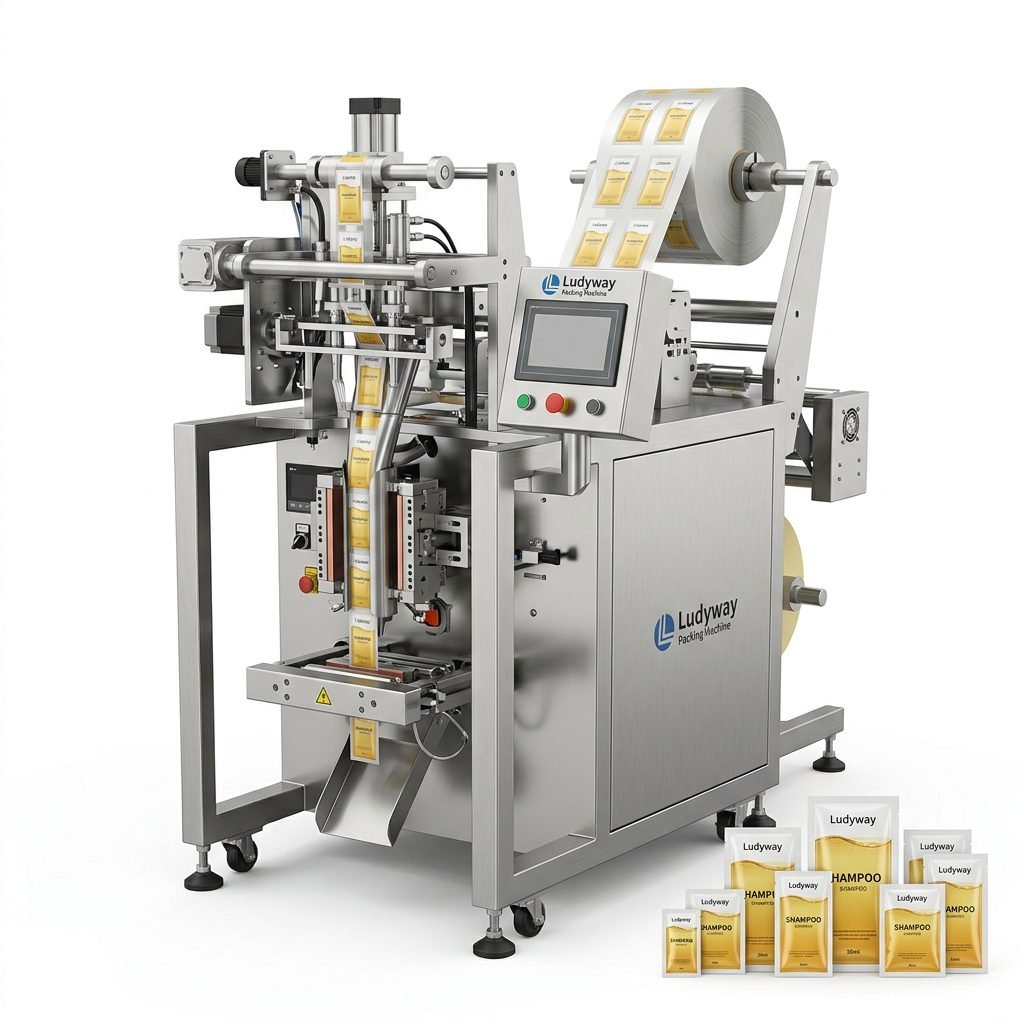
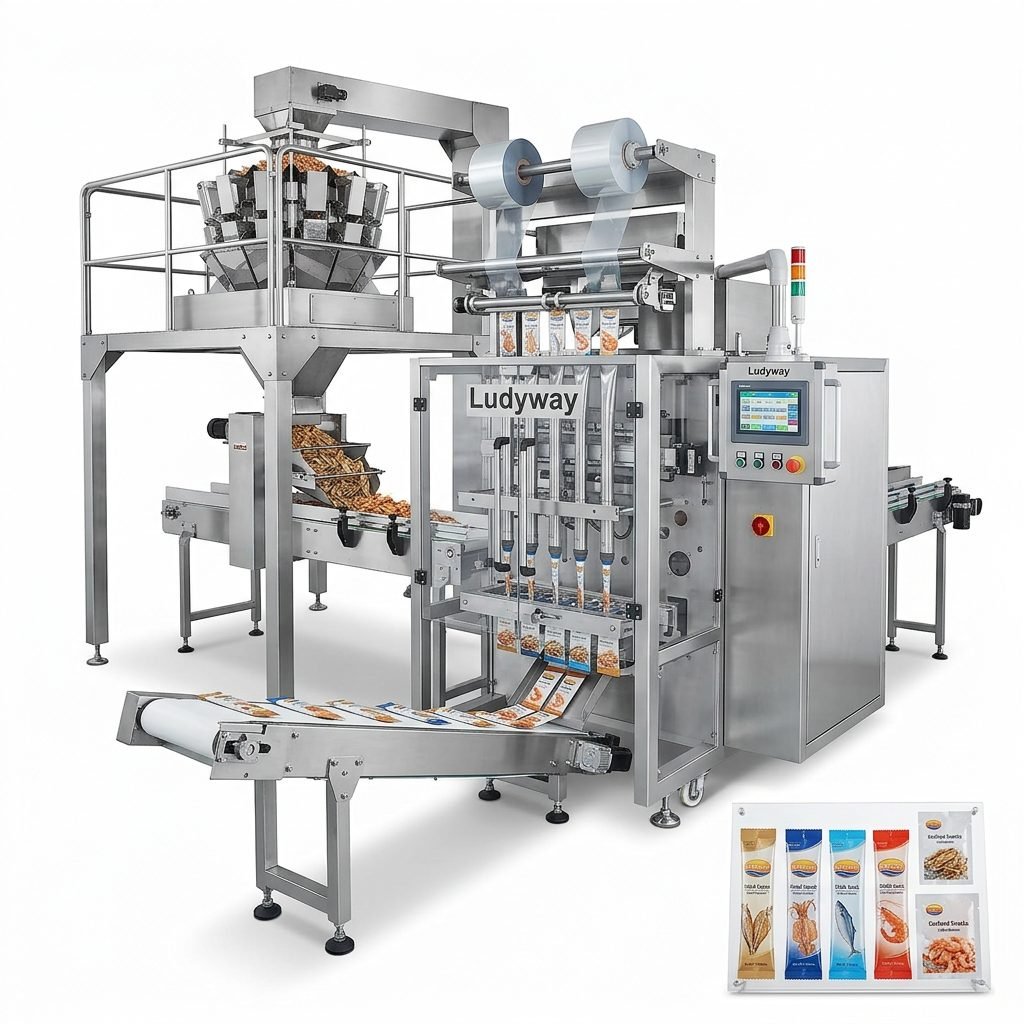
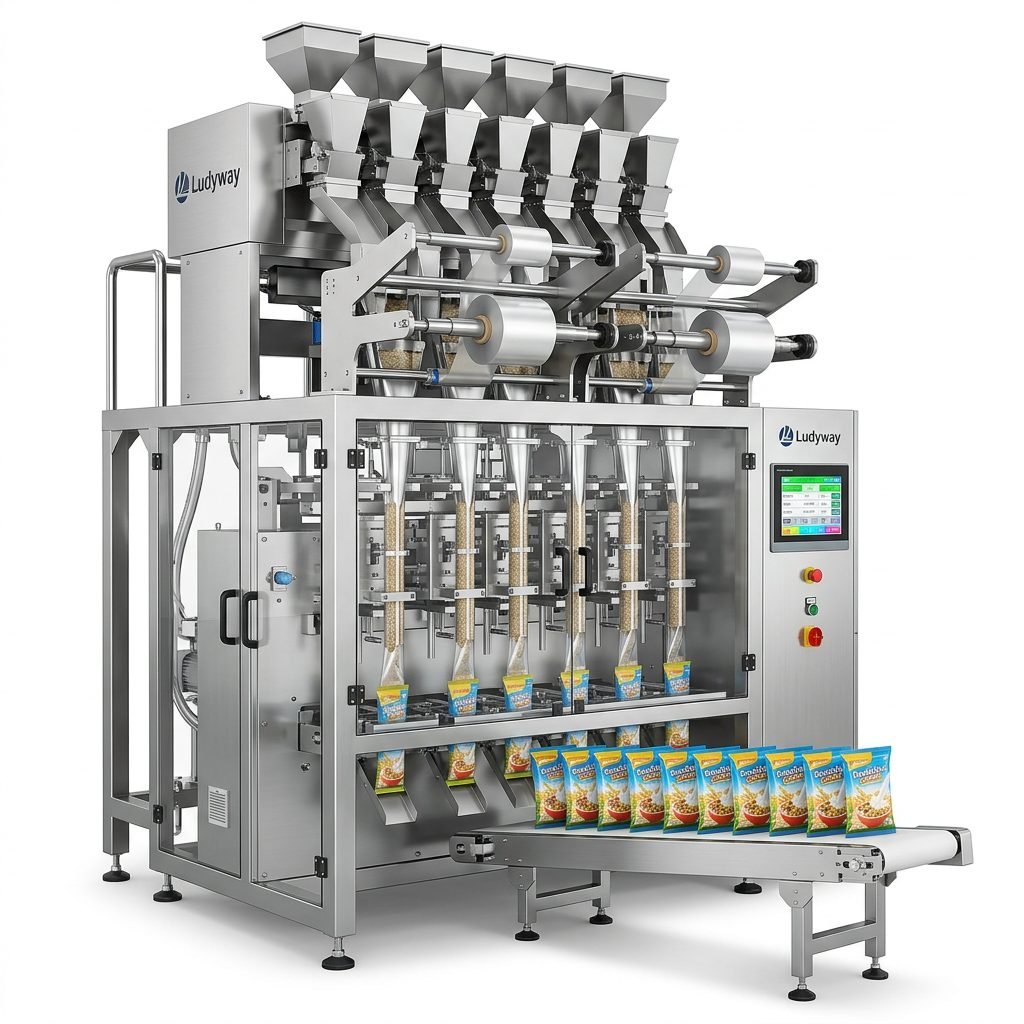
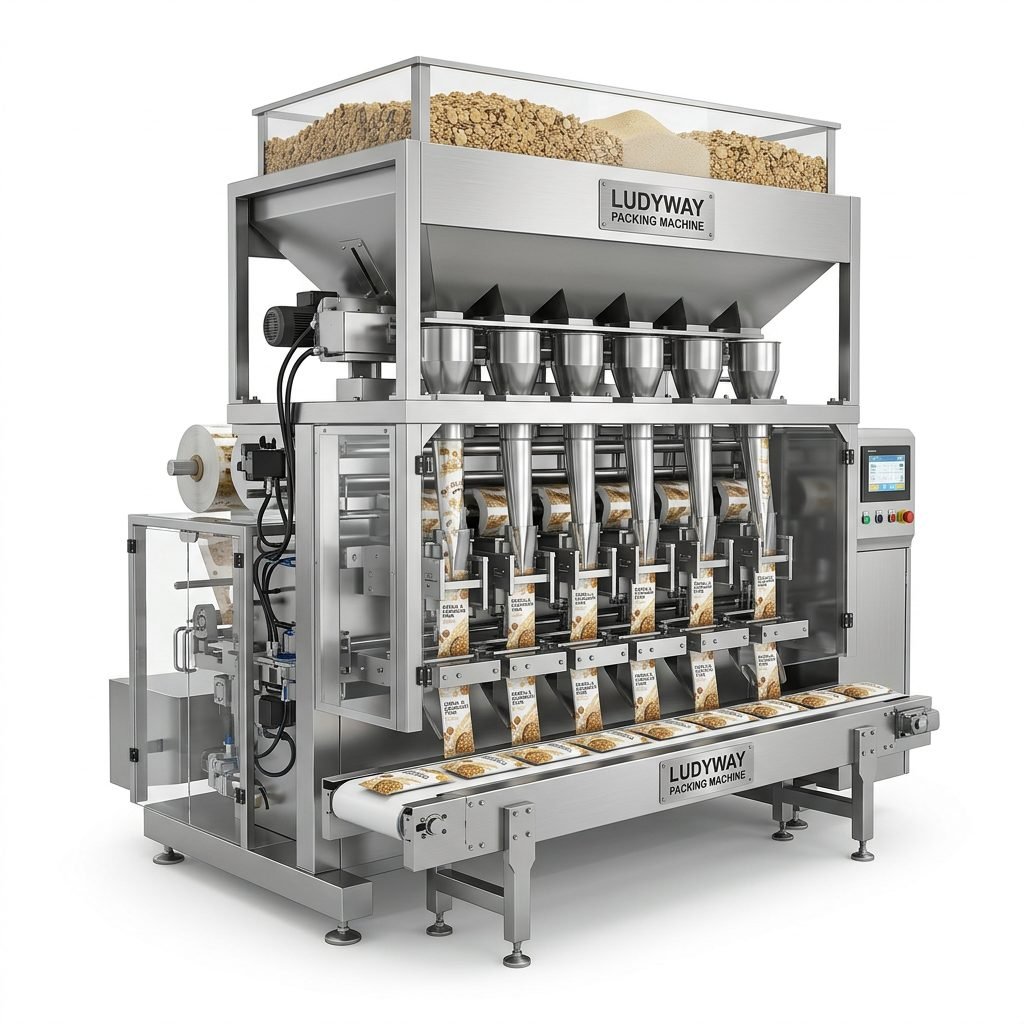
- Vertical Form-Fill-Seal (VFFS) — Used for granola and loose cereal products in pillow bags
Secondary Packaging Equipment
Beyond primary wrapping, a fully automated line includes cartoning, case packing, and palletising stages. Integrating these downstream processes reduces labour costs and increases throughput consistency.
Production Line Layout and Workflow Optimisation
Efficient line layout minimises product transfer distances and operator movement. A well-designed cereal bar line typically follows this sequence:
- Bar Feeding System — Automated infeed from cooling conveyor to wrapper
- Primary Wrapping — Flow wrapping with registered film for precise print placement
- Checkweighing and Metal Detection — Critical control points for food safety compliance
- Cartoning — Multi-pack carton forming and loading
- Case Packing — Corrugated case packing with automatic sealing
- Palletising — Robotic or conventional pallet stacking
Quality Control and Food Safety Considerations
Maintaining consistent product quality requires integrated inspection systems. A comprehensive quality assurance programme should include:
- In-line checkweighing with automatic rejection of out-of-tolerance packs
- Metal detection and X-ray inspection for foreign body detection
- Seal integrity testing to ensure hermetic seals on every pack
- Vision inspection systems for label placement, date code verification, and print quality
All inspection equipment should be calibrated to recognised packaging machinery standards and integrated into the line’s central control system for real-time data logging.
Cost Considerations and ROI Analysis
| Cost Category | Estimated Range | Key Variables |
|---|---|---|
| Primary Flow Wrapper | £40,000 – £150,000+ | Speed, features, stainless steel construction |
| Complete Turnkey Line | £250,000 – £1,000,000+ | Automation level, line speed, number of modules |
| Installation & Commissioning | 10-15% of equipment cost | Site preparation, training, validation |
| Annual Maintenance | 3-5% of capital cost | Spare parts, service contracts, technician availability |
Choosing the Right Packaging Partner
Selecting a reliable equipment supplier is one of the most critical decisions when setting up a cereal bar packaging line. Look for manufacturers with proven experience in food packaging, comprehensive after-sales support, and the ability to provide turnkey packaging solutions tailored to your production goals.
For businesses seeking high-quality, cost-effective packaging machinery, Ludyway offers over 30 years of industry expertise and a comprehensive range of automated packaging systems suitable for granule, powder, and solid product applications, including cereal bar formats. With a modern 20,000 m² manufacturing facility and a global customer base spanning over 100 countries, Ludyway delivers reliable and efficient packaging lines designed to meet diverse production requirements.
Key Takeaways for a Successful Setup
- Thoroughly research UK-specific regulatory requirements before equipment procurement
- Prioritise line integration and automation to maximise ROI
- Invest in robust quality control and inspection systems
- Partner with experienced packaging machinery manufacturers who understand the UK market
- Plan for future scalability — modular line designs allow phased expansion
Further Resources
For additional guidance on packaging machinery selection and industry best practices, explore these authoritative sources: