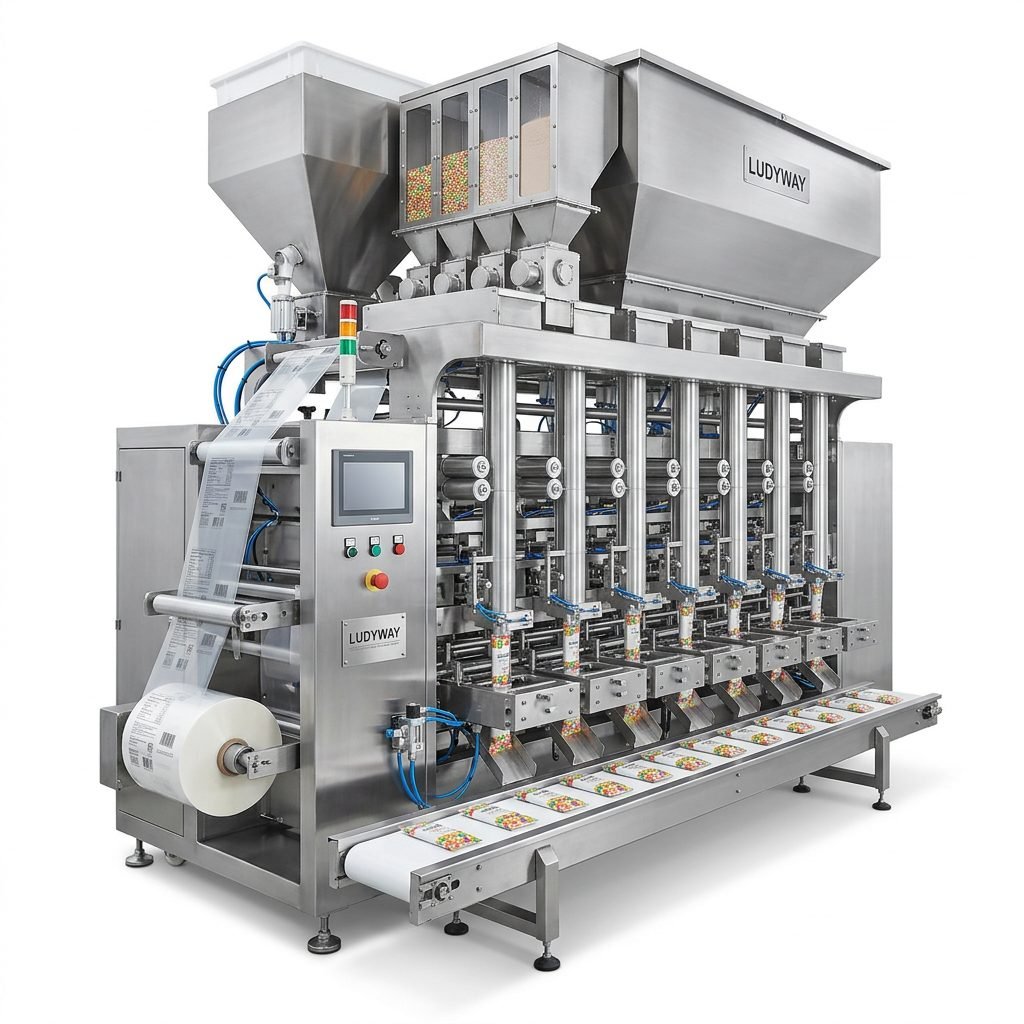
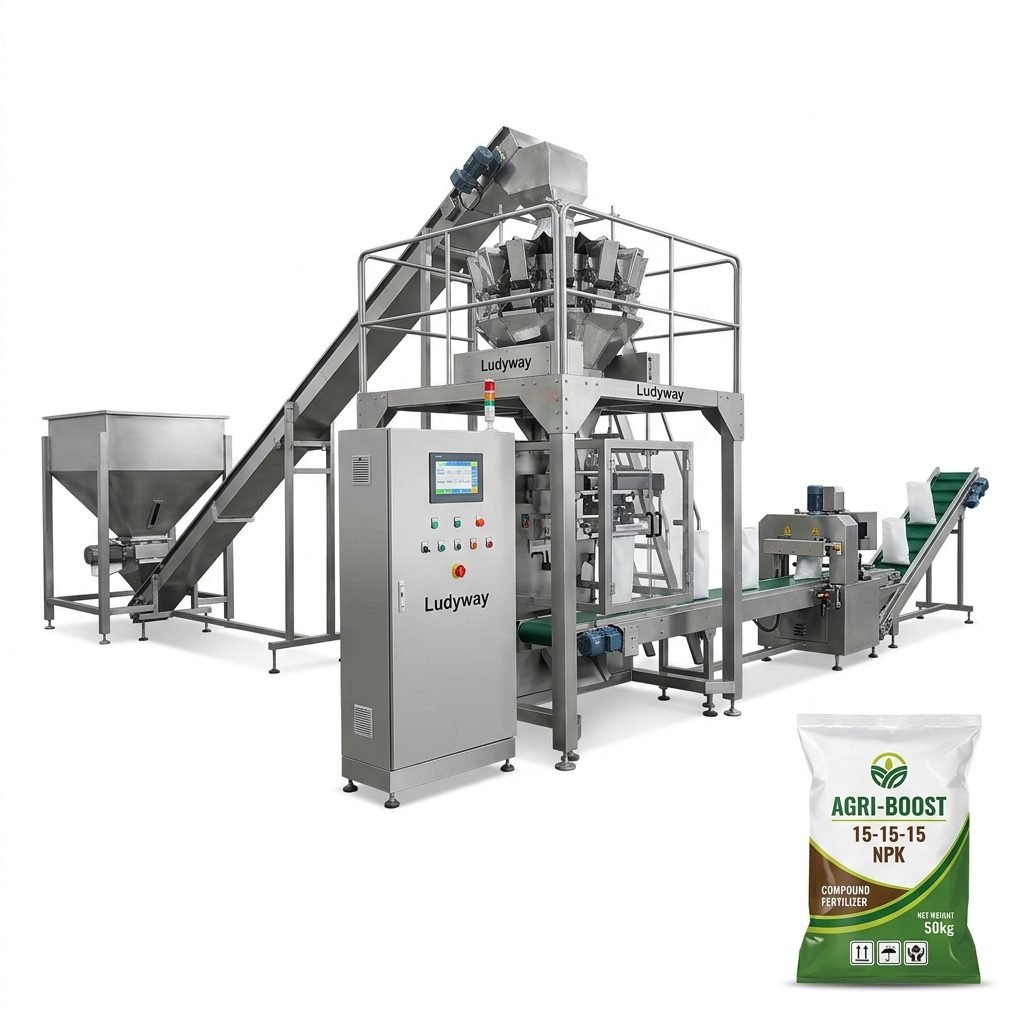
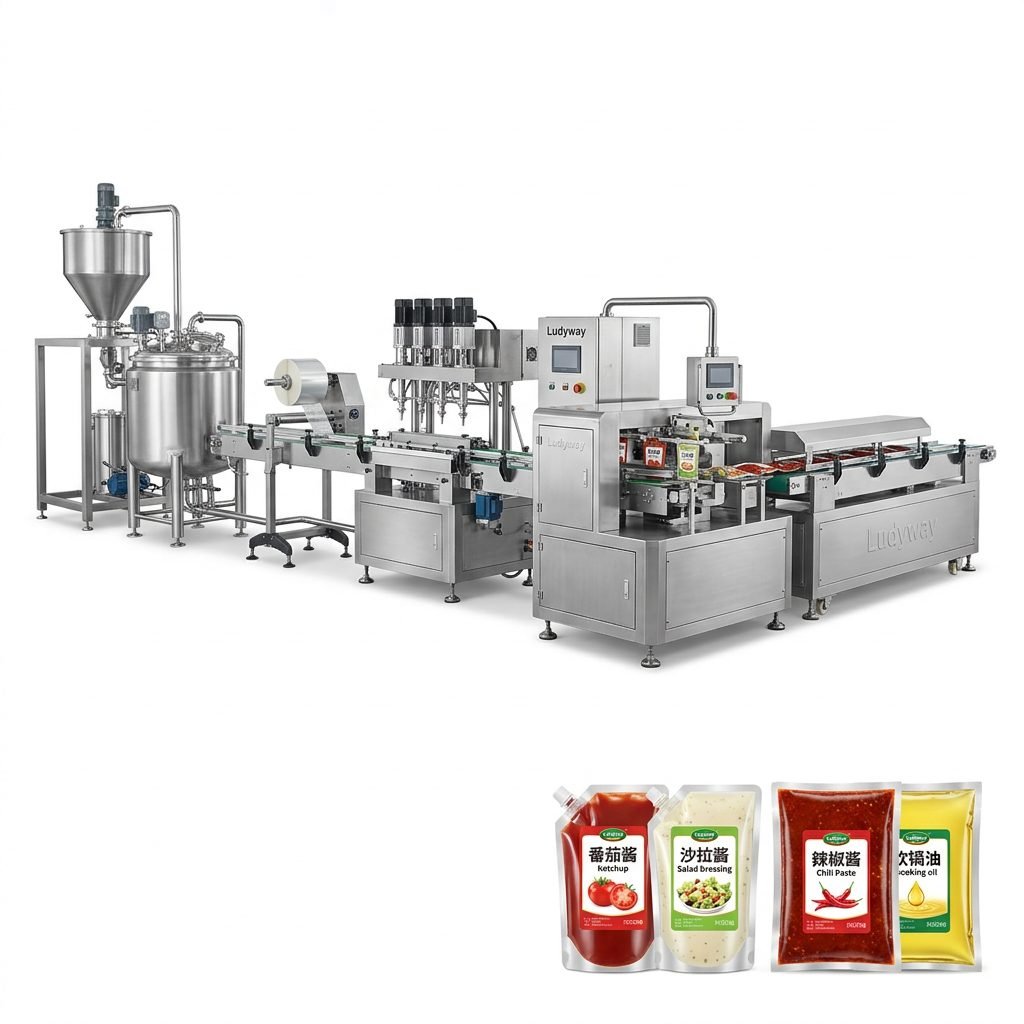
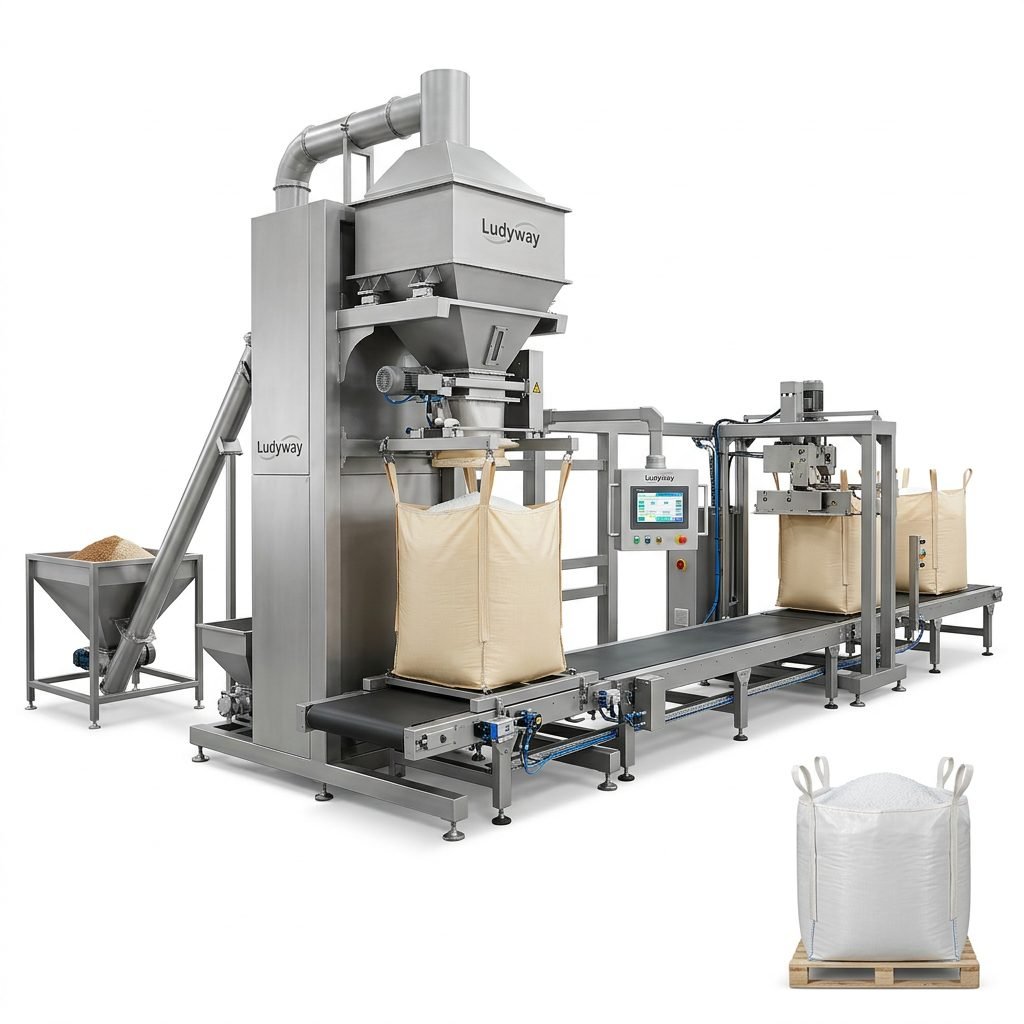
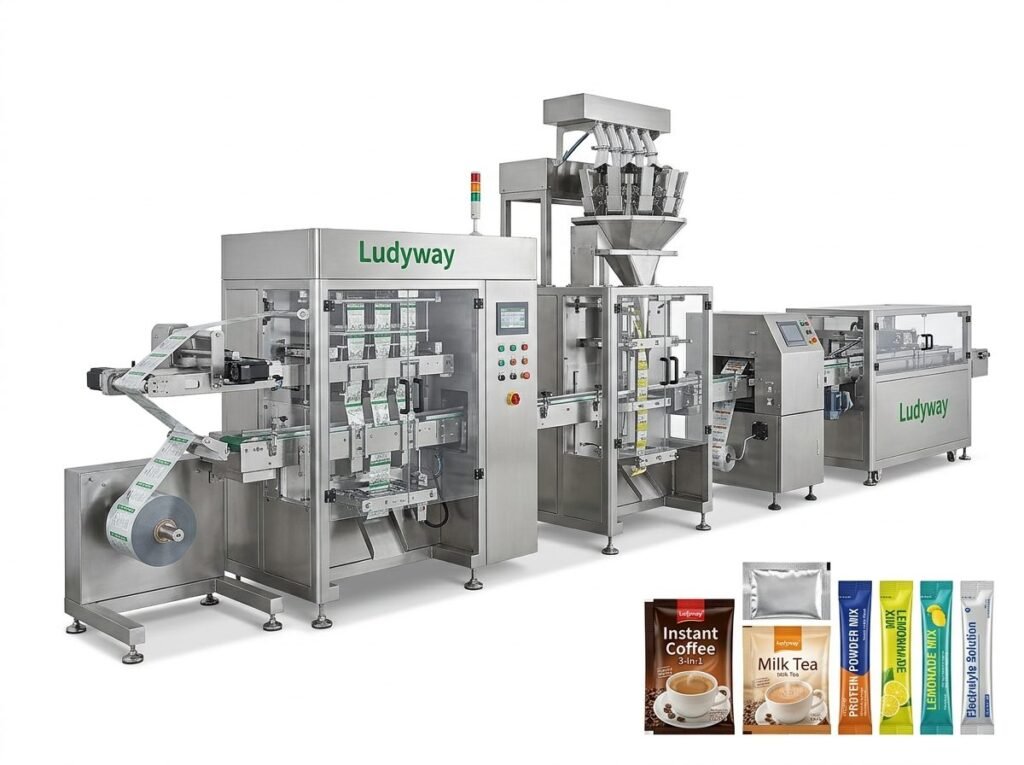
Rice is highly sensitive to oxygen, moisture, contamination, and storage conditions. For rice processors, wholesalers, exporters, and food brands, choosing the right rice vacuum packing machine is essential for preserving freshness, extending shelf life, improving product appearance, and increasing packaging efficiency. Vacuum packaging helps maintain rice quality during warehousing, transportation, and retail display while supporting more stable and professional production operations.
Whether you package white rice, brown rice, jasmine rice, basmati rice, glutinous rice, or specialty grain blends, a well-designed vacuum packing system can reduce spoilage risk, minimize broken grains caused by repeated handling, and create compact packages that are easier to stack, ship, and sell.
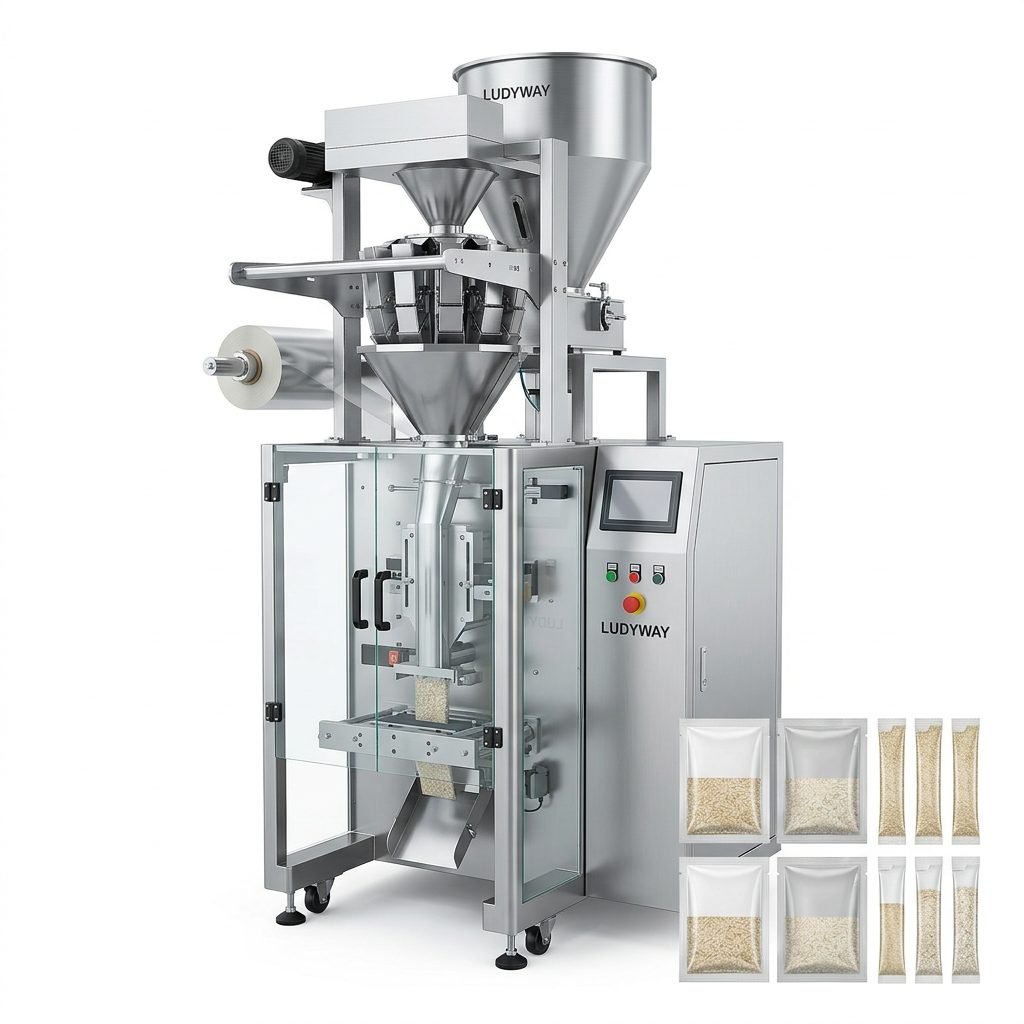
Why Vacuum Packaging Matters for Rice
Rice may appear shelf-stable, but packaging quality directly affects how long it stays market-ready. Traditional loose packing methods can allow air and humidity to enter the bag, increasing the chance of oxidation, odor absorption, pest exposure, and texture decline. Vacuum packaging removes excess air before sealing, creating a tighter and cleaner pack.
- Longer shelf life: Reduced oxygen slows deterioration and helps preserve grain quality.
- Better freshness retention: Aroma, texture, and natural appearance are better maintained.
- Improved transport stability: Compact bricks or tight pouches are easier to stack and less prone to shifting.
- Stronger retail appeal: Vacuum-packed rice often looks more premium and organized.
- Lower contamination risk: A sealed package helps protect against dust, insects, and outside moisture.
What Is a Rice Vacuum Packing Machine?
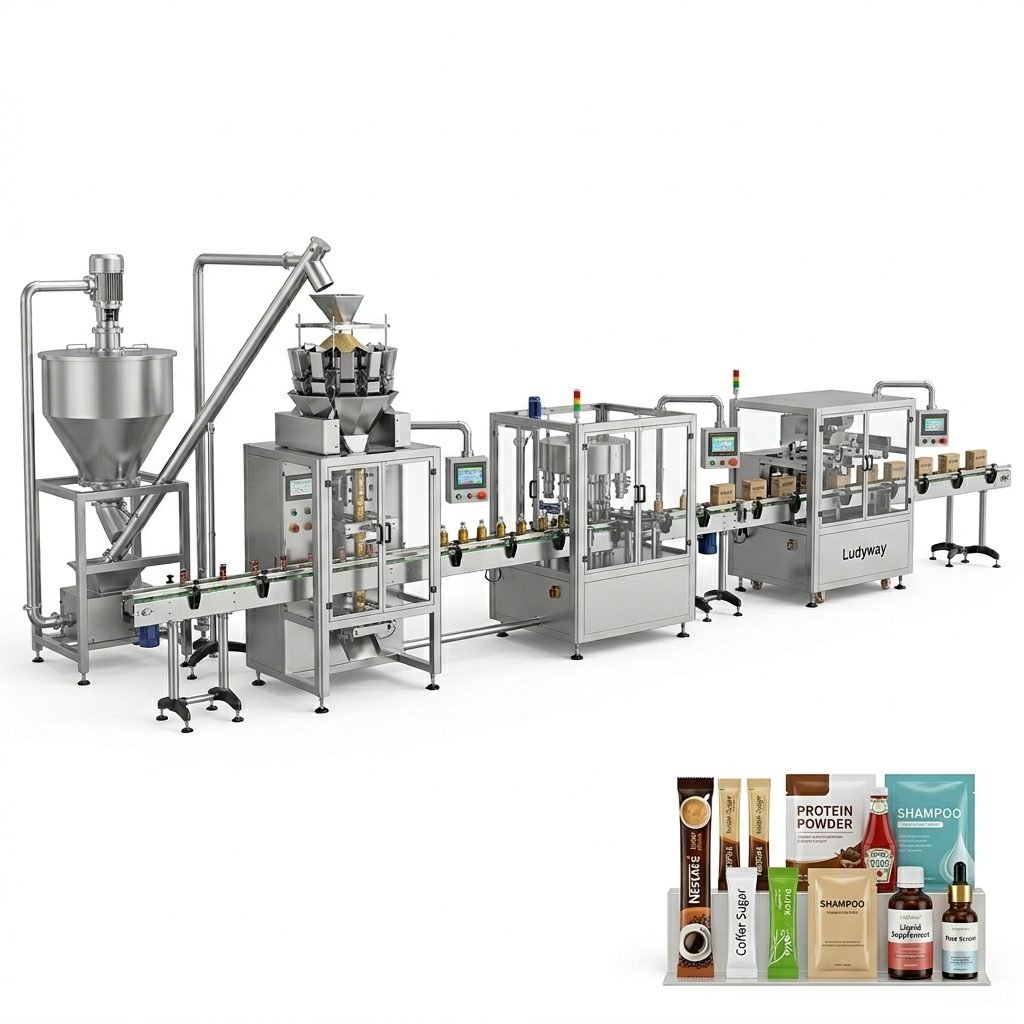
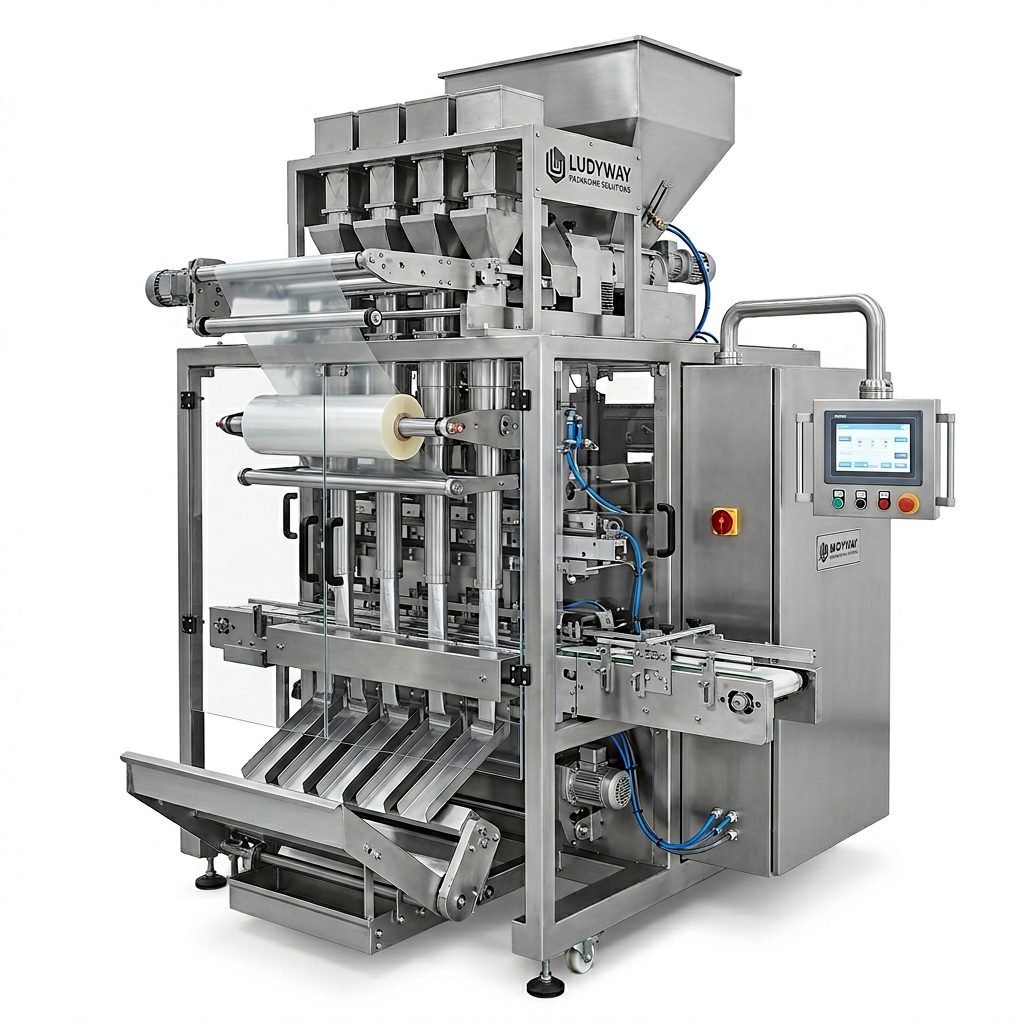
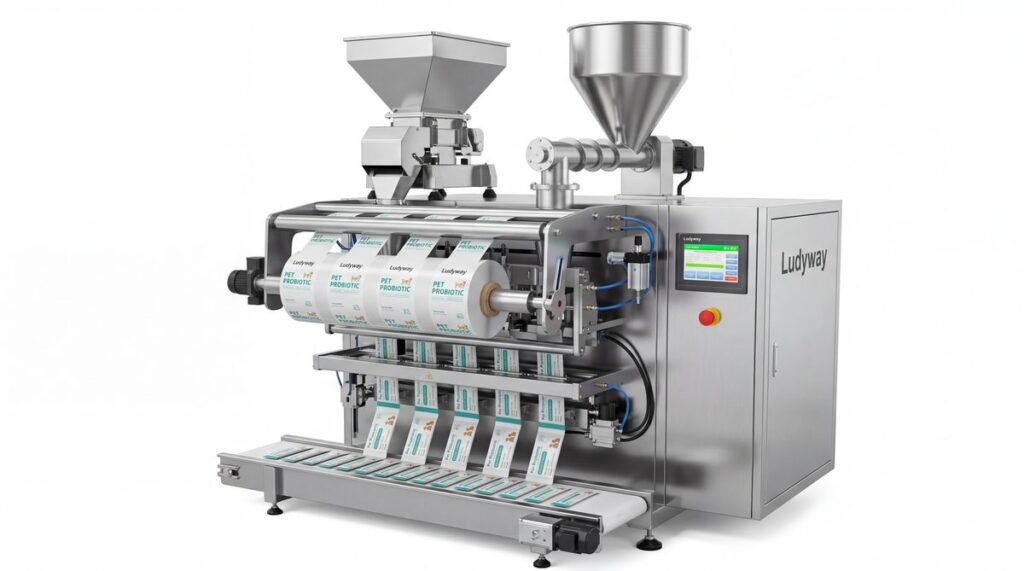
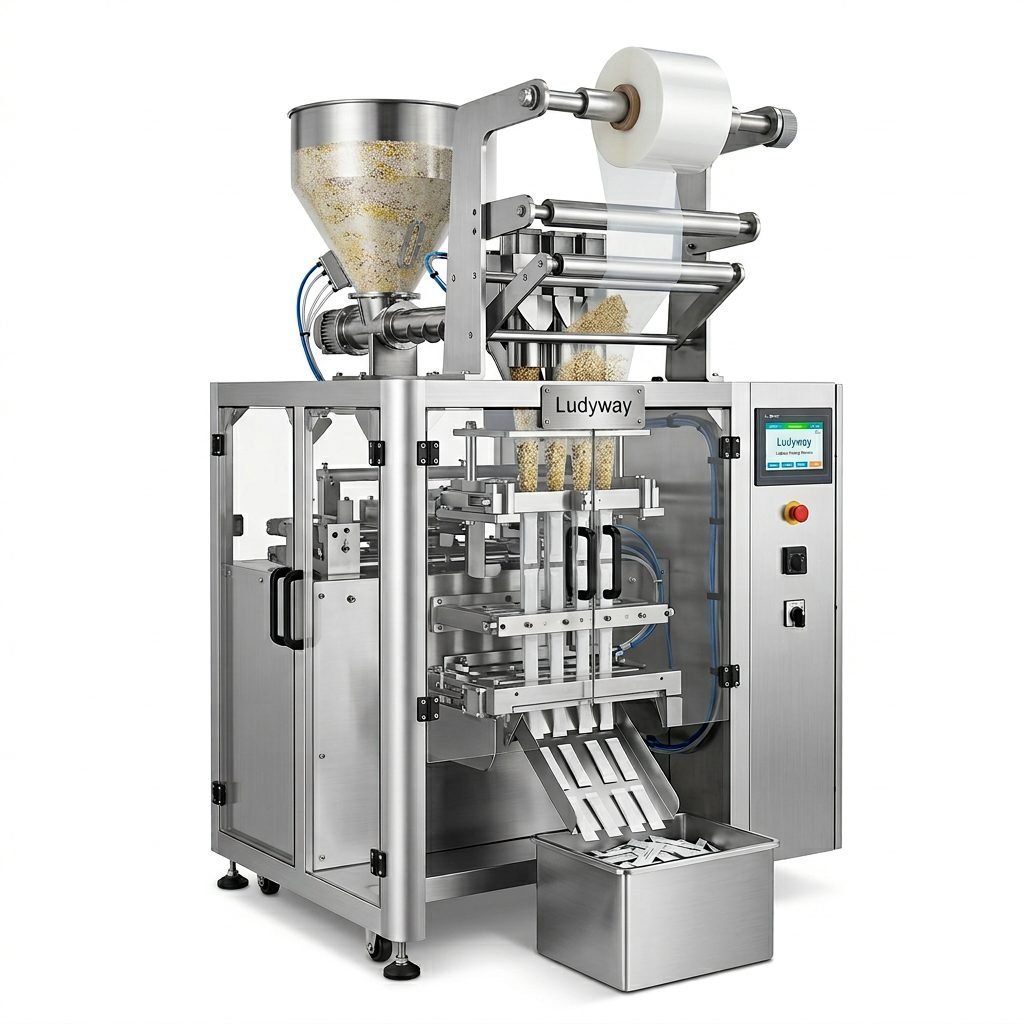
A rice vacuum packing machine is specialized equipment designed to weigh, fill, evacuate air, and seal rice into bags or pouches. Depending on production requirements, the machine can be configured for semi-automatic or fully automatic operation. In larger factories, it can also be integrated into a complete line with feeding conveyors, weighing systems, metal detection, checkweighing, coding, carton packing, and palletizing.
Typical packaging formats include:
- Vacuum brick bags
- Pillow bags with vacuum sealing
- Premade pouches
- Small retail packs
- Medium and large family-size packs
How the Machine Works
Although machine designs vary, the general process is straightforward and optimized for consistent output:
| Process Step | Function |
|---|---|
| Feeding | Rice is transferred from hopper or conveyor into the weighing section. |
| Weighing | The machine measures the preset quantity accurately for each pack. |
| Filling | Rice is dispensed into the bag or pouch with controlled flow to reduce waste. |
| Vacuuming | Air is extracted to create a compact and protective package. |
| Sealing | The package is sealed firmly to maintain vacuum integrity. |
| Inspection/Discharge | Finished packs move to the next stage for checking, labeling, or cartoning. |
Key Features to Look for in a Rice Vacuum Packing Machine
When selecting a machine, buyers should focus on more than vacuum performance alone. Reliable daily production depends on precision, sealing consistency, hygiene, and adaptability.
1. Accurate Weighing Performance
Rice packaging needs stable weight control, especially for branded retail products. Accurate weighing reduces giveaway and improves compliance with market labeling standards.
2. Strong Vacuum and Seal Quality
A good machine should deliver uniform air removal and dependable sealing strength. Poor seals can lead to leakage, failed shelf presentation, and product complaints.
3. Gentle Product Handling
The filling system should minimize grain breakage and reduce dust generation, especially for premium rice varieties where visual quality matters.
4. Flexible Bag Size Changeover
Many businesses package multiple SKUs, such as 1kg, 2kg, 5kg, and promotional sizes. Flexible adjustment helps improve uptime and supports product line expansion.
5. Hygienic Structure and Easy Cleaning
Food packaging machinery should be easy to clean and maintain, with practical access points and stable construction for long-term use.
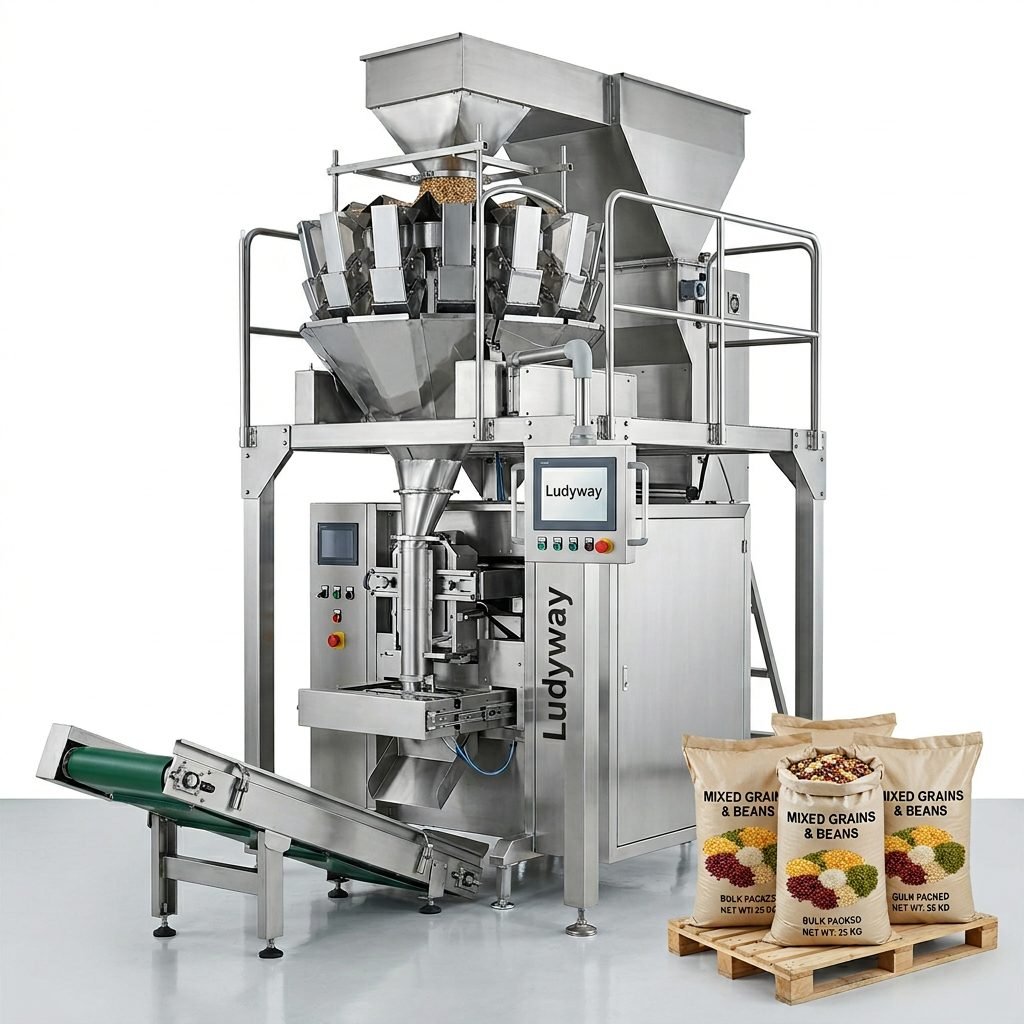
Benefits for Rice Manufacturers and Brands
Investing in a rice vacuum packing machine can improve both product quality and factory productivity. This is particularly important for businesses supplying supermarkets, distributors, foodservice channels, and export markets.
- Higher packaging consistency across batches
- Reduced manual labor dependence
- Cleaner and more efficient production workflow
- Lower packaging waste and rework
- Improved brand image through better pack appearance
- Enhanced protection during long-distance shipping
Suitable Rice Types for Vacuum Packing
Modern rice vacuum packaging equipment can be adapted for a wide range of grain products. The exact machine configuration depends on grain size, flowability, target bag shape, and output requirement.
| Rice Type | Packaging Consideration |
|---|---|
| White Rice | High-volume retail and wholesale packaging with strong visual presentation needs. |
| Brown Rice | Vacuum packaging helps protect freshness due to higher natural oil content. |
| Jasmine Rice | Aroma retention is important, so reliable sealing performance is critical. |
| Basmati Rice | Premium export positioning benefits from neat vacuum-packed presentation. |
| Glutinous Rice | Requires stable weighing and filling to maintain pack uniformity. |
| Rice Blends | Consistent feeding and gentle handling help preserve blend ratio and appearance. |
Semi-Automatic vs Fully Automatic Rice Vacuum Packing Machines
The right equipment level depends on output targets, labor availability, budget, and future expansion plans.
Semi-Automatic Machines
- Suitable for smaller operations or pilot production
- Lower initial investment
- Requires more operator involvement
- Good for limited SKU counts or regional supply
Fully Automatic Machines
- Designed for continuous production and larger order volumes
- Higher efficiency and more stable packaging quality
- Reduced labor cost over time
- Better suited for integrated packaging lines and export-oriented businesses
Important Selection Criteria Before Buying
Before choosing a rice vacuum packing machine, manufacturers should review their real production needs carefully. A machine that is too small may create bottlenecks, while an oversized system may increase unnecessary cost.
- Daily output requirement – How many bags per hour or per shift do you need?
- Bag format and size – Are you producing brick bags, pouches, or multiple retail sizes?
- Rice characteristics – Grain shape, fragility, and flow behavior affect machine design.
- Automation level – Standalone machine or complete turnkey line?
- Factory layout – Available installation space and material flow should be considered.
- After-sales support – Technical service, spare parts, and commissioning assistance are all important.
Integration with a Complete Packaging Line
For growing rice businesses, a vacuum packing machine often performs best as part of a complete packaging system. Integrated lines can include feeding, weighing, filling, vacuum sealing, inspection, labeling, cartoning, and palletizing. This improves throughput and reduces manual transfer between production stages.
For companies seeking scalable packaging automation, rice vacuum packing machine solutions from Ludyway can be matched with wider food packaging systems and turnkey line integration. As one of China’s leading packaging machine and turnkey packaging line manufacturers, Ludyway brings more than 30 years of manufacturing experience, a factory of over 20,000 square meters, and service capability for customers in more than 100 countries and regions.
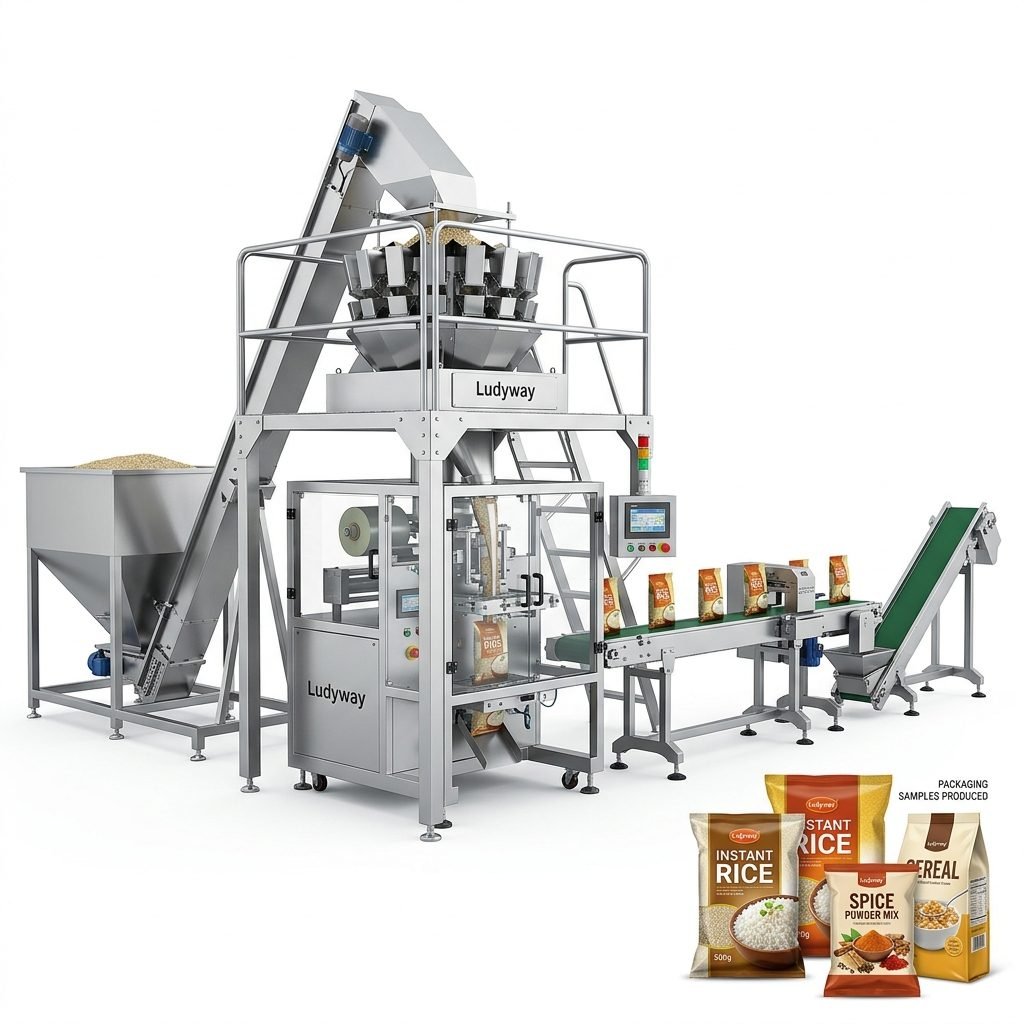
Common Applications in the Rice Industry
Rice vacuum packing machines are widely used across different business models:
- Rice mills
- Agricultural cooperatives
- Food exporters
- Private label rice brands
- Wholesale packaging centers
- Supermarket supply manufacturers
- Premium specialty grain producers
How Vacuum Packaging Supports Long-Term Rice Storage
Long-lasting rice storage depends on more than just the grain itself. It also depends on how effectively the product is protected from external factors after processing. Vacuum packaging creates a more controlled environment inside the package, helping rice maintain its saleable condition over a longer period.
For distributors and exporters, this is especially valuable. Products may remain in containers, warehouses, retail channels, or cross-border logistics systems for extended periods. Better packaging reduces the risk of returns, damaged appearance, and storage-related quality concerns.
Maintenance and Operational Tips
To keep a rice vacuum packing machine running efficiently, operators should follow practical maintenance routines:
- Clean product-contact areas regularly
- Inspect sealing components and vacuum chambers
- Check weighing accuracy at scheduled intervals
- Monitor bag material compatibility with sealing settings
- Replace wear parts before they affect output quality
- Train operators on proper setup and changeover procedures
Final Considerations for Buyers
A rice vacuum packing machine is not only a packaging device—it is a quality protection tool and a production efficiency investment. The right machine can help rice businesses deliver fresher products, stronger shelf presentation, and more dependable packaging performance across local and international markets.
If your business needs cleaner packaging, better shelf life, compact bag presentation, and scalable output, vacuum technology is one of the most practical upgrades for modern rice packaging operations. By choosing a machine that matches your rice type, bag format, and automation goals, you can build a packaging process that supports both fresh, long-lasting rice storage and efficient high-volume production.