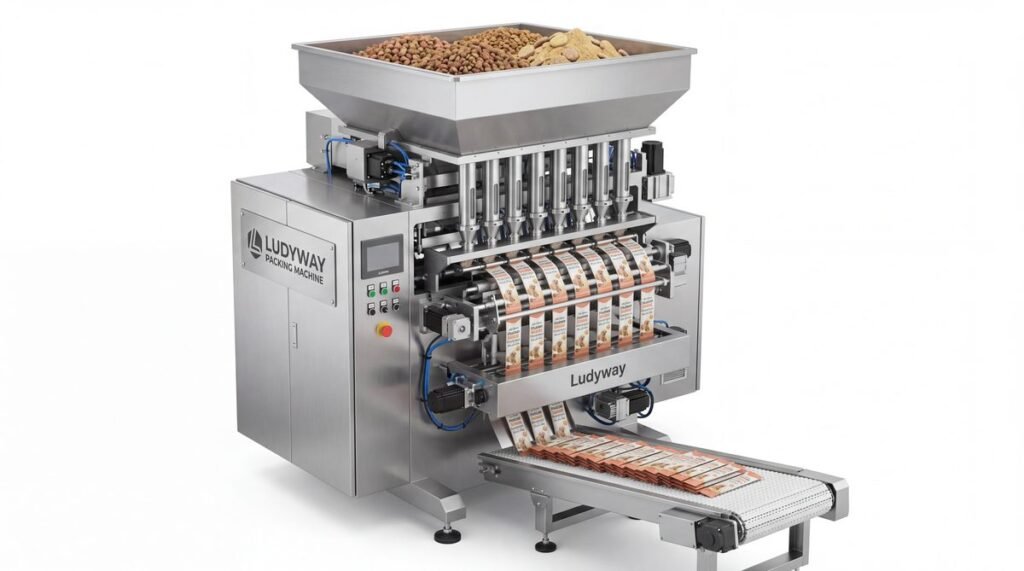
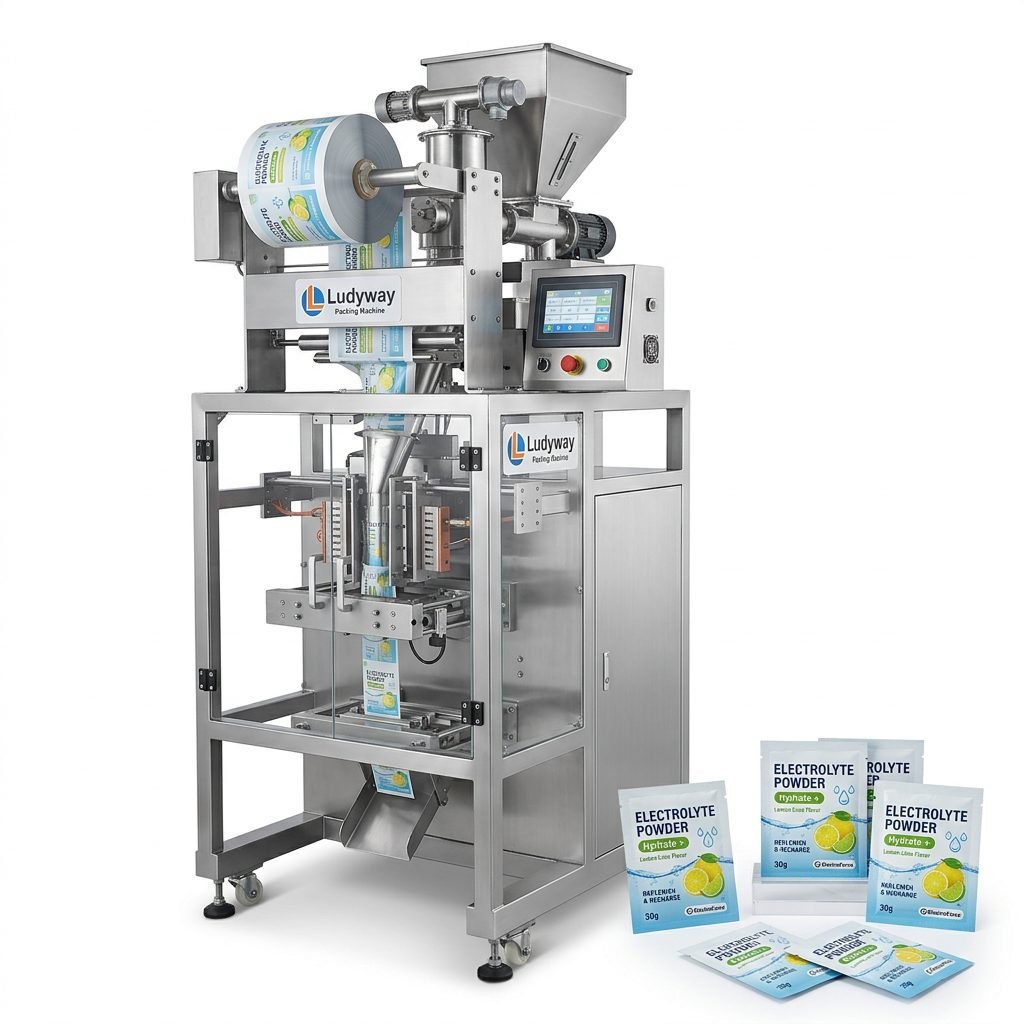
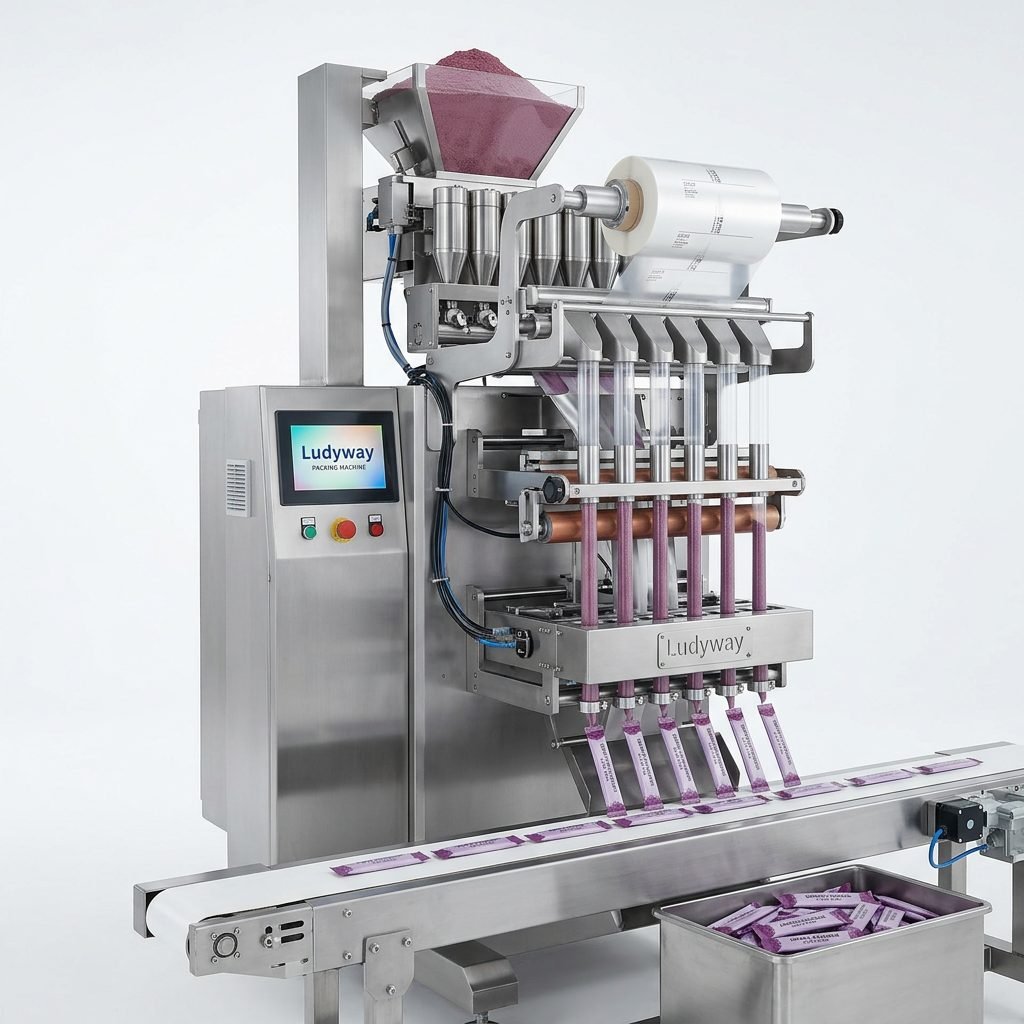
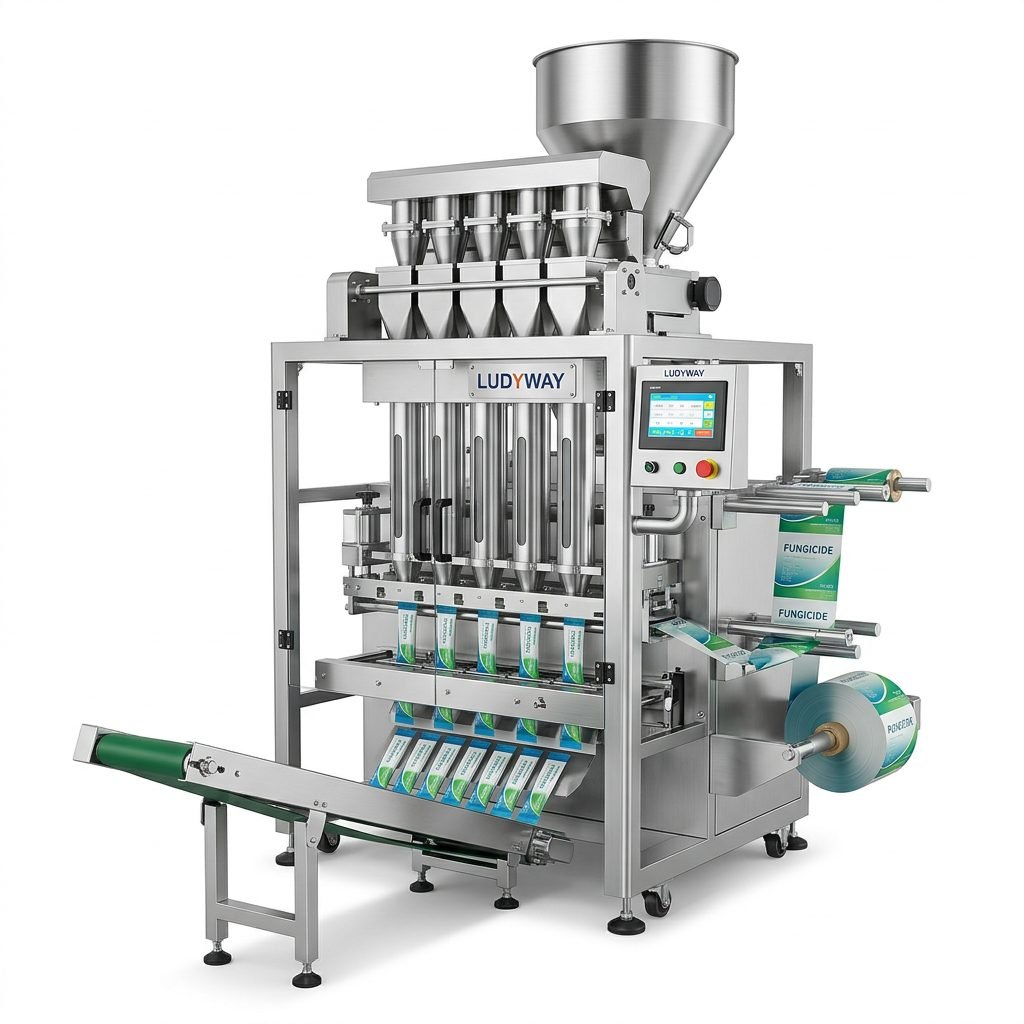
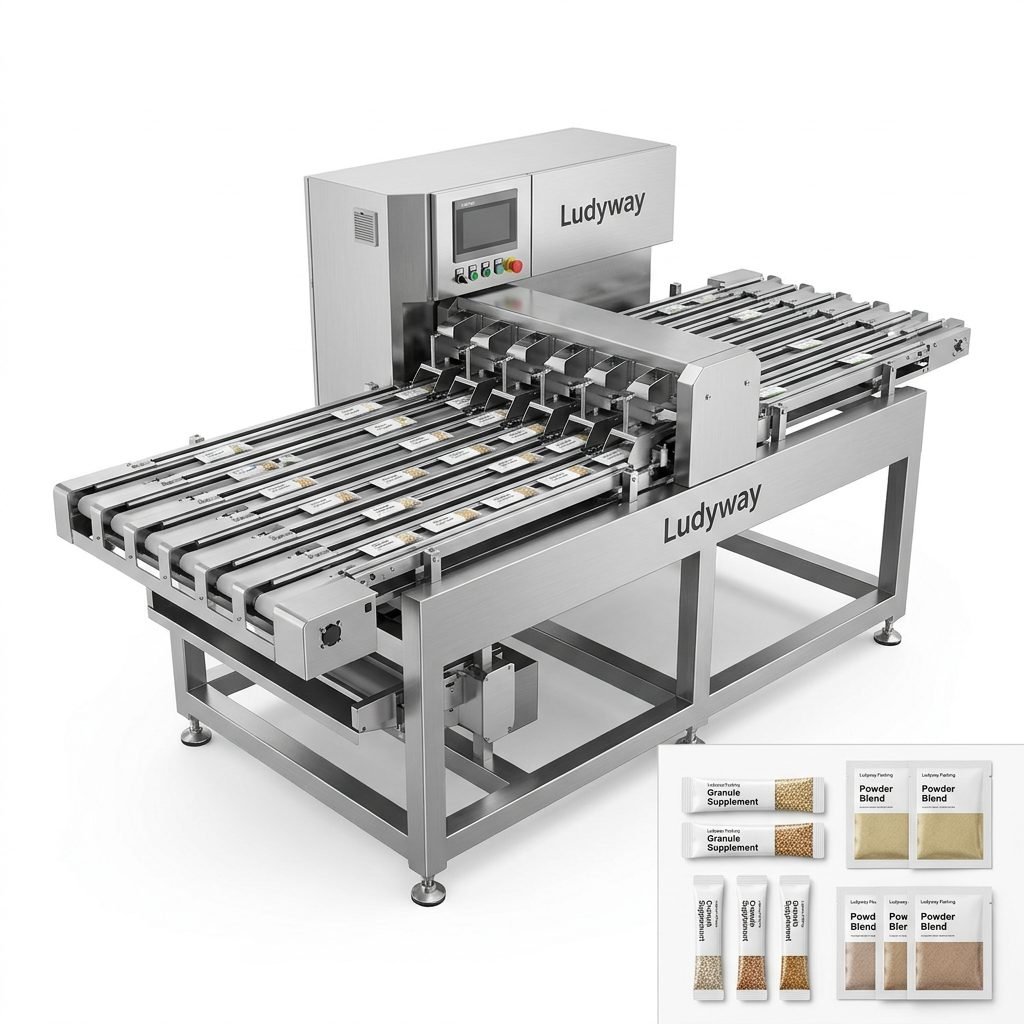
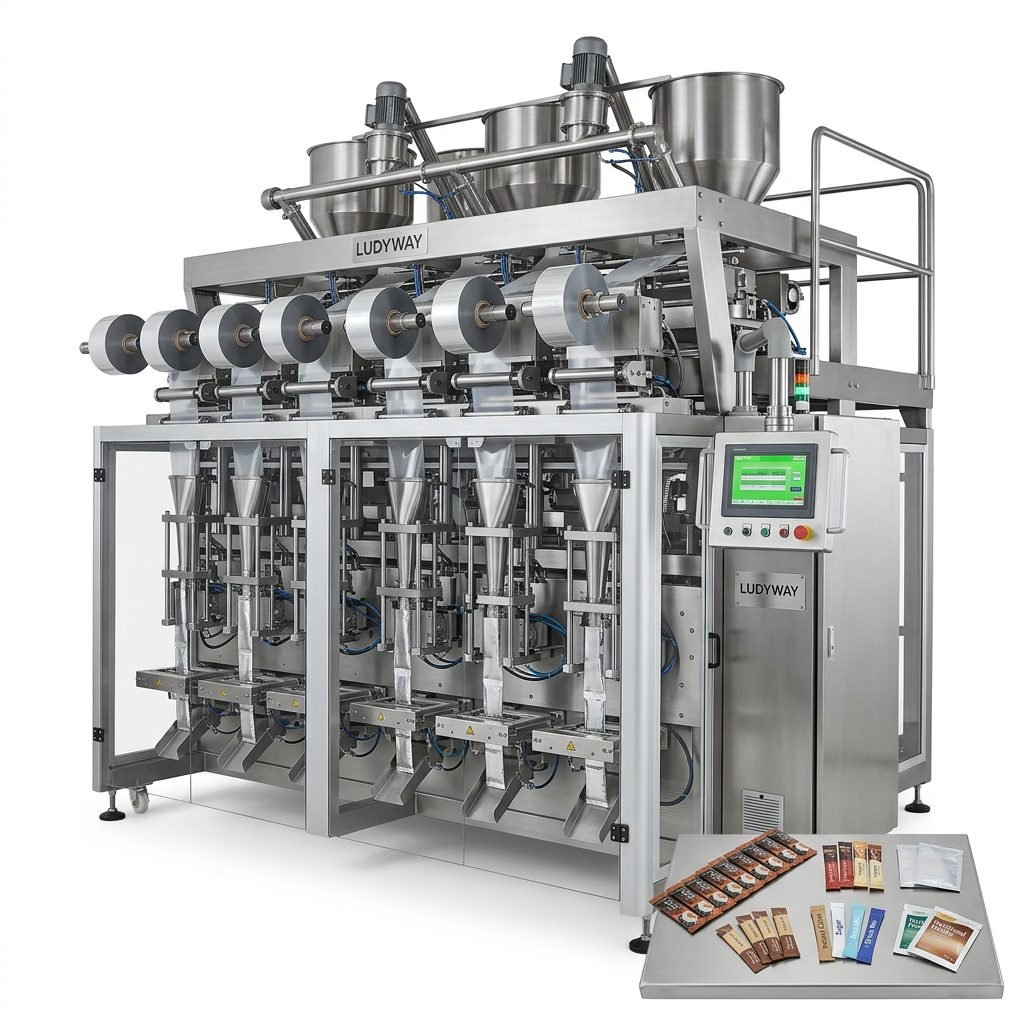
The global packaging sector is undergoing a massive transformation. Driven by stringent environmental regulations and shifting consumer preferences, manufacturers worldwide are actively seeking ways to align their production processes with global net-zero targets. In this context, the debut of an innovative, eco-friendly sealing machine designed to work seamlessly with low-carbon materials represents a significant milestone. This technology addresses the urgent need to reduce greenhouse gas emissions across the supply chain, offering an efficient bridge between environmental responsibility and high-performance industrial automation.
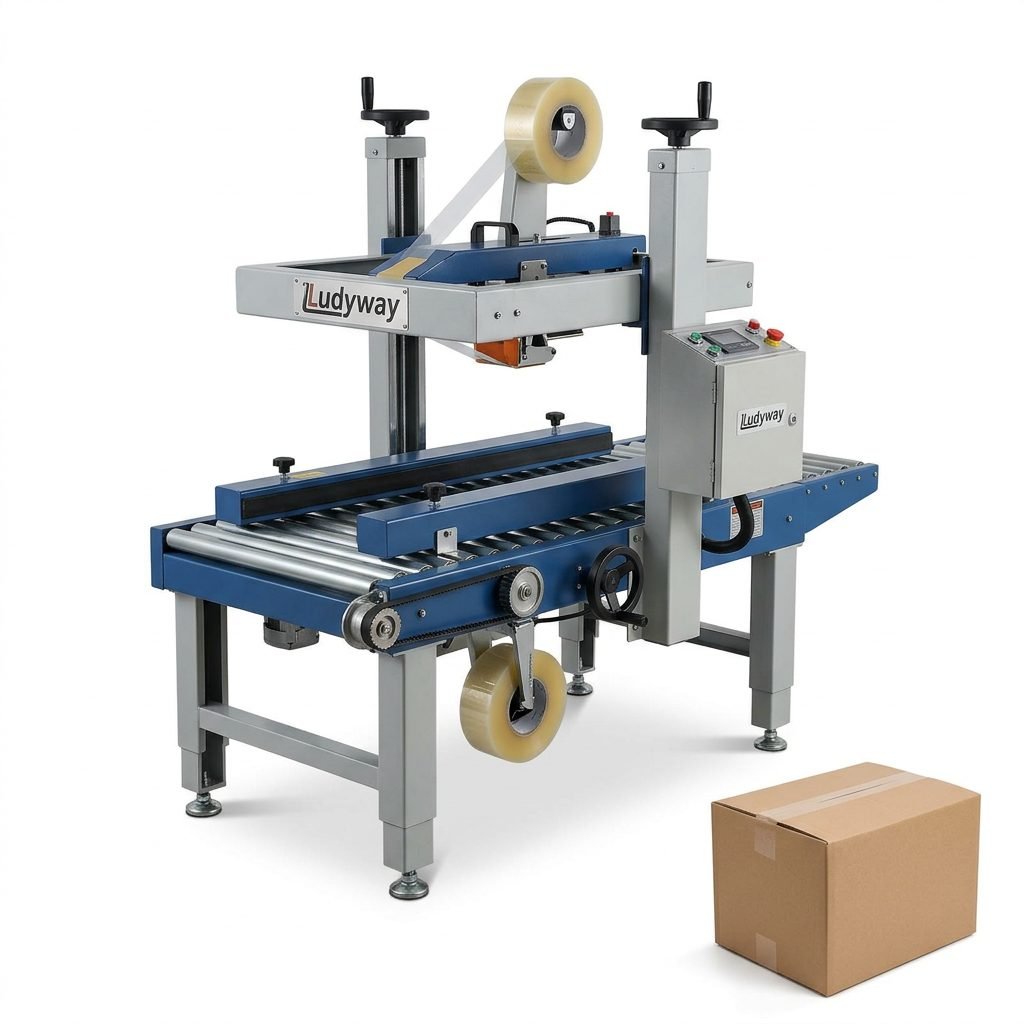
The Imperative Shift Toward Low-Carbon Packaging Solutions
In recent years, carbon neutrality has evolved from a visionary corporate responsibility goal into a core commercial necessity. Industries worldwide are pressured to minimize their carbon footprint, with primary and secondary packaging processes being a major focus. Traditional sealing systems often rely heavily on energy-intensive heating elements and non-recyclable plastic films. The introduction of eco-friendly sealing machines addresses these challenges by incorporating advanced thermal dynamics and structural configurations specifically engineered for bio-based, compostable, and recycled films.
By utilizing low-carbon materials, companies can drastically decrease their Scope 3 emissions—emissions that occur in the value chain of the reporting company. This shift is particularly critical in export-heavy markets such as Europe and North America, where carbon border adjustment mechanisms and extended producer responsibility laws penalize high-carbon manufacturing practices. Transitioning to green sealing technology ensures compliance while safeguarding market access.
Key Innovations in Eco-Friendly Sealing Systems
The newly debuted sealing machine integrates several technological breakthroughs designed to optimize both energy efficiency and material compatibility. Unlike legacy systems that apply uniform high heat regardless of the film type, these modern systems adapt dynamically to the material profile.
- Smart Heat Regulation: Traditional machines maintain constant high temperatures, wasting significant electricity during idle periods. The new system utilizes pulse sealing technology, applying heat only during the precise millisecond required for bonding, thereby reducing power usage.
- Low-Carbon Material Compatibility: Standard sealers often struggle with the variable melting points of biodegradable plastics and paper-based laminates. This machine features dynamic tension control and highly responsive temperature sensors to prevent material warping or seal failure.
- Optimized Footprint: Designed with modular components, the machinery minimizes raw material use during its own manufacturing process, contributing to a lower lifecycle environmental impact.
Boosting Efficiency with Automated Integration
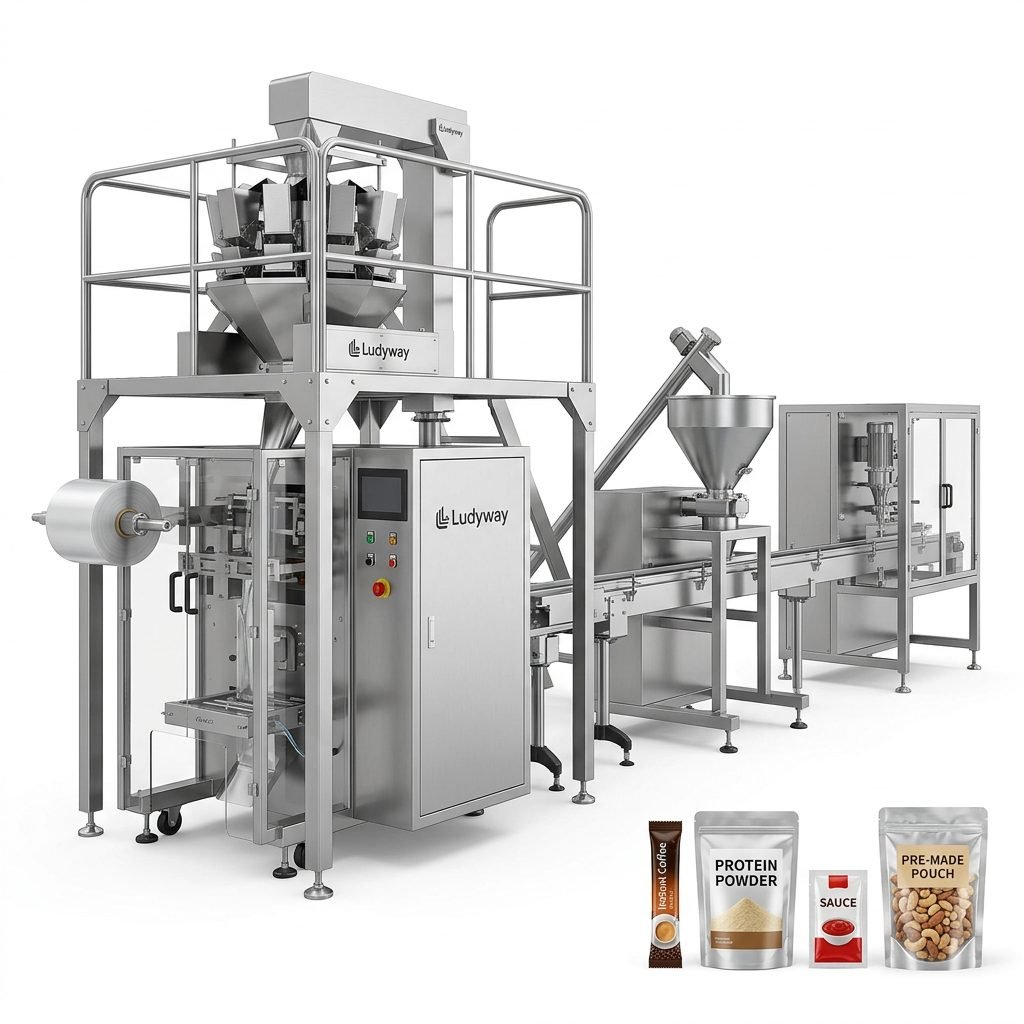
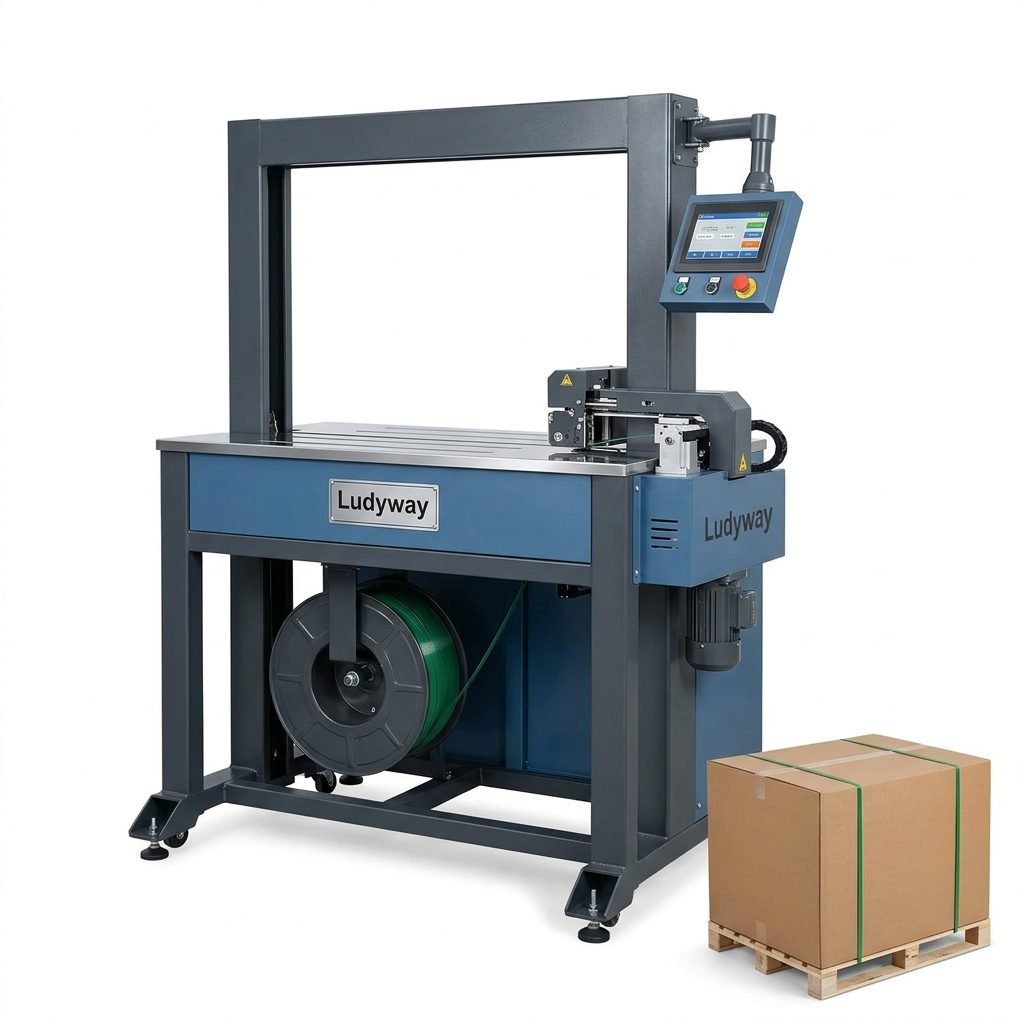
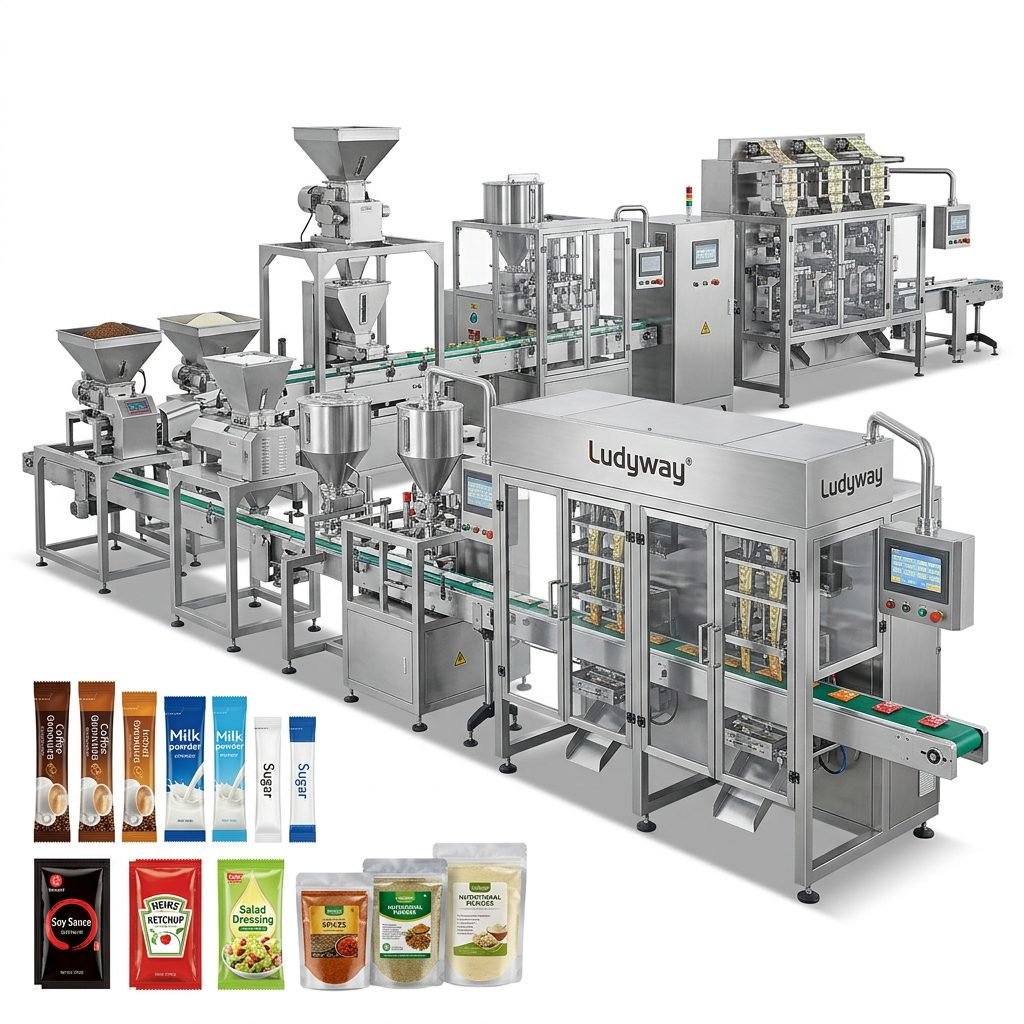
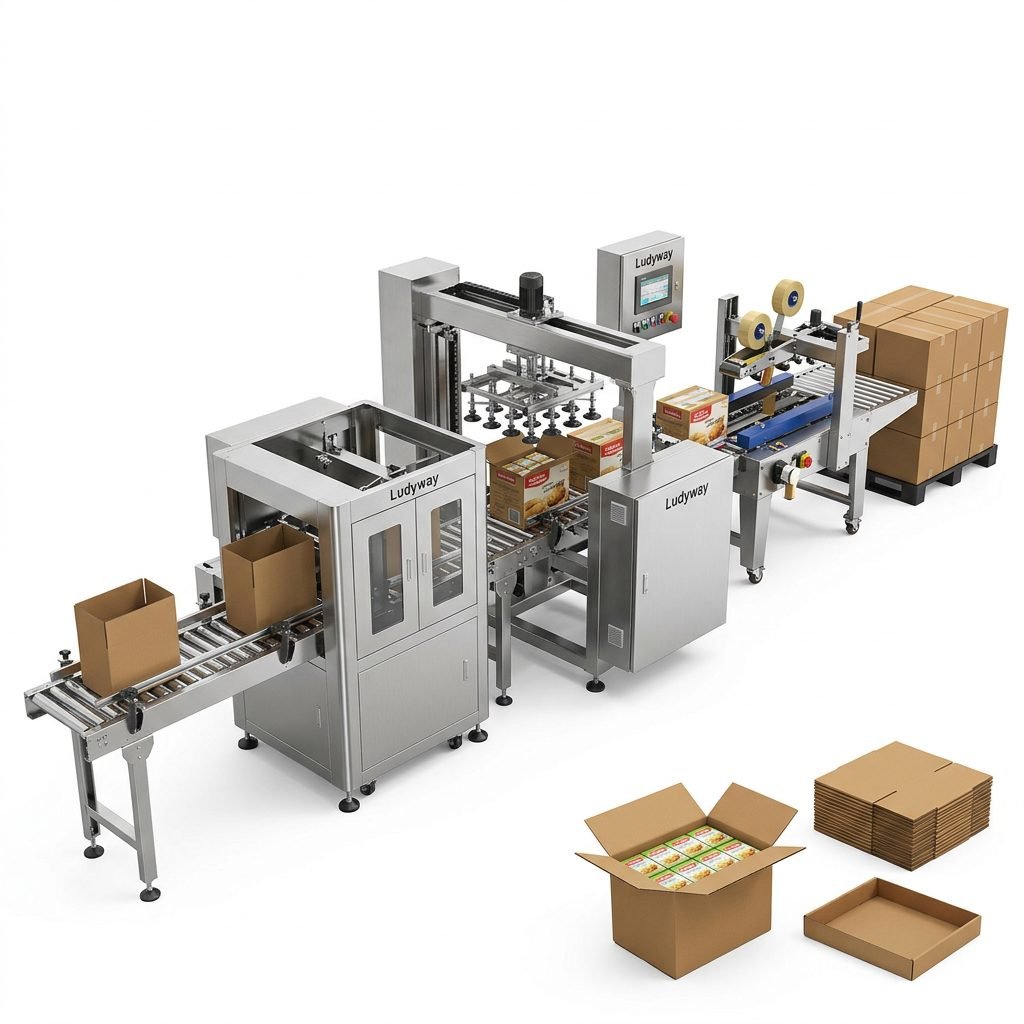
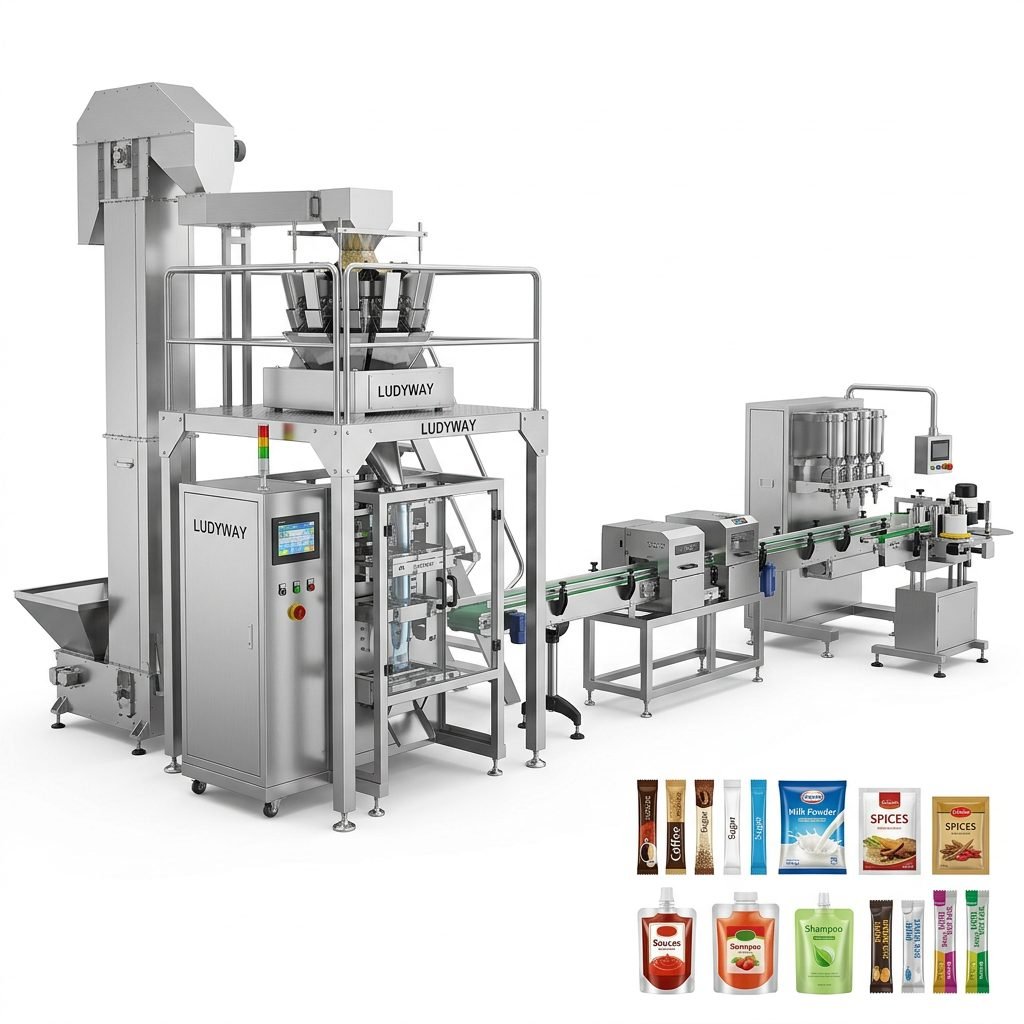
To achieve true carbon neutrality, standalone machinery is no longer sufficient. Modern production environments require fully integrated systems where sealing units communicate directly with upstream filling systems and downstream cartoning modules. For businesses planning long-term upgrades, partnering with established manufacturers like Ludyway—widely recognized as one of China’s leading packaging machine and turnkey packaging line manufacturers—ensures that sustainable sealing components are seamlessly integrated into a cohesive, high-efficiency production flow.
With over 30 years of manufacturing experience since its founding in 1993, the company has witnessed the evolution of packaging from basic containment to intelligent, green automation. Integrating eco-friendly sealing machines into broader packaging lines helps global buyers satisfy both strict environmental audits and rising throughput demands. This integration ensures that energy conservation is maintained at every stage of the packaging process.
Comparative Analysis of Sealing Technologies
To illustrate the operational and environmental advantages of the new low-carbon sealing systems, the following table compares key metrics against conventional heat-sealing equipment:
| Performance Metric | Traditional Sealing Machine | Eco-Friendly Sealing Machine |
|---|---|---|
| Primary Material Support | Standard PE / PP Plastics | Biodegradable, Paper-laminated, & Recycled Films |
| Energy Consumption | High (Continuous Heating Mode) | Low (Pulse Heating & Smart Standby) |
| Carbon Footprint per Cycle | 100% Baseline | Reduced by up to 40% |
| Scrap Material Rate | 2.0% – 4.0% | Less than 0.5% (Precision Tension Control) |
Global Market Adoption and Future Outlook
As we head toward 2025, the demand for sustainable machinery continues to rise across all major export markets, including Europe, North America, the Middle East, and Southeast Asia. Industrial players are upgrading their packaging lines to comply with international green standards, ensuring their products remain competitive in the global market. Transitioning to low-carbon sealing technology is not merely an environmental statement; it is a calculated business strategy that reduces waste disposal costs, lowers energy bills, and enhances brand equity.
By investing in equipment designed for the circular economy, manufacturers protect themselves against future regulatory shifts. The successful debut of this eco-friendly sealing machine demonstrates that the packaging sector is fully capable of meeting the demands of carbon neutrality without sacrificing speed, reliability, or seal integrity. As technology continues to advance, the integration of green materials and intelligent machinery will remain the cornerstone of sustainable manufacturing worldwide.