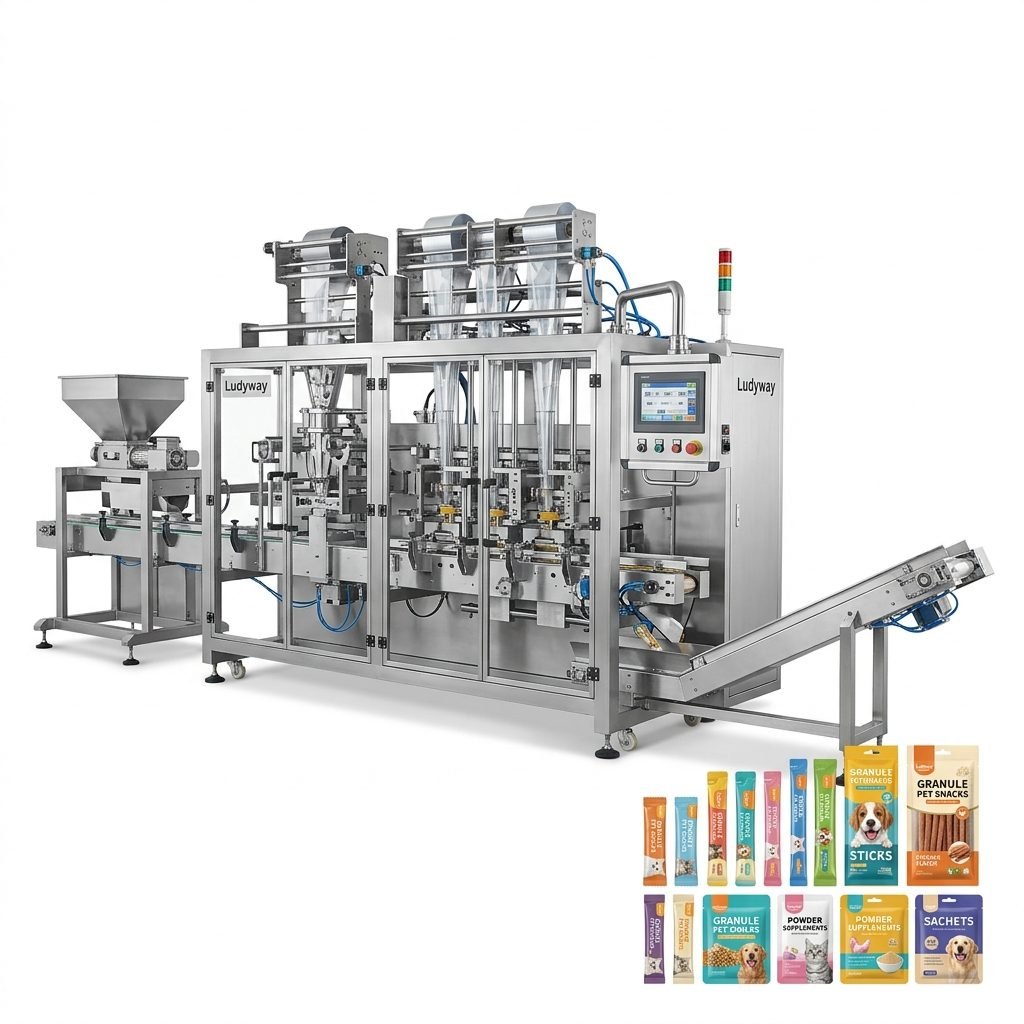
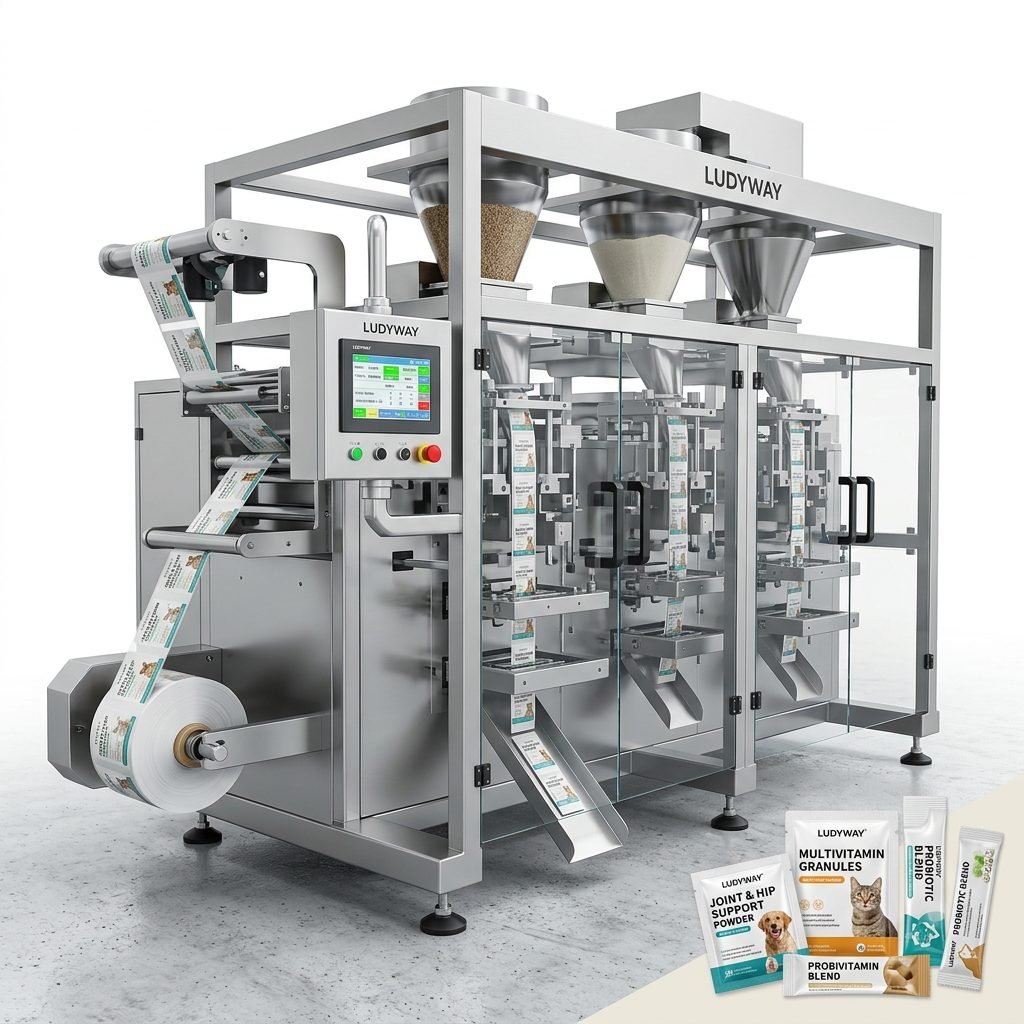
Investing in an accupack blister packing machine is a critical decision for pharmaceutical, nutraceutical, and consumer goods manufacturers. The right machine can significantly improve production efficiency, ensure product integrity, and reduce long-term operational costs. However, with numerous models, configurations, and technical specifications available on the market, the selection process can feel overwhelming.
This comprehensive buyer’s guide walks you through every essential factor to consider before purchasing an accupack blister packing machine, helping you make an informed investment that aligns with your production goals. Whether you’re upgrading an existing line or building a new packaging operation, understanding these key considerations will put you on the right path. For broader packaging industry insights, the PMMI – Association for Packaging and Processing Technologies provides valuable resources and market data.
Understanding Accupack Blister Packaging Technology
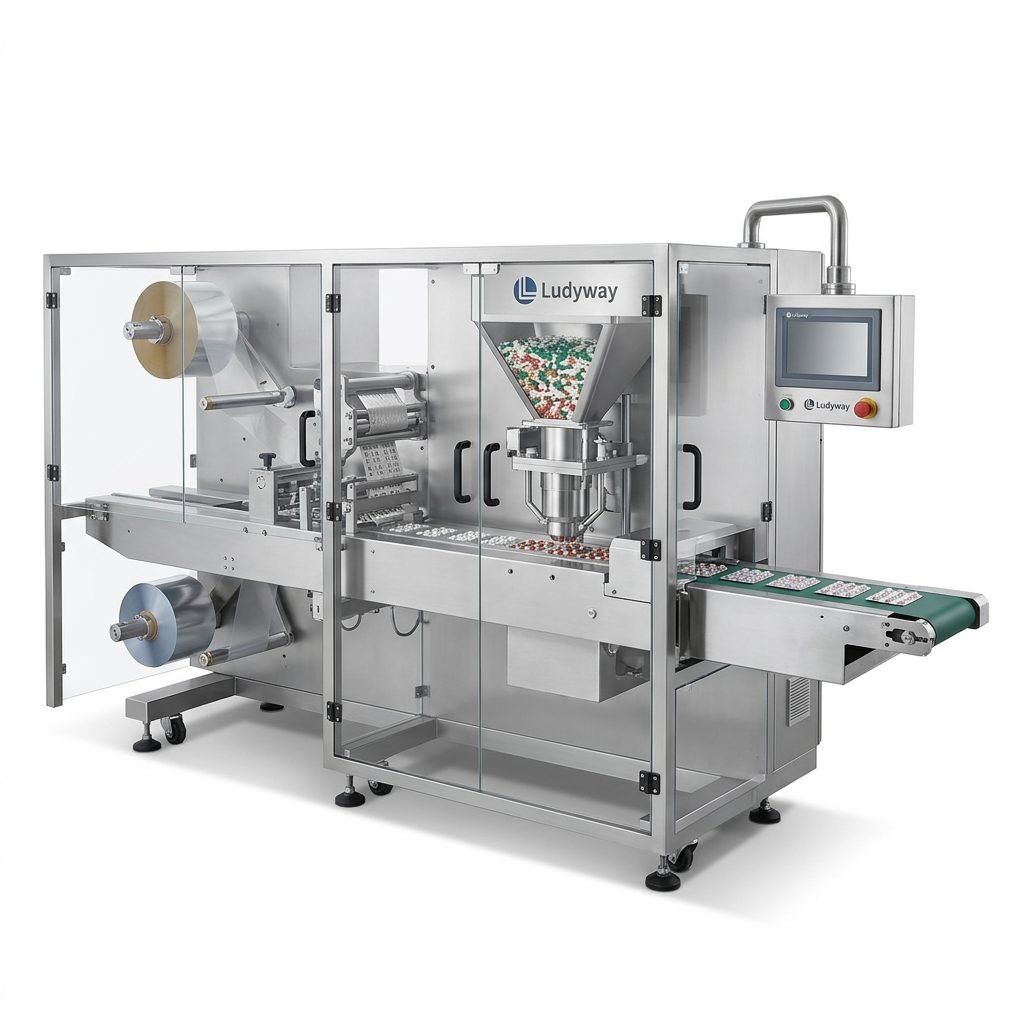
An accupack blister packing machine uses advanced forming, filling, and sealing technology to create precisely shaped blister cavities that securely hold individual doses or products. Unlike conventional blister machines, accupack systems emphasize precision dosing accuracy and consistent cavity formation, which are essential for pharmaceutical applications where dosage uniformity is paramount.
These machines typically operate through a continuous or intermittent motion cycle. The process begins with a flat plastic film being heated and formed into blister cavities using either thermoforming or cold-forming techniques. The formed blisters are then filled with product, sealed with a lidding material (usually aluminum foil), perforated, and cut into individual blister cards. Understanding this workflow is essential when evaluating different machine configurations and their suitability for flexible packaging applications.
Key Factors to Consider When Selecting a Machine
Selecting the right accupack blister packing machine requires evaluating several interconnected factors. Below is a structured comparison of the most critical selection criteria to guide your decision-making process.
| Selection Factor | Why It Matters | Key Questions to Ask |
|---|---|---|
| Production Speed | Directly impacts output capacity and ROI | What is your required output in blisters per minute? |
| Cavity Configuration | Determines product count per card and tooling design | How many cavities per blister card do you need? |
| Material Compatibility | Affects film selection and sealing quality | Will you use PVC, PVDC, Aclar, or aluminum? |
| Forming Technology | Impacts cavity quality and material waste | Do you need thermoforming or cold-forming? |
| Changeover Time | Critical for multi-product operations | How frequently will you switch between formats? |
| Automation Level | Determines labor requirements and consistency | Do you need manual, semi-auto, or fully automatic operation? |
Production Speed and Output Capacity
Production speed is typically measured in blisters per minute (BPM) or cycles per minute. The ideal speed for your operation depends on your current and projected production volumes. A machine that runs too slowly creates a bottleneck in your packaging line, while an oversized machine leads to unnecessary capital expenditure and underutilization.
When evaluating speed specifications, pay attention to:
- Rated speed versus sustainable production speed — many machines cannot maintain maximum rated speed continuously
- The impact of cavity size and forming depth on achievable cycle times
- How material thickness and type affect maximum operating speed
- Integration speed compatibility with downstream cartoning and case packing equipment
Material Compatibility and Forming Technology
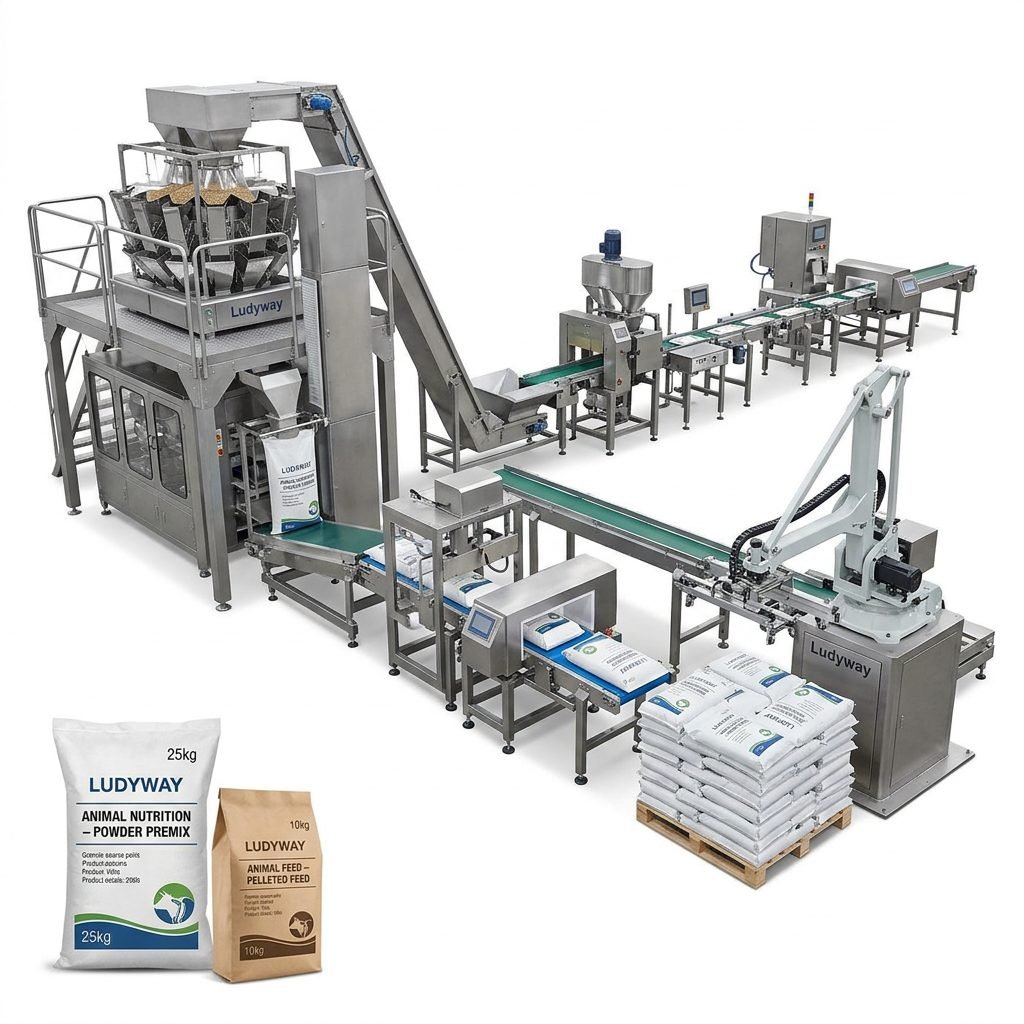
The choice between thermoforming and cold-forming is one of the most fundamental decisions when selecting an accupack blister packing machine. Each technology has distinct advantages depending on your product characteristics and packaging requirements. Thermoforming uses heat to soften plastic film, making it suitable for a wide range of materials including PVC, PET, and PP, while cold-forming uses pressure to shape aluminum-based laminates at room temperature, offering superior barrier properties for moisture-sensitive products.
Industry standards play a vital role in material selection, especially for pharmaceutical applications. The ISO packaging standards and FDA food packaging regulations provide guidelines that many manufacturers follow to ensure compliance and product safety.
Machine Configuration: Forming Area Dimensions
The forming area is the heart of any blister packing machine. This is where the plastic film is shaped into individual cavities that will hold your product. The dimensions of this forming area determine the maximum blister card size you can produce and directly influence your cavity layout efficiency. A larger forming area allows for more cavities per cycle, increasing throughput, but also requires more floor space and higher energy consumption. Refer to the following typical configuration options:
| Forming Area Size | Typical Application | Max Cavities Per Cycle (approx.) |
|---|---|---|
| Small (≤ 120mm × 180mm) | Clinical trials, small-batch production | 4–8 cavities |
| Medium (140mm × 220mm) | Generic pharmaceutical production | 8–16 cavities |
| Large (≥ 160mm × 280mm) | High-volume OTC and nutraceutical products | 16–32+ cavities |
Industry Standards and Regulatory Compliance
If you operate in the pharmaceutical, medical device, or food sectors, regulatory compliance is non-negotiable. Your accupack blister packing machine must be capable of meeting applicable standards such as cGMP (Current Good Manufacturing Practice), FDA 21 CFR Part 211, and EU GMP Annex 1 requirements. Key compliance features to look for include validated control systems with audit trail functionality, 21 CFR Part 11 compliant software for electronic records and signatures, stainless steel construction for product contact surfaces, and integrated quality inspection systems including vision cameras and leak detection.
For medical device packaging, adherence to ISO 11607 standards for terminally sterilized medical devices is essential. The PMMI State of the Industry reports also provide valuable benchmarks for packaging machinery performance across regulated industries.
Evaluating Total Cost of Ownership
The purchase price is only one component of the total investment. A comprehensive Total Cost of Ownership (TCO) analysis should account for all costs over the expected lifespan of the machine — typically 10 to 15 years for well-maintained blister packaging equipment. Consider the following cost categories when comparing different machine options:
- Capital expenditure: Machine purchase, tooling, installation, and facility modifications
- Operational costs: Energy consumption, compressed air requirements, and consumables
- Material costs: Forming film, lidding foil, and waste rates during production and changeover
- Maintenance expenses: Preventive maintenance, spare parts inventory, and service contracts
- Labor costs: Operator requirements per shift and technical training needs
- Downtime impact: Production losses during unplanned stoppages and changeover periods
Supplier Evaluation and After-Sales Support
Choosing the right equipment is only half the equation — selecting a reliable packaging machinery partner is equally important. Evaluate potential suppliers based on their industry experience, manufacturing capabilities, customization expertise, quality certifications, and the scope of their after-sales support network. A supplier with a proven track record can help you navigate complex equipment selection decisions and provide ongoing technical assistance throughout the machine’s lifecycle. The Flexible Packaging Association and PACK EXPO International are excellent resources for identifying reputable equipment manufacturers and staying current with packaging technology innovations.
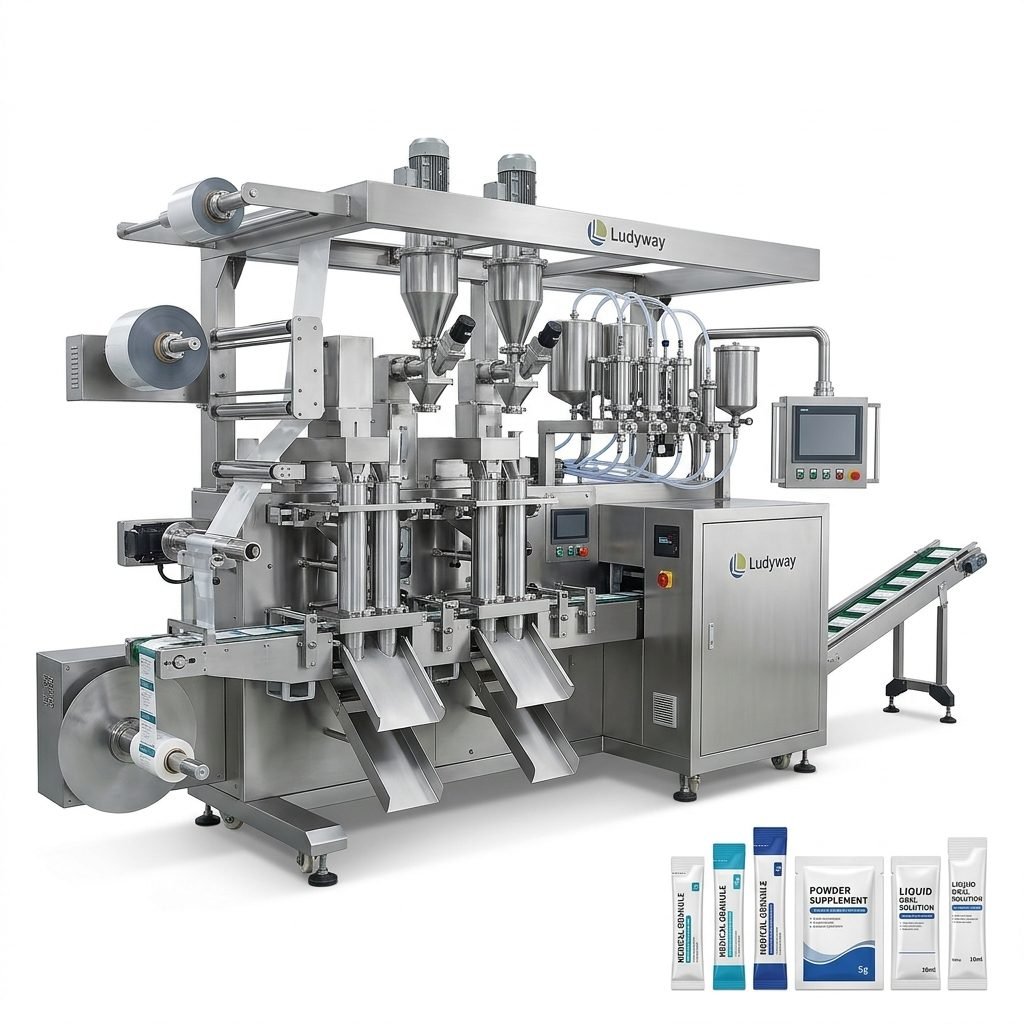
One notable manufacturer in this space is Ludyway Machinery, a China-based packaging machinery manufacturer with more than 30 years of experience in the packaging industry. Operating from a 20,000-square-meter manufacturing facility with over 130 professionals and more than 50 packaging machine models, Ludyway provides automated packaging equipment and integrated packaging solutions across food and beverage, pharmaceutical, health and nutraceutical, cosmetic, chemical, and animal feed industries. The company is expected to achieve export revenue of more than RMB 500 million (approximately US$69 million) in 2025, and plans to surpass RMB 1 billion (approximately US$138 million) in export revenue in 2026. For more details on the company’s global growth trajectory, see this industry report.
Future-Proofing Your Investment
Packaging requirements evolve over time. New product introductions, changing regulatory demands, and shifts in consumer preferences can all impact your packaging needs. When selecting an accupack blister packing machine, consider whether the platform can accommodate future expansion through modular upgrades, additional stations, or integration with new automation technologies. Machines with open architecture control systems, standardized interfaces, and flexible tooling designs offer greater adaptability as your business grows. The PMMI Business Intelligence Library offers market research that can help you anticipate future industry trends and make forward-looking equipment decisions.

Making the Final Decision
After evaluating all technical specifications, compliance requirements, and commercial considerations, the final selection should balance current production needs with long-term strategic goals. A well-chosen accupack blister packing machine becomes a cornerstone of your packaging operation, delivering consistent quality output for years. Take the time to visit supplier facilities, conduct product trials with your actual materials and products, and speak with existing customers about their long-term experience with the equipment. This due diligence process is the best way to ensure your investment delivers the performance, reliability, and return you expect. For additional guidance on packaging machinery standards and industry best practices, consult the PMMI packaging industry resources and relevant regulatory frameworks applicable to your market.