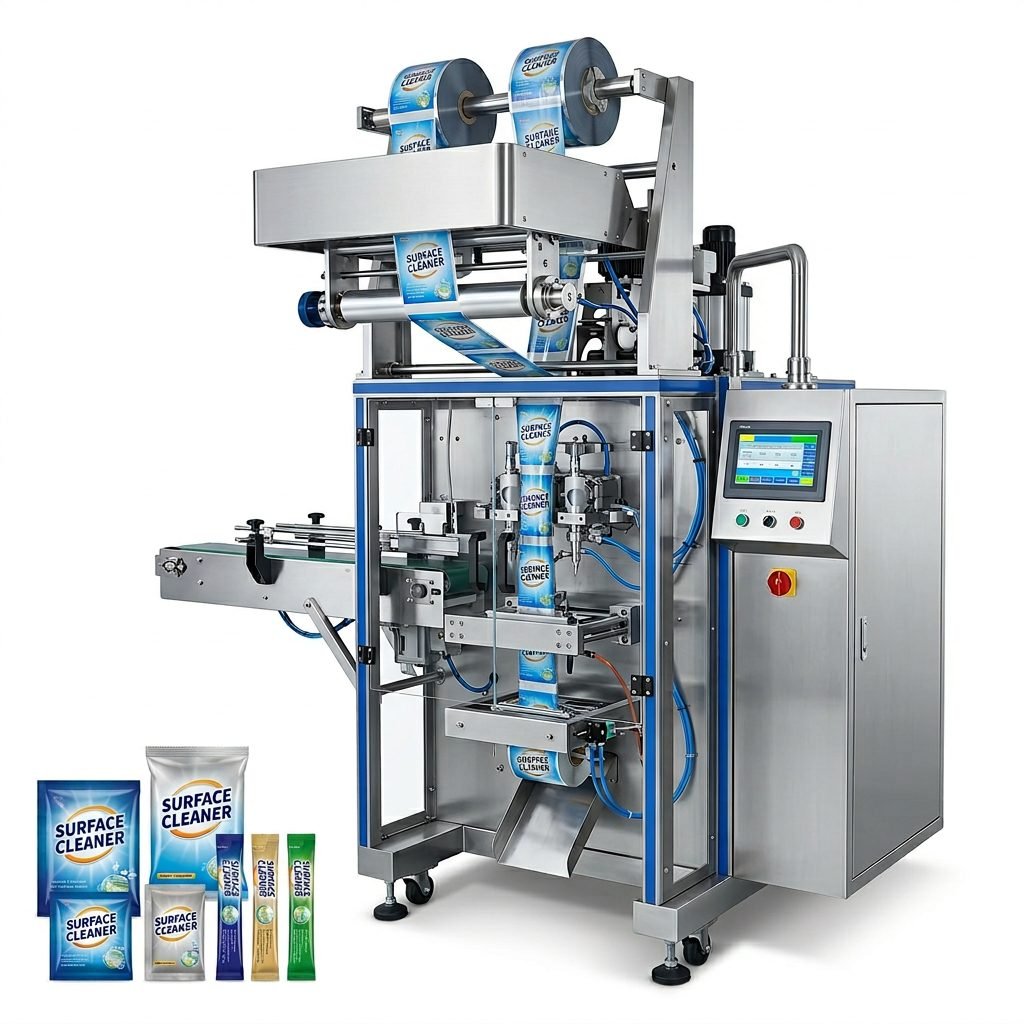
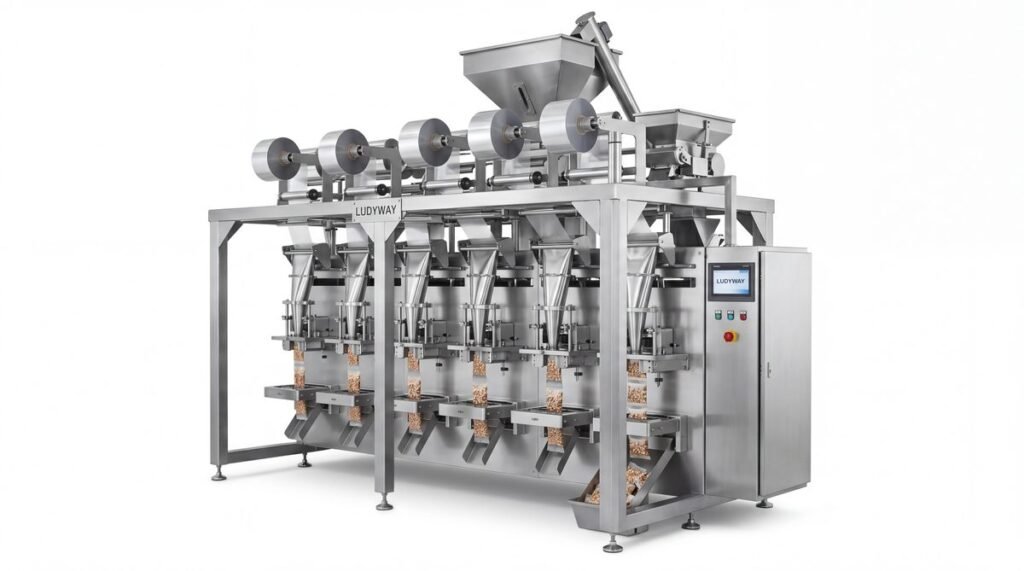
Investing in a cereal packaging machine is a critical decision for food manufacturers and co-packers across the United States. With the breakfast cereal market continuing to expand and diversify into granola, muesli, and hot cereal formats, choosing the right equipment directly impacts your production efficiency, product shelf life, and overall profitability. This guide walks you through the essential factors to consider before making a purchase.
Understanding Your Cereal Product Specifications
The first step in selecting a cereal packaging machine is a thorough analysis of your product. Cereals vary widely in density, fragility, and flow characteristics. Are you packaging delicate flakes that require gentle handling, or dense granola clusters? A packaging machinery assessment typically begins with these core questions:
- Product Type: Flakes, puffs, granola, clusters, or hot cereal powder.
- Bulk Density: Affects the volumetric or weigh-filling mechanism choice.
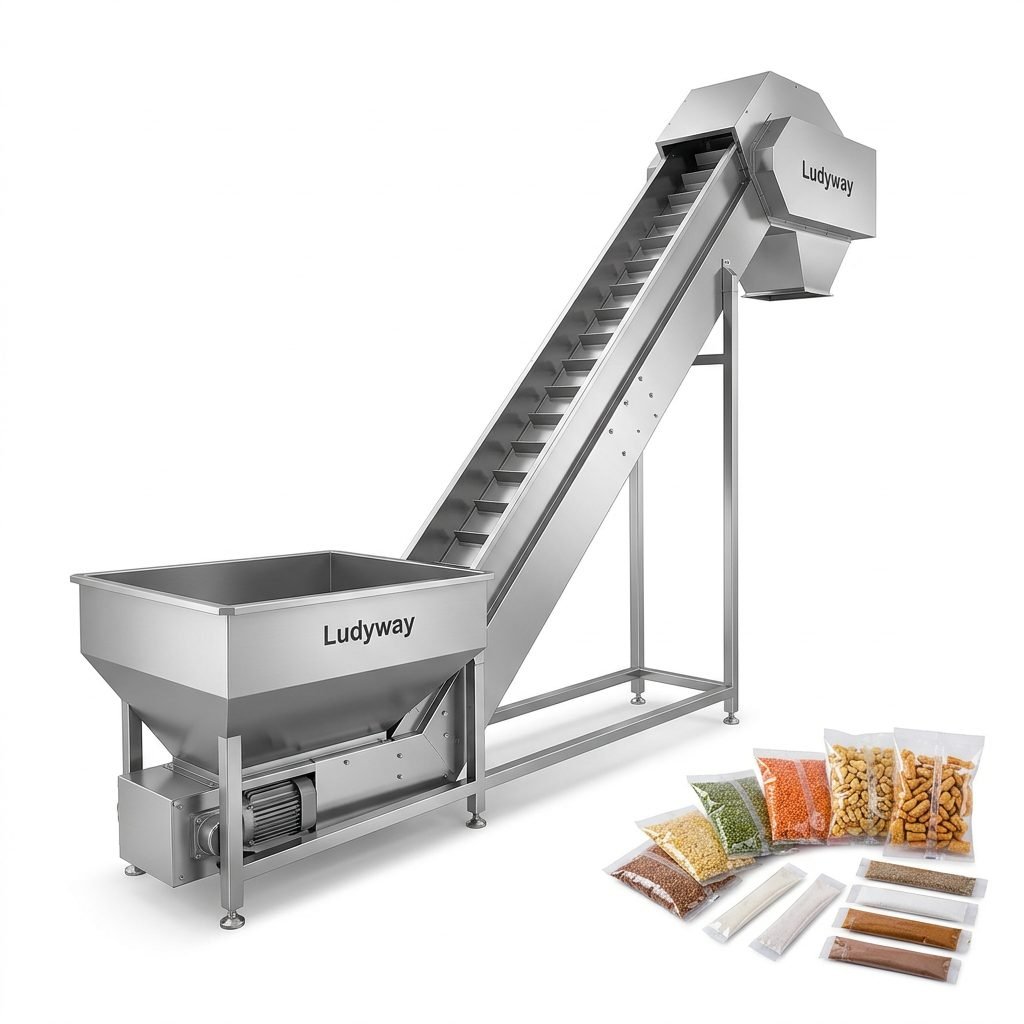
- Fragility: Determines if you need inclined conveyors with special flights.
- Dust Levels: Fine particles from cereal may require dust extraction systems.
Bag Style and Packaging Format Options
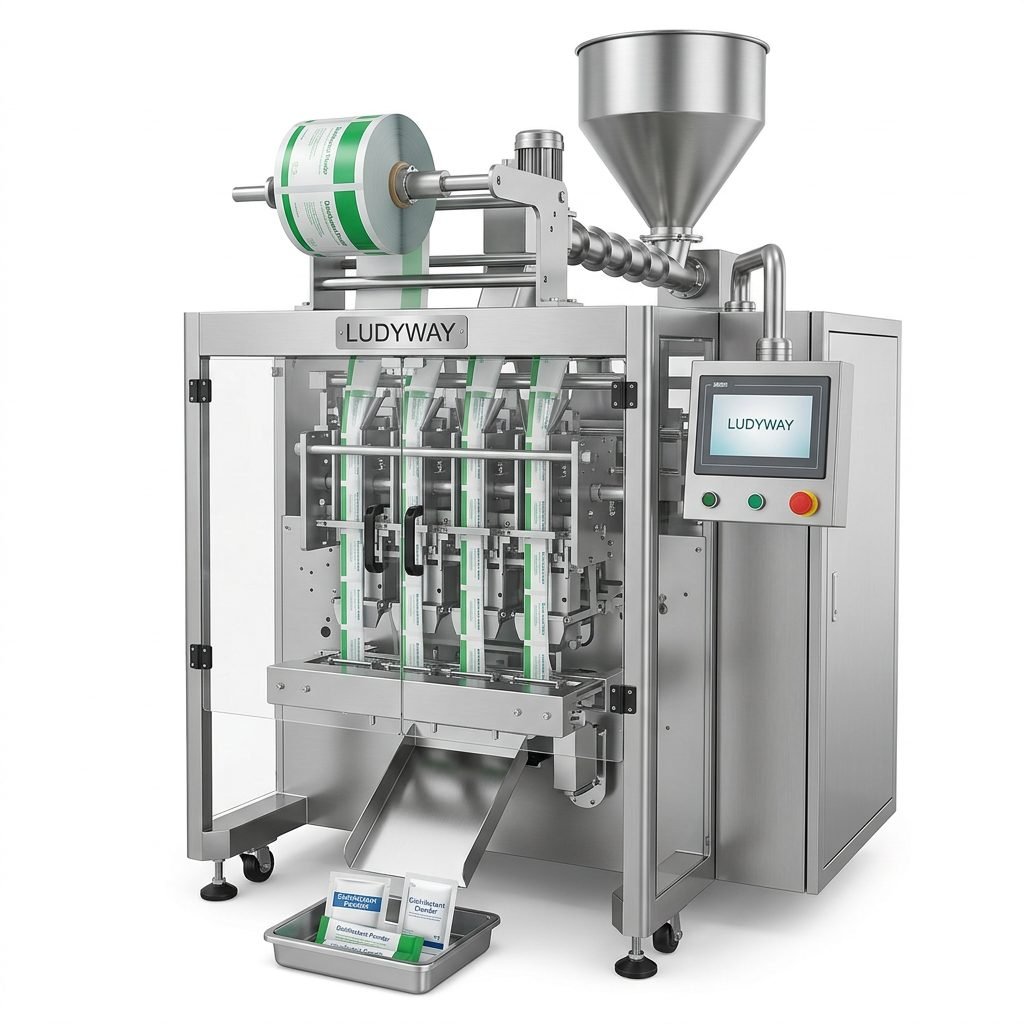
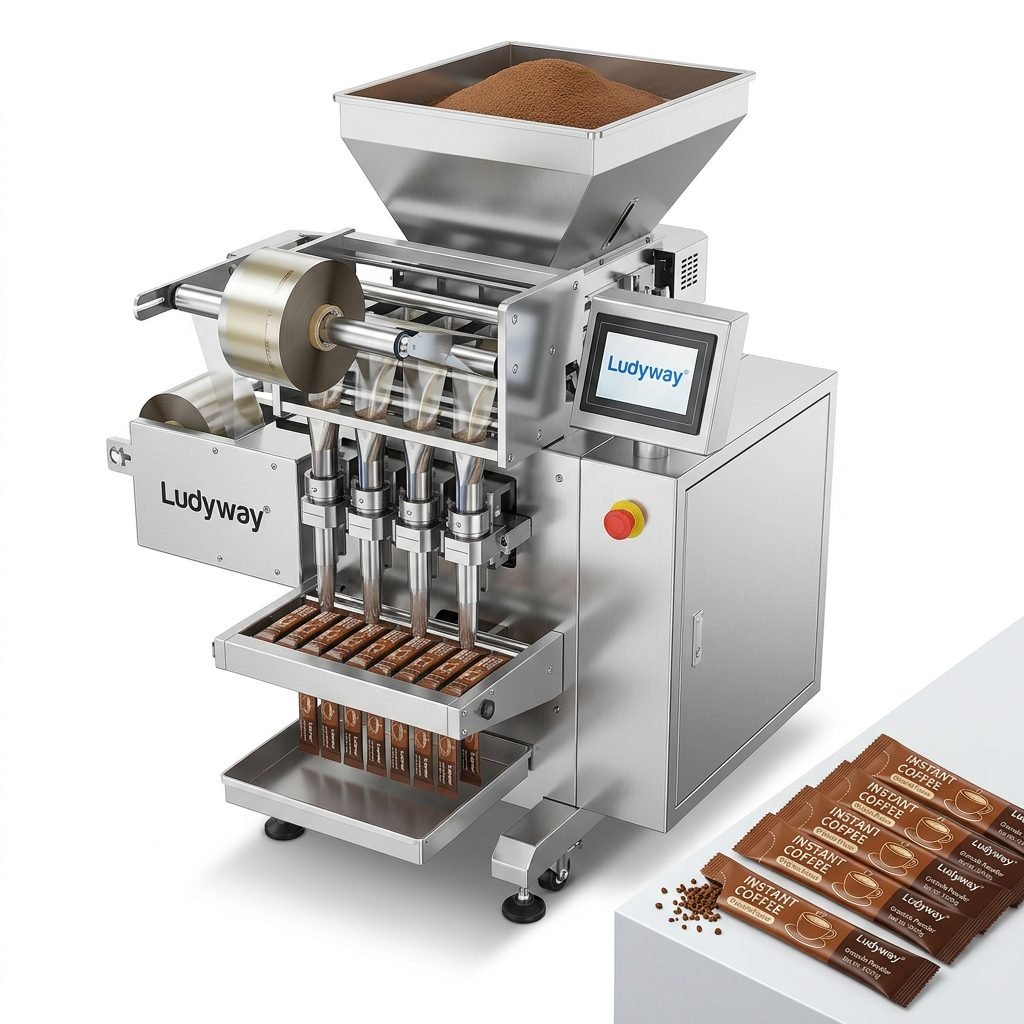
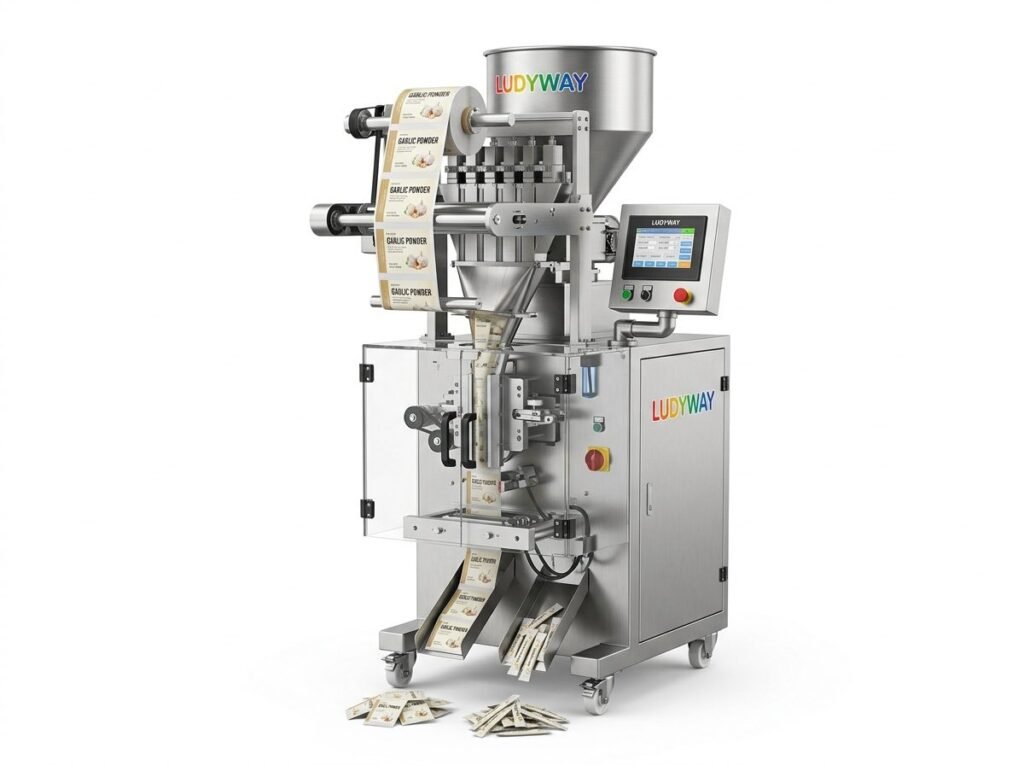
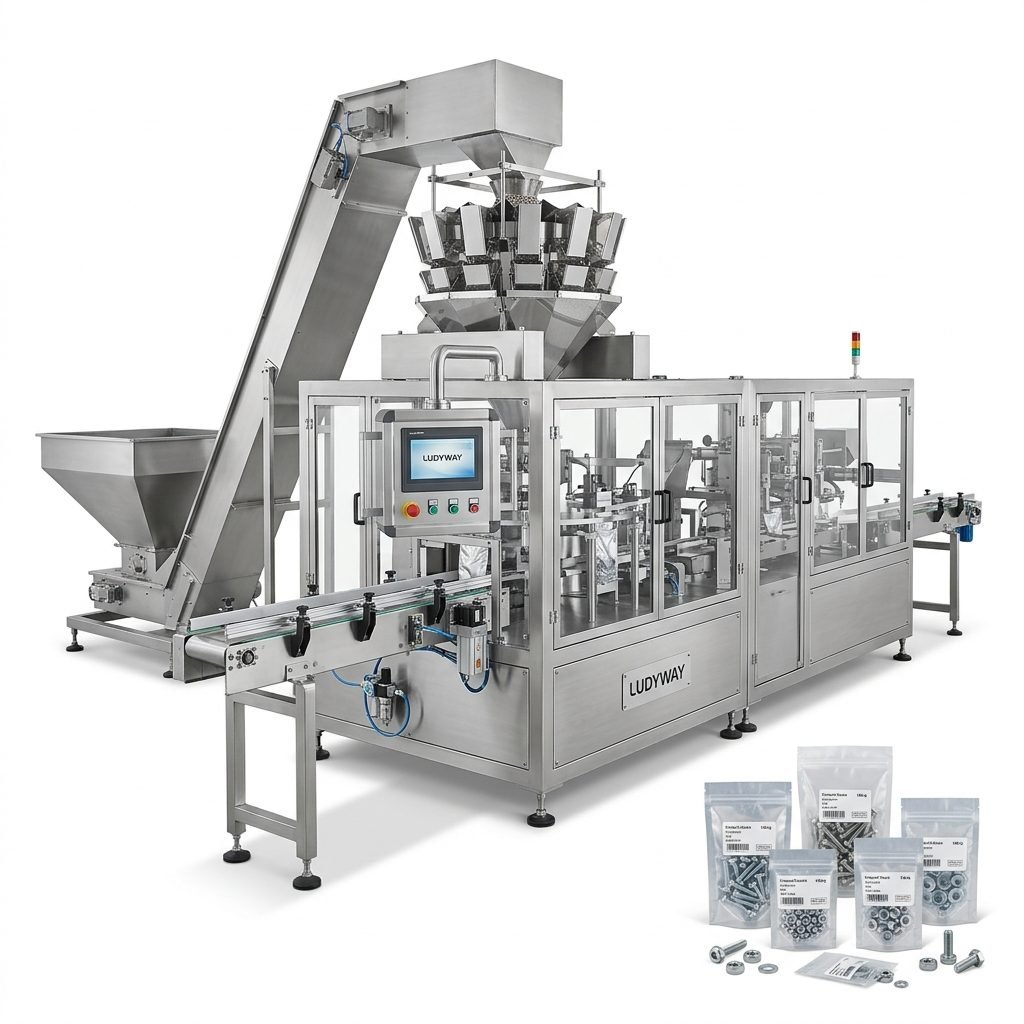
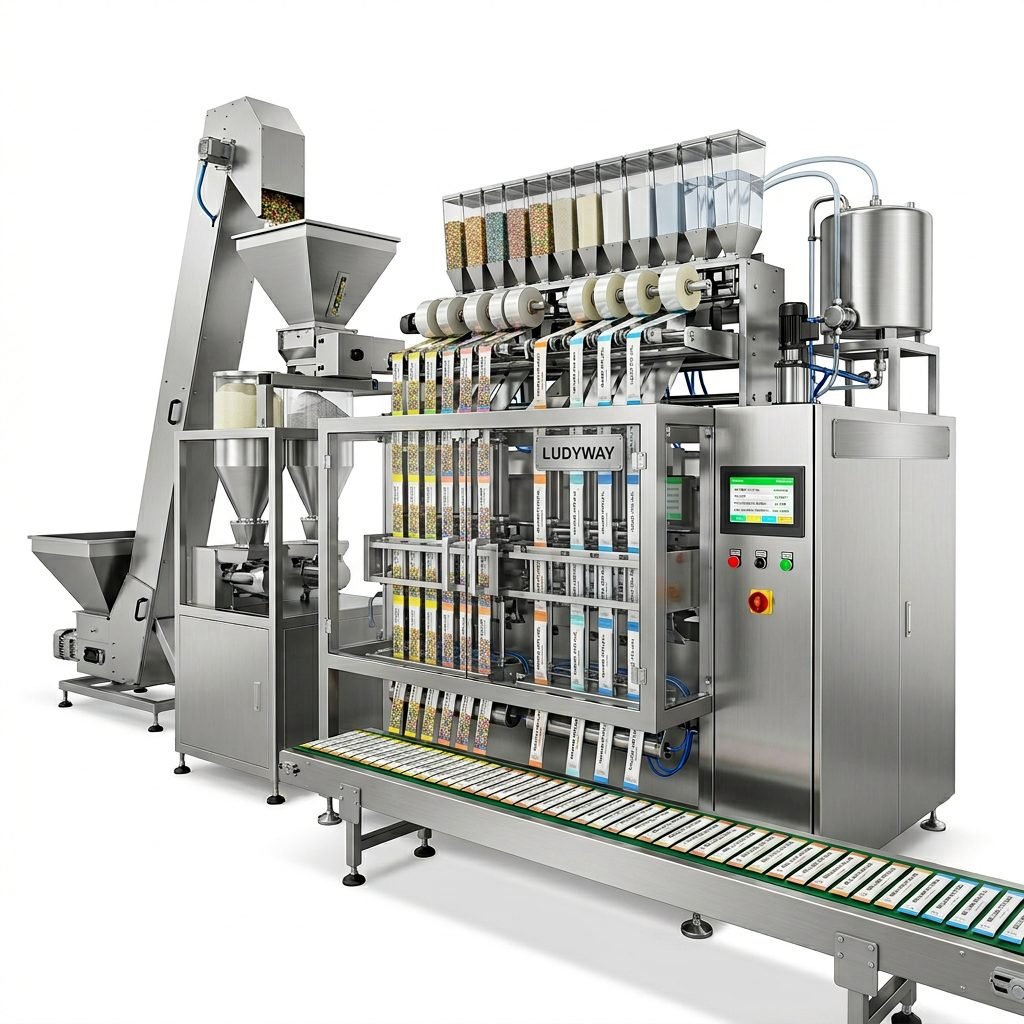
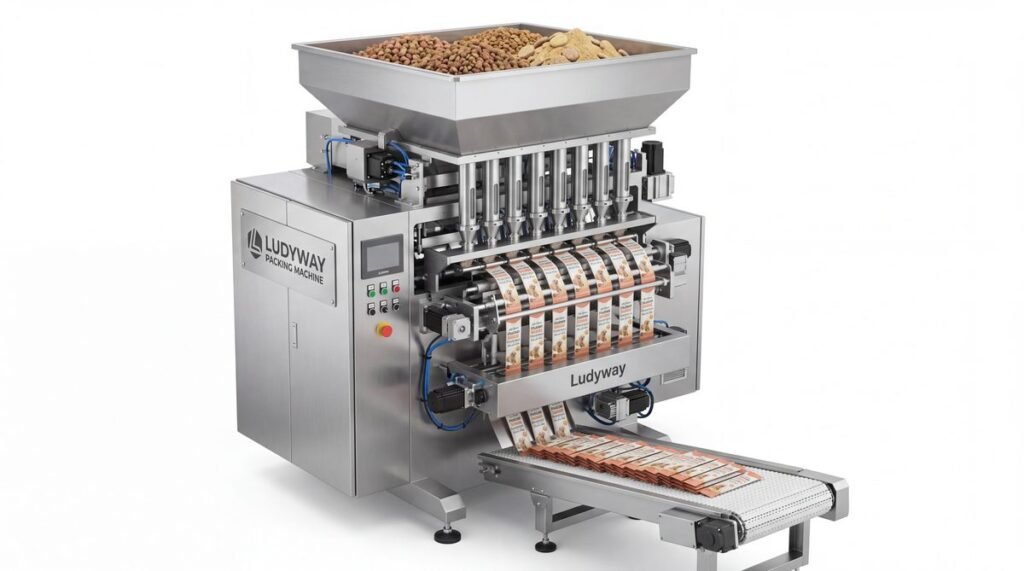
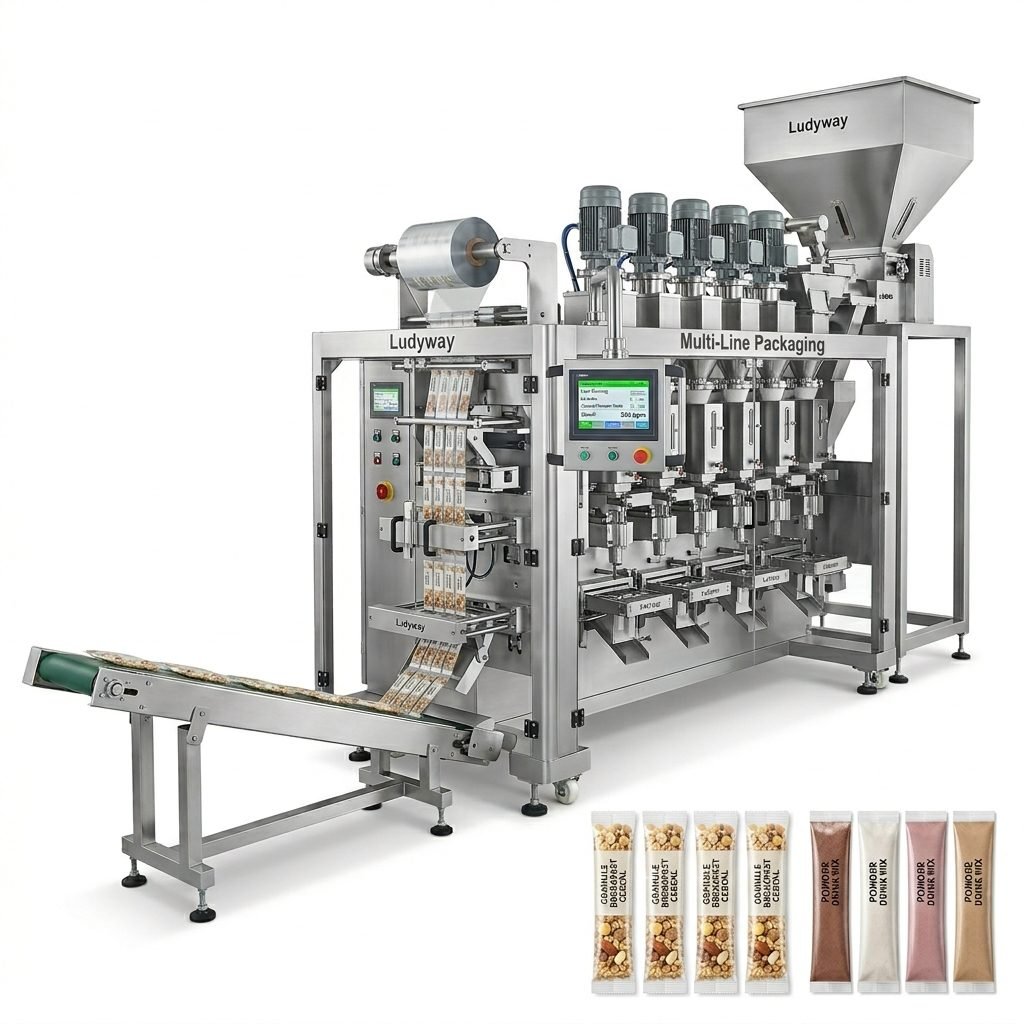
Modern cereal packaging machines offer multiple bag styles to suit different retail channels. The most common formats for the U.S. market include pillow bags for economy cereals, quad-seal bags for premium products, and stand-up pouches for granola. Multi-lane stick pack systems are increasingly popular for on-the-go breakfast portions. Selecting the right format influences your machine’s filling, sealing, and gusseting modules. For a detailed look at flexible packaging trends, consult the Flexible Packaging Association resources.
Production Speed and Automation Level
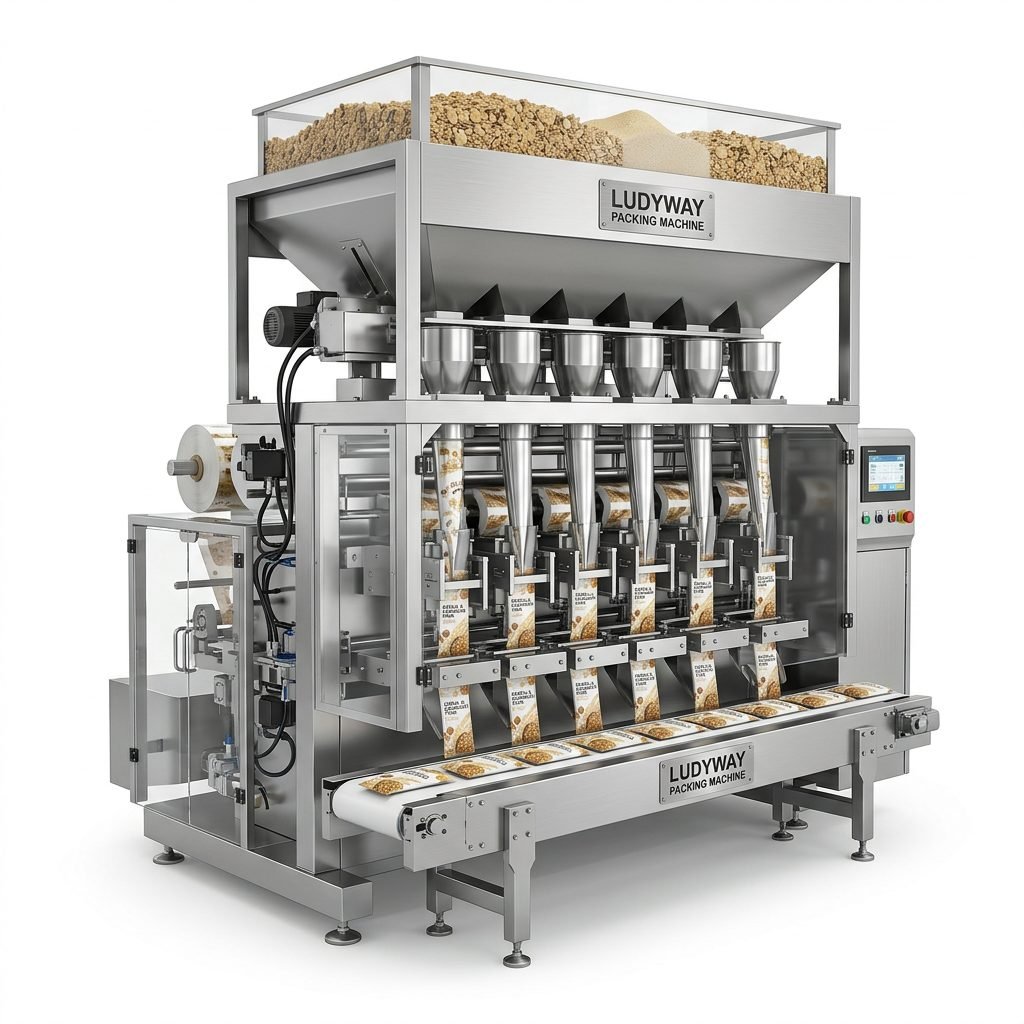
Production throughput requirements will significantly narrow down your equipment choices. Entry-level machines might run at 30-60 bags per minute, while high-speed multi-lane systems can exceed 400 packs per minute. Consider whether your operation needs a fully automated line with automatic feeding, weighing, filling, and case packing, or if a semi-automatic solution is more appropriate for your current scale. The integration of packaging industry automation standards is essential for future-proofing your investment.
Key Automation Features to Evaluate
- Servo-driven film transport for precise bag length
- Automatic checkweigher feedback loops
- Gas flushing capability for extended shelf life
- Quick changeover designs for multiple SKUs
Weighing and Filling Accuracy
Accurate filling is non-negotiable for cereal packaging due to the cost of product giveaway and regulatory compliance. Multi-head weighers are the standard for high-speed cereal lines, capable of achieving accuracy within 1-2 grams depending on the target weight. For small stick pack formats, auger fillers or volumetric cup fillers may be more appropriate. The FDA food packaging guidelines establish strict net weight requirements that your filling system must consistently meet.
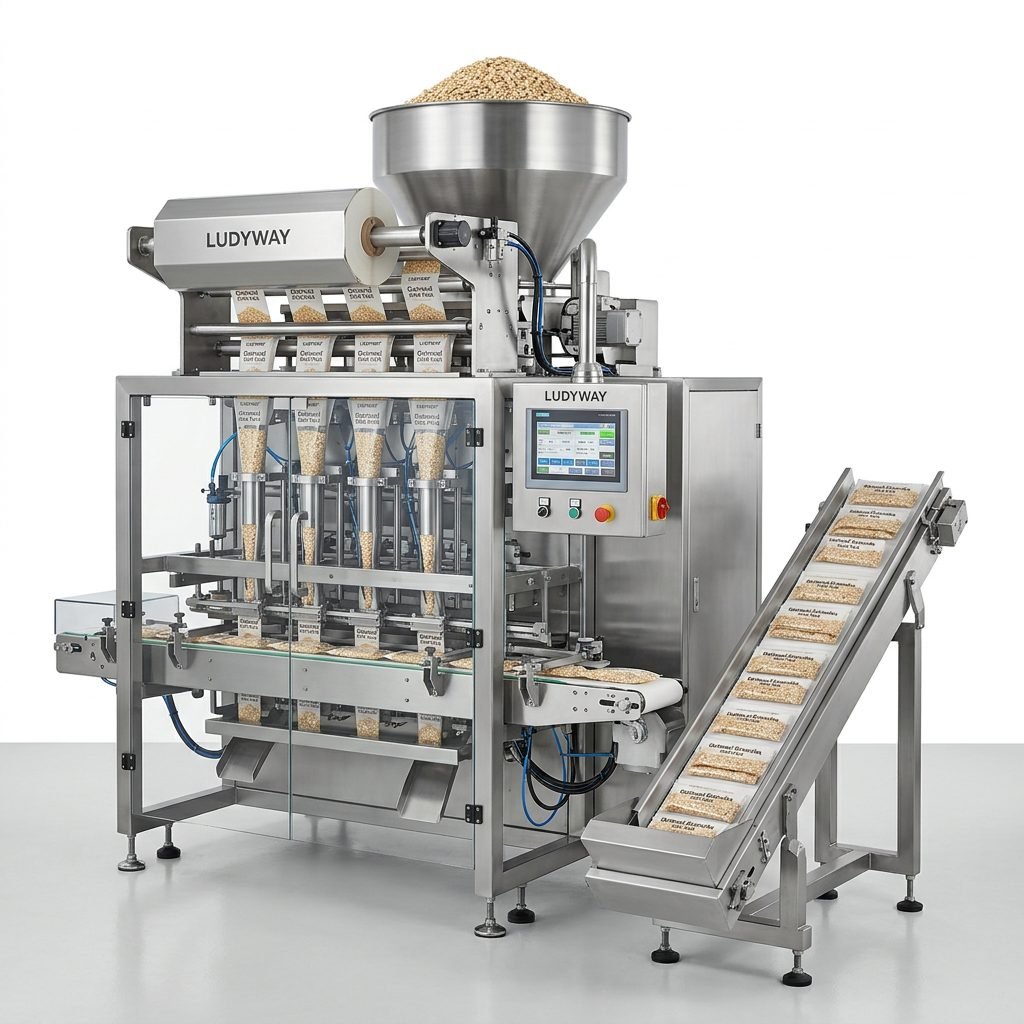
Material Compatibility and Seal Integrity
| Film Material | Barrier Properties | Typical Cereal Application |
|---|---|---|
| BOPP/CPP Laminate | Good moisture barrier | Standard pillow bags |
| PET/Al/PE Laminate | Excellent oxygen and moisture barrier | Premium granola, extended shelf life |
| Kraft Paper/PE | Moderate, eco-friendly | Organic and natural brands |
| Mono-PE Recyclable | Evolving barrier technology | Sustainable packaging lines |
Seal integrity is paramount for cereal freshness. Look for machines with adjustable temperature controls and dwell time for different film types. Inadequate seals lead to staleness and product returns, which can damage brand reputation in competitive U.S. retail environments.
Compliance with U.S. Regulations and Standards
Any cereal packaging machine operating in the United States must comply with relevant safety and sanitary standards. Equipment should meet OSHA safety requirements for machine guarding and emergency stops. For food contact surfaces, materials must be FDA-compliant. Many manufacturers also require adherence to ANSI/PMMI B155.1 safety standards. Reviewing ISO packaging standards can provide additional guidance on international quality benchmarks that influence U.S. market expectations.
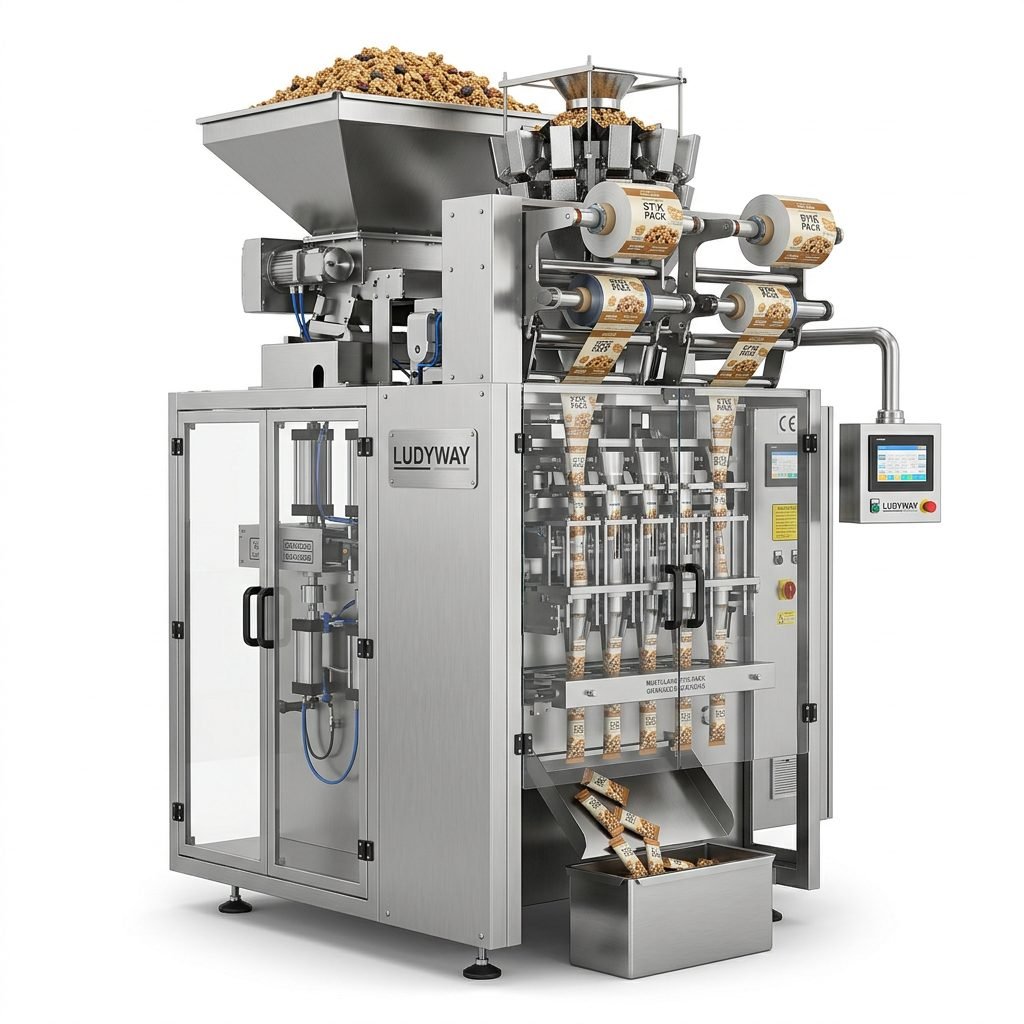
Facility Footprint and Layout Considerations
Before finalizing equipment selection, carefully measure your available floor space and ceiling height. Cereal packaging lines often include upstream conveying from the processing area, the packaging machine itself, and downstream equipment such as checkweighers, metal detectors, and case packers. A multifunctional packaging line design should account for ergonomic access for maintenance and film roll changes.
Space Planning Checklist
- Unloading area for bulk cereal infeed
- Weighing station footprint
- Machine length plus clearance for film roll loading
- Discharge conveyor and reject system area
- Utility connections (electrical, compressed air)
Supplier Selection and Support Services
Choosing a reliable equipment manufacturer is as important as the machine specifications themselves. Evaluate potential suppliers based on their experience with cereal packaging applications, availability of spare parts in the U.S., and the quality of technical support. A manufacturer with a proven track record can provide invaluable assistance during installation and commissioning. For instance, Ludyway is one of the largest packaging machine manufacturers in China, specializing in advanced packaging equipment with over 30 years of industry expertise and a modern 20,000㎡ manufacturing facility, offering more than 50 intelligent packaging machine models for global markets including the United States.
Total Cost of Ownership Analysis
The purchase price is only one component of your investment. A comprehensive cost analysis should factor in:
- Film material waste rates during startups and splices
- Energy consumption of heating elements and servo motors
- Preventive maintenance schedules and spare parts costs
- Operator training requirements and ongoing labor needs
- Downtime costs associated with changeovers and repairs
Higher initial quality often translates to lower total cost of ownership over a typical 10-15 year machine lifespan. For economic insights, the PMMI business intelligence reports provide useful industry benchmarks.
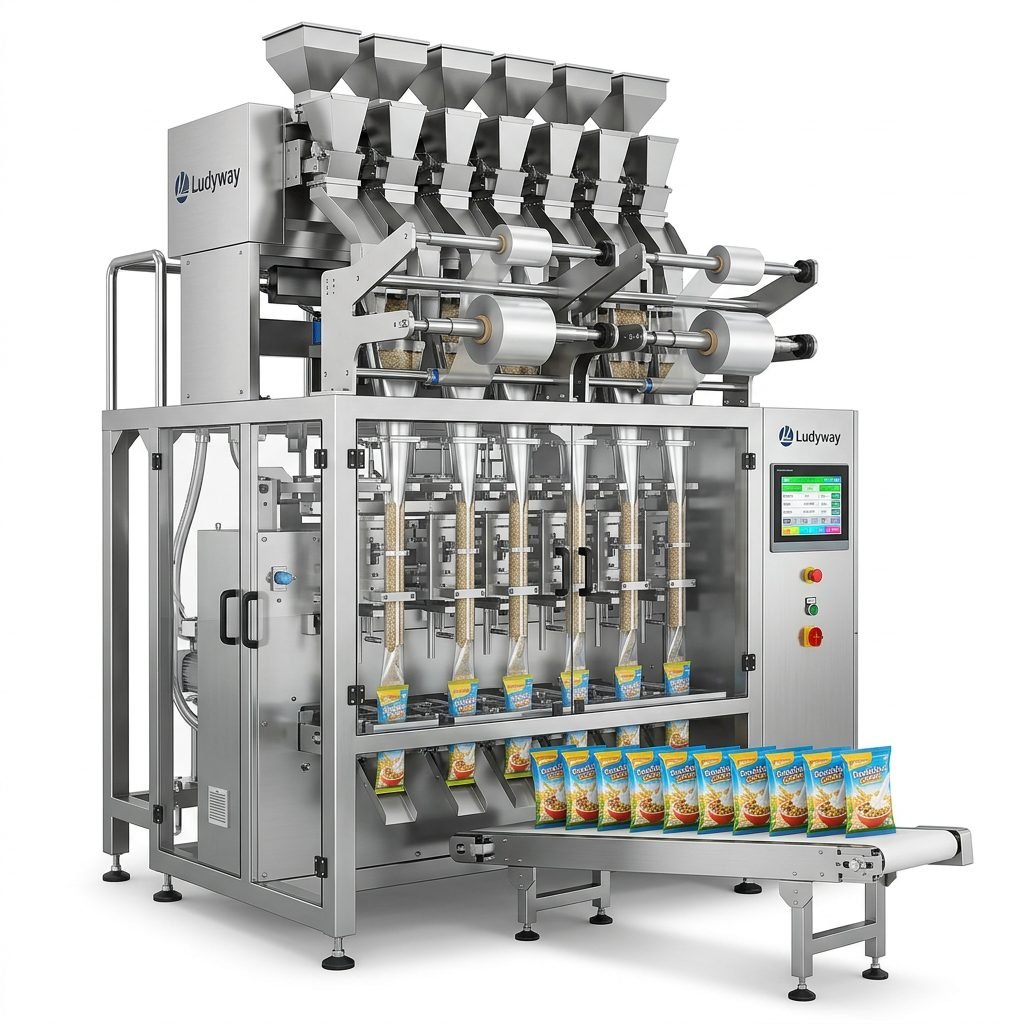
Testing and Validation Before Purchase
Never commission a cereal packaging machine without thorough factory acceptance testing (FAT) using your actual product and film materials. This validation phase is critical to confirm that the equipment meets your speed, accuracy, and seal quality requirements. Reputable manufacturers welcome this step and can often conduct virtual FAT sessions to accommodate overseas equipment evaluations. The ISO 11607 packaging validation standards provide a useful framework for establishing acceptance criteria, even for food applications.
Future-Proofing Your Investment
The U.S. cereal market is trending toward sustainable packaging, clean-label products, and convenient single-serve formats. When purchasing equipment, ensure it can accommodate emerging film materials such as recyclable mono-polymer laminates and compostable films. Machines with modular designs and open-architecture controls are more adaptable to future line expansions. The Flexible Packaging Association’s knowledge hub tracks these material innovations and their practical implications for packaging machinery.
Choosing the right cereal packaging machine is a strategic decision that shapes your production capabilities for years to come. By methodically evaluating your product characteristics, packaging format, throughput needs, regulatory obligations, and supplier capabilities, you can select equipment that delivers consistent quality and strong return on investment in the competitive U.S. food packaging landscape.