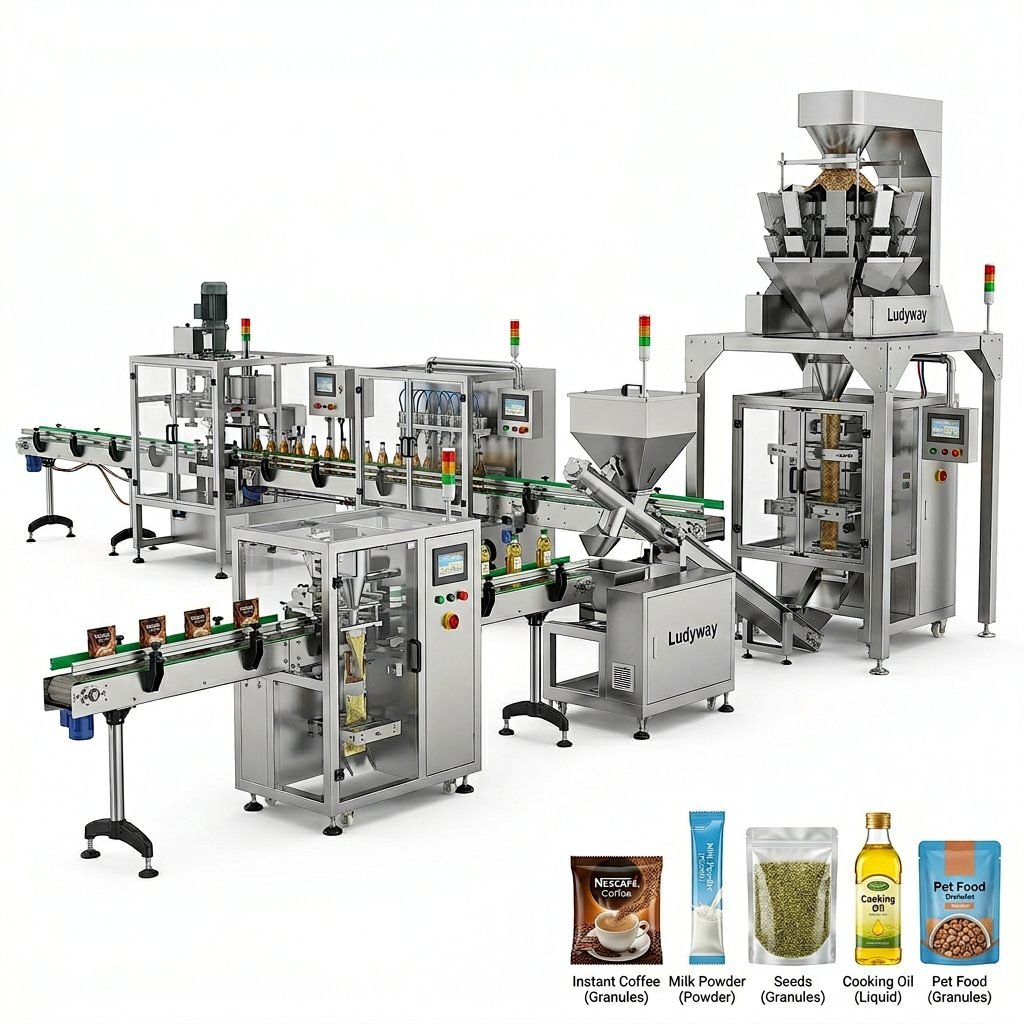
Italy is one of Europe’s most dynamic markets for cereal packaging machinery, driven by a thriving food processing industry and increasing demand for convenient, portion-controlled breakfast products. Whether you are a startup muesli producer in Tuscany or a large-scale corn flakes manufacturer in Lombardy, selecting the right packaging machine is critical to your operational success. This guide covers everything you need to know about cereal packaging machines in the Italian market, from machine types and key selection criteria to regulatory compliance and supplier evaluation.
Understanding the Italian Cereal Packaging Market
Italy’s breakfast cereal sector has experienced steady growth, with consumers increasingly embracing both traditional granola and modern functional cereals. This expansion has created strong demand for high-speed packaging systems capable of handling various cereal formats—from delicate flakes to dense granola clusters. Italian manufacturers must balance productivity, packaging quality, and compliance with EU regulations when investing in new equipment.
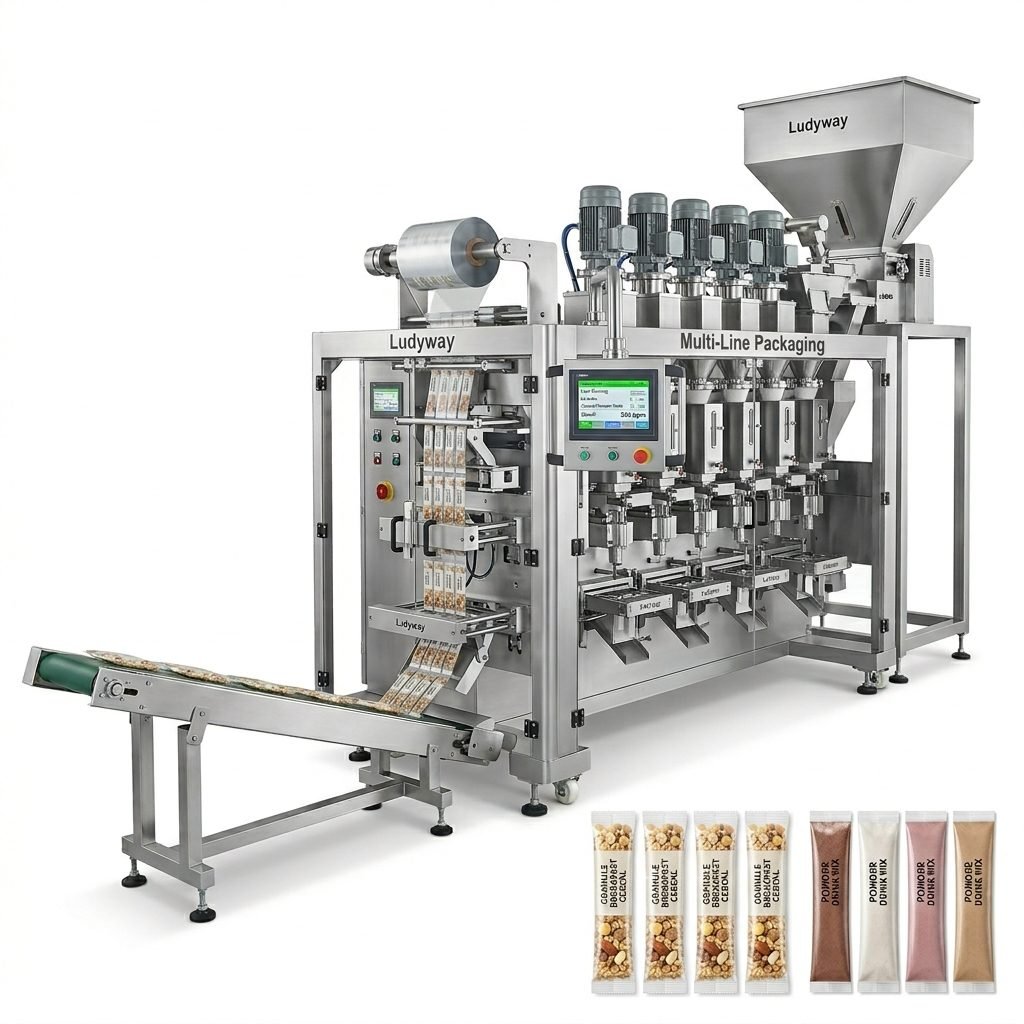
The Italian packaging machinery market is highly competitive, with local producers favoring machines that offer flexibility across multiple packaging formats. Stick packs, sachets, pillow bags, and gusseted pouches are all popular formats in the Italian cereal aisle. A well-chosen multi-lane packaging system can significantly boost throughput while reducing per-unit packaging costs.
Types of Cereal Packaging Machines Available
Choosing the right type of machine depends on your production volume, packaging format, and product characteristics. Below are the primary categories of cereal packaging equipment suitable for the Italian market:
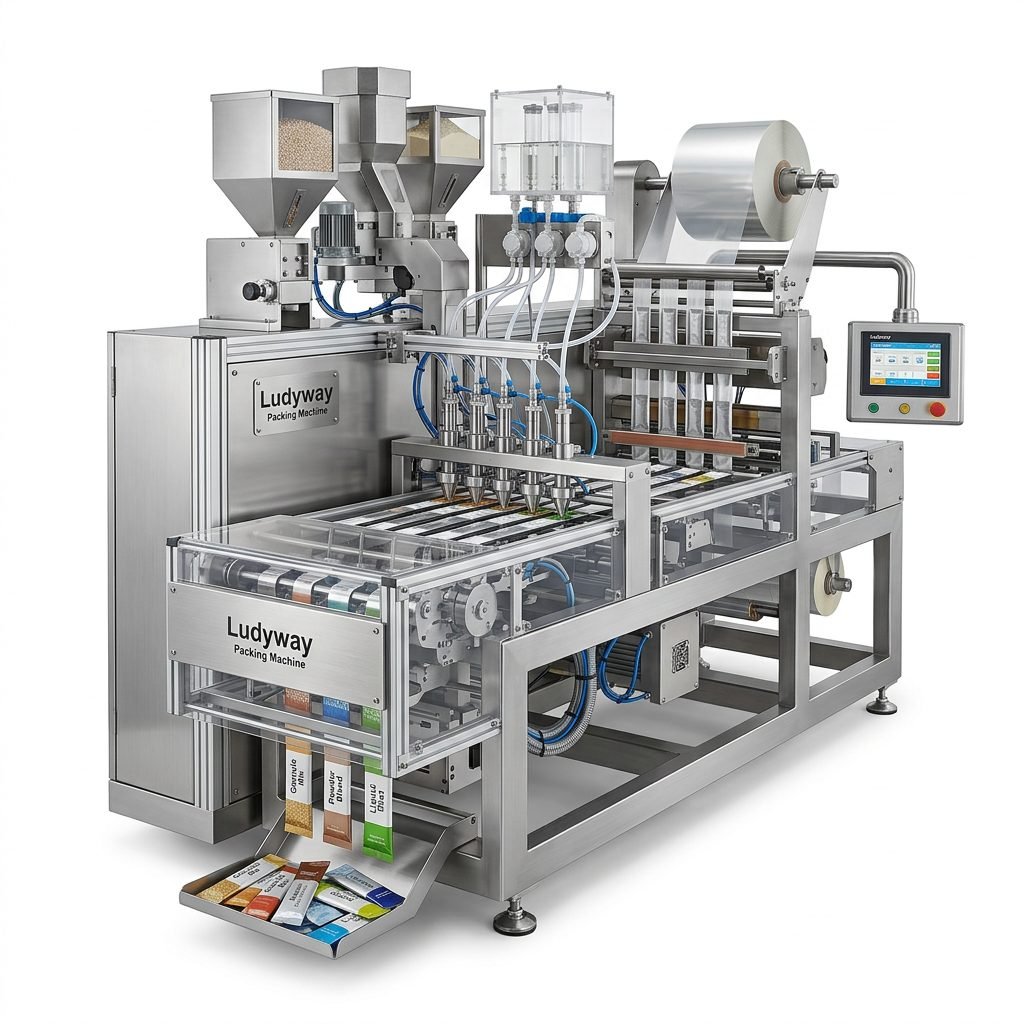
1. Multi-Lane Stick Pack Machines
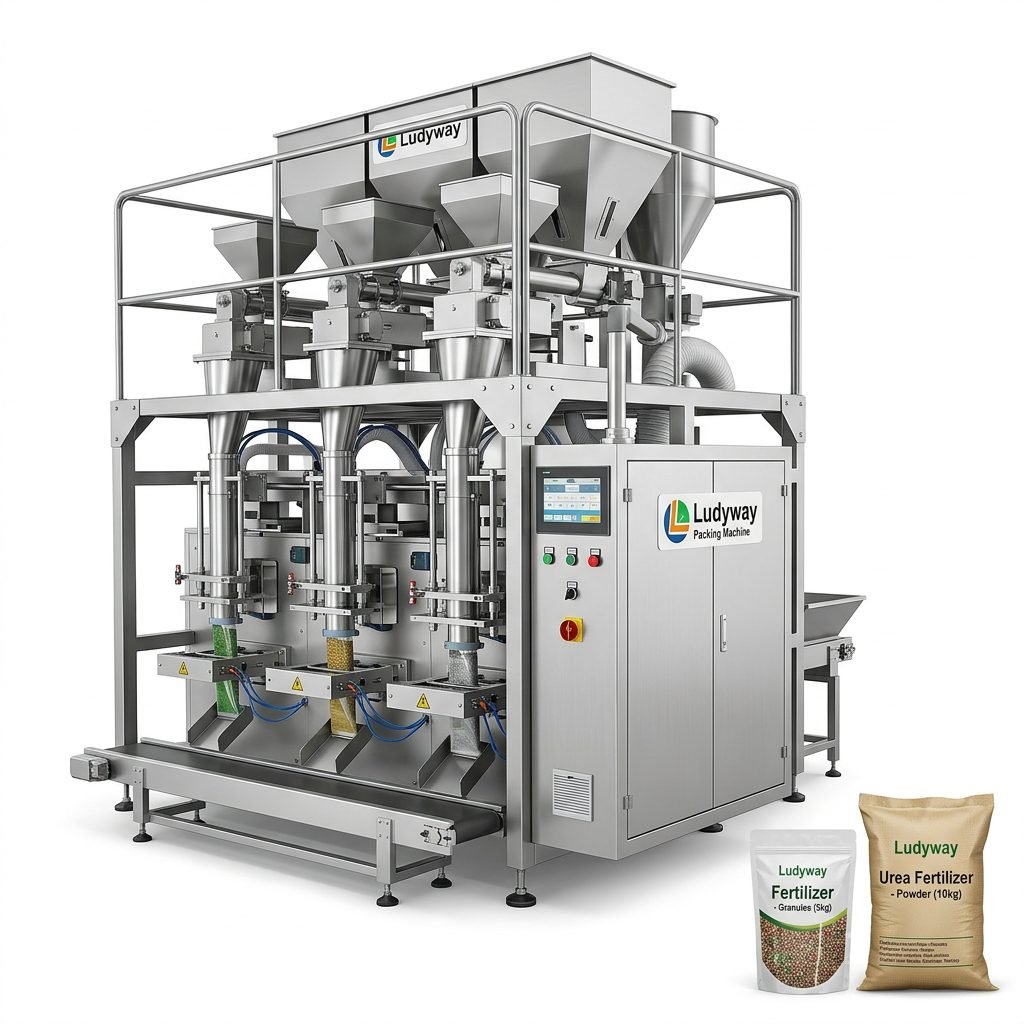
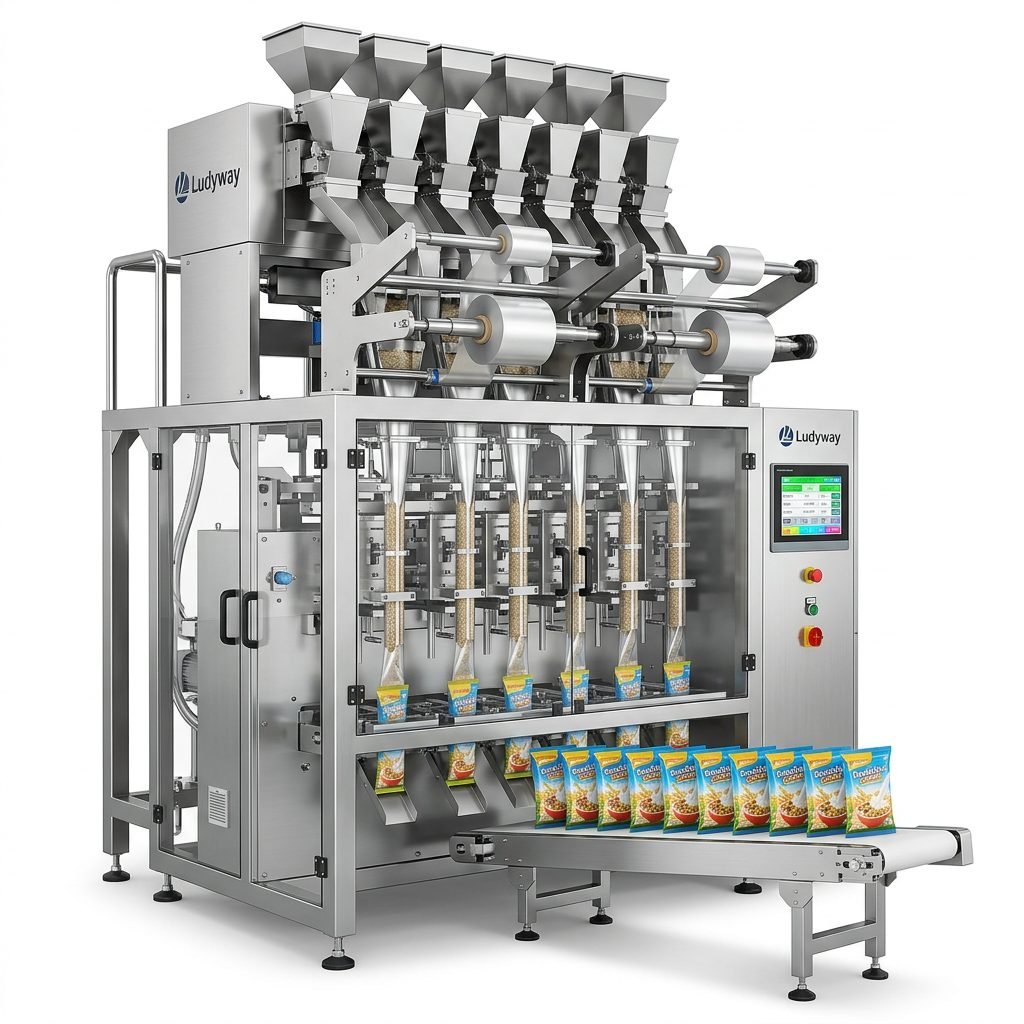
These machines produce narrow, elongated stick packs ideal for single-serving cereal portions. Modern multi-lane stick pack machines can run 4 to 16 lanes simultaneously, achieving outputs of up to 600 packs per minute. They are particularly popular for on-the-go breakfast products and hotel amenity cereals.
2. Vertical Form Fill Seal (VFFS) Machines
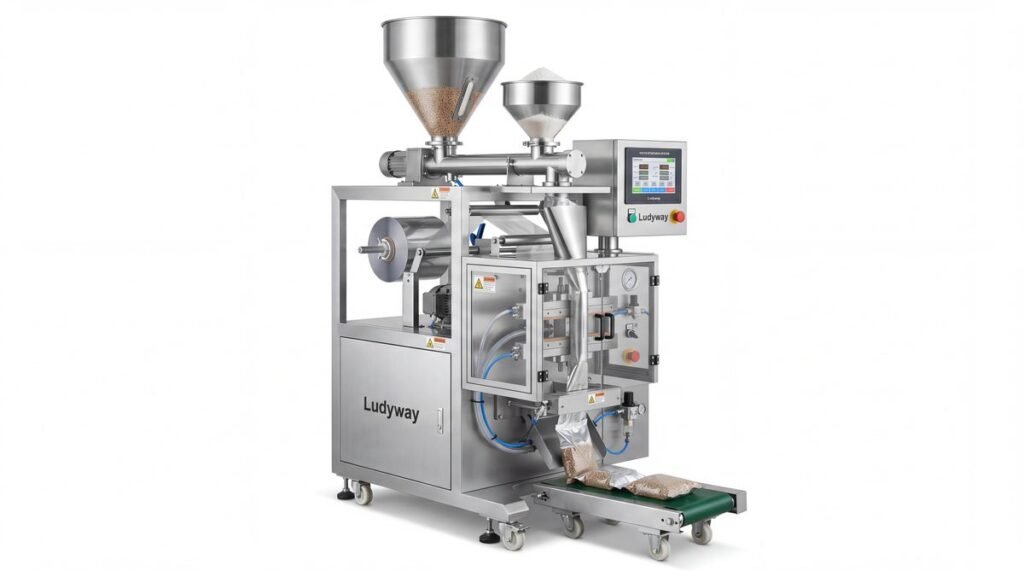
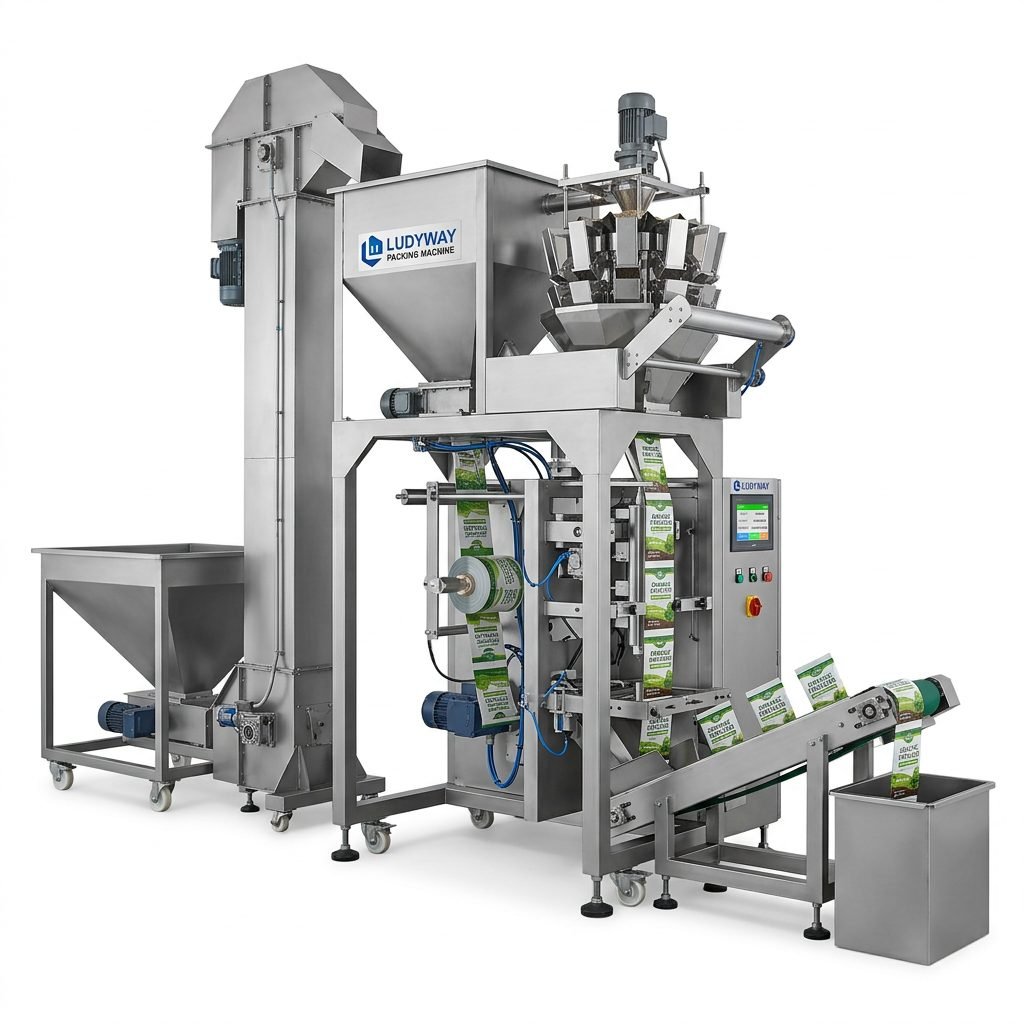
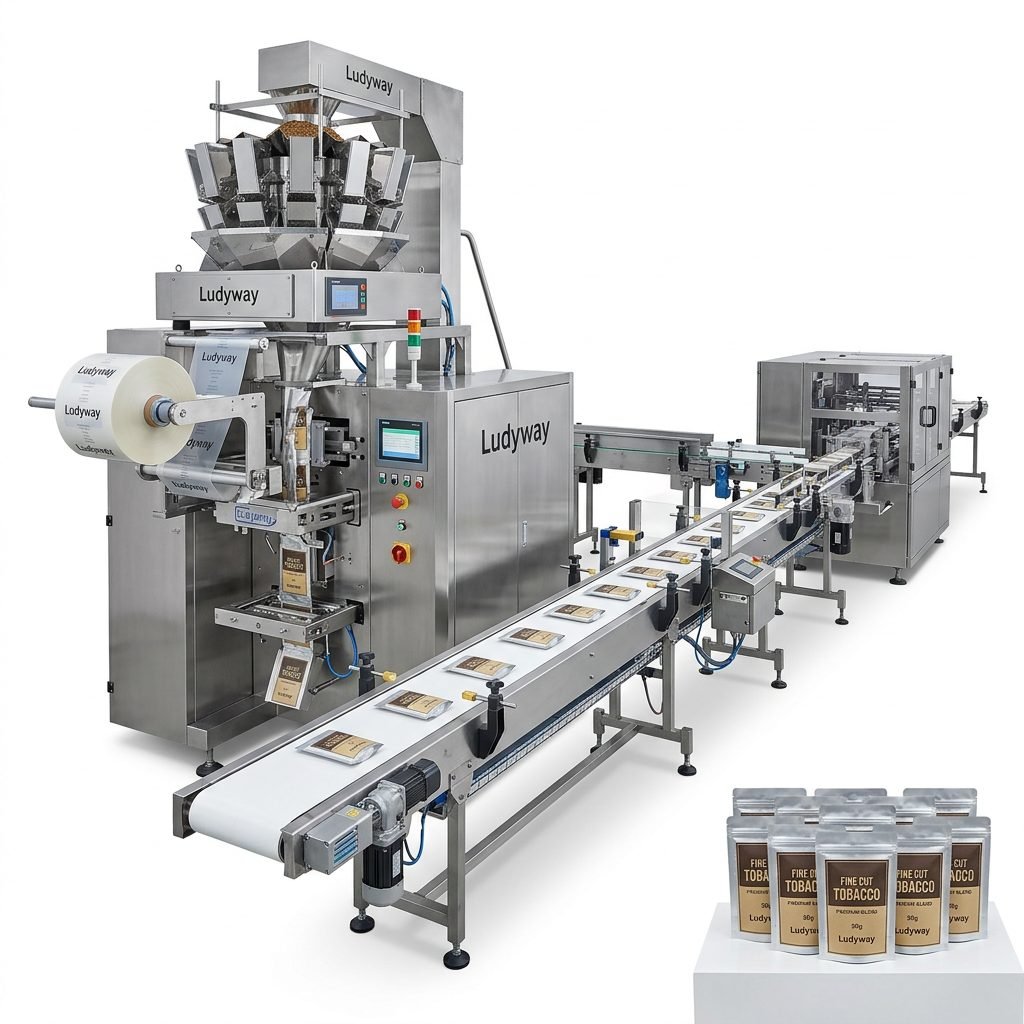
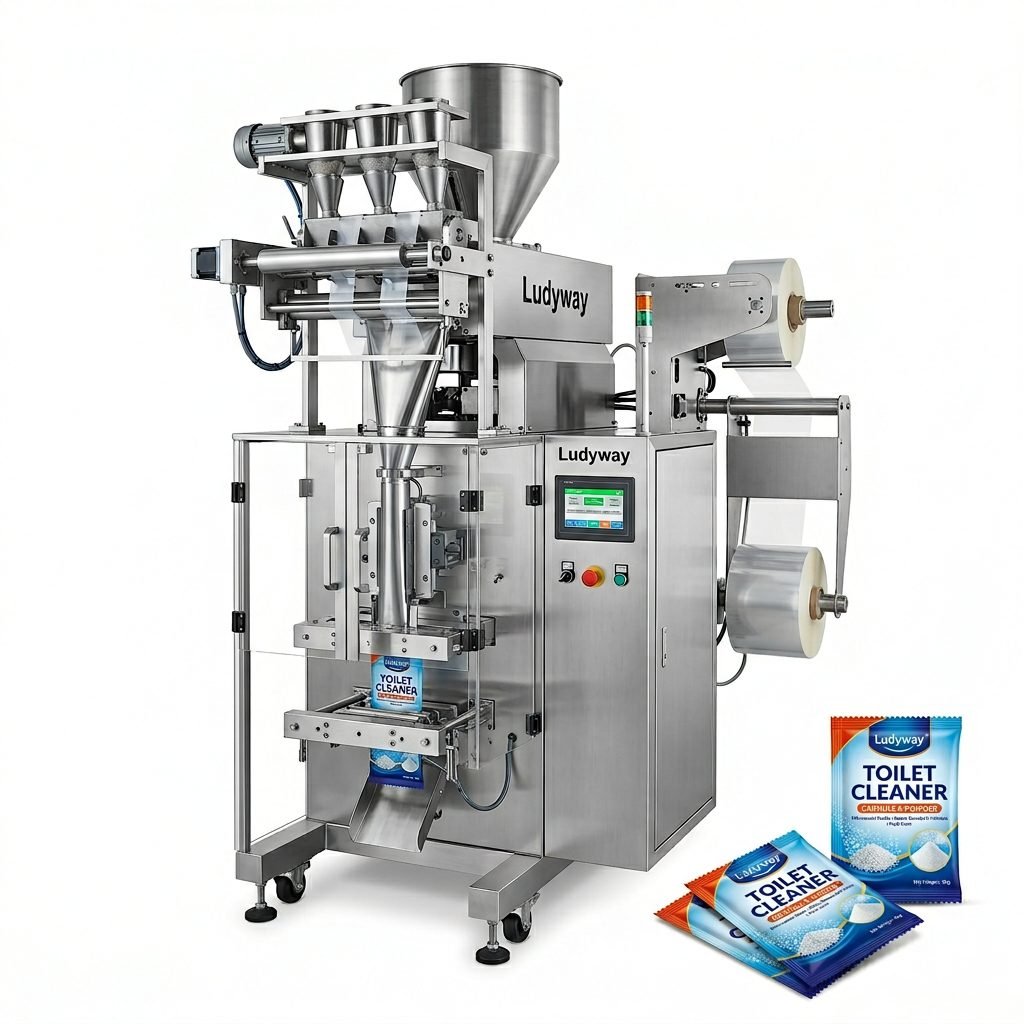
VFFS machines are versatile workhorses capable of producing pillow bags, gusseted bags, and quad-seal pouches. They handle a wide range of cereal types and bag sizes, making them suitable for both retail and bulk packaging applications. Advanced models feature gas flushing systems for extended shelf life—a critical requirement for preserving cereal crispness.
3. Sachet Packaging Machines
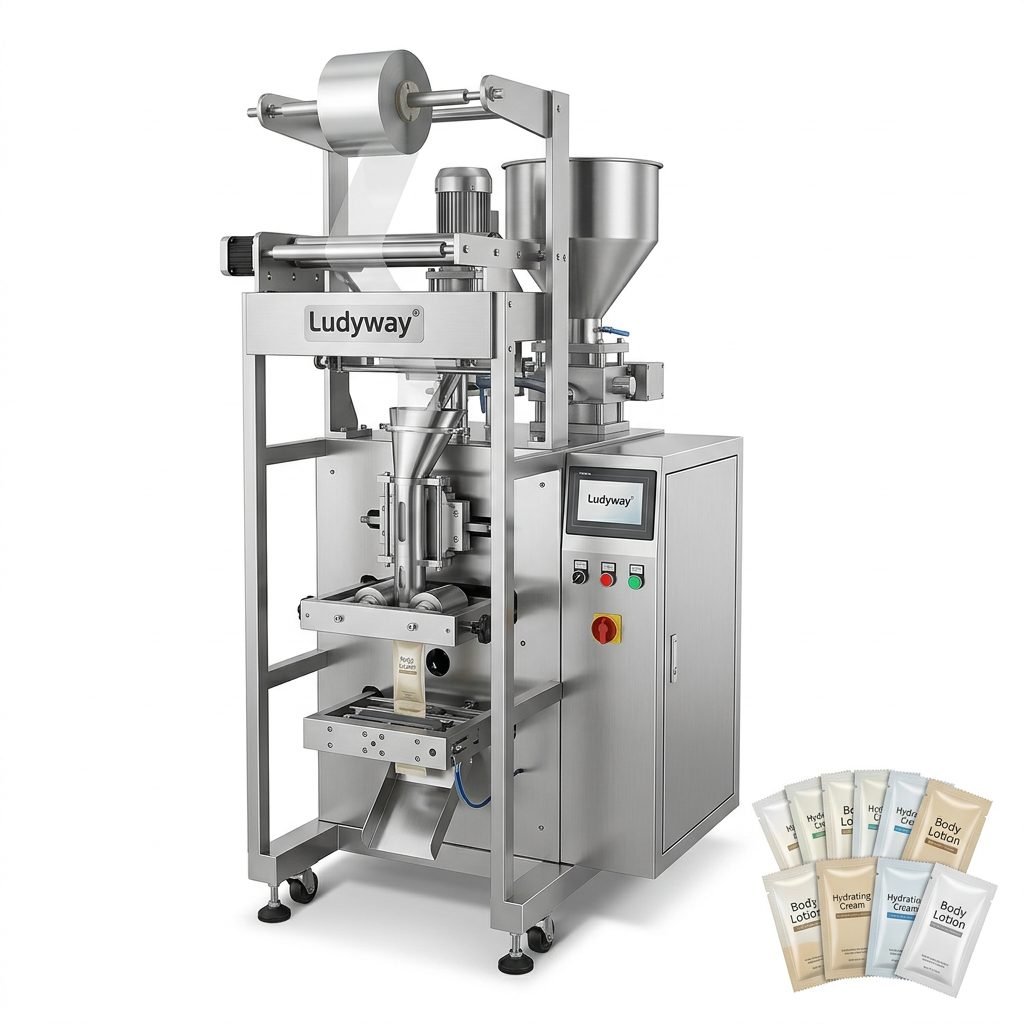
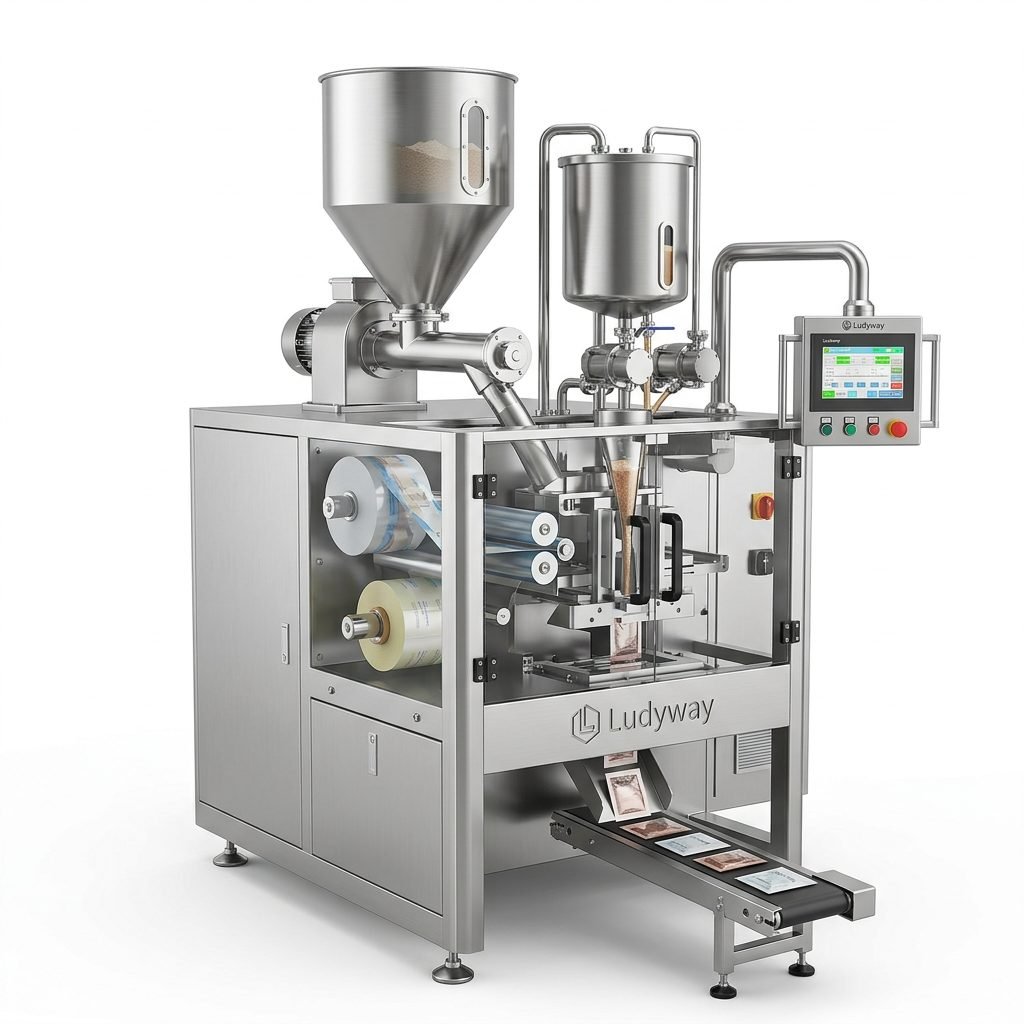
For smaller portion sizes and sample packs, sachet packaging machines offer precision filling and sealing in compact footprints. These machines are widely used in Italy’s food service and hospitality sectors, where single-use cereal portions are in high demand.
4. Premade Pouch Filling and Sealing Machines
Rotary or inline premade pouch machines are ideal for premium cereal products that require stand-up pouches with zipper closures. These machines deliver excellent presentation quality and are favored by Italian organic and specialty cereal brands seeking to differentiate on retail shelves.
Key Factors to Consider When Buying a Cereal Packaging Machine
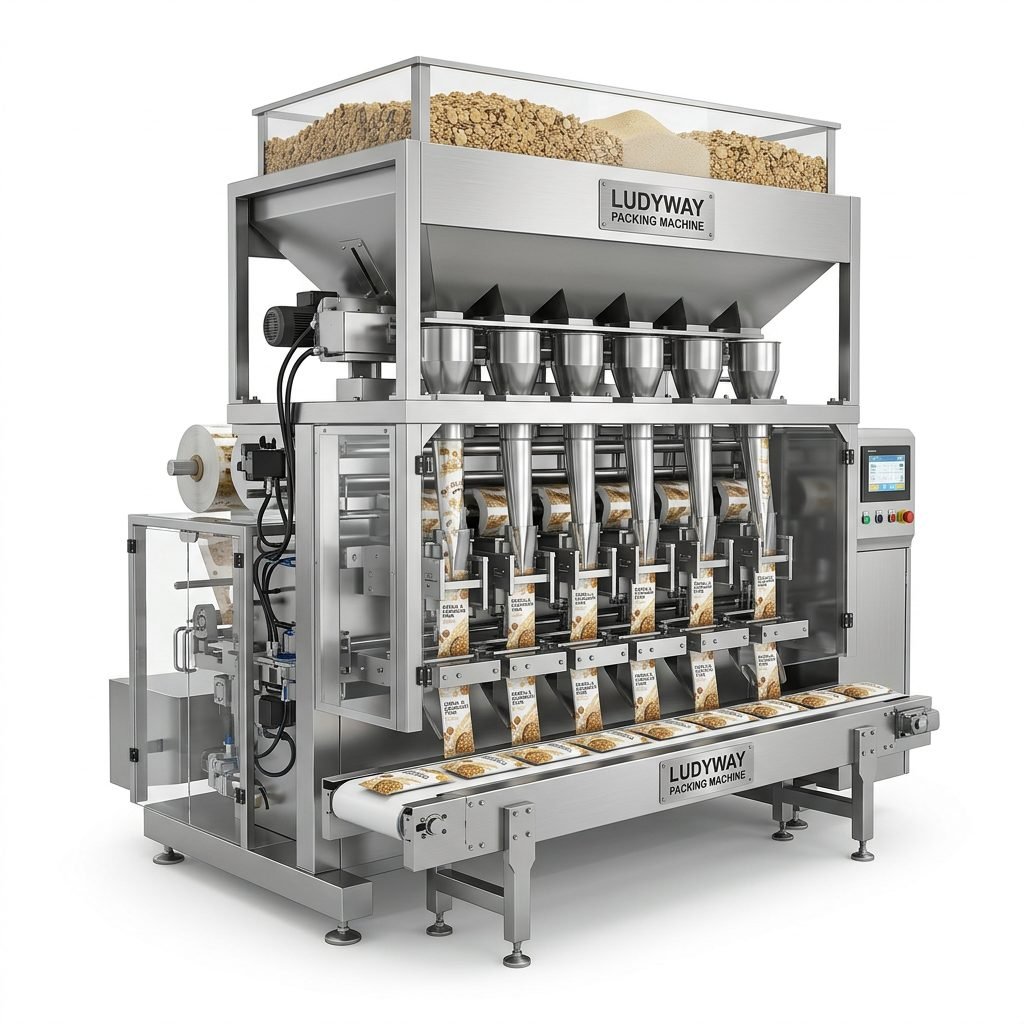
Investing in a cereal packaging machine requires careful evaluation of several technical and commercial factors. Use the comparison table below to guide your decision-making process:
| Selection Criterion | Why It Matters | Recommended Specification |
|---|---|---|
| Production Capacity | Determines your maximum output and ROI timeline | Match to current and projected demand; allow 20% headroom |
| Packaging Format | Affects shelf appeal and consumer convenience | Choose machines supporting multiple bag styles if product range is diverse |
| Product Fragility | Protects cereal integrity during filling | Look for gentle handling features and minimized drop heights |
| Sealing Technology | Impacts shelf life and product freshness | Gas flushing capability for extended shelf life applications |
| Changeover Speed | Reduces downtime between product runs | Quick-release components and recipe-based settings |
| CE Certification | Mandatory for machinery sold in Italy and the EU | Verify full CE compliance and documentation |
| After-Sales Support | Ensures long-term operational reliability | Local service partners or remote diagnostics capability |
Regulatory Compliance for the Italian Market
All cereal packaging machines operating in Italy must comply with EU Machinery Directive 2006/42/EC and carry valid CE marking. Additionally, food contact materials used in packaging must meet EU Regulation (EC) No 1935/2004 requirements. Italian buyers should also verify compliance with national workplace safety regulations enforced by INAIL and local health authorities.
The PMMI packaging industry resources provide valuable guidance on international standards, while the Flexible Packaging Association offers insights into material compliance and sustainability requirements relevant to cereal packaging.
Key Regulatory Points for Italian Buyers
- CE Marking — Mandatory for all packaging machinery sold in Italy; ensure the manufacturer provides full technical documentation
- Food Contact Compliance — Packaging materials must comply with EU 1935/2004 and Italian Ministerial Decree 21/03/1973
- Electrical Safety — Machines must meet IEC 60204-1 standards for electrical equipment
- Noise Emissions — Compliance with Italian Legislative Decree 81/2008 on workplace noise exposure
- ATEX Requirements — Necessary if cereal dust creates potentially explosive atmospheres in the production area
Benefits of Automated Cereal Packaging Systems
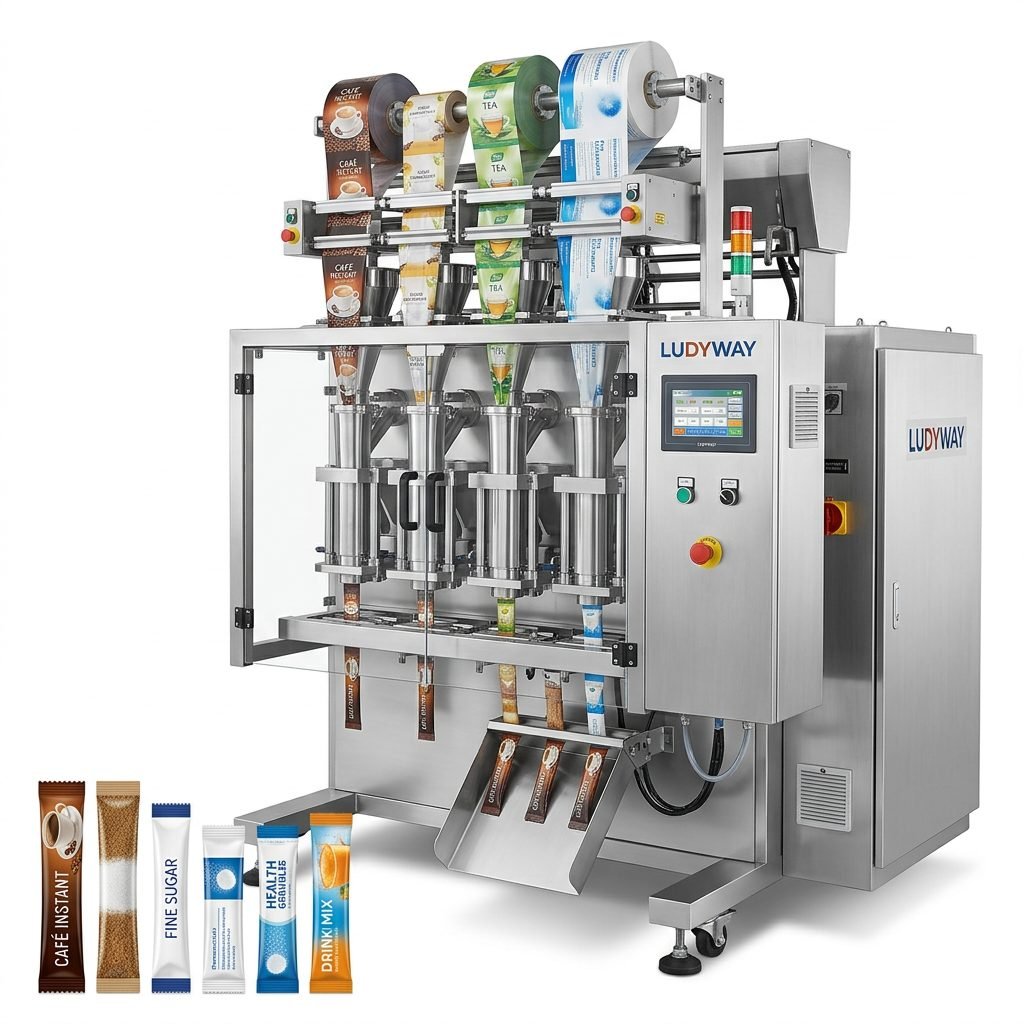
Transitioning from manual or semi-automatic packaging to a fully automated packaging line delivers substantial benefits for Italian cereal producers. Modern systems integrate weighing, filling, sealing, and coding into a seamless process, reducing labor dependency and minimizing product giveaway.
Advantages at a Glance
- Increased Throughput — Multi-lane machines can produce hundreds of packs per minute, meeting high-volume retail demand
- Consistent Fill Accuracy — Precision auger fillers and multi-head weighers reduce product waste and ensure regulatory compliance
- Enhanced Shelf Life — Integrated gas flushing preserves cereal freshness and extends best-before dates
- Reduced Labor Costs — Automated systems require fewer operators, allowing staff redeployment to higher-value tasks
- Improved Hygiene — Stainless steel construction and washdown designs meet Italian food safety standards
- Data Traceability — Integrated coding and vision systems support lot tracking and quality assurance
Supplier Selection: What to Look For
Choosing the right packaging machine supplier is as important as selecting the machine itself. Italian buyers should evaluate potential partners based on industry experience, technical support capabilities, and after-sales service availability. A supplier with a strong track record in the food packaging sector and a presence in European markets will better understand local requirements.
One notable manufacturer in the global packaging sector is Ludyway, which specializes in advanced packaging equipment and turnkey production solutions for the food, pharmaceutical, and health industries. With over 30 years of expertise and a 20,000㎡ manufacturing facility, Ludyway offers more than 50 intelligent packaging machine models suitable for various cereal packaging applications. When evaluating suppliers, consider visiting their facilities or attending international packaging exhibitions where you can see the machinery in operation.
Questions to Ask Potential Suppliers
- Do you have existing installations in Italy or the European Union?
- What is your standard warranty period and what does it cover?
- Do you offer remote diagnostics and technical support in Italian or English?
- Can you provide references from cereal or granule packaging clients?
- What is the typical lead time for machine delivery and commissioning?
- Do you offer operator training and installation support on-site?
Cost Considerations and ROI Analysis
The investment in a cereal packaging machine varies significantly based on automation level, speed, and configuration. Entry-level single-lane machines may start around €25,000 to €50,000, while high-speed multi-lane systems with full automation can exceed €200,000. However, the return on investment is typically achieved within 12 to 24 months through labor savings, reduced waste, and increased production capacity.
When calculating ROI, factor in not only the purchase price but also installation costs, operator training, maintenance contracts, and spare parts availability. Italian tax incentives for industrial automation investments, such as the Industria 4.0 program, may also reduce the net cost of acquiring new packaging machinery.
Resources and Further Reading
Stay informed about packaging industry trends and standards by consulting these authoritative resources:
- PMMI Business Intelligence — Market research and industry reports on packaging machinery
- Flexible Packaging Association Resources — Data and regulatory updates for flexible packaging
- FDA Food Packaging Guidelines — Reference for international compliance standards
- ISO Packaging Standards — International standards for packaging machinery and materials
- EU Packaging and Packaging Waste Regulation — Sustainability requirements affecting packaging choices
Final Recommendations
Selecting the right cereal packaging machine for your Italian operation is a strategic decision that impacts productivity, product quality, and long-term profitability. Begin by clearly defining your production requirements, then evaluate machines that match your capacity needs and packaging format preferences. Prioritize suppliers with proven expertise, CE-certified equipment, and reliable after-sales support. By taking a comprehensive approach to machine selection, Italian cereal producers can build efficient, future-ready packaging operations that compete effectively in both domestic and export markets.
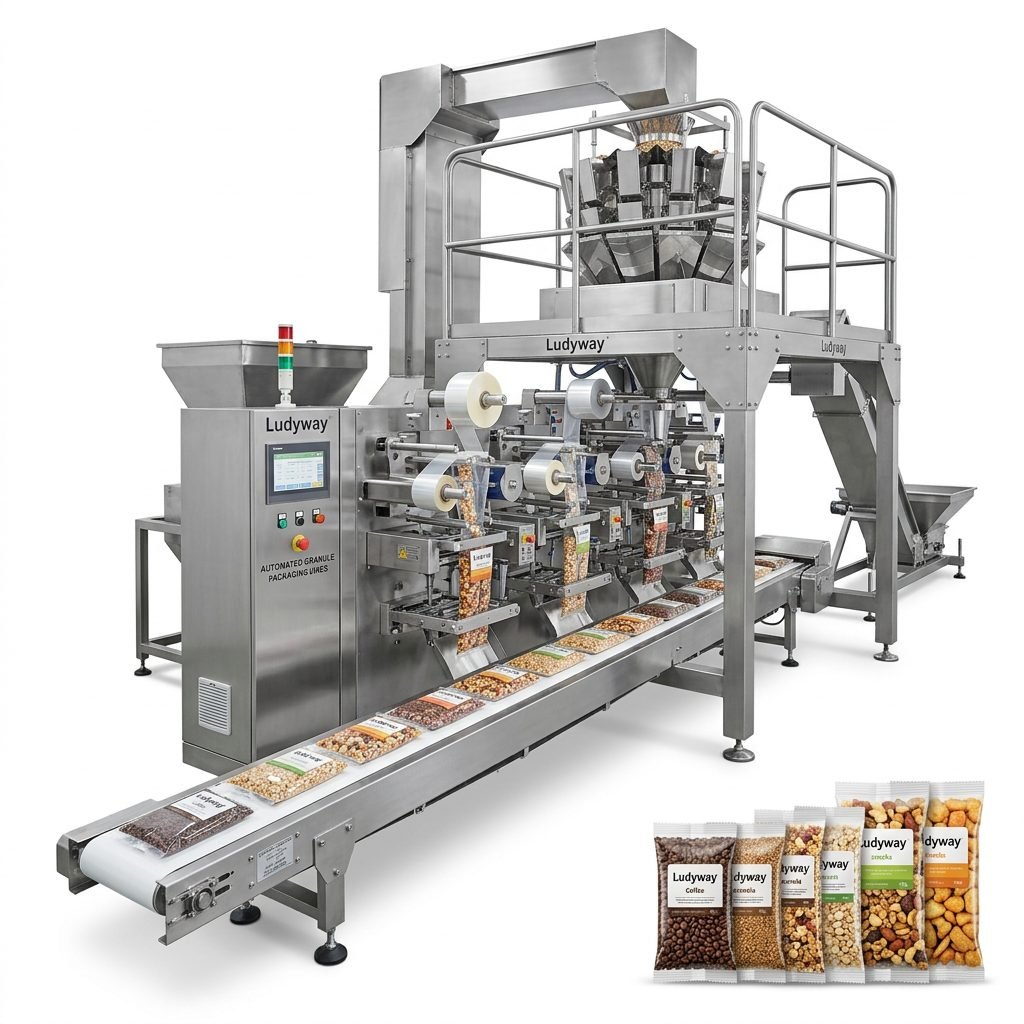
For more detailed guidance on granule packaging solutions and stick pack packaging machines suitable for cereal products, explore comprehensive resources and connect with experienced packaging professionals who understand the unique requirements of the Italian and broader European market.