Setting up a fruit packaging production line in France requires careful planning, adherence to strict European regulations, and investment in reliable equipment. Whether you are packing fresh apples, dried mango slices, or frozen berries, the right setup ensures product freshness, shelf appeal, and compliance with French and EU food safety standards.
Understanding the French Fruit Packaging Market
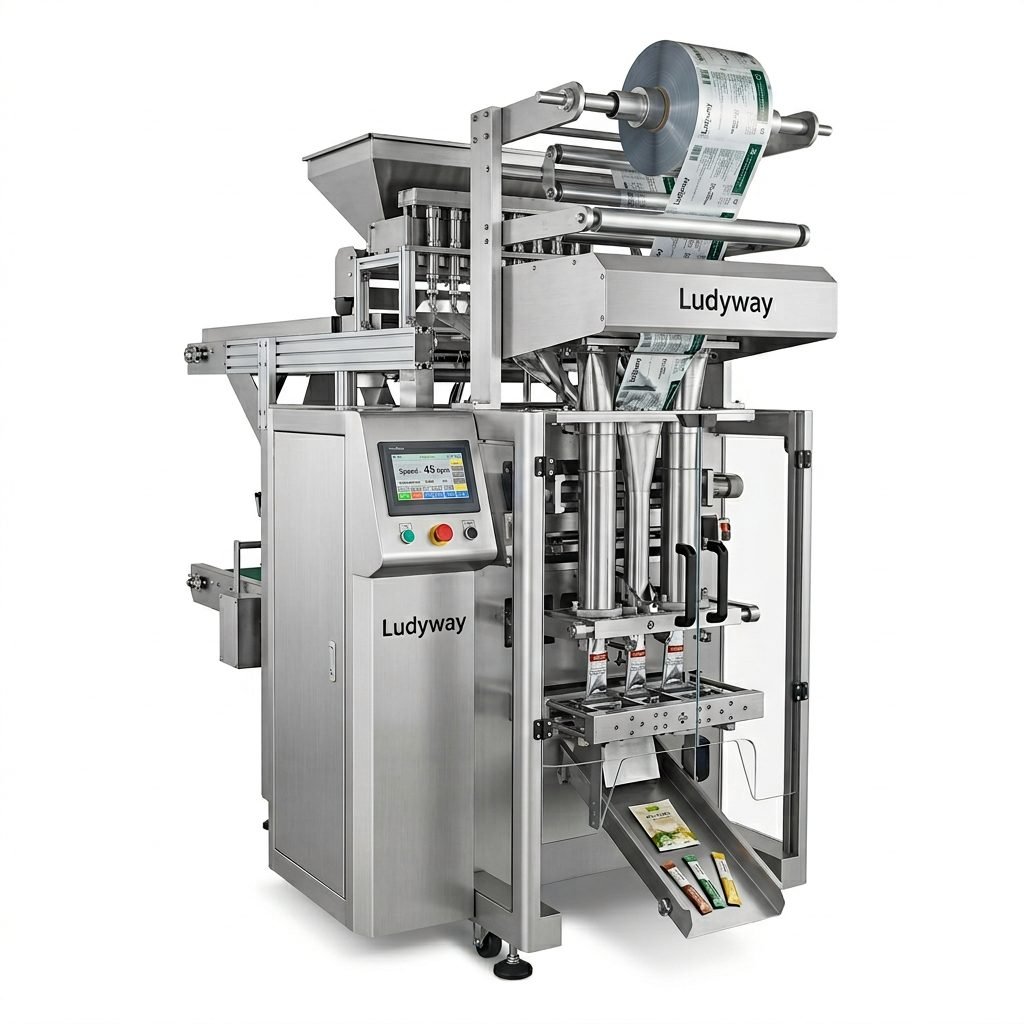
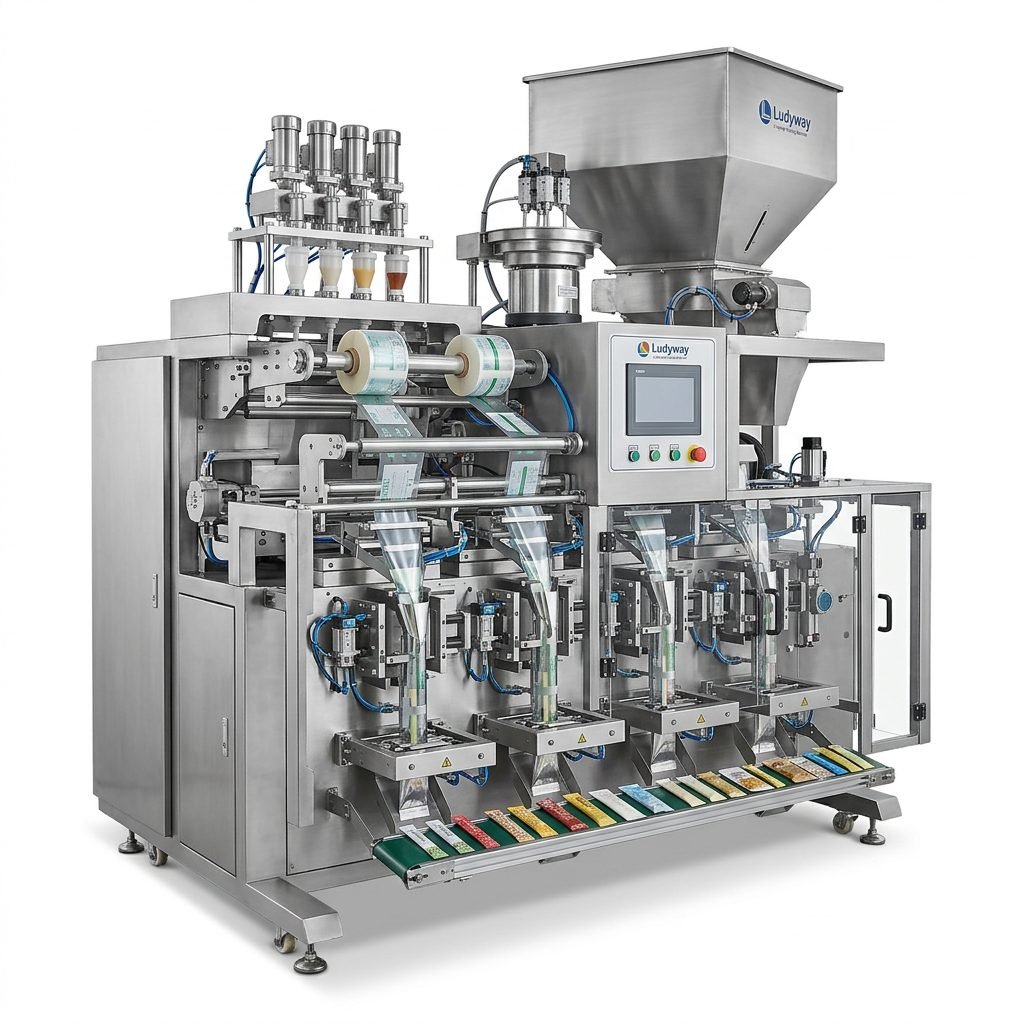
France is one of the largest agricultural producers in Europe, with a strong demand for both domestically grown and imported fruit. The market increasingly favors convenient, sustainable, and portion-controlled packaging. From multi-lane stick packs for fruit powder supplements to larger pouch formats for dried or frozen fruits, flexibility in your packaging line is crucial to remain competitive.
Essential Equipment for a Fruit Packaging Line
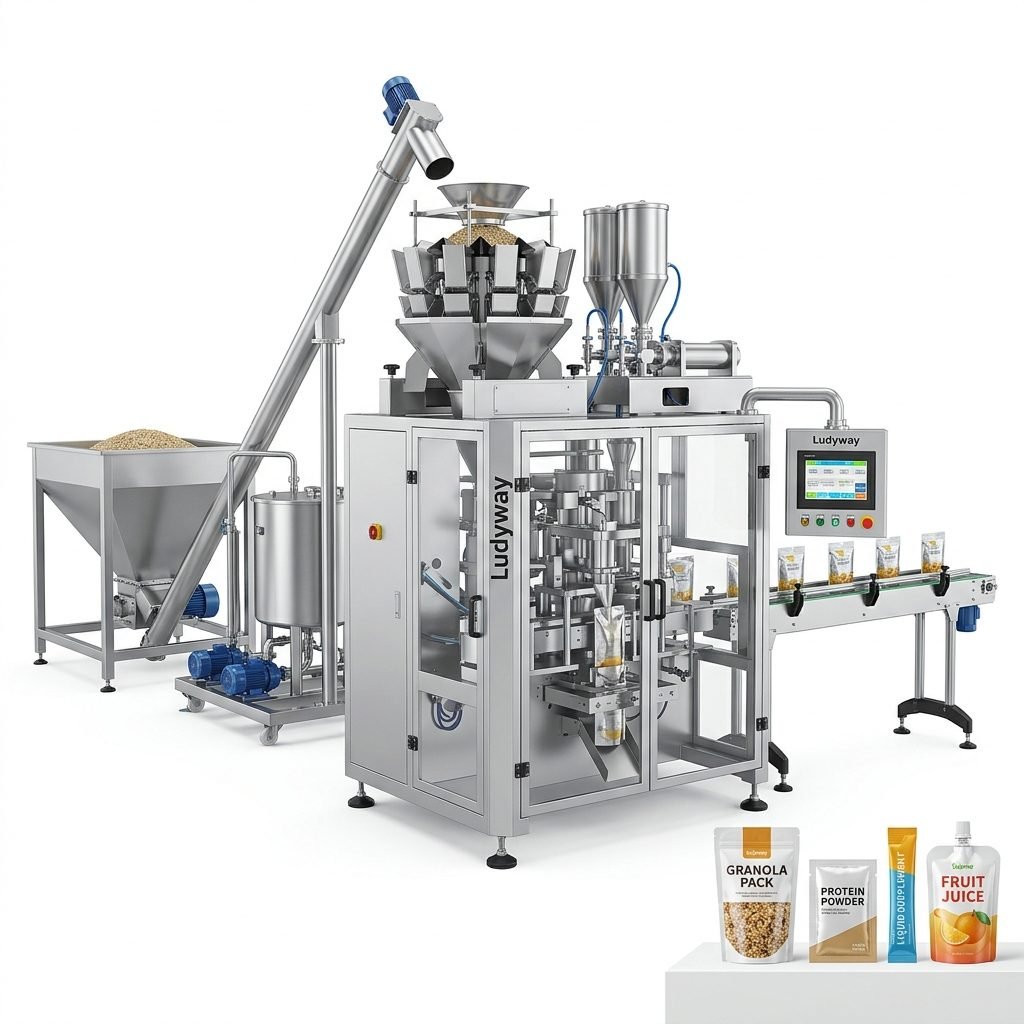
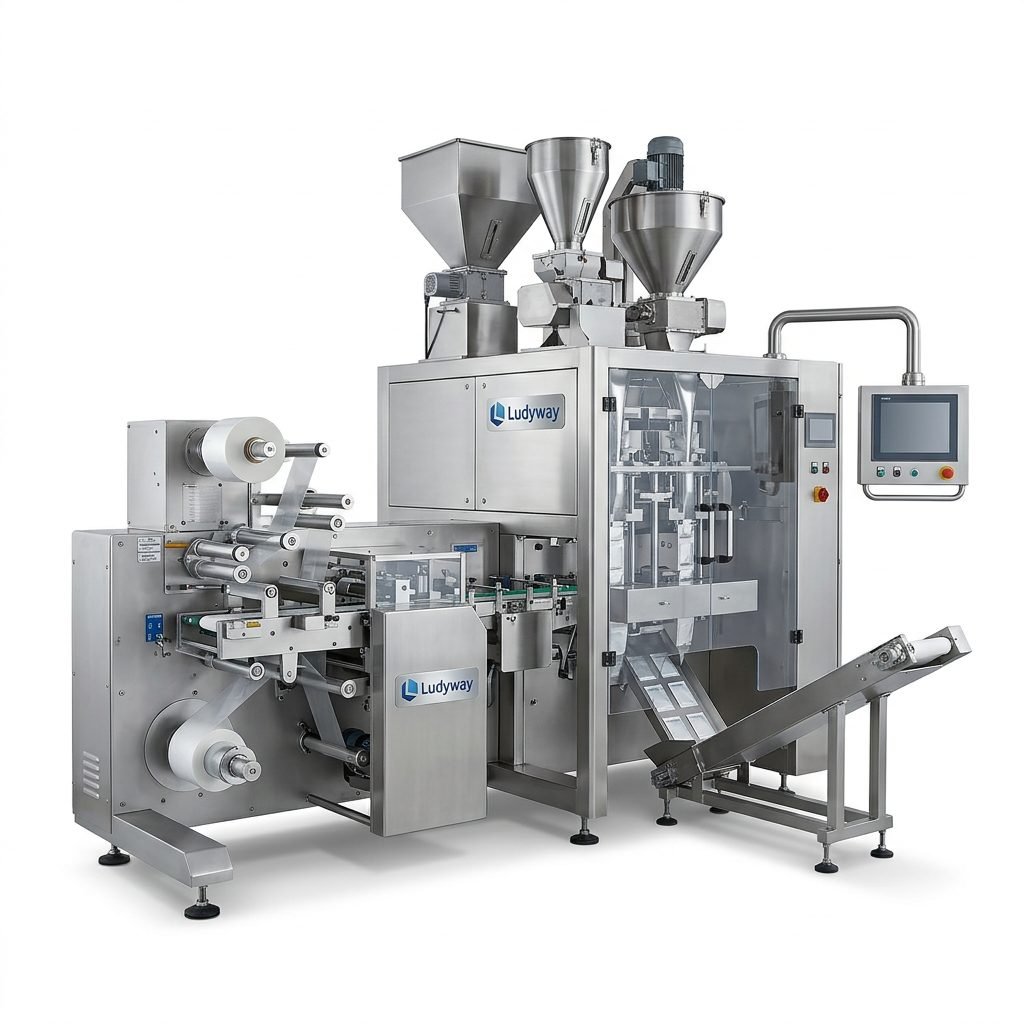
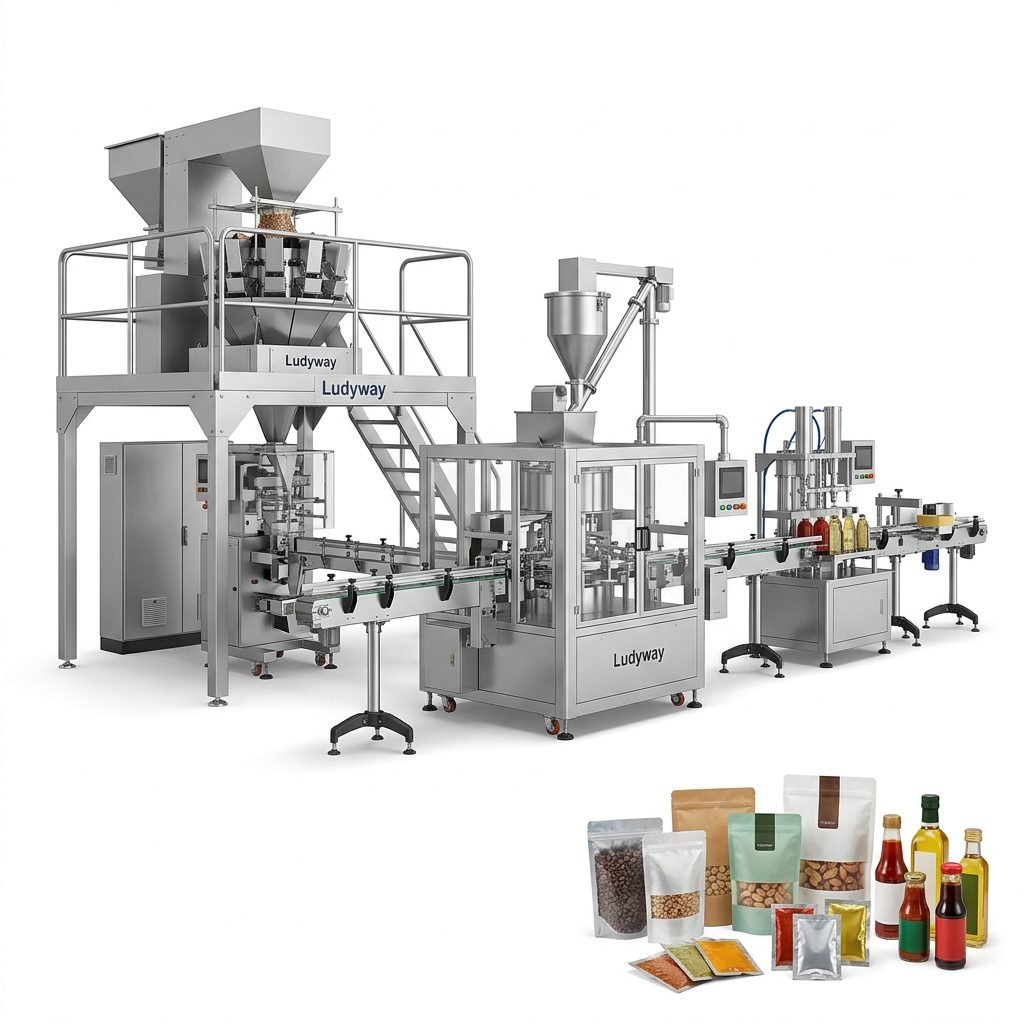
A fully integrated fruit packaging line typically involves several key machines working in synchronization. Choosing high-quality, modular equipment allows you to scale operations as demand increases. The core components include:
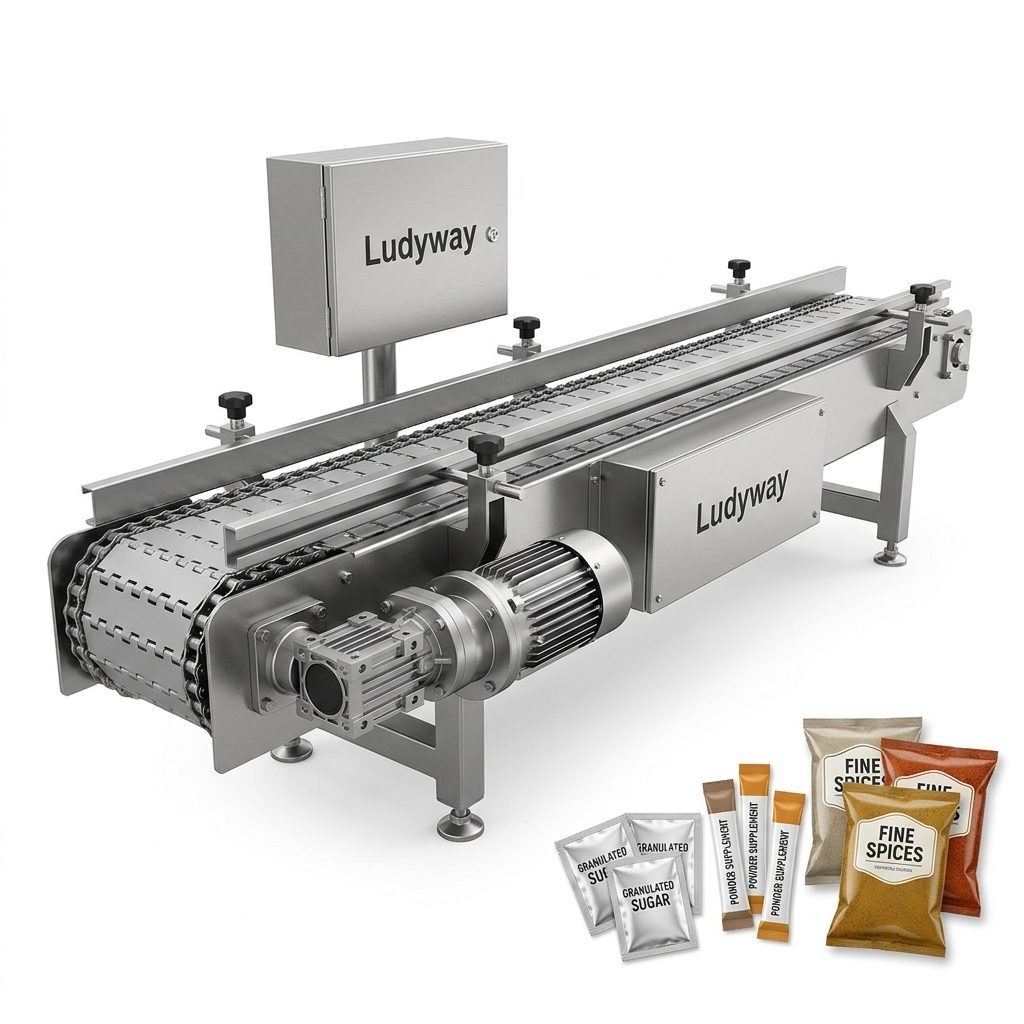
- Feeding and Conveying Systems: Bucket elevators or inclined conveyors transport fruits gently to avoid bruising. A customized conveyor system ensures smooth flow between stations.
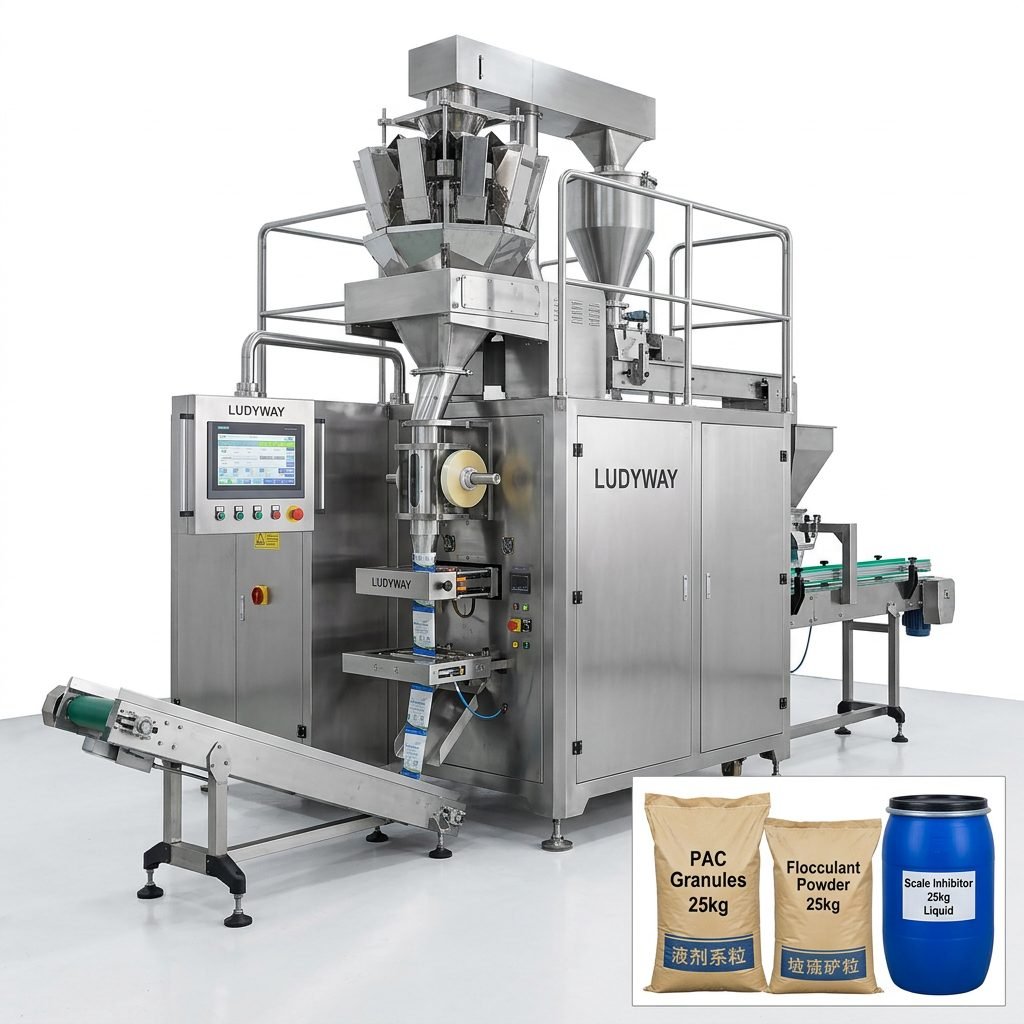
- Multi-Head Weighing and Filling Machines: Precision is vital for cost control. Automatic multi-head weighers guarantee accurate portioning for granule, powder, or whole fruit packs.
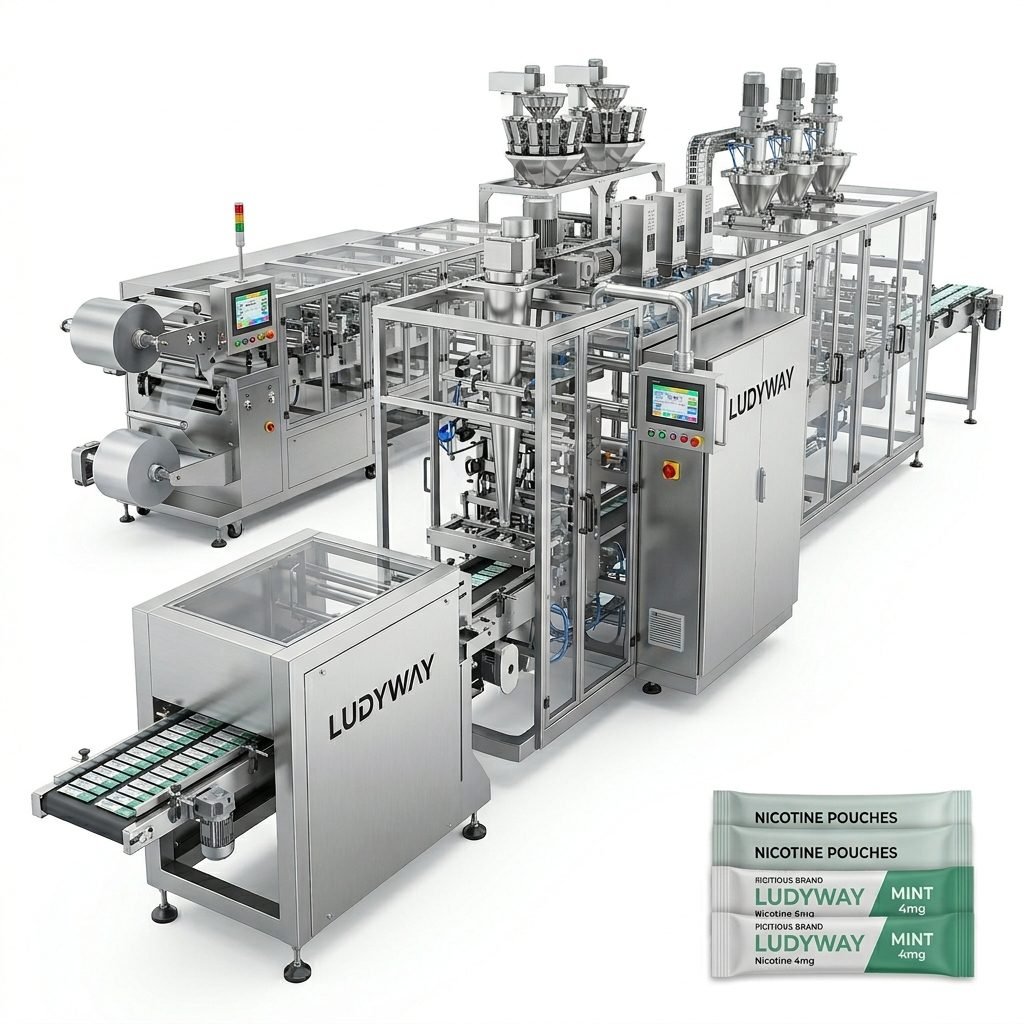
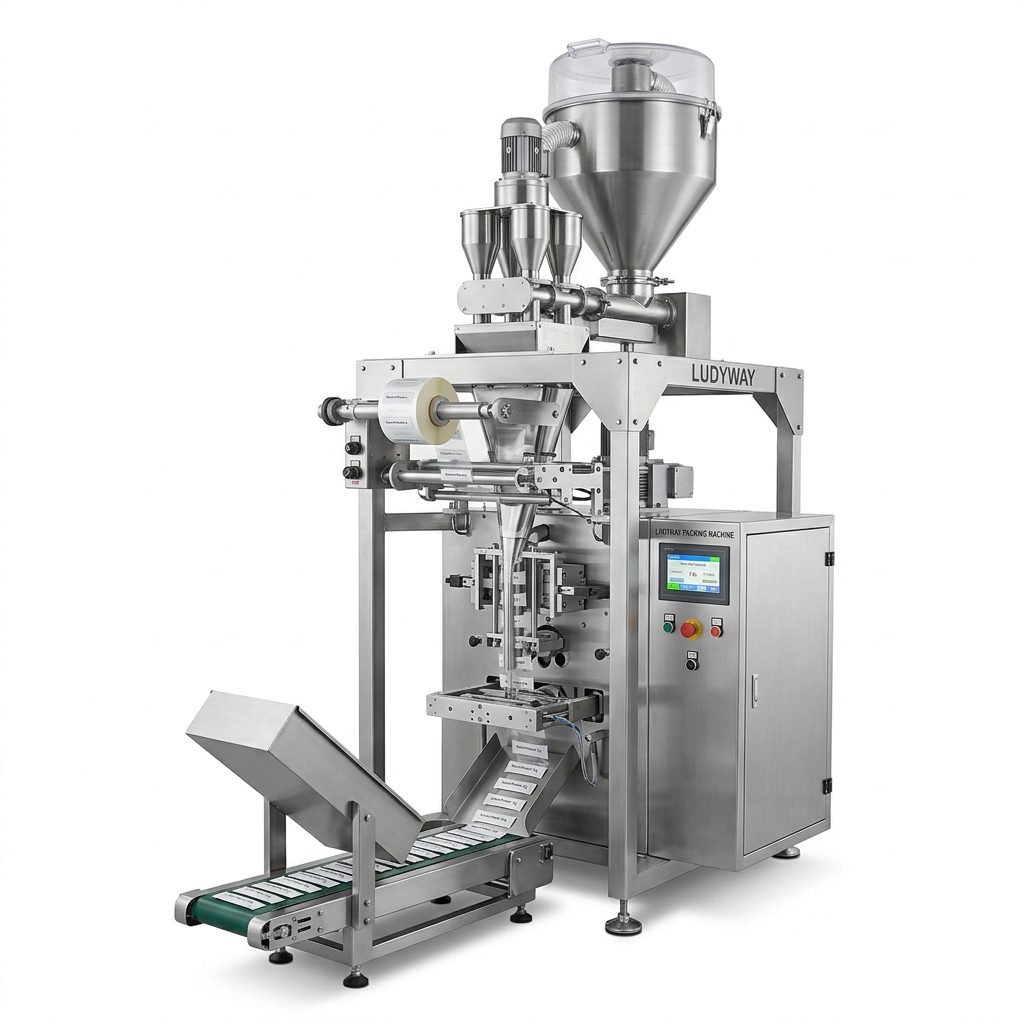
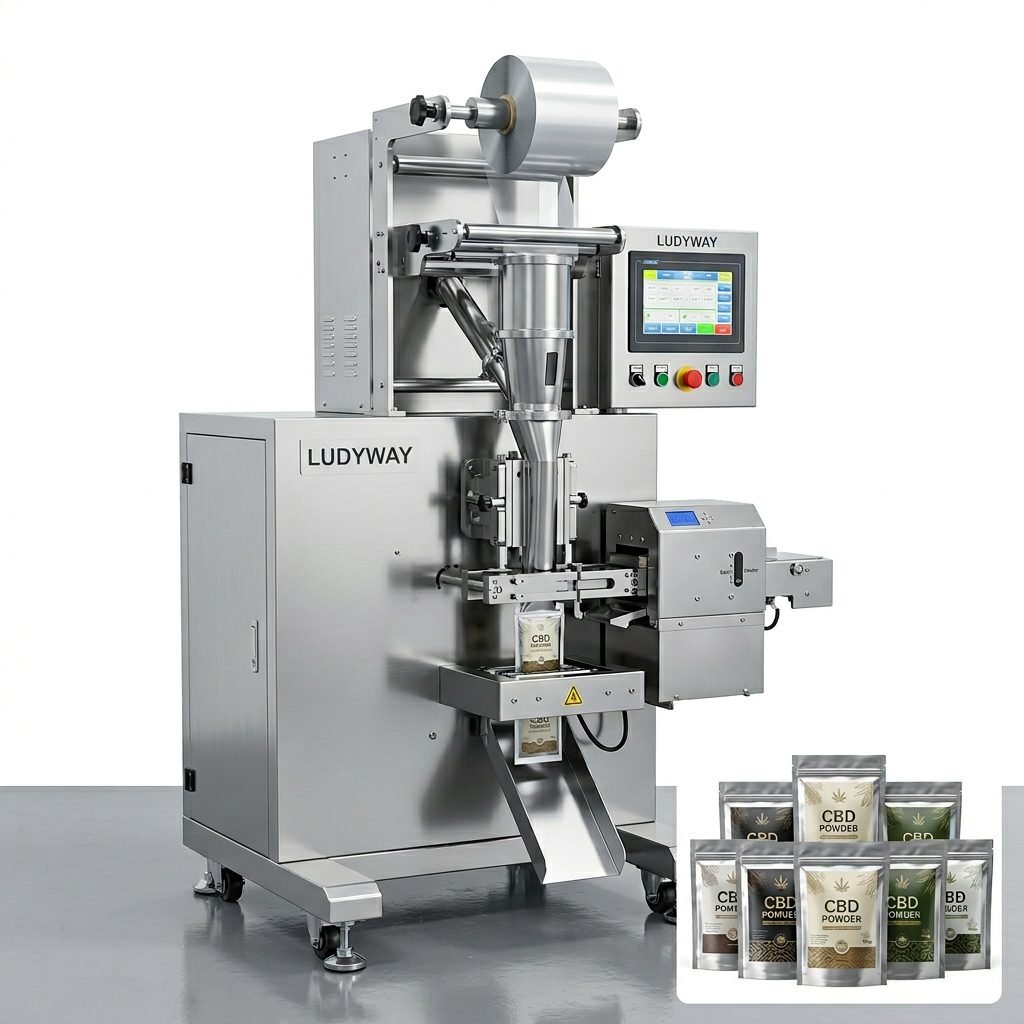
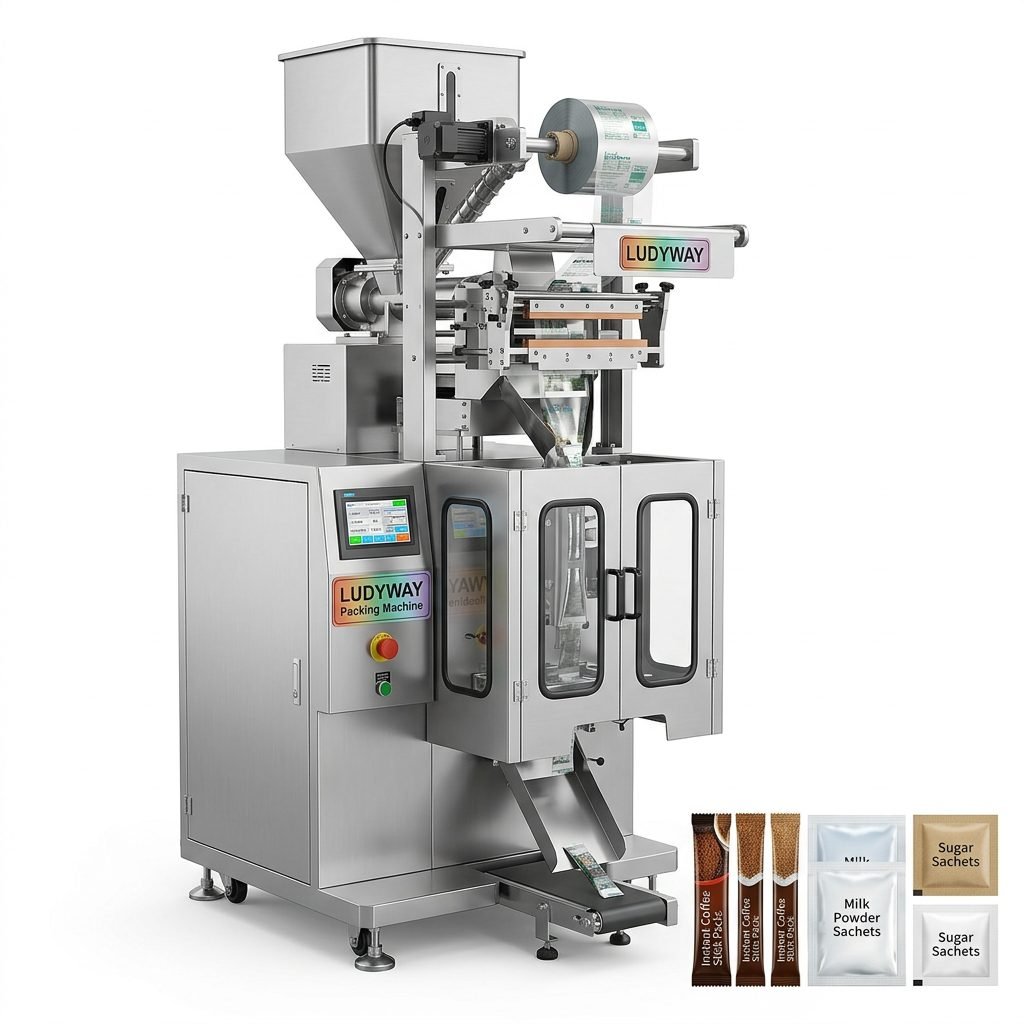
- Packaging Machines (VFFS & Multi-Lane): For high-volume production, vertical form-fill-seal (VFFS) units and high-speed multi-lane stick pack machines are preferred, capable of handling various bag styles and materials.
- Sealing and Inspection: Heat sealing, industrial vision inspection systems, and checkweighers ensure package integrity and quality control before cartoning.

Regulatory Requirements and French Compliance
Before installing your production line, you must navigate French and EU regulations designed to protect consumers and the environment. Key requirements include:
| Requirement | Description |
|---|---|
| EU Food Contact Materials Regulation (EC) 1935/2004 | Ensures packaging materials do not transfer harmful substances to the fruit. |
| French AGEC Law (Anti-Waste for a Circular Economy) | Mandates progressive reduction of single-use plastics and encourages recyclable solutions. |
| HACCP (Hazard Analysis and Critical Control Points) | All equipment must support hygiene standards to prevent biological, chemical, and physical contamination. |
| CE Marking | All machinery imported or installed in France must be CE certified for safety. |
Key Standards to Research
We recommend consulting the FDA’s food packaging guidelines for international benchmarking, alongside EU-specific directives from the European Commission’s Packaging Waste portal.
Estimating the Cost of a Fruit Packaging Line
The investment for a fruit packaging production line in France varies significantly based on capacity, automation level, and packaging format. Below is an estimated breakdown for a mid-tier, semi-automated to fully automated line suitable for a medium-sized enterprise:
| Cost Component | Estimated Range (EUR) for a complete setup | Notes |
|---|---|---|
| Multi-lane Packaging Machine | €60,000 – €200,000 | Core unit for stick packs or sachets. Depends on lanes (4-12) and speed. |
| Weighing and Feeding Systems | €15,000 – €45,000 | Multi-head weigher and bucket elevator for intake. |
| Inspection and Quality Control | €20,000 – €50,000 | Checkweigher, metal detector, and vision system. |
| End-of-Line Automation | €35,000 – €100,000 | Cartoning machine, case packer, and palletizing. |
| Installation & Compliance | €15,000 – €30,000 | CE marking support, operator training, and validation. |
Note: These figures are estimates and exclude facility preparation and annual maintenance. For a customized turnkey packaging solution, engaging a supplier with experience in European installations is critical to managing unforeseen barriers.
Key Considerations for Plant Layout and Production Flow
Efficient layout design minimizes labor costs and product damage. Separate your facility into dry, wet, and clean zones. Ensure that your line supports a logical flow: receiving and washing, preparation (slicing/drying), main packaging, and warehouse storage. The PMMI industry resources offer insights into optimizing production flows for packaging lines.
Sustainable Packaging Trends in France
The French market is heavily driven by eco-conscious consumers. Your packaging line must be compatible with recyclable mono-materials, biodegradable films, and biodegradable plastics to comply with the French AGEC Law and retailer expectations. When selecting a packaging machine, verify that it can handle thinner, eco-friendly films without compromising seal integrity or speed. The Flexible Packaging Association provides regular updates on sustainable film performance data.
Step-by-Step Setup Guide
- Conduct a feasibility study: Analyze target products, shelf life, and required capacity. Then request a consultation with a packaging specialist to review machine specifications.
- Secure CE certification: Ensure the entire integrated line meets EU safety directives. Work with an accredited notified body for compliance verification.
- Install and validate: Install the mechanical and electrical systems, followed by rigorous IQ/OQ/PQ (Installation, Operational, Performance Qualification) tests.
- Train operators: Intensive staff training on the HMI (Human Machine Interface) and sanitation protocols is mandatory for smooth daily operation.
Partnering with a Global Machinery Expert
Navigating the complexities of French regulations and equipment selection is challenging. Companies often benefit from partnering with manufacturers who provide comprehensive, CE-compliant turnkey solutions. As a global provider, Ludyway offers over 50 models of intelligent packaging machines and complete production line integration services. With expertise spanning from single powder packaging machines to fully automated multi-lane systems, they help international clients seamlessly set up operations in regulated markets like France, ensuring adherence to quality and safety standards.
Maintaining High Efficiency Post-Setup
After the line is running, focus on continuous improvement. Preventive maintenance and ready availability of spare parts are essential to prevent costly downtime in the fruit industry, where seasonality and freshness are key. Partnering with a supplier that offers robust technical support and rapid after-sales service is a strategic advantage for long-term success in the French market.
For further industry data, explore reports from the PMMI Business Intelligence Library and the Flexible Packaging Association Knowledge Hub to stay updated on the latest equipment trends and packaging regulations.