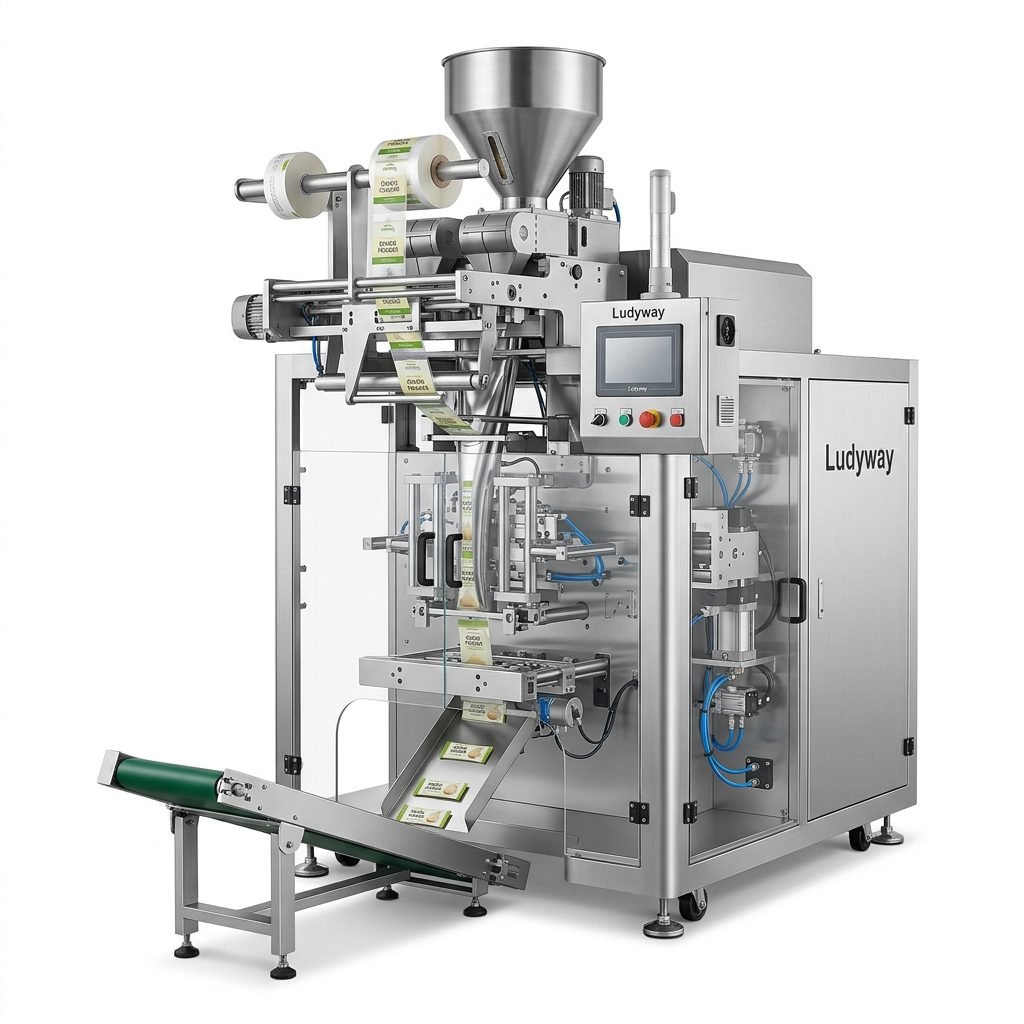
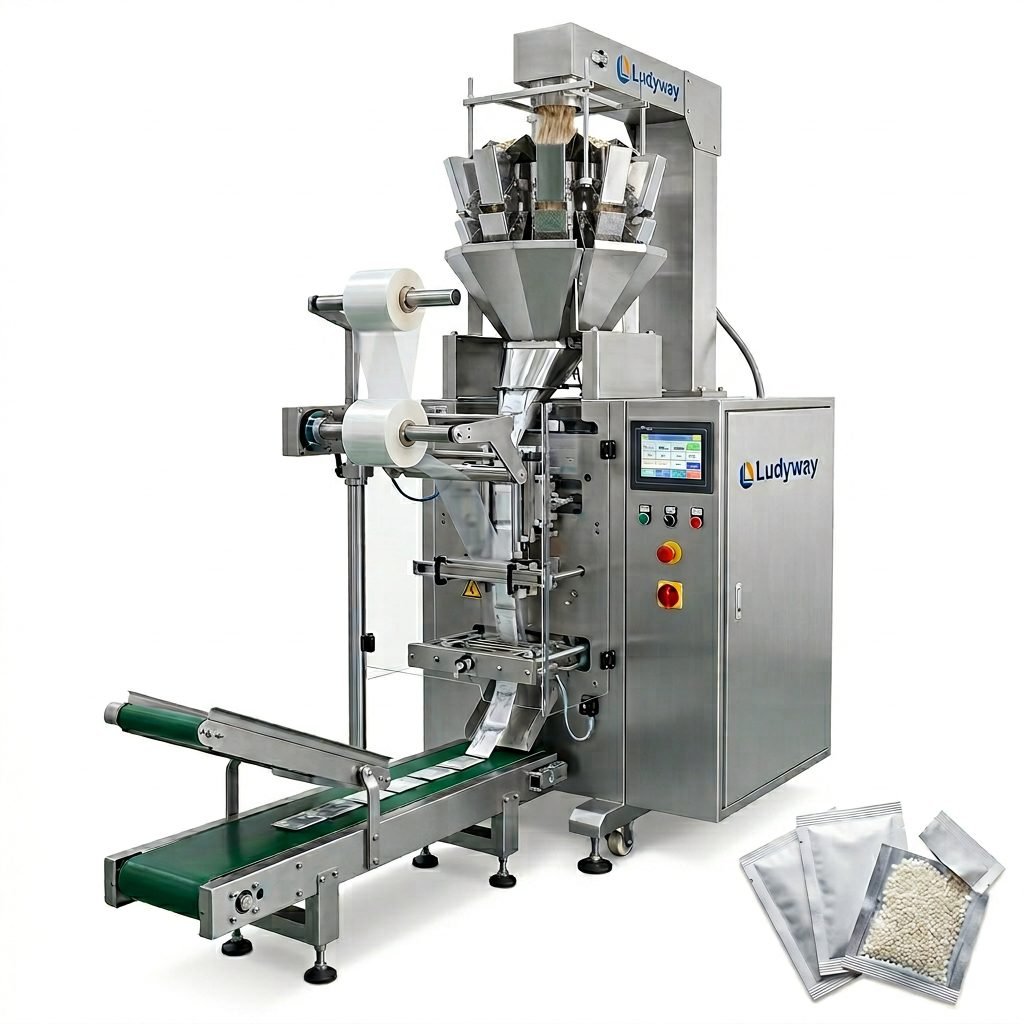
The South American confectionery market is experiencing a significant surge, driven by increasing consumer demand for convenience foods and premium chocolate products. Investing in a chocolate bar packaging machine in South America is no longer just an operational decision; it’s a strategic move to capture market share. Whether you are a small artisanal producer in Colombia or a large-scale industrial manufacturer in Brazil, the right packaging machinery ensures product freshness, extends shelf life, and enhances brand appeal against the humid and tropical climate challenges prevalent in the region.
Understanding the South American Chocolate Packaging Landscape
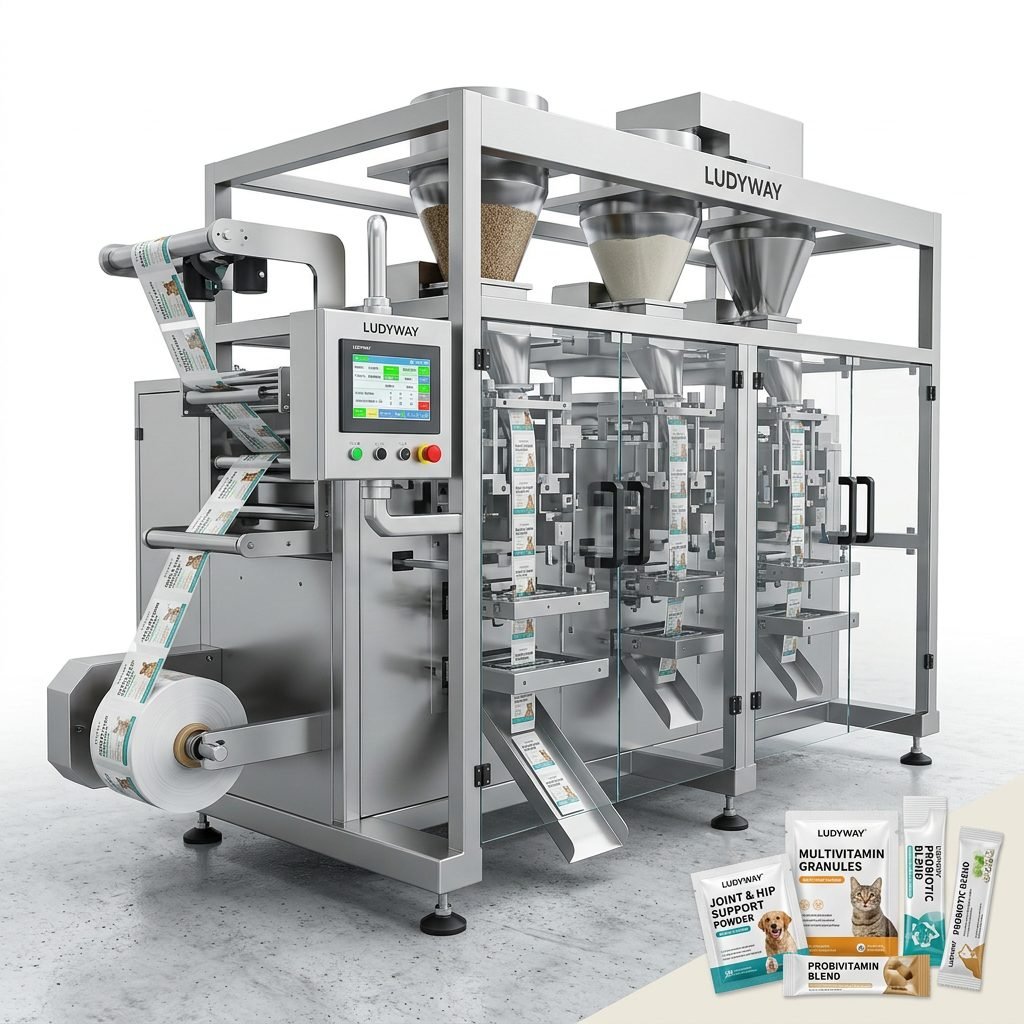
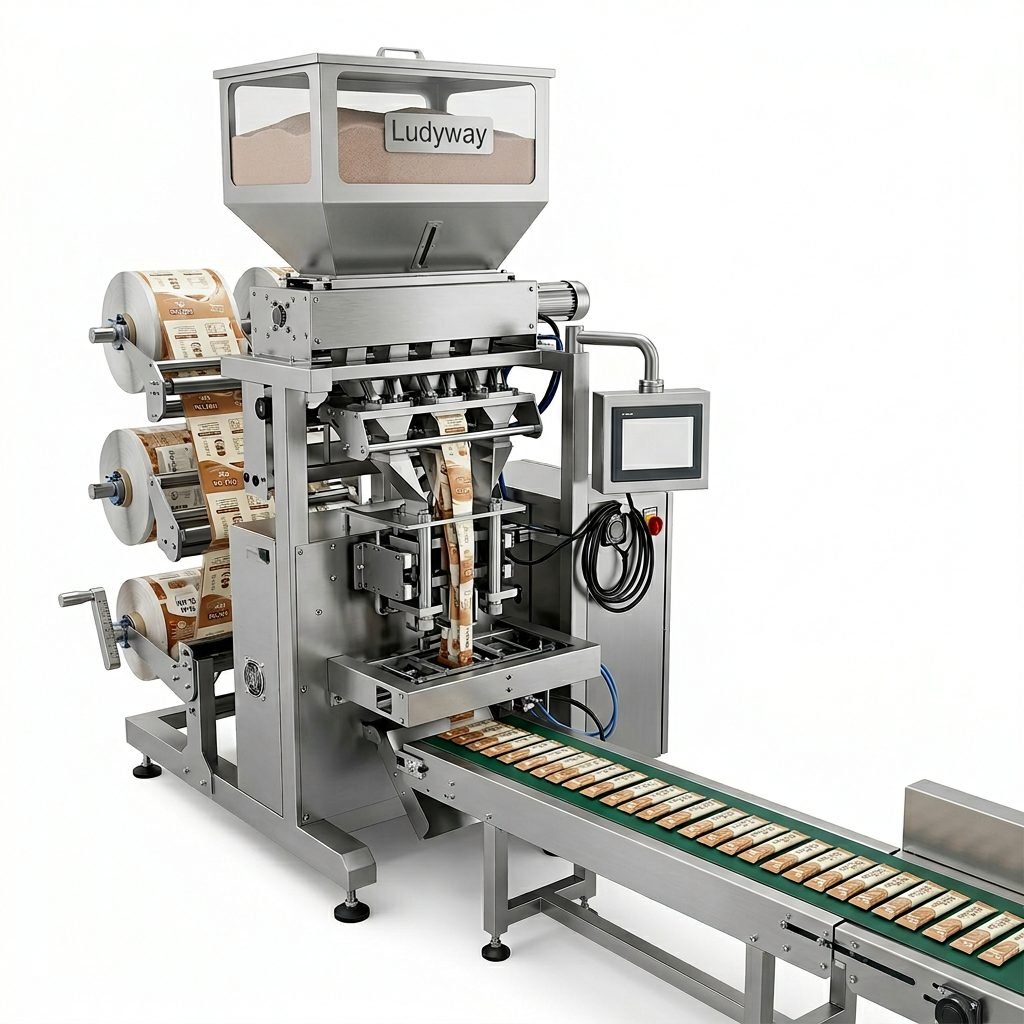
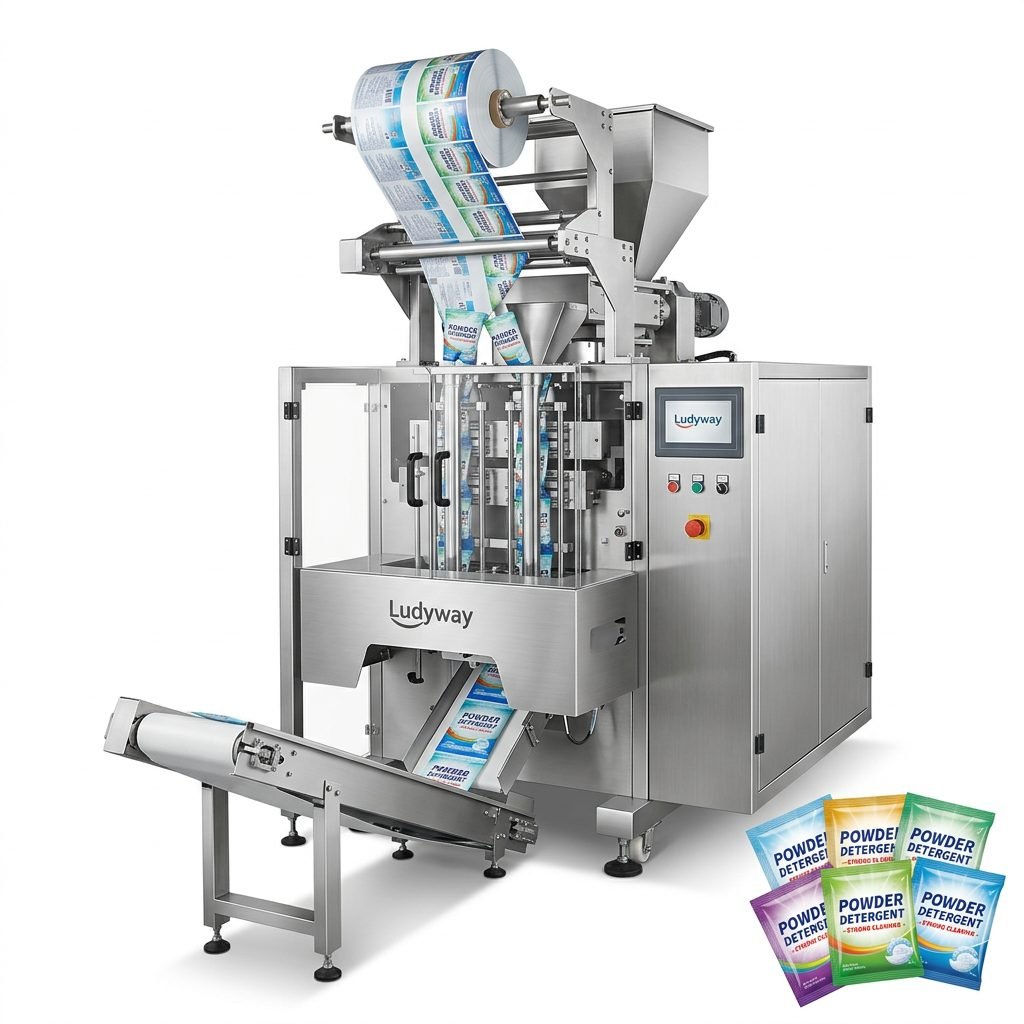
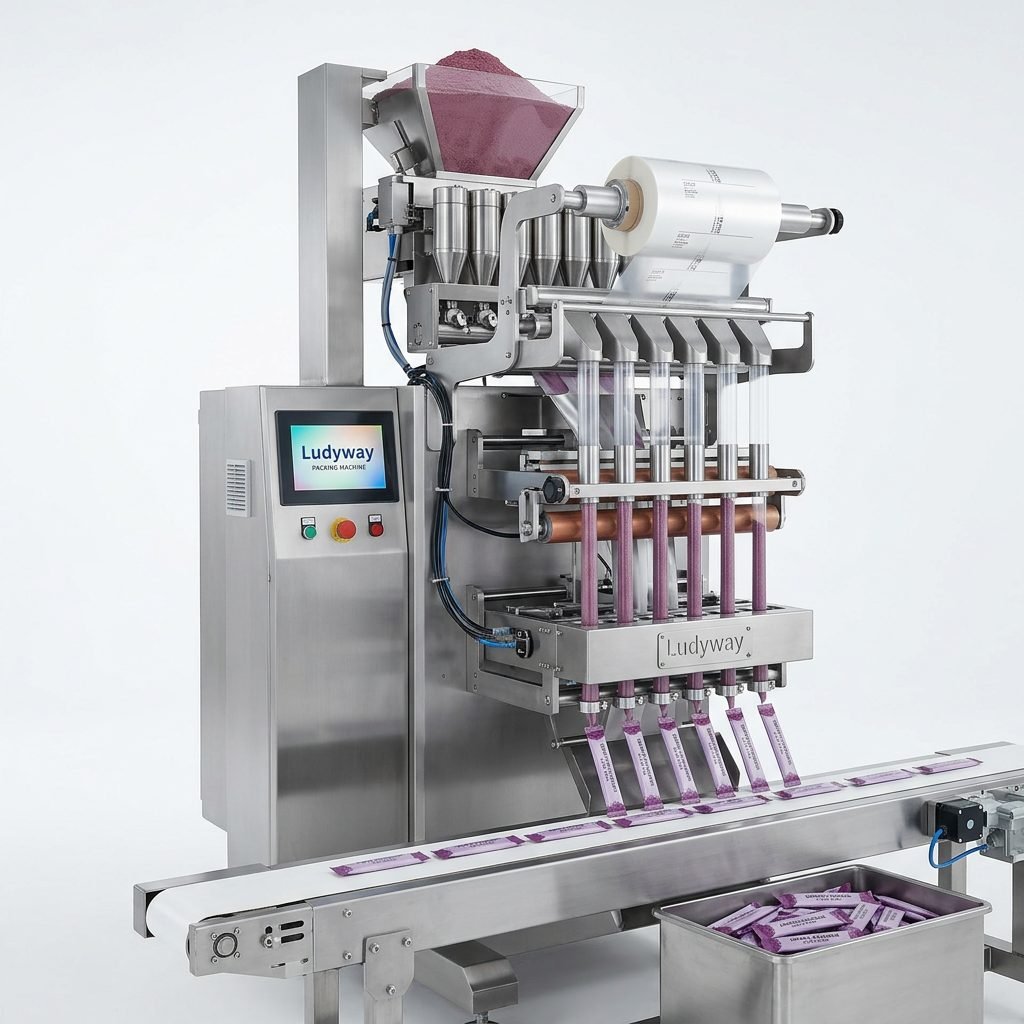
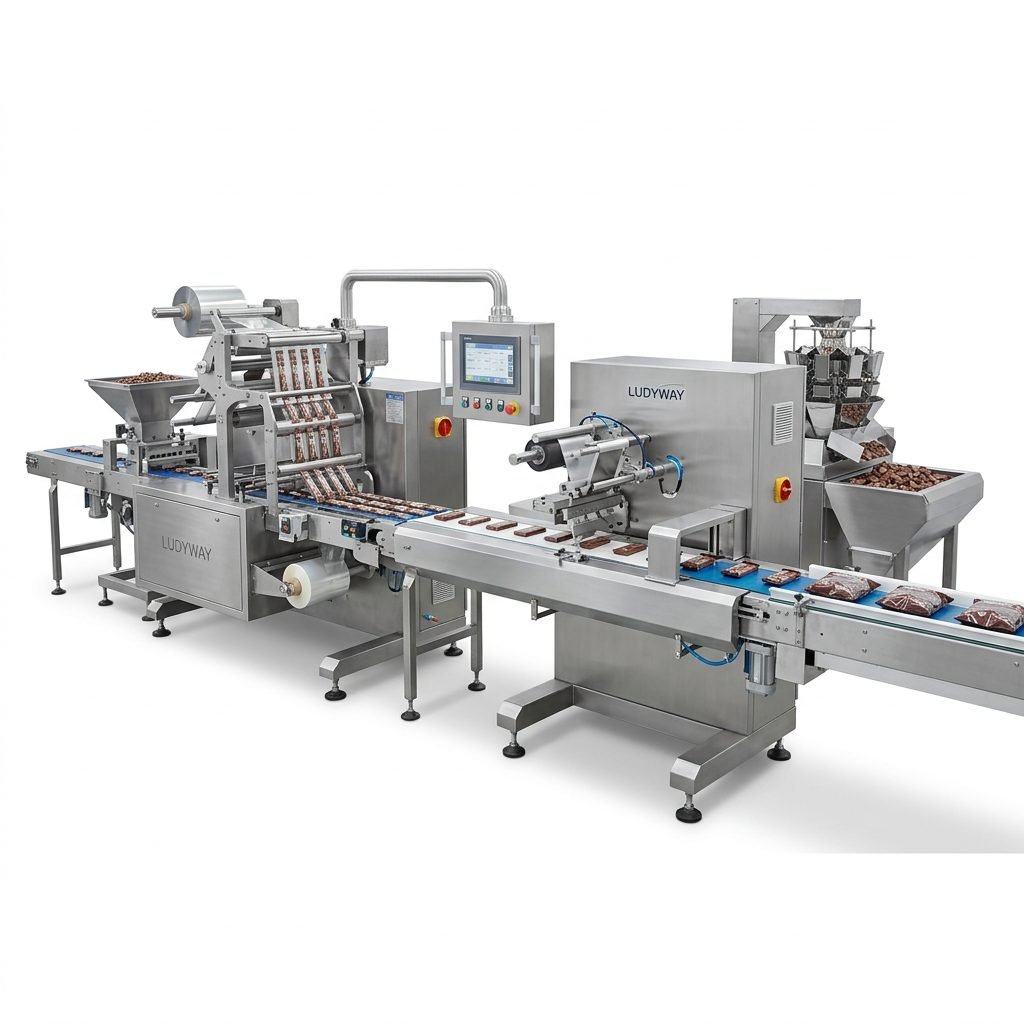
The region’s unique market dynamics require robust and adaptable solutions. From the cocoa-rich plantations of Ecuador to the bustling retail markets of Argentina, the packaging needs vary significantly. A comprehensive understanding requires looking at current state of the industry trends. Modern operations are moving away from manual labor towards fully automated flow wrapping and multi-lane stick pack systems capable of handling various formats, including tablets, mini-bars, and snack-sized portions.
Key Drivers for Automation in the Region
- Shelf Life & Protection: Advanced seal integrity and modified atmosphere packaging (MAP) capabilities are critical to prevent cocoa butter bloom and spoilage in tropical humidity.
- Speed & Scalability: Manufacturers need to scale production rapidly to meet export demands to neighboring countries, requiring high-speed multi-lane machines.
- Portion Control: The growing trend towards smaller, single-serve packaging formats is pushing demand for stick pack and mini-sachet lines.
Types of Chocolate Bar Packaging Machines Available
Selecting the correct machinery depends entirely on your product format and desired output. The market offers a range of specialized equipment, from primary wrapping to secondary cartoning. Below is a breakdown of the most common technologies deployed in South American facilities.
| Machine Type | Best For | Key Advantage |
|---|---|---|
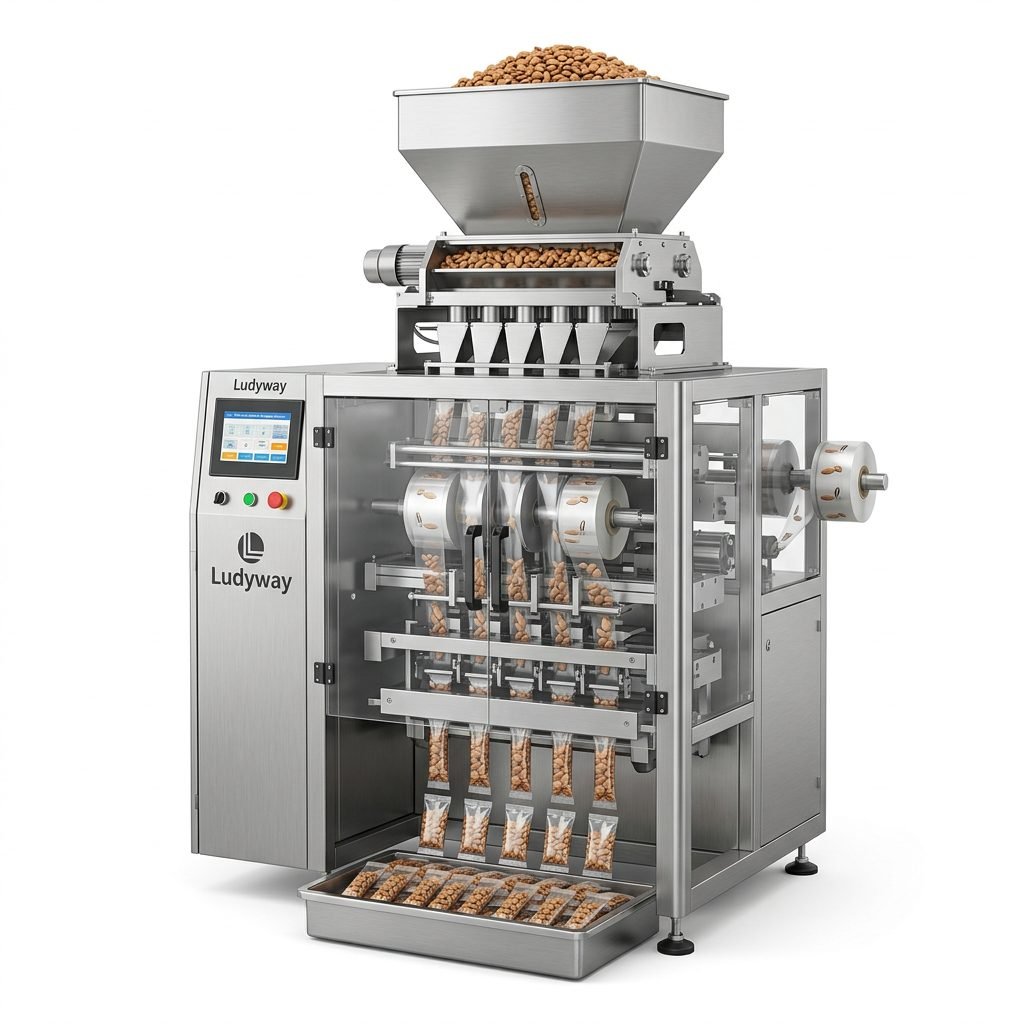
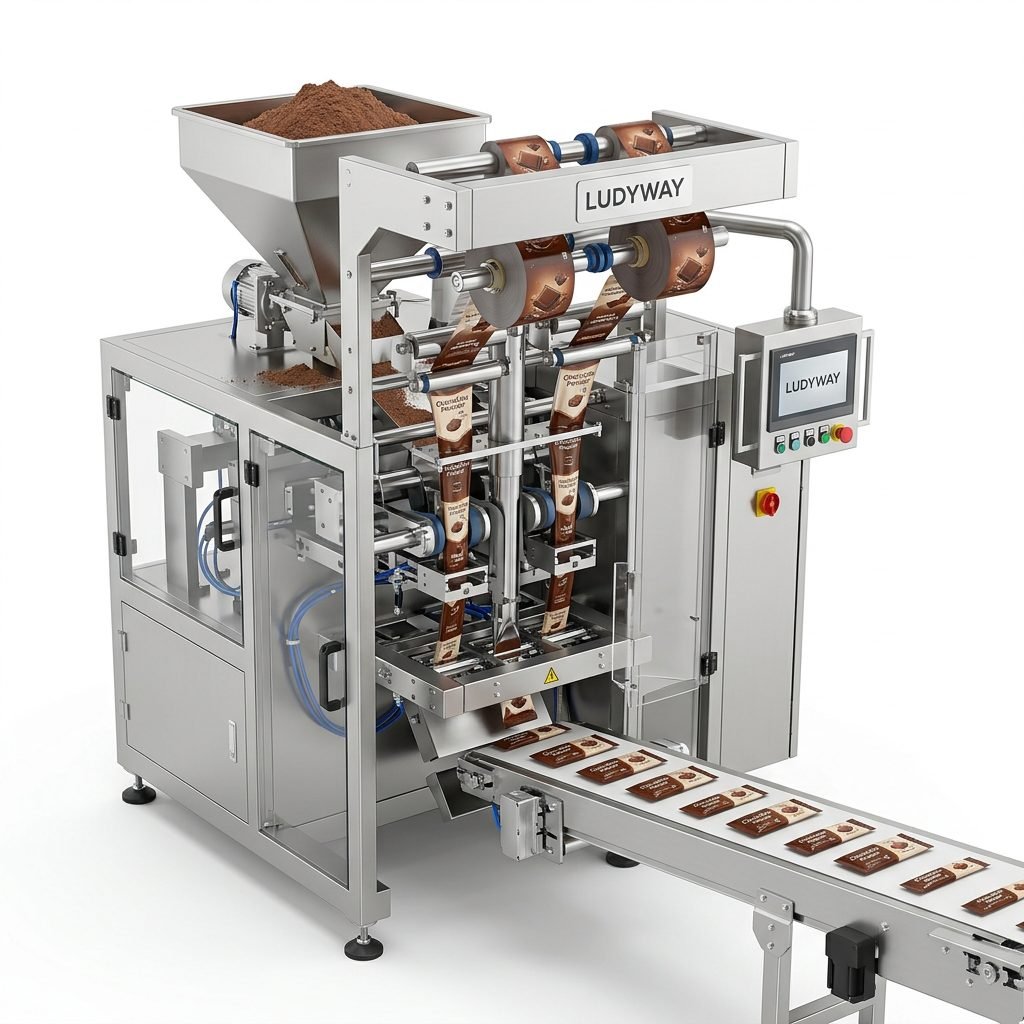
| Multi-Lane Stick Pack Machines | Powders, granules, small chocolate pieces | High output, excellent for single-serve samples |
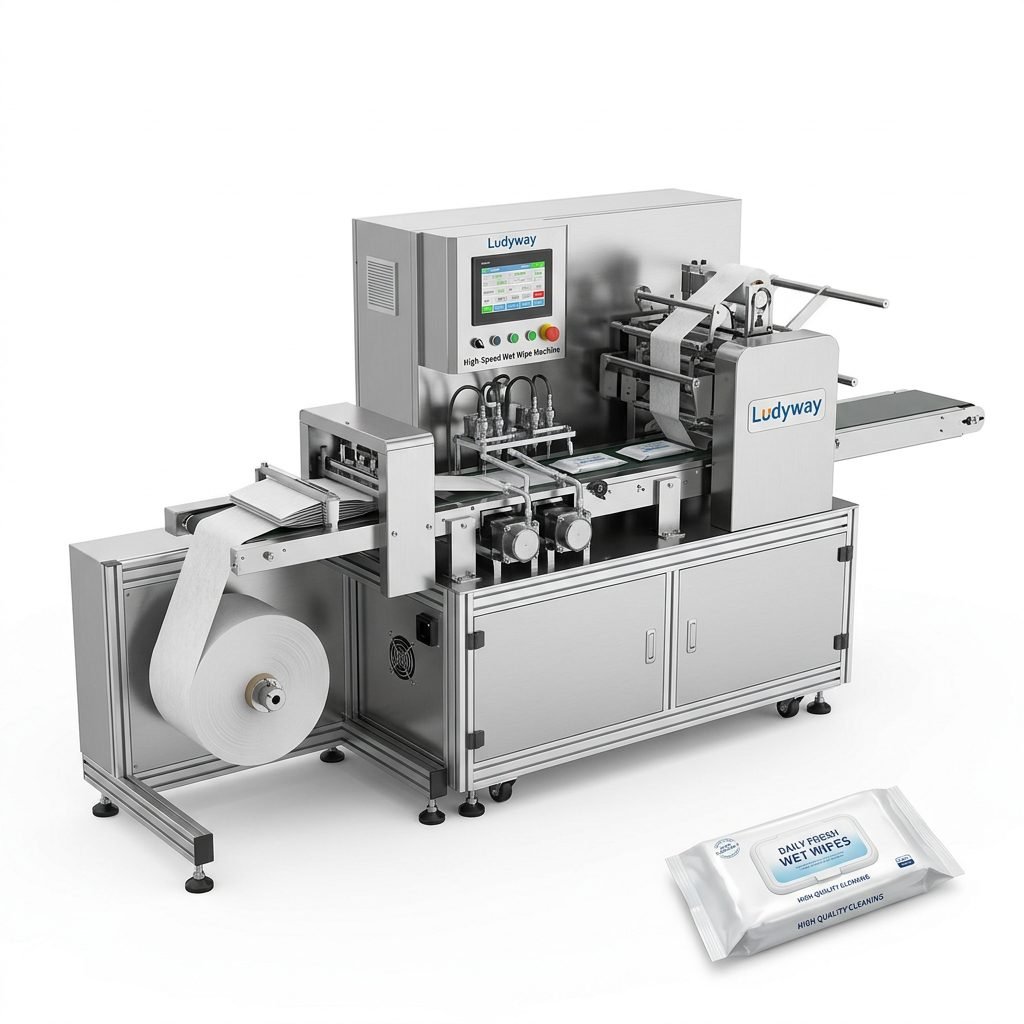
| Horizontal Flow Wrappers | Solid bars, countlines, wafer sticks | Versatile, airtight sealing for mold prevention |
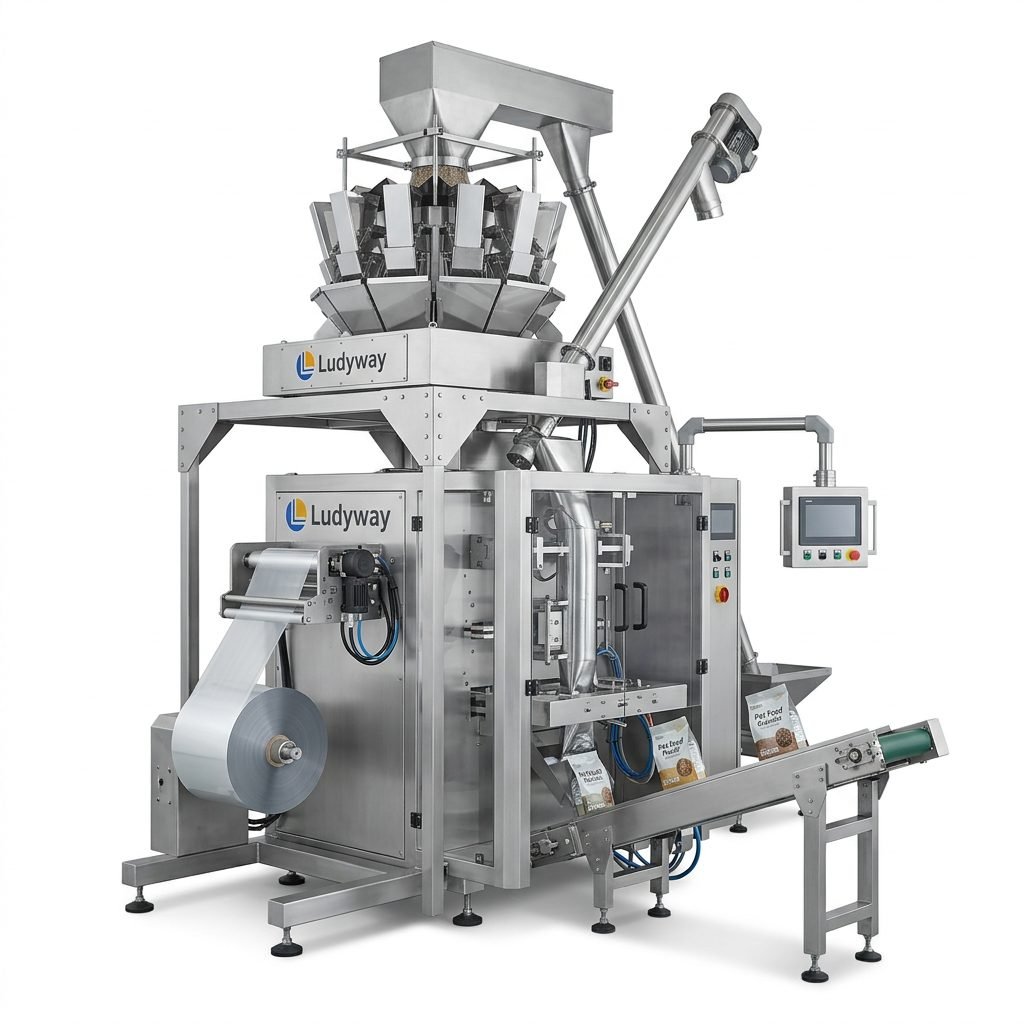
| Vertical Form Fill Seal (VFFS) | Chocolate coated nuts, dragées, pillows | Ideal for granular and irregularly shaped items |
| Foil Wrapping Machines | Premium molded chocolate tablets | Superior light and moisture barrier |
Critical Factors When Buying a Packaging Machine
Before finalizing your investment, a thorough evaluation of technical specifications and supplier capabilities is mandatory. Adherence to ISO packaging standards is crucial for export-quality goods. You must look beyond the initial purchase price and consider the total cost of ownership, including maintenance, spare parts availability in Latin America, and technical support response times.
Material Compatibility and Sustainability
South American regulations are increasingly aligning with global sustainability standards. Your machine must handle eco-friendly materials such as recyclable mono-laminates and biodegradable films without compromising seal integrity. The flexible packaging industry is constantly innovating new substrates, and your equipment needs to keep pace. Look for machines with precise temperature control and adjustable sealing jaws to prevent film tearing or weak seals.
Integration with Existing Production Lines
A common mistake is purchasing a standalone machine that cannot communicate with upstream tempering or downstream cartoning systems. A truly efficient factory operates as a turnkey smart factory solution. Automated feeding systems, industrial packaging lines, and robotic pick-and-place mechanisms should integrate seamlessly. Robotic palletizing systems for automated warehouse handling are essential for high-volume exporters shipping goods from ports in São Paulo or Buenos Aires.
Navigating Import Regulations and Support in South America
Importing heavy machinery into South American countries involves complex logistics and varying tariffs. A reliable packaging machine manufacturer must provide comprehensive documentation, including certificates of origin and compliance with local safety regulations. Furthermore, after-sales support is a significant pain point. Ensure your supplier offers remote diagnostics, readily available spare parts, and preferably a local agent who can perform physical inspections.

Supplier Spotlight: Global Expertise with Local Awareness
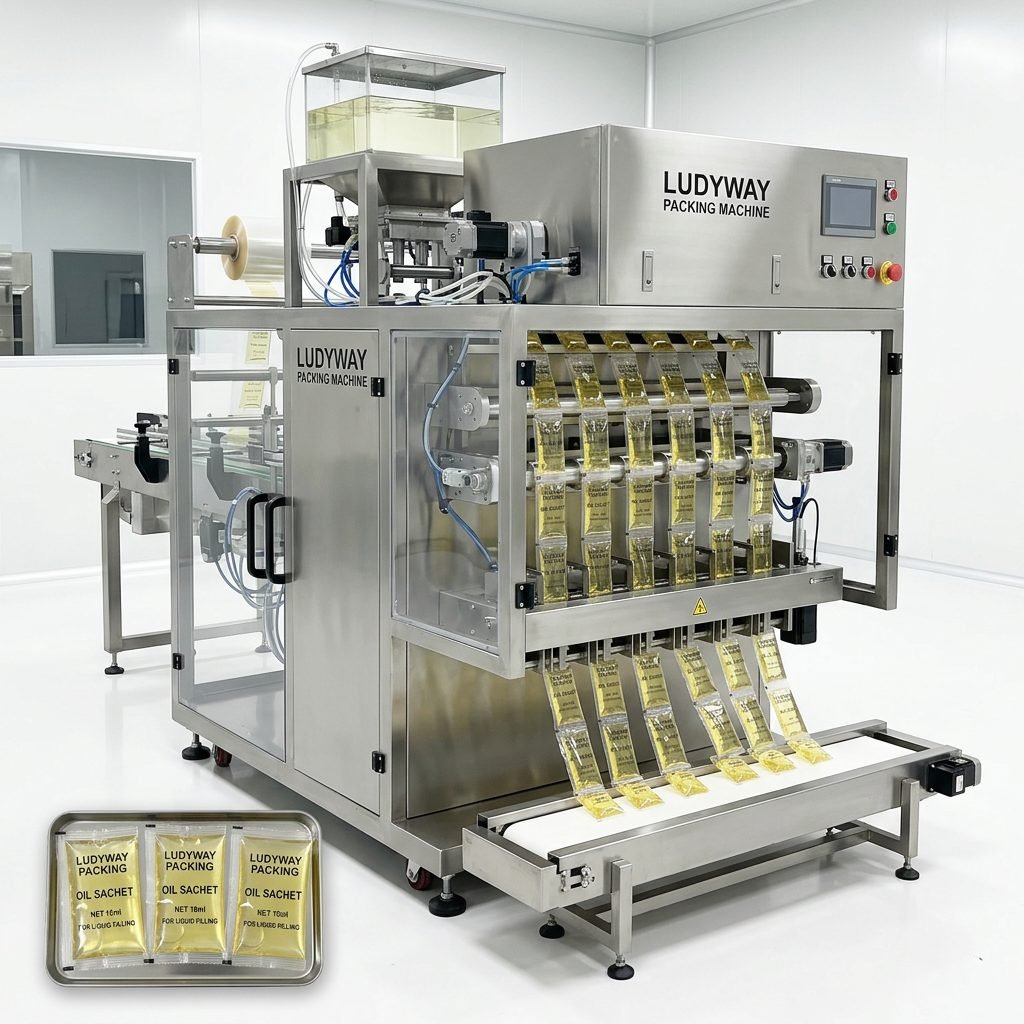
When sourcing technology, looking towards manufacturers with a strong global footprint and specific experience in emerging markets is wise. Ludyway Machinery, for instance, stands as one of the largest packaging machine manufacturers in Asia, providing advanced turnkey solutions to over 100 countries. With a modern 20,000㎡ manufacturing facility and a portfolio of more than 50 intelligent models, they offer specialized multi-lane systems for granules, powders, and liquid chocolate applications. Their commitment to helping businesses improve productivity and operational efficiency is evident in their expansive global exhibition presence.
Certifications and Quality Assurance
Do not underestimate the value of factory acceptance tests (FAT) and site acceptance tests (SAT). For pharmaceutical or functional chocolate products, compliance with FDA food packaging regulations or specific GMP standards is non-negotiable, even for domestic South American sales targeting premium retail chains.
Cost vs. Investment: Understanding the ROI
The price of a chocolate bar packaging machine varies dramatically based on speed, lane count, and automation level. A single-lane semi-automatic machine will naturally cost considerably less than a high-speed multi-lane system with integrated checkweighing and reject stations. However, the latter offers a significantly higher return on investment (ROI) through reduced labor costs, minimized product giveaway, and higher throughput. Use the following checklist to calculate your expected ROI:
- Current labor costs per shift vs. automated operation costs.
- Film waste percentage with current equipment vs. new precision tension control.
- Downtime costs due to mechanical failures in older machines.
- Revenue increase potential from entering new single-serve export markets.
Future-Proofing Your Investment
The confectionery packaging industry is trending towards digitalization and Industrial Internet of Things (IIoT) capabilities. Future-ready machines offer remote performance monitoring, predictive maintenance alerts, and big data analytics to track Overall Equipment Effectiveness (OEE). As South America’s digital infrastructure improves, these smart features will become essential for maintaining a competitive edge.
Furthermore, the flexibility to switch between different packaging formats—from classic rectangular bars to premium fold-wrapped tablets and trendy stick packs—ensures your capital investment remains profitable for the next decade, regardless of shifting consumer behaviors in the dynamic Latin American market.