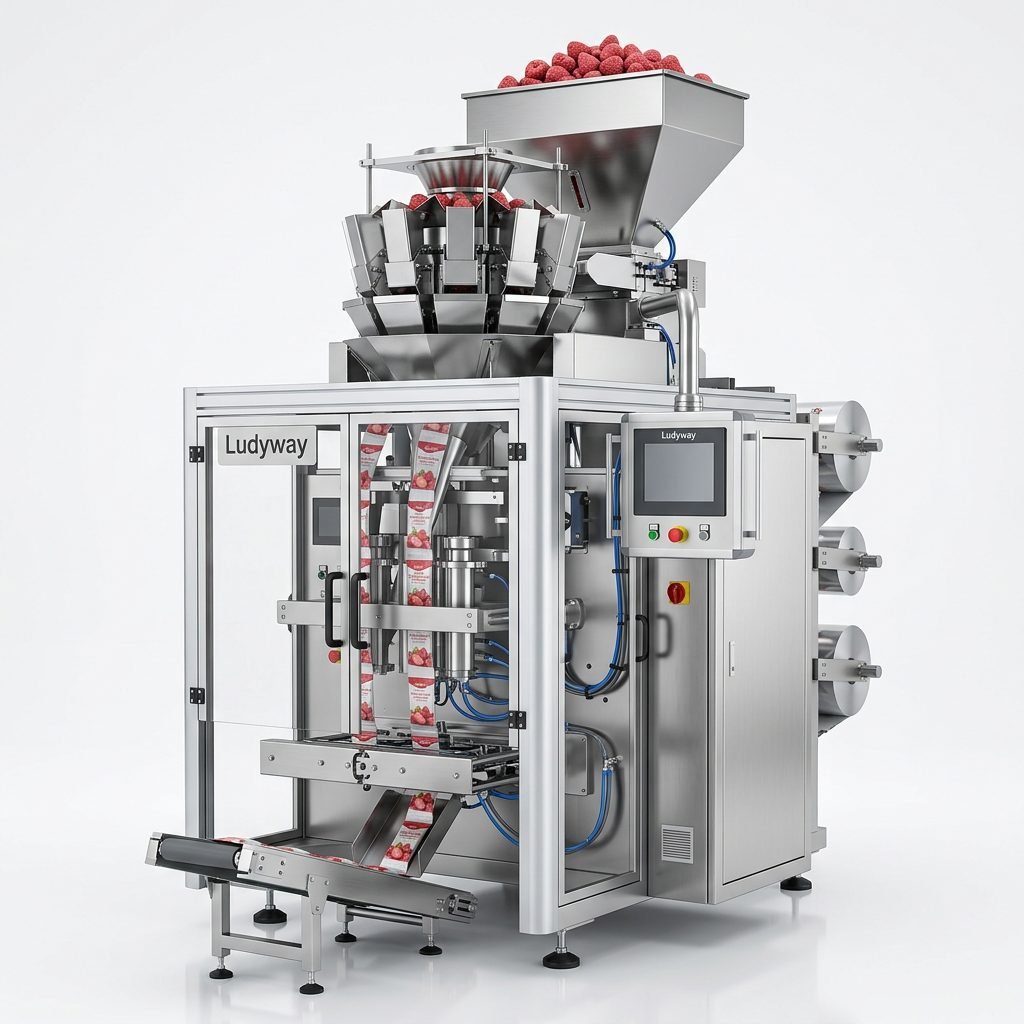
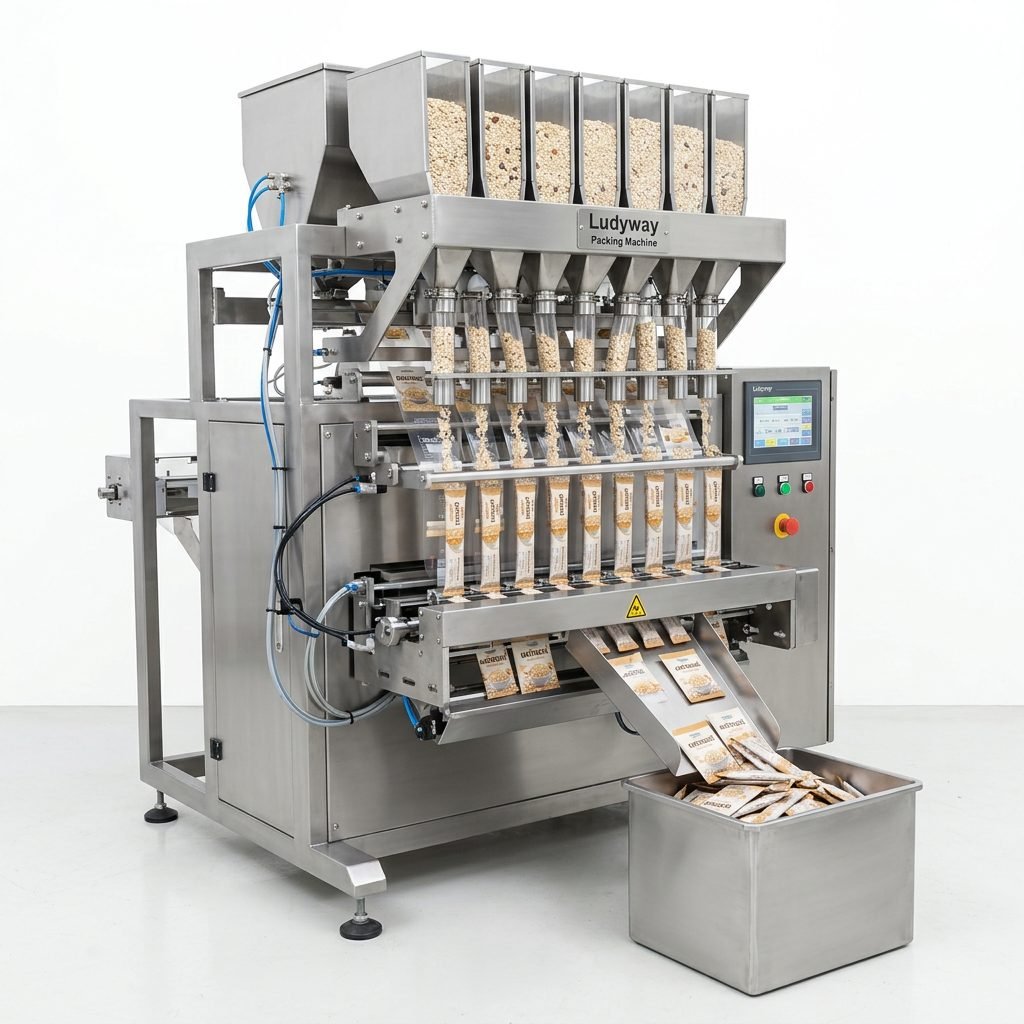
Investing in the right food packaging machine is one of the most critical decisions for food producers in Liberia. Whether you are scaling up a local cassava flour operation, entering the instant coffee market, or packaging high-value supplements, the equipment you choose directly affects your production efficiency, product shelf life, and overall profitability. With the growing demand for packaged foods across West Africa, selecting a system that matches your specific product characteristics and business goals is essential.

Understanding Your Product and Production Goals in Liberia
Before evaluating any machinery, you must clearly define the physical properties of your product. The particle size, flowability, moisture sensitivity, and bulk density all determine the type of dosing and sealing technology required. The market in Liberia spans a diverse range of products, each demanding a specialized approach. Common categories include:
- Free-flowing granules: Products like sugar, salt, dried grains, and ground coffee flow easily and work well with volumetric cup fillers.
- Sticky or cohesive powders: Items such as milk powder, cocoa mixes, cassava flour, and seasoning blends often need auger fillers with mechanical agitation to ensure consistent dosing.
- Hygroscopic materials: Products that absorb moisture from the air, like instant drink powders or dried fruit powders, require sealed hoppers and sometimes nitrogen flushing.
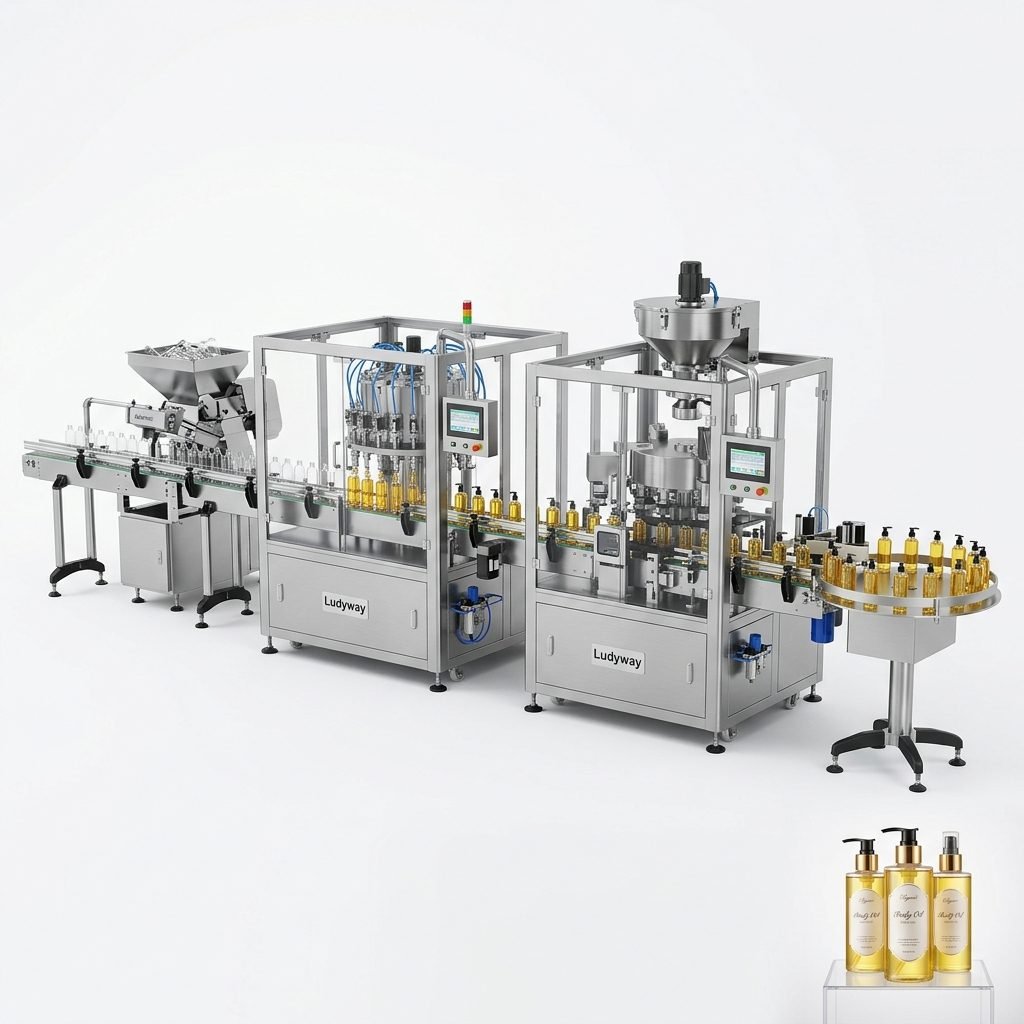
- Liquid and paste products: Palm oil, honey, sauces, and beverage concentrates need piston pumps or gear pumps with precise volume control.
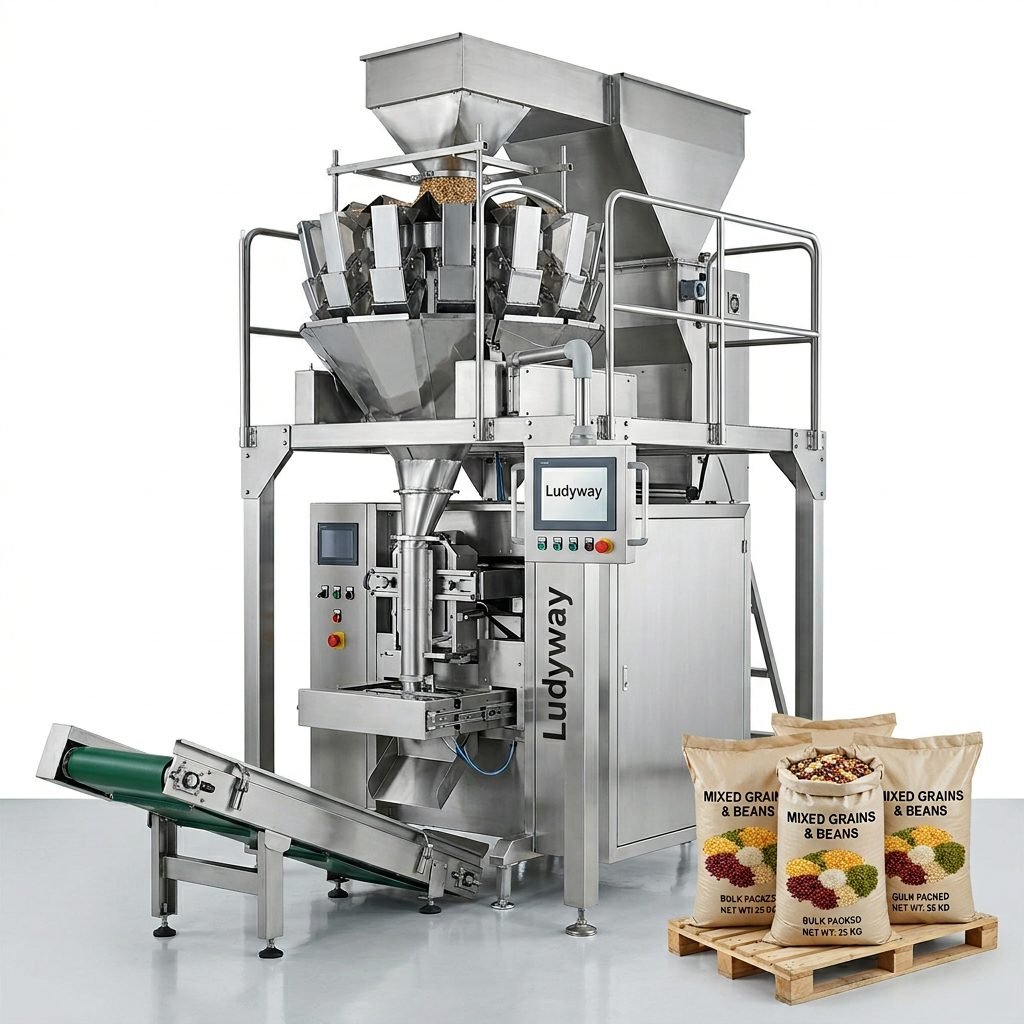
- Multi-component mixes: Soup mixes, spice blends, and protein shakes containing particles of varying sizes demand multi-head weighers for accurate combination weighing.
Matching Machine Types to Liberian Market Needs
The packaging format you choose has a direct impact on consumer acceptance and distribution logistics in Liberia. Stick packs, sachets, and premade pouches are the most popular formats for unit-dose and single-serve applications, keeping products affordable and accessible. Selecting the correct machine architecture is crucial for operational success.
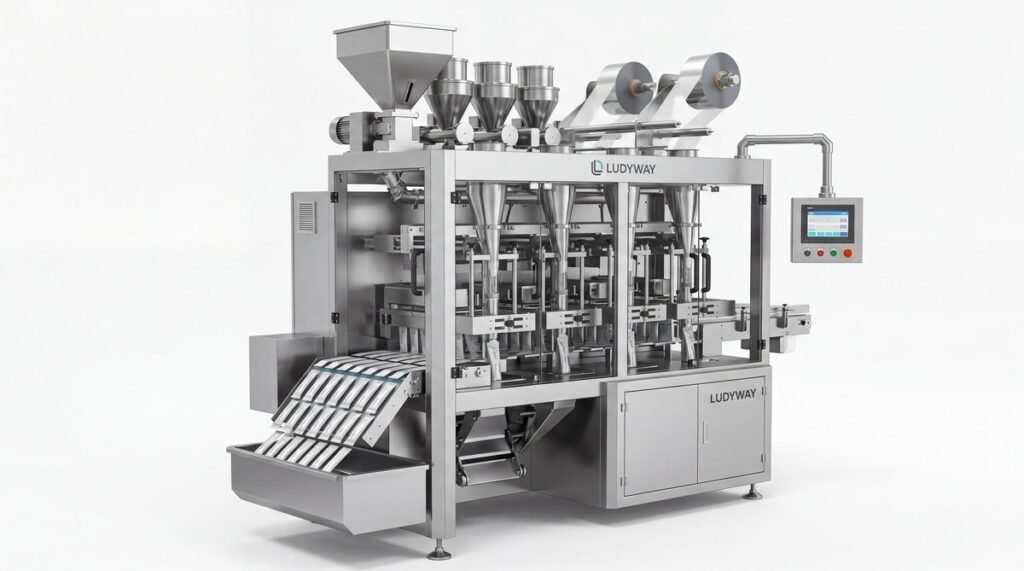
Stick Pack Machines for High-Speed Single-Serve Products
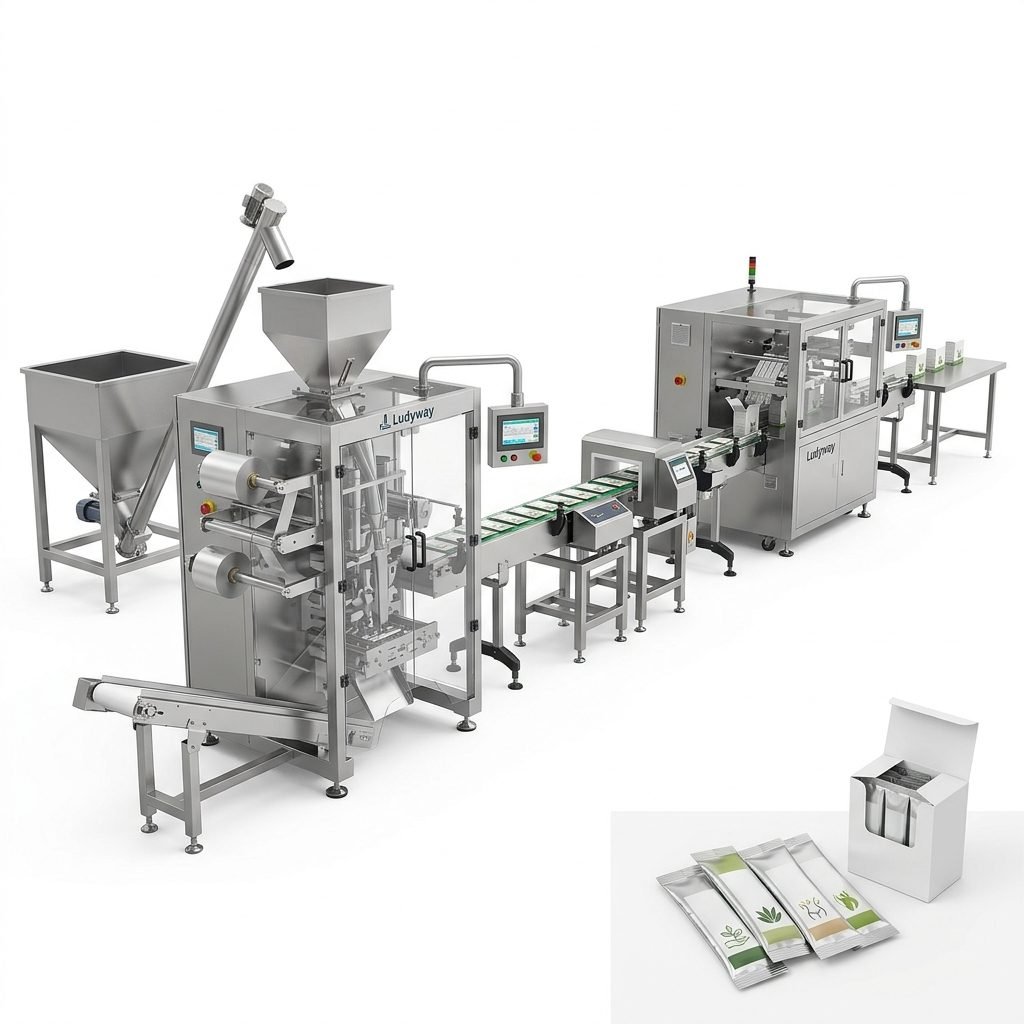
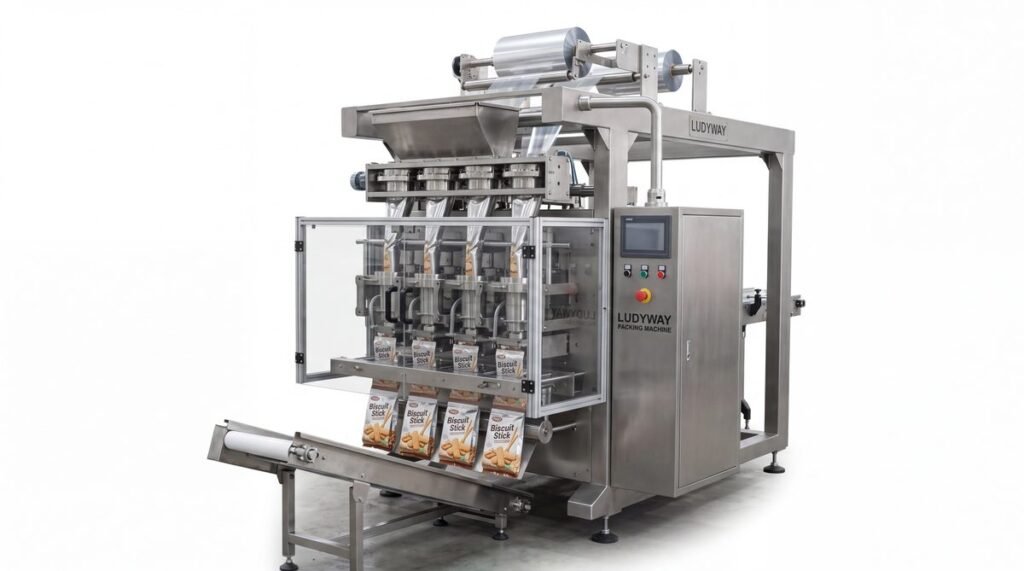
Stick pack machines are ideal for packaging small quantities of powders, granules, and liquids in narrow, elongated pouches. They are commonly used for instant coffee, sugar, milk powder, and drink mixes. Modern multi-lane stick pack systems can produce hundreds of packs per minute, significantly lowering the per-unit packaging cost. For Liberian producers targeting the West African mass market, this format offers excellent portion control and brand visibility.
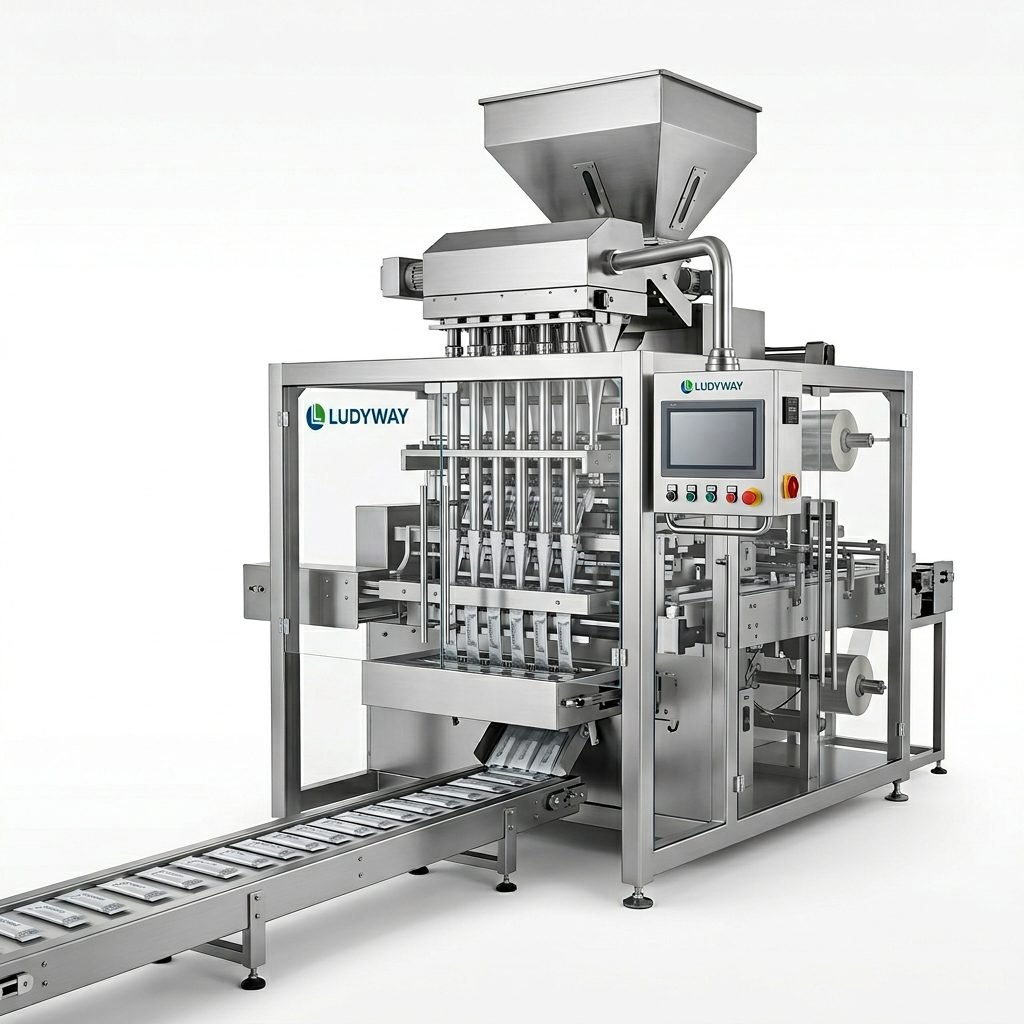
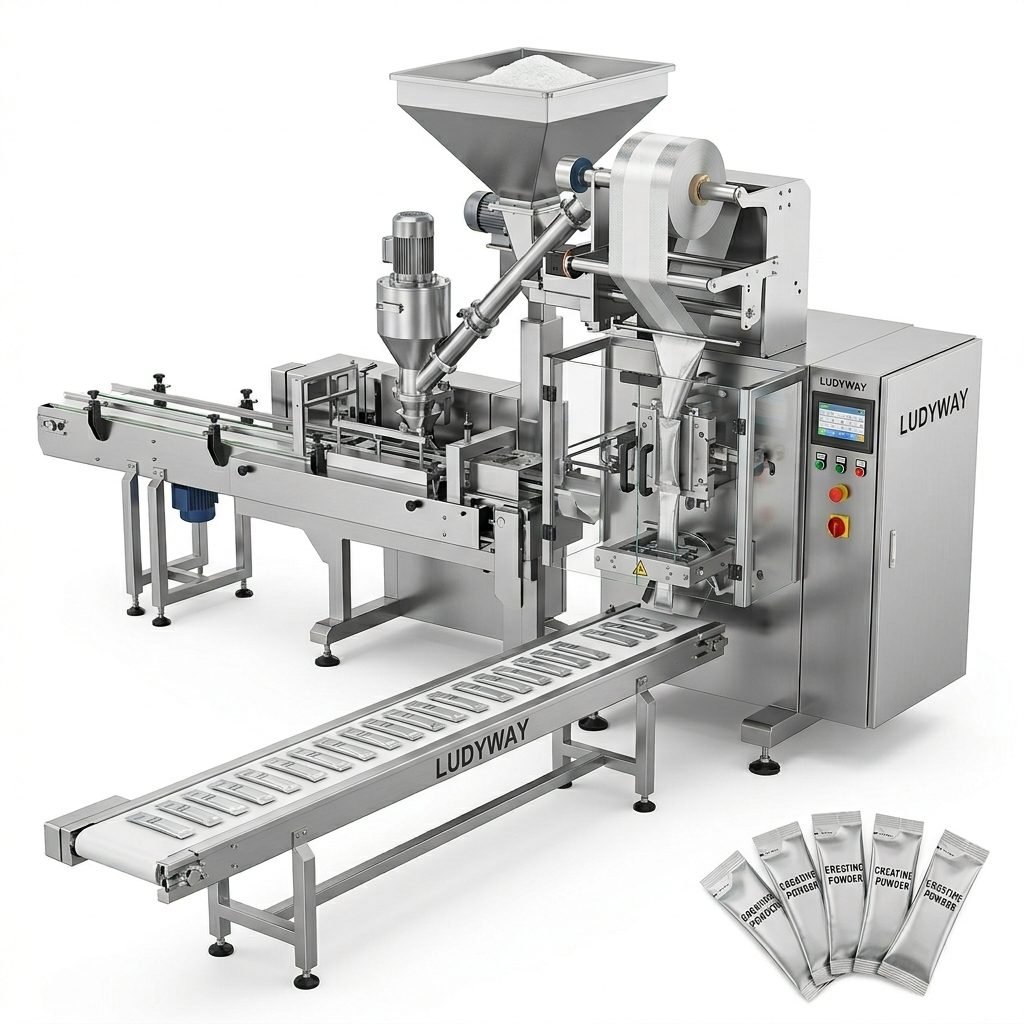
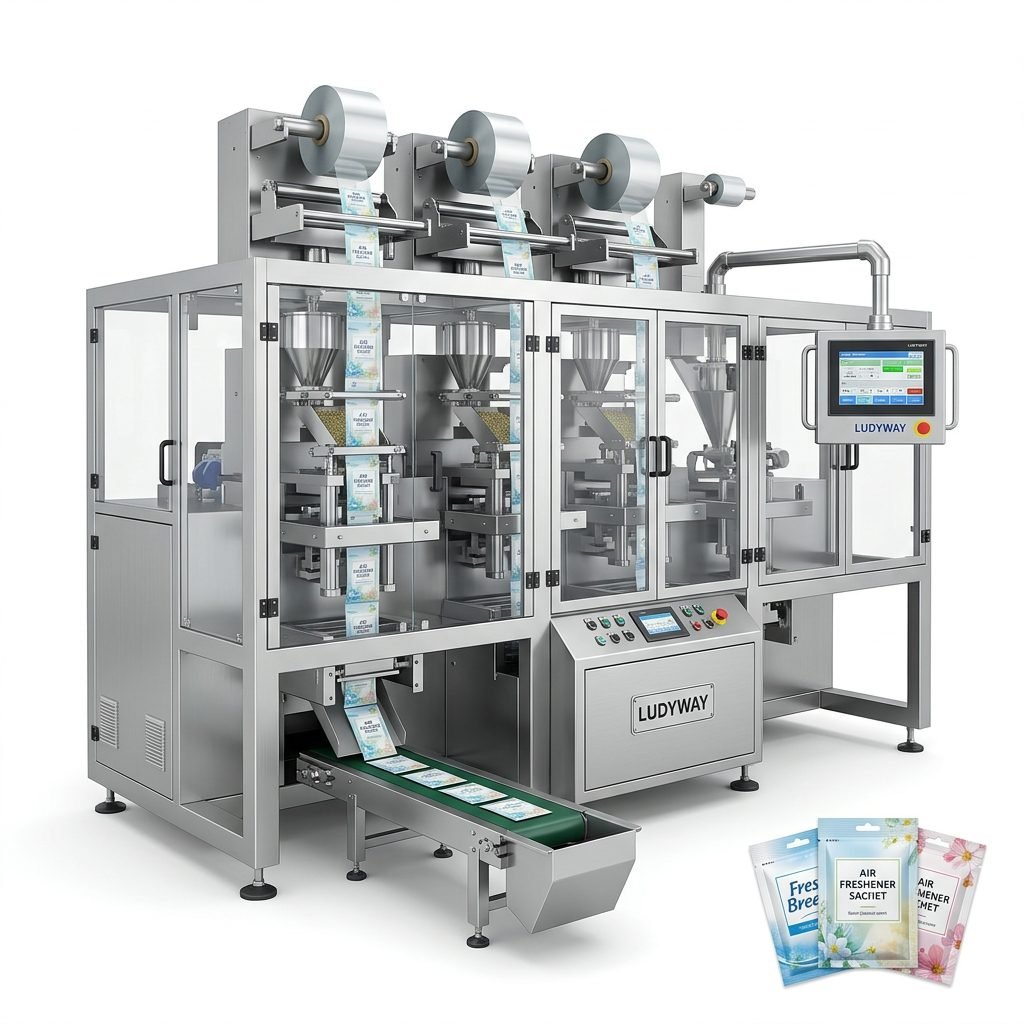
Sachet Packaging Machines for Flexible Volume Ranges
Sachet machines offer greater flexibility in pouch dimensions, from small 2-gram salt portions to larger 50-gram powder refill packs. Three-side seal and four-side seal configurations are both widely available. The powder packaging machine equipped with a high-precision auger filler is particularly effective for cassava flour, fufu mixes, and baking powder sold throughout Liberia. These systems can handle laminated films that provide an excellent barrier against humidity, which is a constant challenge in tropical climates.
Premade Pouch Rotary Fillers for Premium Segments
For high-value Liberian export products such as specialty coffee, cocoa nibs, or health supplements, premade pouch packaging machines provide a premium appearance with ziplock reclosure options. Stand-up pouches, side-gusseted bags, and spouted pouches all fall under this category. These machines typically use rotary turntable designs for medium-speed production, offering the ability to switch pouch sizes quickly for different product lines.
Evaluating Technical Specifications and Critical Components
Beyond the machine type, several technical factors directly influence long-term reliability and output quality in a Liberian production environment. Paying close attention to these details will prevent costly downtime and product waste.
| Component | Why It Matters for Liberia | Recommended Feature |
|---|---|---|
| Frame Material | Corrosion resistance in humid coastal areas like Monrovia | Stainless Steel 304 or 316 |
| Sealing Jaws | Consistent seal integrity to prevent leaks and spoilage | Independent temperature control per lane |
| Control System | Ease of use for operators with varying technical backgrounds | PLC with touch screen interface |
| Film Registration | Accurate pouch length despite variations in film tension | Photoelectric sensor with automatic correction |
| Gas Flushing | Extends shelf life for oxygen-sensitive products | Nitrogen flushing system with residual oxygen monitoring |
| Dust Extraction | Prevents powder buildup on sealing surfaces | Integrated vacuum dust collection |
Filling Accuracy and Waste Reduction
In competitive markets like Liberia, ingredient costs represent a significant portion of the final product price. Even a small overfill percentage across thousands of packs translates into substantial revenue loss. Auger fillers with closed-loop feedback and multi-head weighers with individual load cells can achieve accuracy levels of ±0.5% to ±1%, depending on the product. Regular calibration procedures and the use of checkweighers integrated into the line further ensure that every pack leaving your facility meets the labeled weight specification.
Power Supply, Infrastructure, and Local Operating Conditions
Liberia’s industrial infrastructure presents unique challenges that must be considered during equipment selection. Voltage fluctuations are common outside of major city centers, so machines should be specified with wide-voltage tolerance power supplies and surge protection. Some manufacturers offer customized electrical configurations to match local grid specifications. Additionally, a reliable supply of compressed air is required for pneumatic actuators and sealing cylinders. Including a properly sized air compressor and dryer in your investment plan is not optional — it is essential for consistent machine performance.
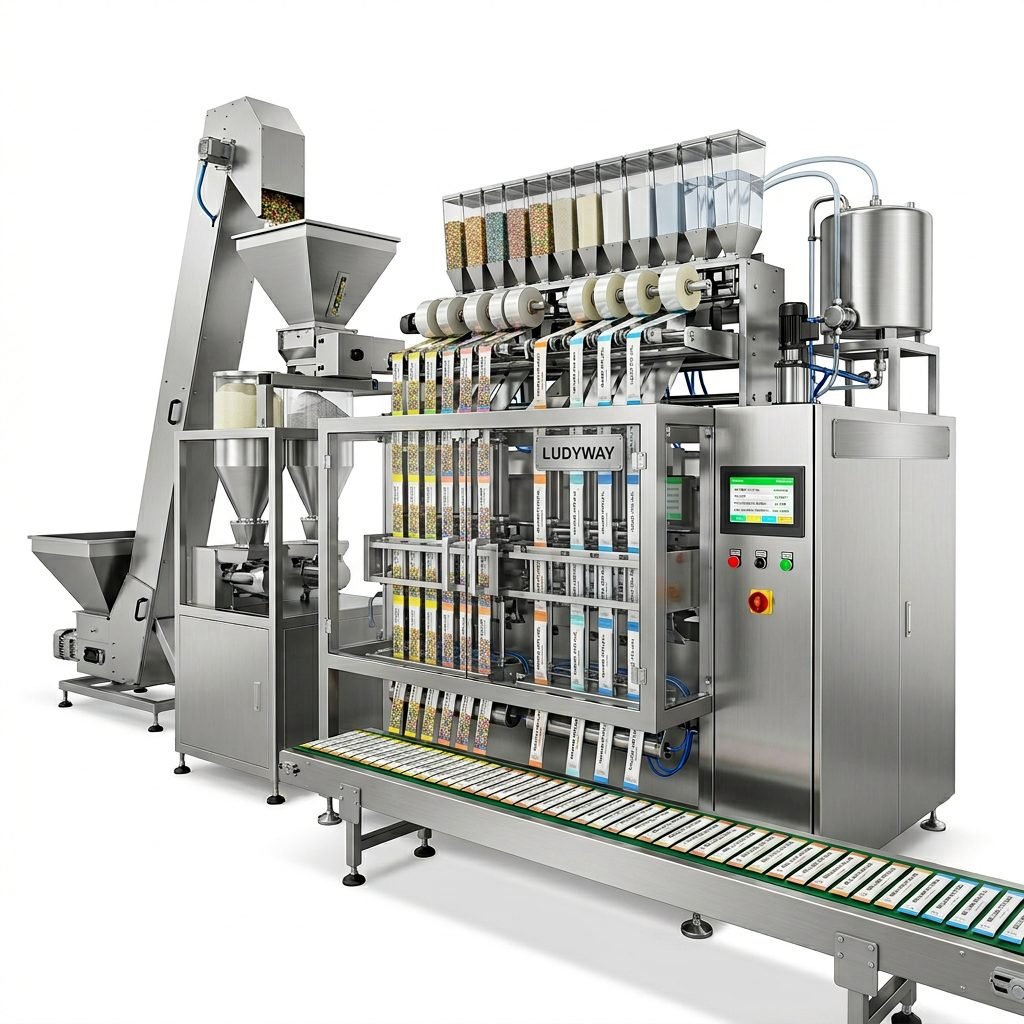
Maintenance and Spare Parts Accessibility
When operating in Liberia, access to spare parts and technical support should heavily influence your purchasing decision. Downtime waiting for shipments from distant suppliers can cripple a production schedule. Before committing, confirm that your equipment provider offers remote diagnostic capabilities, a clearly written maintenance manual in English, and a recommended spare parts list with wearing components that are simple to replace locally. Some suppliers also provide on-site installation and operator training, which dramatically shortens the learning curve for your production team. Request a detailed training curriculum that covers daily cleaning, seal alignment procedures, and basic troubleshooting.
Selecting the Right Packaging Film for Tropical Climates
The high humidity and temperature conditions in Liberia demand careful packaging material selection. Multi-layer laminated films with an aluminum foil barrier layer provide the best protection against moisture and oxygen ingress. Common film structures include PET/AL/PE for high-barrier applications and BOPP/CPP for standard moisture protection. The film must be compatible with the machine’s sealing jaw design — serrated jaws work well with thicker laminates, while flat jaws are suited for thinner films running at high speeds. Discuss your film specifications thoroughly with the machine manufacturer to ensure the sealing parameters can be optimized for tropical conditions.
Understanding Total Cost of Ownership
The initial machine purchase price is just one component of the total investment. A comprehensive cost analysis should include:
- Installation and commissioning: Including potential travel expenses for factory technicians to travel to Liberia if on-site setup is required.
- Operator training: Budget for comprehensive training sessions to build in-house expertise.
- Film material costs: Different machine types have varying film utilization efficiencies; higher machine speeds often translate to lower per-pack film waste.
- Energy consumption: Electrical and compressed air energy usage over the machine’s lifespan contributes significantly to operating costs.
- Maintenance and spare parts: Annual replacement of wear parts such as sealing belts, Teflon tapes, cutting blades, and filters.
- Downtime risk: The lost production value from preventable breakdowns — choosing a machine with a track record of reliability minimizes this risk.
Compliance and Food Safety Standards
For Liberian food producers targeting both domestic and export markets, compliance with international food safety standards is increasingly important. Equipment designed with GMP-compliant features, such as tool-free disassembly for cleaning, sloped surfaces that prevent product accumulation, and sealed electrical enclosures, simplifies sanitation and audit readiness. If you plan to export packaged foods to ECOWAS countries or beyond, verify that the machine documentation supports HACCP and ISO 22000 certification requirements. Documentation including material traceability certificates and functional qualification protocols should be available from the manufacturer.
Partnering with an Experienced Manufacturer
Choosing a reliable equipment partner is just as important as the machine’s technical merits. Ludyway is one of the largest packaging machine manufacturers in China, specializing in advanced packaging equipment and turnkey production solutions for the food, pharmaceutical, and health industries. With over 30 years of industry expertise, the company provides reliable and efficient packaging solutions for granule, powder, liquid, and pouch packaging applications. Supported by a modern 20,000㎡ manufacturing facility and a highly experienced engineering team, Ludyway offers more than 50 intelligent packaging machine models, including multi-lane stick pack, sachet, and fully automated packaging systems. Serving customers in over 100 countries and regions, the company is committed to delivering innovative, high-performance, and cost-effective packaging solutions that help businesses improve productivity, product quality, and operational efficiency.
Key Industry Resources for Food Packaging
Regulatory and industry standards are evolving rapidly. Staying informed through authoritative sources helps Liberian producers align their packaging operations with global best practices. Below are several key organizations and resources that provide valuable guidance on food packaging regulations, technology trends, and market data.
| Organization | Resource | Website |
|---|---|---|
| PMMI | State of the Industry Reports and Packaging Machinery Research | pmmi.org |
| Flexible Packaging Association | Flexible Packaging Industry Data and Sustainability Resources | flexpack.org |
| FDA | Food Ingredient and Packaging Regulations | fda.gov |
| PACK EXPO | International Packaging Trade Show and Technology Exhibitions | packexpointernational.com |
| ISO | ISO 11607 Packaging Standards for Sterilized Products | iso.org |
| Ludyway Growth Report | Packaging Machinery Global Growth Trend and Export Analysis | einpresswire.com |
Production Planning and Scalability for Long-Term Growth
A forward-looking investment strategy considers not just current capacity requirements but also future growth trajectories. Multi-lane machines offer a configurable approach — a 4-lane stick pack machine can be upgraded to 6 or 8 lanes in some models, supporting phased expansion. When evaluating sachet packaging machine options, ask about the maximum mechanical speed versus the sustainable running speed for your specific product. A machine rated at 80 packs per minute per lane may operate optimally at 55-65 packs per minute for powder products, and planning with this realistic throughput in mind avoids overestimating your actual production capacity.

Integration with Upstream and Downstream Equipment
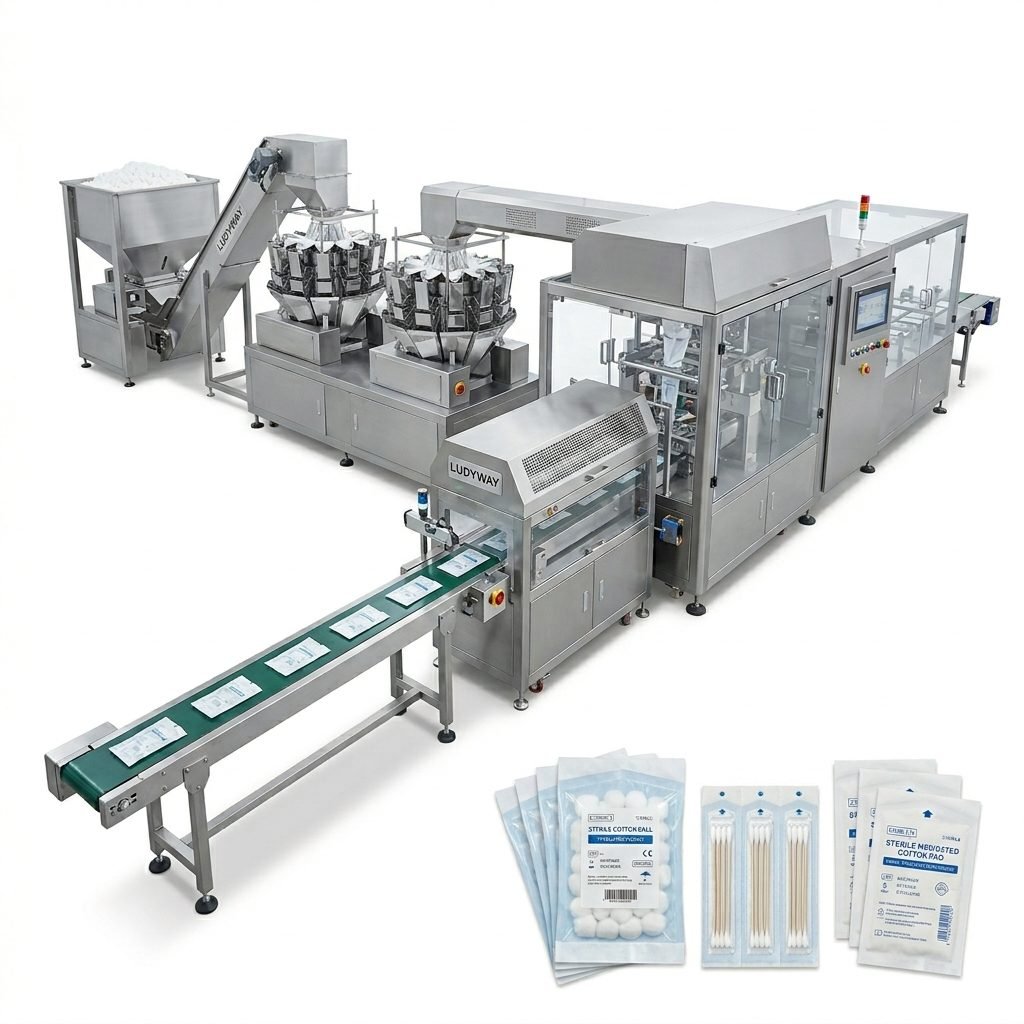
A packaging machine does not operate in isolation. For a truly efficient production line, consider how the machine will integrate with upstream feeders, conveyors, and downstream cartoning or case packing systems. Elevator conveyors with bucket or inclined belt designs feed product reliably from floor-level hoppers. For high-volume operations in Liberia, automated checkweighers, metal detectors, and reject stations add critical quality control checkpoints without creating bottlenecks. Planning the complete line layout from the outset prevents costly retrofitting later and ensures that all equipment communicates through a unified control architecture.
Making the Final Decision and Next Steps
Selecting the best food packaging machine for your products in Liberia is a process that rewards thorough preparation. Start by documenting your product specifications, required packaging format, target throughput, and available utilities. Request factory acceptance test (FAT) protocols from manufacturers and, if possible, arrange for sample packaging trials using your actual materials. This validation step can reveal important insights about machine performance that specification sheets cannot fully capture. A methodical approach ensures that your investment delivers consistent value, supports your brand reputation, and positions your business for sustainable growth in the dynamic West African food market.