Coffee brands today compete on speed, consistency, freshness, shelf appeal, and production cost. Choosing the right coffee packaging machine is not only about buying equipment—it is about matching your product type, package format, output target, and future growth plan with the right automation level.
Whether you package instant coffee powder, ground coffee, freeze-dried coffee, coffee beans, or single-serve stick packs, the right system can help reduce waste, improve sealing quality, maintain aroma, and increase line efficiency. This guide explains what to evaluate before investing in a machine and how to select a solution that supports fast, efficient packaging.
Why coffee packaging equipment matters more than ever
Coffee is highly sensitive to oxygen, moisture, light, contamination, and poor sealing. If packaging performance is unstable, product quality can decline quickly. This is especially important for premium coffee where aroma retention directly affects customer satisfaction and repeat purchase rates.
- Protect flavor and aroma
- Support faster throughput with fewer stoppages
- Improve fill accuracy and reduce material loss
- Create attractive retail-ready packs
- Lower labor dependence through automation
- Improve coding, traceability, and compliance
Start with your coffee product type
The best machine depends first on what kind of coffee you need to pack. Different coffee forms behave differently in feeding, dosing, sealing, and dust control.
| Coffee Product | Typical Challenge | Recommended Packaging Approach |
|---|---|---|
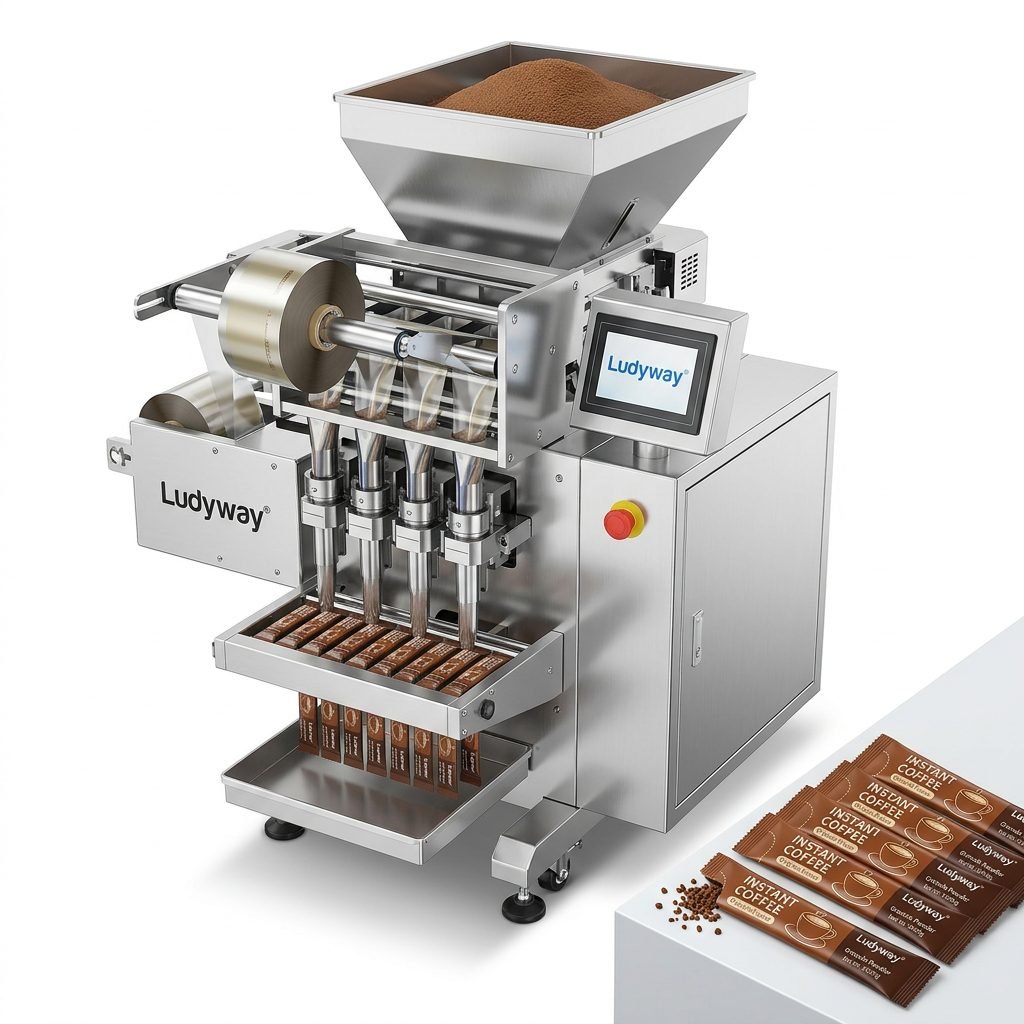
| Instant coffee powder | Dust, fine flow, fill precision | Multi-lane stick pack or sachet machine with auger dosing |
| Freeze-dried coffee granules | Fragility, flow consistency | Gentle feeding system with volumetric or weighing system |
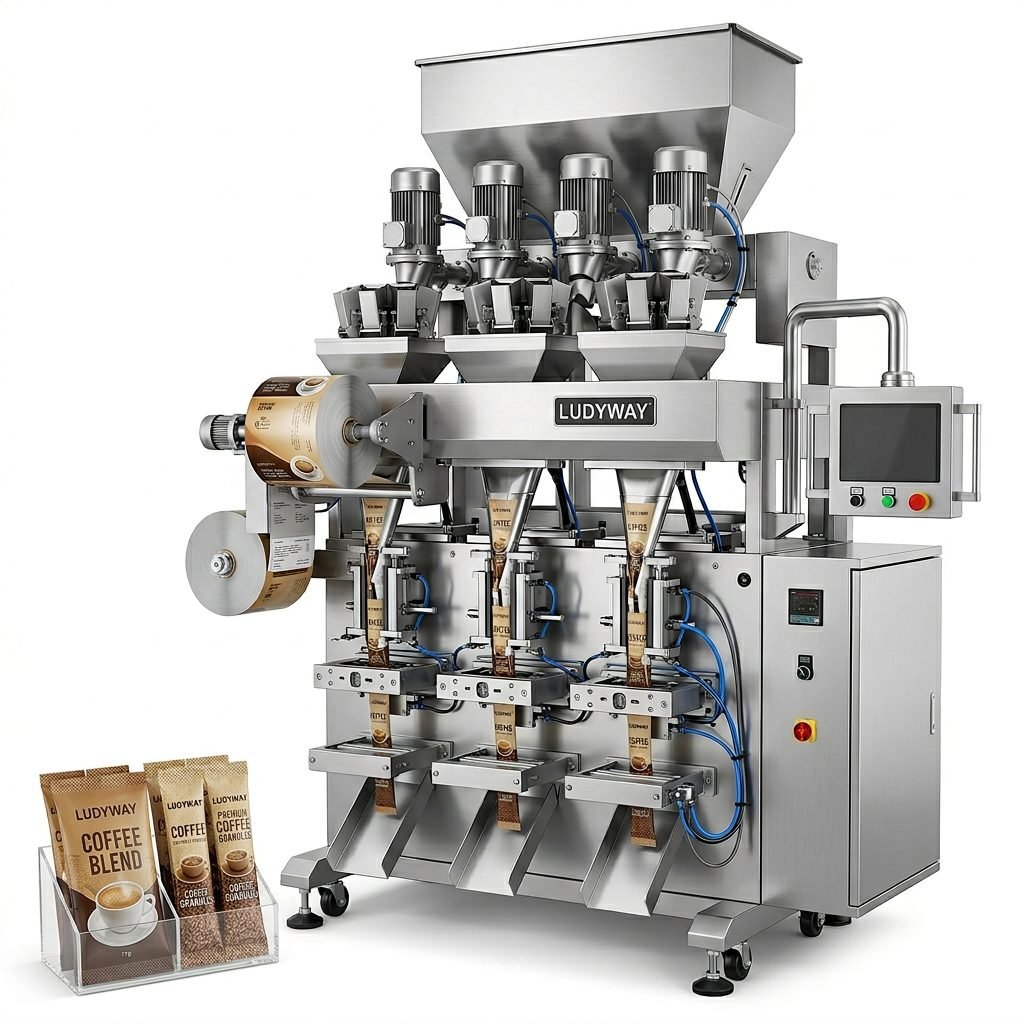
| Ground coffee | Aroma protection, oxidation control | VFFS or premade pouch system with gas flushing |
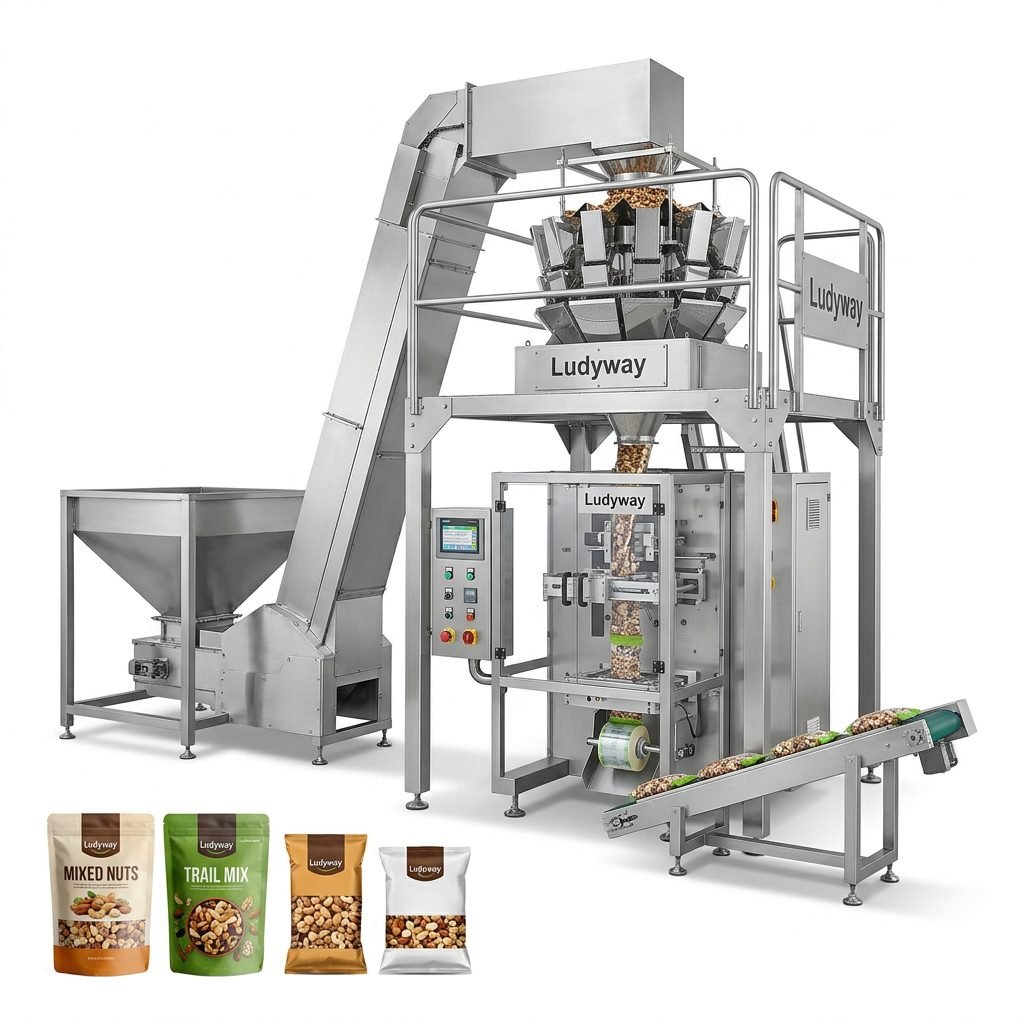
| Coffee beans | Weight accuracy, bag stability | Weighing and bagging line with valve, zipper, or pillow bag options |
| Coffee mix products | Uniform dosing of coffee, sugar, creamer blend | Stick pack or sachet line with stable powder handling |
Choose the right package format
Your package style directly impacts machine selection, speed, material use, and consumer convenience. The most common coffee packaging formats include:
1. Stick packs
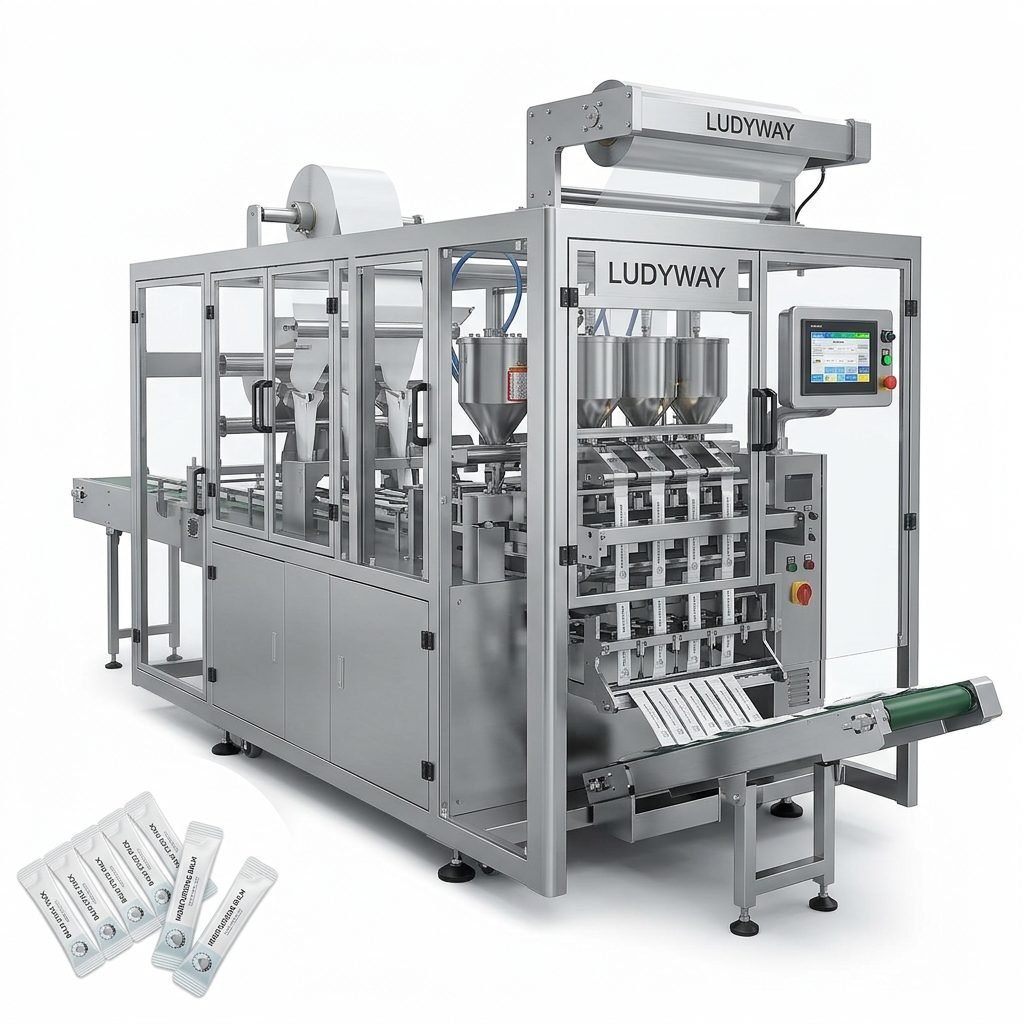
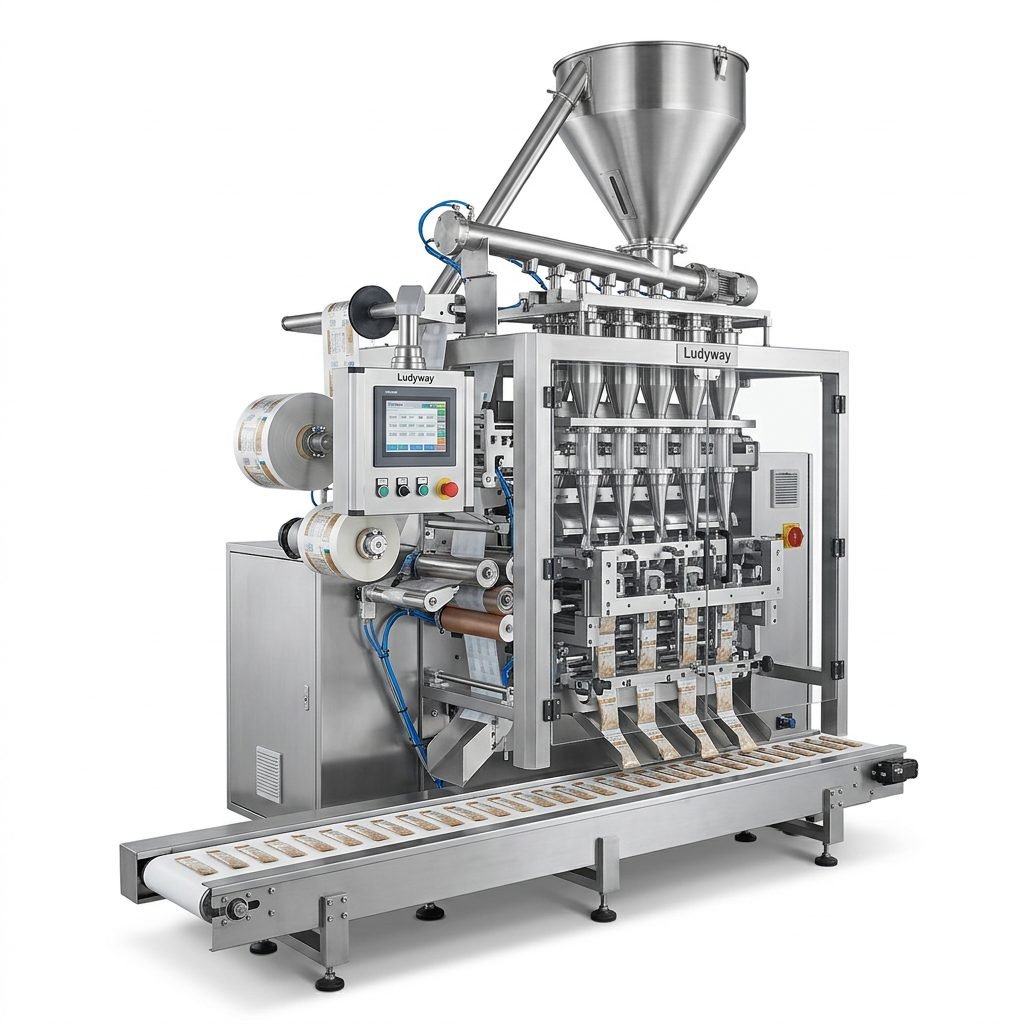
Ideal for instant coffee, functional coffee blends, and single-serve products. Multi-lane stick pack machines are often the top choice for high-speed, compact, high-volume production.
2. Sachets
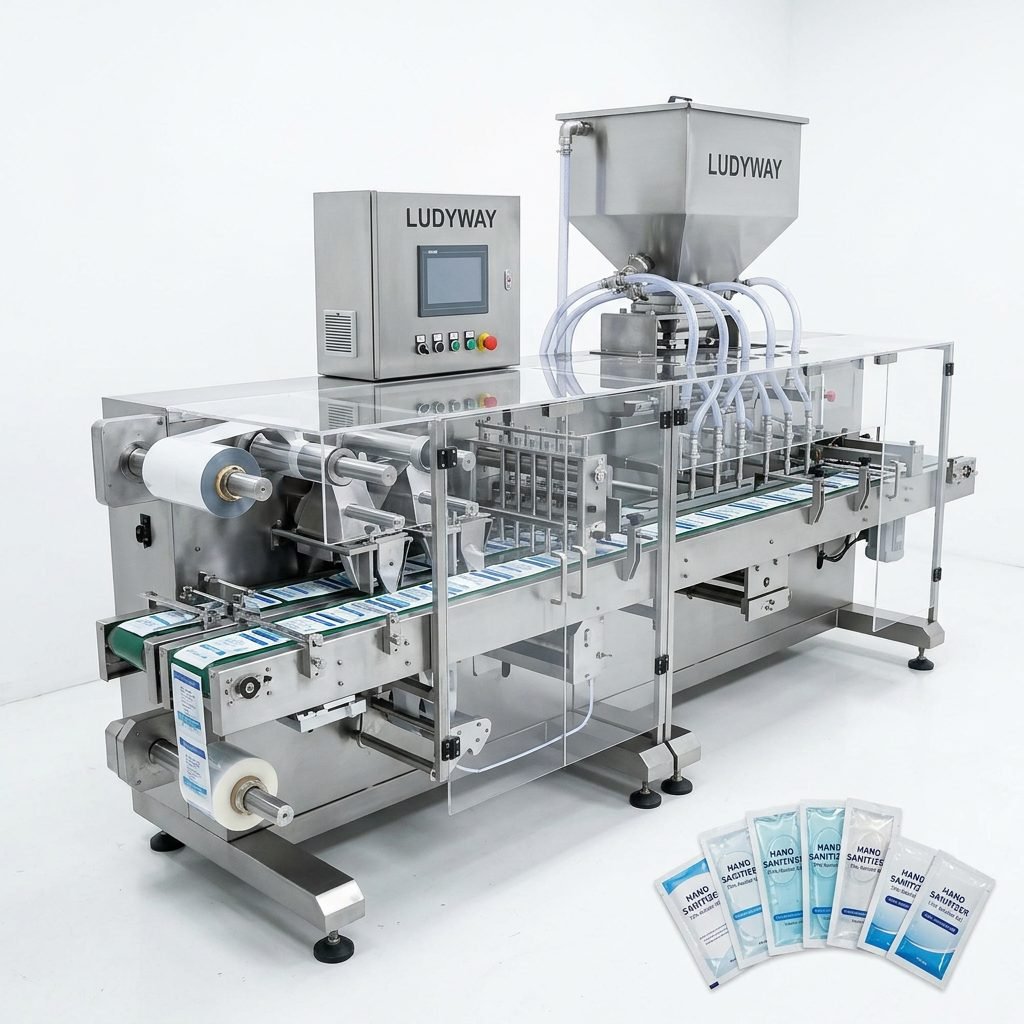
A good option for affordable single-dose coffee products. Sachets offer flexibility in shape and branding while maintaining efficient throughput.
3. Pillow bags or gusset bags
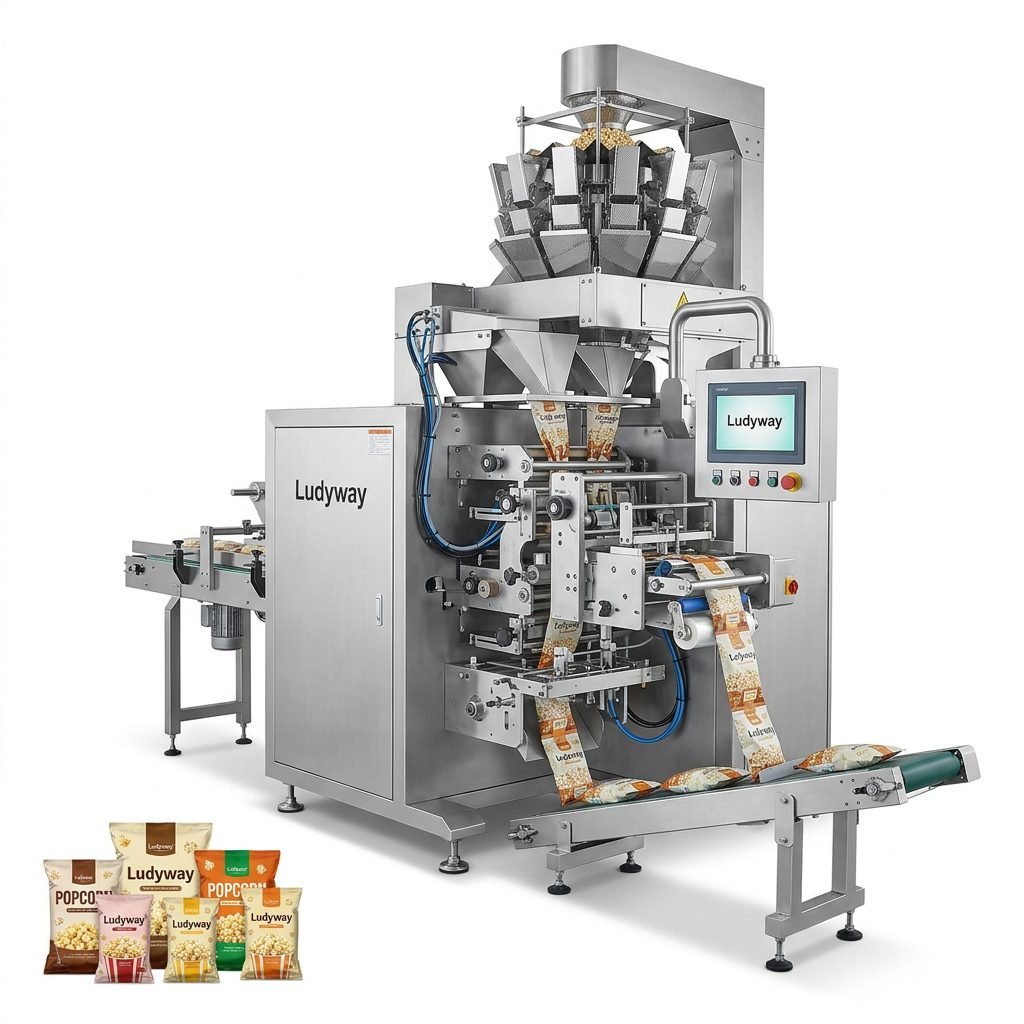
Common for ground coffee and coffee beans. These formats work well with vertical form fill seal systems and can support larger retail pack sizes.
4. Premade pouches
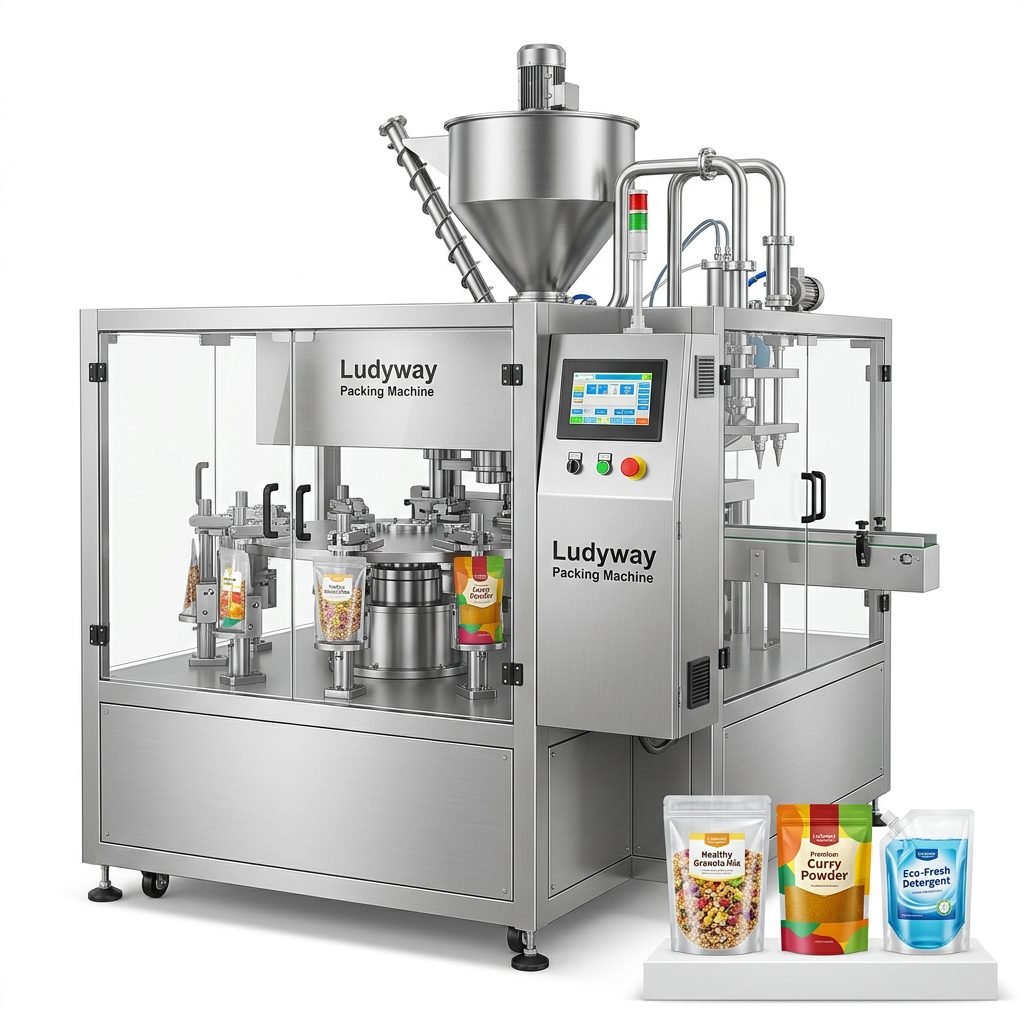
Suitable for premium bean or powder products with zipper, spout, or stand-up display features. These lines are often chosen for stronger shelf appeal.
5. Vacuum or nitrogen-flushed packs
Recommended for products that need stronger freshness preservation. This is especially important for roasted beans and aromatic ground coffee.
Key factors to compare before buying a coffee packaging machine
Packaging speed
Ask suppliers for real production speed based on your actual coffee material, bag size, and filling range. A machine’s advertised maximum speed may not reflect day-to-day running conditions.
Filling accuracy
Even small dosing errors create cumulative losses over time. High fill accuracy helps protect profit margins and maintain product consistency.
Seal integrity
Poor seals can cause leakage, moisture entry, and aroma loss. Check sealing stability across long production runs, not just short test cycles.
Dust control
Powdered coffee can create dust that affects sealing and machine cleanliness. A good system should include dust extraction or smart structural design to reduce contamination around the seal area.
Material compatibility
Your machine should run the film structures you actually use, including laminated films, foil materials, recyclable packaging films, or high-barrier materials.
Automation level
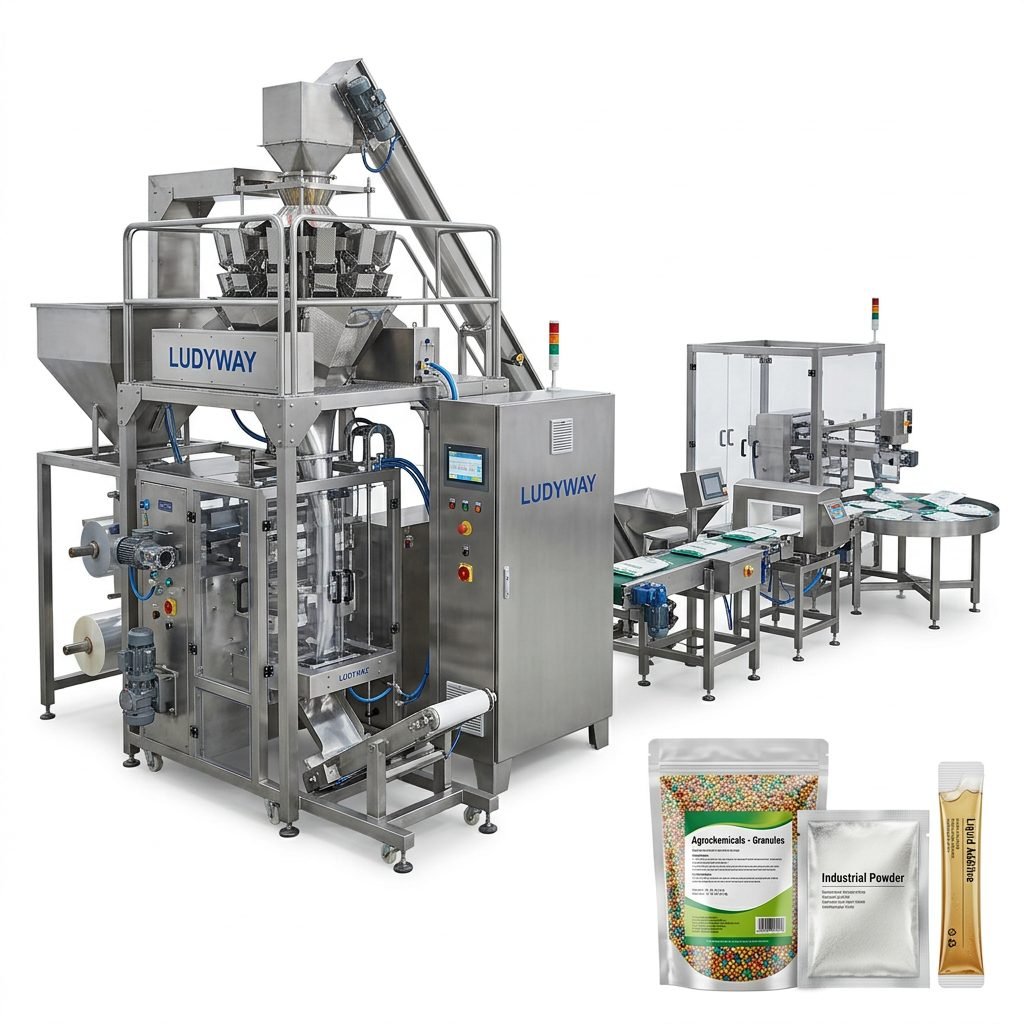
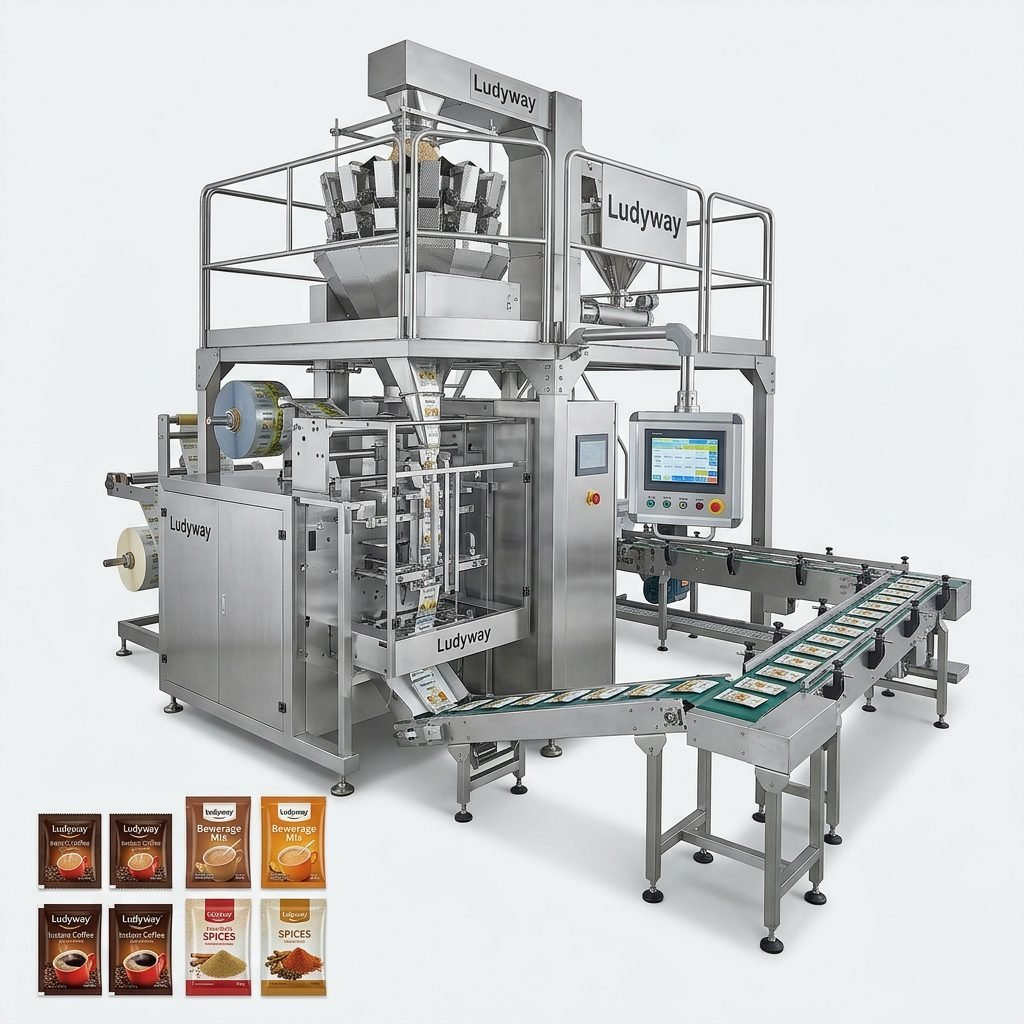
Consider whether you need a standalone unit or a fully integrated line with conveyors, coding, checkweighing, cartoning, case packing, and palletizing.
Cleaning and changeover
If you package multiple SKUs, quick changeover matters. Machines with user-friendly adjustment and accessible product-contact parts can reduce downtime.
Future scalability
Choose a machine that supports your growth plan. Many coffee producers start with one format and later expand into more SKUs, more lanes, or complete turnkey lines.
How to match machine type to production goals
| Production Goal | Best Machine Direction | Why It Fits |
|---|---|---|
| High-volume single-serve instant coffee | Multi-lane stick pack machine | Fast output, efficient film usage, compact serving format |
| Budget-friendly single-dose packaging | Sachet packaging machine | Flexible design and reliable small-pack production |
| Retail coffee beans | Weighing plus bagging line | Suitable for larger packs and bean handling |
| Premium ground coffee | VFFS or premade pouch line with gas flushing | Better freshness retention and shelf presentation |
| Expanding product portfolio | Modular turnkey packaging line | Supports future upgrades and line integration |
Features that improve efficiency in real production
When comparing solutions, look beyond the base machine. Efficiency often comes from the surrounding design details and automation modules.
- Servo-driven control for more stable operation
- Automatic film tracking for accurate bag formation
- Auger, cup, or weighing fillers matched to coffee characteristics
- Nitrogen flushing for freshness-sensitive products
- Date coding and batch printing integration
- Checkweigher and reject systems for quality control
- Cartoning and case packing for end-of-line automation
- Dust-proof structure for powder packaging environments
- Touchscreen recipe storage for faster product changeover
Questions to ask a supplier before making a final decision
- What packaging speed can the machine achieve with my coffee sample?
- What filling tolerance can you guarantee?
- Can the system handle both powder and granule coffee products?
- Is nitrogen flushing available?
- How long does changeover take for different pack sizes?
- What spare parts and after-sales support are included?
- Can the machine integrate with coding, cartoning, or palletizing equipment?
- Do you provide FAT testing with my actual packaging materials?
- What certifications and export experience do you have?
Common mistakes buyers should avoid
Many packaging investments underperform not because the machine is bad, but because it was not matched correctly to the application.
- Choosing based only on price instead of total operating efficiency
- Ignoring actual coffee flow properties during equipment selection
- Underestimating the need for freshness protection features
- Buying a system with limited upgrade potential
- Not checking compatibility with film material and bag design
- Overlooking cleaning convenience and maintenance access
Standalone machine or turnkey packaging line?
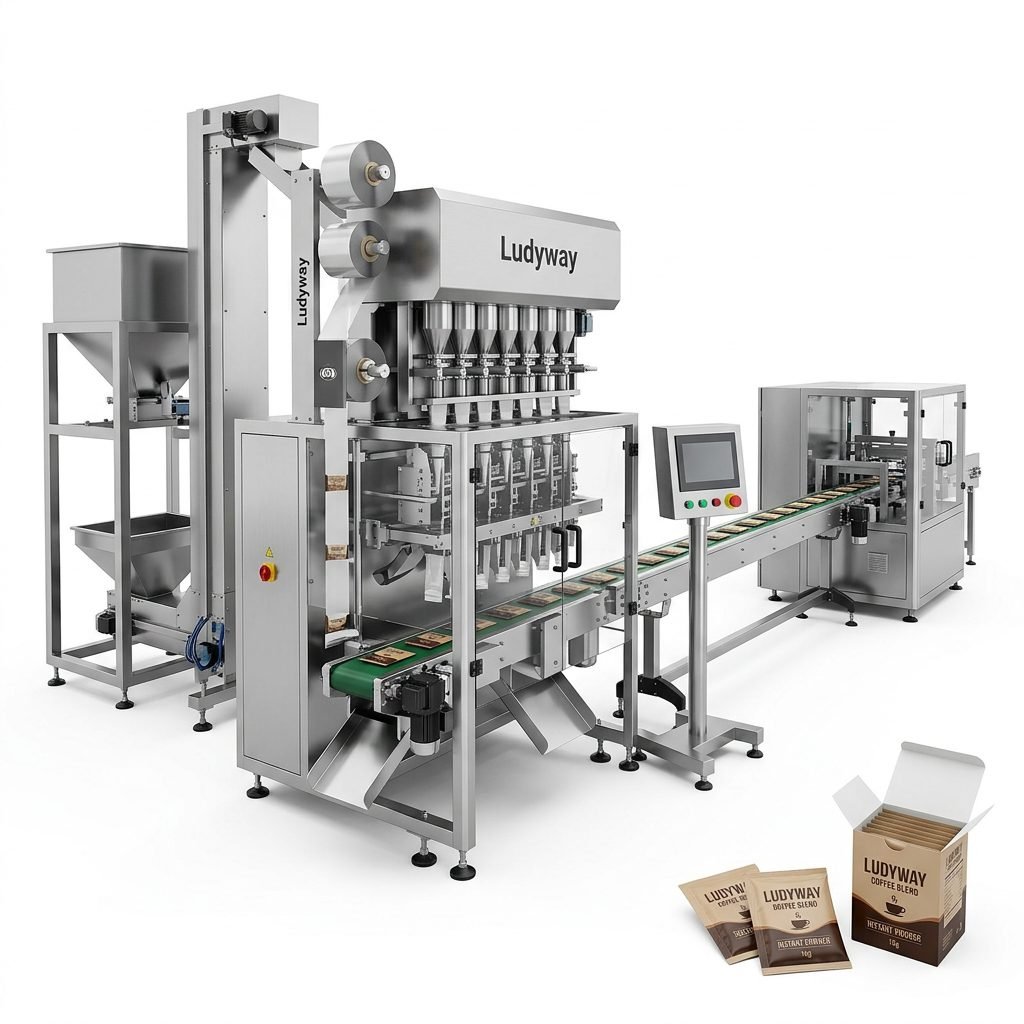
If your production is still simple, a standalone coffee packaging machine may be enough. But if you need higher output, lower labor cost, and more stable downstream handling, a turnkey line can provide stronger long-term value.
A full line may include:
- Feeding and conveying systems
- Coffee filling and sealing machine
- Metal detection or checkweighing
- Coding and labeling
- Cartoning or case packing
- Palletizing and final logistics support
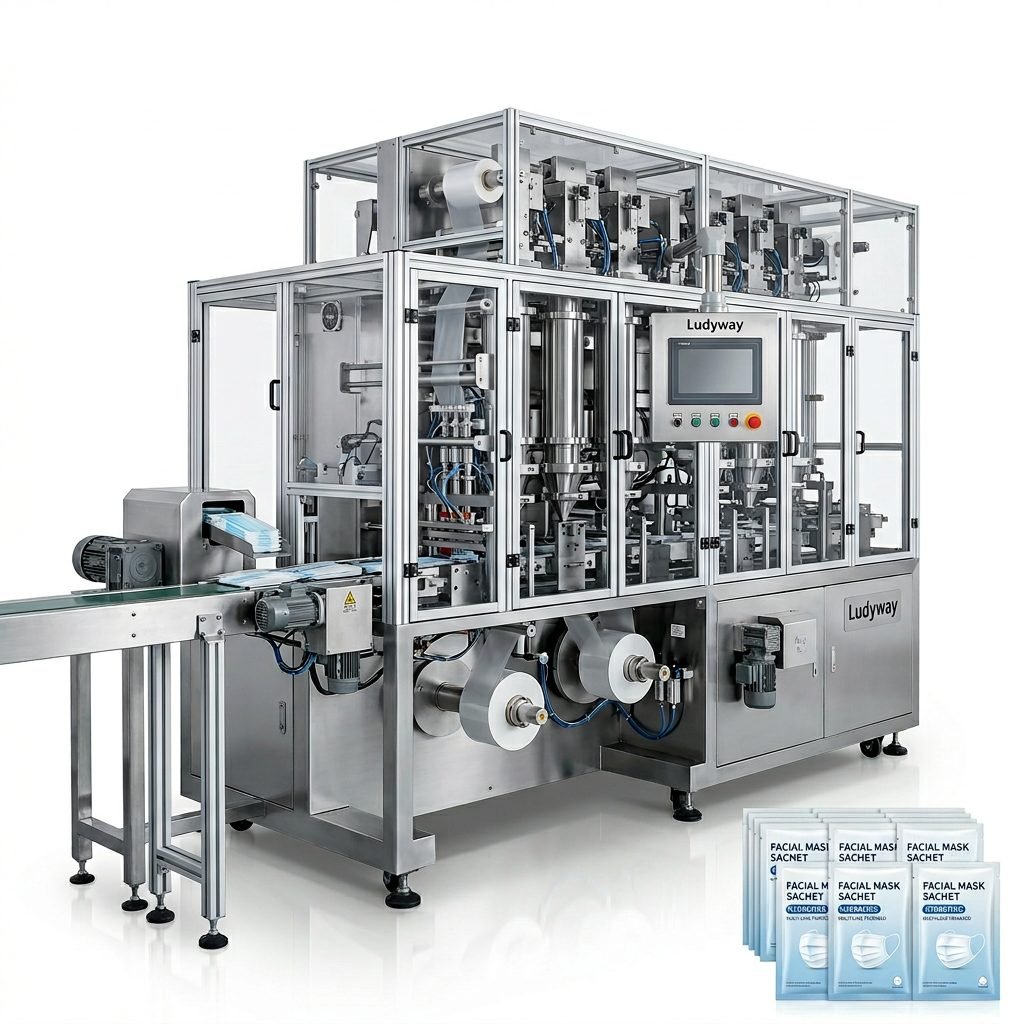
For businesses seeking flexible, scalable automation, Ludyway coffee packaging machine solutions can support everything from standalone units to complete turnkey packaging lines for powder, granule, liquid, and pouch applications.
How to identify the best solution for your business
The best coffee packaging machine is the one that matches your product form, pack style, speed requirement, budget, factory layout, and expansion plan. For most coffee manufacturers, an ideal purchasing decision balances four things:
| Priority | What to Look For |
|---|---|
| Efficiency | Stable high-speed output with minimal downtime |
| Quality | Accurate filling, clean sealing, freshness protection |
| Flexibility | Supports different SKUs, bag sizes, and coffee formats |
| Scalability | Easy integration into larger automated packaging lines |
Final buying advice
Before placing an order, prepare your coffee samples, target bag sizes, packaging film, desired output, and workshop requirements. Ask for test results, machine videos, and technical confirmation based on your actual application. This approach reduces risk and helps ensure your machine delivers the fast, efficient, and reliable coffee packaging performance your business needs.
Best practice checklist
- Define coffee type and fill range clearly
- Select the most suitable package format
- Compare real operating speed, not only theoretical speed
- Verify sealing quality and freshness protection options
- Consider future automation upgrades from the start
- Choose a supplier with export and customization experience