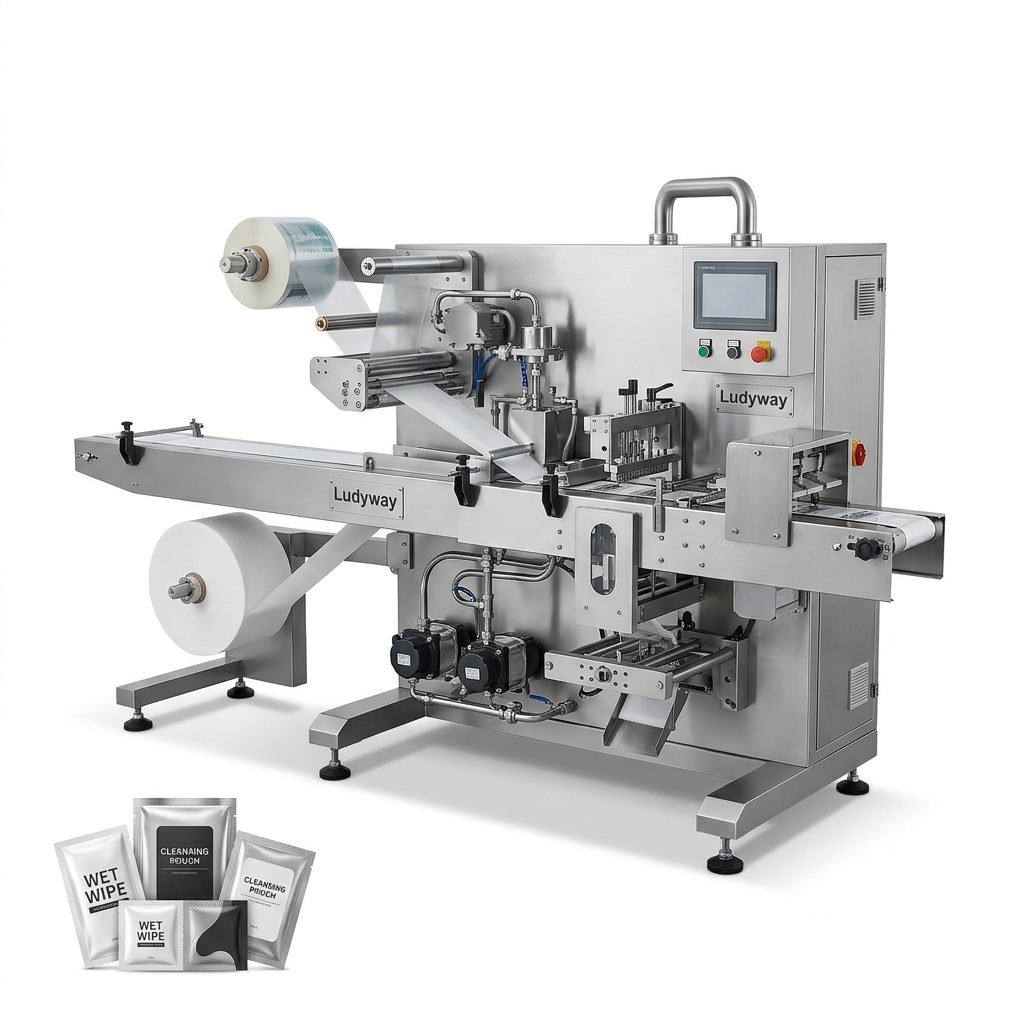
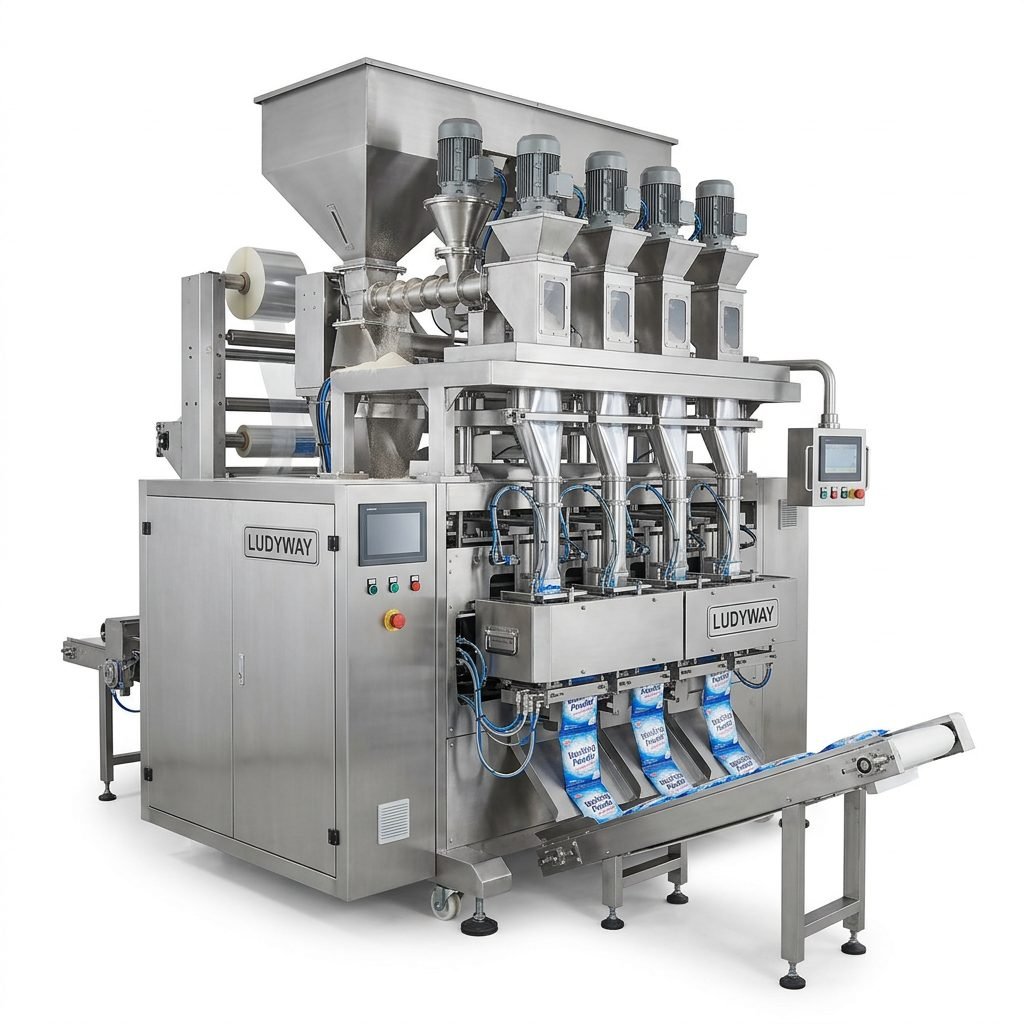
The cooking oil industry in Oceania — spanning Australia, New Zealand, and the Pacific Islands — has witnessed steady growth driven by rising health consciousness and demand for premium edible oils. As production scales, investing in the right cooking oil packaging machine becomes a strategic decision that directly impacts product quality, shelf life, and operational efficiency.
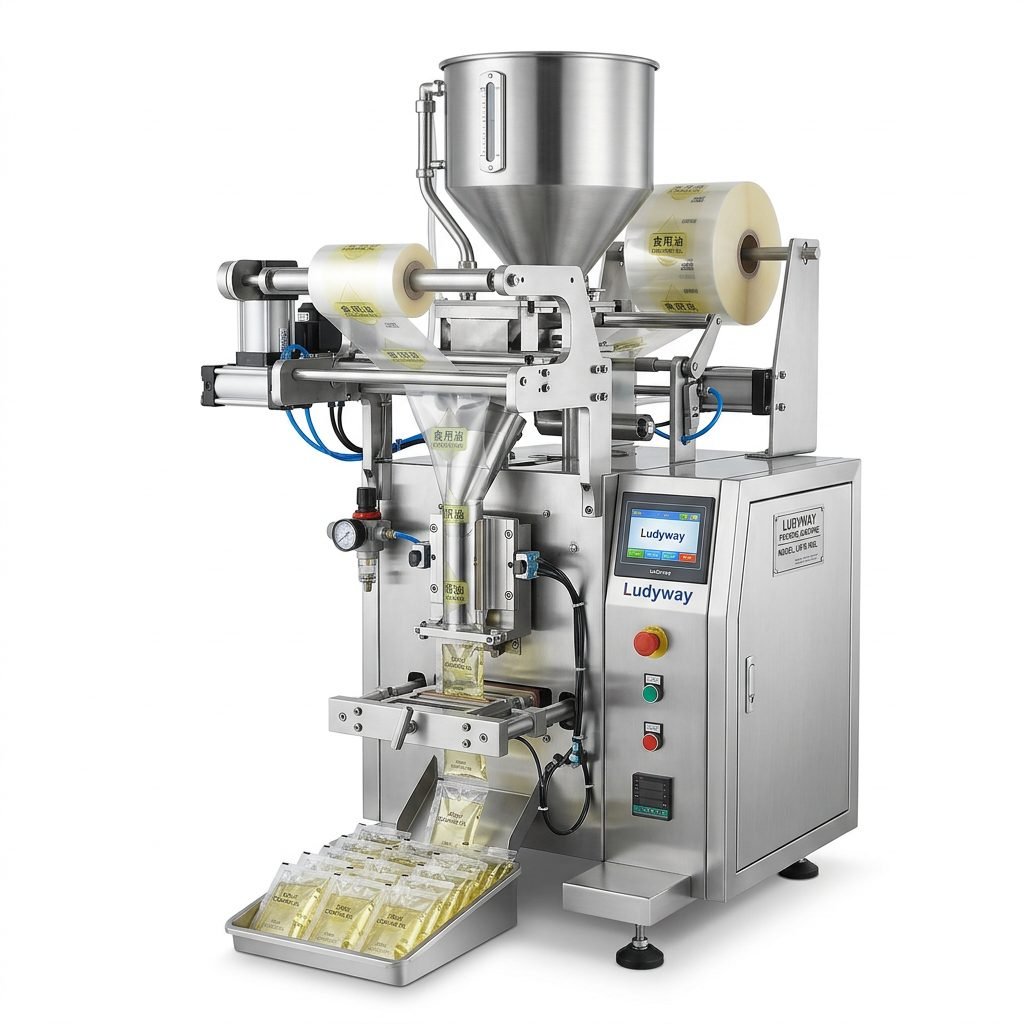
Understanding the Oceania Cooking Oil Packaging Landscape
Oceania’s food manufacturing sector operates under stringent regulatory frameworks including FSANZ (Food Standards Australia New Zealand) requirements. Whether you are packaging olive oil, canola oil, coconut oil, or blended vegetable oils, your packaging equipment must meet food-grade contact material standards while delivering consistent fill accuracy. The region’s growing export market to Asia-Pacific countries further amplifies the need for high-performance liquid packaging systems that can handle various viscosity levels and bottle or sachet formats.
Types of Cooking Oil Packaging Machines Available
Selecting the appropriate equipment begins with understanding the primary machine categories. Each serves a distinct production scale and packaging format.
| Machine Type | Best Suited For | Key Advantage |
|---|---|---|
| Volumetric Piston Filler | Bottles, jars, and rigid containers | High accuracy for medium to high viscosity oils |
| Net Weight Filler | Large format containers (1L–20L) | Superior precision by weight; ideal for premium oils |
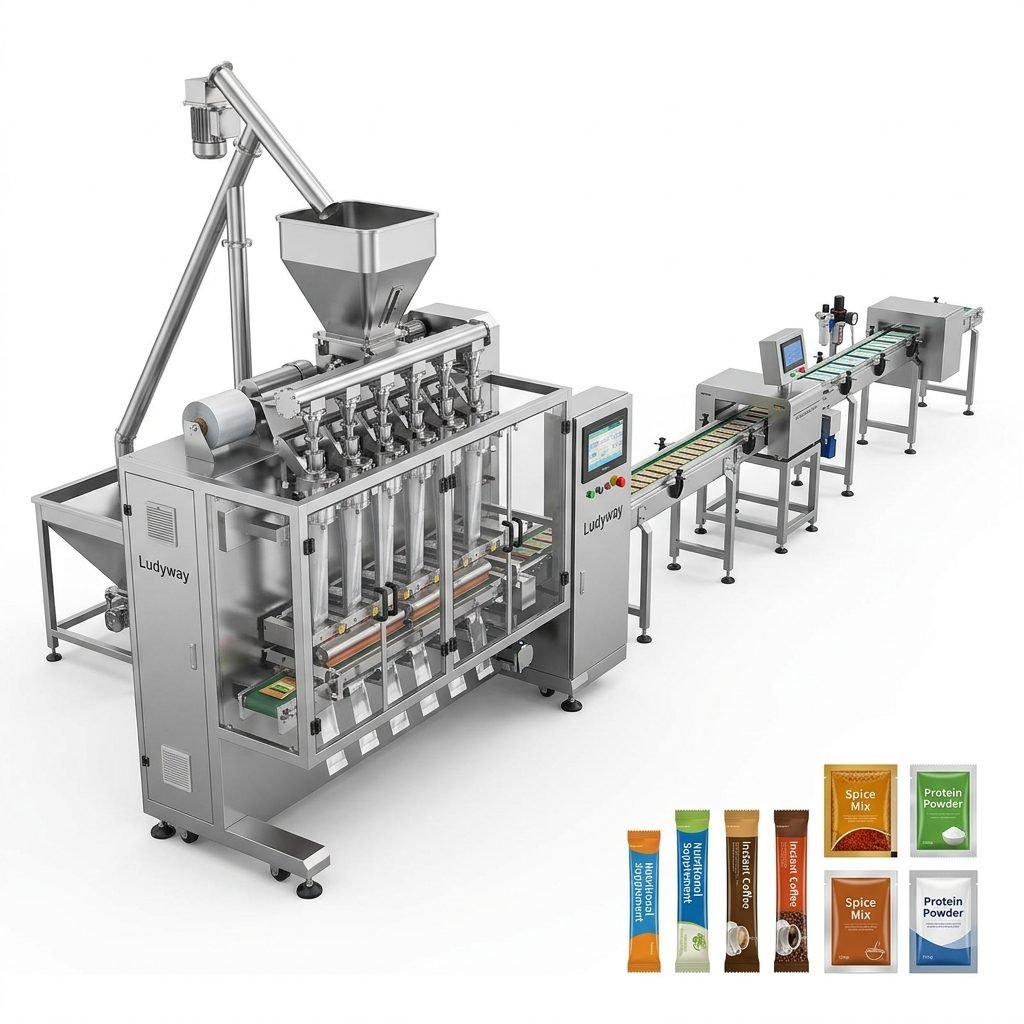
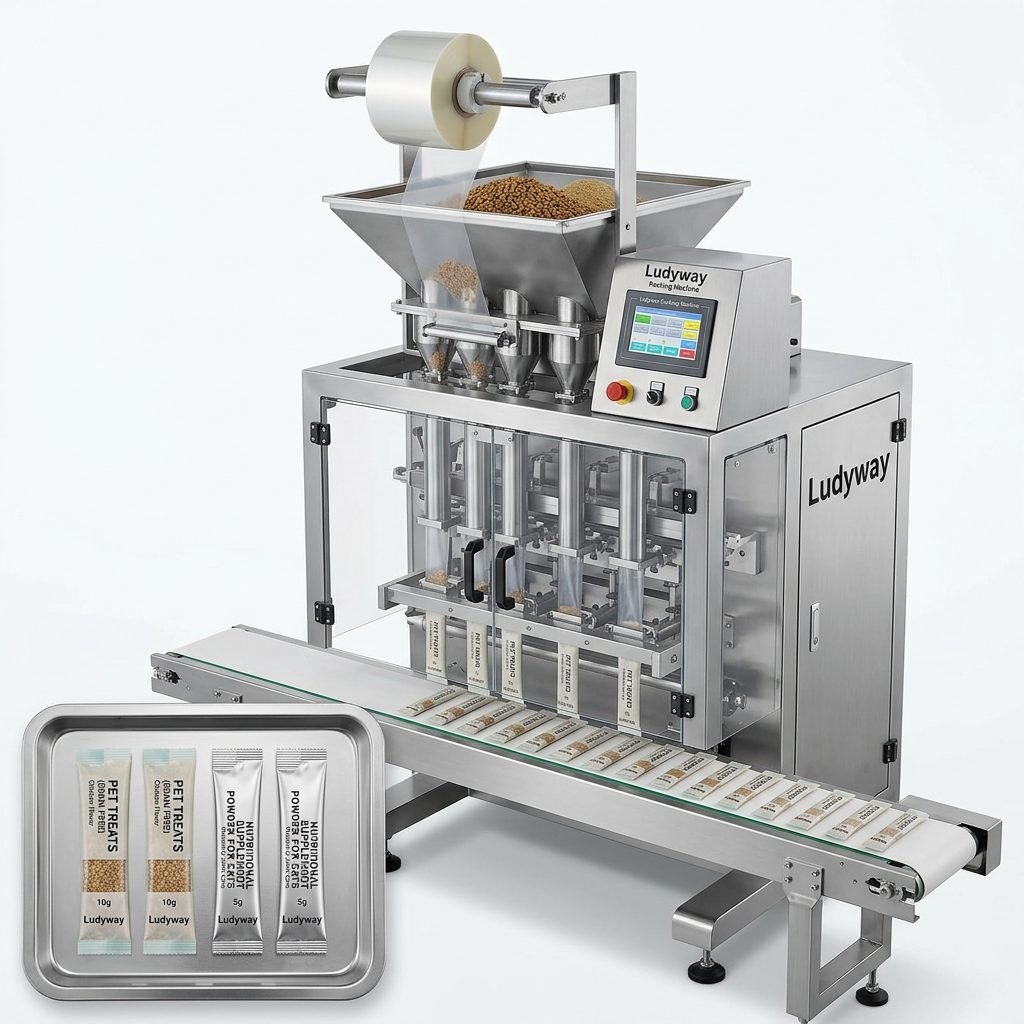
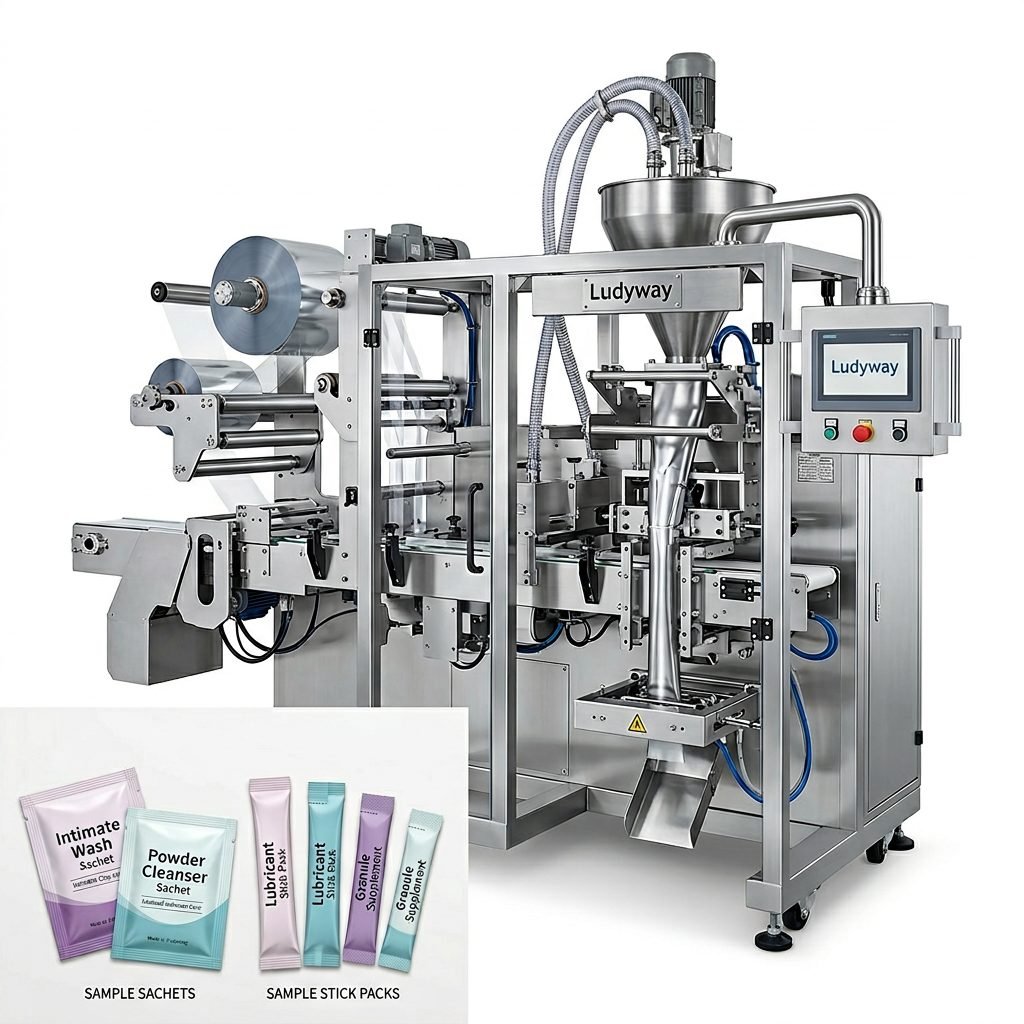
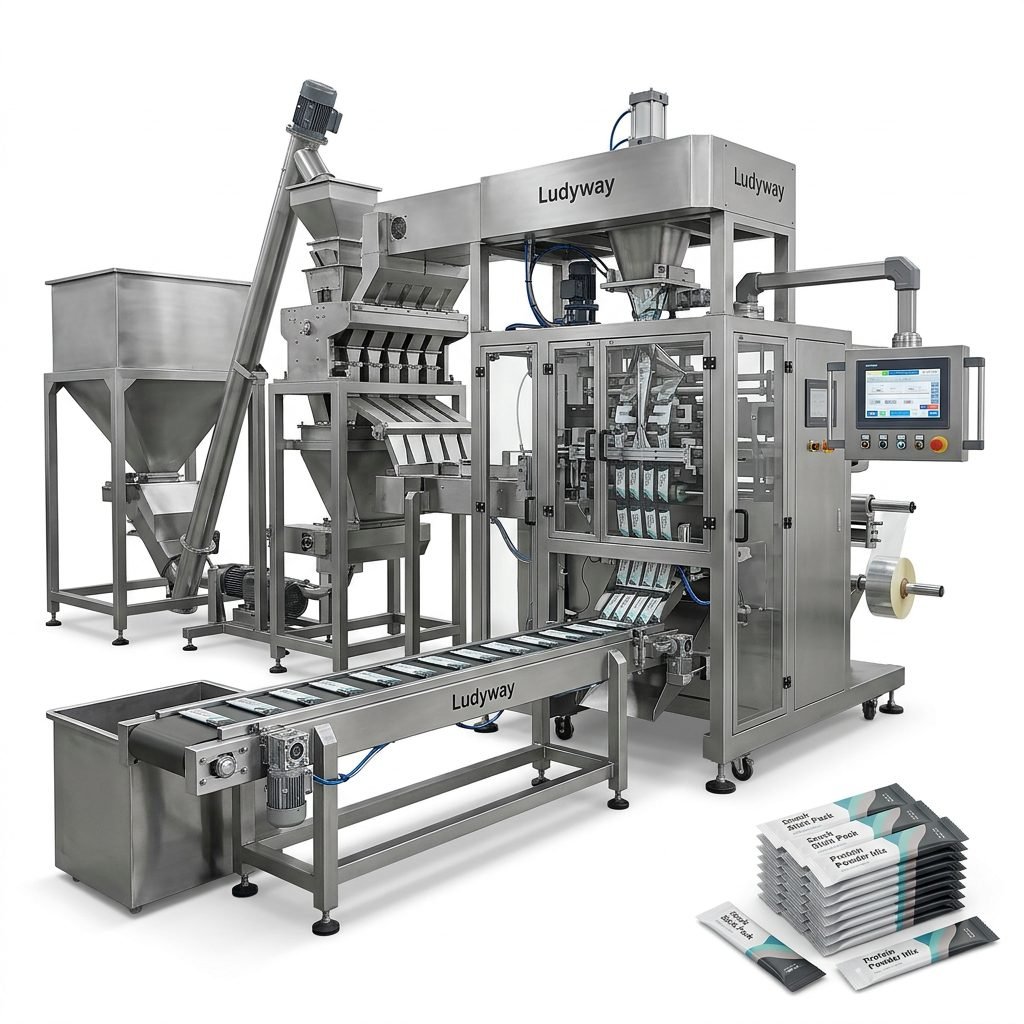
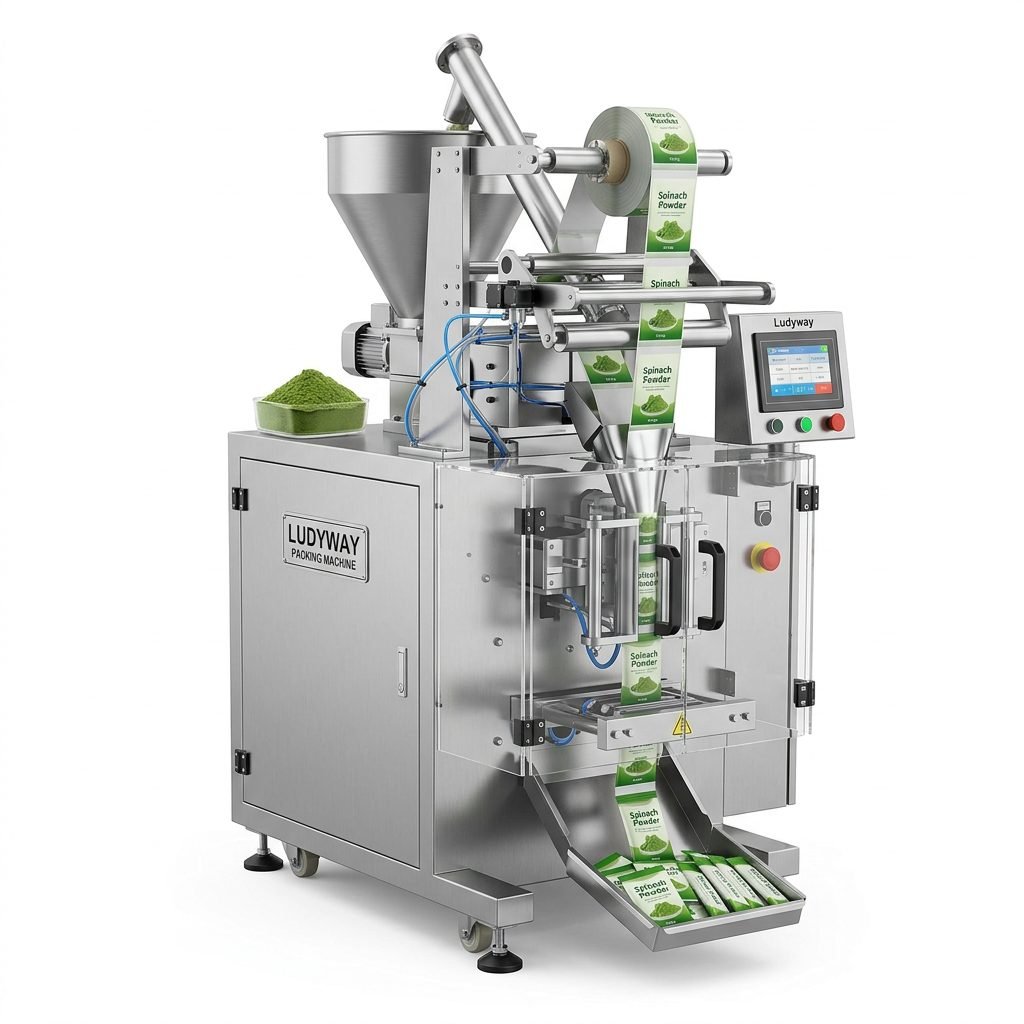
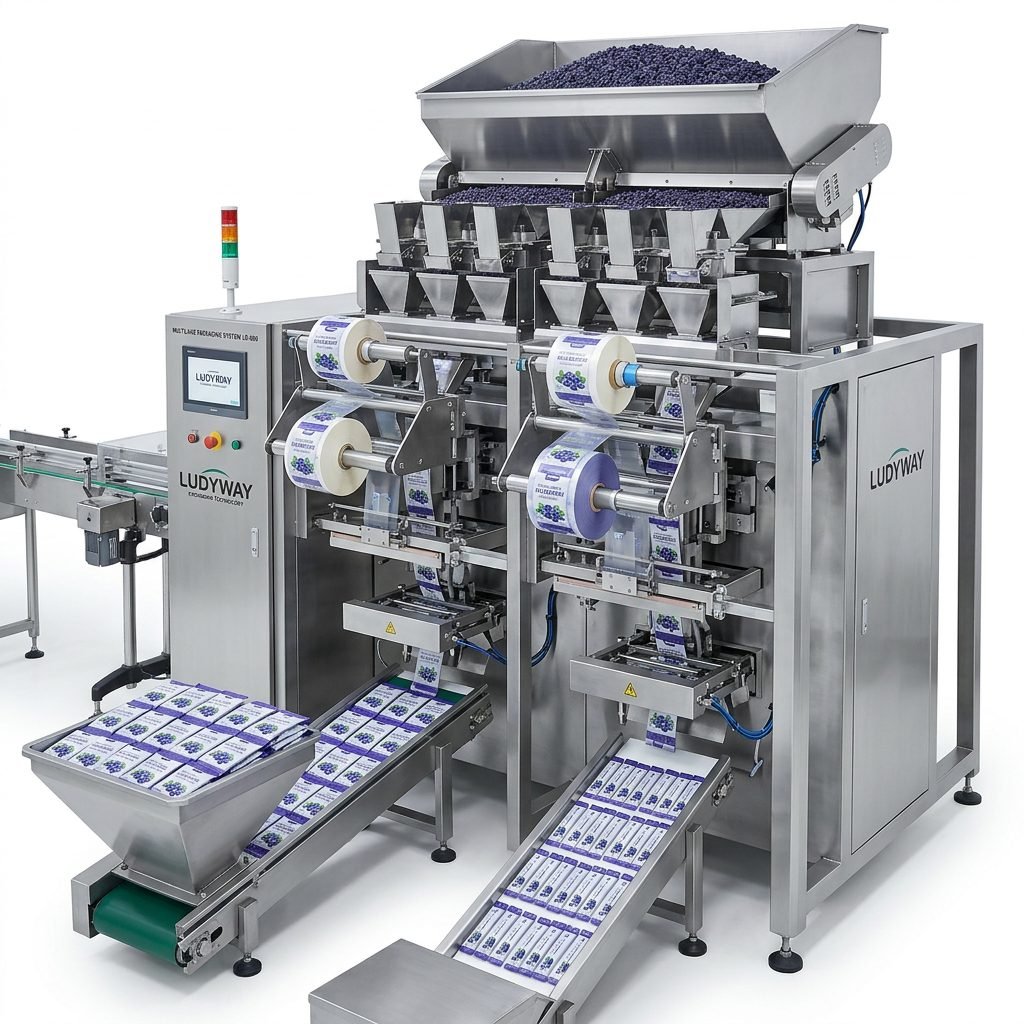
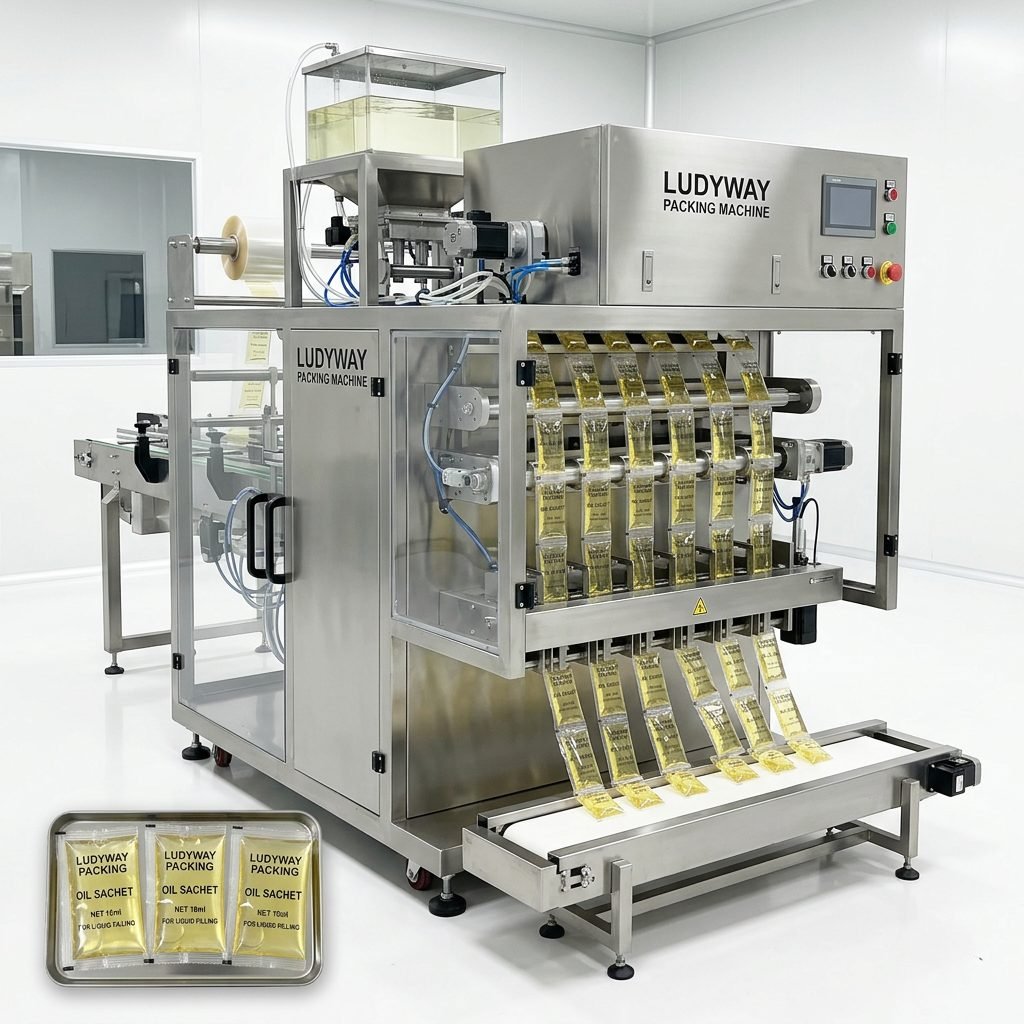
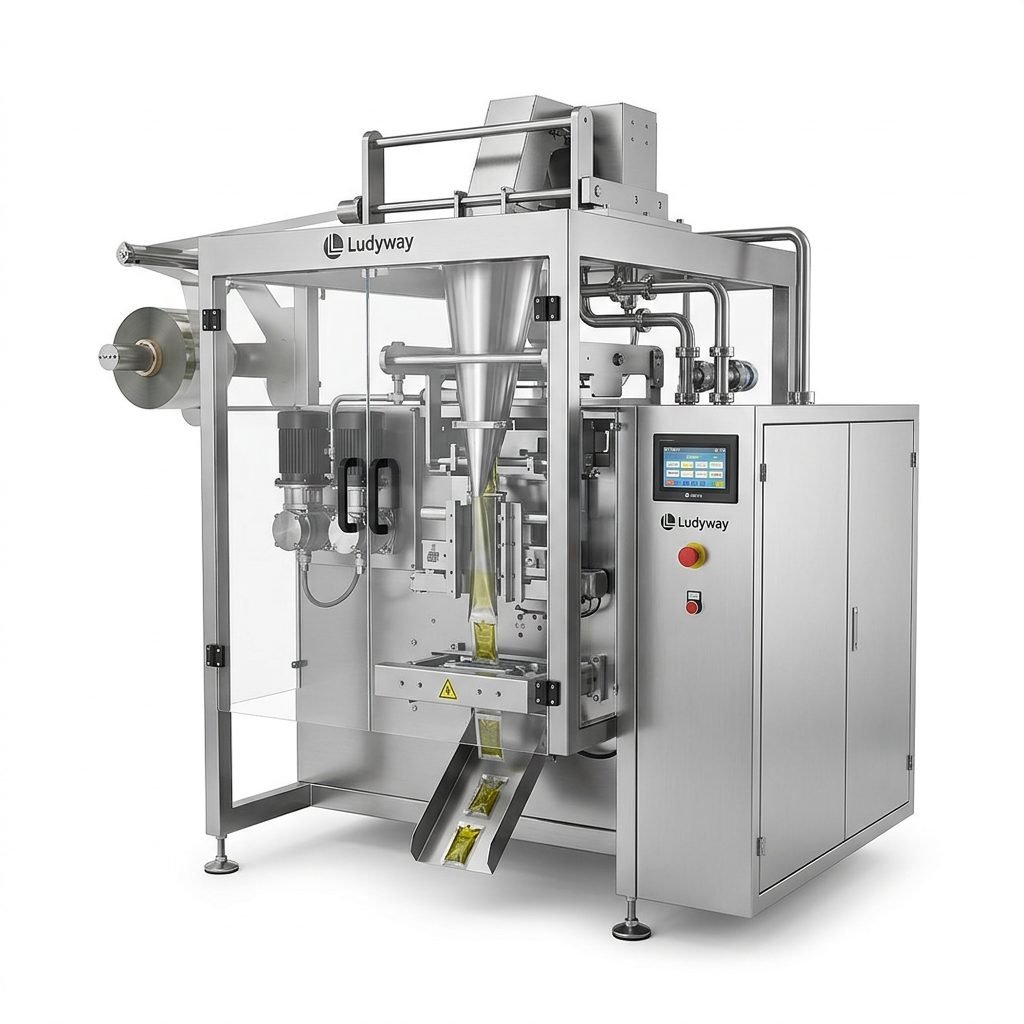
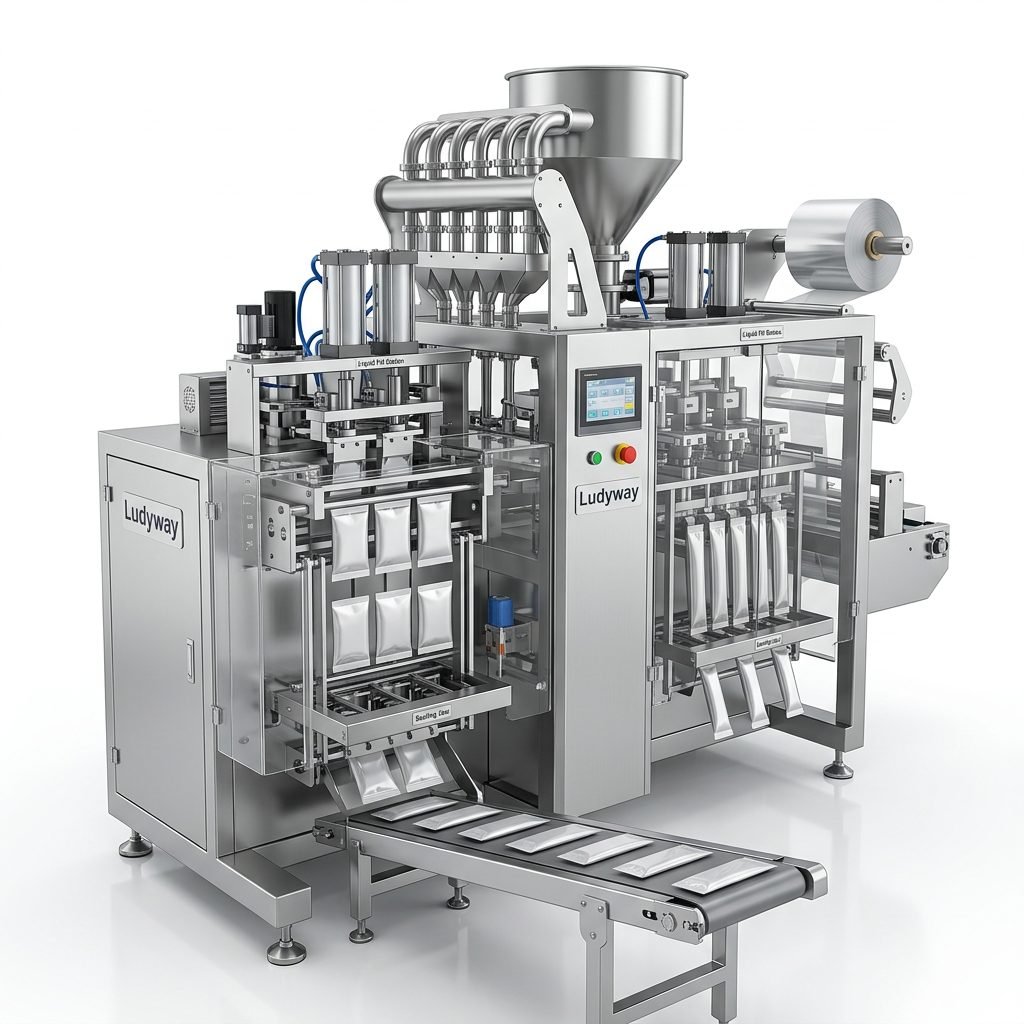
| Multi-Lane Sachet & Stick Pack Machine | Single-serve portions, travel packs, samples | High throughput; ideal for HoReCa and retail channels |
| Overflow Filler | Transparent bottles requiring consistent fill level appearance | Visual uniformity across all filled units |
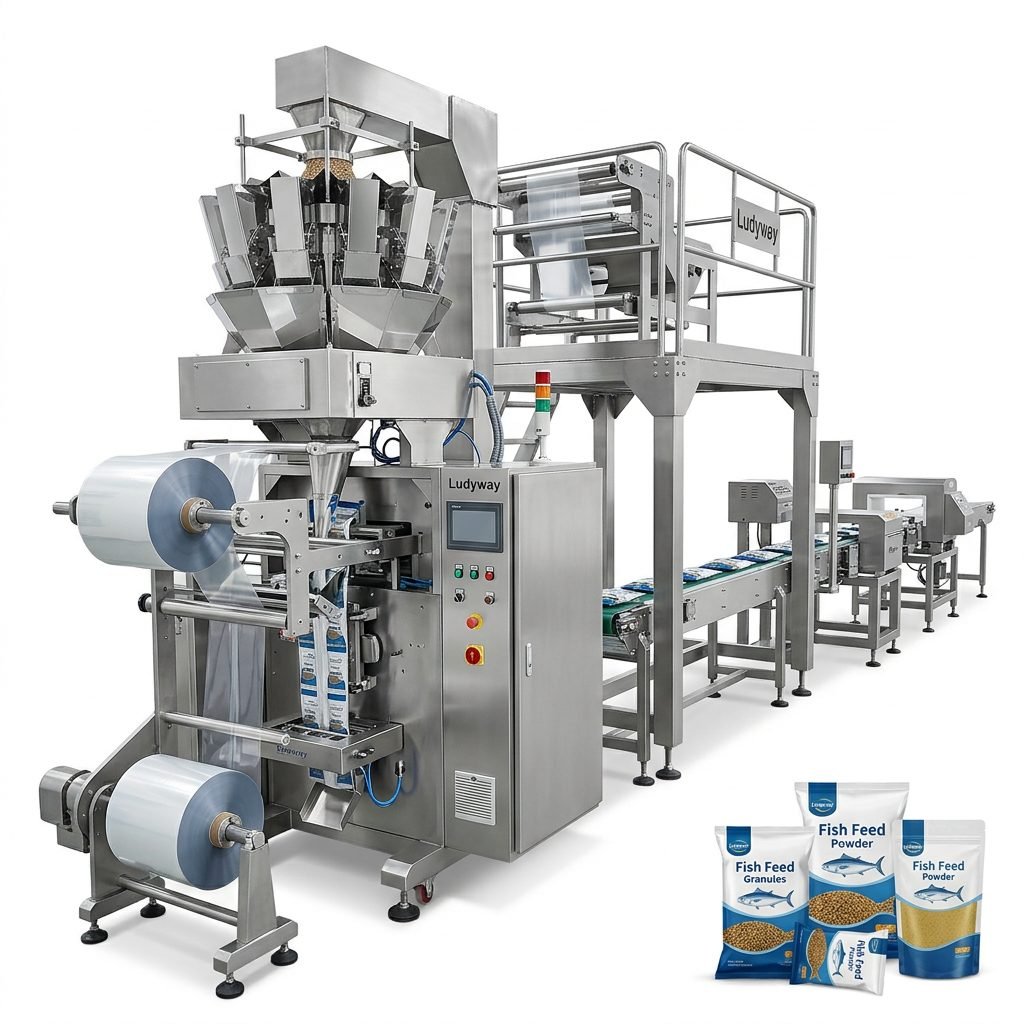
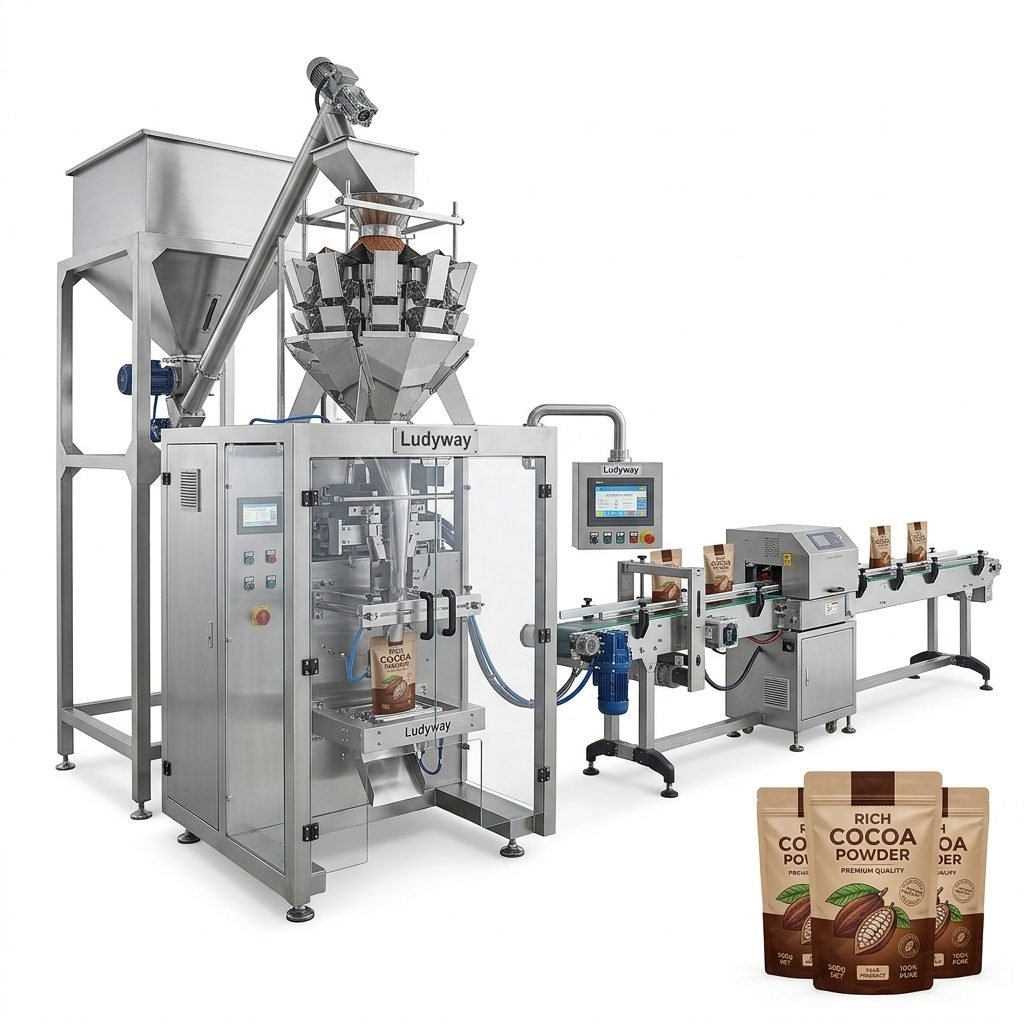
| Fully Automated Turnkey Line | High-volume production integrating filling, capping, labeling, and cartoning | End-to-end automation with minimal manual intervention |
Critical Factors When Selecting a Cooking Oil Packaging Machine
1. Oil Viscosity and Characteristics
Cooking oils exhibit varying viscosity profiles — olive oil and coconut oil behave differently from sunflower or canola oil. Temperature fluctuations in Oceania’s warmer climate zones can further alter viscosity. Your chosen machine must incorporate temperature-compensated filling systems and appropriate pump technologies (gear, piston, or peristaltic) to maintain fill accuracy regardless of ambient conditions.
2. Packaging Format Flexibility
Modern oil brands increasingly diversify into multiple packaging formats. Consider equipment that supports:
- PET and glass bottles — from 100ml to 5L formats
- Sachets and stick packs — for single-serve and promotional distribution
- Bag-in-box systems — for foodservice and bulk culinary applications
- Pouches with spouts — for convenient consumer dispensing
3. Production Capacity Requirements
Match machine throughput to your current and projected output. A multi-lane sachet packaging machine can deliver 40–80 packs per minute per lane, while a high-speed rotary bottle filler may achieve 100–200 bottles per minute. Oversizing too early can strain capital, while undersized equipment creates costly bottlenecks. Review PMMI’s State of the Industry reports for benchmark capacity data relevant to liquid food packaging.
4. Compliance and Food Safety Standards
Oceania markets require adherence to FSANZ Standard 3.2.2 for food safety practices and equipment hygiene. Stainless steel construction (preferably SUS304 or SUS316L), CIP (Clean-in-Place) compatibility, and sealed filling environments are essential. Additionally, export-oriented producers should verify compliance with ISO packaging standards and relevant European packaging regulations when targeting EU markets.
Key Technical Features to Evaluate
When comparing equipment specifications, prioritize these performance-critical features:
| Feature | Why It Matters | Recommended Specification |
|---|---|---|
| Drip-Free Nozzles | Prevents product waste and label contamination | Anti-drip shut-off valves with vacuum suck-back |
| Inert Gas Flushing | Extends shelf life by reducing oxidation | Nitrogen flushing capability for sensitive oils |
| Servo-Driven Filling | Enables rapid format changeovers and precision dosing | Multi-axis servo systems with recipe memory |
| Integrated Checkweigher | Ensures regulatory fill weight compliance | In-line dynamic checkweighing with reject system |
| HMI Touchscreen Control | Simplifies operation and reduces training requirements | Multi-language PLC interface with remote diagnostics |
Supplier Evaluation and Due Diligence
Choosing the right equipment partner is as important as the machine itself. Evaluate potential suppliers against these criteria:
- Industry experience — proven track record in edible oil and liquid food packaging
- After-sales support — availability of technical service, spare parts, and remote assistance across Oceania time zones
- Customization capability — ability to tailor filling ranges, capping types, and line configurations
- Compliance documentation — provision of IQ/OQ/PQ validation, CE marking, and food-grade material certifications
- Reference installations — verifiable case studies from similar-scale oil packaging operations
Total Cost of Ownership Considerations
Beyond the initial purchase price, calculate the total cost of ownership (TCO) over a 5–10 year horizon. Key cost drivers include:
- Spare parts availability and pricing — especially for wear components like seals, gaskets, and filling valves
- Energy consumption — servo-driven systems typically offer 30–40% energy savings over pneumatic alternatives
- Product giveaway reduction — a fill accuracy improvement of ±0.5% can save thousands of liters annually
- Changeover downtime — quick-release tooling and recipe-driven setups minimize production loss between SKU changes
- Operator training — intuitive interfaces reduce labor costs and error rates
Installation, Commissioning, and Ongoing Support
A successful packaging line deployment requires meticulous planning. Pre-installation site preparation — including utility connections, floor leveling, and material handling workflows — significantly reduces commissioning time. Verify that your supplier offers remote diagnostic capabilities and maintains a responsive service presence that aligns with Oceania business hours. Regular preventive maintenance schedules and operator refresher training programs help sustain peak equipment performance over the long term.
For businesses seeking a reliable partner with deep expertise in liquid and sachet packaging machinery, Ludyway — one of the largest packaging machine manufacturers in China with over 30 years of industry experience — offers advanced packaging equipment and turnkey production solutions for the food, pharmaceutical, and health industries, serving customers in more than 100 countries and regions. Reference resources such as the Flexible Packaging Association’s Industry Resources and PMMI’s Packaging Industry Resources provide valuable market intelligence for informed decision-making.
Future-Proofing Your Investment
The Oceania cooking oil market continues evolving toward sustainable packaging formats, lightweight materials, and smart manufacturing integration. When selecting equipment, assess its compatibility with:
- Recyclable and bio-based packaging materials — mono-material films and post-consumer recycled content
- Industry 4.0 connectivity — OEE monitoring, predictive maintenance alerts, and ERP integration
- Flexible batch sizes — the ability to efficiently handle both large production runs and limited-edition SKUs
- Regulatory evolution — upcoming changes to sustainable materials management guidelines affecting packaging design
By thoroughly evaluating machine specifications, supplier credentials, and long-term operational costs, Oceania-based cooking oil producers can secure a packaging solution that drives productivity, ensures product integrity, and supports sustainable growth in both domestic and export markets.