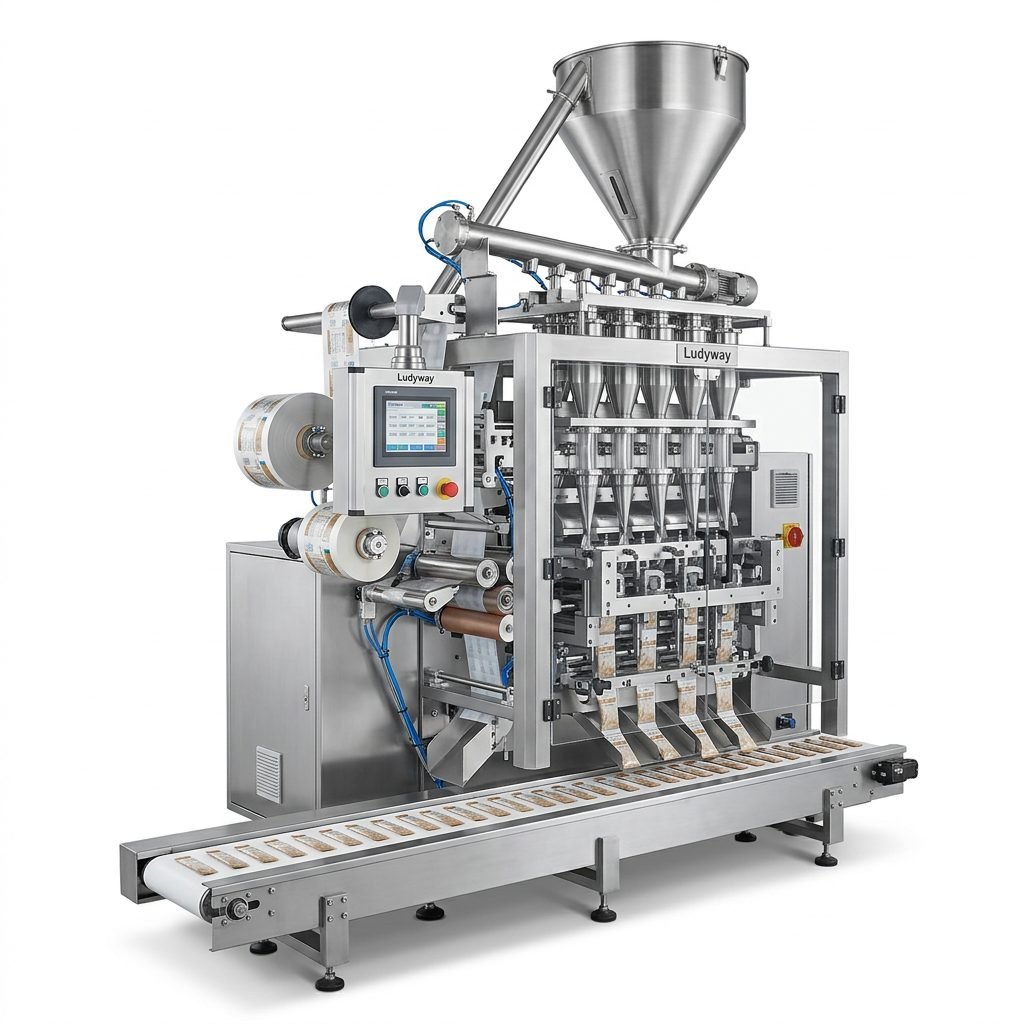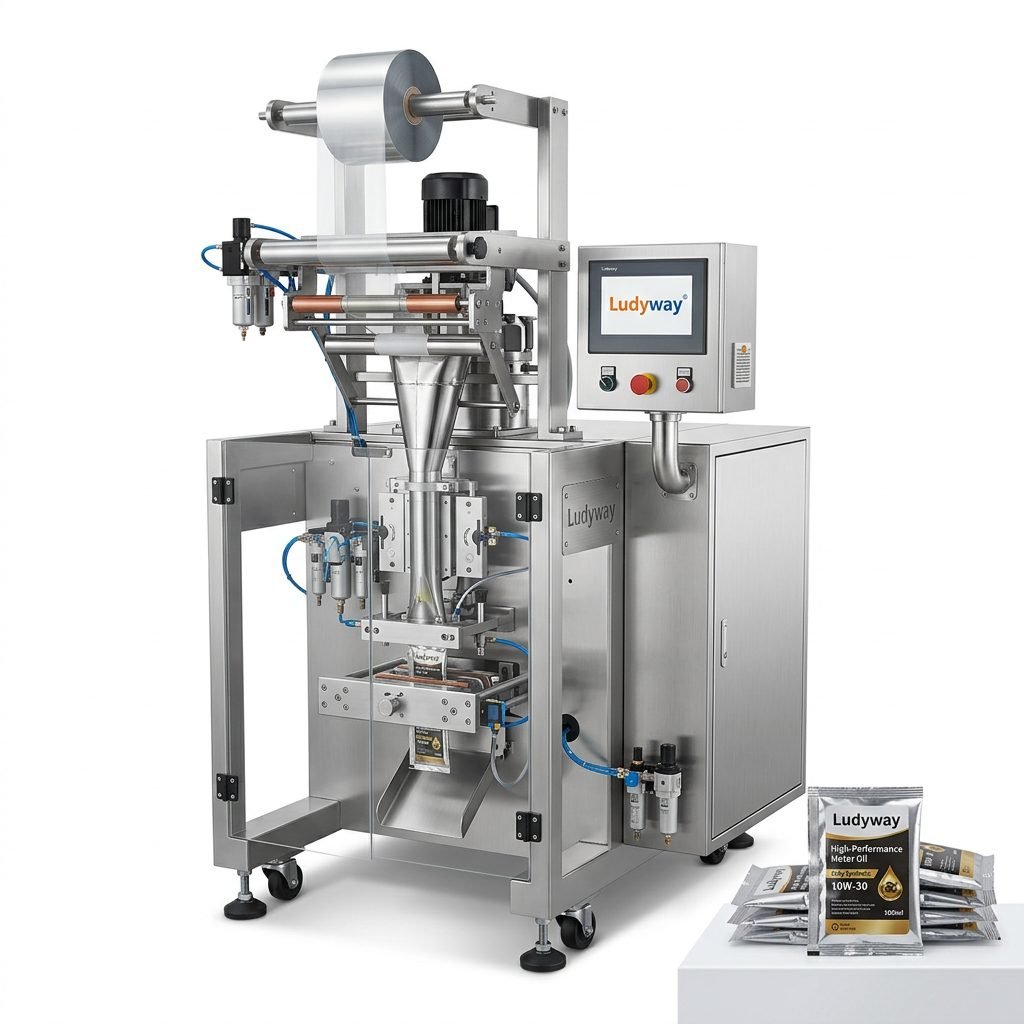
Investing in a food packing container making machine is a critical decision for any food manufacturer. Whether you are producing sachets, stick packs, pouches, or rigid containers, the right equipment directly affects your production efficiency, product quality, and long-term profitability. This guide walks you through the essential factors to evaluate before making a purchase, helping you select machinery that aligns with your production goals and operational requirements.
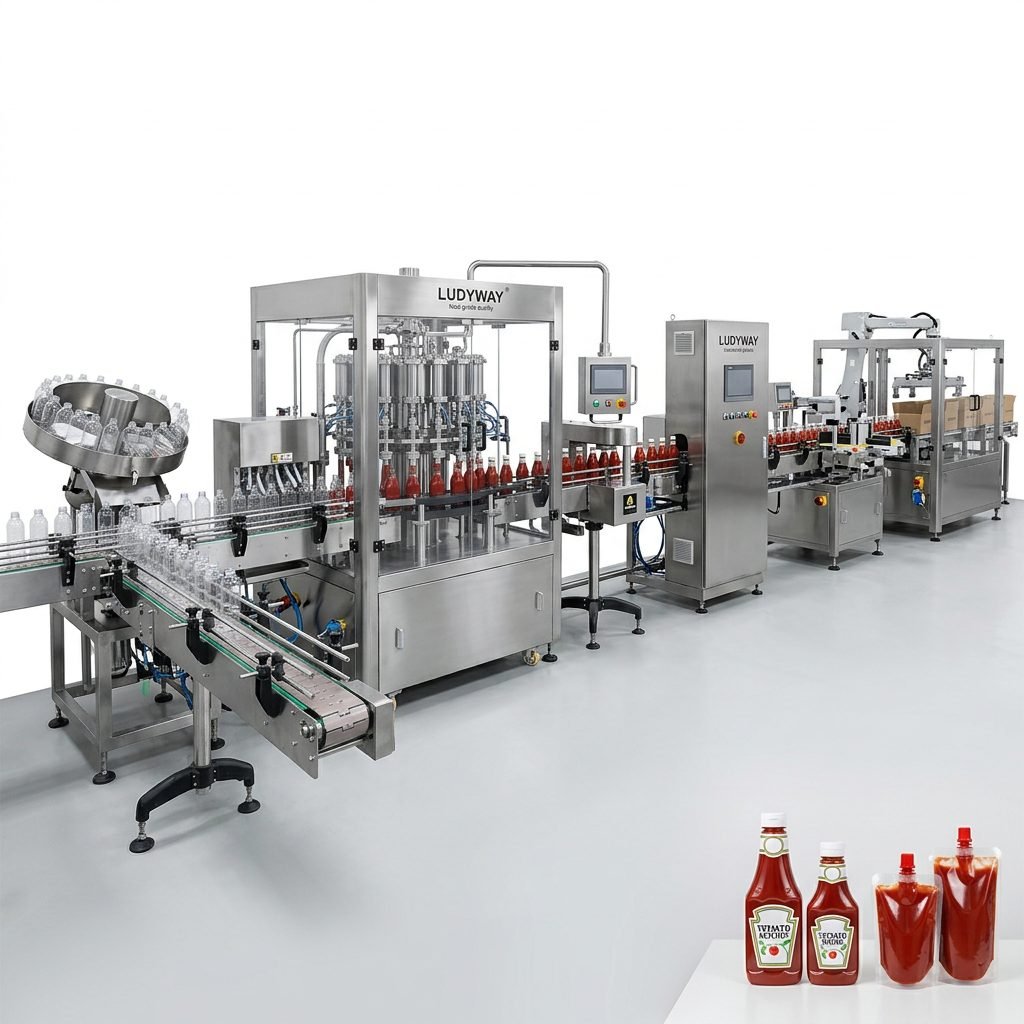
Understanding Food Packaging Container Types and Formats
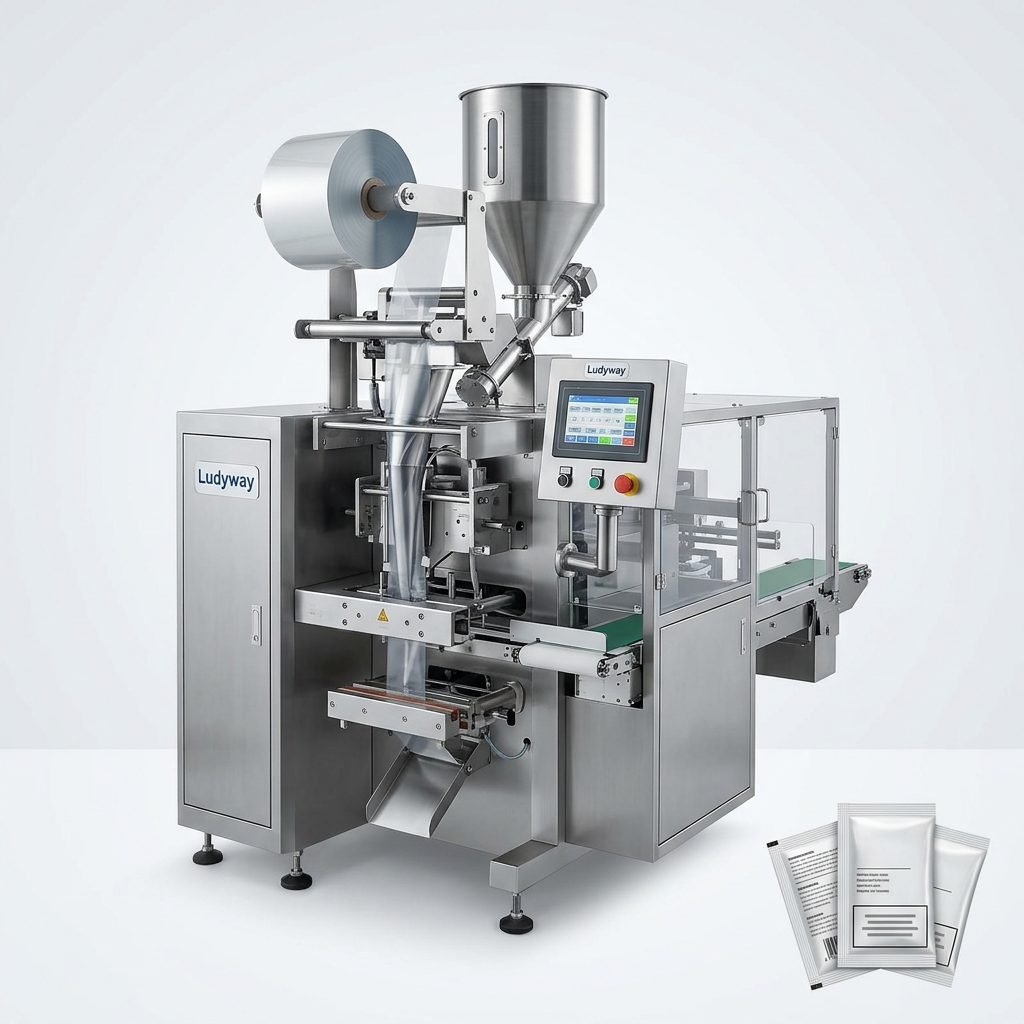
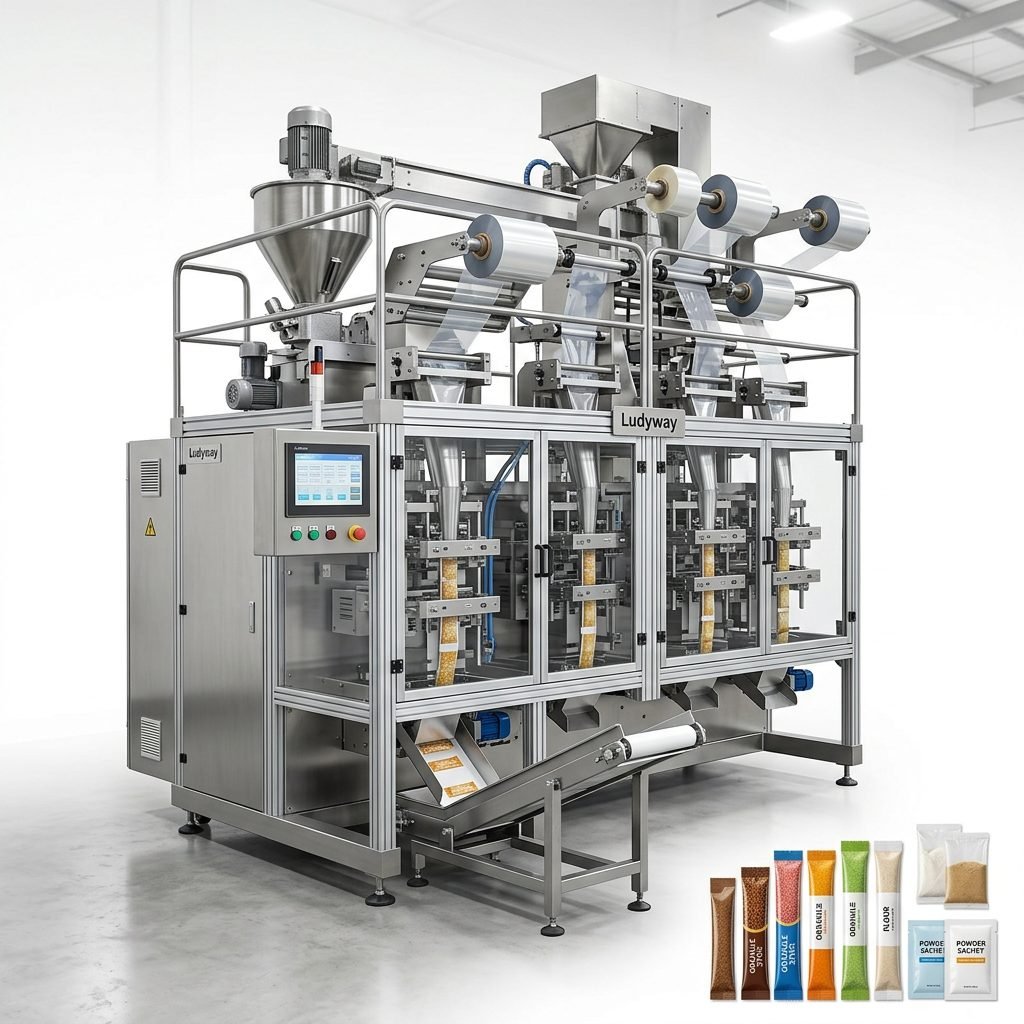
Before evaluating machinery, you need to define the packaging format your product requires. Food packing container making machines are designed for specific container types, and choosing the wrong format can lead to costly inefficiencies. Common formats include:
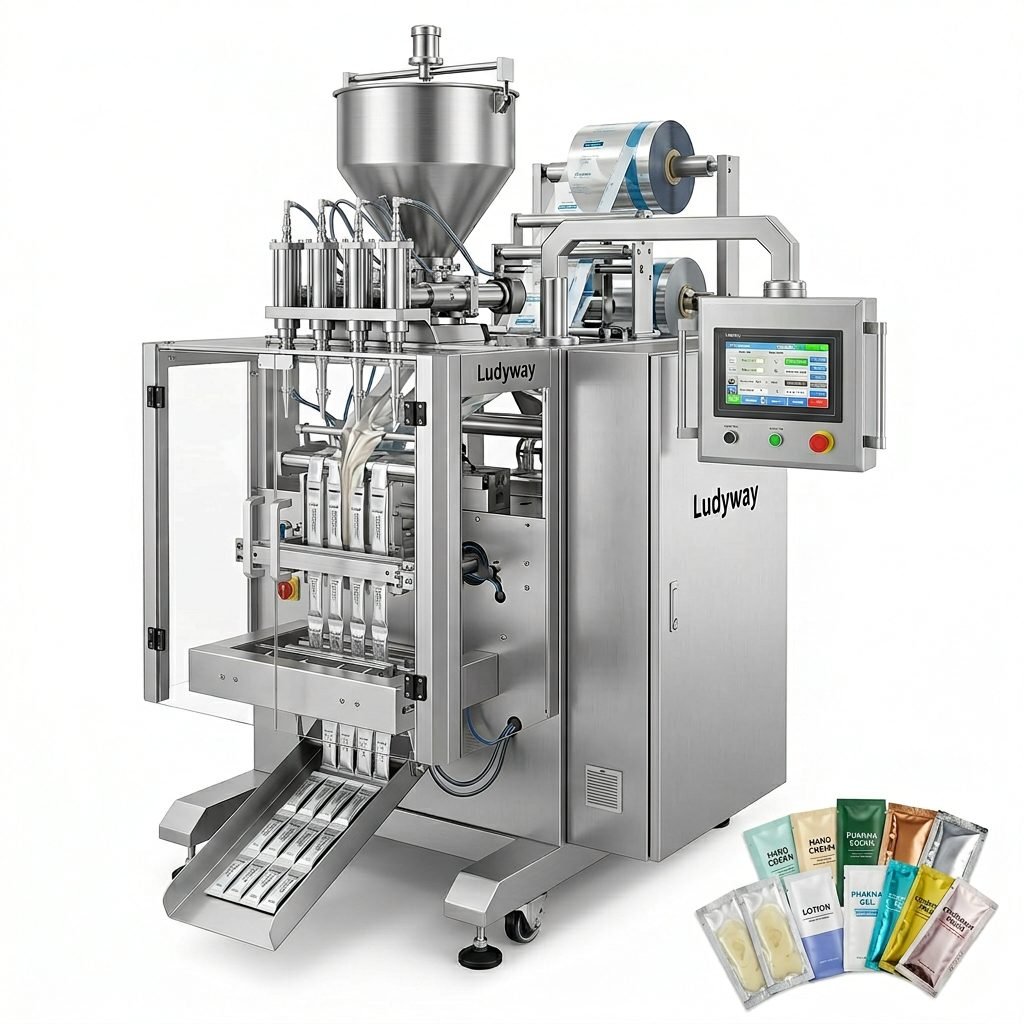
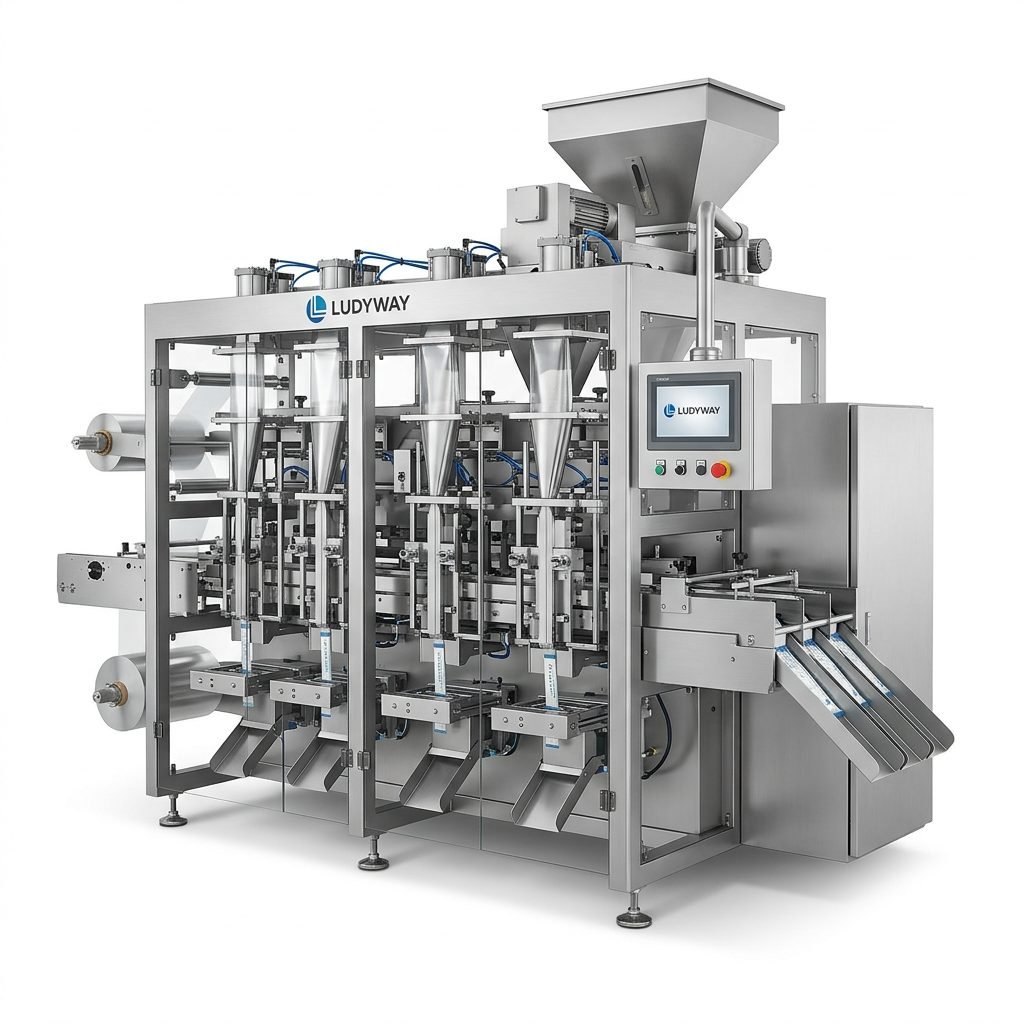
- Stick packs – Ideal for single-serve powders, granules, and liquid concentrates such as instant coffee, sugar, and energy drinks.
- Sachets – Widely used for sauces, condiments, shampoo samples, and pharmaceutical powders, offering compact and cost-effective packaging.
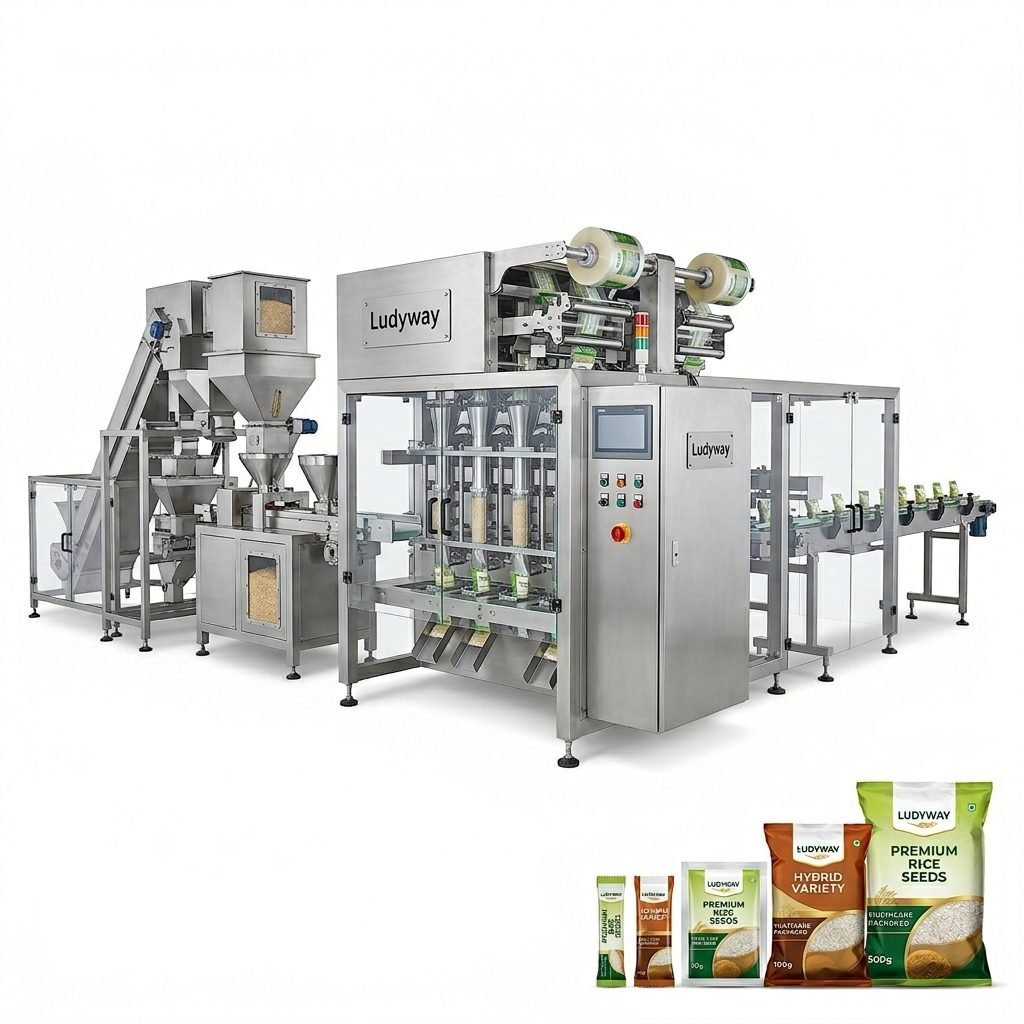
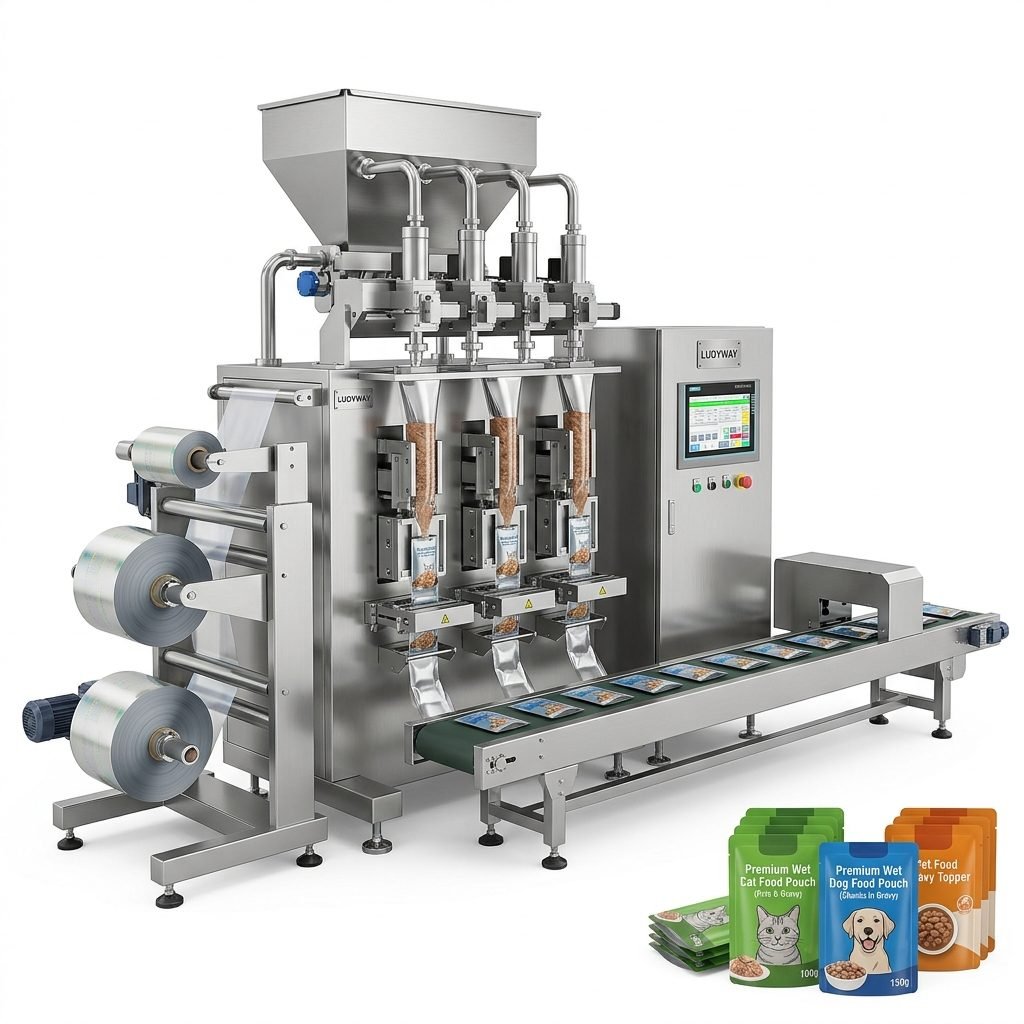
- Pouches – Available in stand-up, flat, and gusseted styles, suitable for larger quantities of snacks, pet food, and frozen products.
- Rigid containers – Including bottles, jars, and cups, commonly used for sauces, dressings, dairy products, and ready-to-eat meals.
- Multi-lane configurations – High-speed systems that run multiple packaging lanes simultaneously, maximizing output for high-volume food production.
According to industry data from the PMMI 2025 State of the Industry report, flexible packaging formats continue to gain market share in the food sector due to their material efficiency and consumer convenience.
Key Factors to Consider When Choosing a Food Packing Container Making Machine
Selecting the right equipment requires a systematic evaluation of your production needs, product characteristics, and business objectives. The table below summarizes the most critical selection criteria:
| Selection Factor | Key Questions to Ask | Why It Matters |
|---|---|---|
| Product Type | Is your product a powder, granule, liquid, paste, or solid? | Determines the dosing mechanism, filling system, and sealing technology required. |
| Production Speed | How many units per minute do you need to produce? | Affects machine configuration, lane count, and automation level. |
| Packaging Material | What film, laminate, or container material will you use? | Impacts sealing temperature, barrier properties, and flexible packaging compatibility. |
| Bag Size Range | What are your minimum and maximum package dimensions? | Ensures the machine can accommodate your current and future product portfolio. |
| Automation Level | Do you need semi-automatic or fully automatic operation? | Influences labor requirements, consistency, and overall line efficiency. |
| Regulatory Compliance | Does the equipment meet FDA food packaging standards and ISO requirements? | Critical for market access, product safety, and avoiding compliance issues. |
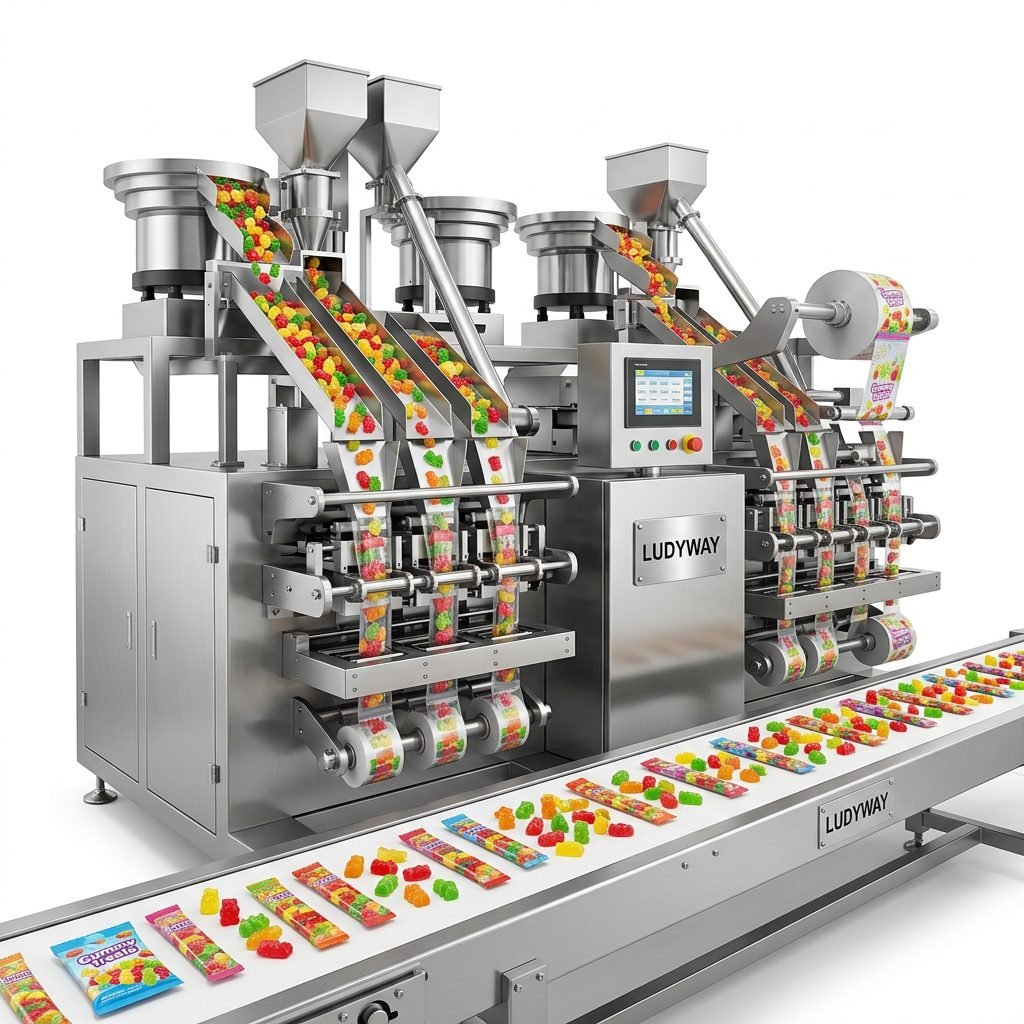
Evaluating Machine Specifications and Technical Capabilities
Once you have identified your packaging format and basic requirements, dive deeper into the technical specifications of the food packing container making machine. Pay close attention to the following aspects:
- Filling accuracy and dosing precision – Precise dosing minimizes product giveaway and ensures consistent package weights, which is especially important for high-value food ingredients.
- Sealing integrity – Look for machines with adjustable sealing temperature, pressure, and dwell time to achieve hermetic seals that protect product freshness and extend shelf life.
- Changeover flexibility – If you produce multiple SKUs, quick-change features and tool-less adjustments can significantly reduce downtime between production runs.
- Material waste reduction – Advanced web tracking and registration systems minimize film waste, contributing to both cost savings and sustainability goals.
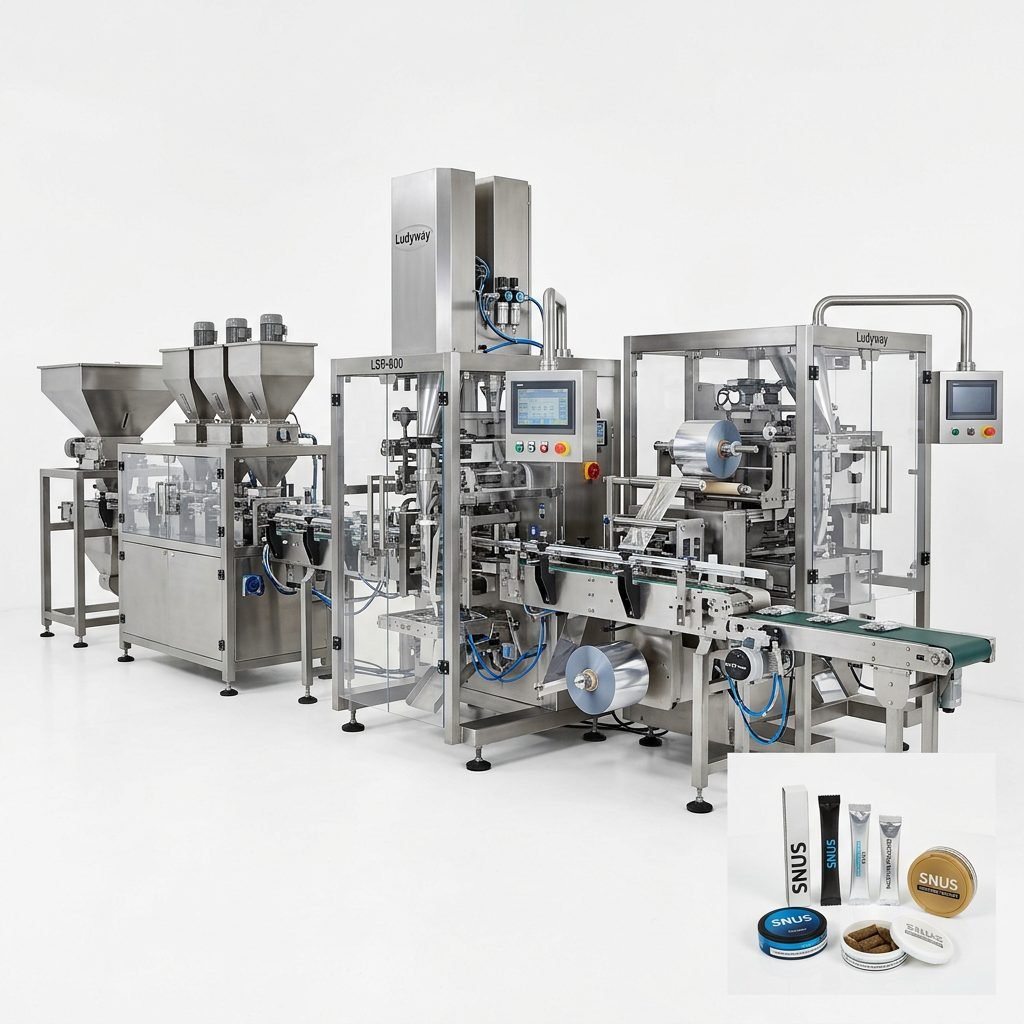
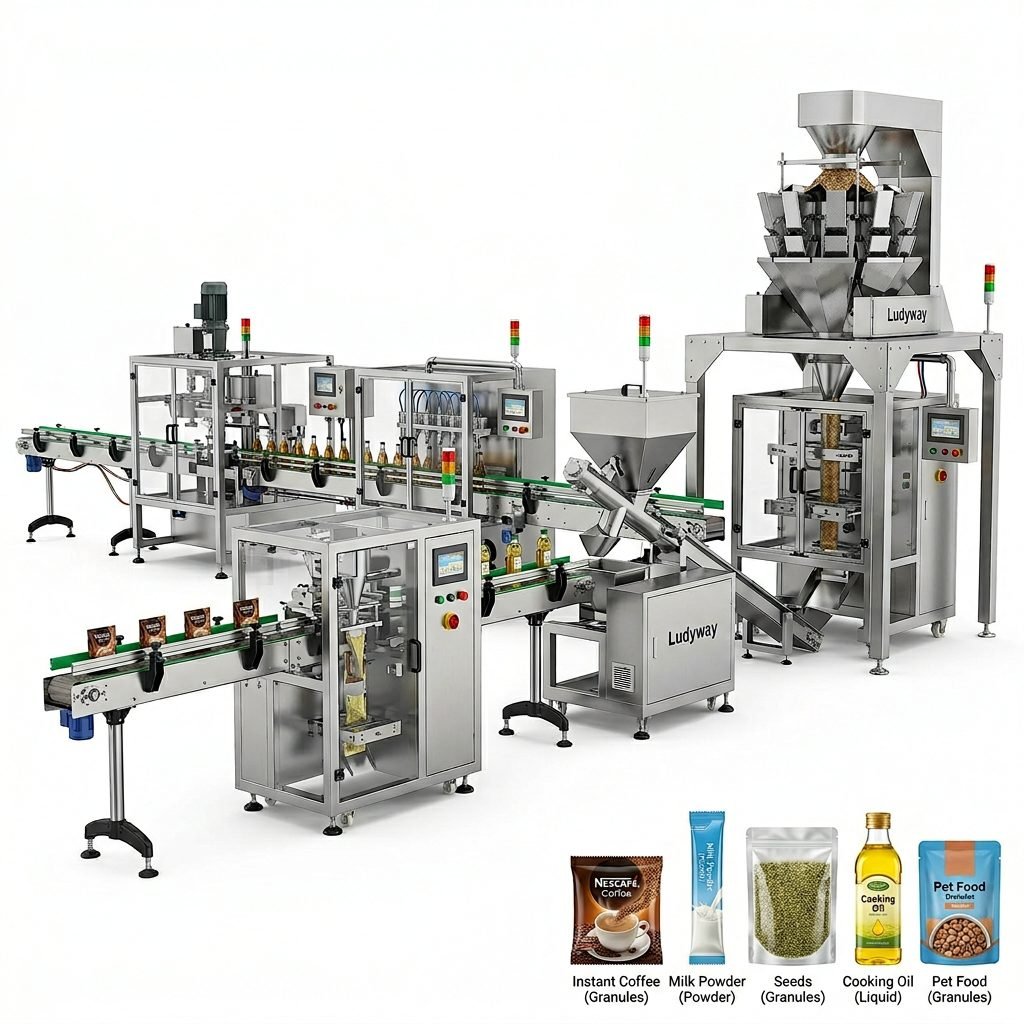
- Integration capabilities – The machine should interface seamlessly with upstream and downstream equipment such as conveyors, checkweighers, cartoners, and ISO-compliant packaging systems.
Customization and Application-Specific Configurations
No two food manufacturing operations are exactly alike. Product characteristics such as flowability, density, hygroscopicity, and particle size distribution can dramatically affect how a packaging machine performs. The Flexible Packaging Association emphasizes that customized machine configurations often deliver significantly better results than off-the-shelf solutions for specialized applications.
When discussing your requirements with potential suppliers, evaluate whether they can accommodate:
- Multi-product capability – Can the machine handle powders, granules, and liquids with interchangeable dosing systems?
- Modified atmosphere packaging (MAP) – For products requiring nitrogen flushing or vacuum sealing to extend freshness.
- Temperature-sensitive products – Cold-fill or hot-fill capabilities for dairy, sauces, and prepared foods.
- Coding and marking integration – Compatibility with inkjet, laser, or thermal transfer printers for date codes, batch numbers, and traceability data.
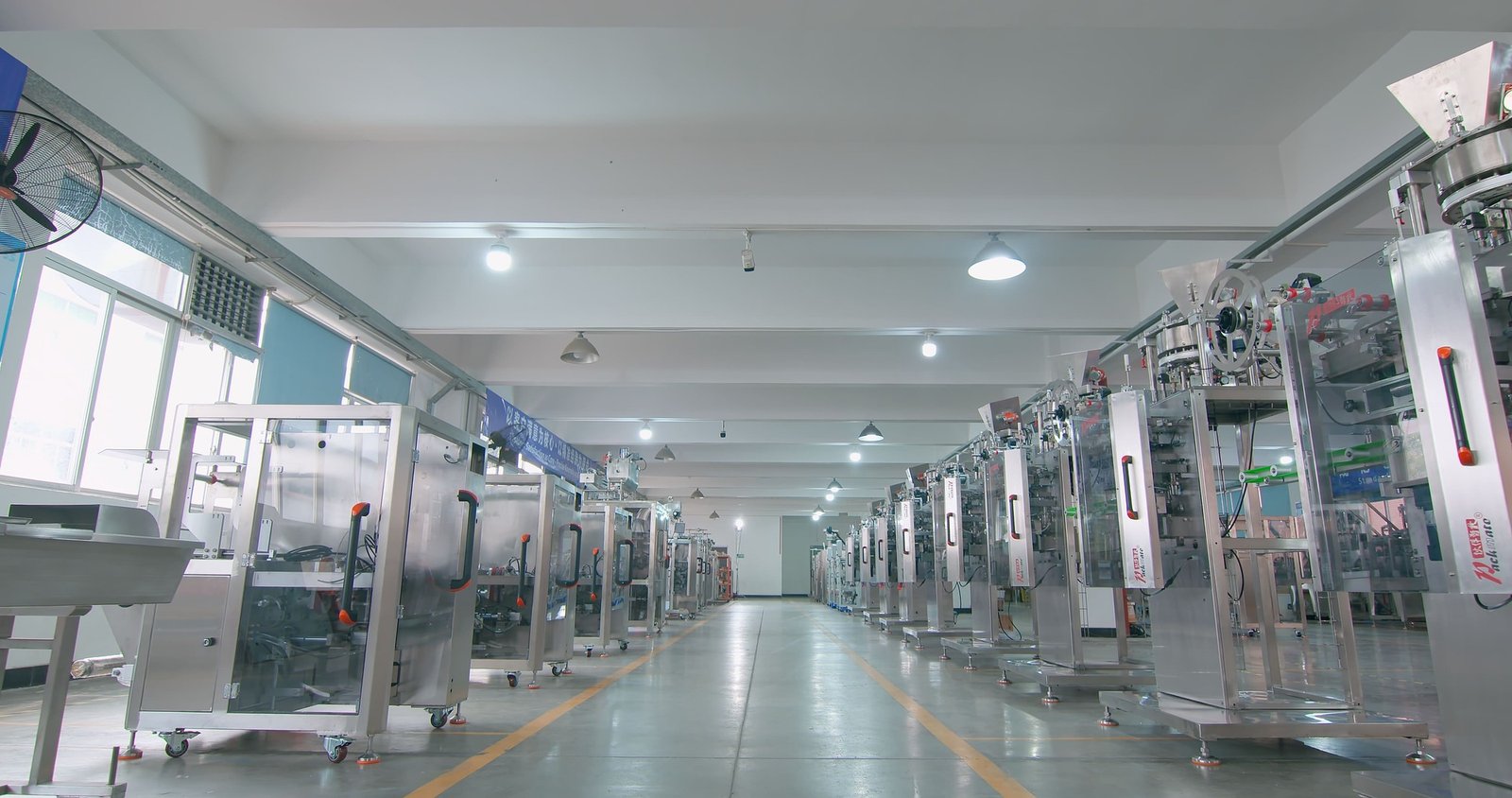
Choosing the Right Manufacturer and Supplier
The manufacturer you select is just as important as the machine itself. A reliable packaging machinery partner provides far more than equipment—they offer engineering expertise, technical support, and long-term service that keeps your production running efficiently. Key criteria for evaluating manufacturers include:
- Industry experience and track record – Look for manufacturers with a proven history in food packaging applications and a portfolio of successful installations.
- Manufacturing and engineering capabilities – In-house design, machining, assembly, and testing capabilities indicate a mature operation that can deliver consistent quality.
- After-sales support and spare parts availability – Prompt technical assistance, readily available spare parts, and remote troubleshooting capabilities minimize production disruptions.
- Global service reach – If you operate in multiple locations or export markets, a supplier with international service infrastructure is invaluable.
- Compliance documentation – Ensure the manufacturer can provide relevant certifications and documentation for your target markets, including CE, UL, and FDA food contact substance compliance.
A Reliable Partner in Food Packaging Machinery
Ludyway Machinery is a China-based packaging machinery manufacturer and turnkey packaging solution provider with more than 30 years of experience in the packaging industry. Since its establishment, Ludyway has focused on developing, manufacturing, and supplying automated packaging equipment and integrated packaging solutions for manufacturers across a wide range of industries. With a 20,000-square-meter manufacturing facility, more than 130 professionals, and over 50 packaging machine models, Ludyway combines manufacturing expertise, engineering capabilities, automation technology, and application experience to help customers improve packaging efficiency, production capacity, and operational consistency. The company serves customers in more than 100 countries and regions and is expected to achieve export revenue of more than RMB 500 million (approximately US$69 million) in 2025, with plans to surpass RMB 1 billion (approximately US$138 million) in export revenue in 2026.
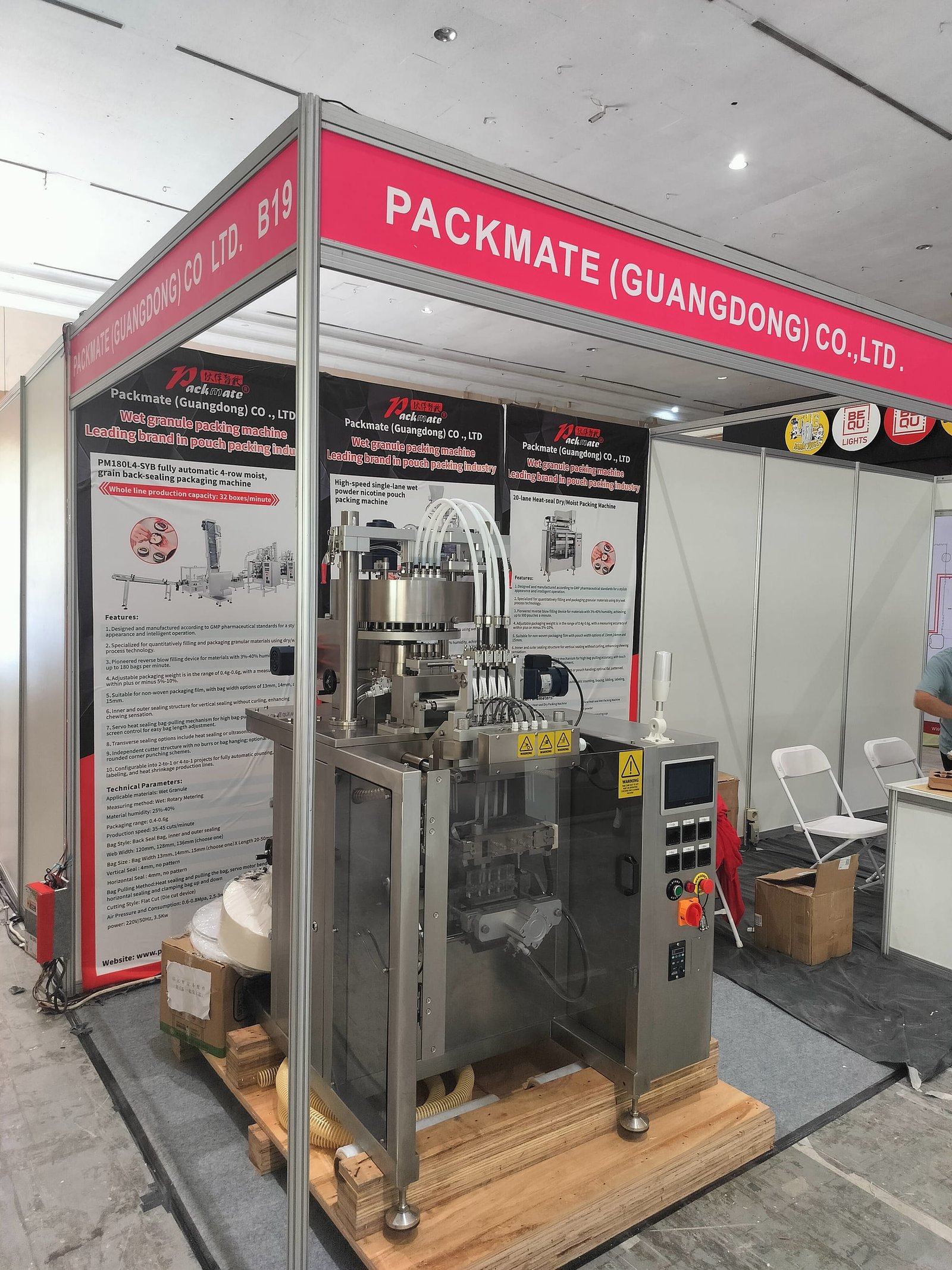
Making the Final Decision: Total Cost of Ownership and ROI
When comparing food packing container making machines, look beyond the initial purchase price. A comprehensive total cost of ownership (TCO) analysis accounts for installation, training, maintenance, spare parts, energy consumption, and expected service life. A machine with a higher upfront cost but lower operating expenses and longer durability often delivers superior return on investment over time.
Key TCO considerations include:
- Energy efficiency – Modern servo-driven systems consume significantly less power than older pneumatic or mechanical designs.
- Maintenance requirements – Machines with fewer wear parts and accessible design reduce ongoing maintenance costs.
- Film and material utilization – Efficient web handling and precise registration reduce packaging material waste.
- Scalability – Modular designs allow you to add lanes, upgrade controls, or integrate additional functions as your business grows.
Industry projections from the 2026 Packaging State of the Industry report indicate continued growth in automated food packaging, driven by labor cost pressures and increasing demand for sustainable packaging solutions. Investing in versatile, efficient machinery positions your operation to capitalize on these market trends.
Conclusion: Building a Smarter Packaging Operation
Choosing the right food packing container making machine is a strategic decision that influences every aspect of your production operation—from product quality and throughput to labor efficiency and market competitiveness. By carefully evaluating your packaging format requirements, product characteristics, production volume targets, and the technical capabilities of available equipment, you can identify machinery that delivers reliable performance and strong long-term value. Working with an experienced manufacturer who understands packaging regulations and industry best practices ensures that your investment supports both your immediate production needs and your future growth ambitions.