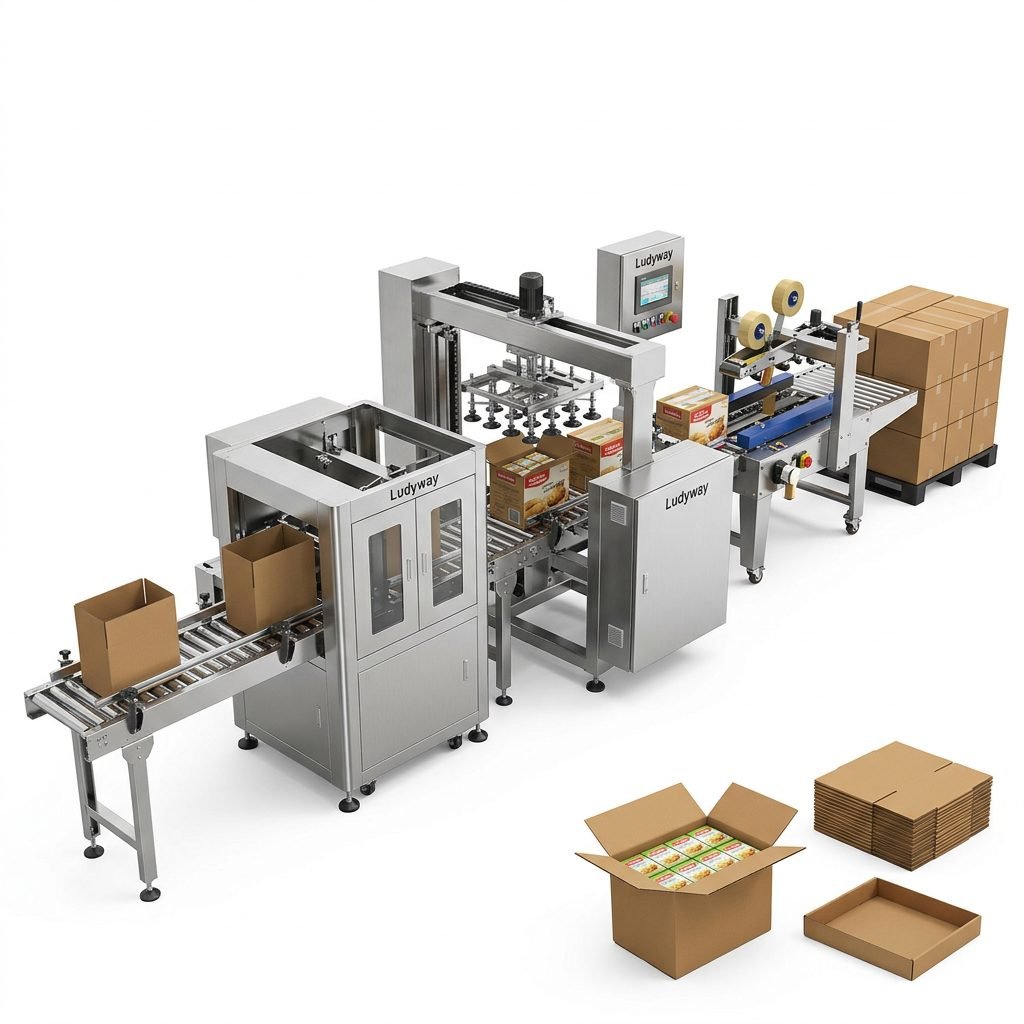
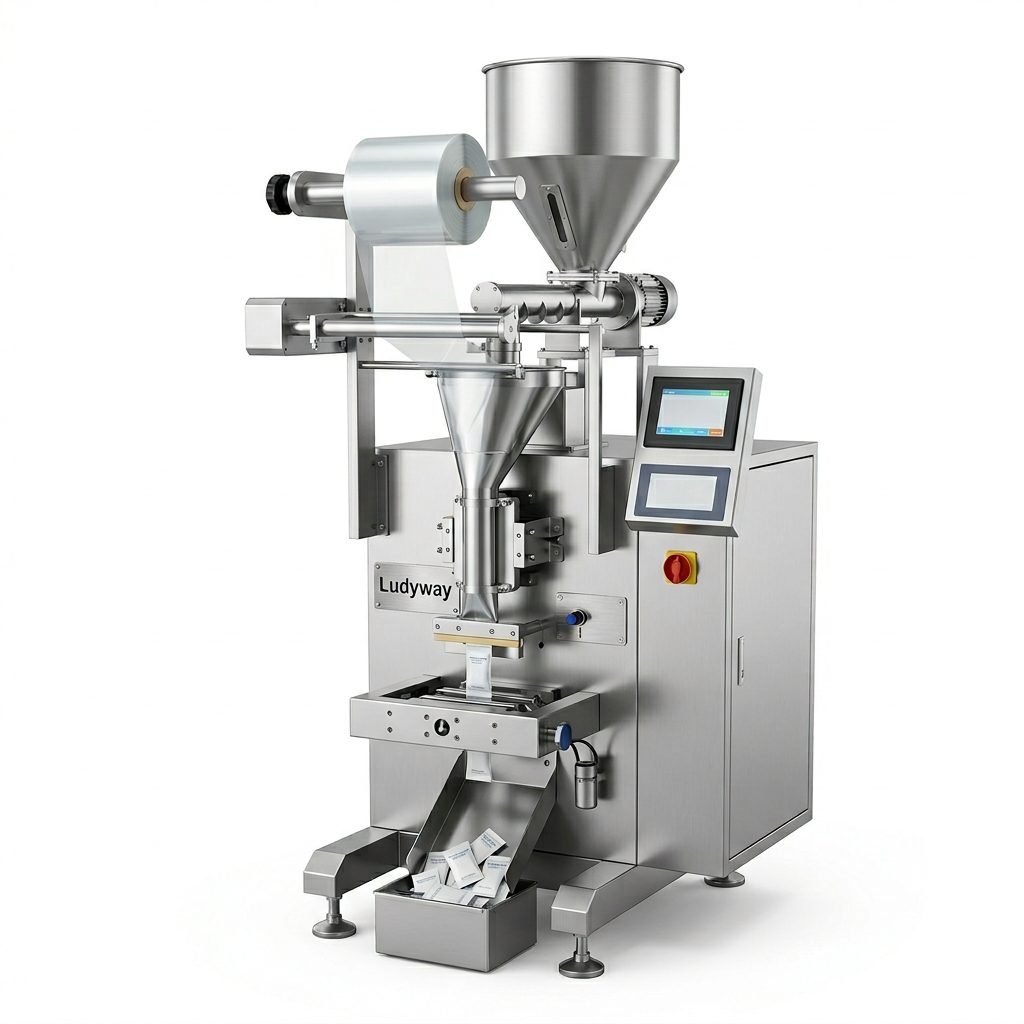
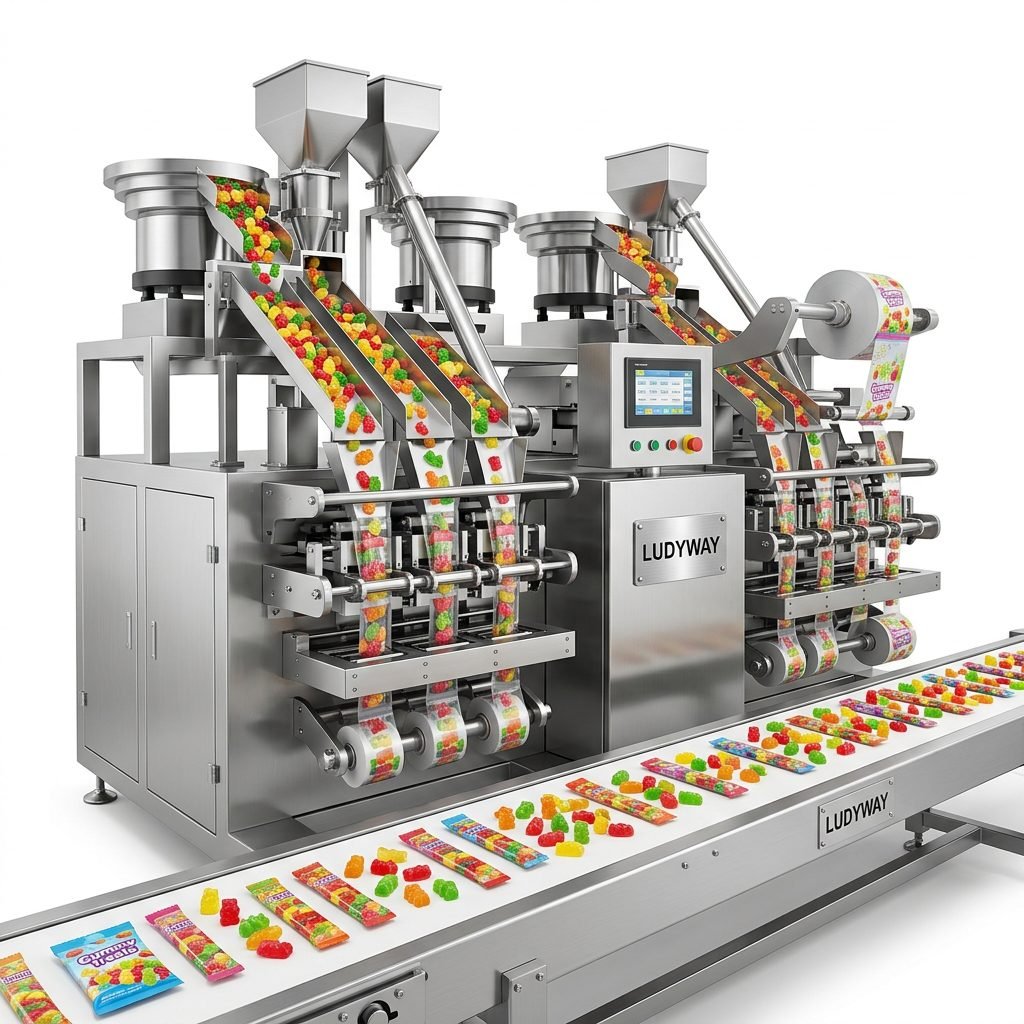
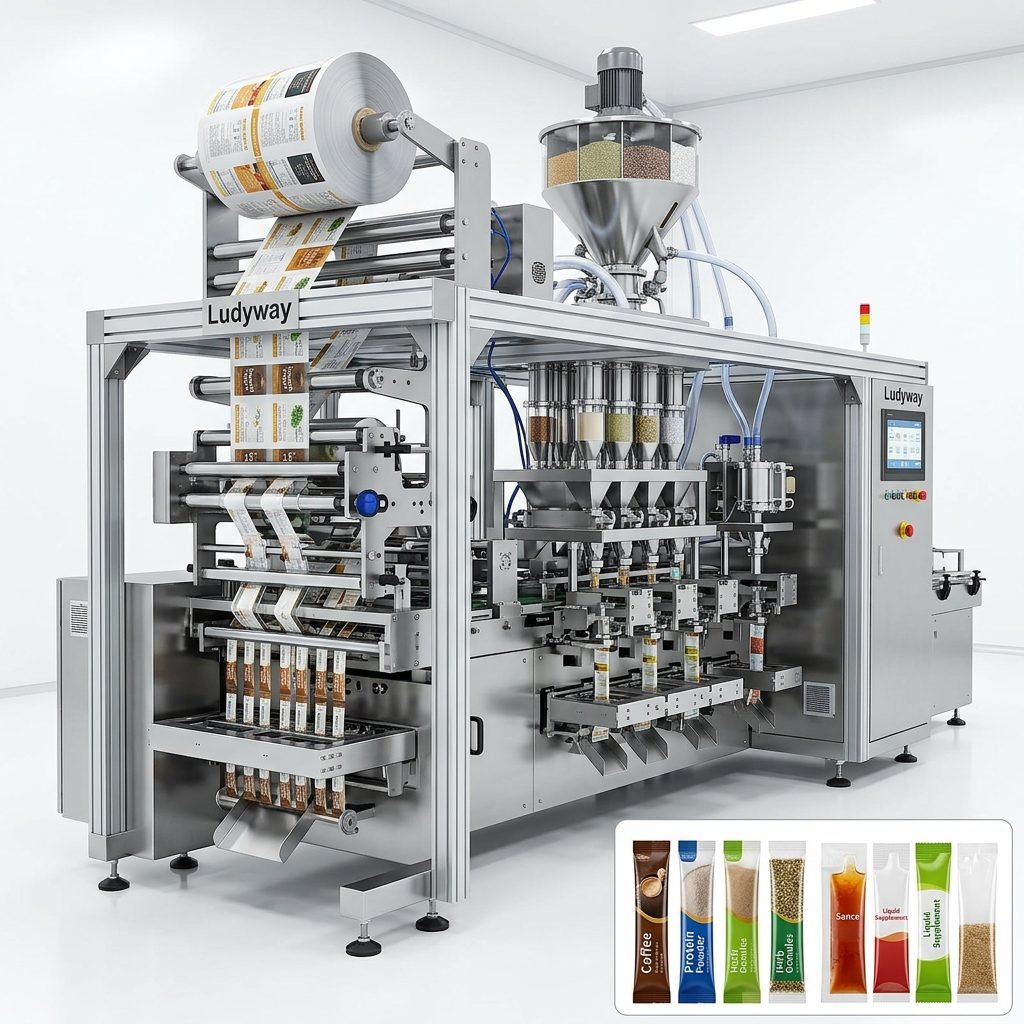
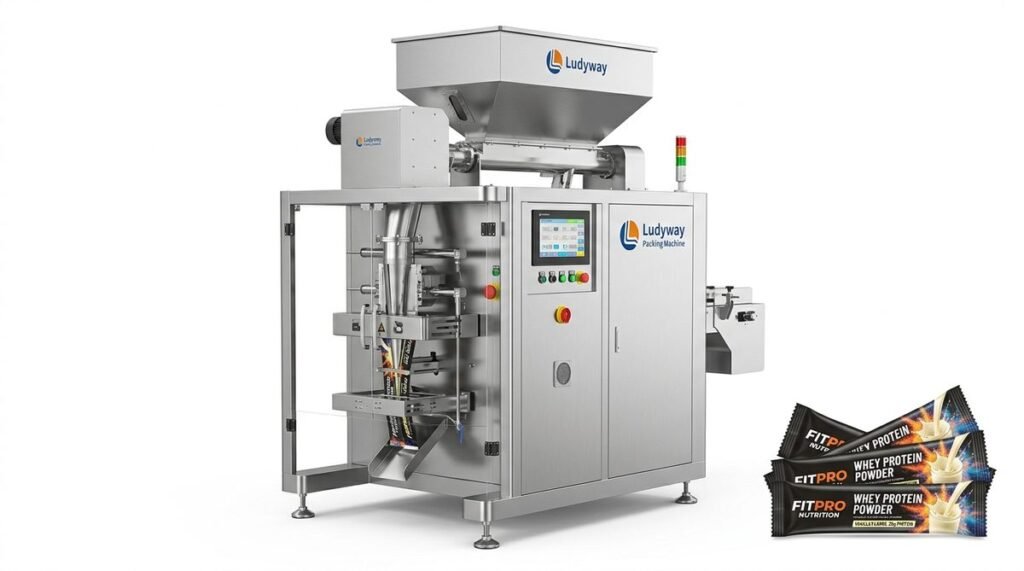
Proper maintenance of a manual bag packing machine is essential for ensuring consistent performance, extending equipment life, and avoiding unexpected downtime. Whether you are packaging granules, powders, or small components, a clean and well-maintained machine delivers higher sealing quality and more reliable production output. Neglecting routine care often leads to material buildup, seal failures, and costly repairs that could have been easily prevented.
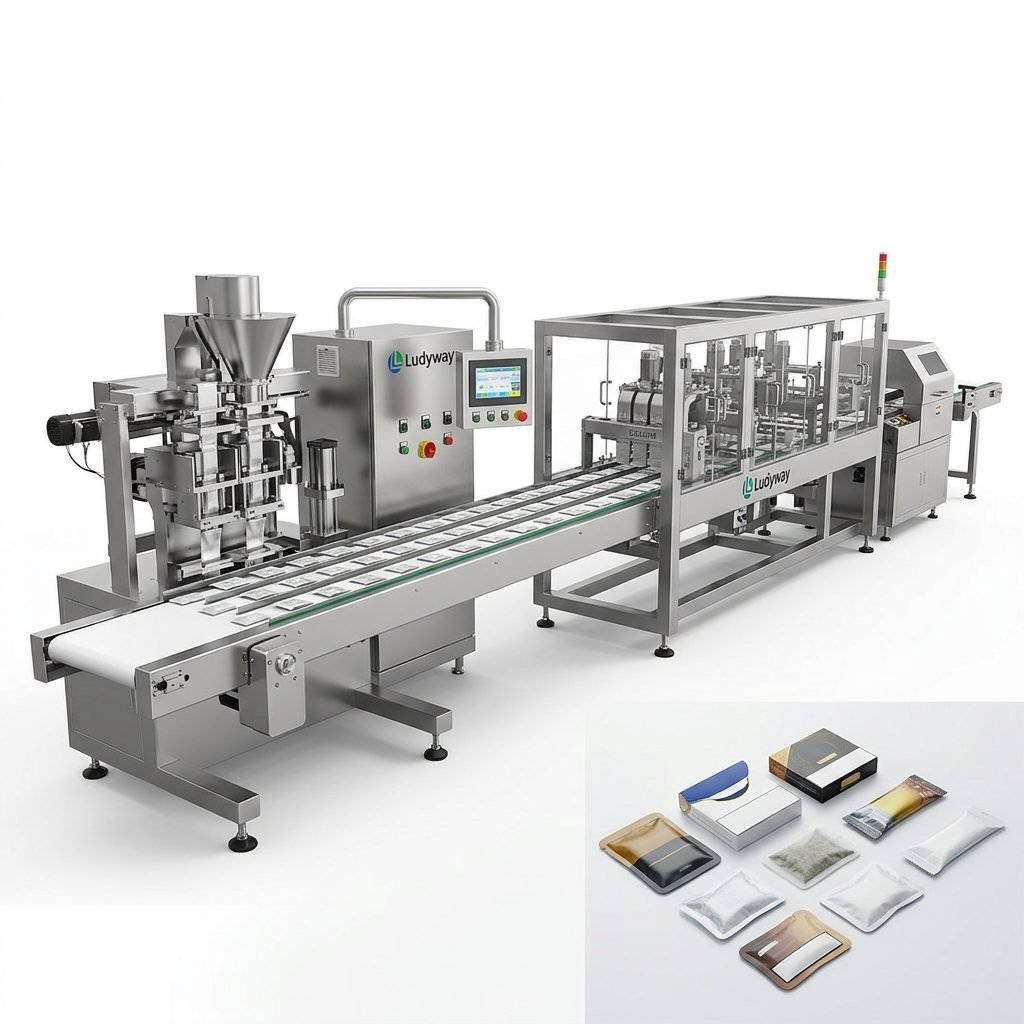
Daily Cleaning Checklist for Manual Bag Packing Machines
Establishing a daily cleaning routine is the first line of defense against performance issues. Operators should follow a structured approach at the end of each shift:
- Power off and disconnect the machine before any cleaning begins to ensure operator safety.
- Use compressed air or a soft brush to remove loose dust, powder residue, and granule fragments from the sealing area.
- Wipe down all contact surfaces with a lint-free cloth and a mild, food-safe cleaning solution approved for your production environment.
- Inspect the sealing bar for any burned-on material or sticky residue that could compromise seal integrity.
- Clean the film rollers and guide tracks to prevent material misalignment during operation.
- Check and empty any collection trays or waste bins to avoid cross-contamination between batches.
According to guidelines from the PMMI packaging industry resources, establishing standardized cleaning protocols significantly reduces mechanical failures and improves overall equipment effectiveness.
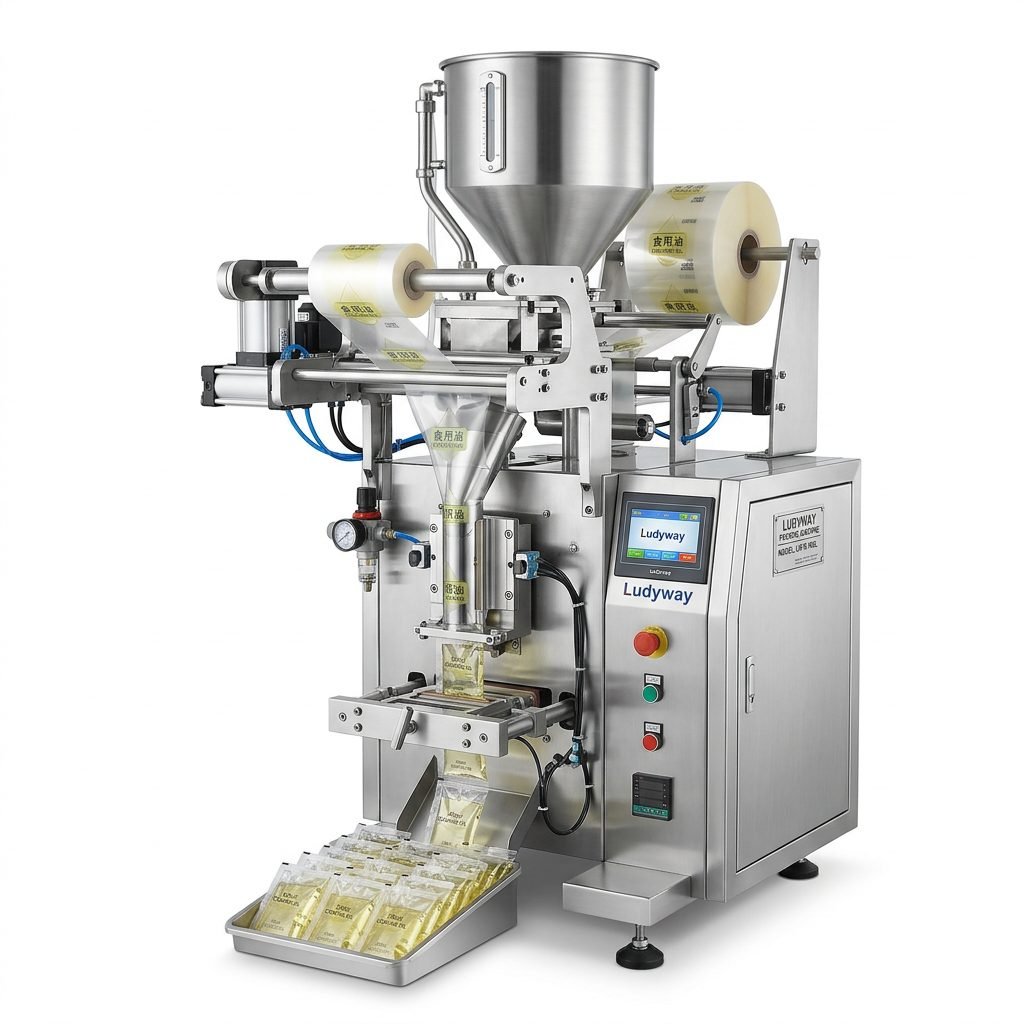
Weekly Maintenance Schedule
A deeper weekly inspection helps catch issues before they escalate into serious problems. The table below outlines key tasks and their recommended frequency:
| Maintenance Task | Focus Area | Recommended Action |
|---|---|---|
| Sealing Bar Inspection | Heat seal quality | Remove residue; test temperature calibration |
| Film Tension Adjustment | Material feeding | Verify smooth film unwinding; adjust rollers |
| Sensor Cleaning | Detection accuracy | Use approved sensor cleaner; check alignment |
| Moving Parts Lubrication | Mechanical wear | Apply food-grade lubricant sparingly |
| Belt and Chain Tension | Drive system | Tighten or replace if loose or worn |
Common Issues and Troubleshooting Tips
Even with regular care, manual bag packing machines may develop occasional problems. Here are the most frequently reported issues and how to address them:
Inconsistent Seal Quality
Poor seals are often caused by contaminated sealing bars or incorrect temperature settings. Clean the heating element thoroughly and verify that the temperature matches the film manufacturer’s specifications. Worn Teflon covers should be replaced immediately to restore proper heat transfer.
Film Wrinkling or Misalignment
When the packaging film does not track smoothly, inspect the roller guides for debris or mechanical wear. Misaligned rollers create tension imbalances that cause wrinkles and ultimately compromise the final package appearance and integrity.
Uneven Filling or Product Loss
Product spillage around the filling area typically indicates worn seals or improperly positioned filling nozzles. Regular inspection of dosing mechanisms helps maintain accurate fill weights and minimizes material waste.
Strange Noises During Operation
Unusual sounds such as grinding, squeaking, or clicking warrant immediate investigation. These often point to insufficient lubrication, loose fasteners, or bearings that need replacement. Addressing noise issues promptly prevents more extensive mechanical damage.
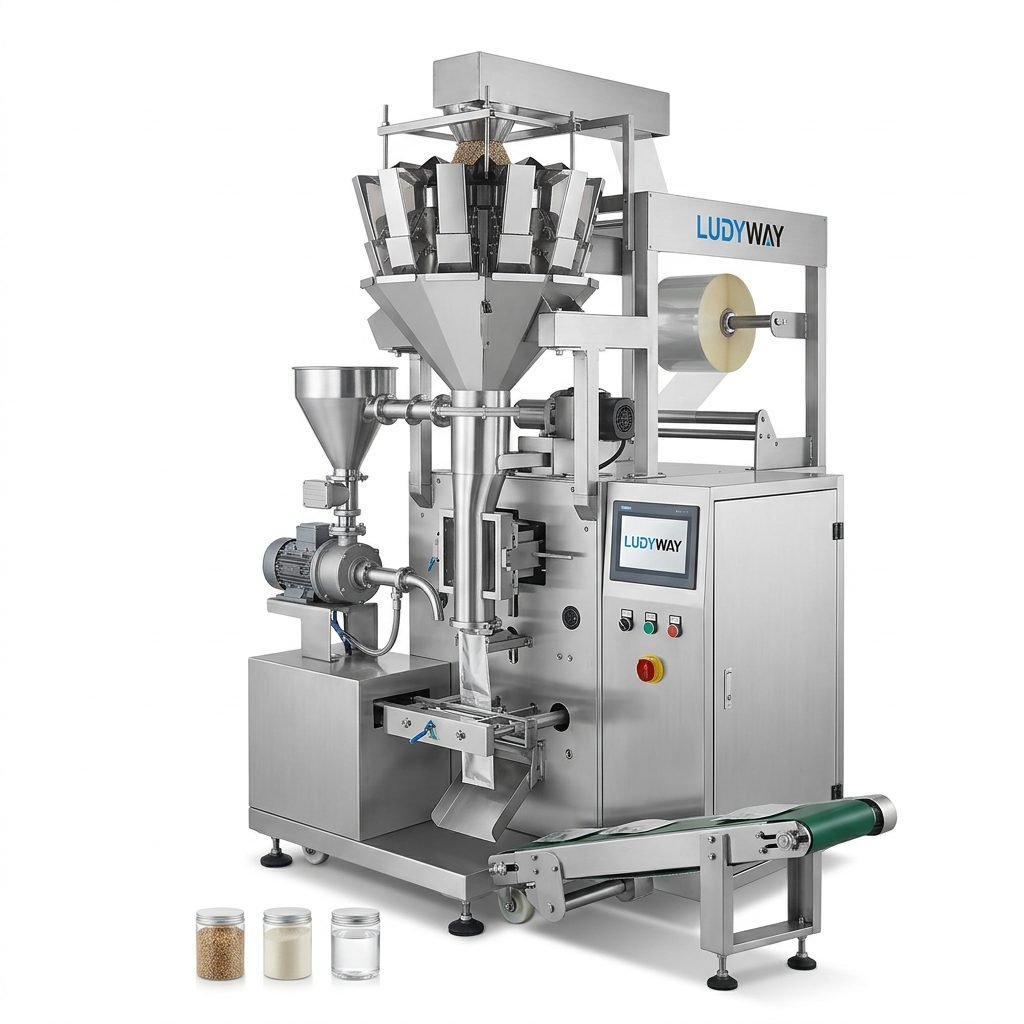
Lubrication Best Practices
Proper lubrication is critical for the longevity of moving mechanical parts in any manual bag packing machine. Follow these guidelines to avoid over-lubrication and contamination:
- Use only food-grade lubricants that comply with FDA food packaging regulations when processing consumable products.
- Apply lubricant sparingly to bearings, chains, and pivot points as specified in the equipment manual.
- Wipe away excess lubricant immediately to prevent dust accumulation.
- Document lubrication dates and types used for traceability and audit readiness.
- Replace worn grease fittings and seals during scheduled maintenance intervals.
Monthly Component Inspection Guide
A thorough monthly inspection should cover components that experience gradual wear. Pay special attention to the following areas:
Electrical Connections
Loose wiring or corroded terminals can cause intermittent performance issues. Inspect all electrical connections for signs of heat damage, oxidation, or loosening. Tighten terminal screws and replace any damaged wiring promptly to maintain safe and reliable operation.
Pneumatic Systems
If your manual bag packing machine includes pneumatic components, check air filters, regulators, and hoses for moisture buildup or leaks. Clean or replace filters according to the manufacturer’s recommended schedule to protect sensitive pneumatic valves and cylinders.
Wear Parts Inventory
Maintain an adequate stock of commonly replaced parts such as sealing bands, Teflon tape, cutting blades, and rubber rollers. Having critical spare parts on hand reduces downtime when replacements are needed urgently. Industry data from the Flexible Packaging Association shows that proactive spare parts management can reduce unplanned downtime by up to 40%.

Operator Training and Documentation
The effectiveness of any maintenance program depends heavily on well-trained operators who understand both the equipment and the procedures. Key practices include:
- Providing hands-on training for all new operators on cleaning, inspection, and basic troubleshooting.
- Maintaining a maintenance logbook to record all cleaning, lubrication, and repair activities with dates and technician names.
- Creating visual aids such as laminated checklists posted near the machine for quick reference.
- Scheduling periodic refresher training sessions to reinforce best practices and introduce updated procedures.
- Encouraging operators to report minor issues immediately before they develop into major problems.
Long-Term Care Strategies for Maximum Machine Life
Looking beyond daily and weekly tasks, a comprehensive long-term maintenance strategy protects your investment and ensures consistent packaging quality over years of operation. Consider implementing the following measures:
Annual Professional Servicing
Schedule a thorough annual inspection by a qualified technician who can assess internal components that operators cannot easily access. This includes gearbox inspections, drive system alignment checks, and control system diagnostics that require specialized tools and expertise.
Upgrade and Retrofit Opportunities
As your production needs evolve, upgrading certain components — such as improved sealing systems or more precise temperature controllers — can extend machine capabilities without requiring a full replacement. Evaluate retrofit options during scheduled maintenance windows.
Environmental Factors
The operating environment significantly affects machine longevity. Excessive humidity, dust, or temperature fluctuations accelerate wear and corrosion. Where possible, maintain a clean, climate-controlled production area to minimize environmental stress on equipment.
For businesses seeking reliable packaging solutions backed by decades of engineering expertise, Ludyway is one of the largest packaging machine manufacturers in China, offering over 50 intelligent packaging machine models and comprehensive technical support for customers in more than 100 countries worldwide.
Summary of Essential Maintenance Points
| Frequency | Key Actions | Expected Outcome |
|---|---|---|
| Daily | Surface cleaning, residue removal, visual inspection | Consistent seal quality; reduced contamination |
| Weekly | Sealing bar check, film tension, sensor cleaning, lubrication | Early detection of wear; smoother operation |
| Monthly | Electrical checks, pneumatic inspection, spare parts review | Prevention of unexpected breakdowns |
| Annually | Professional servicing, component upgrades, environmental assessment | Extended machine lifespan; optimized performance |
Implementing a structured maintenance program for your manual bag packing machine delivers measurable benefits including fewer production interruptions, reduced repair costs, and consistently high-quality packaging output. The time invested in proper care and cleaning pays dividends in operational efficiency and customer satisfaction.