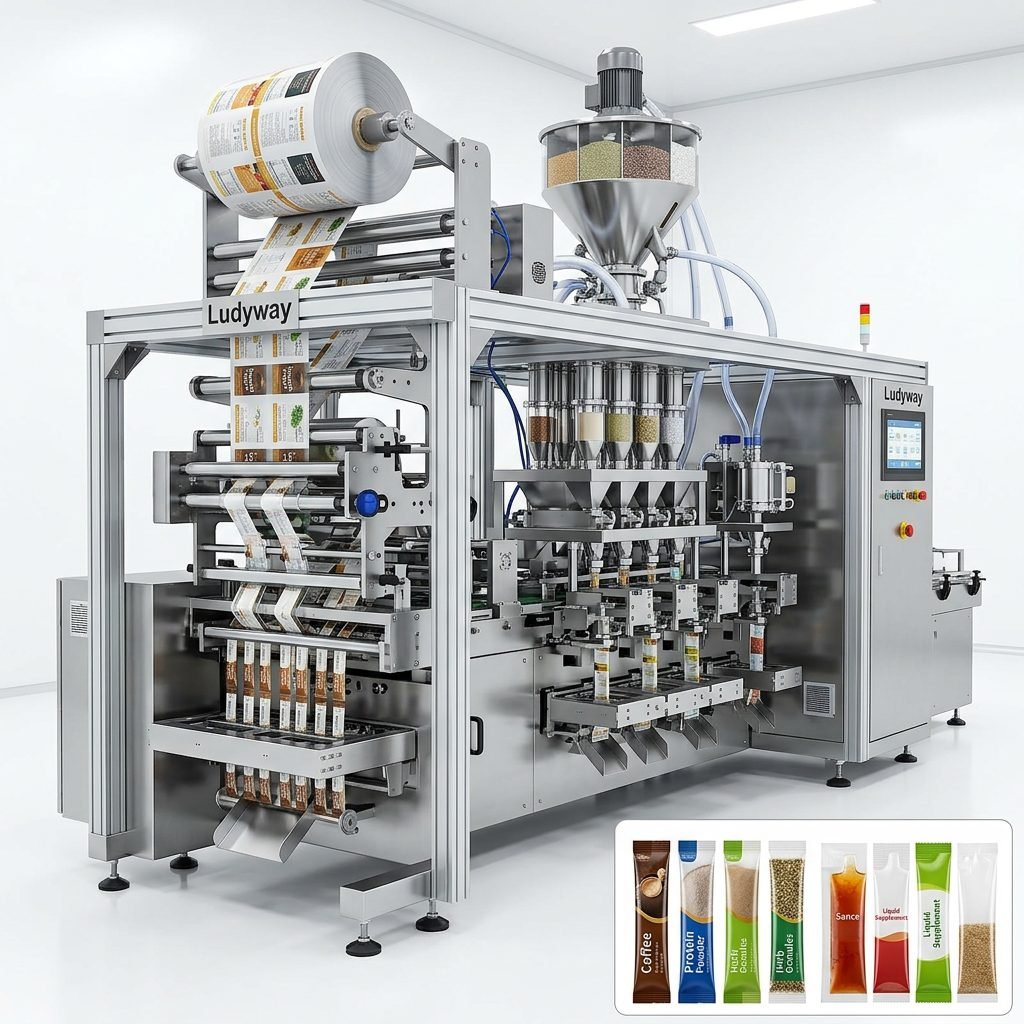
Investing in a sauce pouch packaging machine is a significant decision for food manufacturers across Oceania, including Australia, New Zealand, Fiji, and Papua New Guinea. The region’s growing demand for convenient, single-serve sauce portions—from ketchup and BBQ sauce to chili paste and salad dressings—has made efficient pouch packaging a competitive necessity. This guide covers everything you need to know before purchasing a sauce pouch packaging machine tailored to the Oceania market.
Understanding the Oceania Sauce Packaging Market
The Oceania food packaging sector is shaped by stringent food safety regulations, diverse consumer preferences, and a strong tourism and hospitality industry that drives demand for portion-controlled sauce sachets. In Australia and New Zealand, FSANZ (Food Standards Australia New Zealand) sets clear guidelines for food contact materials, while imported machinery must comply with local electrical and safety standards. A key trend is the shift toward sustainable and recyclable packaging films, pushing manufacturers to choose machines compatible with eco-friendly materials.
Key Factors to Evaluate Before Purchase
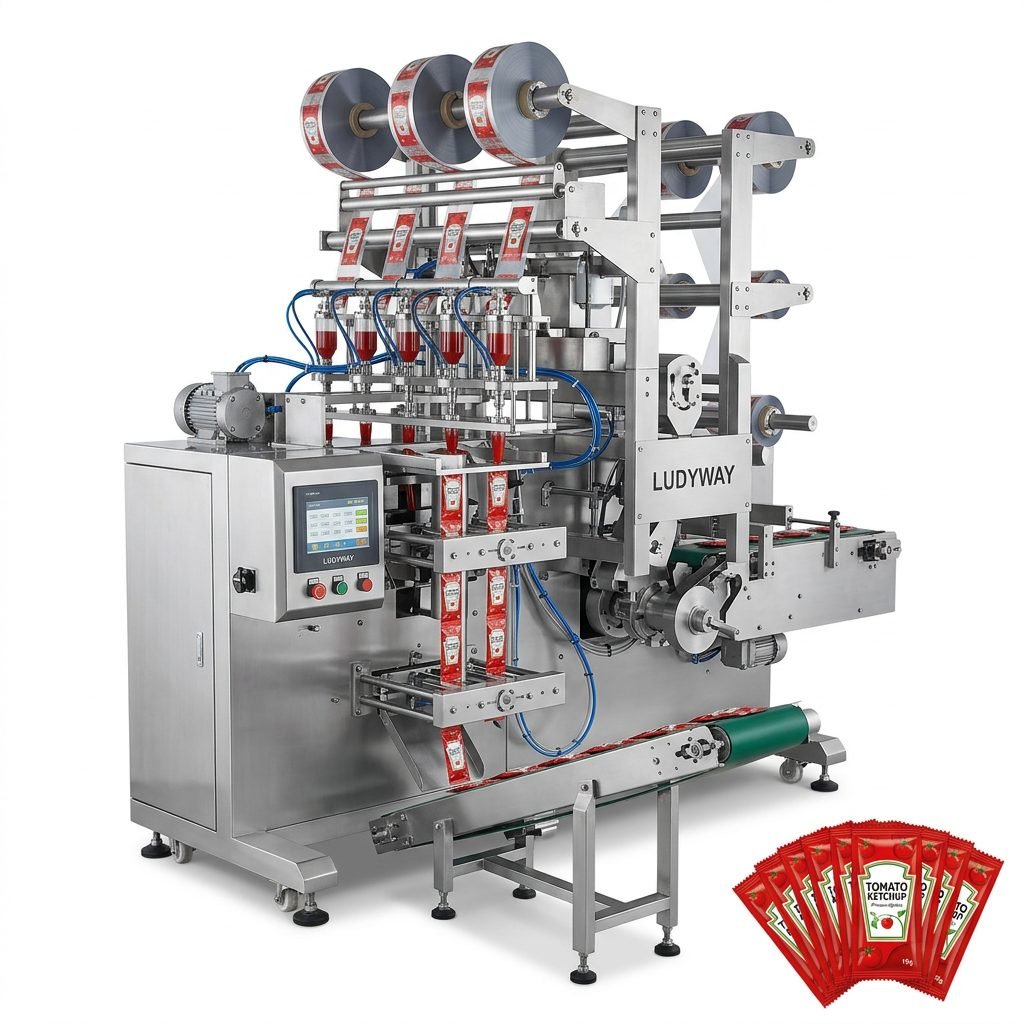
Selecting the right sauce pouch packaging machine involves more than comparing price tags. Below are the critical evaluation criteria for Oceania-based buyers:
1. Sauce Viscosity and Particulate Handling
Sauces vary dramatically—from thin soy sauce to chunky tomato salsa. Your machine must handle the specific viscosity range of your product. Piston fillers excel with thick, chunky sauces, while peristaltic or gravity-based systems suit free-flowing liquids. Always request viscosity testing from your supplier before committing.
2. Pouch Format and Film Compatibility
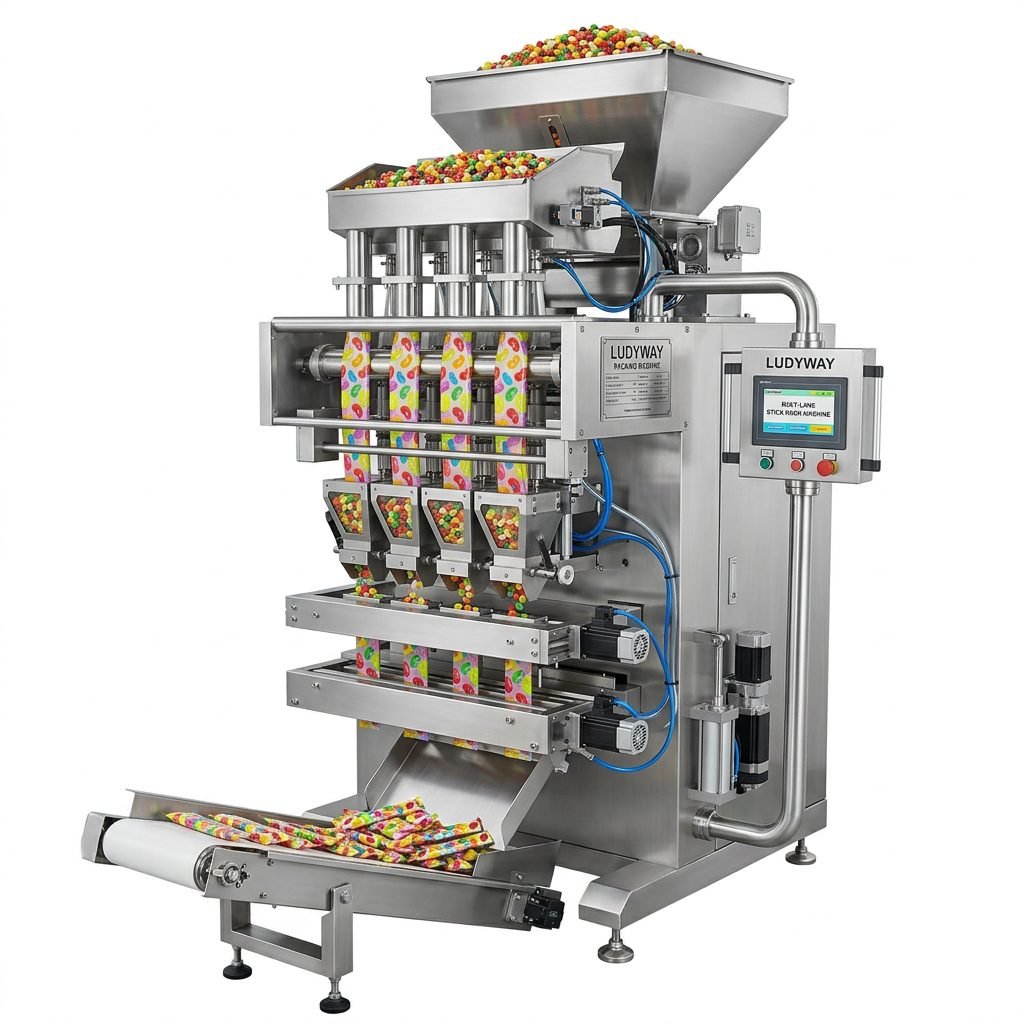
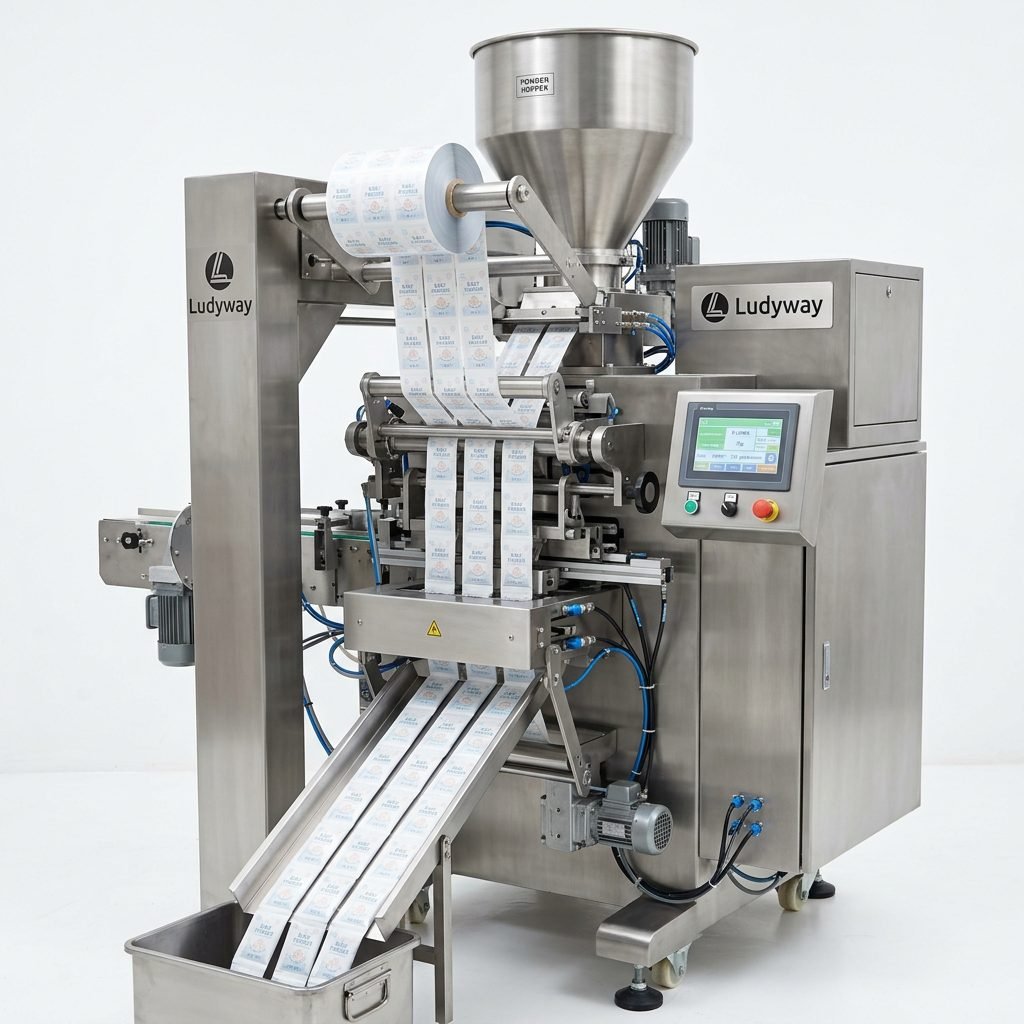
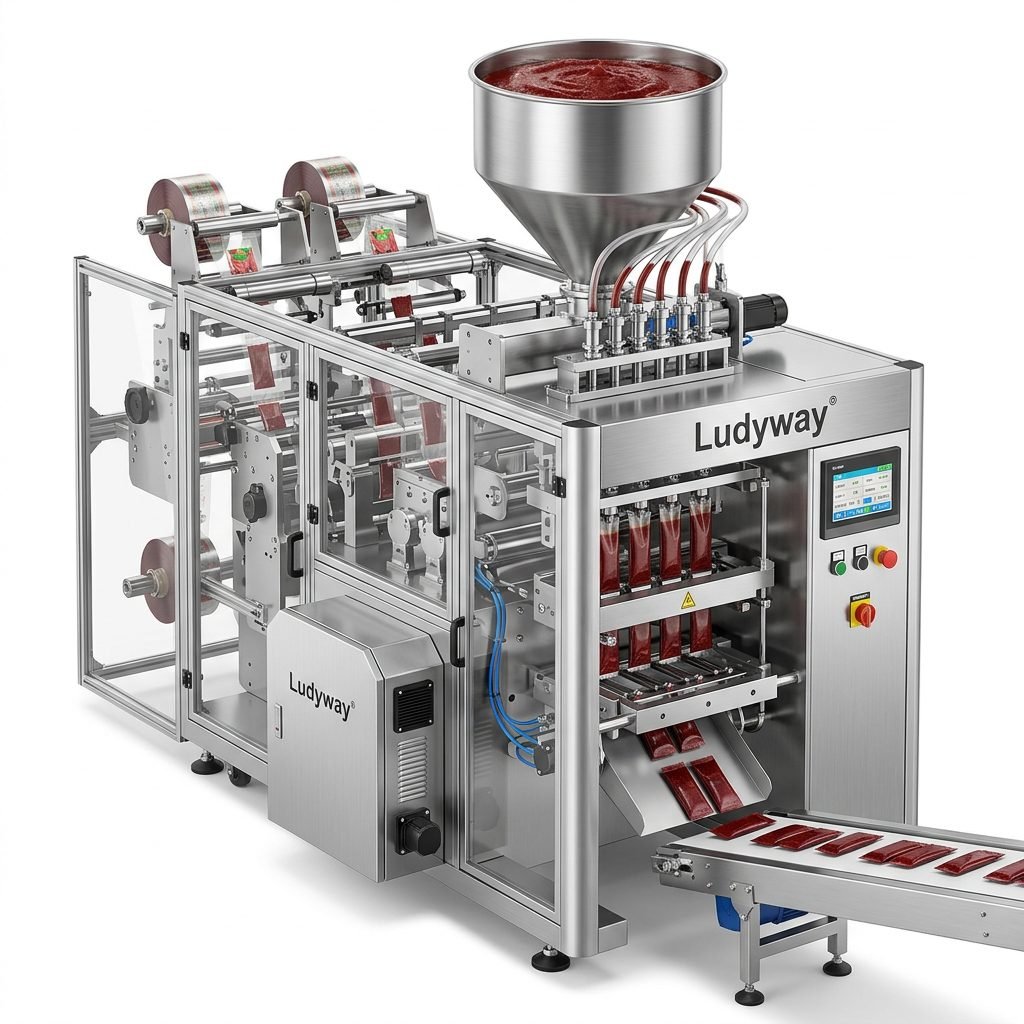
Oceania consumers prefer a mix of stick packs, three-side-seal sachets, and stand-up pouches with tear notches for convenience. Your machine should support multi-lane sachet configurations for high-volume output. Additionally, verify compatibility with recyclable mono-material films, as Australia’s 2025 National Packaging Targets push for greater recyclability.
3. Production Speed and Automation Level
Production capacity requirements differ widely. A small artisanal hot sauce brand in Tasmania may need 30-50 packs per minute, while a large contract packer in Auckland could require 200+ packs per minute across multiple lanes. Consider whether you need semi-automatic or fully automatic systems with integrated filling, sealing, coding, and cartoning.
Types of Sauce Pouch Packaging Machines
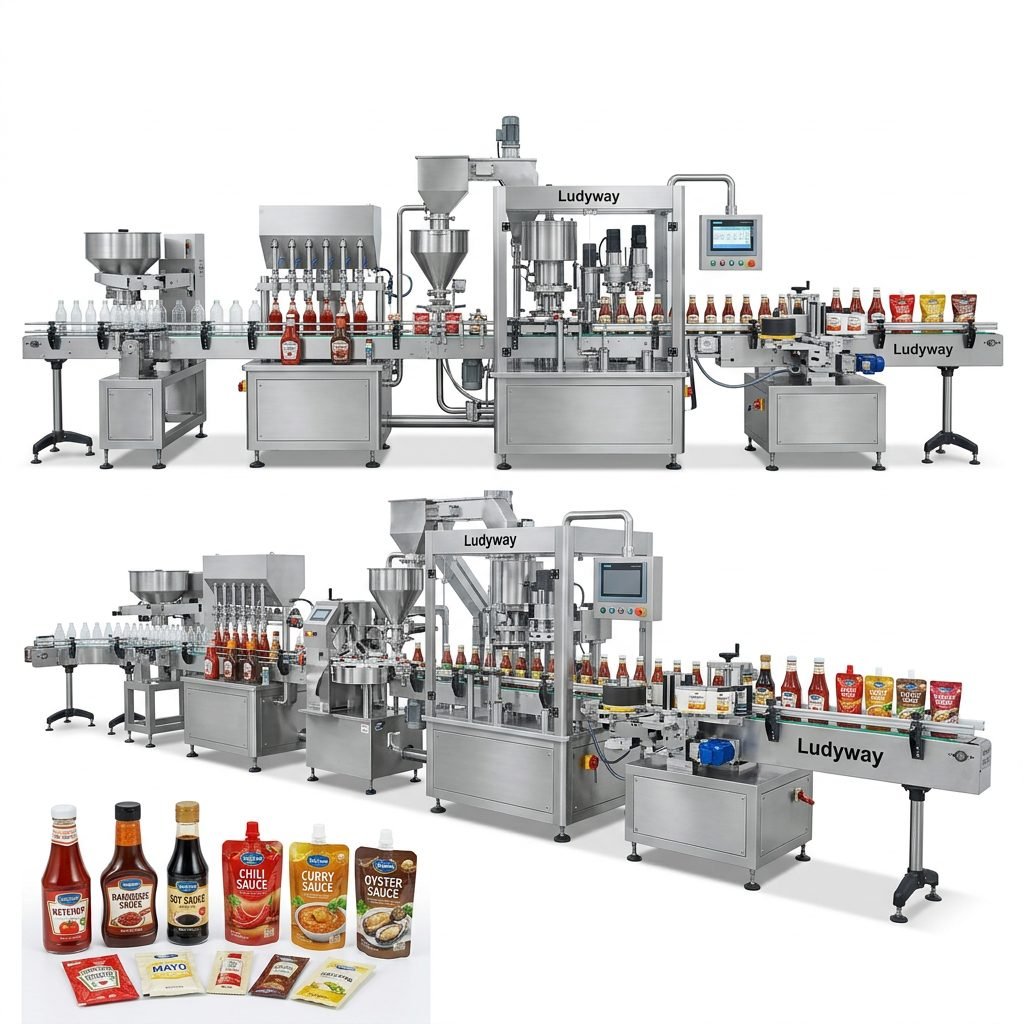
Understanding the different machine categories helps narrow your selection. The table below compares the most common types available for the Oceania market:
| Machine Type | Best For | Speed Range | Typical Investment |
|---|---|---|---|
| Single-Lane Sachet Machine | Small batches, startups | 30-60 packs/min | $8,000 – $25,000 |
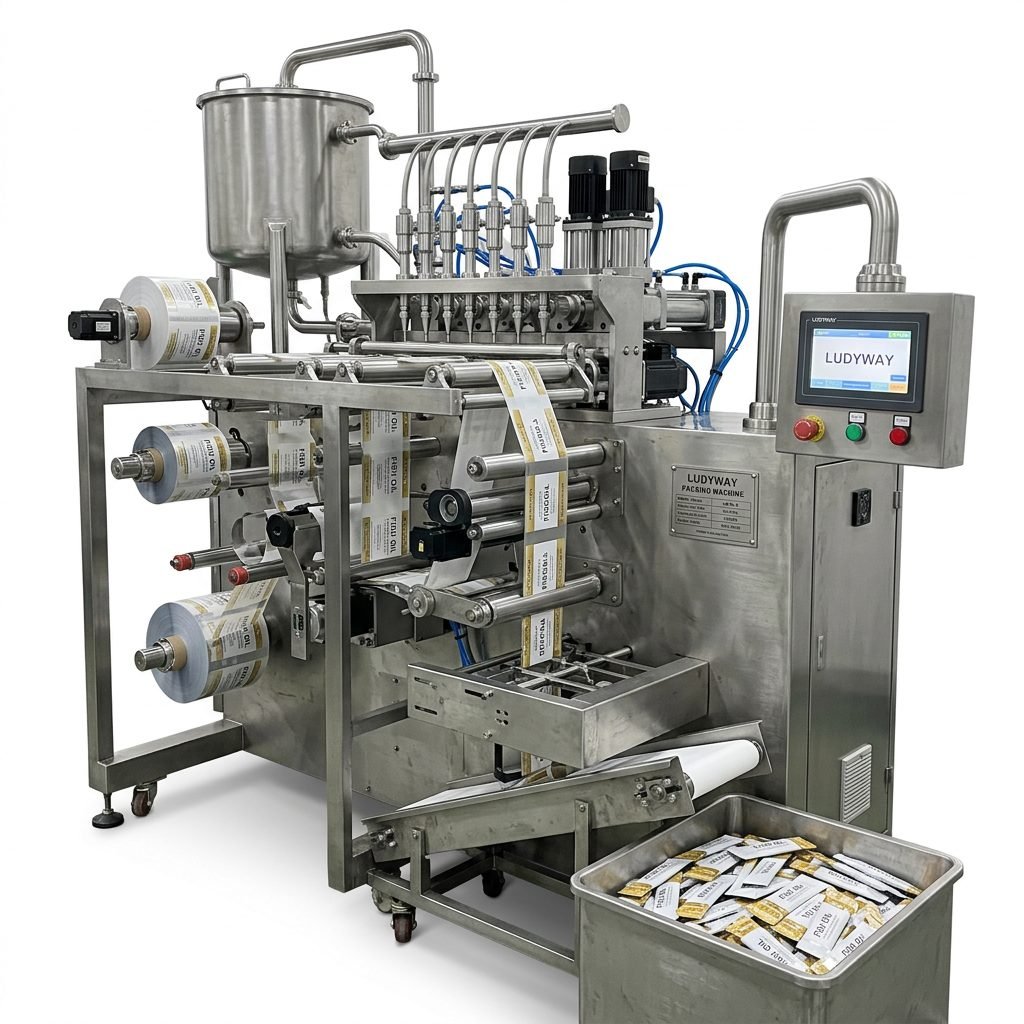
| Multi-Lane Stick Pack Machine | High-volume liquid sauces | 200-600 packs/min | $40,000 – $150,000 |
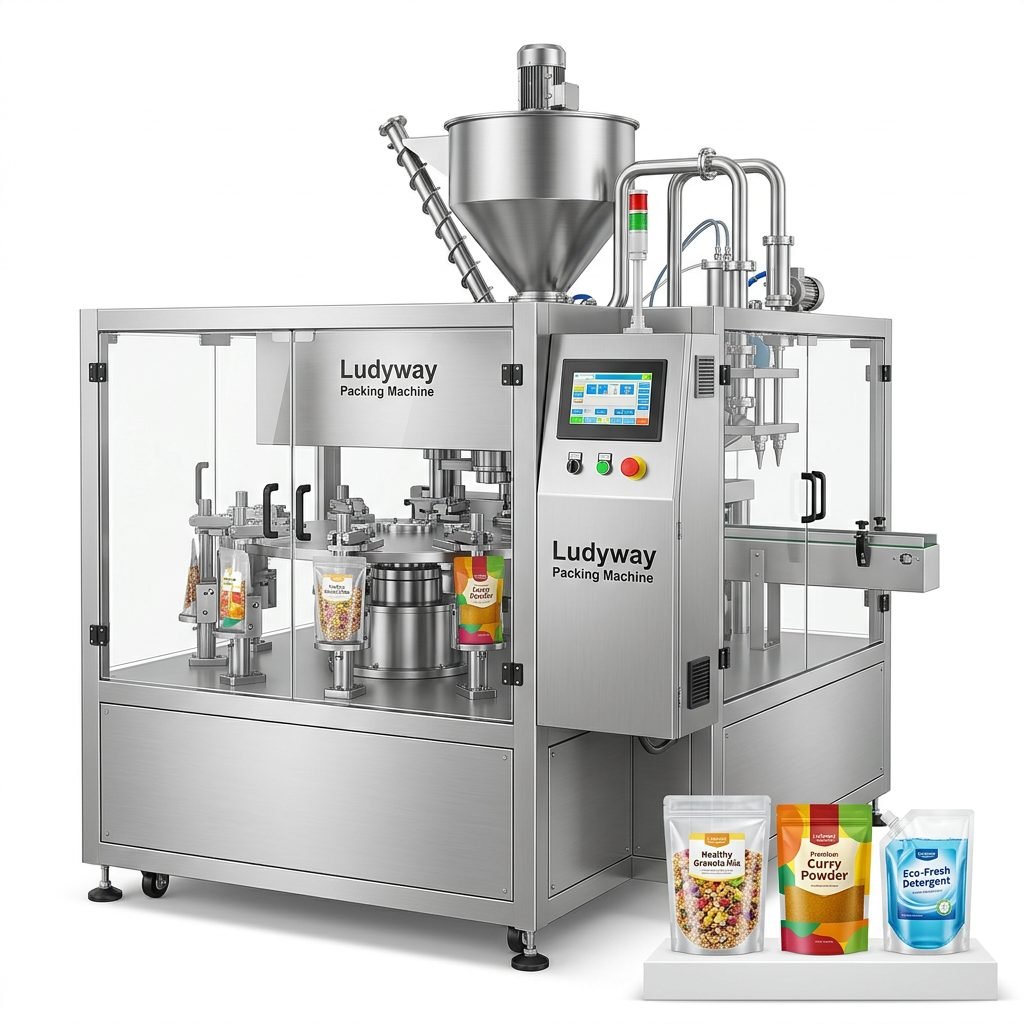
| Pre-Made Pouch Filler-Sealer | Stand-up pouches, spouted pouches | 40-120 packs/min | $30,000 – $100,000 |
| Vertical Form Fill Seal (VFFS) | Flexible film, large pouches | 50-150 packs/min | $25,000 – $80,000 |
4. Cleaning and Maintenance Requirements
In the Oceania food industry, hygiene is non-negotiable. Look for machines with CIP (Clean-in-Place) capabilities, stainless steel construction (preferably SUS304 or SUS316L), and tool-free disassembly for quick product changeovers. This is especially important if you package multiple sauce varieties with allergens like soy, dairy, or nuts.
5. After-Sales Support in Oceania
Given the geographical distance from major manufacturing hubs in Asia and Europe, local technical support is critical. Confirm whether your supplier offers remote diagnostics, readily available spare parts in Australia or New Zealand, and technicians who can travel to your facility when needed. Downtime in a peak production season can be costly.
Compliance and Regulatory Standards for Oceania
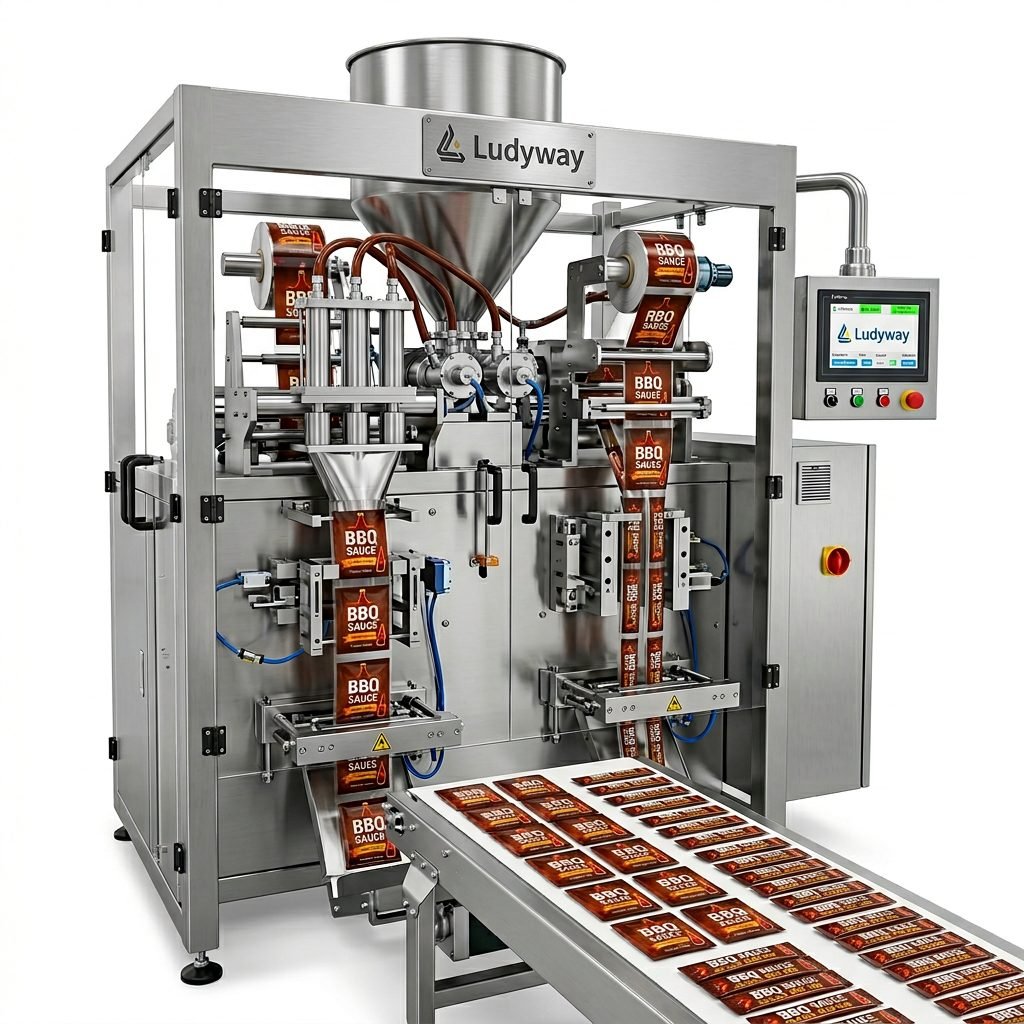
Any liquid packaging machine imported into Oceania must meet several regulatory requirements. Key standards to verify include:
- FSANZ Standard 3.2.2 – Food safety practices and general requirements for food processing equipment.
- AS/NZS 3000 (Wiring Rules) – Electrical safety standards for machinery operating in Australia and New Zealand.
- HACCP Compliance – Your machine design should support Hazard Analysis Critical Control Point protocols with accessible cleaning points and minimal contamination risk.
- CE / ISO 9001 Certification – While not mandatory in Oceania, these certifications indicate robust manufacturing quality. Refer to ISO packaging standards for detailed machinery requirements.
Cost Considerations Beyond the Purchase Price
The total cost of ownership for a sauce pouch packaging machine extends well beyond the initial invoice. Oceania buyers should budget for:
- Freight and Import Duties – Shipping from Asia or Europe to Oceania ports plus Australian/NZ customs clearance and GST.
- Installation and Commissioning – On-site setup, calibration, and staff training.
- Consumables – Packaging film, ink for date coders, lubricants, and cleaning solutions.
- Spare Parts Inventory – Critical components like sealing jaws, heating elements, and filling nozzles.
- Energy Consumption – Multi-lane high-speed stick pack machines may require significant power and compressed air.
Selecting a Reliable Supplier for the Oceania Market
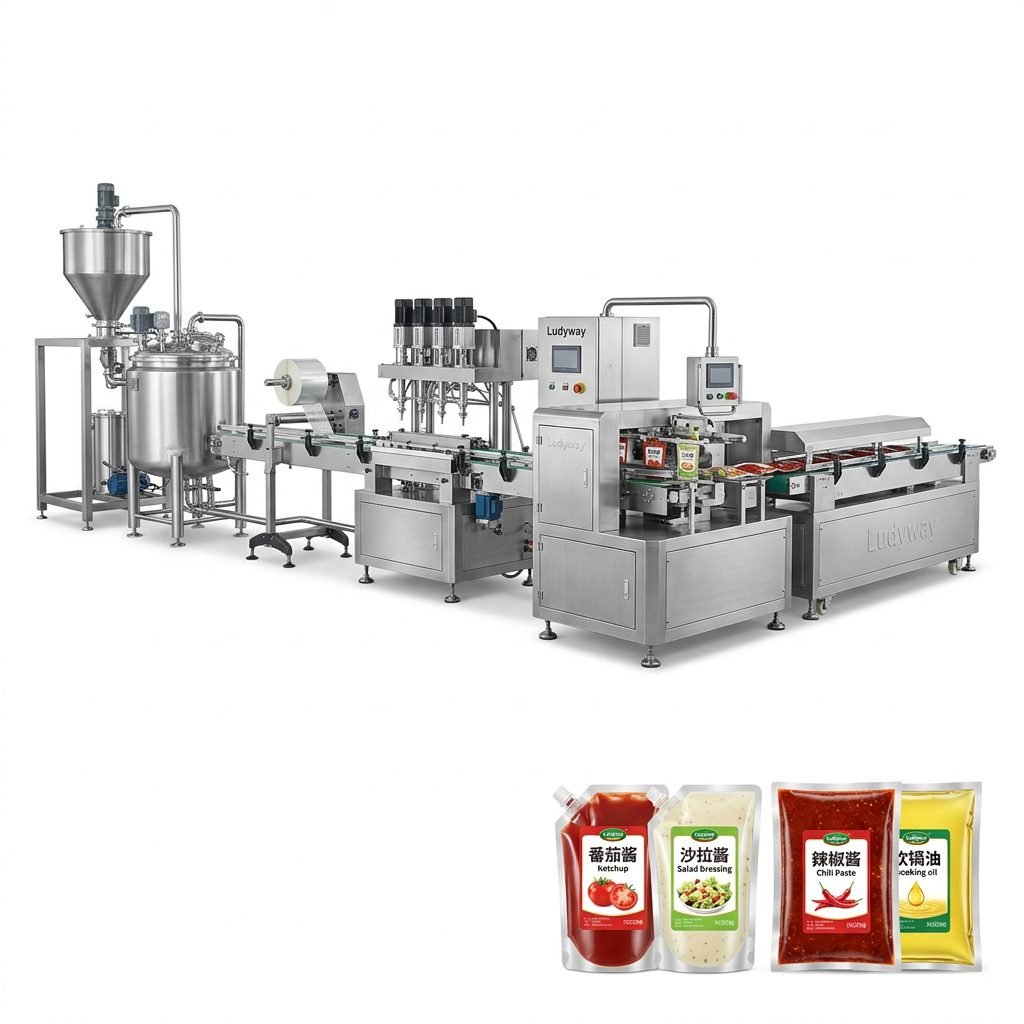
Choosing the right equipment partner is as important as choosing the right machine. Look for manufacturers with a proven export track record to Oceania or similar markets. Evaluate their ability to provide comprehensive documentation in English, responsive communication across time zones, and flexibility in customizing machines to your specific sauce formulation. One example of a global packaging machinery supplier with extensive experience across multiple industries is Ludyway, which offers a broad range of automated pouch and sachet packaging solutions suitable for diverse food applications. Always request references from existing customers in your region, inspect sample production runs, and clarify warranty terms before finalizing your purchase.
Industry Resources and Further Reading
Stay informed about packaging trends and regulations affecting the Oceania market through these authoritative sources:
- PMMI – The Association for Packaging and Processing Technologies
- Flexible Packaging Association – Industry Resources
- FDA – Food Packaging and Food Contact Substances
- European Commission – Packaging and Packaging Waste Regulation
- PMMI – Packaging Machinery Market Research
Making Your Final Decision
Purchasing a sauce pouch packaging machine for your Oceania operation is a strategic investment that impacts product quality, production efficiency, and brand reputation. By thoroughly evaluating your sauce characteristics, production targets, regulatory obligations, and supplier capabilities, you position your business for long-term success in the competitive food packaging landscape. Take time to visit supplier facilities if possible, conduct on-site machine demonstrations with your actual sauce product, and negotiate a comprehensive after-sales agreement that protects your investment for years to come.