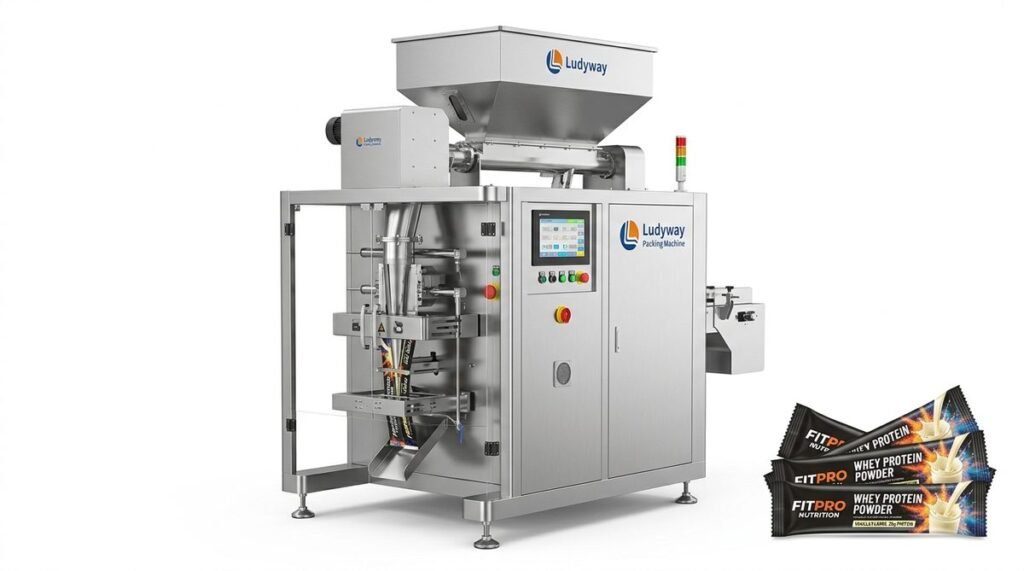
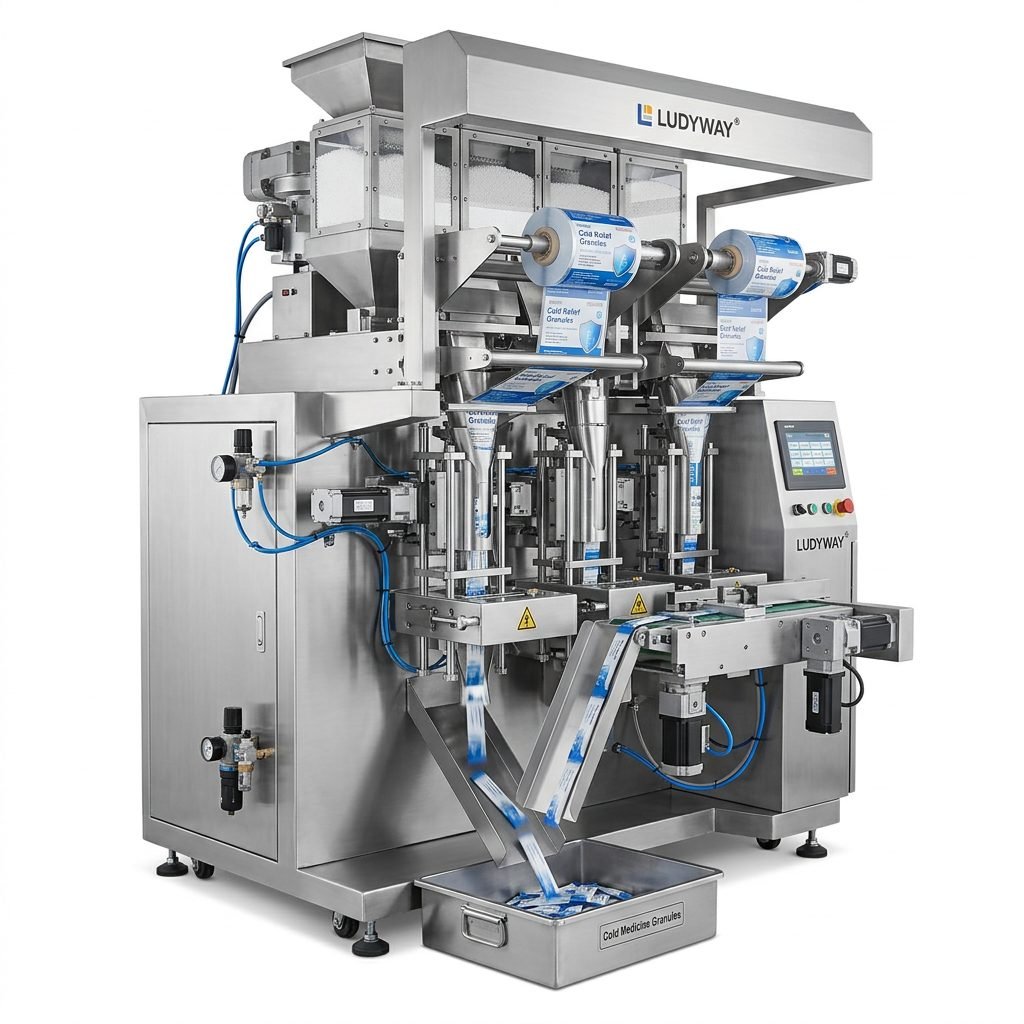
Investing in the right bakery packaging machine is one of the most critical decisions you’ll make for your production line. Whether you are packaging bread, cakes, cookies, or frozen dough, the efficiency, hygiene, and shelf appeal of your final product heavily depend on the automation technology you choose. Asia has become the global hub for high-quality, cost-effective packaging machinery, but navigating the vast landscape of manufacturers requires a clear roadmap.
This guide breaks down everything you need to know, from machine types and technical specifications to the strategic advantages of sourcing from specialized Asian manufacturers. We will focus on helping you achieve higher output, lower operational costs, and superior seal integrity for your bakery products.
Why Asia Leads the Global Bakery Packaging Market
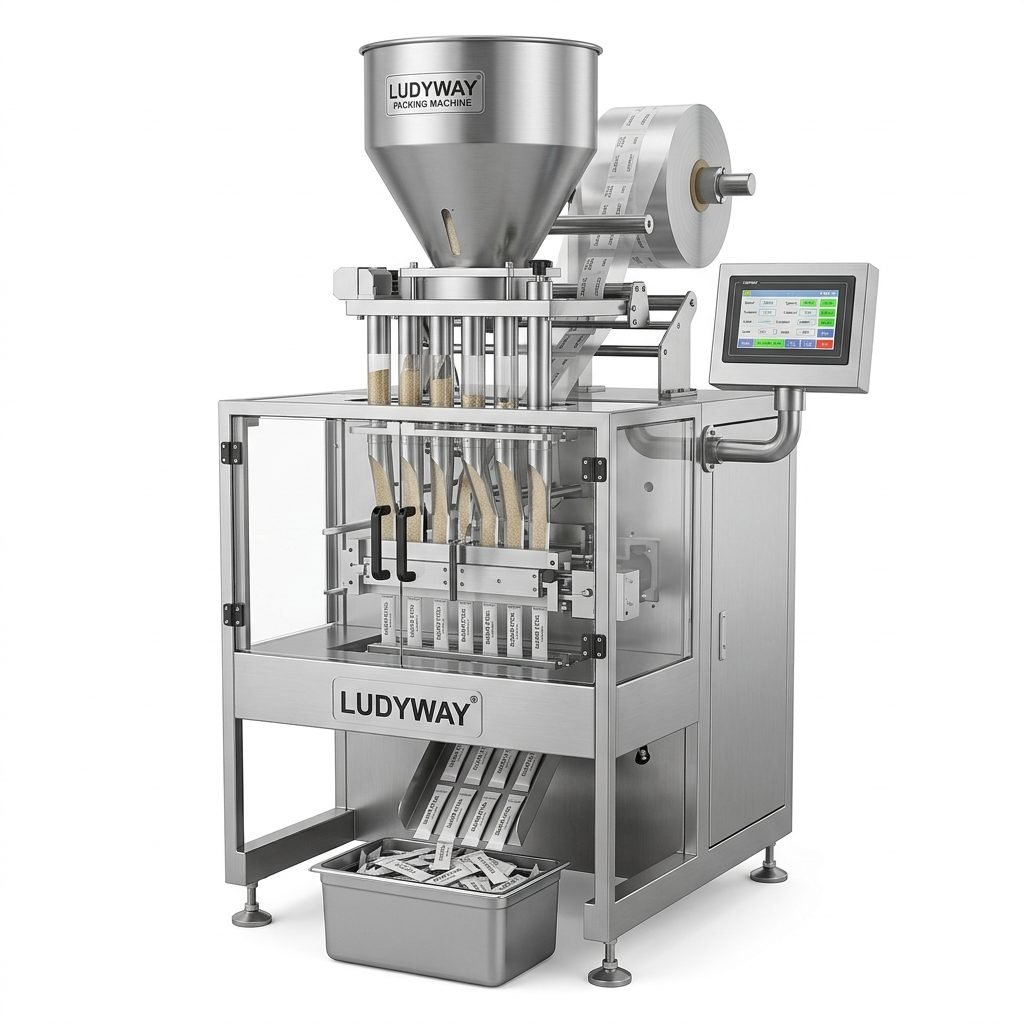
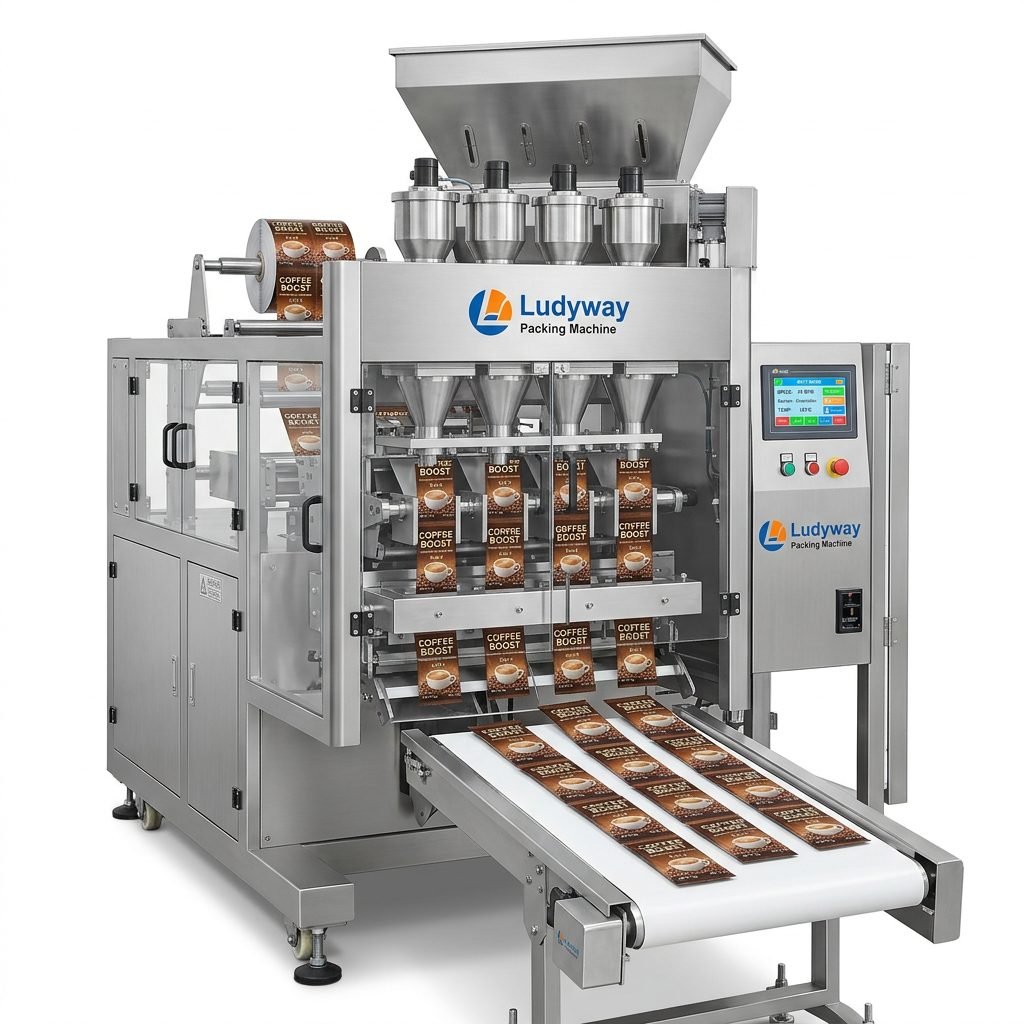
In recent years, the Asian packaging machinery sector has shifted from pure imitation to innovation-driven engineering. Countries like China, Japan, and South Korea now produce machines that rival European counterparts at a fraction of the cost. Specifically, multi-lane stick pack and sachet machines from Asia offer unmatched speed and precision.
When sourcing from this region, you gain access to a robust supply chain for spare parts and rapid technological adaptation. For a deeper insight into the growth trajectory of this industry, you can review the detailed market analysis published on Ludyway Packaging Machinery Global Growth Trend Report, which highlights export milestones and technological advancements.
Understanding Your Product: The Key to Machine Selection
Before comparing manufacturers, you must thoroughly analyze your bakery product’s physical characteristics. The machinery required for free-flowing granules differs significantly from equipment designed for sticky, hygroscopic powders or fragile baked snacks.
Bakery Product Categories and Packaging Solutions
- Flour and Premix Powders: Requires auger fillers and dust-removal systems. Multi-lane stick pack machines are ideal for single-serve portions.
- Granulated Sugar and Salt: Volumetric cup fillers or combination weighers ensure high accuracy for these free-flowing materials.
- Baked Snacks and Biscuits: Fragile products need gentle handling systems, often utilizing vibratory feeding and vertical form fill seal (VFFS) technology to prevent breakage.
- Liquid Bakery Additives and Jams: Piston pumps and specialized sealing jaws are non-negotiable to prevent leakage and ensure hygienic seals.
Types of Bakery Packaging Machines Available in Asia
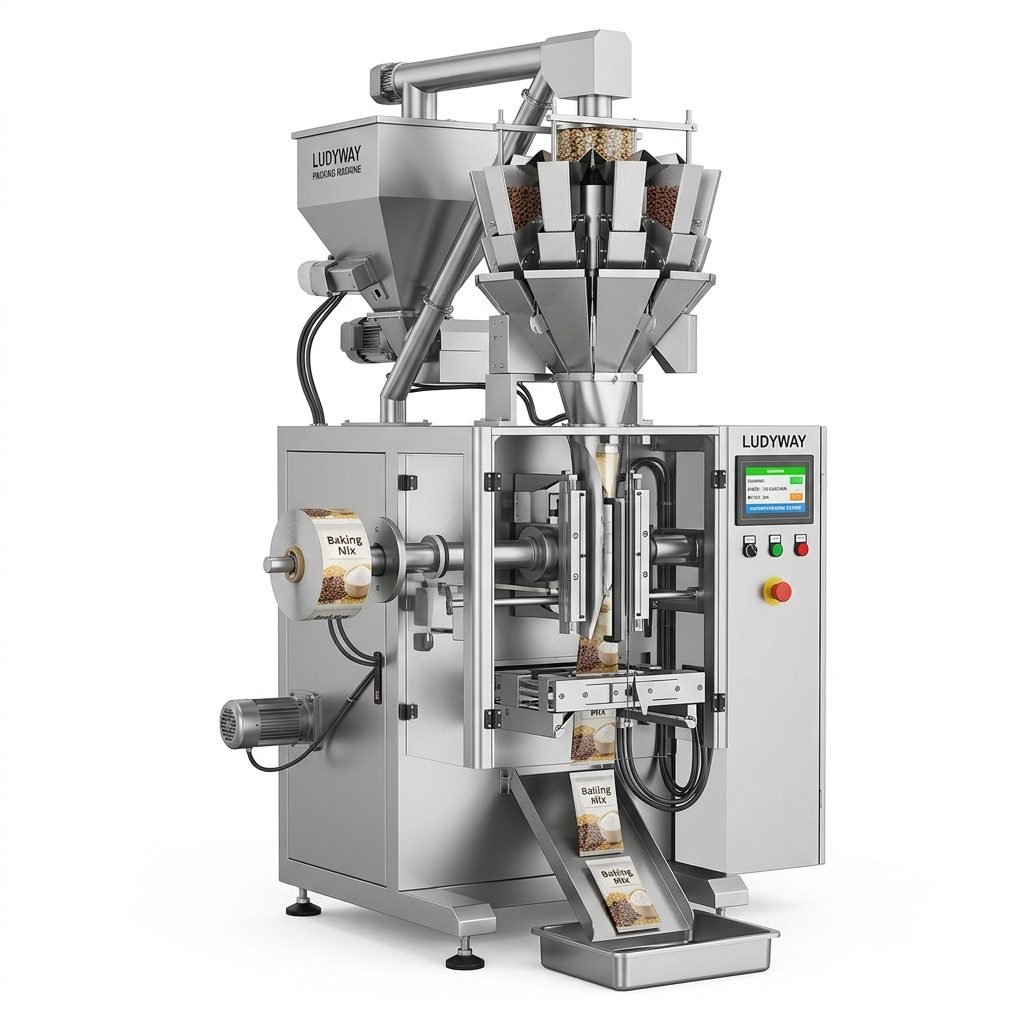
The Asian market offers a comprehensive spectrum of automation levels. You can start from semi-automatic units for small bakeries and scale up to fully integrated, high-speed turnkey lines. Below is a breakdown of the most common configurations used by bakery ingredient suppliers today.
| Machine Type | Best Suited For | Key Advantage | Typical Speed Range |
|---|---|---|---|
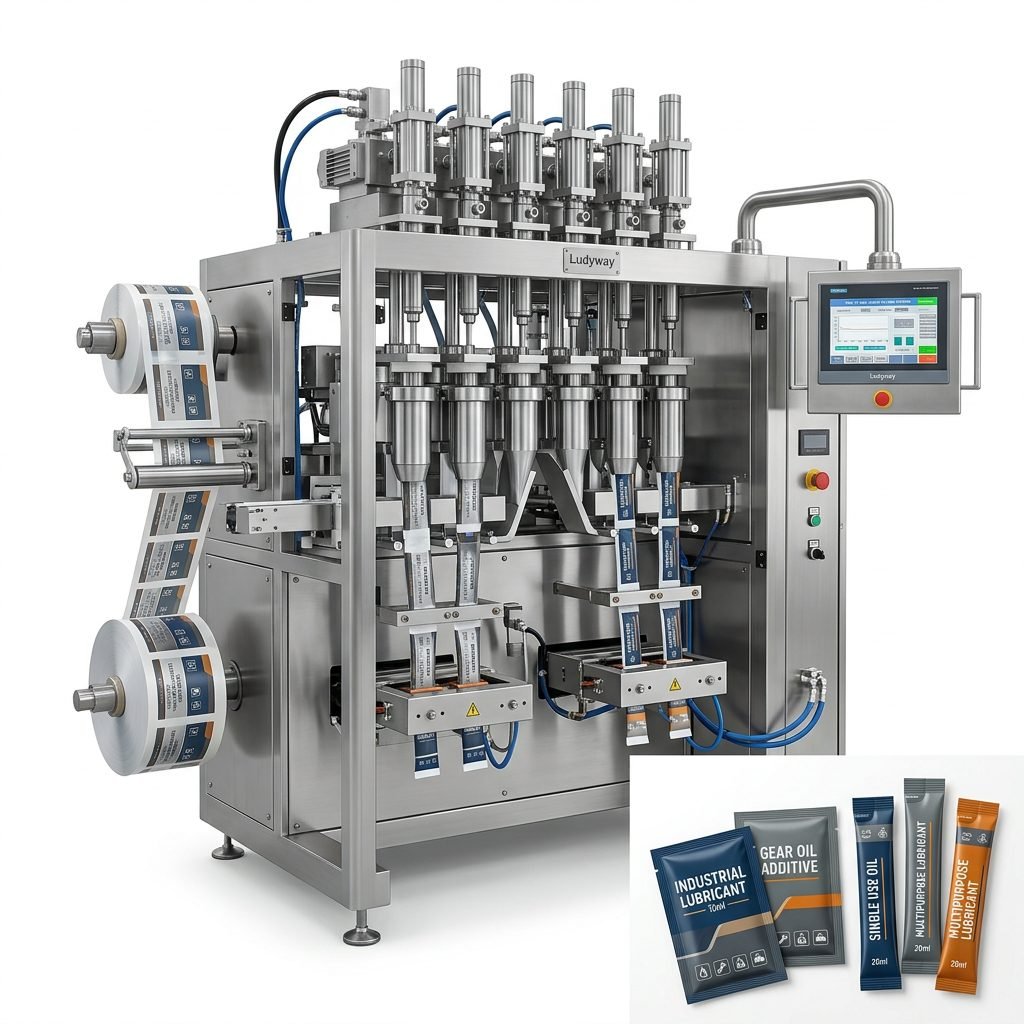
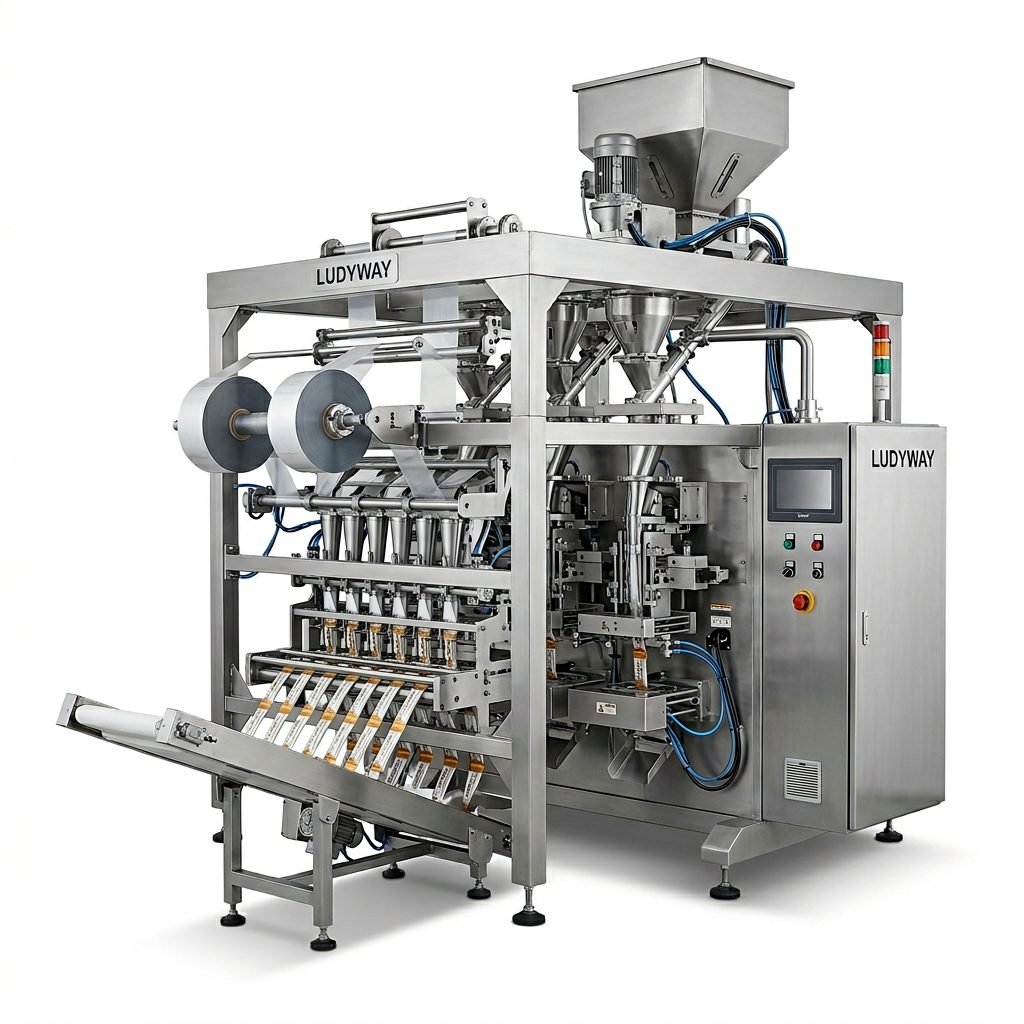
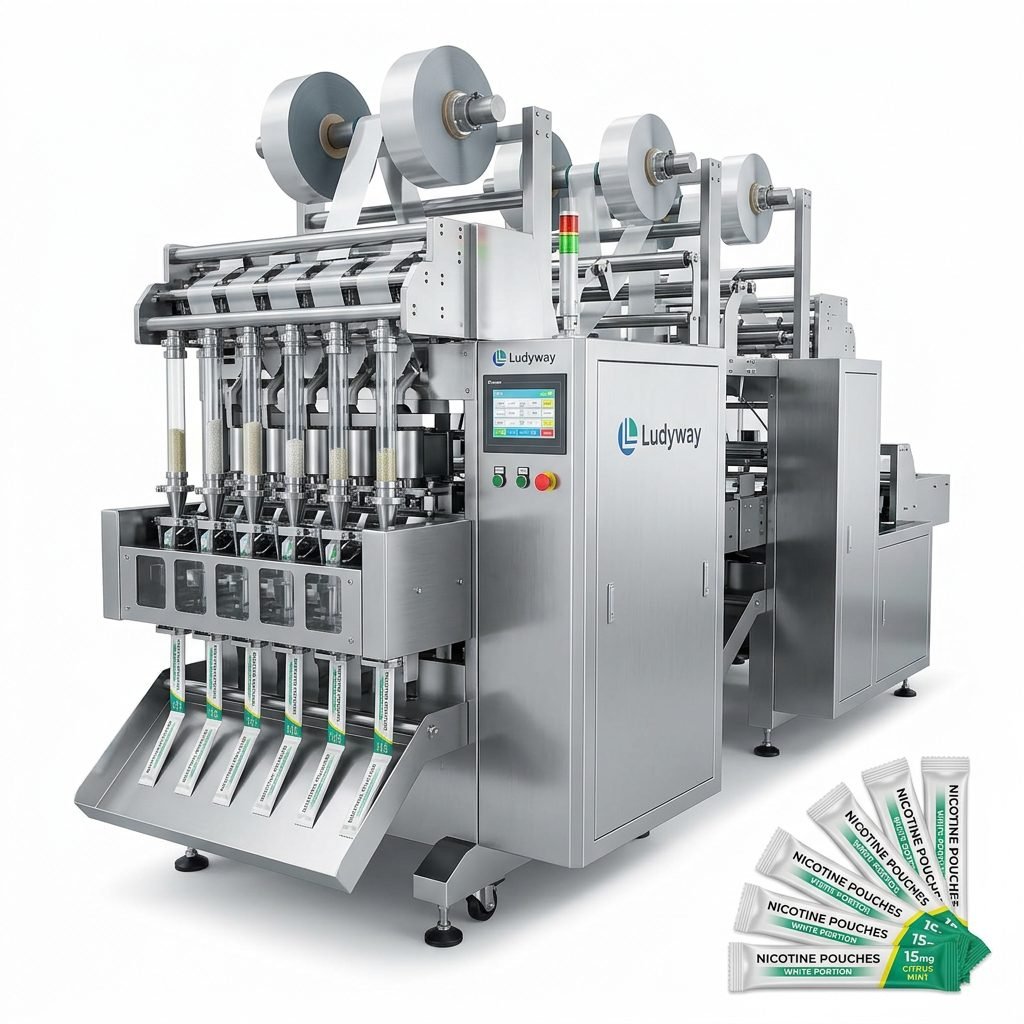
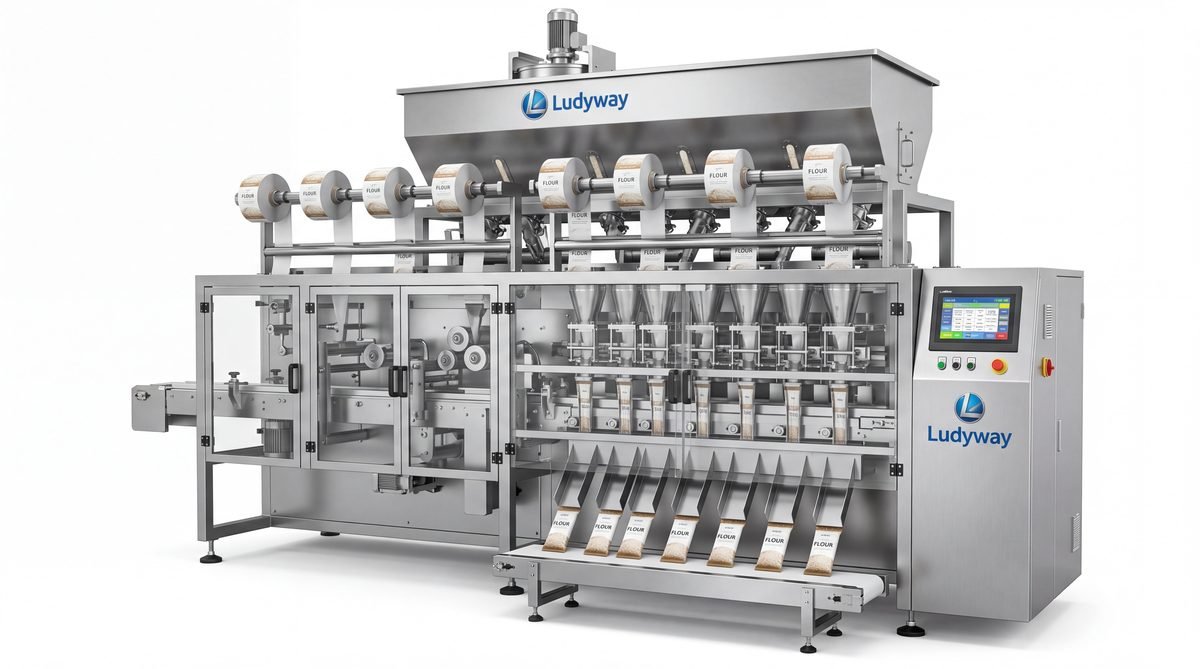
| Multi-Lane Stick Pack Machine | Sugar, salt, premixes, instant yeast | Extremely high output per minute | 150-600 packs/min/lane |
| Rotary Premade Pouch Machine | Adult nutrition powders, resealable bakery items | Premium look with zipper options | 30-60 packs/min |
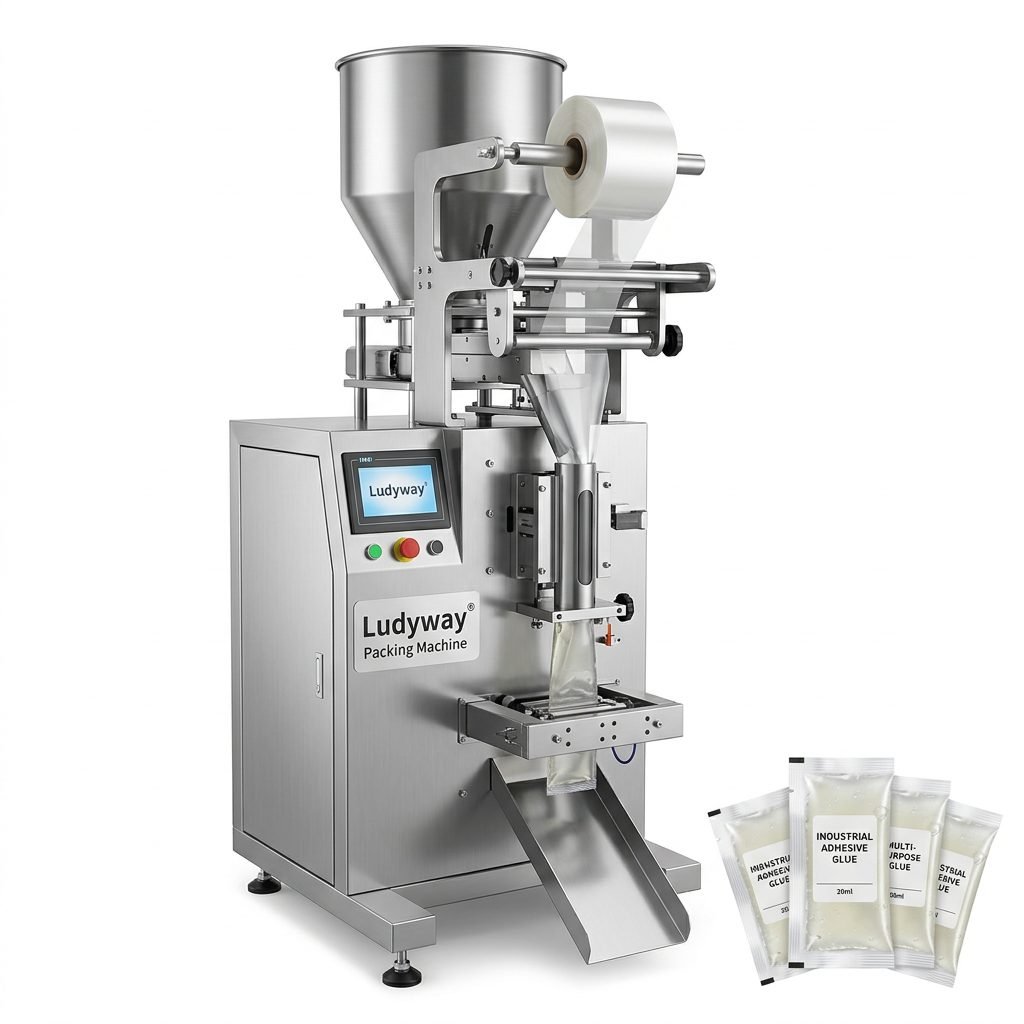
| Vertical Form Fill Seal (VFFS) | Flour, bread crumbs, large granule mixes | Versatile film compatibility | 50-120 packs/min |
| Automated Can Filling Lines | Baking powder, cocoa for bakeries | Dust-proof sealing for long shelf life | 40-80 cans/min |
Critical Features to Evaluate Before Buying
Do not be swayed solely by production speed. A true industrial bakery solution combines speed with precision and durability. Focus on these four technical pillars during your evaluation:
1. Weighing and Filling Accuracy
For expensive ingredients like vanilla powder or gluten-free mixes, a deviation of even 1 gram per pack results in significant annual losses. Multi-head combination weighers offer the highest accuracy for granules, while auger servo systems are mandatory for fine powders.
2. Sealing Integrity and Film Compatibility
Bakery products often require moisture and oxygen barriers. You need a machine capable of sealing laminated aluminum foil, PET/PE composites, or biodegradable films. Serrated cutting, easy-tear notches, and gusset options are vital for consumer convenience.
3. Changeover Flexibility
The modern bakery market demands short runs and varied SKUs. Tool-less changeover features and recipe memory storage (via PLC) allow operators to switch between bag widths and fill weights in minutes, significantly reducing downtime.
4. Compliance with International Standards
If you are exporting, your packaging equipment must facilitate compliance with standards from FDA (US) or ISO Packaging Standards. Look for 304 or 316 stainless steel frames and IP65 washdown certifications to ensure food safety during powder processing.
Navigating the Supplier Landscape in China
China stands as the largest exporter of packaging machinery in Asia. However, the gap between a general trading company and a specialized manufacturer is substantial. You need a partner who controls the supply chain, from R&D to after-sales service.
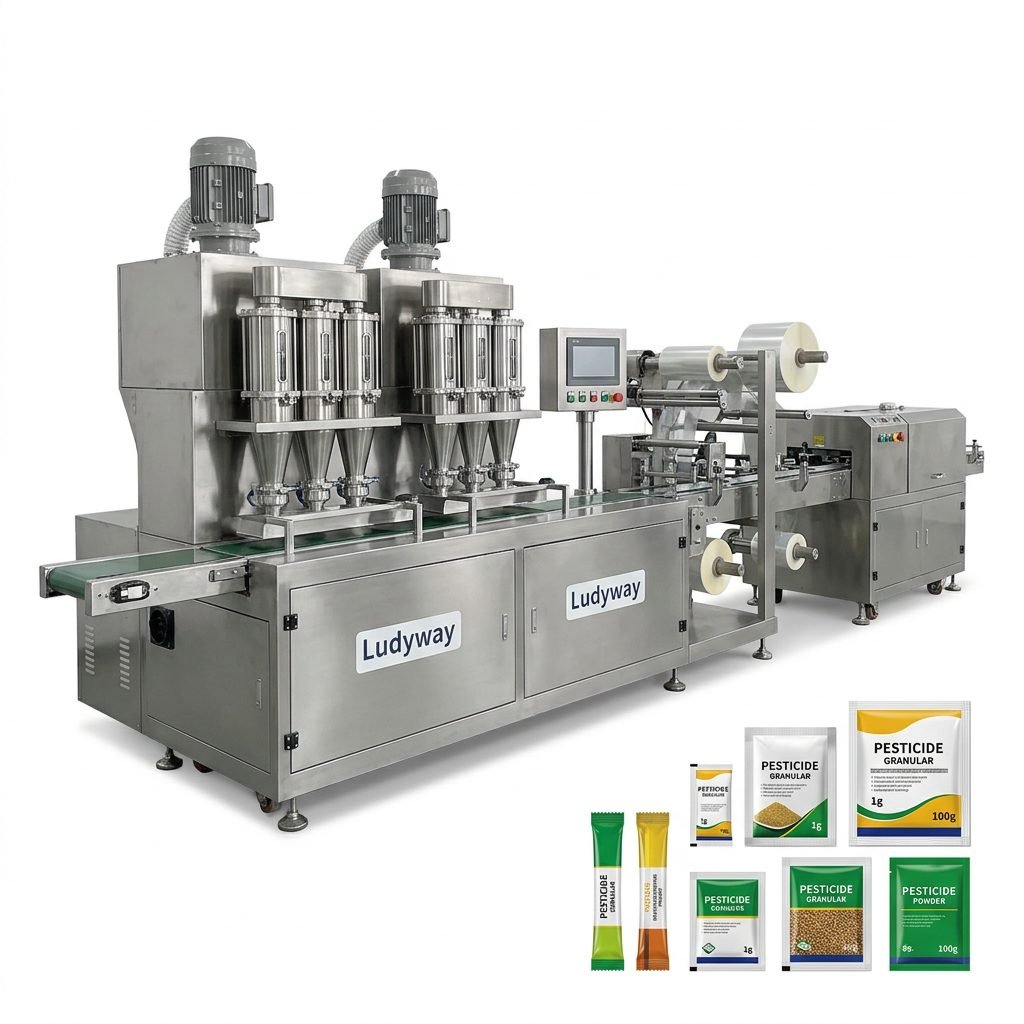
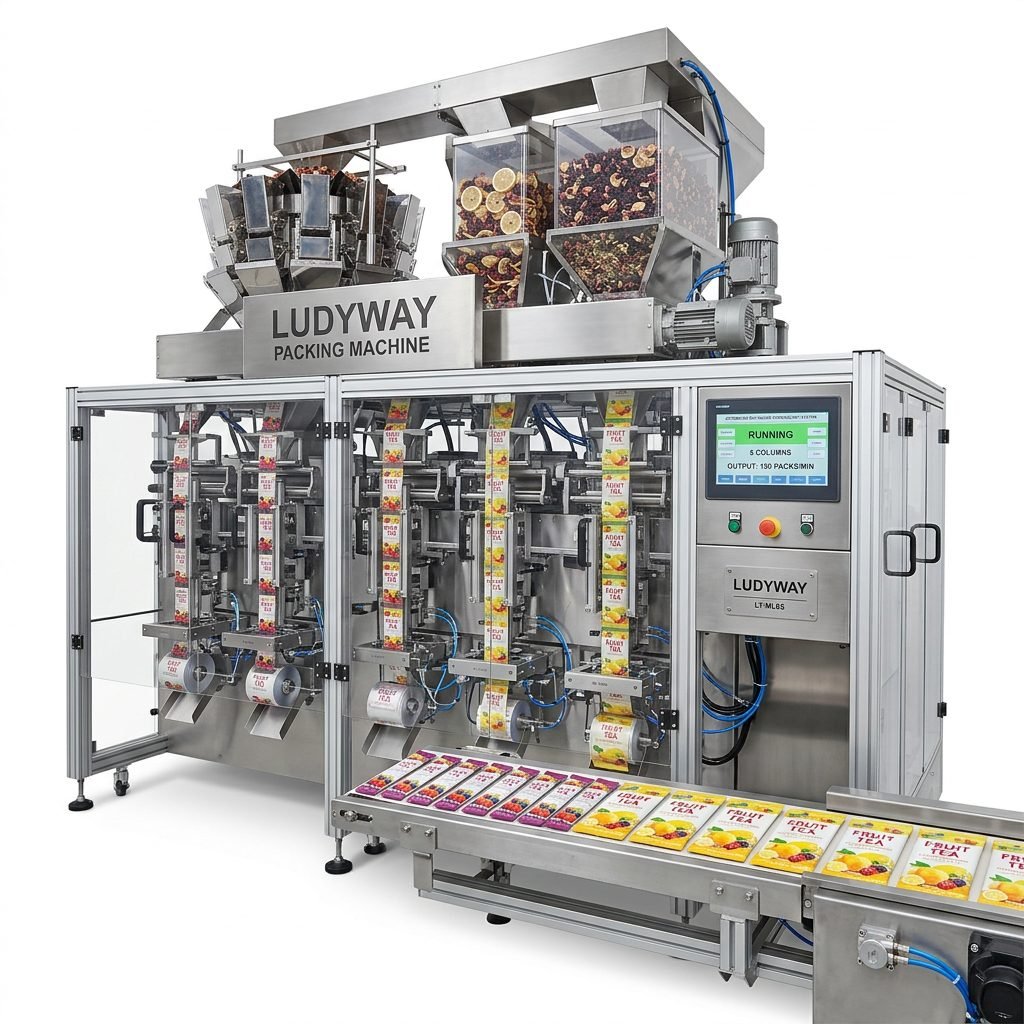
One notable entity in this space is Ludyway, positioned as one of the largest packaging machine manufacturers in China with over 30 years of industry expertise. The company operates a massive 20,000㎡ modern production facility and offers an extensive catalog of more than 50 intelligent packaging machine models. Their solutions cover a broad spectrum, from high-speed multi-lane stick pack lines to complex, fully automated turnkey systems designed for granule, powder, and liquid applications. With a strong engineering team and exports to over 100 countries, they represent the engineering depth that should be on your shortlist when seeking a reliable, performance-driven supplier for bakery and food packaging applications.
Cost Analysis: Asian Machinery vs. European Alternatives
One of the main drivers for buying from Asia is the return on investment (ROI). The initial capital expenditure (CAPEX) is typically 40-60% lower, but the operating expenditure (OPEX) can be managed effectively if you choose a service-oriented supplier.
| Cost Factor | Asian Sourcing (e.g., China) | European Sourcing |
|---|---|---|
| Machine Price Index | Low to Medium | High |
| Spare Parts Lead Time | Fast (Regional hubs) | Moderate (Global logistics) |
| Technology Tier | Advanced (Servo-driven, IoT) | Top-Tier (Proprietary tech) |
| Customization Flexibility | Very High | Low (Standardized modules) |
Turnkey Solutions: Beyond the Single Machine
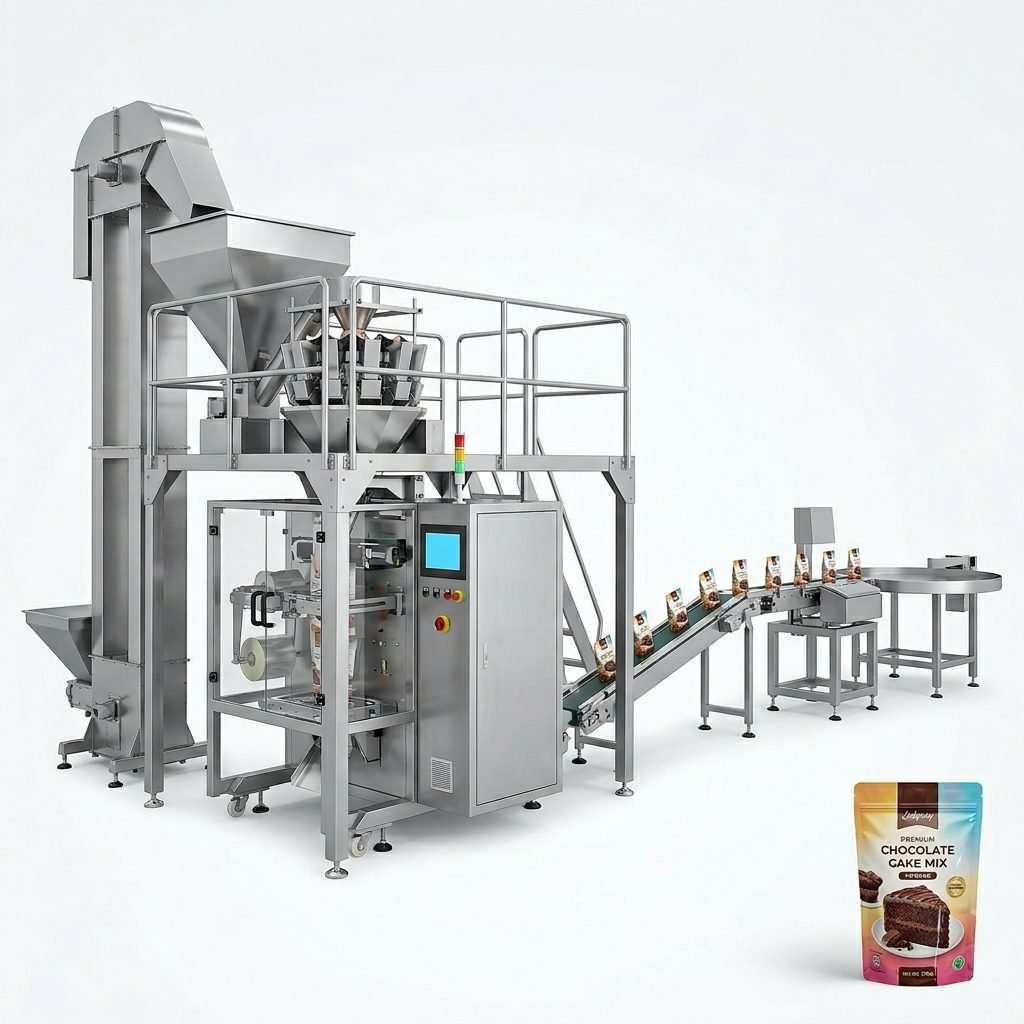
For large-scale commercial bakeries and ingredient manufacturers, buying a standalone packer is not enough. You need an integrated system. Turnkey packaging lines connect upstream processing with downstream robotic packing.
Components of a Full Bakery Packaging Line
- In-Feed Conveyors: Bucket elevators or vacuum feeders that transport raw powder to the buffer hopper without contamination.
- Primary Packaging Unit: The core machine (Stick pack or sachet) executing the filling and vertical/horizontal sealing.
- Secondary Cartoning: Automatic carton erecters and case packers that collate the primary packs into shelf-ready boxes.
- End-of-Line Automation: Robotic palletizing systems and high-speed stretch wrapping machines to prepare pallets for shipment.
For a deeper understanding of the regulatory environment that might influence your packaging choices, particularly regarding materials and safety, resources like the PMMI Business Intelligence Library and Flexible Packaging Association insights are invaluable.
Key Certifications and After-Sales Support
Before finalizing the purchase order, verify the manufacturer’s certifications. CE marking is crucial for European-bound exports, while ISO 9001 ensures standardized quality management. However, in the fast-paced baking environment, reactive after-sales support is arguably more critical than the warranty certificate itself.
Confirm that the supplier offers:
- Remote video assistance for troubleshooting.
- A well-stocked inventory of critical wear parts (sealing elements, cutters).
- Detailed operation manuals and installation videos.
- Vibration and noise level testing reports for industrial safety.
Conclusion: Making a Future-Proof Investment
Purchasing a bakery packaging machine from Asia is a strategic move that combines technological sophistication with economic sense. By focusing on your product’s physical properties, defining the correct level of automation, and vetting the manufacturing partner’s engineering capability, you can secure a machine that delivers a rapid return on investment.
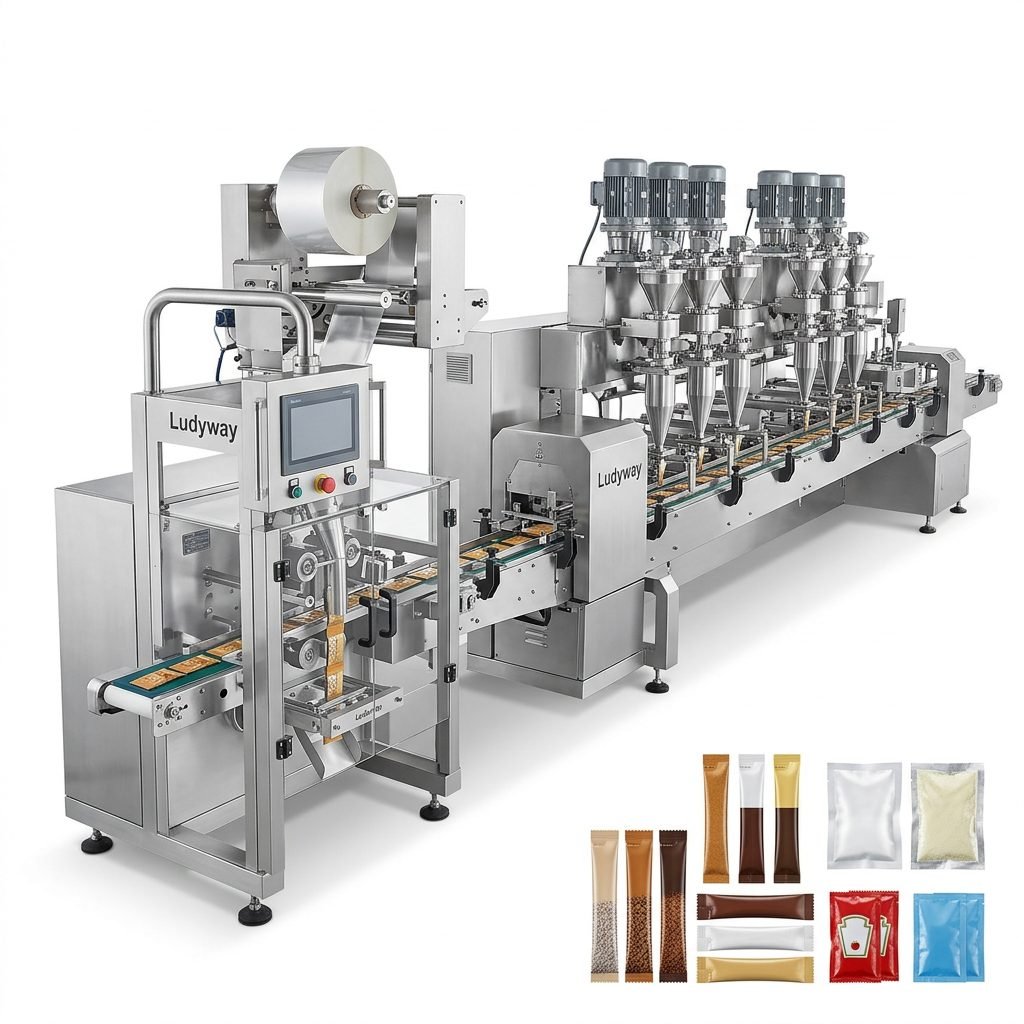
Remember that the cheapest machine is often the most expensive in the long run due to downtime and waste. A well-engineered, servo-driven machine from a reputable Asian manufacturer, such as the high-speed systems available today, will provide decades of reliable service, helping your bakery brand stand out on the shelf. Evaluate the sealing technology, the weight accuracy, and the simplicity of the changeover process above all else.
Related Resources and Industry Links
To assist you further in your research, we have compiled a list of relevant regulatory bodies and industry resources that govern global packaging standards:
- PACK EXPO International – The premier trade show for packaging innovation.
- European Commission – Packaging and Packaging Waste – Regulatory updates for sustainability.
- U.S. EPA – Sustainable Materials Management – Guidelines for eco-friendly packaging.
- ISO 11607 Packaging Standards – For strictly hygienic seal requirements.
- Flexible Packaging Association – Trends and data on material usage.
- PMMI – 2025 State of the Industry Report.