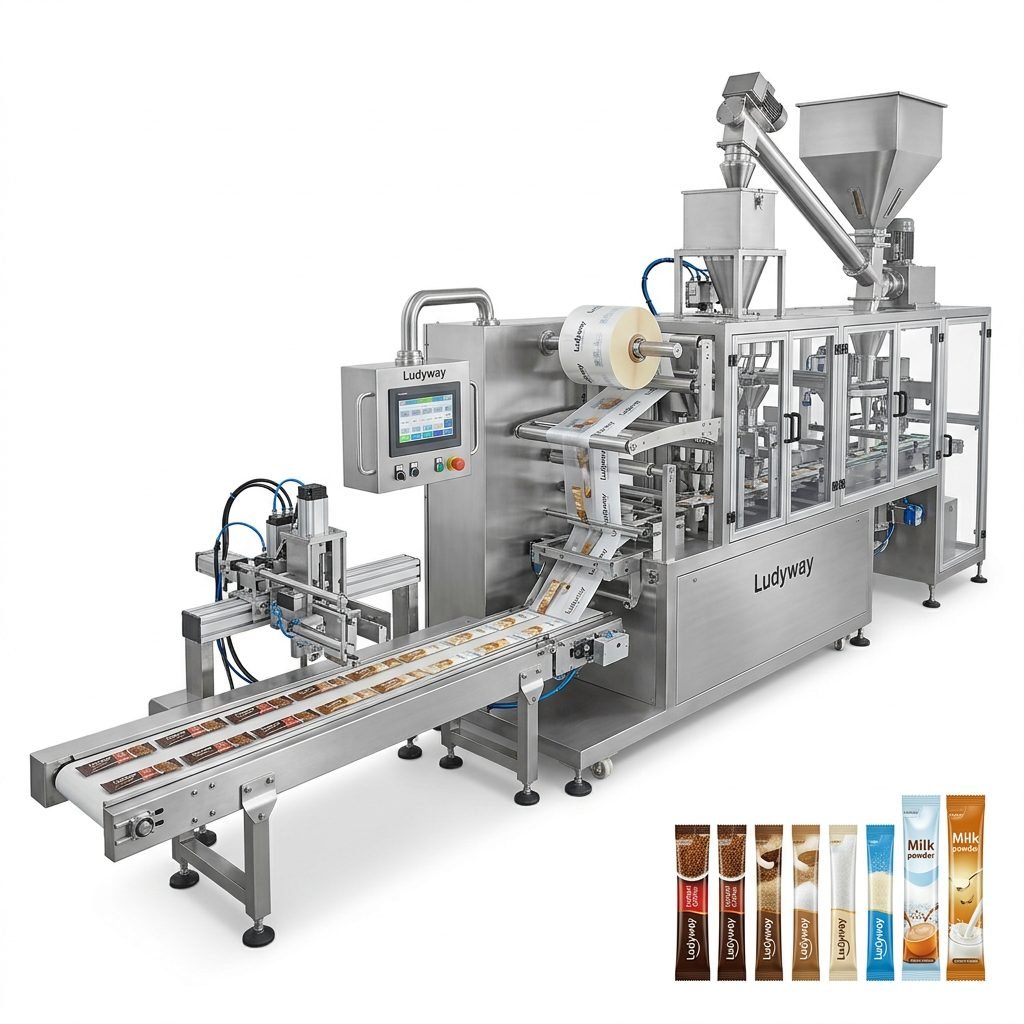
The agricultural and food processing sector in Africa is undergoing a massive transformation. As the continent moves away from exporting solely raw commodities and towards value-added packaged goods, the demand for high-quality produce packaging machines has never been higher. Whether you are packing grains, nuts, dried fruits, spices, or frozen vegetables, selecting the right equipment is critical for maintaining freshness, extending shelf life, and competing in both regional and international markets like the PMMI-regulated spaces.
Understanding the African Produce Packaging Landscape
Investing in a packaging line is a significant decision. Africa’s diverse climate, varying infrastructure quality, and specific consumer preferences mean you cannot simply copy a European or Asian model. You need machinery that is robust, adaptable to intermittent power supply, and capable of handling local packaging materials. The rise of flexible packaging has particularly revolutionized the sector, making sachets and stick packs the preferred choice for affordable consumer goods.
Key Factors to Consider Before Buying
Before contacting a packaging machine manufacturer, you must define your production goals. The wrong machine can lead to downtime, product waste, and costly repairs. Below are the essential technical and commercial considerations.
Product Characteristics: Granules, Powders, or Liquids?
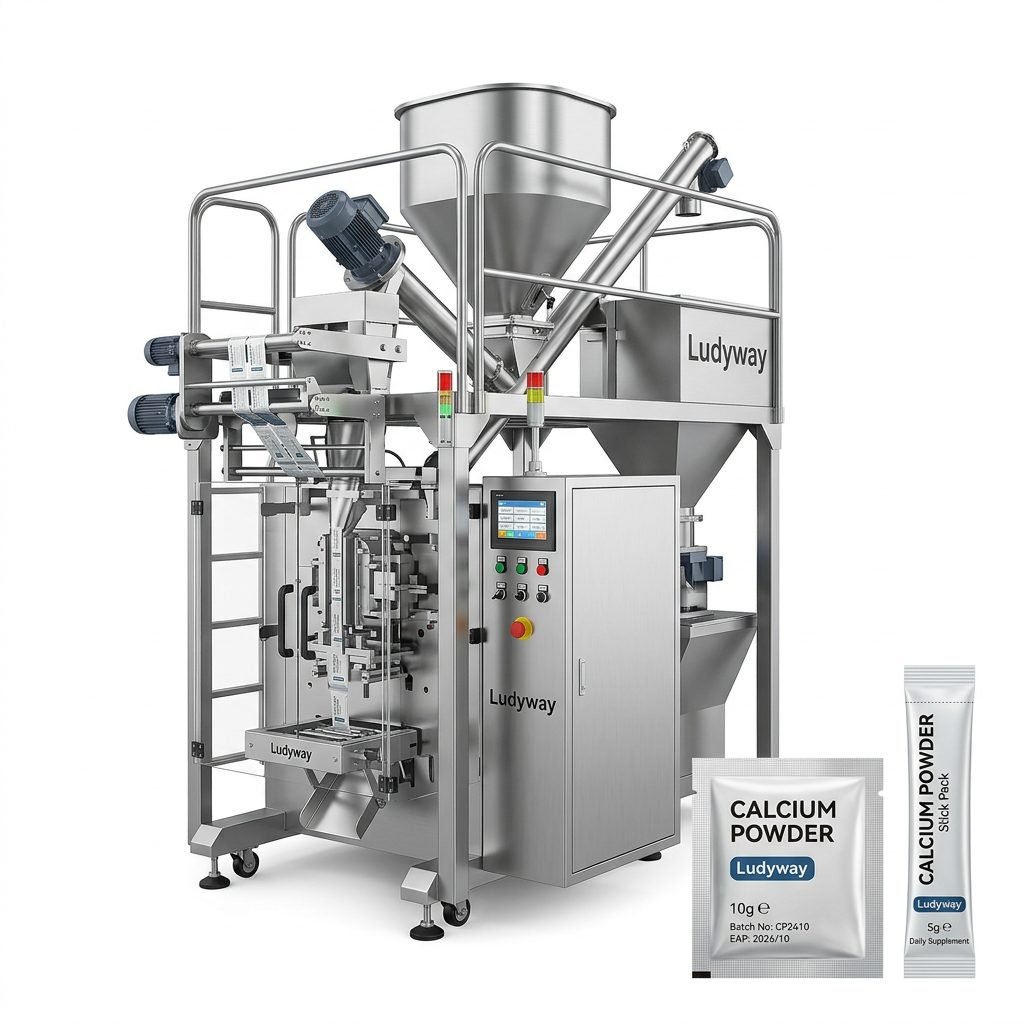
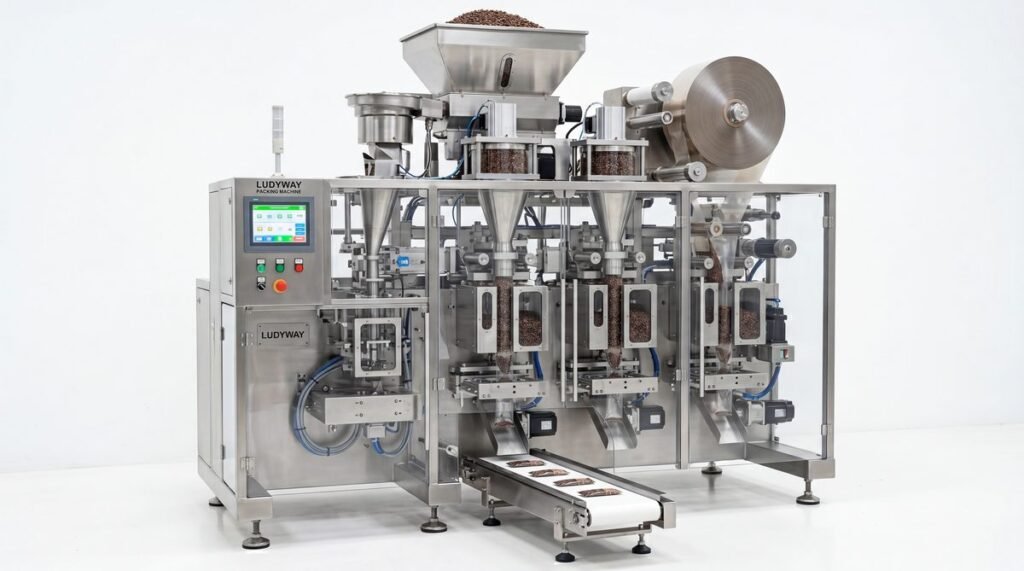
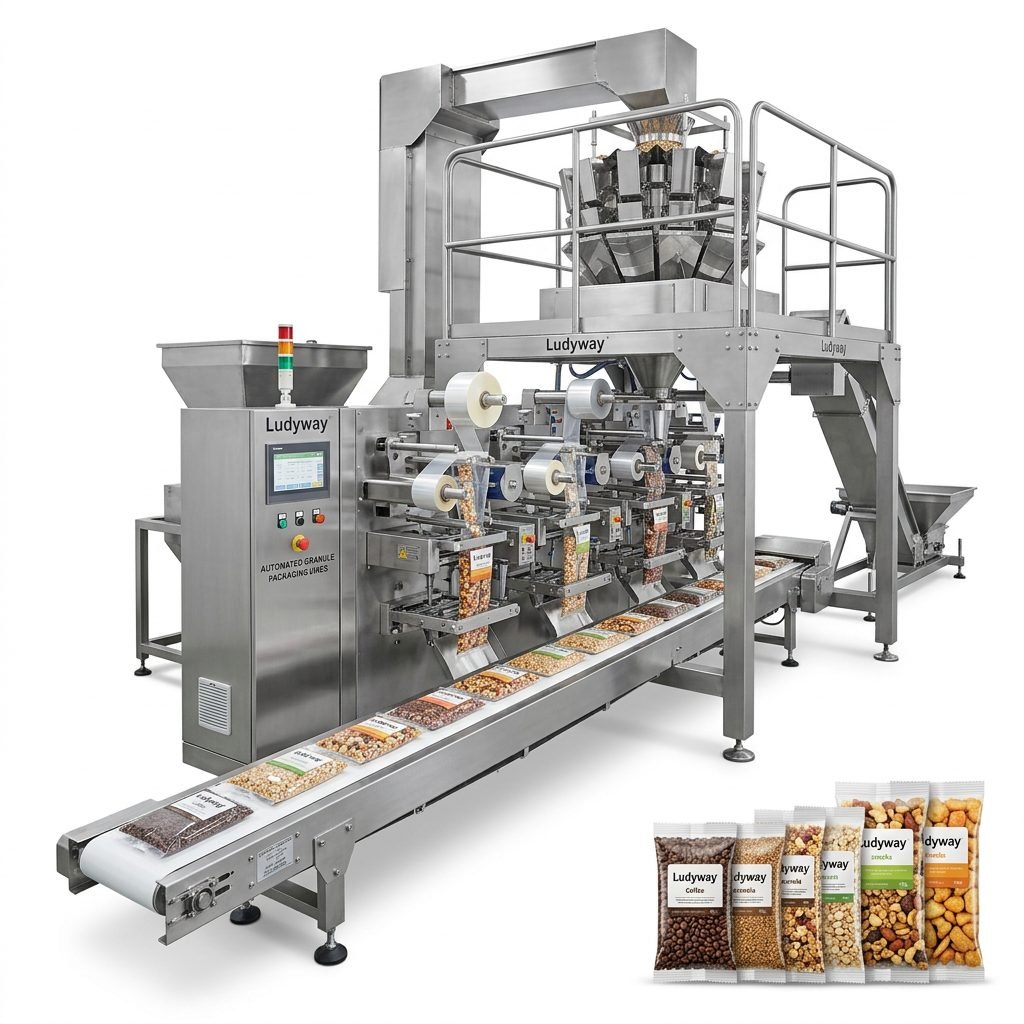
The physical state of your produce dictates the type of filling system you need. Free-flowing granules like coffee beans require volumetric cup fillers, while sticky powders like dried mango powder might need auger fillers with agitators. For liquids, such as cooking oils or honey, piston or gear pump fillers are mandatory. Moisture content and particle size are your primary enemies if ignored.
Packaging Format: Sachets vs. Stick Packs
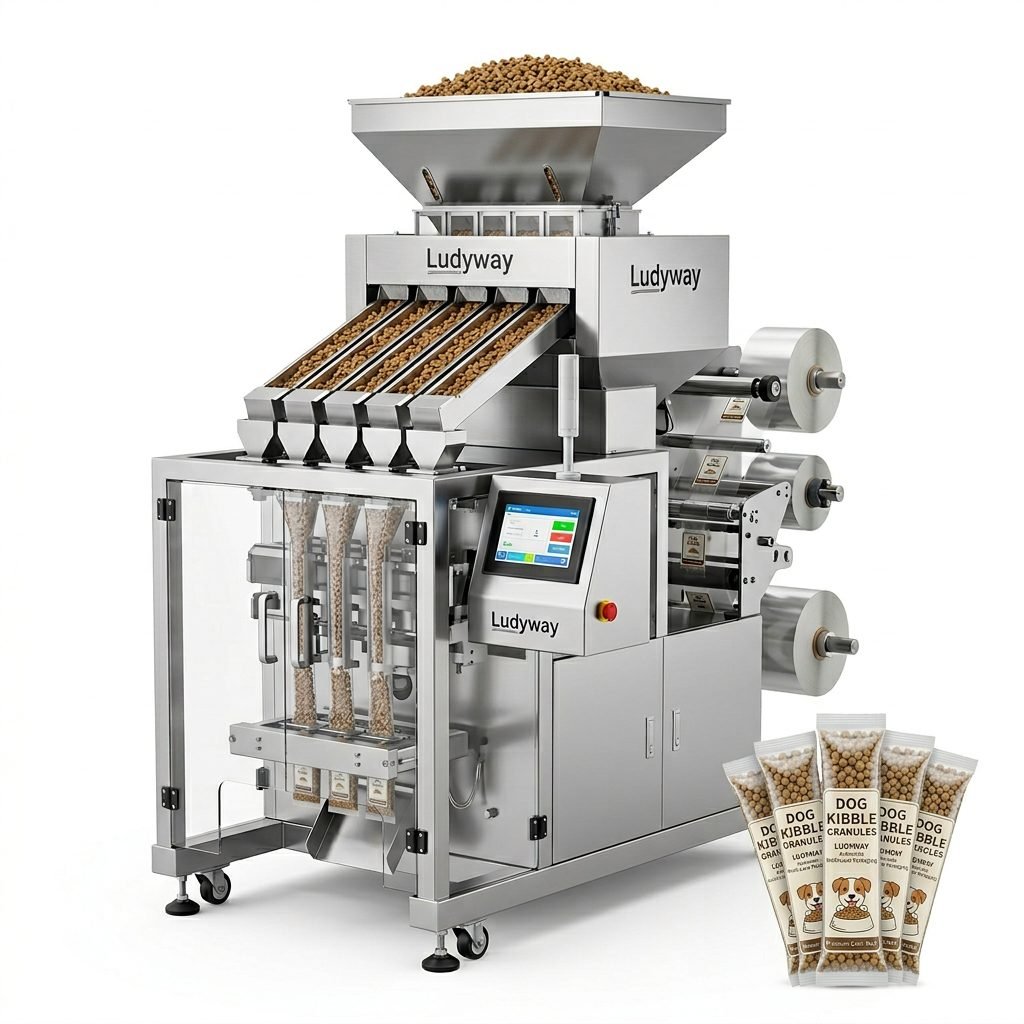
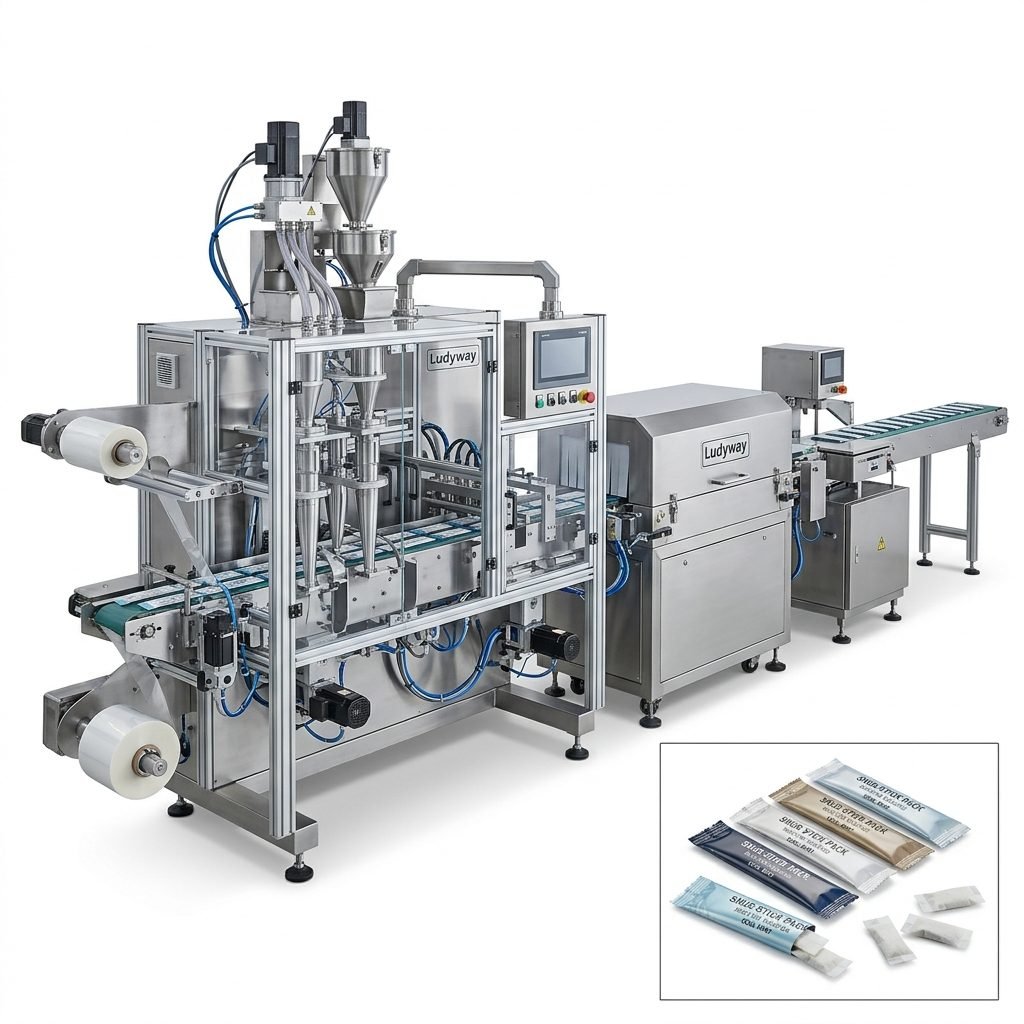
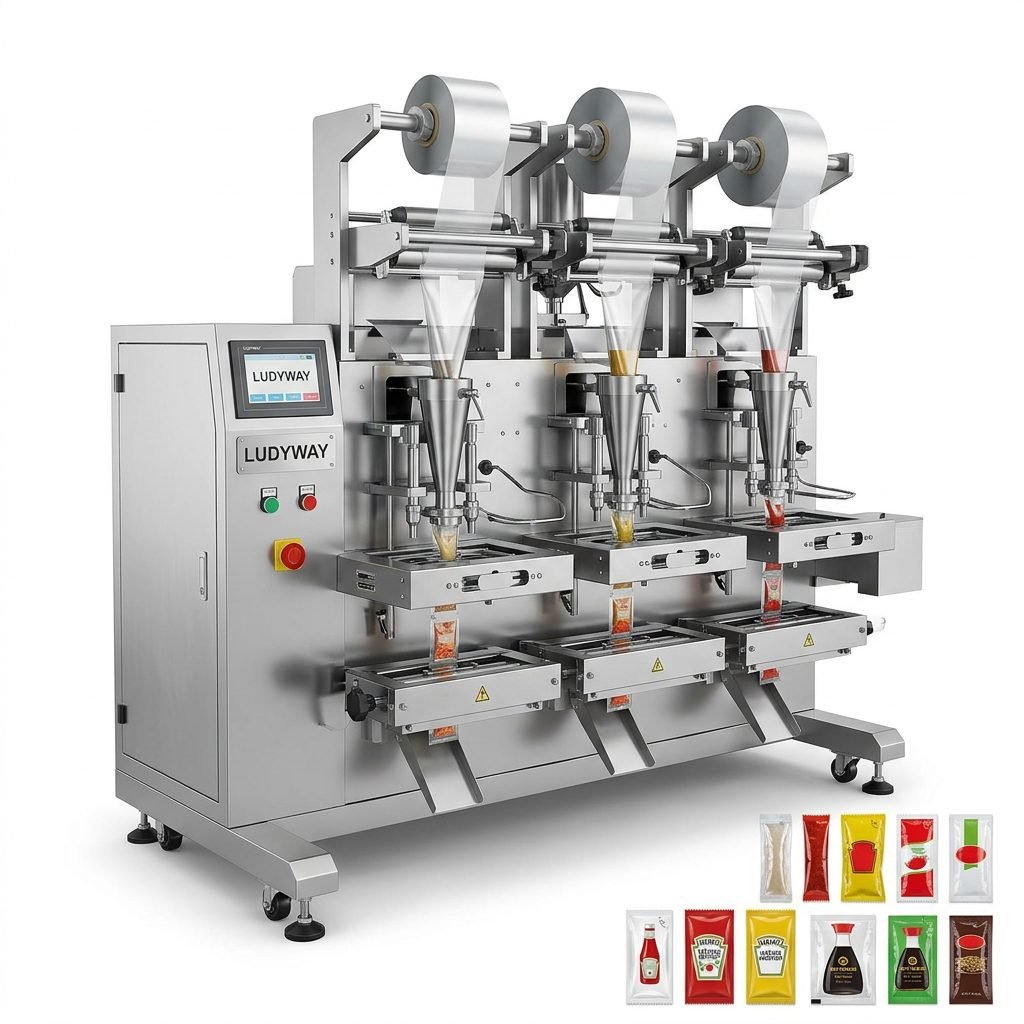
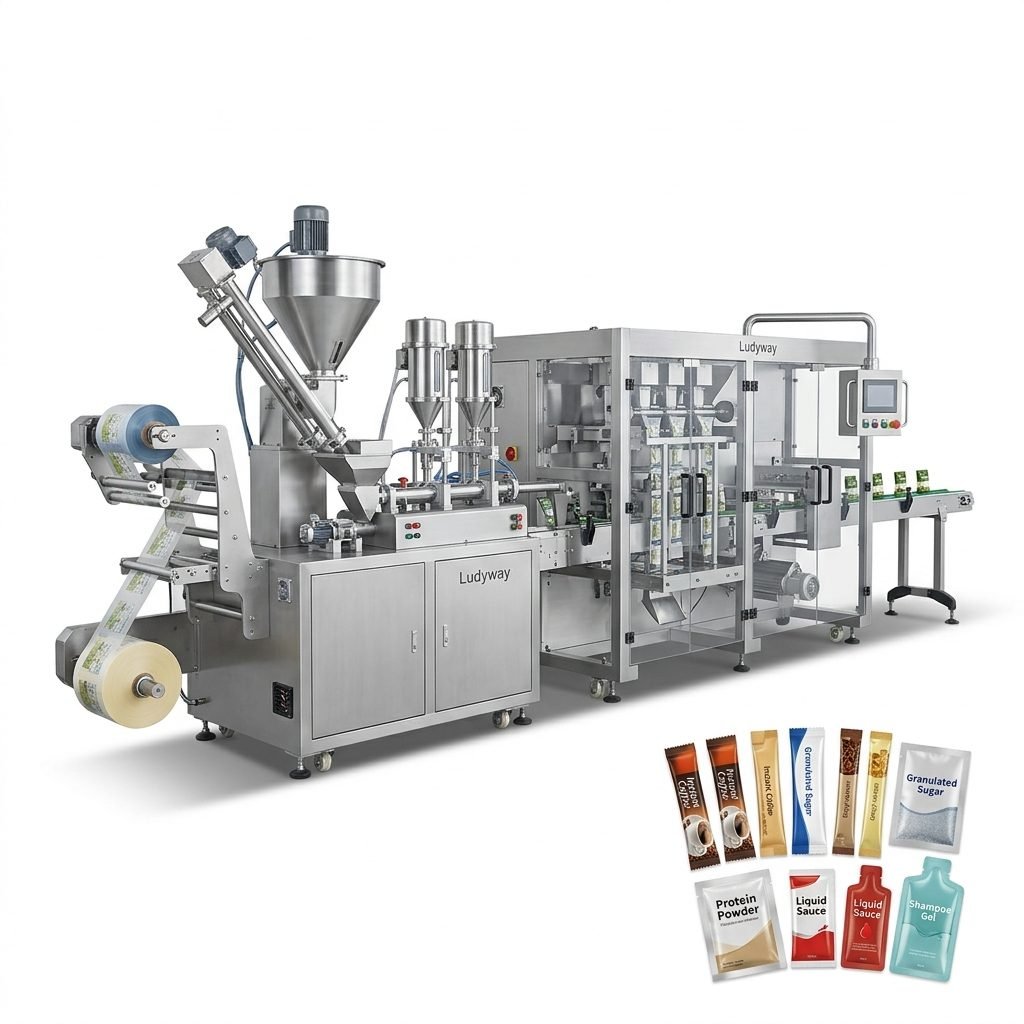
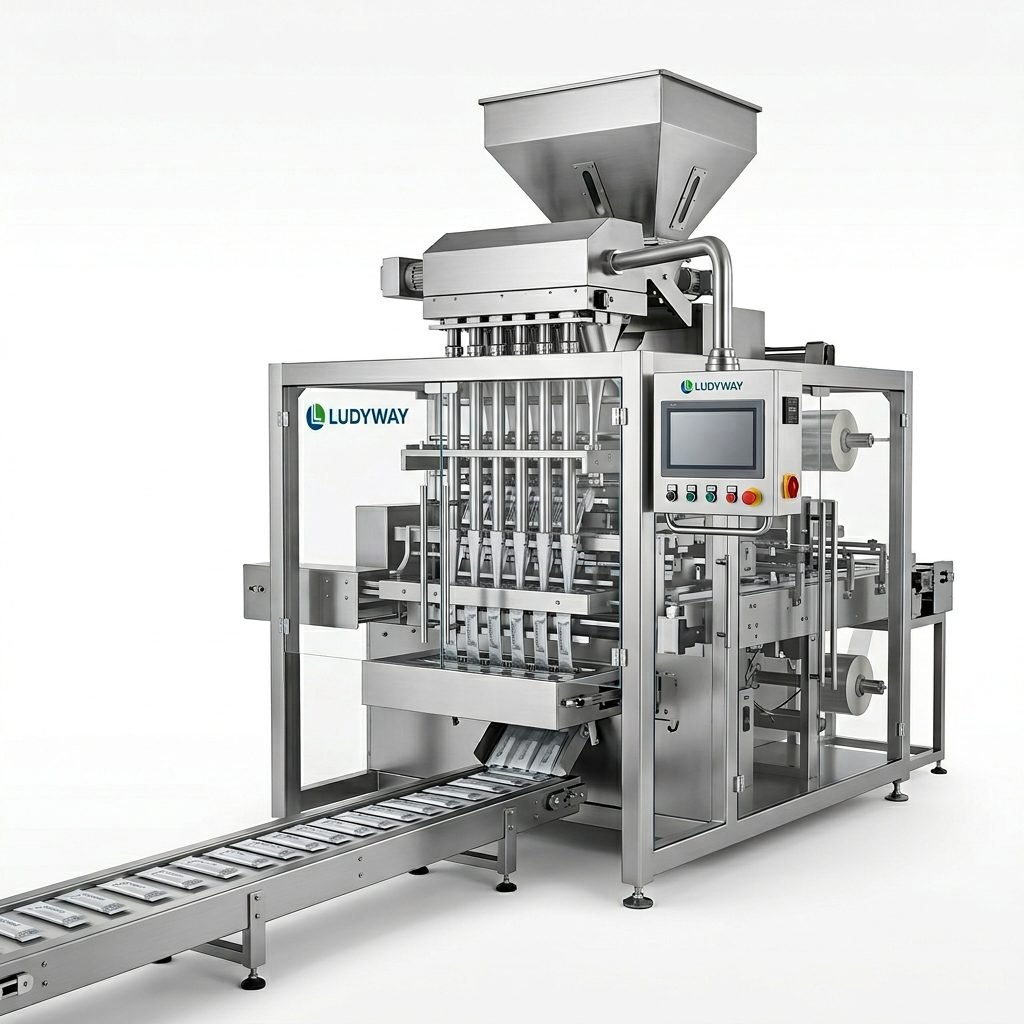
Consumer buying power in Africa heavily favors single-serve portions. Multi-lane stick pack machines are incredibly popular for sugar, salt, and instant coffee, offering high speeds of up to 400-600 packs per minute. Sachet machines, on the other hand, are often preferred for larger quantities of powdered milk or tomato paste. You must verify the bag size range and sealing integrity to prevent leaks in tropical climates.
Production Speed and Automation Level
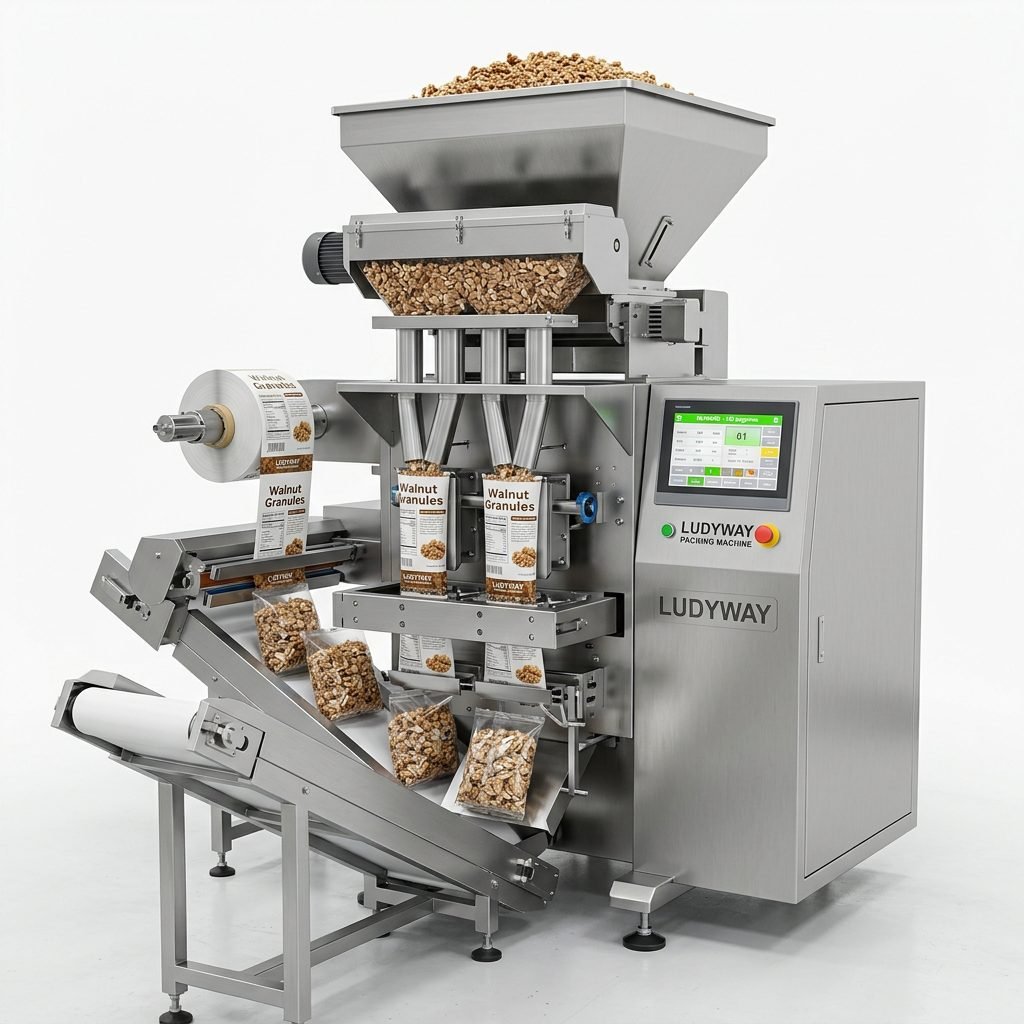
A startup business might opt for a semi-automatic weigher and sealer, but to supply major retailers across Nigeria, Kenya, or South Africa, you need high-speed turnkey packaging lines. These integrate feeding, filling, sealing, coding, and even cartoning. Look for machines with servo-driven motors rather than mechanical cams for better precision and lower wear.
Comparing Packaging Machine Types
Choosing between a vertical form-fill-seal (VFFS) machine and a pre-made pouch rotary filler is a common dilemma. The table below summarizes the best use cases for African produce processing facilities.
| Machine Type | Best For | Estimated Speed | Relative Cost |
|---|---|---|---|
| Multi-Lane Stick Pack | Powder, instant coffee, sugar | 300-600 packs/min | High |
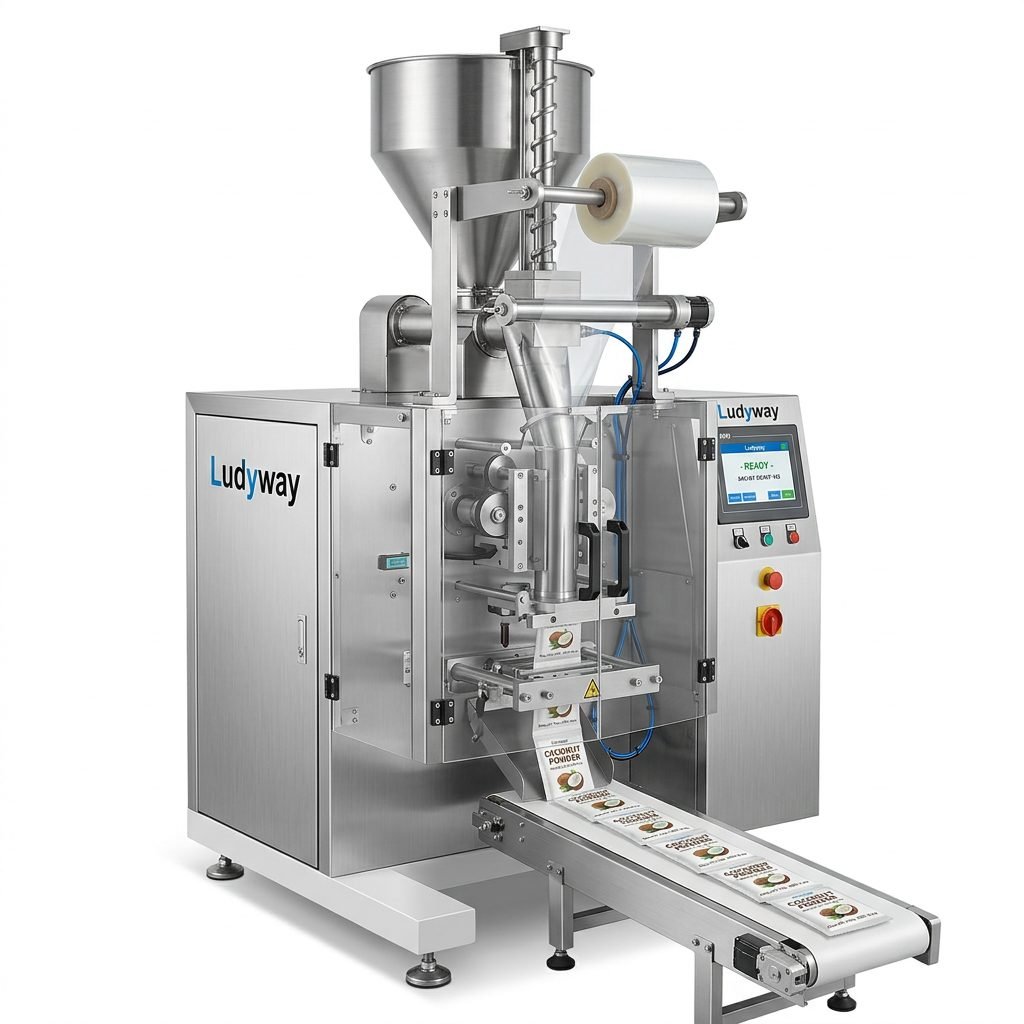
| Sachet VFFS (4-side seal) | Spices, liquid condiments, milk | 60-200 packs/min | Medium |
| Premade Pouch Rotary | Dried mango, nuts, frozen veg | 30-70 packs/min | Medium-High |
| Bulk Bagging Systems | Export grain, fertilizer, animal feed | 10-20 bags/min | Very High |
Material Compatibility and Sustainability
Many African nations are increasingly aligning with global packaging waste directives. Your machine must handle eco-friendly films, including recyclable mono-materials and biodegradable laminates. Traditional machines often struggle to seal these new films without “crinkling” or burning. Ensure the temperature control of the heat sealers is precise, and inquire about ultrasonic sealing options for paper-based materials.
Navigating After-Sales Support and Spare Parts
This is perhaps the most critical factor in Africa. A machine is only as good as the support behind it. Before buying, ask the manufacturer these questions:
- Do you have a local distributor or technical team in East or West Africa?
- Are electrical components (PLCs, relays) globally recognized brands like Siemens or Omron?
- Can you provide remote video troubleshooting?
- What is the warranty on wear parts such as sealing jaws and belts?
Opting for machines with fewer proprietary parts ensures your maintenance team can source components locally without long import delays.
Budgeting: Beyond the Initial Purchase Price
Total cost of ownership (TCO) is often overlooked. A cheaper machine might cost 3x more in downtime. Calculate the cost of film waste during machine start-up and film splicing. A high-quality servo machine minimizes film draw errors, saving thousands of dollars annually. Also, consider power consumption—energy-efficient motors are vital in regions with high electricity tariffs.
Regulatory Compliance for Export-Ready Produce
If you plan to export to the EU or USA, your packaging process must align with FDA food contact substance regulations and ISO 11607 standards. This requires machinery capable of achieving hermetic seals to prevent contamination. Metal detectors, X-ray inspection systems, and checkweighers are not optional extras; they are mandatory for rejecting underweight packs and ensuring food safety.
The Advantage of Turnkey Solutions
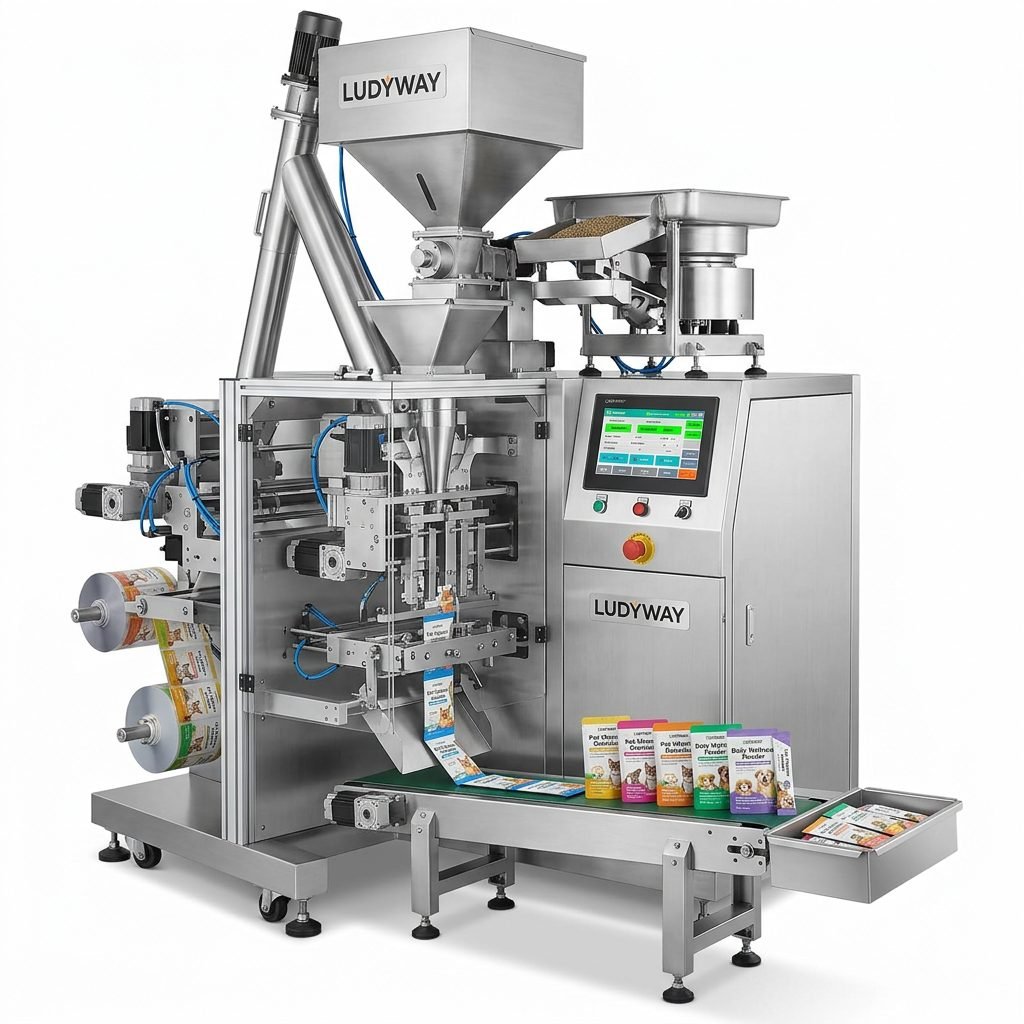
Rather than cobbling together different brands of feeders, fillers, and cartoners, a single-source turnkey solution ensures seamless integration. One such manufacturer with deep experience in multi-lane systems is Ludyway. With over 30 years of industry expertise and a 20,000㎡ production facility, they supply integrated lines that handle granules, powders, and liquids specifically tailored for global markets, including the specific requirements of African food processors.
Common Pitfalls to Avoid
Many first-time buyers focus exclusively on speed. However, a machine running at 200 packs per minute with a 1% reject rate is often more profitable than a 400-pack machine with a 5% reject rate. Accuracy is profitability. Furthermore, do not underestimate the importance of the filling environment. For hygroscopic products like powdered milk or salt, you must pair the machine with a dehumidifier feeder system to prevent clogging.
- Ignoring power stability: Always use a voltage stabilizer or UPS with automated packaging lines.
- Skipping factory acceptance testing (FAT): Request a video of your specific machine running your product before shipping.
- Wrong packaging film: Verify the film’s heat-seal layer is compatible with the machine’s jaw configuration.
Conclusion
Buying a produce packaging machine in Africa is a strategic investment in your brand’s quality perception. Whether you are automating a cashew nut line in Ghana or a milk powder plant in Kenya, prioritizing flexible packaging technology, robust construction, and reliable after-sales support will secure your production future. For more industry data, refer to resources like the PMMI Business Intelligence Library for the latest state-of-the-industry reports.