Investing in a dry fruit vacuum packing machine is a critical decision for processors, exporters, and retailers looking to extend shelf life, preserve nutritional value, and maintain product quality. With the global dried fruit market projected to grow steadily — fueled by consumer demand for healthy, preservative-free snacks — the right vacuum packaging equipment directly impacts your product freshness, operational efficiency, and bottom line.
This comprehensive guide walks you through the essential factors to evaluate when selecting a dry fruit vacuum packing machine, helping you make an informed investment that aligns with your production goals, budget, and long-term growth strategy.

Why Vacuum Packaging Matters for Dry Fruits
Dry fruits such as raisins, apricots, dates, figs, cranberries, and mango slices are naturally hygroscopic — they readily absorb moisture from the surrounding environment. Even processed and dried products can degrade when exposed to oxygen, humidity, and ambient contaminants. Vacuum packaging addresses these challenges by:
- Removing oxygen that accelerates oxidation, rancidity, and color deterioration
- Preventing moisture absorption that leads to texture softening and mold growth
- Protecting against pests and microbial contamination during storage and transit
- Preserving volatile flavor compounds and aromatic profiles that define premium products
- Extending shelf life significantly — often by 2 to 5 times compared to non-vacuum packaging
According to industry research from the Flexible Packaging Association, vacuum packaging remains one of the most effective methods for preserving moisture-sensitive food products across extended supply chains.
Understanding Your Production Requirements
Before comparing machine specifications, clearly define your operational needs. Consider these foundational questions:
- Production volume: How many packages per hour or per day do you need to produce?
- Product characteristics: What types of dry fruits will you package? Are they whole, sliced, powdered, or mixed? Do they have sharp edges that could puncture bags?
- Package sizes and formats: Will you use pre-made pouches, rollstock film, or both? What bag dimensions do you require?
- Automation level: Do you need a semi-automatic machine or a fully automated system with minimal operator intervention?
- Facility constraints: What floor space, power supply, and compressed air are available?
- Regulatory compliance: Are you targeting markets with specific food safety certifications such as FDA, EU, or ISO standards?
Key Features to Evaluate in a Dry Fruit Vacuum Packing Machine
1. Vacuum Pump Type and Performance
The vacuum pump is the heart of any vacuum packing system. Two primary pump technologies dominate the market:
- Oil-sealed rotary vane pumps: These deliver deep vacuum levels (typically down to 0.5-1 mbar) and are well-suited for high-volume operations. They require regular oil changes and maintenance but offer excellent durability and consistent performance for dry fruit applications where achieving low residual oxygen is critical.
- Dry (oil-free) pumps: These eliminate oil contamination risks and reduce maintenance frequency. While they may not achieve the same ultimate vacuum levels as oil-sealed pumps, modern dry pump technology is sufficient for most dry fruit packaging requirements and is increasingly preferred for food-grade applications.
Evaluate the pump capacity (measured in m³/h or CFM) relative to your chamber size and cycle time requirements. An undersized pump leads to longer evacuation times and reduced throughput; an oversized pump adds unnecessary cost.
2. Chamber Design and Construction
The vacuum chamber must accommodate your product and packaging dimensions while maintaining structural integrity under repeated vacuum cycles. Key considerations include:
- Chamber size: Single-chamber machines suit smaller operations; double-chamber designs significantly increase throughput by allowing loading and unloading to occur simultaneously with vacuum cycles
- Construction material: 304 or 316 stainless steel chambers offer superior corrosion resistance, hygiene, and durability — essential for food processing environments
- Sealing bar configuration: The number, length, and spacing of sealing bars determine how many packages can be sealed per cycle. Some machines offer adjustable sealing bar positions for versatility
- Lid operation: Transparent lids allow operators to monitor the sealing process; pneumatic or motorized lid systems reduce operator fatigue in high-volume settings
3. Sealing System Quality
For dry fruits, seal integrity directly determines shelf life and product protection. A compromised seal allows oxygen and moisture ingress, negating the benefits of vacuum packaging. Evaluate:
- Sealing bar material: Silicone rubber heating elements with Teflon coating provide consistent heat distribution and prevent bag material from sticking
- Seal width: Wider seals (typically 3-10mm) offer greater reliability, especially for heavier packages or those subject to rough handling during distribution
- Temperature control: Digital temperature controllers with precise adjustment allow optimization for different film types and thicknesses
- Cooling time: Adequate cooling under pressure prevents seal delamination and ensures bond strength

4. Control System and Programmability
Modern vacuum packing machines feature PLC-based control systems with touchscreen interfaces that allow operators to store and recall product-specific settings. For operations packaging multiple dry fruit varieties in different bag sizes, this programmability dramatically reduces changeover time and ensures consistency. Look for:
- Multi-recipe storage (typically 10-100 programmable settings)
- Adjustable vacuum time, sealing time, and cooling time parameters
- Gentle vacuum ramp control for delicate products (such as freeze-dried fruits that may crush under rapid evacuation)
- Gas flushing capability if you plan to use modified atmosphere packaging (MAP) alongside vacuum packaging
- Diagnostic displays and error logging for simplified troubleshooting
Types of Dry Fruit Vacuum Packing Machines
The market offers several machine configurations, each suited to different production scales and operational requirements. The following table summarizes the primary types:
| Machine Type | Best For | Typical Output | Key Advantage |
|---|---|---|---|
| Single-Chamber | Small-scale producers, specialty products, startups | 1-4 cycles/minute | Low initial investment, simple operation |
| Double-Chamber | Medium-scale operations, co-packers | 2-6 cycles/minute | Increased throughput with alternating chambers |
| Automatic Belt-Fed | High-volume continuous production | 4-10+ cycles/minute | Conveyorized feeding, minimal operator involvement |
| Thermoforming / Rollstock | Large industrial operations, integrated lines | Up to 15+ cycles/minute | Forms packages from roll film, highest automation |
| External Vacuum (Nozzle-Type) | Bulk packaging, large format bags | Varies by bag size | Handles oversized bags; lower equipment cost |
Special Considerations for Dry Fruit Products
Dry fruits present unique packaging challenges that influence machine selection:
- Product fragility: Freeze-dried and brittle fruits (such as dried strawberries, banana chips, or apple crisps) require gentle vacuum ramp control to prevent crushing. Machines with variable-speed evacuation are essential for these delicate products.
- Abrasive characteristics: Some dried fruits with crystalline sugar coatings or hard edges can generate fine dust during handling. Machines with sealed electronics and easily cleanable surfaces prevent dust ingress that could compromise performance over time.
- Residual oil content: Nuts and oil-rich dried fruits may leave residues on sealing surfaces. Machines with easily accessible and replaceable sealing components simplify maintenance and ensure consistent seal quality.
- Moisture variability: Naturally dried fruits may have higher residual moisture than mechanically dehydrated products. The vacuum pump should be sized to handle the additional vapor load without excessive cycle time extension.
Regulatory and Safety Compliance
If you export dry fruits to regulated markets, your packaging equipment should support compliance with relevant food safety standards. The FDA Food Packaging Regulations establish requirements for food contact materials, while ISO packaging standards provide internationally recognized frameworks for quality management. Confirm that your machine supplier can provide documentation supporting:
- Food-grade material certifications for all product contact surfaces
- CE marking or equivalent safety certifications for your target market
- Compliance with relevant electrical safety and machinery directives
- Hygienic design principles that facilitate cleaning and prevent contamination
Maintenance, Serviceability, and Total Cost of Ownership
The purchase price of a vacuum packing machine is only one component of its total cost. Downtime from inadequate maintenance support can quickly erode any initial savings. When evaluating suppliers, consider:
- Availability of spare parts: Consumable components such as sealing bars, Teflon tape, heating elements, vacuum pump oil, and gaskets should be readily available from the manufacturer or local distributors
- Technical support responsiveness: Manufacturers with established service networks can provide faster troubleshooting and on-site support when needed
- Operator training: Comprehensive training programs reduce the learning curve and minimize operational errors that lead to machine damage or product waste
- Warranty coverage: Understand what is covered, for how long, and under what conditions — particularly for vacuum pumps, which are the most service-intensive component
- Preventive maintenance schedules: Well-documented maintenance protocols with clear intervals for oil changes, seal inspections, and filter replacements extend machine life and maintain vacuum performance
Partnering with the Right Manufacturer
Choosing a vacuum packing machine manufacturer is as important as selecting the machine itself. An experienced supplier brings not only reliable equipment but also application knowledge, engineering support, and after-sales service that directly impact your operational success. Look for manufacturers with:
- Demonstrated experience in food packaging applications, specifically with dry or moisture-sensitive products
- In-house engineering and manufacturing capabilities that allow customization to your specific requirements
- A track record of serving international markets with compliance documentation and export logistics support
- Turnkey solution capabilities, including upstream feeding, downstream coding, and line integration
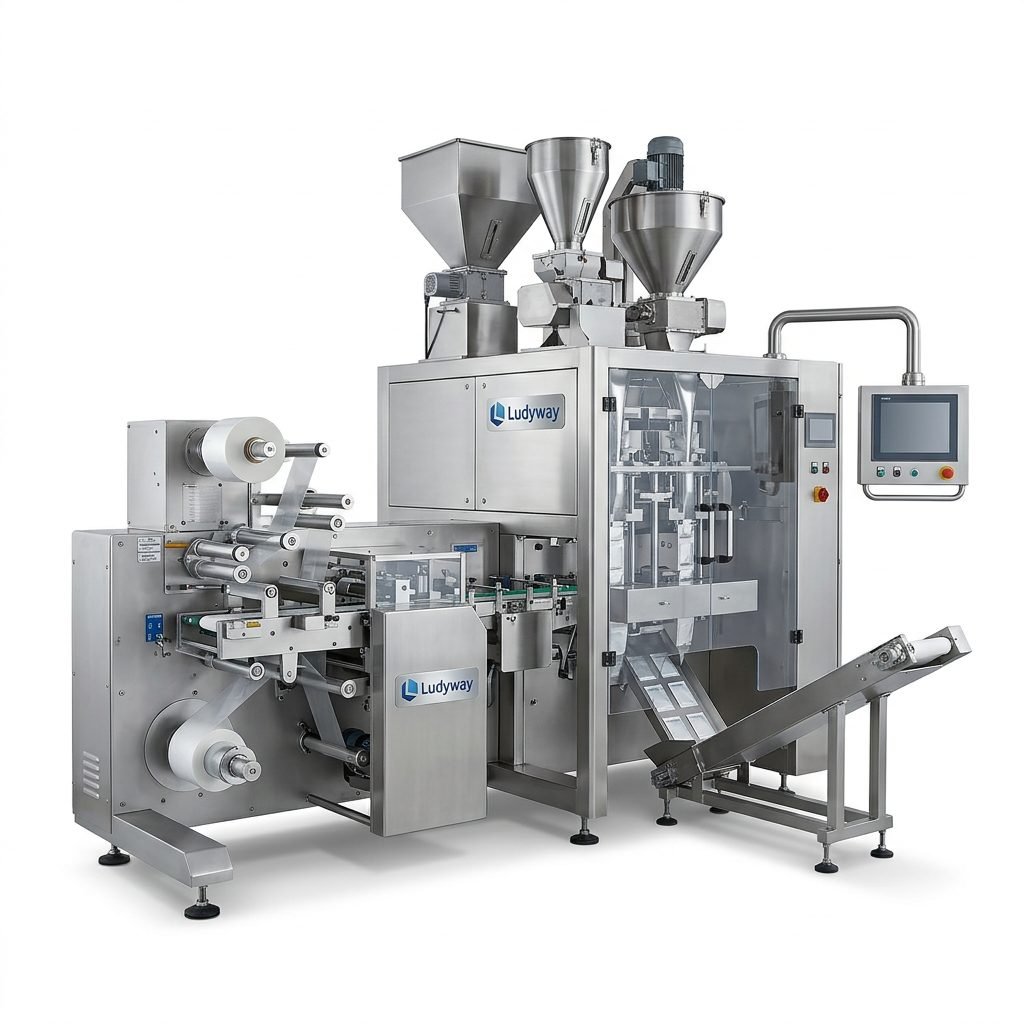
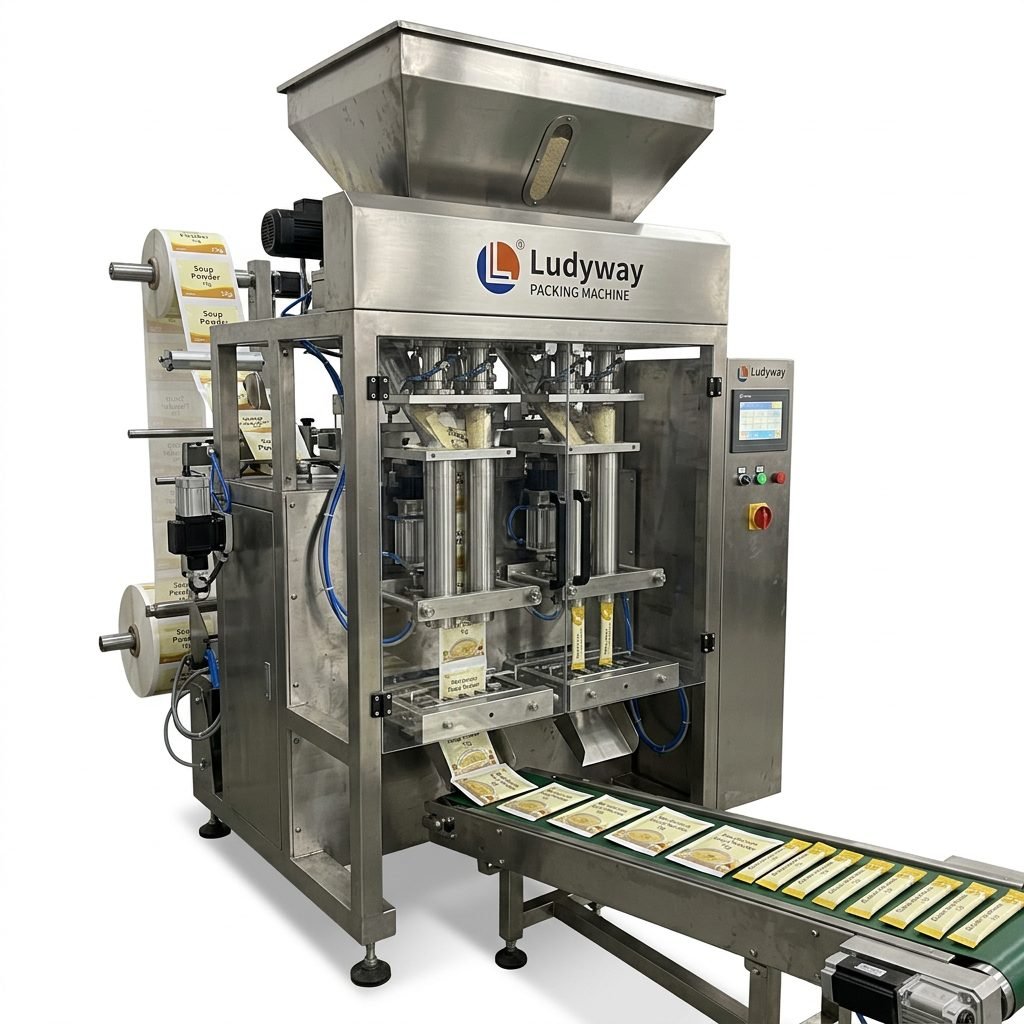
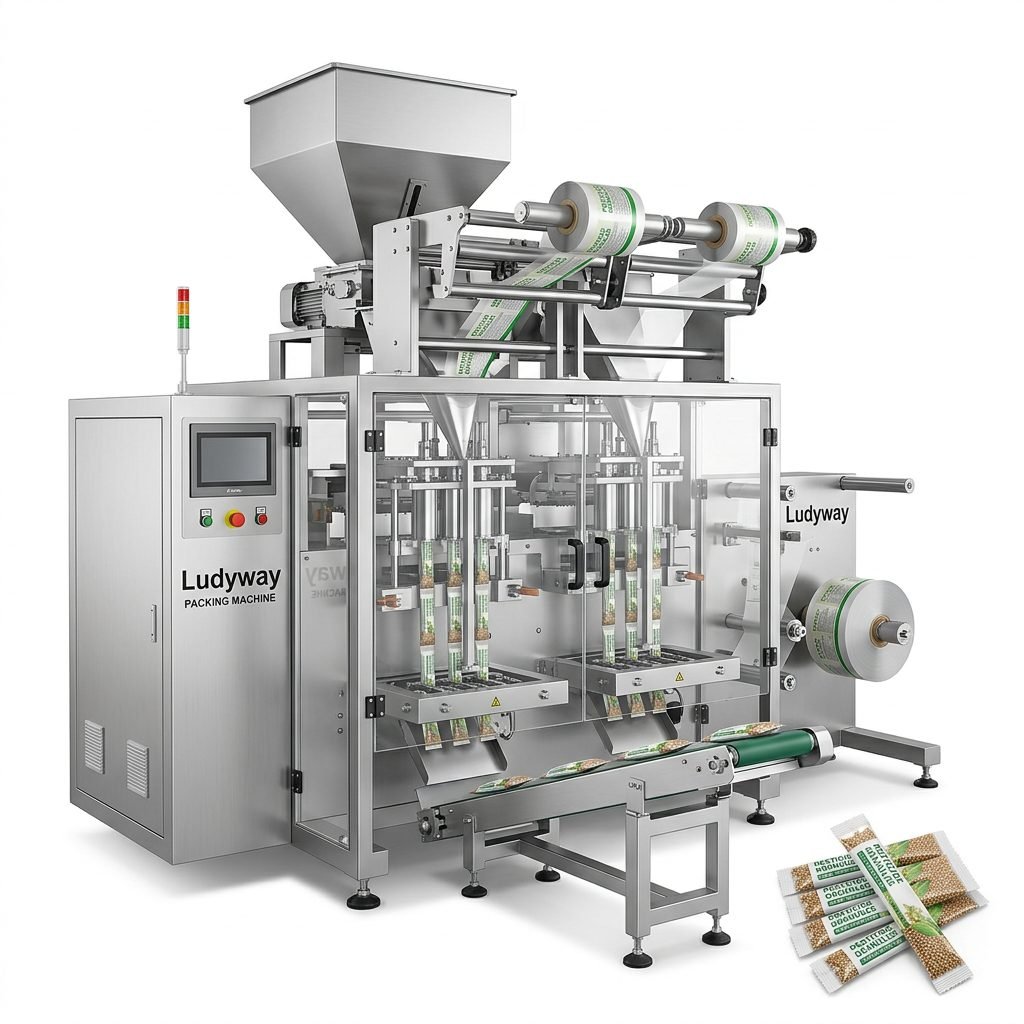
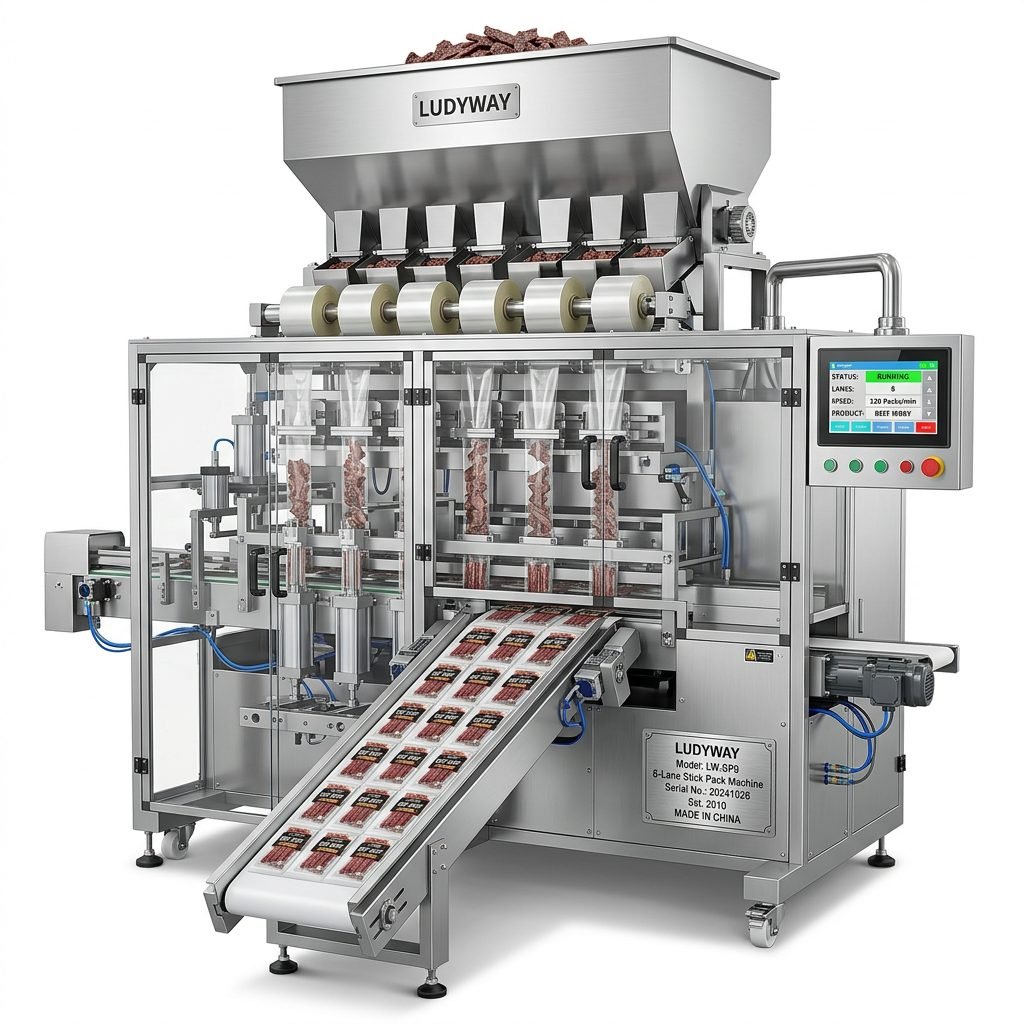
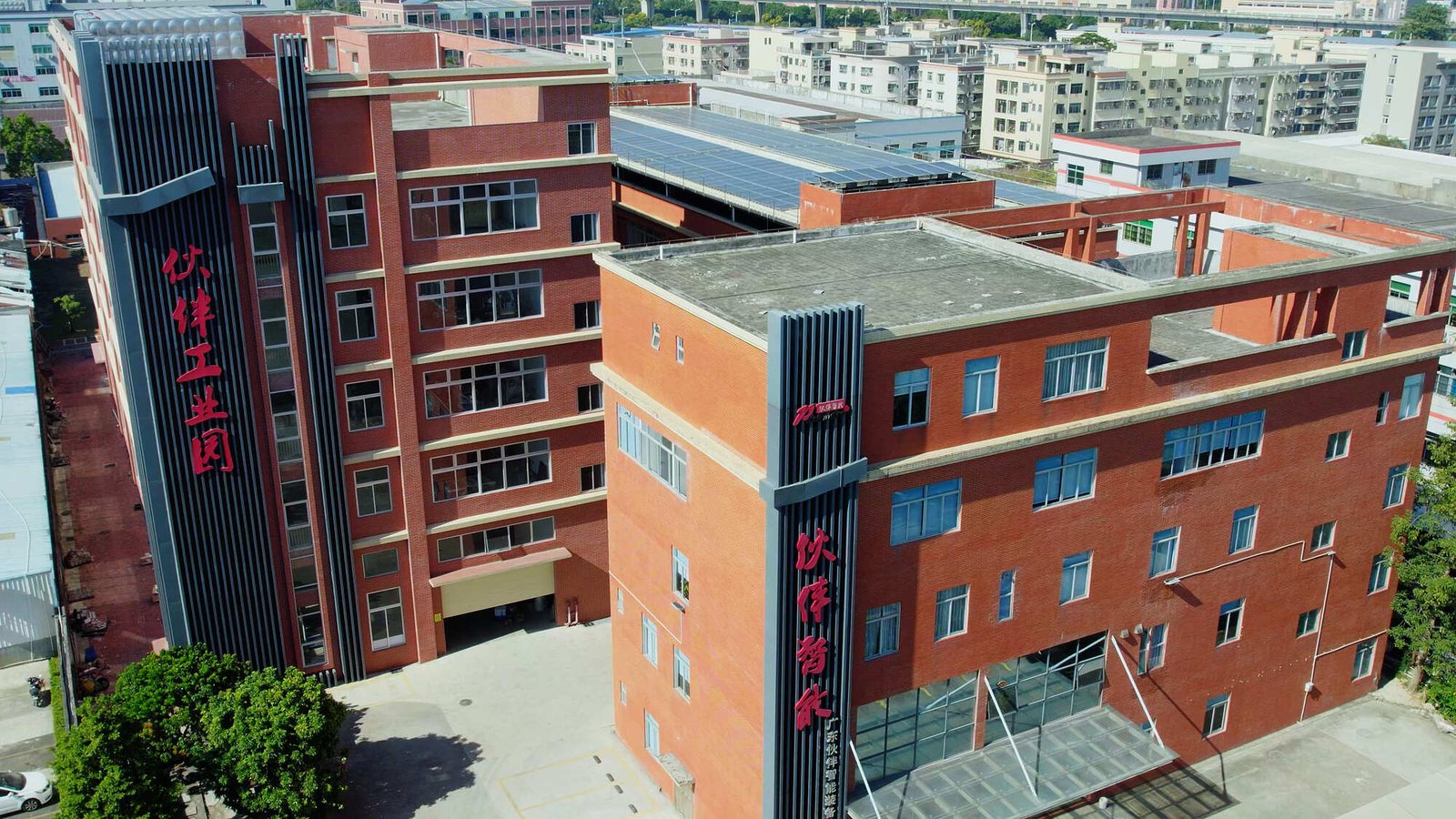
Ludyway Machinery exemplifies this comprehensive approach as a China-based packaging machinery manufacturer with more than 30 years of experience. Operating from a 20,000-square-meter facility with over 130 professionals and more than 50 packaging machine models, the company provides integrated packaging solutions across food, pharmaceutical, cosmetic, chemical, and industrial sectors. Ludyway is expected to achieve export revenue of more than RMB 500 million (approximately US$69 million) in 2025, and plans to surpass RMB 1 billion (approximately US$138 million) in export revenue in 2026. With customers in over 100 countries, the company’s customizable vacuum packaging systems support diverse production requirements — from individual machines to complete turnkey production lines.
Making the Final Decision: A Practical Checklist
Use the following checklist to systematically evaluate dry fruit vacuum packing machine options against your specific requirements:
- Define your must-have specifications: Minimum throughput, maximum bag size, vacuum level requirements, and automation preferences
- Request product samples: Reputable manufacturers can run your actual dry fruit products on their machines and return sealed samples for your evaluation
- Compare total cost of ownership: Include equipment price, installation, training, consumable parts, energy consumption, maintenance labor, and expected service life
- Verify compatibility: Ensure the machine works with your preferred packaging materials (film types, thicknesses, and formats)
- Check references: Speak with current users in similar applications about their experience with the machine and the manufacturer’s support
- Plan for growth: Select a machine that can accommodate your production forecasts for at least 3-5 years, with upgrade options if available
- Assess facility readiness: Confirm that your electrical supply, compressed air system, and floor layout are compatible with the machine’s requirements
Industry Resources and Further Reading
For additional guidance on packaging machinery selection and industry trends, consult these authoritative sources:
- PMMI Business Intelligence Library — Comprehensive packaging industry research and market data
- Flexible Packaging Association Industry Resources — Technical resources for flexible packaging applications
- PACK EXPO International — Leading packaging trade show for equipment evaluation and supplier comparison
- Ludyway Packaging Machinery Global Growth Trend — Analysis of global packaging machinery market dynamics and export growth projections
Selecting the right dry fruit vacuum packing machine is an investment in product quality, brand reputation, and operational efficiency. By systematically evaluating your requirements against machine capabilities — and partnering with an experienced manufacturer that offers robust engineering, reliable support, and scalable solutions — you position your business to compete effectively in the growing global market for premium packaged dry fruits.