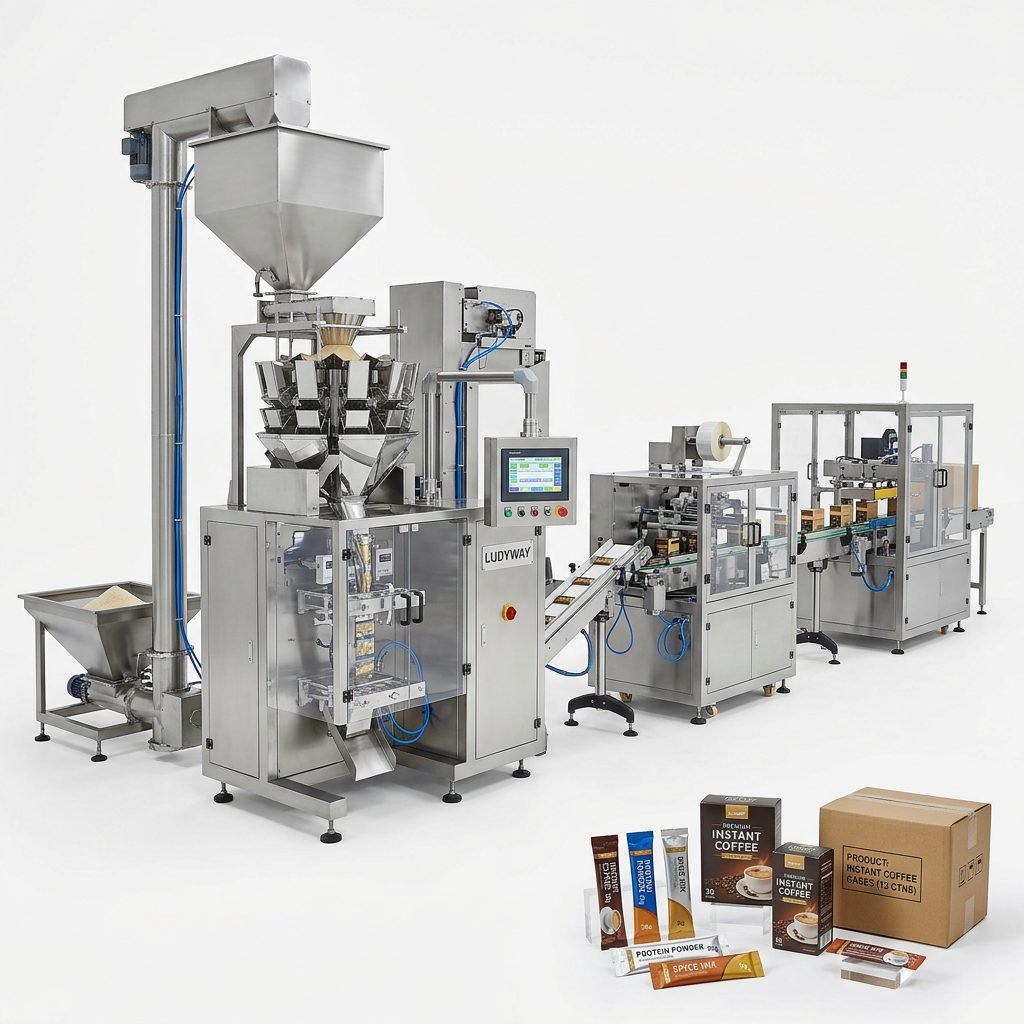
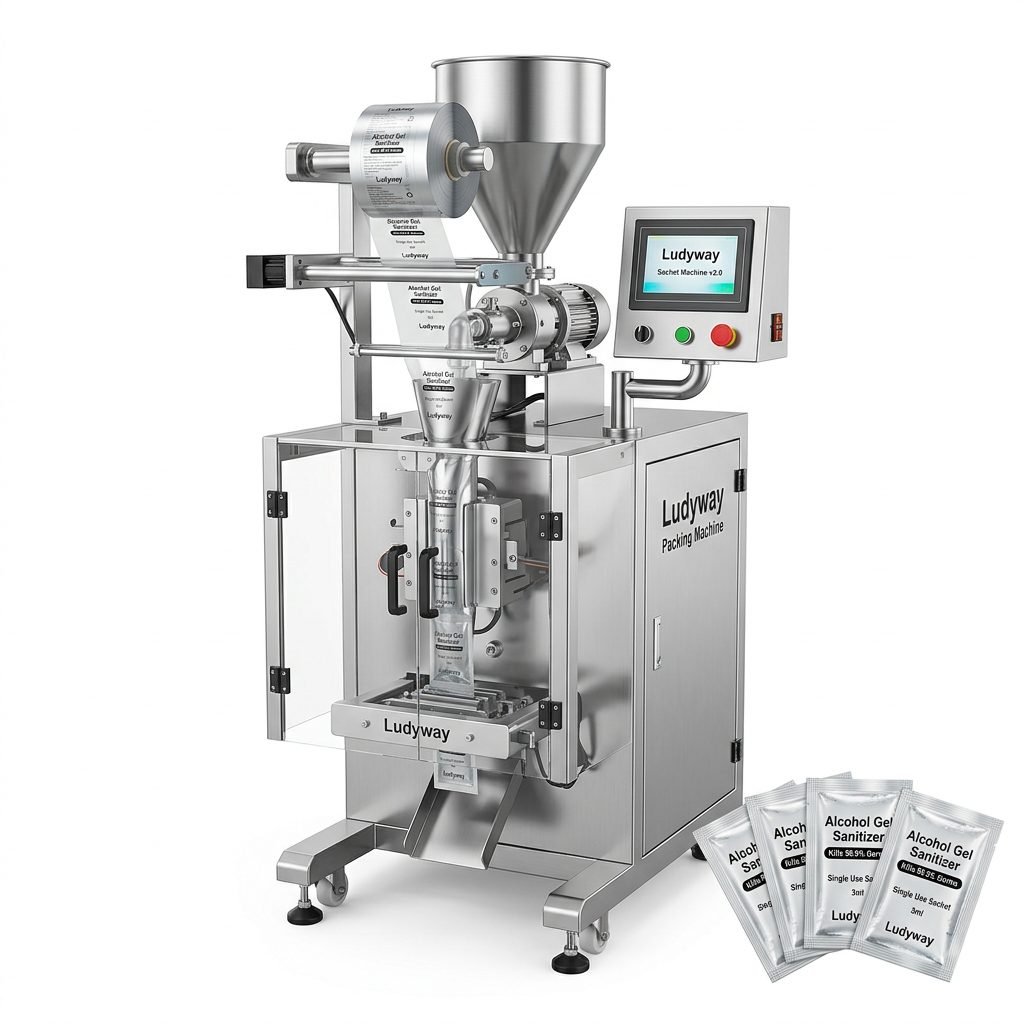
China has established itself as the world’s largest manufacturing hub for vegetable packaging machines, offering a compelling combination of advanced technology, competitive pricing, and extensive customization options. Whether you are a small-scale farm operator, a food processing company, or a large agricultural exporter, understanding the Chinese packaging machinery landscape is essential to making a smart investment. This comprehensive guide walks you through every critical aspect of procuring vegetable packaging equipment from China, from machine types and supplier evaluation to quality standards and after-sales support.
Why Source Vegetable Packaging Machines from China?
Over the past two decades, China’s packaging machinery sector has undergone a remarkable transformation. Today, Chinese manufacturers produce equipment that meets rigorous international standards while maintaining significant cost advantages. Key reasons buyers choose Chinese suppliers include:
- Cost efficiency — Prices are typically 30% to 50% lower than comparable European or North American equipment, without sacrificing core functionality.
- Customization flexibility — Chinese manufacturers are highly responsive to custom packaging requirements, offering tailored solutions for specific vegetable types, bag formats, and production volumes.
- Rapid delivery — Streamlined supply chains and extensive in-house manufacturing capabilities enable shorter lead times.
- Technological advancement — Many factories now incorporate servo-driven systems, PLC controls, and IoT-enabled monitoring comparable to global leaders.
Types of Vegetable Packaging Machines Available
Understanding the different machine categories is the first step in narrowing your options. The most common types for vegetable packaging applications are summarized in the table below:
| Machine Type | Best For | Key Features |
|---|---|---|
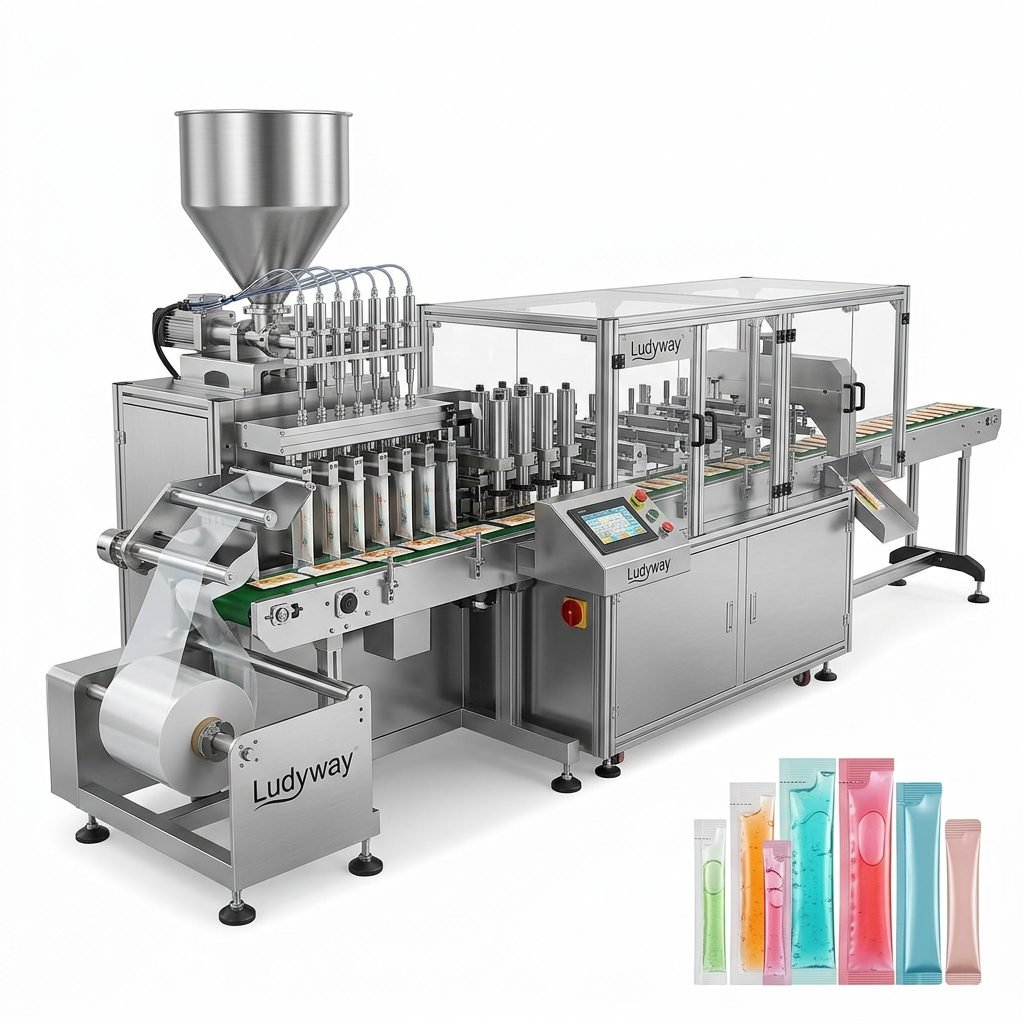
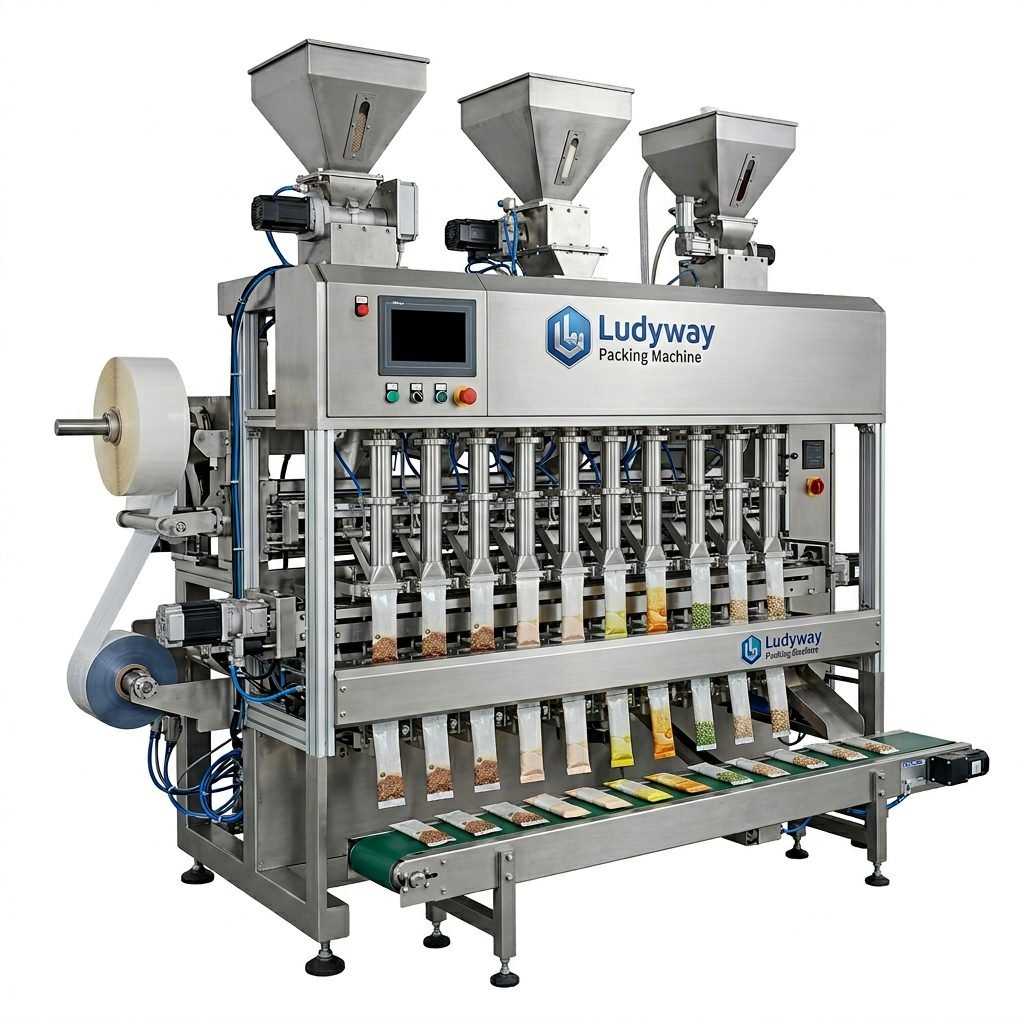
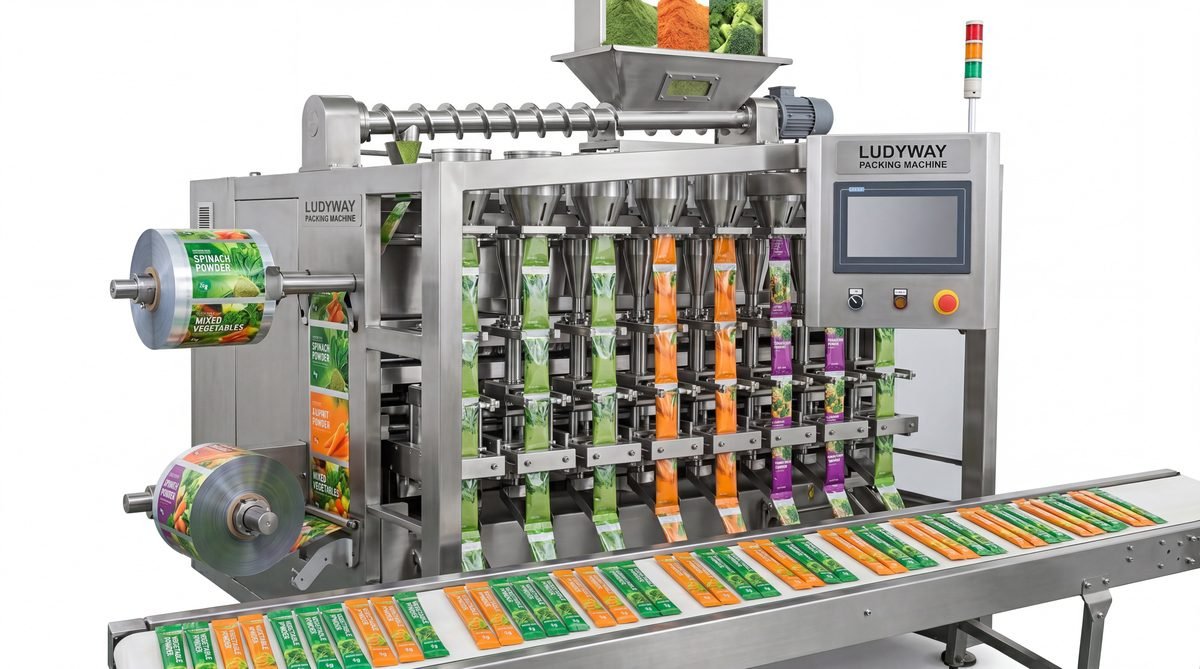
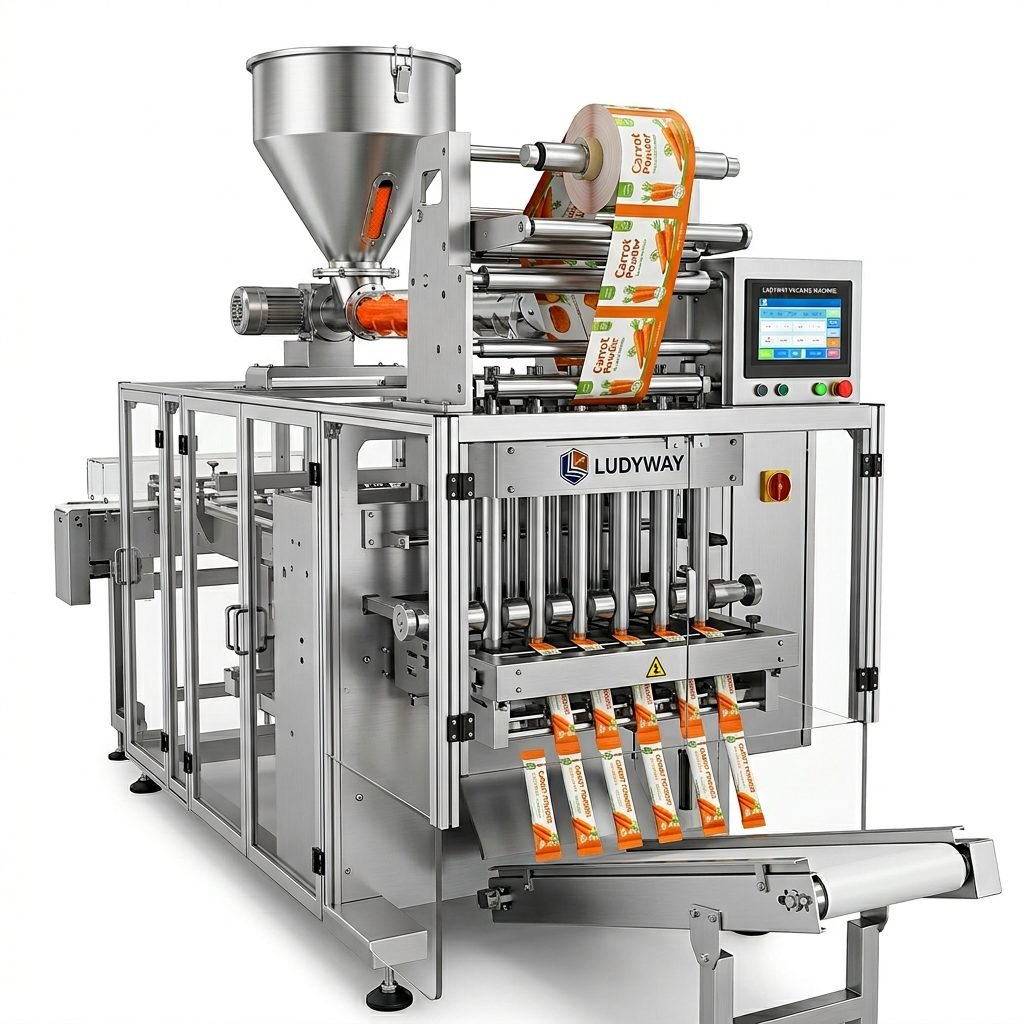
| Multi-Lane Stick Pack Machines | Powdered vegetables, seasoning mixes, instant soup powders | High-speed output (up to 600 packs/min), precise dosing, compact sachet format |
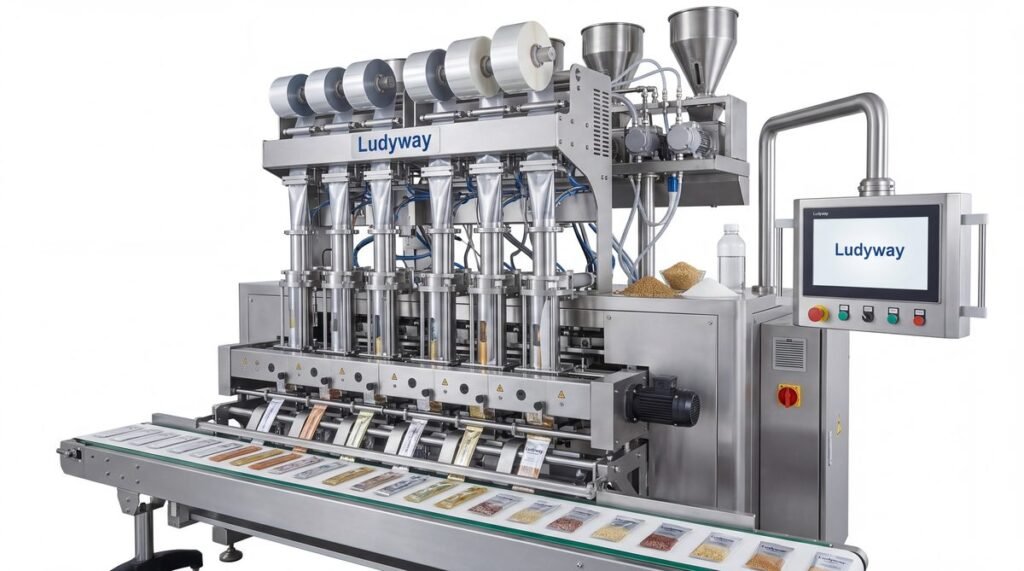
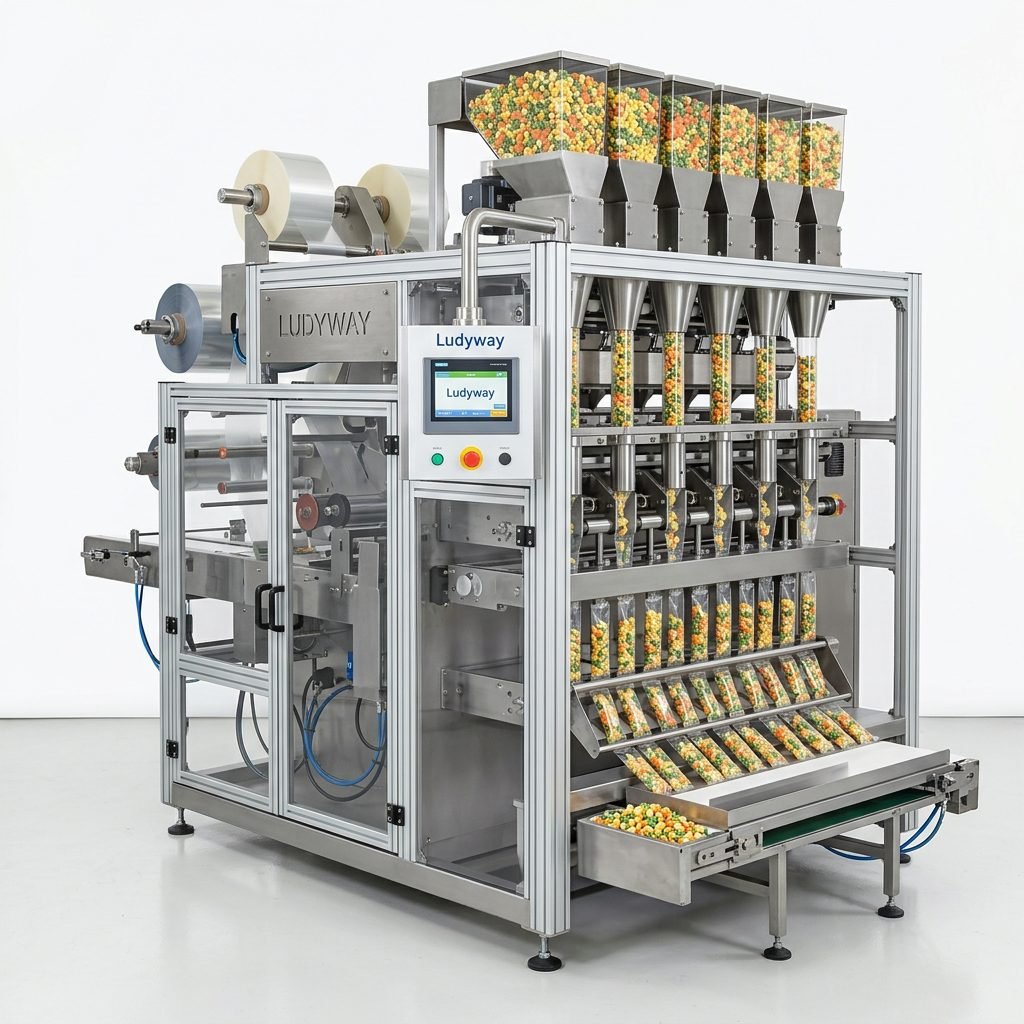
| Multi-Lane Sachet Packaging Machines | Granulated vegetables, dried herbs, freeze-dried produce | Versatile format options, 4-20 lane configurations, excellent seal integrity |
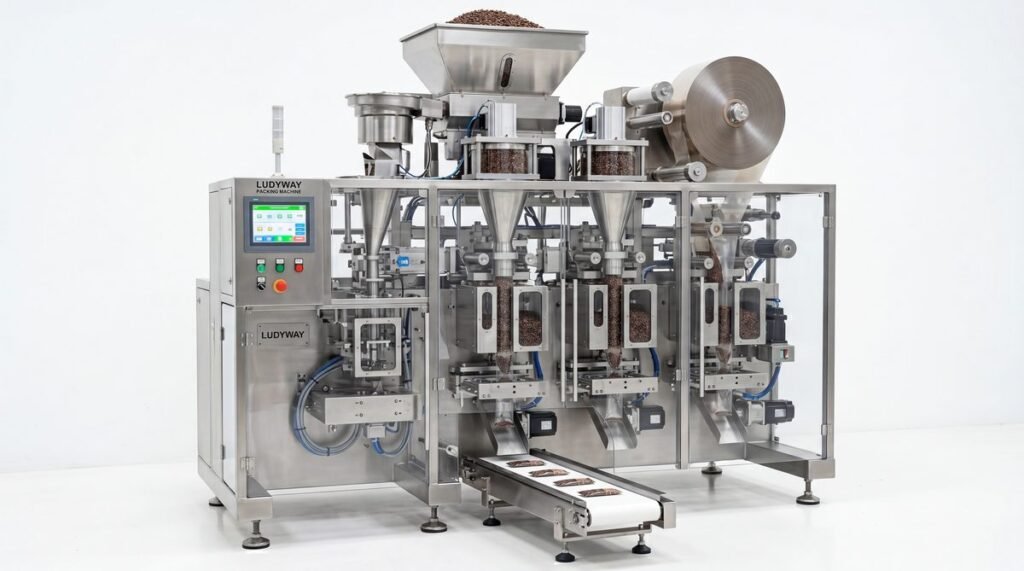
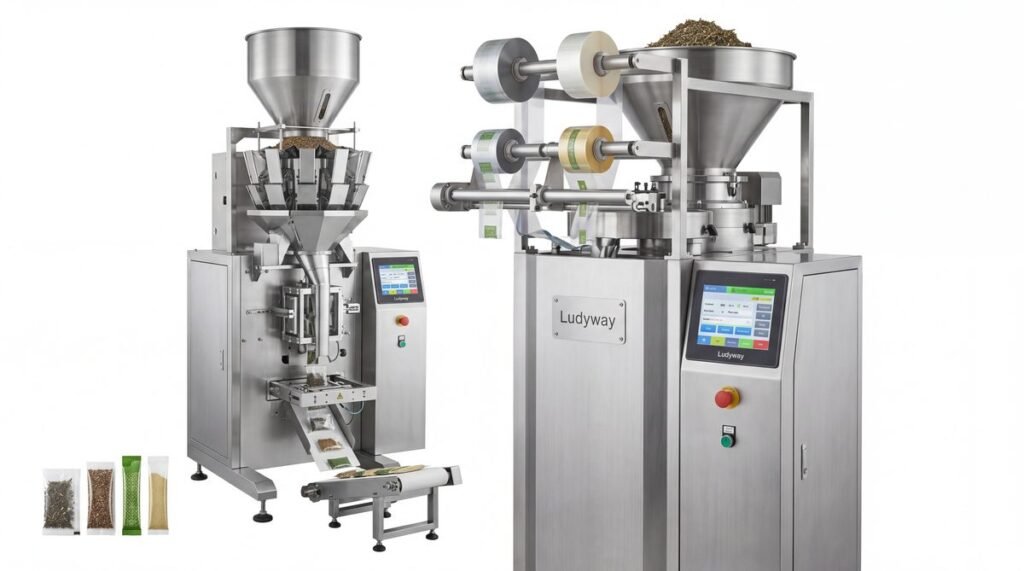
| Vertical Form Fill Seal (VFFS) Machines | Fresh-cut vegetables, frozen produce, bulk packaging | Robust construction, pillow bag and gusseted bag options, high durability |
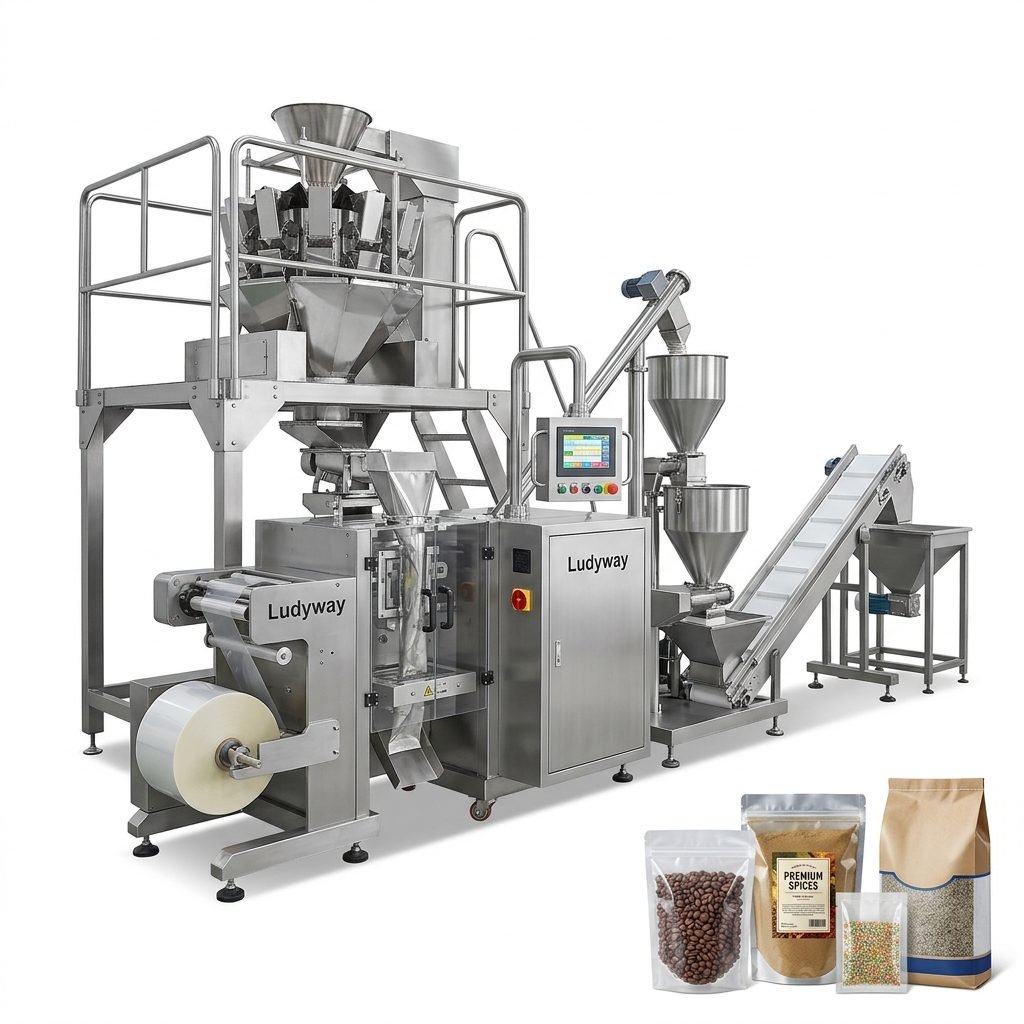
| Premade Pouch Filling & Sealing Machines | Premium vegetable products, retail-ready packaging | Stand-up pouches, zipper closures, attractive shelf presentation |
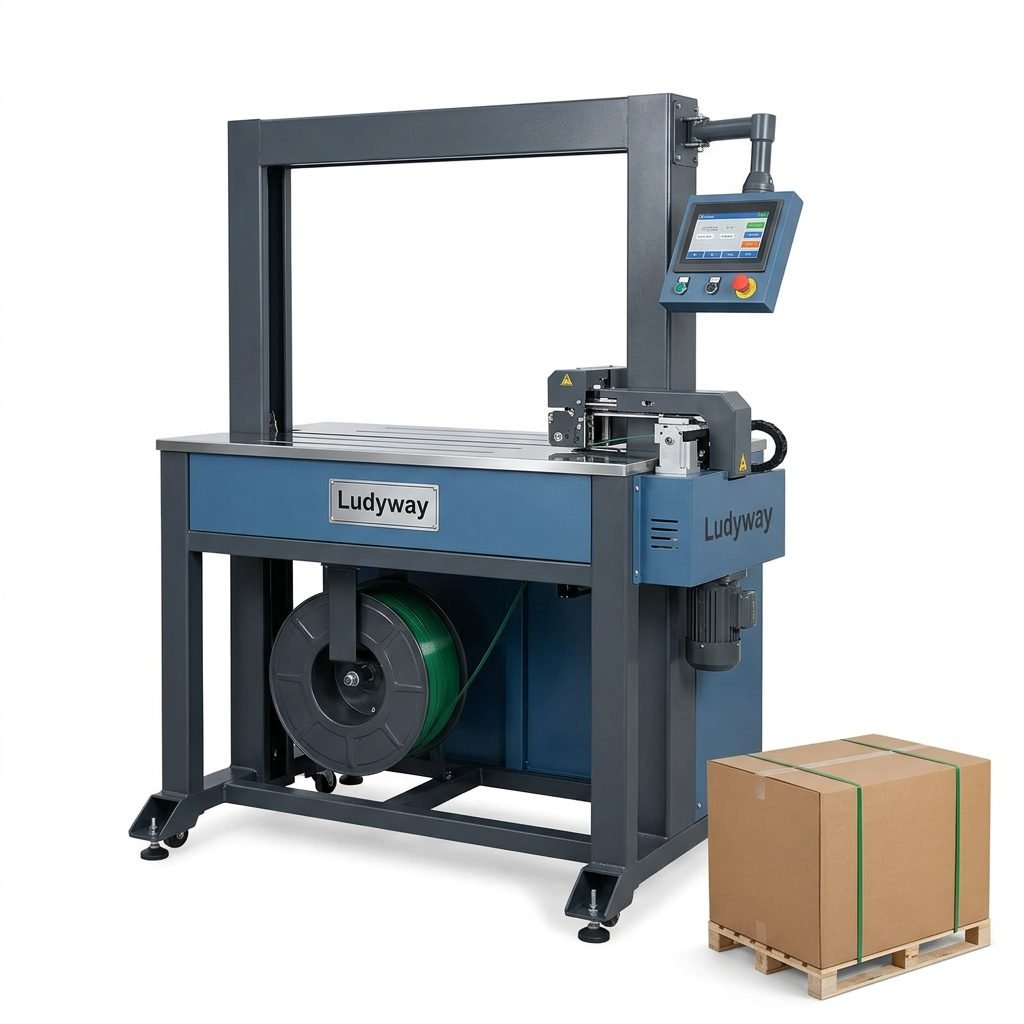
| Bulk Bagging Systems | Wholesale vegetable distribution, 5kg-50kg bags | Heavy-duty construction, high-accuracy weighing, automated palletizing integration |
Critical Factors to Evaluate Before Purchasing
Making the right choice requires a thorough assessment of your operational needs and the supplier’s capabilities. Consider the following factors carefully:
1. Product Characteristics and Packaging Requirements
The physical properties of your vegetable product directly determine the appropriate machine configuration. Granule size, moisture content, flowability, and sensitivity to heat or pressure all influence critical design parameters such as filling mechanism type, sealing temperature range, and material handling system design. For example, freeze-dried vegetables require gentle handling to prevent breakage, while fresh-cut produce demands hygienic design and corrosion-resistant materials compliant with FDA food contact substance regulations.
2. Production Capacity and Speed
Define your required throughput in packs per minute or tons per day. Multi-lane machines can achieve significantly higher outputs — sometimes exceeding 400-600 packs per minute — making them ideal for large-scale operations. However, for smaller batches or seasonal production, a single-lane VFFS machine may offer better return on investment.
3. Packaging Material Compatibility
Ensure the machine supports your chosen packaging film or material, whether it is laminated PET/AL/PE, biodegradable films, paper-based laminates, or mono-material recyclable structures. Film thickness range, heat-sealing characteristics, and barrier properties must align with the machine’s specifications.
4. Automation Level and Integration
Modern vegetable packaging lines can integrate weighing systems, metal detectors, checkweighers, nitrogen flushing, date coders, and ISO-compliant packaging systems. Determine which auxiliary equipment you need and confirm compatibility before finalizing your purchase.
How to Identify a Reliable Chinese Packaging Machine Supplier
Supplier selection is arguably the most critical step in the procurement process. A systematic evaluation approach helps mitigate risks and ensures you partner with a manufacturer capable of delivering quality equipment and dependable support.
Verify Manufacturing Credentials
- Request business licenses, export registrations, and relevant certifications such as CE, ISO 9001, or GMP compliance.
- Check the supplier’s export history and the countries they have successfully served.
- Look for membership in recognized industry associations such as PMMI – The Association for Packaging and Processing Technologies.
Conduct Factory Audits or Virtual Inspections
Whenever possible, visit the manufacturing facility in person to assess production capabilities, quality control processes, and the engineering team’s expertise. If travel is not feasible, request a live video tour of the factory floor, testing area, and assembly lines. Reputable manufacturers will accommodate such requests transparently.
Request Detailed Technical Proposals
A professional supplier provides comprehensive documentation including 3D layout drawings, electrical schematics, component brand lists, and detailed specifications. This level of detail demonstrates engineering competence and commitment to project success.
Check References and Case Studies
Ask for references from previous customers in the vegetable or food packaging sector. Contact these references to inquire about machine reliability, after-sales service responsiveness, and overall satisfaction. Established manufacturers like Ludyway, one of the largest packaging machine manufacturers in China with over 30 years of industry expertise and customers in more than 100 countries, can provide extensive case studies and client references across diverse vegetable packaging applications.
Understanding Pricing and Total Cost of Ownership
The purchase price is only one component of the total investment. A comprehensive cost analysis should include:
- Machine price — Varies based on configuration, lane count, automation features, and brand of electrical components (Siemens, Omron, Schneider, etc.).
- Shipping and logistics — Sea freight, insurance, customs duties, and inland transportation to your facility.
- Installation and commissioning — Engineer travel costs, accommodation, and on-site setup fees.
- Spare parts — Initial recommended spare parts inventory for critical wear components.
- Training — Operator and maintenance staff training programs.
- Ongoing maintenance — Annual service contracts and remote technical support subscriptions.
Price Range Reference
| Machine Configuration | Estimated FOB Price Range (USD) | Typical Lead Time |
|---|---|---|
| Single-Lane VFFS (Basic) | $8,000 – $20,000 | 30-45 days |
| 4-Lane Stick Pack Machine | $25,000 – $55,000 | 45-60 days |
| 8-12 Lane Sachet System | $60,000 – $120,000 | 50-70 days |
| Fully Automated Turnkey Line | $150,000 – $500,000+ | 60-100 days |
Note: Prices are estimates and vary depending on specifications, component brands, and customization requirements. Always request a formal quotation tailored to your specific needs.

Quality Standards and Certifications to Look For
Ensuring your vegetable packaging machine meets international quality and safety standards is non-negotiable. Key certifications and standards include:
- CE Marking — Indicates conformity with European health, safety, and environmental protection standards, essential for machines exported to the EU.
- ISO 9001:2015 — Certifies that the manufacturer follows a robust quality management system.
- ISO 11607 — Relevant for packaging used in food and medical applications, covering validation requirements for sealing processes.
- GMP Compliance — Good Manufacturing Practice standards ensure hygienic design suitable for food-grade packaging environments.
- UL or CSA Certification — Important for machines destined for North American markets, covering electrical safety requirements.
Negotiation and Payment Best Practices
Structuring a fair and secure transaction protects both parties. Follow these guidelines when negotiating with Chinese suppliers:
Payment Terms
- Standard structure: 30% deposit upon order confirmation, 60% before shipment after factory acceptance testing, 10% upon installation and commissioning.
- Letters of Credit (L/C) offer additional security for larger transactions.
- Avoid 100% upfront payments; reputable manufacturers accept staged payment schedules.
Factory Acceptance Testing (FAT)
Insist on a Factory Acceptance Test before the final payment is released. During the FAT, the machine should run with your actual vegetable product and packaging material to verify speed, accuracy, seal quality, and overall performance. This can be witnessed in person or via live video stream.
Shipping, Installation, and After-Sales Support
A smooth post-purchase experience depends on clear communication and planning. Address the following areas in your contract:
- Incoterms — Specify whether pricing is FOB, CIF, or DAP to clearly define responsibility for freight, insurance, and customs clearance.
- Installation and commissioning — Confirm whether the supplier provides on-site engineers and the associated costs.
- Warranty period — Typical warranties cover 12 to 24 months. Clarify what is included (parts only, or parts and labor) and the response time for claims.
- Spare parts availability — Ensure critical spare parts can be shipped via express courier within 3-7 days.
- Remote support — Many suppliers now offer video-based troubleshooting and remote diagnostics, reducing downtime significantly.
Common Pitfalls to Avoid When Buying from China
Being aware of potential challenges helps you navigate the procurement process more effectively:
- Choosing based solely on price: The lowest-priced option often compromises on component quality, frame rigidity, or after-sales support. Evaluate total value, not just upfront cost.
- Incomplete specifications: Vague requirements lead to misunderstandings. Provide detailed product samples, dimensional drawings, and written technical specifications.
- Ignoring voltage and frequency differences: Confirm electrical compatibility with your local power supply (e.g., 220V/60Hz vs. 380V/50Hz) and specify this clearly in the purchase agreement.
- Overlooking language barriers: Ensure the supplier’s engineering and support teams have adequate English proficiency or arrange for a bilingual technical liaison.
- Skipping intellectual property protection: If you have proprietary packaging designs, include non-disclosure agreements (NDAs) and non-compete clauses in your contract.
Industry Resources and Further Reading
Stay informed about packaging industry trends, standards, and innovations through these authoritative resources:
- PMMI – The Association for Packaging and Processing Technologies — Industry reports, market intelligence, and trade show information.
- Flexible Packaging Association — Resources on flexible packaging materials, sustainability, and regulatory affairs.
- FDA – Food Packaging and Food Contact Substances — Regulatory guidance for food-grade packaging in the U.S. market.
- ISO Packaging Standards — International standards covering packaging machinery, materials, and testing methods.
- European Commission – Packaging and Packaging Waste — EU regulations on packaging sustainability and waste reduction.
Conclusion
Purchasing a vegetable packaging machine from China can be a highly rewarding investment when approached with diligence and a clear understanding of your operational requirements. By carefully evaluating machine types, verifying supplier credentials, understanding total cost of ownership, and establishing clear contractual terms, you position your business to benefit from world-class packaging technology at competitive prices. The Chinese packaging machinery industry continues to innovate rapidly, and with the right partner, your vegetable packaging operations can achieve new levels of efficiency, product quality, and market competitiveness.