The North American market for tortillas—both traditional and flavored wraps—is booming. To capture this demand, manufacturers must move beyond manual packing processes and invest in automated tortilla packaging lines. A well-integrated line not only extends shelf life but also dramatically improves throughput and hygiene standards. This guide covers the essential machinery, costs, and regulatory requirements for setting up a state-of-the-art tortilla packaging operation.
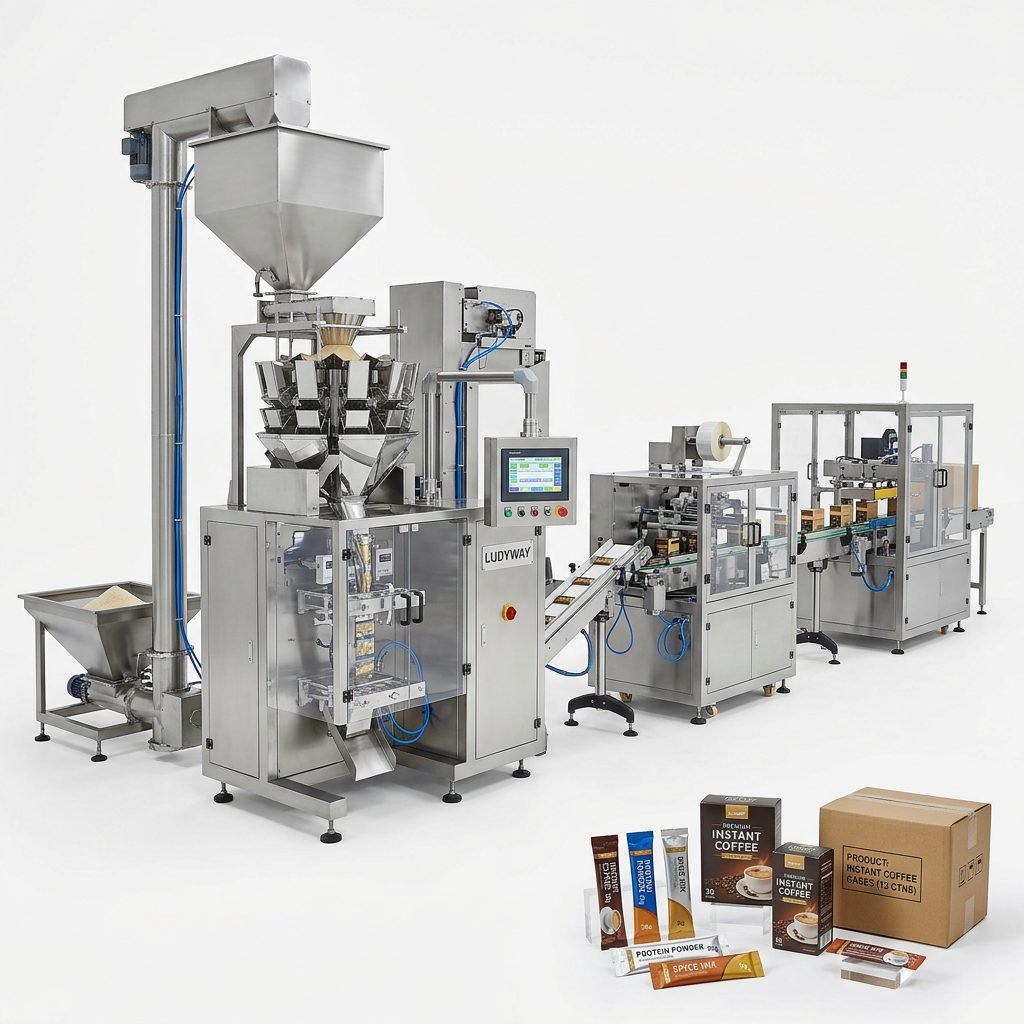
Core Machinery for a Tortilla Packaging Line
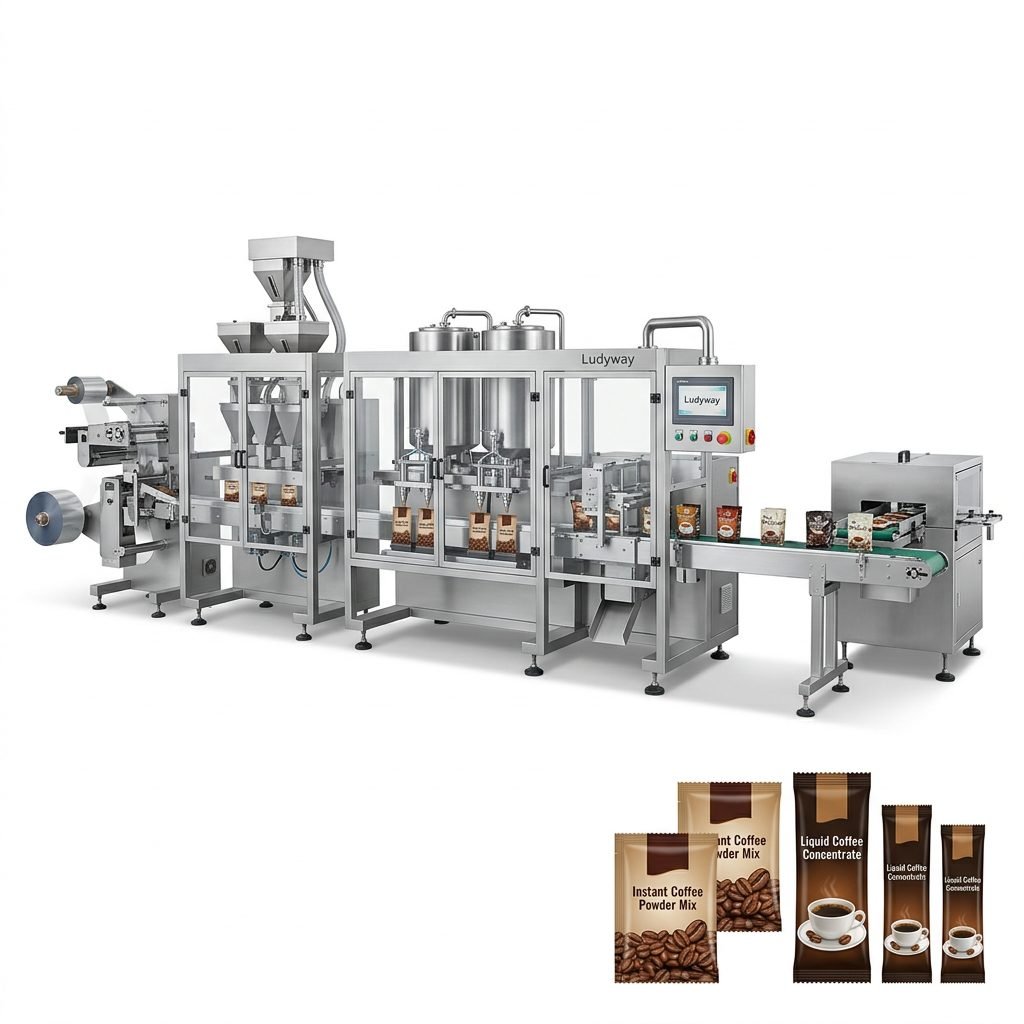
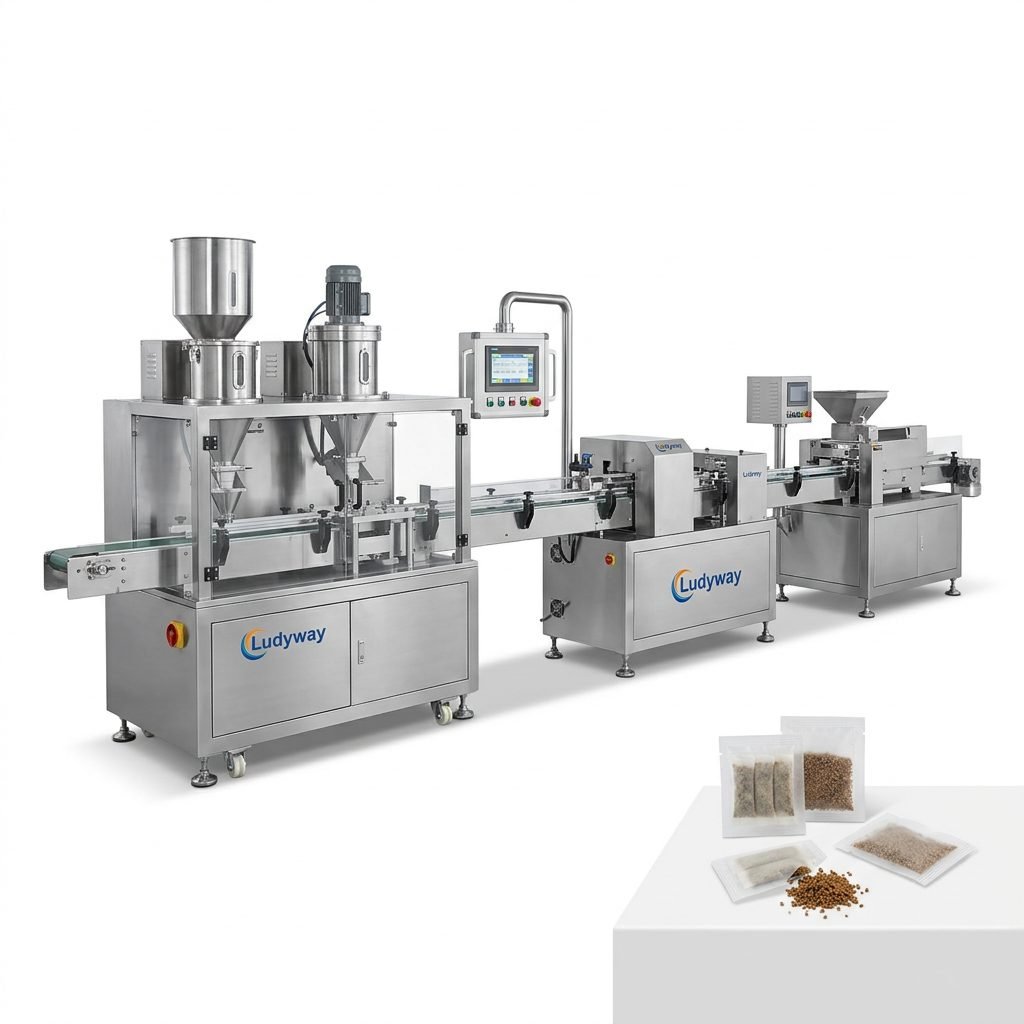
To design an efficient production line, you need a synchronized system that handles the tortillas gently while maintaining high-speed output. Depending on your product format (stacked tortillas, individually wrapped, or chips), the following machines are essential:
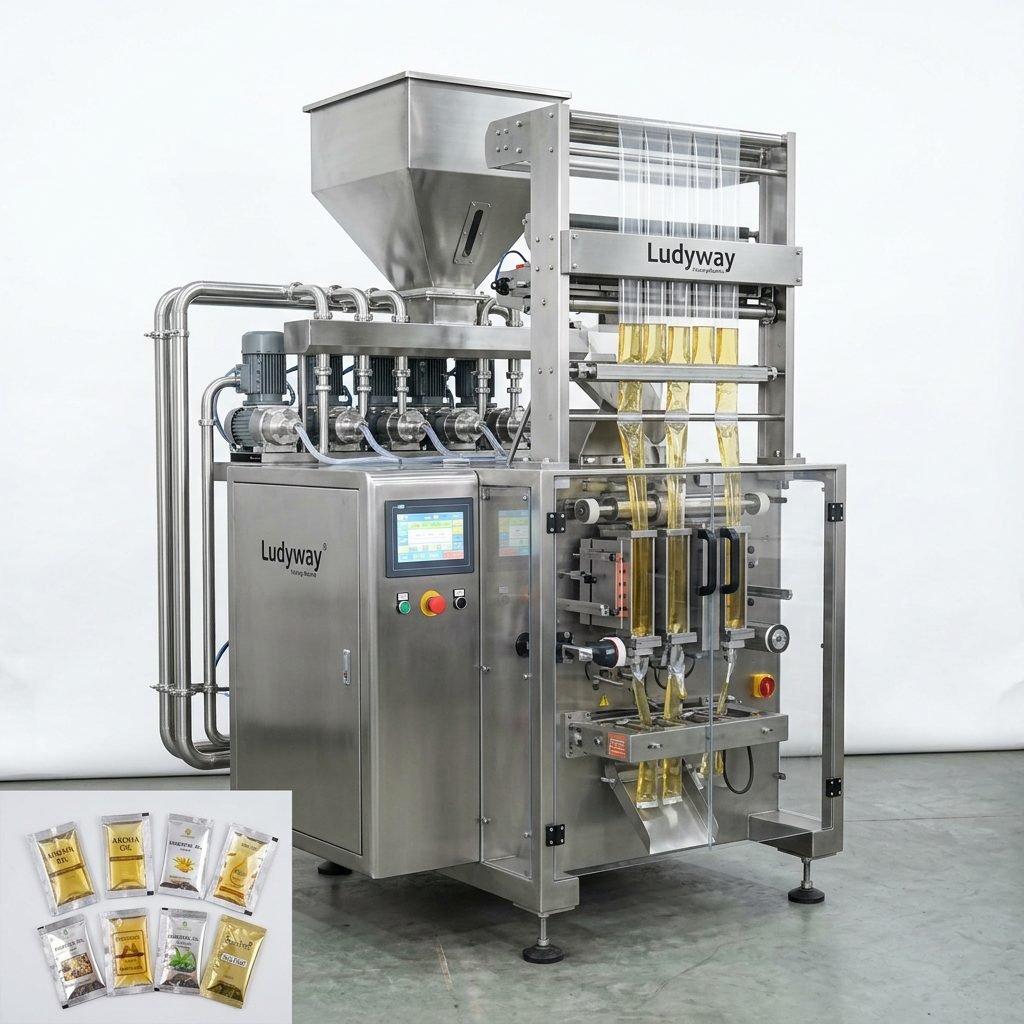
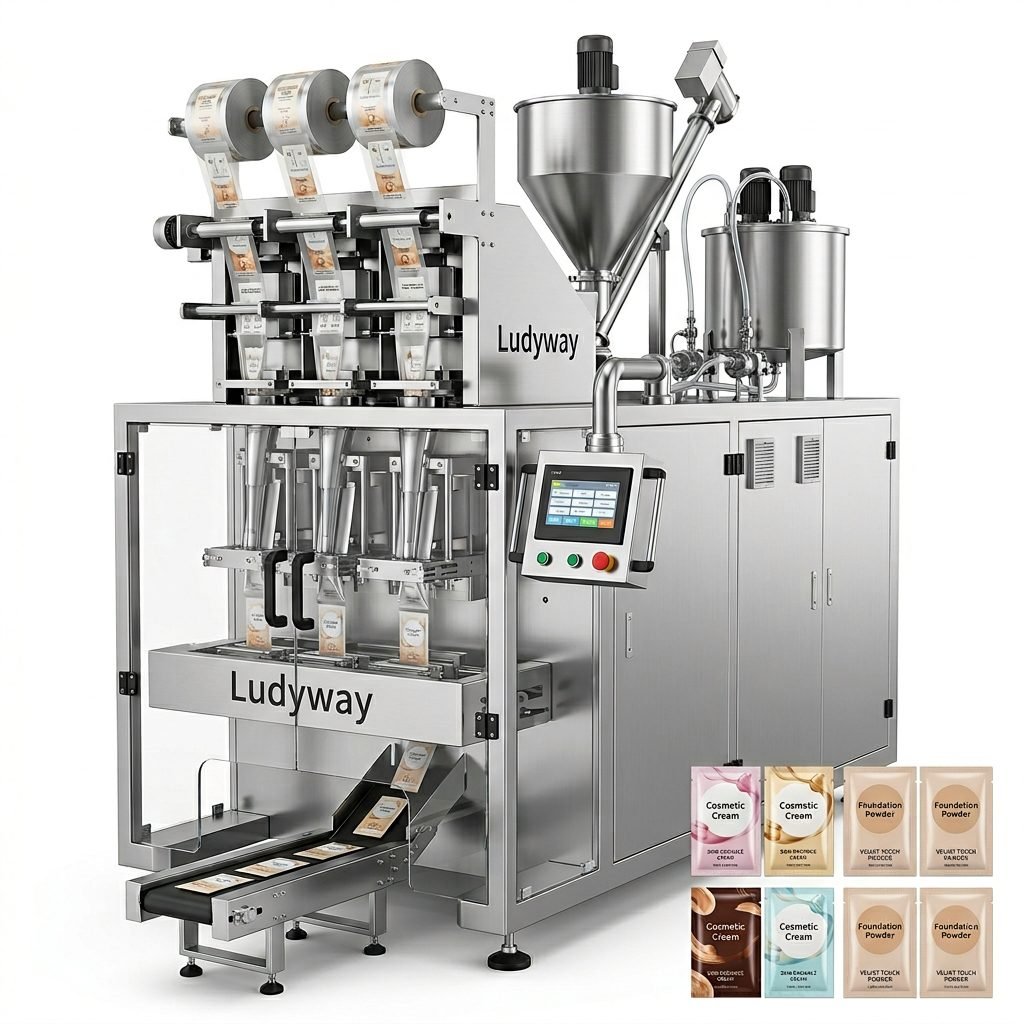
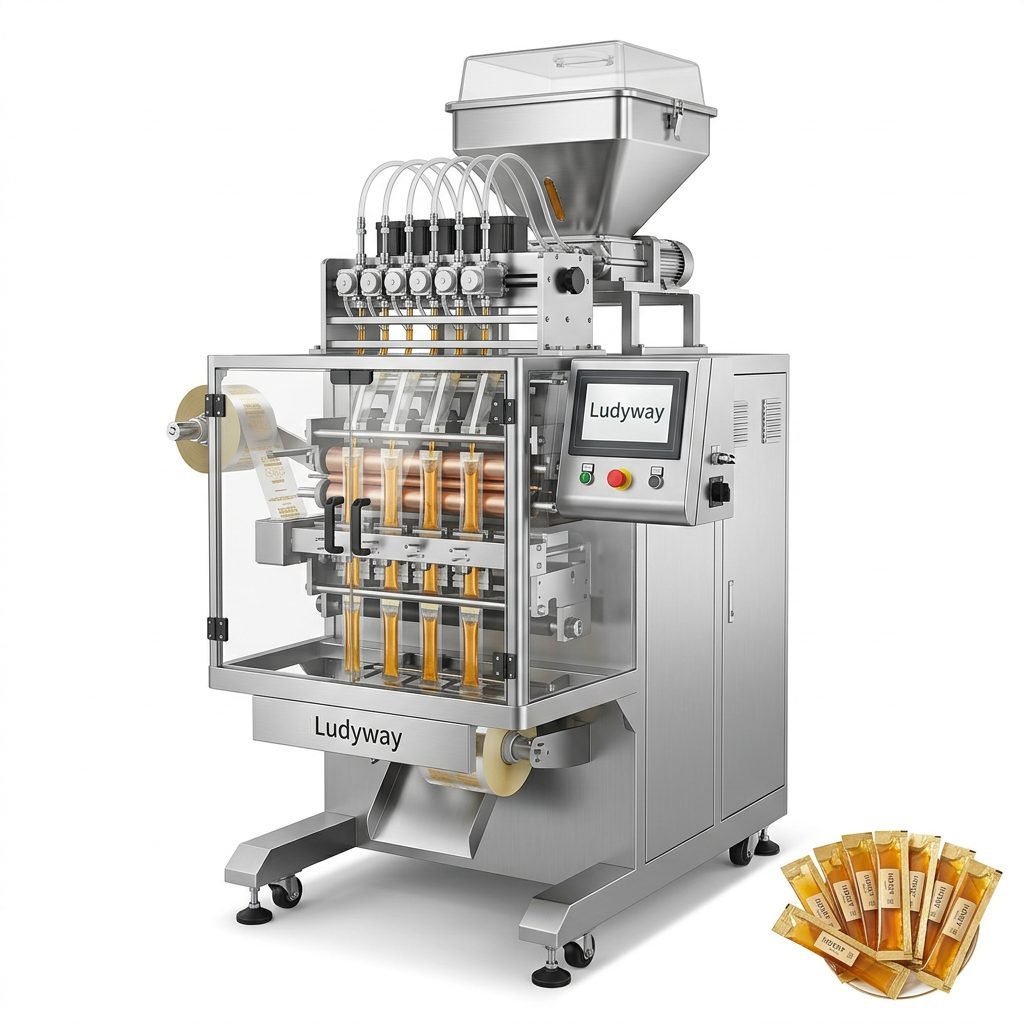
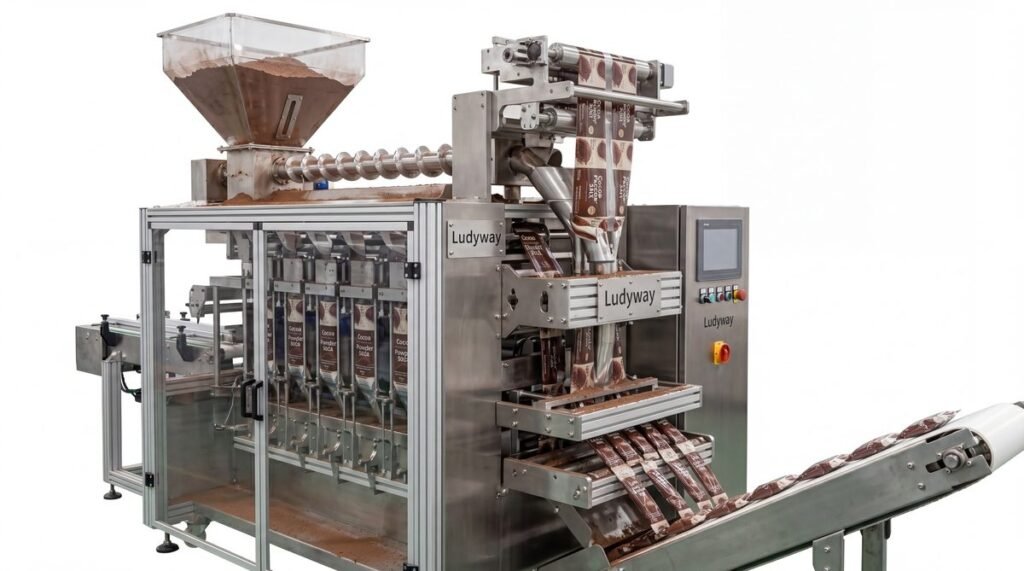
- Multi-Lane Stick Pack / Sachet Machine: Ideal for single-serving or snack-sized tortilla chips and seasoning pouches. These high-speed packaging systems can run multiple lanes simultaneously, maximizing output per square foot.
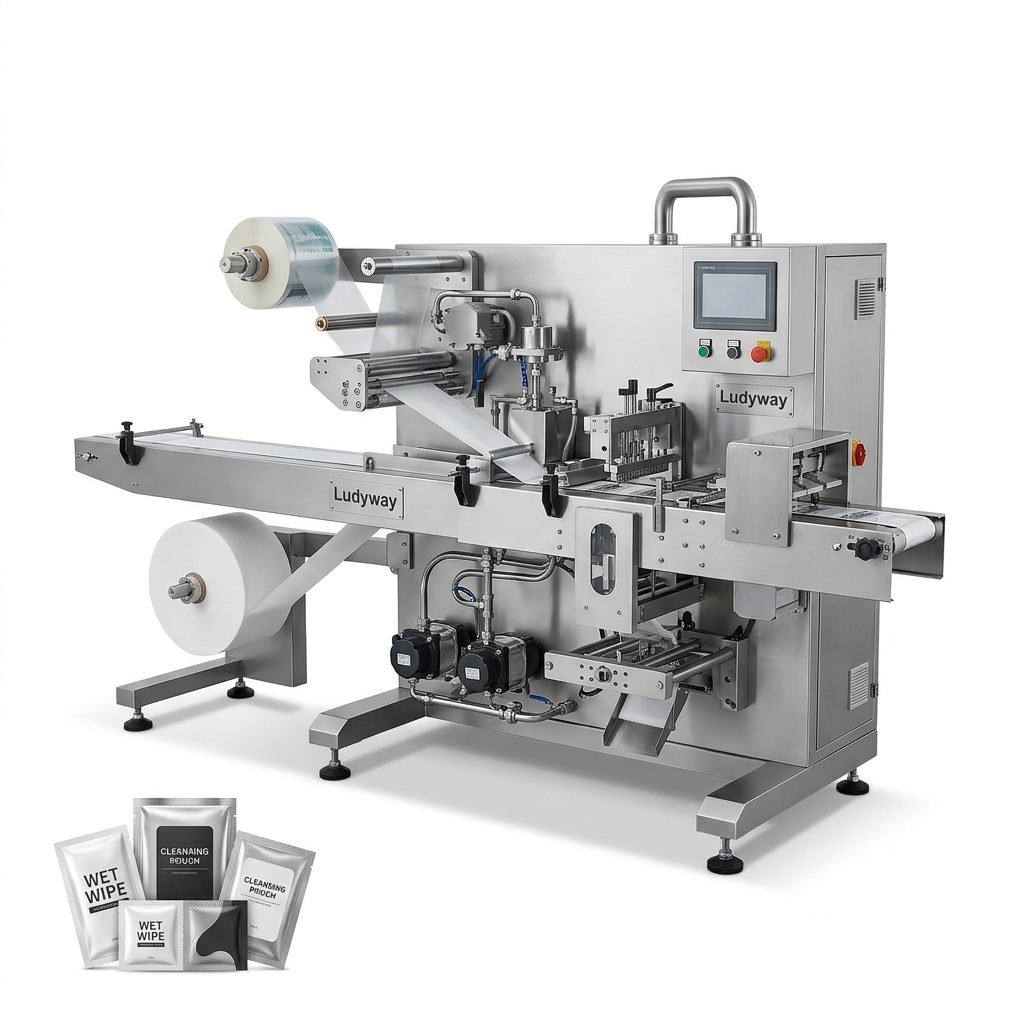
- Horizontal Flow Wrappers: Generally used for sealing standard-sized soft flour or corn tortillas in modified atmosphere packaging (MAP) to preserve freshness.
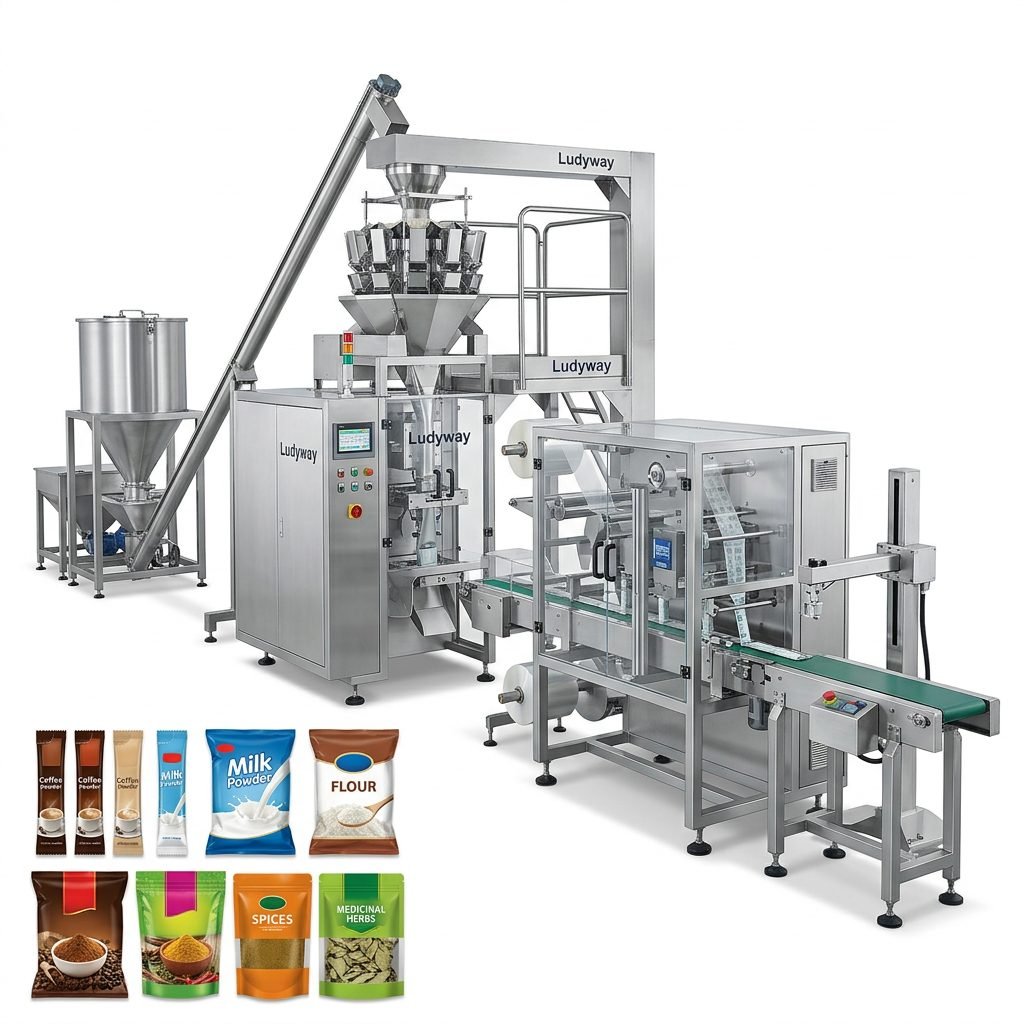
- Automatic Weighing and Feeding Systems: Multi-head weighers and inclined conveyors ensure consistent weight accuracy, reducing product give-away.
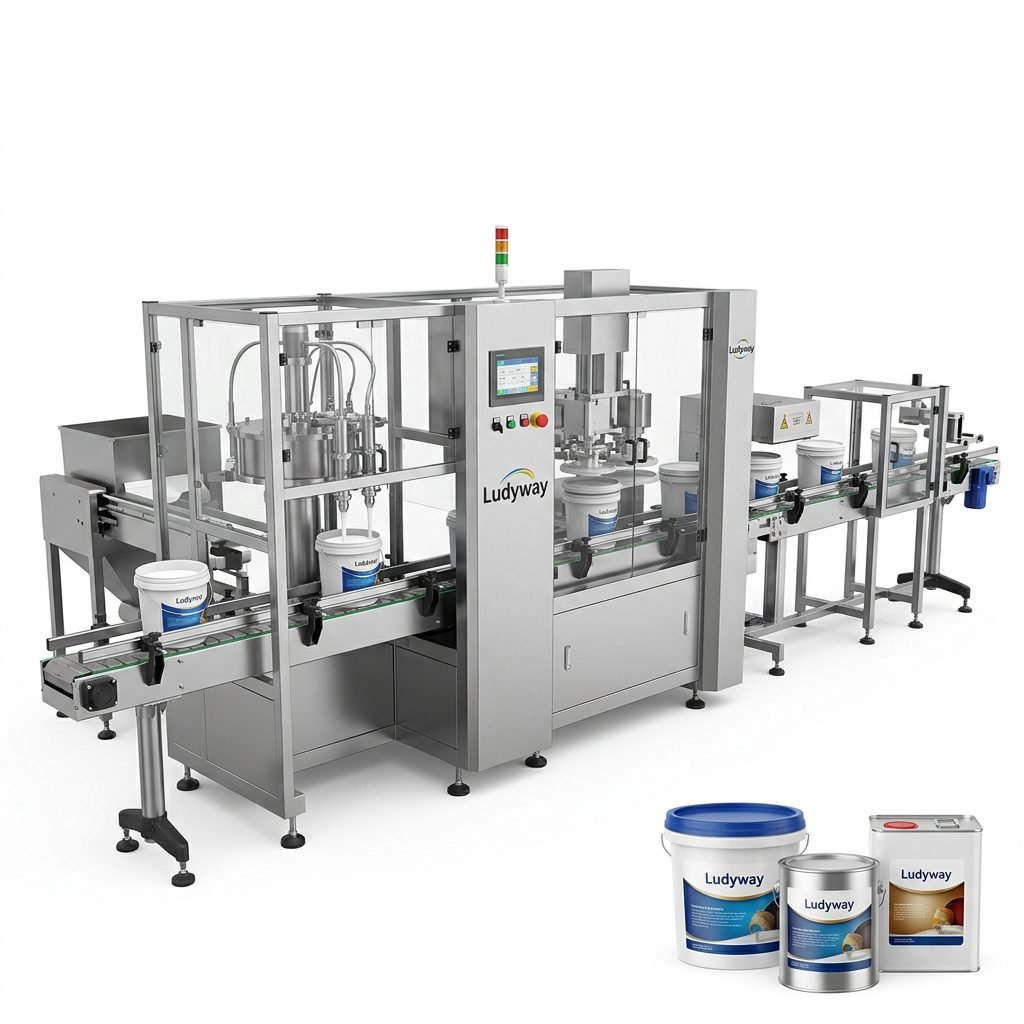
- End-of-Line Equipment: Automatic case packers, cartoners, and robotic palletizing systems are crucial for reducing labor costs and preparing pallets for retail distribution.
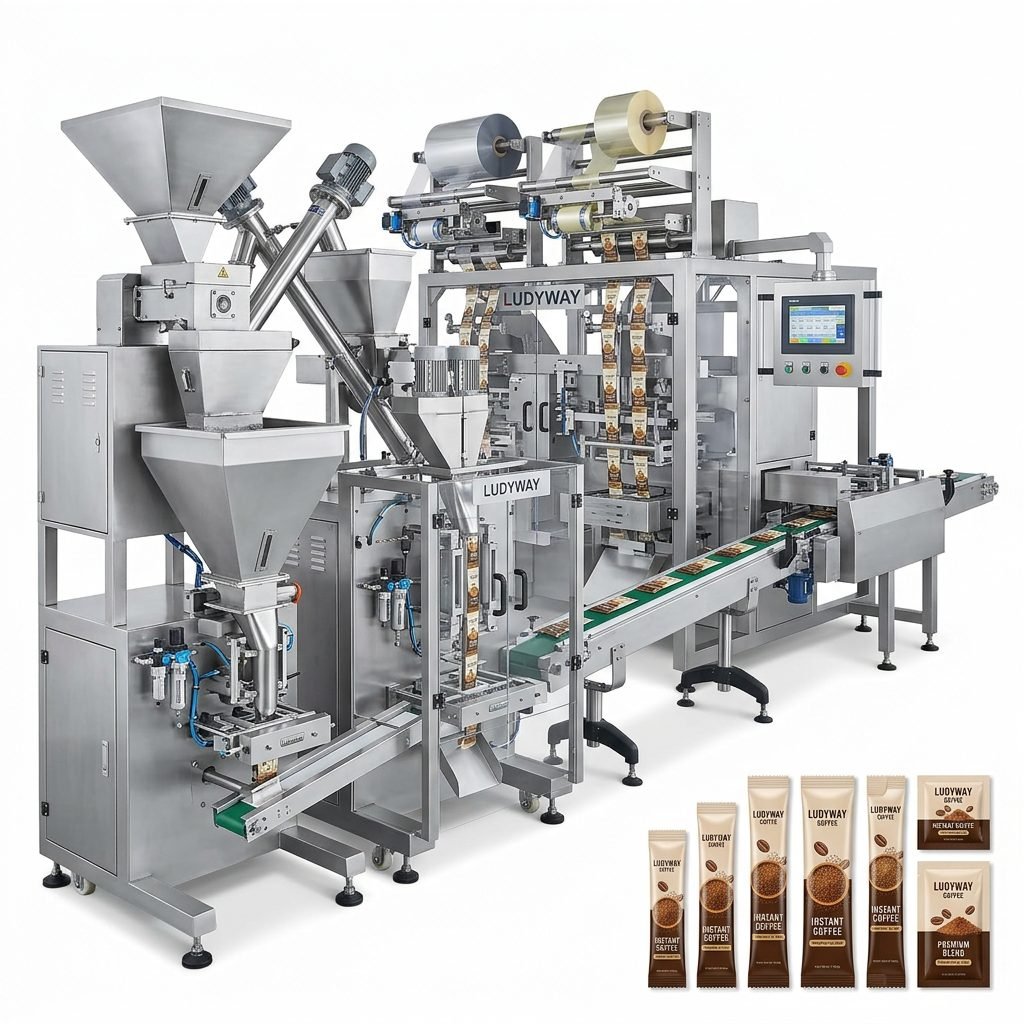
Estimated Costs: Breaking Down the Investment
Calculating the total cost of a tortilla packaging line can vary significantly based on automation levels and output speed. Below is a general budget breakdown for the North American market, factoring in standard machinery and compliance upgrades.
| Cost Component | Specifications | Estimated Range (USD) |
|---|---|---|
| Primary Packaging Machine | Multi-lane VFFS / Horizontal Flow Wrap | $80,000 – $250,000 |
| Weighing & Feeding System | 14-Head Weigher & Inclined Conveyor | $25,000 – $60,000 |
| Quality Control Equipment | Checkweigher & Metal Detector | $15,000 – $35,000 |
| End-of-Line Solutions | Case Packer / Palletizer | $50,000 – $120,000 |
| Installation & Training | Freight, Setup, Operator Training | $20,000 – $50,000 |
Note: Costs increase significantly for fully automated turnkey lines with robotic integration, but they offer a faster return on investment (ROI) due to reduced labor and waste.
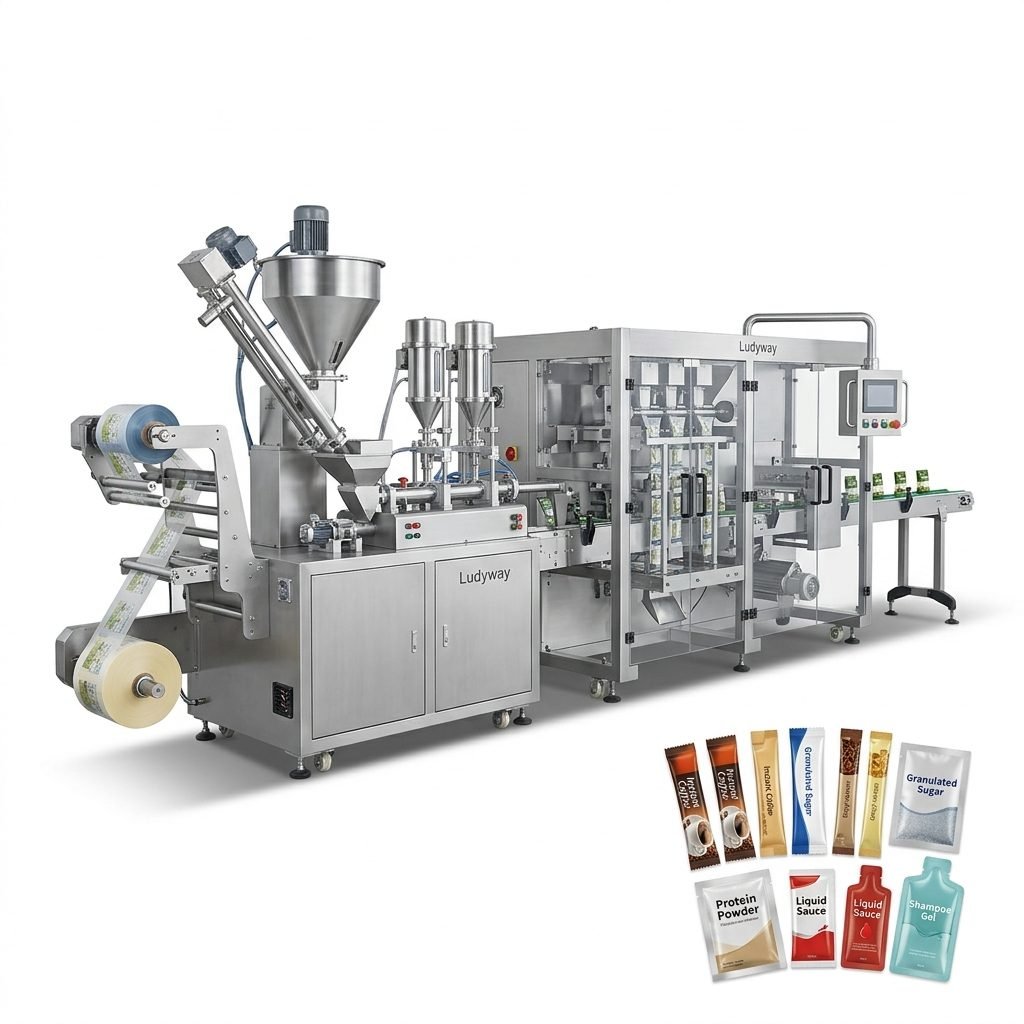
Key Regulatory Requirements in North America
When importing or building a packaging line in the U.S. or Canada, compliance is non-negotiable. You must ensure your machinery meets strict safety and hygiene standards to avoid fines and shutdowns.
- FDA & GFSI Compliance: All food contact materials must be FDA-approved. The facility layout should support HACCP and GMP standards to prevent contamination.
- UL & CSA Electrical Certification: All electrical components and control panels must carry UL (Underwriters Laboratories) or CSA (Canadian Standards Association) certification for fire and electrical safety.
- OSHA Machine Safety: The line must include proper guarding, emergency stops, and lockout/tagout (LOTO) procedures in line with PMMI and ANSI/PMMI B155.1 standards.
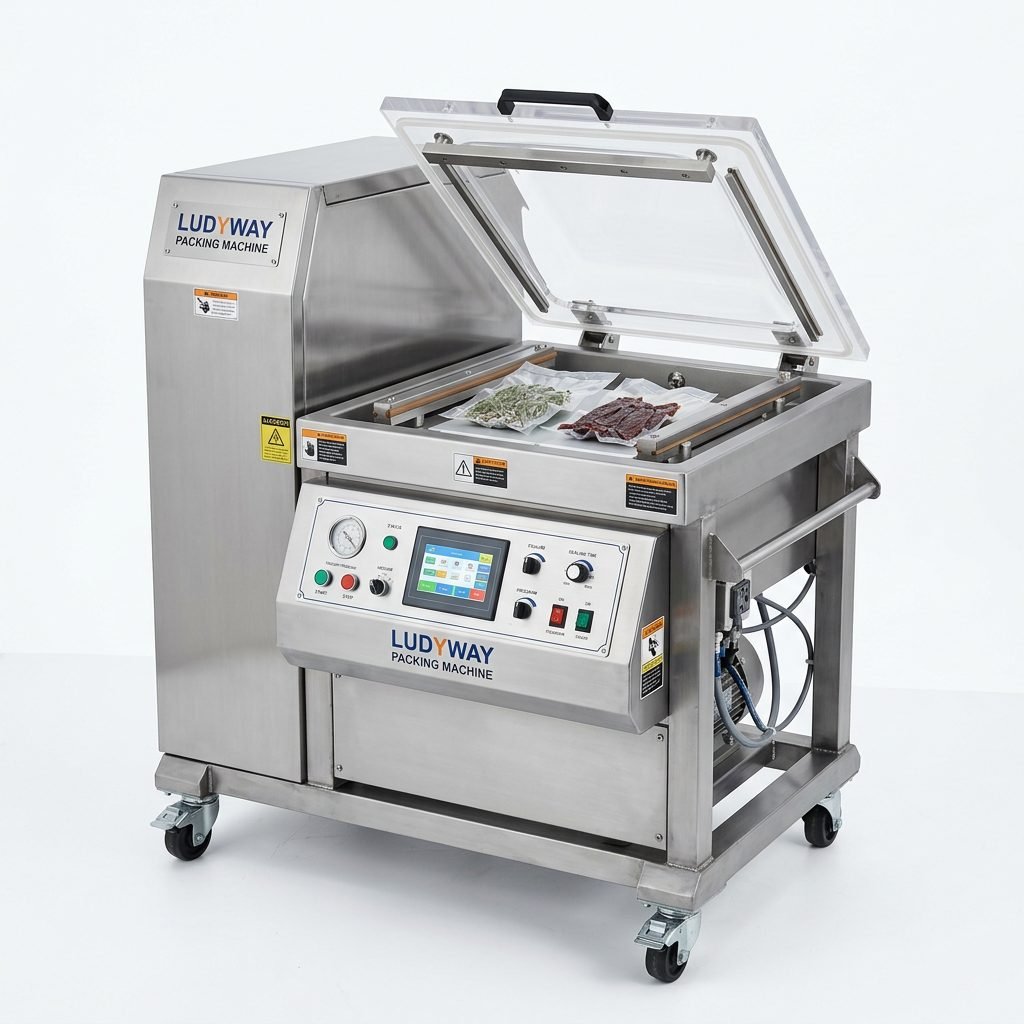
- Washdown Requirements: For easy sanitation, many tortilla facilities require IP65 or IP67-rated stainless steel machines capable of withstanding high-pressure washdowns.
Choosing the Right Turnkey Solutions Provider
For North American operators, sourcing a complete turnkey tortilla packaging line from a single, experienced manufacturer simplifies installation and ensures compatibility. This is where Ludyway, one of the largest packaging machine manufacturers in Asia, excels. With over 30 years of industry expertise and a modern 20,000㎡ manufacturing facility, Ludyway provides custom-engineered, high-performance packaging solutions that meet international food safety and electrical standards. Their extensive range—from high-speed multi-lane stick pack machines to fully automated end-of-line systems—ensures you get a seamless, cost-effective production line. For detailed market insights, you can review the latest global growth trends in packaging machinery.
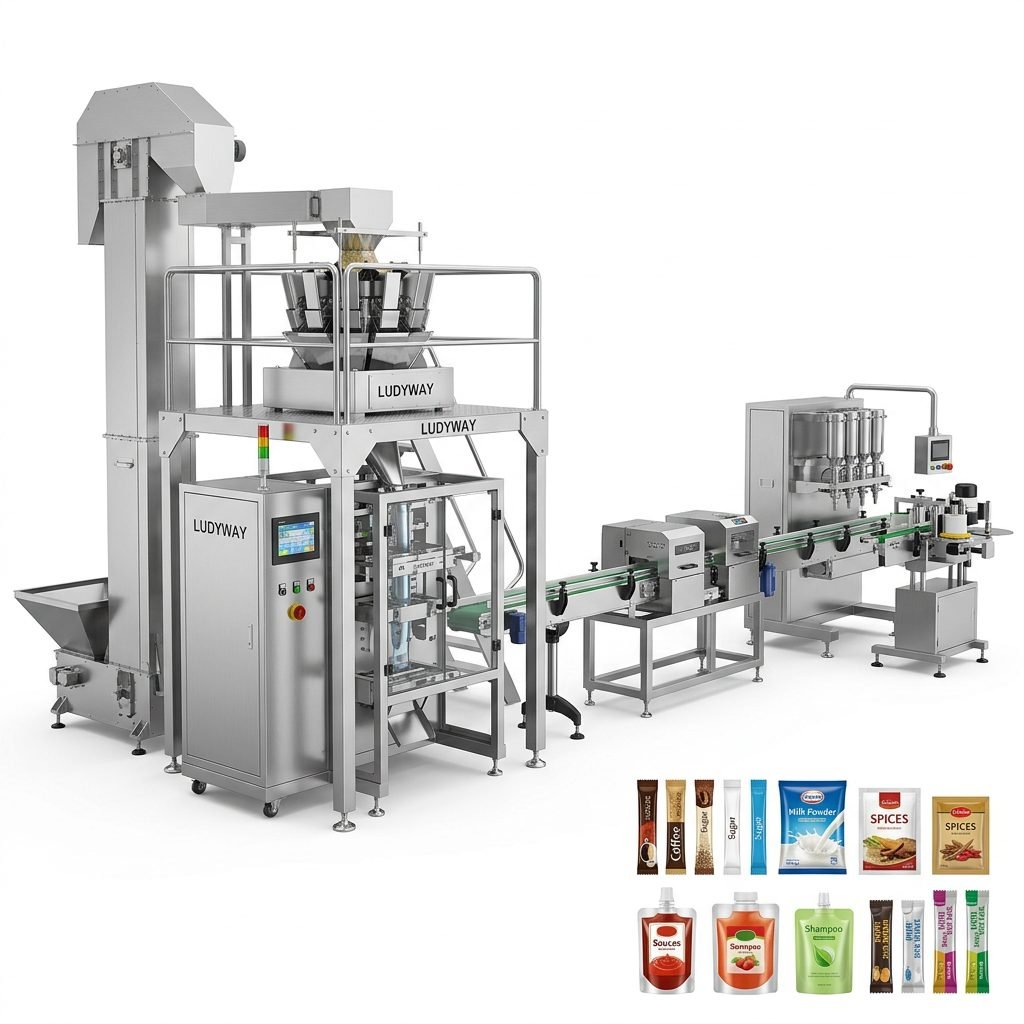
Optimizing Your Line for ROI and Efficiency
To maximize your bottom line, avoid common pitfalls such as overlooking spare parts availability and technical support. A reliable packaging line should feature servo-driven controls for precise film tracking, quick changeover parts for different tortilla sizes, and remote diagnostic capabilities. Implementing factory acceptance testing (FAT) and site acceptance testing (SAT) before final handover is critical for long-term success.
By aligning high-grade flexible packaging materials with robust machinery, you can confidently enter the competitive North American snack market with a product that stands out on the shelf.