Choosing the right bakery packaging machinery is a critical decision that impacts product quality, shelf life, operational efficiency, and brand perception. This comprehensive guide explores the various types of equipment available, their key features, and provides a structured approach to selecting the perfect machinery for your bakery’s unique needs.
Understanding the Role of Packaging Machinery in Modern Bakeries
In today’s competitive market, packaging is far more than just a container. It is the final, crucial touchpoint in the production process, serving to protect delicate baked goods, maintain freshness, and communicate brand values directly to the consumer on the shelf. Automated packaging machinery streamlines this final step, ensuring consistency, improving hygiene, and significantly increasing output while reducing labor costs and material waste.
Key Benefit: Investing in the right packaging system not only safeguards your product but also enhances operational scalability, allowing your bakery to grow without being bottlenecked by manual packing limitations.
Primary Types of Bakery Packaging Machinery
The bakery sector utilizes a diverse range of packaging technologies, each suited to different product types, volumes, and packaging formats. Understanding these categories is the first step toward making an informed choice.
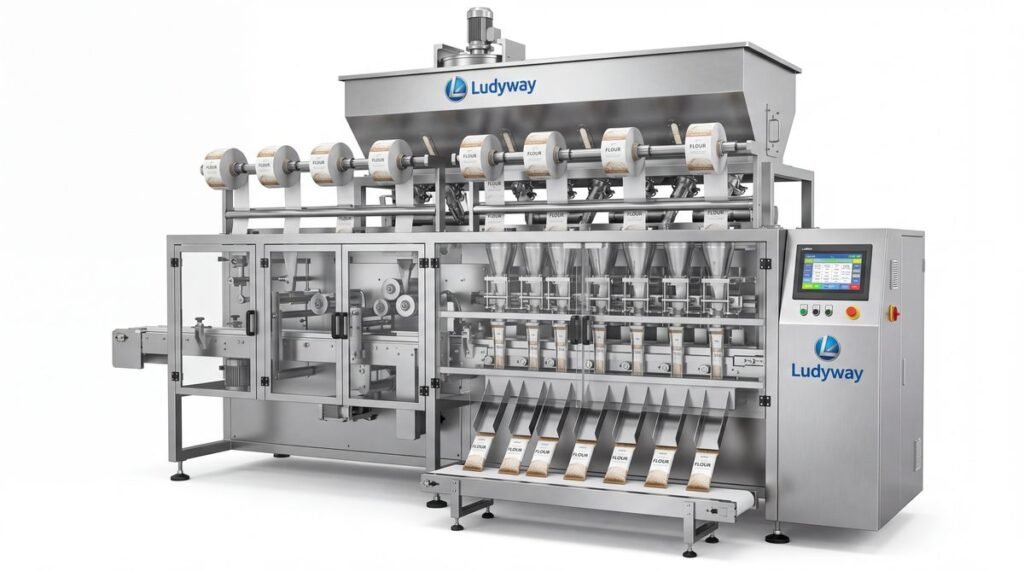
1. Flow Wrappers (Horizontal Form-Fill-Seal)
These are among the most versatile and common machines in bakeries. They form a tube from a roll of flexible film, fill it with the product, and then seal it longitudinally and transversely. Ideal for individual wrapping of items like bread rolls, muffins, cookies, and snack bars. They offer high speeds and excellent seal integrity.
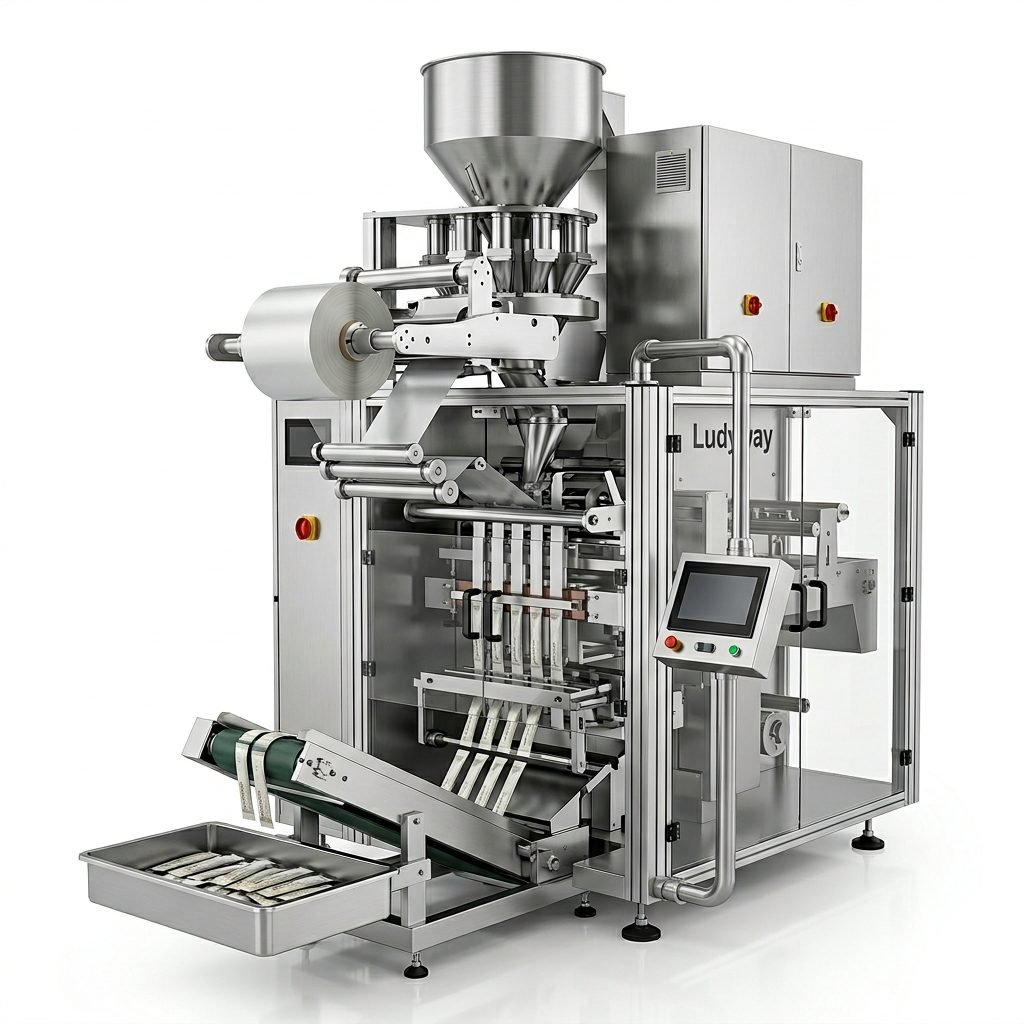
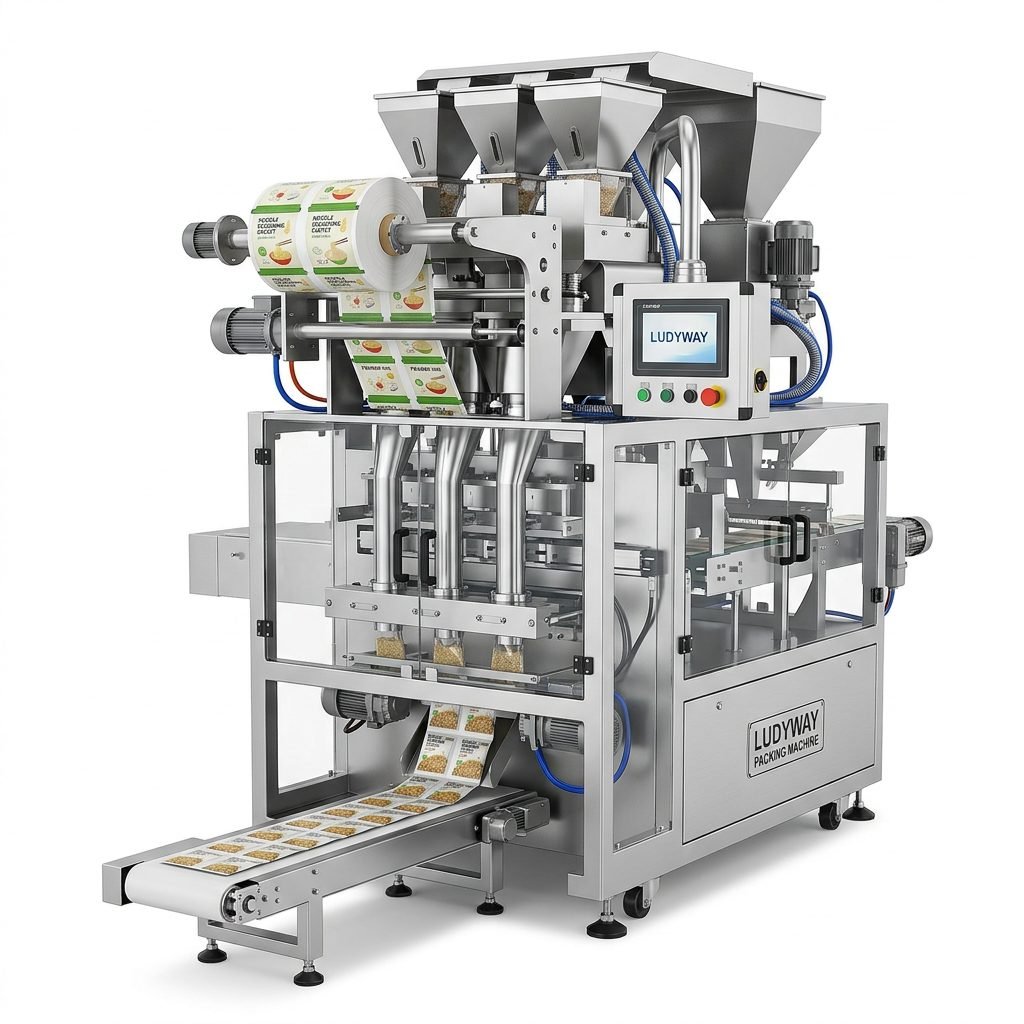
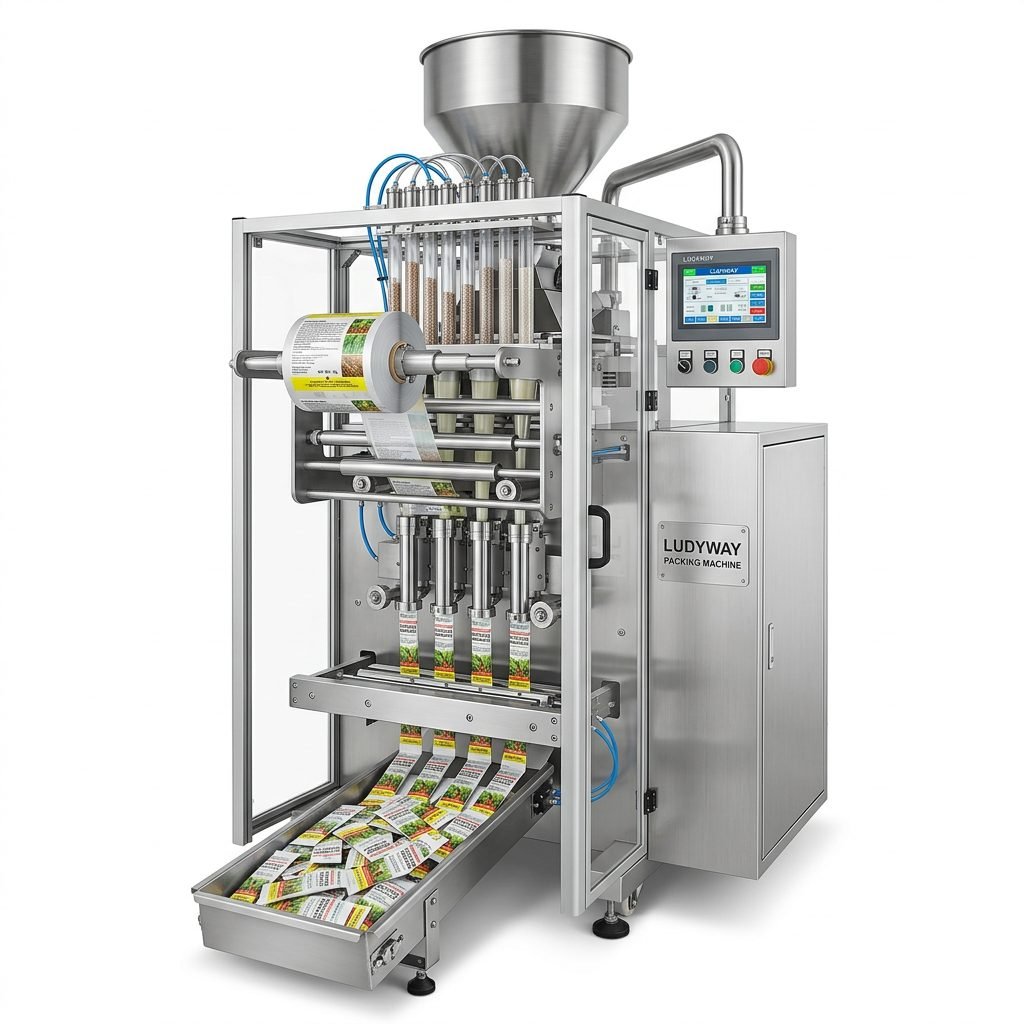
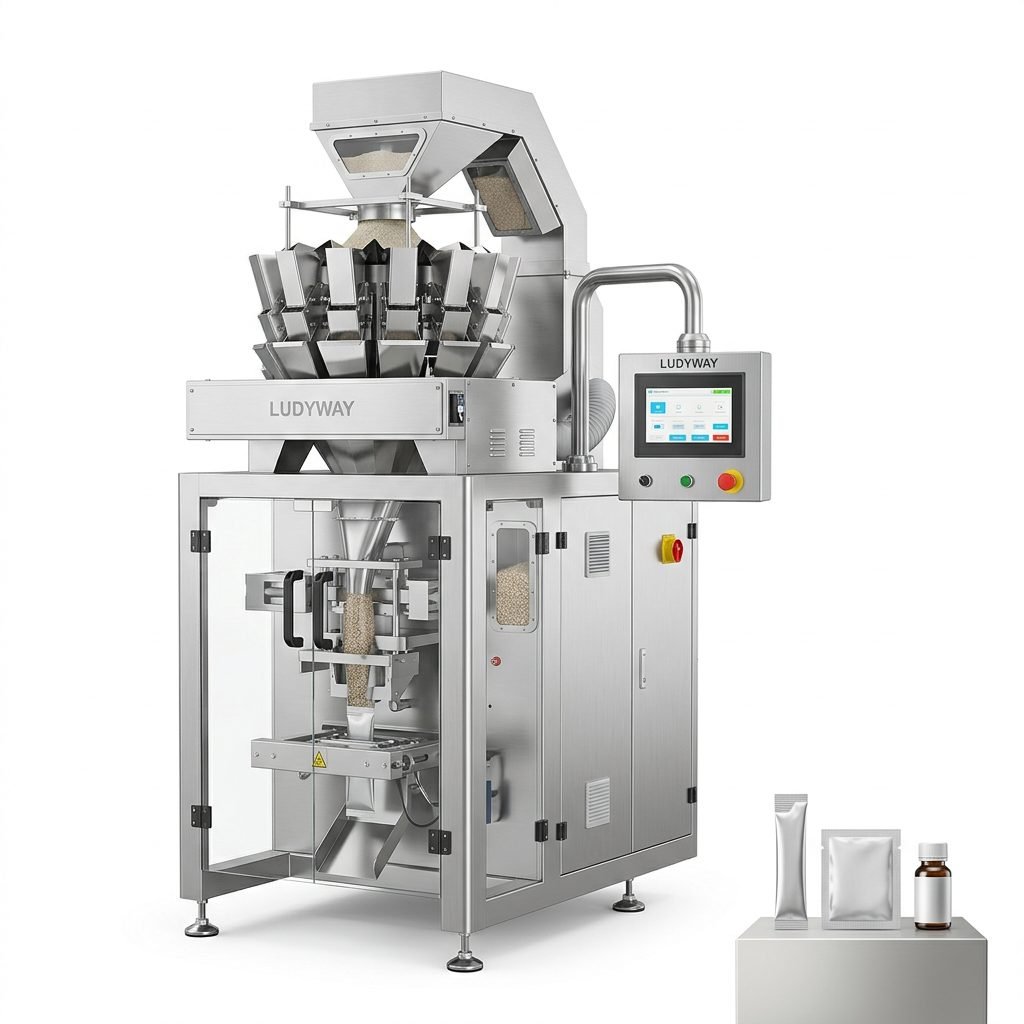
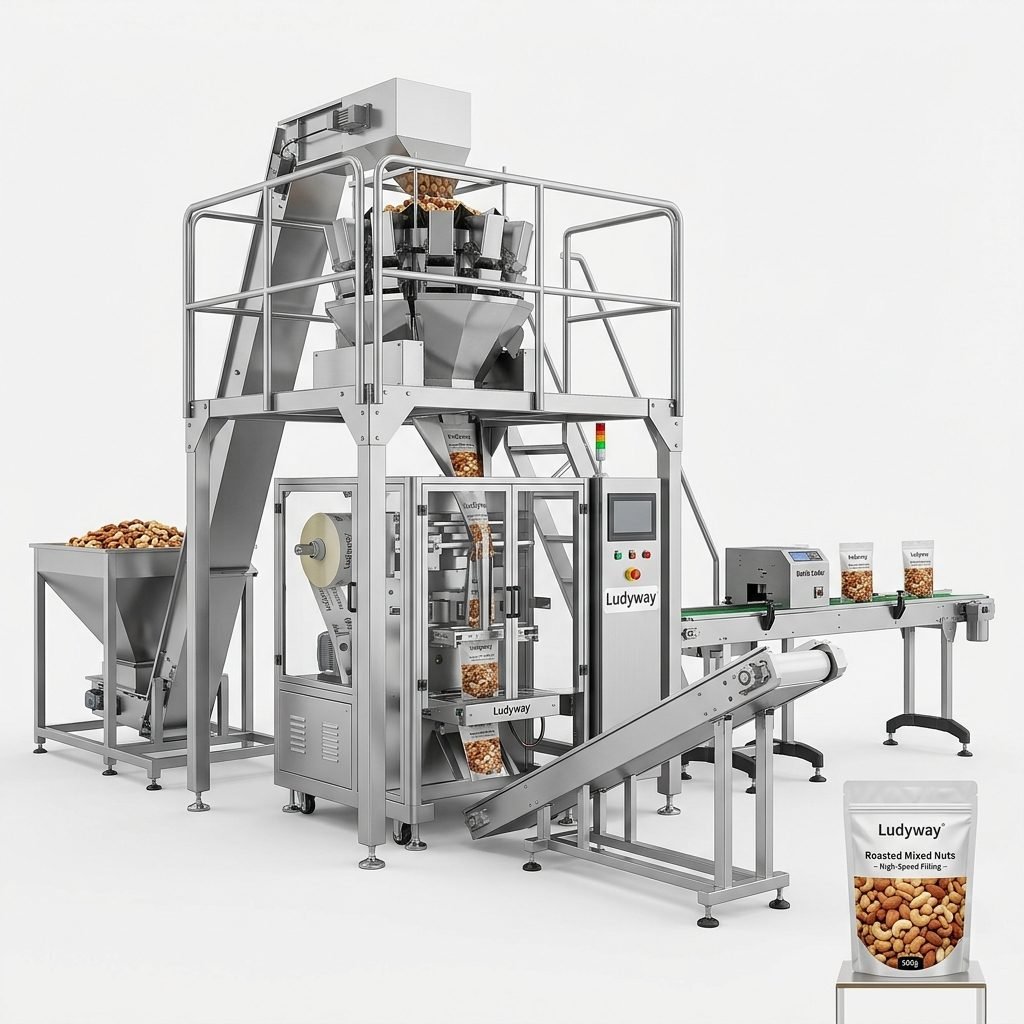
2. Vertical Form-Fill-Seal (VFFS) Machines
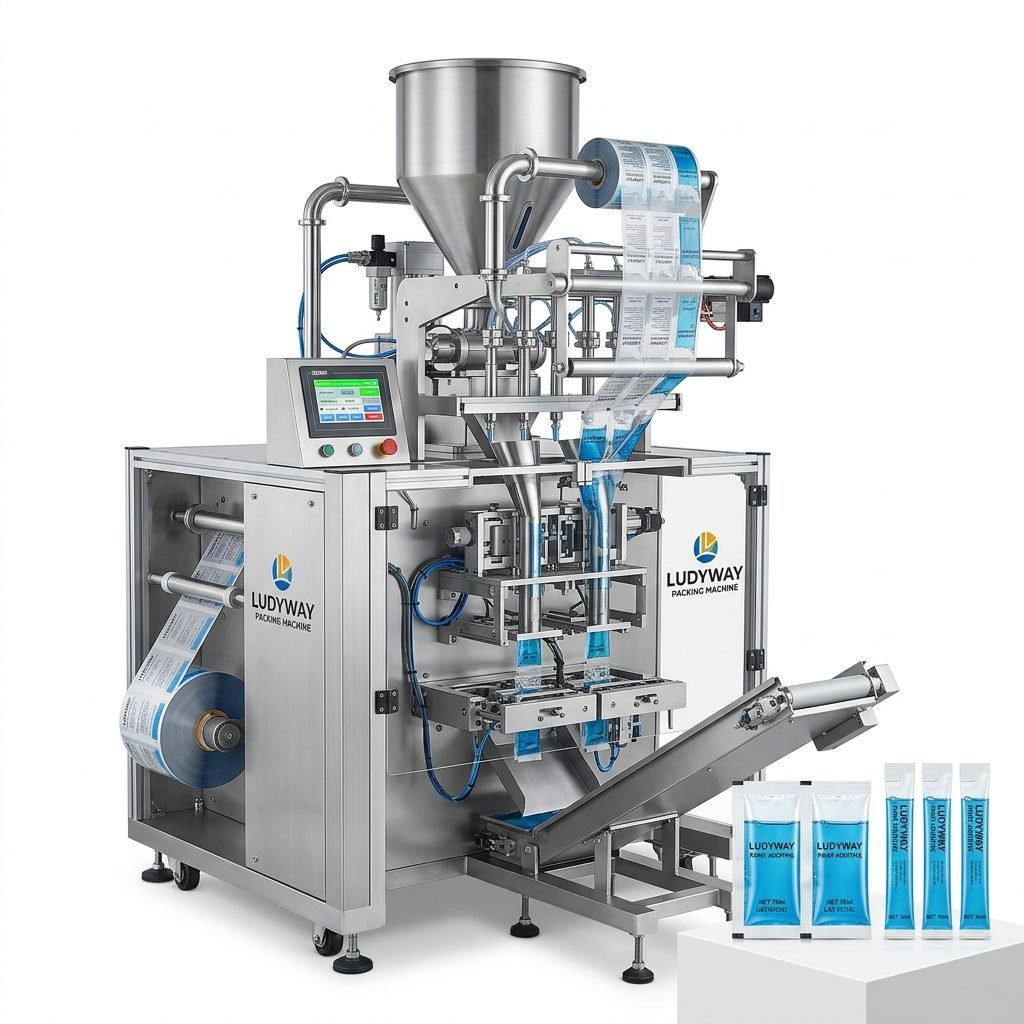
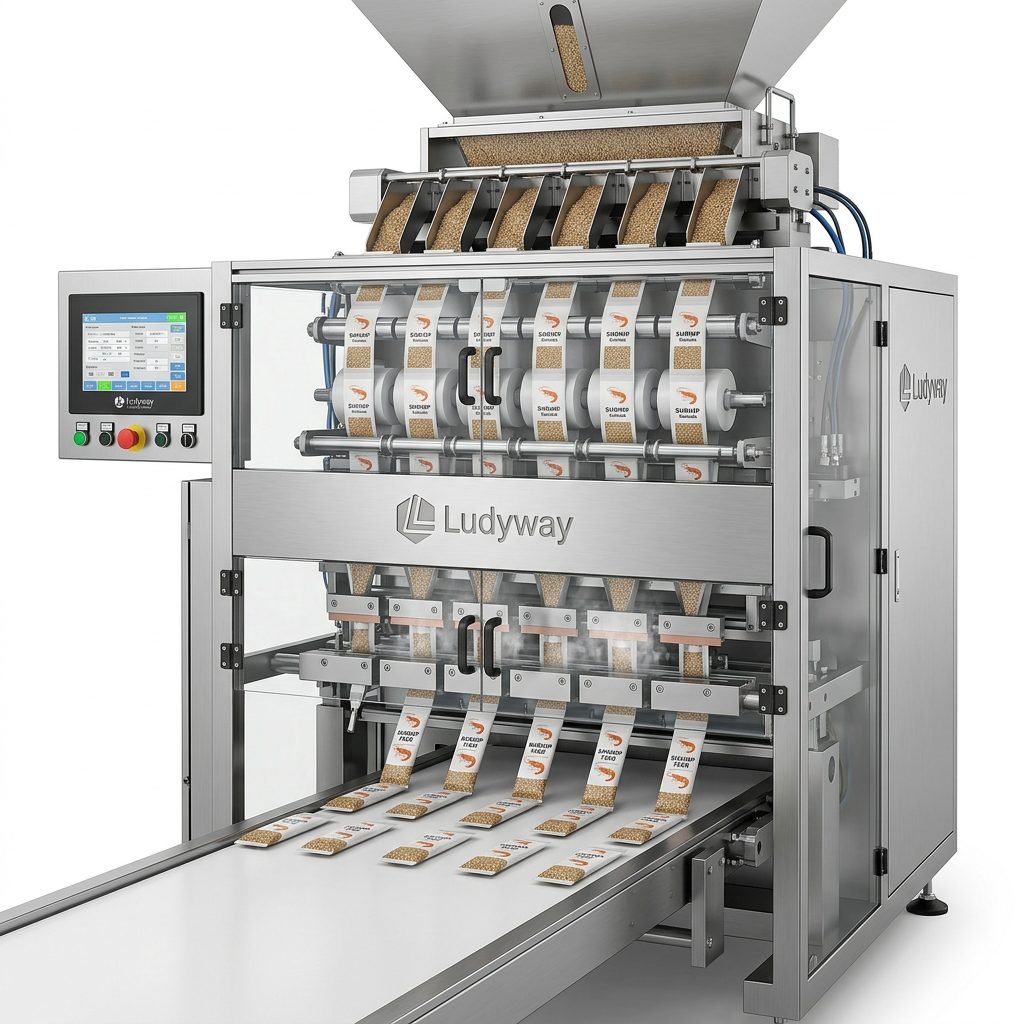
VFFS machines are the go-to solution for packaging free-flowing or semi-rigid products into bags or pouches. They form the bag from a roll of film in a vertical orientation, fill it via a weigh scale or volumetric cup, and then seal it. Perfect for packaging items like croutons, breadcrumbs, certain cookies, or granola in stand-up or flat pouches.
3. Tray Sealers & Thermoformers
For premium presentation and superior protection, tray sealers are essential. They place products into pre-formed trays or use a thermoforming process to create a cavity from a bottom film, fill it, and then seal a lidding film on top. This method is ideal for delicate pastries, cakes, cupcakes, and gourmet items requiring a rigid, see-through package that resists crushing.
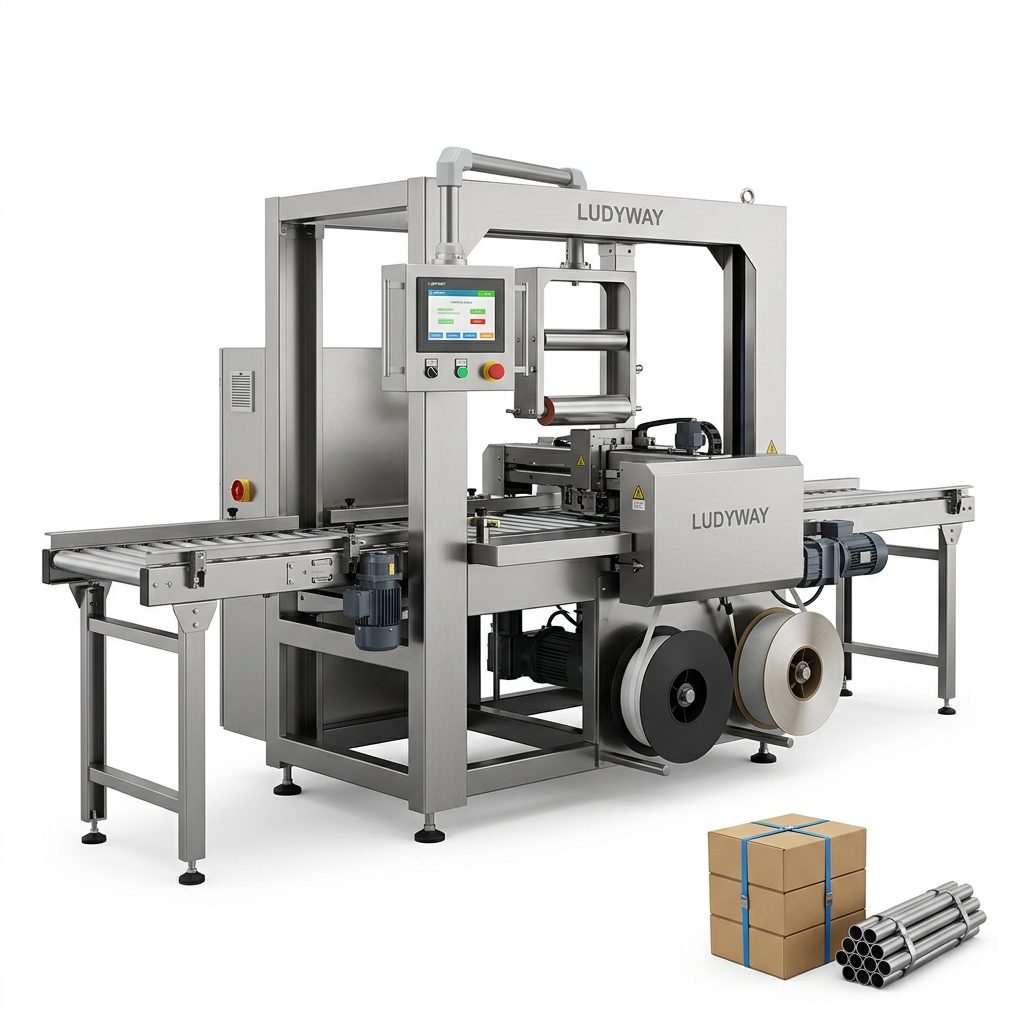
4. Bundling and Multi-Packing Equipment
This category includes machines that group multiple individual items into a single saleable unit. For example, bundling six bagels together with a shrink film or placing several snack cakes into a carton. This is crucial for creating promotional packs and retail-ready bundles.
5. Labeling and Coding Systems
While not always a standalone “packaging” machine, integrated labeling, ink-jet coding, or laser marking systems are vital. They ensure every package has the correct product information, barcode, batch code, and expiry date, which is a non-negotiable requirement for food safety and retail compliance.
Critical Features to Evaluate in Packaging Equipment
Beyond the machine type, several core features determine performance, reliability, and suitability for your production environment.
⚙️ Flexibility & Changeover
How quickly and easily can the machine switch between different product sizes or packaging materials? Look for features like tool-less changeovers, digital size adjustments, and recipe memory to minimize downtime during production runs.
🛡️ Hygiene & Sanitation Design
Food-grade stainless steel contact surfaces, smooth edges, easy-access panels for cleaning, and protection against dust and moisture ingress are mandatory. This ensures compliance with food safety standards like HACCP and BRC.
📊 Control & Connectivity
Modern machines should feature user-friendly PLC or touch-screen interfaces with clear diagnostics. Connectivity for Industry 4.0, such as data export for OEE (Overall Equipment Effectiveness) tracking and remote monitoring support, is a significant advantage for proactive maintenance.
💨 Speed & Efficiency
Rated speed (packages per minute) must match your output targets. Also, consider efficiency factors like film waste, power consumption, and the machine’s footprint relative to your available floor space.
How to Choose the Right Bakery Packaging Equipment: A Step-by-Step Guide
Selecting machinery is a strategic investment. Follow this framework to align your choice with both current and future business goals.
Step 1: Analyze Your Product Portfolio
Start with a detailed analysis of what you need to package. Consider product dimensions, weight, fragility (e.g., a croissant vs. a biscotti), oil content, and shelf-life requirements. Will you be packaging a single flagship product or a diverse range? Create a complete list with specifications.
Step 2: Define Your Packaging Format & Materials
The package is part of the product. Decide on the format: flexible pouch, flow wrap, sealed tray, or box. Choose materials (films, laminates, paper) that provide the necessary barrier properties (moisture, oxygen, light) and machinability. The machinery you select must be compatible with your chosen material rolls or pre-formed containers. For insights into advanced packaging solutions, exploring resources from industry leaders can be invaluable.
Step 3: Assess Your Production Volume & Growth Plans
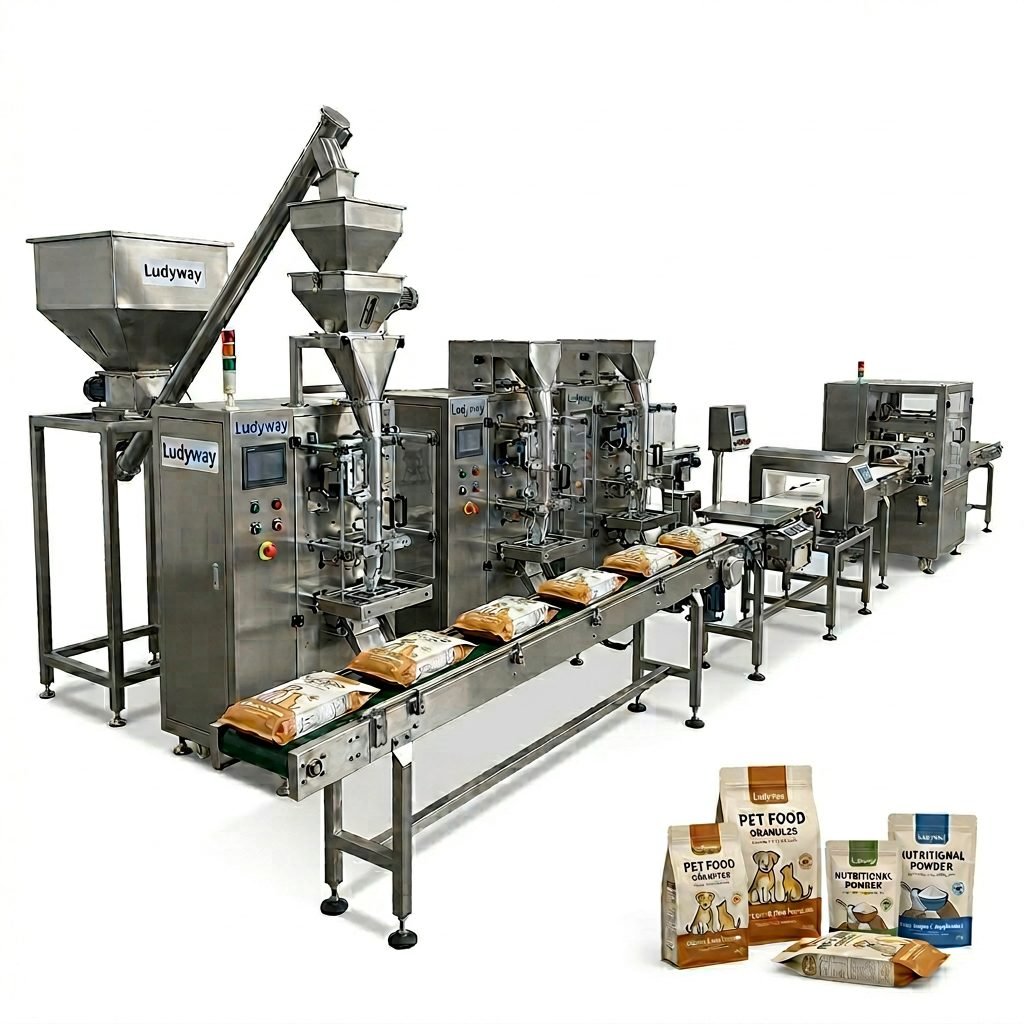
Be realistic about your current daily/weekly output and your projected growth for the next 3-5 years. Choose a machine that can comfortably handle your peak demand with some overhead. It’s often more cost-effective to invest in a slightly more capable machine than to outgrow a basic model too quickly. Understanding production line integration is key for scaling efficiently.
Step 4: Evaluate Your Operational Environment
Consider your factory’s constraints: available space, power supply (voltage, phases), compressed air availability, and the skill level of your operators. A highly complex machine may require specialized technicians, impacting long-term maintenance costs.
Step 5: Research and Compare Suppliers
Look for suppliers with proven experience in the bakery industry. Review their case studies and client testimonials. A reliable supplier like Ludyway Machinery, with deep industry expertise, offers more than just a machine; they provide a solution. Key factors to compare include:
• Build Quality & Warranty: Robust construction and comprehensive support terms.
• After-Sales Service: Availability of spare parts, technical support, and service engineers.
• Total Cost of Ownership: Look beyond the purchase price to include installation, training, maintenance, and energy costs.
Step 6: Request a Product Test
Never buy a packaging machine sight-unseen. Always send your actual products and packaging materials to the supplier for a live demonstration and test run. This is the only way to verify performance, seal quality, and gentle product handling.
Conclusion: Packaging as a Strategic Advantage
Selecting the optimal bakery packaging machinery is a multifaceted decision that balances technical specifications with business strategy. By thoroughly understanding your product needs, production goals, and partnering with a knowledgeable and reliable equipment provider, you can implement a packaging line that enhances product quality, boosts efficiency, and supports your brand’s growth in the marketplace. The right equipment turns packaging from a cost center into a value-adding, brand-building asset.
Frequently Asked Questions (FAQs)
Q1: What is the typical payback period for an automated bakery packaging machine?
Payback periods vary based on machine cost, labor savings, and increased output. For small to mid-sized bakeries, it typically ranges from 1 to 3 years. Savings come from reduced labor, lower material waste, and fewer product damages, leading to a strong return on investment.
Q2: Can one machine handle multiple, very different bakery products?
While many machines offer flexibility, extreme product differences (e.g., a fluffy cake and a hard breadstick) often require significant changeover parts or even separate machines. It’s best to choose a machine optimized for your primary product category and assess its flexibility for secondary items during a product test.
Q3: How important is after-sales service when purchasing packaging equipment?
It is critically important. Even the best machines require maintenance and occasional repairs. A supplier with a responsive, knowledgeable service team and readily available spare parts ensures minimal downtime, protecting your production schedule and profitability. Always prioritize suppliers with a strong service reputation.
Q4: What are the key food safety certifications to look for in packaging machinery?
Look for machines designed and constructed to meet international standards. Key aspects include the use of food-grade materials (e.g., FDA-compliant belts, stainless steel), hygienic design with easy-clean surfaces, and often certifications like CE (for Europe) or specific compliance statements for GMP (Good Manufacturing Practice) in food processing.
Q5: Are there packaging solutions suitable for small artisanal bakeries with lower volume?
Absolutely. The market offers semi-automatic and tabletop versions of flow wrappers, sealers, and labelers that are perfect for lower-volume production. These machines require more manual loading but provide automated sealing and cutting, offering a balance between automation affordability and improved packaging quality over fully manual methods. Exploring entry-level automation options is a great first step.