Choosing the right vertical packaging machine is a critical decision for any production line. The efficiency, reliability, and output quality of your packaging process hinge on this single piece of equipment. With numerous manufacturers in the market, identifying the top suppliers and understanding how to select the perfect partner for your needs can be daunting. This guide will walk you through the key players and the essential criteria for making an informed choice.
Understanding Vertical Packaging Machines
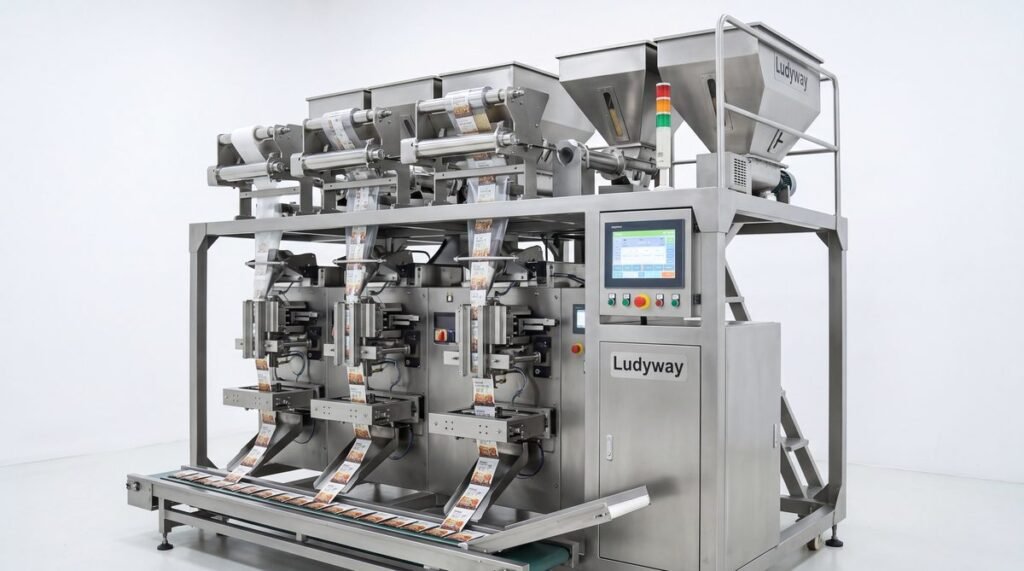
Vertical form-fill-seal (VFFS) machines are the workhorses of modern packaging. They form a bag from a roll of film, fill it with your product, and seal it—all in a continuous vertical motion. Their versatility makes them ideal for packaging a vast array of products, from food snacks and coffee to pharmaceutical powders and hardware components. The right machine boosts productivity, reduces film waste, and ensures consistent, attractive packages that protect your product and enhance your brand.
Key Industries That Rely on Vertical Packaging
Food & Beverage: The largest sector, packaging items like chips, nuts, candy, pasta, and tea.
Pharmaceutical & Nutraceutical: Requires high precision and hygiene for powders, granules, and tablets.
Chemical & Industrial: Packages fertilizers, seeds, small hardware, and other dry goods.
Cosmetics & Personal Care: Used for single-use sachets of shampoo, lotion, or sample products.
Top Vertical Packaging Machine Manufacturers
The global market features a mix of long-established giants and innovative specialists. Here’s an overview of notable manufacturers known for their quality and technological expertise.
Global Industry Leaders
These companies have a worldwide presence and are often associated with high-speed, heavy-duty solutions for large-scale production. They set industry standards for durability and innovation but may come with a higher initial investment.
Specialized and Regional Experts
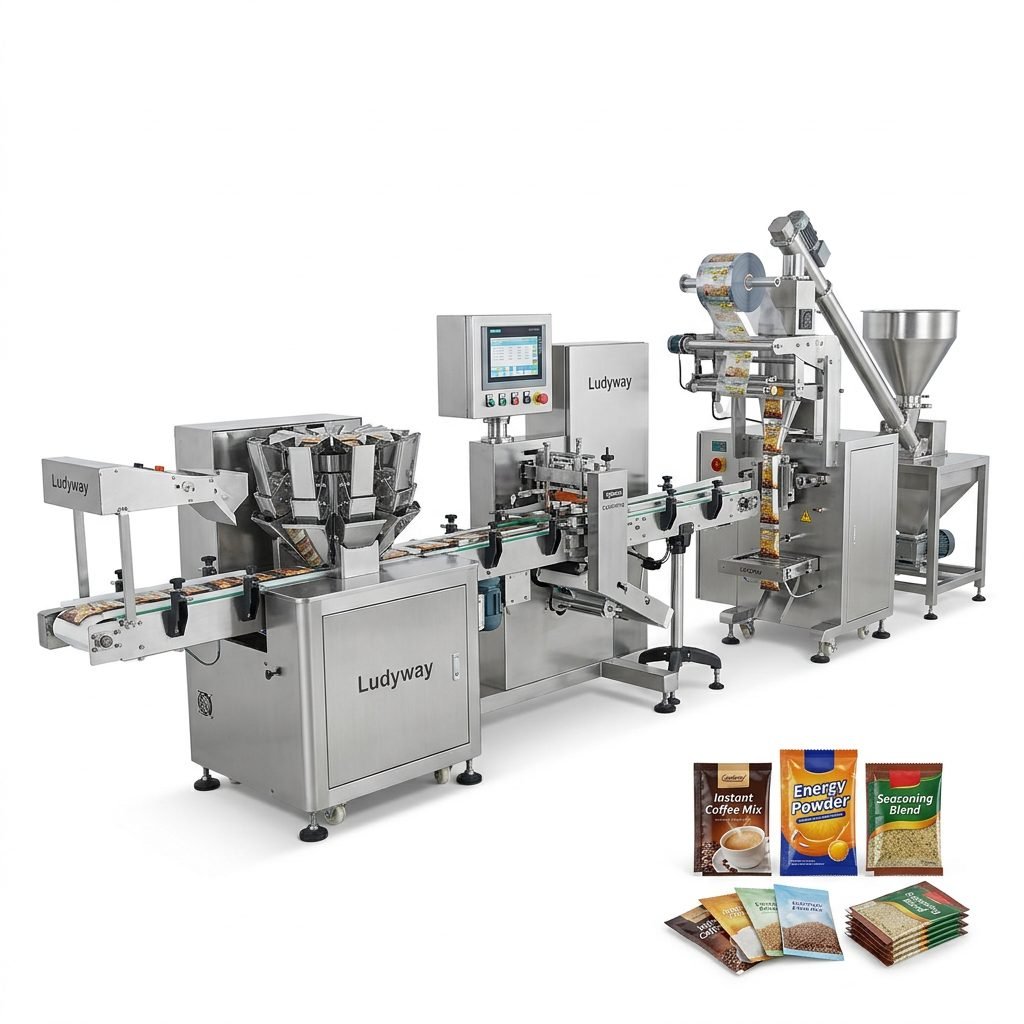
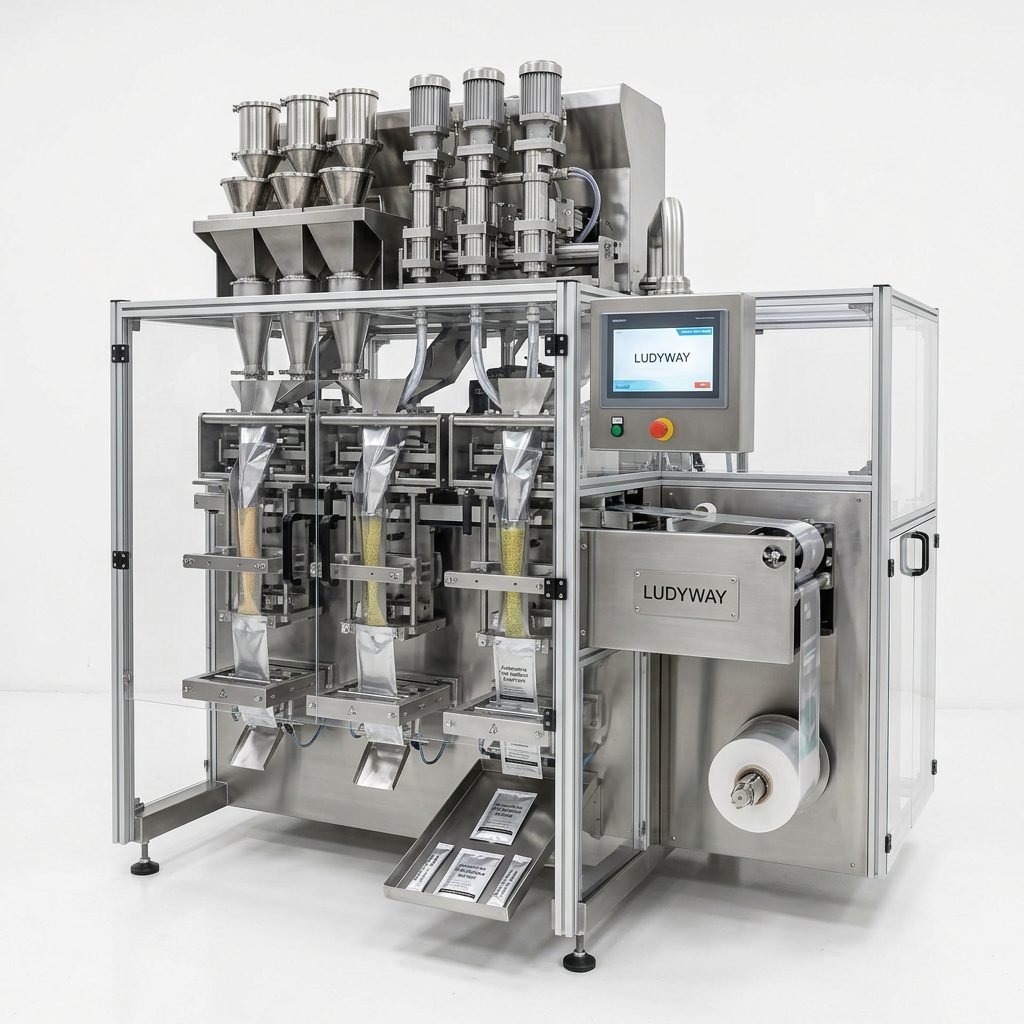
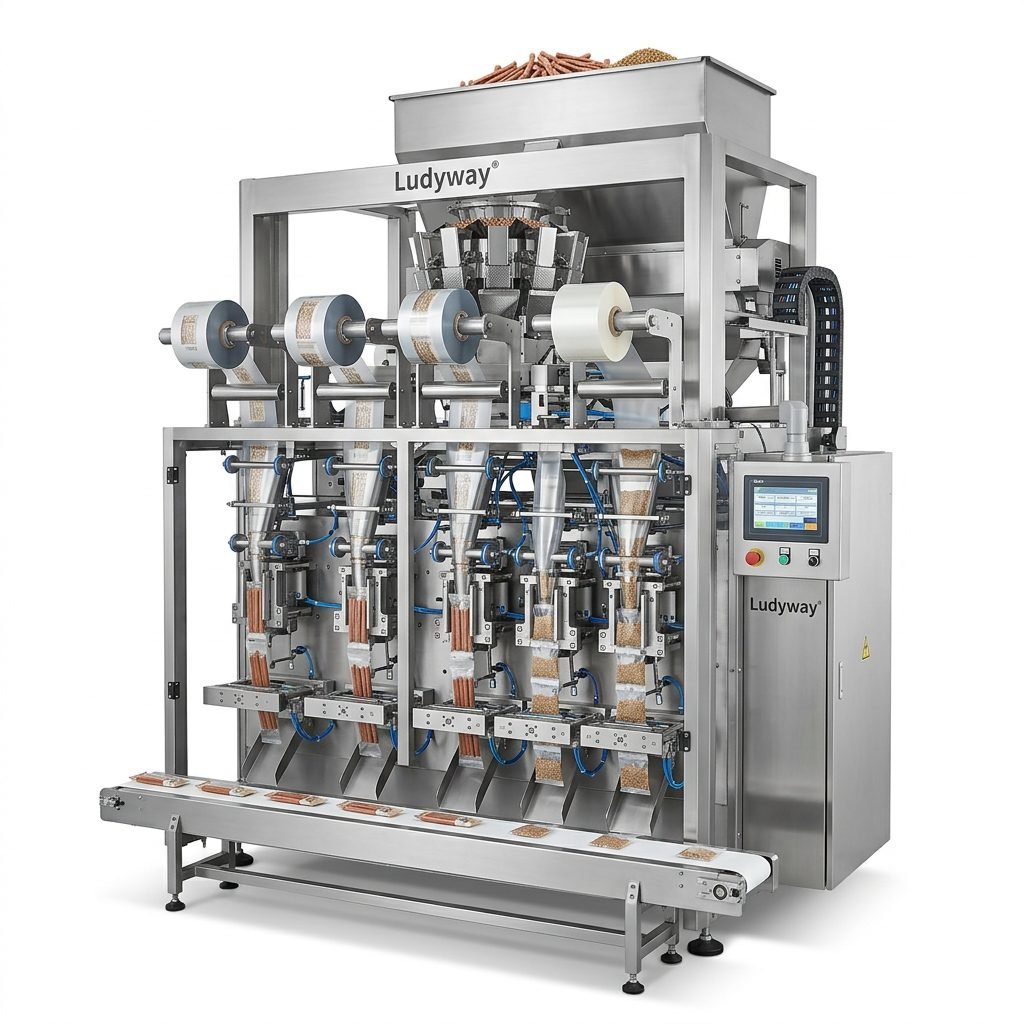
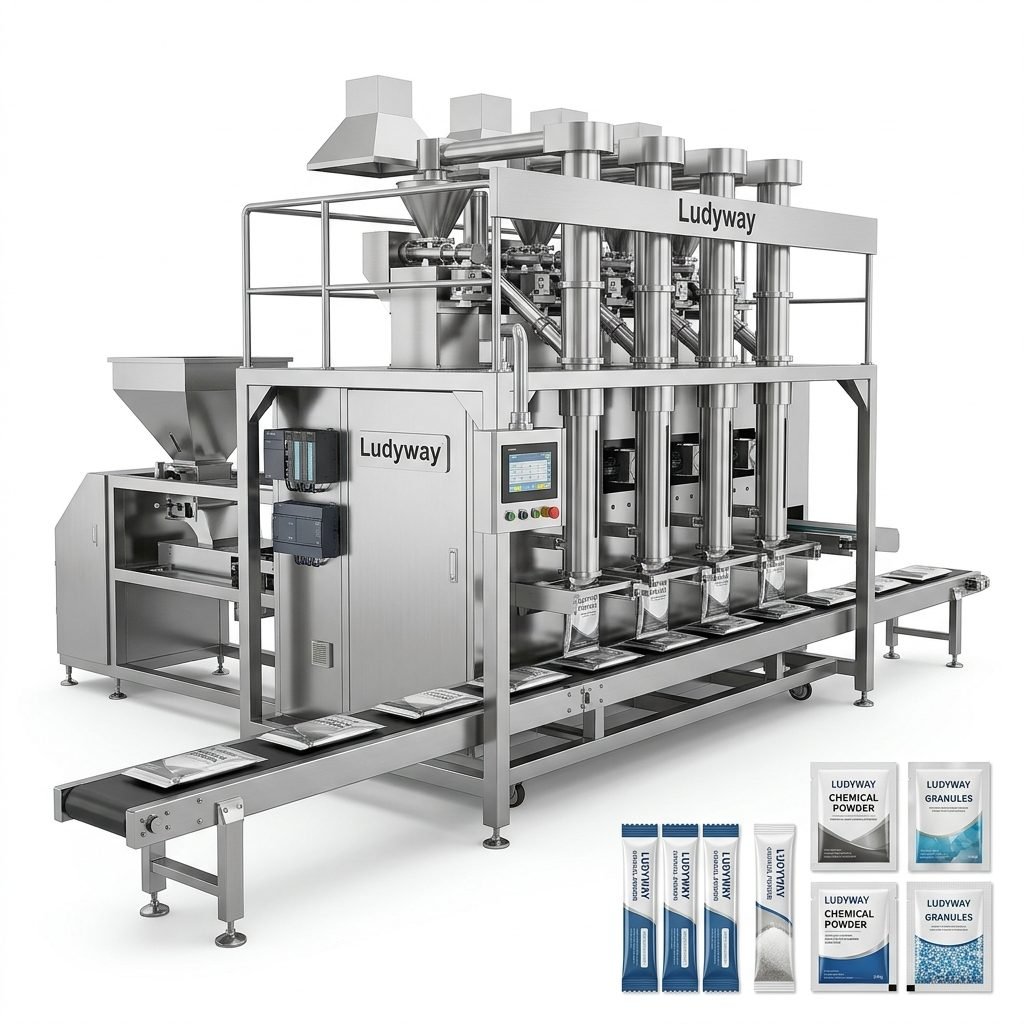
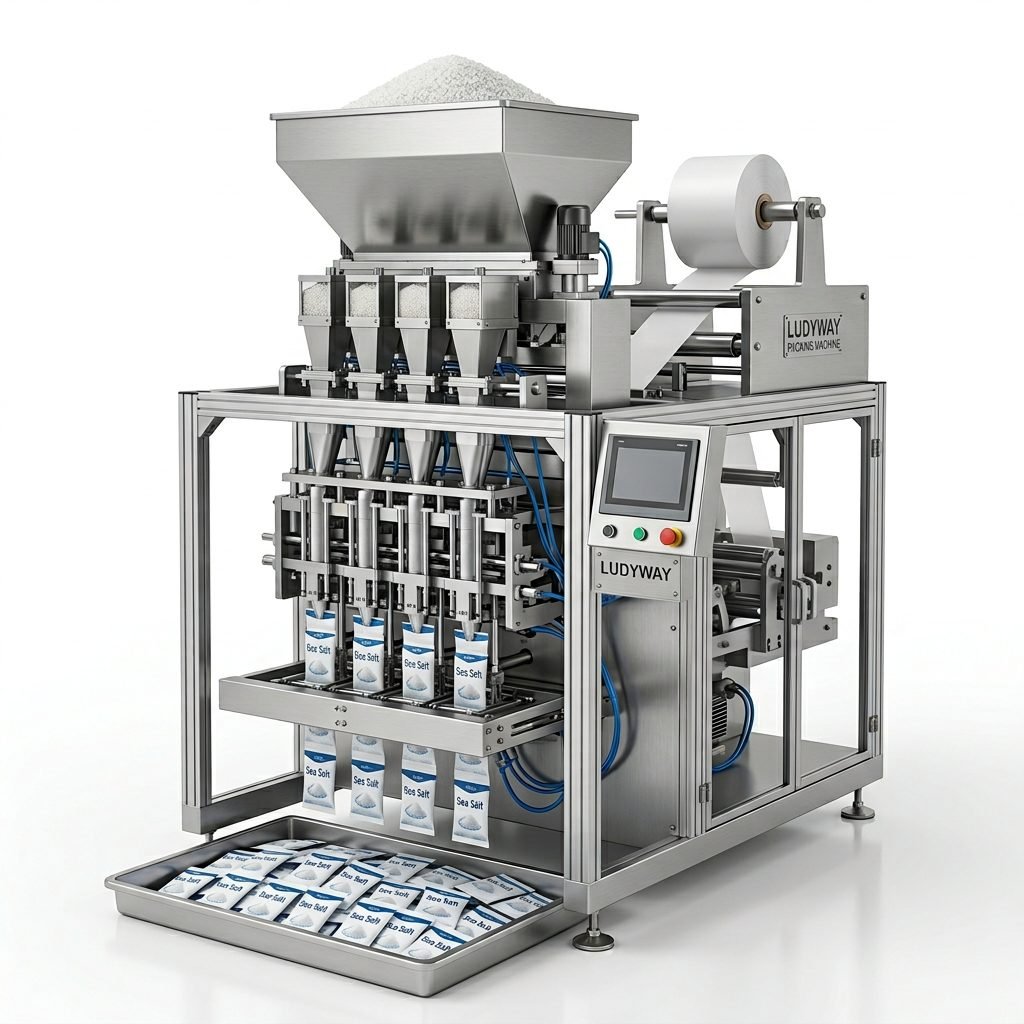
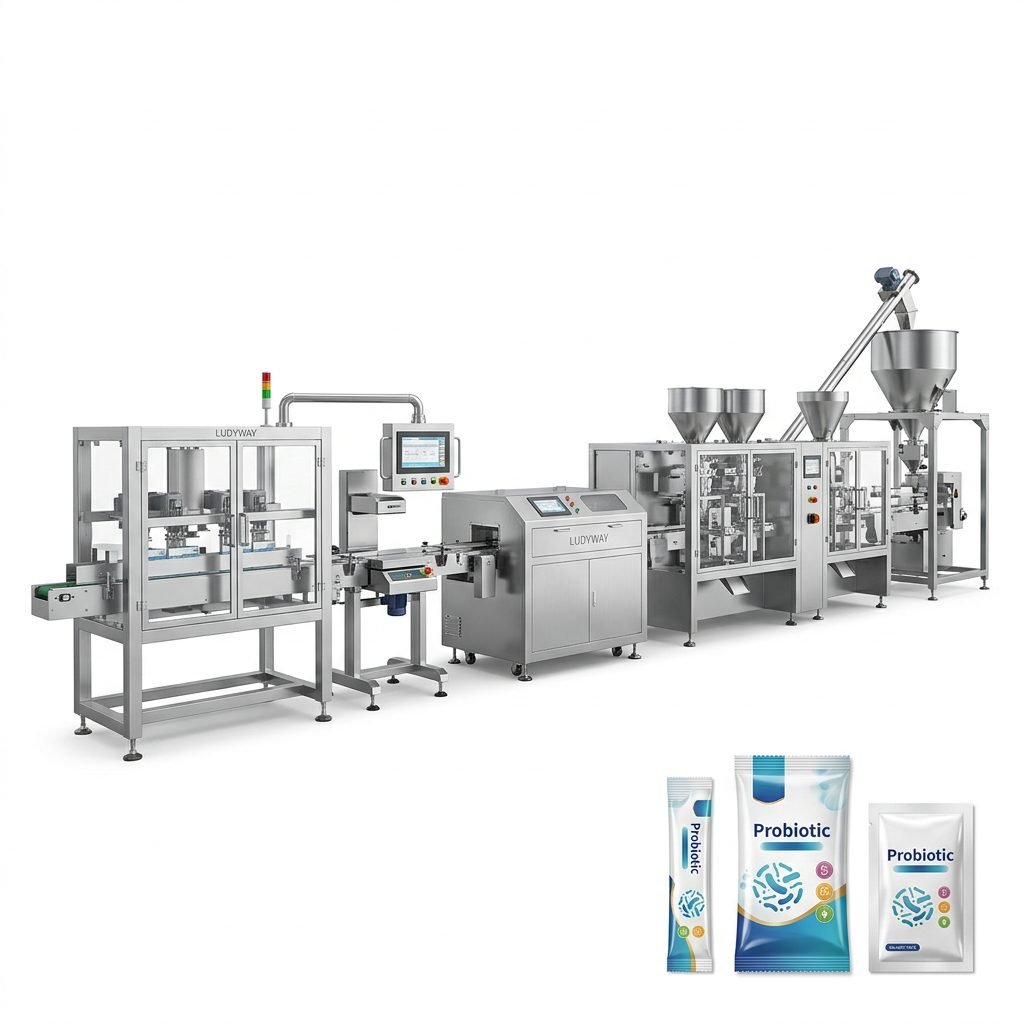
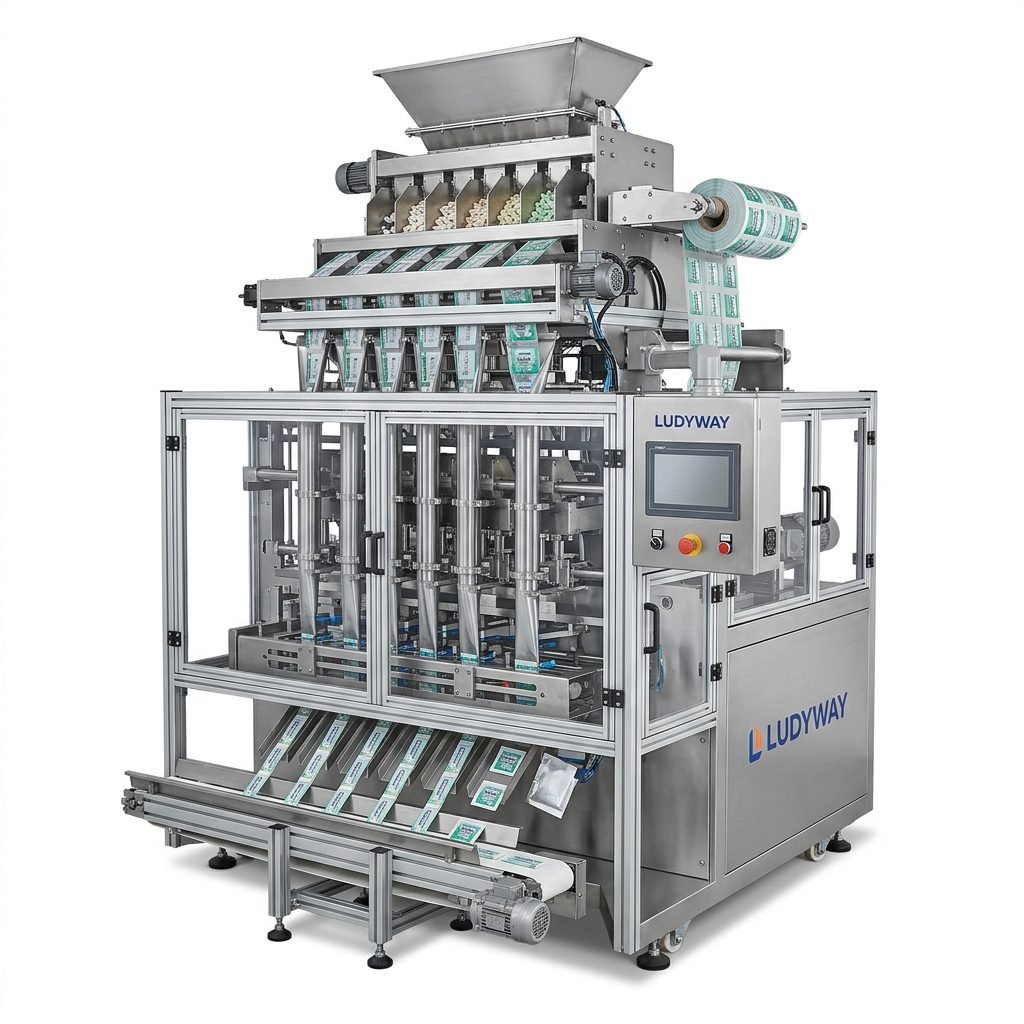
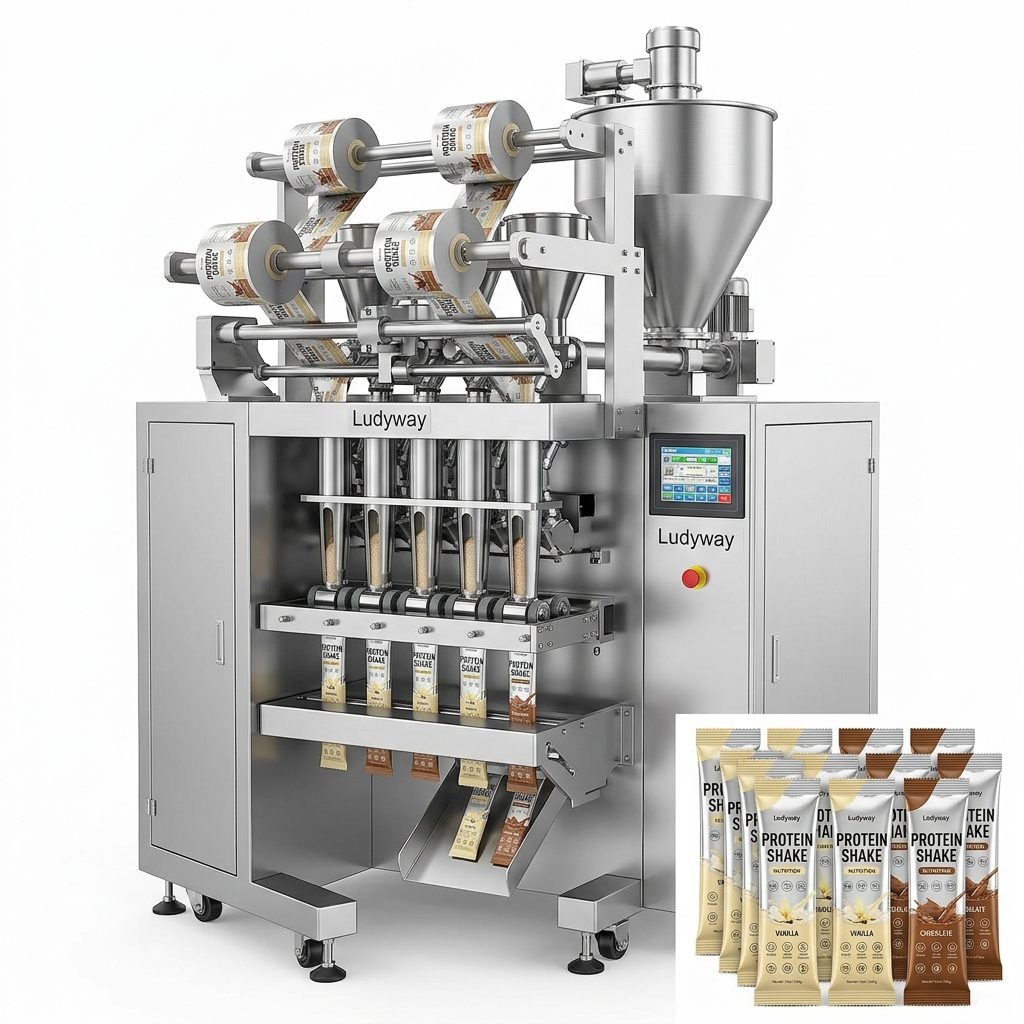
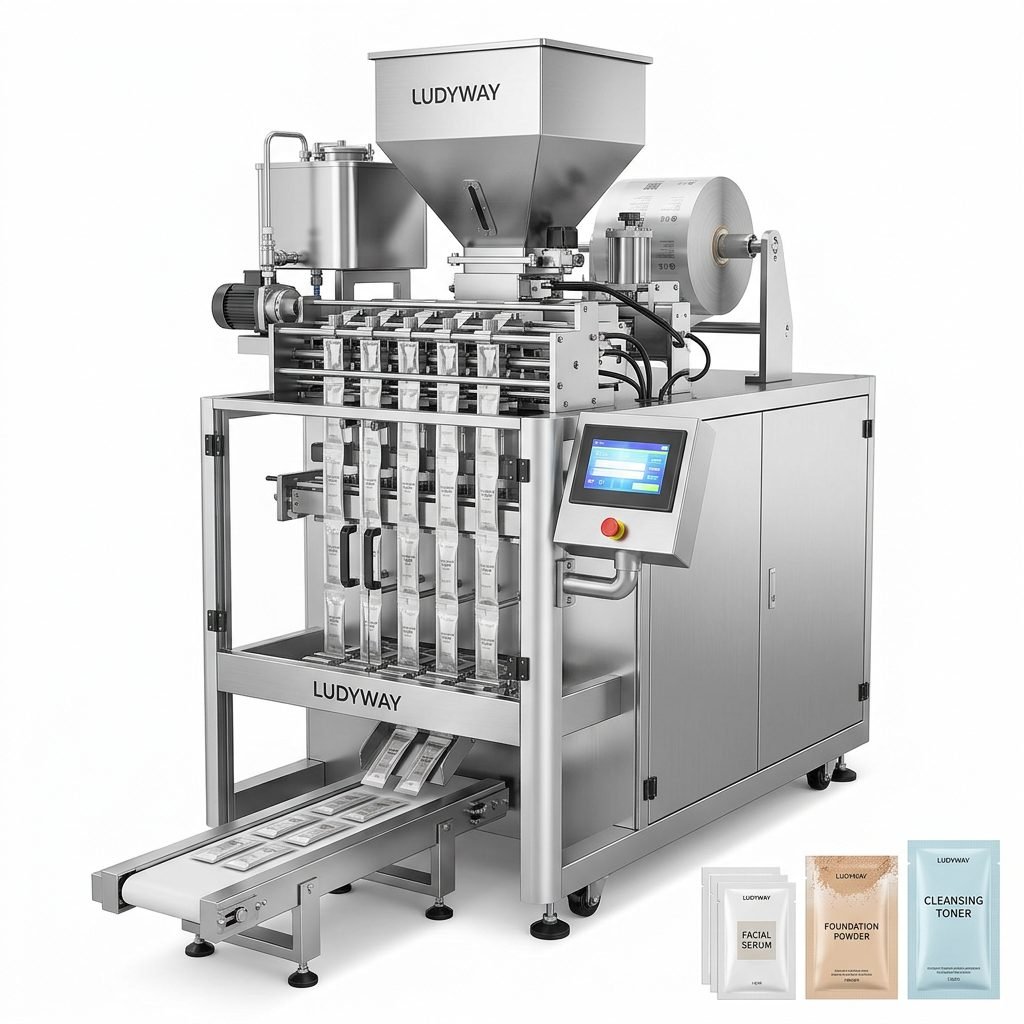
Many excellent suppliers focus on specific industries, machine types (like multi-lane stick pack machines), or regional markets. Companies like Ludyway Machinery, founded in 2010, exemplify this category. With over 30 years of collective industry experience, they specialize in intelligent packaging solutions for food, pharmaceutical, and health industries, offering a portfolio of more than 50 machine models. Such suppliers often provide greater flexibility, customization, and responsive support, making them a perfect fit for small to medium enterprises or specific application needs.
What to Look for in a Manufacturer’s Profile
✔ Experience & Heritage: A track record of 10, 20, or 30+ years indicates stability and accumulated knowledge.
✔ Engineering & Production Capability: Look for in-house R&D and modern manufacturing facilities (e.g., 20,000㎡ plants).
✔ Product Range & Customization: Can they supply a standard machine, or can they tailor a turnkey production line?
✔ Global Support Network: Ensure they have the infrastructure for installation, training, and after-sales service in your region.
How to Choose the Right Supplier: A Step-by-Step Guide
Selecting a machine is only half the battle; choosing the right partner to supply and support it is equally crucial. Here’s a framework for your evaluation process.
1. Define Your Requirements Precisely
Before contacting suppliers, have clear answers to these questions:
- Product Specifications: What are the characteristics (size, shape, flowability) of your product?
- Packaging Speed: What are your required bags-per-minute (BPM) outputs?
- Film Material: What type of laminate or film will you use?
- Budget & ROI Expectations: What is your total investment ceiling?
2. Evaluate Technical Expertise and Solution Offering
Engage in deep technical discussions. A reputable supplier will ask detailed questions and may request product samples. They should be able to explain how their machine handles your specific product and suggest optimal packaging solutions. Do they offer a lab test or a trial with your actual product? This step is vital to de-risk your purchase.
3. Assess Build Quality and Technology
Request detailed specifications and, if possible, visit a showroom or existing installation. Key components to scrutinize:
- Frame & Construction: Robust, stainless steel frames ensure longevity.
- Drive System: Servo-driven machines offer superior precision, speed control, and energy efficiency.
- Sealing System: The heart of the machine; look for reliable, consistent, and adjustable sealers.
- Control System: User-friendly HMI (Human-Machine Interface) with recipe storage and diagnostic tools.
4. Scrutinize After-Sales Service and Support
The relationship begins after the sale. Inquire about:
- Warranty Period: What is covered and for how long?
- Spare Parts Availability: Are parts readily available locally or shipped quickly?
- Technical Support: Is support available via phone, remote access, or on-site visits?
- Training: Do they provide comprehensive operator and maintenance training?
A supplier invested in a long-term partnership will have strong answers here.
5. Consider Reputation and Client References
Research the supplier online and ask for references from clients in your industry or region. Speaking directly to an existing user provides invaluable insights into the machine’s real-world performance and the supplier’s service quality.
Common Pitfalls to Avoid When Selecting a Supplier
Choosing on Price Alone: The cheapest option often leads to higher downtime, maintenance costs, and inferior packaging quality.
Overlooking Future Needs: Consider scalability. Will the supplier support you if you need to add a line or change packaging formats?
Ignoring the “Soft” Factors: Communication, transparency, and cultural fit are essential for a smooth project. A supplier who listens is as important as one who talks tech.
Frequently Asked Questions (FAQs)
What is the typical lead time for a vertical packaging machine?
Lead times vary significantly based on complexity and customization. For a standard machine from stock, it could be 4-8 weeks. For a fully customized or high-speed system, it may take 12-20 weeks or more. Always confirm timelines early in the discussion.
Can one machine handle different products and bag sizes?
Yes, most modern servo-driven VFFS machines are highly flexible. By changing the forming tube, sealing jaws, and volumetric or auger filler, and loading a new recipe on the HMI, you can switch between many products. Changeover time depends on the machine design.
How important is after-sales service, and what should it include?
It is critically important. Comprehensive after-sales service should include installation supervision, thorough operator training, a clear warranty, readily available spare parts, and access to technical support for troubleshooting, either remotely or on-site.
What’s the difference between a single-tube and a multi-lane vertical machine?
A single-tube machine produces one bag at a time and is ideal for standard packaging. Multi-lane machines (like multi-lane stick pack machines) have multiple filling tubes and produce several small bags (e.g., stick packs or sachets) simultaneously, dramatically increasing output for small-portion items.
Should I buy a machine locally or import directly from an overseas manufacturer?
Both have pros and cons. A local agent or distributor offers easier communication, faster service, and parts support. Importing directly can sometimes be cheaper but may involve complex logistics, language barriers, and slower service response. Weigh the total cost of ownership, not just the invoice price.