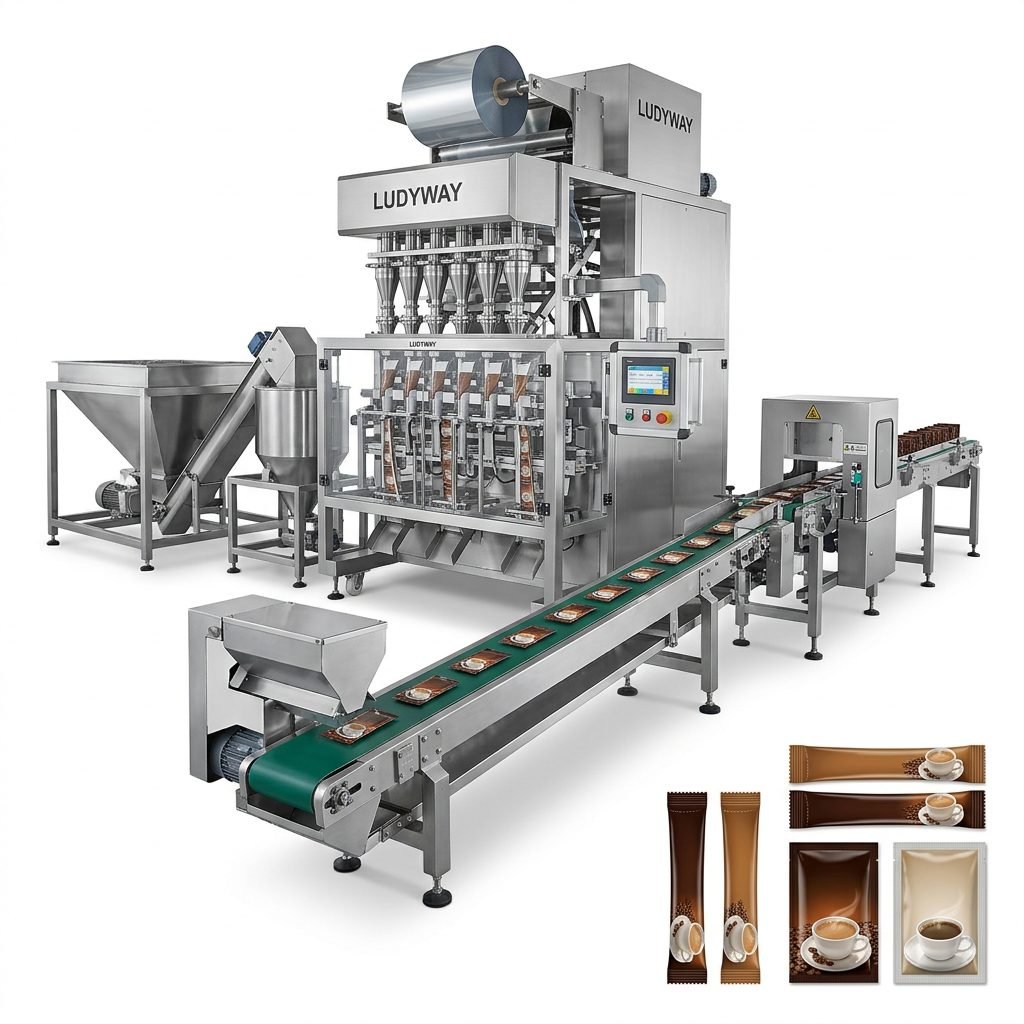
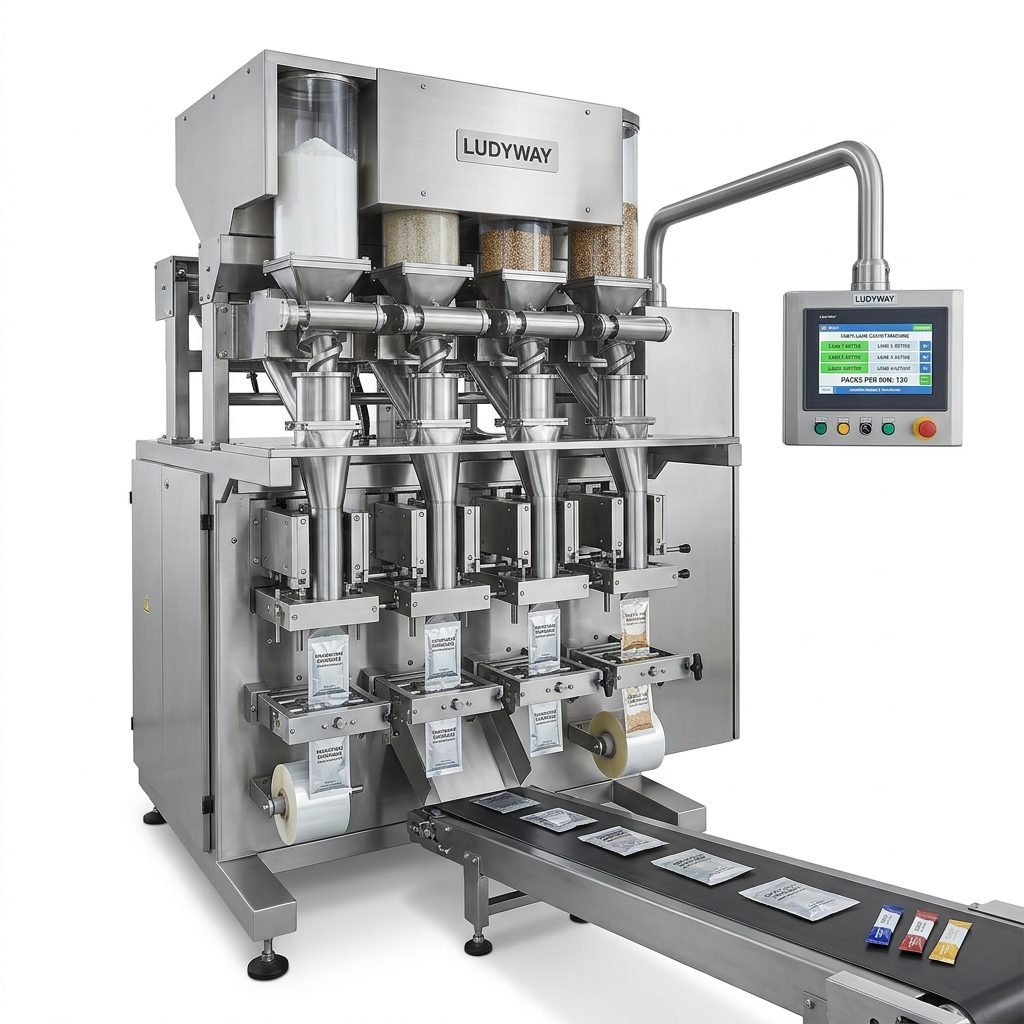
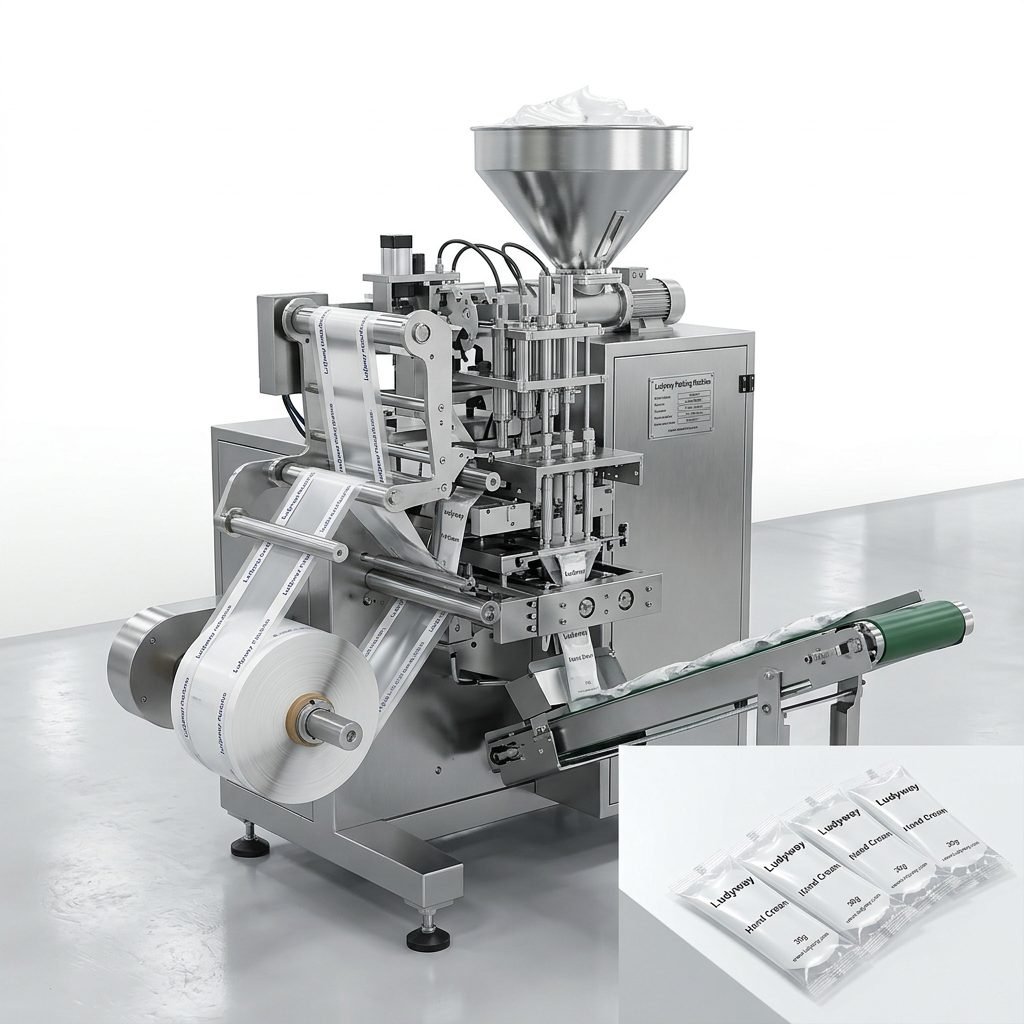
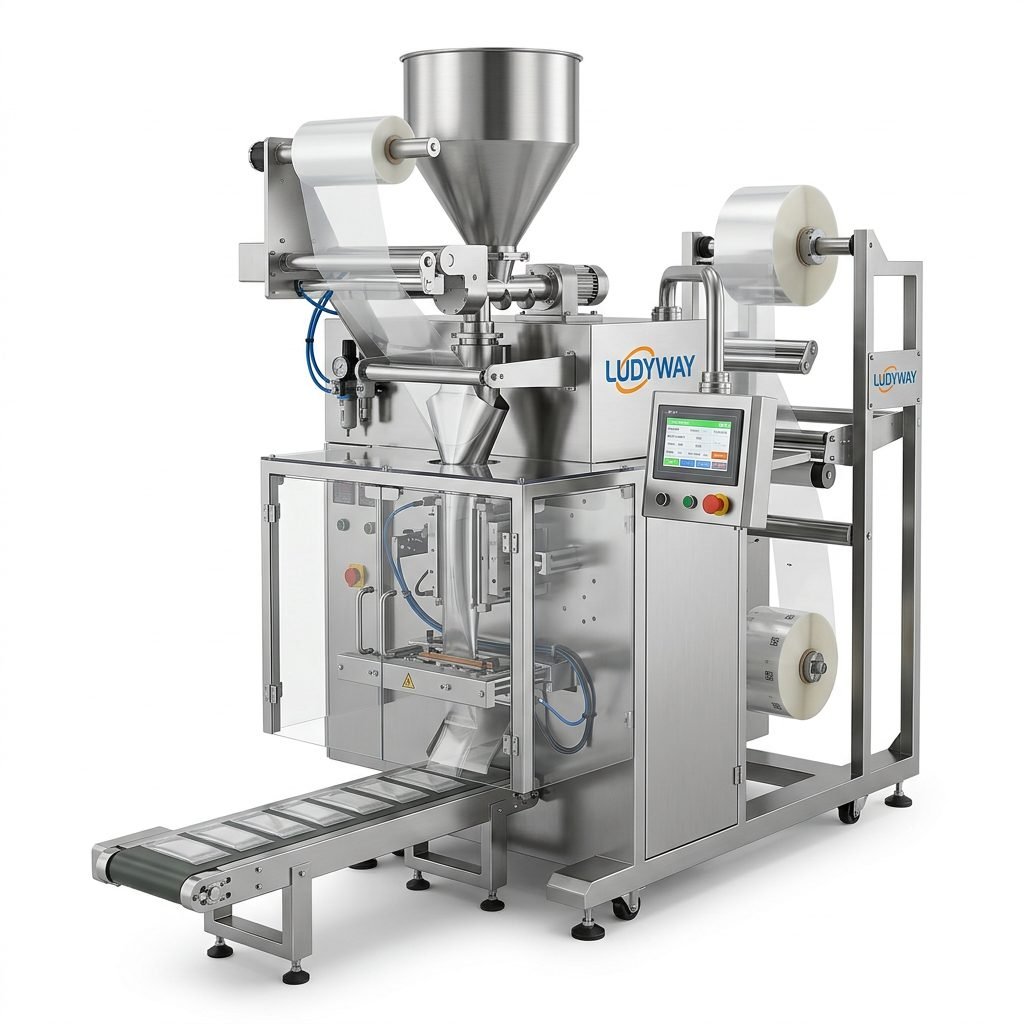
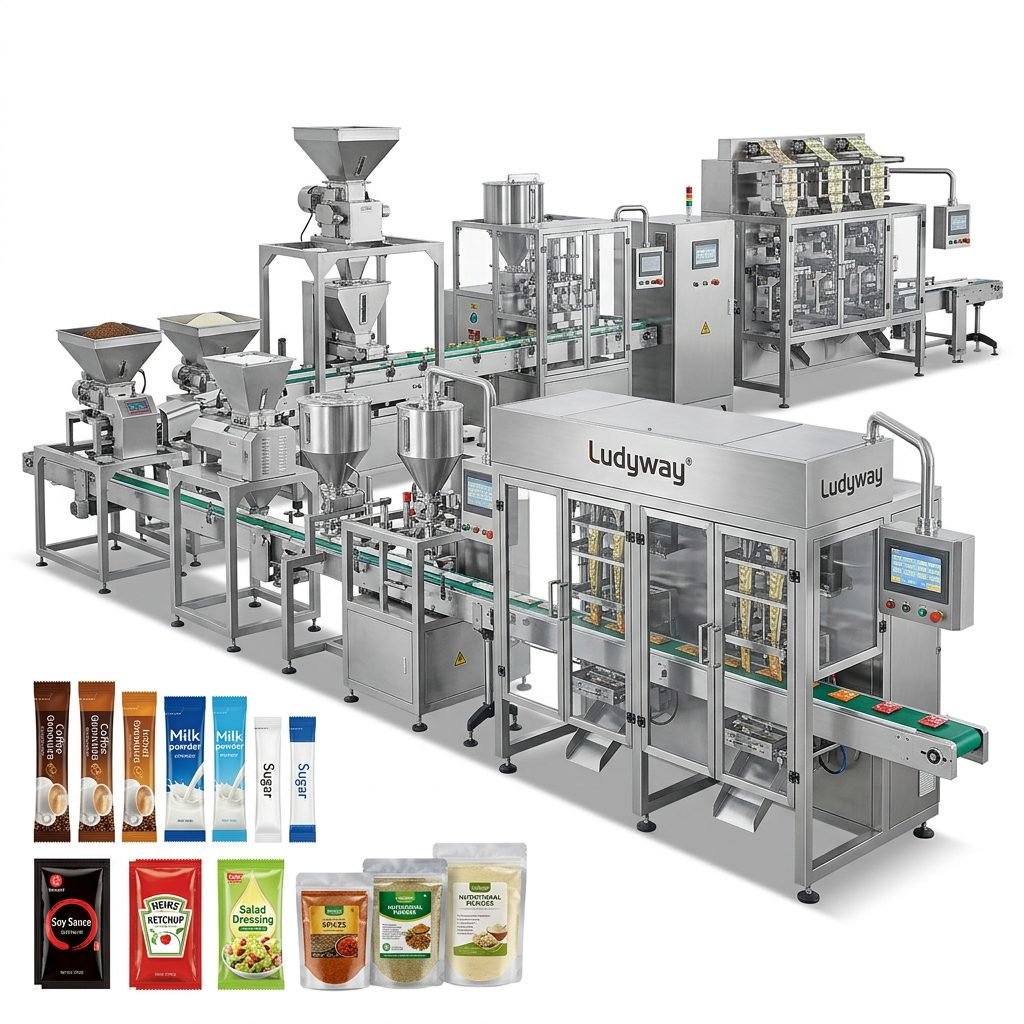
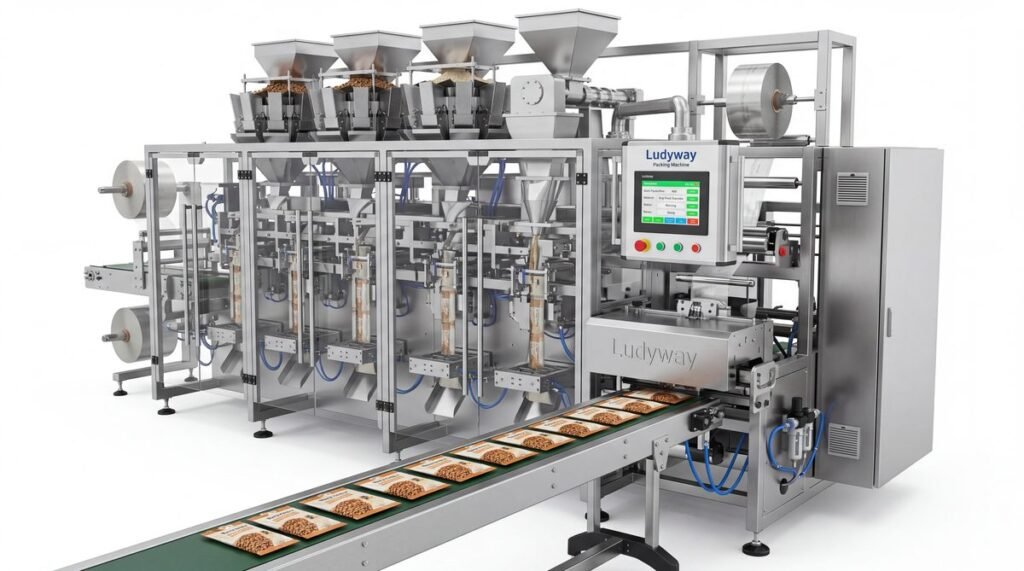
In the fast-paced world of dairy and beverage manufacturing, efficiency, hygiene, and product integrity are non-negotiable. The advent of high-efficiency Tetra Pak packaging machines has revolutionized production lines, offering unparalleled speed, reliability, and aseptic security. These sophisticated systems are engineered to handle the delicate nature of liquid products, from fresh milk and juices to nutritional drinks and liquid dairy alternatives, ensuring they reach consumers in perfect condition.
The Core Advantages of Modern Tetra Pak Machinery
Today’s high-efficiency Tetra Pak packaging machines are marvels of engineering, integrating several key technologies that deliver superior performance.
Unmatched Aseptic Assurance
The primary function is to create a sterile environment within the package. Advanced machines utilize hydrogen peroxide baths or sterile air systems to sterilize the packaging material—a multi-layer laminate of paper, polyethylene, and aluminum foil—before it is formed, filled, and sealed. This process eliminates harmful microorganisms without the need for refrigeration or preservatives, granting products a remarkably long shelf life.
Operational efficiency is another cornerstone. Modern units can achieve staggering output speeds, often exceeding 10,000 packages per hour for standard carton sizes. This high throughput is sustained by precision servo-drives, automated splicing of material reels without stopping the line, and intelligent control systems that minimize waste and downtime.
Versatility in Format and Function
Beyond standard brick packs, these machines offer incredible flexibility. They can produce a wide array of shapes and sizes, from classic 1-liter bricks to slim 200ml portion packs. Many models are equipped to handle various closures, such as screw caps, sport caps, or straws, directly attached to the carton. This adaptability allows a single production line to service multiple product SKUs, maximizing return on investment.
Transforming Dairy and Beverage Production Lines
The integration of a high-performance Tetra Pak machine impacts every stage of production, from sourcing to store shelves.
Enhanced Product Quality and Safety
The aseptic process locks in freshness, vitamins, and natural flavor, which is critical for dairy products sensitive to heat and oxidation. For beverage producers, it ensures consistent taste and prevents spoilage, even in challenging supply chains.
From a logistical standpoint, the lightweight and robust nature of Tetra Pak cartons reduces transportation costs and environmental footprint compared to glass or heavy plastic. The rectangular shape optimizes pallet and shelf space, improving warehouse and retail efficiency.
Sustainability and Economic Impact
Leading machines are designed with sustainability in mind. They optimize material usage, reducing laminate waste. Furthermore, the packaging itself is largely made from renewable resources (paperboard from responsibly managed forests) and is fully recyclable. For manufacturers, the economic argument is compelling: lower energy consumption per unit, reduced waste, extended shelf life reducing product returns, and the ability to enter new, non-refrigerated distribution channels.
Choosing the Right Partner for Your Packaging Needs
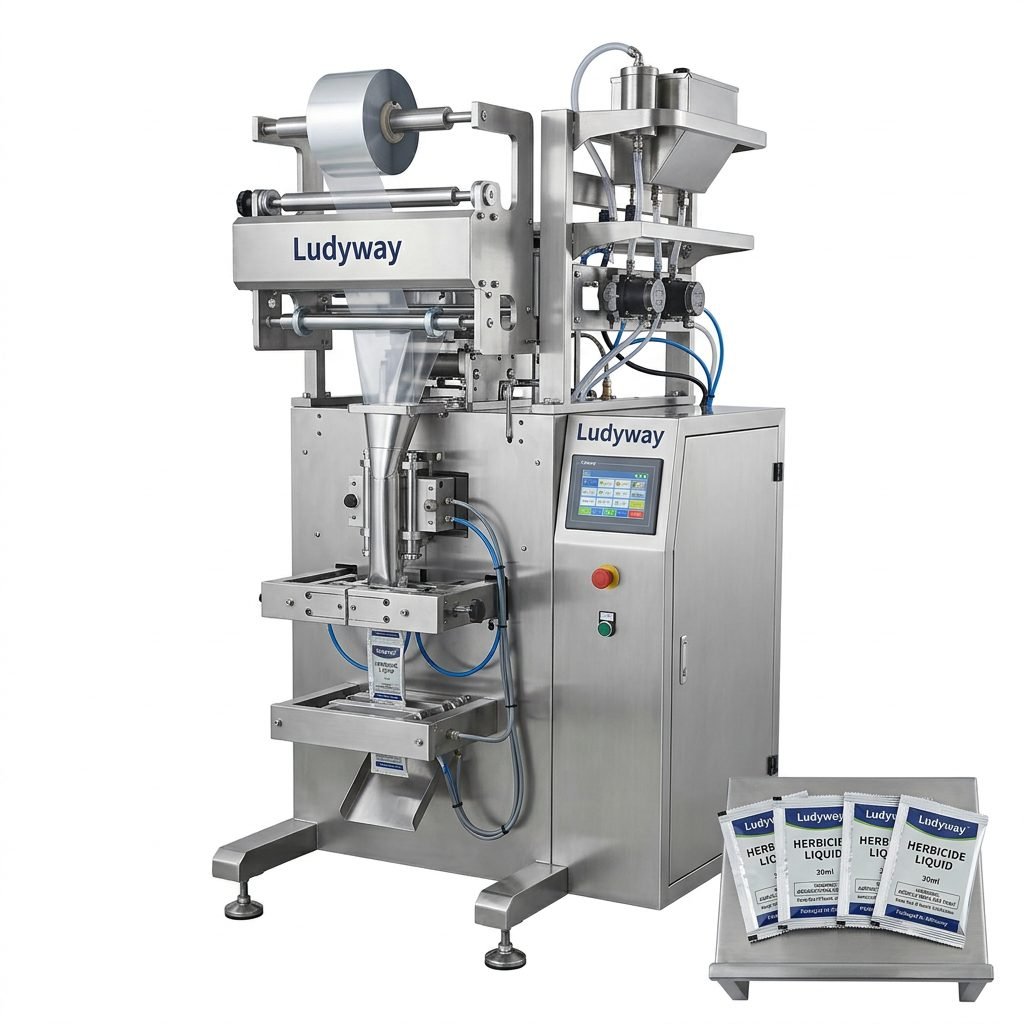
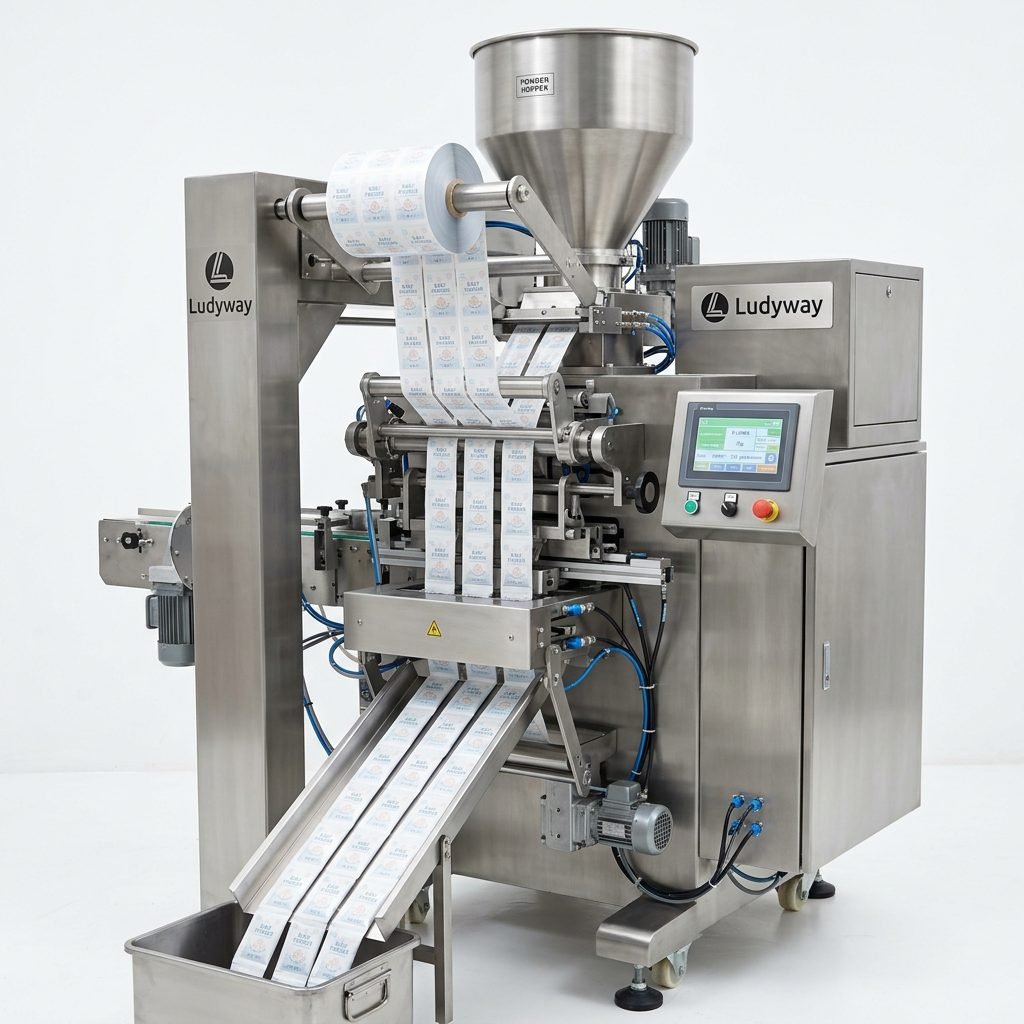
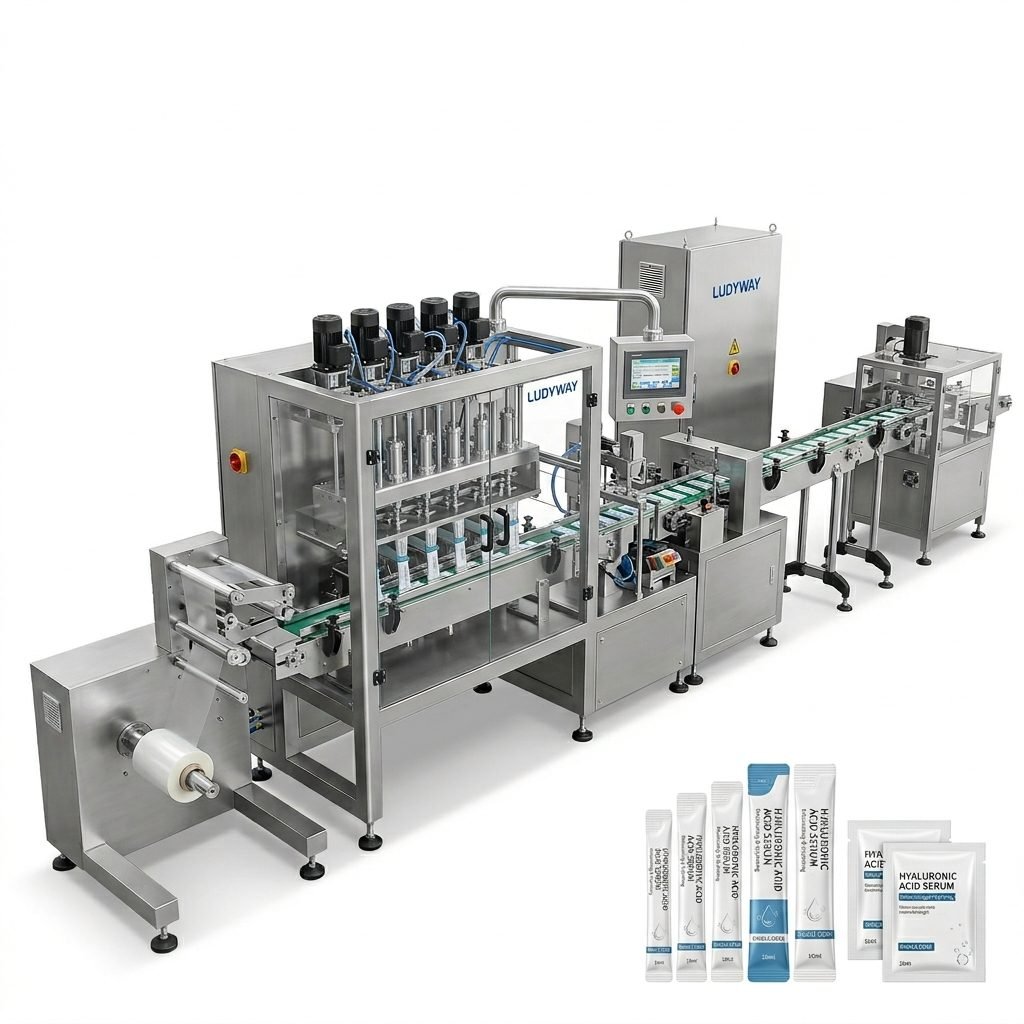
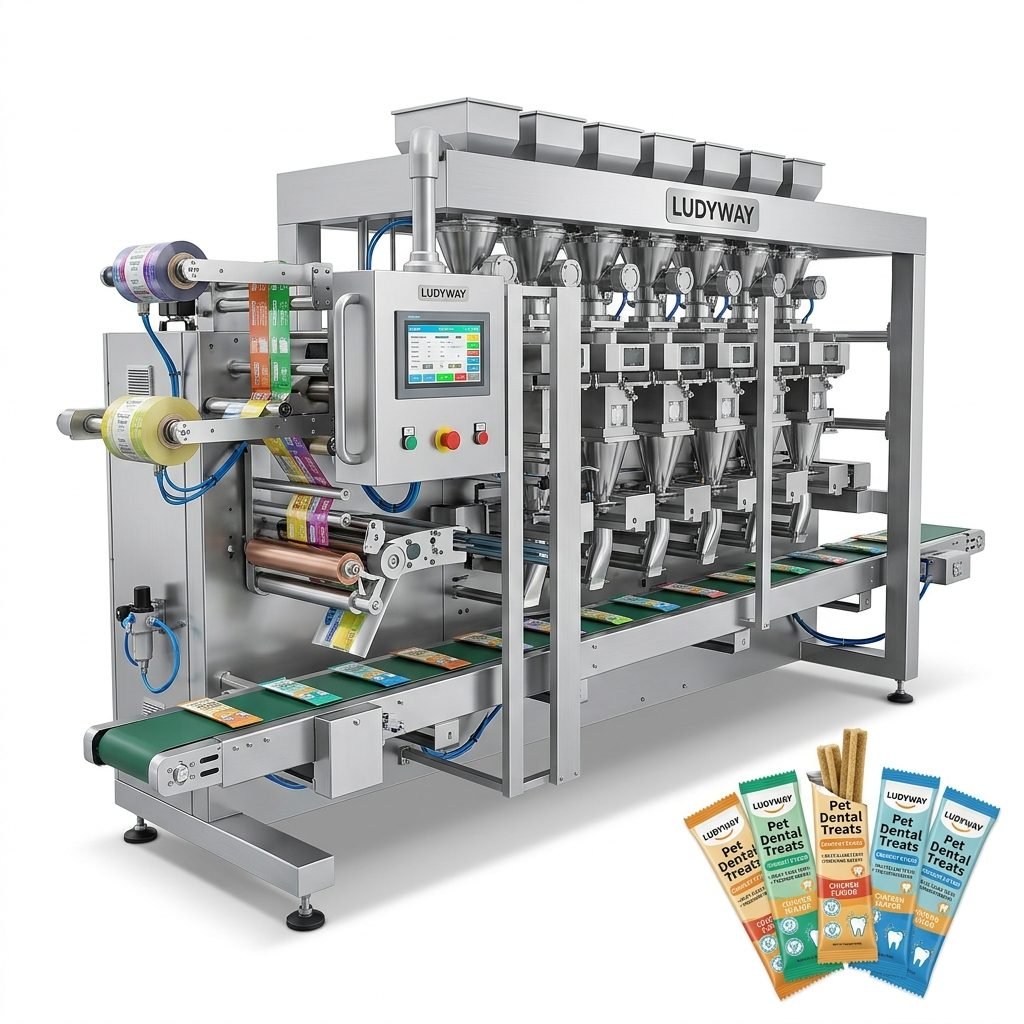
Selecting a Tetra Pak packaging machine is a significant capital decision. It requires a partner with deep technical expertise and a proven track record. Companies like Ludyway Machinery bring over a decade of specialization in providing advanced packaging solutions. With a foundation built on continuous innovation and practical industry experience since 2010, they understand the nuanced demands of global food and beverage production.
Their approach goes beyond selling machinery; it involves analyzing the client’s specific product viscosity, desired package format, output goals, and factory layout to recommend or customize the optimal system. This ensures seamless integration into existing lines or the creation of a complete, turnkey production solution. Backed by strong engineering capabilities and a portfolio of over 50 intelligent packaging models, such partners offer the reliability and support necessary for 24/7 production environments.
Key Considerations for Investment
- ✔ Output Speed & Uptime: Evaluate the machine’s proven efficiency and mean time between failures (MTBF).
- ✔ Format Flexibility: Can it easily switch between sizes and cap types for future product development?
- ✔ Aseptic Performance: Review validation protocols and sterility assurance levels (SAL).
- ✔ Total Cost of Ownership: Factor in energy use, material yield, maintenance costs, and technical support availability.
- ✔ Supplier Expertise: Choose a provider with a solid company history in packaging automation and global service support.
Conclusion: The Future of Liquid Packaging
The high-efficiency Tetra Pak packaging machine is more than just equipment; it is a strategic asset for any dairy or beverage producer aiming for growth, quality leadership, and sustainability. By ensuring product safety, enabling logistical flexibility, and improving economic and environmental metrics, it stands at the heart of modern liquid food production. As consumer demand for convenient, safe, and eco-friendly packaging grows, investing in this advanced technology is a decisive step toward securing a competitive edge in the global market.
Frequently Asked Questions (FAQs)
What is the typical shelf life of a product packaged in a Tetra Pak machine?
Under ambient (non-refrigerated) conditions, aseptically packaged dairy and beverage products can have a shelf life ranging from 6 months to over a year, depending on the product composition and the integrity of the packaging process. This eliminates the need for cold chain distribution for the duration of the shelf life.
Can one machine handle different types of liquids, like milk and juice?
Yes, most high-efficiency Tetra Pak machines are designed to be versatile. However, a thorough cleaning-in-place (CIP) procedure is mandatory when switching between different product types (e.g., from dairy to a non-dairy beverage) to prevent cross-contamination and adhere to food safety standards.
How significant is the material waste during production?
Modern machines are highly optimized. Material waste primarily occurs during initial start-up, reel splicing, and size changeovers. Advanced models minimize this through precise servo control and efficient splicing technology. The overall material yield is typically very high, often exceeding 98% during stable production runs.
What kind of maintenance do these machines require?
Maintenance involves daily cleaning, weekly lubrication checks, and periodic replacement of wear parts like sealing jaws, filler valves, and sterilization applicators. A robust preventive maintenance schedule, often supported by the machine supplier, is crucial to maintain aseptic integrity and maximize uptime.
Is specialized training required to operate these packaging lines?
Absolutely. Operating and maintaining an aseptic packaging machine requires specific technical training. Reputable suppliers like Ludyway Machinery provide comprehensive training programs covering operation, basic troubleshooting, hygiene protocols, and safety procedures for the client’s engineering and production staff.