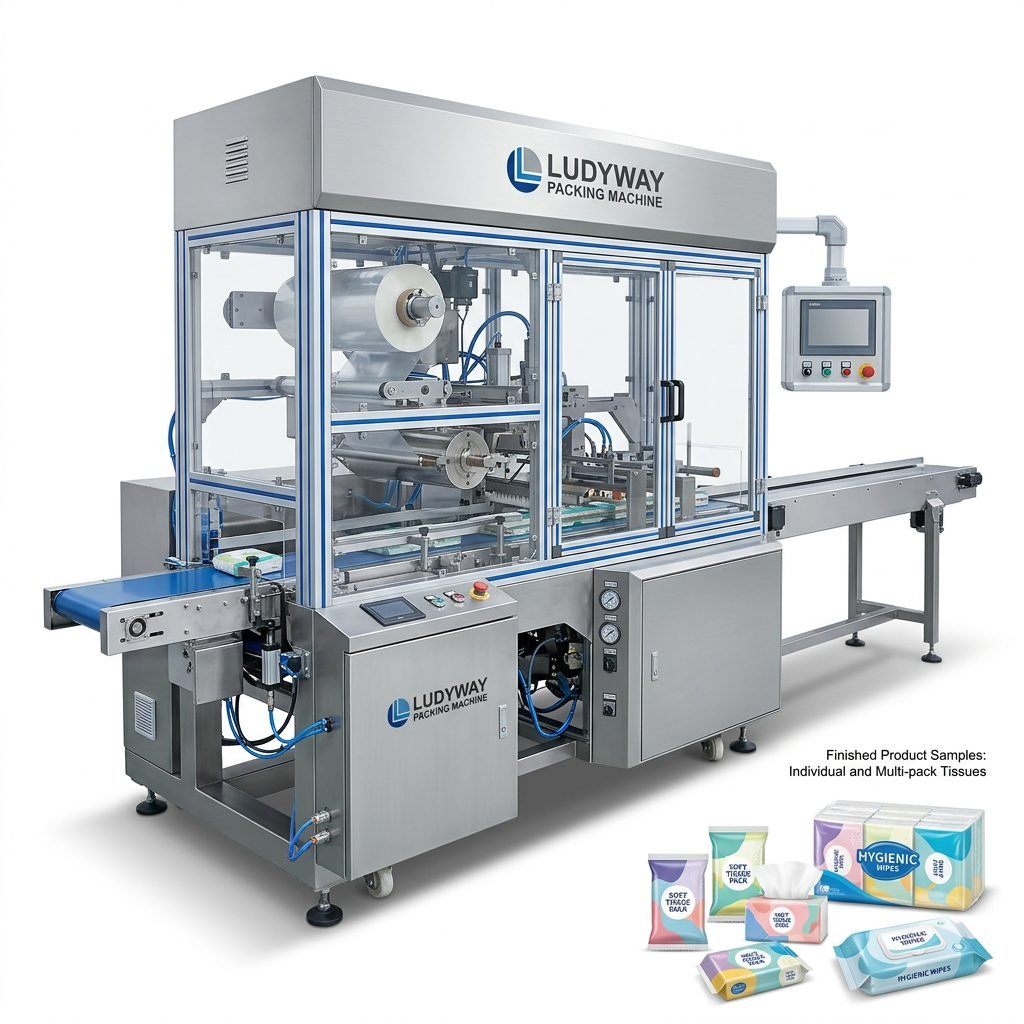
The Southeast Asian baby food market is experiencing unprecedented growth, driven by rising disposable incomes, increasing urbanization, and a growing population of health-conscious parents. As demand for packaged infant nutrition products surges across Indonesia, Vietnam, Thailand, Malaysia, and the Philippines, manufacturers are seeking high-efficiency baby food packaging machines that can deliver safety, precision, and scalability. Selecting the right equipment is not merely a purchasing decision — it is a strategic investment that directly impacts product quality, shelf life, and brand reputation in this highly regulated sector.
Understanding Baby Food Packaging Formats in Southeast Asia
Baby food products come in diverse formats, each requiring specialized packaging machinery. The most common formats across Southeast Asian markets include:
- Powdered infant formula — typically packaged in multi-lane stick packs or sachets for single-serving convenience
- Baby cereal and granule blends — filled into pouches or composite cans with moisture-barrier protection
- Liquid baby foods and purees — packed in spouted pouches, glass jars, or multilayer sachets
- Freeze-dried fruit and vegetable snacks — sealed in nitrogen-flushed stick packs to preserve nutrients
- Functional supplement powders — requiring precision dosing and hermetic sealing
Each format demands specific filling mechanisms, sealing technologies, and material handling capabilities, making it essential to match the machine to the product characteristics.
Key Machine Types for Baby Food Packaging
When evaluating packaging machinery for the food industry, manufacturers should understand the primary equipment categories available:
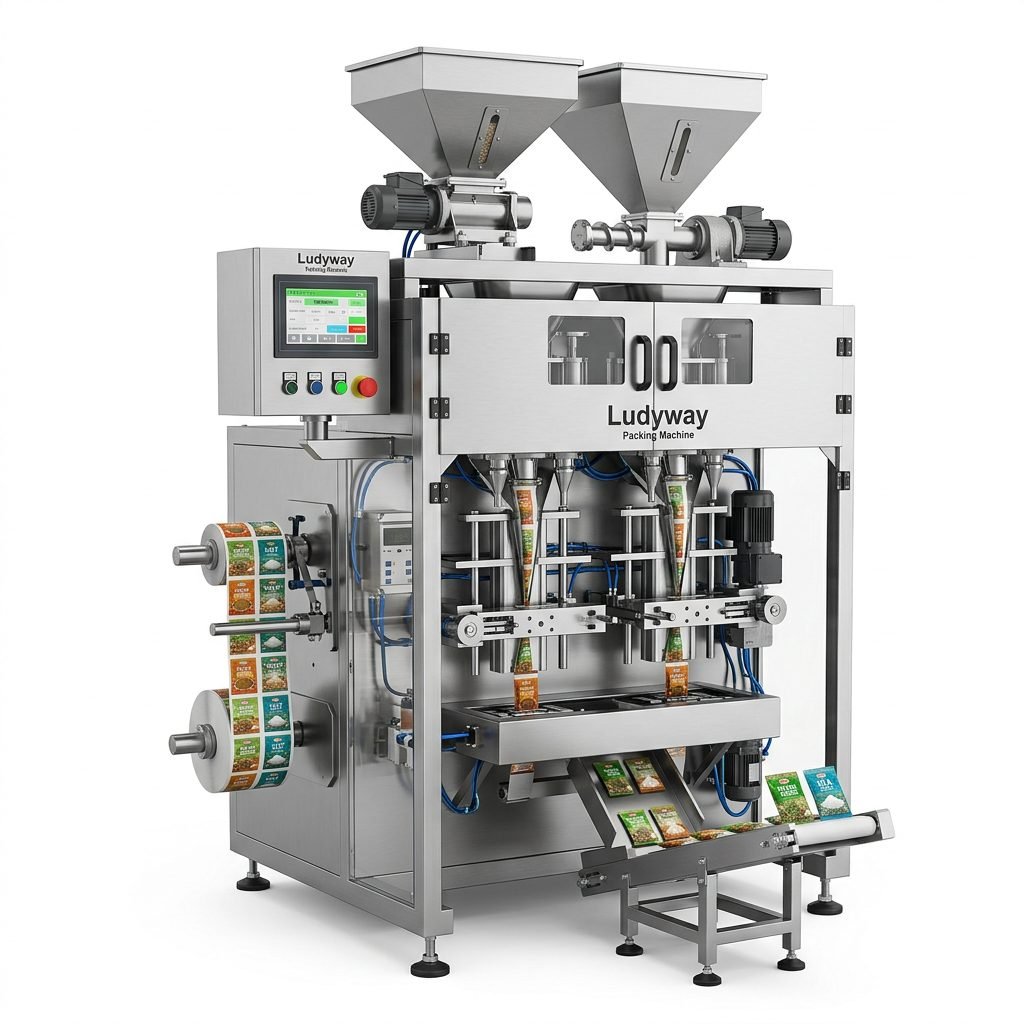
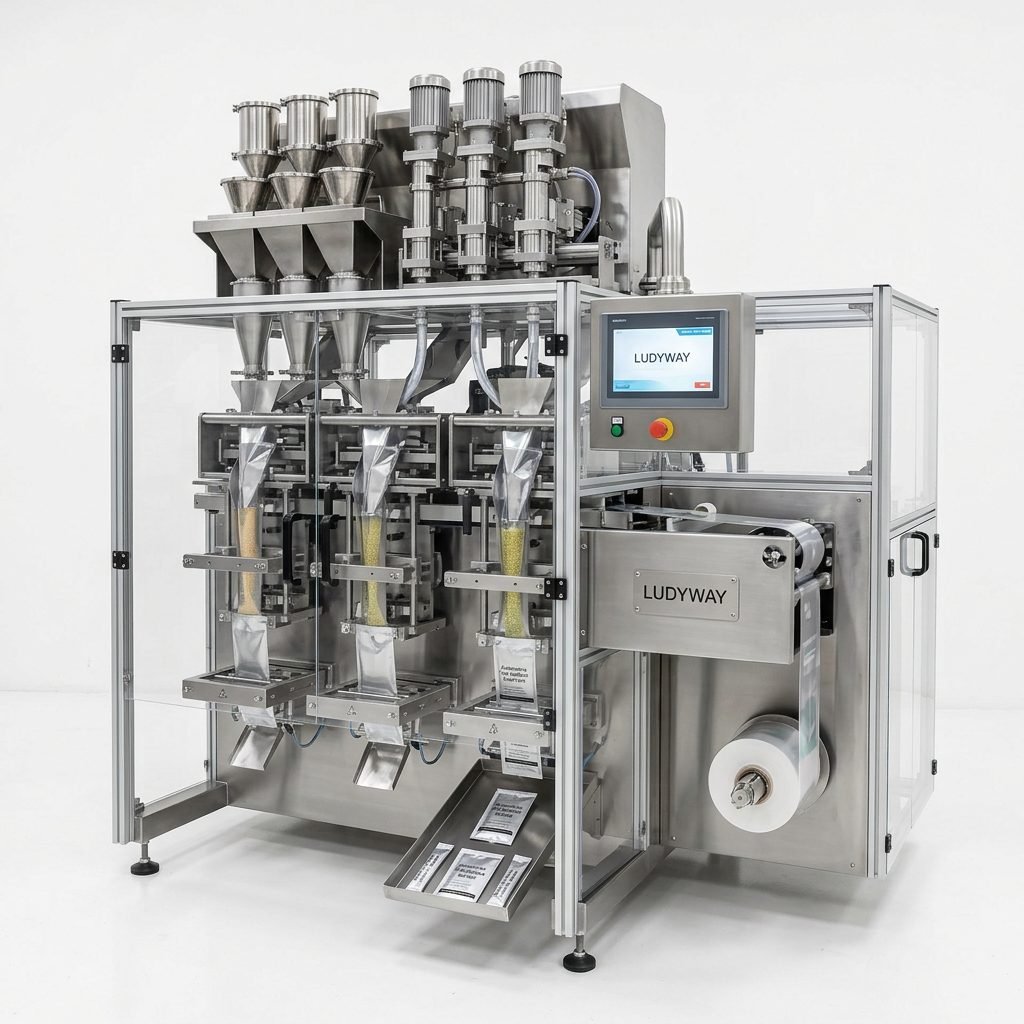
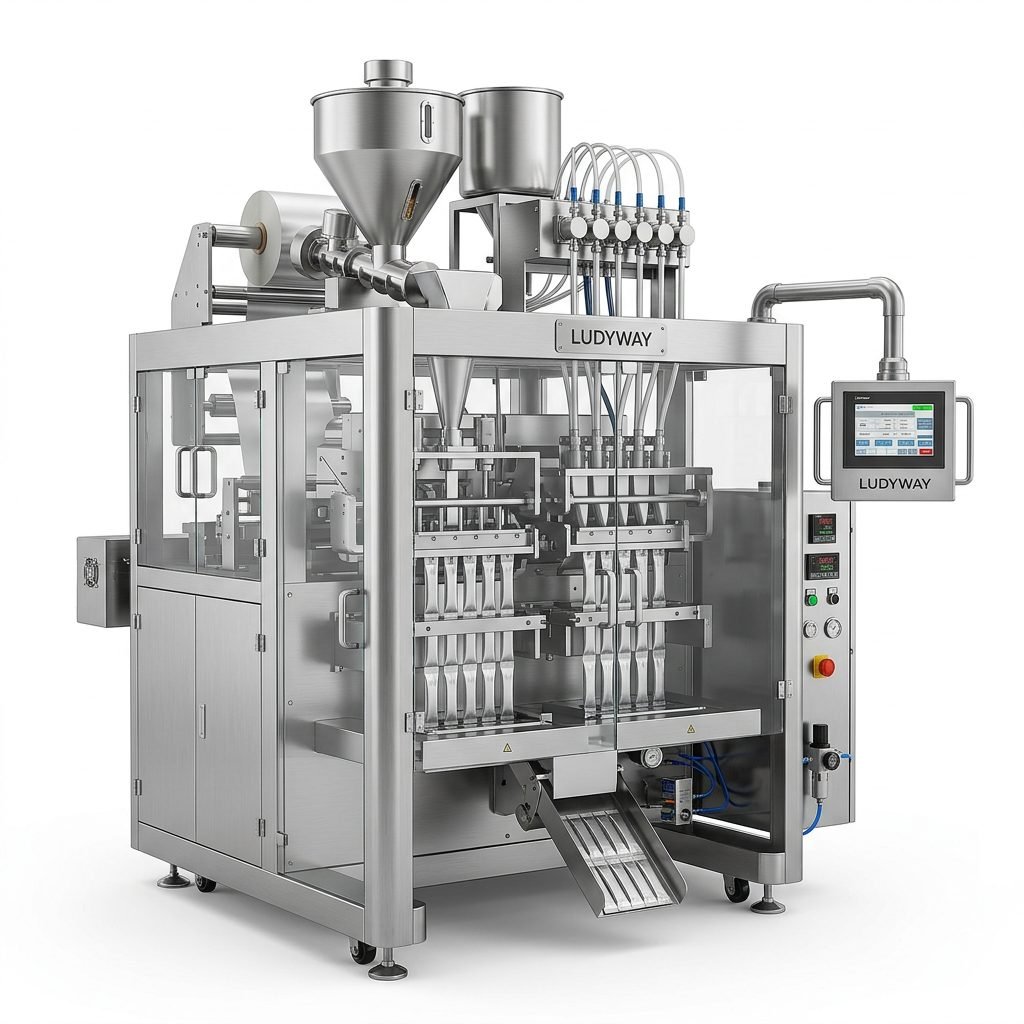
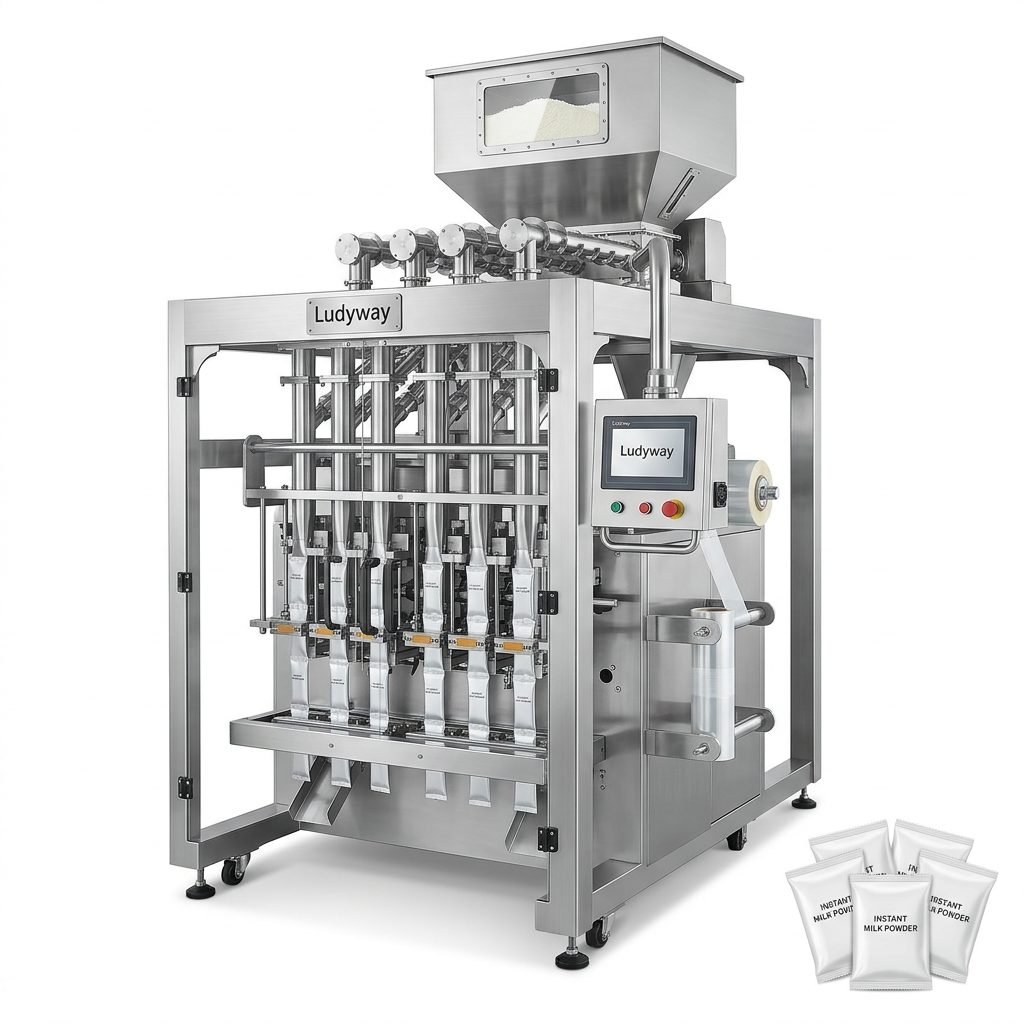
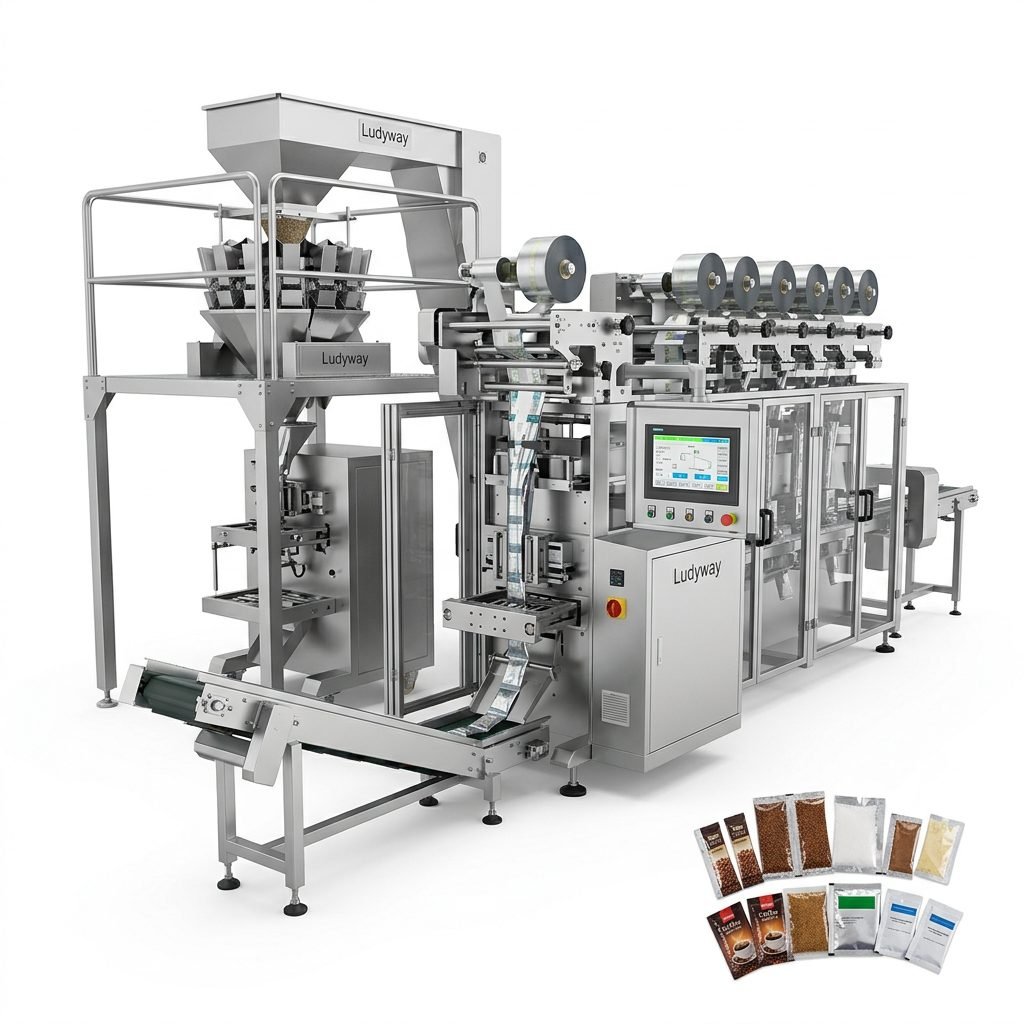
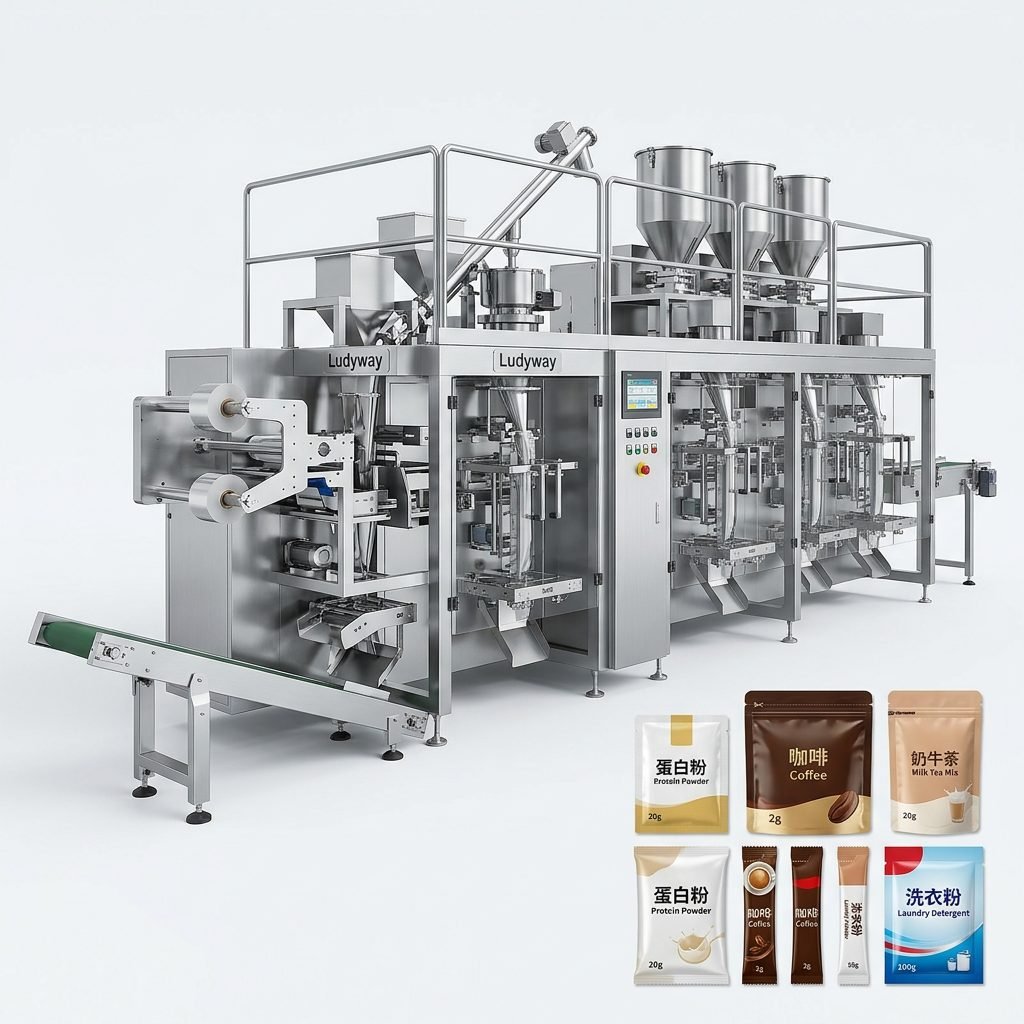
Multi-Lane Stick Pack Machines
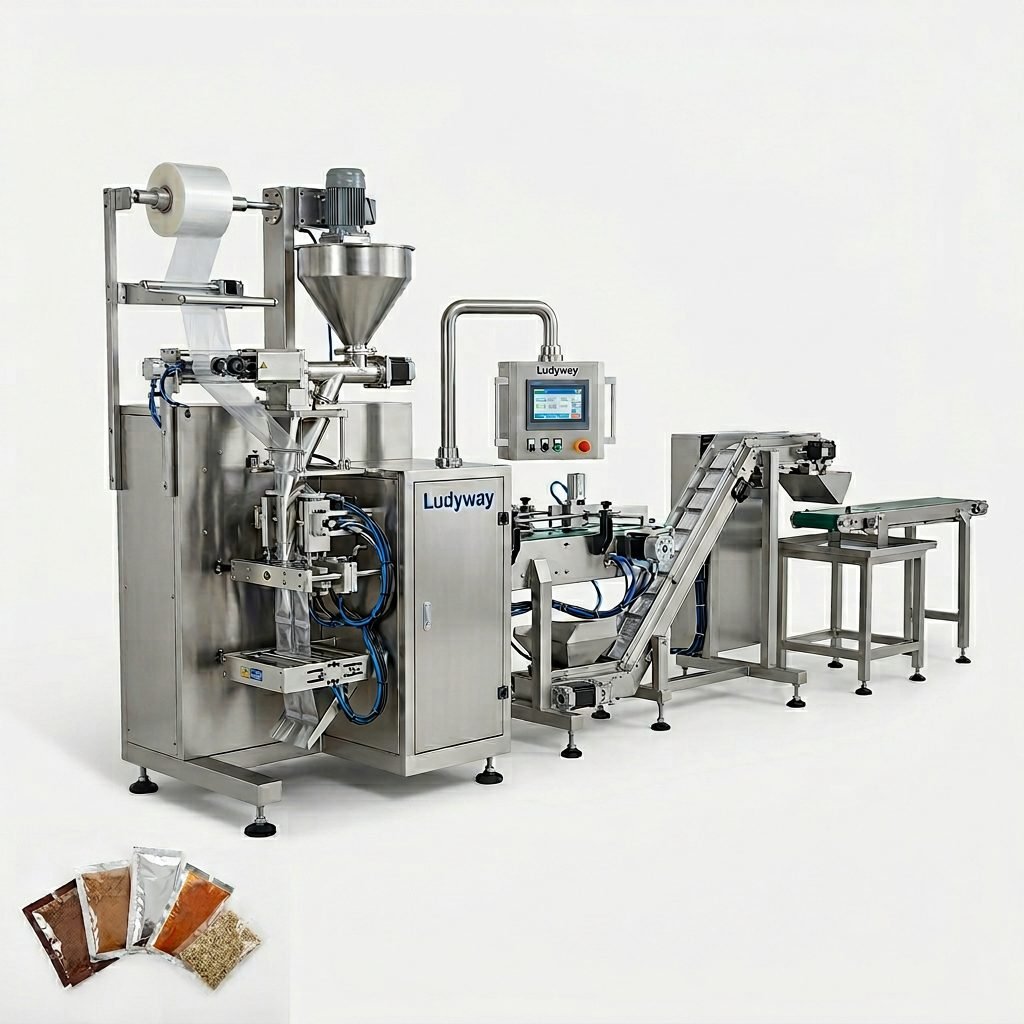
These high-speed systems produce narrow, sealed stick packs ideal for single-serving powdered formula and supplement sachets. Modern multi-lane configurations can run 4 to 20 lanes simultaneously, achieving output rates of 200–600 packs per minute per lane. Features such as servo-driven filling systems and automatic film registration ensure precise portion control and minimal product waste.
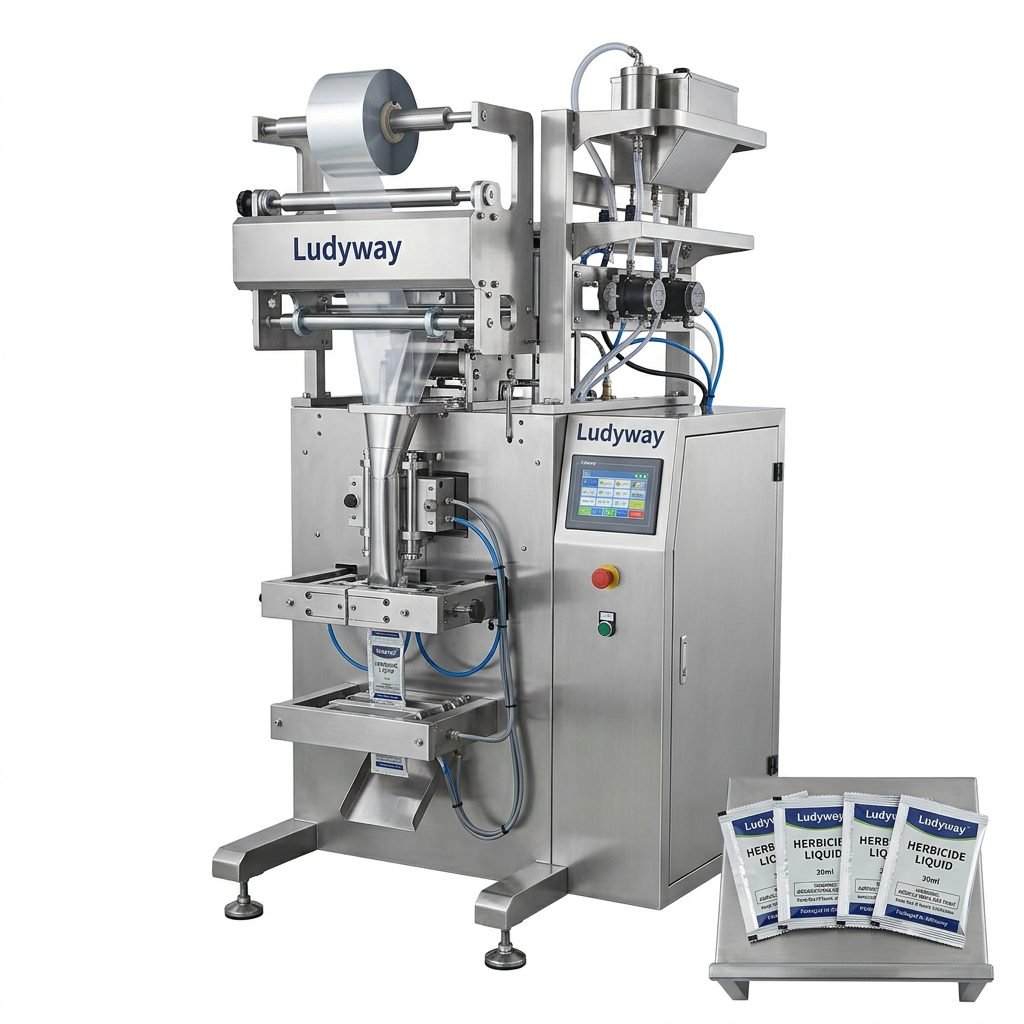
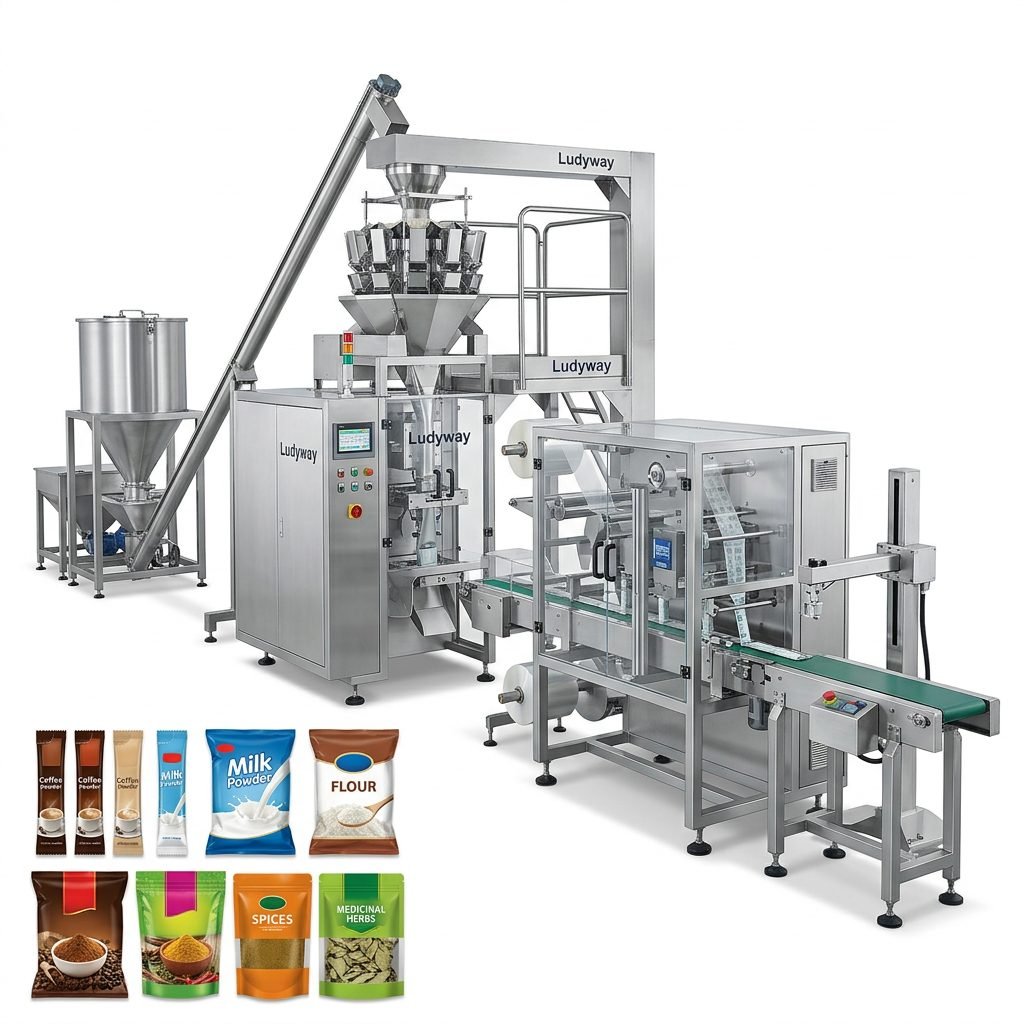
Vertical Form-Fill-Seal (VFFS) Machines
VFFS machines are versatile workhorses suitable for packaging granulated baby cereals, powdered milk, and snack products in pillow bags or gusseted pouches. According to flexible packaging industry data, the VFFS segment continues to dominate due to its adaptability to various film types and bag sizes. Look for models with auger fillers for powders and volumetric cup fillers for granules.
Pre-Made Pouch Filling and Sealing Machines
For premium baby food products using spouted stand-up pouches or zipper-seal bags, rotary pouch fillers offer superior flexibility. These machines handle pre-formed pouches, automatically open them, fill with product, and seal — perfect for liquid purees, ready-to-eat meals, and organic snack products destined for retail shelves across Southeast Asia.
Critical Factors to Evaluate Before Purchasing
Purchasing a baby food packaging machine requires thorough due diligence. Below are the most critical evaluation criteria for Southeast Asian manufacturers:
| Evaluation Factor | Why It Matters | Recommended Specification |
|---|---|---|
| Hygiene and Cleanability | Prevents cross-contamination and bacterial growth in infant food products | IP65-rated, tool-free disassembly, sloped surfaces |
| Filling Accuracy | Ensures compliance with labeled net weight and reduces costly product giveaway | ±0.5% for powders, servo-driven dosing |
| Material Compatibility | Different films and laminates require specific sealing parameters | Compatible with Alu-foil, PET/PE, kraft paper laminates |
| Speed and Output | Directly affects production capacity and per-unit cost | 30–80 packs/min for VFFS; 200+ packs/min for multi-lane |
| Changeover Time | Impacts production flexibility and downtime between product runs | Under 15 minutes with tool-free adjustments |
| Certifications | Mandatory for export markets and local food safety regulations | CE, ISO 22000, GMP-compliant design |
Regulatory Compliance and Food Safety Standards
Baby food packaging in Southeast Asia must adhere to stringent safety regulations. Each country enforces its own standards, but many align with international frameworks. Key regulatory considerations include:
- ASEAN Common Principles on Food Control — harmonizing food safety standards across member states
- FDA 21 CFR compliance — relevant for manufacturers exporting to the United States; review FDA food packaging and food contact substances guidelines
- EU Framework Regulation (EC) No 1935/2004 — applicable for products shipped to European markets
- Halal certification requirements — critical for packaging lines handling products for Muslim-majority populations in Malaysia and Indonesia
- ISO 22000 and FSSC 22000 — food safety management systems increasingly required by retailers; refer to ISO packaging standards for detailed guidance
Non-compliance can result in costly product recalls, import bans, and reputational damage. Always verify that your chosen packaging machine meets both local and export-target market requirements before finalizing the purchase.
Cost Considerations and ROI Analysis
Investing in a baby food packaging machine involves more than the initial purchase price. A comprehensive total cost of ownership (TCO) analysis should account for:
- Equipment acquisition cost — varies significantly based on automation level, lane count, and build quality
- Installation and commissioning — including factory preparation, utilities setup, and operator training
- Consumables and spare parts — sealing jaws, cutting blades, film rolls, and gaskets require periodic replacement
- Maintenance and technical support — local service availability dramatically reduces downtime costs
- Energy consumption — modern servo-driven systems consume 30–40% less power than pneumatic alternatives
- Labor savings — automated multi-lane systems can replace 3–6 manual packing stations
For most Southeast Asian manufacturers, the payback period on a quality baby food packaging machine ranges from 12 to 24 months, driven by increased throughput, reduced product giveaway, and lower labor costs.
Features That Differentiate Premium Machines
Not all packaging machines are created equal. When comparing options, prioritize these advanced features that deliver measurable operational advantages:
Precision Servo-Driven Fill Systems
Servo motors provide unmatched dosing accuracy and repeatability, particularly important for expensive infant formula ingredients where every gram matters. Look for closed-loop feedback systems that automatically adjust fill volumes based on real-time weight measurements.
Modified Atmosphere Packaging (MAP) Capability
For baby snacks and freeze-dried products, nitrogen flushing or vacuum-sealing extends shelf life by displacing oxygen. According to Flexible Packaging Association research, MAP can extend product shelf life by 50–200% compared to ambient packaging.
Integrated Quality Control Systems
Vision inspection cameras, metal detectors, and checkweighers integrated directly into the packaging line ensure every single pack meets safety and weight specifications before leaving the facility. This is non-negotiable for baby food products where consumer trust is paramount.
Industry 4.0 Connectivity
Modern machines equipped with IoT sensors and remote monitoring allow production managers to track OEE (Overall Equipment Effectiveness), receive predictive maintenance alerts, and generate compliance reports — all from a centralized dashboard accessible via tablet or smartphone.
Southeast Asia Market-Specific Considerations
Operating in Southeast Asia presents unique challenges and opportunities that should influence equipment selection:
Climate and Humidity Control
The tropical climate across much of the region means high ambient humidity levels year-round. Baby food powders are hygroscopic by nature, absorbing moisture rapidly when exposed. Packaging machines must incorporate dehumidified filling zones and rapid-seal technologies to prevent clumping and microbial growth. Look for machines with enclosed product hoppers and nitrogen-purged filling chambers.
Voltage Fluctuations and Power Stability
In certain Southeast Asian manufacturing zones, power supply can be inconsistent. Select machines with built-in voltage stabilizers and surge protection to prevent electrical damage and maintain consistent sealing temperatures during voltage dips.
Local Technical Support Availability
Machine downtime in a baby food production line can cost thousands of dollars per hour. Before committing to a supplier, verify their in-country service presence, spare parts inventory, and average response time for technical support calls across Indonesia, Vietnam, Thailand, and other key markets.
Comparing Packaging Machine Suppliers
Selecting the right equipment partner is as important as choosing the right machine. Use the following framework to evaluate potential suppliers:
- Industry experience — how many years has the manufacturer specialized in food and baby food packaging specifically?
- Reference installations — can they provide case studies or references from baby food manufacturers in Southeast Asia?
- Customization capability — can the supplier engineer custom turnkey packaging lines tailored to your specific product range and production goals?
- After-sales infrastructure — do they maintain regional service centers, local spare parts warehouses, and multilingual support teams?
- Training programs — comprehensive operator and maintenance training reduces the learning curve and prevents operational errors
Steps to a Successful Machine Purchase
Follow this structured approach to ensure your investment delivers maximum value:
- Define product and packaging specifications — document your product characteristics (powder density, flowability, particle size), target pack sizes, film materials, and required output rates
- Map regulatory requirements — identify all food safety standards applicable to your target markets
- Shortlist qualified suppliers — create a candidate list based on industry reputation, technical capability, and regional presence
- Request detailed proposals — include machine specifications, line layout drawings, utility requirements, and comprehensive quotations
- Conduct factory acceptance testing (FAT) — witness the machine running with your actual product before shipment
- Plan installation and validation — coordinate site preparation, installation timelines, and IQ/OQ/PQ validation protocols
- Train operators thoroughly — invest in structured training programs to maximize machine utilization and minimize downtime
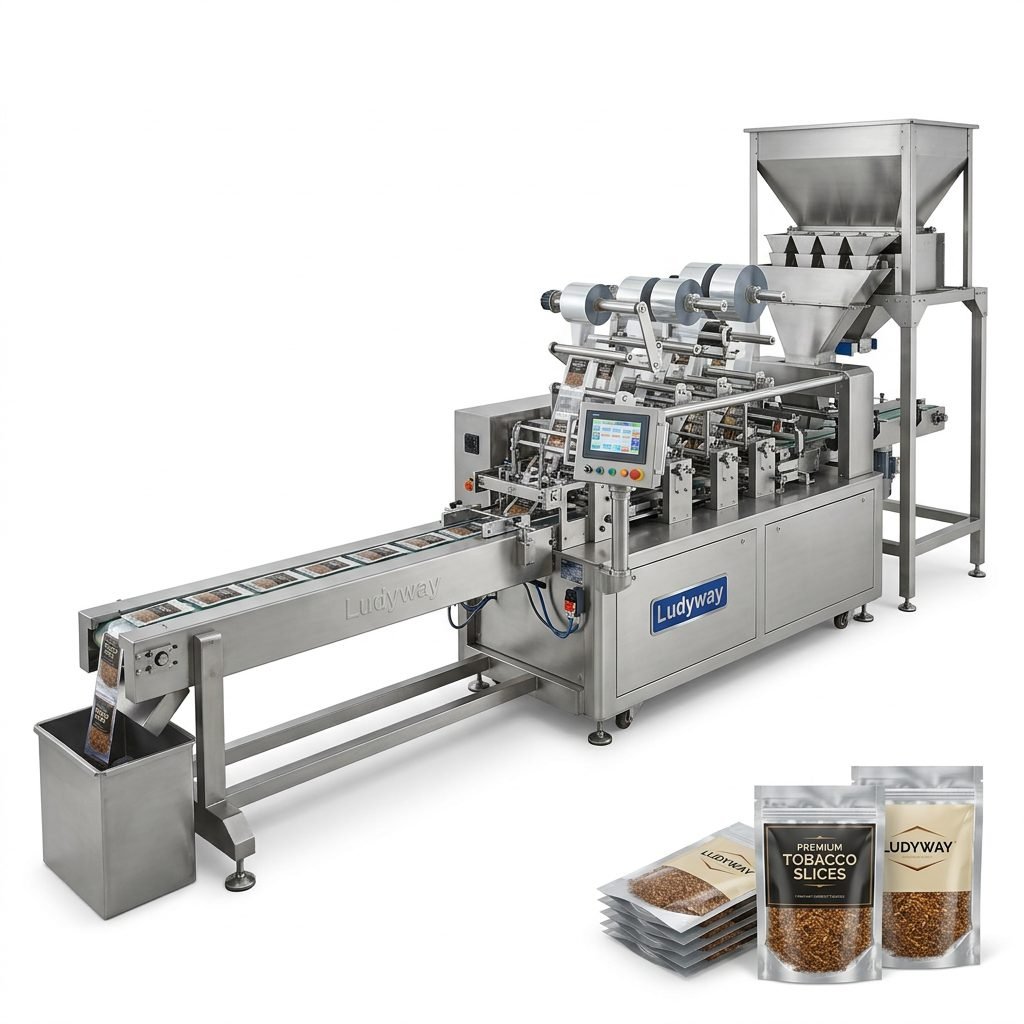
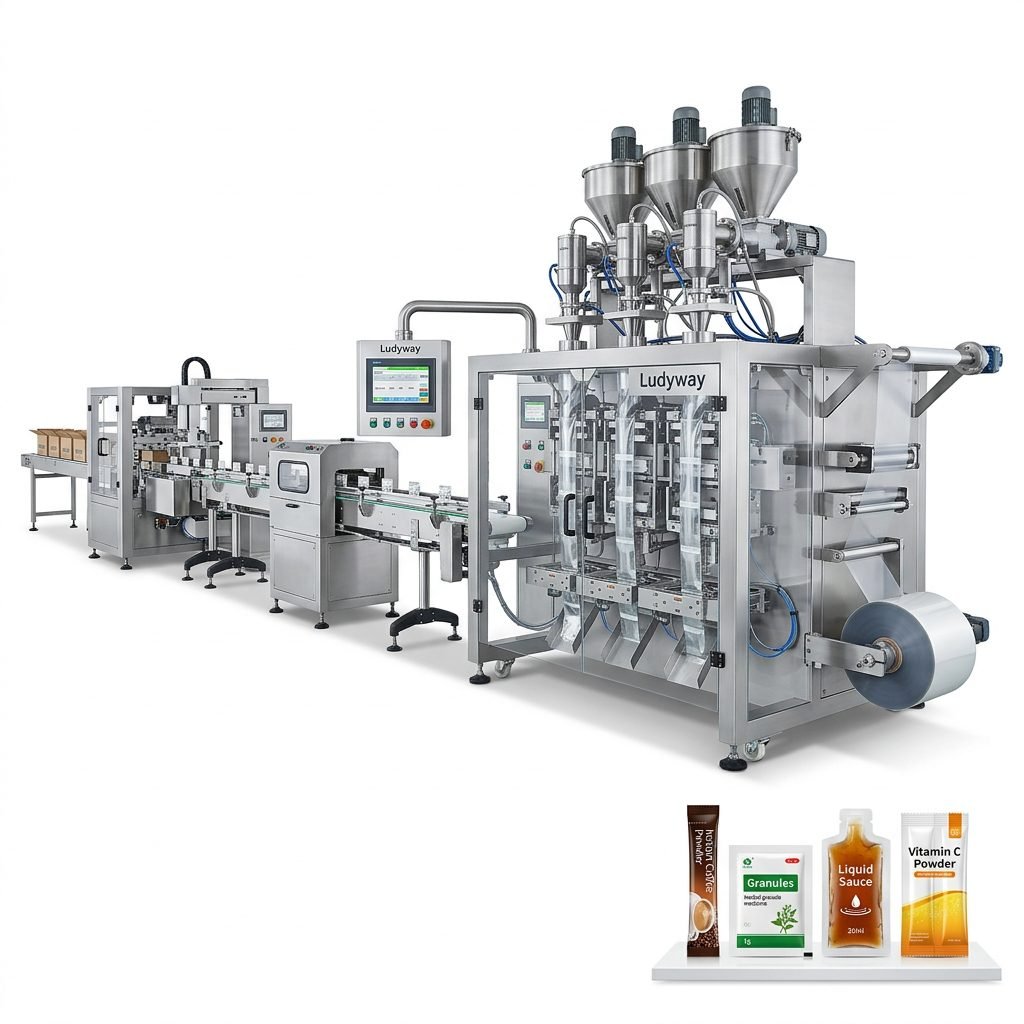
Throughout this process, working with an experienced supplier can significantly streamline procurement. For example, Ludyway — one of the largest packaging machine manufacturers in China with over 30 years of industry expertise and a modern 20,000㎡ production facility — offers more than 50 intelligent packaging machine models, including multi-lane stick pack and sachet systems specifically suited for baby food applications. The company serves customers in over 100 countries and regions, providing reliable packaging solutions for the global food industry.
Future Trends in Baby Food Packaging
Staying ahead of industry trends ensures your packaging investment remains competitive over its 10–15 year operational lifespan:
- Sustainable packaging materials — growing consumer pressure is driving adoption of recyclable mono-materials and bio-based films; ensure your machine can handle these evolving substrates
- Smart packaging integration — QR codes, NFC tags, and tamper-evident features are increasingly expected by retailers and consumers
- Flexible small-batch production — the rise of specialty and organic baby food brands demands machines with rapid changeover capabilities
- Traceability and serialization — full batch tracking from raw ingredient to finished pack is becoming a regulatory requirement in several Southeast Asian export markets

Final Recommendations
Purchasing a baby food packaging machine in Southeast Asia is a significant decision that deserves meticulous planning. Prioritize hygiene, accuracy, and supplier reliability over upfront cost savings — a poorly chosen machine will cost far more in downtime, product waste, and compliance failures than any initial discount. Visit trade shows such as PACK EXPO International to see machines in operation, speak directly with manufacturers, and test your products on demonstration equipment before making a commitment. With the right machine and the right partner, your baby food packaging operation can achieve the efficiency, safety, and scalability needed to thrive in Southeast Asia’s dynamic and growing market.