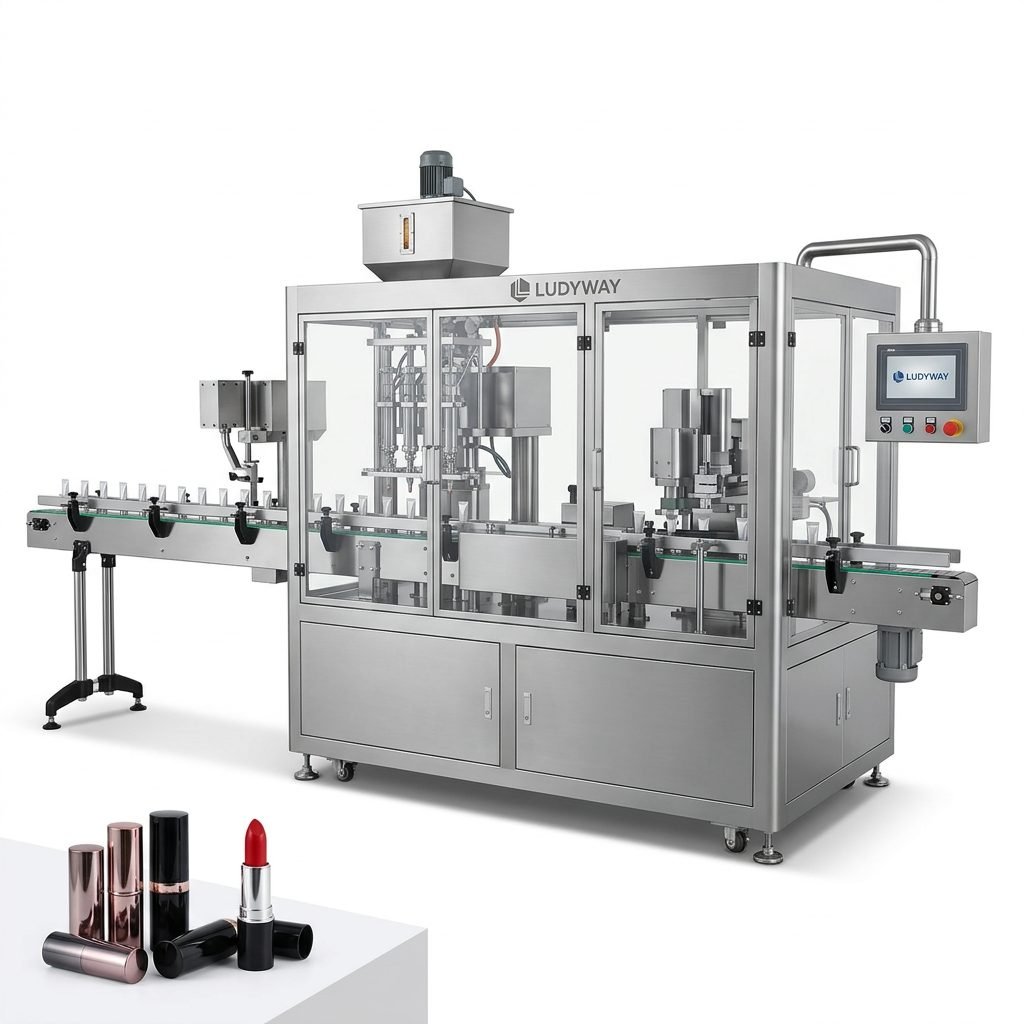
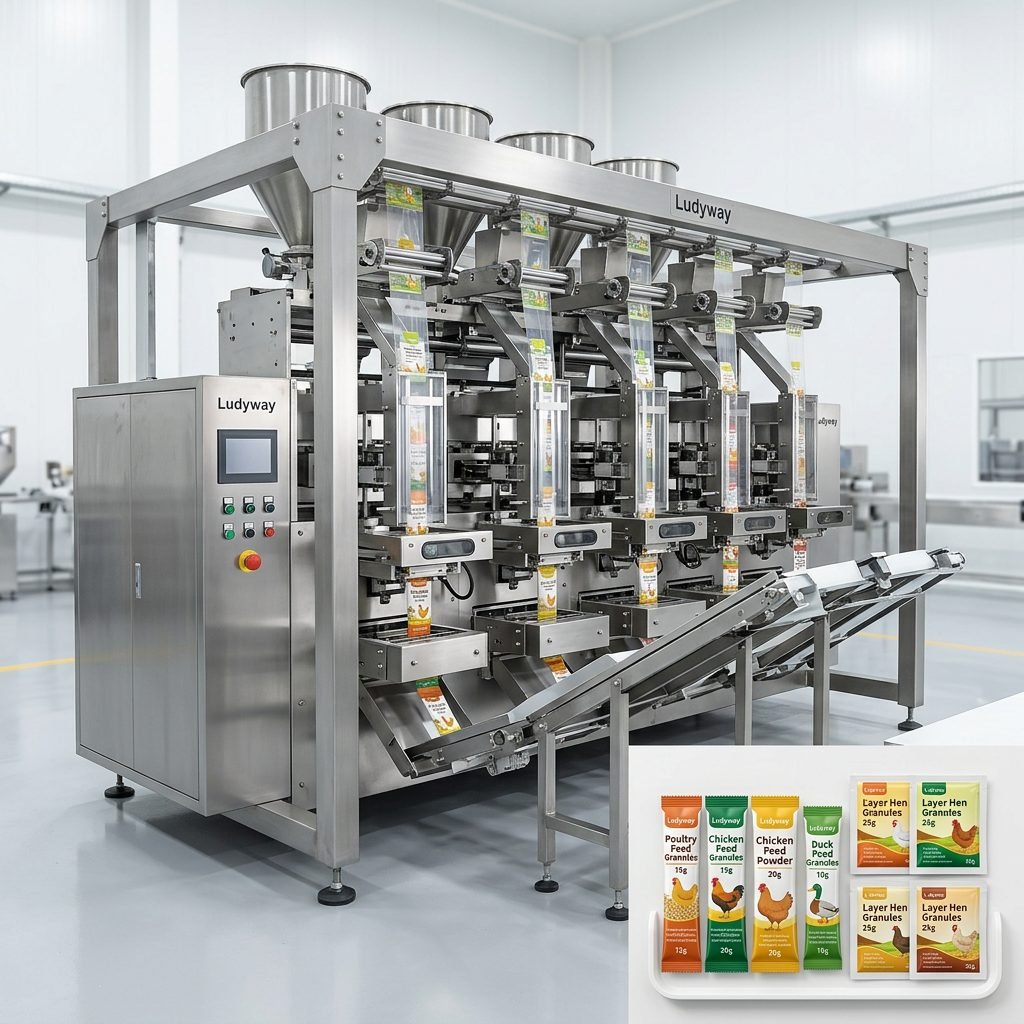
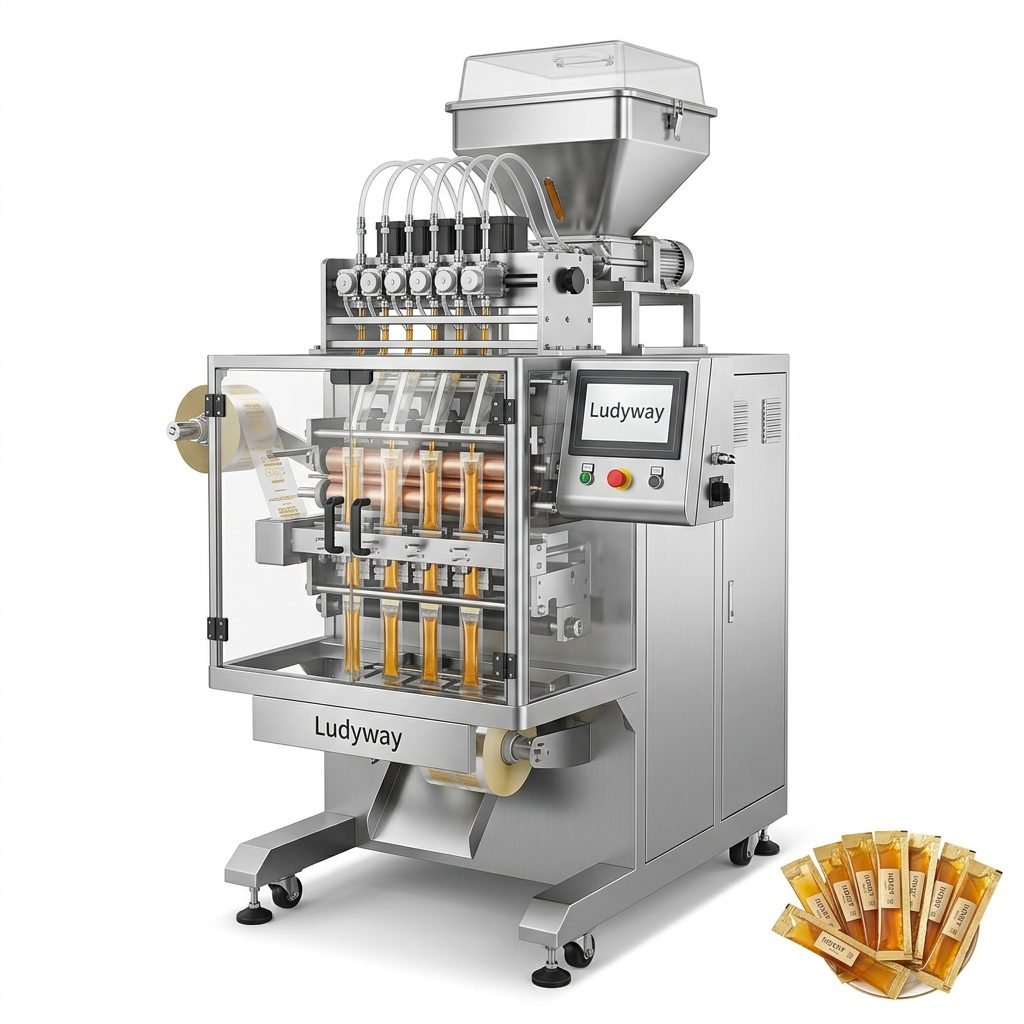
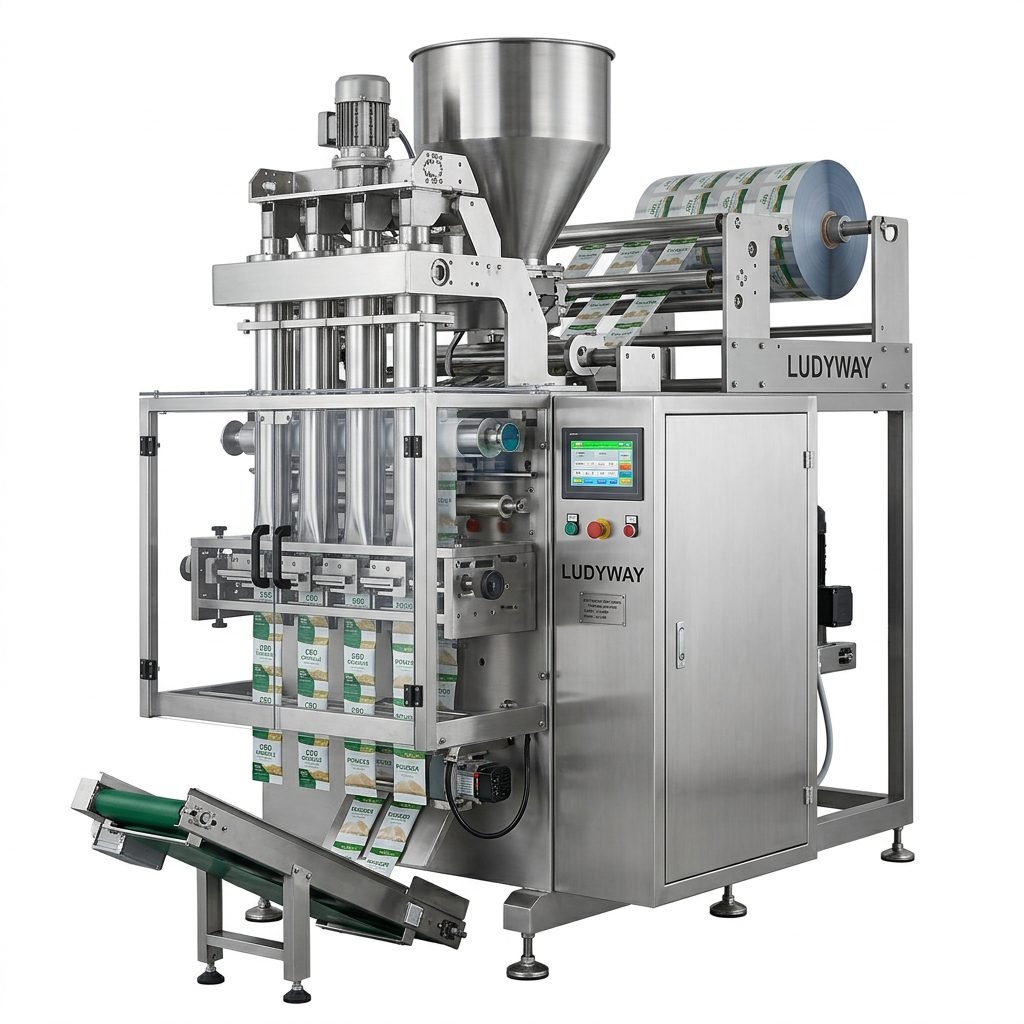
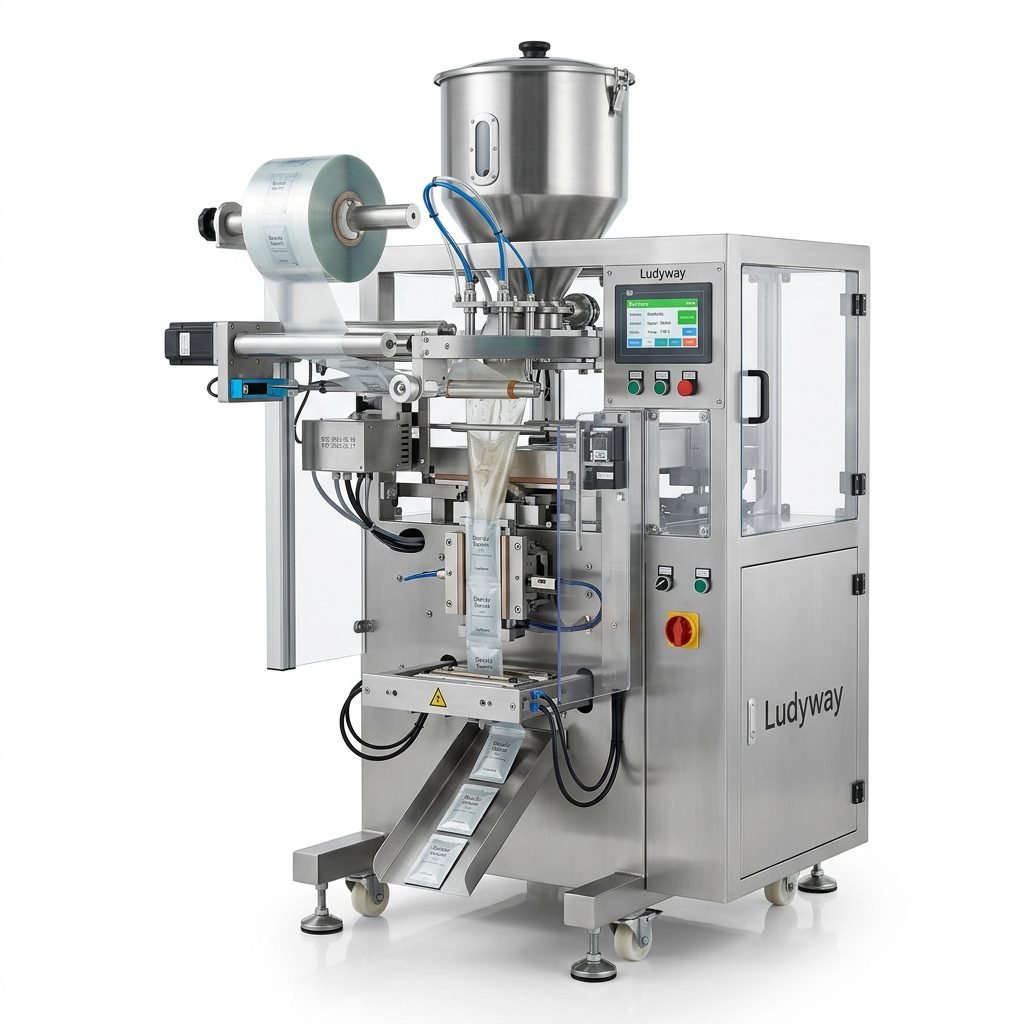
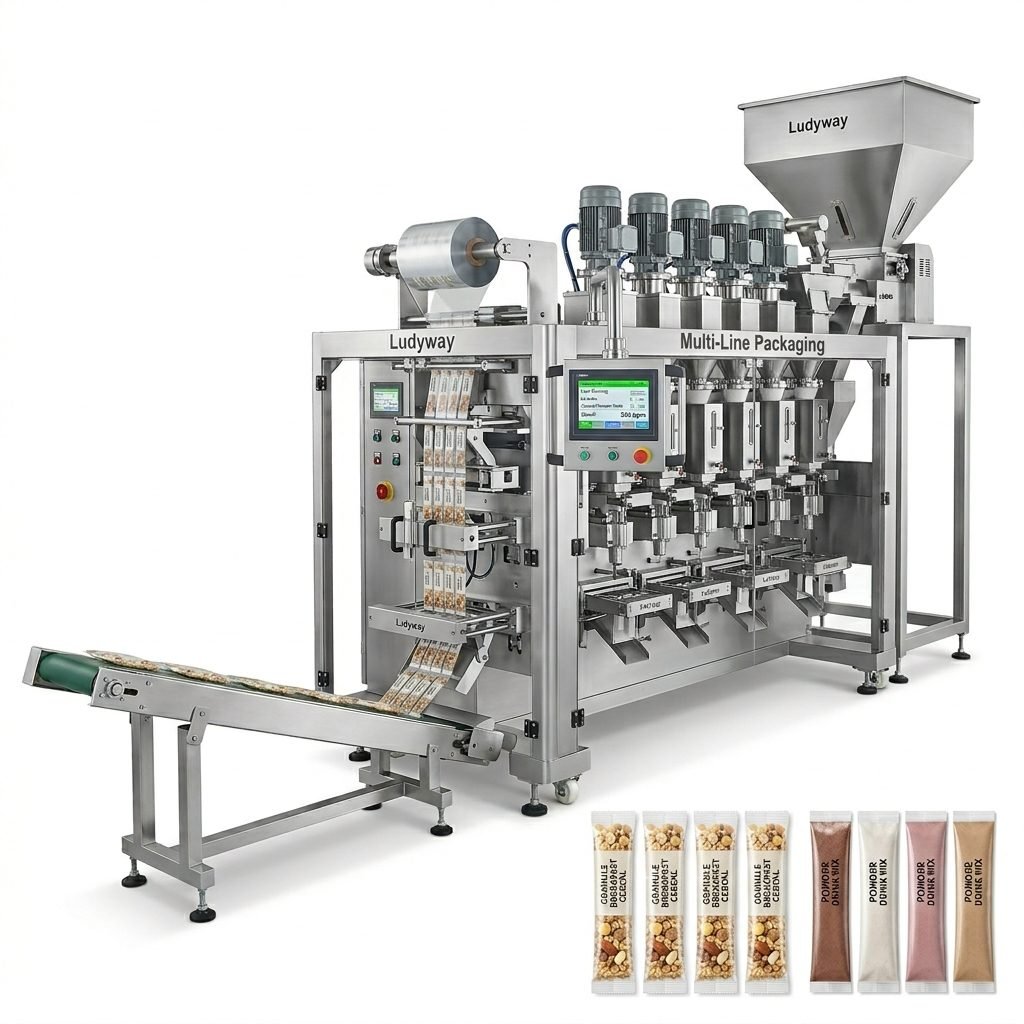
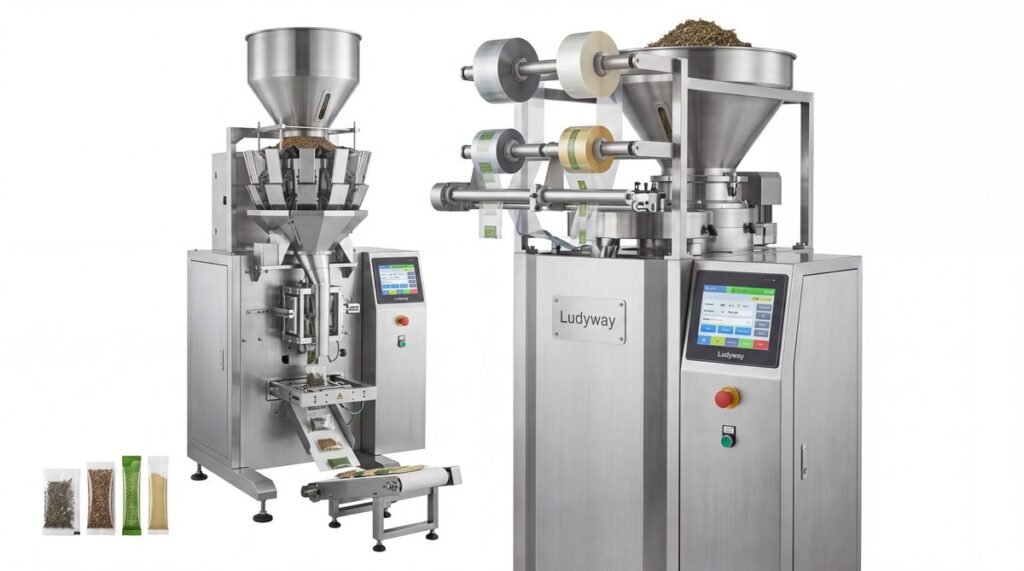
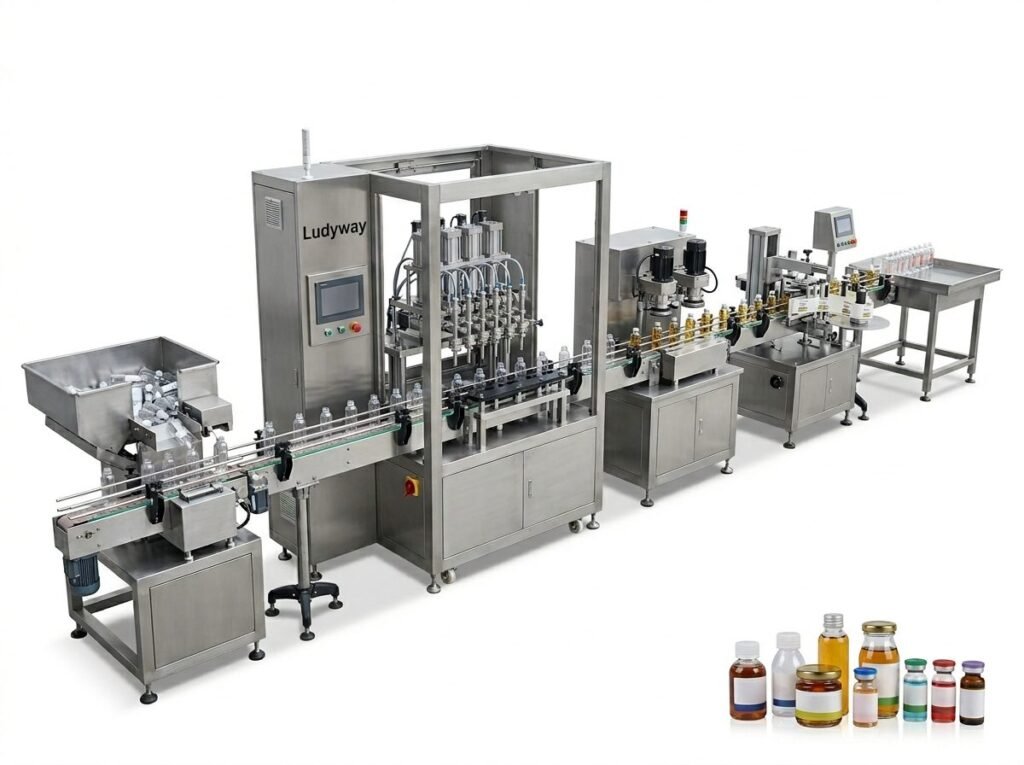
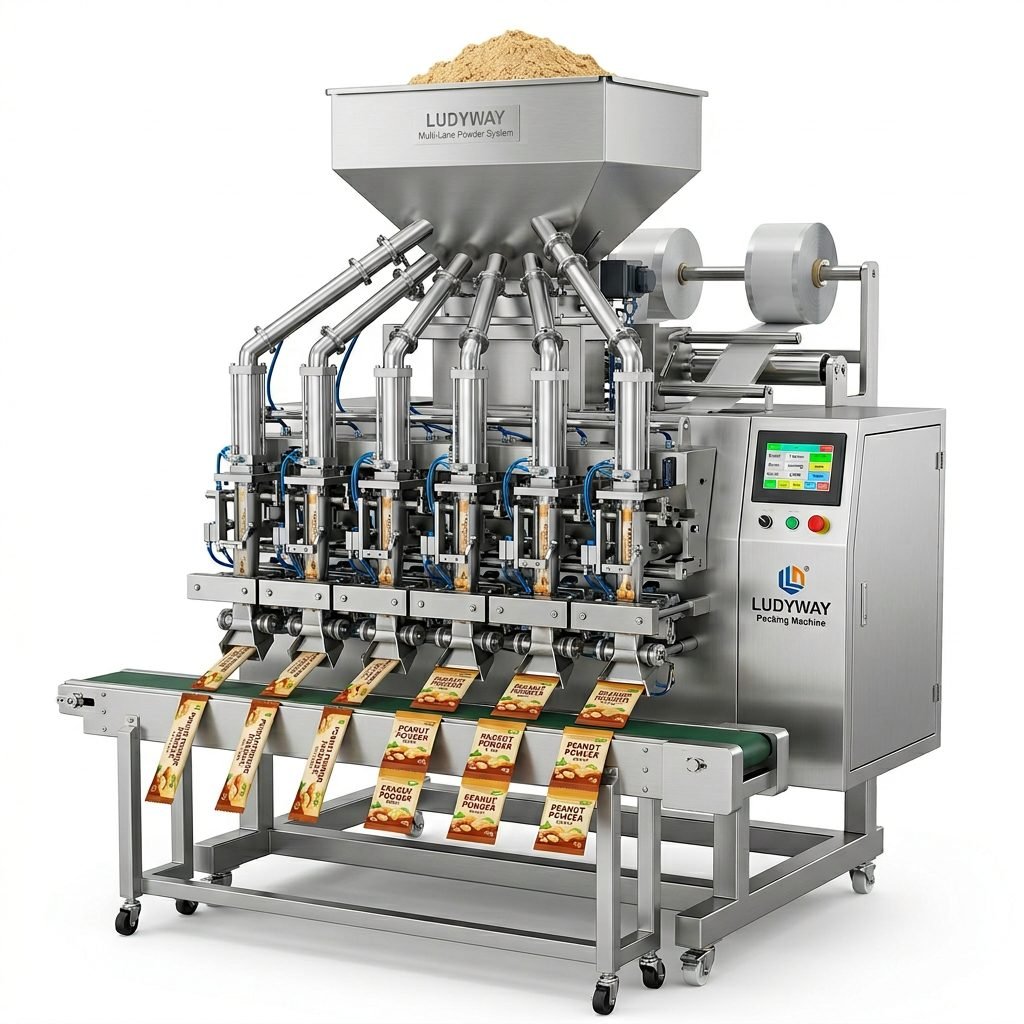
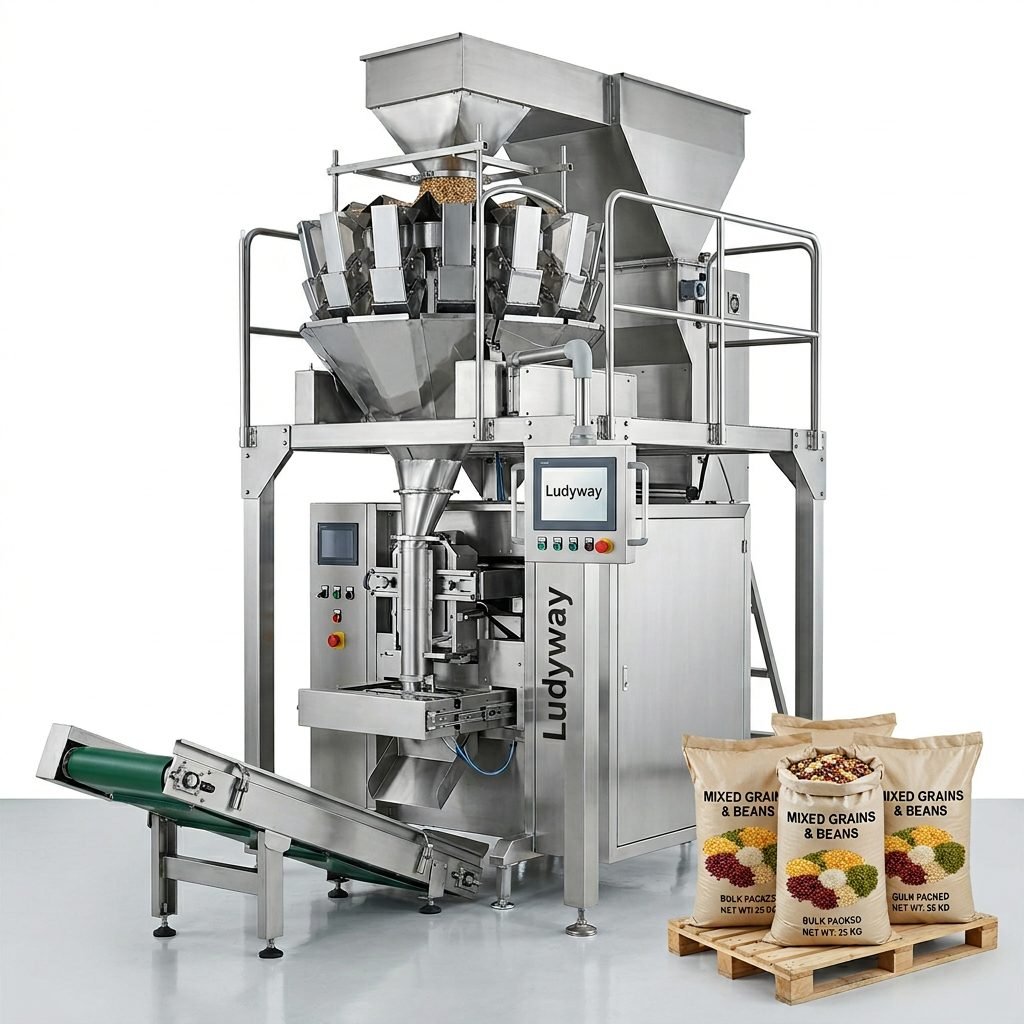
A semi automatic packaging machine offers a practical middle ground between manual packing and full automation. For growing manufacturers, it can improve output, reduce operator fatigue, and maintain more consistent package quality without the higher investment required for a fully automatic line. It is especially useful for small to medium production runs, new product launches, and businesses that want to scale step by step.
In industries such as food, pharmaceuticals, health supplements, cosmetics, and chemicals, semi automatic systems are widely used for filling, sealing, weighing, coding, and pouch or bottle handling. When matched correctly to your product and packaging format, the machine can deliver better productivity, lower waste, and easier process control.
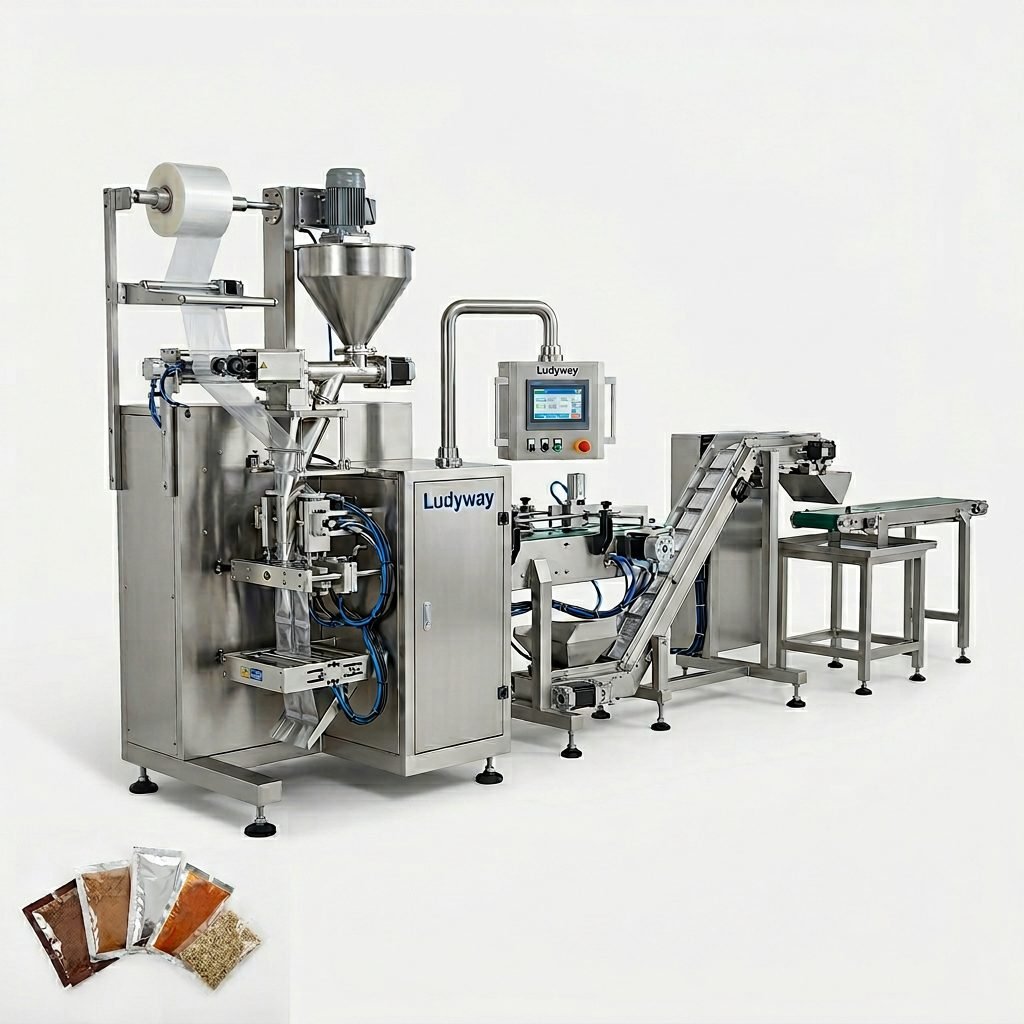
What Is a Semi Automatic Packaging Machine?
A semi automatic packaging machine is equipment that performs key packaging functions mechanically while still requiring some operator involvement. Depending on the model, the operator may load containers, place pouches, start the cycle, remove filled packs, or adjust packaging parameters between batches.
Typical machine types include:
- Powder filling machines
- Granule weighing and filling machines
- Liquid and paste filling machines
- Bag sealing machines
- Tabletop pouch filling units
- Bottle filling and capping systems
- Labeling and coding support equipment
These machines are commonly chosen by companies that need a balance of affordability, flexibility, and efficiency.
Key Benefits of Semi Automatic Packaging Machines
1. Lower Initial Investment
Compared with fully automatic packaging lines, semi automatic machines generally have a lower purchase cost. This makes them ideal for startups, contract packers, pilot plants, and manufacturers expanding into new product categories.
2. Easy to Operate
Most semi automatic packaging machines are designed with straightforward controls, making operator training simpler. For businesses with limited technical staff, this can reduce setup time and support faster onboarding.
3. Greater Packaging Consistency
Manual packing often leads to variation in fill weight, seal quality, and overall appearance. A semi automatic machine helps standardize these steps, which improves product presentation and reduces rejects.
4. Better Flexibility for Multiple Products
If your factory handles multiple SKUs, short production runs, or seasonal demand, semi automatic systems can be easier to switch over than large integrated lines. This is particularly valuable for food powders, nutraceuticals, liquid sachets, and specialty chemical products.
5. Reduced Labor Intensity
Although these machines still require operator participation, they reduce repetitive manual work. That can improve workplace efficiency while lowering the risk of filling errors and packaging fatigue.
6. Good for Gradual Automation
Many businesses use semi automatic packaging equipment as a transition stage. It allows them to validate product demand, optimize packaging formats, and then move toward higher levels of automation later.
| Benefit | Business Value |
|---|---|
| Lower capital cost | Suitable for limited budgets and early-stage growth |
| Improved consistency | Helps reduce underfilling, overfilling, and sealing defects |
| Flexible operation | Handles multiple package types and product variations |
| Simpler maintenance | Often easier to service than complex full automation lines |
| Scalable production | Supports gradual factory automation planning |
Main Features to Look For
Not all semi automatic packaging machines are built the same. The right configuration depends on your product form, packaging material, hygiene standard, and output target.
Accurate Filling System
For powders, look for auger fillers. For granules, consider weighers or volumetric cup systems. For liquids and pastes, piston or pump filling systems are often used. Accuracy matters because it directly affects cost control and customer satisfaction.
Reliable Sealing Performance
Good sealing ensures shelf life, leak prevention, and package integrity. Machines should support stable temperature control and suit the packaging material being used.
Quick Changeover
If you run different pack sizes or formulations, fast adjustment can save significant downtime. Tooling design and operator-friendly settings are important.
Compact Footprint
Semi automatic packaging equipment is often selected for workshops with limited space. Compact layout can help improve line organization while leaving room for future expansion.
Food or Pharma Grade Construction
For sensitive applications, stainless steel contact parts, hygienic design, and easy-clean structures are essential. This is especially important for powders, supplements, sachets, and oral products.
Control System and Safety Features
A clear interface, emergency stop, overload protection, and stable electrical components improve both usability and operating safety.
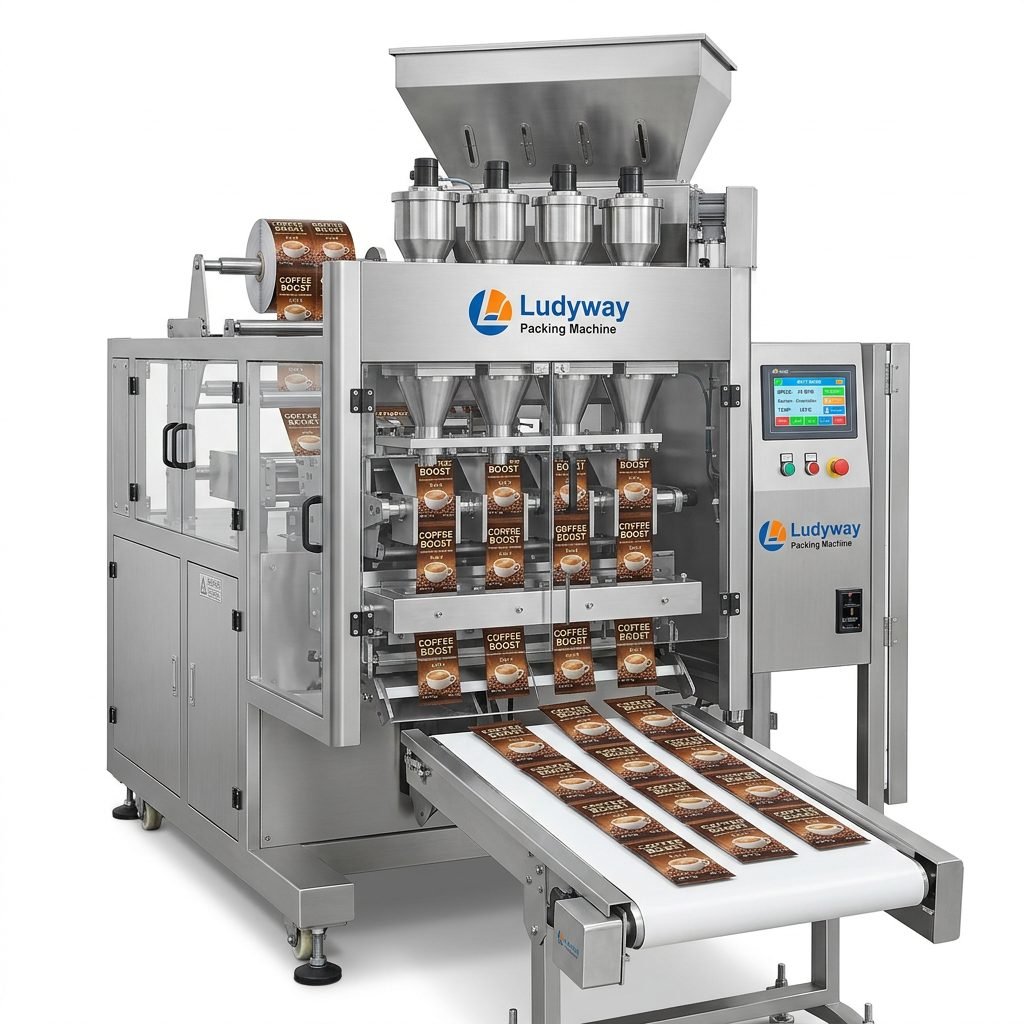
Common Applications by Industry
Food Industry
- Coffee powder
- Spices and seasonings
- Sugar, salt, and sweeteners
- Sauces, oils, and condiments
- Snack granules and baking mixes
Pharmaceutical and Health Supplement Industry
- Oral powder sachets
- Granule medicines
- Probiotic products
- Capsules and tablets with support packaging units
- Nutritional supplement packs
Cosmetics and Personal Care
- Shampoo sachets
- Cream and lotion filling
- Serum sample packs
- Travel-size beauty product packaging
Chemical and Daily-Use Products
- Detergent powder
- Liquid cleaner sachets
- Agricultural chemicals
- Industrial additives
Semi Automatic vs Fully Automatic Packaging Machines
| Factor | Semi Automatic | Fully Automatic |
|---|---|---|
| Investment cost | Lower | Higher |
| Labor requirement | Moderate | Lower |
| Production speed | Medium | High |
| Changeover flexibility | Often easier | Depends on line complexity |
| Best for | SMEs, flexible production, pilot runs | High-volume standardized production |
How to Choose the Right Semi Automatic Packaging Machine
Understand Your Product Characteristics
Start with the basics: is your product a powder, granule, liquid, paste, capsule, or tablet? Free-flowing and non-free-flowing materials require different filling solutions. Viscosity, particle size, moisture content, and dust behavior should all be evaluated.
Define Your Packaging Format
You need to know whether you are packing into sachets, stick packs, pouches, bottles, jars, or bags. The package style directly affects machine structure, sealing method, dosing unit, and output capacity.
Estimate Real Output Requirements
Avoid choosing only by maximum speed on paper. Instead, look at practical output per hour with operator handling included. A machine that is slightly slower but more stable can deliver better long-term efficiency.
Check Accuracy and Material Compatibility
For higher-value products such as nutraceuticals or pharmaceutical powders, filling precision is critical. Make sure the machine can maintain consistent accuracy within your acceptable tolerance range.
Review Cleaning and Maintenance Needs
If you change products frequently, easy cleaning becomes a major advantage. Machines with accessible contact parts and simple disassembly can reduce downtime.
Evaluate Supplier Experience
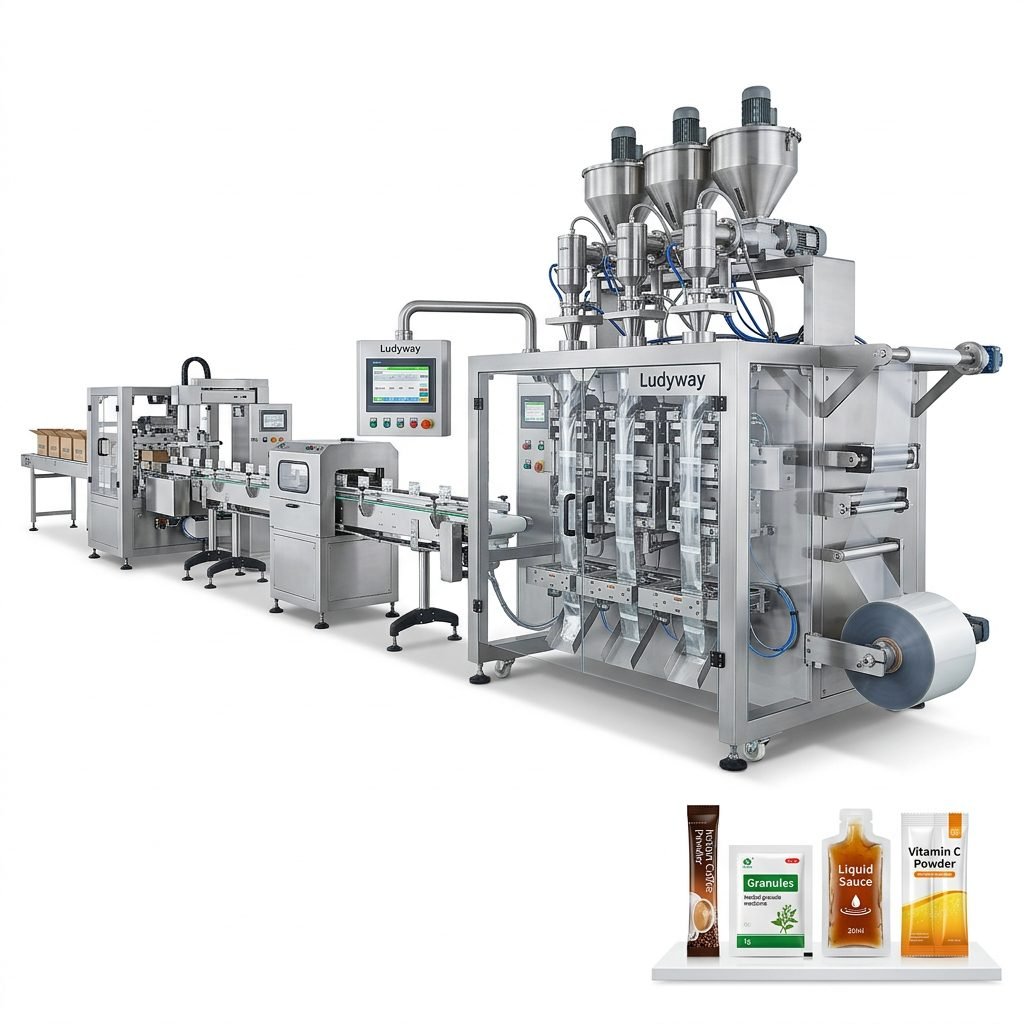
A supplier with broad application knowledge can help you avoid mismatched equipment. For example, Ludyway semi automatic packaging machine solutions are backed by more than 30 years of packaging machinery experience, with equipment and turnkey lines serving food, pharmaceutical, health supplement, cosmetic, and chemical industries in over 100 countries and regions.
Questions to Ask Before Buying
- What products will the machine pack now and in the future?
- What is the expected pack size range?
- How accurate must the filling system be?
- How many operators are required per shift?
- What spare parts and after-sales support are available?
- Can the system be upgraded later into a more automated line?
- Does the machine meet hygiene or compliance requirements for my industry?
Signs a Semi Automatic Machine Is the Right Choice
- Your production volume is growing but not yet high enough for full automation
- You need to control budget while improving packaging consistency
- You produce multiple SKUs or run frequent product changes
- You want to reduce manual handling without building a complete automated line
- You are testing a new market or launching a new packaging format
Maintenance Tips for Better Performance
To keep your semi automatic packaging machine running smoothly, follow a simple preventive maintenance plan:
- Clean product contact parts regularly
- Check sealing temperature and pressure consistency
- Inspect wear parts before they affect output quality
- Calibrate filling accuracy at planned intervals
- Train operators on both use and routine inspection
- Keep critical spare parts in stock
Final Buying Insight
A semi automatic packaging machine is not just a lower-cost alternative to full automation. In many cases, it is the smartest operational choice for businesses that need flexibility, controlled investment, and dependable packaging performance. The best machine is the one that fits your actual product, output goals, labor model, and future expansion plan.
By comparing machine features carefully and choosing an experienced manufacturer, buyers can achieve strong packaging efficiency today while keeping the door open for tomorrow’s automation upgrades.