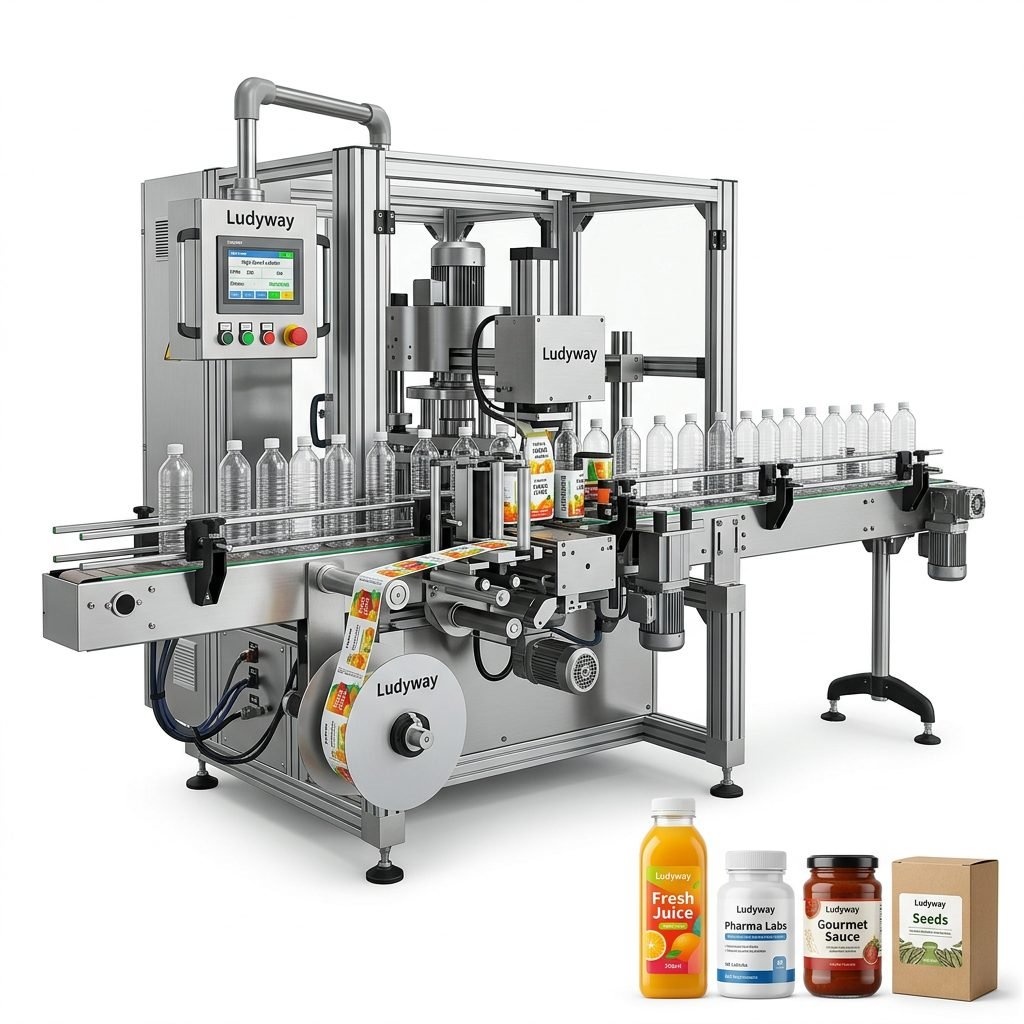
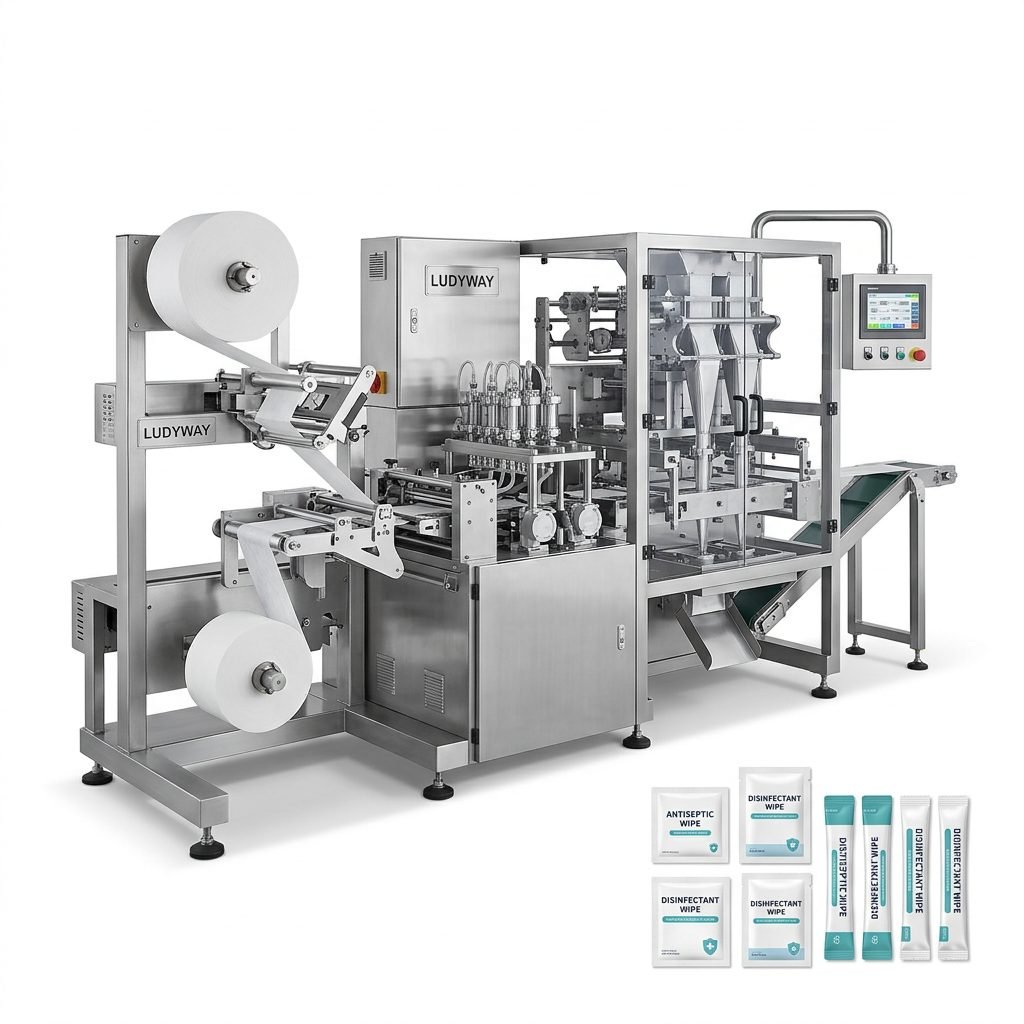
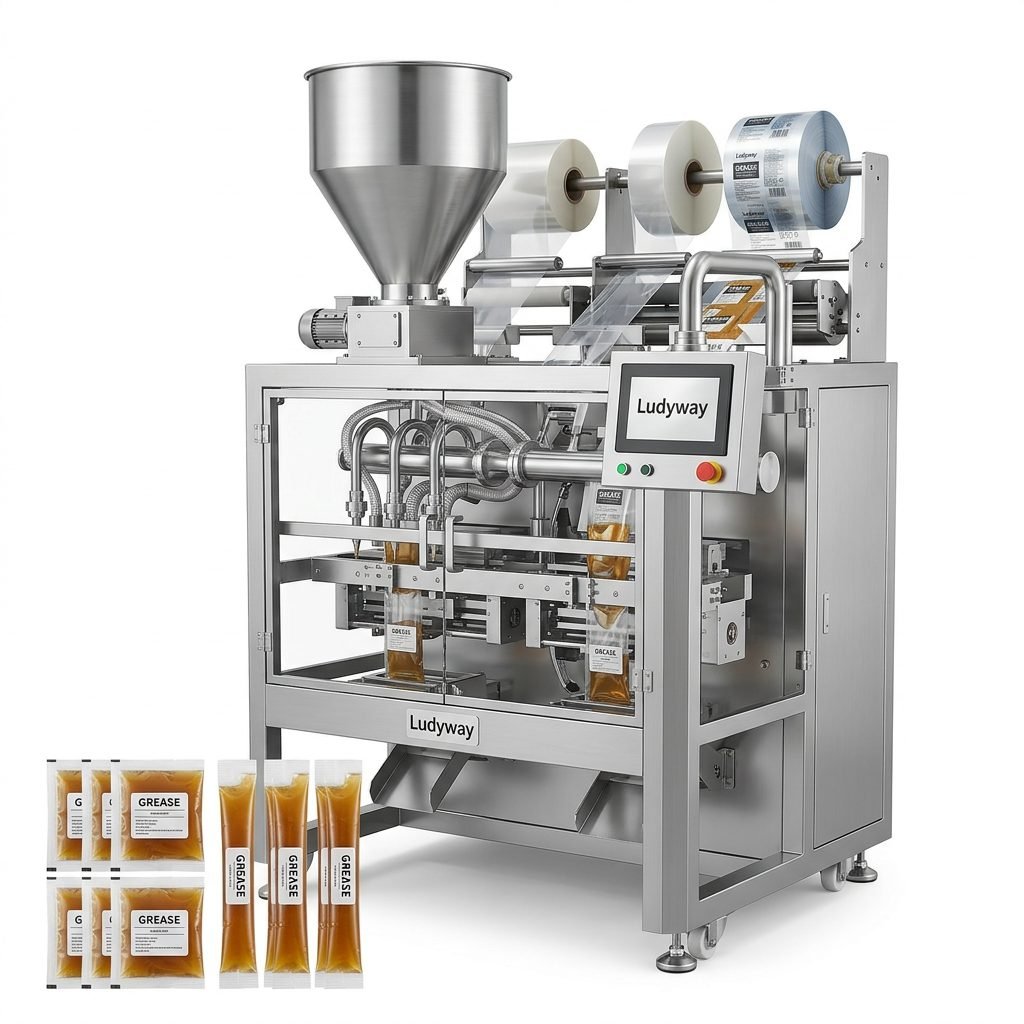
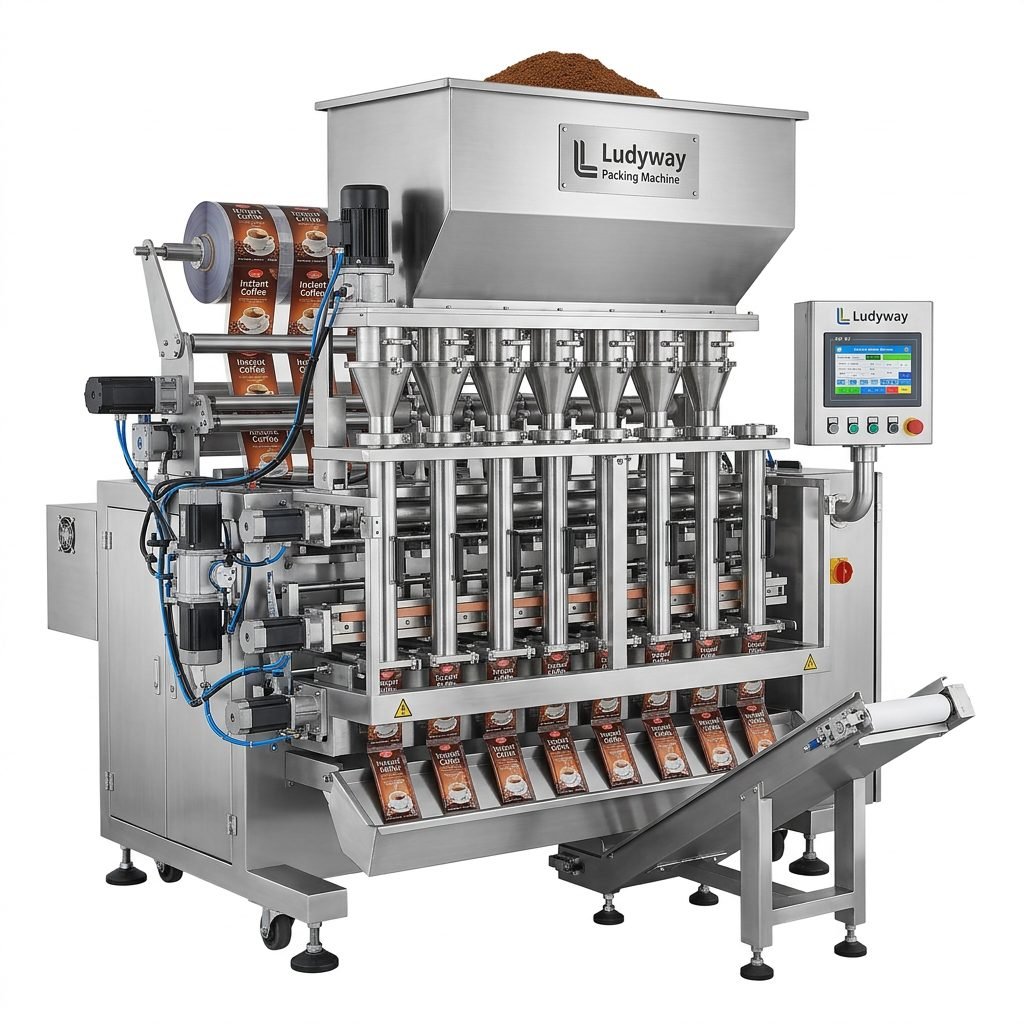
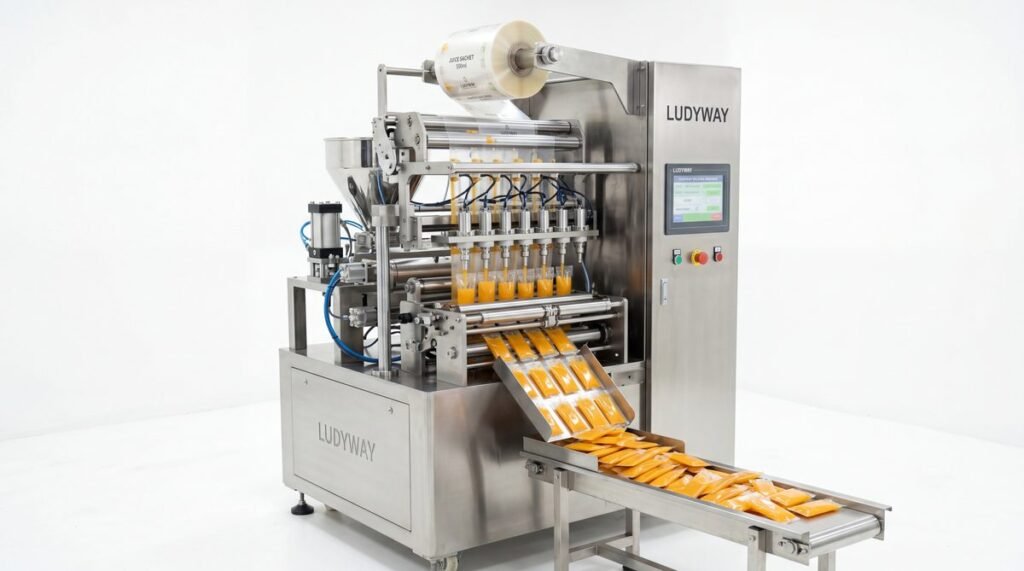
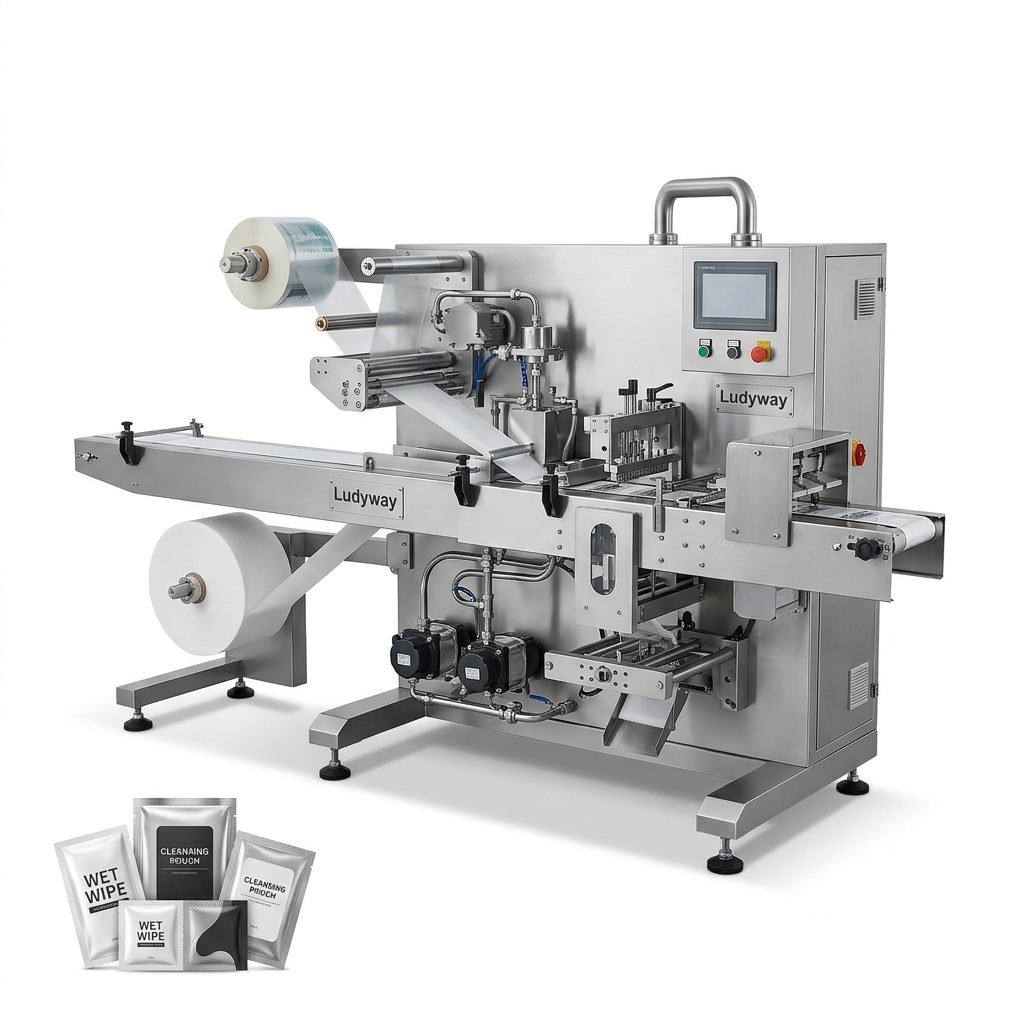
Investing in a tea and ghee pouch packing machine is a strategic decision for manufacturers looking to scale production, improve product consistency, and meet growing market demand. Whether you are packaging premium loose-leaf tea, instant tea powder, or clarified butter (ghee) in single-serve sachets or retail pouches, understanding the cost structure is essential for making an informed purchase. Prices can range significantly based on automation level, machine configuration, and production capacity. This guide breaks down the key factors that influence pricing and provides realistic cost expectations for businesses of all sizes.
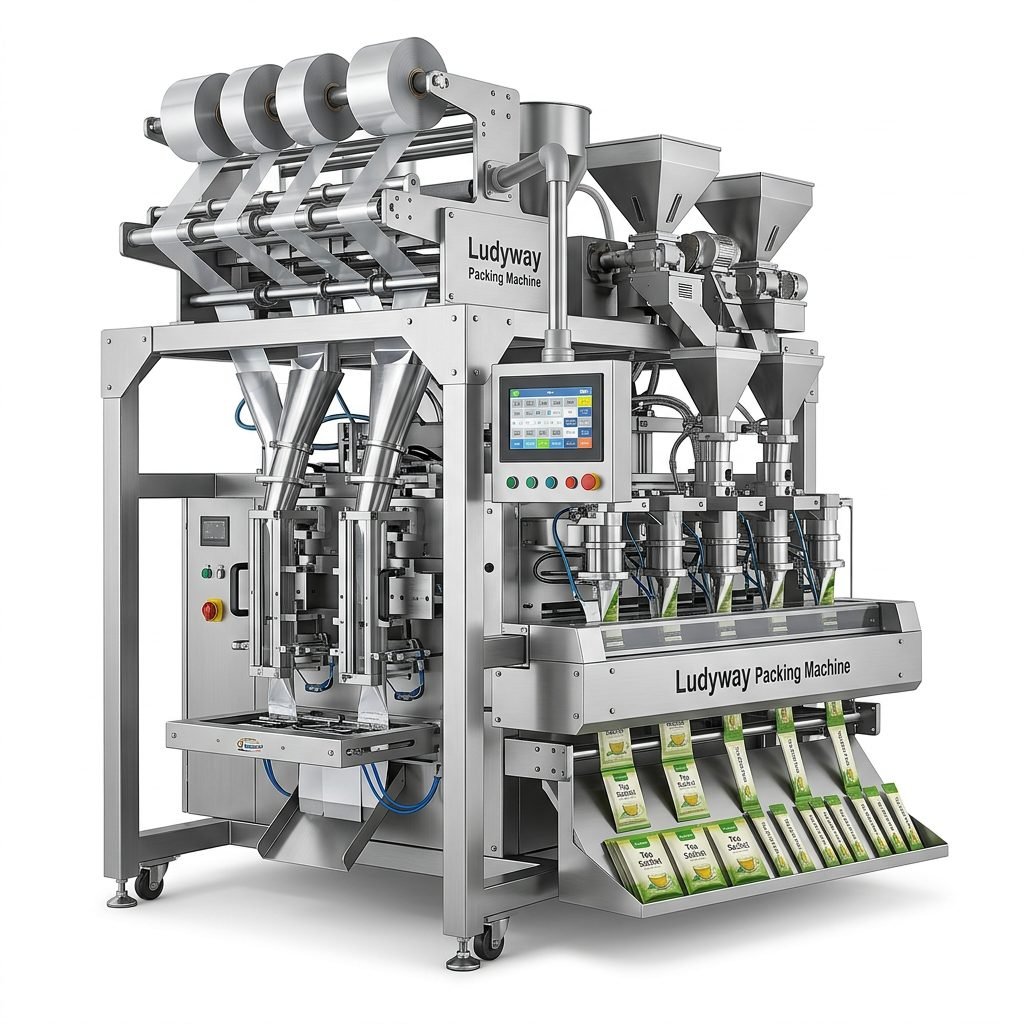
Key Factors That Determine the Cost of a Tea and Ghee Pouch Packing Machine
Several variables influence the final price of a tea pouch packing machine or ghee packaging system. Understanding these factors helps you evaluate quotes and select equipment that matches both your production goals and your budget.
| Cost Factor | Description | Impact on Price |
|---|---|---|
| Automation Level | Semi-automatic vs. fully automatic operation, including auto-feeding, filling, sealing, and cutting | High |
| Number of Lanes | Single-lane vs. multi-lane (4, 6, 8, 10, or 12 lanes) for higher output | Very High |
| Filling System Type | Auger filler for powder, piston filler for liquid/ghee, volumetric cup filler for granules | Moderate |
| Packaging Speed | Measured in pouches per minute (PPM); higher speeds require more robust components | High |
| Pouch Format & Size Range | Stick pack, 3-side seal, 4-side seal, or gusseted pouch; adjustable bag sizes | Moderate |
| Material Compatibility | Ability to handle laminated films, aluminum foil, or biodegradable materials | Low to Moderate |
| Additional Modules | Date coding, nitrogen flushing, gas flushing, checkweigher, cartoning integration | Adds incremental cost |
| Certifications & Compliance | CE, FDA, GMP, or ISO certifications for food-grade and pharmaceutical packaging | Moderate |
Estimated Price Ranges by Machine Type
The following table outlines typical price ranges for different configurations of tea and ghee pouch packing machines. These estimates are based on industry averages and may vary depending on manufacturer, customization, and regional factors.
| Machine Type | Capacity (Pouches/Minute) | Estimated Price Range (USD) | Best For |
|---|---|---|---|
| Semi-Automatic Single-Lane | 15–30 | $2,500 – $8,000 | Startups, small-scale producers |
| Automatic Single-Lane | 30–50 | $8,000 – $25,000 | Growing mid-size businesses |
| Multi-Lane (4–6 Lanes) | 120–300 | $25,000 – $60,000 | Established manufacturers |
| Multi-Lane (8–12 Lanes) | 400–800 | $60,000 – $150,000 | High-volume industrial production |
| Turnkey Packaging Line | Full automation | $150,000 – $500,000+ | Large-scale enterprises |
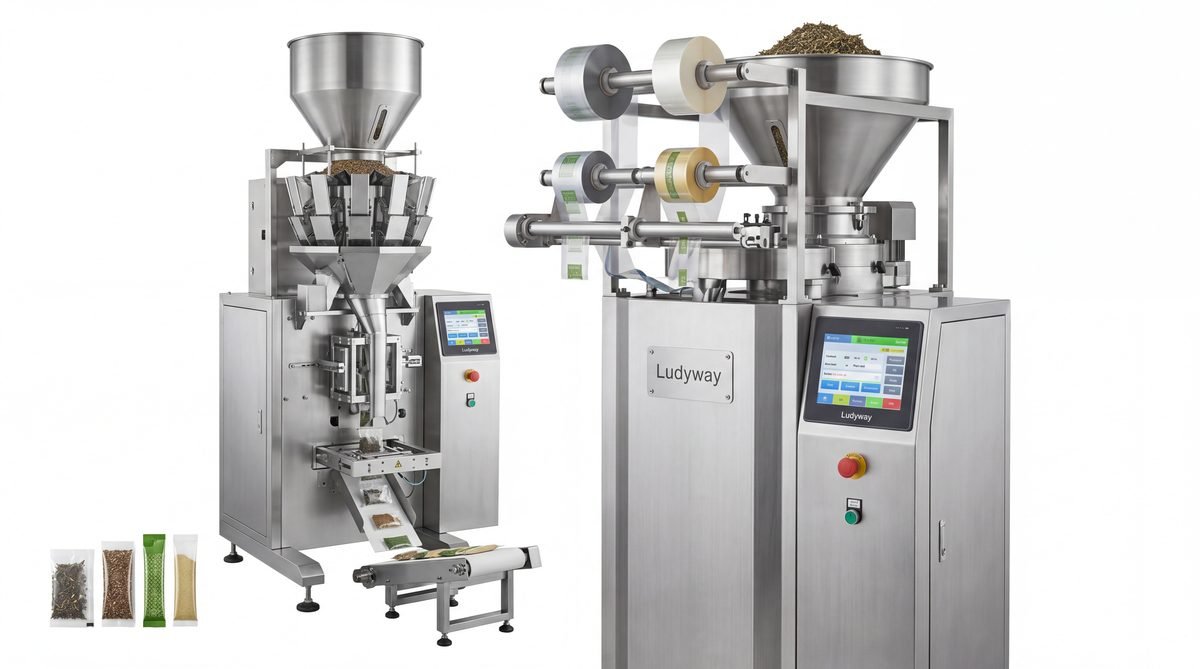
Why Tea and Ghee Packaging Requires Specialized Equipment
Both tea and ghee present unique packaging challenges that demand purpose-built machinery. Selecting the right packaging machinery ensures product integrity, extends shelf life, and enhances brand presentation.
Tea Packaging Considerations
- Moisture Sensitivity: Tea leaves and powders absorb moisture easily; machines with nitrogen flushing capabilities help preserve freshness.
- Delicate Granules: Premium tea blends require gentle handling to avoid crushing; auger or volumetric fillers with precise dosing are essential.
- Multiple Formats: Stick packs, flat sachets, and gusseted pouches are popular for different tea products, necessitating versatile machinery.
- Aroma Retention: High-quality films and hermetic sealing prevent aroma loss and contamination.
Ghee Packaging Considerations
- Temperature Control: Ghee is often filled warm to maintain fluidity; piston fillers with heated hoppers ensure smooth, consistent filling.
- Oil-Resistant Sealing: Ghee’s fat content requires robust sealing systems that prevent leaks and maintain airtight seals.
- Material Selection: Multi-layer barrier films protect against oxidation and extend shelf life, essential for export-ready products.
- Portion Control: Single-serve sachets (10ml–50ml) are increasingly popular in hospitality and travel retail, driving demand for high-accuracy filling systems.
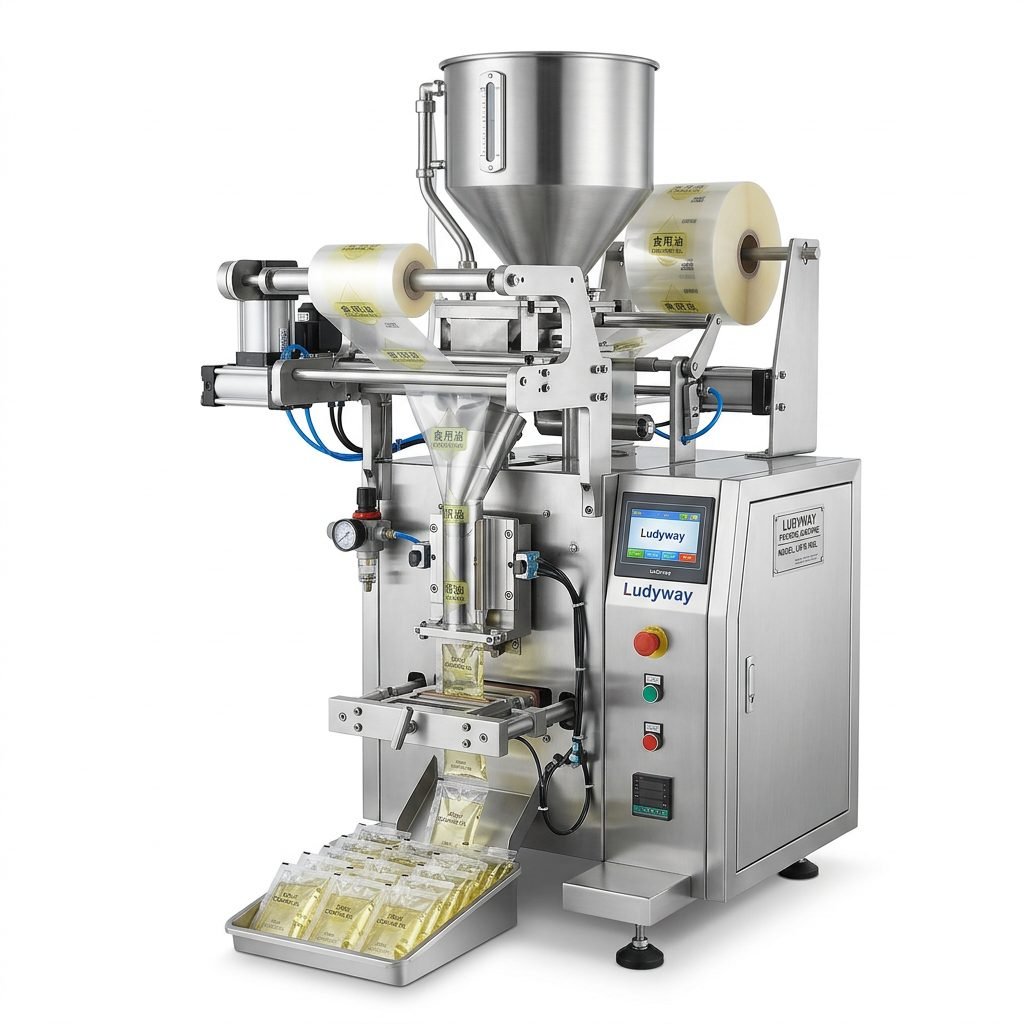
Additional Costs to Consider Beyond the Machine Price
When budgeting for a tea and ghee pouch packing machine, factor in these often-overlooked expenses that can affect your total investment:
- Shipping and Logistics: International freight, customs duties, and insurance can add 5%–15% to the machine cost, especially for heavy industrial equipment shipped from overseas manufacturers.
- Installation and Commissioning: Professional setup, calibration, and operator training typically range from $1,500 to $5,000 depending on complexity and location.
- Spare Parts and Consumables: Budget for replacement sealing jaws, cutting blades, filters, and other wear parts; an annual allocation of $500–$2,000 is advisable.
- Facility Modifications: Compressed air lines, electrical upgrades, or cleanroom adjustments may be required for food-grade processing environments.
- Ongoing Maintenance: Preventive maintenance contracts or in-house technician training help avoid unplanned downtime and extend machine lifespan.
Single-Lane vs. Multi-Lane Systems: Making the Right Choice
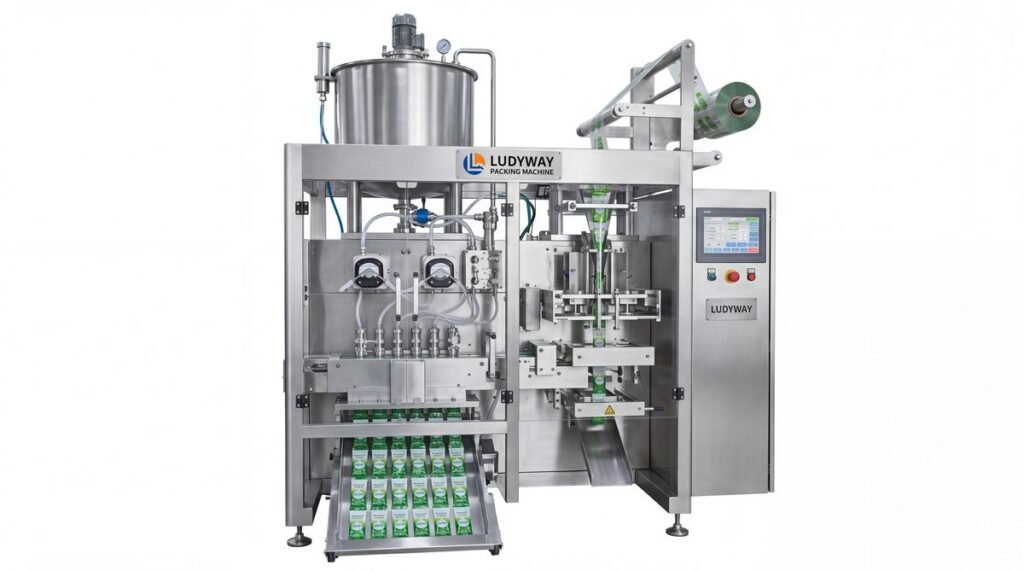
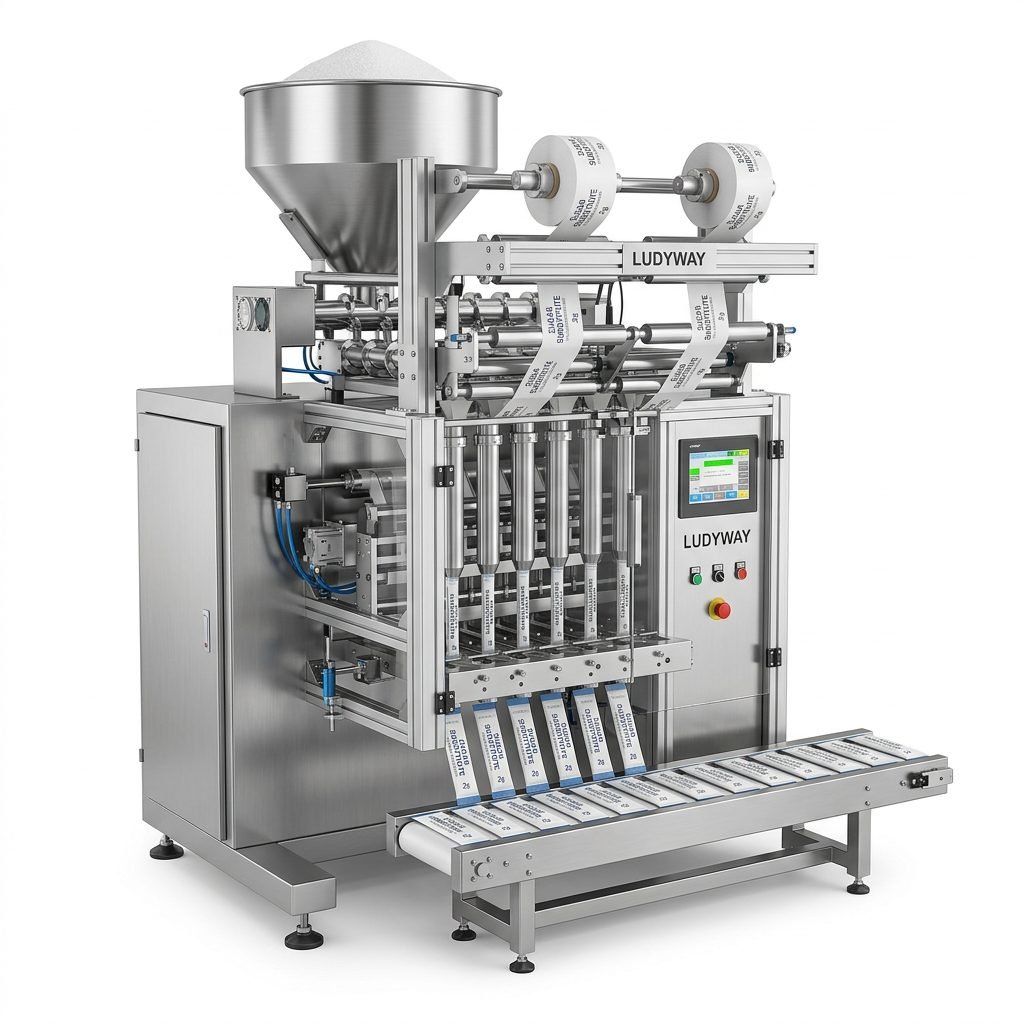
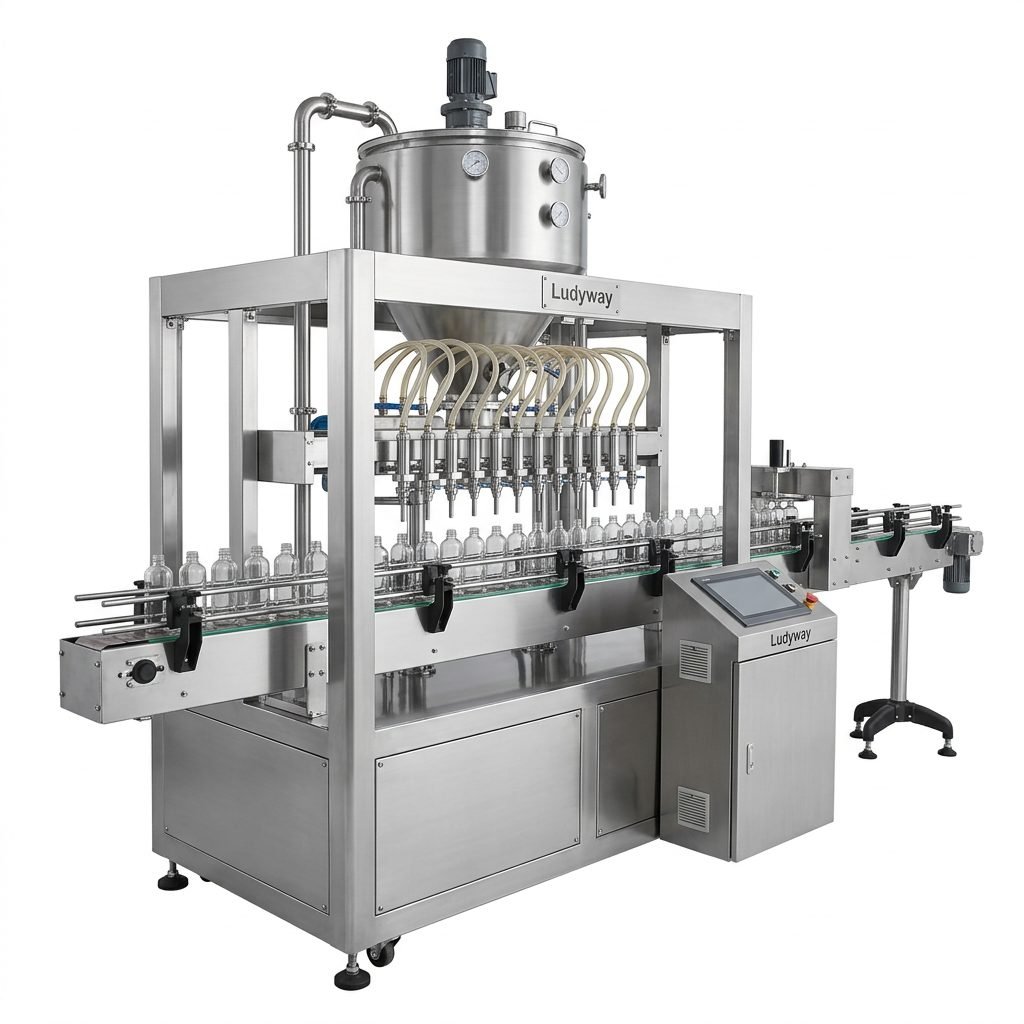
The decision between a single-lane stick pack machine and a multi-lane pouch packing system hinges on your production targets and budget. Single-lane machines are more affordable upfront and easier to operate, making them ideal for startups and niche brands. However, multi-lane configurations offer dramatically higher throughput — a 10-lane machine can produce up to 600 pouches per minute — significantly lowering per-unit packaging costs over time.
For ghee producers targeting supermarket chains or export markets, flexible packaging formats with multi-lane automation provide the speed and consistency required for competitive pricing. Conversely, artisanal tea brands may find a versatile single-lane machine sufficient to handle multiple pouch sizes and materials with quick changeovers.
How to Choose a Reliable Packaging Machine Supplier
Partnering with the right manufacturer is as important as selecting the right machine. Evaluate suppliers based on these criteria:
- Industry Experience: Look for manufacturers with proven expertise in tea and liquid/oil packaging applications. A supplier familiar with both dry and viscous product handling can provide more tailored solutions.
- Manufacturing Standards: Verify certifications such as ISO 9001, CE marking, and compliance with FDA food contact regulations.
- Technical Support: Ensure the supplier offers remote assistance, on-site service, and readily available spare parts in your region.
- Customization Capabilities: The ability to tailor filling systems, pouch formats, and automation modules to your specific product requirements adds long-term value.
- Customer References: Request case studies or connect with existing customers to validate machine performance and after-sales service quality.
Ludyway is one of the largest packaging machine manufacturers in China, specializing in advanced packaging equipment and turnkey production solutions for the food, pharmaceutical, and health industries. With over 30 years of experience and a modern 20,000㎡ manufacturing facility, the company offers more than 50 intelligent packaging machine models designed for granule, powder, liquid, and pouch applications — including multi-lane stick pack and sachet systems ideal for tea and ghee products. For more information, contact info@ludyway.com or reach out via WhatsApp at +8613129592456.
Frequently Asked Questions About Tea and Ghee Pouch Packing Machine Costs
Can the same machine package both tea and ghee?
While some versatile machines can handle both dry powders and liquids with interchangeable filling systems, it is generally recommended to use dedicated configurations for each product type. Cross-contamination risks and different sealing requirements make purpose-built machines more reliable for consistent quality.
How long does it take to receive a machine after ordering?
Standard models typically ship within 30–60 days. Customized or high-capacity multi-lane systems may require 60–120 days for manufacturing and testing before dispatch.
What is the typical ROI period for a multi-lane packing machine?
Most mid-size producers achieve full return on investment within 12–24 months, driven by increased output, reduced labor costs, and minimized product waste through precision filling.
Are used or refurbished machines worth considering?
Used machines can reduce upfront costs by 30%–50%, but they may lack warranties, modern controls, and compatibility with newer film materials. Thorough inspection and testing are essential when buying pre-owned packaging equipment.
Final Thoughts on Your Packaging Machine Investment
A tea and ghee pouch packing machine is a significant capital investment that directly impacts product quality, production efficiency, and brand reputation. By carefully evaluating your production needs, understanding the cost factors, and partnering with a reputable manufacturer, you can select equipment that delivers reliable performance and long-term value. Whether you are launching a new product line or upgrading an existing facility, the right packaging solution positions your business for sustainable growth in competitive domestic and international markets.
For more detailed insights on packaging machinery market trends and technology developments, visit the PMMI packaging industry resource center or explore Flexible Packaging Association standards and data.