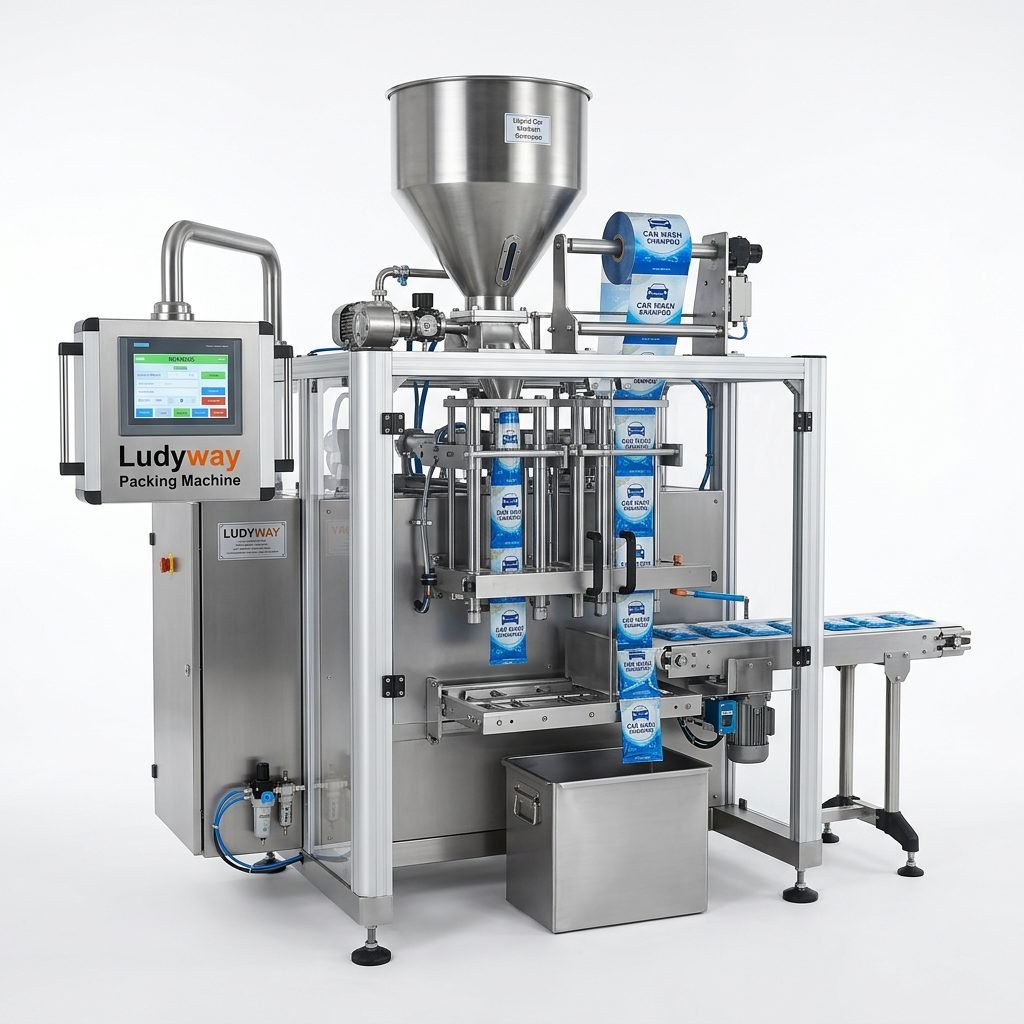
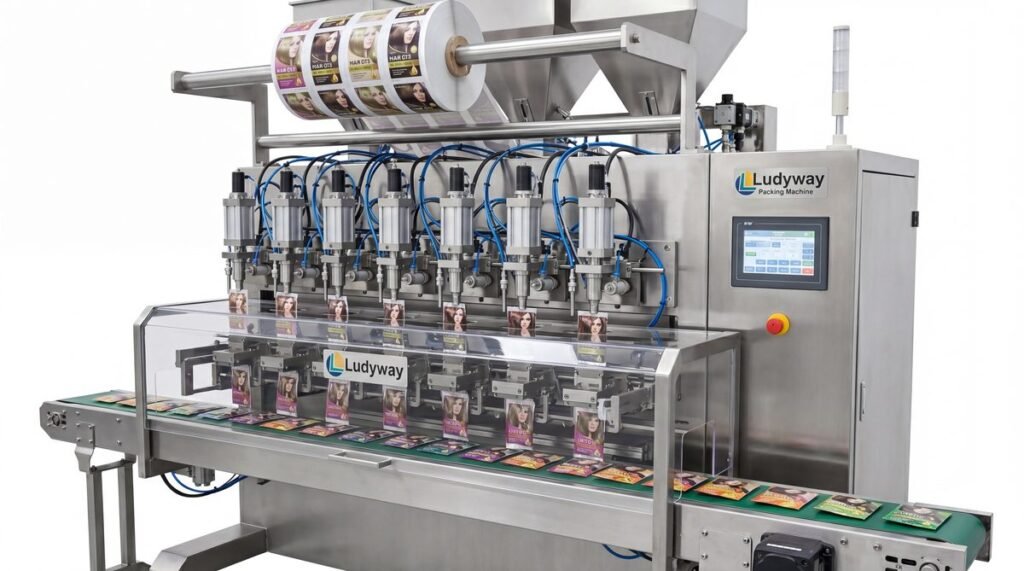
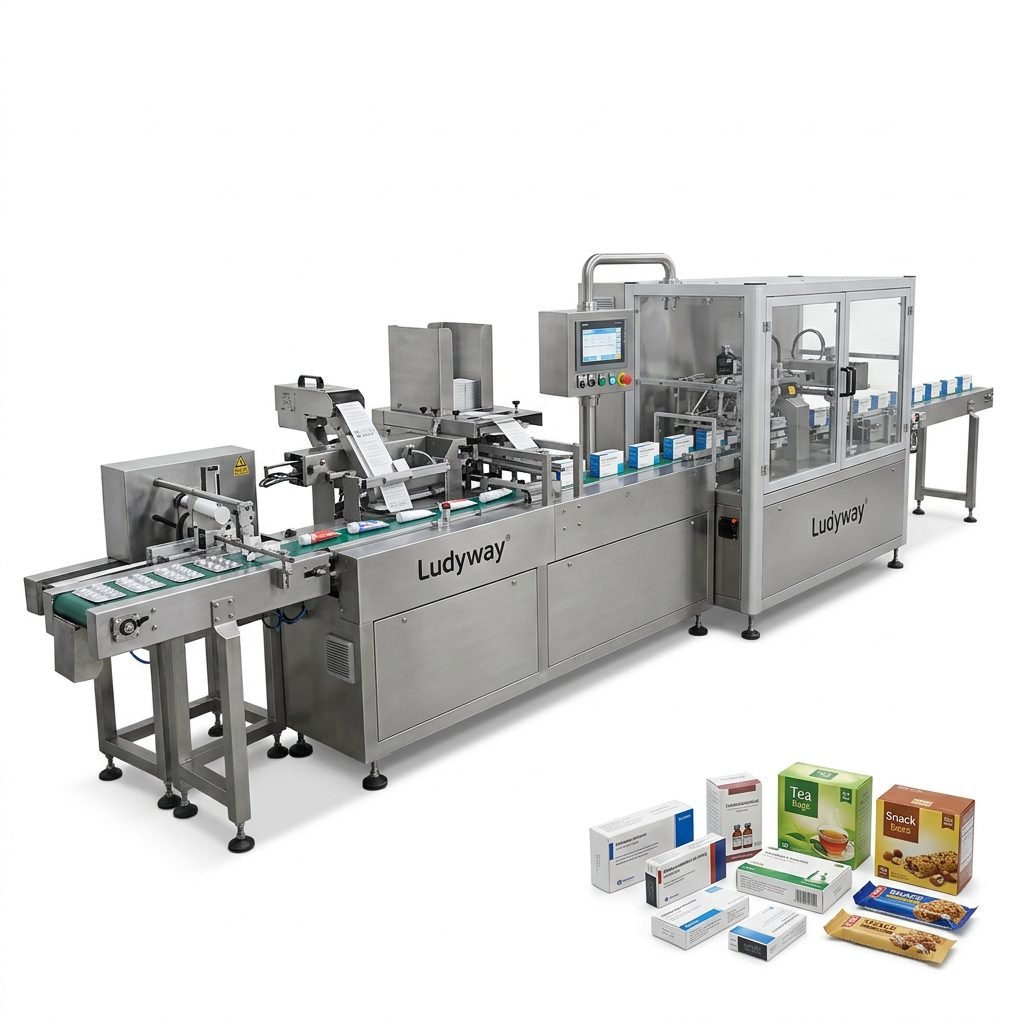
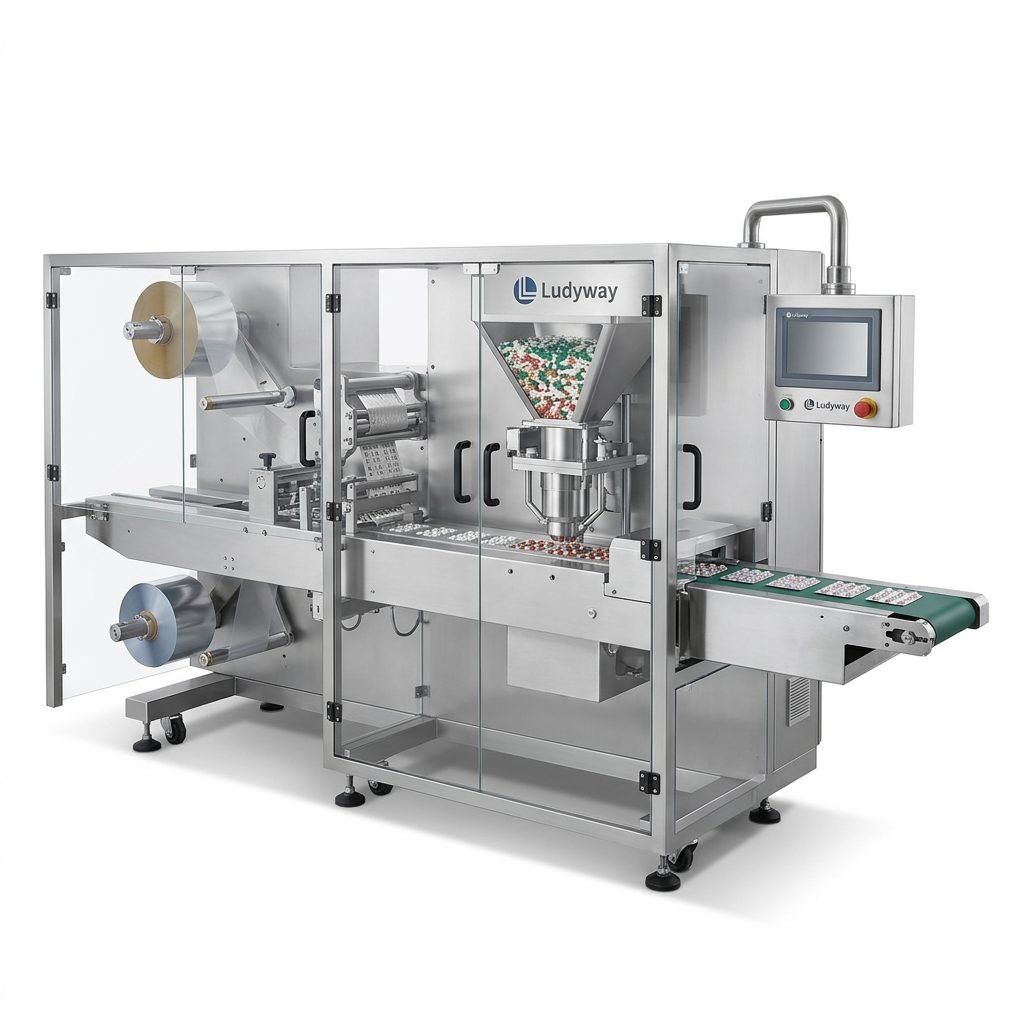
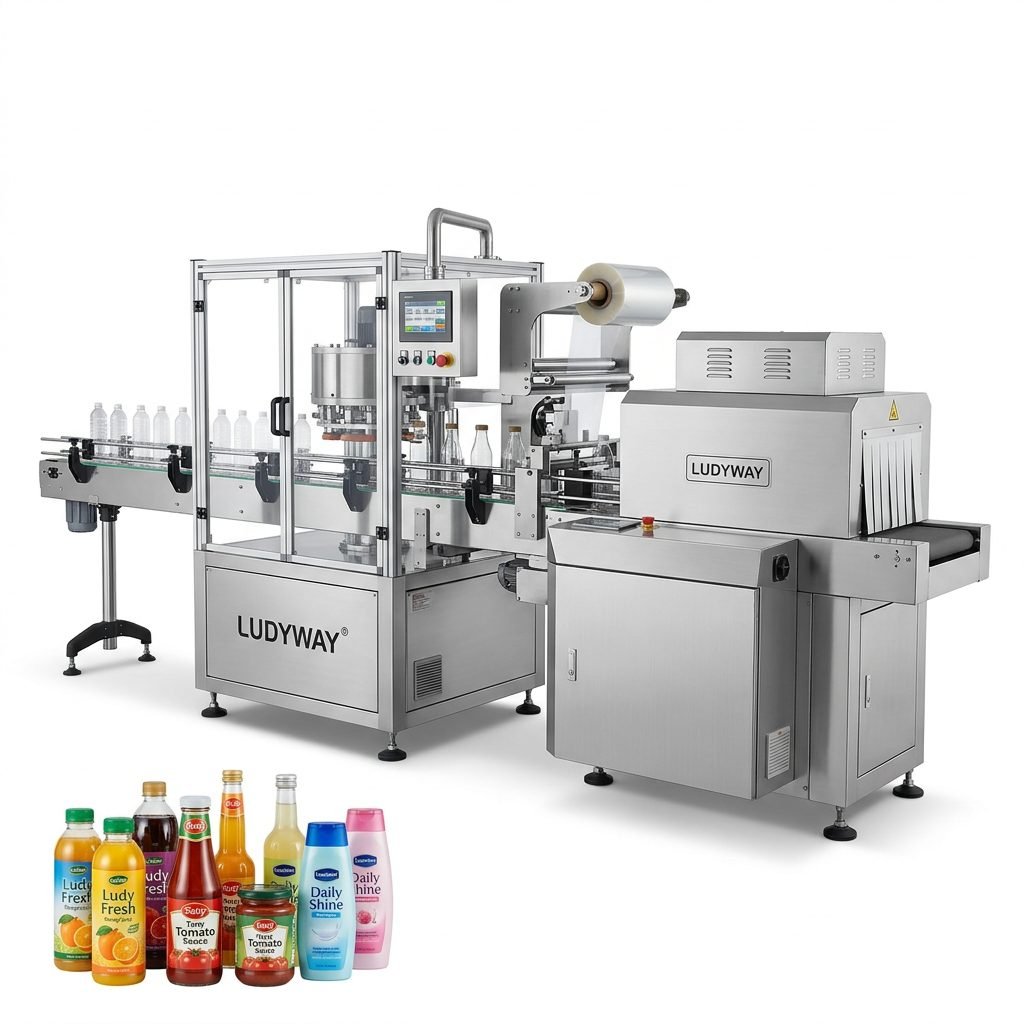
The Indian beverage industry is experiencing unprecedented growth, driven by rising disposable incomes, urbanization, and changing consumer preferences. From instant coffee and tea to protein shakes and energy drinks, the demand for convenient, portion-controlled beverage packaging has never been higher. For manufacturers looking to capitalize on this trend, selecting the right drink packaging machine is a critical business decision that impacts production efficiency, product quality, and long-term profitability.
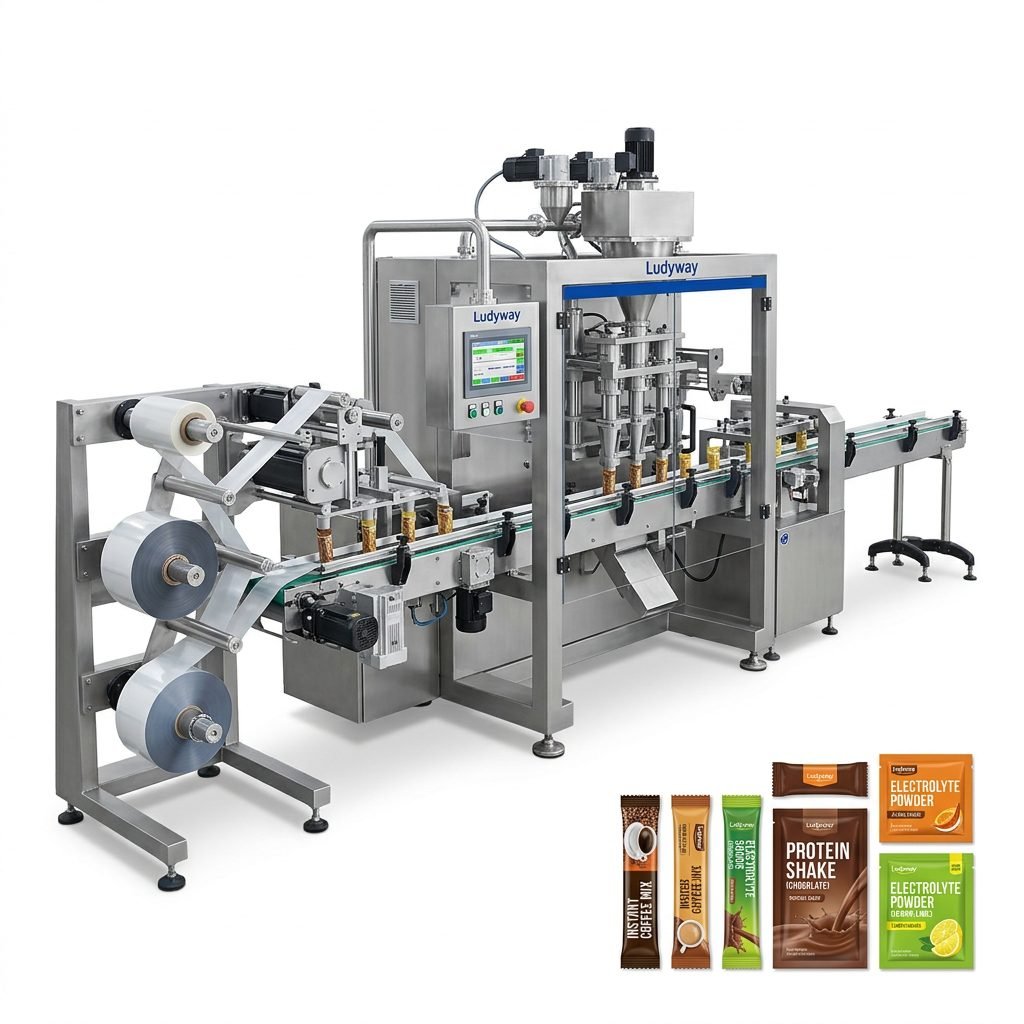
Understanding the Indian Beverage Packaging Landscape
India’s beverage sector is projected to reach USD 56 billion by 2029, with packaged drinks accounting for a significant share. The shift toward single-serve formats like stick packs and sachets has created massive opportunities for businesses investing in automated packaging equipment. Key segments driving demand include instant coffee, milk tea powder, protein supplements, electrolyte drinks, and functional beverages.
The packaging machinery market in India is evolving rapidly, with manufacturers increasingly seeking high-speed, multi-lane systems that can handle diverse product types while maintaining consistent seal integrity and portion accuracy. According to industry data from the PMMI Business Intelligence reports, the global packaging machinery market continues to expand, with Asia-Pacific leading growth trajectories.
Types of Drink Packaging Machines Available in India
Indian manufacturers can choose from several machine configurations depending on their product characteristics, production volume, and packaging format requirements. Understanding these options is the first step toward making an informed purchase.
| Machine Type | Best For | Speed Range | Packaging Format |
|---|---|---|---|
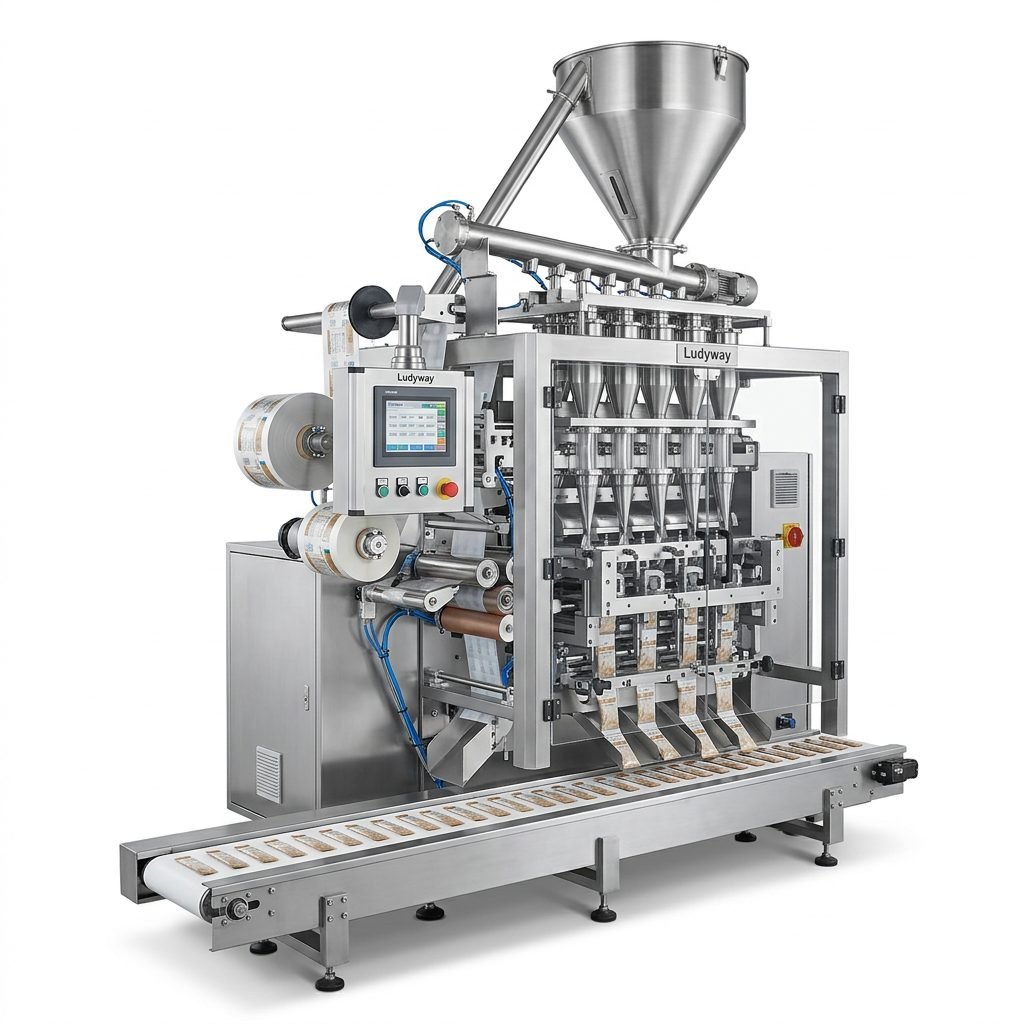
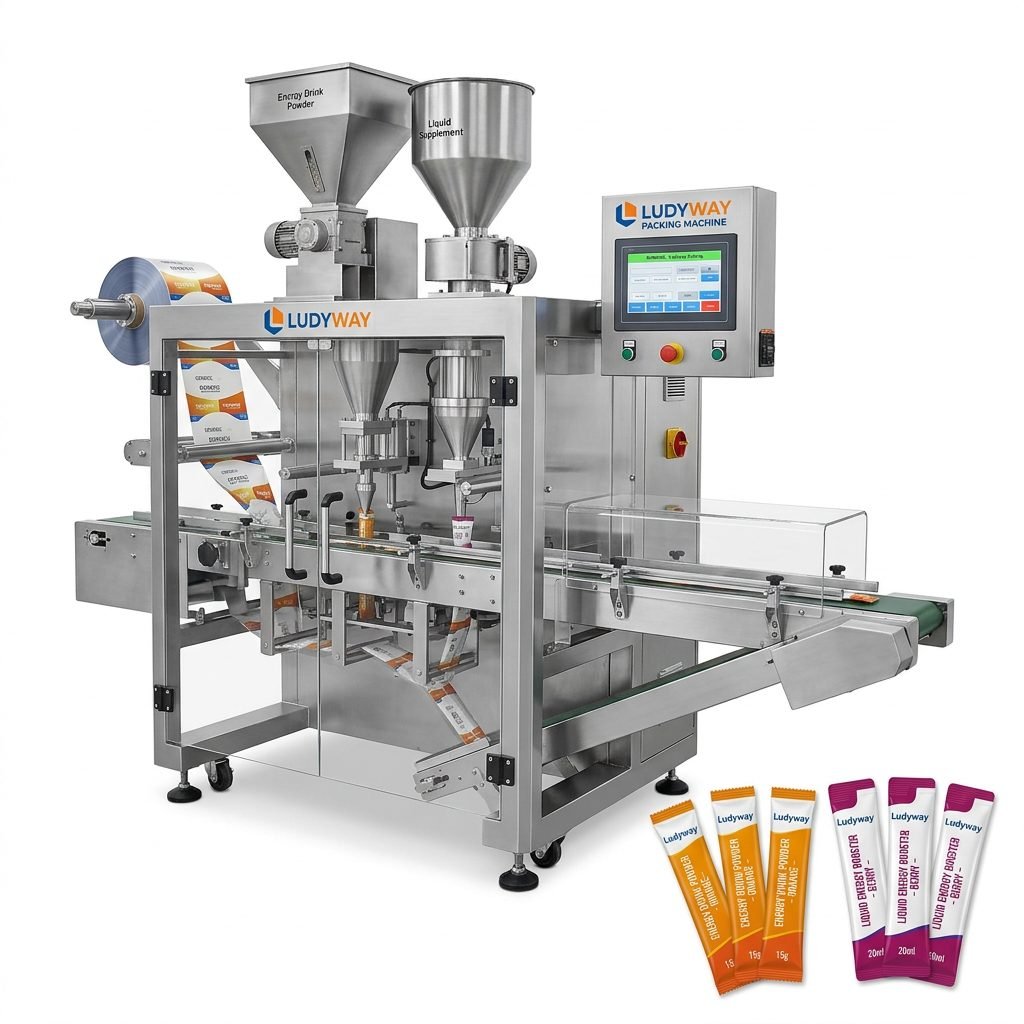
| Multi-Lane Stick Pack Machine | Instant coffee, milk tea powder, protein shakes | 200-800 packs/min | Stick pack (narrow sachet) |
| Single-Lane Sachet Machine | Entry-level production, small batches | 40-120 packs/min | Pillow sachet, 3-side seal |
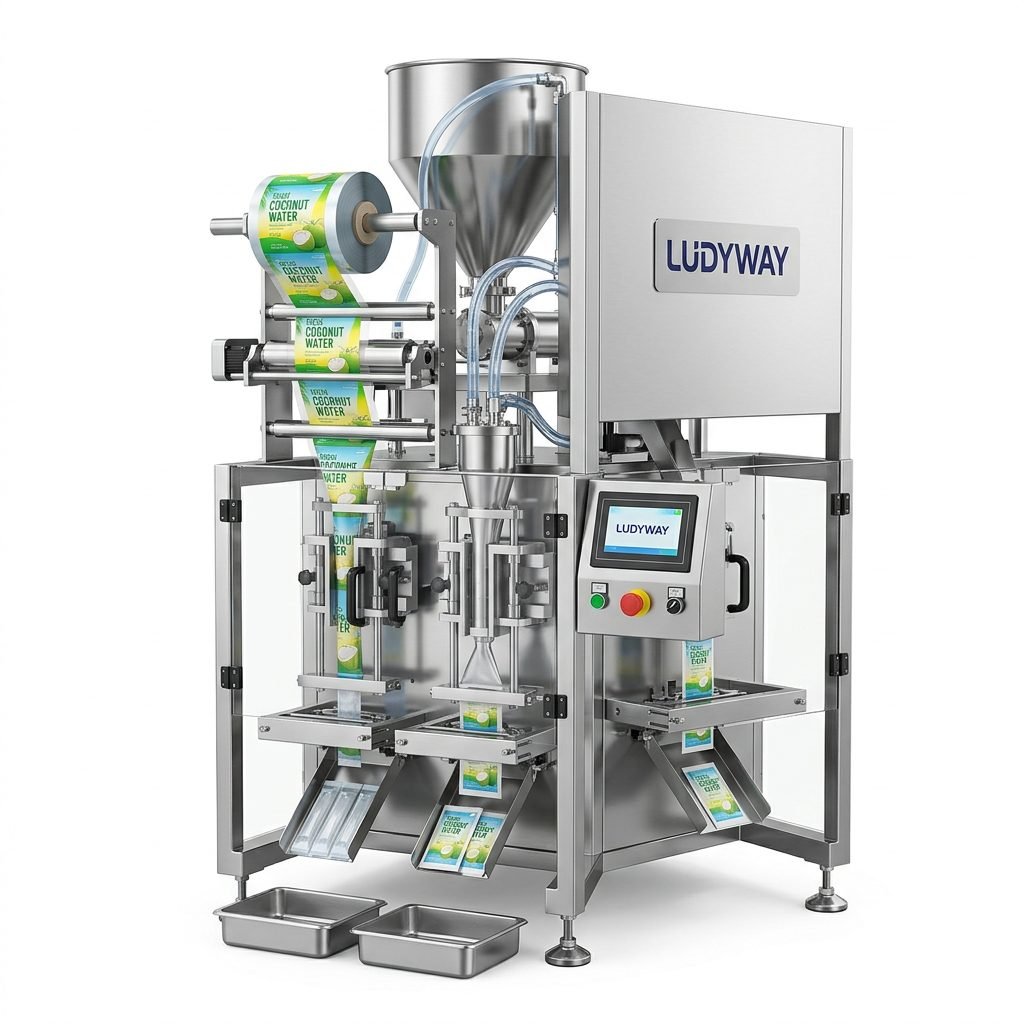
| Liquid Pouch Filling Machine | Juice, coconut water, energy drinks | 60-200 packs/min | Flat pouch, stand-up pouch |
| Fully Automated Packaging Line | Large-scale integrated production | Up to 1,000+ packs/min | Stick pack, sachet, pouch |
| Vertical Form Fill Seal Machine | Powdered beverages, granule drinks | 50-300 packs/min | Gusseted pouch, pillow bag |
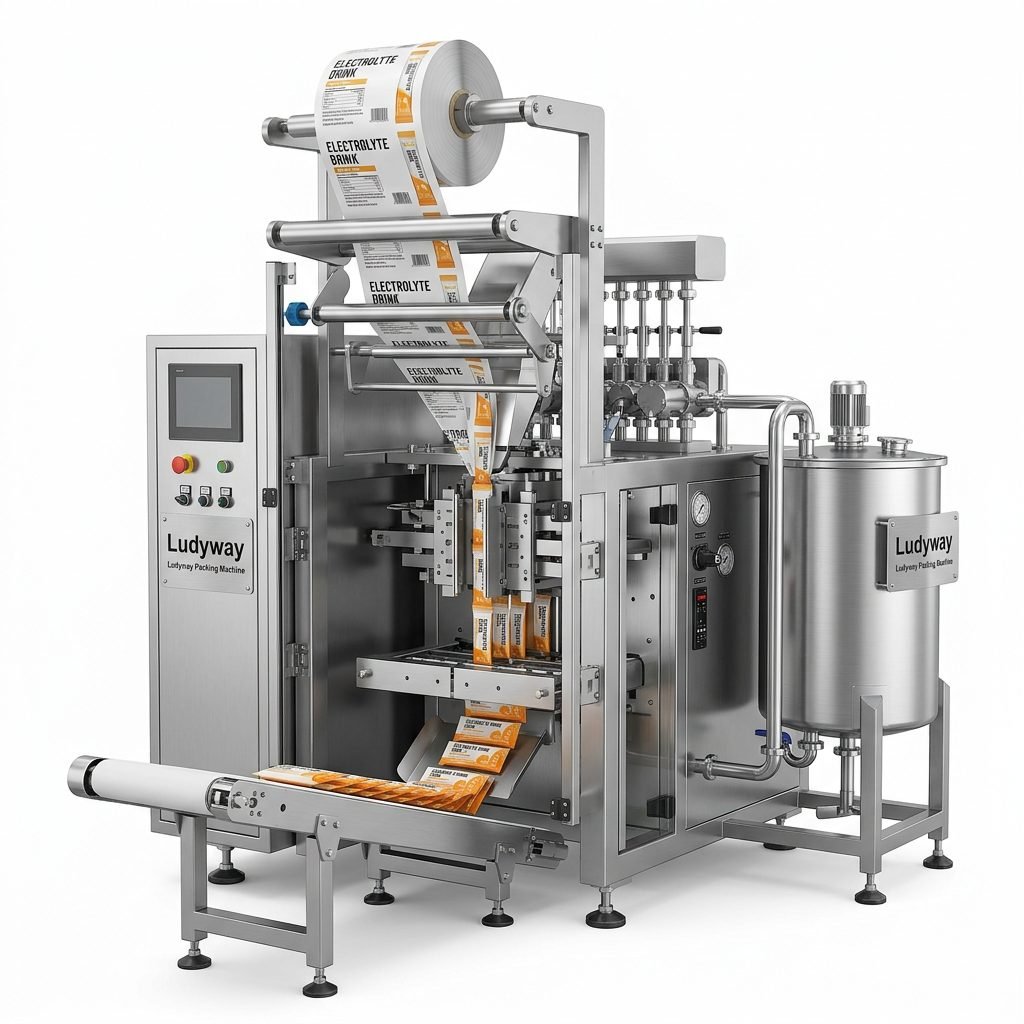
Key Factors to Consider Before Purchasing
Investing in a drink packaging machine requires careful evaluation of several technical and operational parameters. Below are the most critical factors Indian buyers should assess:
Product Compatibility and Viscosity
Different beverages have vastly different physical properties. Powdered drinks like instant coffee and protein shakes require precision auger filling systems, while liquid beverages need volumetric piston fillers or flow meters. For viscous products like honey-based drinks or syrups, specialized filling mechanisms with heated hoppers may be necessary. Always test machine compatibility with your specific product formulation before committing to a purchase.
Production Capacity Requirements
Your current and projected production volumes should dictate machine specifications. A single-lane machine processing 60 packs per minute may suffice for startups, but established brands targeting national distribution often require 4-lane, 6-lane, or even 10-lane configurations capable of producing 400-800 packs per minute. Over-investing leads to unnecessary capital expenditure, while under-investing creates production bottlenecks.
Packaging Material Compatibility
Indian beverage manufacturers commonly use laminated films combining polyester, aluminum foil, and polyethylene layers for moisture and oxygen barrier protection. Your machine must be compatible with the specific flexible packaging materials you intend to use, including heat-sealable films, cold-seal materials, and biodegradable options that are gaining popularity in the Indian market.
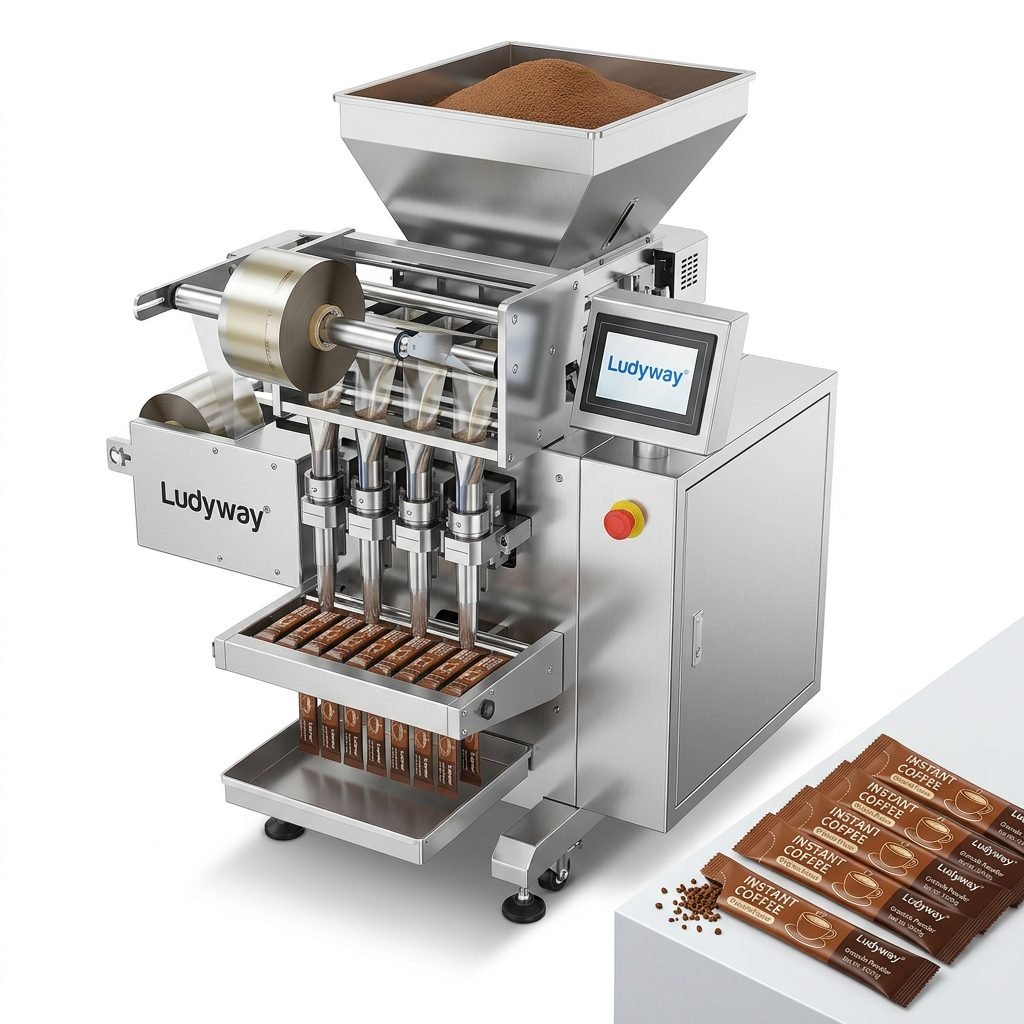
Automation Level and Integration
Modern drink packaging machines range from semi-automatic models requiring manual loading to fully automated systems integrated with upstream processing equipment and downstream cartoning machines. For Indian manufacturers targeting export markets, automated systems that comply with ISO packaging standards provide consistent quality and traceability that international buyers demand.
Regulatory Compliance for the Indian Market
Beverage packaging in India falls under FSSAI (Food Safety and Standards Authority of India) regulations, which mandate specific requirements for food contact materials, labeling, and packaging integrity. Machines must be constructed with food-grade stainless steel (typically SS304 or SS316) for all product contact parts. Additionally, if you plan to export, your equipment should comply with international standards referenced by the FDA food packaging regulations and EU packaging directives.
Certifications to Look For
- CE Certification – Indicates compliance with European safety and quality standards
- GMP Compliance – Essential for pharmaceutical-grade beverage powder packaging
- ISO 9001:2015 – Quality management system certification for the manufacturer
- FSSAI Material Compliance – Ensures food contact materials meet Indian safety standards
- UL/CSA Certification – Important for electrical safety in international markets
Total Cost of Ownership Analysis
When evaluating drink packaging machine prices in India, focus on total cost of ownership (TCO) rather than just the initial purchase price. A comprehensive TCO analysis includes:
| Cost Category | Estimated Percentage of TCO | Key Considerations |
|---|---|---|
| Initial Equipment Purchase | 45-55% | Machine configuration, import duties (18-28% in India) |
| Installation and Commissioning | 5-8% | Site preparation, electrical setup, training |
| Consumables and Spare Parts | 15-20% | Sealing jaws, cutting blades, filters, belts |
| Maintenance and Repairs | 10-15% | Preventive maintenance contracts, technician visits |
| Energy Consumption | 5-8% | Power requirements, compressed air usage |
| Operator Training and Labor | 8-12% | Skilled operator salaries, ongoing training |
Selecting the Right Machine Supplier
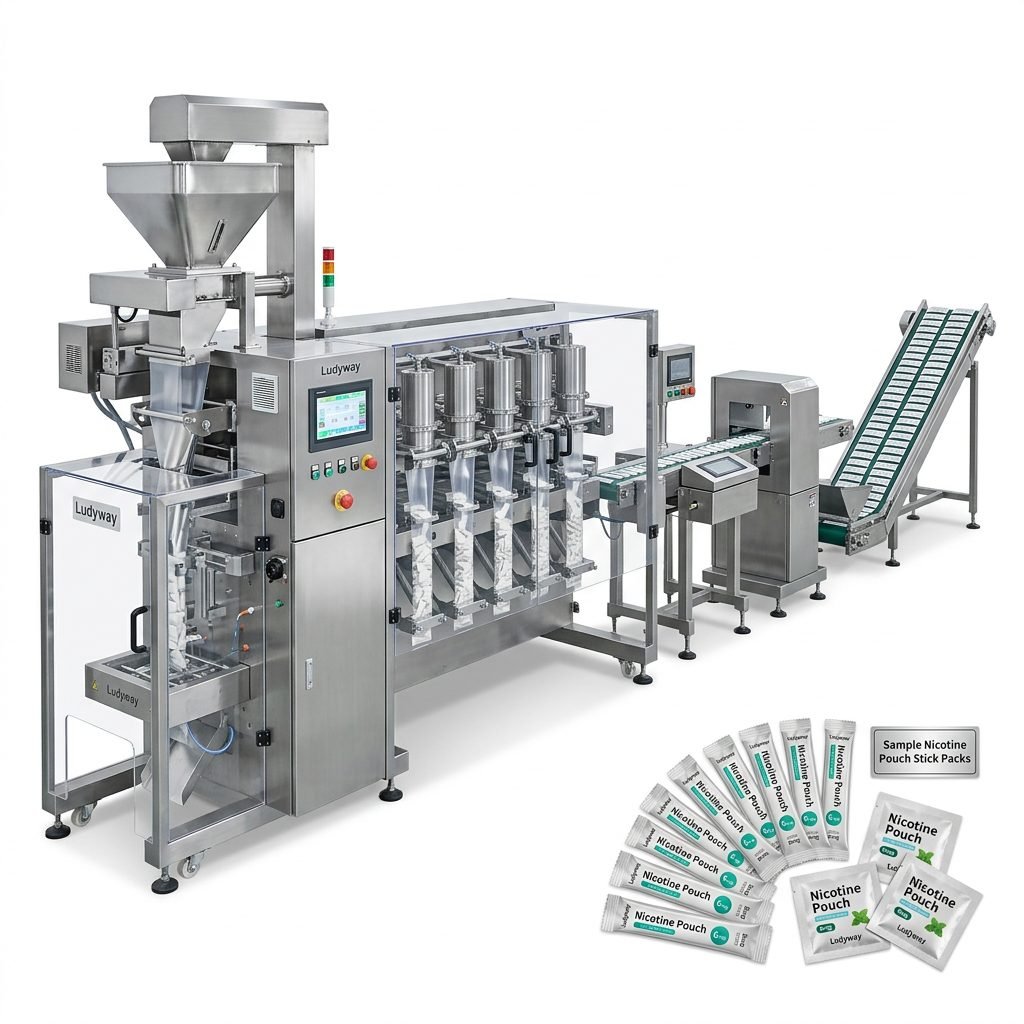
Choosing a reliable supplier is as important as selecting the right machine. Indian buyers should evaluate potential suppliers based on proven track record, after-sales support, and technical expertise. Leading global manufacturers like Ludyway, one of the largest packaging machine manufacturers in China with over 30 years of industry experience and a modern 20,000㎡ production facility, offer comprehensive solutions including multi-lane stick pack machines, sachet packaging systems, and fully automated turnkey production lines suitable for the Indian market.
Supplier Evaluation Checklist
- Manufacturing facility audits – Verify production capabilities and quality control processes
- Customer references – Request contacts from existing Indian clients using similar equipment
- Spare parts availability – Ensure critical components are stocked locally or can be shipped quickly
- Technical support infrastructure – Check if the supplier has service engineers available in India
- Training programs – Comprehensive operator and maintenance training should be included
- Warranty terms – Standard warranties range from 12 to 24 months on major components
Installation and Commissioning Best Practices
Proper installation is crucial for maximizing machine performance and longevity. Key steps include preparing the production floor with adequate electrical supply, compressed air connections, and environmental controls. Indian facilities should particularly address humidity and dust control, as these factors can significantly impact sensitive packaging equipment. Many suppliers provide remote or on-site commissioning support, which should be factored into the purchase agreement.
Common Installation Requirements
- Stable three-phase electrical supply with proper grounding (typically 380-415V, 50Hz in India)
- Compressed air system delivering 6-8 bar pressure with moisture separation
- Climate-controlled environment (recommended 20-25°C, 45-60% relative humidity)
- Adequate floor space for machine operation, maintenance access, and material handling
- Proper ventilation for heat dissipation from sealing and drive systems
Maintenance and Operational Efficiency
To maximize return on investment, Indian beverage manufacturers should implement preventive maintenance programs that include daily cleaning, weekly inspections, and quarterly comprehensive servicing. Key maintenance tasks include seal jaw alignment checks, film tension adjustments, temperature calibration, and lubrication of moving parts. Well-maintained machines can operate efficiently for 15-20 years or more, making them a long-term strategic asset.
For reference, guidelines from the PMMI packaging resources provide valuable insights into industry best practices for equipment maintenance and operational efficiency standards.
Financing Options for Indian Buyers
Several financing avenues are available for purchasing drink packaging machinery in India:
- Bank equipment loans – Most Indian banks offer asset-backed financing at competitive interest rates (9-14% p.a.)
- MSME financing schemes – Government-backed programs like CGTMSE provide collateral-free loans for small manufacturers
- Supplier financing – Some international suppliers offer deferred payment terms or installment plans
- Leasing options – Equipment leasing companies provide flexible terms with tax benefits under Indian accounting standards
- Export credit agencies – For imported machinery, agencies like EXIM Bank offer specialized financing packages
Future-Proofing Your Investment
The Indian beverage packaging industry is evolving toward sustainable materials, smart factory integration, and higher automation levels. When purchasing equipment, consider machines that support eco-friendly packaging materials such as recyclable mono-layer films and biodegradable laminates. Additionally, look for Industry 4.0 capabilities including IoT connectivity, real-time production monitoring, and predictive maintenance alerts that can future-proof your manufacturing operations against changing market demands.
Regulatory developments in packaging waste management, as outlined by the European Commission packaging regulations, are also influencing global standards that Indian exporters should monitor closely.
Frequently Asked Questions
What is the minimum investment for a drink packaging machine in India?
Entry-level single-lane sachet machines start around ₹8-15 lakhs, while mid-range multi-lane stick pack systems range from ₹25-60 lakhs. Fully automated high-speed lines can exceed ₹1.5 crore depending on configuration and features.
How long does it take to receive a packaging machine after ordering?
Standard lead times range from 45 to 90 days for most manufacturers, depending on customization requirements. Shipping to Indian ports typically adds 15-30 days, and customs clearance can take an additional 1-2 weeks.
Can the same machine handle both powder and liquid beverages?
Generally, powder and liquid filling systems are different and require separate configurations. However, some modular machines can be adapted with interchangeable filling units to handle multiple product types, though this adds complexity and cost.
What after-sales support should I expect?
Reputable suppliers provide 12-24 month warranties, remote technical support, spare parts availability, and optional annual maintenance contracts. Ensure your supplier has a clear support escalation process and response time commitments before finalizing the purchase.
Making an informed decision on drink packaging machinery requires thorough research, supplier due diligence, and a clear understanding of your production requirements. By evaluating the factors outlined in this guide, Indian beverage manufacturers can select equipment that delivers reliable performance, consistent quality, and strong return on investment for years to come.