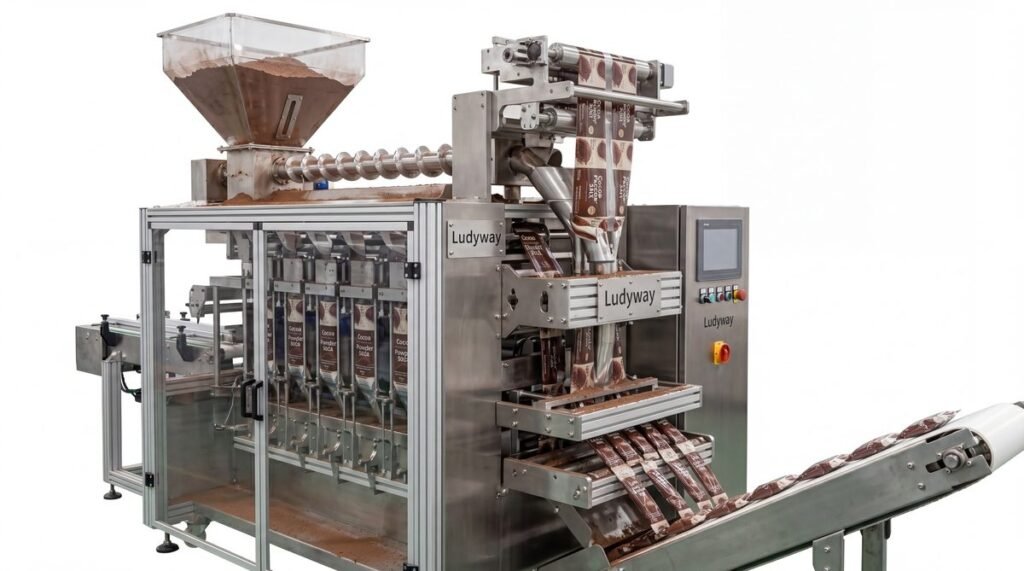
Setting up a coffee powder packaging machine production line is a strategic investment that directly impacts product quality, shelf life, and operational efficiency. Whether you are launching a new brand or scaling an existing facility, understanding the workflow, equipment selection, and layout design is essential for long-term success. This guide walks you through every critical step, helping you make informed decisions and avoid costly mistakes.
Understanding the Coffee Powder Packaging Workflow
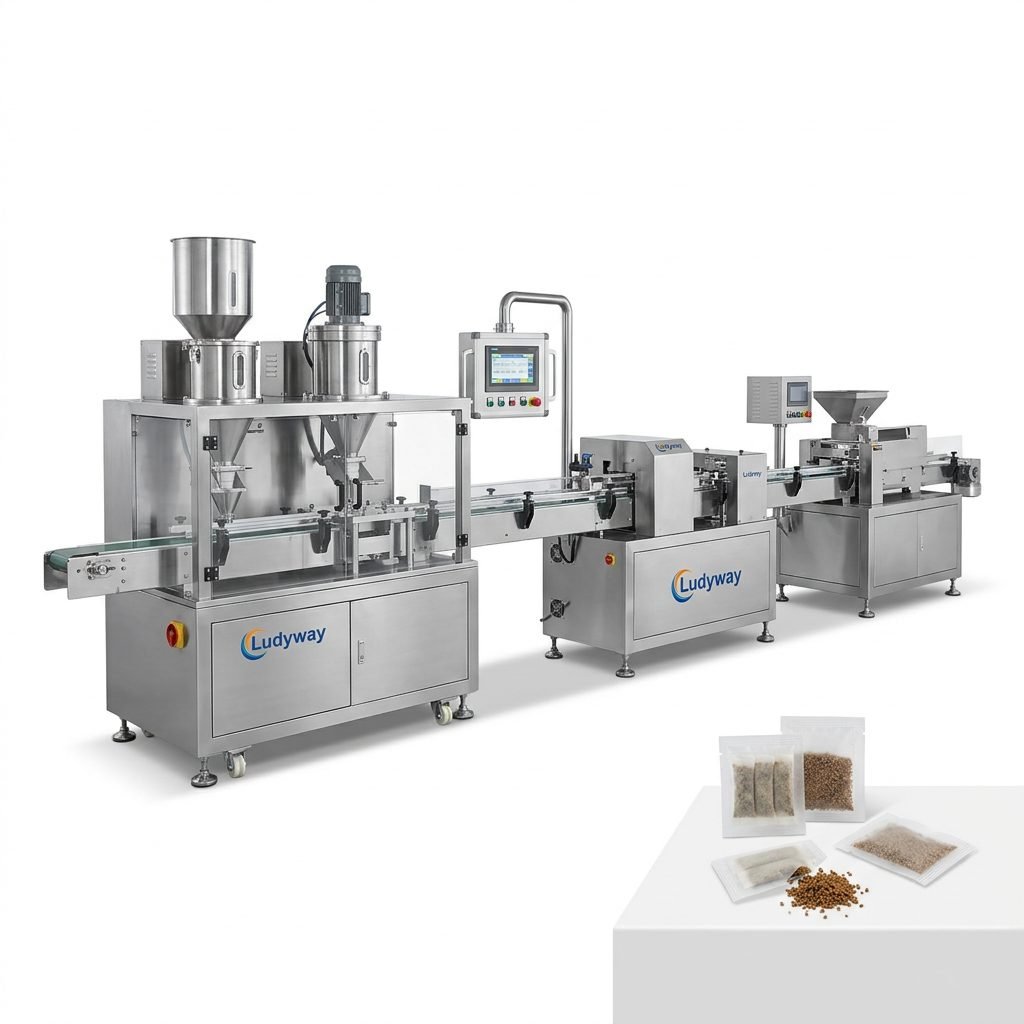
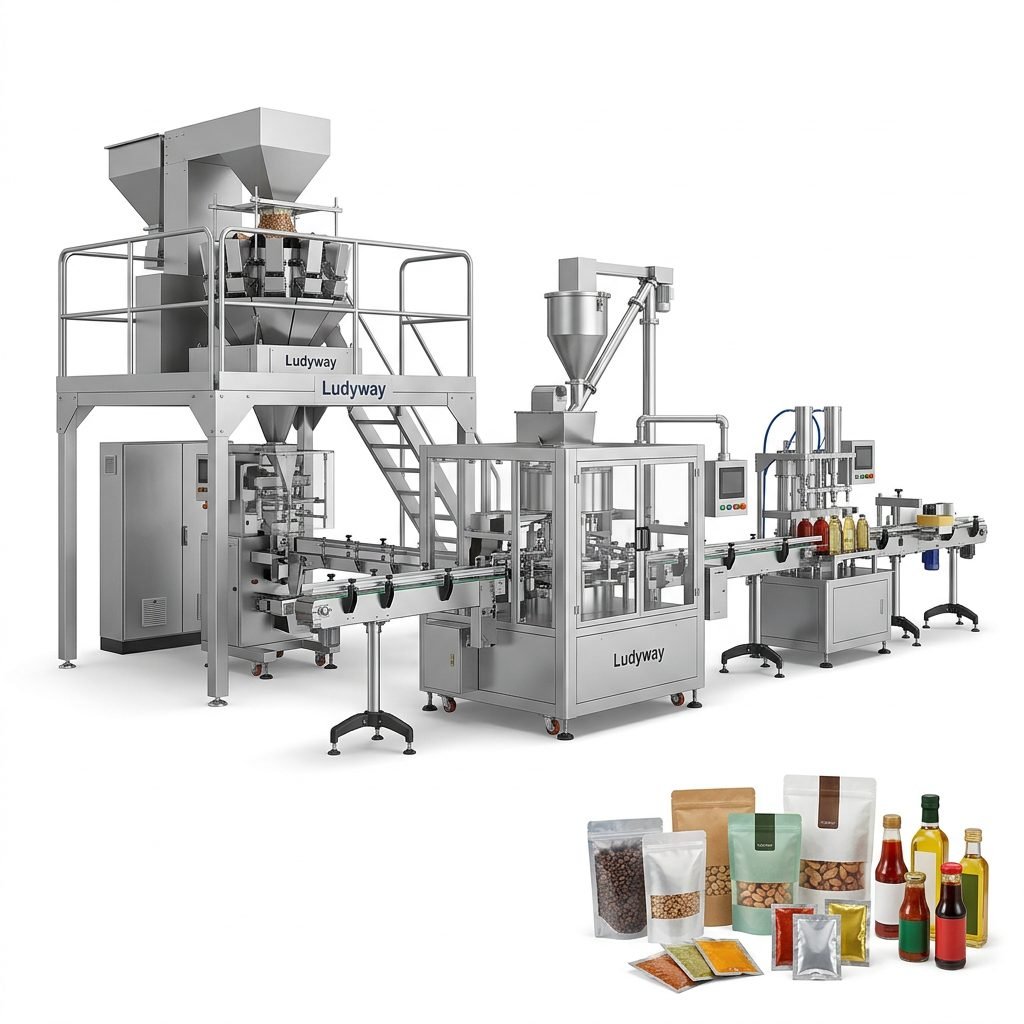
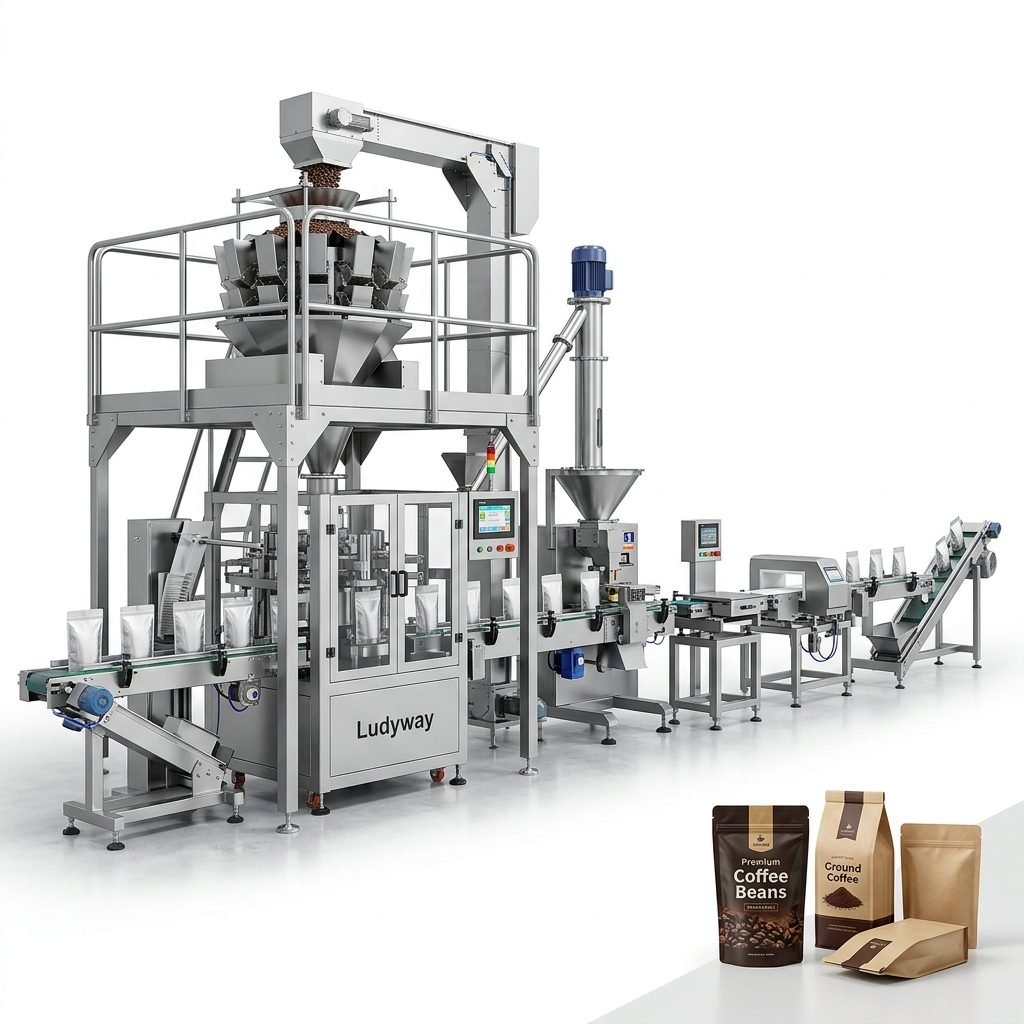
Before selecting machinery, it is important to map out the complete production flow. A typical coffee powder packaging line includes material feeding, precise weighing, filling into sachets or stick packs, sealing, coding, and optional secondary packaging such as cartoning. Each stage must be synchronized to maintain speed and accuracy while protecting the product from moisture and oxidation.
Key Steps to Build Your Production Line
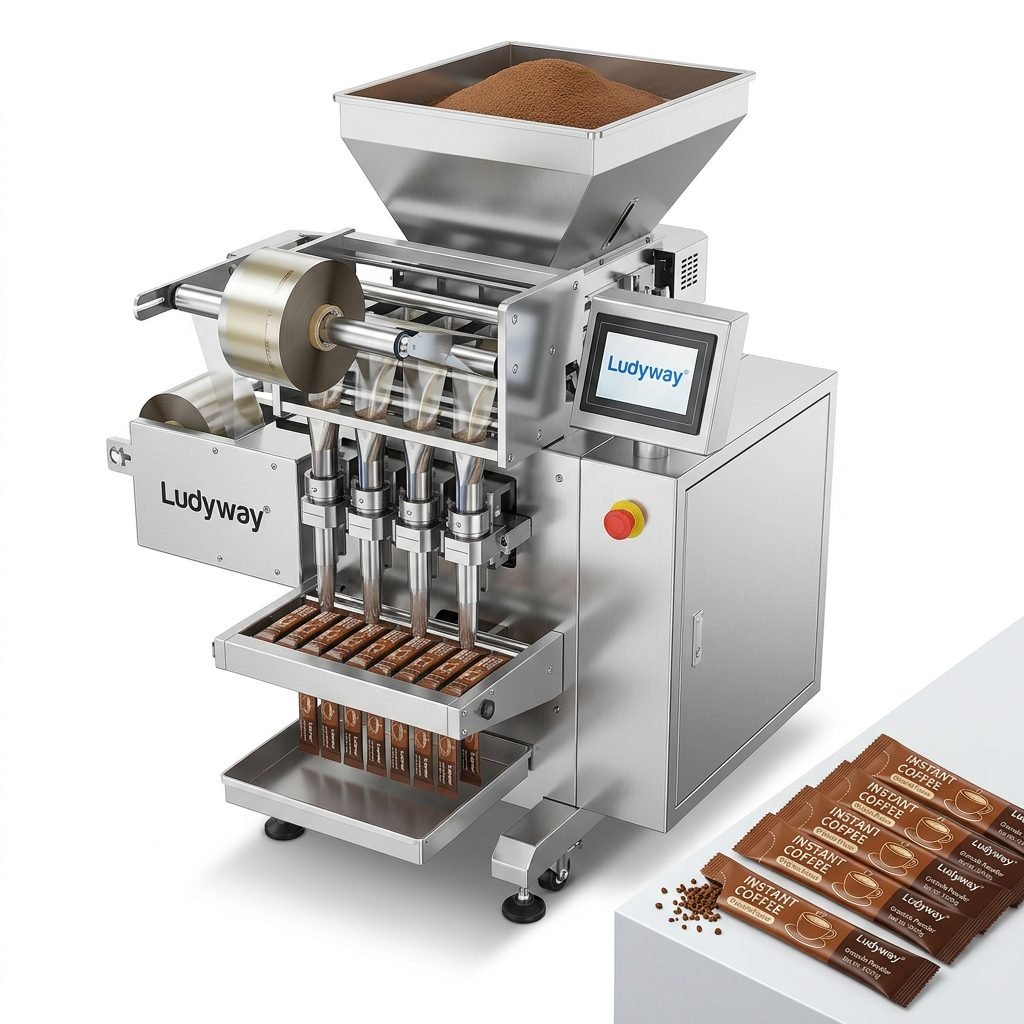
Building a reliable coffee powder packaging line involves more than purchasing individual machines. The following steps will help you create a cohesive and high-performing system:
- Define Your Packaging Format: Determine whether you need stick packs, sachets, or larger pouches. The packaging style influences machine configuration and film material selection.
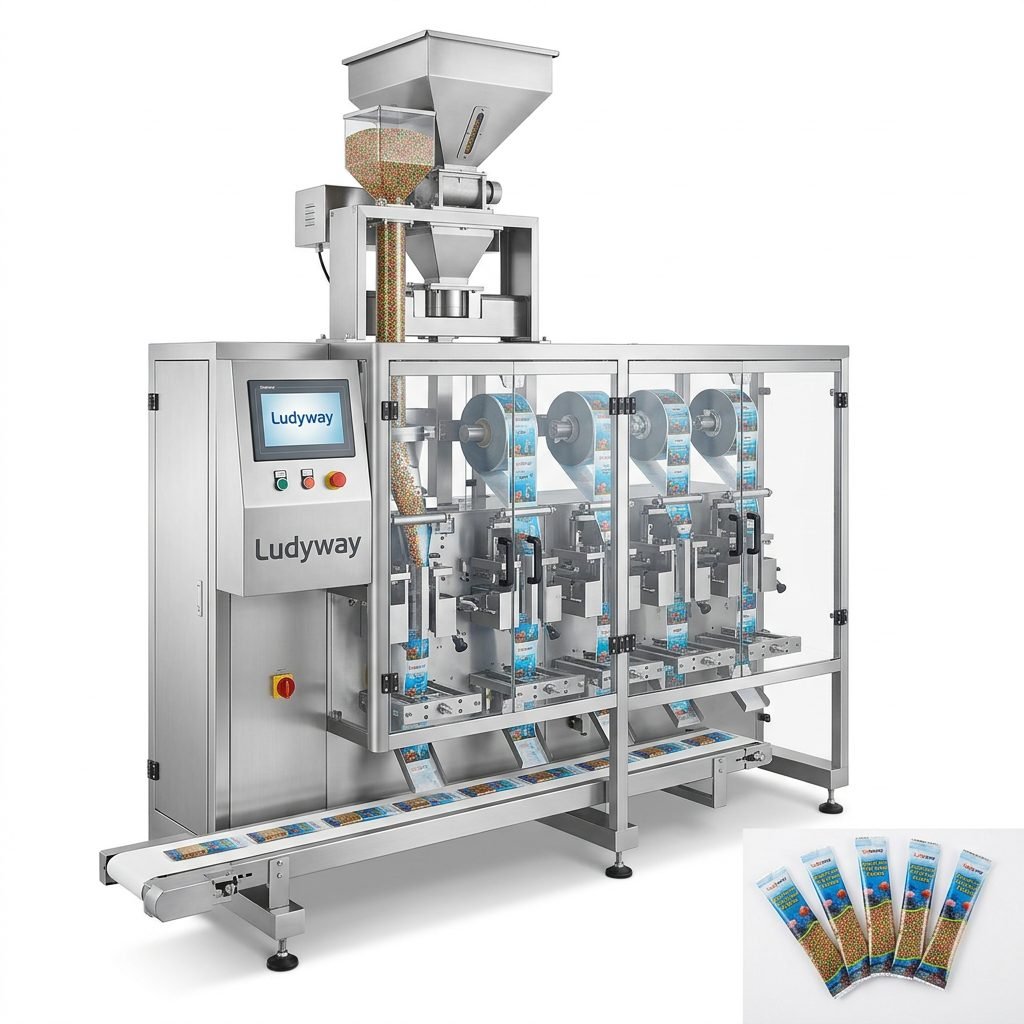
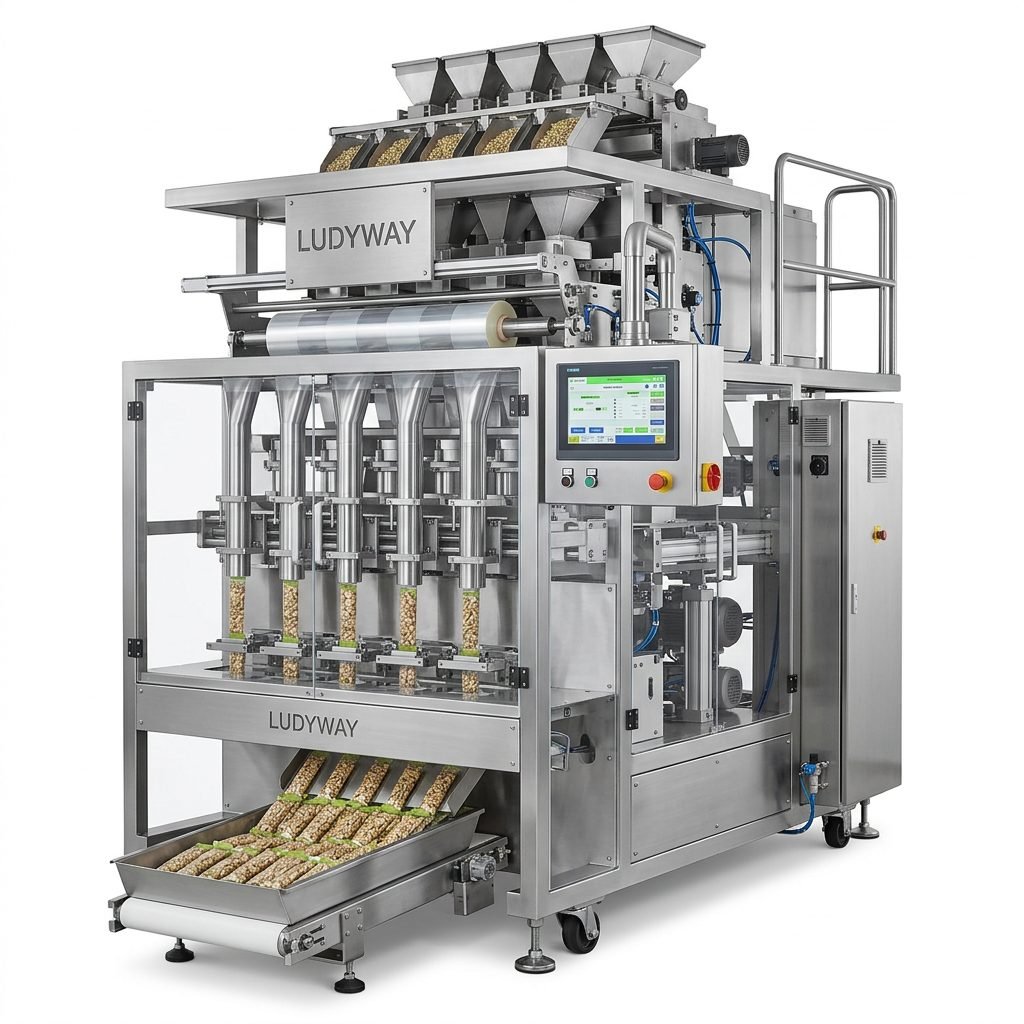
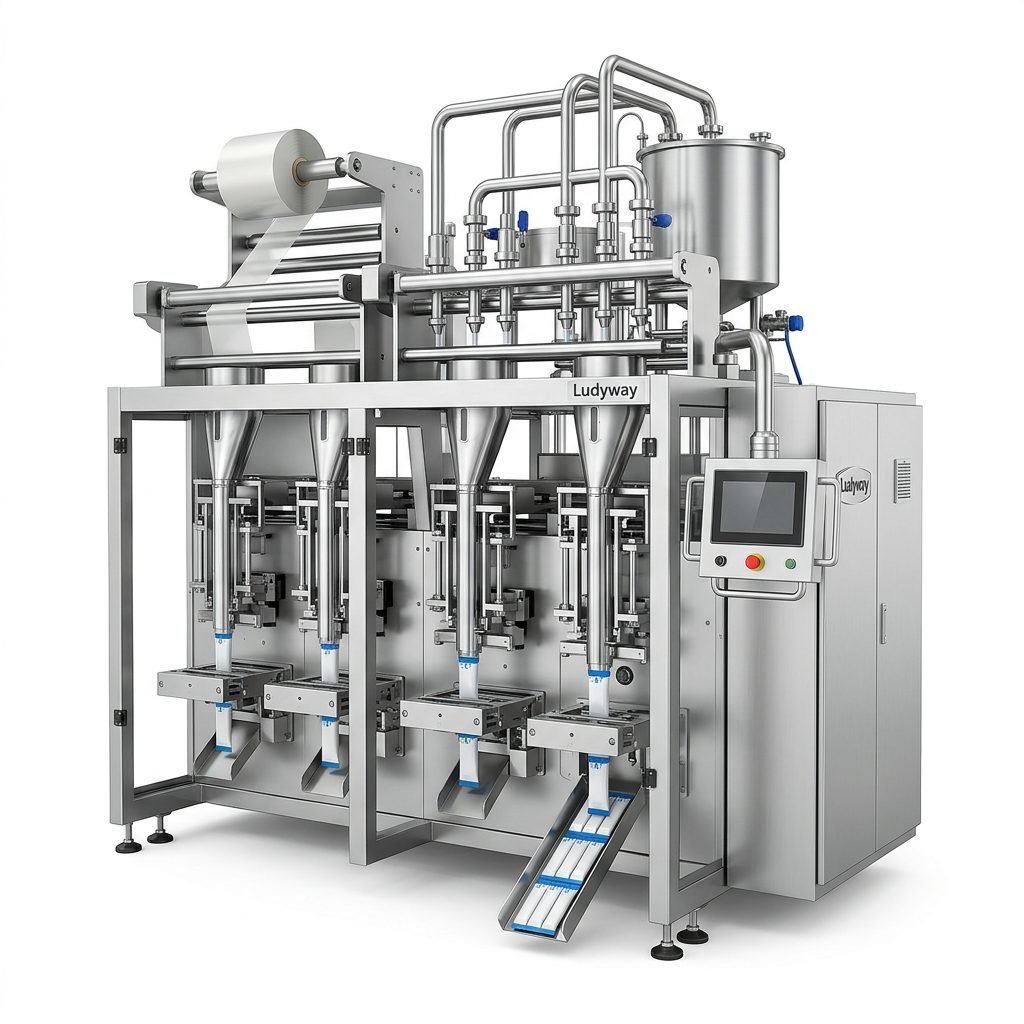
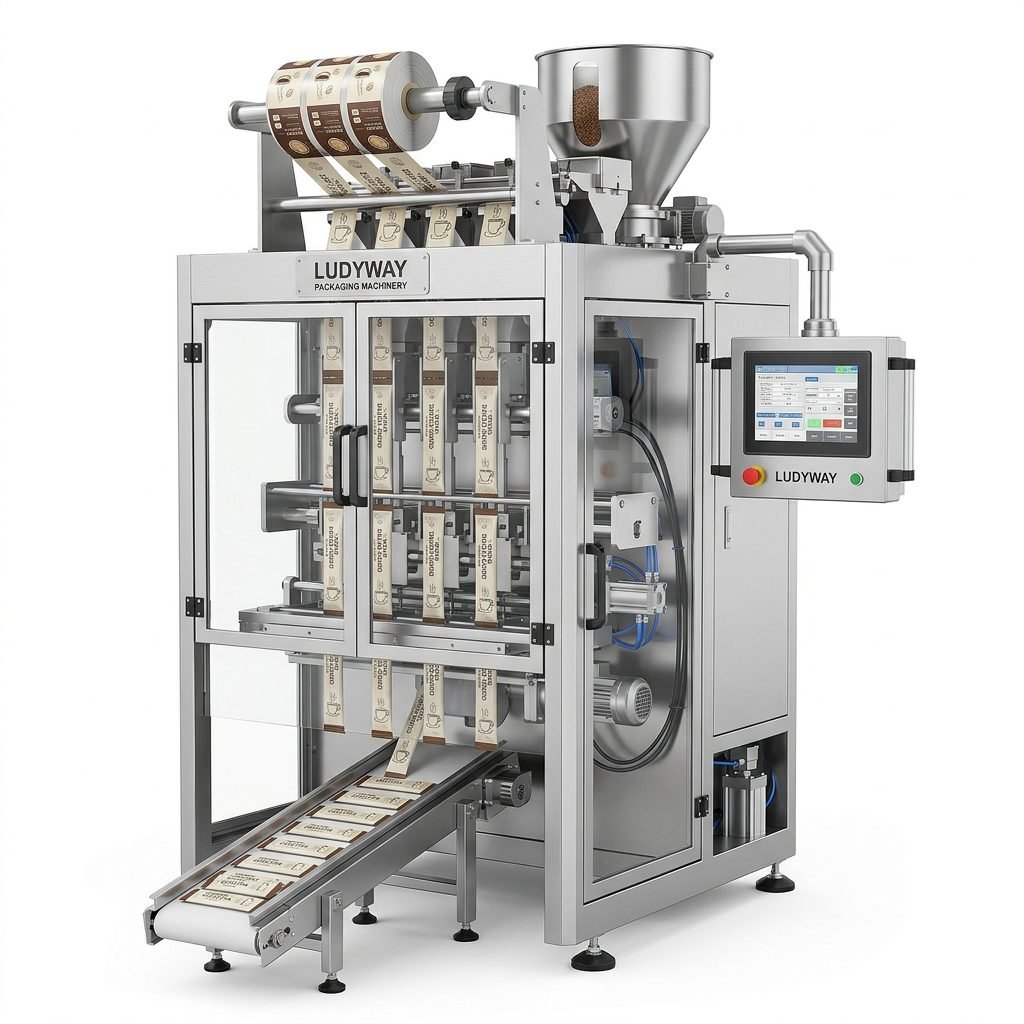
- Assess Production Capacity Requirements: Calculate the number of packs per minute your business demands. Multi-lane stick pack machines can significantly increase output compared to single-lane systems.
- Select Suitable Filling Technology: Coffee powder can vary in density and flowability. Auger fillers or volumetric cup fillers are commonly used, depending on the desired accuracy and product characteristics.
- Integrate Quality Control Equipment: Inspection systems such as checkweighers and metal detectors ensure every pack meets safety and weight standards.
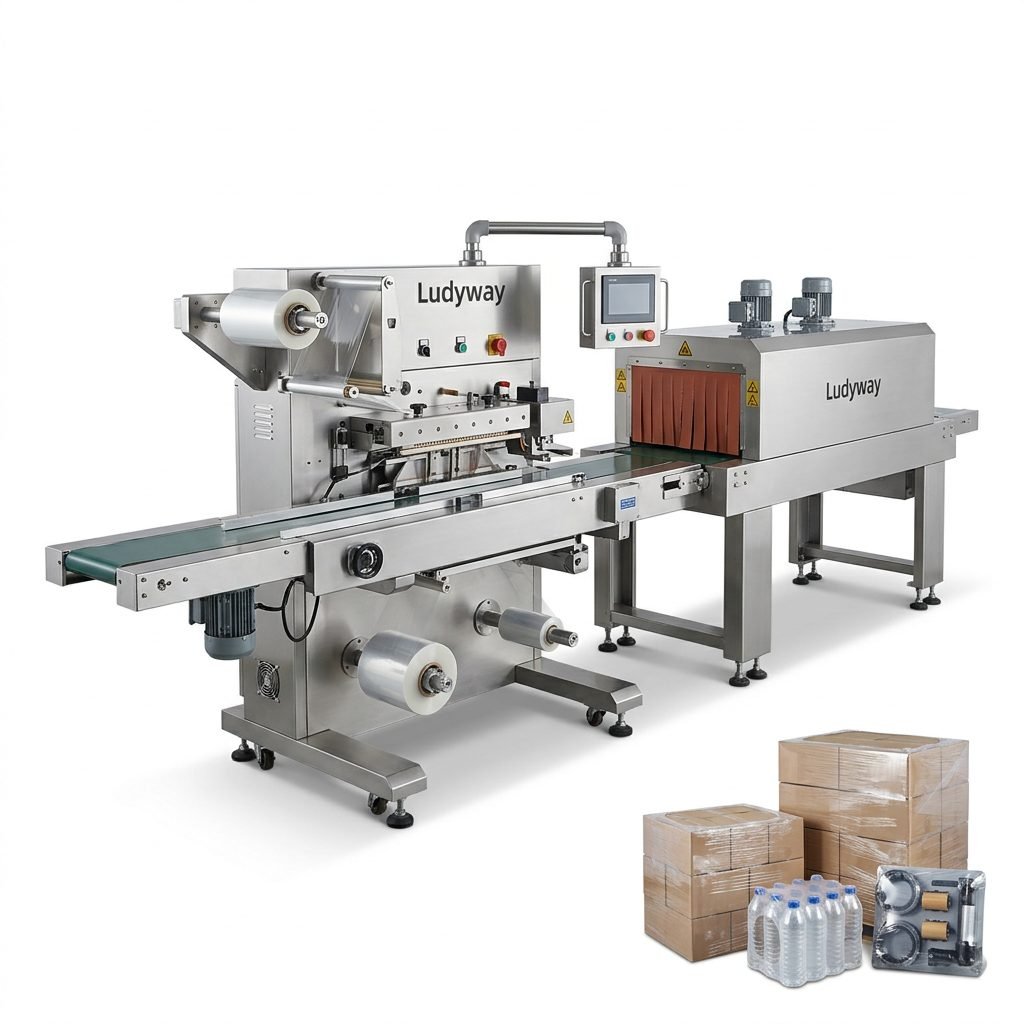
- Plan for Secondary Packaging: Cartoning machines, case packers, and palletizers automate the end-of-line process, reducing manual labor and improving throughput.
Essential Equipment Configuration
The core machinery in a coffee powder packaging line works together to deliver consistent results. Below is a summary of the primary components and their functions:
| Equipment | Primary Function | Key Consideration |
|---|---|---|
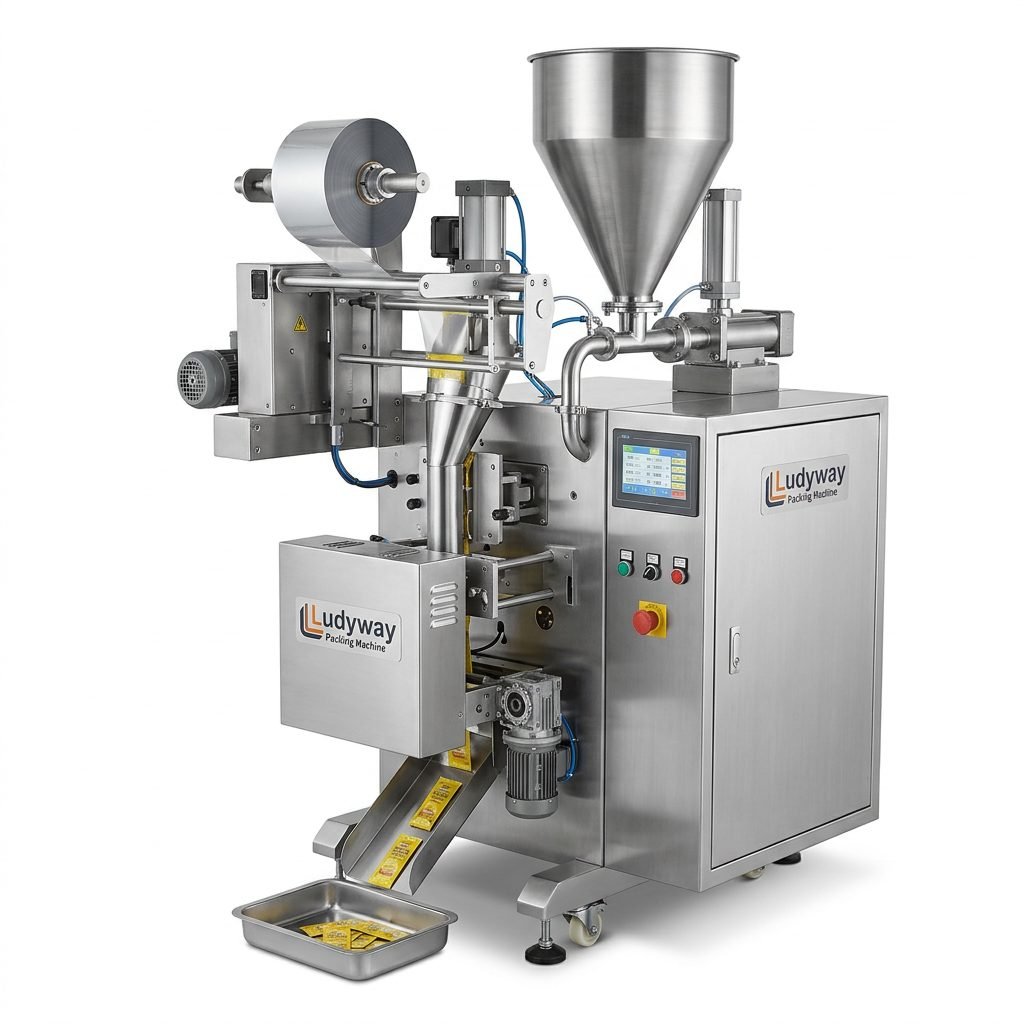
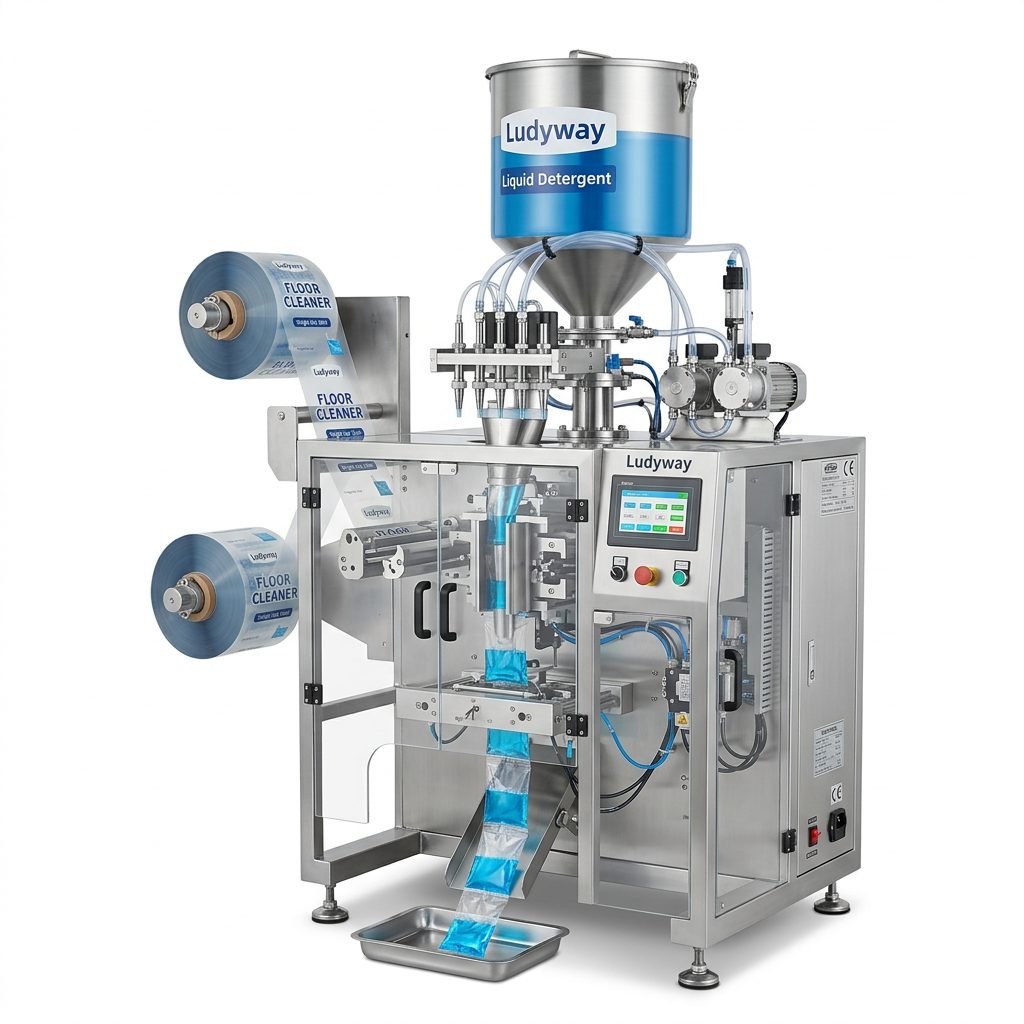
| Vertical Form Fill Seal (VFFS) Machine | Forms bags from roll film, fills product, and seals | Multi-lane options for high-volume production |
| Auger Filler | Dispenses precise amounts of powder | Accuracy depends on servo-driven control |
| Checkweigher | Verifies pack weight in real time | Reject system for out-of-tolerance packs |
| Metal Detector | Detects ferrous and non-ferrous contaminants | Critical for food safety compliance |
| Cartoning Machine | Packs sachets or stick packs into cartons | Automates the final packaging stage |
Facility Layout and Space Planning
An efficient layout minimizes material handling and operator movement. Consider a linear flow from raw material intake to finished product storage. Ensure adequate clearance around machines for maintenance access and sanitation. Dust extraction systems should be installed to handle fine coffee particles, protecting both equipment and personnel. Floor space must also accommodate future expansion, as demand for coffee products continues to grow globally.
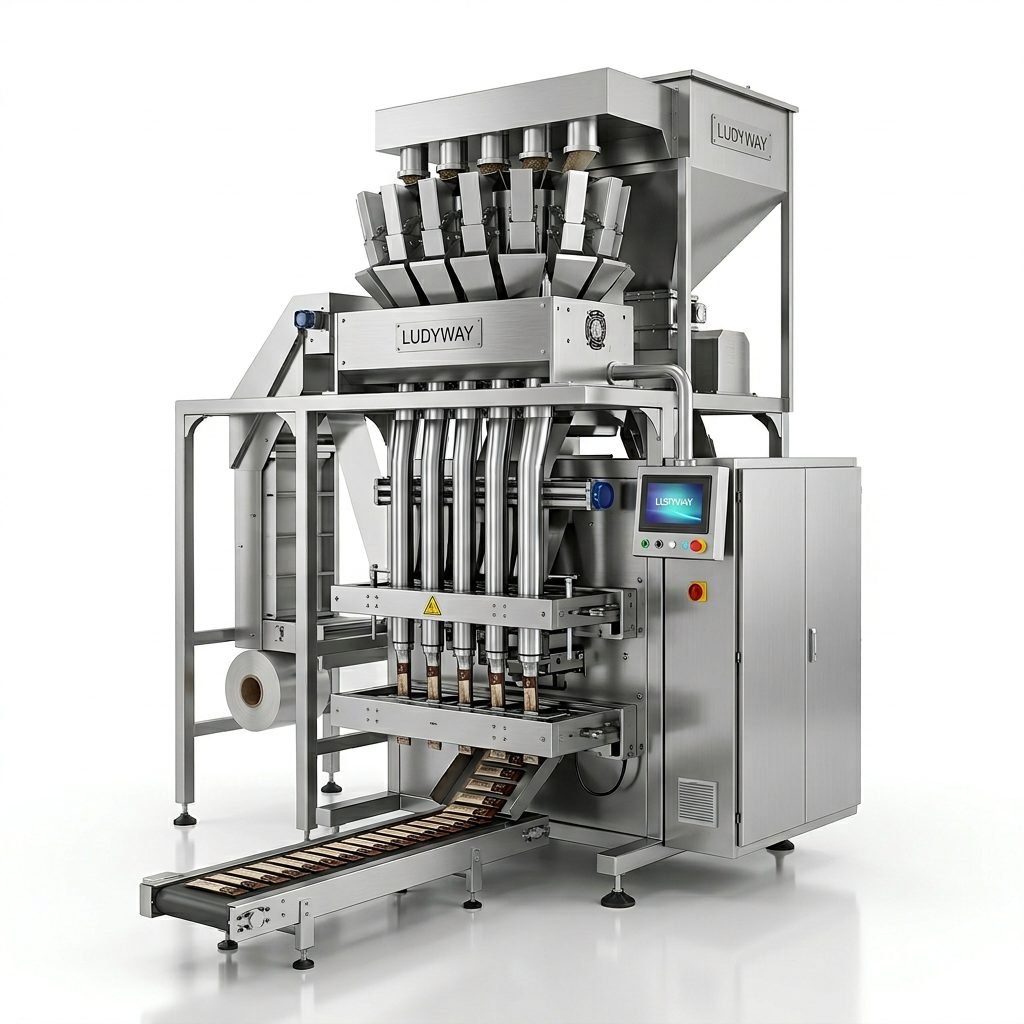
Installation, Commissioning, and Operator Training
Professional installation ensures all components are correctly aligned, calibrated, and tested. During commissioning, run trial batches to validate fill accuracy, seal integrity, and overall equipment effectiveness. Operator training should cover machine operation, troubleshooting, cleaning procedures, and safety protocols. Comprehensive training reduces downtime and extends the equipment lifespan.
Key Installation Checklist
- Verify utility connections including compressed air, electrical supply, and nitrogen flushing if required.
- Run dry tests before introducing product to confirm mechanical synchronization.
- Calibrate weighing and filling systems with the actual coffee powder to be packaged.
- Seal strength testing to ensure package integrity under various conditions.
- Document all settings and standard operating procedures for future reference.
Maintenance and Quality Control Best Practices
A proactive maintenance schedule prevents unexpected breakdowns and maintains consistent packaging quality. Daily cleaning of filling heads and sealing jaws prevents buildup that can cause inaccurate fills or weak seals. Partnering with an experienced equipment manufacturer simplifies access to spare parts and technical support. For instance, Ludyway is one of the largest packaging machine manufacturers in China, offering over 50 intelligent packaging machine models and turnkey production solutions supported by a modern 20,000㎡ manufacturing facility and decades of industry expertise. High-speed multi-lane systems from reputable suppliers help coffee producers achieve throughput targets while maintaining strict hygiene standards.
Routine Quality Checks
- Verify fill weight at regular intervals using a calibrated scale.
- Inspect seal alignment and width on sample packs each shift.
- Monitor packaging film tension to prevent wrinkling or misalignment.
- Test metal detector sensitivity with certified test samples at startup and throughout production.
Industry Resources and Further Reading
Staying informed about packaging standards and market trends helps you keep your production line competitive and compliant. The following authoritative resources offer valuable industry insights and regulatory guidance:
| Resource | Focus Area |
|---|---|
| PMMI – State of the Industry Reports | Packaging machinery market data and trends |
| Flexible Packaging Association – Industry Resources | Flexible packaging standards and sustainability |
| FDA – Food Packaging & Food Contact Substances | Regulatory compliance for food contact materials |
| ISO – Packaging Standards | International packaging and distribution standards |
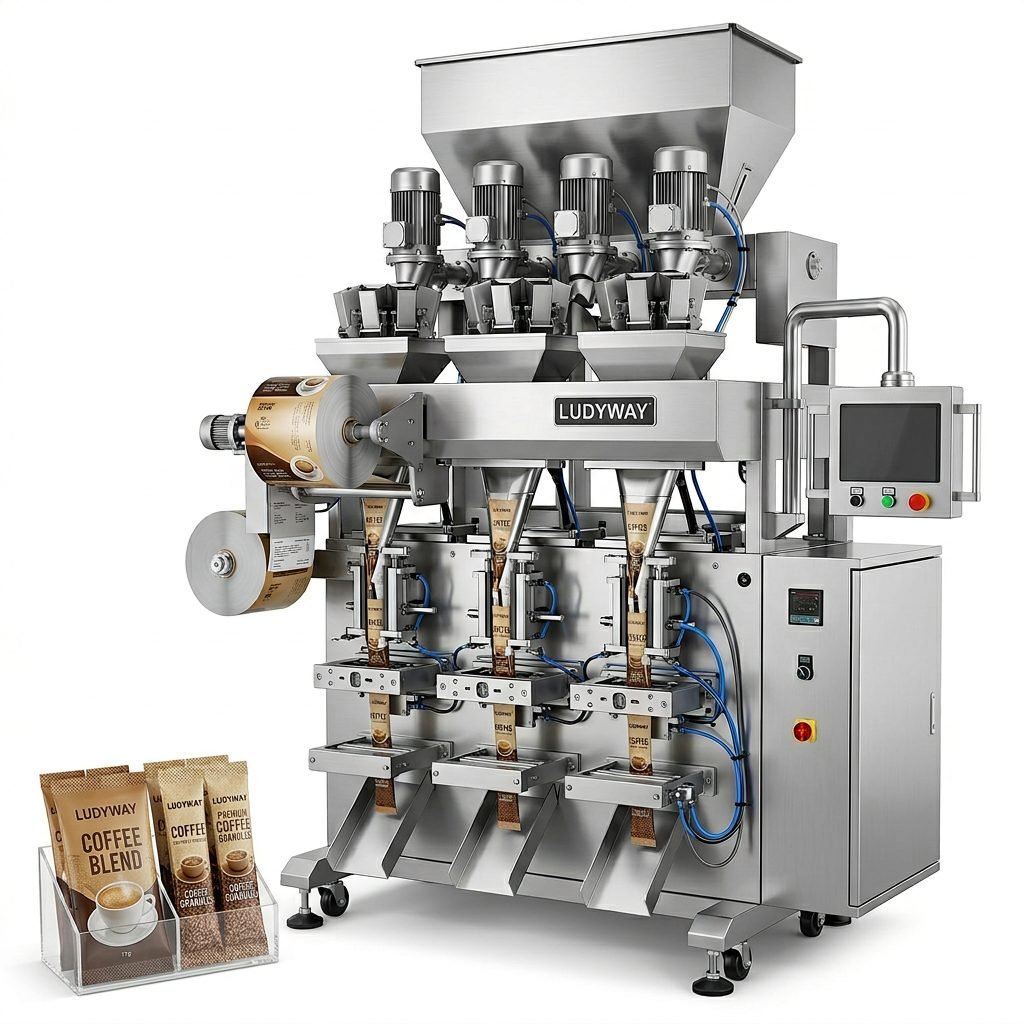
A well-designed coffee powder packaging machine production line boosts efficiency, reduces waste, and strengthens your brand reputation. By carefully selecting equipment, planning your layout, and implementing robust quality control, you position your operation for sustainable growth. Whether you are packaging instant coffee for retail, freeze-dried coffee for premium markets, or bulk formats for food service, the right line configuration makes all the difference. Explore integrated packaging solutions that match your specific production goals and market requirements.