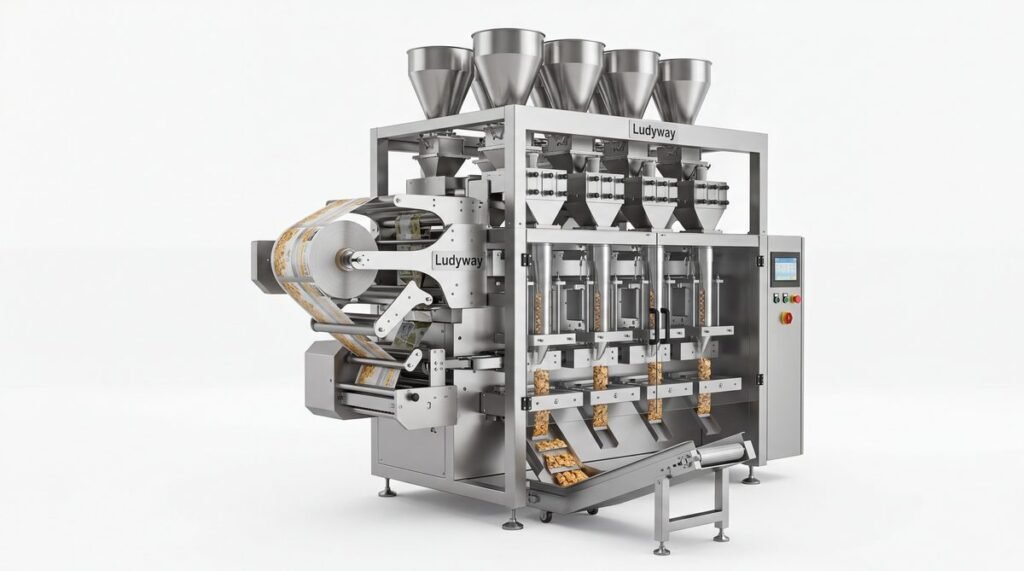
Investing in a cookie packaging machine in Europe requires careful navigation of regional regulations, diverse market demands, and advanced automation standards. Whether you are a mid-sized bakery in Germany or a large-scale contract packer in Poland, selecting the right equipment directly impacts your product shelf life, brand presentation, and operational efficiency. This guide provides a comprehensive overview of the European cookie packaging landscape to help you make an informed purchasing decision.
Understanding the European Cookie Packaging Market
The European bakery sector is one of the most sophisticated in the world. Consumer demand is shifting towards sustainable packaging, portion-controlled snacks, and extended freshness. Consequently, the machinery used for cookie packaging must handle delicate products at high speeds while integrating seamlessly with packaging and processing technologies. Modern systems go beyond simple wrapping, incorporating features like modified atmosphere packaging (MAP), robotic pick-and-place, and smart factory connectivity.
Key Machine Types for Biscuit and Cookie Producers
Depending on your product format and output targets, there are several machine configurations to consider. The most common setups include flow wrapping machines, vertical form-fill-seal (VFFS) baggers, and automated cartoning systems. Below is a comparison of primary packaging solutions available on the European market:
| Machine Type | Best For | Key Advantage |
|---|---|---|
| Flow Wrapping (Horizontal) | Slug packs, trays, stacks | High-speed, hermetic seals, excellent gas flushing |
| VFFS Bagging | Loose cookies, pillow bags | Versatile bag styles, lower film cost |
| Top-Load Cartoning | Premium assortments, gift tins | Superior product protection, high retail appeal |
| Robotic Pick-and-Place | Sandwich cookies, delicate shapes | Gentle handling, maximum flexibility |
Critical Features to Evaluate Before Buying
Not all cookie packaging machines are built the same. When sourcing machinery for the European market, you must look beyond the initial price tag. Focus on build quality, hygienic design, and compatibility with your specific product characteristics.
- CE Marking Compliance: Ensure the machine meets all relevant European Commission safety directives. Machinery intended for use in the EU must carry CE marking, validating conformity with the Machinery Directive.
- Changeover Speed: European bakeries often run multiple SKUs. Look for machines with tool-less changeover and servo-driven adjustments to minimize downtime between batches.
- Material Compatibility: With the EU’s push for recyclable packaging, your machine must efficiently run eco-friendly films, paper-based laminates, or mono-materials, which often require precise heat-sealing control.
- Hygienic Design: Cantilevered frames, IP65 washdown ratings, and sloped surfaces prevent crumb accumulation and facilitate cleaning, essential for meeting food safety standards.
Navigating the European Supplier Ecosystem
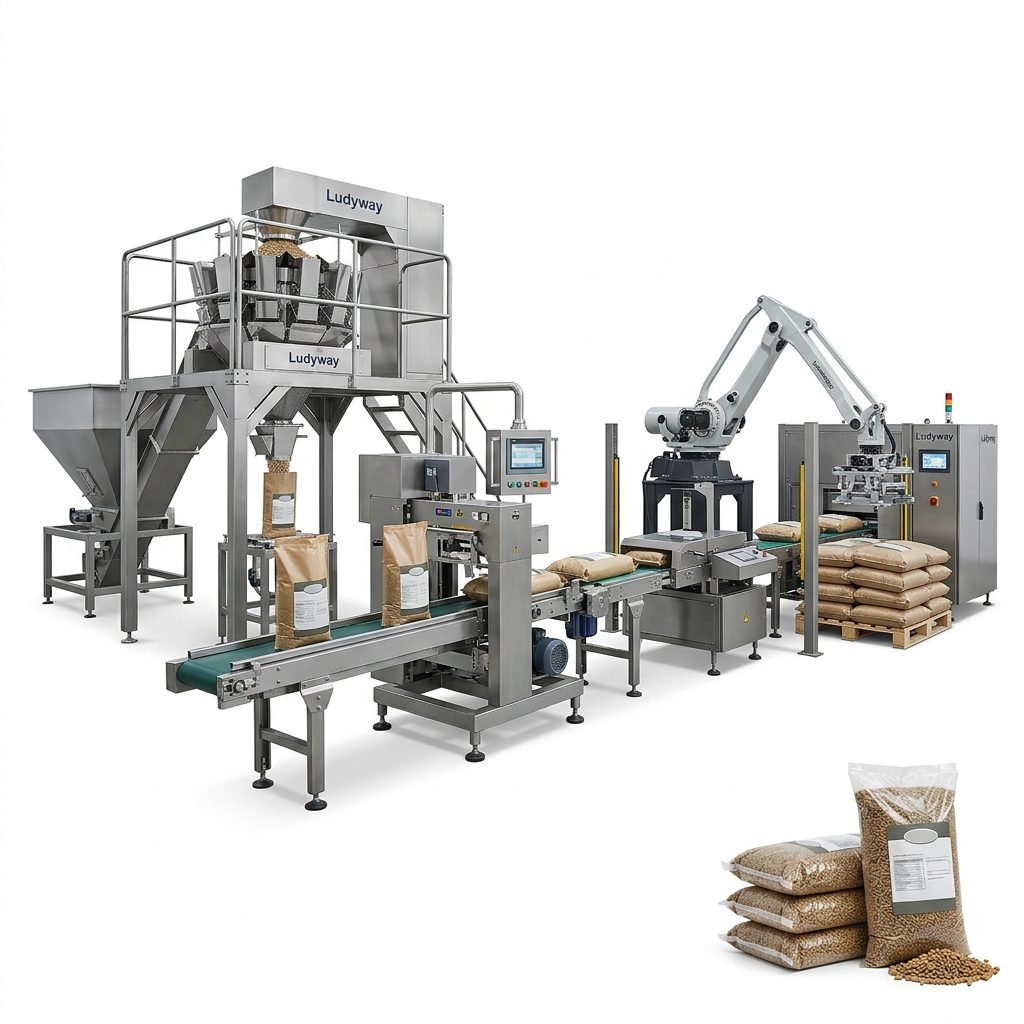
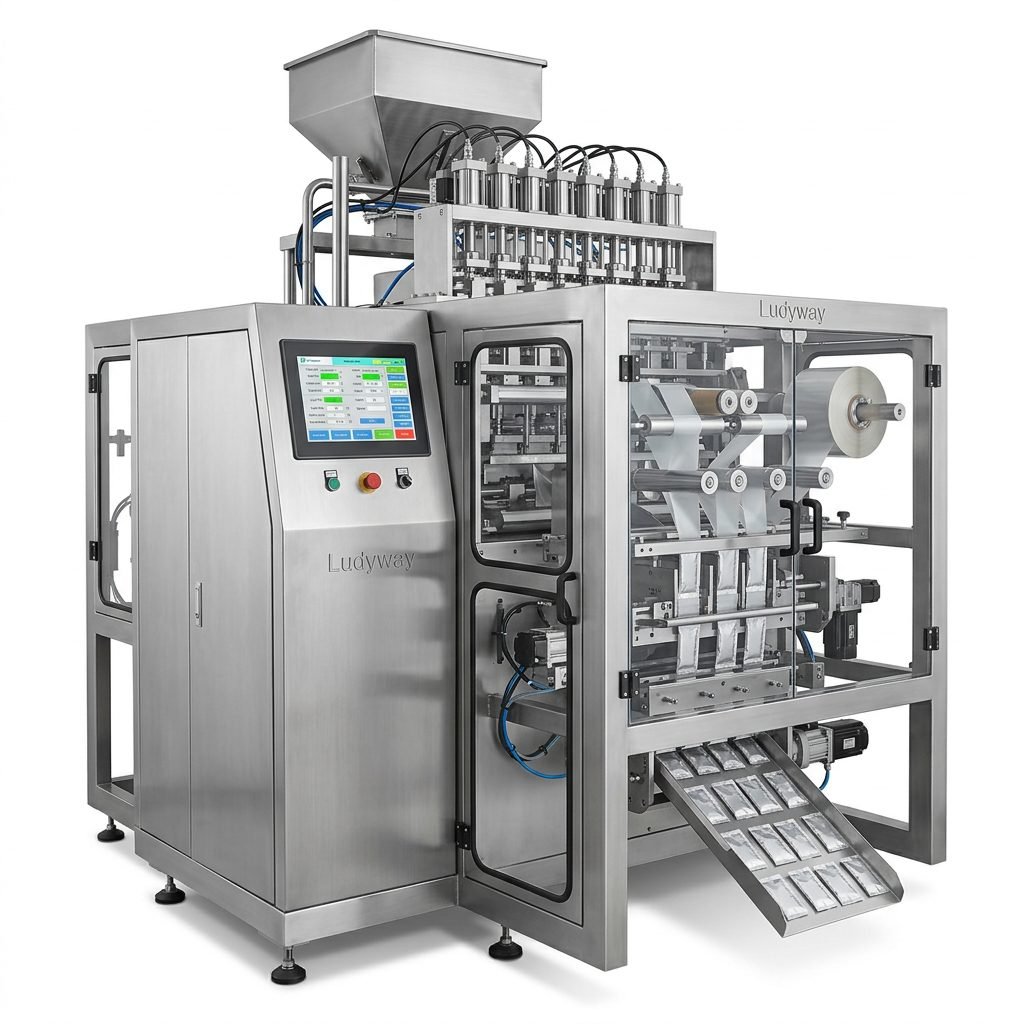
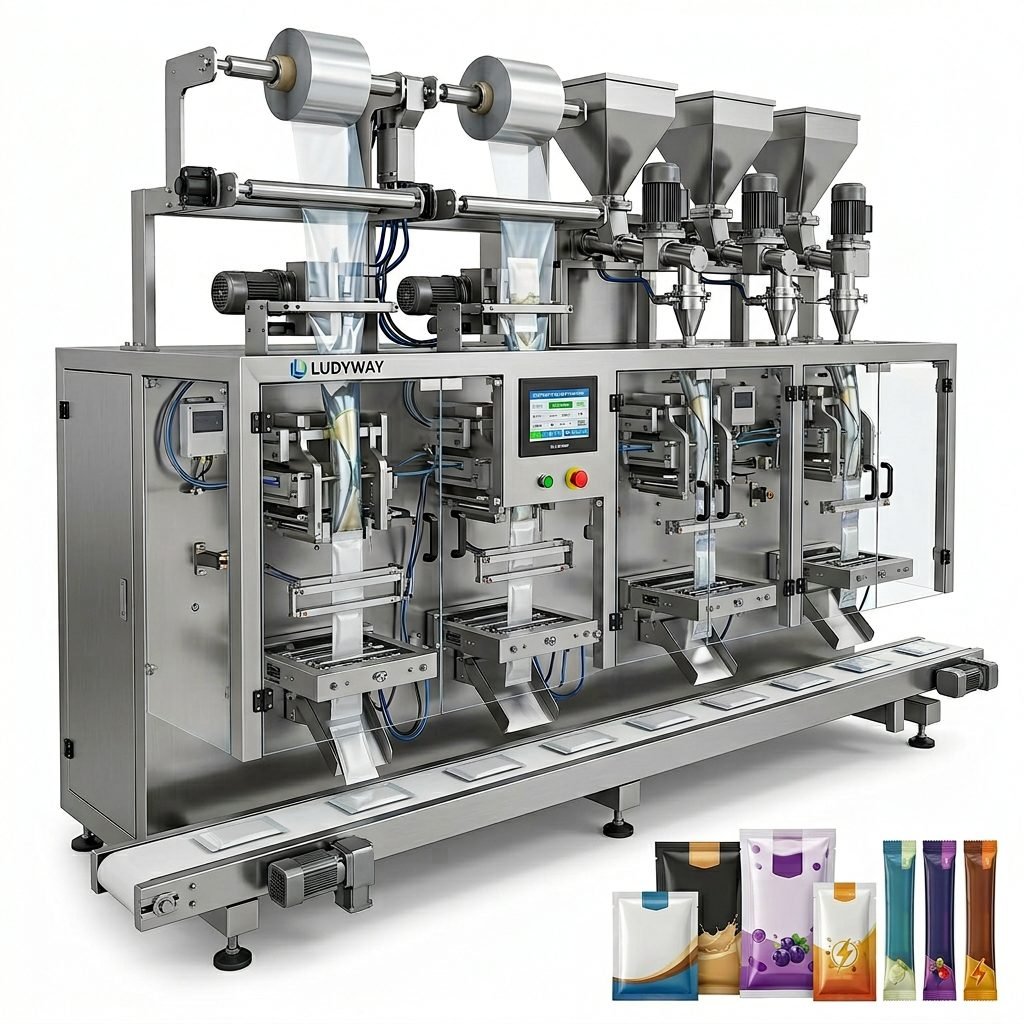
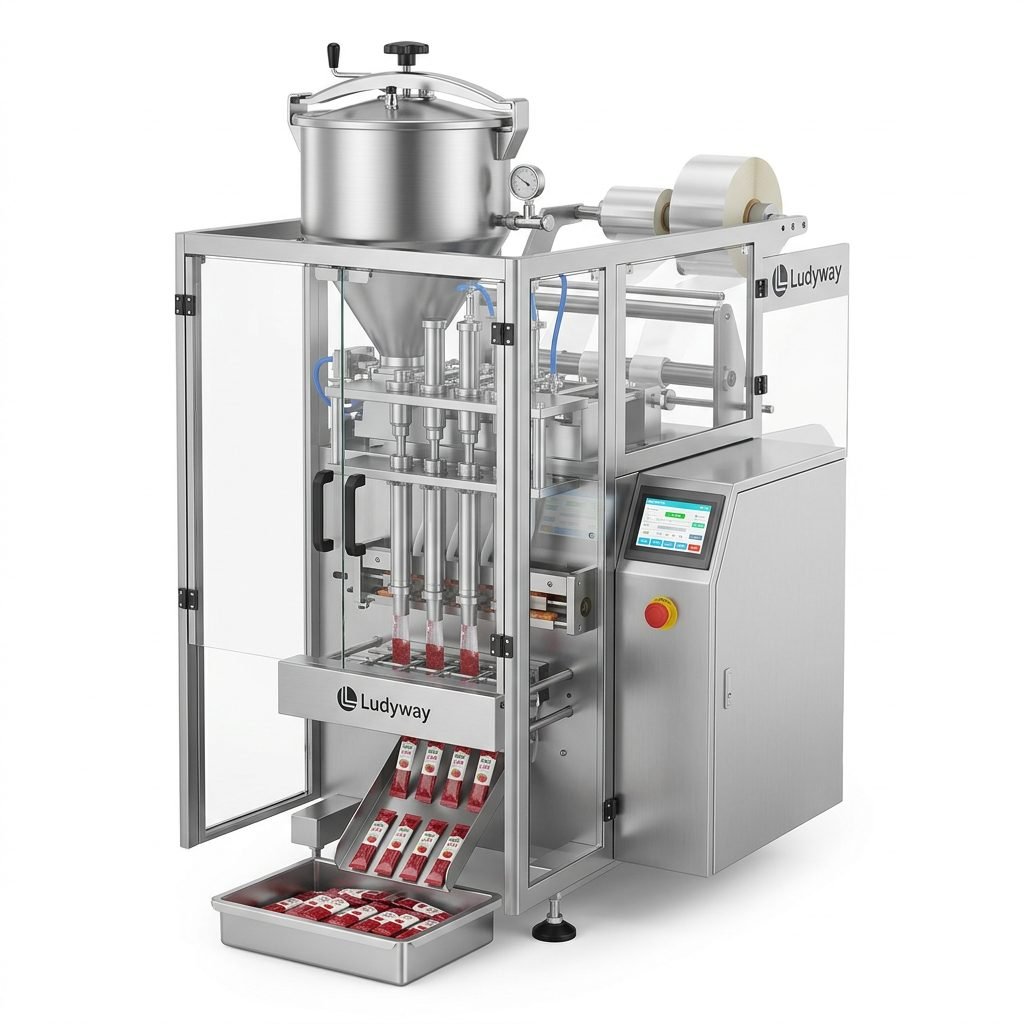
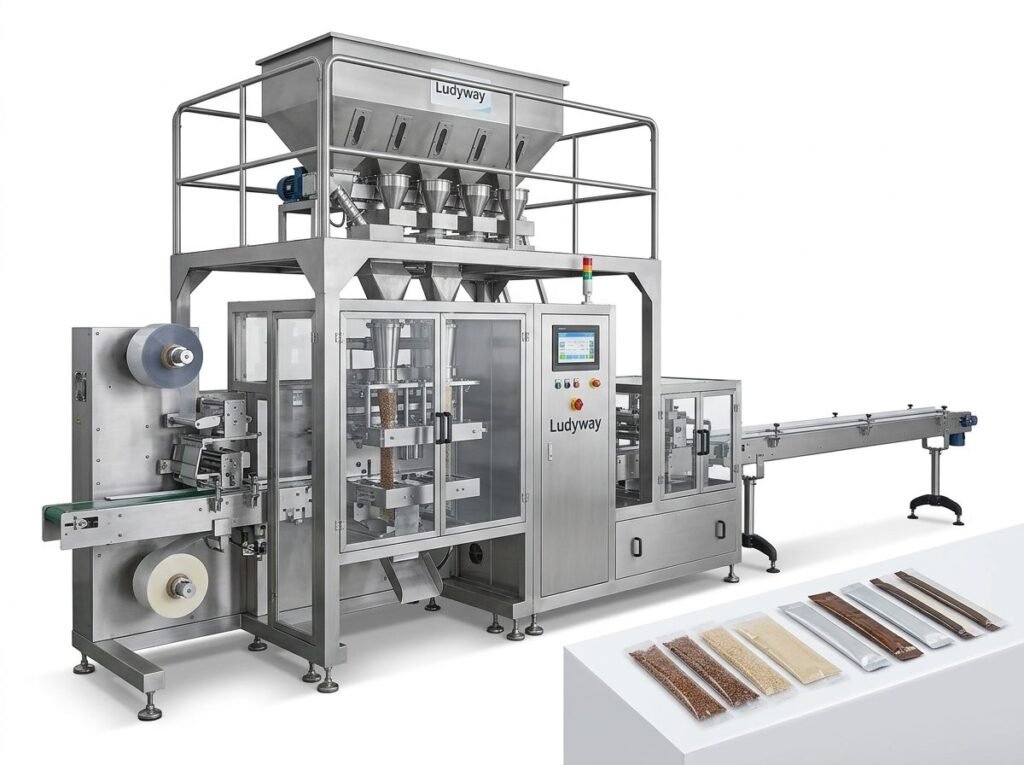
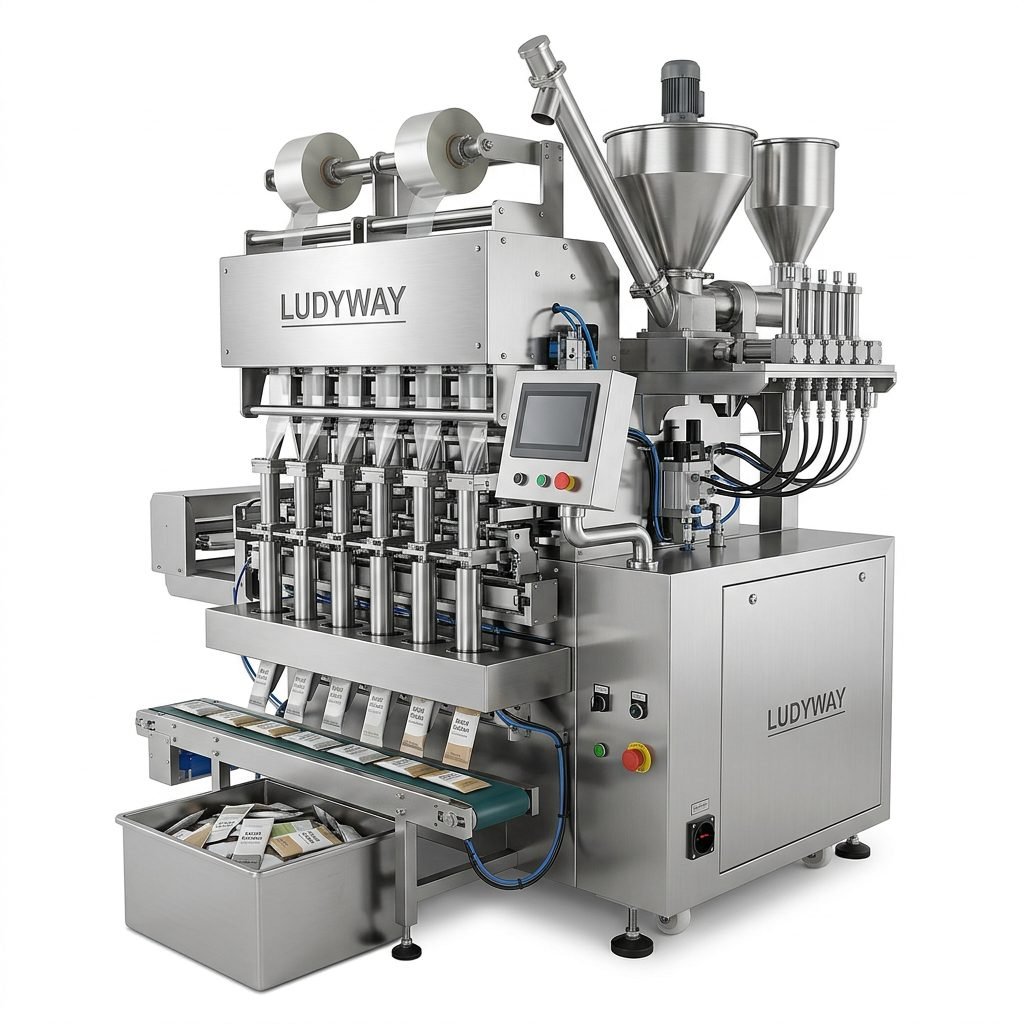
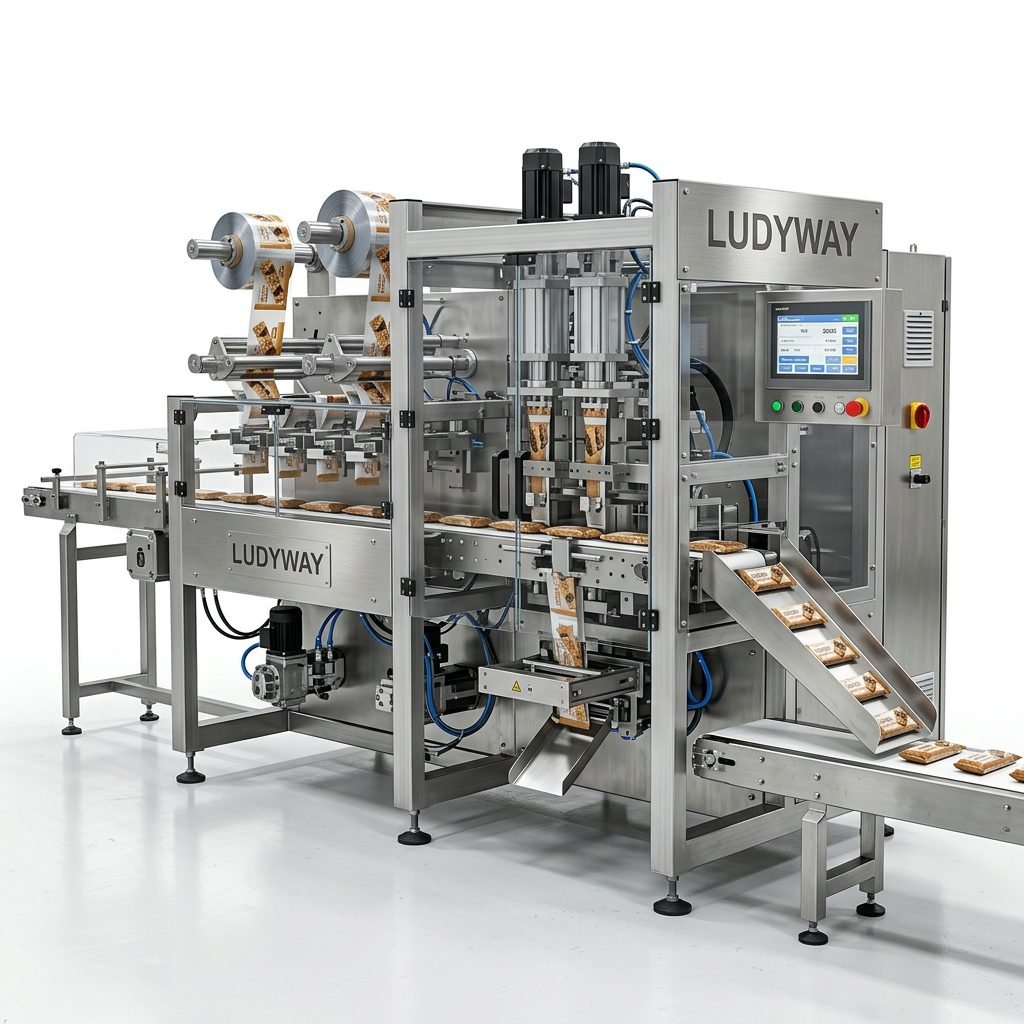
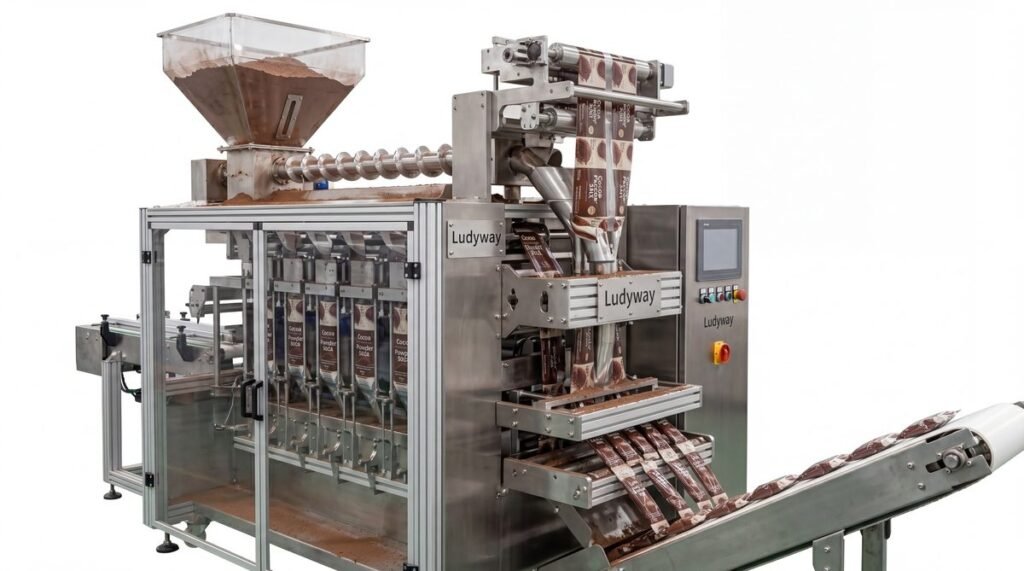
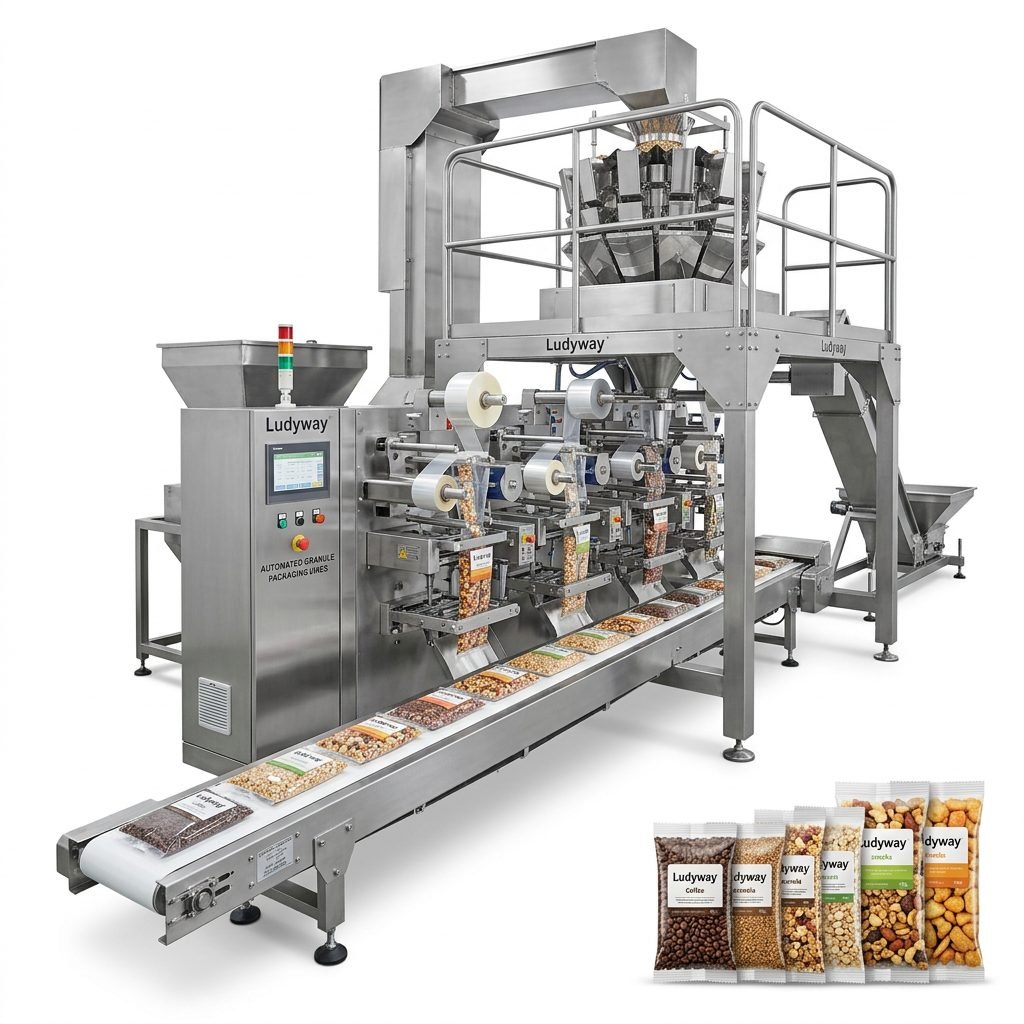
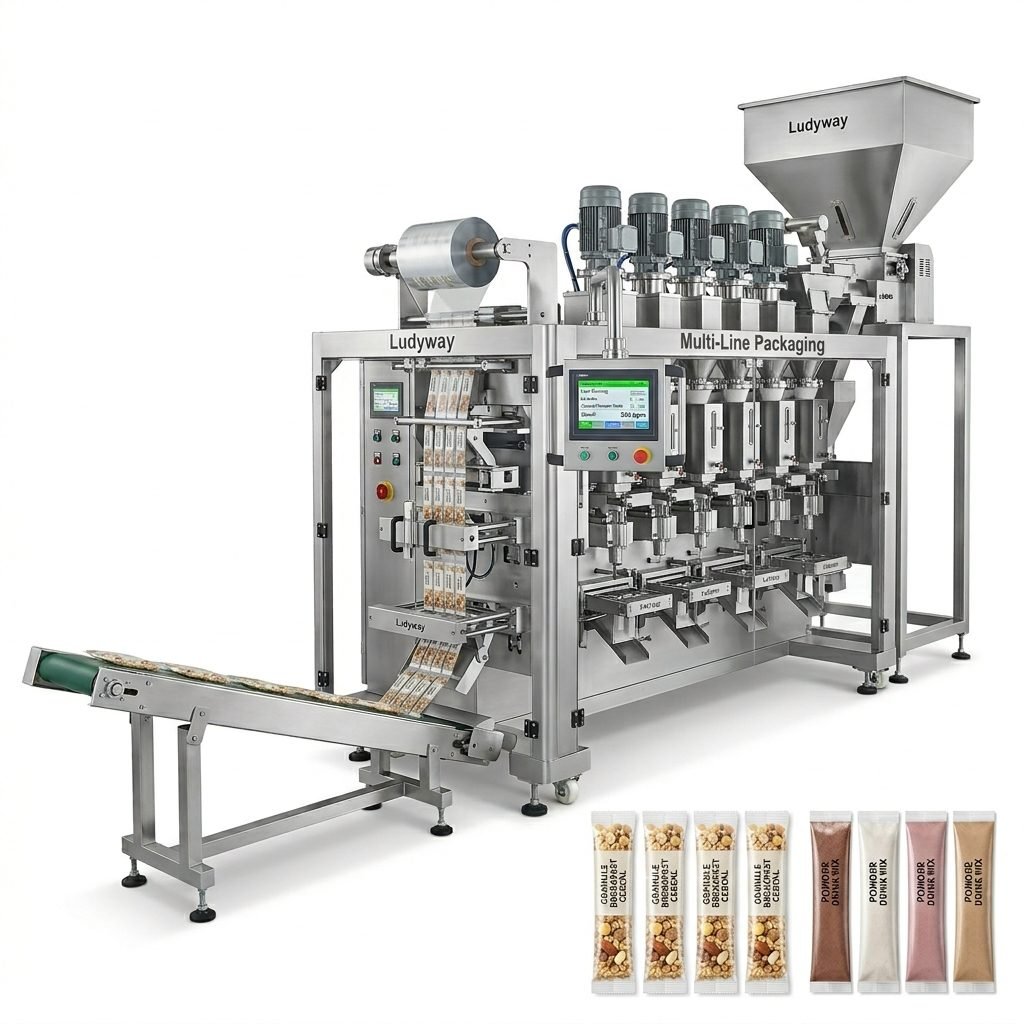
The European market includes both domestic high-end manufacturers and global suppliers. Traditional Italian and German brands dominate the premium segment, but a growing number of buyers are turning to global packaging machine manufacturers for competitive “price-performance” ratios without compromising on quality. Companies like Ludyway have established strong export networks, catering to European food producers with advanced multi-lane systems that can be customized for cookie slug packs and on-the-go sachets.
Evaluating Total Cost of Ownership (TCO)
European buyers often prioritize total cost of ownership over the capital expenditure. Calculate your expected film waste, energy consumption, and spare parts inventory. A machine that saves just 2% on film material annually can significantly outperform a cheaper alternative over its lifecycle. When assessing bids, request detailed throughput guarantees and packaging machinery market research data to benchmark performance.
Automation and Industry 4.0 Integration
European manufacturing is at the forefront of smart factory adoption. Your new cookie packaging machine should offer open communication protocols for MES and ERP integration. Remote diagnostics and OEE (Overall Equipment Effectiveness) tracking are no longer optional extras but necessities for competitive production. Understanding the state of the packaging industry in 2026 helps align your purchasing with future technology trends.
Regulatory Compliance and Food Contact Materials
Packaging machinery used for cookies must comply with EU regulations regarding food contact materials. The framework regulation (EC) No 1935/2004 insists that equipment does not transfer constituents to food in quantities that could endanger human health. Furthermore, your machine should be designed to support traceability, a critical requirement for food manufacturers who must adhere to stringent food ingredient and packaging safety standards for global distribution.
Key Factors for Sealing and Product Freshness
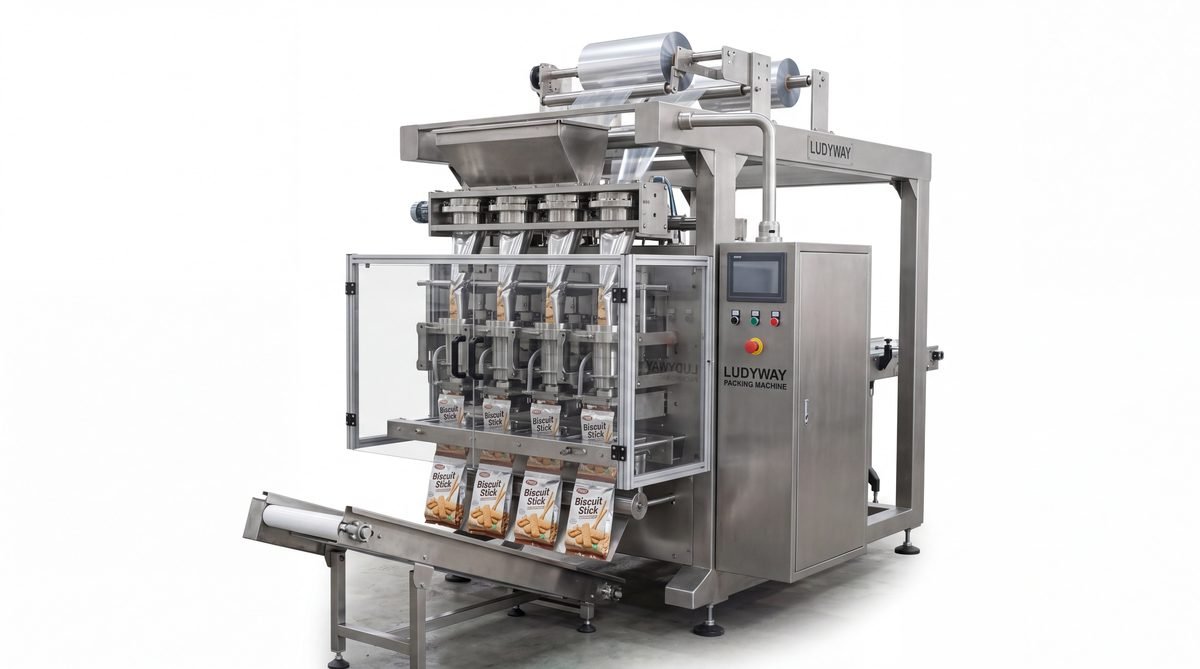
Cookies are hygroscopic, meaning they readily absorb moisture from the air. An effective packaging machine must deliver airtight longitudinal and end seals. Look for machines equipped with dual-reel film holders for automatic splicing, ensuring continuous production. The ability to inject nitrogen or CO2 for Modified Atmosphere Packaging (MAP) is a significant advantage for extending shelf life, a standard requirement for pan-European distribution chains.
Future-Proofing Your Investment
The European flexible packaging industry is rapidly evolving towards a circular economy. The upcoming Packaging and Packaging Waste Regulation (PPWR) will enforce stricter rules on recyclability. Ensure your machine can handle the next generation of bio-based or highly recyclable barrier films. Partner with a supplier who understands global compliance, including standards tracked by the flexible packaging association, to ensure your packaging line remains viable for years to come.
A thorough sourcing process should also include factory acceptance tests (FAT) and site acceptance tests (SAT). By prioritizing robust construction, regulatory expertise, and adaptable technology, you can secure a cookie packaging line that drives growth in the competitive European snack market.