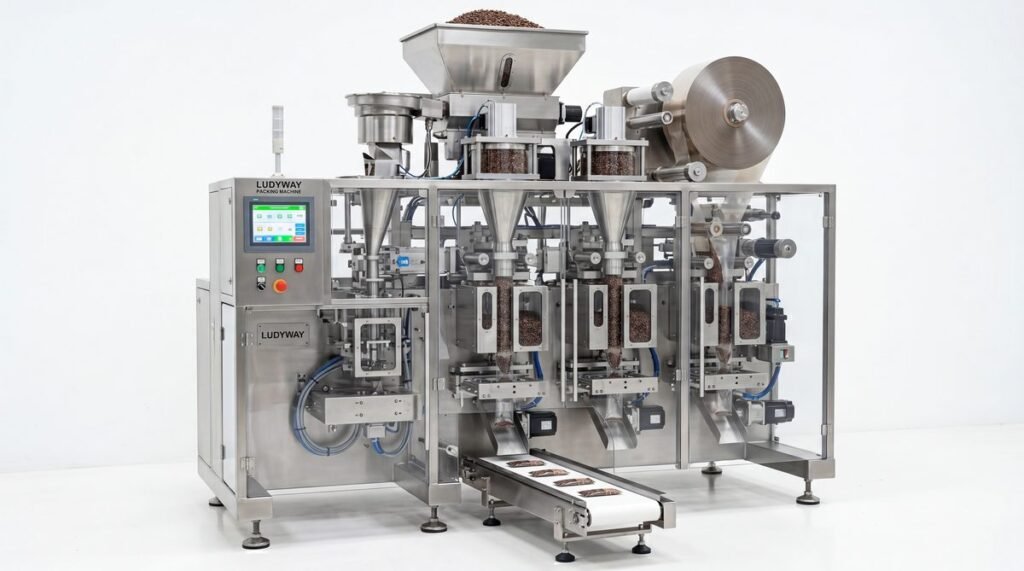
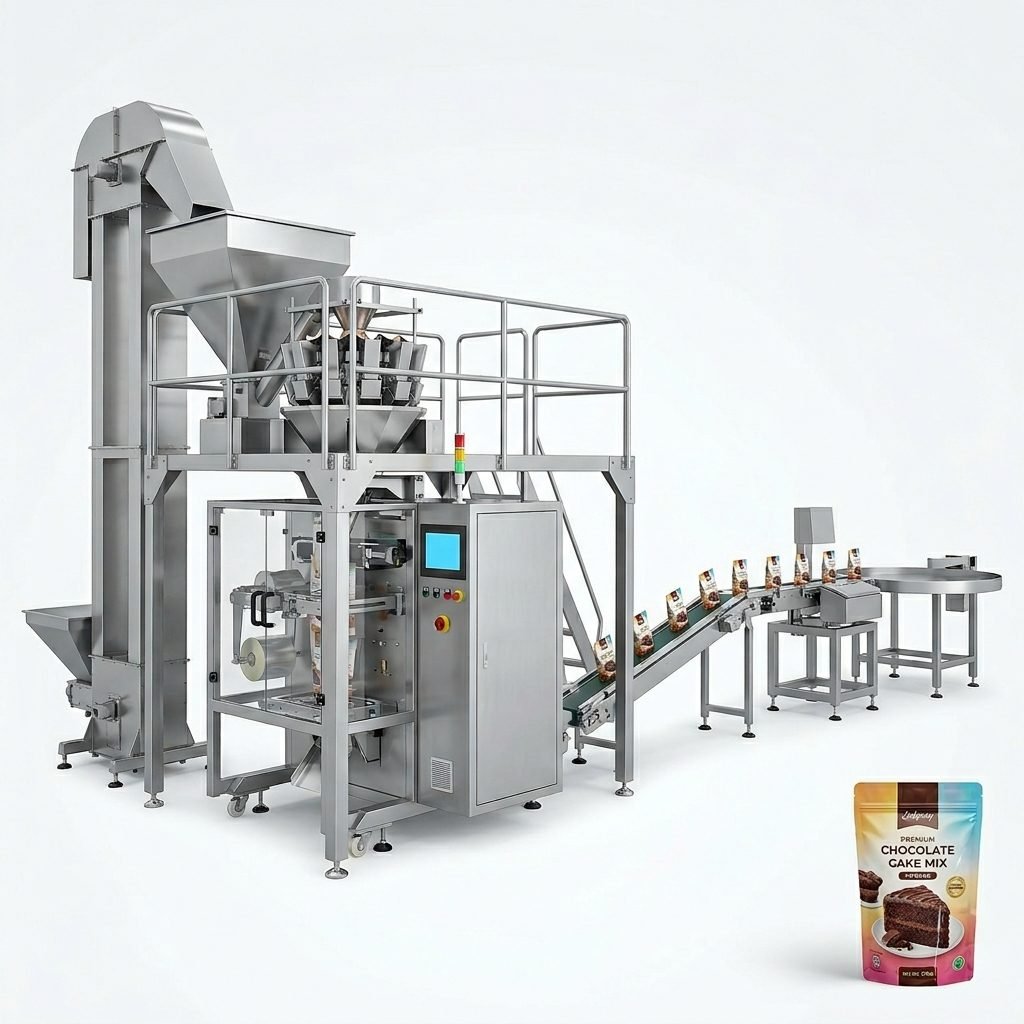
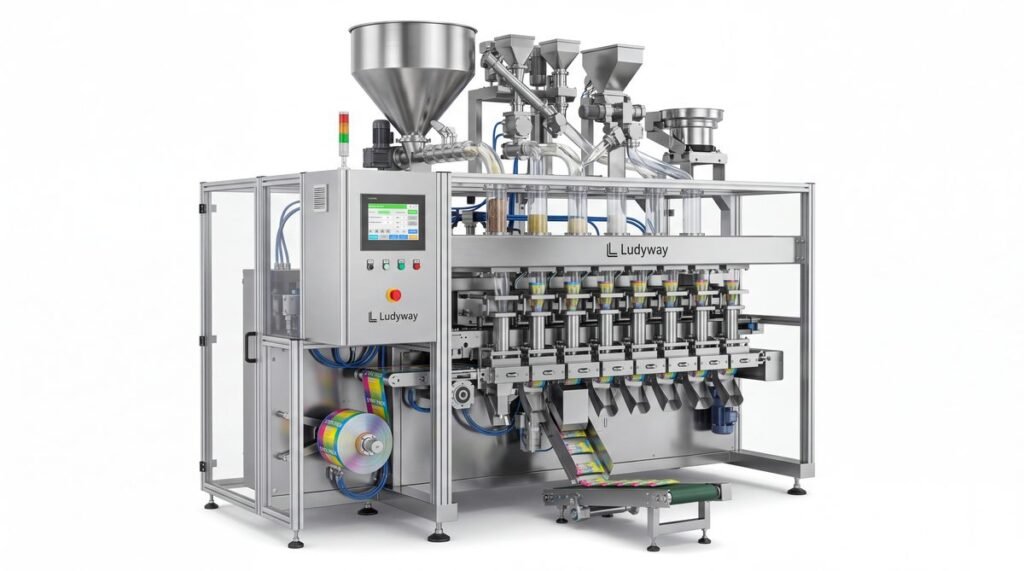
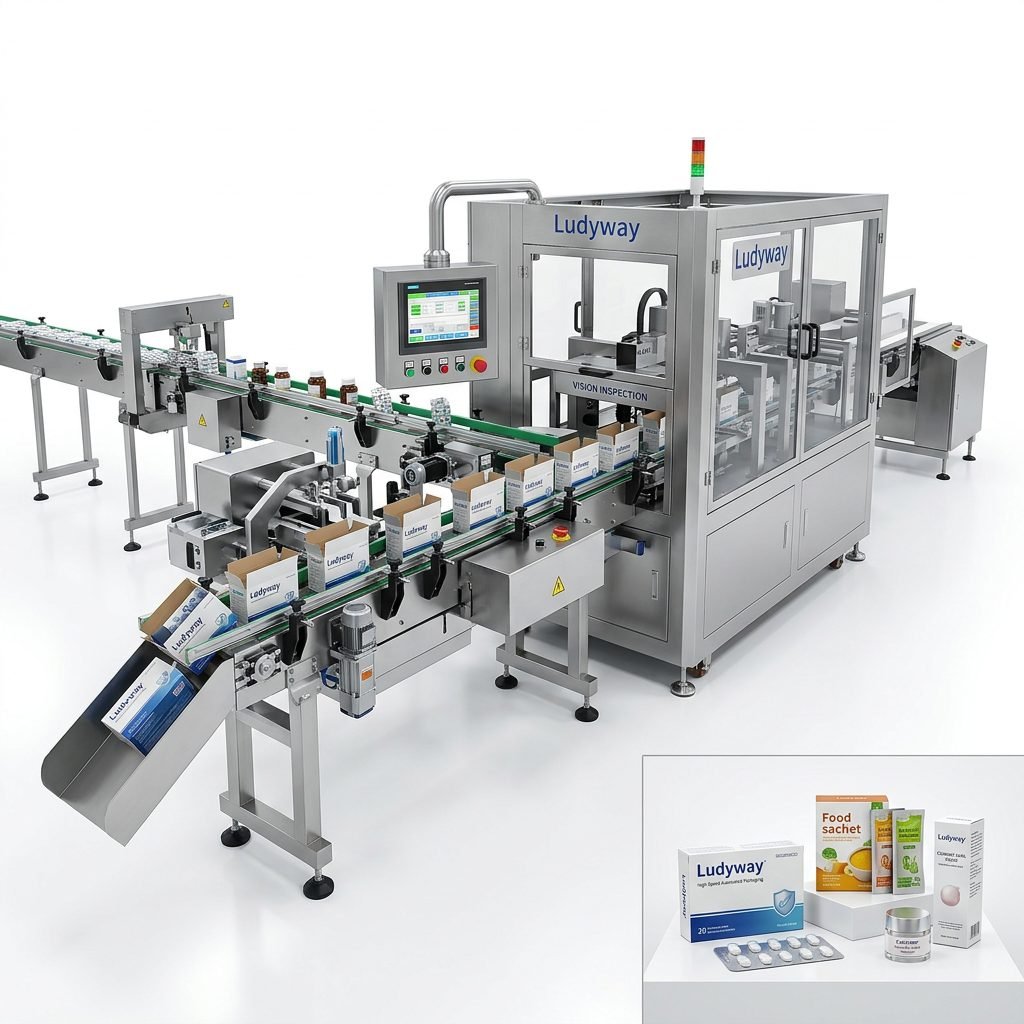
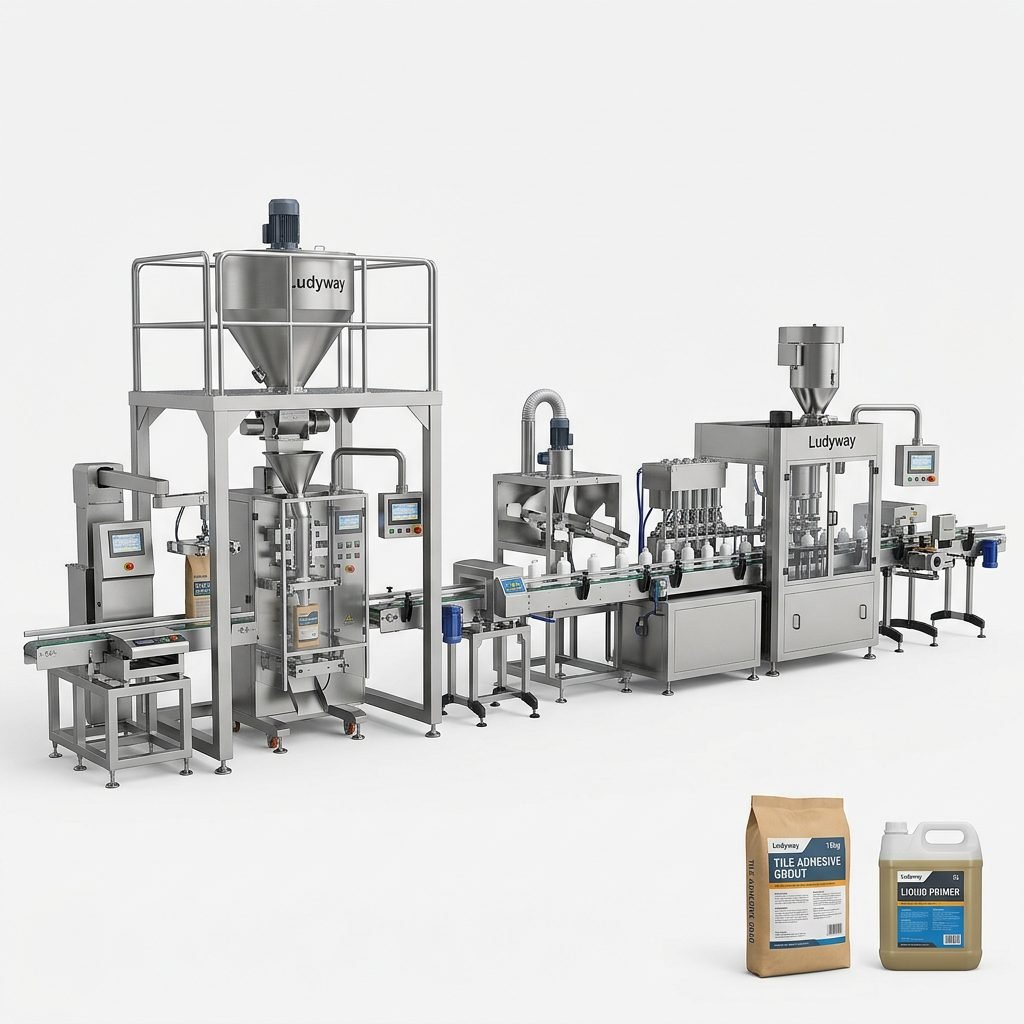
Selecting the right cupcake packaging machine is a critical decision for any bakery or food production business. The correct equipment not only protects your delicate products but also enhances brand presentation, streamlines operations, and ensures consistent quality. This comprehensive guide explores the different types of cupcake packaging machines, their key features, and provides a detailed framework to help you choose the best solution for your specific needs.
Understanding Cupcake Packaging Machine Types
The market offers several types of machines, each suited to different production scales and packaging styles. Understanding these is the first step in making an informed choice.
1. Manual & Semi-Automatic Machines
These machines are ideal for small to medium-sized bakeries or businesses with lower production volumes. A semi-automatic machine typically requires an operator to place the cupcake into the machine, which then automatically forms and seals the packaging around it. They offer a great balance between affordability and increased output over fully manual wrapping.
2. Fully Automatic In-Line Machines
Designed for high-volume production, these systems are integrated into the production line. Cupcakes are automatically fed from the cooling conveyor into the packaging machine, which forms, fills, and seals the package in one continuous motion. This type maximizes efficiency and minimizes labor costs and handling.
3. Tray Sealing Machines
For cupcakes sold in plastic or cardboard trays, a tray sealer is essential. These machines apply a clear film lid (often with modified atmosphere packaging – MAP – capabilities) over the tray and heat-seal it. This method provides excellent product visibility and robust protection during transport.
4. Flow Wrapping Machines
Also known as horizontal form-fill-seal (HFFS) machines, these are perfect for wrapping individual cupcakes in a tight, pillow-style package. They use a roll of film to form a tube around the product, then make longitudinal and end seals. This option is highly versatile and efficient for single-serve packaging.
Key Features to Evaluate
Beyond the basic type, several features differentiate machines and impact their performance, flexibility, and total cost of ownership.
Core Performance Features
→ Speed & Output: Measured in packages per minute (PPM). Match the machine’s speed to your current and projected future production needs.
→ Packaging Material Flexibility: Can the machine handle different film types (e.g., polypropylene, polyethylene, laminates) or card materials? Flexibility here allows for future packaging redesigns.
→ Size Changeover Capability: How quickly and easily can you adjust the machine to package different cupcake sizes or shapes? Look for tool-less or quick-change systems to reduce downtime.
Advanced & Hygiene Features
→ Seal Integrity & Quality: Consistent, strong seals are non-negotiable for freshness and safety. Look for precise temperature control and reliable sealing mechanisms.
→ Hygiene & Cleanability: Food-grade construction (e.g., stainless steel contact parts) and a design that allows for easy, thorough cleaning are essential for compliance and product safety.
→ Integration & Automation: Consider machines that can integrate with upstream (depositors, coolers) and downstream (labelers, cartoners) equipment. Features like automatic film splicing reduce stoppages.
How to Choose the Best Solution: A Step-by-Step Guide
Follow this structured approach to narrow down your options and select a machine that delivers a strong return on investment.
Step 1: Conduct a Thorough Needs Analysis
Begin by defining your specific requirements. What is your current and target daily/weekly output? What packaging style aligns with your brand (single wrap, multi-packs, tray)? What are your cupcake dimensions and any special characteristics (e.g., high frosting, sprinkles)?
Step 2: Evaluate Your Production Environment
Assess the available floor space for the machine. Ensure you have the necessary utilities (power supply, compressed air). Consider the skill level of your operators and the technical support available from the packaging machine supplier.
Step 3: Calculate Total Cost of Ownership (TCO)
Look beyond the initial purchase price. Factor in costs for:
• Consumables (packaging film, energy)
• Maintenance and spare parts
• Labor required to operate the machine
• Potential downtime costs
A slightly more expensive but more reliable and efficient machine often has a lower TCO.
Step 4: Research and Shortlist Reputable Suppliers
Look for suppliers with proven experience in bakery or food packaging. Examine their company history and industry experience. Request customer references and, if possible, visit a machine in operation. A supplier like Ludyway Machinery, with deep expertise in food packaging solutions, can provide valuable guidance.
Step 5: Request Demos and Proposals
Ask shortlisted suppliers to run a sample test with your actual cupcakes and packaging material. This is the best way to verify performance. Compare detailed proposals that include delivery, installation, training, warranty, and after-sales service terms.
FAQs: Common Questions About Cupcake Packaging Machines
Q: What is the typical price range for a cupcake packaging machine?
A: Prices vary widely based on automation level and features. Semi-automatic machines can start from a few thousand dollars, while high-speed, fully automatic in-line systems can cost tens of thousands. Focus on the value and ROI rather than just the initial price.
Q: Can one machine handle different sizes of cupcakes?
A: Many machines offer quick-change capabilities for different product sizes. However, significant size changes may require purchasing additional change parts or tooling. Discuss your specific size range with the supplier during the evaluation.
Q: How important is after-sales service and technical support?
A> It is critically important. Packaging machines are precision equipment that will require maintenance and occasional troubleshooting. Choose a supplier known for reliable technical support and service, readily available spare parts, and comprehensive operator training to ensure long-term, trouble-free operation.
Q: What packaging materials work best?
A: The best material depends on your needs for visibility, barrier properties (to retain moisture and freshness), and machinability. Common options include BOPP, metallized films, and laminates. Your machine supplier can recommend films that run well on their equipment.
Q: How can I ensure the machine protects delicate frosting and decorations?
A: Look for machines with gentle product handling features, such as soft-touch infeed conveyors, precise positioning systems, and sufficient headspace within the formed package. A tray sealer or a flow wrapper with a wide film tube can often provide the necessary clearance.