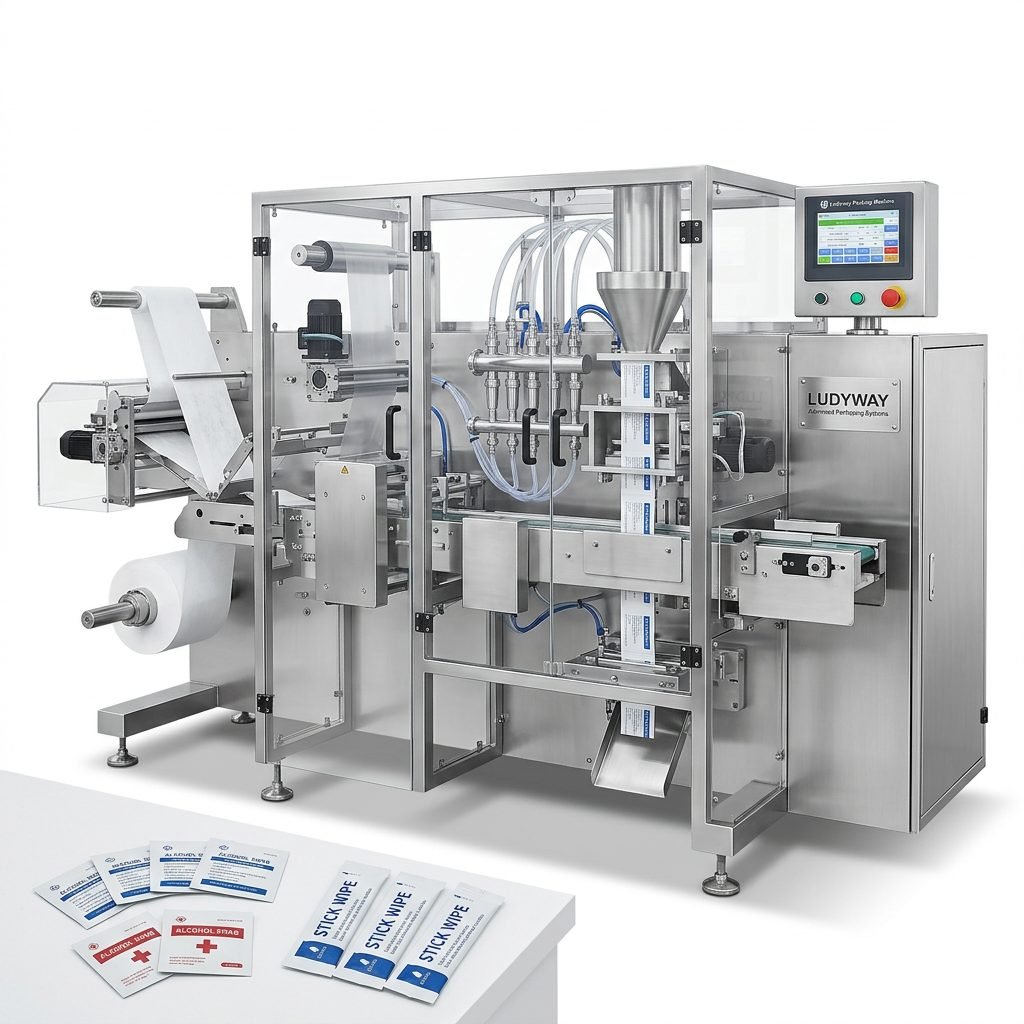
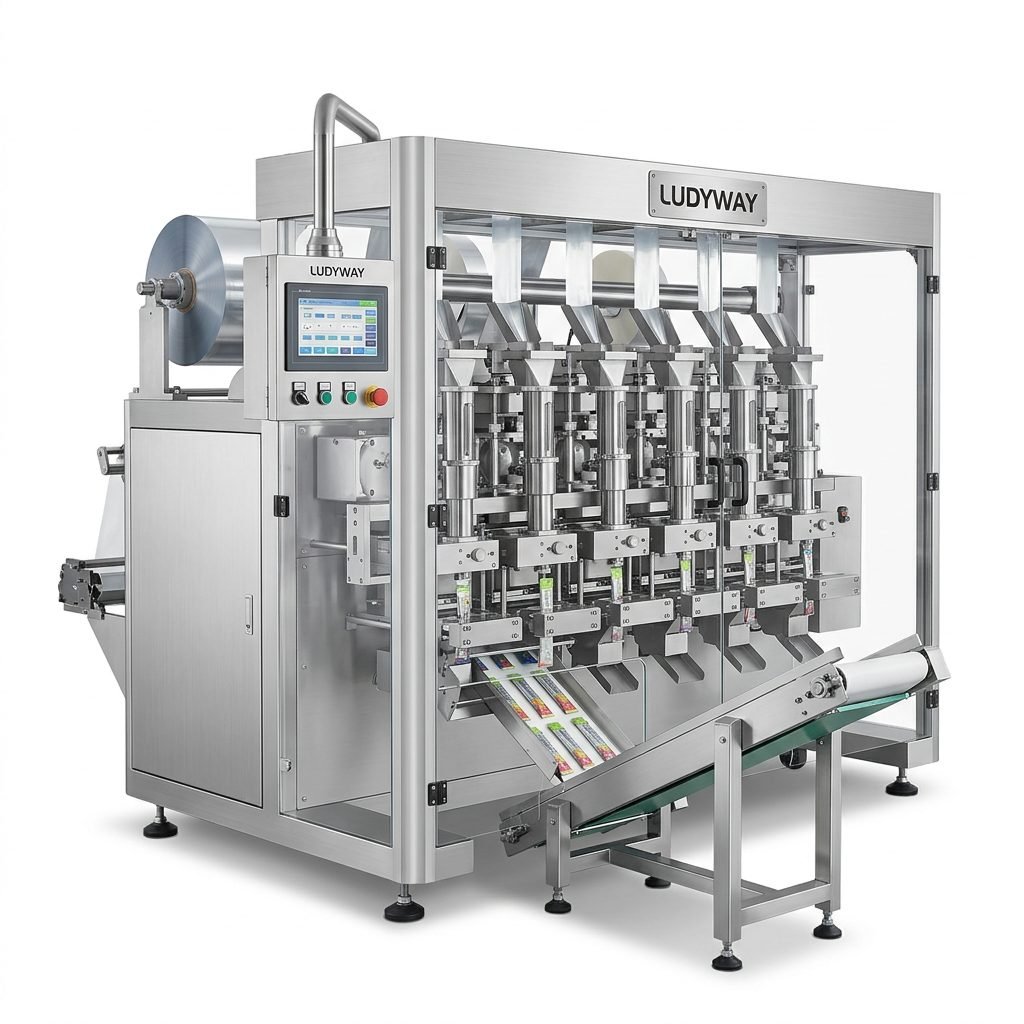
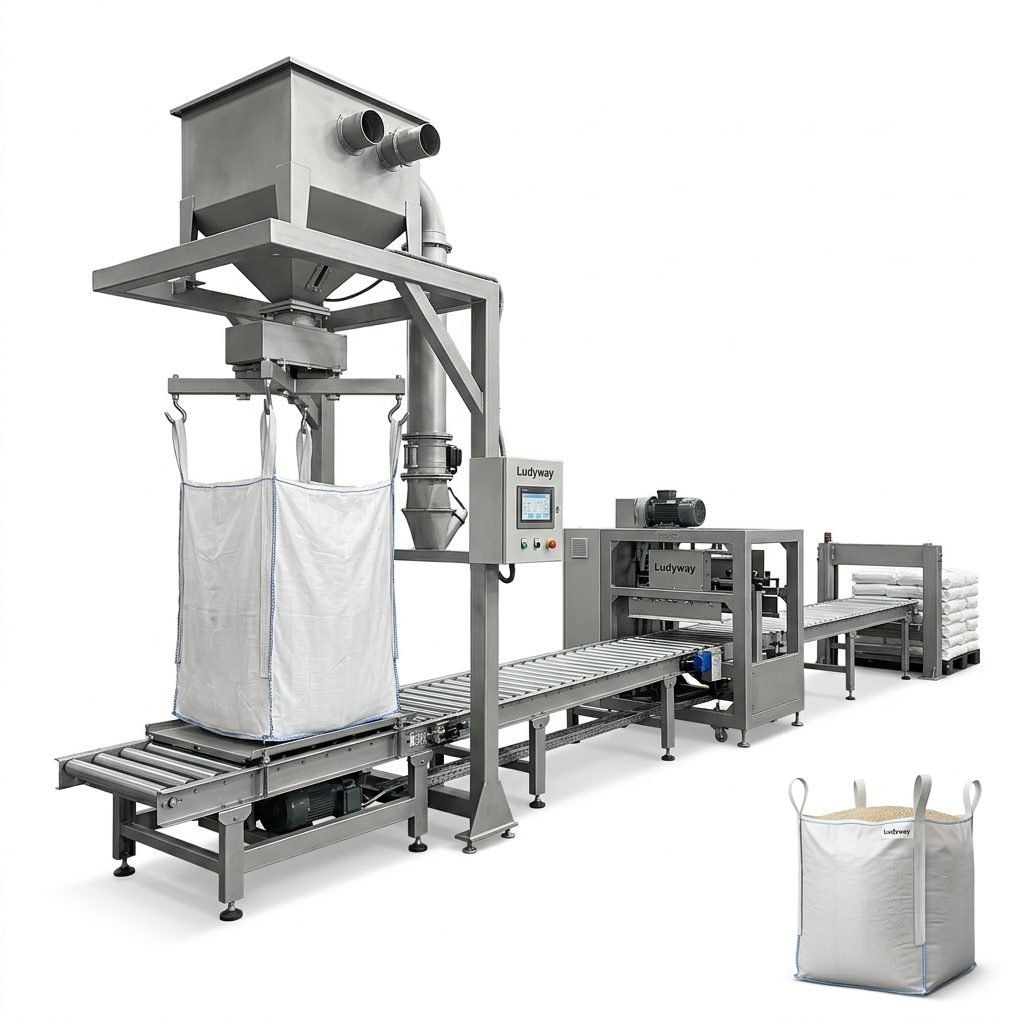
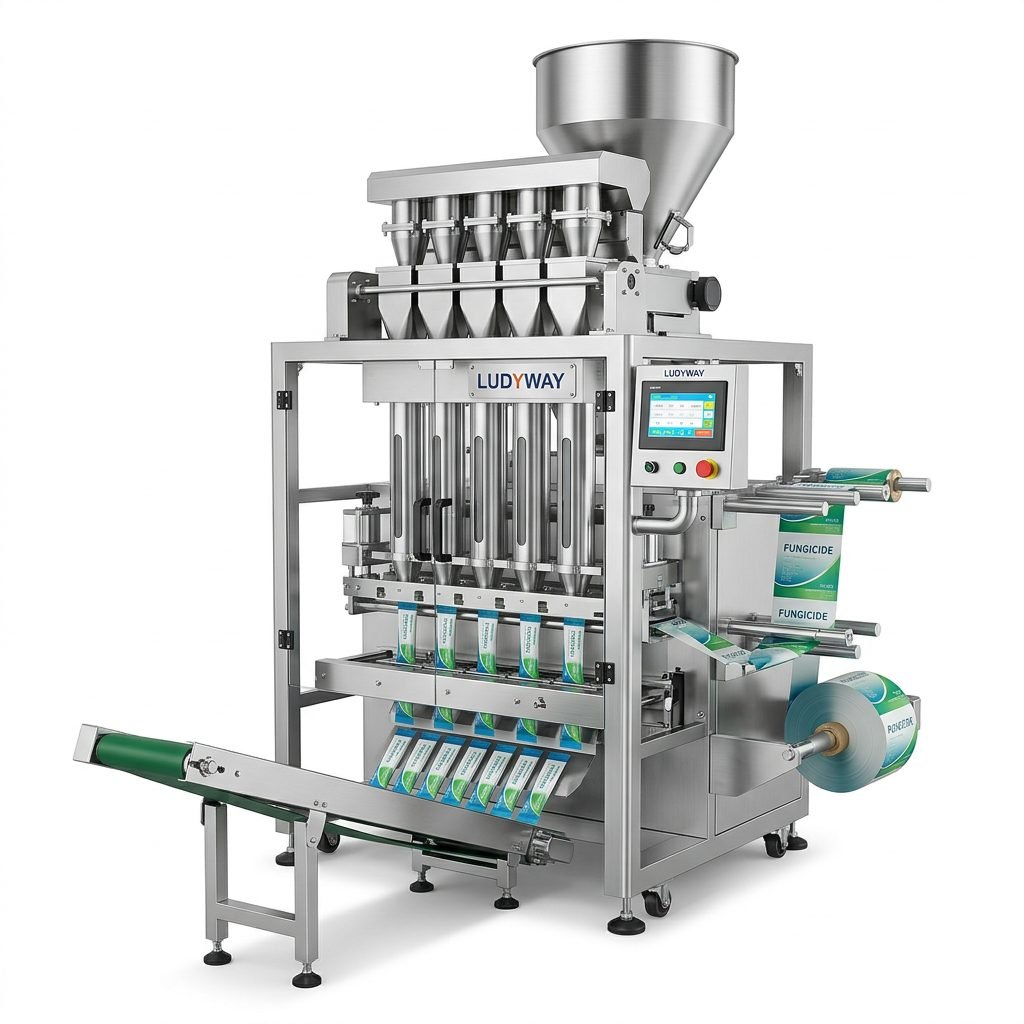
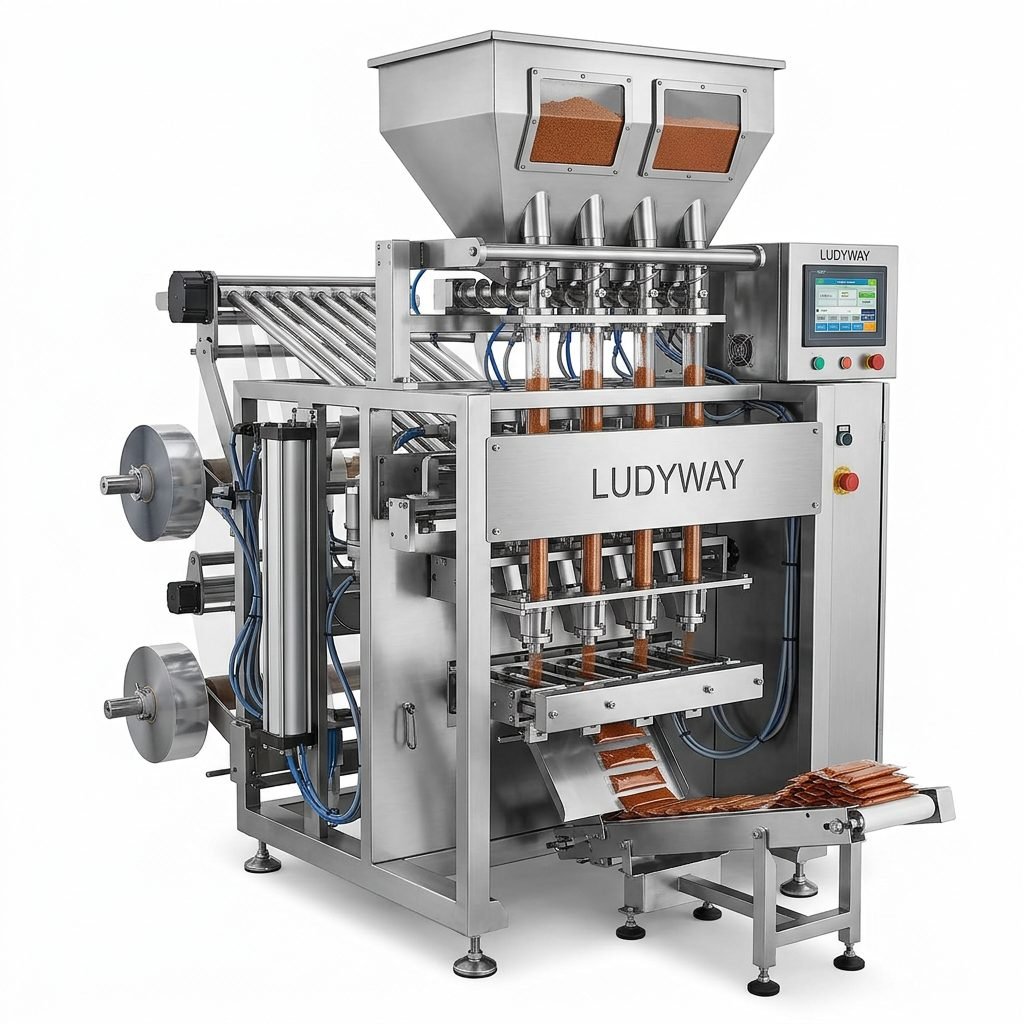
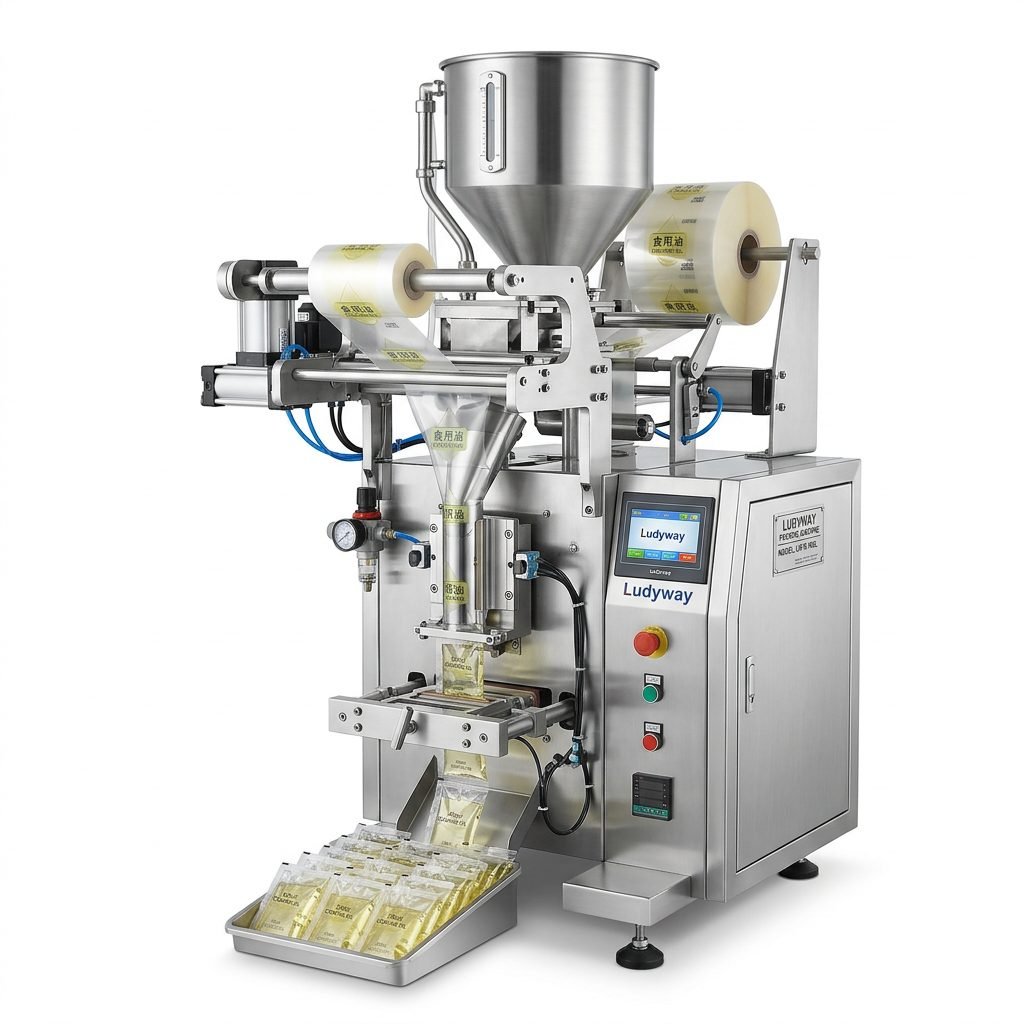
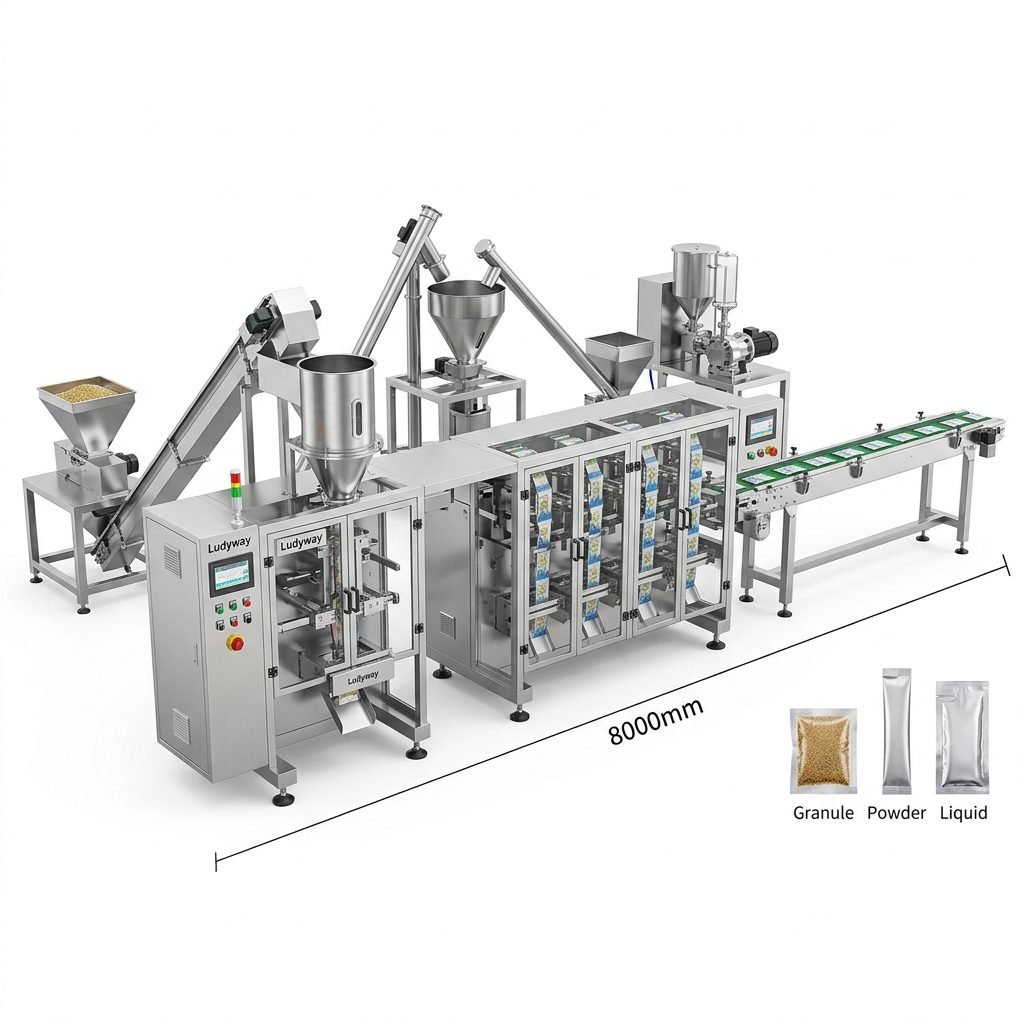
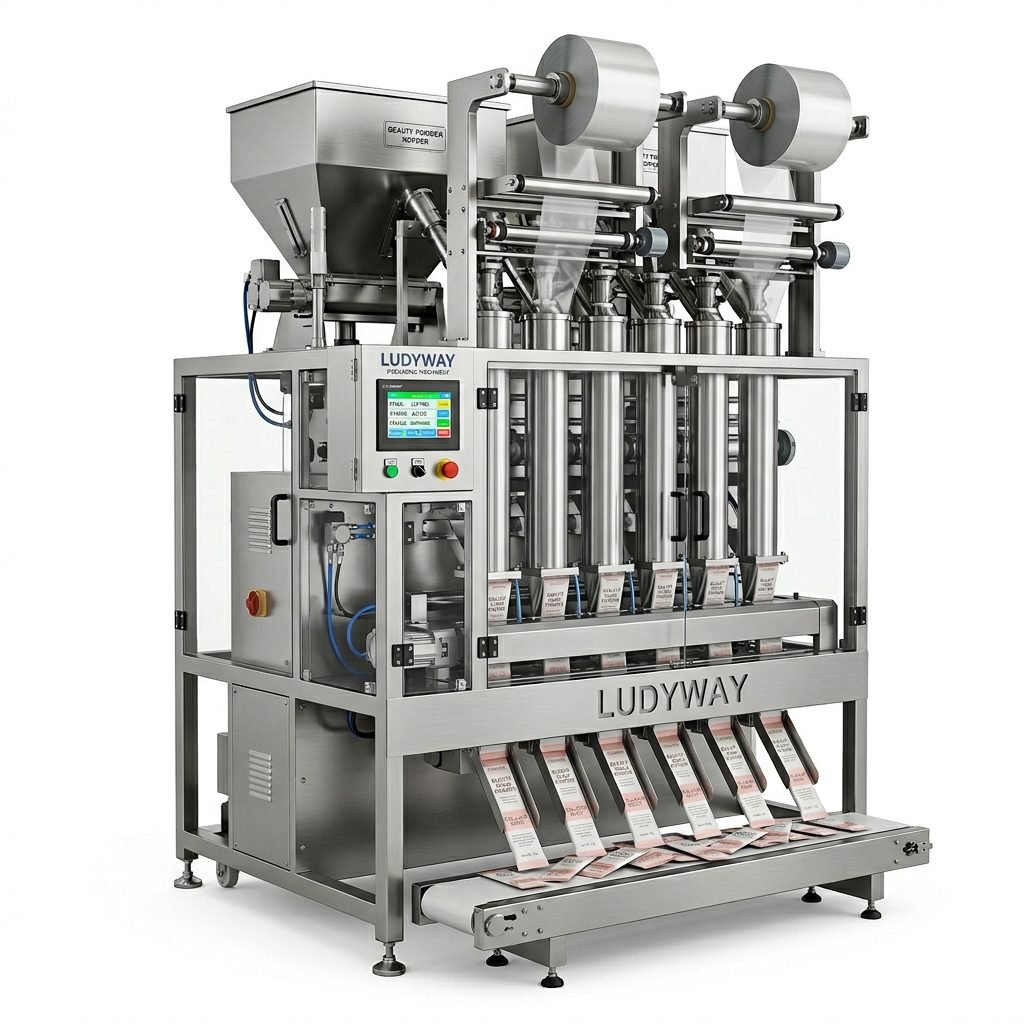
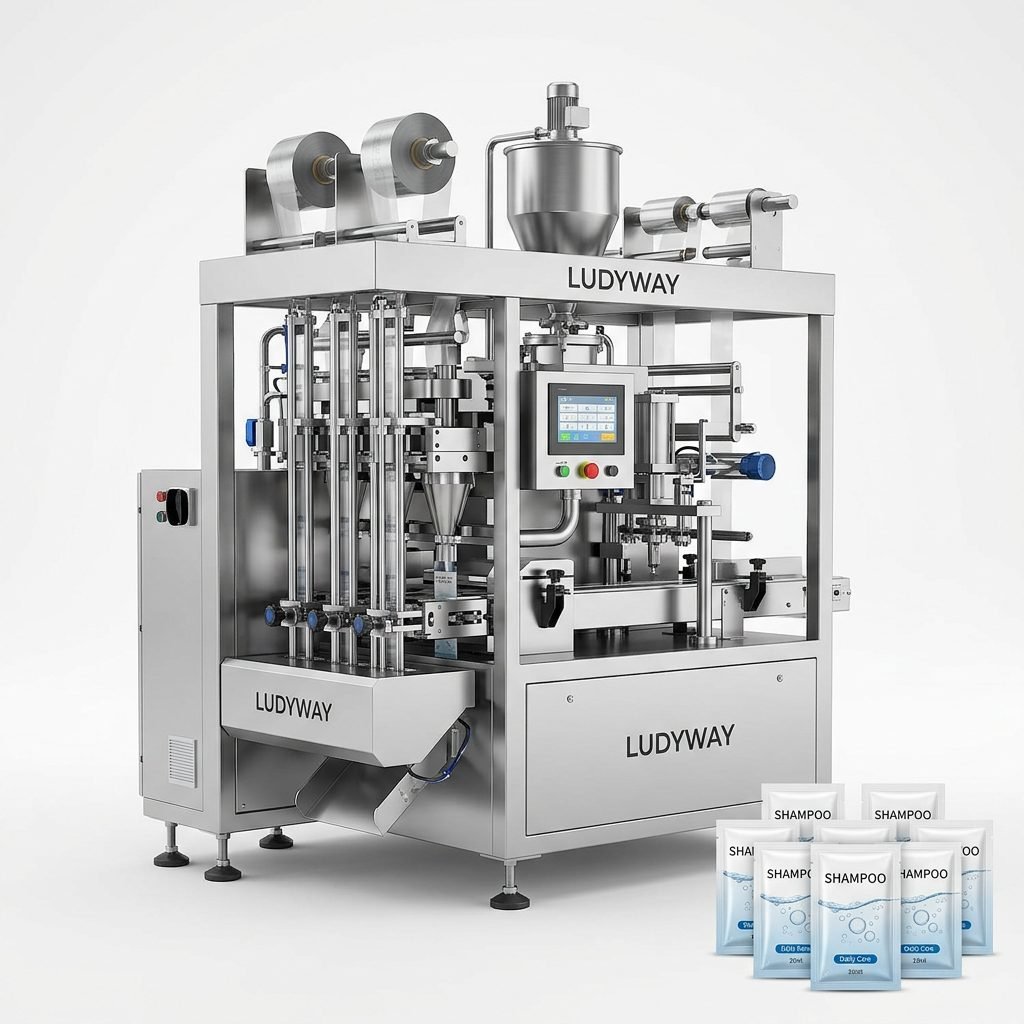
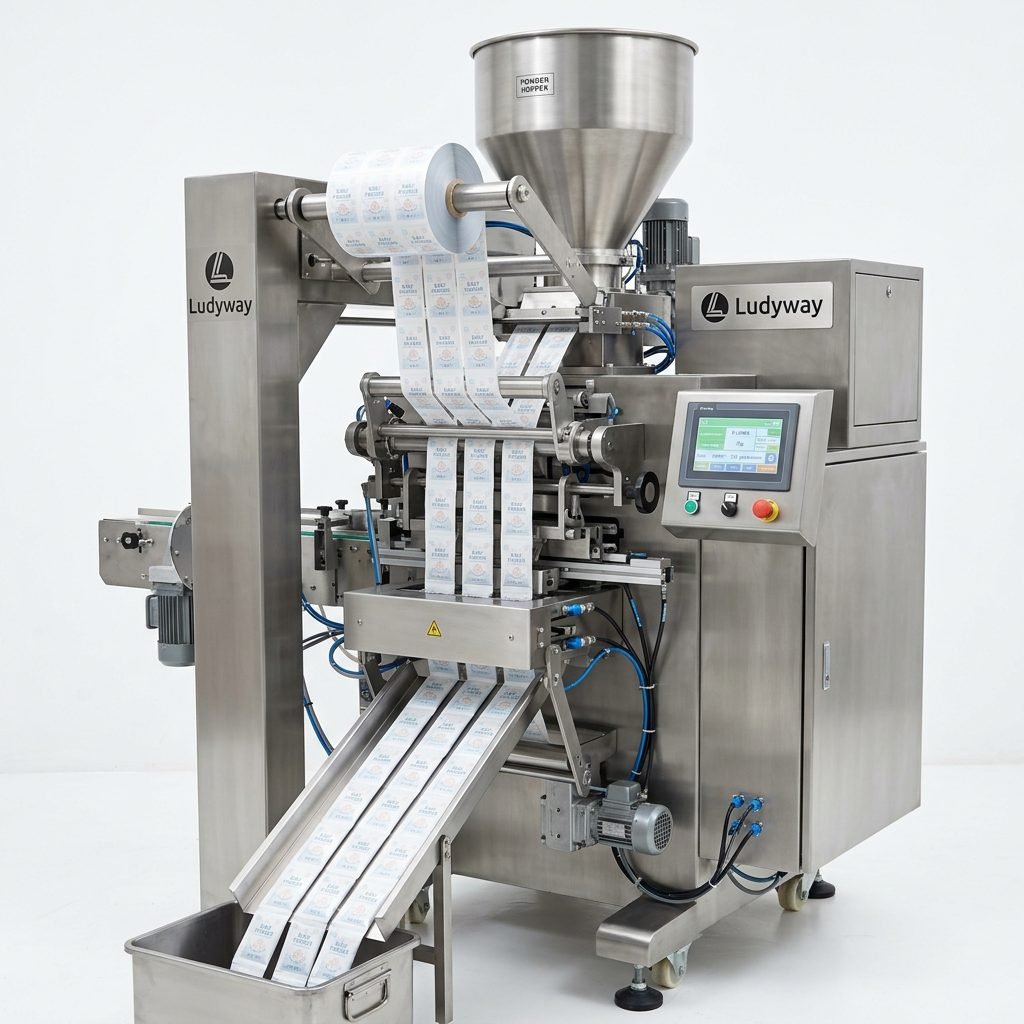
A cartoning box packing machine is a critical part of modern automated packaging. It helps manufacturers place products into cartons quickly, accurately, and consistently, reducing manual handling while improving line speed. For brands in food, pharmaceutical, health supplement, cosmetic, and consumer goods sectors, the right cartoning solution can turn packaging into a real production advantage.
As production volumes grow and labor costs continue to rise, many factories are moving toward integrated cartoning systems that combine feeding, counting, loading, sealing, coding, inspection, and final case packing in one continuous workflow. This is especially valuable for businesses that need stable output, less downtime, and better packaging presentation.
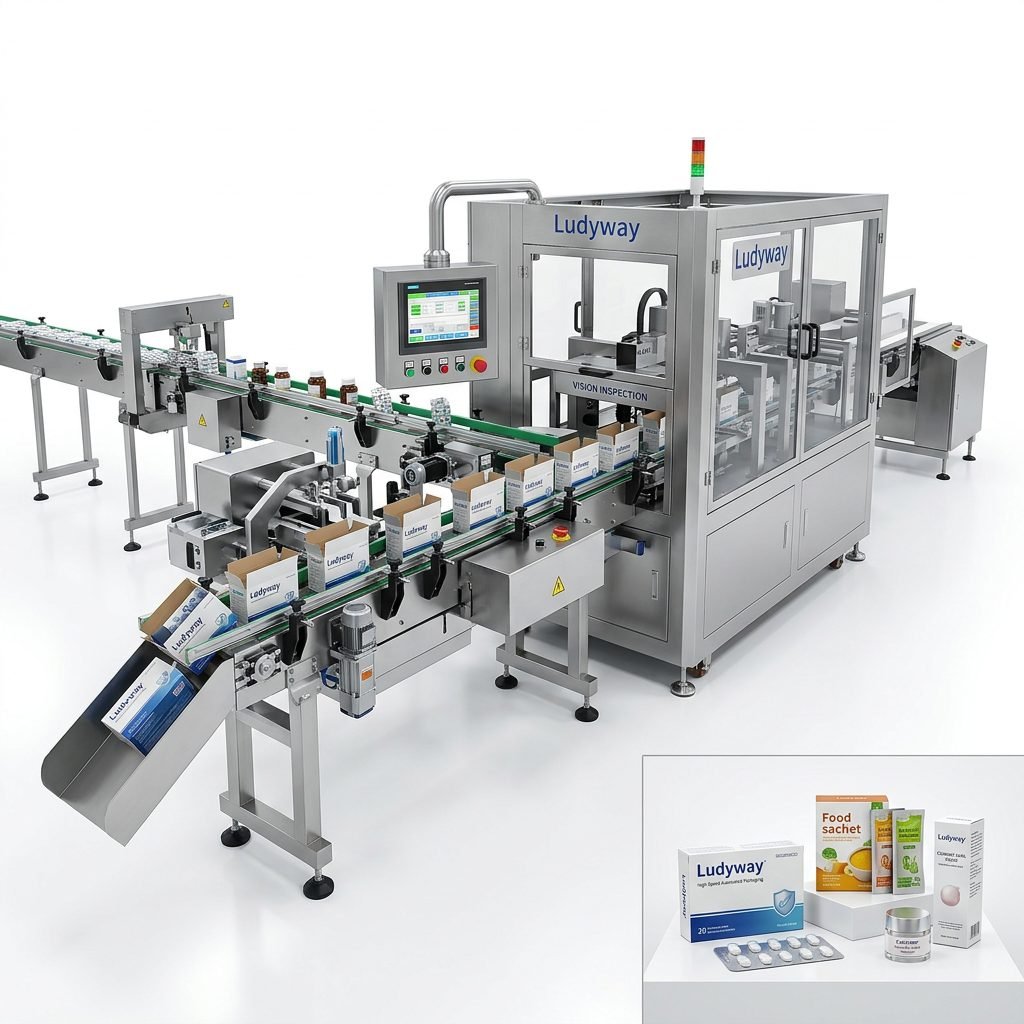
What Is a Cartoning Box Packing Machine?
A cartoning box packing machine is an automated system designed to form cartons, insert products, and close or seal the boxes. Depending on the product type and packaging process, the machine may also add leaflets, count units, reject faulty items, print codes, and connect with upstream filling or pouch packing equipment.
These machines are commonly used for:
- Stick packs and sachets packed into retail cartons
- Bottles, vials, blister packs, and pouches
- Cosmetic tubes, creams, and skincare sample packs
- Health supplement products and pharmaceutical kits
- Food packets, seasoning sachets, and small consumer goods
Why Automated Cartoning Matters for Faster Production
Manual cartoning often creates bottlenecks. Workers may struggle to maintain consistent speed, carton loading can become uneven, and errors increase during long shifts. An automated cartoning machine solves these issues by keeping carton erection, product insertion, and box closure synchronized with the rest of the line.
Key production benefits include:
- Higher throughput with continuous operation and reduced stoppages
- Better packaging consistency for retail-ready presentation
- Lower labor dependence in repetitive end-of-line tasks
- Improved product protection during storage and transportation
- Easier line integration with filling, sealing, coding, and case packing systems
Main Types of Cartoning Box Packing Machines
1. Horizontal Cartoning Machines
Horizontal cartoners are ideal for products that need to be pushed or loaded sideways into cartons. They are widely used for sachets, pouches, flow packs, blisters, and grouped products. This design is popular in pharmaceutical and food packaging because it supports high-speed continuous production.
2. Vertical Cartoning Machines
Vertical cartoners are suitable when products can be dropped into the carton from above. They are often used for bottles, jars, bags, and counted units. These machines can be a good choice for factories with simpler packaging layouts or limited floor complexity.
3. Automatic Carton Erecting and Sealing Systems
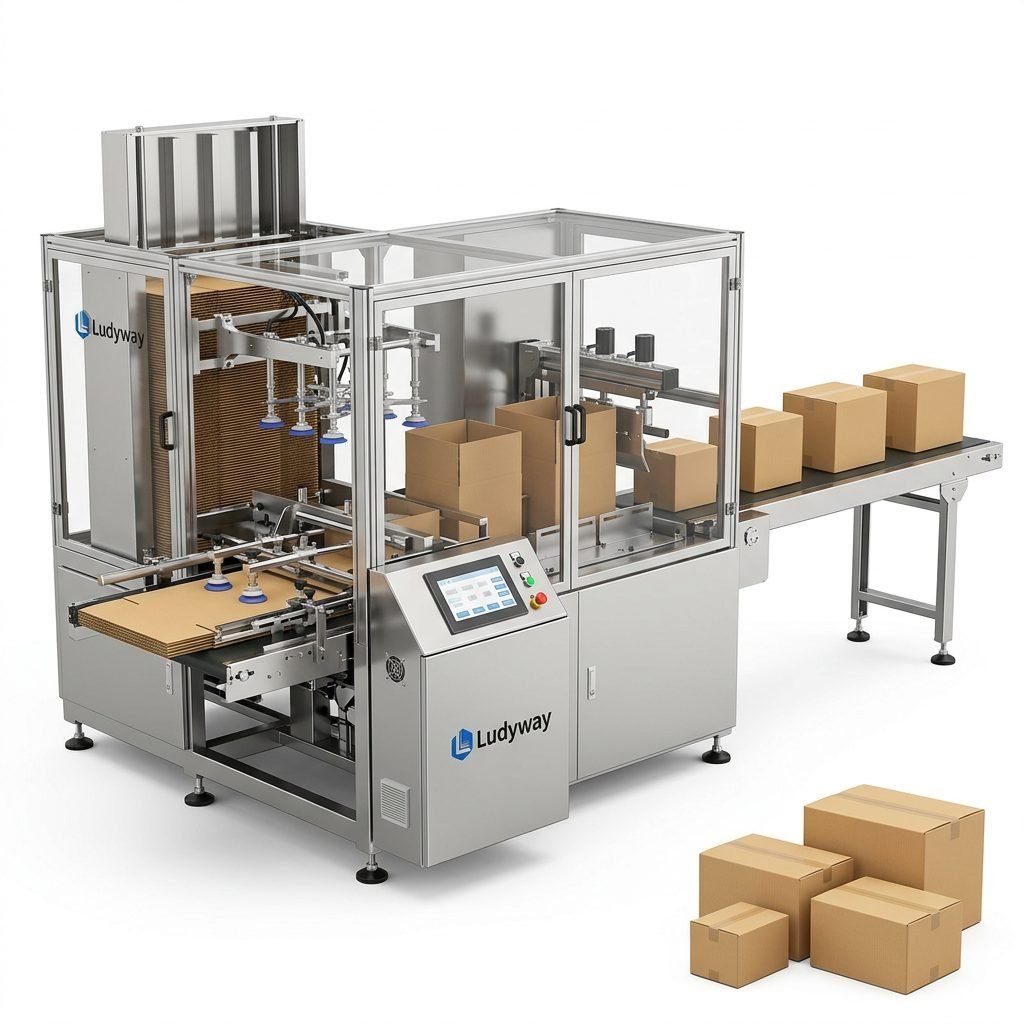
In some applications, the process includes automatic carton erecting before product loading, followed by tuck-in closure or glue sealing. This is especially useful for medium to high-volume operations where carton shape consistency affects downstream packing efficiency.
Core Functions to Look For
Not all cartoning machines offer the same level of automation. Choosing the right model depends on product format, output target, carton dimensions, and industry compliance needs.
| Function | Why It Matters |
|---|---|
| Automatic carton opening | Saves labor and ensures stable carton forming |
| Product counting and grouping | Ensures correct quantity per box and reduces claims |
| Leaflet insertion | Important for pharmaceutical and regulated products |
| Code printing / marking | Supports traceability, batch control, and compliance |
| Rejection system | Removes underfilled, missing, or defective cartons |
| Carton sealing | Improves package integrity and transport performance |
| Integration with case packing | Builds a complete end-of-line automation process |
Industries That Benefit Most
Food Packaging
Cartoning machines are widely used for seasonings, instant drink powders, snacks, stick packs, coffee sachets, and meal replacement products. They help food manufacturers maintain speed while protecting product appearance and shelf presentation.
Pharmaceutical Packaging
In pharmaceutical applications, precision and compliance are essential. Cartoning systems can handle sachets, blister cards, bottles, and medical products while supporting leaflet insertion, coding, and inspection steps.
Health Supplements
Powder sachets, stick packs, and nutraceutical units often require grouped loading into cartons for retail sales. Automated cartoning improves batch consistency and supports attractive secondary packaging.
Cosmetics and Personal Care
Cream sachets, serums, masks, and tubes benefit from compact and neat cartoning. Brands use automated box packing to improve consumer presentation and reduce product handling damage.
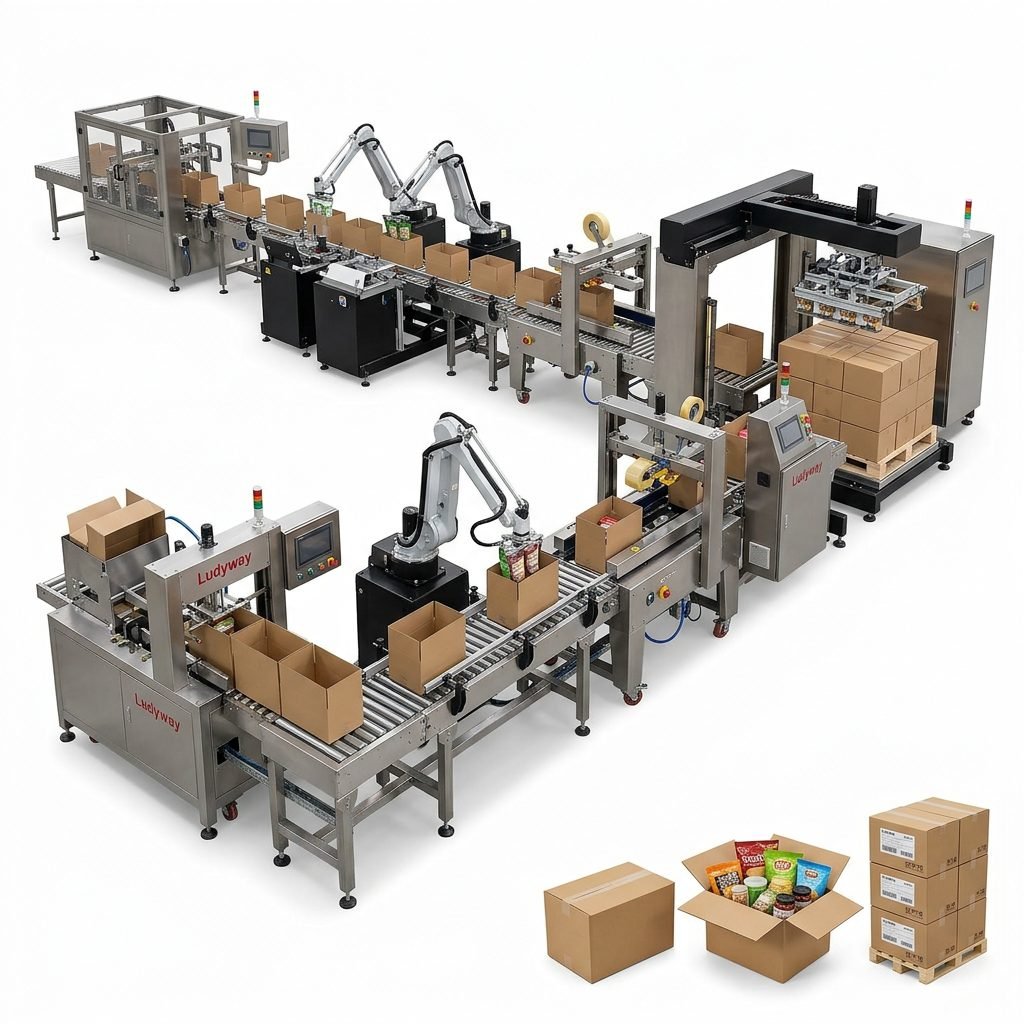
How a Complete Automated Packaging Line Works
A cartoning machine performs best when it is part of a connected packaging line rather than a standalone device. In a modern factory, the flow may include raw material feeding, primary packaging, product transfer, cartoning, case packing, and palletizing.
A typical process may look like this:
- Primary packaging machine forms sachets, pouches, bottles, or stick packs
- Products are counted, aligned, or grouped automatically
- Cartons are erected and positioned
- Products and optional inserts are loaded into the carton
- Cartons are sealed, coded, and inspected
- Finished cartons move to case packing and palletizing
Key Buying Considerations Before Choosing a Machine
Investing in a cartoning box packing machine should be based on practical production requirements, not just speed figures on paper.
Product Characteristics
Consider whether the product is rigid, flexible, fragile, light, sticky, or grouped in multiple units. Product stability influences loading method and machine structure.
Carton Size Range
If your business runs multiple SKUs, machine flexibility becomes important. Look for quick changeover features and adjustable carton handling components.
Speed Requirements
A machine should match the actual output of the upstream line. Oversized capacity may raise unnecessary cost, while insufficient speed creates bottlenecks.
Integration Level
The best results come from seamless connection with conveyors, checkweighers, coding systems, reject units, case packers, and palletizers.
Industry Standards
Food and pharmaceutical sectors often require higher standards for hygiene, material contact safety, traceability, and validation support.
Signs You Need to Upgrade to Automated Cartoning
Many businesses delay automation until packaging problems begin affecting delivery and quality. You may need an upgrade if you are facing:
- Frequent labor shortages on end-of-line packaging
- Inconsistent carton loading or sealing quality
- Production delays caused by manual box packing
- Increasing order volume from distributors or export markets
- More SKU variations requiring better changeover control
- Higher rejection rates due to missing or incorrect product counts
Advantages of Working With an Experienced Packaging Line Manufacturer
A standalone machine can solve one step, but a professional packaging equipment manufacturer can help optimize the full line. This includes line design, product testing, machine matching, control integration, and after-sales support.
For businesses seeking scalable automation, Ludyway cartoning box packing machine solutions can be considered as part of a broader turnkey packaging line strategy. With more than 30 years of industry experience, a modern manufacturing base of over 20,000 square meters, and strong export coverage across more than 100 countries and regions, the company provides packaging systems for food, pharmaceutical, health supplement, cosmetic, and related industries.
| Selection Factor | Recommended Focus |
|---|---|
| Machine stability | Reliable long-run operation with reduced downtime |
| Customization ability | Support for different carton sizes, formats, and industries |
| Turnkey integration | Connection with primary packing, inspection, and end-of-line systems |
| Technical support | Installation, training, spare parts, and troubleshooting service |
| Export experience | Better understanding of global market requirements and packaging standards |
Best Practices for Maximizing Cartoning Efficiency
Maintain Stable Product Feeding
Inconsistent feeding is one of the main causes of reduced line speed. Ensure upstream packaging output remains synchronized with the cartoner.
Use Quality Carton Materials
Poorly cut or weak cartons can affect erection accuracy, sealing performance, and machine reliability.
Train Operators Properly
Even highly automated systems need operators who understand adjustment points, changeovers, and routine inspection.
Schedule Preventive Maintenance
Regular checks on conveyors, suction units, carton opening mechanisms, sensors, and sealing stations help prevent sudden stoppages.
Monitor Rejection Data
Tracking rejection trends can reveal issues in upstream filling, carton quality, or loading accuracy before they become major production losses.
Final Thoughts on Choosing the Right Cartoning Solution
A cartoning box packing machine is more than a secondary packaging tool. It is a production efficiency solution that supports faster output, better consistency, reduced labor pressure, and stronger packaging quality. Whether you pack sachets, stick packs, pouches, bottles, or medical products, the right automated cartoning setup can significantly improve the performance of your entire packaging line.
For manufacturers planning future expansion, it is wise to choose a machine that can adapt to new carton sizes, product combinations, and line integration needs. A well-designed automated cartoning system helps businesses stay competitive, protect product quality, and deliver professional packaging at scale.