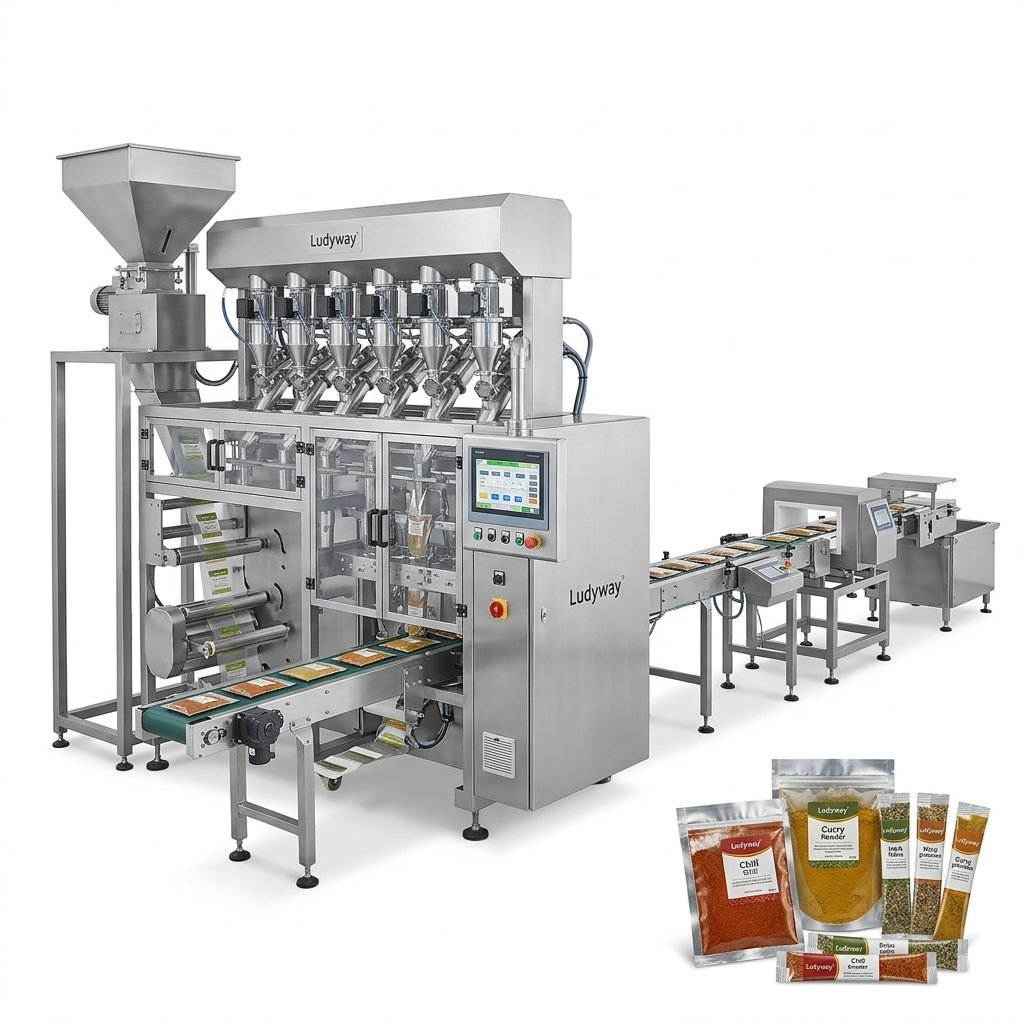
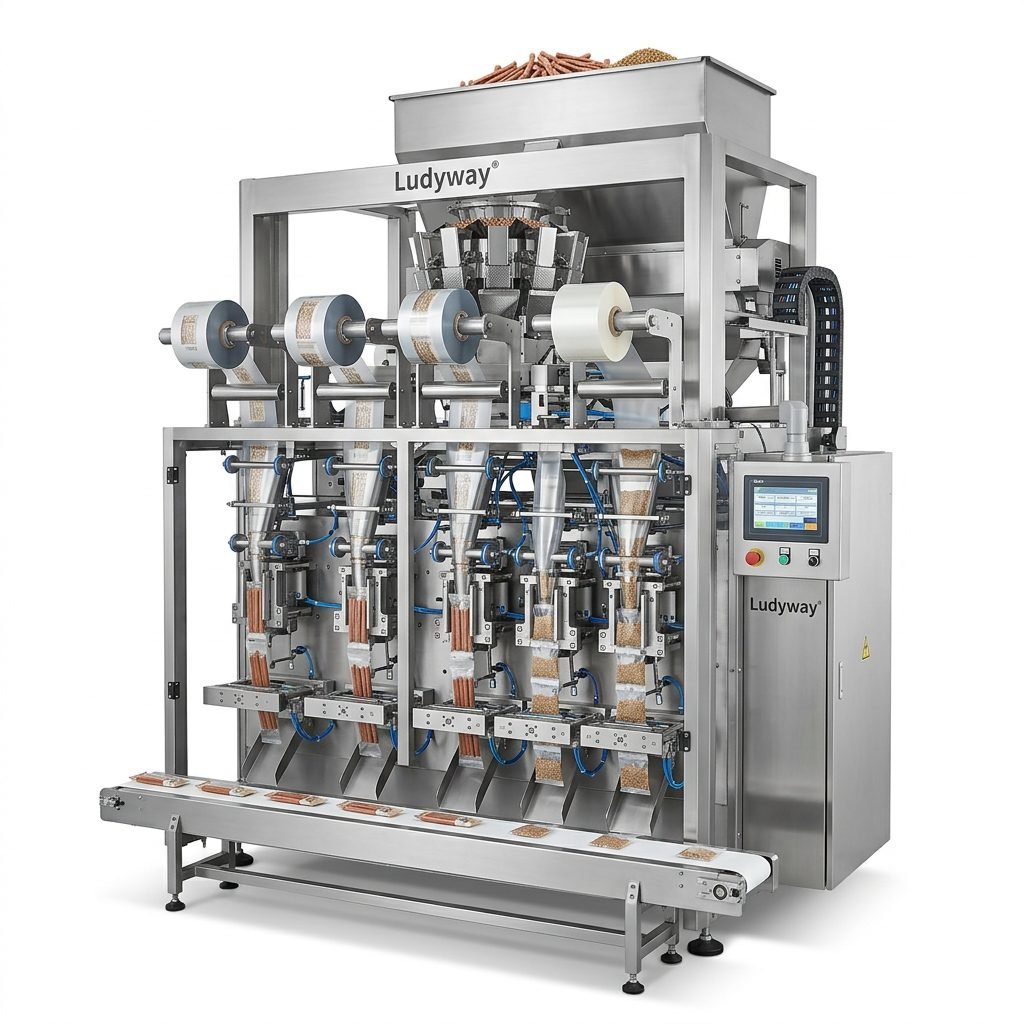
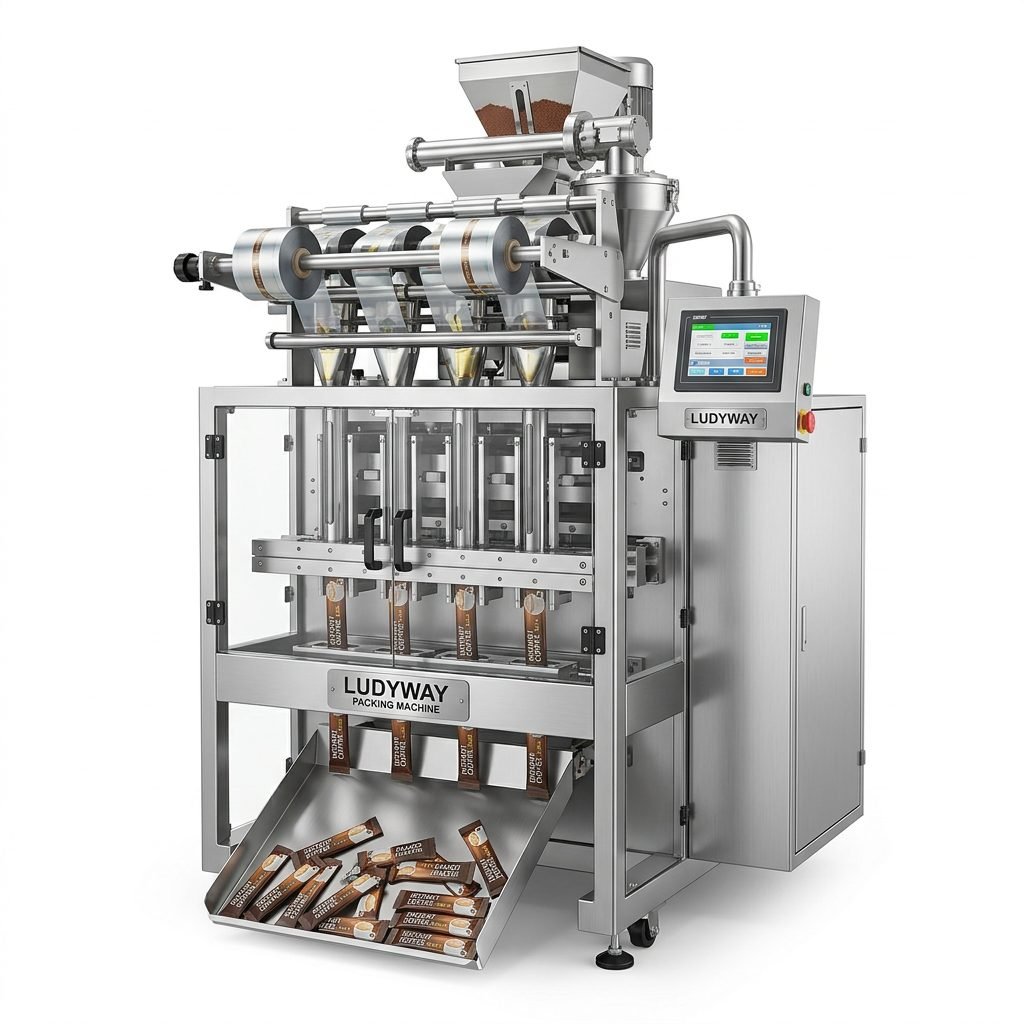
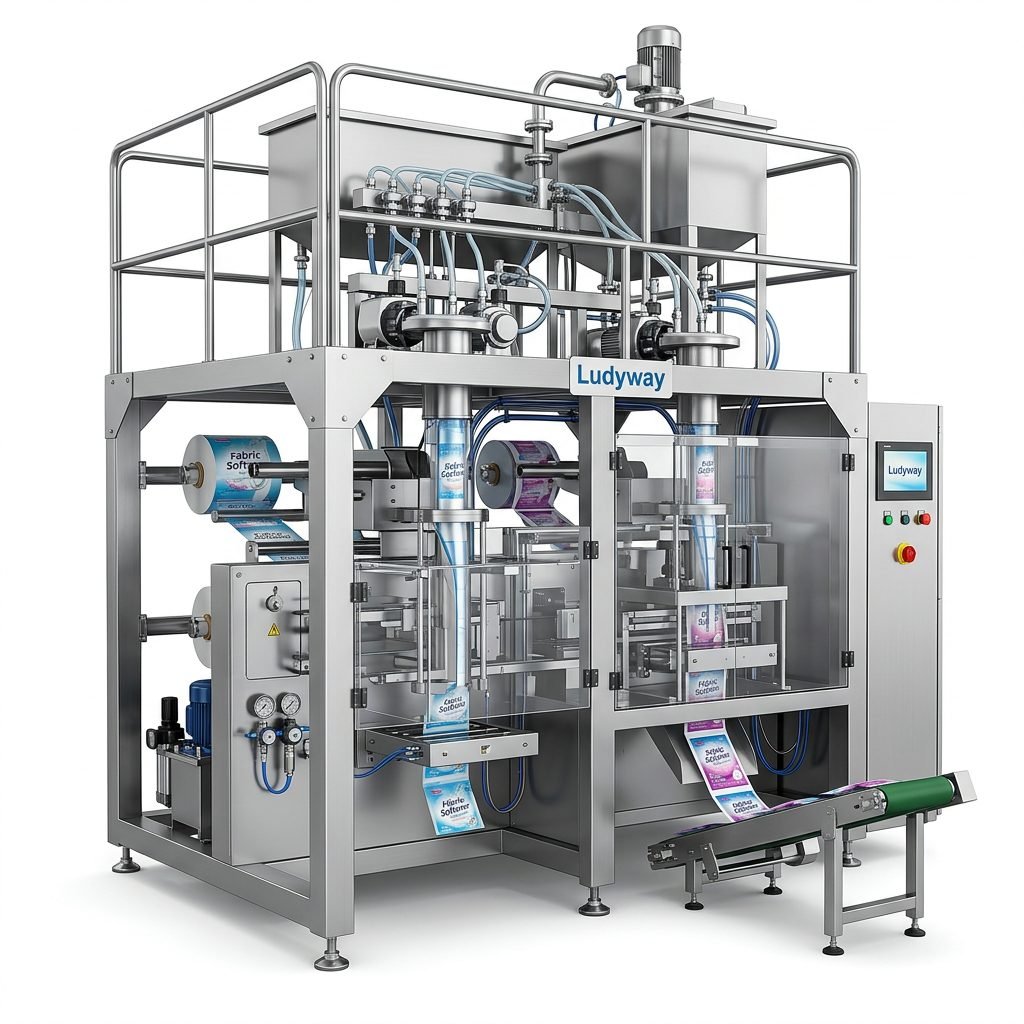
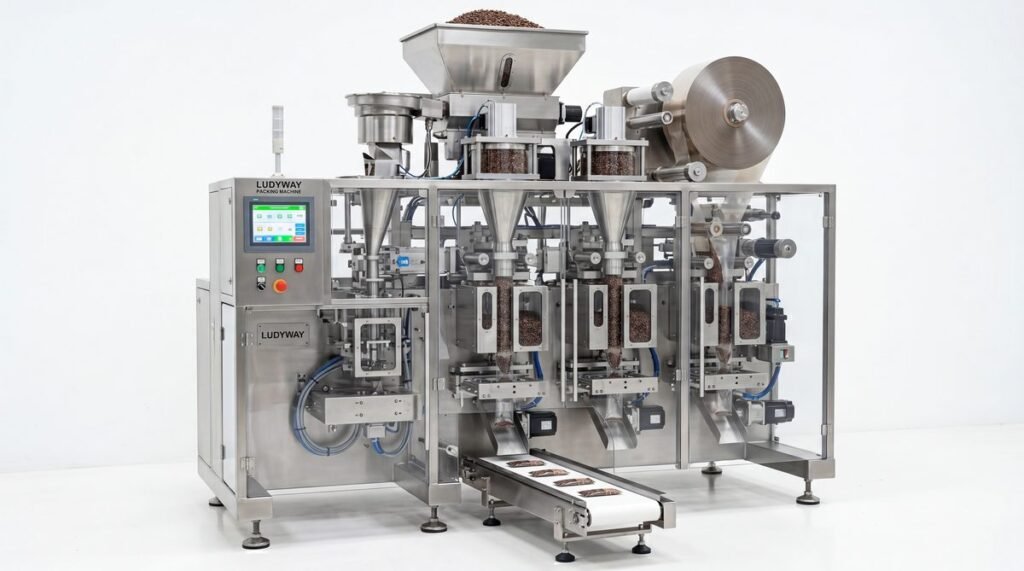
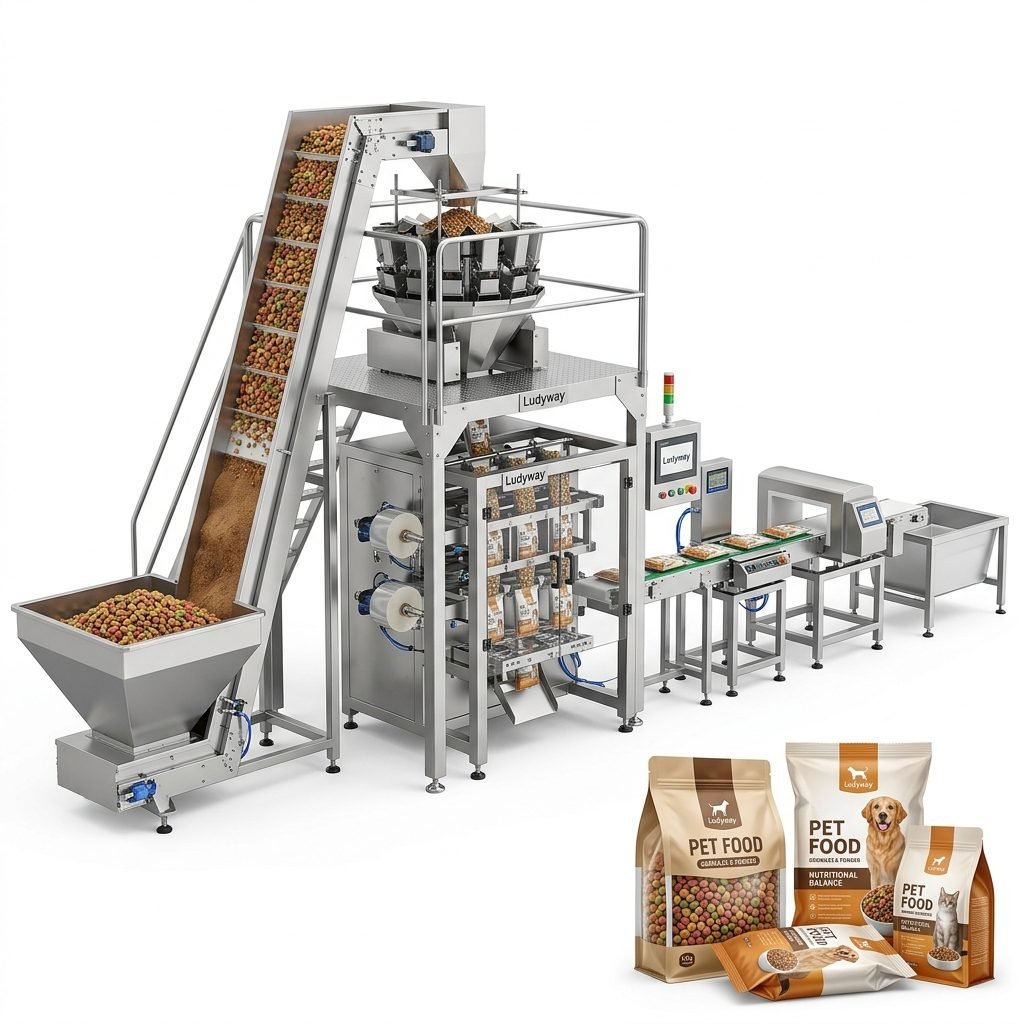
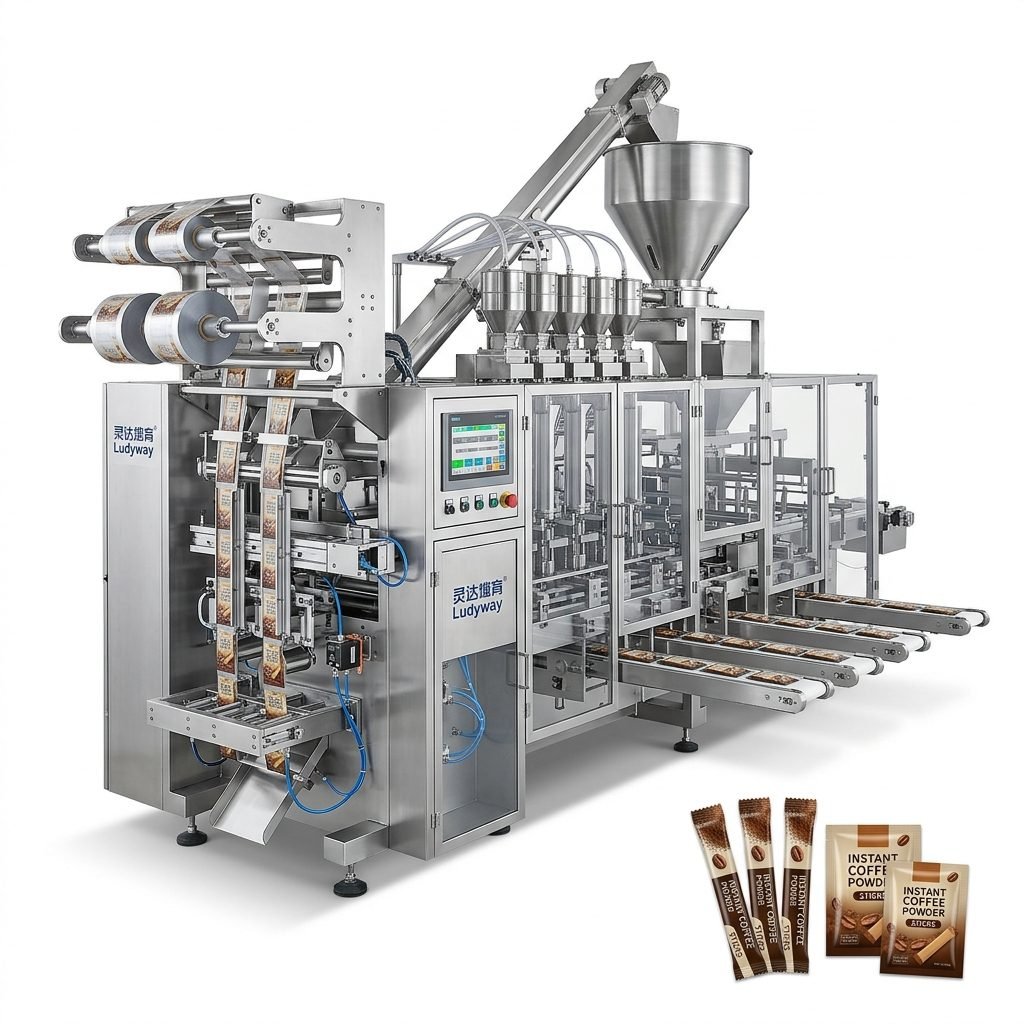
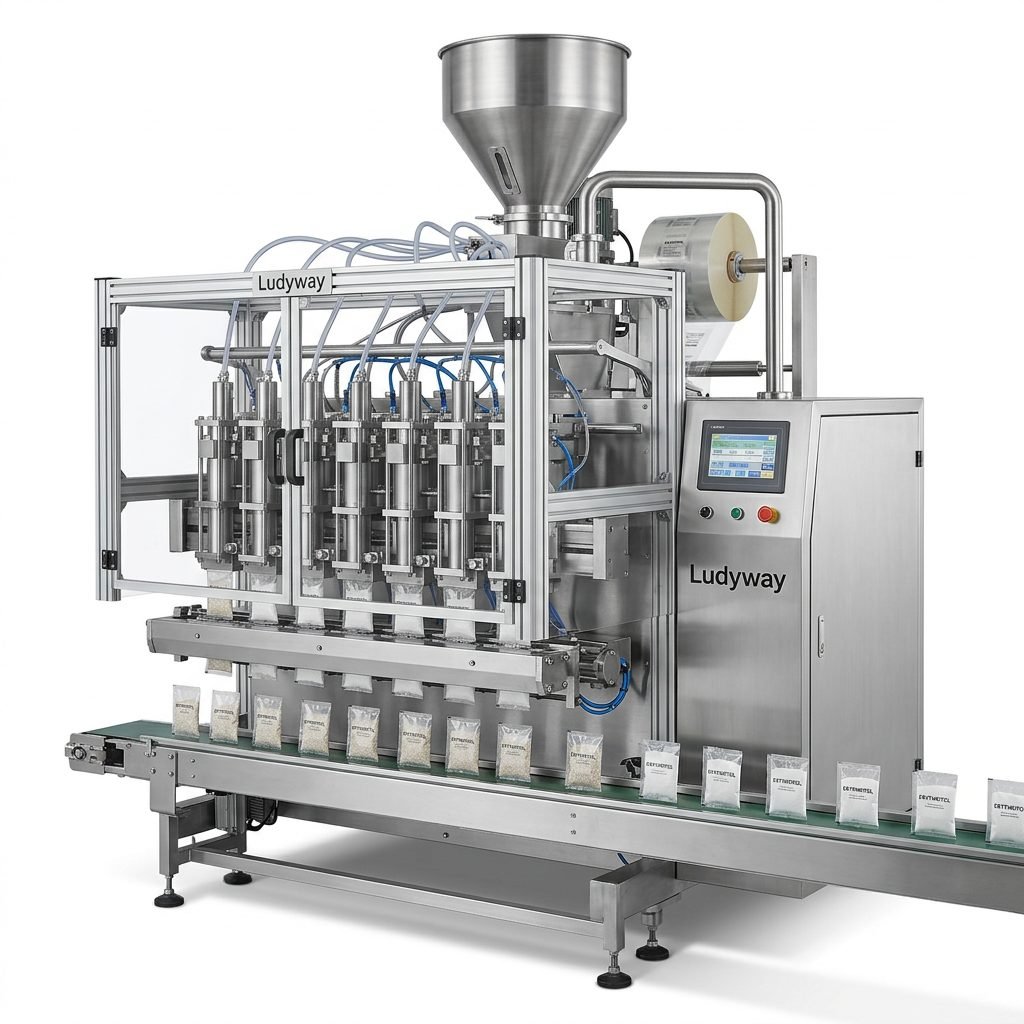
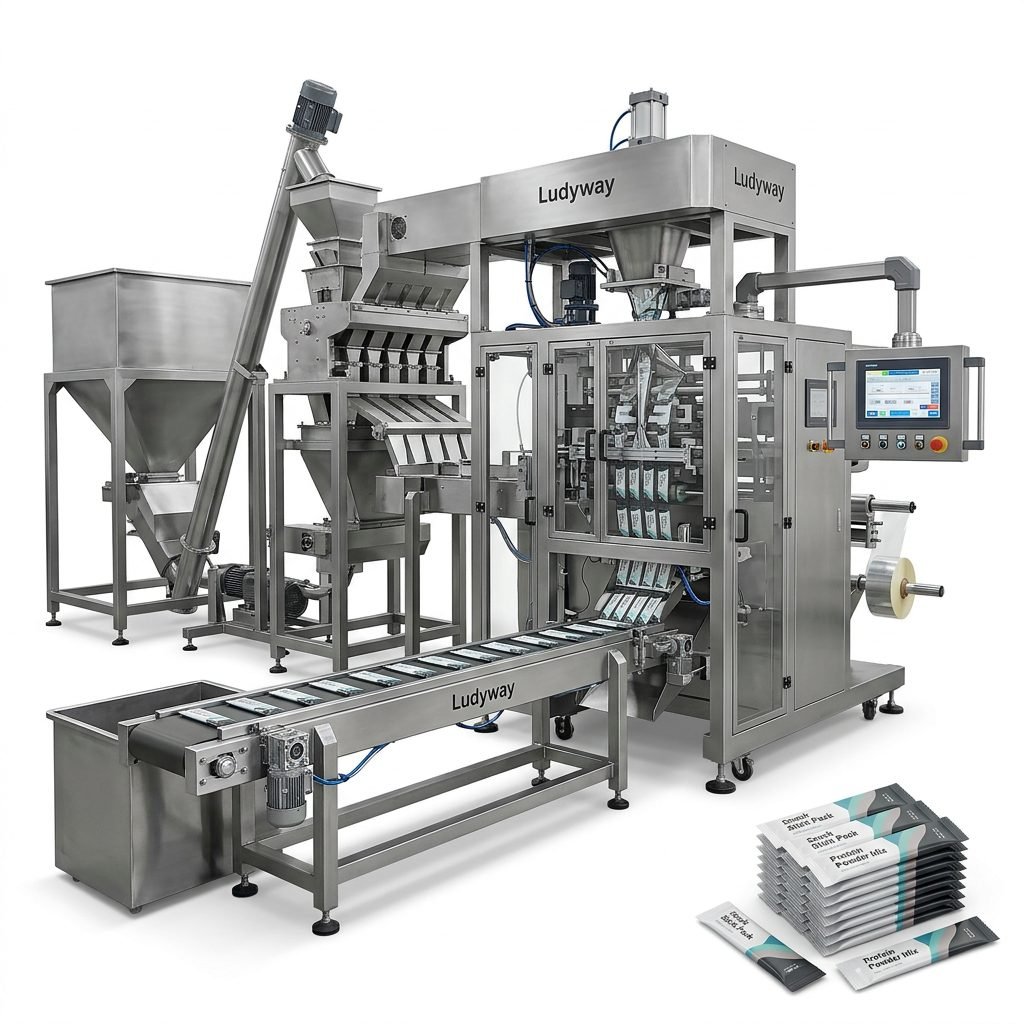
In foodservice, hospitality, airlines, takeout, institutional catering, and central kitchen operations, cutlery packaging has become a critical part of modern delivery standards. A reliable cutlery packing machine helps businesses package forks, spoons, knives, napkins, toothpicks, wet wipes, and seasoning sachets in a cleaner, faster, and more consistent way. For companies aiming to improve hygiene compliance and reduce labor dependency, automated packaging is no longer optional—it is a strategic investment.
Whether you operate a restaurant supply factory, a disposable cutlery production line, or a contract packing facility, the right machine can support high-speed output, precise counting, sanitary handling, and attractive final presentation. It also helps brands meet increasing market expectations for individually wrapped utensils, especially in environments where food safety and customer trust matter most.
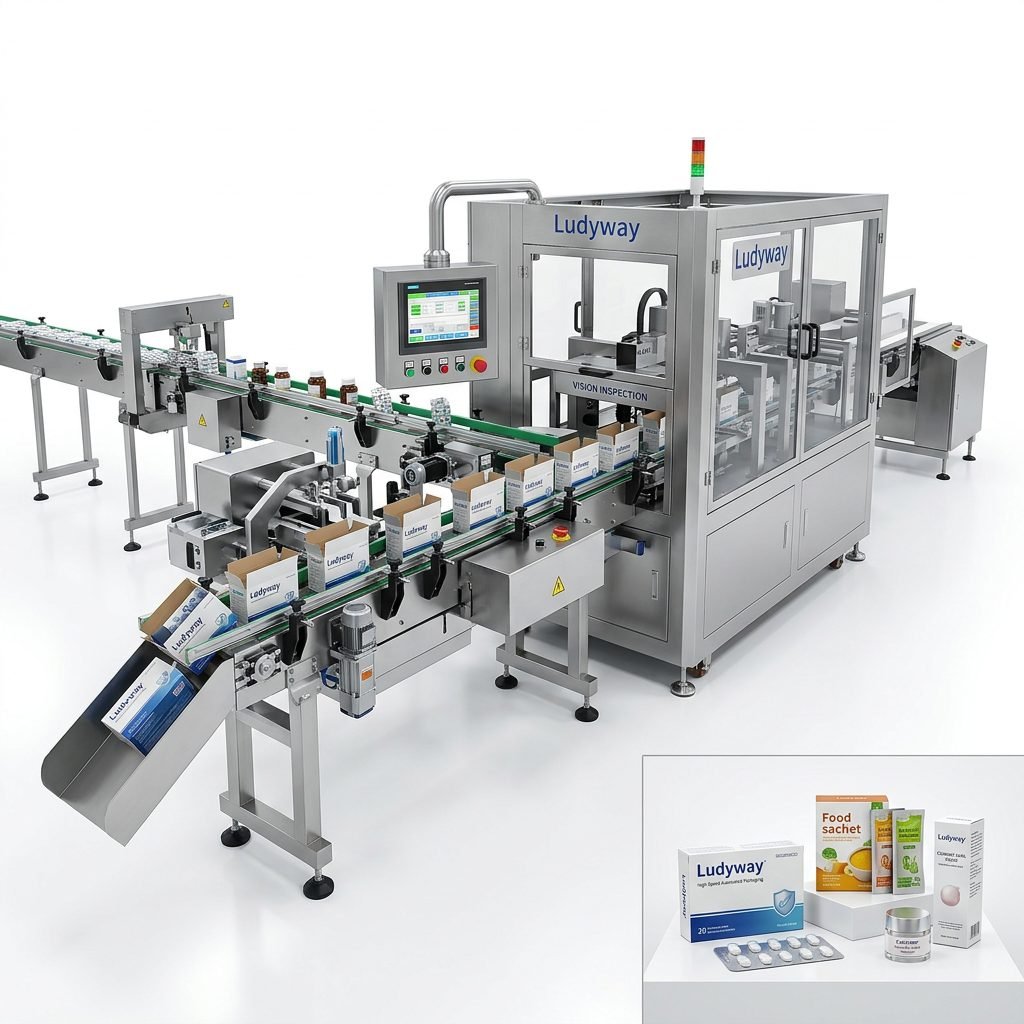
Why Cutlery Packaging Automation Matters
Manual cutlery bundling often leads to inconsistent pack quality, direct product contact, slower production, and higher labor cost. In contrast, an automatic cutlery packing machine creates standardized packs while supporting more hygienic operations. This is especially important for single-use tableware suppliers serving restaurants, food delivery platforms, schools, hospitals, and travel catering providers.
- Improved hygiene: reduces repeated hand contact during sorting and wrapping
- Faster production: supports continuous packaging with stable speed
- Better consistency: each pack can include the same component combination
- Labor savings: lowers dependence on manual assembly
- Professional presentation: cleaner retail and foodservice-ready packaging
- Scalability: easier to expand from medium to high-volume production
What a Cutlery Packing Machine Can Pack
A modern machine can be configured for many product combinations. This flexibility is one of the main reasons manufacturers, wholesalers, and foodservice suppliers prefer automated systems.
| Pack Components | Typical Applications | Packaging Format |
|---|---|---|
| Fork + Napkin | Fast food, takeaway, airline catering | Flow wrap / pillow pack |
| Spoon + Chopsticks + Tissue | Asian food delivery, meal kits | Single set wrap |
| Knife + Fork + Spoon + Napkin | Hotels, banquet supply, premium catering | Multi-piece set pack |
| Cutlery + Salt/Pepper Sachet | Prepared meals, travel meals | Customized combination wrap |
| Biodegradable utensil sets | Eco-friendly brands, retail packs | Paper or film-based packaging |
Key Features of a High-Performance Cutlery Packing Machine
When choosing equipment, buyers should look beyond speed alone. The best solution combines packaging efficiency with easy adjustment, material compatibility, and long-term operating stability.
1. Automatic Counting and Feeding
A quality system can sort and feed spoons, forks, knives, or napkins automatically. This reduces human error and ensures each package contains the correct number of items.
2. Hygienic Contact Design
Machines designed for hygienic packaging minimize open handling and keep cutlery cleaner throughout the process. This is valuable for disposable tableware brands serving food-contact applications.
3. Flexible Pack Configuration
Not all customers need the same bundle. Some require fork-only sets, while others need a complete meal pack with tissue and condiments. Flexible tooling and adjustable feeding modules make these transitions faster.
4. Stable Sealing Performance
A good seal protects the cutlery and enhances shelf appeal. Consistent sealing also reduces film waste and helps maintain packaging integrity during storage and transport.
5. Easy Operation and Maintenance
Touchscreen controls, recipe storage, quick format changeover, and accessible maintenance points all improve production uptime and reduce operator training time.
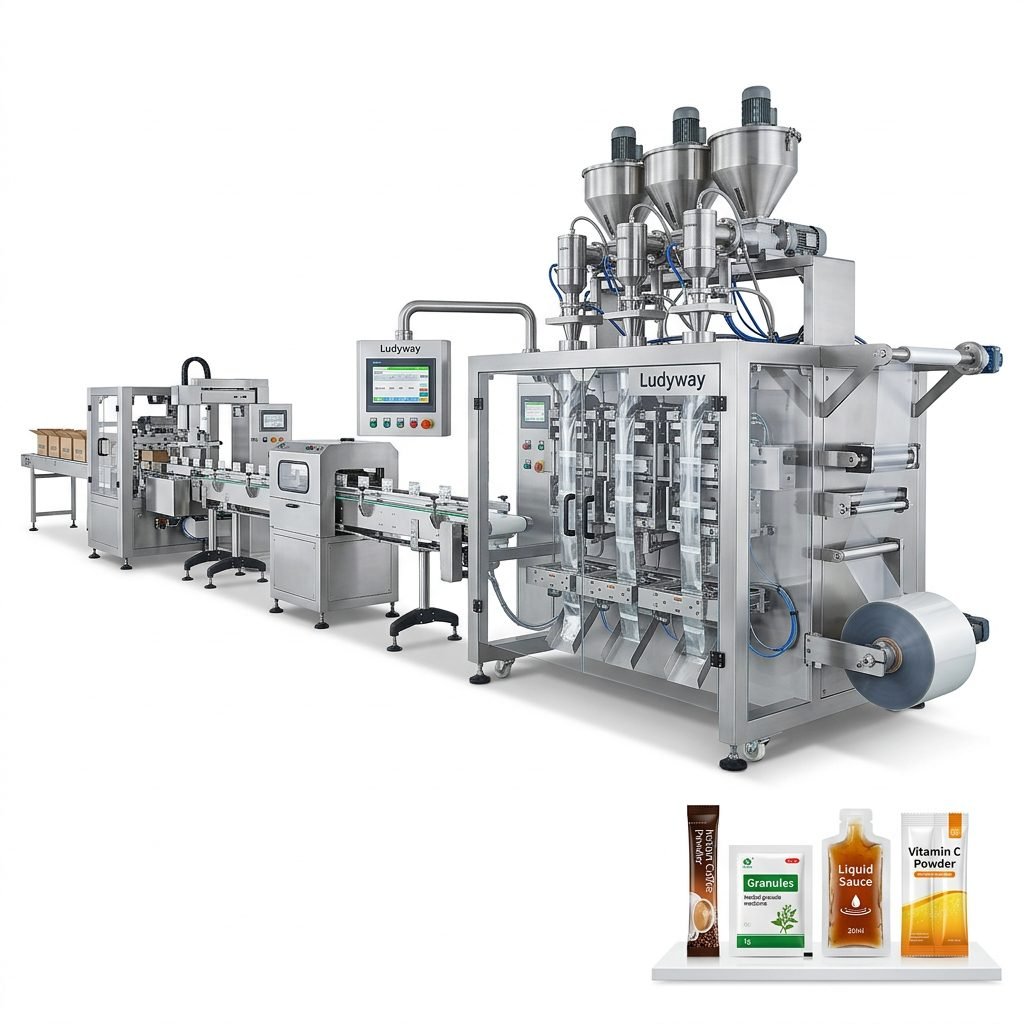
Benefits for Different Industries
The value of cutlery packaging equipment varies by market segment, but the business impact is consistently strong.
| Industry | Main Packaging Need | Machine Advantage |
|---|---|---|
| Takeaway & Delivery | Clean single-use sets | Fast, standardized output |
| Airline & Rail Catering | Compact multi-item packs | Accurate combination packing |
| Hospitals & Institutions | Hygiene-focused packaging | Reduced direct handling |
| Hotel & Catering Supply | Premium presentation | Neat wrapping and stable sealing |
| Disposable Tableware Manufacturing | Large-scale automated packing | Labor reduction and line integration |
How to Choose the Right Cutlery Packing Machine
A suitable machine should match your real production goals, not just your current packaging format. Businesses planning to grow should select a system that allows future upgrades and customized feeding structures.
- Define your required pack combination: spoon, fork, knife, napkin, toothpick, sachet, or wet wipe
- Check your target production speed per minute or per shift
- Confirm packaging materials such as film, paper, or eco-friendly substrates
- Evaluate whether you need coding, counting, cartoning, or conveyor integration
- Consider machine footprint and operator access in your factory layout
- Ask for customization if your cutlery dimensions or pack style are non-standard
Important Technical Considerations
Before investing, buyers should compare machine design details that directly affect long-term efficiency.
- Material compatibility: plastic, wood, bamboo, compostable cutlery, and mixed sets may need different feeding structures.
- Sealing quality: stable temperature control is essential for neat package edges and low reject rates.
- Changeover time: short changeovers support small-batch and multi-SKU production.
- Automation level: semi-automatic and fully automatic systems suit different budgets and output levels.
- Integration capacity: the machine should work smoothly with conveyors, cartoners, coding units, and final packing systems.
Why Hygiene Is a Major Selling Point
For food-contact products, hygiene is not only an operational issue but also a market advantage. Individually wrapped cutlery gives end users greater confidence, especially in delivery meals, travel catering, schools, and healthcare environments. Automated packaging helps businesses present a cleaner brand image while supporting internal quality control procedures.
As more buyers request sealed utensil kits, investing in a dependable cutlery packaging system can improve both operational efficiency and commercial competitiveness.
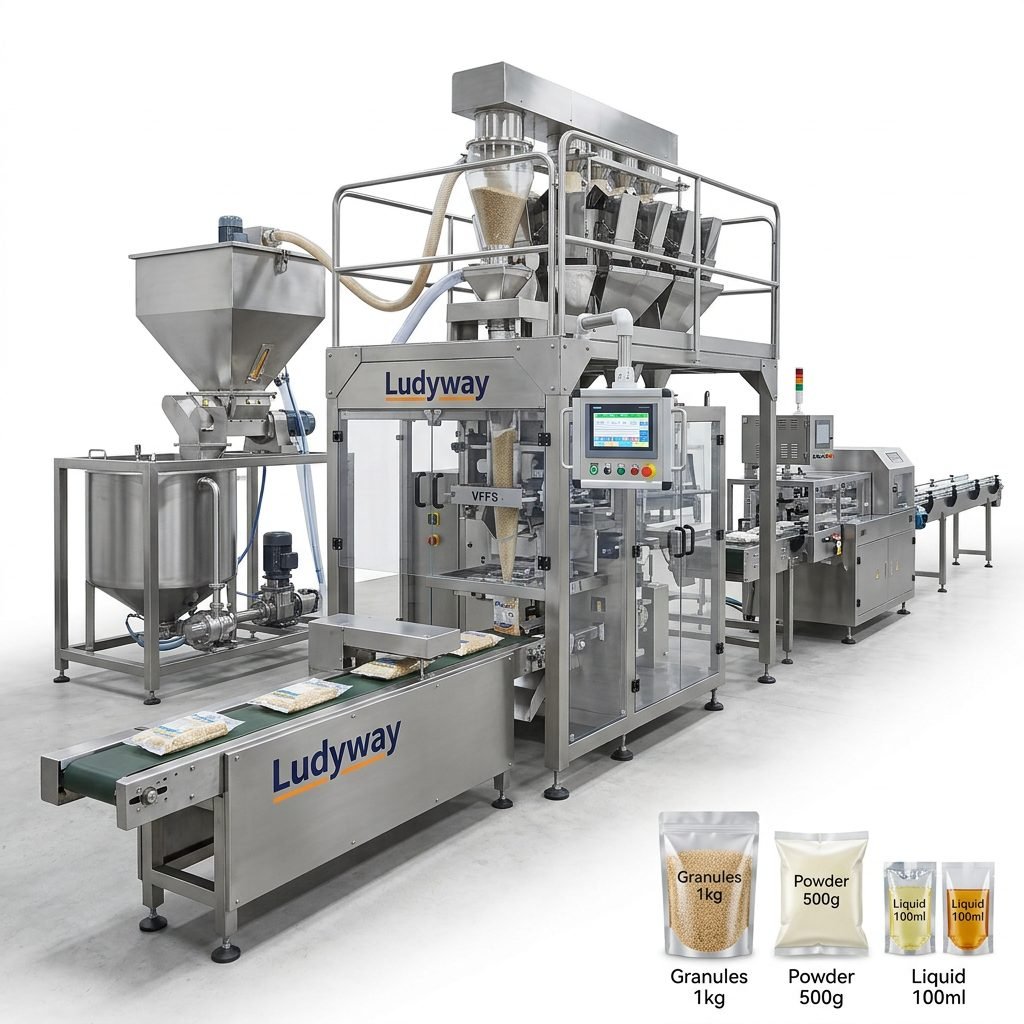
Turnkey Solutions for Growing Packaging Operations
For manufacturers that need more than a standalone machine, turnkey planning can be a better option. A complete line may include feeding, wrapping, counting, coding, cartoning, conveying, inspection, and final case packing. This approach is especially useful for factories handling high-volume orders or serving multiple customer specifications.
As one of China’s leading packaging machine and turnkey packaging line manufacturers, Ludyway cutlery packing machine solutions can be considered by buyers seeking scalable automation, broad customization, and long-term technical support. Founded in 1993, with over 30 years of industry experience and a manufacturing facility exceeding 20,000 square meters, the company serves customers in more than 100 countries and regions.
Who Should Invest in a Cutlery Packing Machine?
This type of equipment is ideal for companies that need reliable, repeatable packaging performance at scale.
- Disposable cutlery manufacturers
- Restaurant supply wholesalers
- Takeaway and meal-kit packaging contractors
- Airline catering and travel meal suppliers
- Institutional foodservice packaging providers
- Eco-friendly tableware brands launching retail-ready utensil kits
Final Buying Insight
The best cutlery packing machine is one that balances speed, hygiene, flexibility, and pack quality. Businesses that choose the right automation platform can reduce manual workload, improve consistency, and deliver cleaner packaged utensil sets to the market. In a competitive packaging environment, that efficiency can quickly translate into stronger customer confidence and better production economics.