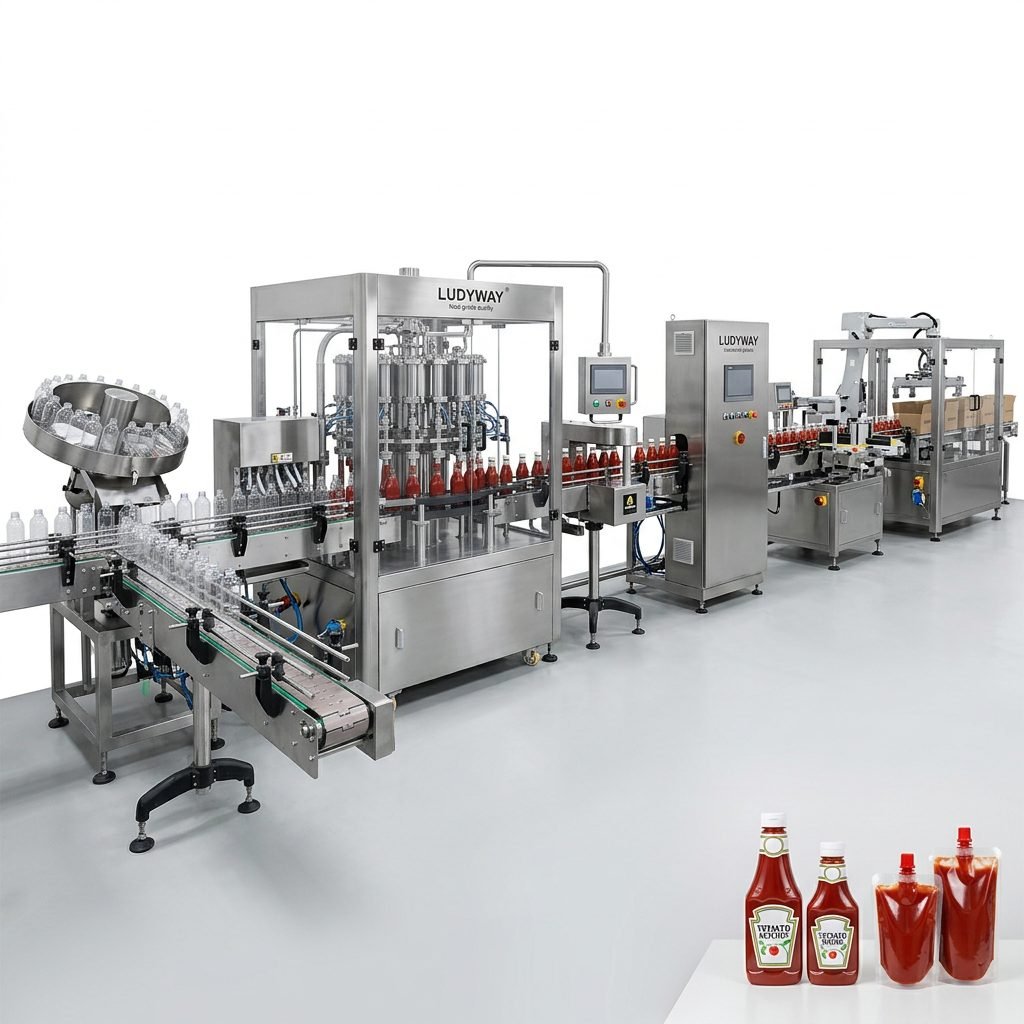
In the fast-paced world of manufacturing and e-commerce, the efficiency of the final packaging and order fulfillment stage is paramount. For businesses handling granular, powdered, or liquid products—common in the food, pharmaceutical, and health supplement industries—this process presents unique challenges. Manual packaging is slow, inconsistent, and prone to errors, creating bottlenecks that can cripple productivity and customer satisfaction. This is where specialized automation technology, like the CVP (Carton Vertical Packer) packaging machine, becomes a critical investment. A CVP machine automates the crucial step of placing individual product units—typically small pouches, sachets, or sticks—into their final shipping cartons or boxes, seamlessly bridging the gap between primary packaging and dispatch.
The Core Function: What Does a CVP Machine Do?
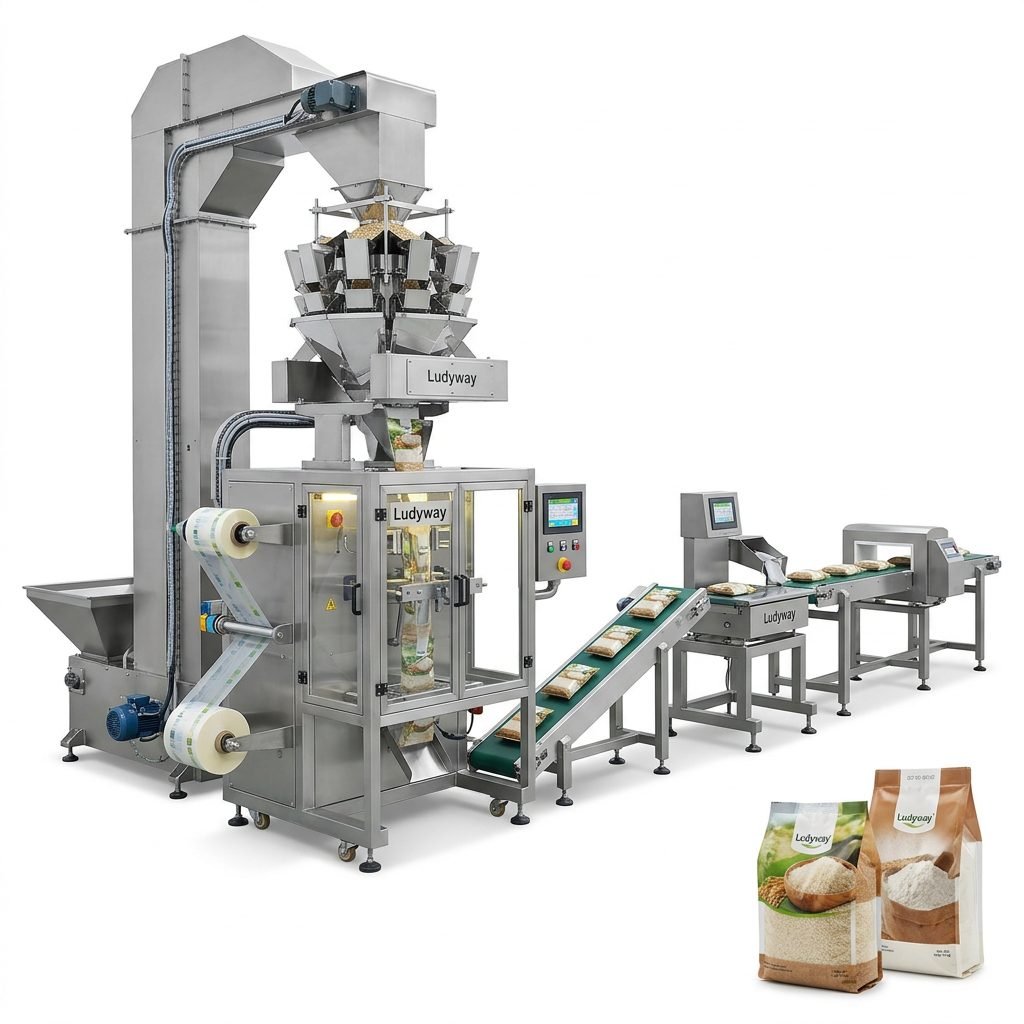
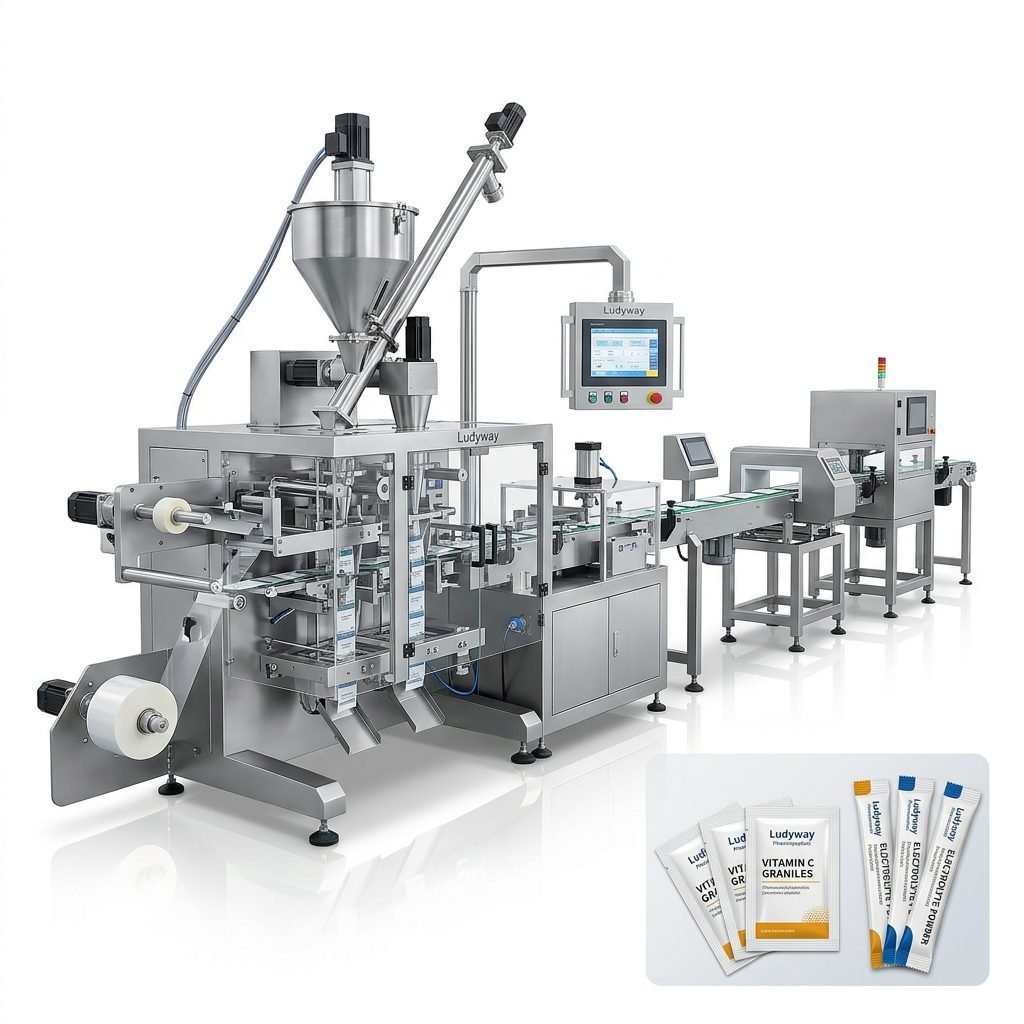
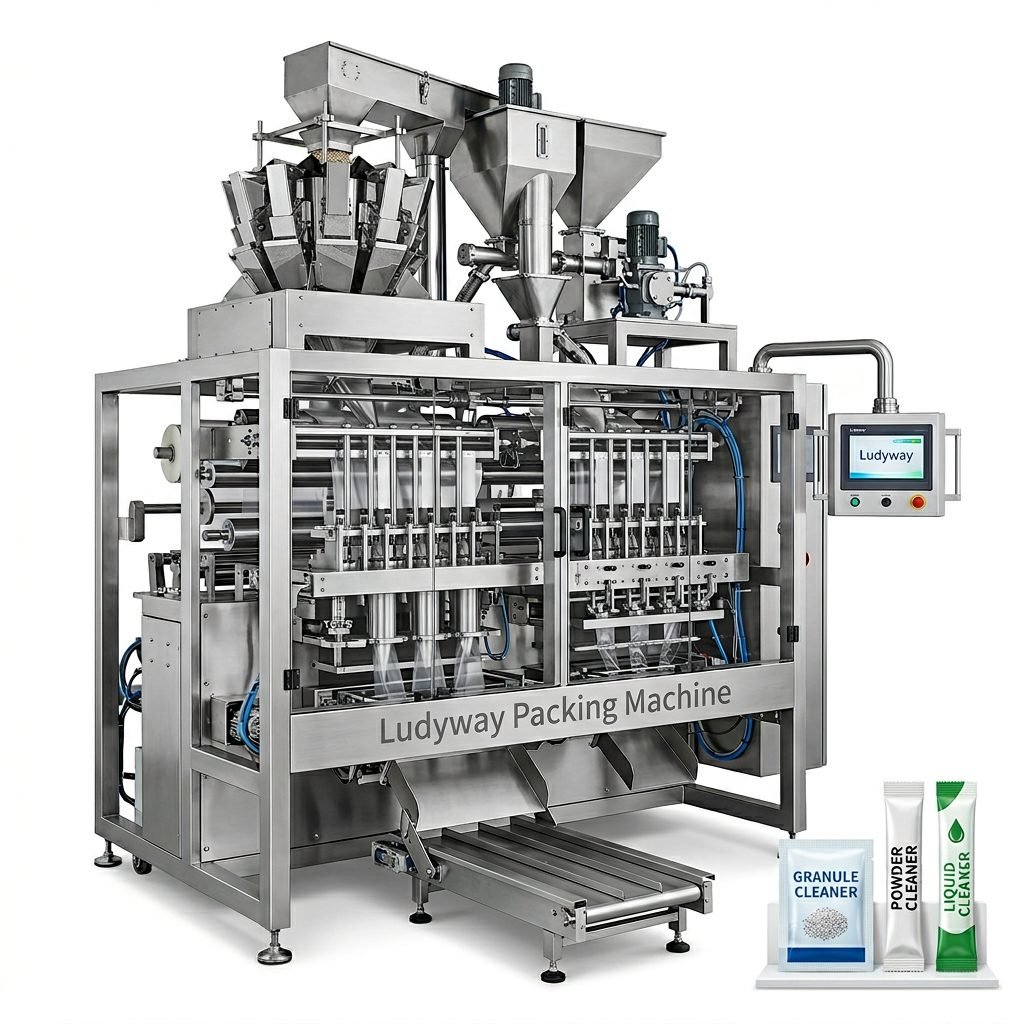
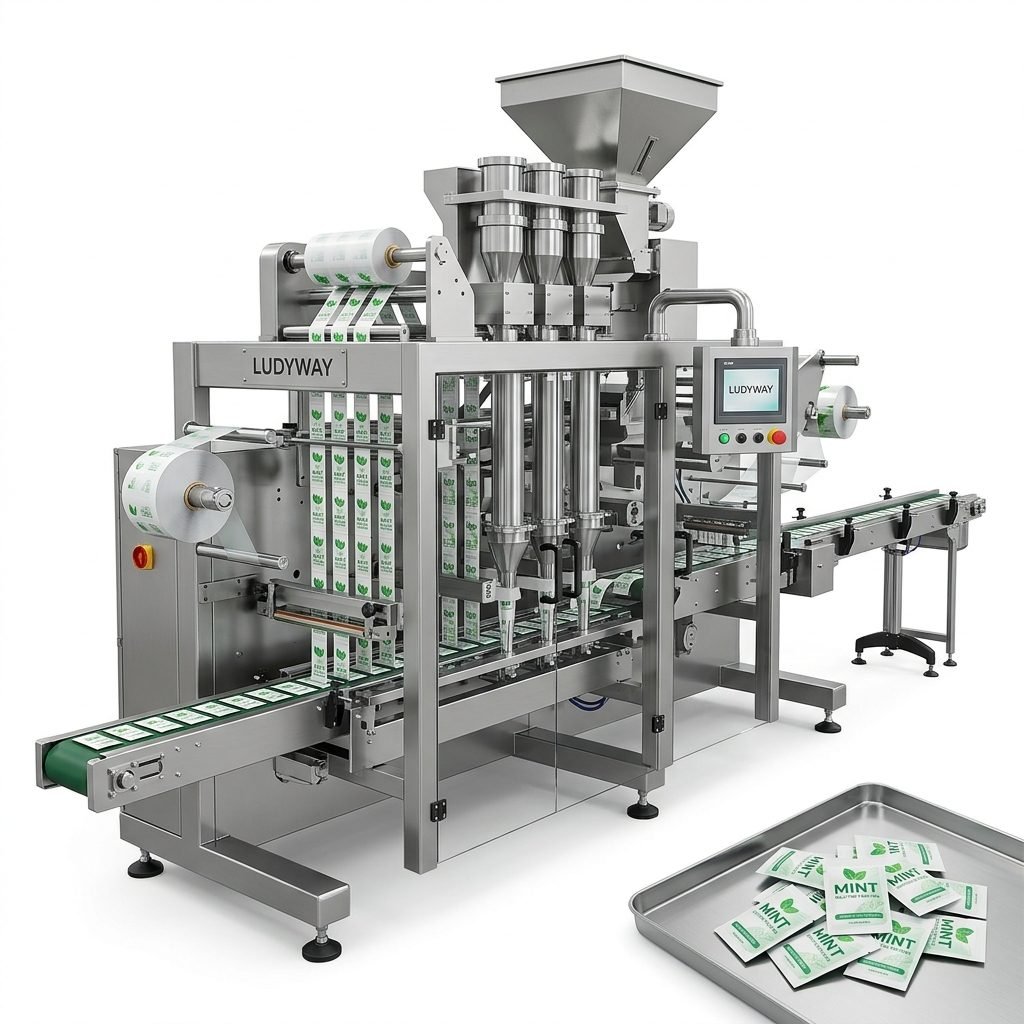
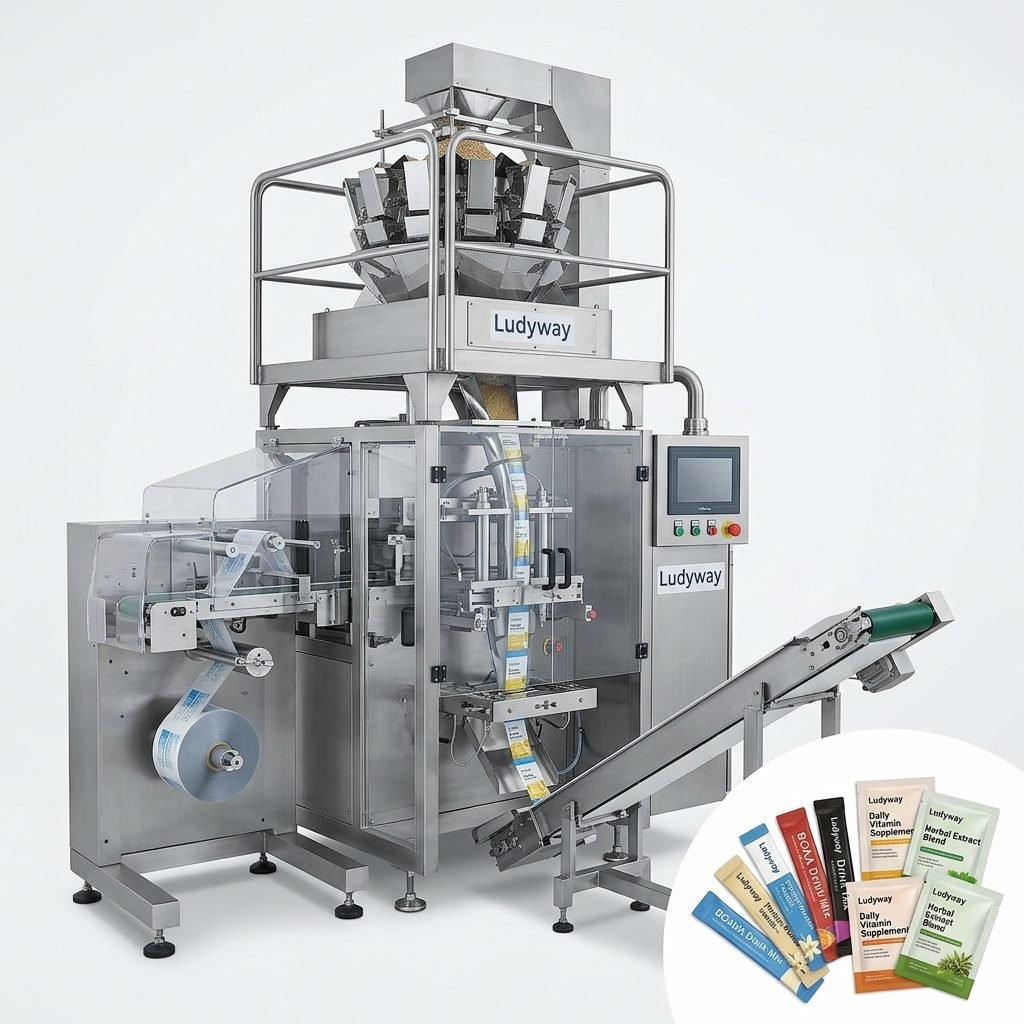
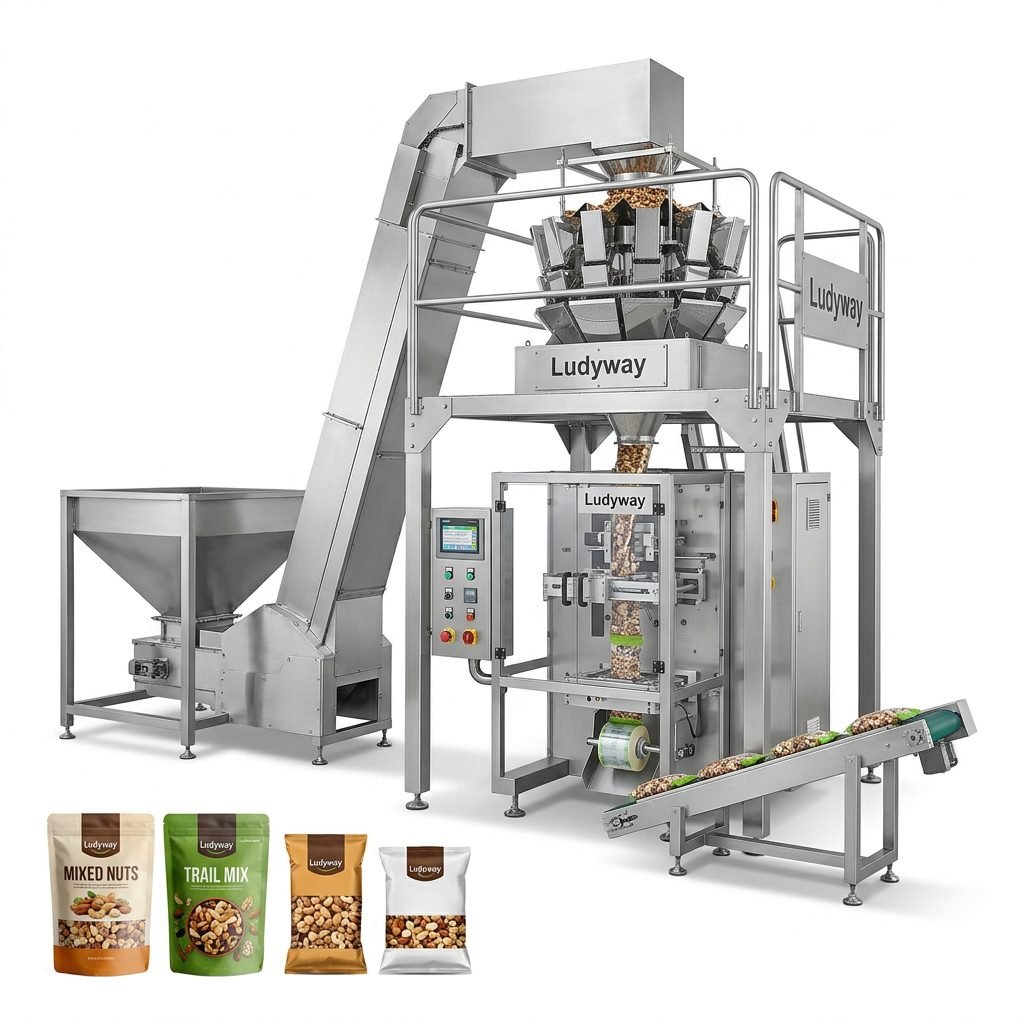
A CVP Packaging Machine is a type of secondary packaging automation equipment. Its primary role is to receive a stream of already-packaged primary units (like stick packs or sachets) and systematically, accurately, and rapidly load them into larger containers, usually cartons, cases, or trays, ready for shipping. Think of it as a highly sophisticated robotic organizer. It takes the output from primary packaging machines—such as multi-lane stick pack machines or sachet packaging systems—and completes the order fulfillment process by preparing the final consumer or bulk shipment unit.
Key Operational Stages of a CVP Machine:
1. Product Infeed & Orientation: The machine receives primary packages via a conveyor. Advanced sensors and guides ensure they are correctly aligned and spaced.
2. Counting & Grouping: Using precise counting mechanisms (often optical sensors), it groups the exact number of units required per carton.
3. Carton Handling: Empty cartons are automatically erected, opened, and positioned on a parallel conveyor.
4. Precision Loading: The grouped products are inserted into the waiting cartons. This can be via gentle pusher mechanisms, robotic arms, or vacuum systems to handle delicate items.
5. Carton Closure & Sealing: Once filled, the carton is automatically closed—often via folding flaps and applying adhesive tape or glue—and ejected onto an outfeed conveyor for palletizing.
How a CVP Machine Transforms Automated Order Fulfillment
Integrating a CVP machine into your packaging line isn’t just about adding a piece of equipment; it’s about upgrading your entire fulfillment workflow to achieve new levels of performance. Here’s how it delivers tangible improvements:
1. Dramatic Increase in Speed and Output
Manual cartoning is severely limited by human speed and endurance. A CVP machine operates continuously at high speeds, typically loading dozens, even hundreds, of cartons per minute. This directly translates to a higher throughput for your entire line, allowing you to meet larger orders and market demands without expanding your labor force. It eliminates the bottleneck between primary packaging and shipping, creating a smooth, uninterrupted flow.
2. Unmatched Consistency and Accuracy
Human operators can make mistakes: miscounts, missed cartons, or improper loading leading to damaged products. CVP machines are programmed for precision. Every carton receives the exact, pre-defined count of products. The loading mechanism is consistent, ensuring products are placed securely and correctly every time. This drastically reduces errors, minimizes waste from rejected shipments, and guarantees that every customer receives exactly what they ordered.
3. Significant Labor Cost Reduction and Reallocation
Automating the cartoning process frees skilled workers from repetitive, manual tasks. This allows businesses to reallocate human resources to more valuable areas like quality control, machine supervision, maintenance, or complex value-added tasks. Over time, the reduction in direct labor required for cartoning leads to substantial operational cost savings and improves overall labor efficiency.
4. Enhanced Product Safety and Hygiene
In industries like pharmaceuticals, nutraceuticals, and food, contamination is a critical concern. Automated CVP systems minimize human contact with the final product. Furthermore, machines designed with clean lines and easy-to-sanitize surfaces (like those from Ludyway Machinery) help maintain higher hygiene standards, which is essential for compliance with regulations like FDA and EU standards.
5. Improved Line Integration and Data Collection
Modern CVP machines are designed for seamless integration with upstream and downstream equipment—from primary pouch packers to robotic palletizers. This creates a cohesive, end-to-end automated line. Furthermore, many advanced models come with PLC controls and HMI interfaces that provide real-time data on production counts, efficiency rates, and fault diagnostics. This data is invaluable for production monitoring, planning, and continuous process improvement.
6. Flexibility for Diverse Product Formats
Today’s CVP machines are not one-size-fits-all. Manufacturers like Ludyway offer models adaptable to various product types and carton sizes. With quick changeover capabilities, the same machine can handle different counts of stick packs for energy supplements, sachets of powdered drink mixes, or small pouches of pharmaceutical granules. This flexibility is key for manufacturers producing multiple SKUs or those looking to future-proof their operations.
Choosing the Right CVP Machine for Your Operation
Investing in a CVP machine requires careful consideration to ensure it aligns with your specific needs. Key factors to evaluate include:
➤ Required Speed (Cartons/Minute):
Match the machine’s maximum speed to your primary packaging output and overall production targets.
➤ Product Characteristics:
Consider the size, weight, fragility, and shape of your primary packages. Ensure the loading mechanism is gentle and secure.
➤ Carton Size Range and Changeover Needs:
Verify the machine can handle your current carton dimensions and allows for easy adjustment if you plan to run different sizes.
➤ Level of Automation Integration:
Determine if you need a standalone unit or a machine designed to communicate and sync with your existing PLC-controlled line.
➤ Supplier Expertise and Support:
Partner with a provider with proven experience in your industry. Look for suppliers offering comprehensive support, from installation and training to ongoing maintenance and spare parts, as highlighted by the global service commitment of brands like Ludyway Machinery.
Conclusion: A Strategic Investment in Future Growth
The CVP Packaging Machine is far more than a simple carton filler. It is a strategic component that elevates automated order fulfillment from a concept to a reliable, high-performance reality. By delivering unparalleled speed, accuracy, and efficiency, it addresses the core challenges of secondary packaging. For businesses aiming to scale up production, ensure consistent quality, reduce operational costs, and meet the stringent demands of modern markets, integrating a robust CVP system is a decisive step forward. In an era where automation defines competitive advantage, this technology ensures your packaging line isn’t just complete—it’s optimized for excellence and growth.
Frequently Asked Questions (FAQs)
Q1: Can a CVP machine handle fragile or irregularly shaped products?
Yes, many advanced CVP models are designed with this in mind. Loading mechanisms can be customized to use gentle pushers, soft robotic grips, or vacuum-assisted tools to safely handle fragile items like blister packs or irregular shapes without damage.
Q2: How difficult is it to integrate a new CVP machine with my existing packaging line?
Integration complexity varies. Reputable suppliers focus on designing machines for easy integration. Key factors are conveyor height matching, communication protocols (if automated), and physical layout. Experienced providers offer full technical support during the integration phase to ensure a smooth setup.
Q3: What is the typical maintenance requirement for a CVP packaging machine?
Regular maintenance is essential for longevity. This typically includes daily cleaning, periodic lubrication of moving parts, inspection of sensors and drives, and checking for wear on critical components like pushers and guides. A good supplier will provide a clear maintenance schedule and easy access to spare parts.
Q4: Are CVP machines only suitable for large-scale production facilities?
Not exclusively. While they offer great benefits for high-volume producers, modular and scalable CVP systems are also available. Smaller or mid-sized operations can benefit from compact models that automate their most labor-intensive step, significantly improving their output and consistency without a massive footprint.
Q5: Can the machine be adjusted for different product counts per carton?
Absolutely. This is a standard feature. Through the machine’s Human-Machine Interface (HMI), operators can easily program the required count per carton. Quick changeover capabilities allow production lines to switch between different product batch configurations with minimal downtime.