Global consumer demand for fresh, high-quality protein has reached an all-time high. Cold chain logistics, once focused purely on basic temperature management, are now pivoting toward advanced preservation technologies. Among these, Vacuum Skin Packaging (VSP) has emerged as a gold standard for preserving delicate meat and seafood products. As distributors and retailers strive to minimize food waste while offering eye-catching product displays, the demand for vacuum skin packaging machines continues to surge. This shift is reshaping how raw proteins are processed, transported, and sold globally.
The core challenge in meat and seafood logistics is preventing spoilage while maintaining the natural, appetizing appearance of the food. Traditional packaging methods, such as standard overwraps or modified atmosphere packaging (MAP), often fall short. They can lead to oxidation, rapid moisture loss, and freezer burn if the temperature fluctuates. Vacuum skin packaging solves these issues by drawing a highly flexible, transparent film tightly over the product, sealing it completely against a rigid tray or cardboard backing. This process eliminates almost all oxygen, which is the primary driver of microbial growth and enzymatic discoloration.

The Science Behind Shelf-Life Extension
By molding the film to the exact contours of the meat or fish, vacuum skin packaging eliminates the “headspace” found in other packaging formats. Without headspace, there is no room for purge—the natural juices that leak out of raw meat. Purge not only detracts from visual appeal but also serves as a breeding ground for bacteria. Controlling purge ensures that premium cuts of beef, salmon, and shellfish retain their weight, texture, and flavor profile from the processing plant to the consumer’s kitchen.
Furthermore, the tight seal prevents the formation of ice crystals when the product is frozen. This is crucial for seafood, where delicate cell structures can be easily damaged by ice formation, leading to a mushy texture upon thawing. Vacuum skin packaging maintains cell integrity, ensuring that thawed seafood retains its firm texture and fresh taste.
Key Advantages of Vacuum Skin Packaging for Raw Proteins
The operational benefits of adopting VSP technology span the entire supply chain, offering distinct advantages for processors, retailers, and end consumers alike. Key benefits include:
- Enhanced Product Presentation: The skin film acts like a second skin, offering crystal-clear visibility that highlights the product’s natural color, marbling, and quality.
- Extended Preservation: Reduces food waste significantly by extending shelf life under refrigeration, allowing for longer shipping windows.
- Vertical Display Capability: The tight seal prevents liquid shift, enabling retailers to display packages vertically, maximizing retail shelf space.
- Prevention of Freezer Burn: The lack of air pockets ensures that ice crystals cannot form on the food surface during freezing.
Technical Overview of Vacuum Skin Packaging Equipment
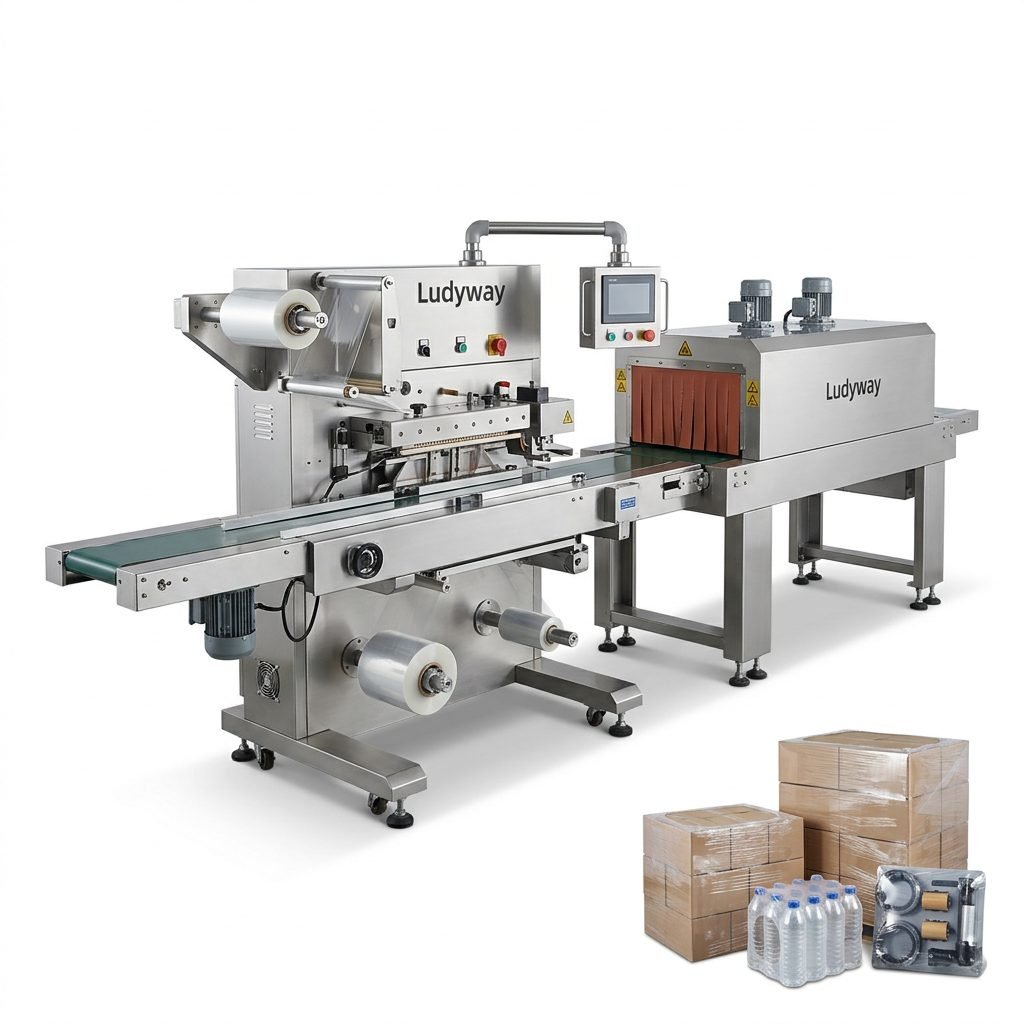
Modern processing facilities require highly efficient, automated machinery to handle high-throughput demands. Investing in robust vacuum skin packaging technology ensures operational reliability and consistency across large production batches. Below is a comparison of typical specifications for standard vacuum skin packaging machines used in commercial cold chains:
| Machine Parameter | Typical Specification | Operational Benefit |
|---|---|---|
| Vacuum Rate | 99.9% oxygen removal | Inhibits aerobic bacterial growth |
| Cycle Speed | 3 to 6 cycles per minute | Ensures high-throughput packaging line efficiency |
| Film Thickness Compatibility | 80 to 150 microns | Allows flexibility for varying product shapes |
| Mold Configuration | Customizable multi-cavity | Adapts to different tray sizes and shapes |
Driving Efficiency in Global Cold Chains
Beyond preservation, vacuum skin packaging machines improve logistics efficiency. Compact, leak-proof packaging allows for denser stacking in cold storage and transport vehicles, reducing shipping costs per unit. The elimination of leaks also prevents cross-contamination, a critical compliance factor in international food safety standards. As export markets expand across North America, Europe, and the Middle East, high-quality packaging becomes the primary differentiator for seafood and meat exporters.
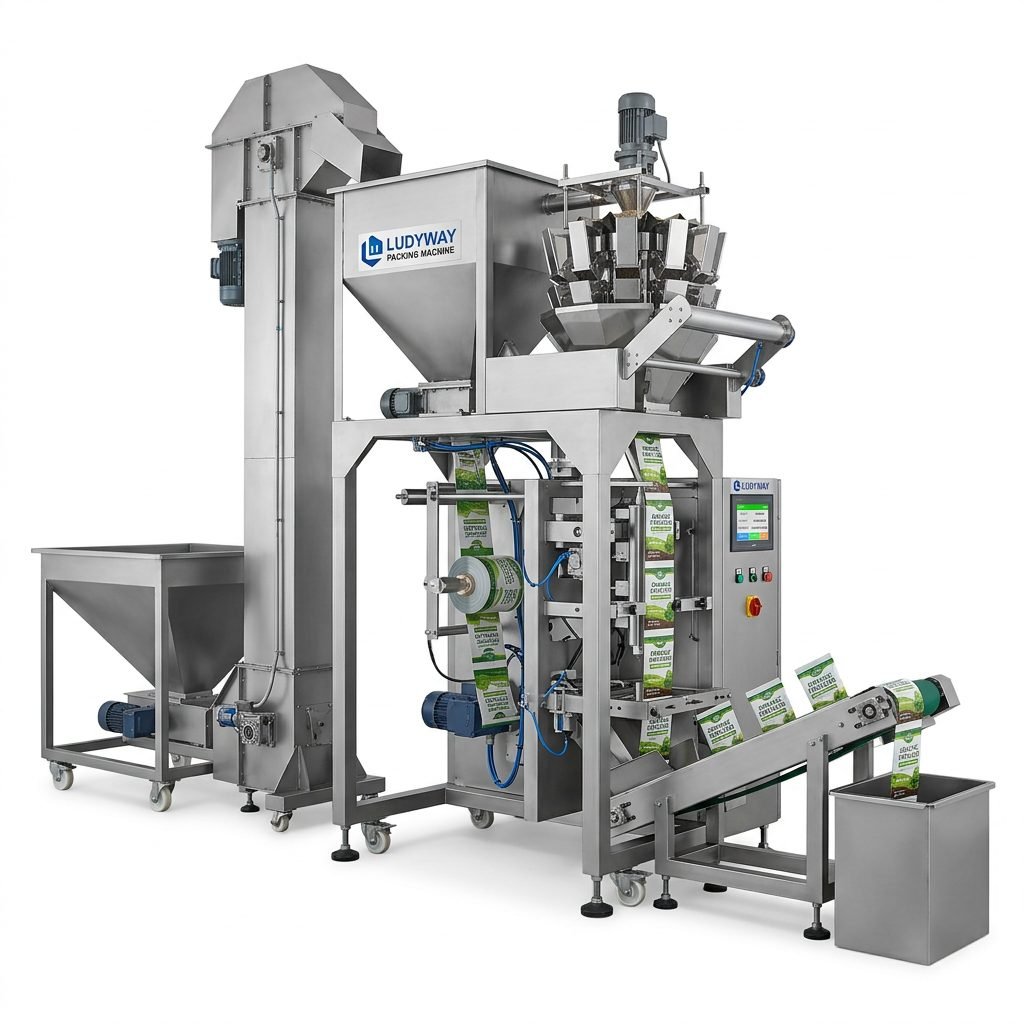
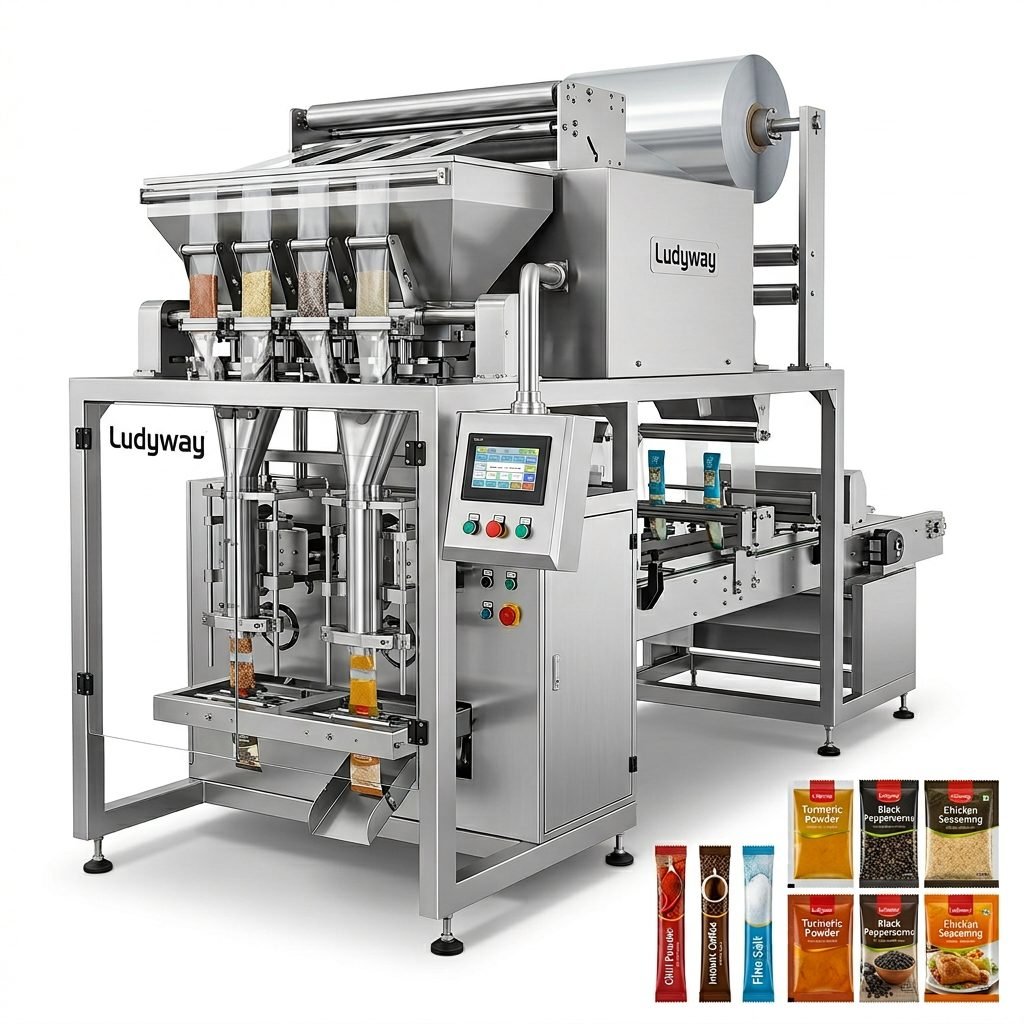
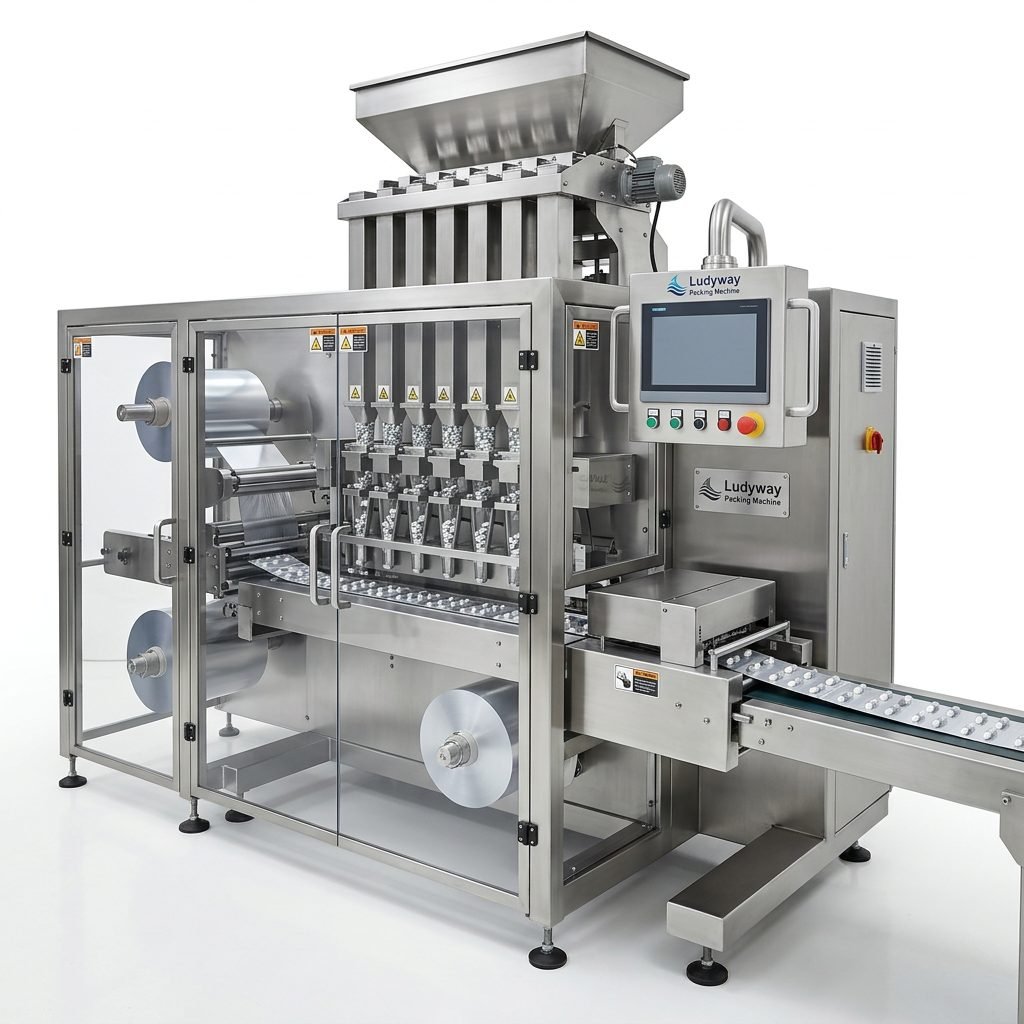
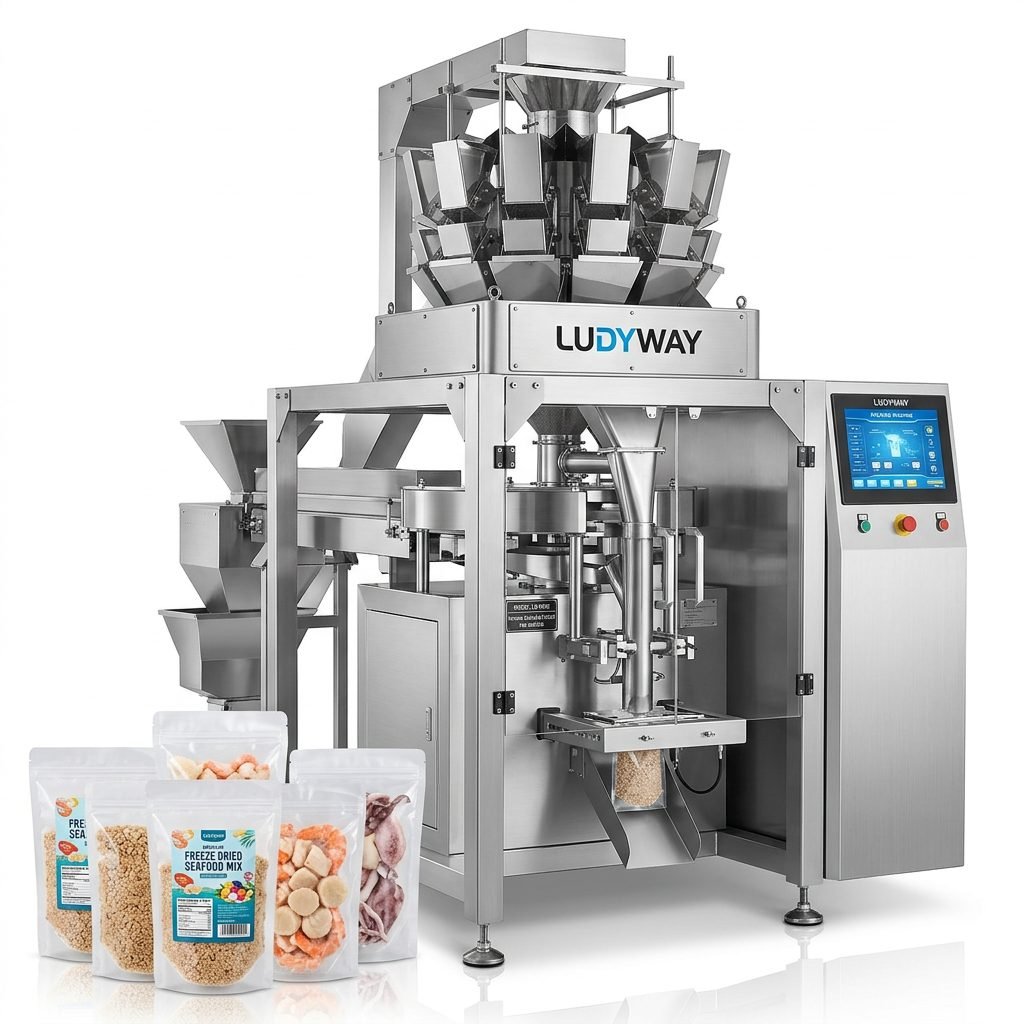
Selecting the right machinery manufacturer is vital for achieving long-term production stability. Leading global suppliers, such as Ludyway, provide highly customizable packaging solutions designed to integrate seamlessly into existing cold chain production lines. With decades of industry experience, these manufacturers develop automated turnkey lines that optimize labor savings, maintain product consistency, and satisfy the rigorous sanitary requirements of modern food processing facilities.
Future Outlook: Sustainability and Automation
The future of meat and seafood cold chains lies in the convergence of automated packaging systems and eco-friendly materials. Manufacturers are increasingly adapting vacuum skin packaging machines to work with biodegradable trays and ultra-thin, recyclable skin films. Coupled with advanced automation, such as robotic loading and smart quality control inspection systems, the meat and seafood processing sector is well-positioned to meet the demands of tomorrow’s conscious consumer.