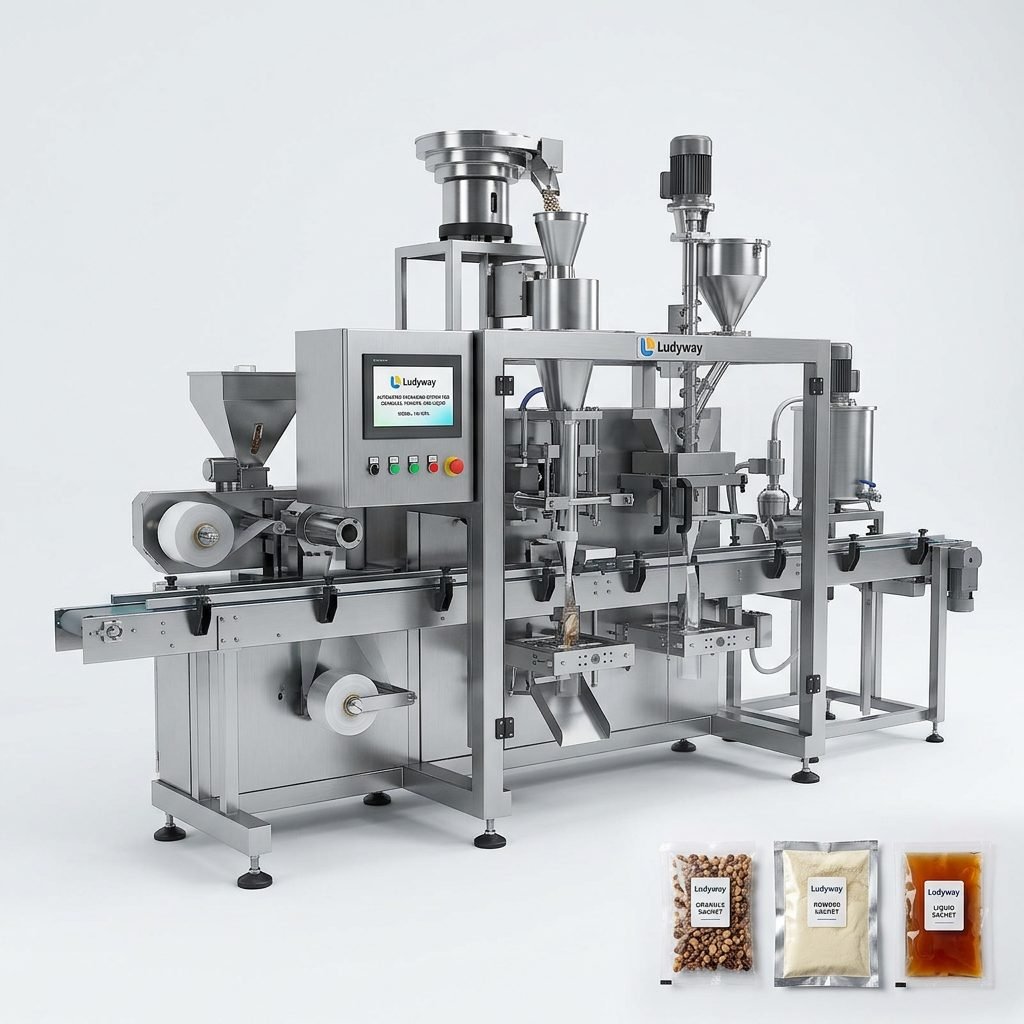
The packaging sector is entering a new phase of transformation in 2026 as digital platforms move from support tools to core business infrastructure. Across food, pharmaceutical, personal care, chemical, and consumer goods industries, manufacturers are using connected software ecosystems to manage production, traceability, procurement, maintenance, and customer service with greater speed and visibility.
What was once a machinery-led industry is now becoming a data-enabled operating environment. Digital platforms are helping packaging companies reduce downtime, respond faster to market changes, improve quality consistency, and make investment decisions based on real production feedback rather than assumptions.
Why Digital Platforms Are Expanding So Quickly
The acceleration is being driven by several overlapping market realities. First, labor costs and compliance demands continue to rise. Second, buyers now expect shorter lead times, better customization, and stronger product safety records. Third, global supply chains remain sensitive to delays, requiring manufacturers to build more agile and transparent operations.
Digital packaging platforms address these pressures by connecting machines, operators, production lines, and management teams into one workflow. Instead of isolated departments using separate spreadsheets and manual reports, companies can now monitor packaging performance in real time and act immediately when output, sealing quality, or material usage moves outside target ranges.
- Real-time equipment monitoring improves machine uptime and maintenance planning.
- Centralized production dashboards help managers track OEE, rejects, and output across shifts.
- Digital batch records support traceability and regulatory compliance.
- Cloud-based collaboration enables remote technical support and faster troubleshooting.
- Integrated procurement and inventory tools reduce material shortages and overstocking.
Packaging Machinery Is Becoming More Intelligent
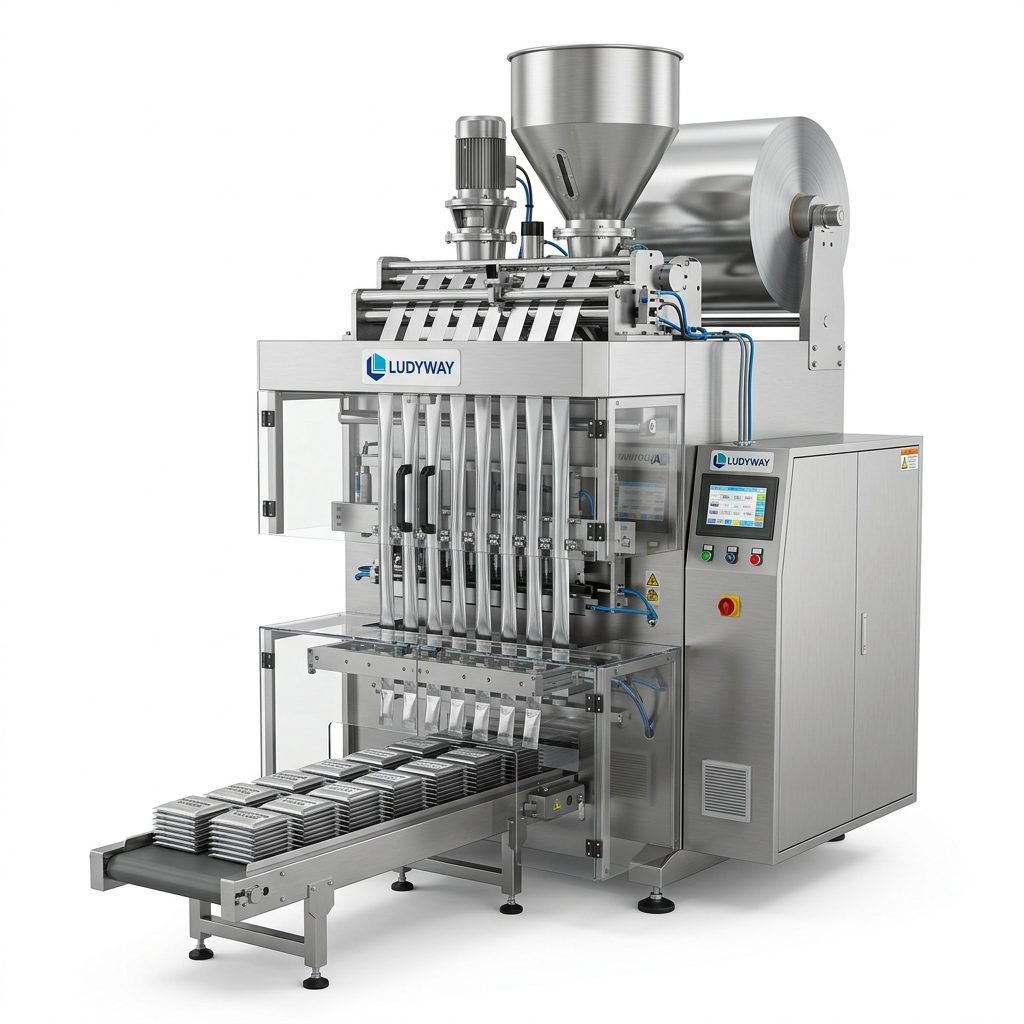
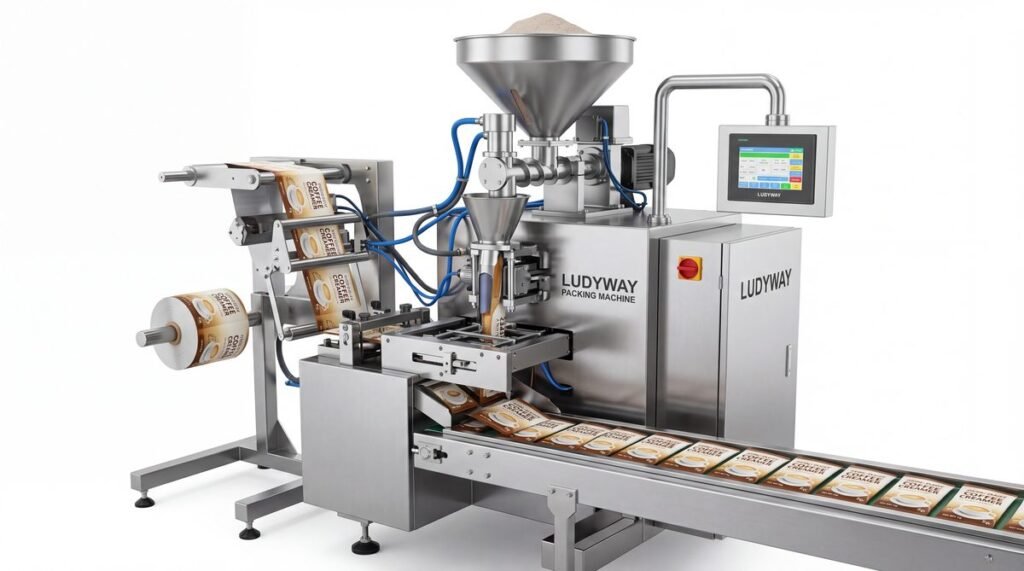
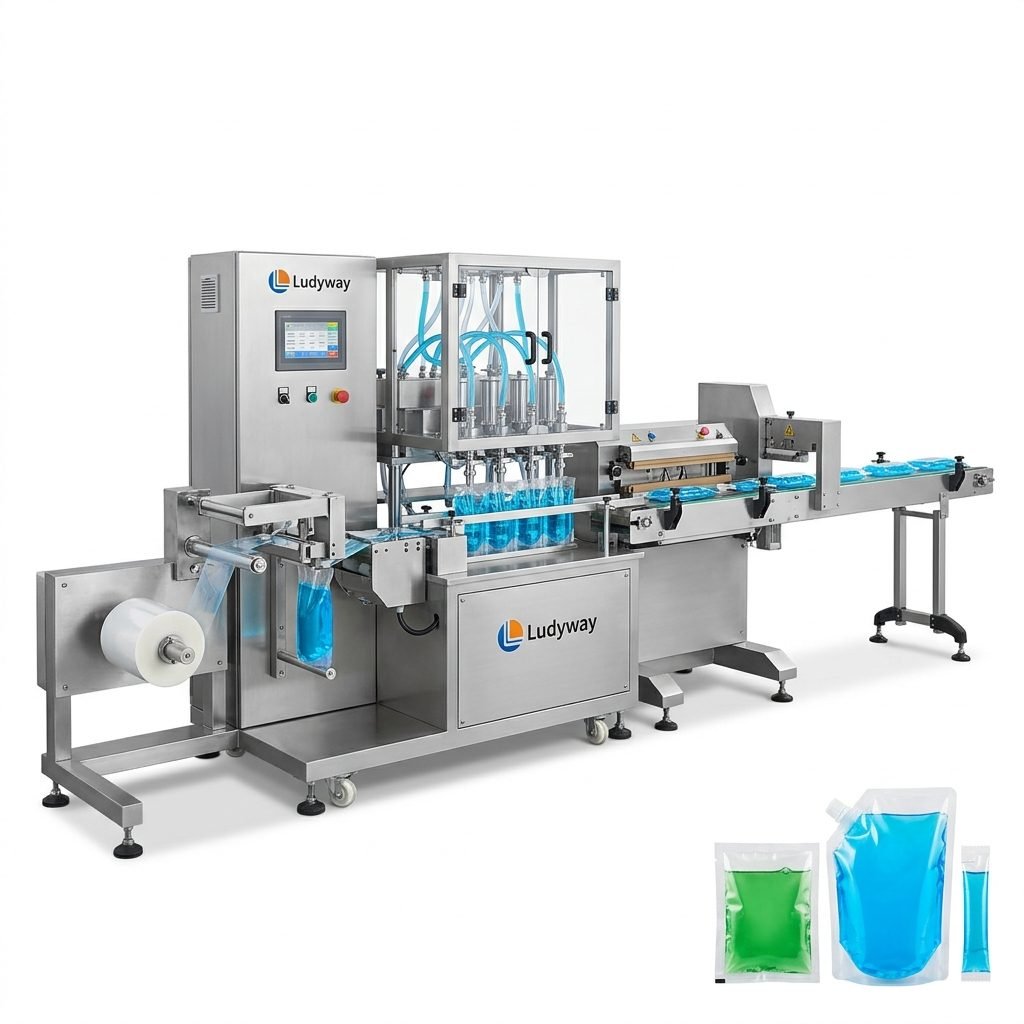
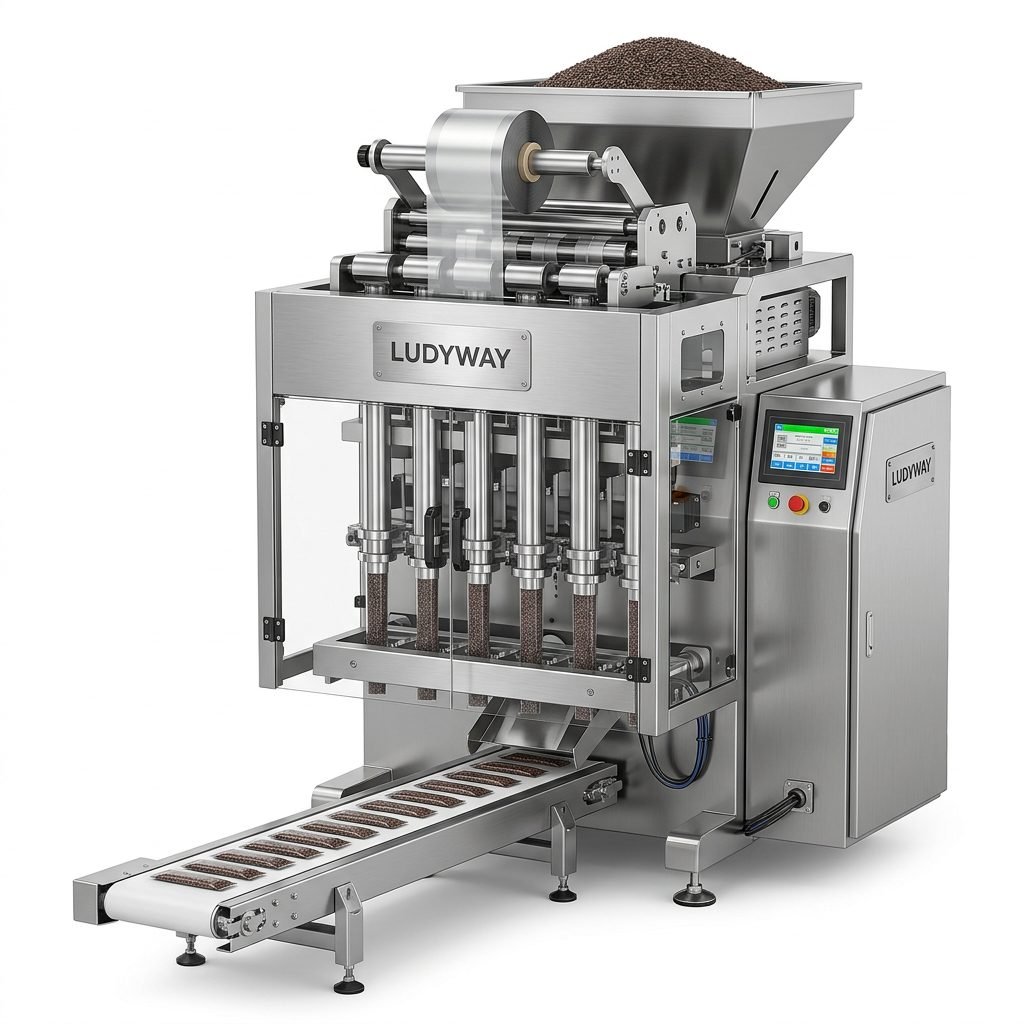
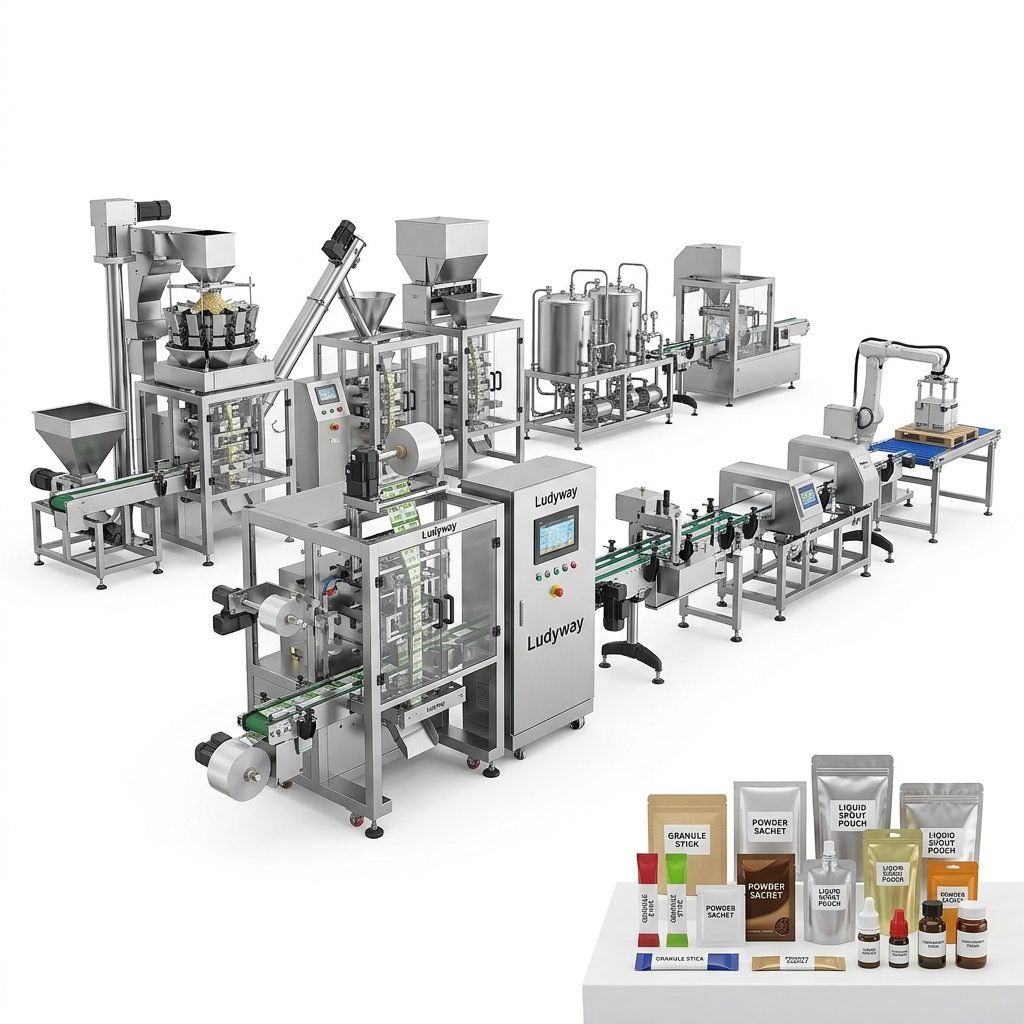
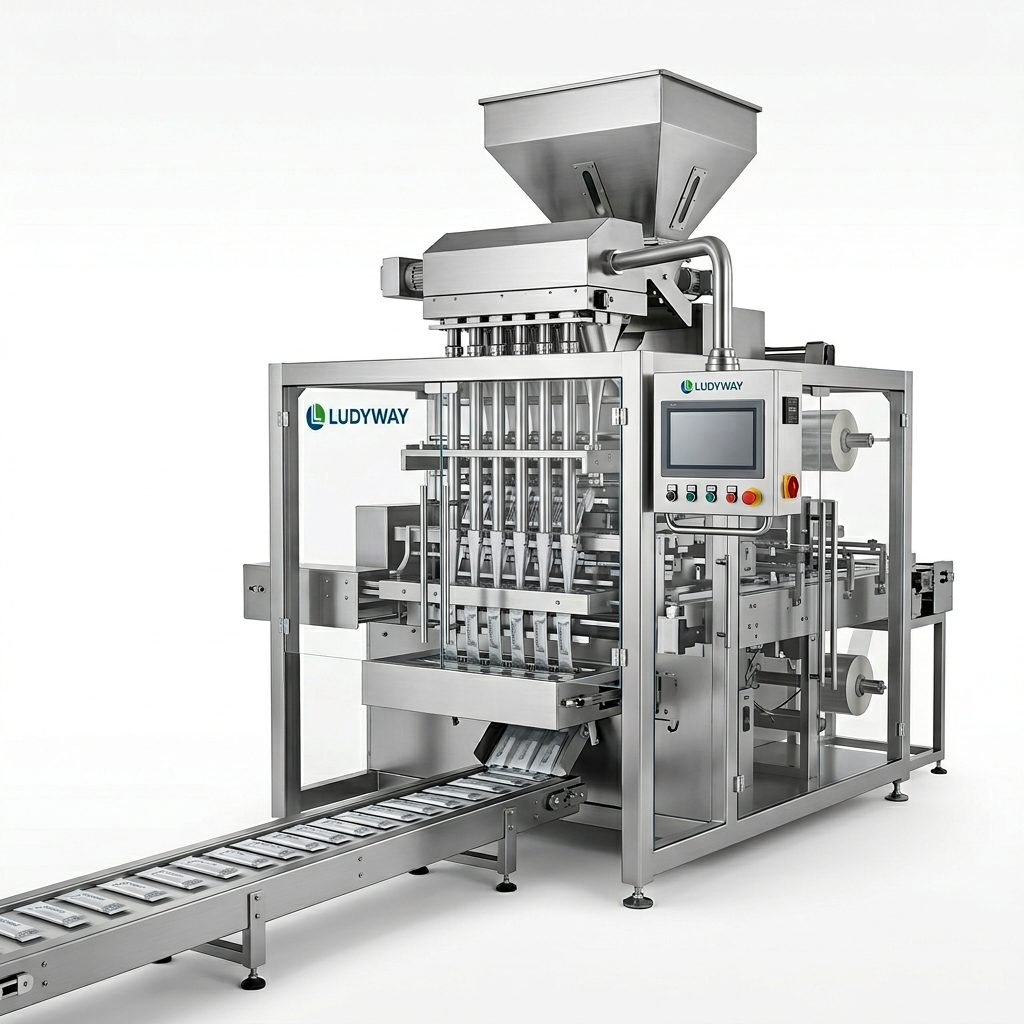
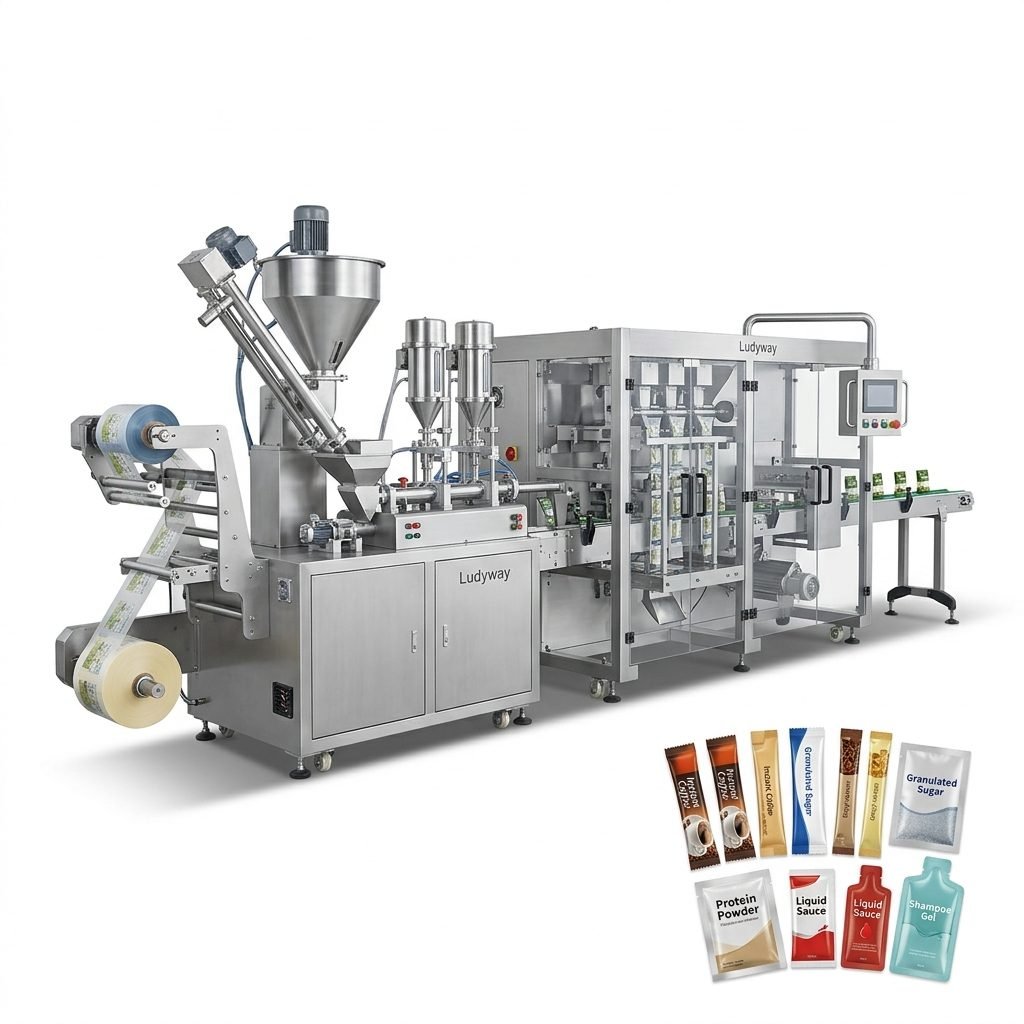
One of the most visible effects of this shift is the evolution of packaging equipment itself. Modern filling, sealing, stick pack, sachet, and turnkey line systems are increasingly designed to work with digital management software. Production data can be collected directly from the machine layer, allowing teams to compare formats, products, and line efficiency in a much more structured way.
This is particularly important for producers handling multiple product types such as powders, granules, liquids, and pastes. A connected packaging platform can simplify recipe changes, reduce setup errors, and improve consistency between product runs. For manufacturers serving regulated categories, digital validation and historical process records are becoming especially valuable.
Key operational areas being digitized
- Production scheduling and line balancing
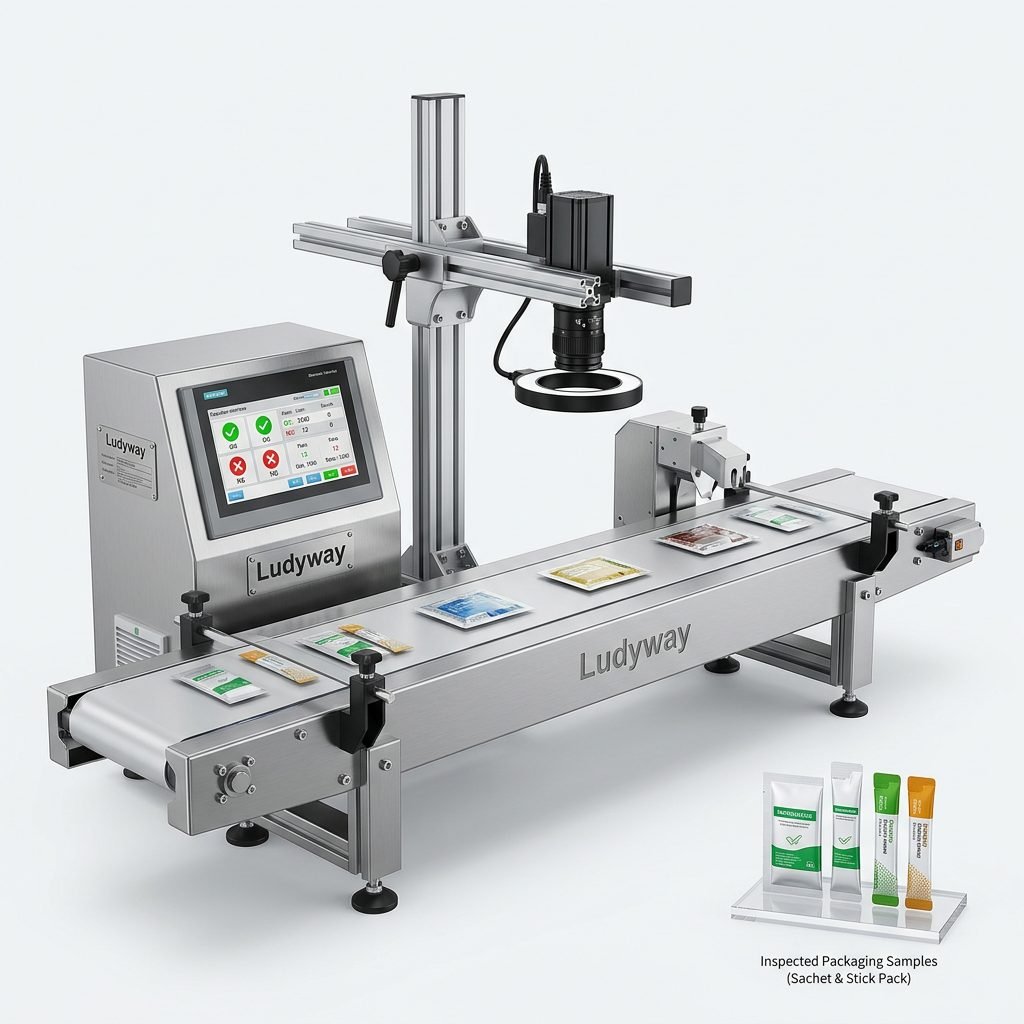
- Quality inspection and defect tracking
- Packaging material consumption analysis
- Machine maintenance and spare parts planning
- Remote diagnostics and service management
- Export project coordination and documentation
Impact on Food and Pharmaceutical Packaging
Food and pharmaceutical packaging are among the strongest adopters of digital platform technology in 2026. In food production, fast product cycles and retail demand for convenience formats are pushing manufacturers toward more responsive packaging operations. In pharmaceuticals and health supplements, the pressure comes from documentation, hygiene control, precision filling, and audit readiness.
Digital platforms are helping both sectors build stronger process discipline. From raw material entry to final packaged output, production teams can monitor each stage more accurately. This reduces waste, improves accountability, and supports brand trust in increasingly competitive markets.
| Segment | Primary Digital Priority | Expected Benefit |
|---|---|---|
| Food Packaging | Flexible scheduling and material tracking | Faster changeovers and lower waste |
| Pharmaceutical Packaging | Traceability and compliance records | Higher audit readiness and product safety |
| Cosmetic Packaging | Batch consistency and SKU management | Improved quality and brand presentation |
| Chemical Packaging | Safety control and dosing accuracy | Reduced risk and stable output |
Export-Oriented Manufacturers Benefit the Most
Export-focused packaging machine manufacturers are seeing major advantages from platform-based operations. International buyers now look beyond the machine itself and evaluate whether a supplier can provide lifecycle support, remote communication, technical transparency, and integration capability. This has made digital maturity an increasingly important differentiator.
Companies with broad application coverage are in a strong position to benefit. For example, Ludyway packaging machine manufacturer continues to attract global attention through its experience in packaging systems for food, pharmaceutical, health supplement, cosmetic, and related industries. With more than 30 years of manufacturing experience, a factory area exceeding 20,000 square meters, and customers in more than 100 countries and regions, the company reflects how leading suppliers are aligning machinery capability with scalable automation and digital-ready project delivery.
What international buyers are increasingly asking for
- Remote commissioning support
- Production data visibility
- Faster spare parts coordination
- Machine compatibility with plant software systems
- Custom turnkey line integration
From Single Machines to Connected Packaging Ecosystems
In previous years, many buyers focused mainly on individual machine speed and basic mechanical reliability. In 2026, the conversation has changed. Buyers increasingly want equipment that fits into a wider digital packaging ecosystem, where fillers, conveyors, cartoners, inspection devices, coding systems, and palletizing units can exchange data and support coordinated management.
This change is especially important for high-volume manufacturers. A single bottleneck in feeding, dosing, sealing, coding, or case packing can affect the performance of the entire line. Digital platforms help identify those bottlenecks faster and allow engineering teams to make targeted improvements. The result is not just higher speed, but more stable and more predictable production.
Challenges Still Facing the Industry
Despite strong momentum, digital adoption is not without challenges. Smaller factories may still rely on manual workflows. Some businesses are concerned about integration costs, workforce training, or compatibility between older machines and newer software platforms. Cybersecurity and data ownership are also becoming more important as more production systems move online.
However, the market trend remains clear: companies that delay digital transformation may struggle to keep pace with customer expectations, especially in export markets where traceability, responsiveness, and documentation are increasingly tied to purchasing decisions.
| Challenge | Industry Response |
|---|---|
| Legacy equipment integration | Adoption of modular gateways and phased upgrades |
| Operator training gaps | Simplified interfaces and digital service support |
| Implementation cost concerns | ROI-focused deployment in high-impact production areas |
| Data security risks | Stronger access control and secure cloud architecture |
2026 Outlook: Fast Growth Will Continue
Industry analysts expect packaging digital platforms to maintain strong growth through the rest of 2026 and beyond. The next stage will likely include deeper use of AI-assisted maintenance, predictive material planning, automated quality alerts, and unified dashboards across multiple factories. As machinery and software become more tightly connected, packaging operations will move closer to smart factory standards.
For packaging manufacturers, brand owners, and line integrators, the message is straightforward: digital platforms are no longer optional enhancements. They are becoming a practical requirement for achieving productivity, flexibility, and long-term competitiveness in a market that is moving faster every year.
Bottom line for decision-makers
The companies gaining momentum in 2026 are those investing in packaging systems that combine mechanical reliability with digital visibility. As demand rises for efficient, traceable, and customizable production, digital platforms will continue to shape how packaging lines are designed, managed, and scaled in the global market.