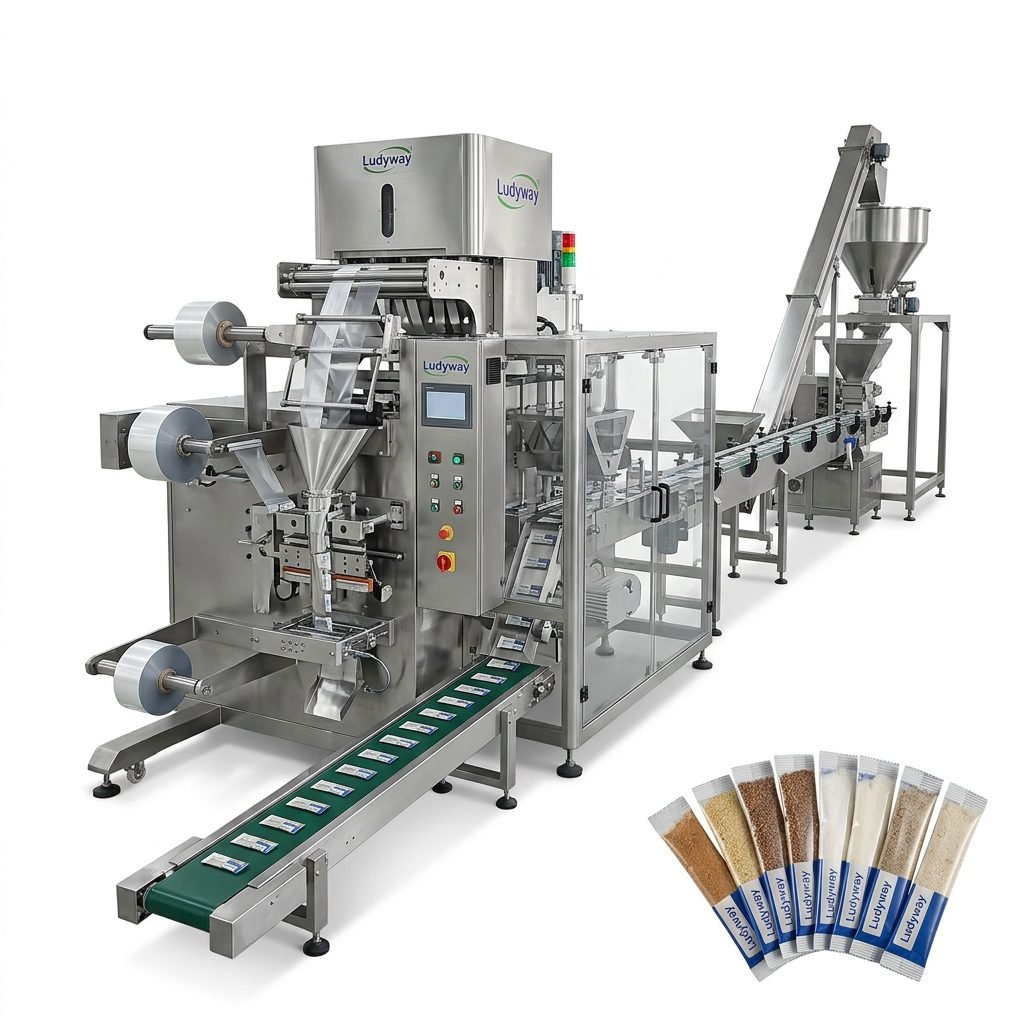
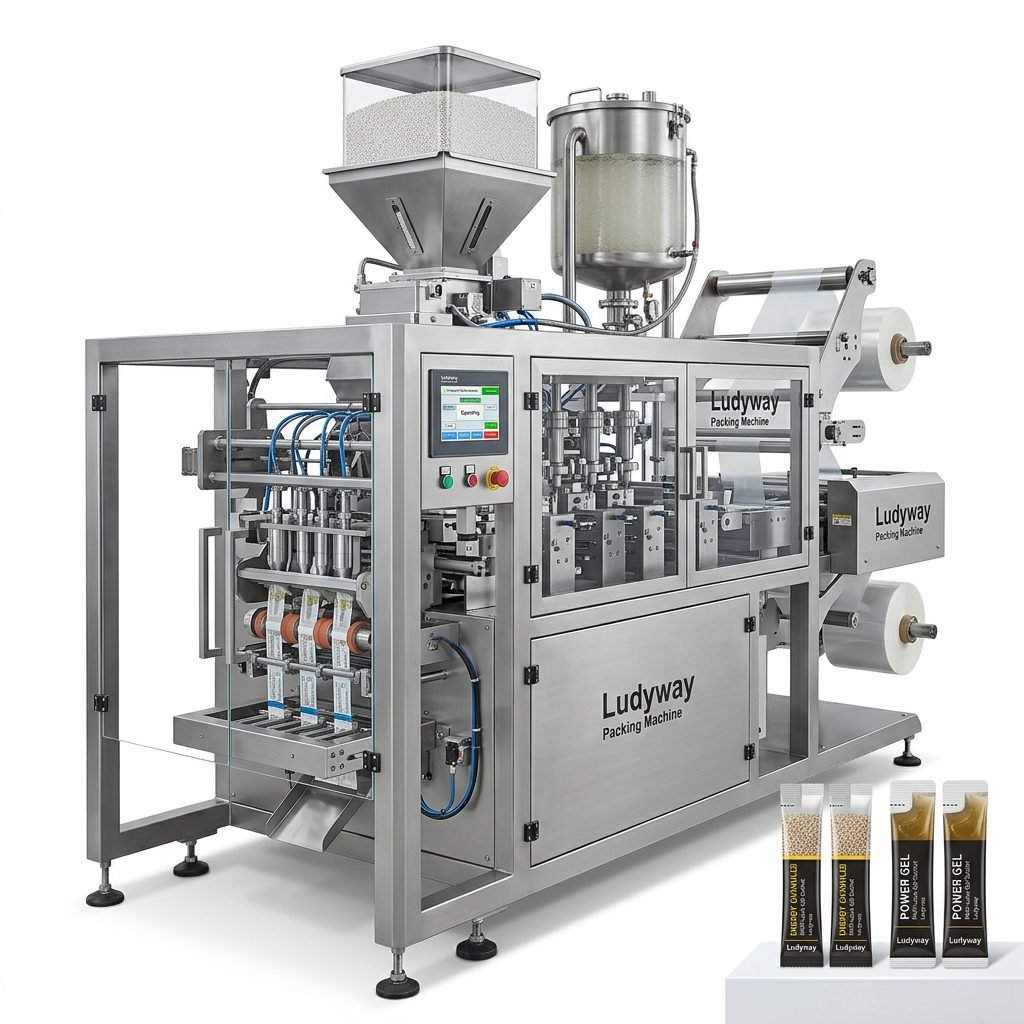
The pet food industry in the Middle East is experiencing remarkable growth, driven by rising pet ownership, increasing disposable incomes, and a shift toward premium pet nutrition. For manufacturers, distributors, and co-packers looking to capture this market, selecting the right dog food packaging machine is a critical decision that impacts product quality, shelf life, and operational efficiency. This buying guide provides a comprehensive overview of the key factors to consider when investing in packaging equipment for dry kibble, semi-moist, and treat products in the Gulf and broader MENA region.
Understanding the Middle East Pet Food Packaging Landscape
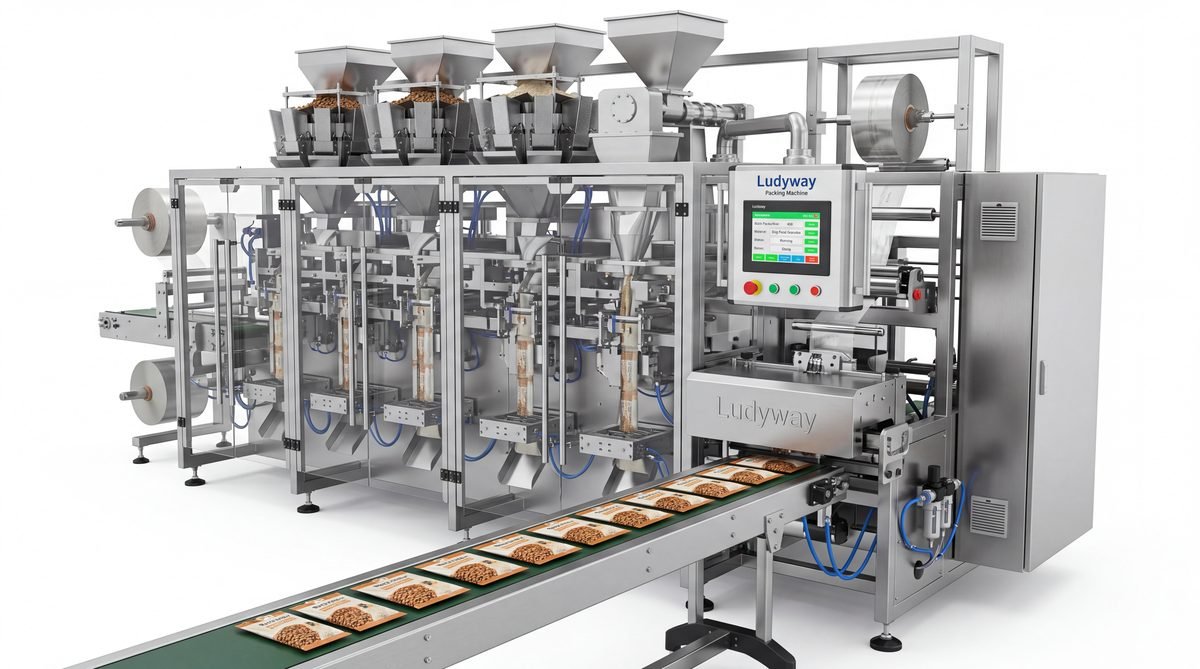
Packaging requirements in the Middle East differ significantly from other global markets. Climate conditions, including extreme heat and humidity, demand robust barrier protection to prevent spoilage and maintain freshness. Additionally, consumer preferences in countries like the UAE, Saudi Arabia, Qatar, and Kuwait increasingly favor convenient formats such as single-serve stick packs, resealable sachets, and portion-controlled pouches. A modern dog food packaging machine must accommodate these regional requirements while adhering to halal certification standards and local labeling regulations.
Key Machine Types for Dog Food Packaging
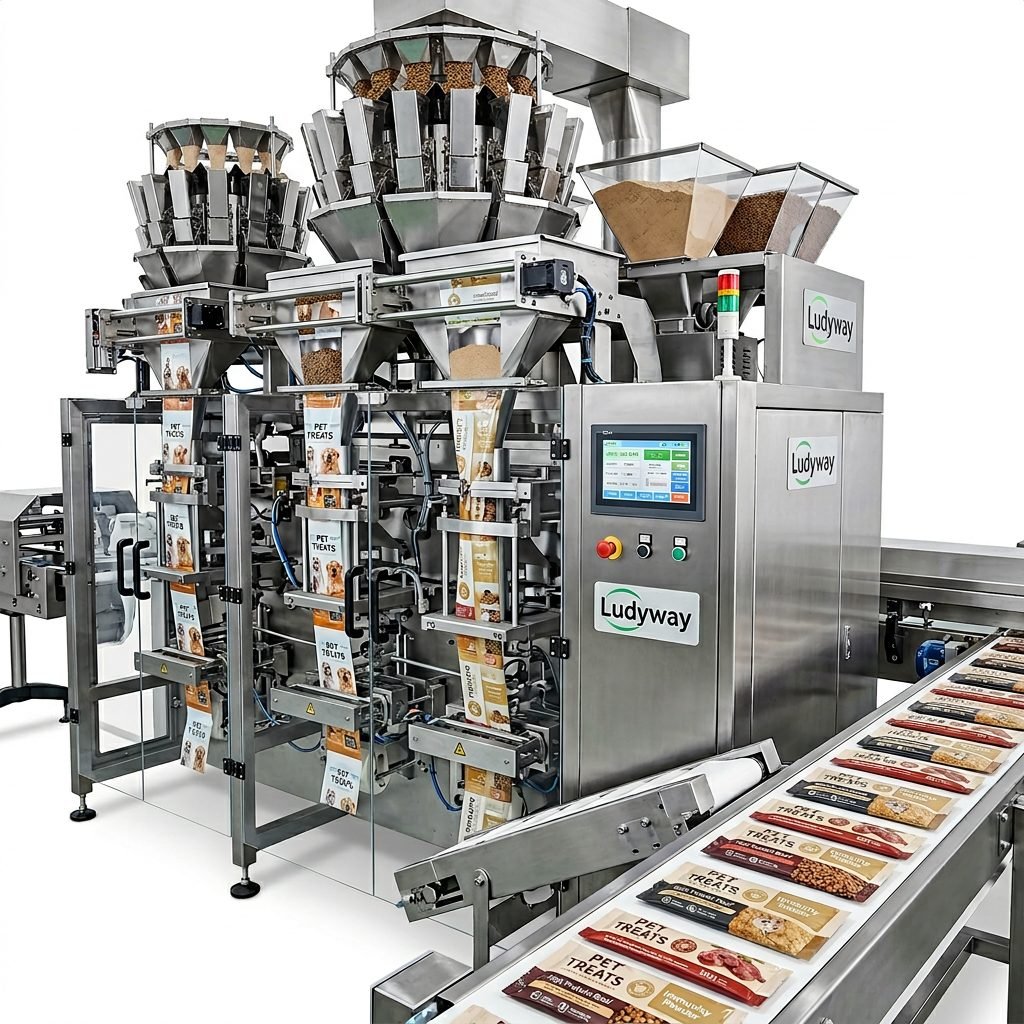
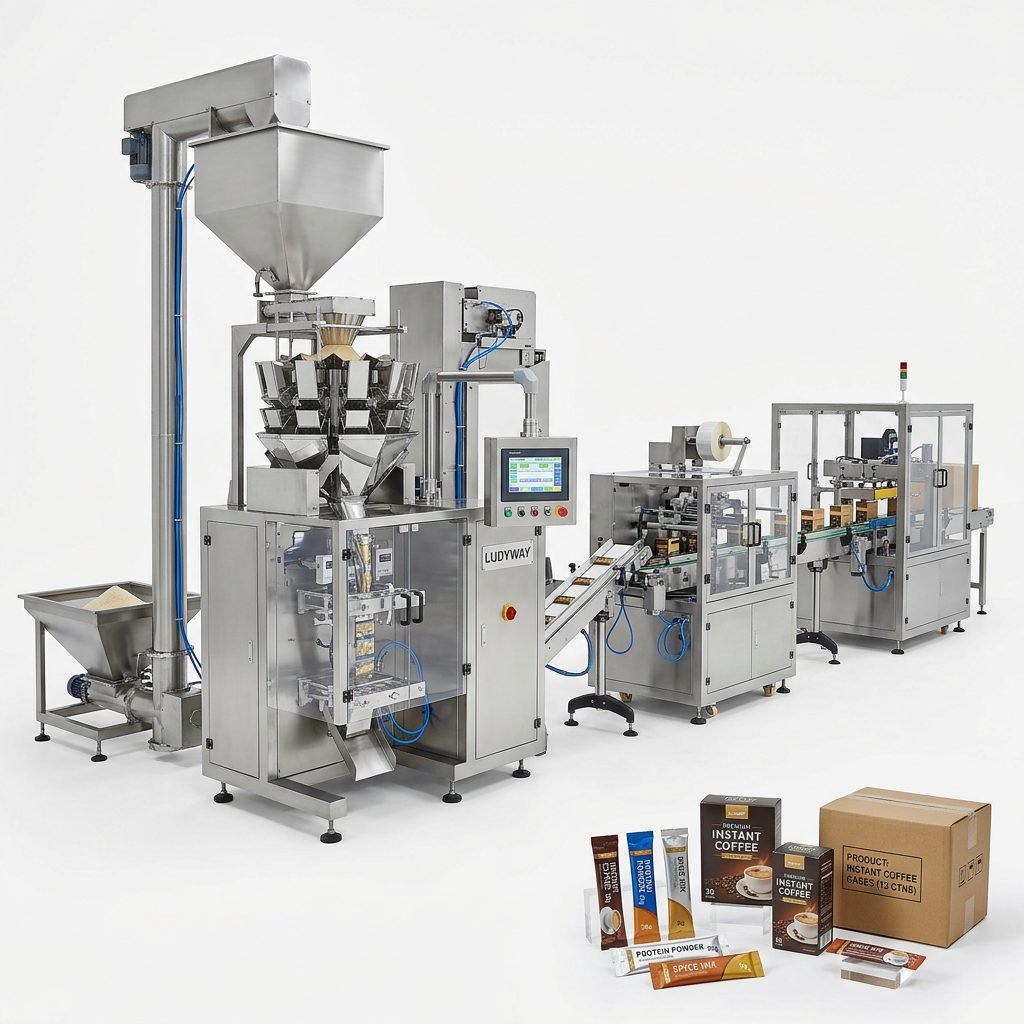
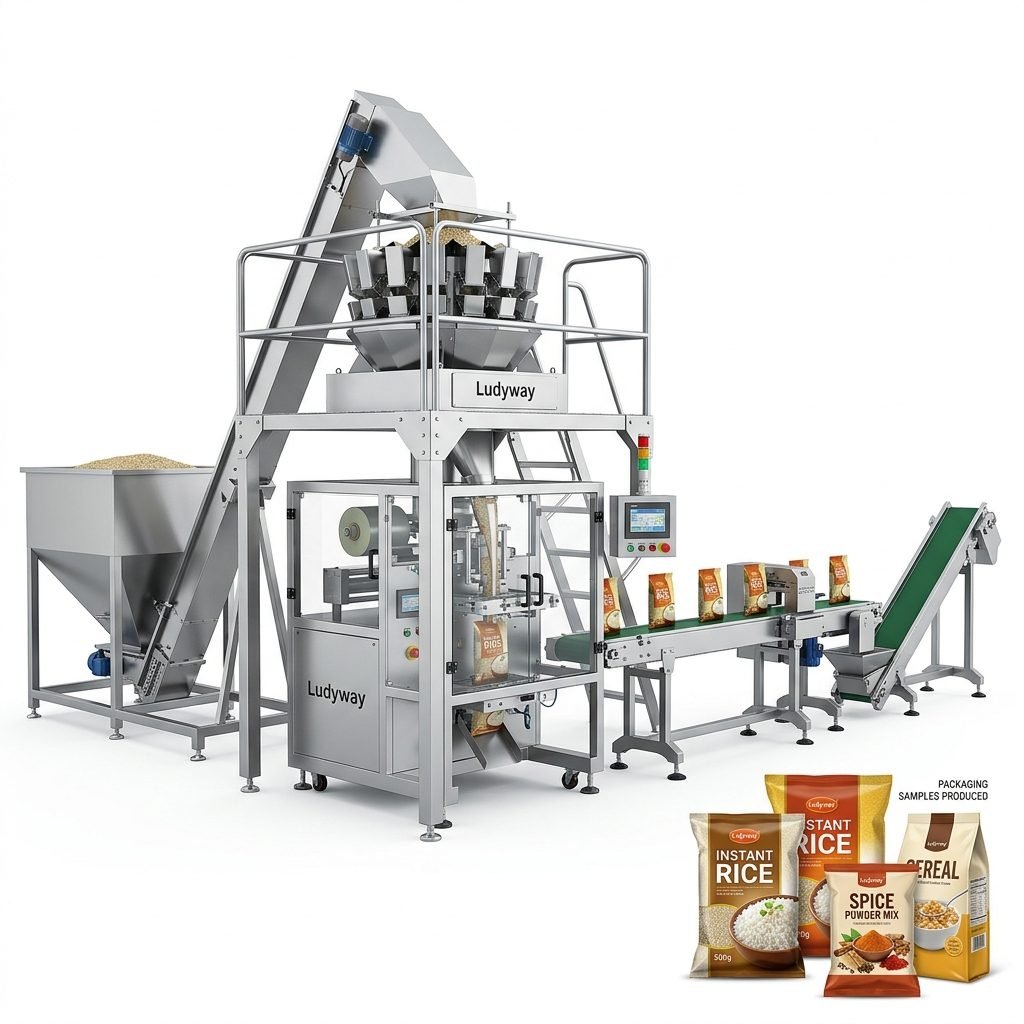
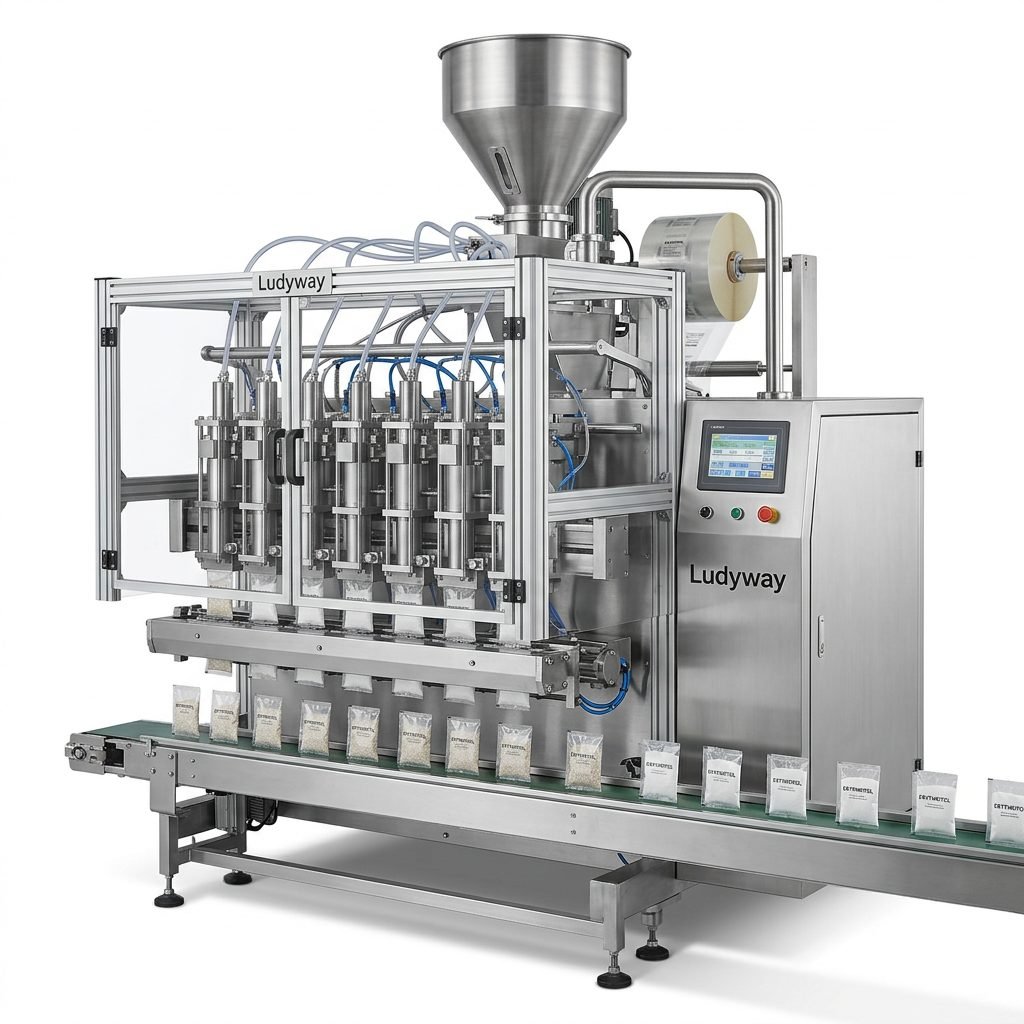
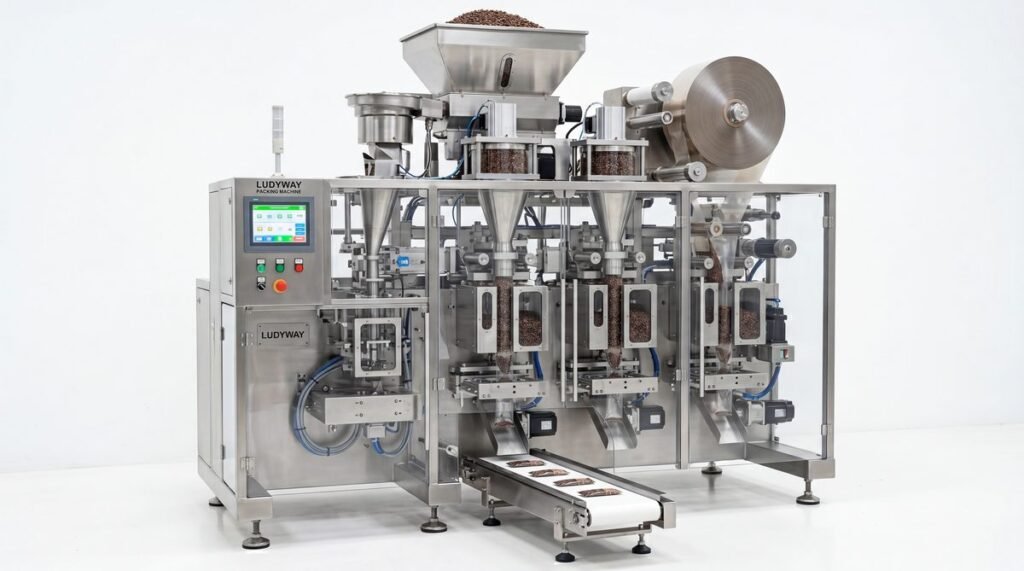
Different product formats demand specific packaging technologies. Below is a comparison of the most common machine types used in dog food packaging lines across the Middle East:
| Machine Type | Best For | Packaging Format | Typical Speed Range |
|---|---|---|---|
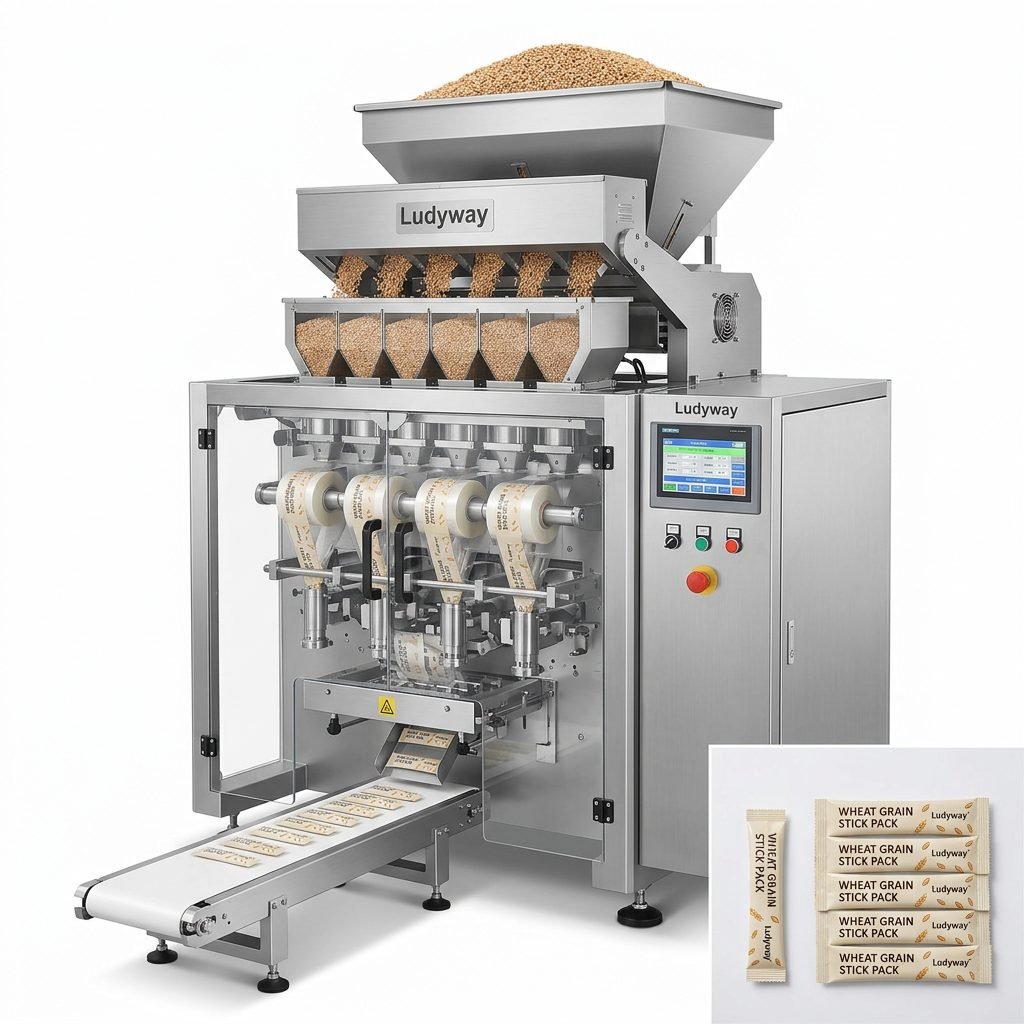
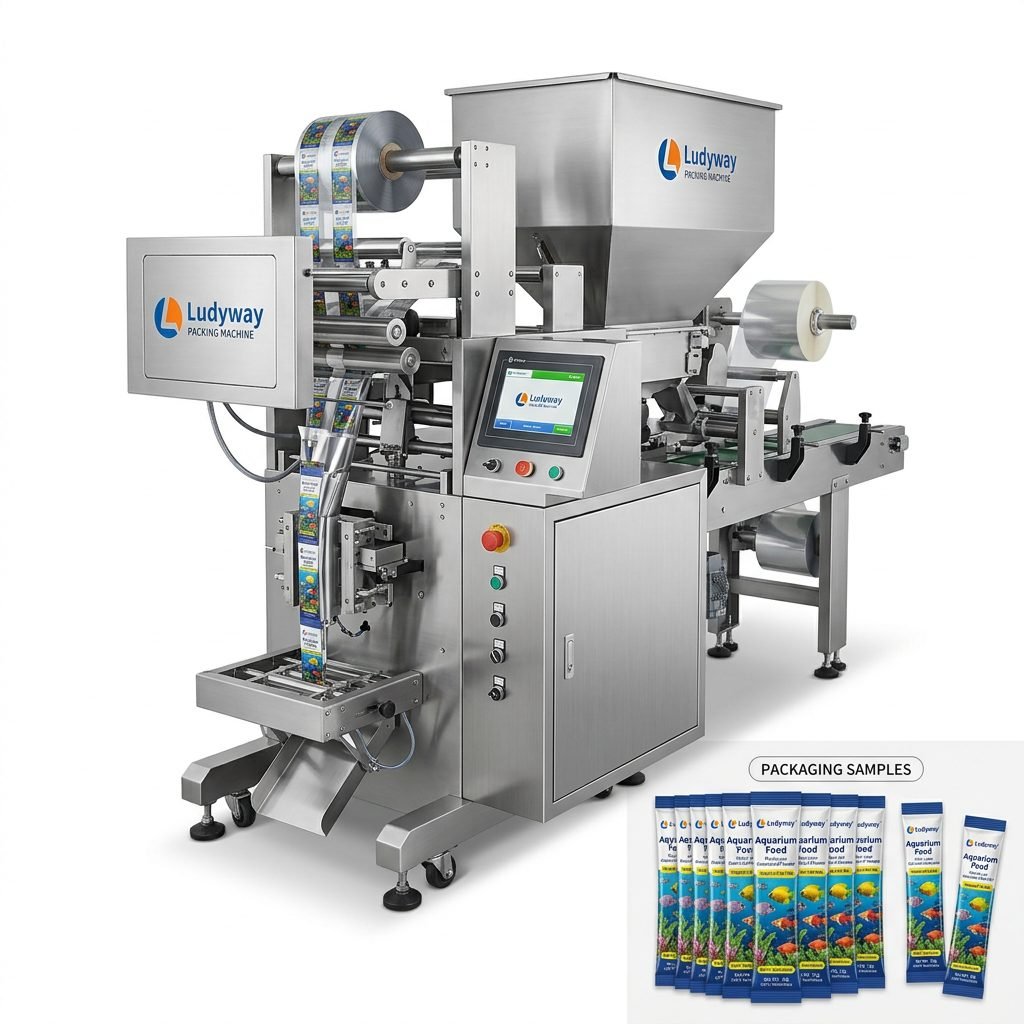
| Multi-Lane Stick Pack Machine | Dry kibble samples, supplements, treats | Single-serve stick packs | 300-600 packs/min |
| Vertical Form Fill Seal (VFFS) | Bulk kibble, large bags | Pillow bags, gusseted bags | 50-120 bags/min |
| Premade Pouch Packing Machine | Premium/retail products | Zipper pouches, spouted pouches | 30-80 pouches/min |
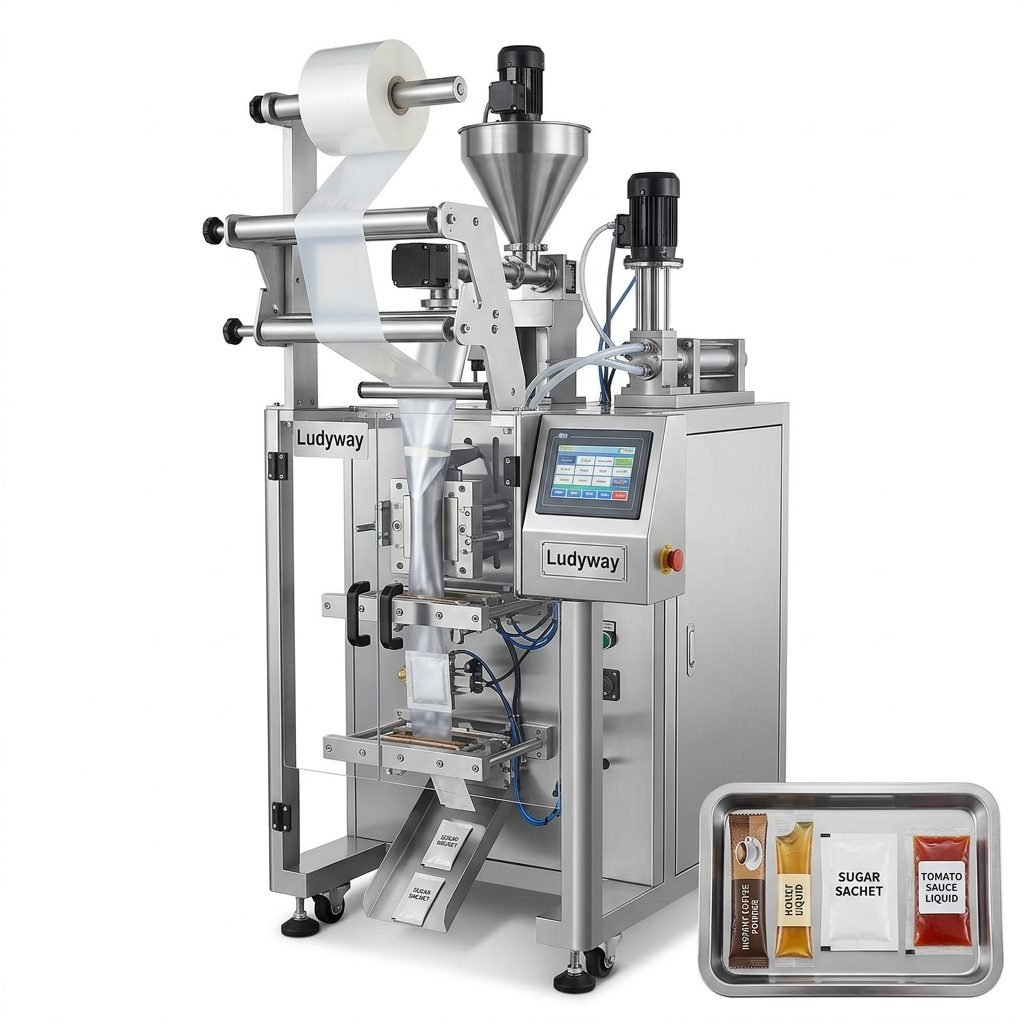
| Sachet Packaging Machine | Samples, trial packs | Flat sachets, 3-side sealed | 200-400 sachets/min |
Critical Factors to Consider When Buying
1. Material Compatibility and Barrier Properties
Packaging material compatibility is one of the most overlooked yet crucial specifications. Dog food products, especially those rich in fats and oils, require high-barrier films that prevent oxidation and rancidity. In the Middle Eastern climate, where temperatures regularly exceed 40°C, multi-layer laminates with aluminum foil or metallized polyester are essential. Verify that the machine supports the complete range of materials you plan to use:
- Aluminum foil laminates for maximum oxygen barrier
- Metallized PET/PE for cost-effective moisture protection
- Biodegradable films for sustainability-conscious markets like the UAE
- Paper-based composites for premium organic branding
2. Automation Level and Integration Capabilities
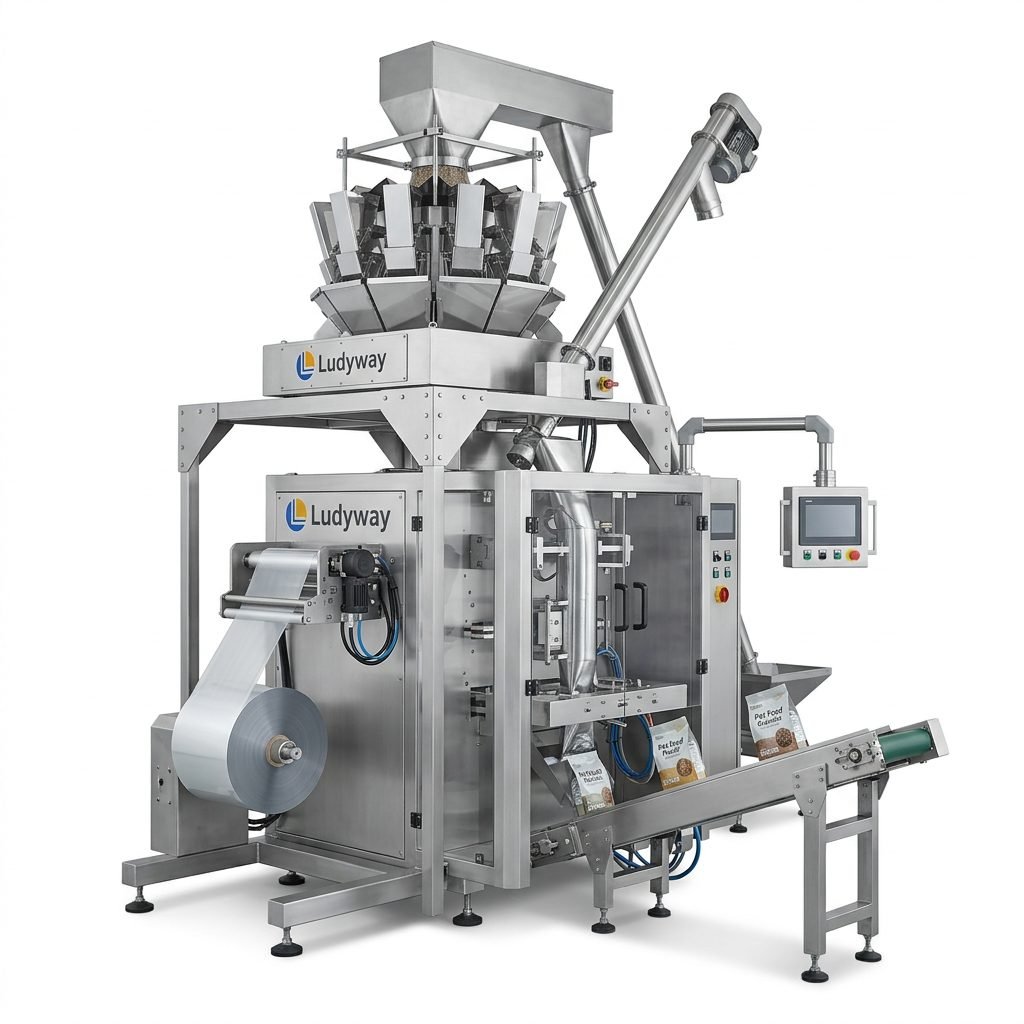
The level of automation you choose directly affects labor costs and output consistency. In the GCC region, where skilled packaging line operators can be challenging to recruit, higher automation reduces dependency on manual labor. Consider the following configurations:
- Semi-automatic systems: Suitable for startups with limited budgets and lower production volumes
- Fully automatic lines: Include automatic weighing, filling, and sealing for high-volume production
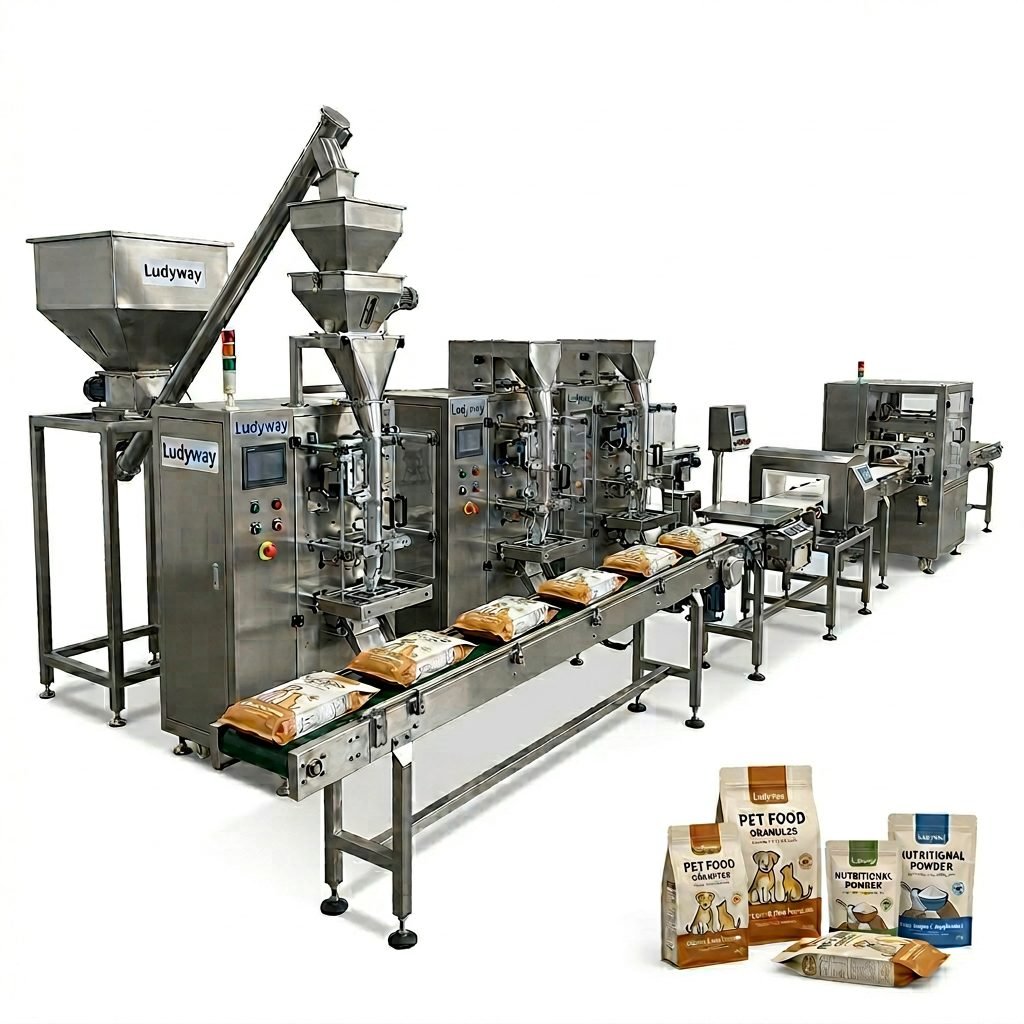
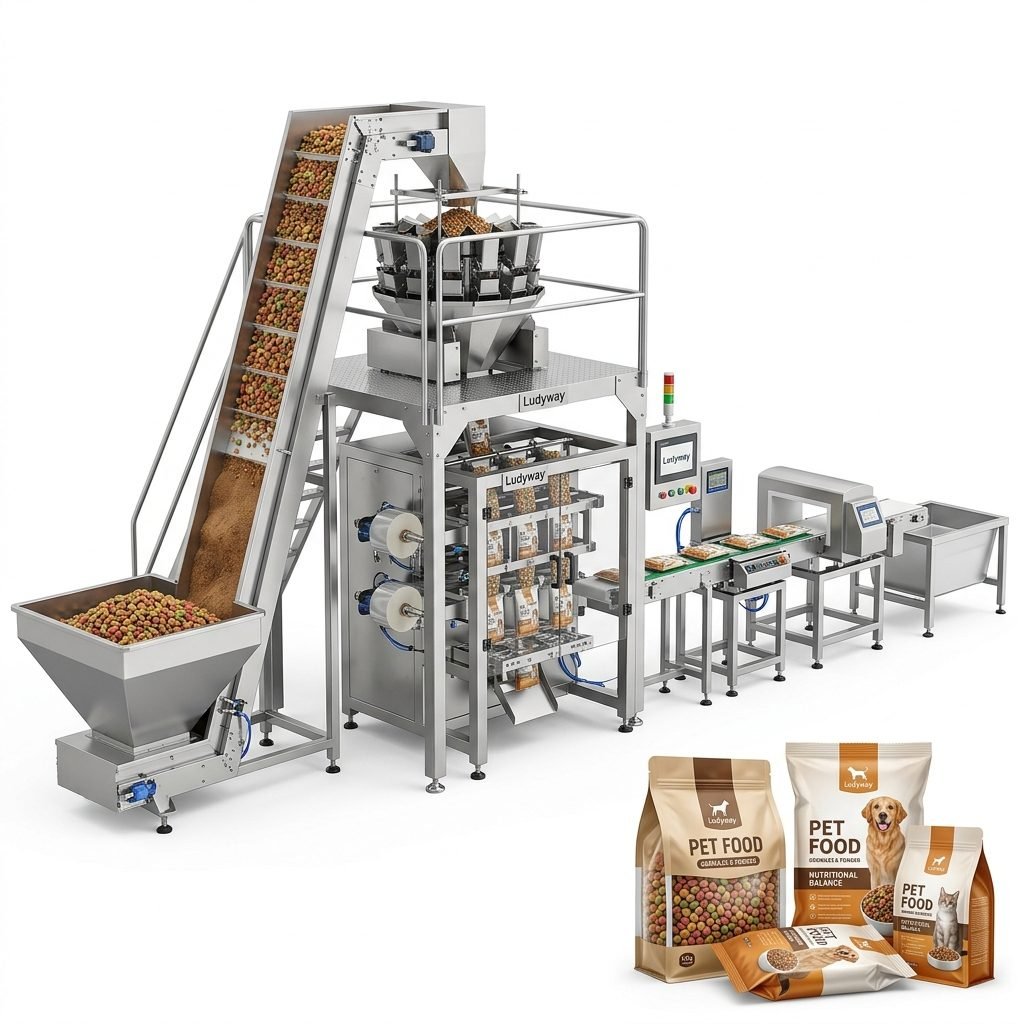
- Turnkey packaging solutions: Complete systems with conveyors, checkweighers, metal detectors, and cartoning
3. Weighing and Filling Accuracy
Precision in portion control is non-negotiable for dog food products. Overfilling erodes profit margins, while underfilling leads to regulatory penalties and brand damage. Modern multi-head weighers deliver accuracy within ±0.5g for stick packs and ±1g for larger bags. For Middle East markets, where products are often exported across borders with strict net weight regulations, investing in high-precision dosing systems pays for itself quickly through reduced product giveaway.
4. Machine Construction and Food Safety Compliance
Stainless steel construction, particularly SUS304 or SUS316L for product contact parts, is essential for food-grade packaging equipment. Look for machines that comply with GMP standards and feature tool-less disassembly for quick cleaning and product changeovers. If you are exporting to Saudi Arabia or UAE, ensure the equipment meets SFDA and ESMA regulations, along with relevant halal certification requirements for the complete production line.
Comparing Packaging Formats for Different Dog Food Products
| Product Type | Recommended Format | Key Packaging Challenge |
|---|---|---|
| Dry Kibble (Bulk) | 1kg-20kg gusseted bags | Dust control, grease barrier |
| Freeze-Dried Treats | Multi-lane stick packs, sachets | Fragility, nitrogen flushing |
| Semi-Moist Snacks | Resealable premade pouches | Moisture retention, mold prevention |
| Powder Supplements | Stick packs, single-serve sachets | Hygroscopicity, static control |
Regional Considerations for the Middle East Market
When sourcing a dog food packaging machine for Middle East operations, specific regional factors should influence your decision-making process:
- Language and labeling requirements: Machines must handle Arabic and English printing on packaging, including bidirectional text on date coders and labelers
- After-sales technical support: Choose a manufacturer with a local service presence or reliable remote diagnostic capabilities to minimize downtime
- Spare parts availability: Confirm that critical components are stocked regionally or can be shipped quickly to the Gulf region
- Power supply compatibility: Verify voltage and frequency specifications match local standards (220V/50Hz in most GCC countries)
- Cooling and ventilation: Equipment must be rated for operation in high ambient temperatures common in warehouse environments
5. Production Capacity and Scalability
Calculate your current and projected production volumes before finalizing a purchase. A common mistake is selecting equipment that meets today’s demand but becomes a bottleneck within 12-18 months as the Middle East pet food market continues to expand. For a mid-sized operation targeting Gulf distribution, plan for a minimum output of 4,000-6,000 kg per 8-hour shift. Modular machine designs that allow lane additions or field upgrades provide the most cost-effective path to scaling up capacity.
Cost Considerations and ROI Analysis
The investment in a dog food packaging machine ranges significantly based on configuration, speed, and automation level. Below is a general price reference for budgeting purposes:
| Equipment Level | Typical Investment Range | Payback Period |
|---|---|---|
| Entry-Level (Semi-Automatic) | $15,000 – $45,000 | 12-18 months |
| Mid-Range (Automatic VFFS) | $50,000 – $120,000 | 8-14 months |
| High-End (Multi-Lane Stick Pack) | $130,000 – $300,000+ | 10-20 months |
| Complete Turnkey Lines | $250,000 – $800,000+ | 18-36 months |
Factor in additional costs for shipping to Middle East ports, customs duties (typically 5% in GCC countries), installation, operator training, and initial spare parts inventory. Work with suppliers offering FOB or CIF terms to ports like Jebel Ali (UAE), Jeddah (Saudi Arabia), or Hamad (Qatar) for transparent logistics planning.
Evaluating Machine Manufacturers for the Middle East
Selecting the right packaging machinery manufacturer is as important as the equipment itself. Ludyway has established itself as a preferred supplier for Middle Eastern pet food producers. With over 30 years of industry experience, a 20,000㎡ modern manufacturing facility, and more than 50 intelligent packaging machine models, the company provides turnkey production solutions tailored for the specific requirements of granule, powder, and pouch packaging applications. Serving customers in over 100 countries, they offer specialized configurations that address the unique climatic and regulatory needs of GCC markets.
Key criteria for evaluating any supplier include:
- Proven export experience to the Middle East region
- Availability of remote support and on-site service
- CE certification and compliance with international safety standards
- Comprehensive documentation for SFDA registration
- Flexibility in custom engineering for specific product requirements
- References from existing pet food manufacturers in the region
Technology Trends Shaping Dog Food Packaging in the GCC
Staying ahead of packaging technology trends gives manufacturers a competitive advantage in the dynamic Middle Eastern market. Several innovations are reshaping dog food packaging lines:
- Smart packaging integration: QR codes and NFC tags for traceability and consumer engagement
- Modified atmosphere packaging (MAP): Nitrogen flushing to extend shelf life in hot climates
- Sustainable materials processing: Machines capable of running recyclable mono-material films
- IoT connectivity: Remote monitoring and predictive maintenance for reduced downtime
- Flexible format switching: Quick-change tooling for multiple pack sizes and styles
For more detailed industry data on packaging machinery trends, the PMMI Business Intelligence Library offers excellent state-of-the-industry reports. The Flexible Packaging Association also provides valuable resources on material innovations and sustainability standards relevant to pet food applications.
Installation, Training, and Ongoing Maintenance
A successful packaging line implementation goes beyond purchasing equipment. Plan for these critical post-purchase phases:
Installation and commissioning typically requires 5-10 days for a single machine or 3-6 weeks for a complete line. Ensure your facility has adequate power supply, compressed air, and dust extraction systems ready before the equipment arrives. Operator training should cover daily operation, cleaning procedures, basic troubleshooting, and format changeovers. Comprehensive preventive maintenance schedules are essential in the Middle East, where fine dust from dry kibble production can accelerate component wear if not properly managed through regular cleaning and inspection routines.
Refer to the FDA Food Packaging Guidelines and ISO packaging standards for authoritative information on food contact compliance and packaging safety requirements that apply across international markets.
Making the Final Decision
Purchasing a dog food packaging machine for Middle East operations is a strategic investment that requires thorough evaluation of technical specifications, regional requirements, and long-term business goals. Prioritize material versatility, climate-appropriate design, regulatory compliance, and reliable after-sales support. By carefully assessing these factors and aligning them with your production targets, you can select packaging equipment that delivers consistent quality, operational efficiency, and strong returns for your pet food business in the growing Middle Eastern market.