For decades, the global packaging machinery sector was dominated by a handful of established manufacturers in Europe and East Asia. High-speed, high-precision packaging lines required by pharmaceutical, food processing, and chemical enterprises were almost exclusively sourced from abroad. This reliance created significant barriers for domestic manufacturers, who faced high acquisition costs, prolonged delivery times, and expensive after-sales maintenance contracts. However, a major wave of technological innovation has successfully broken these foreign monopolies, marking a historic transition toward self-reliance and technological autonomy.
This shift is not merely a matter of cost reduction; it represents a fundamental upgrade in engineering capability. Modern production demands have transitioned from simple semi-automatic machines to fully integrated, intelligent packaging systems. Domestic engineers have systematically resolved complex challenges in motion control, high-precision dosing, and continuous sealing technology. As a result, domestic packaging systems now match, and in some cases exceed, the performance metrics of their foreign counterparts, effectively ending import dependence across key industrial sectors.
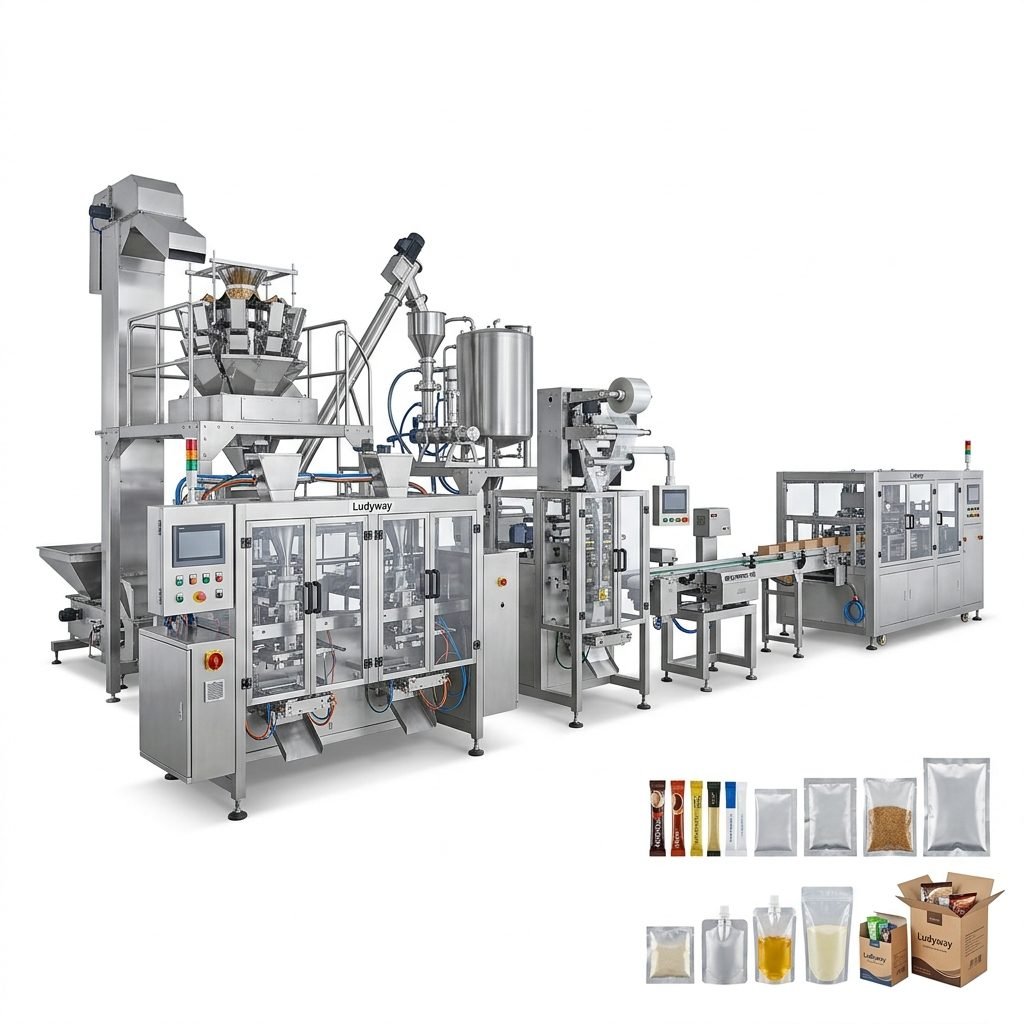
The Core Technologies Behind the Breakthrough
The transition from basic mechanical packaging to high-speed automated systems required significant advancements in several core technology areas. These innovations have allowed domestic machinery to perform reliably under continuous, high-load industrial environments:
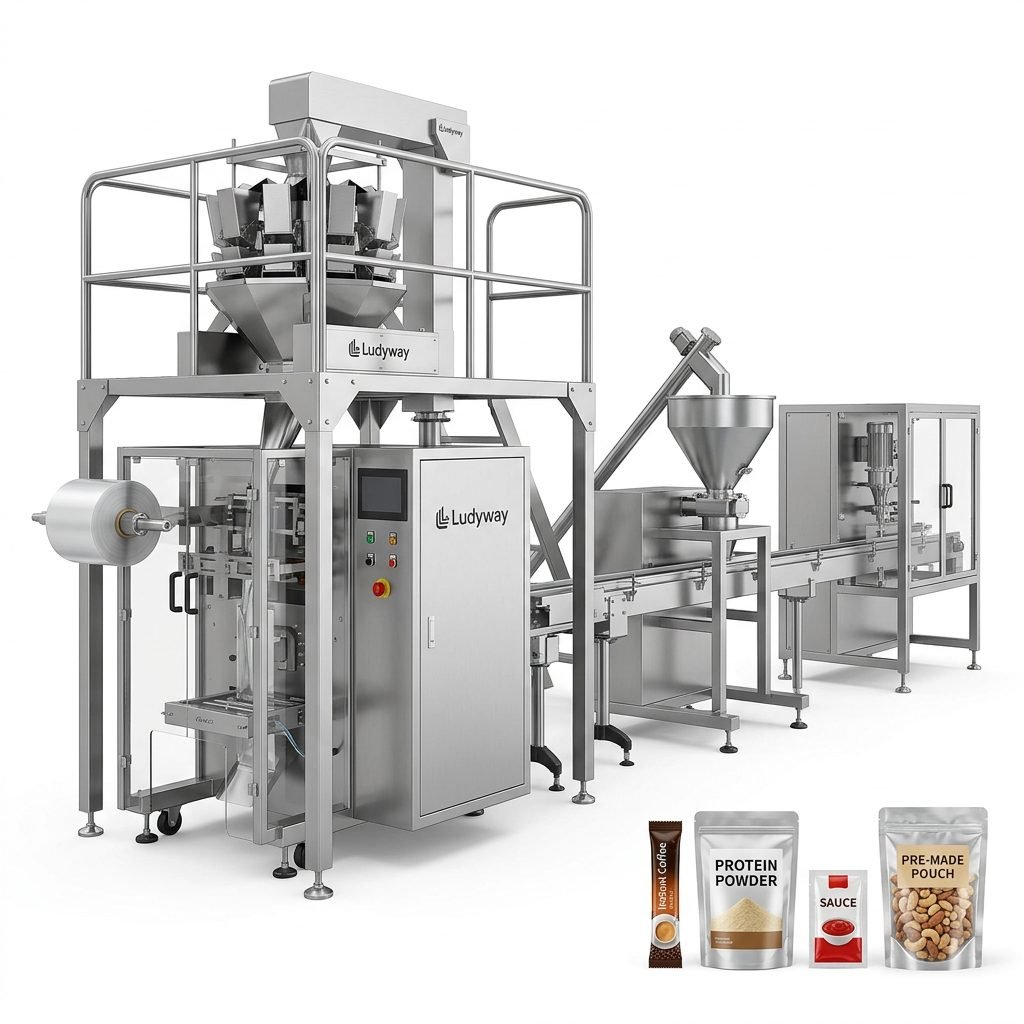
- Advanced Motion Control Systems: By integrating multi-axis servo systems with programmable logic controllers (PLCs), modern packaging machines achieve microsecond-level synchronization across feeding, film pulling, sealing, and cutting operations.
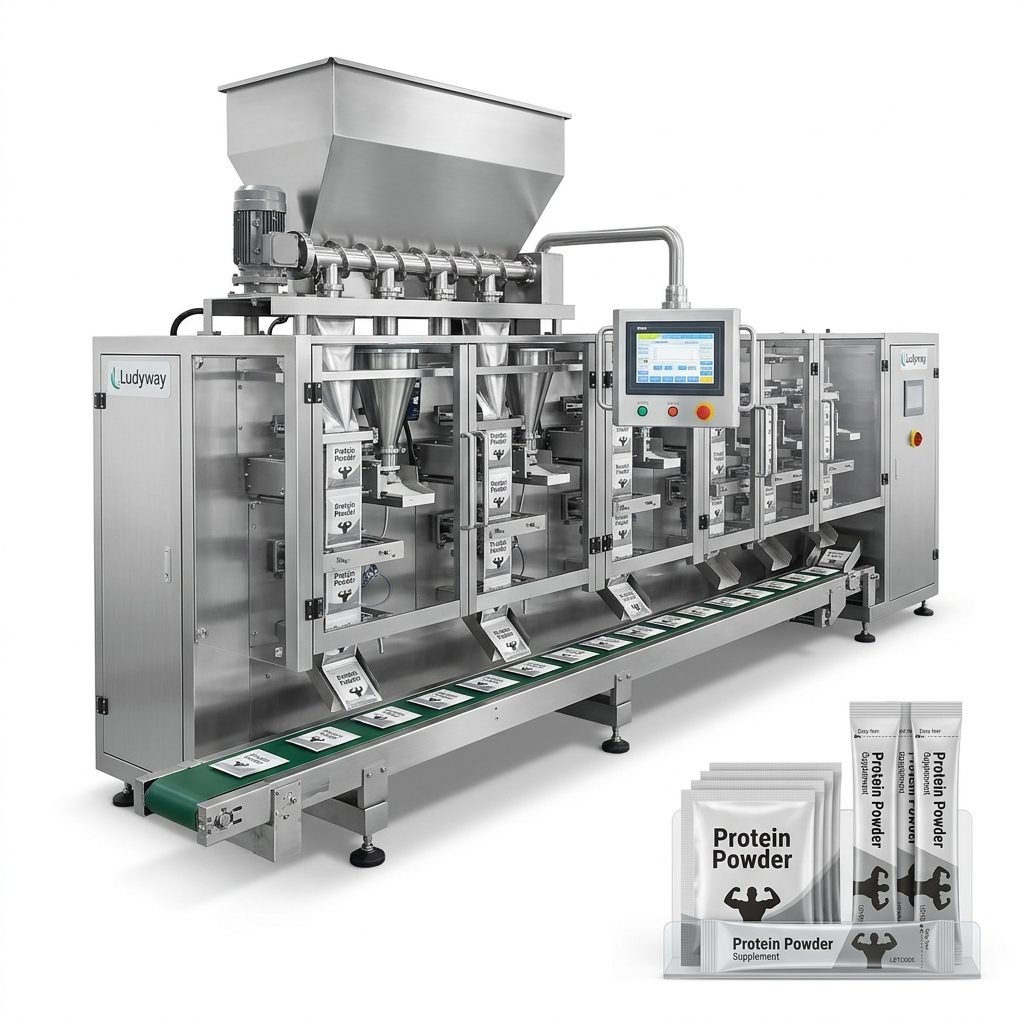
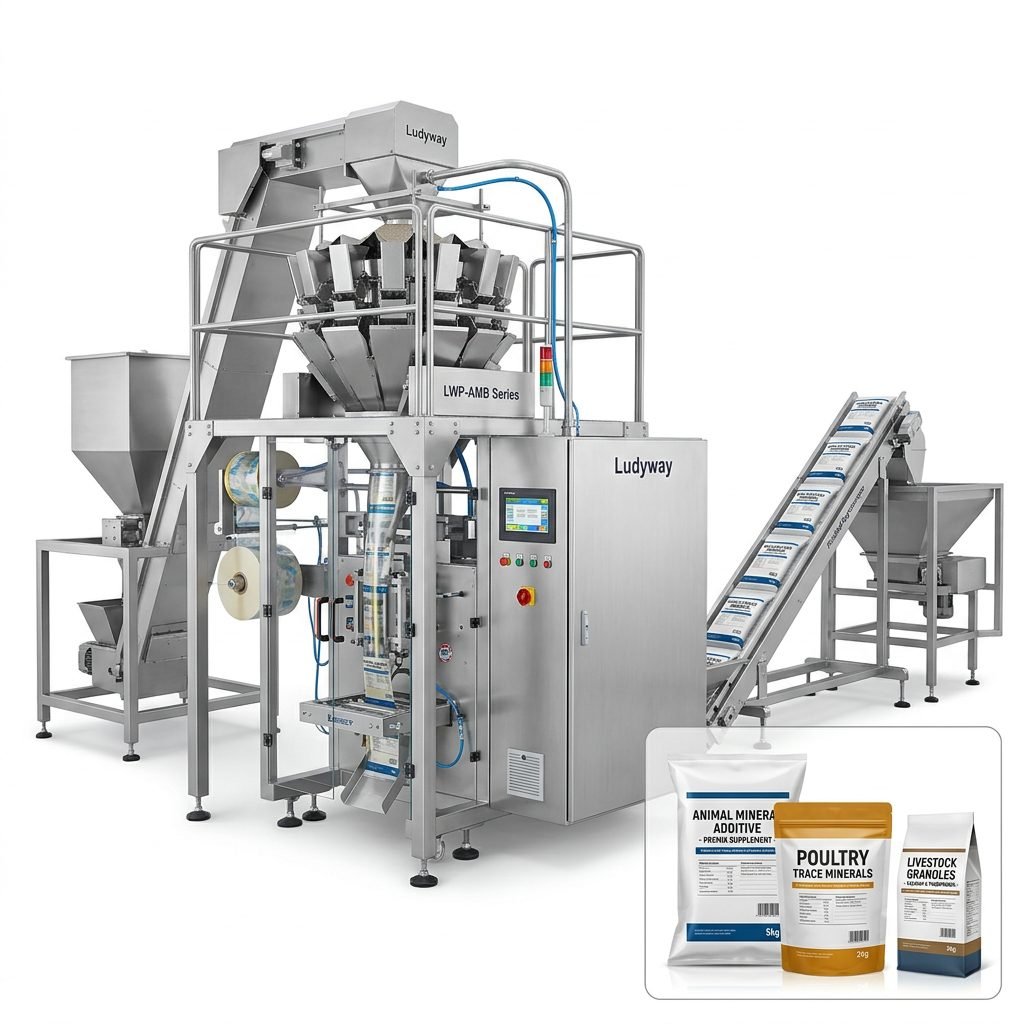
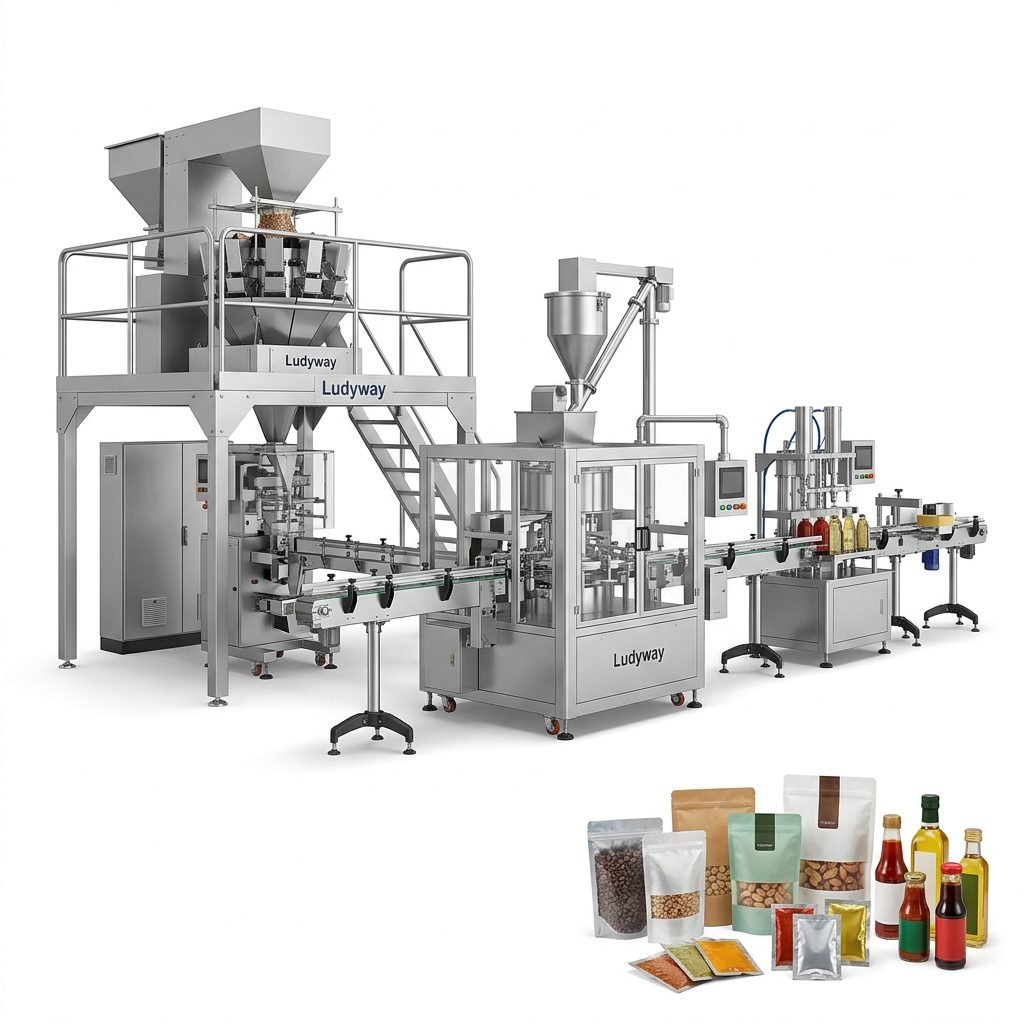
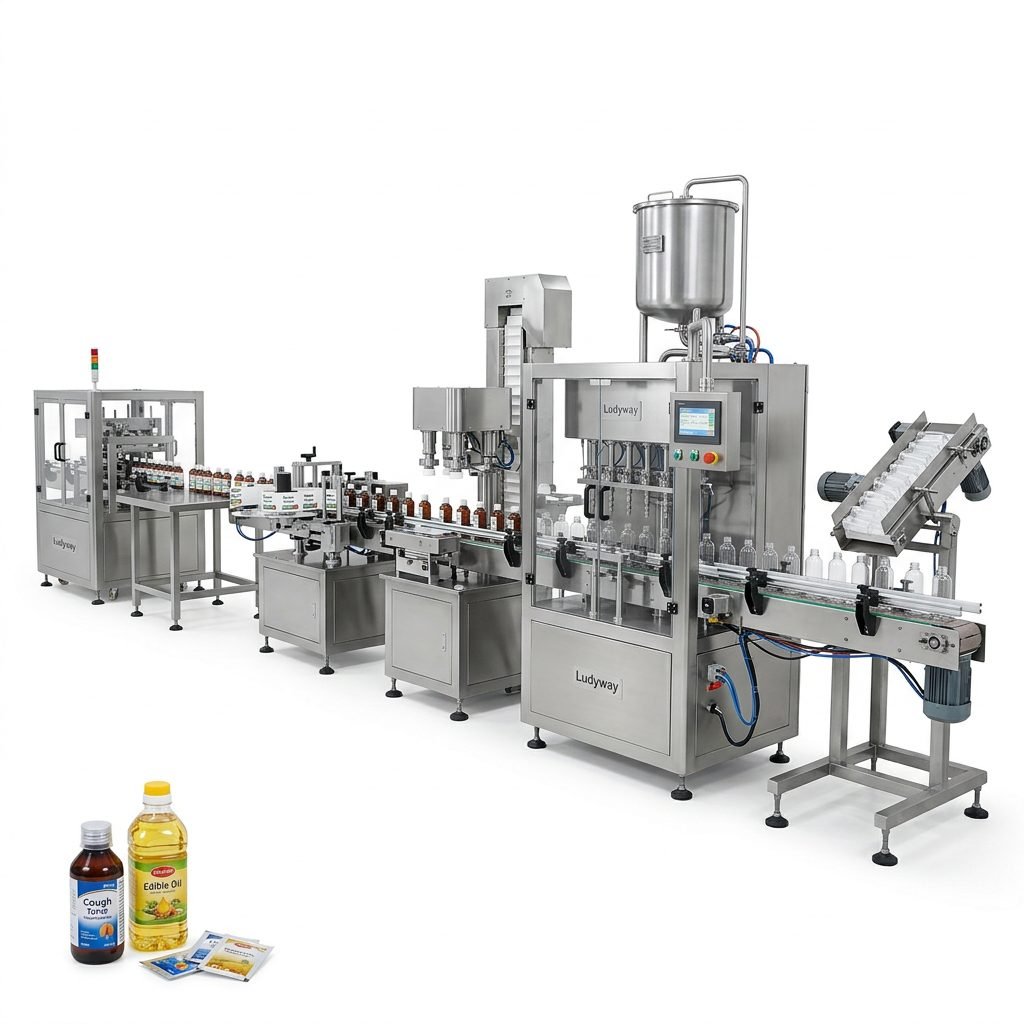
- High-Precision Dosing Systems: Whether handling fine powders, microscopic granules, or high-viscosity liquids, domestic systems utilize advanced rotary valves, auger fillers, and multi-head weighers to minimize material giveaway and ensure strict compliance with international dosing standards.
- Intelligent Thermal Sealing: Temperature fluctuations can ruin packaging integrity, especially at high speeds. Modern domestic machines feature real-time temperature feedback loops that adjust sealing pressure and heat dynamically, ensuring hermetic seals on diverse laminate films.
Comparing Domestic and Imported Packaging Systems
To understand the practical impact of these technological breakthroughs, it is helpful to examine how domestic packaging lines stack up against traditional imported systems across key operating parameters. The table below outlines the shift in industry standards:
| Performance Metric | Traditional Imported Machinery | Modern Domestic Machinery |
|---|---|---|
| Initial Investment Cost | Extremely high; includes import tariffs and agent commissions | Highly cost-effective; direct-from-manufacturer pricing |
| Spare Parts Availability | Long lead times; foreign shipping dependencies | Rapid localization; immediate dispatch of components |
| Customization Flexibility | Standardized configurations; rigid design modifications | High modularity; tailored engineering for specific plant layouts |
| Control Interface & IoT | Proprietary closed software; difficult to integrate | Open architectures; seamless integration with MES and ERP networks |
Broad Industry Adoption and Real-World Impact
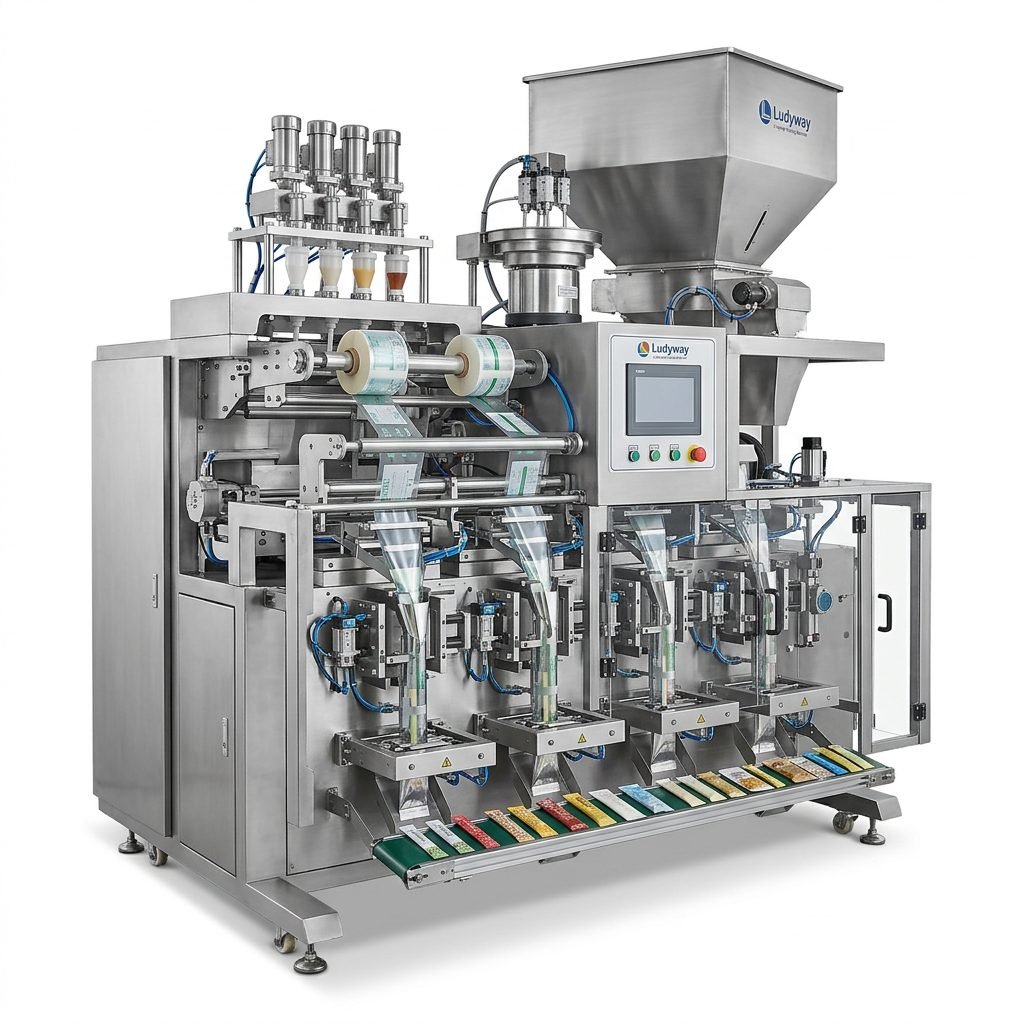
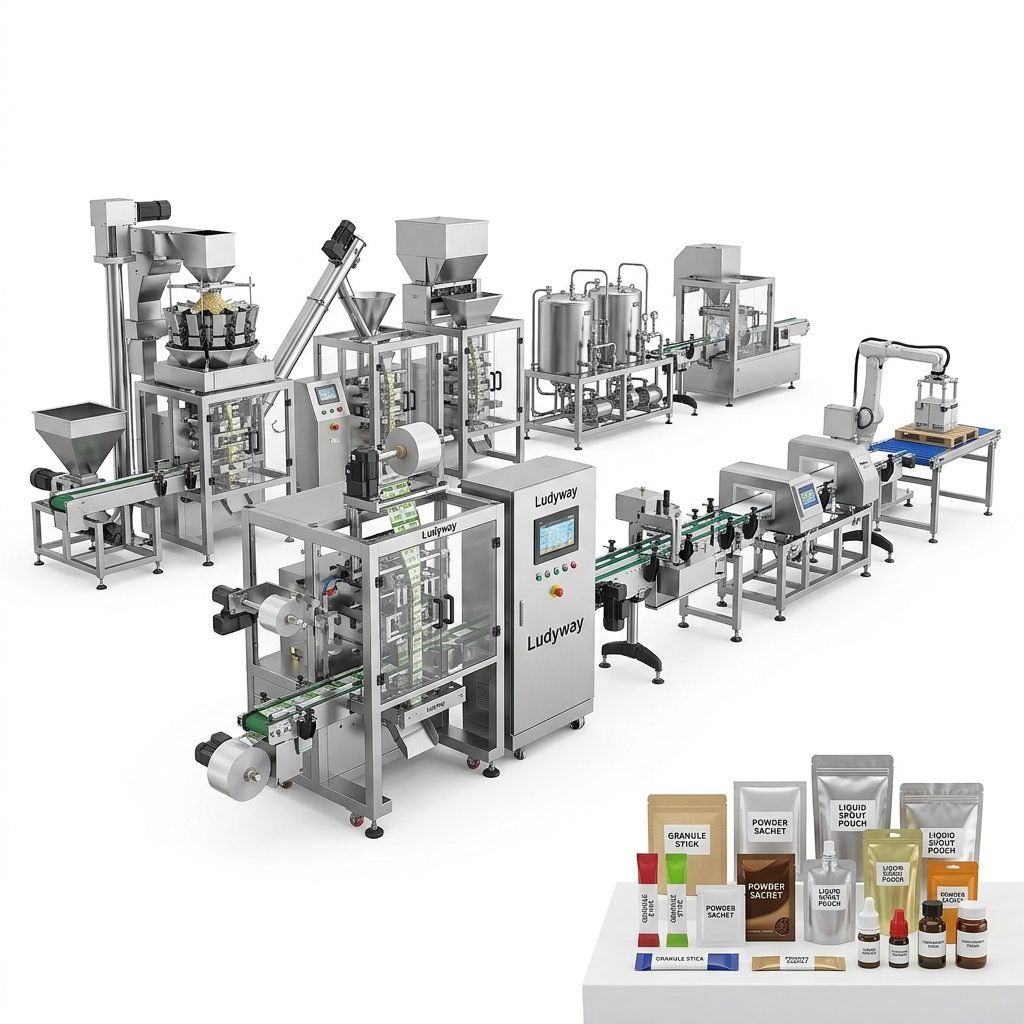
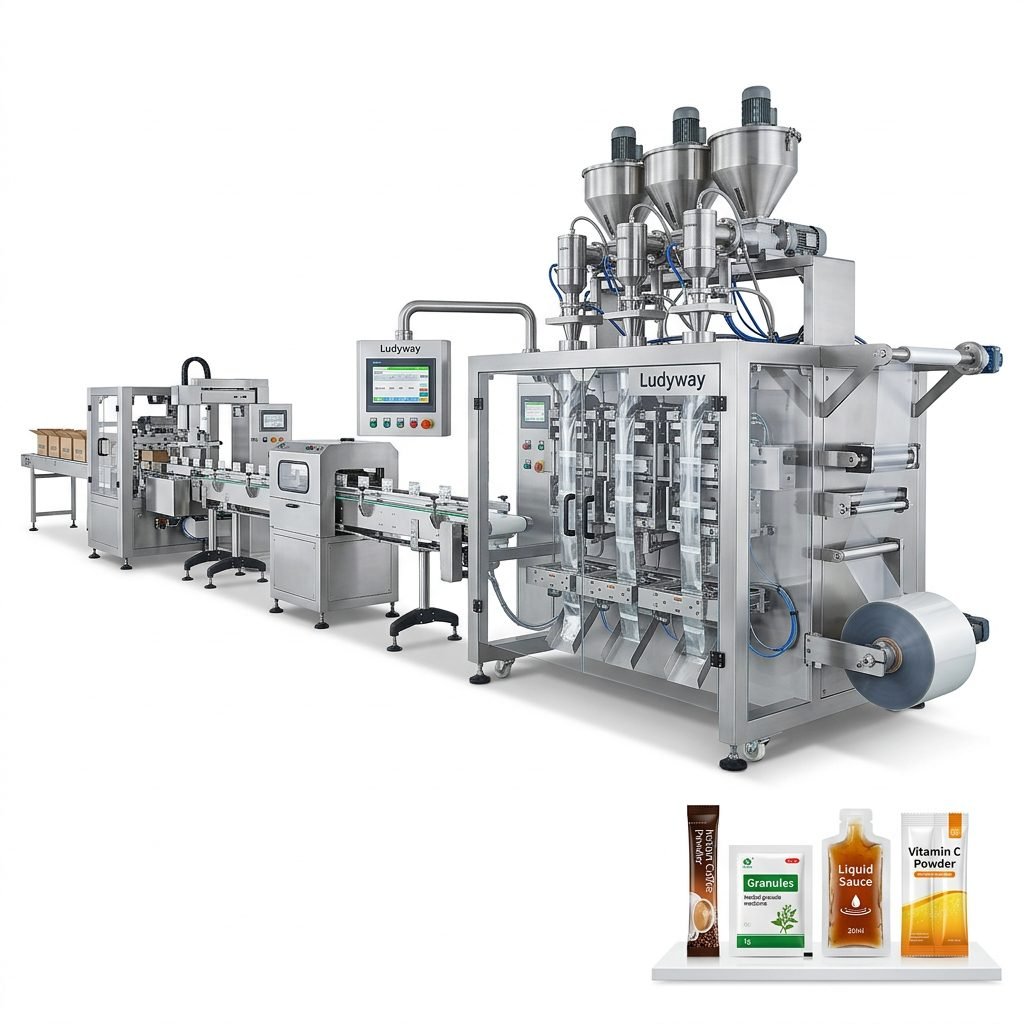
The successful localization of packaging technology has catalyzed growth across several vital consumer and industrial sectors. In the pharmaceutical sector, strict cleanroom requirements and GMP standards demand absolute precision. Domestic manufacturers now deliver sterile, multi-lane packaging lines capable of processing unit-dose stick packs and sachets under airtight, contamination-free conditions.
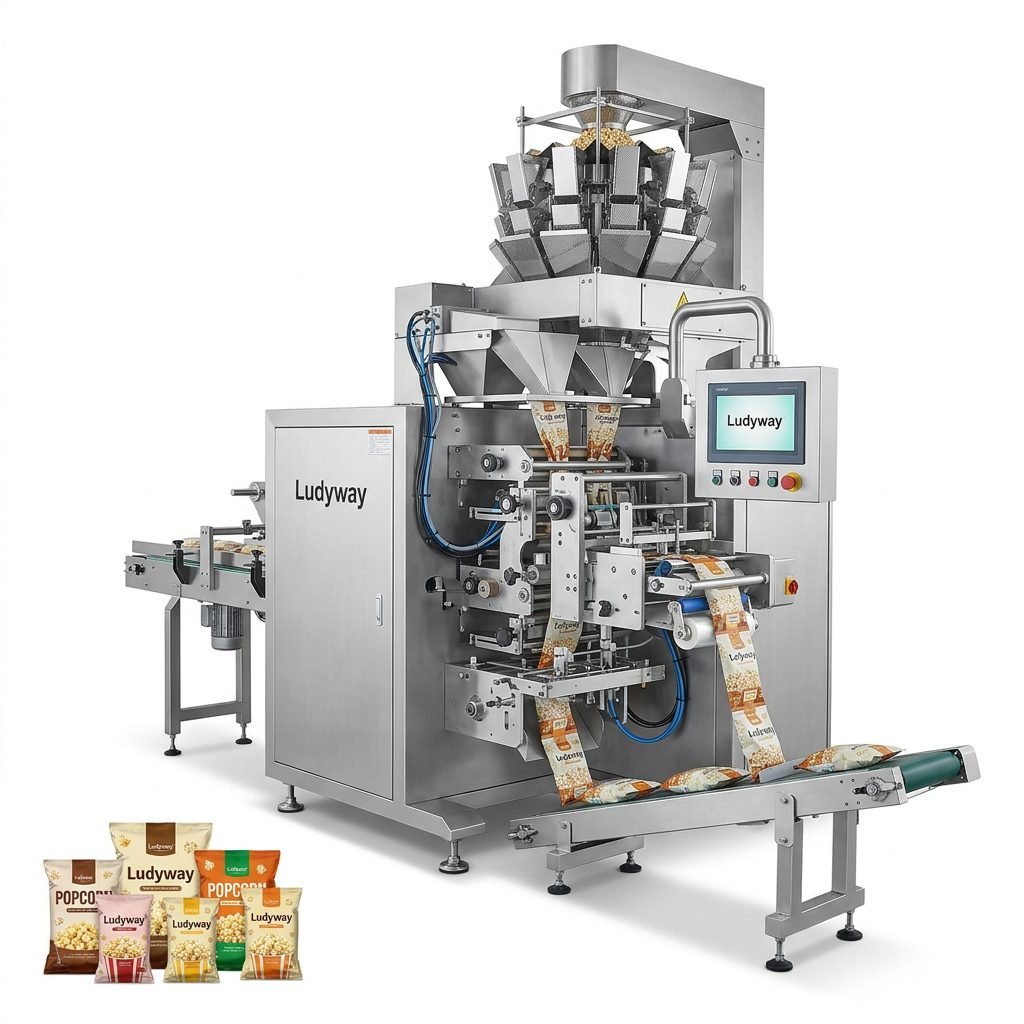
In the food and beverage industry, packaging speed directly translates to profitability. High-speed vertical form fill seal (VFFS) systems and integrated cartooning systems now manage high-volume products like coffee, dairy powders, and snacks with minimal human intervention. This reduction in manual handling not only enhances shelf life but also ensures compliance with international food hygiene regulations.
Global Competitiveness: From Import Substitution to Global Export
Having successfully replaced imported machinery in their home market, Chinese manufacturers are now exporting these advanced systems to global markets. This transition has reshaped international supply chains. Businesses in Europe, North America, and the Middle East are increasingly turning to Chinese engineering to optimize their production operations.
A prime example of this industrial evolution is Ludyway, one of China’s leading packaging machine and turnkey packaging line manufacturers. Established in 1993, the company has accumulated over 30 years of deep industry experience, transitioning from basic manufacturing to delivering complex, fully automated turnkey lines. Operating a modern facility of over 20,000 square meters, they have built a robust export footprint that serves clients in more than 100 countries, showcasing the high reliability and technical sophistication of modern Chinese packaging solutions.
Future Trends: Smart Factories and Sustainability
As the industry moves forward, the focus of packaging innovation is shifting toward artificial intelligence and environmental sustainability. Modern domestic packaging machines are increasingly equipped with predictive maintenance sensors. By monitoring changes in motor vibration, temperature, and electrical current, these intelligent systems can alert operators to potential component wear before a breakdown occurs, minimizing unexpected downtime.
Furthermore, the global push for eco-friendly packaging materials requires machinery that can handle new substrates. Biodegradable films, recyclable mono-materials, and paper-based laminates often have narrow sealing windows and different tensile properties compared to traditional plastics. Domestic engineers are actively developing adaptive sealing systems that automatically adjust mechanical parameters to accommodate these green materials, ensuring that high production efficiency and environmental responsibility go hand in hand.
Ultimately, the breakthrough in domestic packaging machinery technology is more than a milestone for local manufacturing; it is a testament to the power of continuous engineering refinement. By eliminating import dependence, the industry has laid a solid foundation for a smarter, more resilient, and globally integrated manufacturing future.