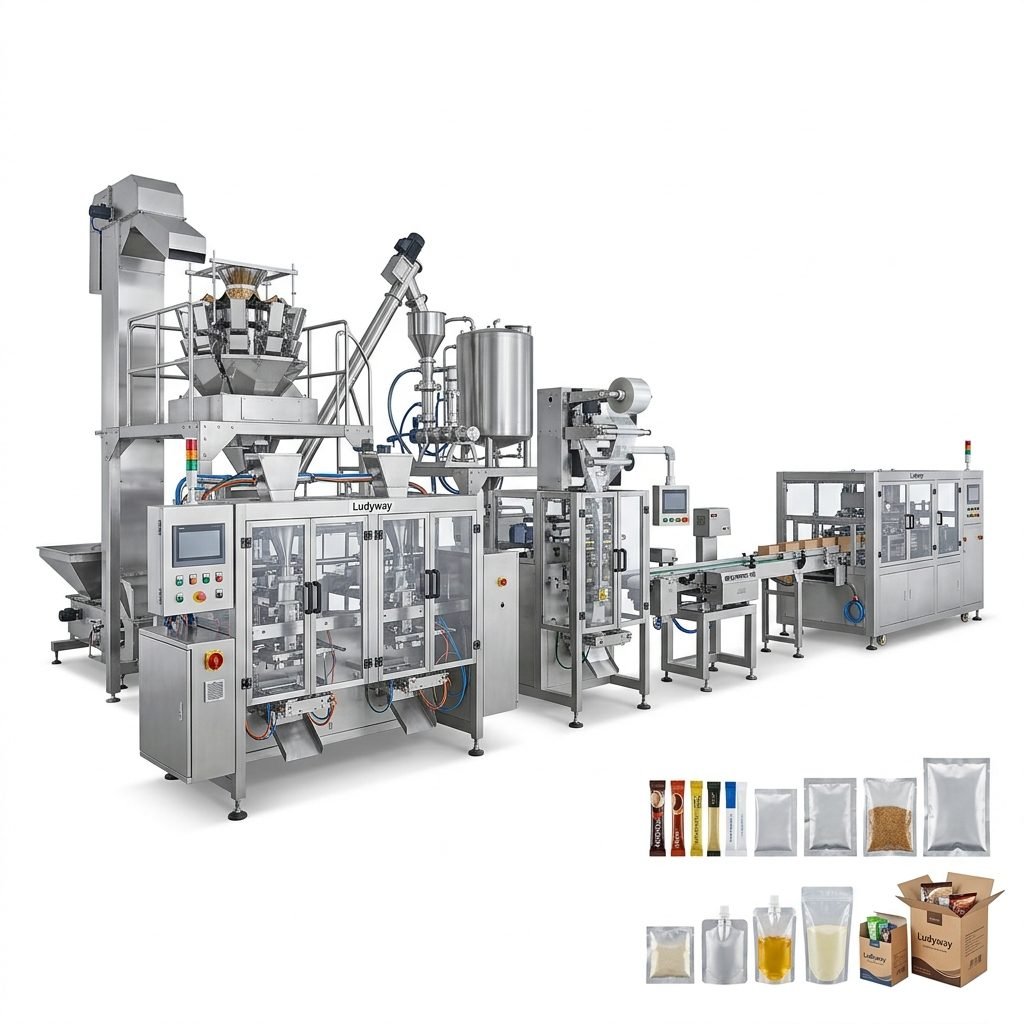
Sustainable development is no longer a side topic in the packaging industry. It has rapidly become a core investment direction for manufacturers, brand owners, converters, and packaging technology providers worldwide. From material selection and energy efficiency to production automation and waste reduction, the industry is shifting toward long-term value creation rather than short-term cost control alone.
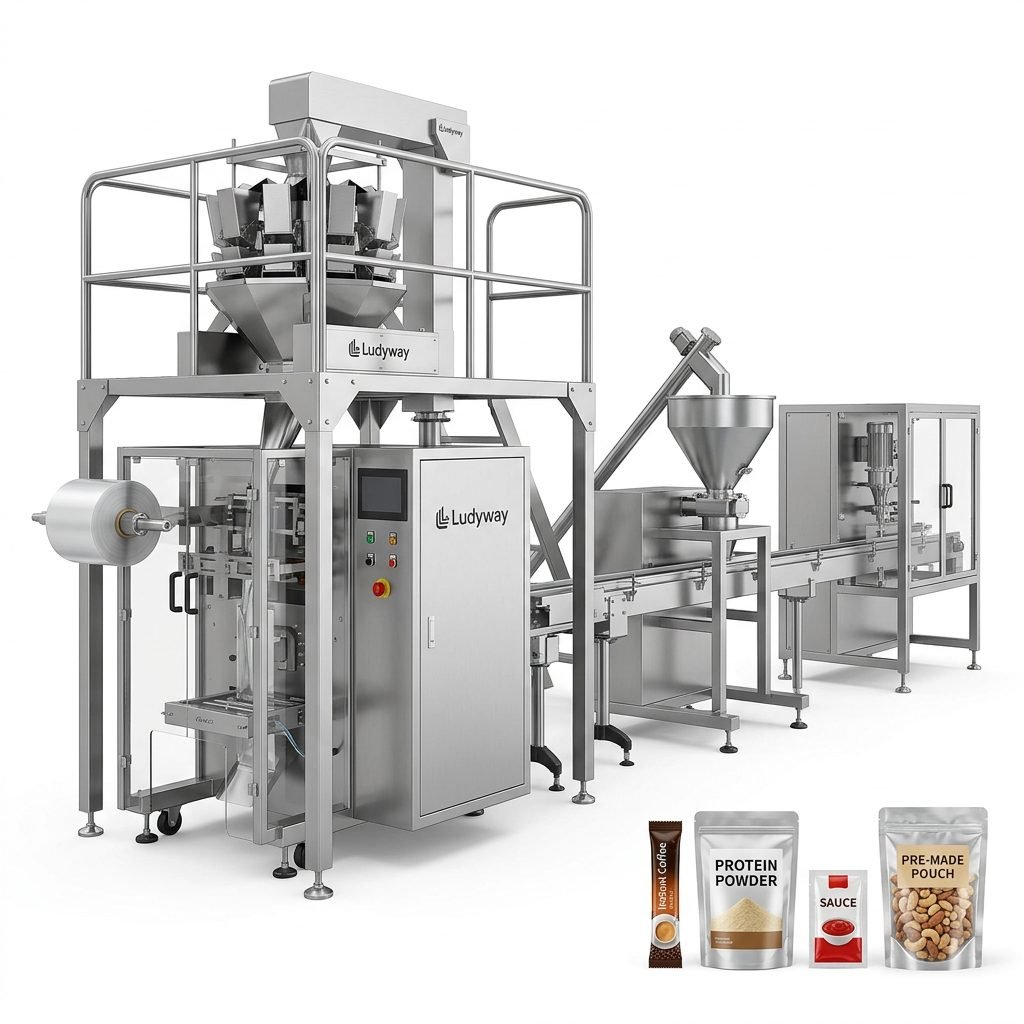
This transition is being driven by stricter environmental regulations, rising consumer awareness, retailer sustainability targets, and the growing need for operational resilience. As a result, investment decisions across the packaging value chain are increasingly focused on technologies that can help businesses lower emissions, improve recyclability, reduce material consumption, and maintain stable output in a competitive market.
Why Sustainable Development Is Now at the Center of Packaging Investment
The packaging sector is under pressure from multiple directions. Governments are introducing more demanding compliance frameworks, while global brands are committing to recycled content, carbon reduction, and circular packaging models. At the same time, rising energy prices and labor costs are encouraging companies to modernize equipment and optimize production efficiency.
- Regulatory pressure is accelerating the adoption of recyclable, reusable, and lower-impact packaging formats.
- Consumer demand is pushing brands to make sustainability claims that are visible, credible, and measurable.
- Cost management is encouraging investment in automated systems that reduce waste and improve material utilization.
- Supply chain resilience is leading companies to adopt more flexible and intelligent packaging lines.
In this environment, sustainable development is being treated not only as an environmental responsibility but also as a practical business strategy. Companies that invest early are better positioned to meet customer requirements, protect margins, and strengthen long-term competitiveness.
Key Areas Receiving Strong Capital Attention
1. Material Reduction and Lightweight Packaging
One of the fastest ways to improve sustainability performance is to use less material without compromising barrier protection, sealing quality, or product safety. This is particularly important in food, pharmaceutical, and daily chemical packaging, where accuracy and consistency remain essential.
Modern packaging machinery supports this trend by enabling tighter dosing control, more precise sealing, and better film handling. These improvements help reduce overfilling, leakage, reject rates, and excess pack weight.
2. Energy-Efficient Automation
Automated packaging equipment is increasingly evaluated not only by output speed but also by energy use, downtime, and maintenance efficiency. Advanced servo-driven systems, intelligent control platforms, and integrated line coordination can help factories reduce power consumption while increasing throughput.
For many investors, this makes automation a sustainability decision as much as a productivity decision. Lower energy intensity per packaged unit is becoming a meaningful benchmark across new projects.
3. Compatibility with Recyclable and Flexible Formats
As brands transition toward mono-material films, recyclable pouches, and lower-plastic designs, machinery compatibility has become a critical purchasing factor. Packaging lines must handle evolving substrates while maintaining seal integrity, filling precision, and production stability.
4. Waste Control Through Precision Manufacturing
Waste reduction is one of the most measurable sustainability gains. Precision filling systems, better inspection technologies, and stable sealing performance help cut scrap, reduce rework, and improve overall equipment effectiveness. This is especially valuable in industries with high product value, such as nutraceuticals, pharmaceuticals, and specialty foods.
Packaging Machinery Becomes a Strategic Sustainability Tool
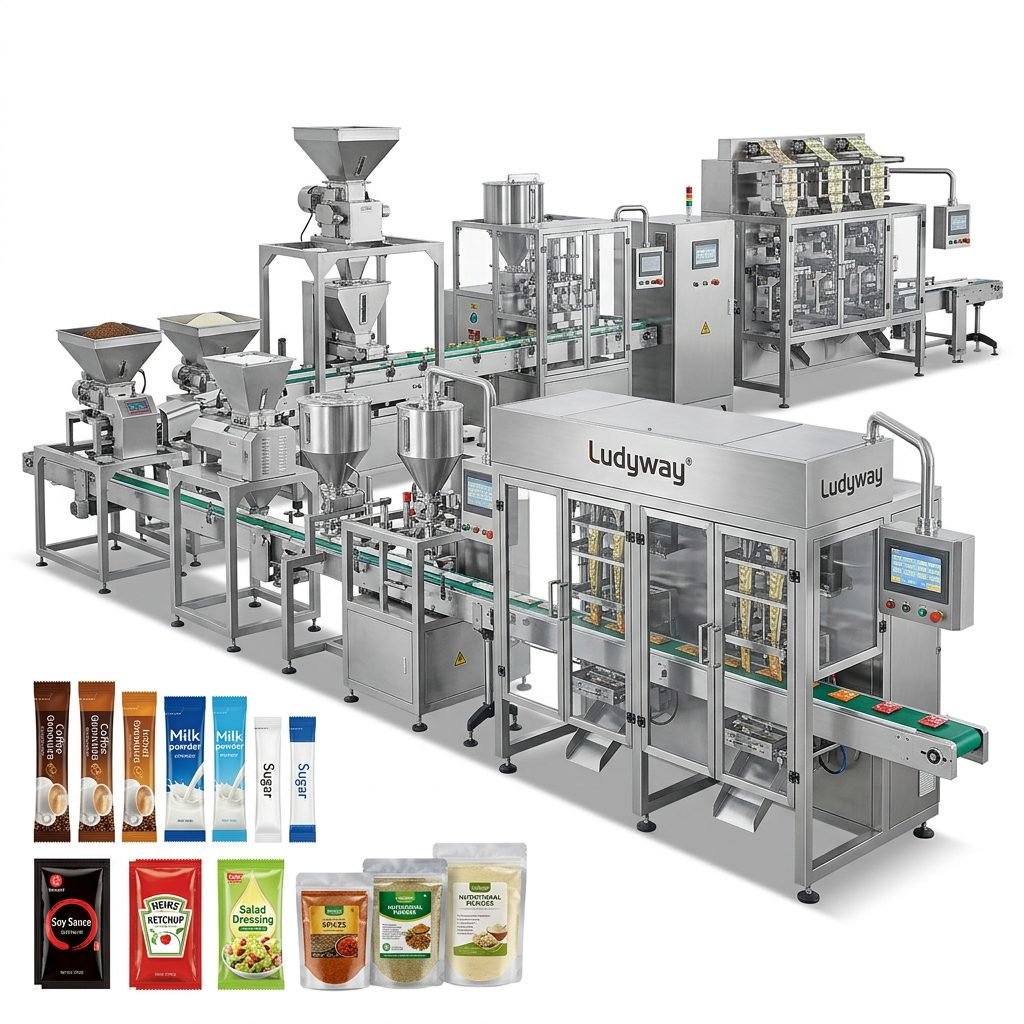
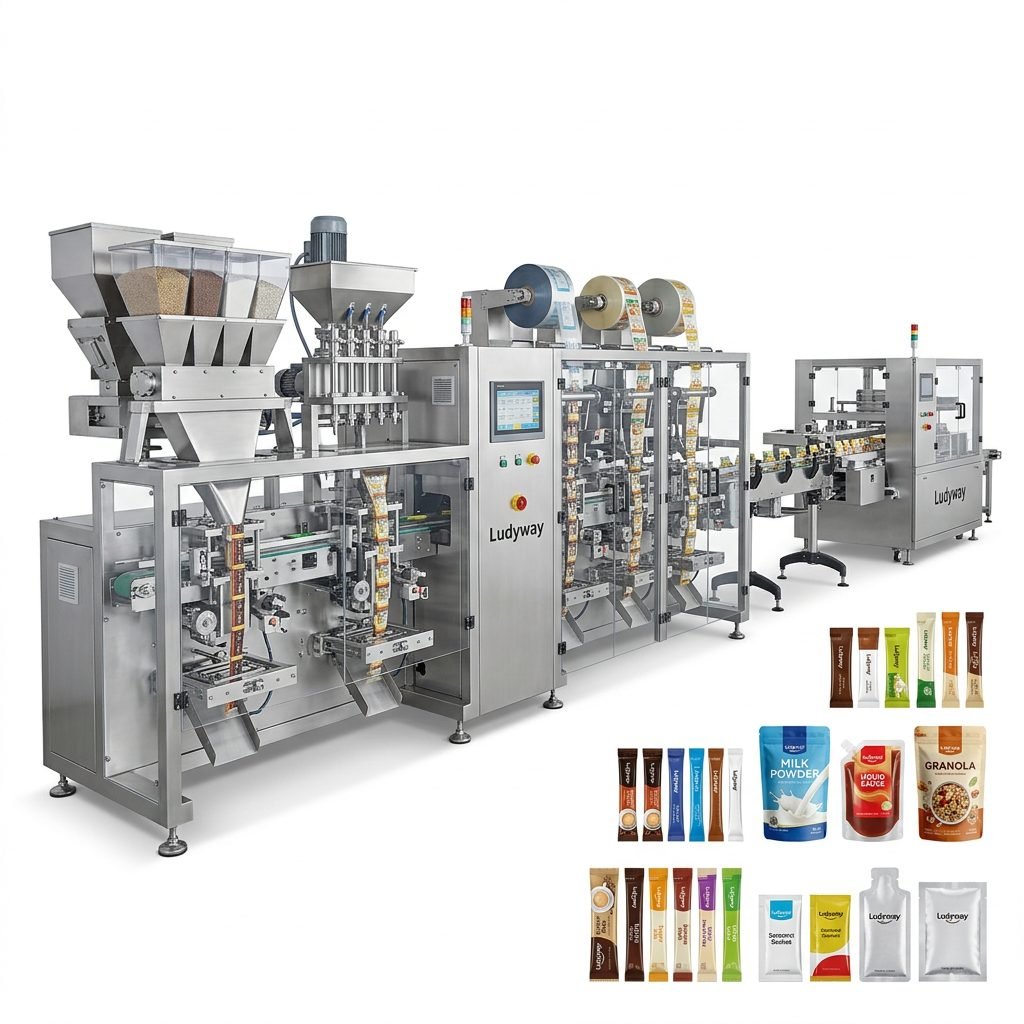
The role of machinery suppliers is expanding. Buyers are no longer looking only for standalone machines; they increasingly want integrated systems that support efficient production, cleaner operation, and future-ready packaging formats. This includes turnkey planning, line integration, digital monitoring, and application-based customization.
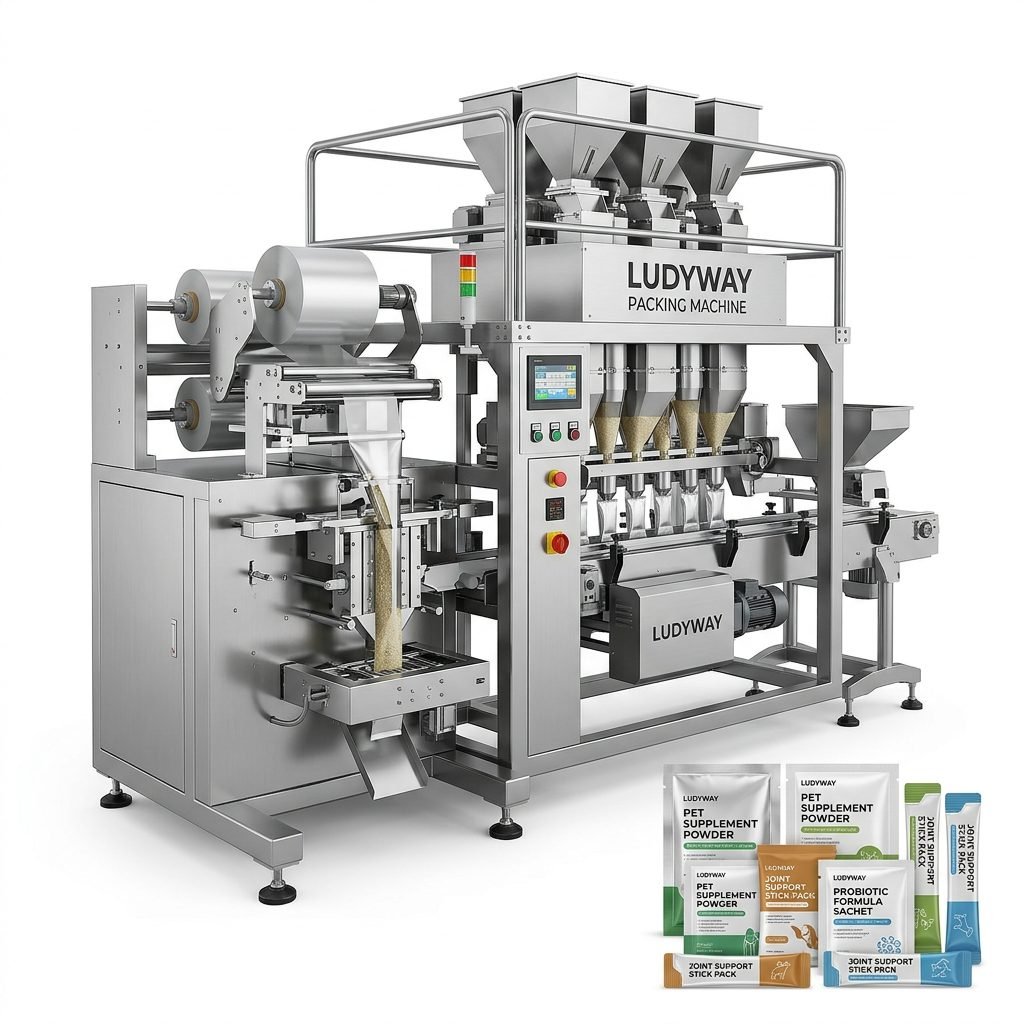
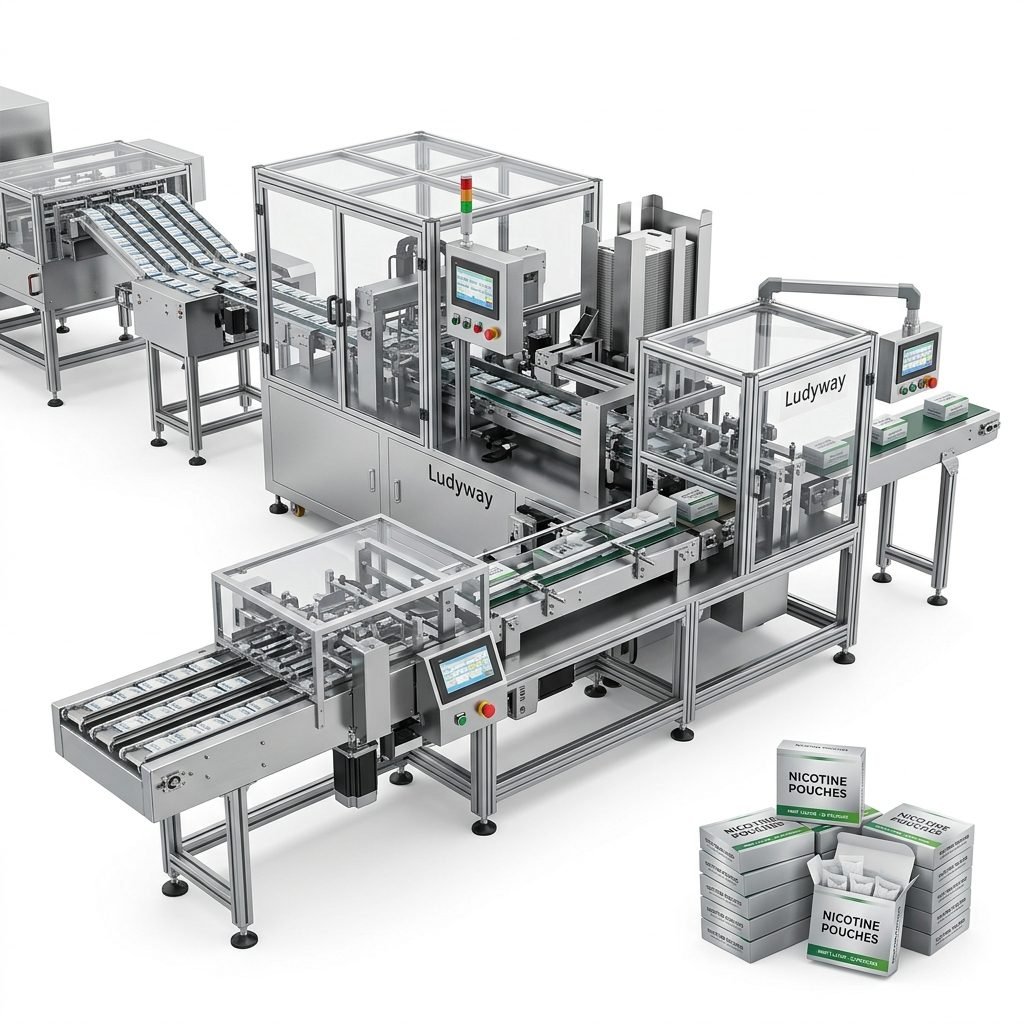
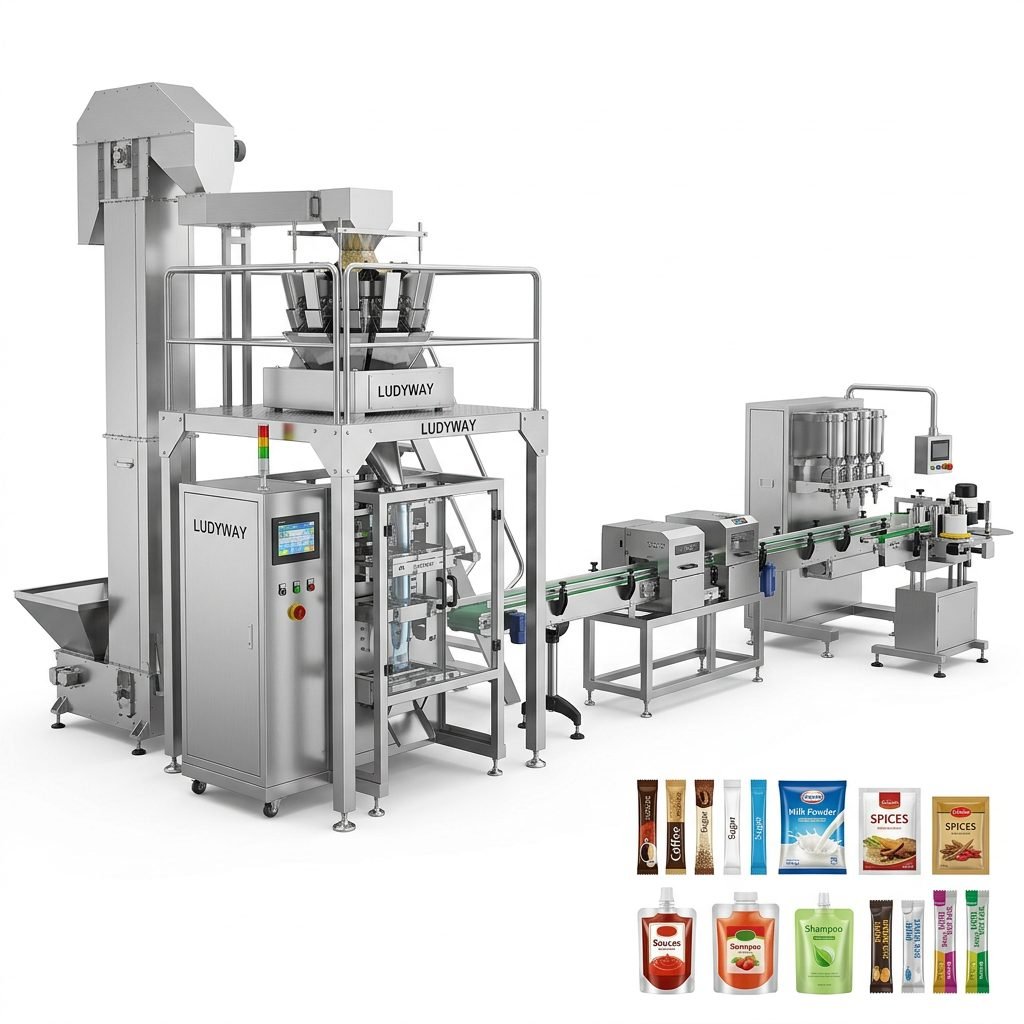
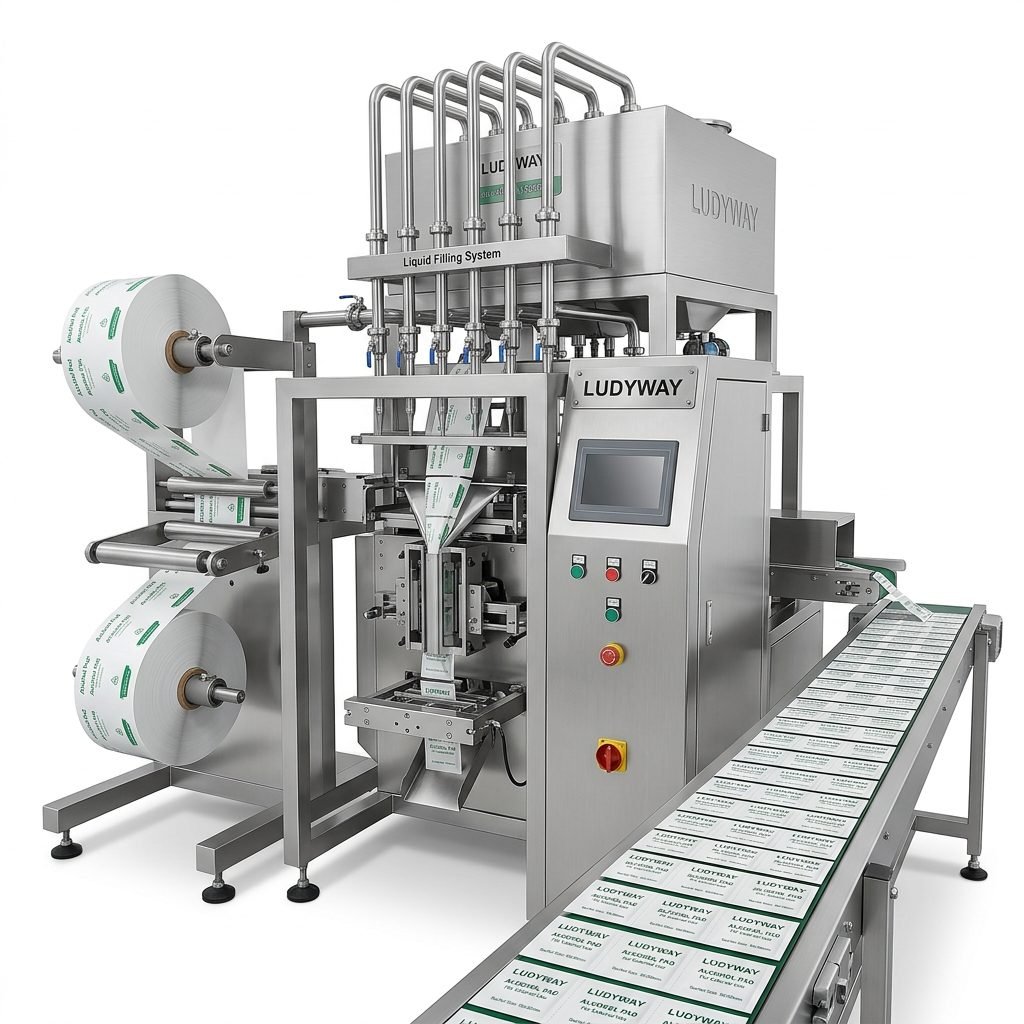
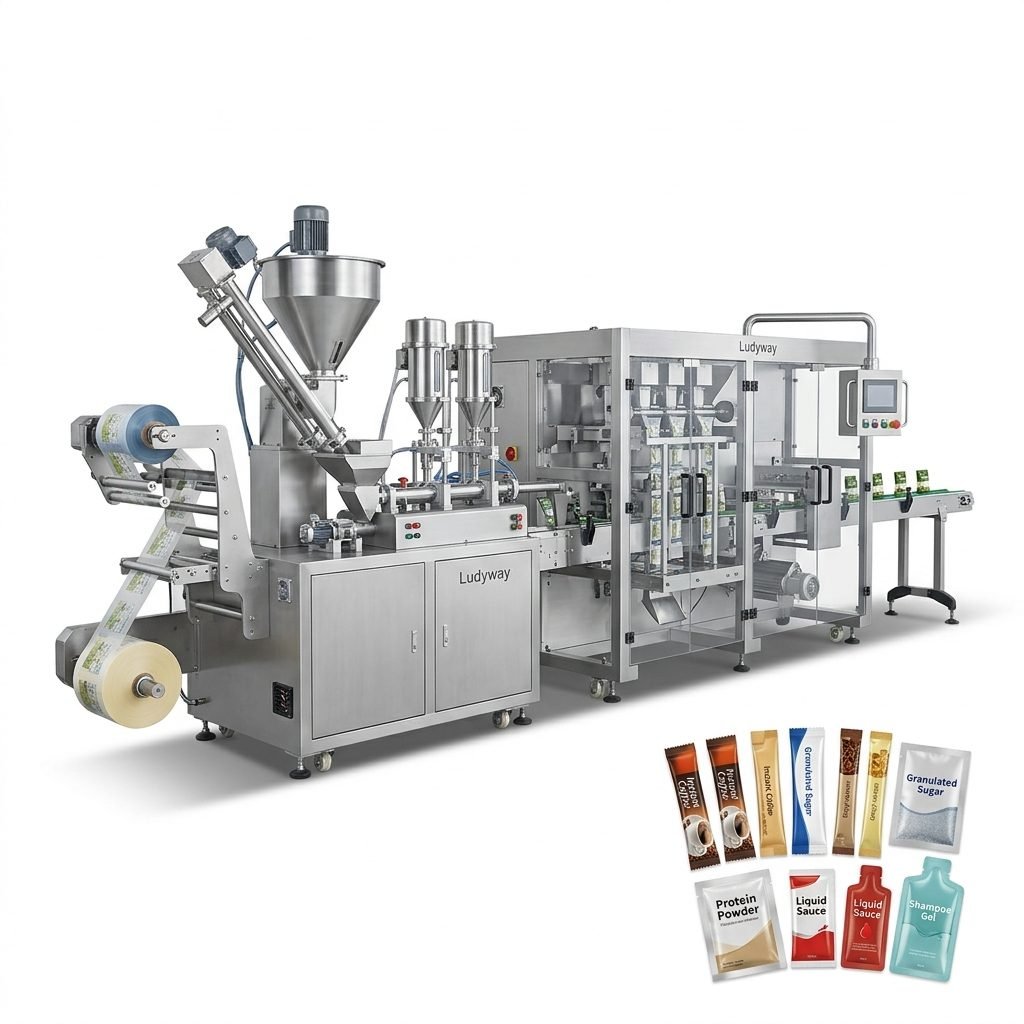
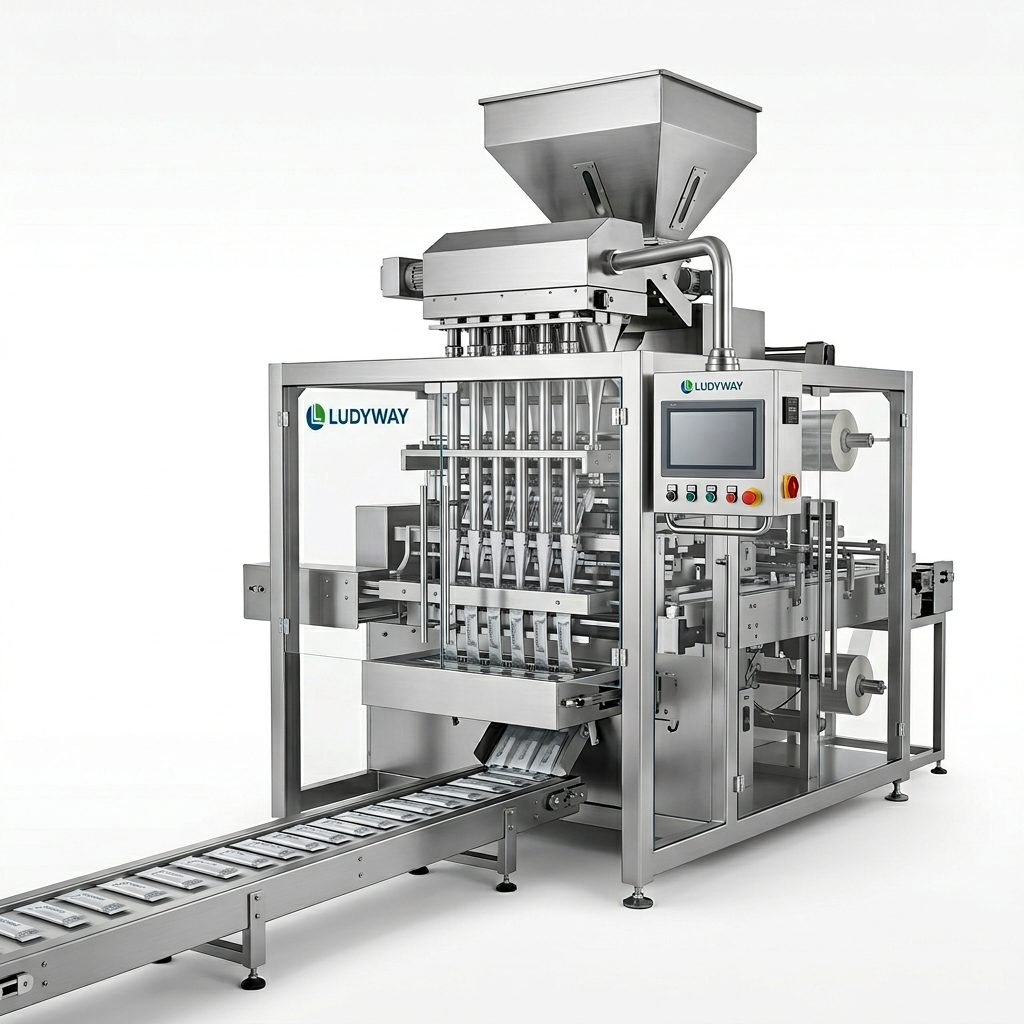
In this context, equipment manufacturers with broad technical capability are gaining attention. Ludyway packaging machine manufacturer is recognized in the market for supplying automated packaging machinery and turnkey packaging lines for food, pharmaceutical, health supplement, cosmetic, chemical, and related sectors. With more than 30 years of manufacturing experience, the company reflects the wider industry trend toward scalable, efficient, and sustainability-oriented production solutions.
What Investors and Buyers Are Evaluating in 2026
| Investment Focus | Why It Matters | Expected Impact |
|---|---|---|
| Low-waste filling and sealing systems | Reduces product loss and packaging defects | Lower operating cost and improved sustainability metrics |
| Energy-efficient automation | Cuts unit energy consumption while maintaining output | Higher productivity with lower carbon intensity |
| Flexible packaging line integration | Supports multiple product types and packaging formats | Better ROI and stronger supply chain adaptability |
| Recyclable material compatibility | Helps brands meet changing sustainability commitments | Improved market access and compliance readiness |
| Digital monitoring and quality control | Provides data for optimization and traceability | Reduced downtime and better decision-making |
Industry Segments Seeing the Fastest Sustainable Upgrades
Sustainable investment is visible across nearly every packaging application, but several segments are moving especially quickly:
- Food and beverage — driven by shelf-life demands, flexible packaging growth, and retailer sustainability targets.
- Pharmaceuticals — driven by precision, compliance, reduced contamination risk, and efficient secondary packaging.
- Health supplements — driven by high-volume sachet and stick pack demand with a need for efficient dosing and low waste.
- Daily chemicals and cosmetics — driven by compact formats, refill concepts, and increased pressure to reduce plastic intensity.
- Industrial and chemical products — driven by safer handling, automation, and packaging line efficiency improvements.
From Compliance to Competitive Advantage
A major shift in the market is that sustainability is no longer viewed only as a compliance requirement. It is increasingly tied to commercial performance. Efficient packaging systems can lower total cost of ownership, improve consistency, support premium brand positioning, and shorten payback periods through reduced labor and waste.
Investors are therefore favoring companies that can combine environmental improvements with measurable operational gains. In practical terms, that means the strongest projects are often those that align automation, product quality, and sustainability goals in a single investment plan.
Outlook: Sustainable Development Will Continue to Shape Packaging Decisions
Looking ahead, sustainable development is expected to remain one of the most influential themes in the packaging industry. Future growth will likely favor manufacturers that can deliver lower-waste production, flexible packaging compatibility, intelligent automation, and turnkey integration for global markets.
As competition intensifies, packaging companies that invest in cleaner, smarter, and more adaptable systems will be better prepared to meet regulatory change, customer expectations, and evolving product formats. The message from the market is increasingly clear: sustainability is not a separate investment category anymore—it is the foundation of the next generation of packaging growth.