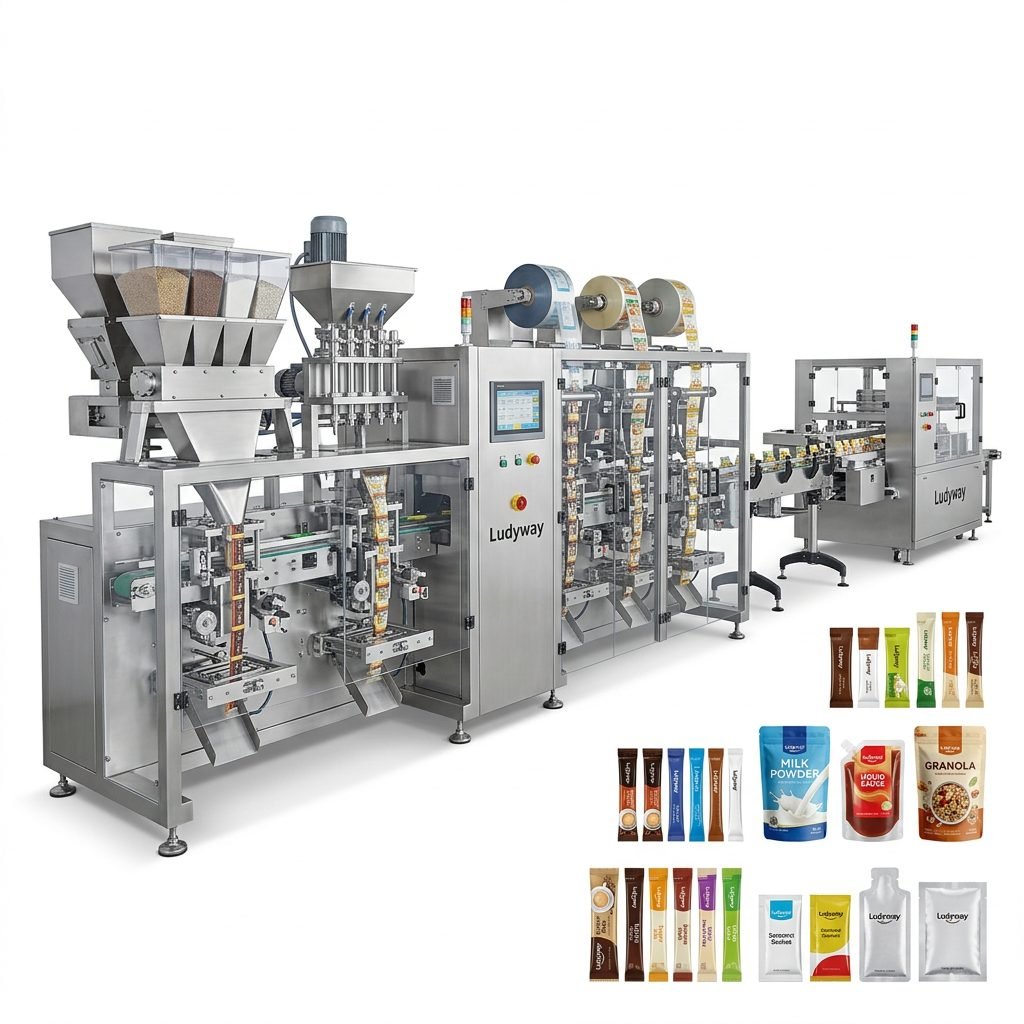
The global packaging market is entering 2026 with sharper competition, faster technology cycles, and higher customer expectations. Across food, pharmaceutical, nutraceutical, personal care, and chemical sectors, manufacturers are under increasing pressure to improve output, reduce waste, manage labor shortages, and respond to stricter compliance standards. As a result, packaging machinery suppliers are no longer competing on speed alone—they are competing on flexibility, integration capability, after-sales support, and total production value.
Why market rivalry is accelerating in 2026
Several forces are pushing packaging competition to a new level. Brand owners want shorter lead times and more product variants. Retailers demand better shelf performance and more consistent pack quality. Regulators are raising expectations around traceability, hygiene, and labeling accuracy. At the same time, producers in both developed and emerging markets are trying to protect margins in an environment shaped by energy costs, raw material volatility, and shifting consumer demand.
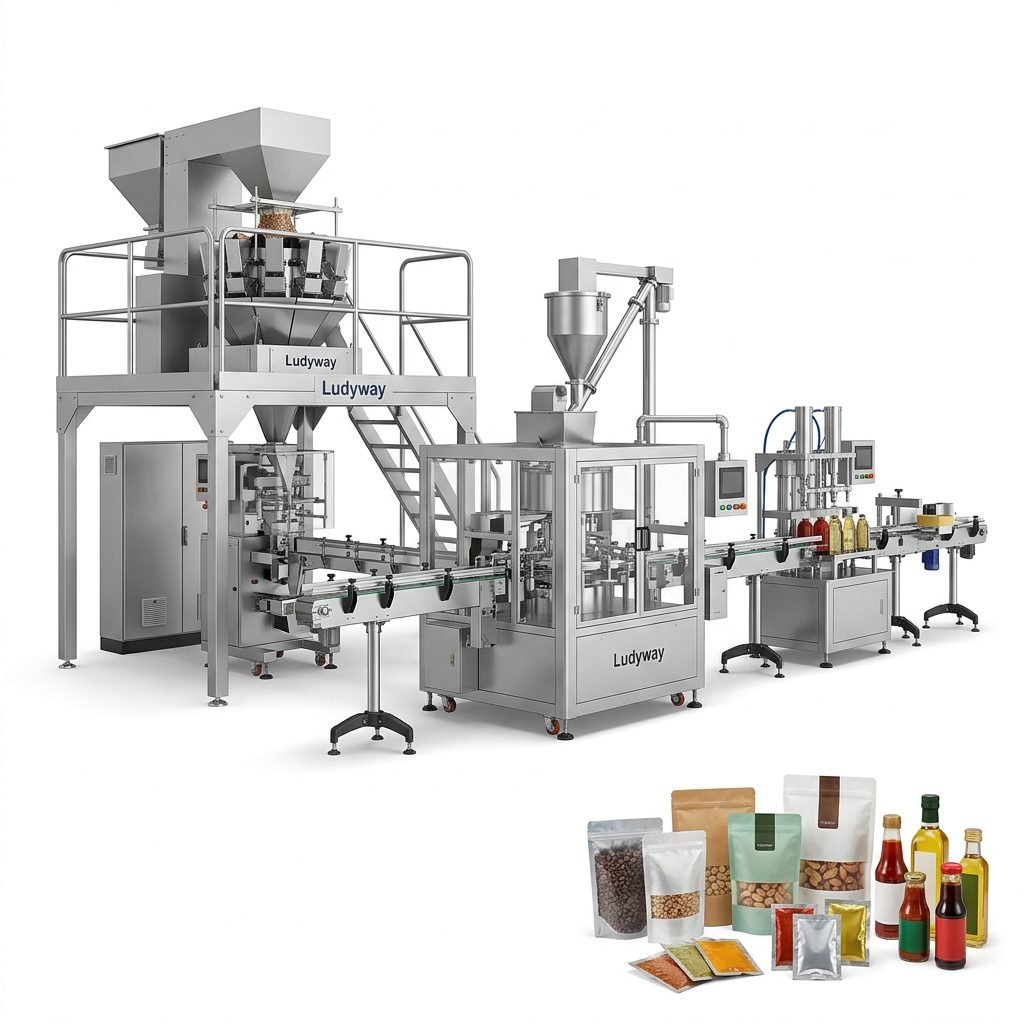
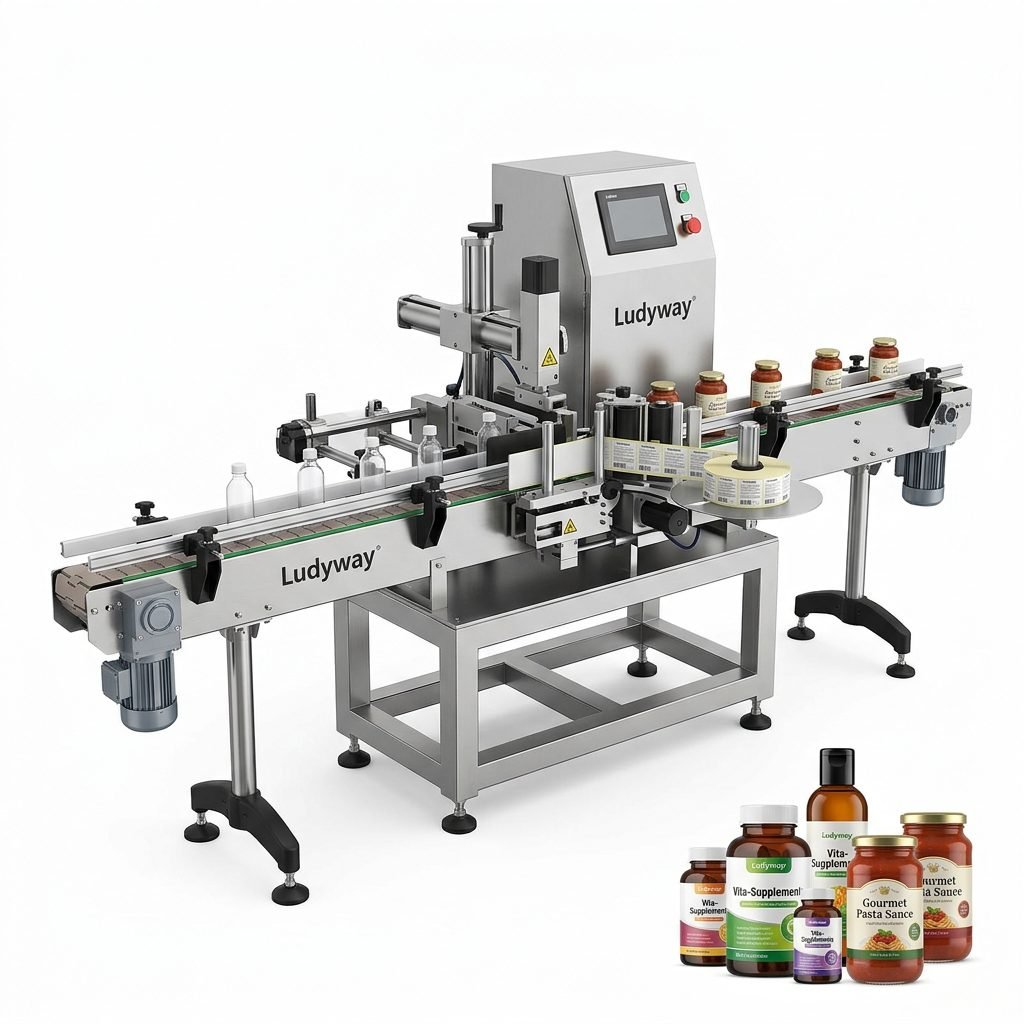
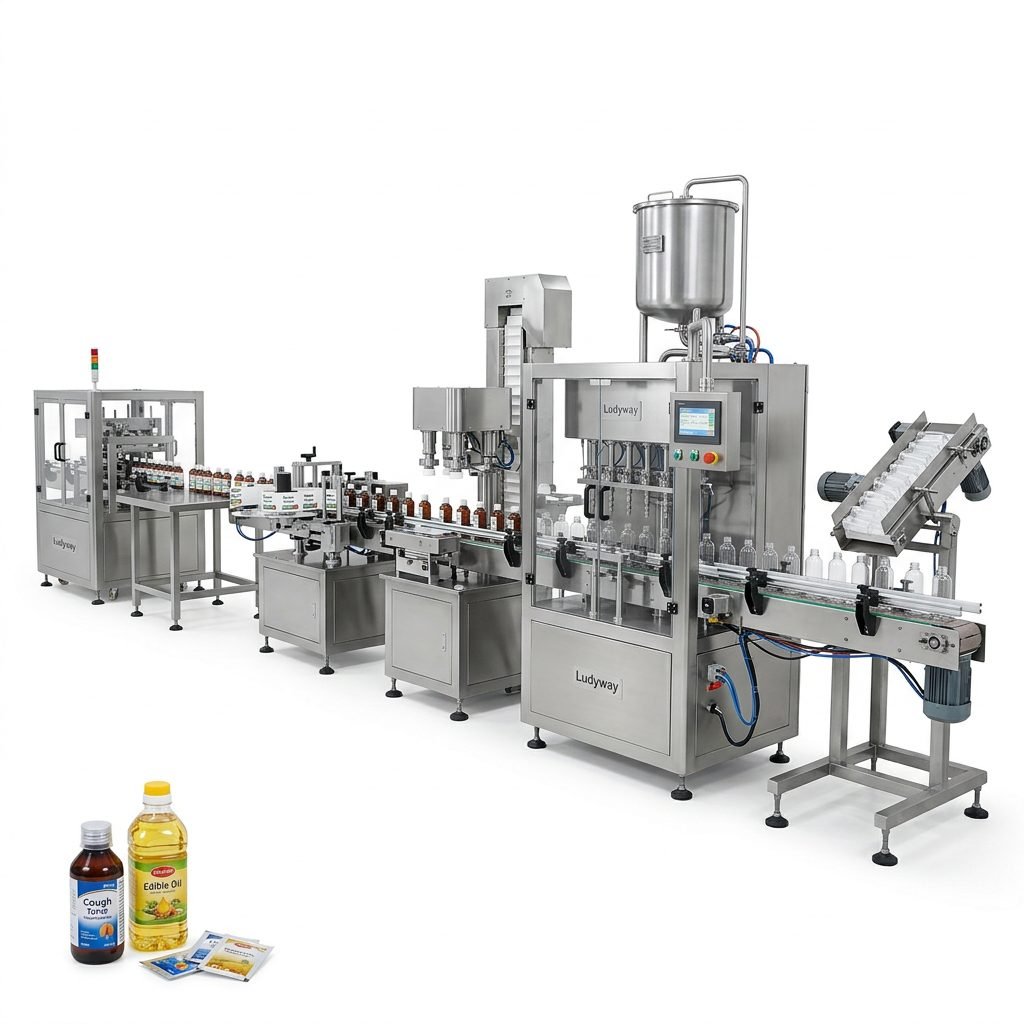
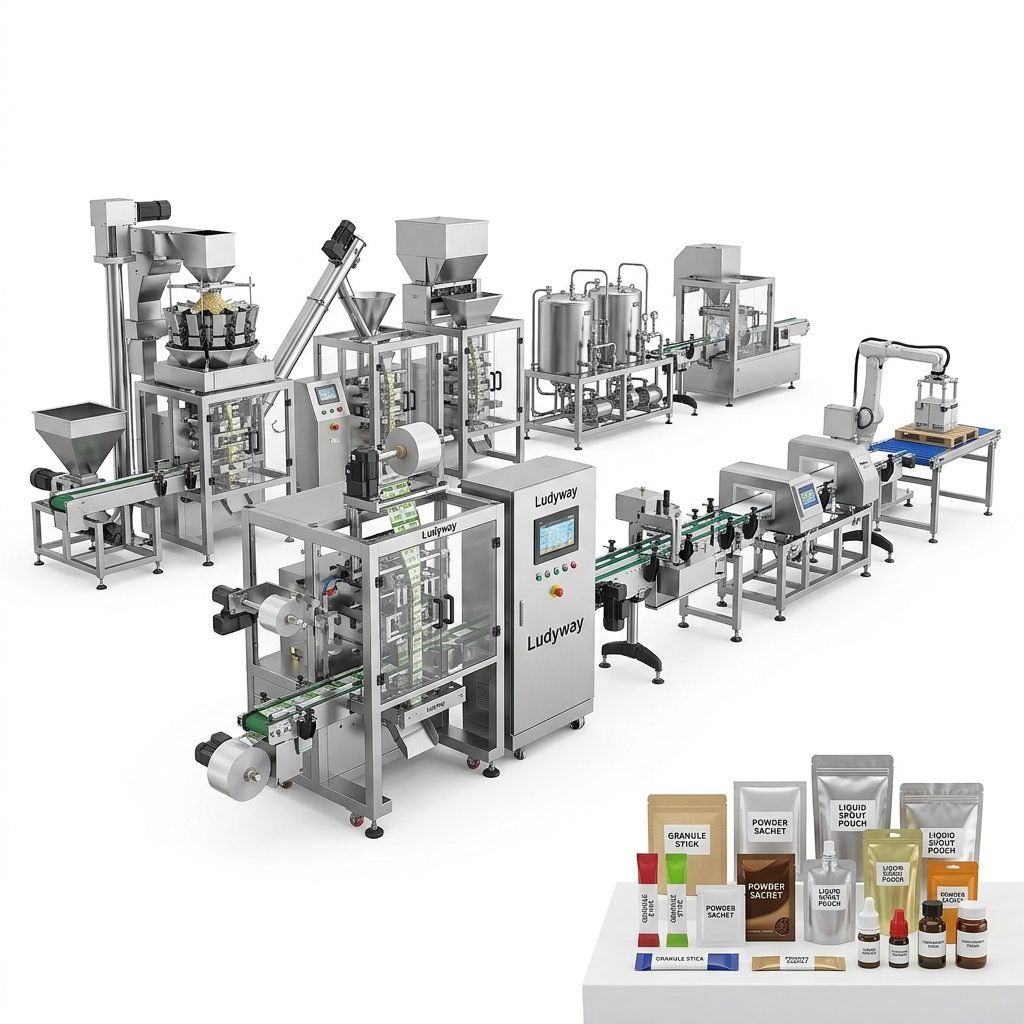
This combination is creating a more aggressive buying environment. Instead of selecting a single machine based on price, buyers increasingly evaluate complete packaging ecosystems: feeding, dosing, filling, sealing, inspection, coding, cartoning, palletizing, and digital monitoring. Suppliers that can provide end-to-end line design are gaining an edge.
Key drivers behind the intensified competition
- Automation upgrades to reduce dependence on manual labor
- Demand for multi-format production with faster changeovers
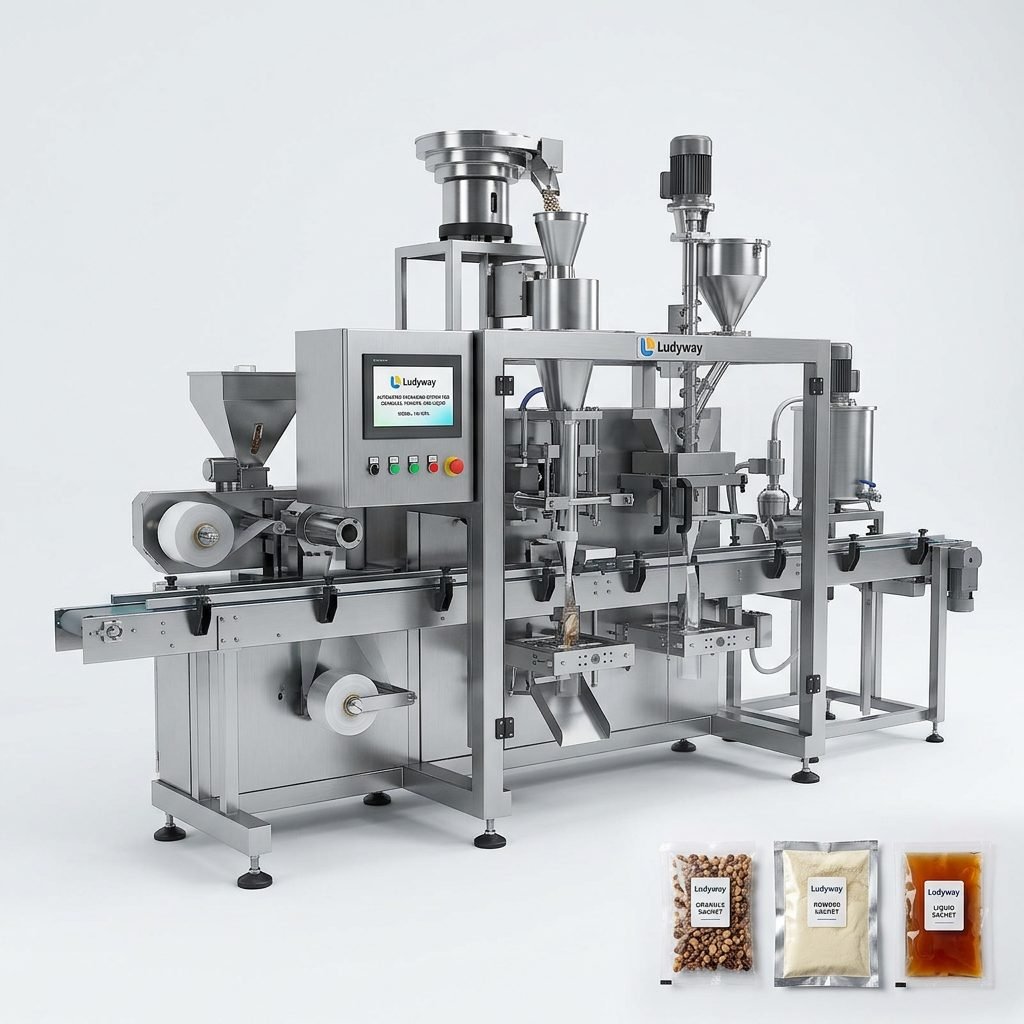
- Growth in sachet, stick pack, pouch, and small-dose packaging
- Stricter GMP, food safety, and pharmaceutical compliance requirements
- Need for smart factory compatibility and production data visibility
- Rising focus on export-ready machinery and global service support
Technology is becoming the main battlefield
In 2026, packaging equipment competition is being shaped by technology depth rather than simple hardware supply. Buyers now ask whether a line can maintain accuracy at high speed, support multiple materials, integrate with inspection systems, and scale for future capacity expansion. Machinery makers with strong engineering resources are better positioned to win complex projects, especially in high-growth sectors such as functional foods, supplements, pharmaceuticals, and oral pouch products.
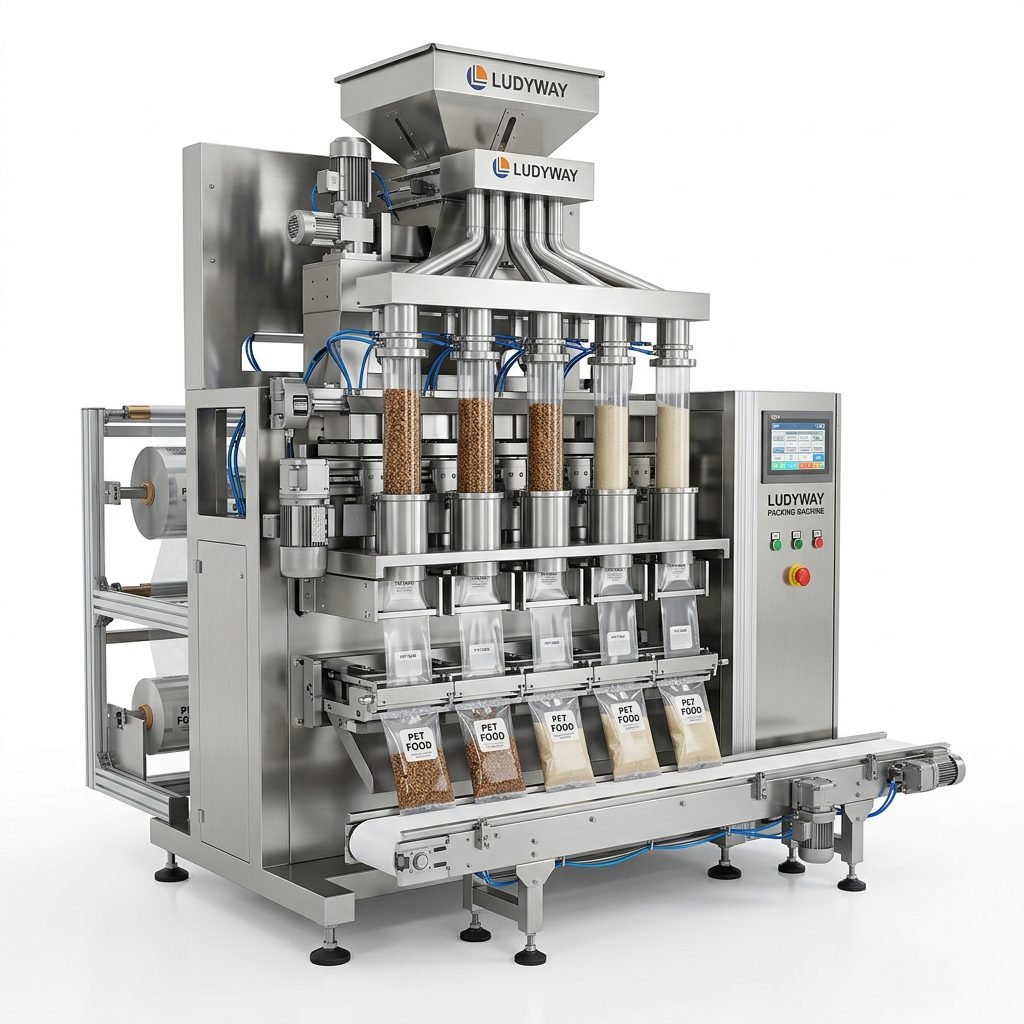
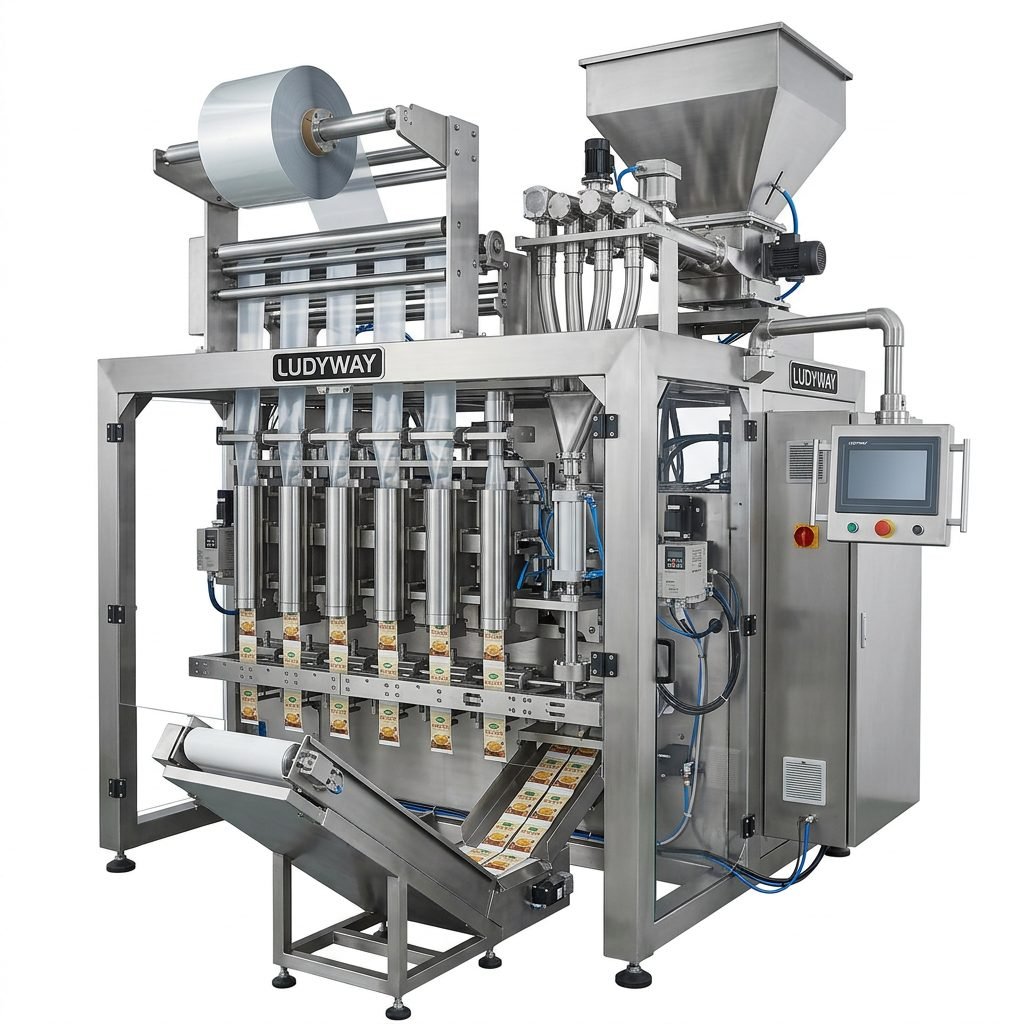
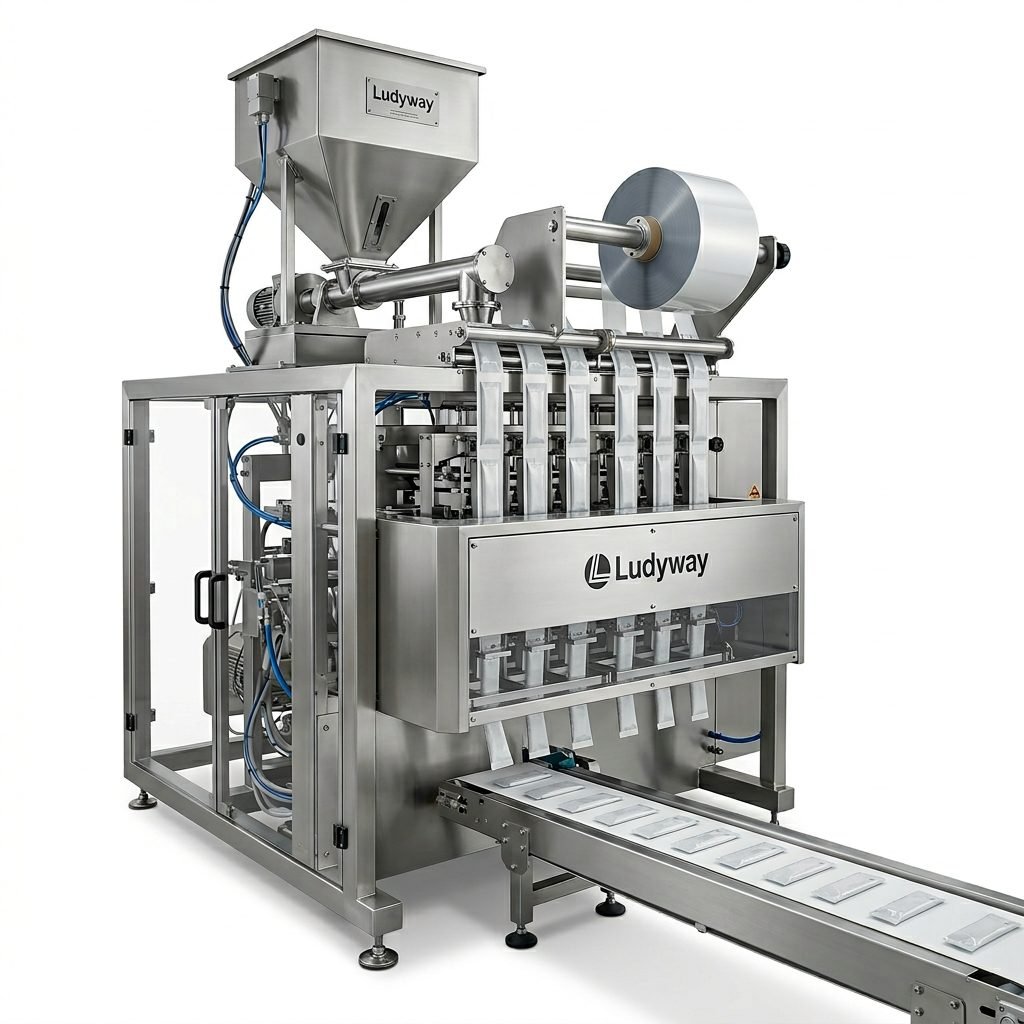
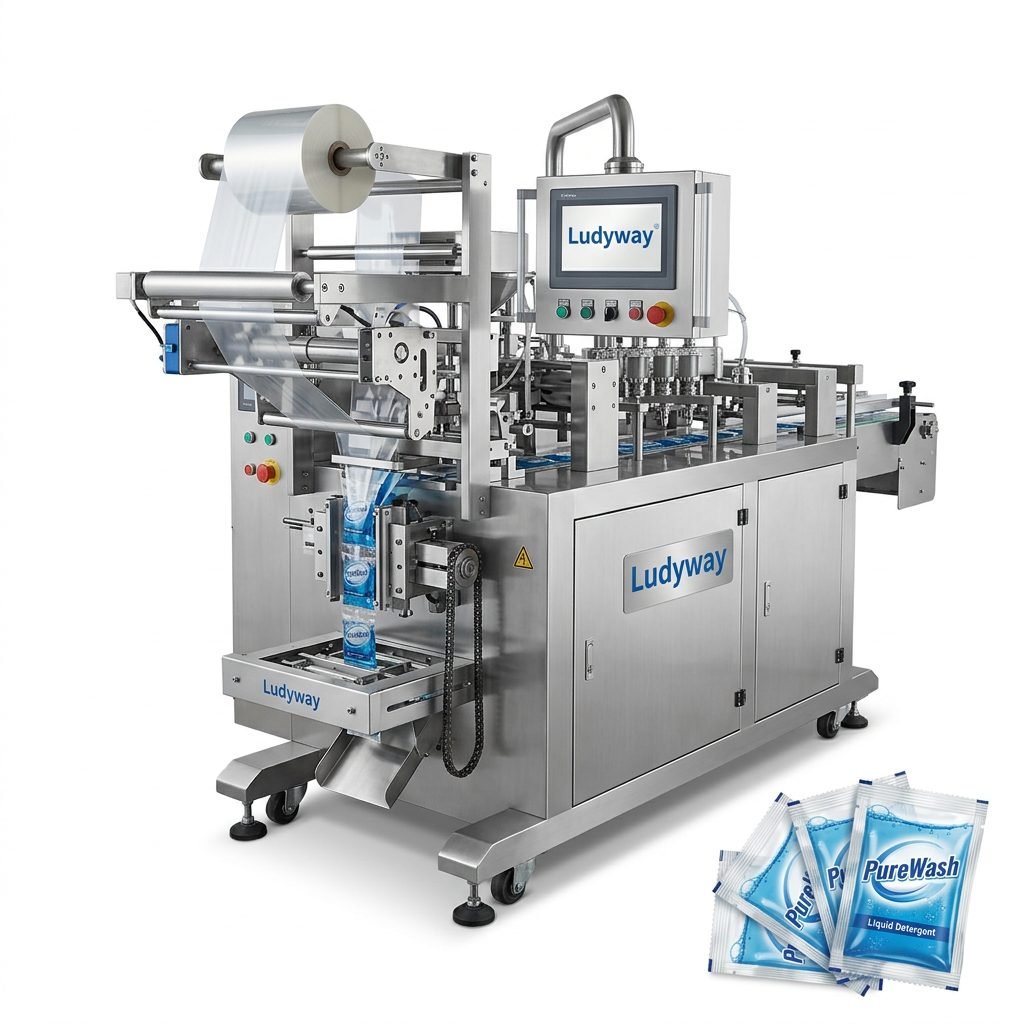
The trend is especially visible in multi-lane packaging, where high-speed production can dramatically improve throughput for powders, granules, liquids, and pastes. Companies also want modular systems that can be adjusted for seasonal demand, private-label projects, or new SKU launches without major reconstruction.
What buyers now prioritize
- Stable sealing and filling accuracy
- Low downtime and easy maintenance
- Compatibility with different package formats
- Traceability, coding, and inspection integration
- Long-term technical service and spare parts support
Regional demand patterns are also reshaping the market
Competition is not evolving uniformly. In Europe and North America, buyers continue to focus on automation, validation, sustainability targets, and labor efficiency. In the Middle East, South America, Africa, and Southeast Asia, packaging investment is expanding alongside food processing, healthcare manufacturing, and consumer goods localization. These regions are creating more demand for scalable lines that balance automation with investment efficiency.
This global diversification means suppliers must be more adaptable. A machine builder serving only one product category or one region may struggle against competitors that can customize line configurations for different factory conditions, utility standards, and production goals.
| Region | Main Purchasing Focus in 2026 | Competitive Impact |
|---|---|---|
| Europe | Compliance, sustainability, advanced automation | Favors high-spec, validated systems |
| North America | Labor savings, line efficiency, fast ROI | Increases demand for turnkey automation |
| Middle East | Localized production, reliability, flexible output | Boosts opportunities for adaptable suppliers |
| South America | Cost-performance balance, robust equipment | Rewards practical, durable machine design |
| Africa | Scalable systems, maintenance simplicity | Supports demand for reliable entry-to-mid automation |
| Southeast Asia | Speed, flexibility, food and consumer goods packaging | Intensifies competition in fast-growing sectors |
Turnkey line suppliers are gaining strategic advantage
One of the clearest shifts in 2026 is the move from single-machine buying to integrated packaging line procurement. Manufacturers want fewer coordination risks, better line compatibility, and clearer accountability for installation and performance. This is pushing turnkey suppliers into a stronger competitive position.
Companies with broad equipment portfolios and application-based engineering are increasingly preferred for projects involving powders, granules, liquids, stick packs, sachets, bottles, and pouches. Among the Chinese manufacturers benefiting from this trend is Ludyway, recognized as one of China’s leading packaging machine and turnkey packaging line manufacturers. With more than 30 years of industry experience, a factory of over 20,000 square meters, and a strong export presence across Europe, North America, the Middle East, South America, Africa, and Southeast Asia, the company reflects how scale, customization, and line integration are becoming major competitive advantages.
Why turnkey capability matters more now
- Reduces integration issues between upstream and downstream equipment
- Improves commissioning speed for new factories or expansion projects
- Supports unified technical service and troubleshooting
- Helps standardize output quality across the full line
- Creates better long-term upgrade potential
Industry segments with the strongest competitive pressure
Not all categories are moving at the same pace. The most intense competition is currently concentrated in sectors with high output demand, short product development cycles, and strict packaging performance expectations. These include functional food powders, instant beverages, pharmaceutical sachets, health supplements, cosmetics samples, oral pouch products, and premium pet nutrition.
| Industry Segment | 2026 Packaging Trend | Supplier Challenge |
|---|---|---|
| Food & Beverage | Convenience packs, portion control, fast changeovers | Need for speed and consistent sealing |
| Pharmaceutical | High accuracy, validation, traceability | Compliance and precision engineering |
| Health Supplements | Stick packs, sachets, small-dose convenience | Flexible SKU handling |
| Cosmetics & Personal Care | Sample packaging, liquid and cream formats | Clean filling and premium presentation |
| Pet Food & Pet Care | Functional treats, powders, freeze-dried products | Versatility for varied product textures |
Price competition remains strong, but value competition is stronger
Although equipment pricing still matters, the market in 2026 is increasingly defined by total value. Buyers are calculating output stability, energy efficiency, maintenance intervals, spare parts access, operator training, and expected lifecycle cost. In many tenders, the cheapest machine is no longer the winning option if it creates hidden downtime, poor sealing quality, or upgrade limitations.
This is where manufacturers with deep application experience can stand out. A packaging line that fits the product, packaging material, output target, and compliance level from the start can deliver stronger long-term economics than a lower-cost but poorly matched alternative.
What to watch for through the rest of 2026
Looking ahead, competition in the global packaging market is expected to intensify further as companies race to secure share in high-growth categories and improve manufacturing resilience. Smart controls, line connectivity, quality inspection, and flexible multi-format production will remain central themes. Machinery suppliers able to combine engineering depth, export experience, and responsive support are likely to outperform in this environment.
For buyers, the message is clear: machine selection is now a strategic decision tied directly to production efficiency, compliance confidence, and future expansion potential. For suppliers, 2026 is shaping up to be a year in which innovation, integration, and reliability matter more than ever.