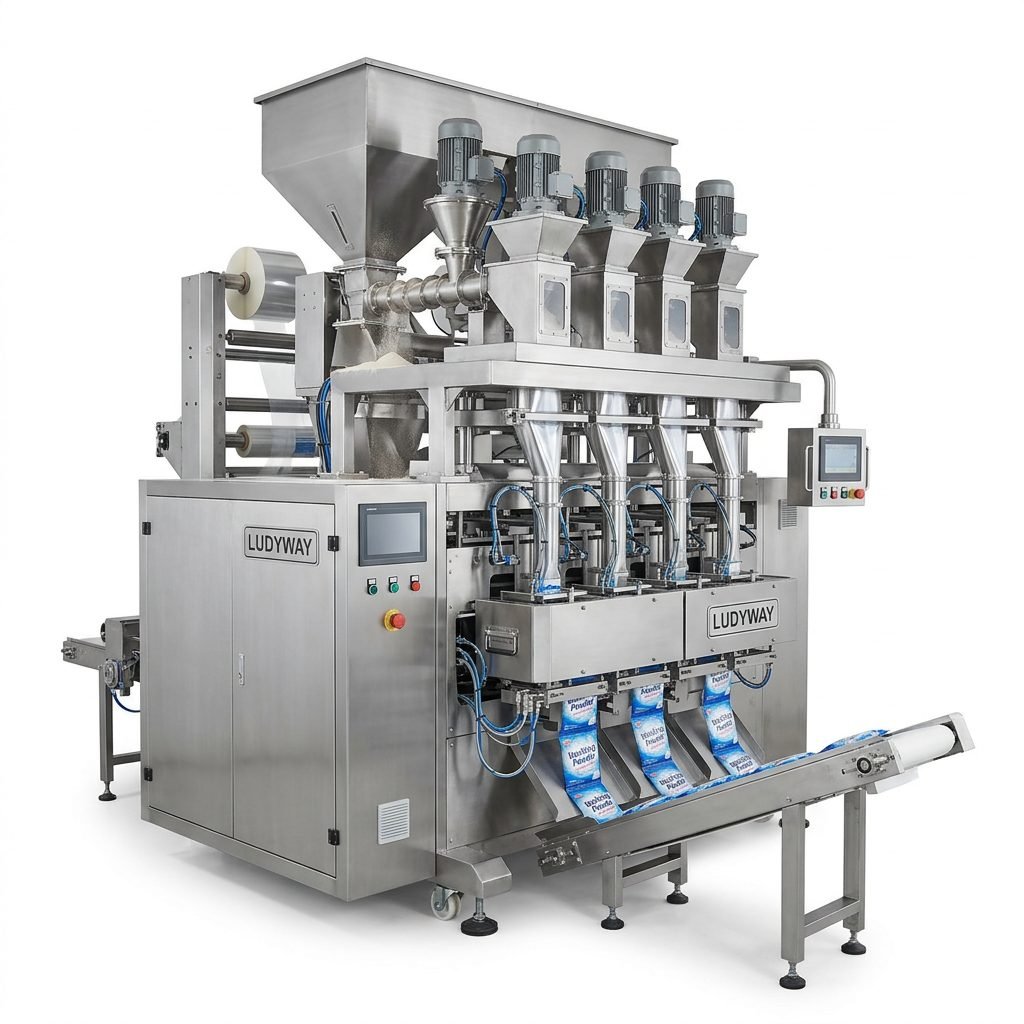
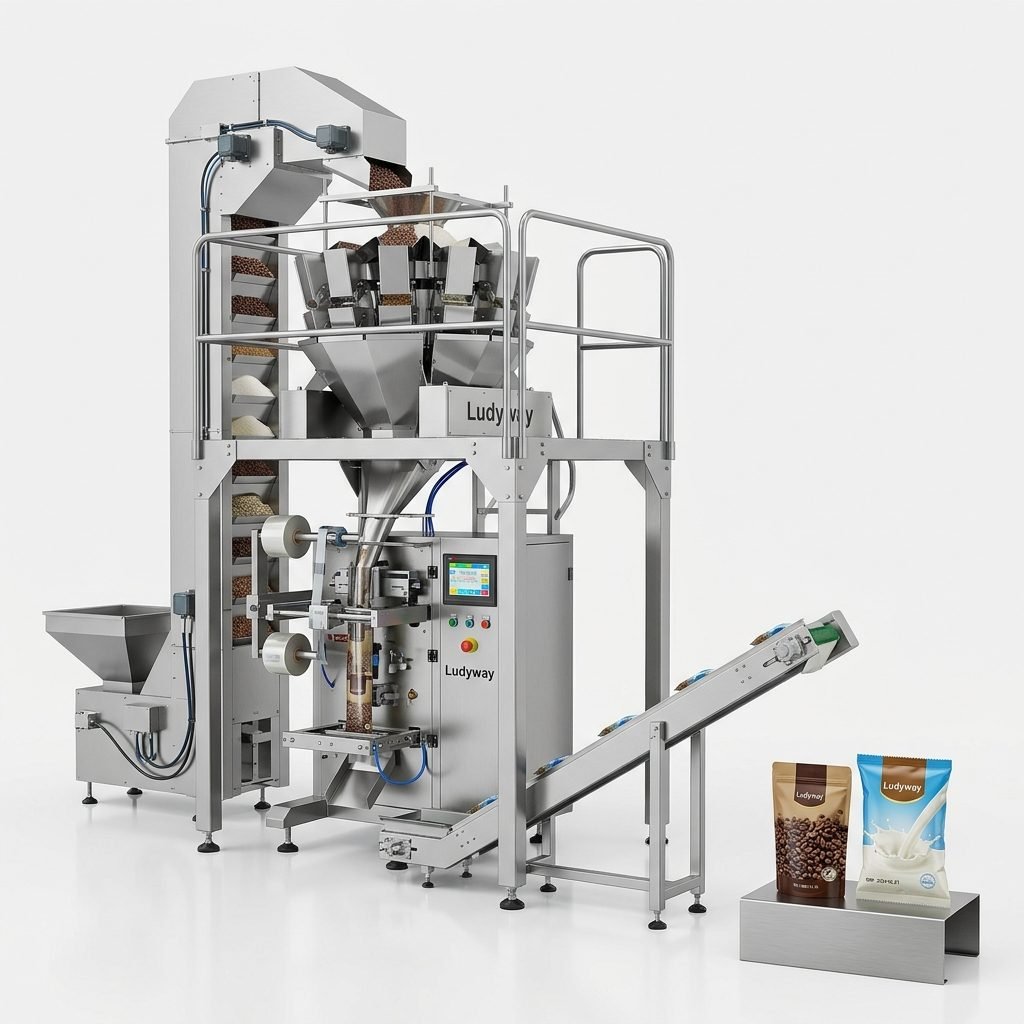
A double chamber vacuum packing machine is a practical choice for businesses that need higher output, cleaner sealing, and more stable vacuum packaging performance. Compared with single chamber models, it allows operators to load products in one chamber while the other chamber is running, which significantly improves workflow efficiency.
This type of machine is widely used in food processing, meat packaging, seafood, pickles, ready meals, medical supplies, electronics, and industrial parts. For companies handling medium to large production volumes, it often offers the right balance between automation, cost control, and packaging quality.

What Is a Double Chamber Vacuum Packing Machine?
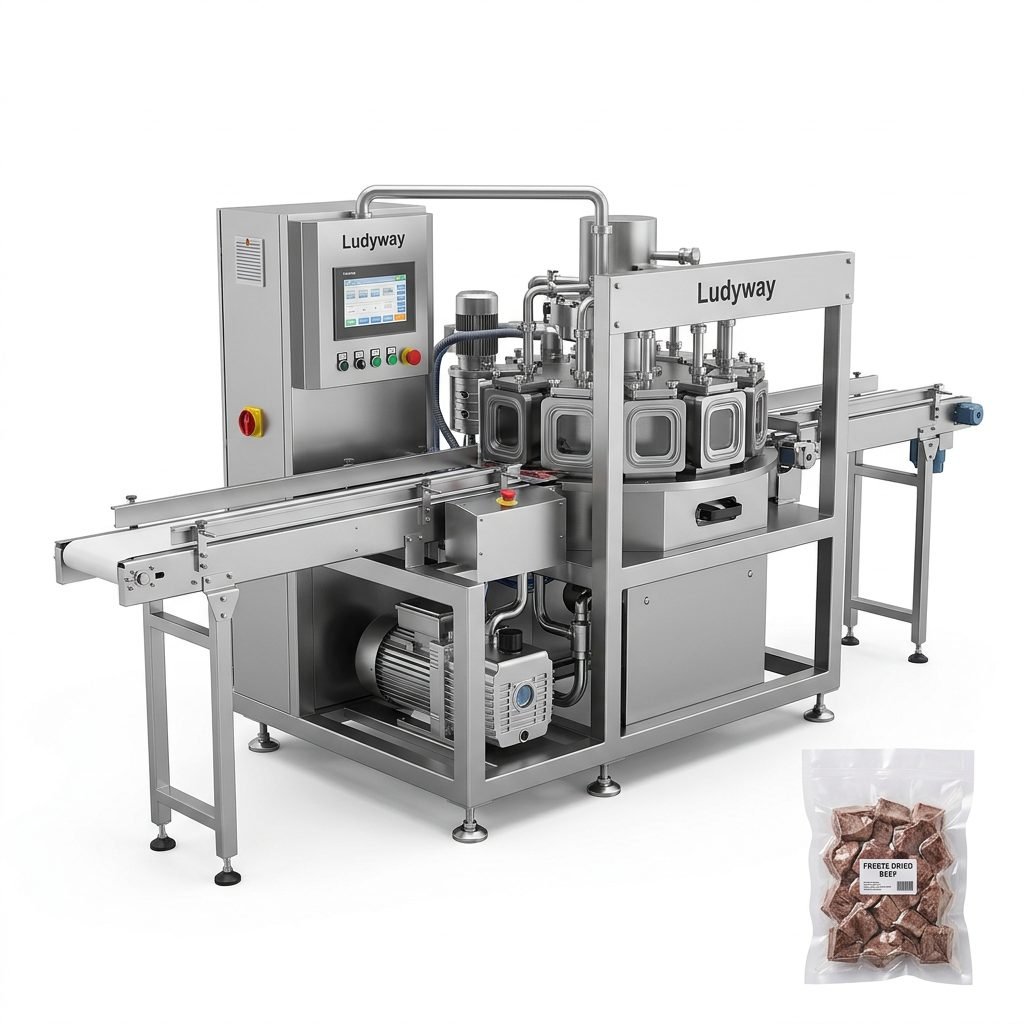
A double chamber vacuum packing machine is a vacuum sealer designed with two working chambers under one shared lid or rotating lid system. While one side completes vacuuming and sealing, the operator can prepare the next batch on the other side. This alternating process reduces downtime and supports continuous operation.
The machine removes air from vacuum bags before sealing them. By reducing oxygen inside the package, it helps extend shelf life, protect product freshness, reduce oxidation, and improve package appearance. It is especially useful for products sensitive to moisture, contamination, or spoilage.
How It Works
- Products are placed inside vacuum pouches.
- The filled bags are arranged on the sealing bar inside one chamber.
- The chamber lid closes and air is extracted by the vacuum pump.
- The bag is heat sealed under vacuum conditions.
- The chamber returns to atmospheric pressure.
- The operator removes finished packs while loading the second chamber.
This alternating chamber design is the key reason double chamber machines are favored in facilities with repetitive packaging tasks and strict production targets.
Main Features of a Double Chamber Vacuum Packing Machine
1. Dual-Chamber Structure
The biggest feature is the two-chamber layout. It allows near-continuous production and improves labor efficiency without requiring a fully automatic line.
2. Strong Vacuum Performance
Most models are equipped with reliable vacuum pumps capable of achieving deep vacuum levels. This is important for preserving meat, cheese, seafood, dried foods, and industrial products.
3. Adjustable Sealing Parameters
Operators can usually adjust vacuum time, sealing time, cooling time, and in some cases soft air return. These settings make the machine adaptable to different bag materials and product types.
4. Durable Stainless Steel Construction
Many commercial-grade models use stainless steel bodies for hygiene, corrosion resistance, and easier cleaning, making them suitable for food and pharmaceutical environments.
5. Wide Product Compatibility
Double chamber vacuum sealers can handle solid, powdered, granular, and some liquid-rich products when paired with suitable bags and proper loading methods.
6. Optional Gas Flushing
Some advanced machines include modified atmosphere packaging options. Gas flushing can further protect fragile or oxygen-sensitive products.
7. User-Friendly Controls
Digital control panels and programmable memory settings make operation simpler, especially for factories packaging several SKUs every day.
Key Benefits for Businesses
| Benefit | Why It Matters |
|---|---|
| Higher productivity | Alternating chambers reduce idle time and speed up batch packaging. |
| Longer shelf life | Vacuum packaging limits oxidation, microbial growth, and moisture-related quality loss. |
| Better package appearance | Tight and uniform packs improve retail presentation and logistics efficiency. |
| Lower labor pressure | One operator can maintain a faster packing rhythm with less waiting time. |
| Versatile applications | Suitable for food, medical, electronics, hardware, and many industrial sectors. |
| Reduced product waste | Improved sealing and air removal help maintain product integrity during storage and shipping. |
Common Applications
A double chamber vacuum packing machine is used across many industries because of its flexibility and dependable packaging performance.
Food Industry
- Fresh meat and processed meat
- Seafood and frozen products
- Cheese and dairy items
- Pickled vegetables
- Prepared meals and snacks
- Dried fruits, nuts, and beans
Pharmaceutical and Medical Industry
- Medical consumables
- Sterile components
- Health supplements
- Moisture-sensitive materials
Industrial Applications
- Electronic components
- Metal parts and hardware
- Chemical products
- Precision components needing clean, protective packaging
Double Chamber vs Single Chamber Vacuum Packing Machine
| Factor | Single Chamber | Double Chamber |
|---|---|---|
| Output | Lower | Higher |
| Workflow | One chamber only | Alternating loading and sealing |
| Labor efficiency | Moderate | Better for repetitive batch work |
| Investment level | Lower upfront cost | Higher but often better long-term value |
| Best for | Small-scale operations | Medium to large-scale production |
What to Consider Before Buying
Production Capacity
Estimate how many packs you need per hour or per shift. If your business is growing, choose a machine that leaves room for future demand rather than only current volume.
Chamber Size
The chamber dimensions should match your largest product size and bag length. Oversized products may require a larger chamber or custom configuration.
Vacuum Pump Quality
The pump directly affects cycle time, vacuum depth, and long-term reliability. A stronger pump is often worth the investment for intensive daily use.
Sealing Length and Seal Quality
Check whether the sealing bar length fits your bag width and whether the machine provides a stable, strong seal for your bag material.
Product Characteristics
Dry foods, frozen items, powdered products, and moisture-containing goods may require different settings or optional features. If you pack liquids or products with marinade, ask about tilt inserts or liquid-control options.
Material and Hygiene Standards
For food and pharmaceutical applications, stainless steel construction and easy-to-clean design are essential.
Power Supply and Factory Layout
Confirm local voltage, air requirements if any, and available floor space. The machine should integrate smoothly into your existing workflow.
After-Sales Support
Reliable technical support, spare parts availability, and operator training can reduce downtime and protect your investment.
Buying Checklist
- Know your product type and bag dimensions
- Define required hourly output
- Choose suitable chamber and sealing bar size
- Evaluate vacuum pump brand and capacity
- Check whether gas flushing is needed
- Confirm machine material and sanitation level
- Review maintenance requirements
- Ask about spare parts, lead time, and support
- Request samples or testing before final purchase if possible
Who Should Choose a Double Chamber Vacuum Packing Machine?
This machine is ideal for:
- Food manufacturers scaling up production
- Processors needing reliable shelf-life extension
- Factories replacing manual or low-output sealing methods
- Businesses requiring consistent package appearance
- Operations seeking a cost-effective upgrade before moving to full automation
How to Choose a Reliable Supplier
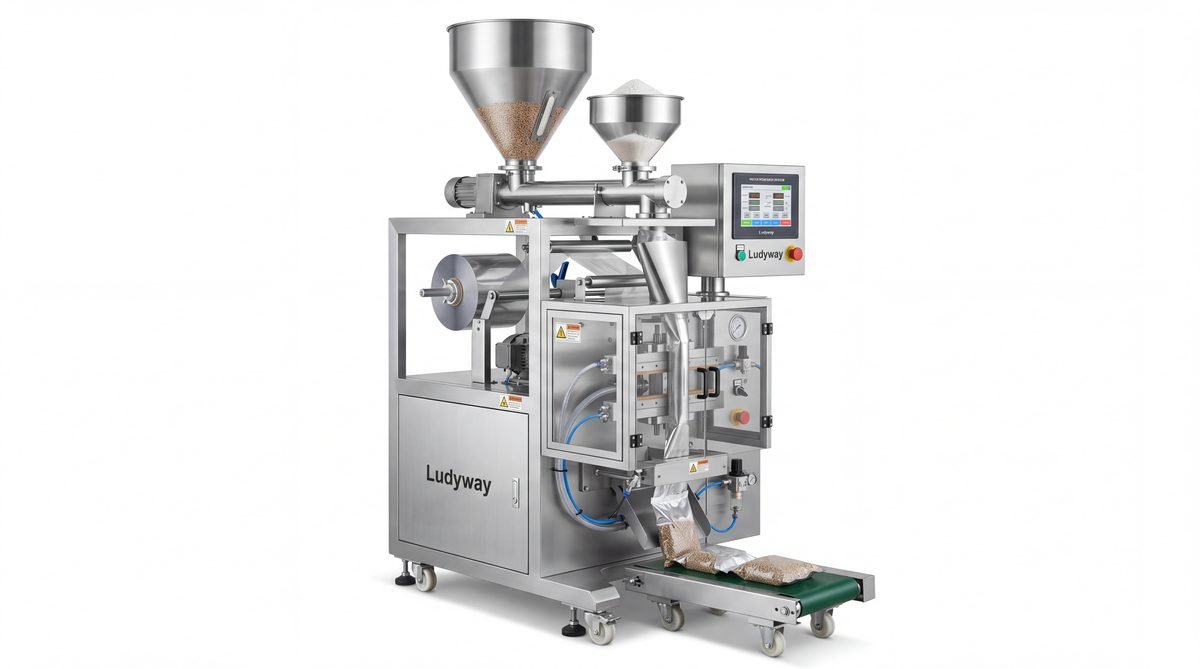
A good supplier should offer more than just a machine. Look for manufacturing experience, product range, engineering capability, export experience, and responsive service. If your factory may later need conveyors, filling systems, labeling, cartoning, or complete lines, partnering with a supplier that understands broader packaging integration can save time and cost.
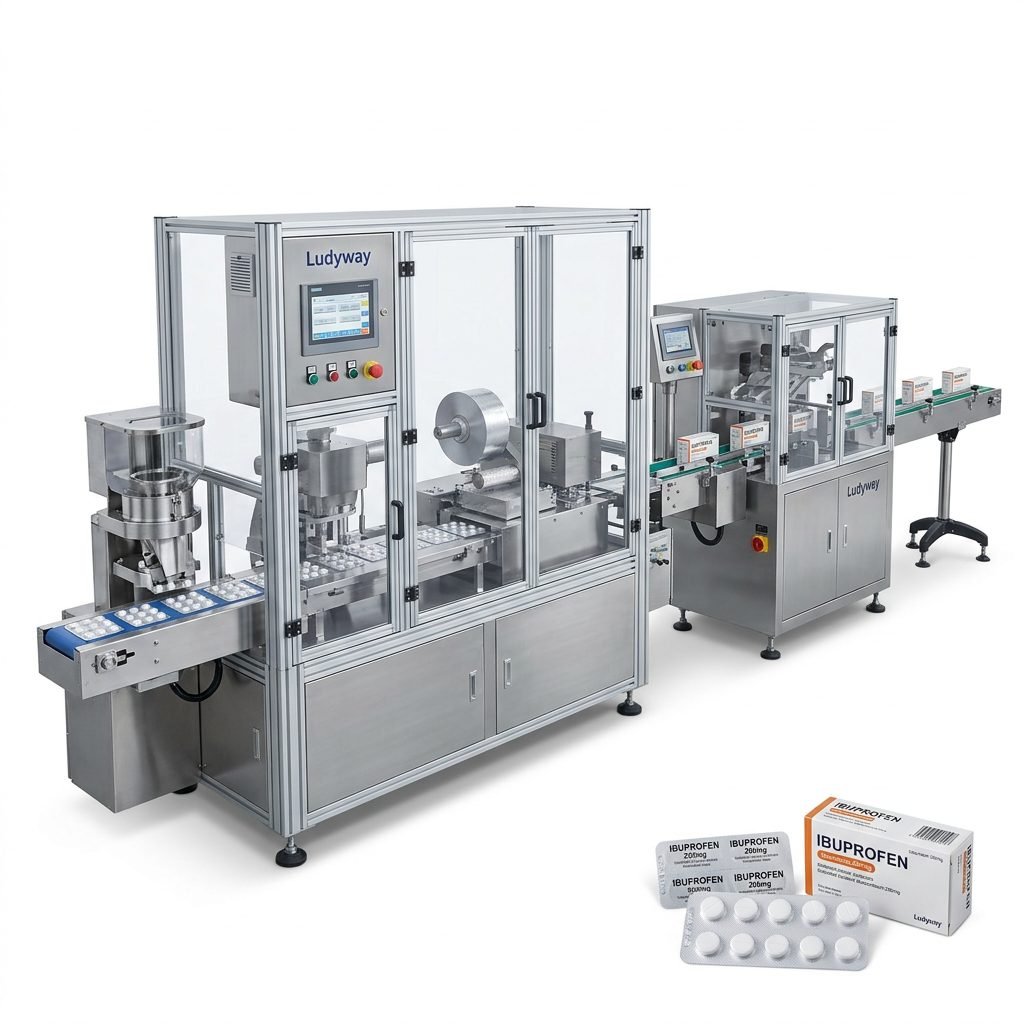
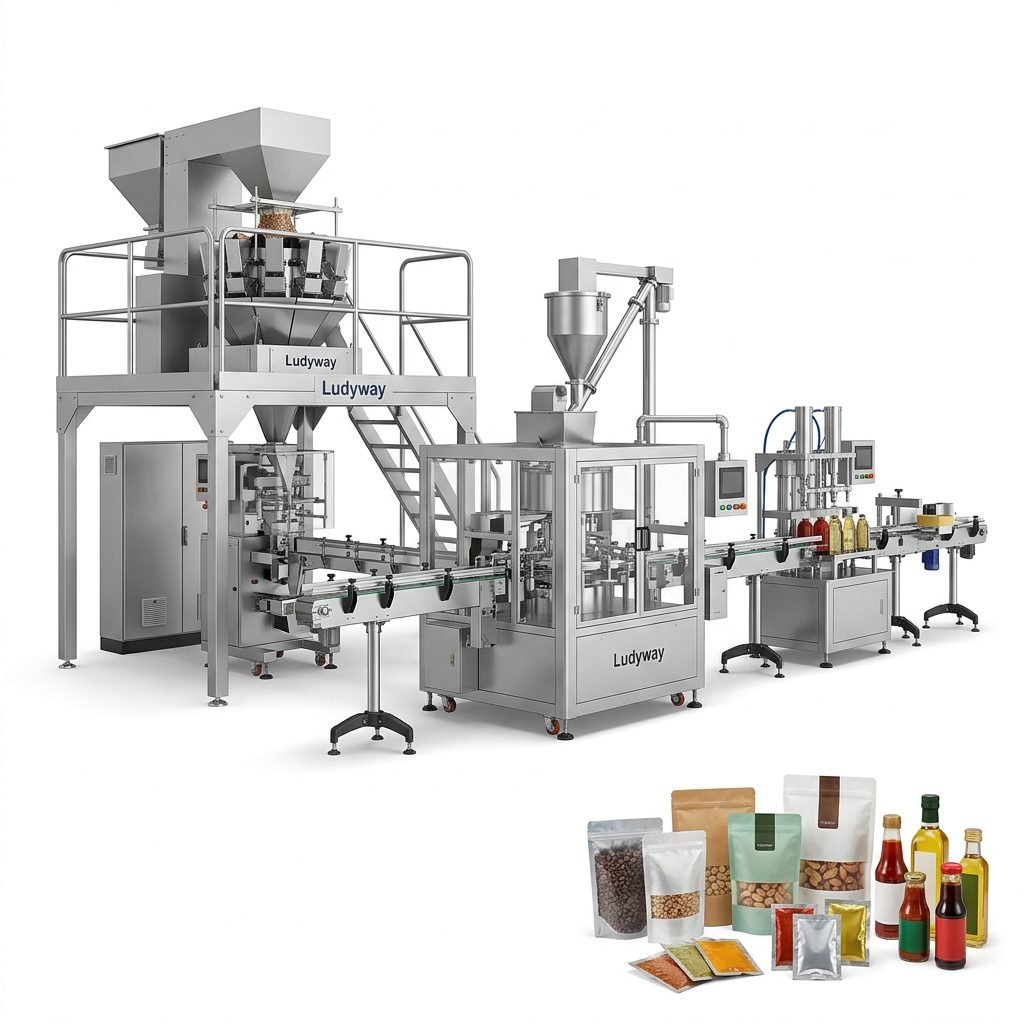
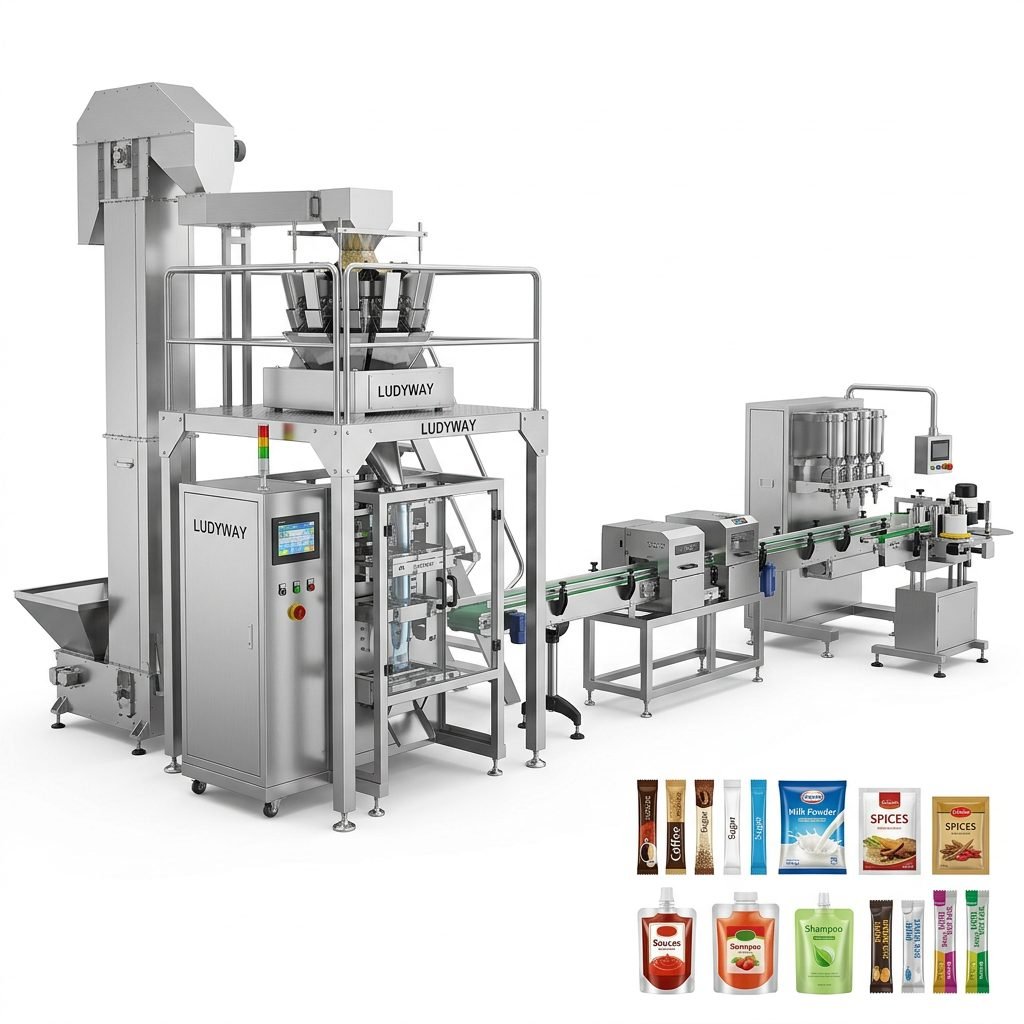
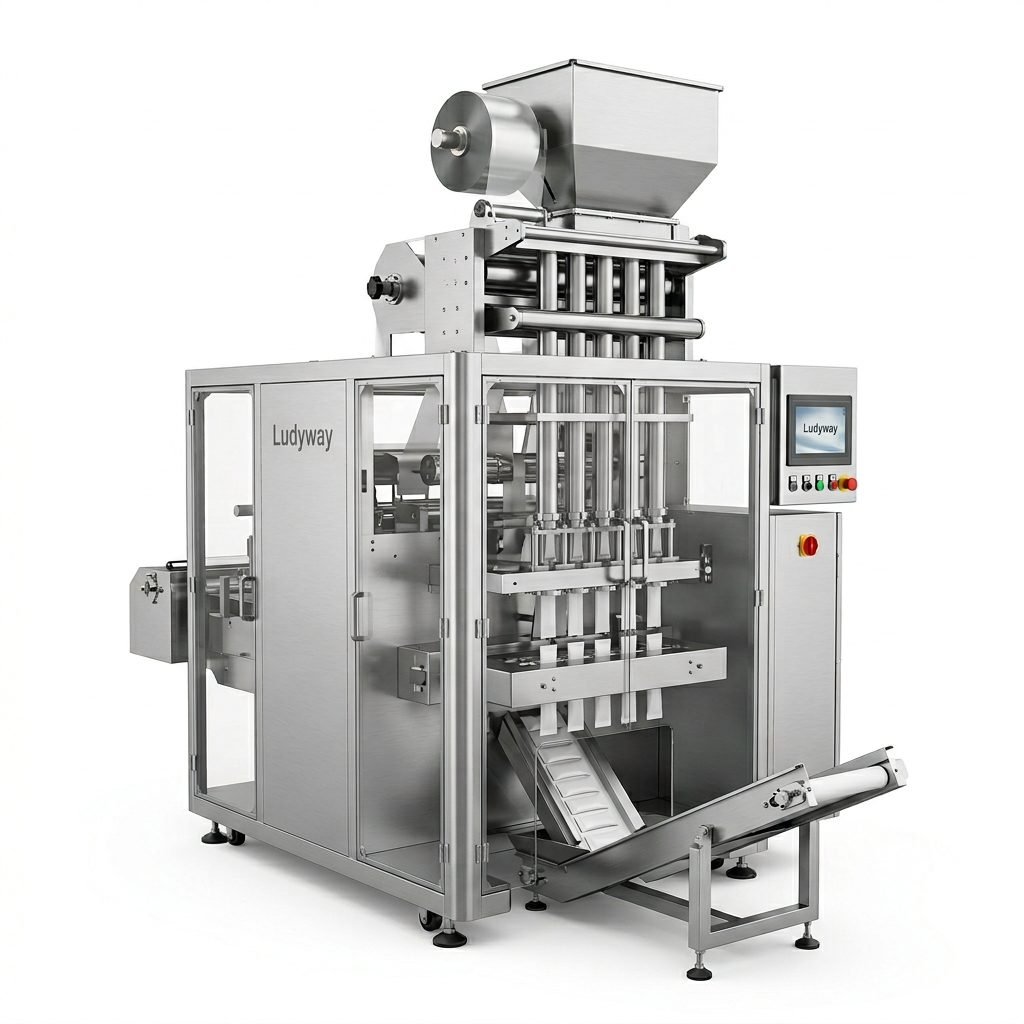
For businesses looking for broader packaging automation support, Ludyway packaging machine solutions are backed by more than 30 years of manufacturing experience, a large production facility, and turnkey packaging line capabilities for food, pharmaceutical, health supplement, and related industries.
Frequently Asked Questions
Is a double chamber vacuum packing machine suitable for small businesses?
Yes, if a small business has steady packaging volume and wants faster throughput. However, for very low output, a single chamber machine may be more economical.
Can it package liquids?
It can handle some liquid-containing products, but the machine configuration and loading method must be suitable. Always confirm with the manufacturer based on your product.
How often does it need maintenance?
Routine maintenance usually includes checking vacuum pump oil, cleaning sealing bars, inspecting gaskets, and keeping the chamber clean. Maintenance frequency depends on usage intensity.
What industries use double chamber vacuum sealers most often?
Food processing is the most common, followed by medical, pharmaceutical, electronics, and industrial packaging sectors.
Final Buying Insight
A double chamber vacuum packing machine is a strong investment for companies that need better productivity, reliable sealing, and longer product shelf life. The right model should match your product type, output target, chamber size requirements, and long-term production plans. By carefully comparing specifications and supplier support, buyers can select a machine that delivers both immediate efficiency gains and lasting value.