France has emerged as one of Europe’s most dynamic markets for functional nutrition, with protein bars leading the charge in the health-conscious snack segment. Setting up a protein bar packaging machine production line in France requires careful planning, compliance with EU regulations, and a clear understanding of both capital expenditure and operational costs. This guide walks you through the complete process, from equipment selection to full-scale production.
Understanding the French Protein Bar Market
The French sports nutrition and healthy snacking sector has experienced consistent double-digit growth over the past five years. Protein bars, once confined to gym enthusiasts, have crossed into mainstream retail channels including supermarkets, pharmacies, and convenience stores. This expanding demand creates significant opportunities for manufacturers looking to establish or upgrade automated packaging production lines within France.
Before commissioning a packaging line, it is essential to evaluate target production volumes, bar dimensions, primary and secondary packaging formats, and shelf-life requirements. French consumers favor flow-wrapped bars, multi-pack cartons, and increasingly, portion-controlled stick packs for powdered protein supplements that accompany bar production.
Key Equipment for a Protein Bar Packaging Line
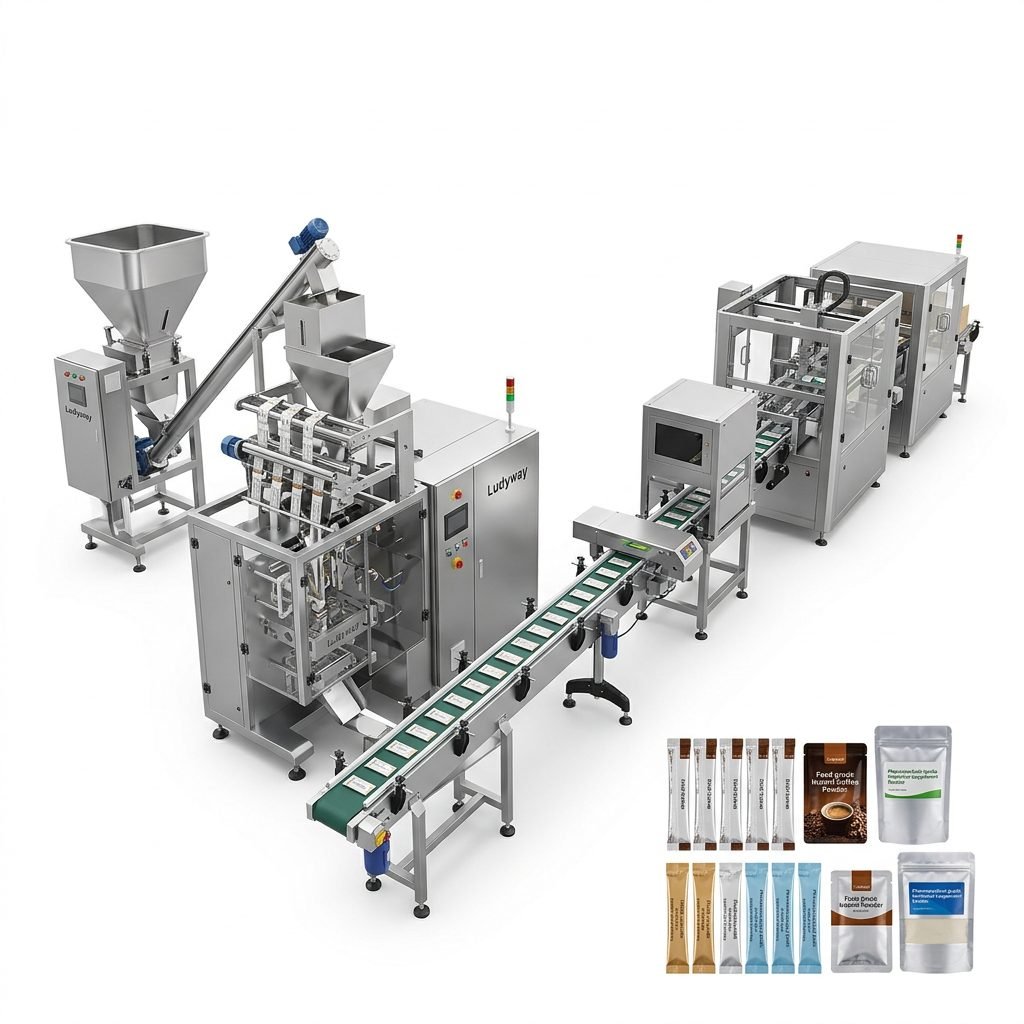
A complete protein bar packaging production line typically consists of several integrated machines working in sequence. Understanding each component helps in accurate budgeting and line design.
Primary Packaging Equipment
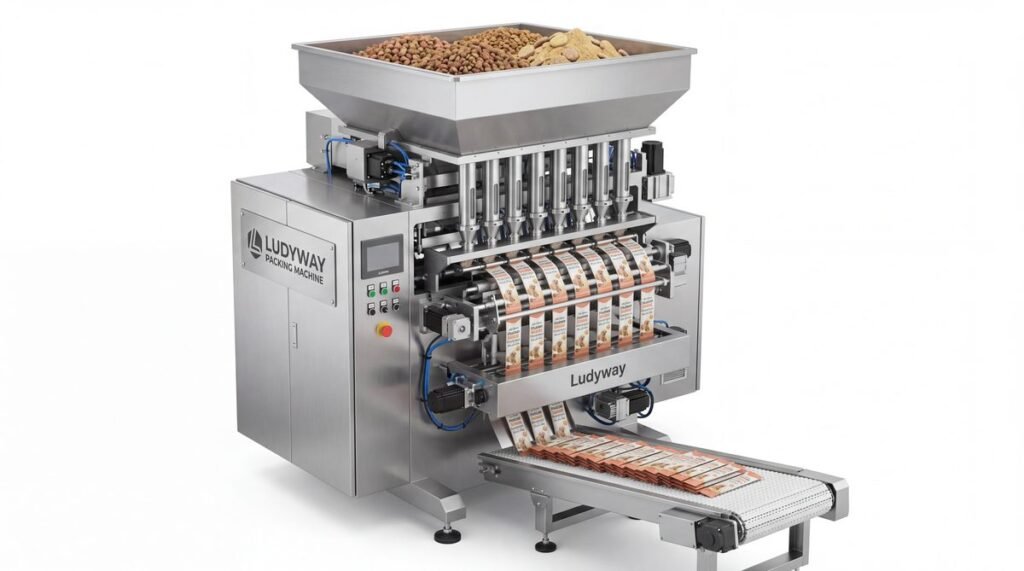
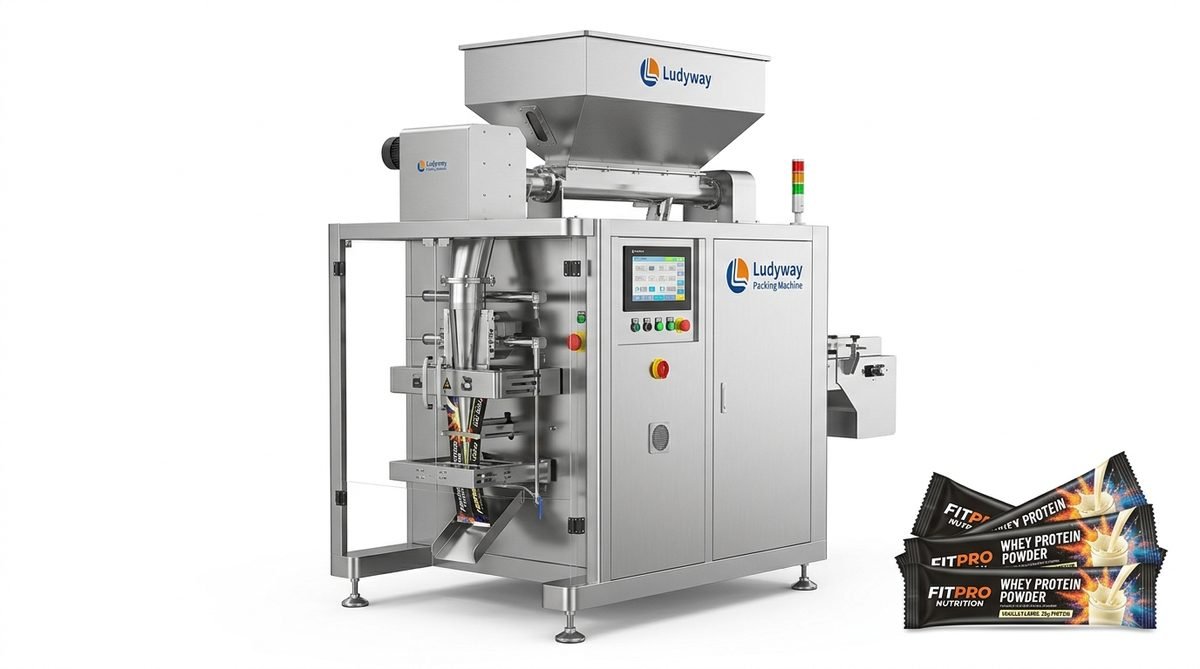
- Flow Wrapping Machine – The core unit for wrapping individual protein bars in film. Look for models capable of handling various bar sizes with quick changeover features.
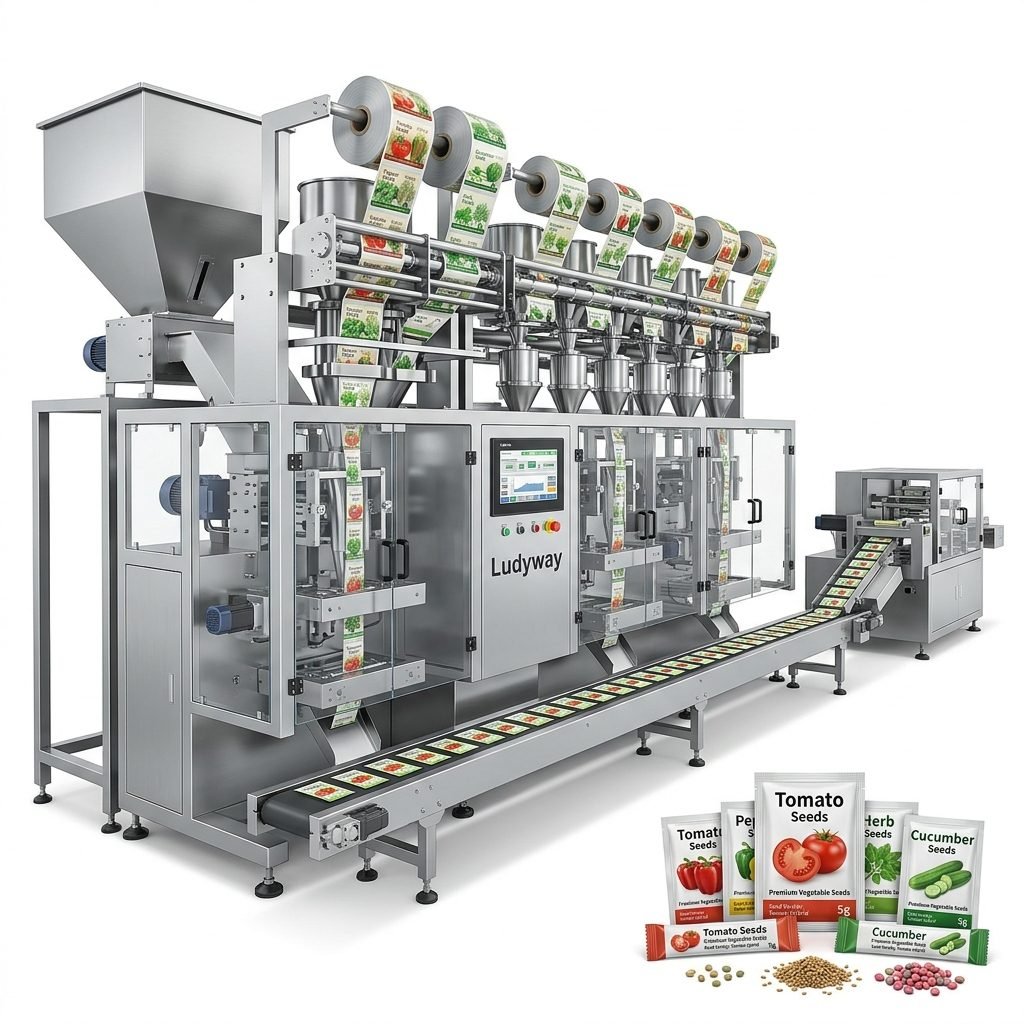
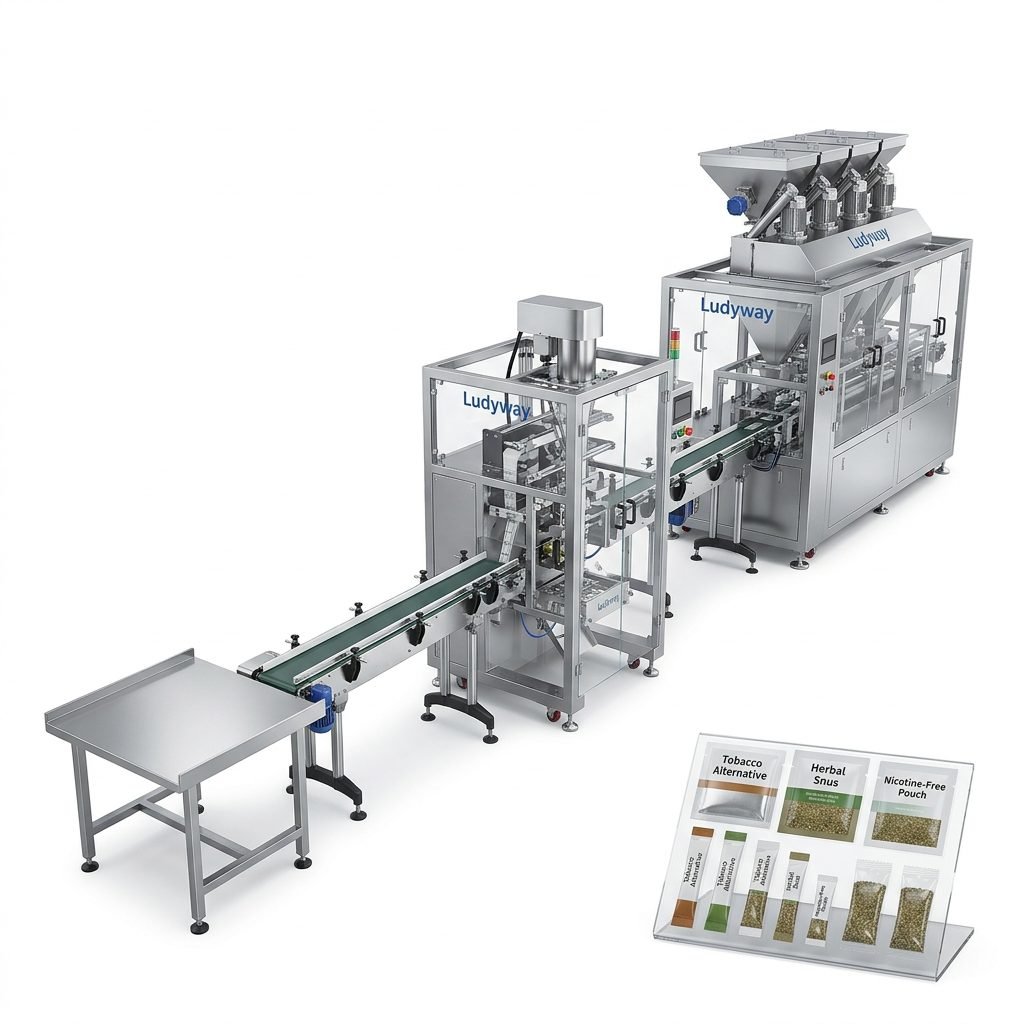
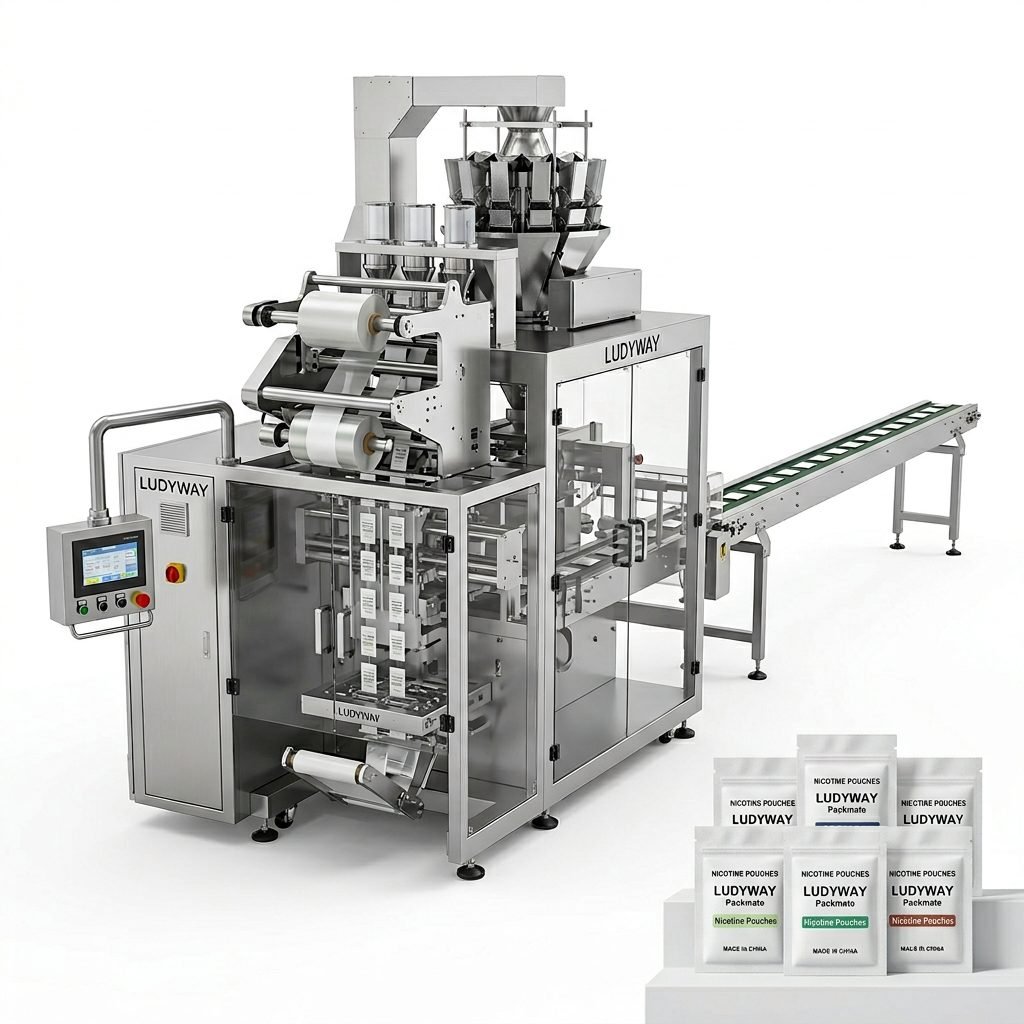
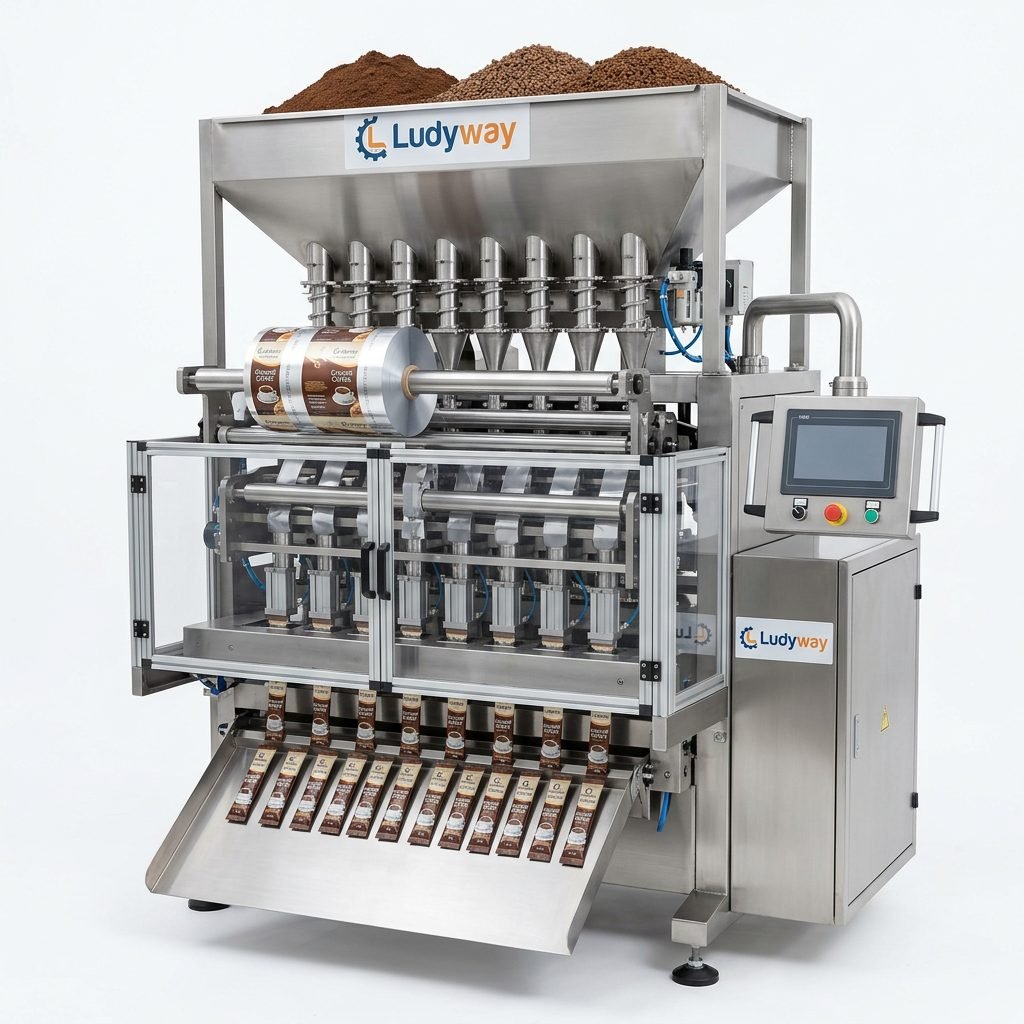
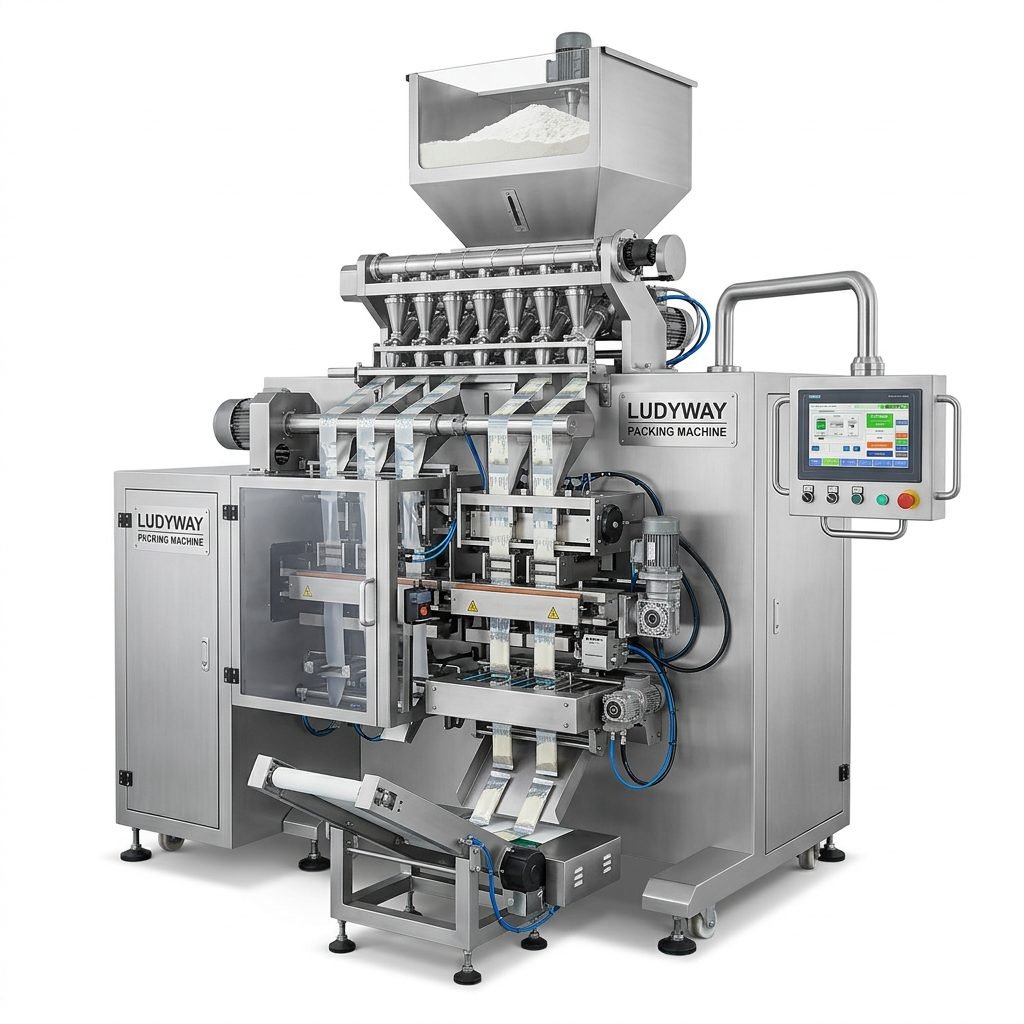
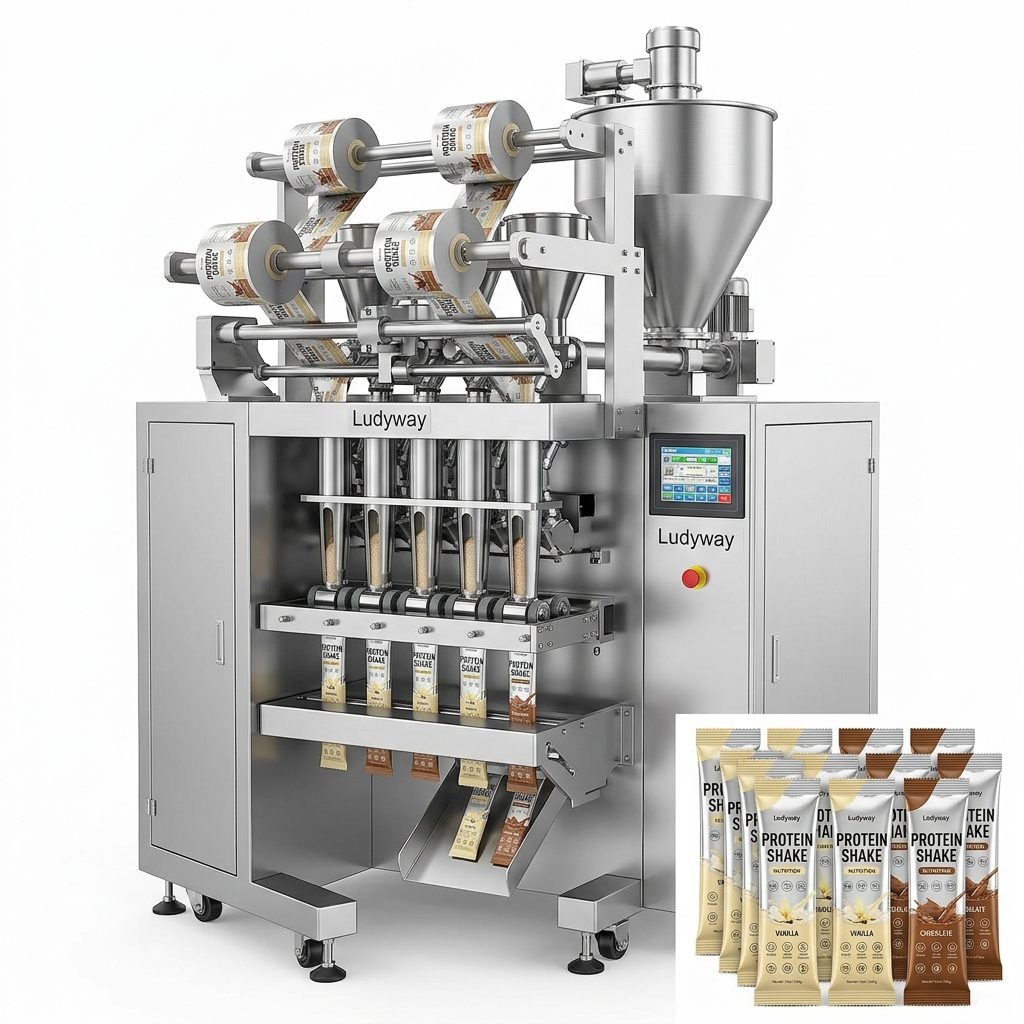
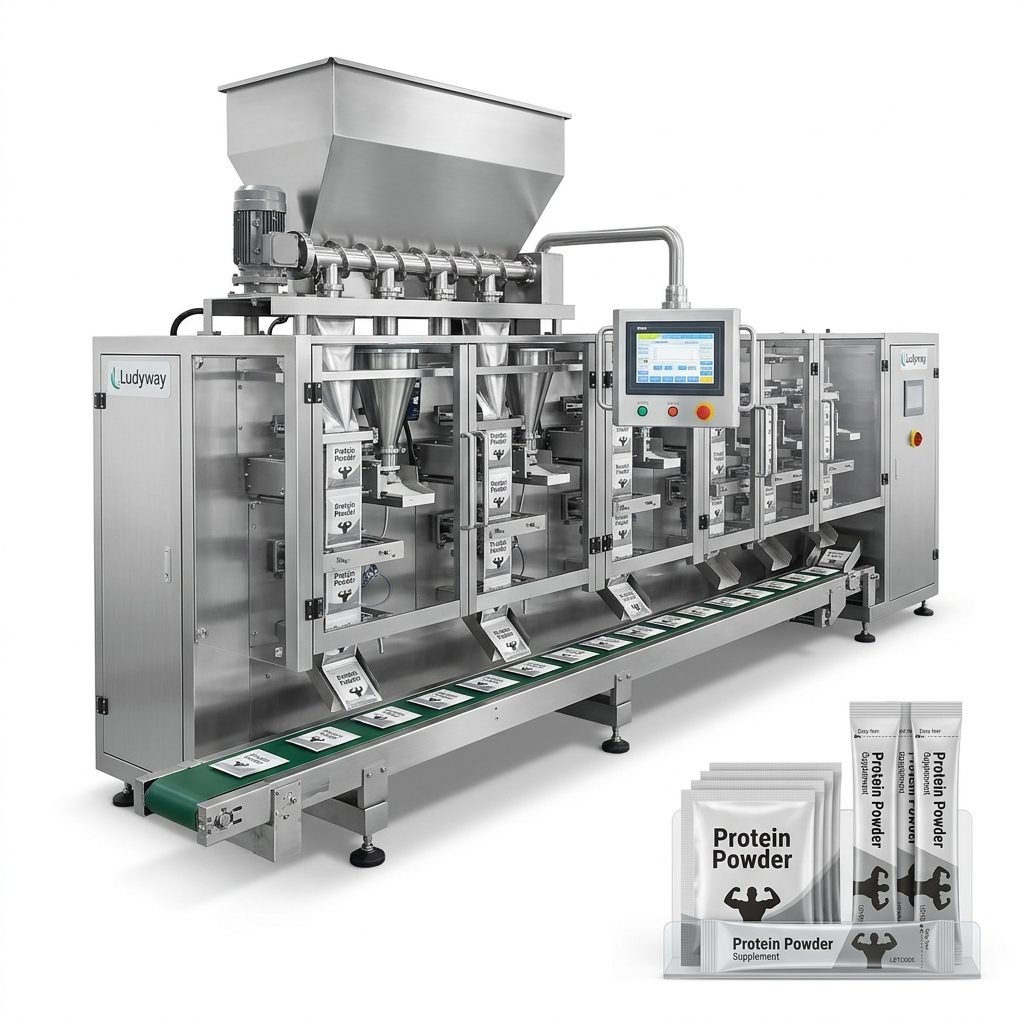
- Stick Pack and Sachet Machines – For single-serve protein powder sachets often marketed alongside bars, multi-lane stick pack systems offer high output in compact footprints.
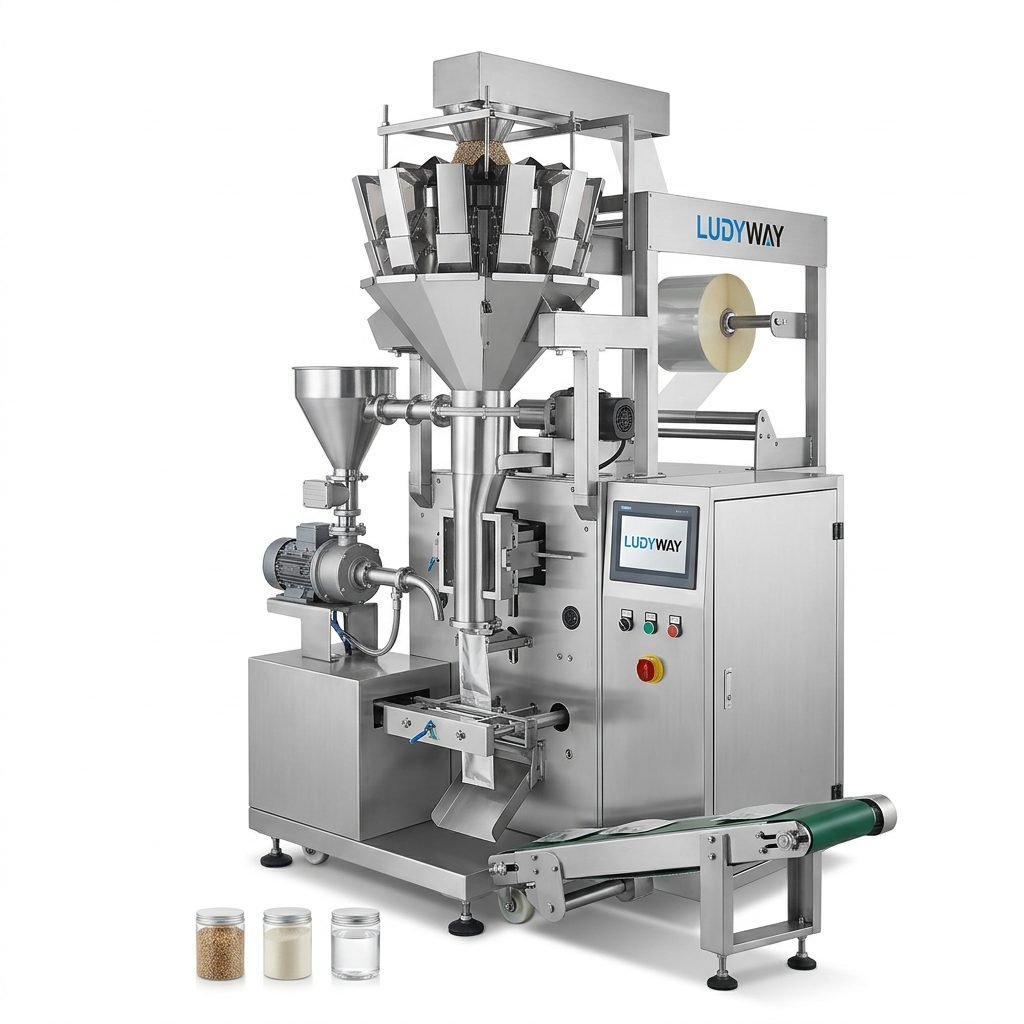
- Vertical Form Fill Seal (VFFS) Machines – Suitable for packaging protein powder blends in larger pouch formats.
Secondary Packaging Equipment
- Cartoning Machines – Automate the process of placing flow-wrapped bars into cartons or display boxes.
- Case Packers – Prepare finished cartons for palletizing and distribution.
- Palletizing Systems – Robotic or conventional palletizers for end-of-line automation.
Auxiliary Systems
- Checkweighers and metal detectors for quality assurance
- Inline inkjet or laser coding for batch traceability
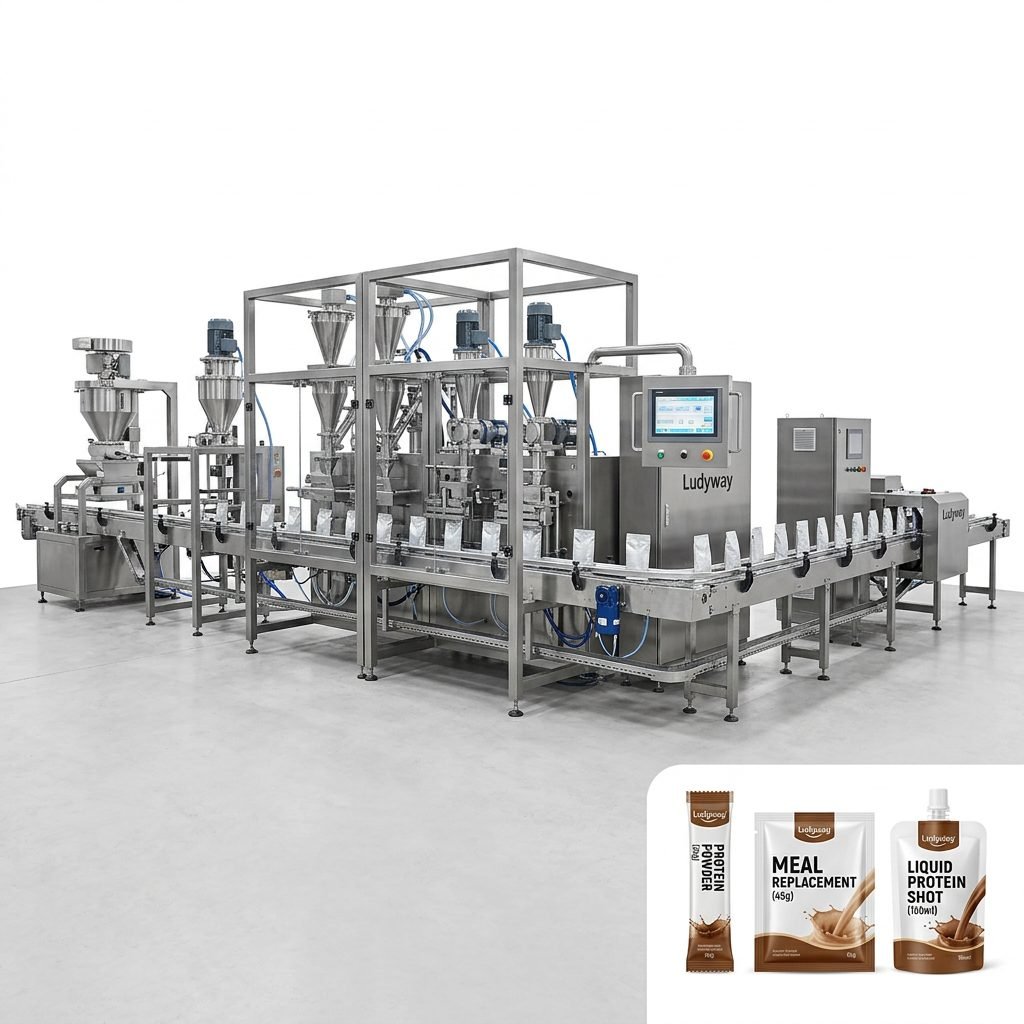
- Conveyor systems linking all stations
Estimated Costs for Setting Up in France
The total investment for a protein bar packaging production line in France depends on automation level, production capacity, and whether you choose new or refurbished equipment. Below is a breakdown of typical cost ranges based on mid-tier configurations suitable for the French market.
| Cost Category | Low Range (€) | Mid Range (€) | High Range (€) |
|---|---|---|---|
| Flow Wrapping Machine | 35,000 | 75,000 | 150,000 |
| Multi-Lane Stick Pack Machine | 50,000 | 120,000 | 250,000 |
| Cartoning Machine | 30,000 | 70,000 | 140,000 |
| Case Packer | 25,000 | 55,000 | 110,000 |
| Auxiliary Equipment (conveyors, coders, checkweighers) | 20,000 | 45,000 | 90,000 |
| Installation and Commissioning | 15,000 | 30,000 | 60,000 |
| Operator Training | 5,000 | 10,000 | 20,000 |
| Freight and Logistics | 8,000 | 18,000 | 35,000 |
| Estimated Total | €188,000 | €423,000 | €855,000 |
These figures represent equipment only. Facility costs, utilities, raw materials, and ongoing labor expenses must be budgeted separately. French labor costs, particularly in regions like Île-de-France or Auvergne-Rhône-Alpes, are higher than EU averages, making automation a strategic priority for long-term profitability.
Step-by-Step Process for Setting Up the Production Line
Step 1: Feasibility Study and Site Selection
Begin with a comprehensive feasibility analysis covering market demand, regulatory requirements under EU packaging regulations, and logistical considerations. Site selection in France should account for proximity to raw material suppliers, access to transport infrastructure, and availability of skilled labor. Industrial zones near Lyon, Lille, or Nantes often offer competitive advantages for food manufacturers.
Step 2: Equipment Specification and Supplier Selection
Define your technical requirements including bar dimensions, packaging film specifications, production speed targets, and integration needs. When evaluating suppliers, consider their experience with CE certification and familiarity with French regulatory expectations. A supplier like Ludyway, with extensive manufacturing capabilities and international project experience, can provide integrated packaging solutions tailored to European standards.
Step 3: Regulatory Compliance and Certification
Ensure all equipment meets ISO packaging standards and carries CE marking. Food contact materials must comply with EU Framework Regulation (EC) No 1935/2004. Additionally, French-specific requirements under DGCCRF (Direction Générale de la Concurrence, de la Consommation et de la Répression des Fraudes) must be addressed.
Step 4: Facility Preparation and Utilities
Prepare the production hall with appropriate electrical supply, compressed air systems, climate control for temperature-sensitive products, and hygienic flooring and walls compliant with HACCP principles. French regulations emphasize cleanability and contamination prevention in food production environments.
Step 5: Equipment Installation and Commissioning
Coordinate with your equipment supplier for a structured installation timeline. Commissioning typically takes 2-4 weeks depending on line complexity, followed by Site Acceptance Testing (SAT) to verify performance against agreed specifications.
Step 6: Operator Training and SOP Development
Develop Standard Operating Procedures in both French and English. Comprehensive operator training should cover machine operation, changeover procedures, cleaning protocols, and basic troubleshooting. Well-trained operators significantly reduce downtime and product waste.
Step 7: Pilot Production and Ramp-Up
Begin with small-batch production runs to validate packaging integrity, seal quality, and labeling accuracy. Use this phase to fine-tune machine parameters and establish realistic OEE (Overall Equipment Effectiveness) benchmarks before scaling to full production.
French Regulatory Landscape for Food Packaging
Operating a food packaging facility in France requires strict adherence to both EU-wide and national regulations. Key frameworks include:
- EU Regulation (EC) No 1935/2004 – Governs materials and articles intended to come into contact with food.
- EU Regulation (EC) No 2023/2006 – Good Manufacturing Practice for food contact materials.
- HACCP Compliance – Mandatory hazard analysis and critical control point systems for all food manufacturing facilities in France.
- French Labour Code – Regulations governing worker safety, machine guarding, and workplace conditions specific to France.
Additionally, packaging waste management must comply with French Extended Producer Responsibility (EPR) schemes, which require manufacturers to contribute to the collection and recycling of packaging materials. Understanding international food contact substance standards can also be beneficial for export-oriented production.
Operational Cost Considerations in France
Beyond capital equipment costs, ongoing operational expenses in France warrant careful financial planning. Below is a summary of typical monthly operational costs for a mid-sized protein bar packaging facility.
| Operational Cost Item | Estimated Monthly Cost (€) | Notes |
|---|---|---|
| Skilled Operators (2-3 per shift) | 8,000 – 14,000 | Based on French minimum wage and social charges |
| Facility Lease (500-800 m²) | 4,000 – 9,000 | Varies significantly by region |
| Electricity and Utilities | 1,500 – 3,500 | Depends on production volume and shift patterns |
| Maintenance and Spare Parts | 1,000 – 3,000 | Budget 2-3% of equipment value annually |
| Packaging Materials (film, cartons) | 15,000 – 40,000 | Volume-dependent; source locally when possible |
| Quality Control and Testing | 2,000 – 5,000 | Includes lab testing and certification renewal |
Common Challenges and Practical Solutions
Manufacturers setting up in France frequently encounter several recurring challenges. Anticipating these can save substantial time and resources.
Challenge: Navigating French Bureaucracy
France has a reputation for administrative complexity, particularly for industrial installations. Solution: Engage a local regulatory consultant early in the project. They can assist with permits, environmental impact assessments, and compliance documentation required by French authorities.
Challenge: Film and Material Compatibility
Protein bars often require high-barrier films to maintain freshness. Not all films run efficiently on every machine. Solution: Conduct thorough film trials during equipment selection. Specify your film requirements to the machine supplier before finalizing the order to ensure sealing jaw configurations match your chosen materials.
Challenge: Labor Availability
Finding skilled packaging line operators in certain French regions can be difficult. Solution: Prioritize automation and invest in user-friendly machine interfaces. Collaborate with local technical schools (lycées professionnels) to develop apprenticeship programs.
Choosing the Right Packaging Machine Supplier
Selecting a reliable equipment partner is critical to the success of your French production line. Key evaluation criteria include:
- CE Certification and European Experience – Confirm that the supplier has a track record of installations within the EU and understands French regulatory requirements.
- After-Sales Support – Ensure availability of technical support within European time zones, preferably with French-speaking service engineers.
- Customization Capabilities – Protein bar packaging often requires specific configurations for bar orientation, multi-pack arrangements, and promotional packaging formats.
- Spare Parts Availability – Confirm that critical spare parts can be shipped quickly within Europe to minimize production downtime.
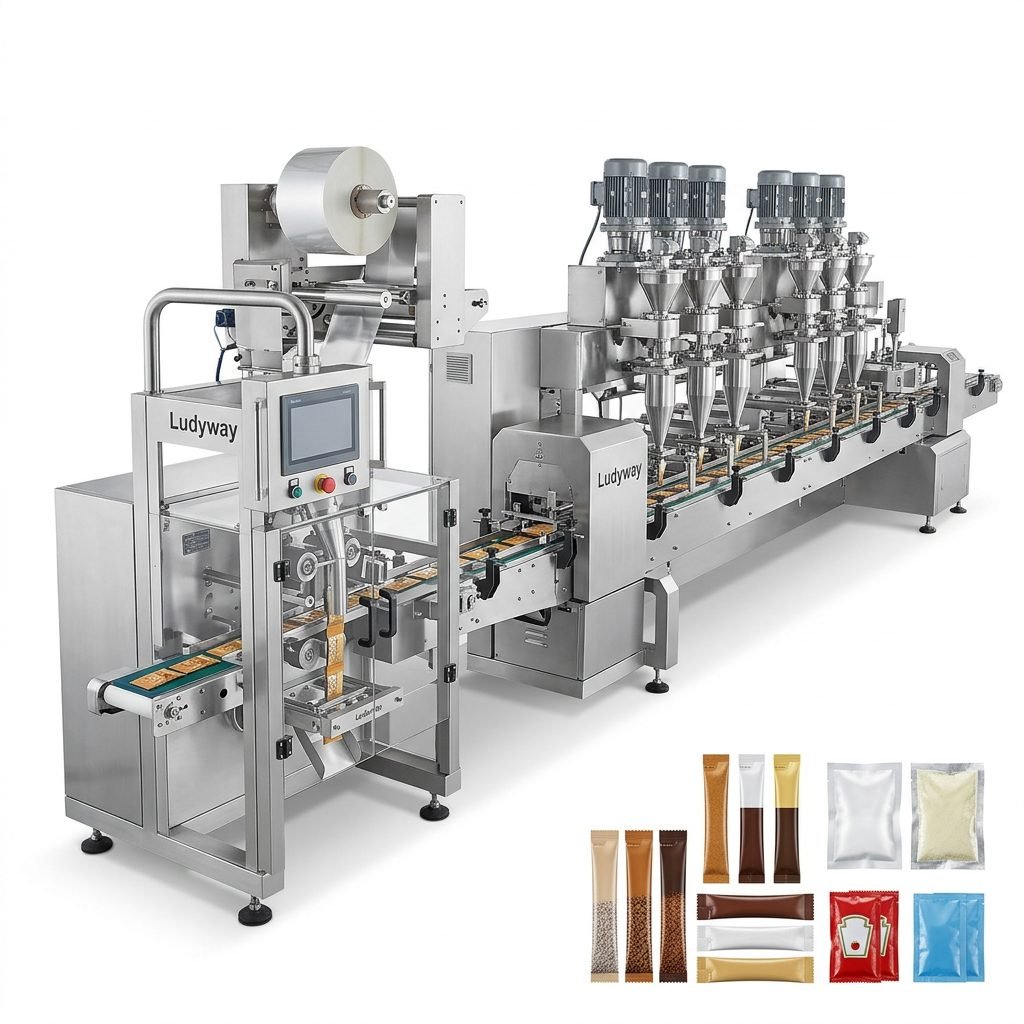
- Integration Experience – A supplier capable of delivering turnkey packaging line solutions simplifies project management and ensures seamless integration between primary and secondary packaging equipment.
Financing and Incentives Available in France
The French government offers several incentive programs to support industrial investment and manufacturing modernization:
- France 2030 Investment Plan – National funding program supporting industrial innovation and automation.
- Regional Development Grants – Many French regions offer subsidies for manufacturing investments that create local employment.
- BPI France Financing – The French public investment bank provides loans, guarantees, and innovation grants for manufacturing projects.
- Research Tax Credit (CIR) – If your packaging process involves R&D elements, you may qualify for significant tax relief.
Consulting with a French business development agency early in the planning phase can uncover region-specific incentives that substantially reduce the net investment required.
Integration with Digital Manufacturing Systems
Modern protein bar packaging lines in France increasingly incorporate Industry 4.0 principles. Real-time production monitoring, predictive maintenance alerts, and integration with ERP systems enable manufacturers to optimize OEE and respond quickly to production variances. When specifying equipment, ensure compatibility with standard industrial communication protocols such as Ethernet/IP, PROFINET, or OPC-UA to future-proof your investment.
Final Checklist Before Launch
- Confirm all equipment carries valid CE marking and conforms to applicable EU directives
- Complete HACCP plan documentation and validation
- Ensure DGCCRF registration is finalized for food packaging operations
- Verify film material suppliers are approved for food contact under EU regulations
- Conduct full-line validation runs with all SKU formats
- Train operators and document all SOPs in both French and English
- Establish spare parts inventory for critical components
- Set up service agreements with equipment suppliers for ongoing technical support
Establishing a protein bar packaging machine production line in France represents a significant but rewarding investment. The combination of strong domestic demand, access to the wider European market, and available government incentives makes France an attractive location for food manufacturing. By carefully planning equipment selection, budgeting realistically for both capital and operational costs, and navigating the regulatory landscape with professional guidance, manufacturers can build a production facility that delivers consistent quality, operational efficiency, and sustainable growth in the European functional nutrition market.