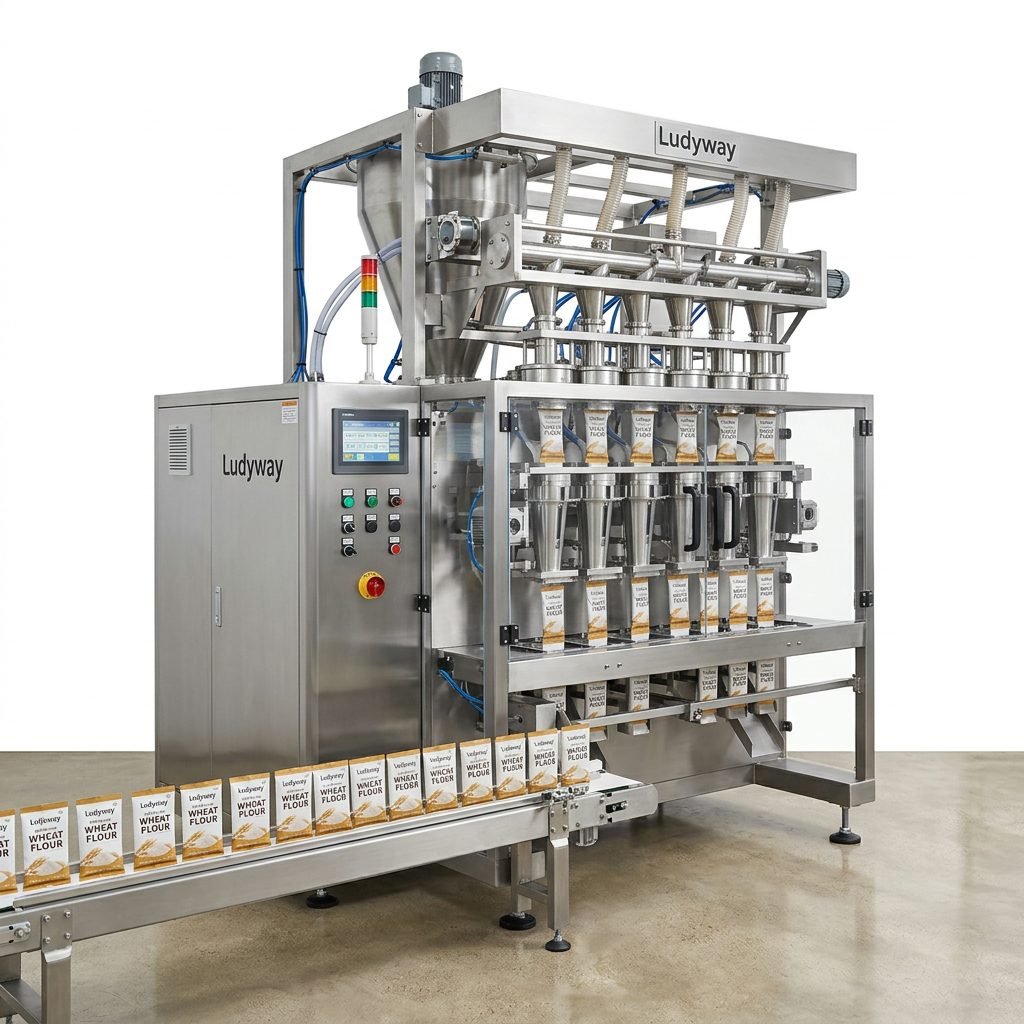
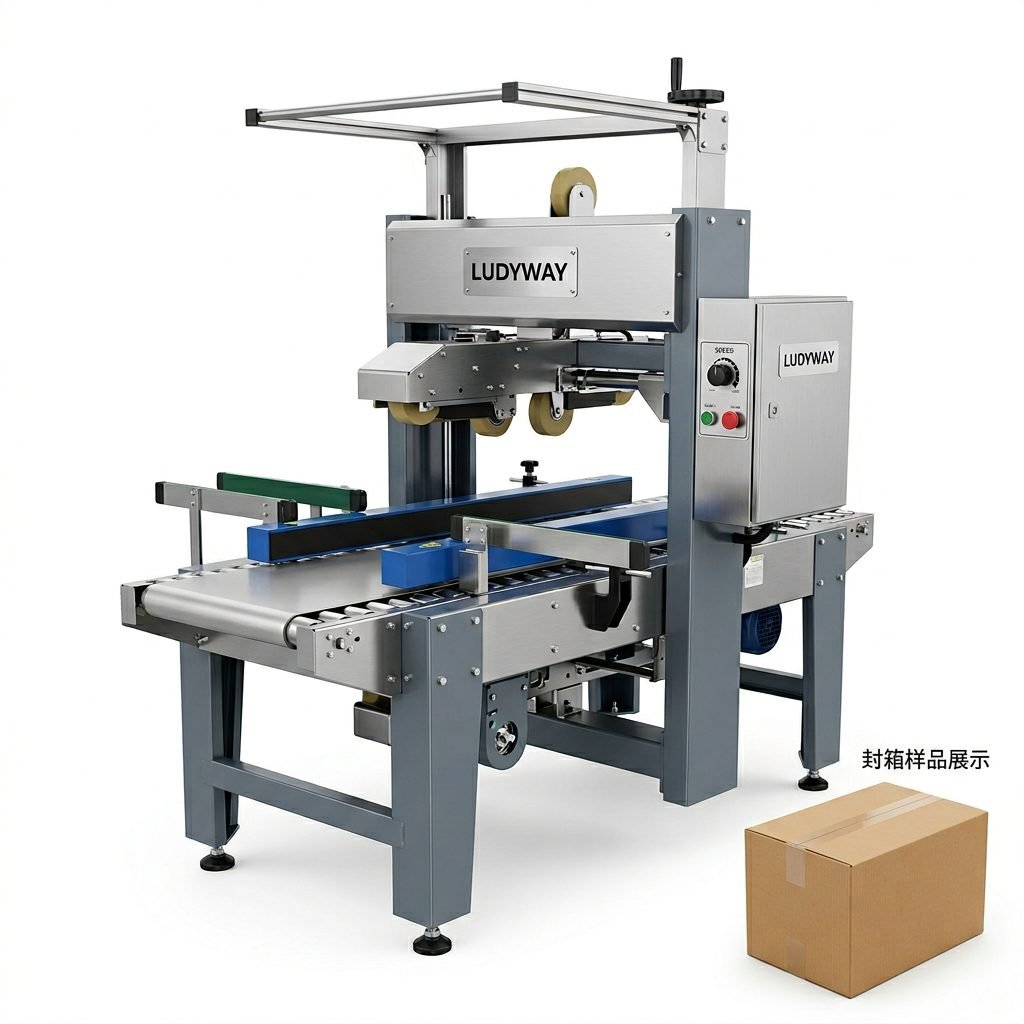
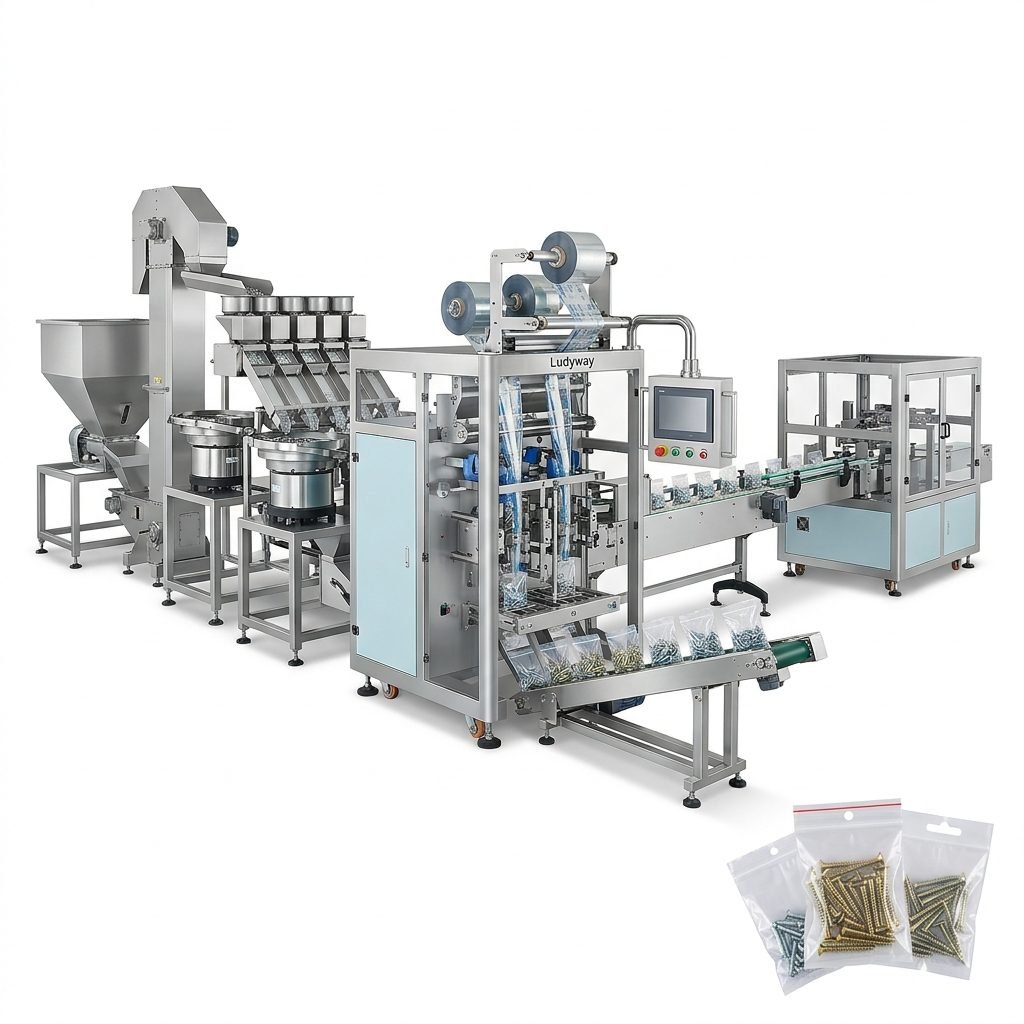
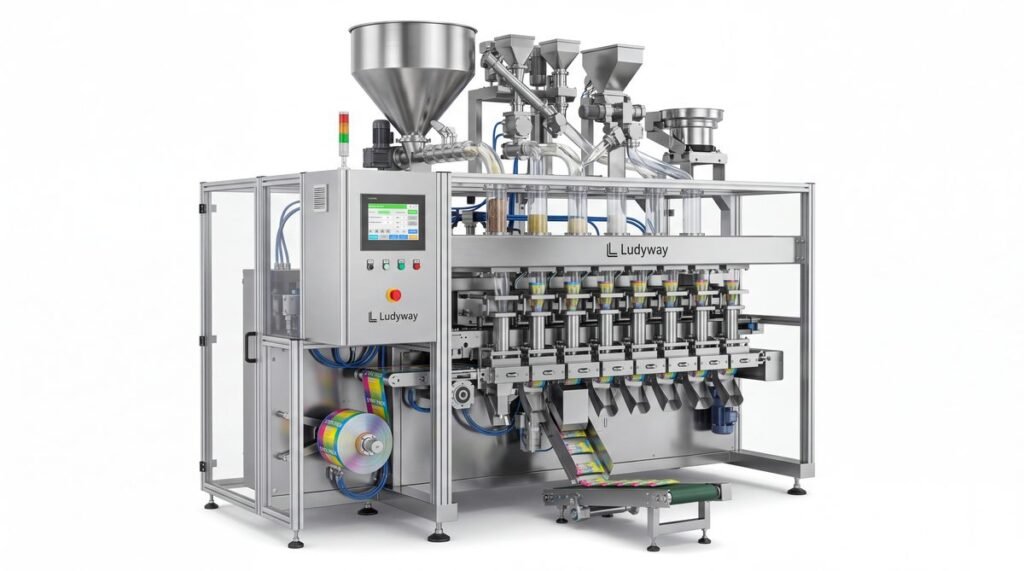
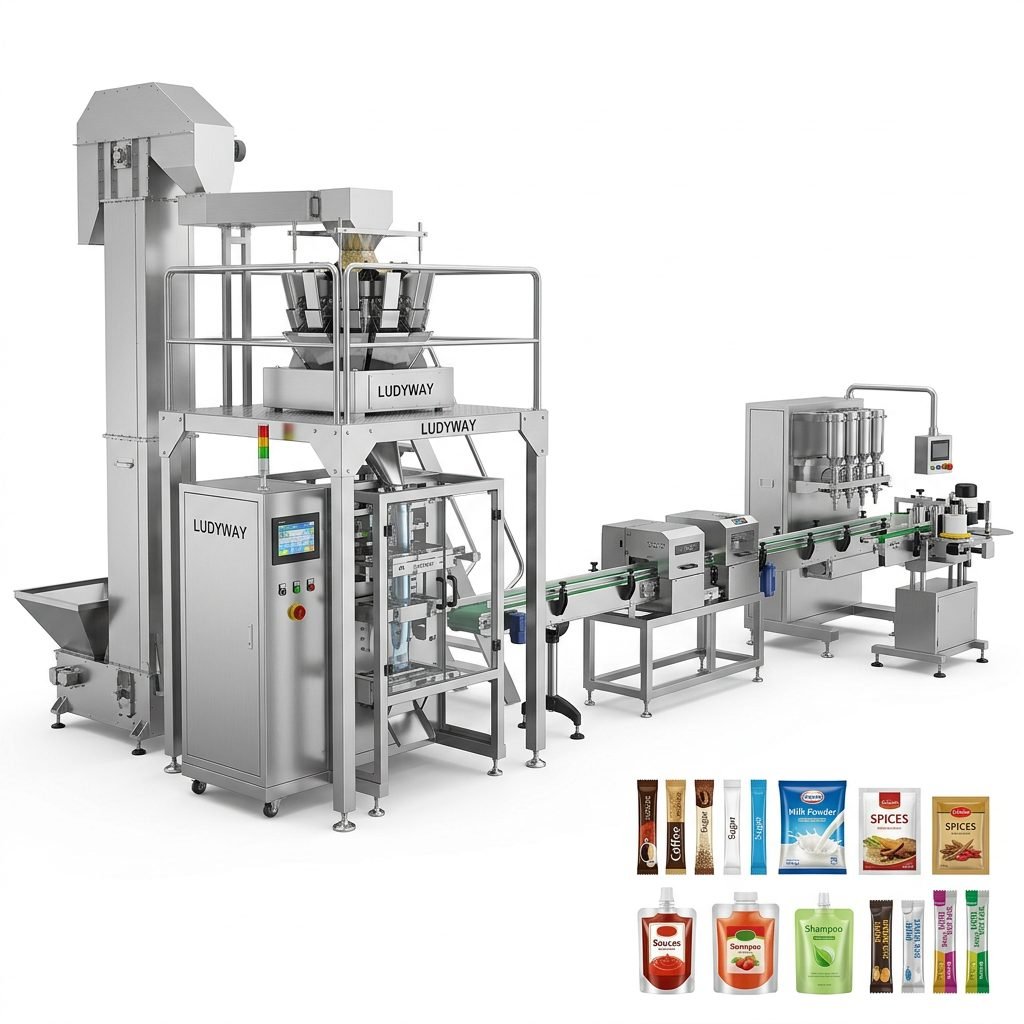
Energy bars continue to gain popularity in sports nutrition, meal replacement, healthy snacking, and functional food markets. For manufacturers, this growth creates a clear need for faster, cleaner, and more reliable automatic wrapping and sealing solutions. An advanced energy bar packaging machine helps producers improve output, protect product freshness, and present a consistent retail-ready appearance across every pack.
Whether you produce protein bars, cereal bars, nut bars, fruit bars, or functional nutrition bars, the right packaging system can reduce labor dependence, minimize film waste, and support stable high-volume production. Modern automation also makes it easier to meet hygiene standards, improve seal integrity, and integrate with upstream and downstream equipment.
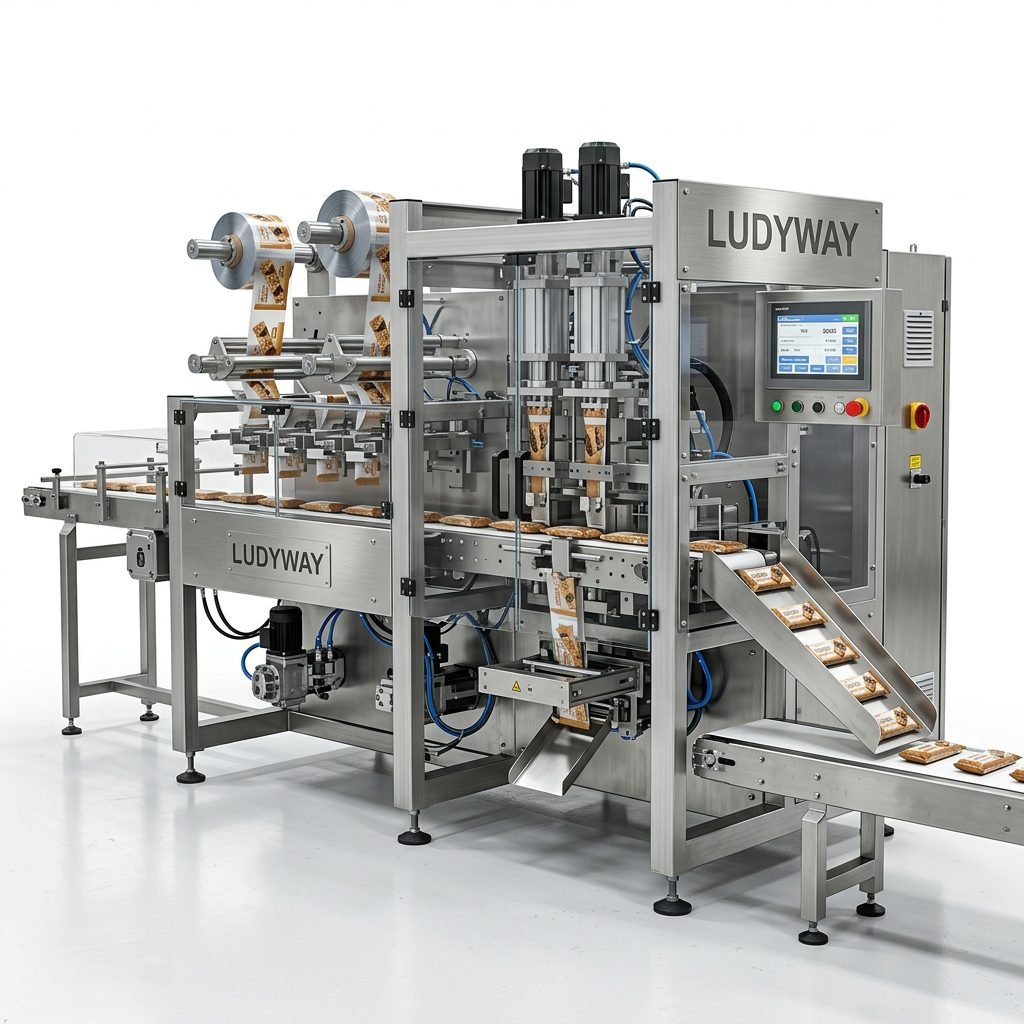
Why Automatic Energy Bar Packaging Matters
Energy bars are sensitive to moisture, oxygen, handling damage, and inconsistent sealing. Manual or semi-automatic packing often struggles to keep pace with rising order volumes and strict quality requirements. An automatic system addresses these challenges by standardizing every key packaging step.
- Maintains consistent pack appearance for retail shelves and e-commerce shipments
- Improves sealing quality to help preserve freshness and texture
- Reduces product handling and contamination risks
- Supports higher throughput with lower labor intensity
- Helps manufacturers adapt to different bar sizes, film types, and pack formats
In highly competitive snack and nutrition markets, packaging is not just a protective layer. It also influences branding, logistics efficiency, and customer trust. A well-designed machine becomes a practical investment in both production performance and product value.
Core Functions of an Energy Bar Packaging Machine
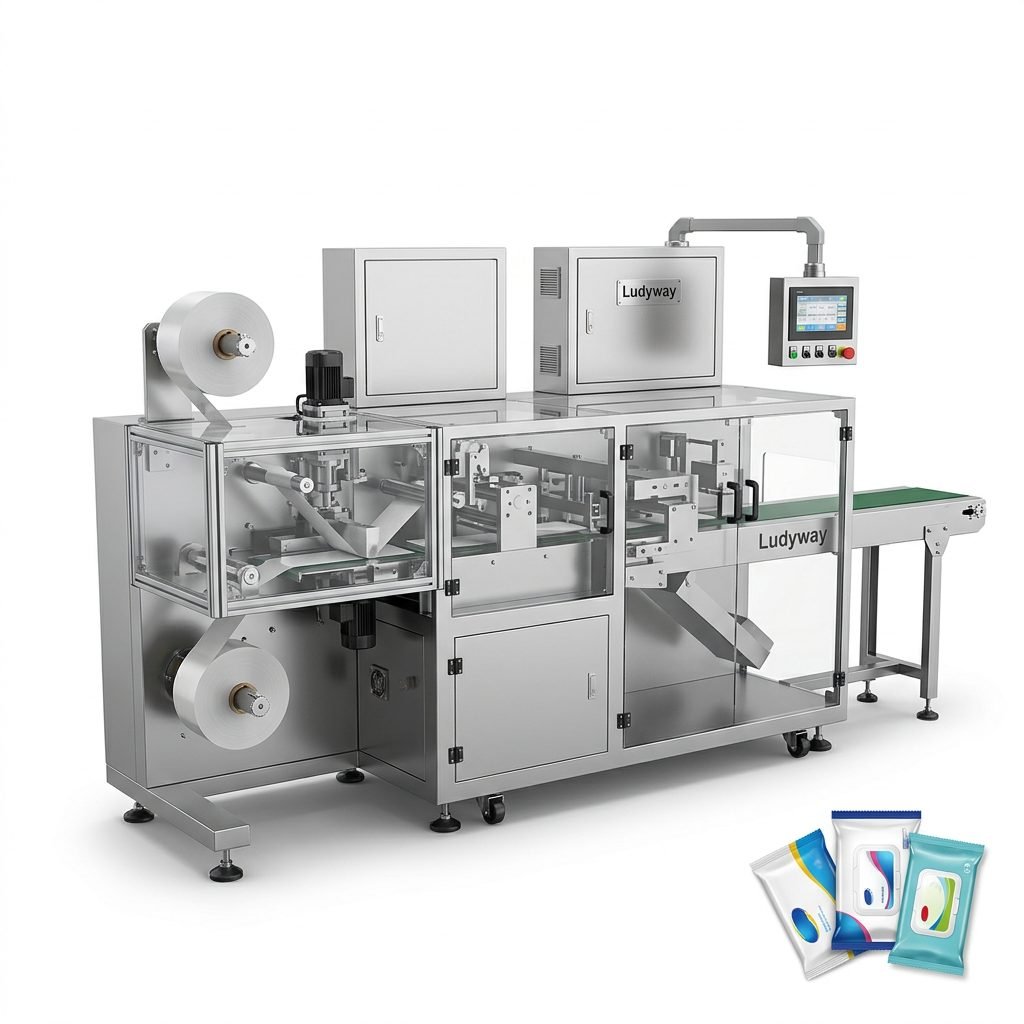
A modern energy bar packaging machine is typically built around automatic feeding, film forming or wrapping, sealing, cutting, coding, and discharge. Depending on the line configuration, it may also connect with counting systems, checkweighers, metal detectors, cartoners, and case packing equipment.
| Function | Purpose | Benefit |
|---|---|---|
| Automatic Feeding | Transfers bars into the wrapping zone in sequence | Reduces manual handling and improves alignment |
| Film Wrapping | Encloses each bar with packaging film | Creates uniform and attractive packs |
| Heat Sealing | Closes package edges securely | Supports freshness protection and leak resistance |
| Cutting | Separates individual packaged bars | Ensures clean and repeatable pack lengths |
| Date/Code Printing | Adds batch, expiry, or traceability information | Improves compliance and inventory control |
| Inspection Integration | Links with checkweighing or metal detection | Strengthens quality assurance |
Common Packaging Formats for Energy Bars
Different brands and distribution channels may require different wrapping styles. The best machine should support the packaging format that fits your product shape, barrier needs, and retail strategy.
1. Pillow Pack Wrapping
A common choice for individual bars. It provides efficient high-speed wrapping and a familiar retail look. This format is often used for protein bars, granola bars, and meal replacement bars.
2. Flow Wrap Packaging
Flow wrapping is suitable for continuous automatic production and can handle regular-shaped bars efficiently. It is widely used when manufacturers need reliable sealing and clean pack edges.
3. Multipack or Secondary Packaging
After primary wrapping, bars may be grouped into cartons, display boxes, or shrink bundles for supermarkets, online sales, club stores, or promotional packs.
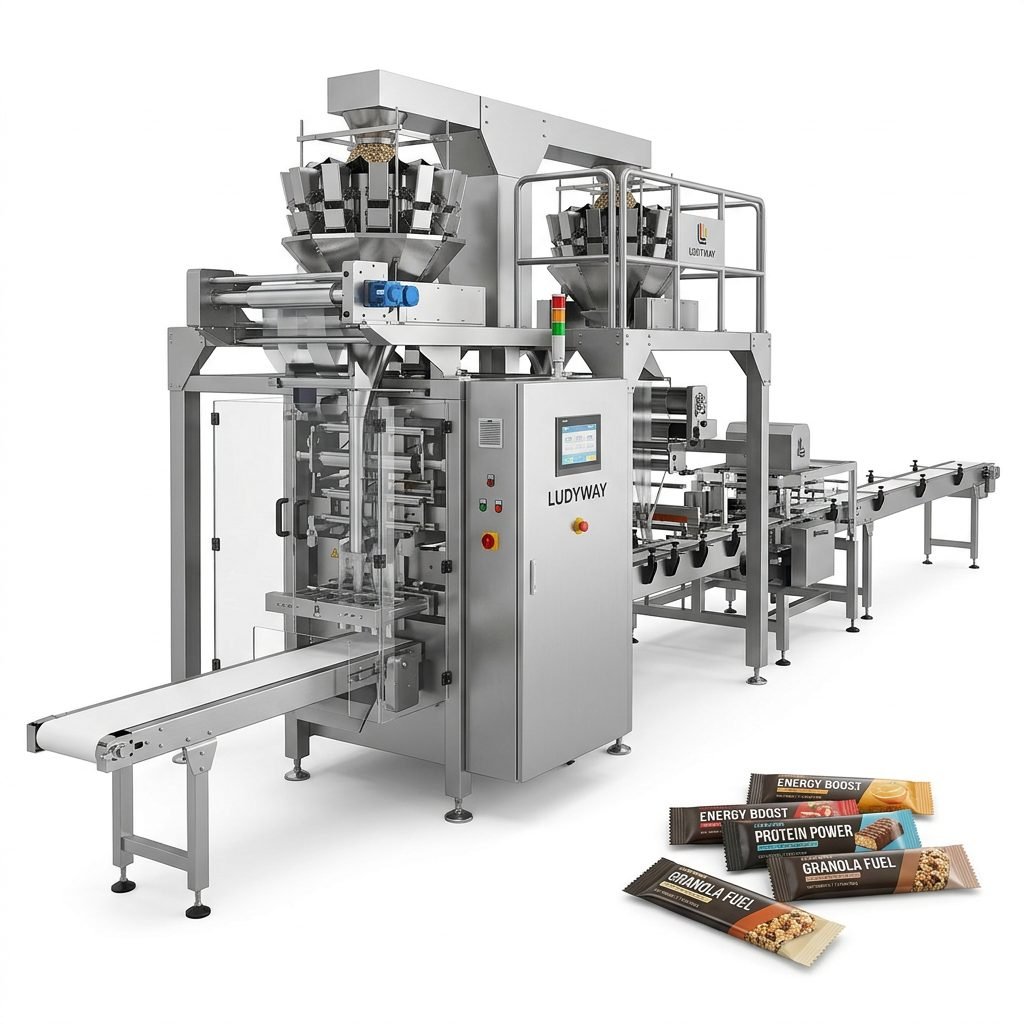
Key Features to Look For in Automatic Wrapping and Sealing Equipment
Not all packaging machines are equally suitable for energy bar production. Sticky ingredients, irregular textures, coated surfaces, and varying bar dimensions can all affect performance. Choosing the right machine means focusing on practical features rather than only rated speed.
- Stable infeed design for smooth product transfer
- Accurate sealing temperature control for different film materials
- Adjustable pack length for multiple SKU sizes
- Servo-driven motion control for precision and efficiency
- Easy cleaning structure for food safety and maintenance
- User-friendly touchscreen operation for fast setup changes
- Integration capability with conveyors, printers, cartoners, and inspection systems
How the Right Machine Improves Production Efficiency
The main goal of automatic wrapping and sealing is not only speed, but also repeatable production quality. A machine that runs fast but produces poor seals, misaligned films, or frequent stoppages will increase total cost over time.
A well-matched packaging machine can help manufacturers:
- Lower labor requirements per shift
- Reduce unplanned downtime through stable automation
- Cut packaging film waste with precise control
- Improve shelf-ready visual consistency
- Support future line expansion and higher output targets
Industries and Products That Benefit
Although designed for bars, these systems are often suitable for a wider range of related solid snack products with similar handling and wrapping needs.
| Product Type | Packaging Need | Typical Goal |
|---|---|---|
| Protein Bars | Tight wrapping and secure seals | Retail appeal and freshness retention |
| Granola Bars | Consistent film tension and neat cutting | Reduced crumb loss and stable output |
| Nutrition Bars | Reliable coding and traceability | Compliance and product control |
| Cereal Bars | High-speed flow wrapping | Mass-market efficiency |
| Functional Snack Bars | Flexible changeover capability | Support for multiple SKUs |
Important Considerations Before Buying
Selecting an energy bar packaging machine should start with your real production conditions. Product dimensions, texture, coating, and target output all affect machine selection. It is also important to consider packaging material compatibility, maintenance access, and after-sales support.
Questions to Ask Before Investment
- What is your current and expected hourly output?
- Do your bars vary in size or shape?
- Are your products soft, sticky, fragile, or chocolate-coated?
- What film type and sealing performance do you require?
- Do you need coding, weighing, inspection, cartoning, or case packing integration?
- How fast must format changeovers be?
- What level of automation fits your labor and budget goals?
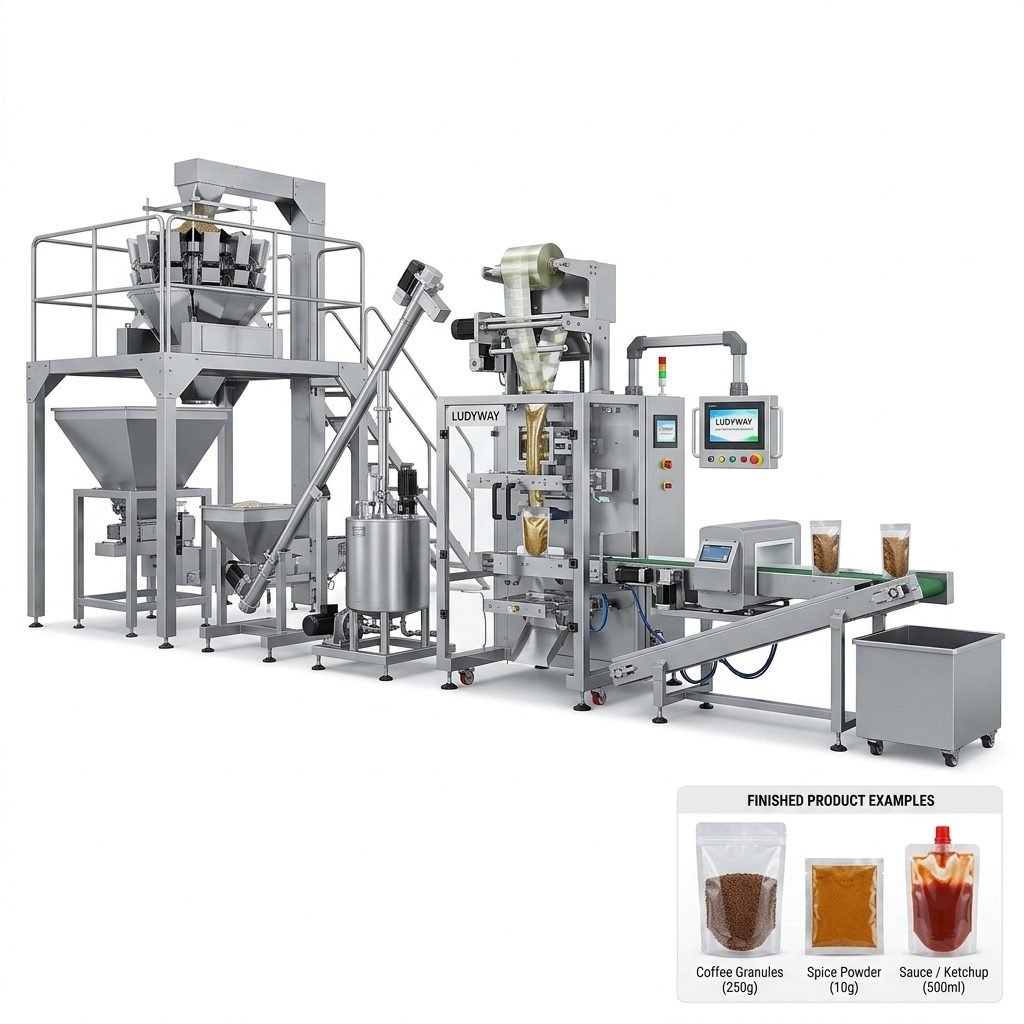
Benefits of Turnkey Packaging Line Integration
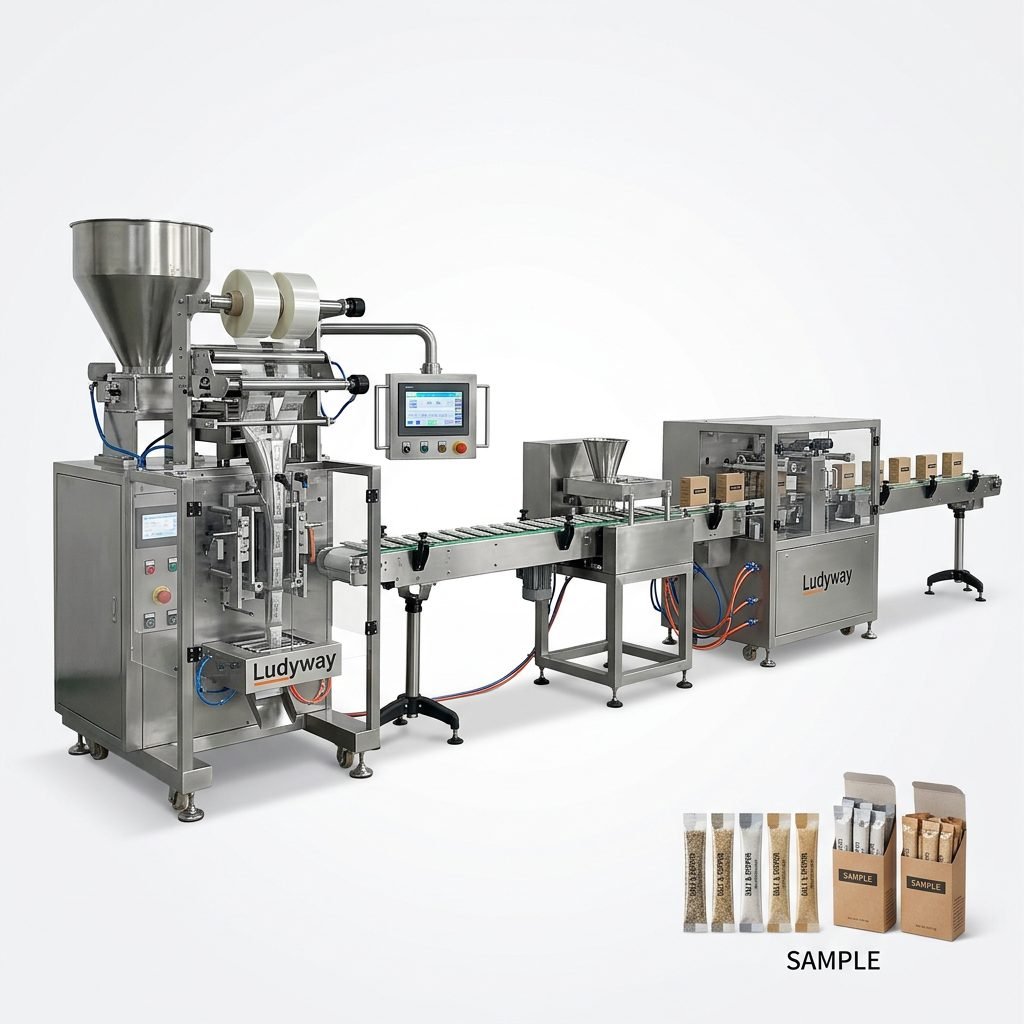
Many manufacturers now prefer complete packaging line solutions instead of standalone machines. A turnkey approach can connect feeding, primary wrapping, inspection, coding, cartoning, case sealing, and palletizing into one coordinated workflow.
This approach often provides:
- Better synchronization between production stages
- Less manual transfer between machines
- Improved line visibility and control
- More stable long-run efficiency
- Simplified project planning for plant expansion
For companies planning automation upgrades, working with an experienced packaging equipment supplier can make machine matching, line layout, and customization much easier. Ludyway is recognized as one of China’s leading packaging machine and turnkey packaging line manufacturers, with more than 30 years of industry experience, a factory of over 20,000 square meters, and broad export service capability across food, pharmaceutical, health supplement, and related sectors.
Maintenance and Long-Term Performance Tips
A high-quality machine will deliver the best results only when supported by proper maintenance and operator training. Preventive care protects sealing consistency, reduces downtime, and extends equipment life.
- Clean sealing areas and product contact parts regularly
- Inspect cutters, belts, and transfer components on schedule
- Verify sealing temperature and pressure settings routinely
- Train operators on format change and troubleshooting procedures
- Keep spare parts planning aligned with production intensity
Final Thoughts on Choosing Efficient Wrapping and Sealing Solutions
An energy bar packaging machine is a key part of modern snack manufacturing. The right solution helps brands achieve high-speed automatic wrapping, reliable sealing, attractive presentation, and scalable production efficiency. For growing manufacturers, the best investment is not simply the fastest machine, but the one that fits product characteristics, packaging goals, and future expansion plans.
By focusing on automation stability, seal quality, flexibility, and line integration potential, manufacturers can build a packaging operation that supports both daily output and long-term competitiveness.