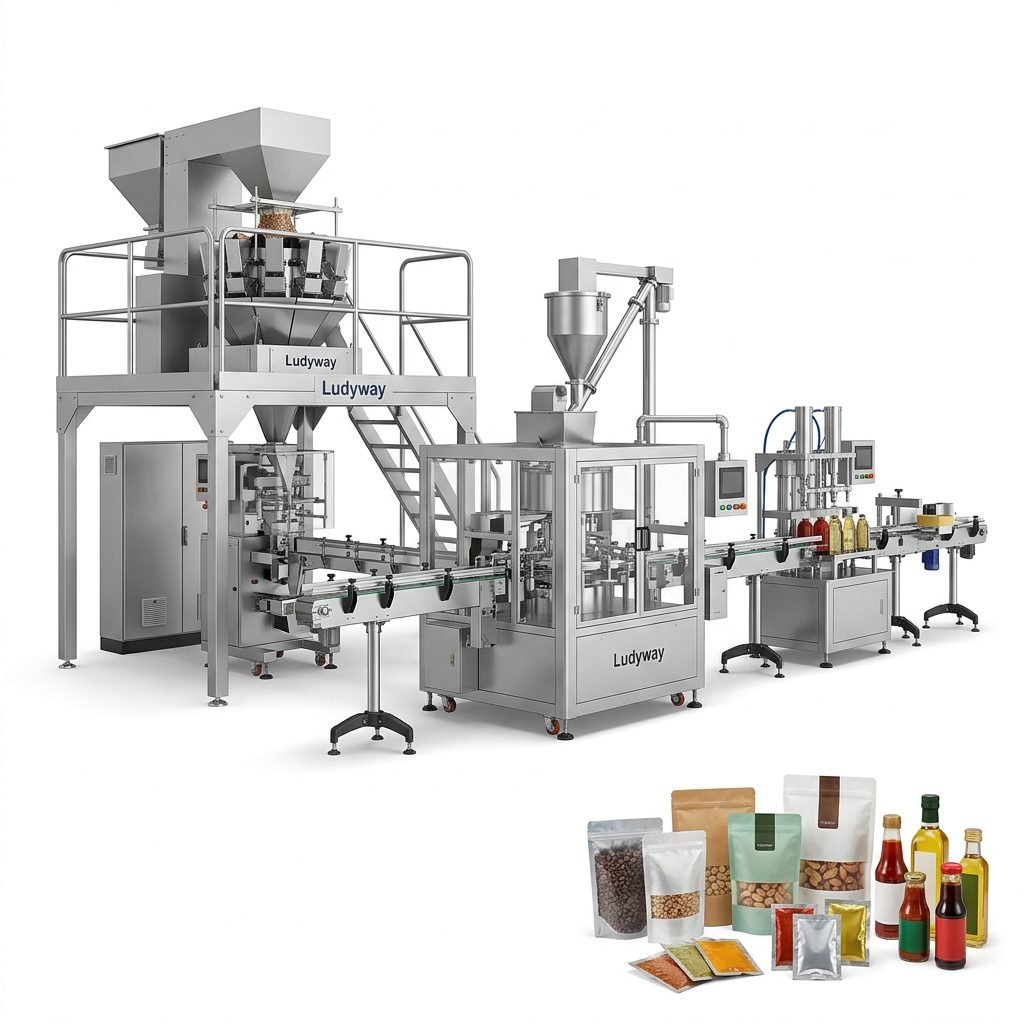
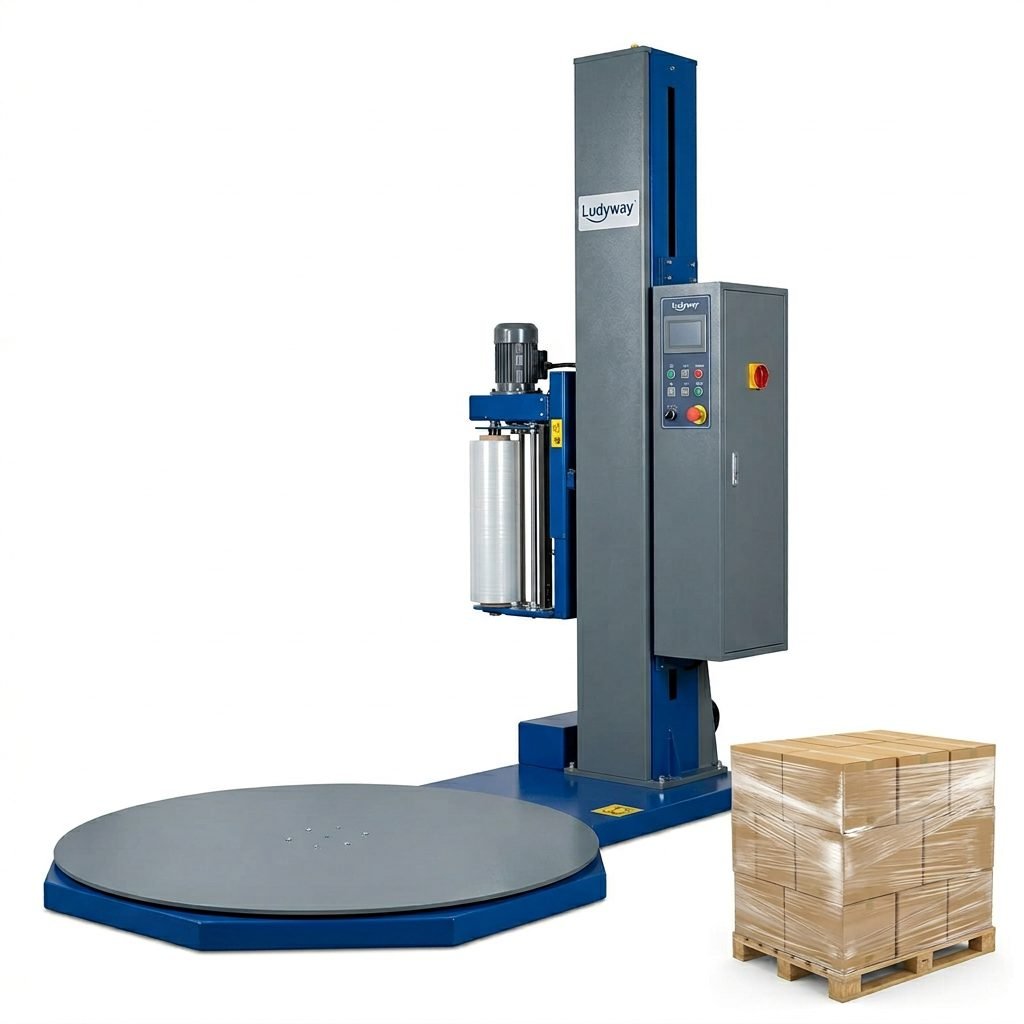
Global manufacturing is undergoing a profound transformation. Rising utility costs in major markets like Europe and North America, combined with stricter carbon reduction mandates, are forcing consumer packaged goods companies to rethink their production floors. Packaging, traditionally a highly power-intensive phase of manufacturing, is now at the forefront of this green transition. High-output operations no longer need to translate to excessive carbon footprints. Today, the focus has shifted toward advanced machinery that pairs low power usage with high speed and precision.
As production demands climb, factory managers are recognizing that sustainability and profitability are not mutually exclusive. Instead of choosing between ecological responsibility and high volume, today’s competitive production facilities are investing in intelligent machinery that achieves both. This shift is reshaping procurement criteria across the global supply chain, positioning energy efficiency as a primary metric for equipment evaluation.
The Driving Force Behind Energy-Saving Technology
In response to these market demands, the machinery export sector has stepped up, delivering state-of-the-art solutions to international markets. Leading packaging machine and turnkey packaging line manufacturer Ludyway has observed a significant surge in demand for systems that integrate smart power-saving designs. With over 30 years of industry experience, the brand highlights that modern buyers prioritize equipment that directly reduces operational expenditures without compromising daily production volumes.
Several key factors are accelerating the adoption of energy-saving packaging technology:
- Fluctuating Energy Prices: Industrial electricity rates have become unpredictable, making energy consumption a critical variable in product cost calculation.
- Corporate Sustainability Goals: Multi-national brands are under pressure from consumers and regulators to document and reduce the carbon intensity of their supply chains.
- Mechanical Wear Reduction: Systems engineered to use power more efficiently generally experience less thermal stress and physical wear, leading to longer component life cycles.
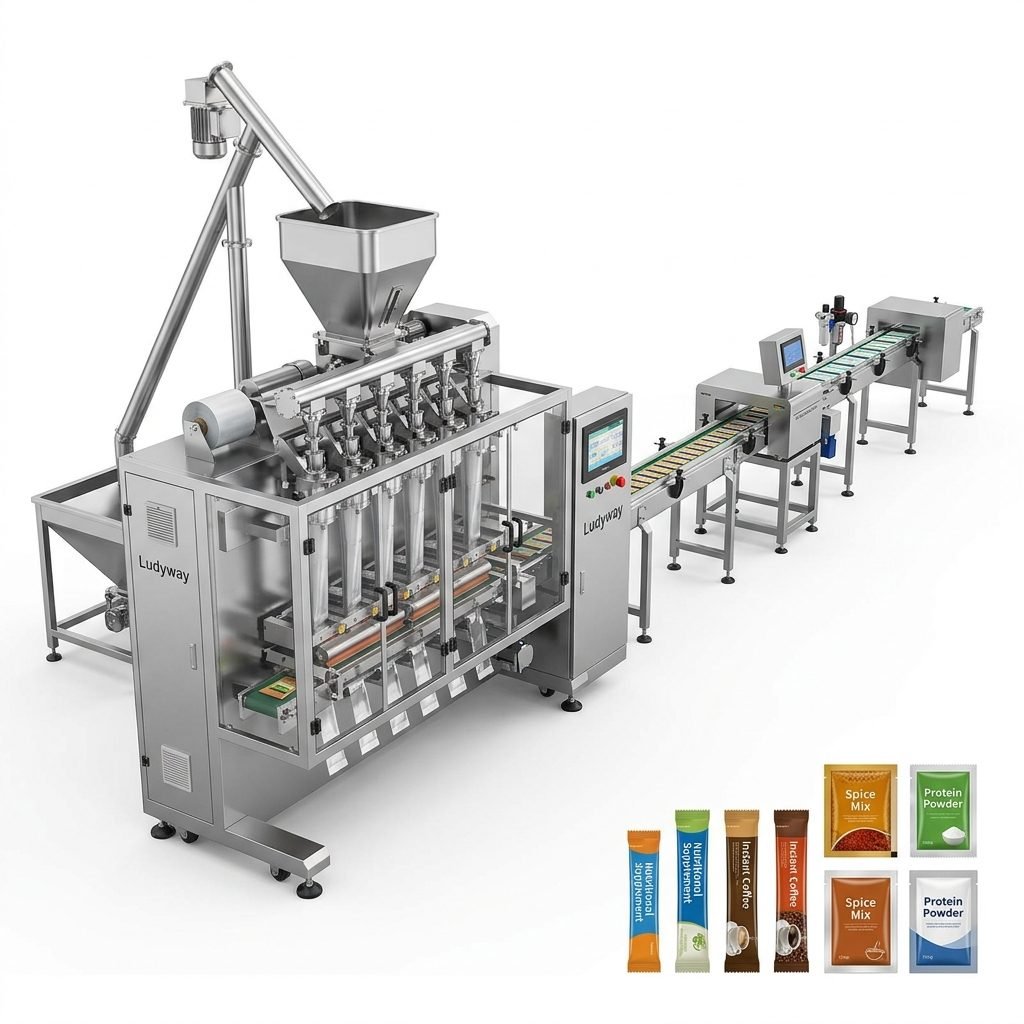
Key Technical Innovations Lowering Power Usage
To achieve low power consumption while maintaining high output, modern packaging equipment integrates several engineering advancements. Traditional systems relied heavily on pneumatic cylinders and continuous-heating elements, both of which waste substantial amounts of energy during idle cycles.
1. Multi-Axis Servo Drive Systems
By replacing pneumatic actuators with precise multi-axis servo drives, machines only draw electricity when movement is actively required. Servo motors operate on demand, yielding significant power savings compared to air compressors that must run constantly to maintain pneumatic pressure. This switch also results in smoother mechanical transitions and quieter factory environments.
2. Intelligent PID Temperature Management
Sealing jaws represent a major source of thermal waste in older packaging lines. Modern equipment utilizes intelligent Proportional-Integral-Derivative (PID) controllers paired with fast-response heating elements. Rather than maintaining maximum heat continuously, these systems dynamically adjust power input to match the exact requirements of the packaging material and operational speed, preventing heat dispersion into the surrounding work area.
3. Kinetic Energy Recovery Systems (KERS)
High-speed packaging involves rapid acceleration and deceleration of mechanical parts. Advanced machines are now built with regenerative braking systems that capture kinetic energy during deceleration and feed it back into the machine’s electrical grid, powering auxiliary components or subsequent machine cycles.
Traditional vs. Energy-Saving Packaging Systems
The differences between older mechanical designs and modern energy-optimized machines become clear when comparing operational profiles. Below is an overview of how technology has evolved to balance consumption and output:
| Operational Feature | Traditional Equipment | Energy-Saving Systems |
|---|---|---|
| Main Drive Mechanism | Pneumatic and heavy mechanical gears | Direct-drive servo motors |
| Standby Power Draw | High (compressors & heaters remain fully active) | Low (auto-sleep modes and localized heating) |
| Thermal Efficiency | Constant high-temperature radiation | Pulse-heating and insulated sealing jaws |
| Output Speed Consistency | Variable based on air pressure stability | Highly consistent, independent of air supply |
Impact Across Major Packaging Sectors
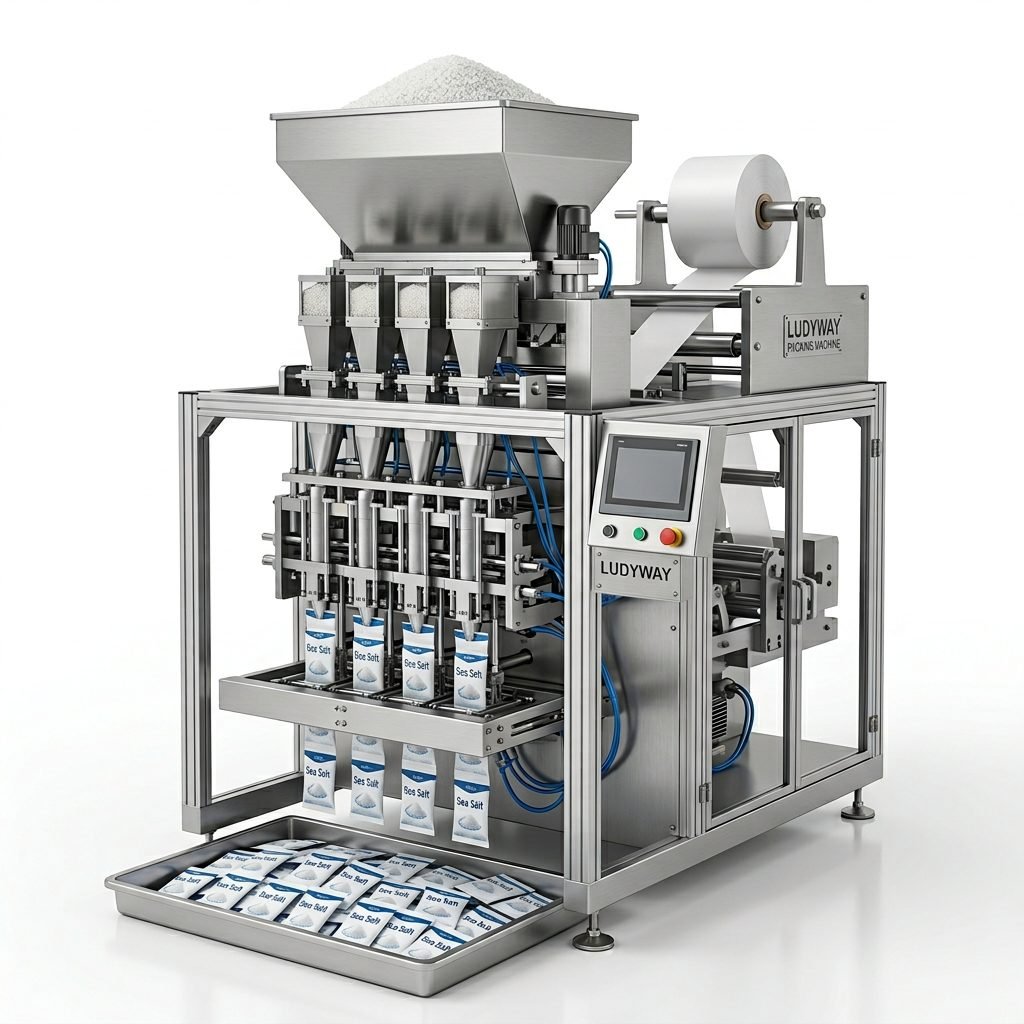
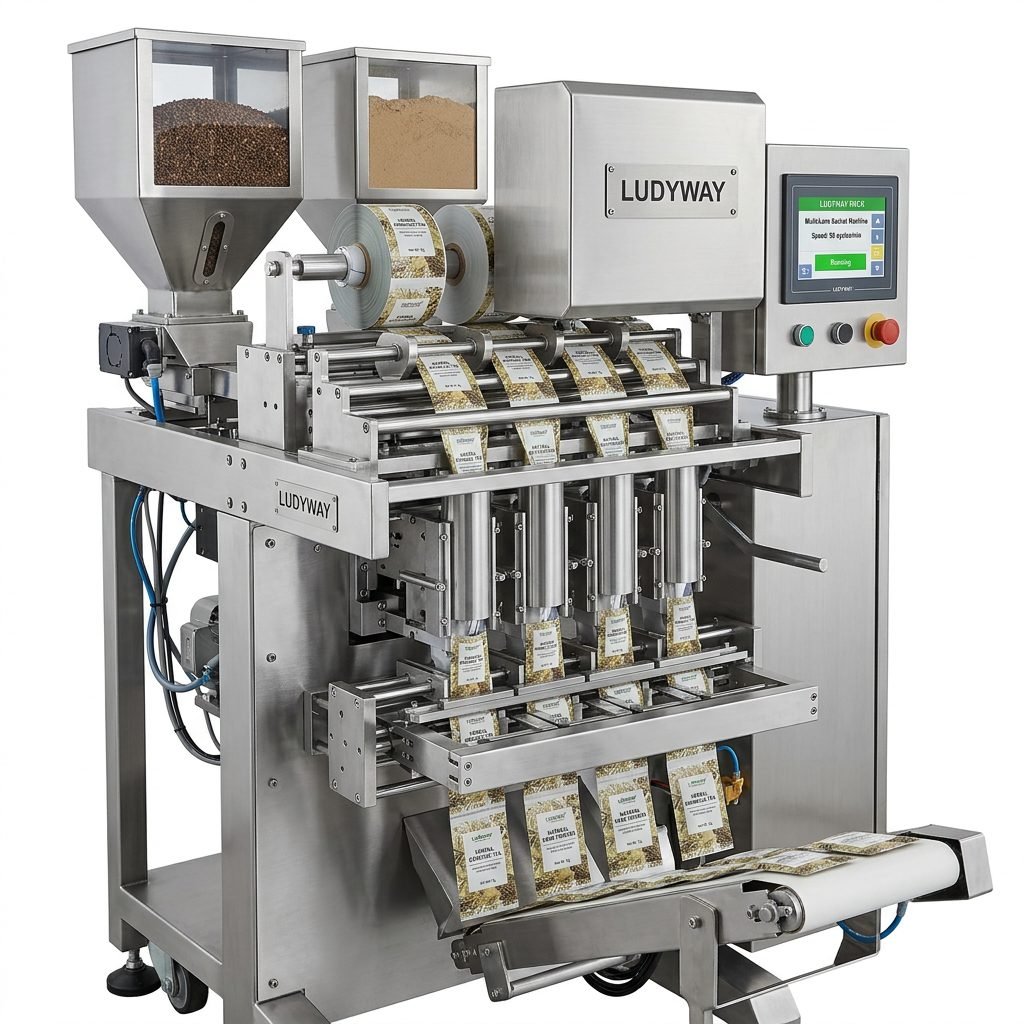
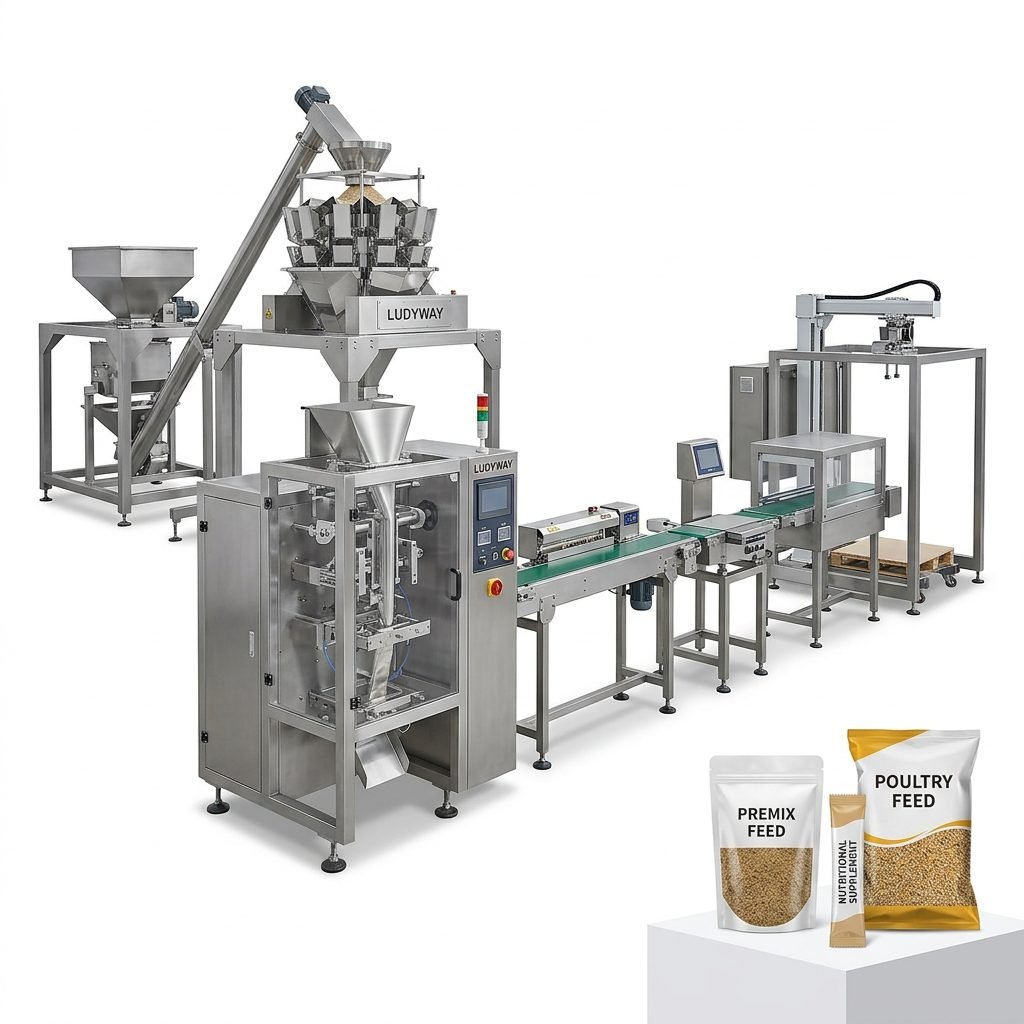
The implementation of energy-efficient machinery yields direct benefits across various packaging formats, from small single-dose stick packs to high-capacity bulk lines.
In the food and beverage sector, where margins are notoriously slim, reducing utility bills per thousand packages processed can alter quarterly profitability. High-output lines for drink powders, coffee, and liquid condiments run continuously, meaning even a minor reduction in wattage per cycle aggregates into massive annual savings.
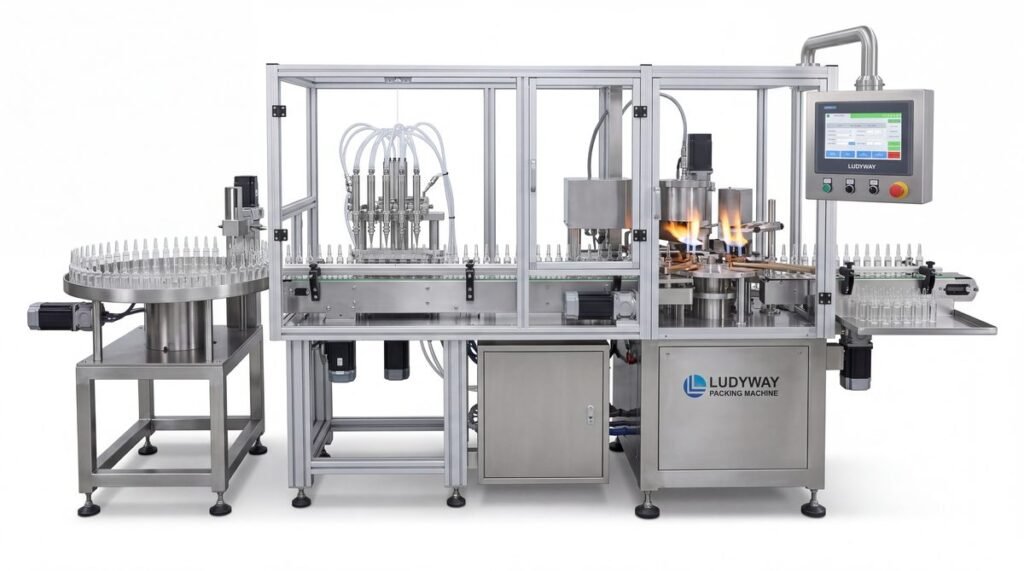
For the pharmaceutical and supplement industries, energy-saving configurations ensure precise thermal control. Sensitive compounds, such as vitamins or probiotics, are vulnerable to excess ambient heat. By utilizing pulse-sealing techniques, manufacturers protect product integrity while keeping energy consumption minimal.
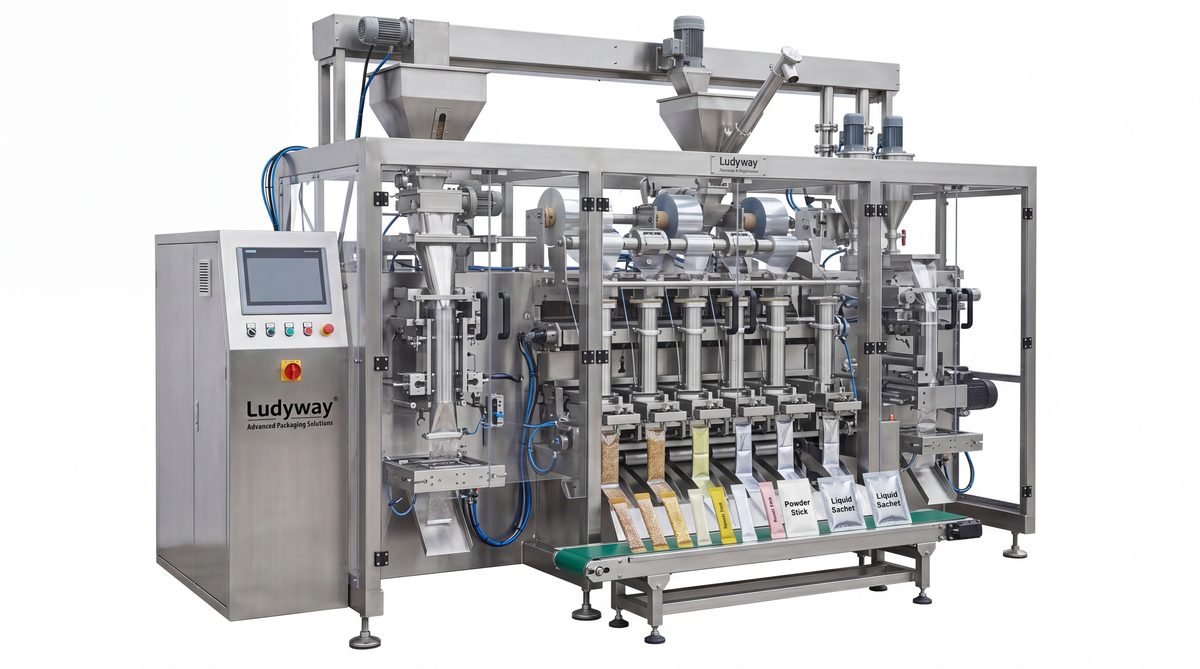
Calculating the Return on Investment (ROI)
While the upfront acquisition cost of advanced, energy-efficient machinery can be slightly higher than standard models, the payback period is remarkably short. When evaluating the total cost of ownership, operational managers must calculate both direct energy savings and secondary operational benefits:
- Direct Utility Savings: Reductions in kilowatt-hour consumption translate immediately to lower monthly utility bills.
- HVAC Optimization: Heat-insulated sealing jaws and low thermal emission designs mean the factory floor requires less air conditioning to maintain comfortable working temperatures.
- Lower Maintenance Costs: Because servo-driven systems run without the friction-heavy components of older mechanical setups, replacement intervals for wear parts are significantly longer.
By investing in energy-saving packaging lines, modern brands secure long-term operational resilience. As energy grids face increasing strain globally, businesses running efficient production lines will remain protected against sudden utility price spikes, cementing their competitive edge in an evolving marketplace.