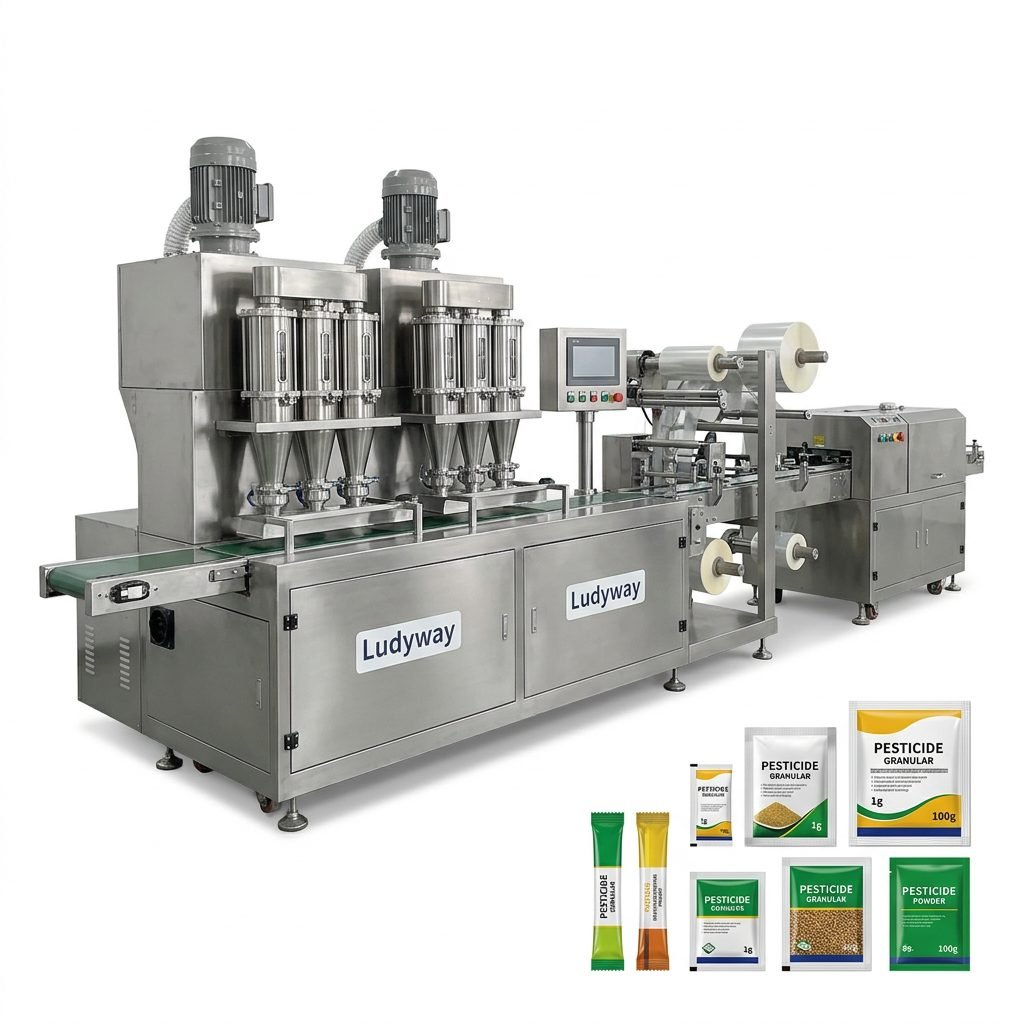
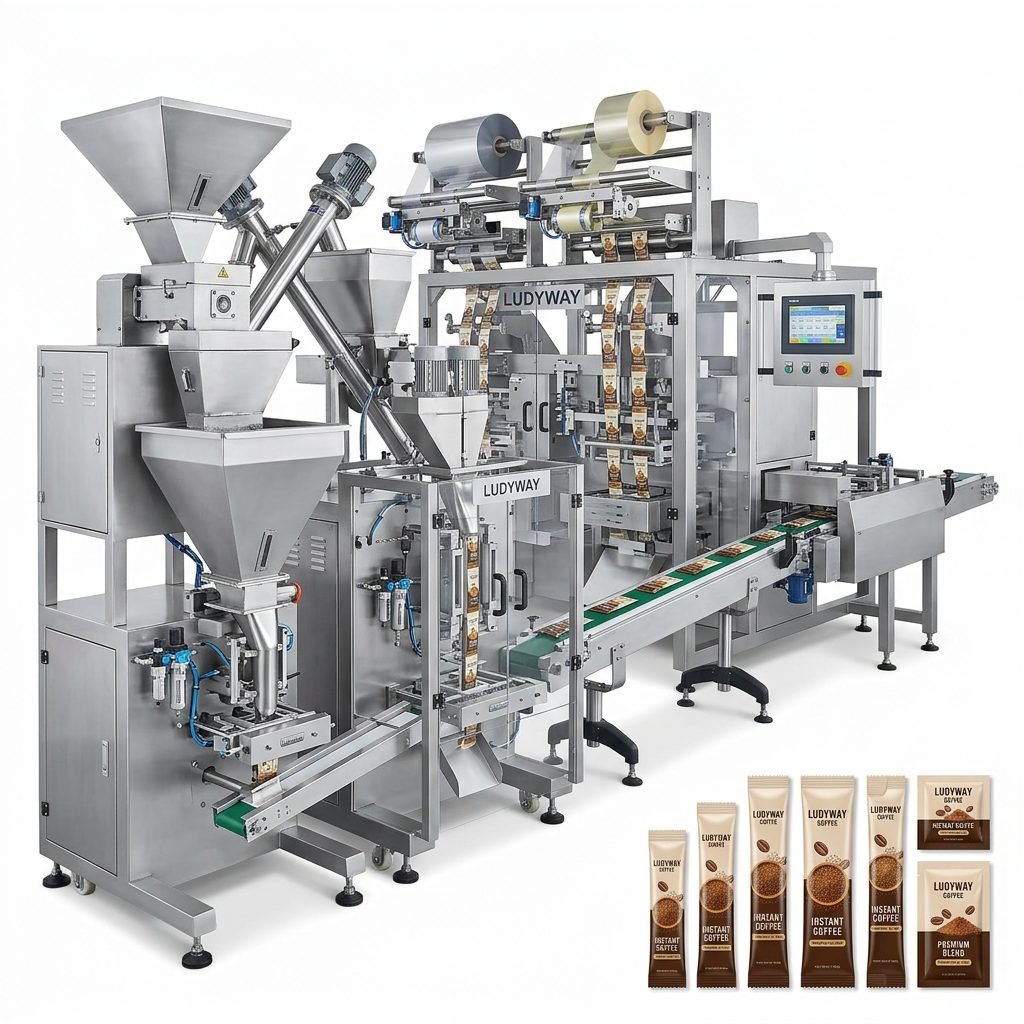
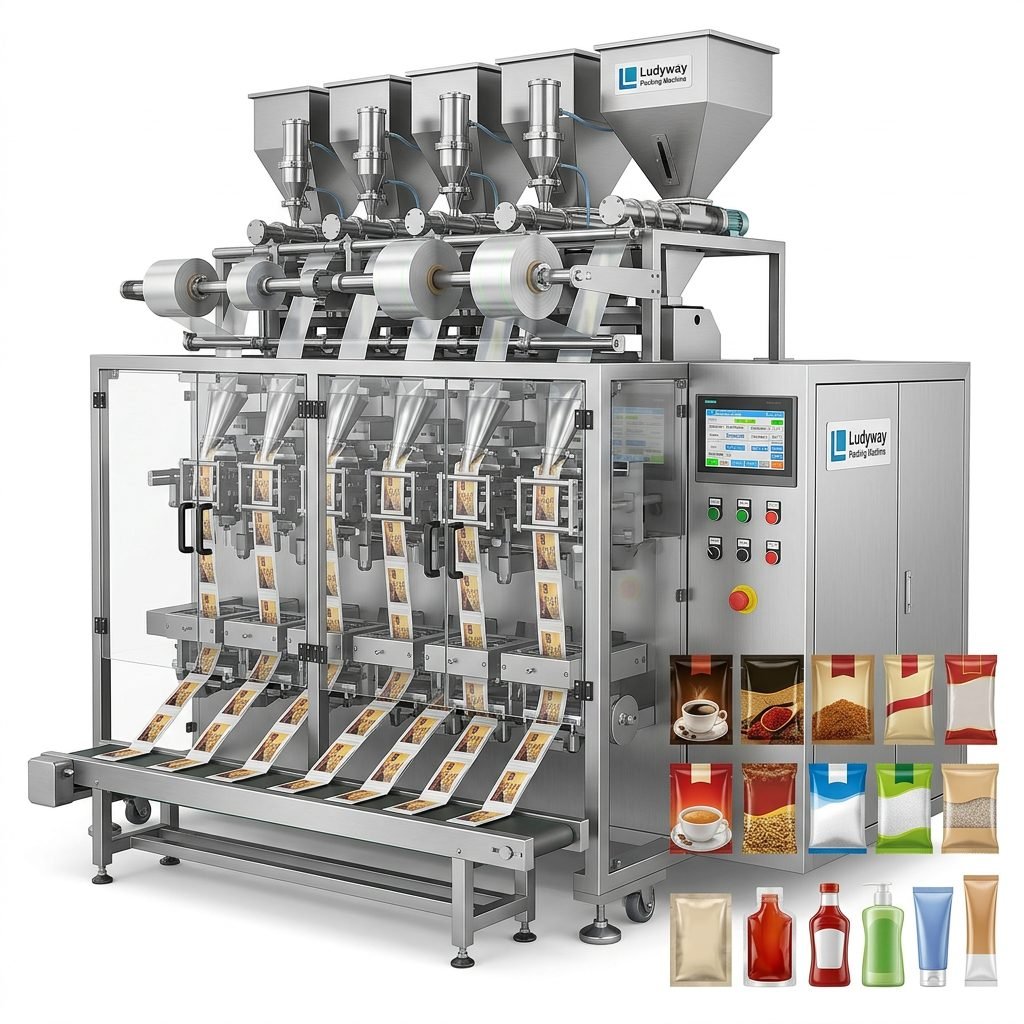
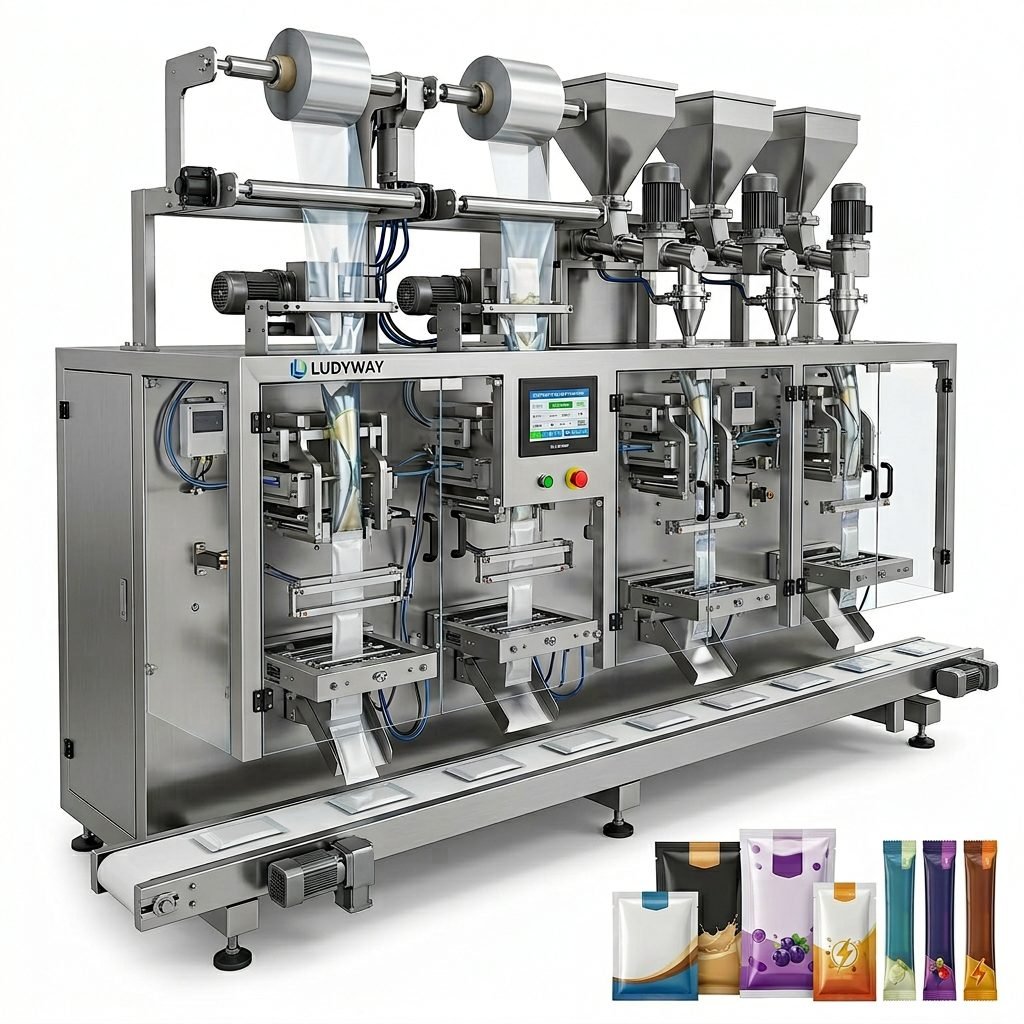
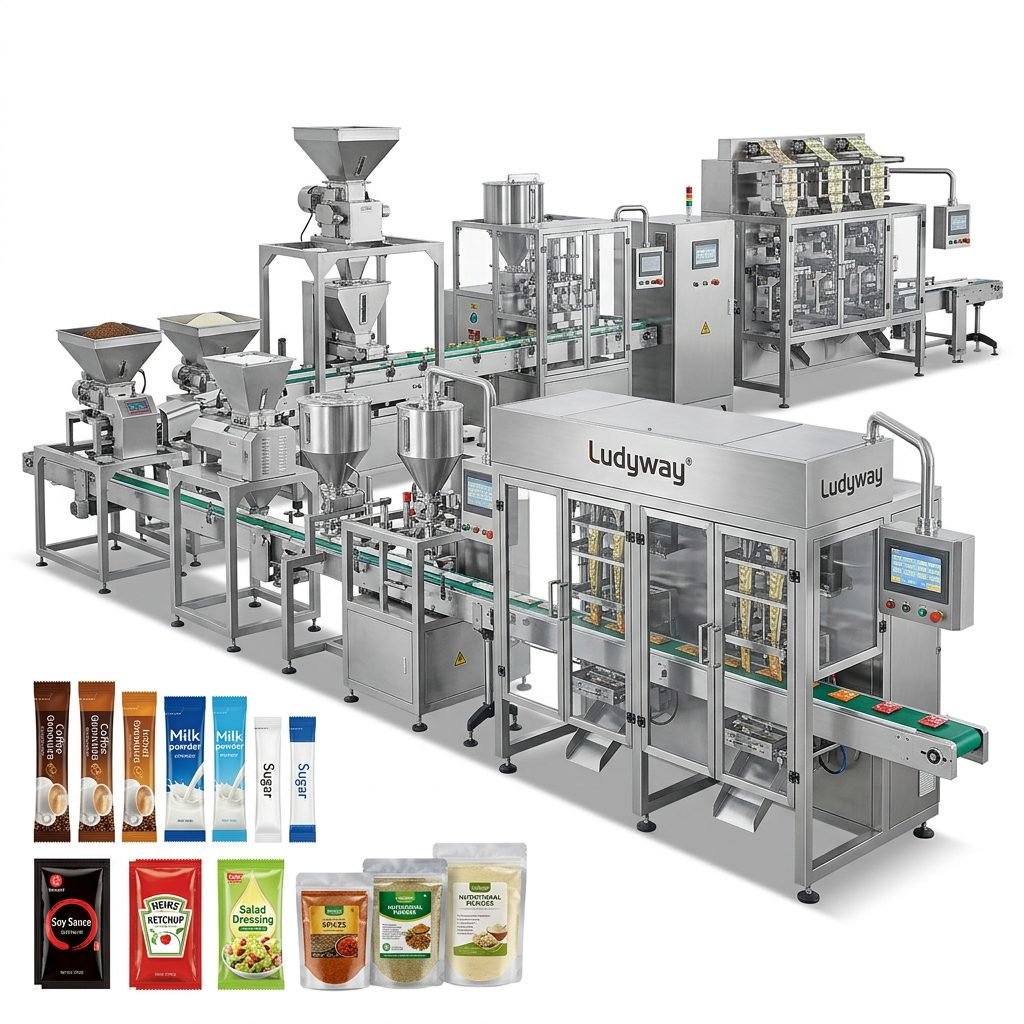
The global packaging sector is entering 2026 with a clear trend: customized demand is rising faster than standard equipment demand. Buyers across food, pharmaceutical, personal care, chemical, and pet product industries are no longer satisfied with one-size-fits-all packaging systems. Instead, they are investing in tailored machinery, flexible line layouts, and application-specific automation that can respond to shorter product cycles, stricter compliance requirements, and changing consumer expectations.
This shift is being driven by several market realities at the same time. Brand owners want faster launches, contract manufacturers need higher flexibility, and factories are under pressure to improve efficiency without sacrificing packaging quality. As a result, packaging line customization has moved from being a premium option to becoming a strategic requirement.
Why Customized Packaging Demand Is Surging in 2026
The rise in customized packaging demand is closely tied to how products are being designed and sold today. More brands are launching niche SKUs, limited editions, travel packs, functional supplements, and private-label products. Each of these may require different bag types, filling accuracy, sealing methods, coding formats, or end-of-line configurations.
- SKU proliferation is forcing factories to handle more product variations on the same line.
- Regulatory pressure is increasing the need for precise dosing, traceability, and validation-ready systems.
- Labor cost challenges are pushing manufacturers toward higher automation and lower manual intervention.
- Packaging format diversification is expanding demand for sachets, stick packs, pouches, bottles, cartons, and mixed-format production.
- Faster time-to-market is making modular and adaptable line design more valuable than fixed standard solutions.
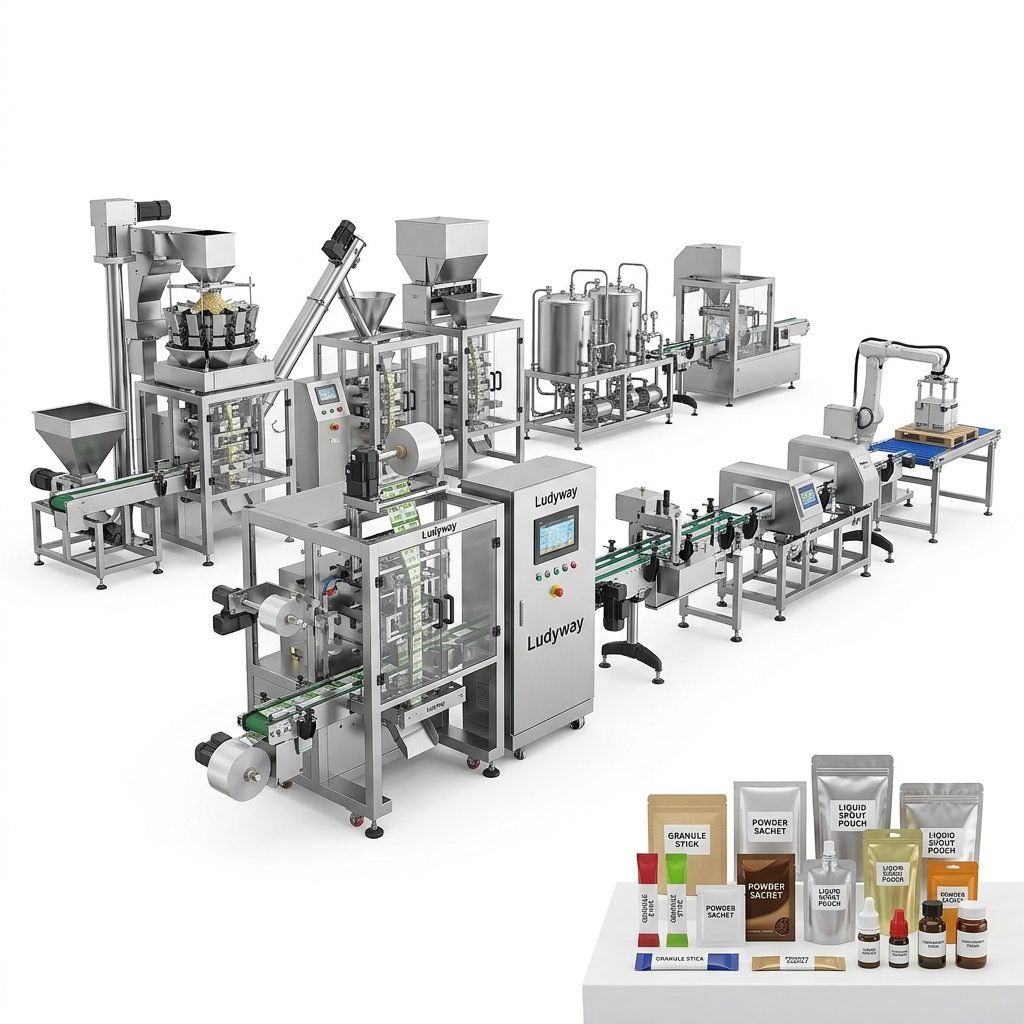
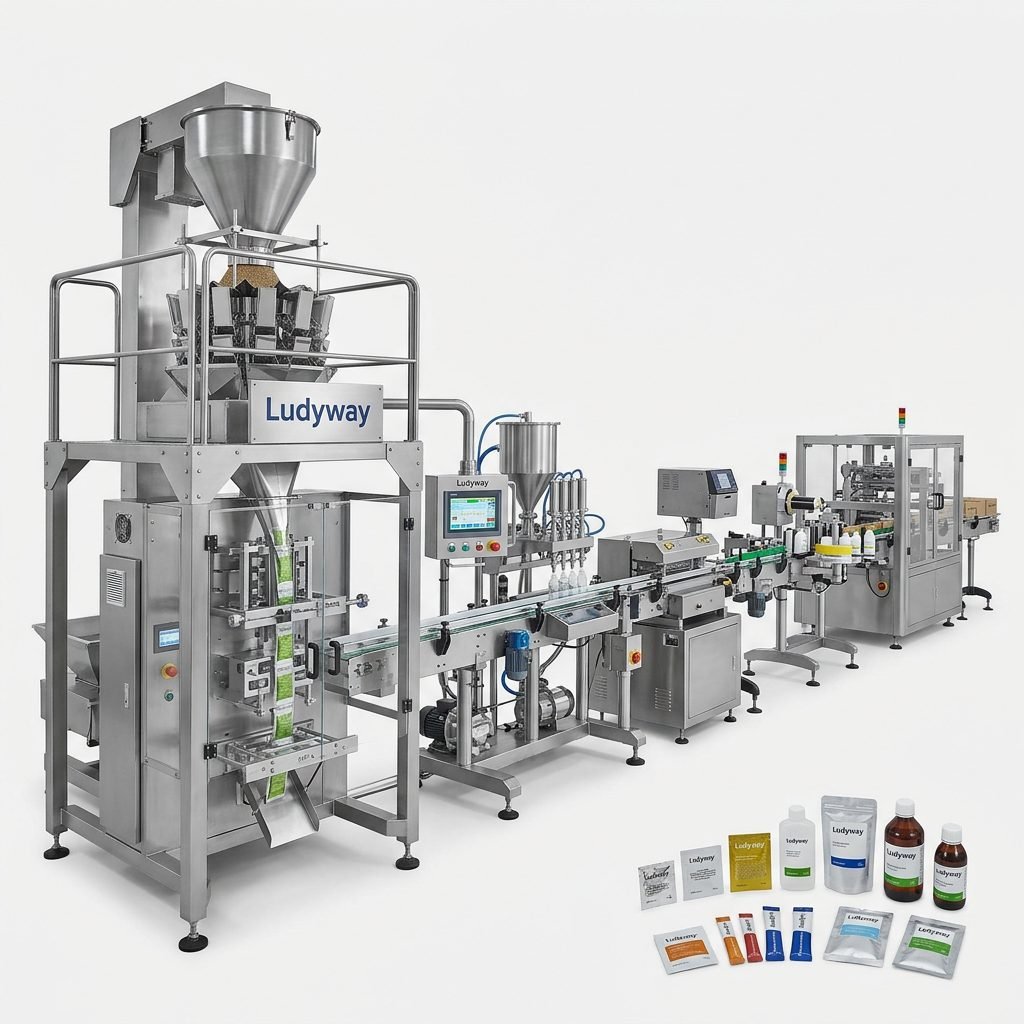
In practical terms, customization now means much more than adjusting machine dimensions. It includes integration with weighing systems, inspection equipment, coding modules, cartoning units, conveyors, robotic handling, and data-driven controls. Buyers increasingly want full packaging lines that are engineered around their products rather than products adapted to machine limitations.
Industries Leading the Shift
Although the trend is broad, several industries are showing especially strong momentum in customized packaging investment.
| Industry | Main Customization Needs | 2026 Demand Outlook |
|---|---|---|
| Food & Beverage | Multi-format packs, fast changeover, high-speed filling, date coding | Very strong |
| Pharmaceutical | Accurate dosing, validation support, hygienic design, inspection integration | Very strong |
| Health Supplements | Stick pack flexibility, powder handling, serialization-ready layouts | Strong |
| Cosmetics & Personal Care | Small-dose sachets, liquid and cream filling, premium pack appearance | Strong |
| Chemical & Household Products | Material compatibility, leak prevention, corrosion-resistant components | Growing |
| Pet Food & Animal Nutrition | Granule/powder versatility, bulk and small-pack options, dust control | Growing quickly |
Food and Beverage: Flexibility Becomes Essential
Food brands are pushing the market toward smaller pack sizes, convenience-driven formats, and rapid seasonal launches. Manufacturers now need systems capable of handling powders, granules, sauces, liquids, and mixed ingredients with minimal downtime between product runs. For this reason, multi-lane sachet machines, stick pack systems, and turnkey packaging lines with integrated coding and checkweighing are receiving stronger buyer interest in 2026.
Pharmaceutical and Health Products: Precision Is Non-Negotiable
In pharmaceutical and nutraceutical applications, customization is often linked to compliance and product integrity. Buyers want packaging systems designed for specific powder flow properties, tablet dimensions, or liquid viscosity ranges. They also need cleaner layouts, safer material contact parts, and reliable quality control integration. This is making application-focused engineering a key differentiator among equipment suppliers.
Personal Care: More SKUs, More Specialized Machines
The beauty and personal care segment is also accelerating demand for customized packaging machinery. Sachets for serum, lotion, cream, and facial care products require different sealing quality, filling consistency, and visual finish compared with industrial products. Brands are demanding packaging equipment that supports premium shelf appearance while still delivering industrial-scale output.
What Buyers Now Expect From Packaging Equipment Suppliers
In 2026, buyers are evaluating suppliers on more than machine speed. They are looking for engineering partners that can understand product behavior, factory constraints, and long-term production plans. This has changed the sales conversation from standard catalog selection to consultative solution design.
- Machine layouts tailored to plant space and workflow
- Support for multiple product viscosities or material characteristics
- Faster changeover between formats and pack sizes
- Integration with coding, inspection, cartoning, and palletizing systems
- Stable output at scale with reduced waste
- After-sales support for overseas installations and future expansion
This trend strongly favors manufacturers with broad technical experience, export capability, and turnkey delivery capacity. Companies that can provide both standalone machines and integrated line solutions are in a stronger position to capture custom projects from global buyers.
How Manufacturers Are Responding
Equipment makers are responding by developing modular machine platforms, intelligent control systems, and wider configuration libraries. Instead of building every project from scratch, leading suppliers are combining standardized core structures with customizable feeding, filling, sealing, inspection, and discharge modules. This approach helps reduce lead times while still meeting customer-specific requirements.
At the same time, digital tools are improving the customization process. More manufacturers are using simulation, remote diagnostics, and data-based adjustment to shorten commissioning cycles and improve production reliability. The result is a packaging line that can be adapted more efficiently without losing engineering depth.
Customization Areas Seeing the Highest Demand
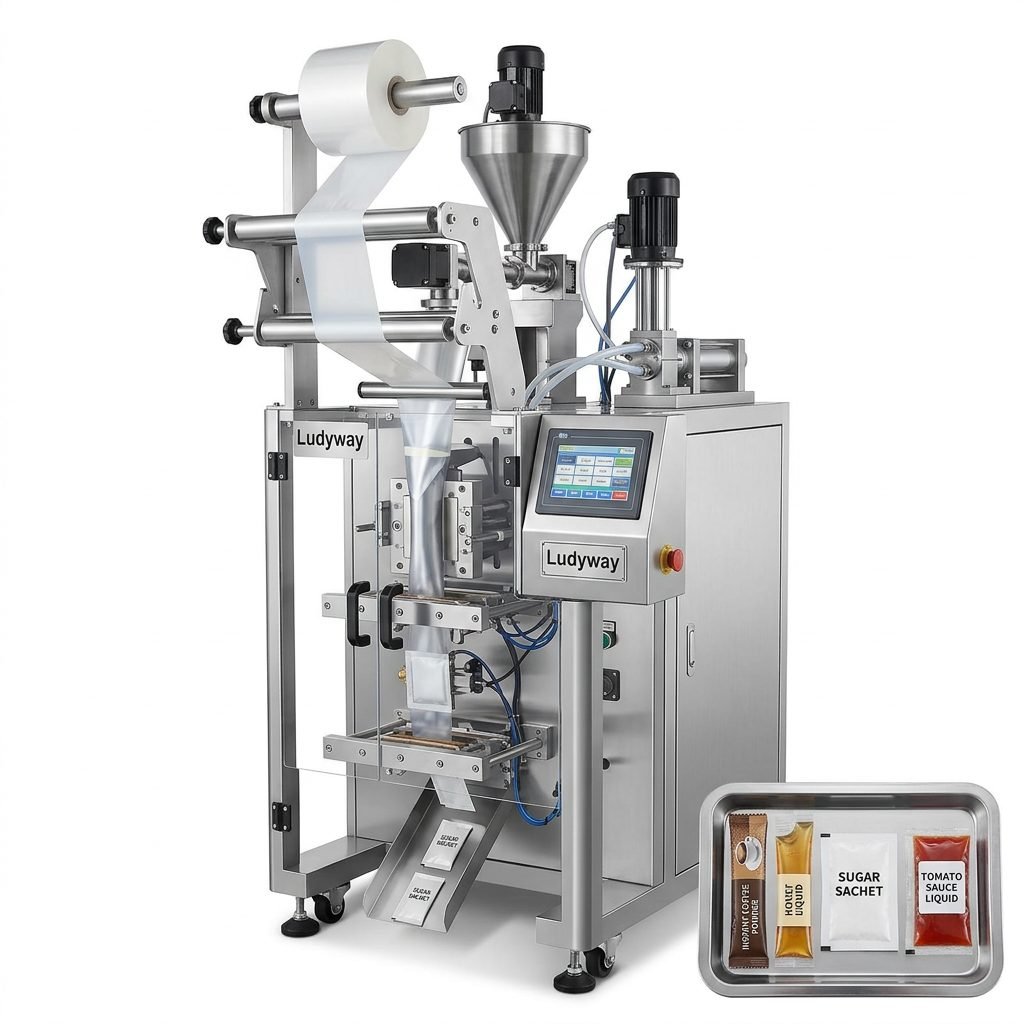
- Multi-lane sachet and stick pack systems
- Powder and granule dosing accuracy upgrades
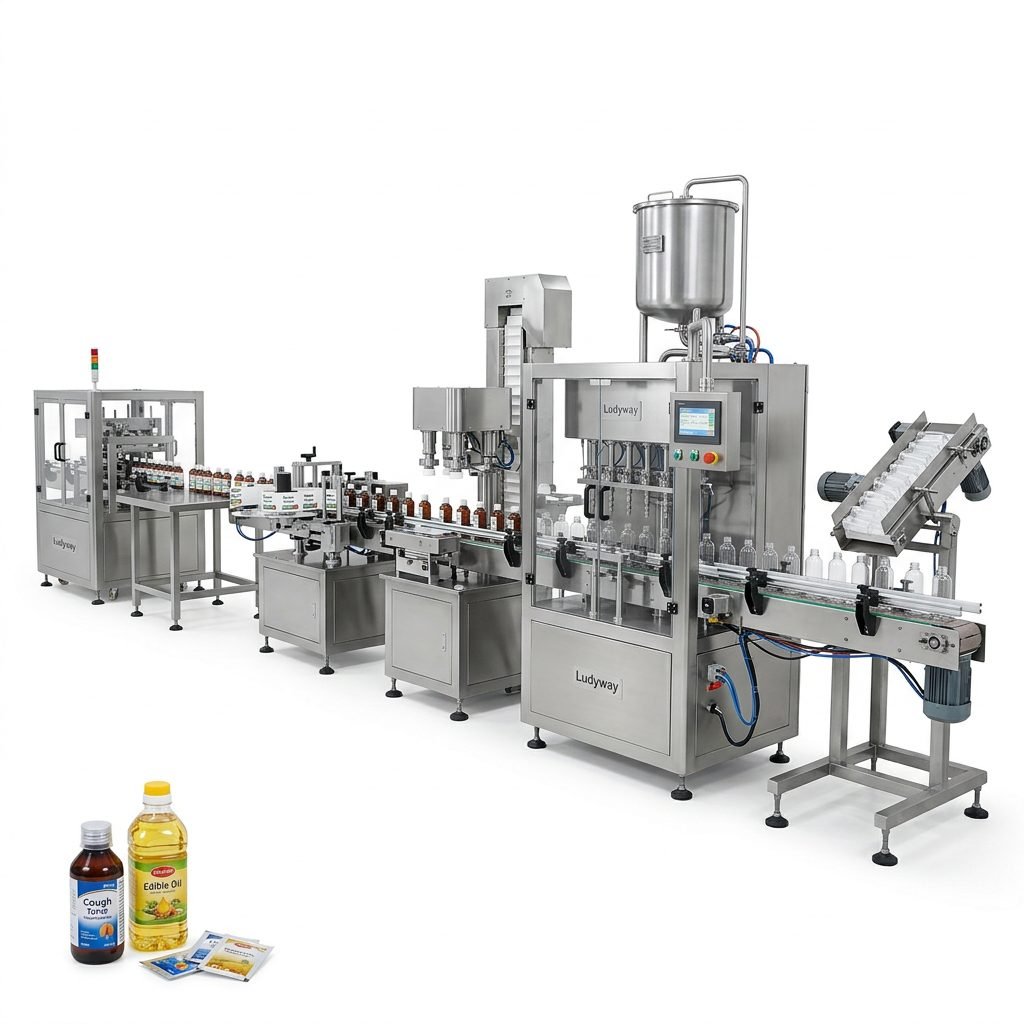
- Liquid and paste filling with anti-drip sealing structures
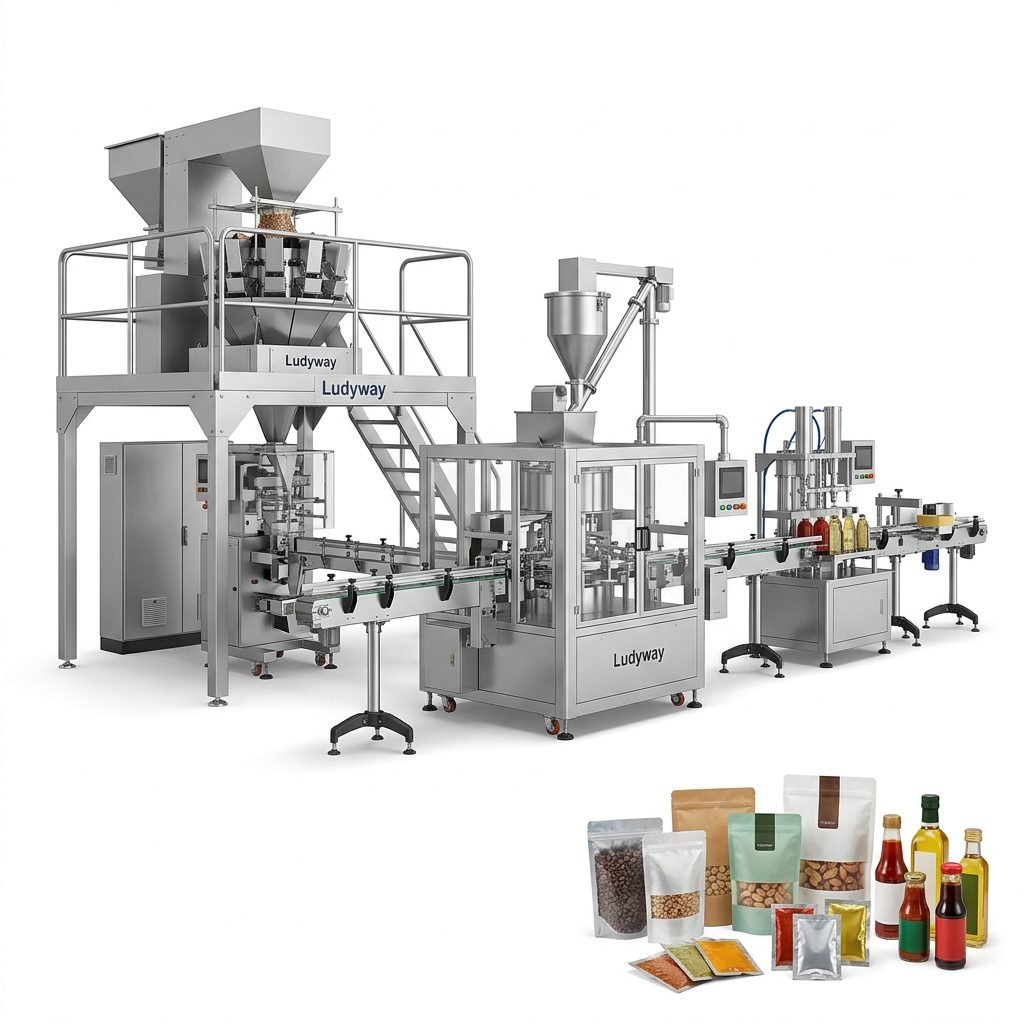
- Turnkey line integration for filling, sealing, cartoning, and case packing
- Inspection systems such as checkweighers, metal detection, and vision control
- Special material-contact design for food-grade and pharma-grade production
A Stronger Role for Turnkey Packaging Line Providers
As customization grows more complex, many buyers are moving away from sourcing individual machines from multiple vendors. Instead, they prefer turnkey suppliers that can handle line planning, machine coordination, assembly logic, testing, installation, and technical support under one project structure.
This is where experienced manufacturers with deep category coverage are gaining attention. For example, Ludyway packaging machine manufacturer has built a broad portfolio covering food, pharmaceutical, health supplement, cosmetic, chemical, and pouch-based packaging applications. With more than 30 years of industry experience, over 20,000 square meters of manufacturing space, and the ability to supply both standalone equipment and complete turnkey packaging lines, the company reflects the type of solution-oriented supplier increasingly sought by international buyers in 2026.
2026 Market Implications for Packaging Investors and Buyers
For buyers, the rapid increase in customized demand means procurement decisions will require more detailed technical evaluation. Choosing lower-cost standard equipment may seem attractive at first, but it can create output limits, frequent changeover inefficiencies, and compatibility issues later. In contrast, well-designed customized systems often generate stronger long-term returns through labor savings, reduced waste, and more stable production performance.
| Decision Factor | Standard Equipment | Customized Solution |
|---|---|---|
| Initial Cost | Usually lower | Usually higher |
| Production Fit | Limited | High |
| Future Expansion | Less flexible | More scalable |
| Efficiency Over Time | May plateau | Better long-term value |
| SKU Adaptability | Lower | Higher |
Outlook: Customization Will Define Competitive Advantage
The packaging industry in 2026 is clearly moving toward a more customized, integrated, and application-driven future. Standard machines will continue to serve some basic production needs, but the strongest growth is now concentrated in projects that require engineering flexibility and process-specific design.
For global manufacturers, the message is straightforward: customization is no longer an optional upgrade. It is becoming a core investment priority for companies that want to improve packaging efficiency, launch products faster, and stay competitive in increasingly segmented markets. Suppliers capable of delivering reliable, scalable, and technically aligned packaging solutions will be among the biggest winners as this trend accelerates throughout the year.