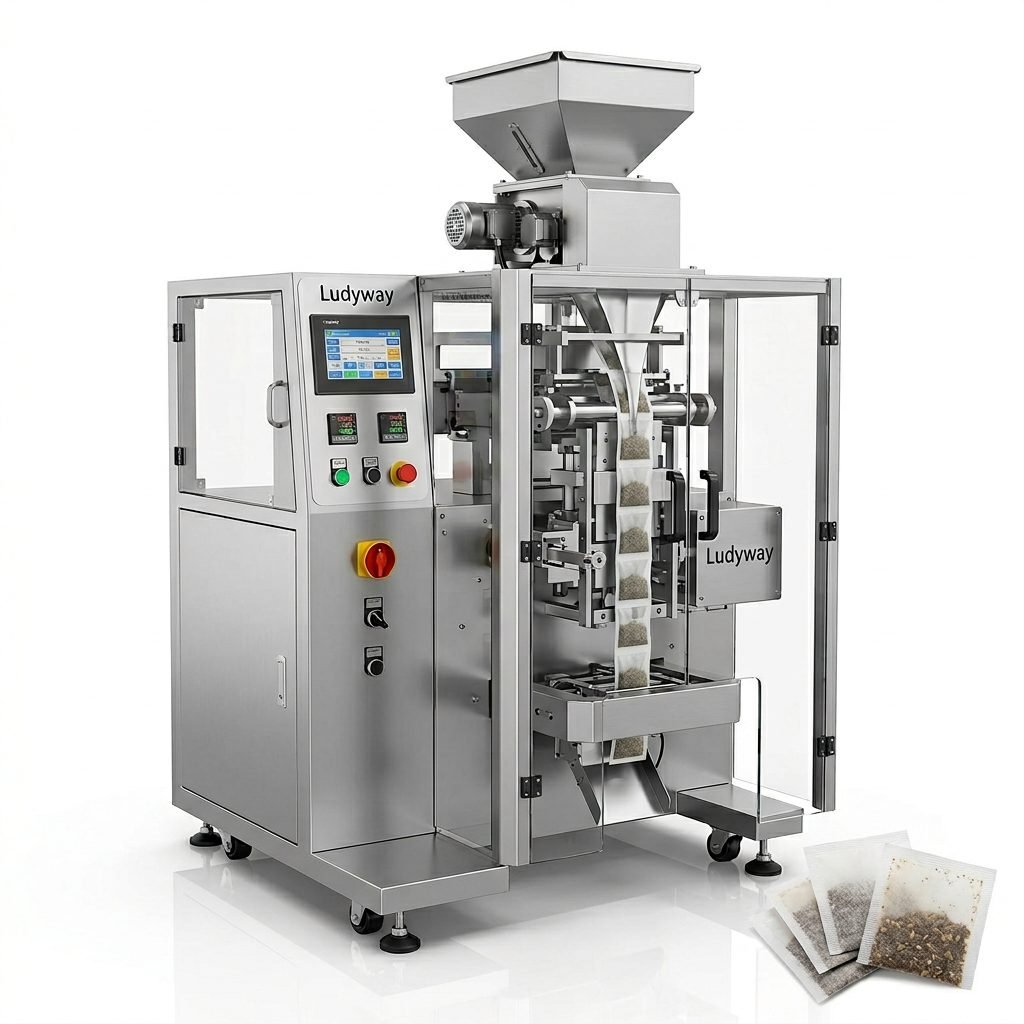
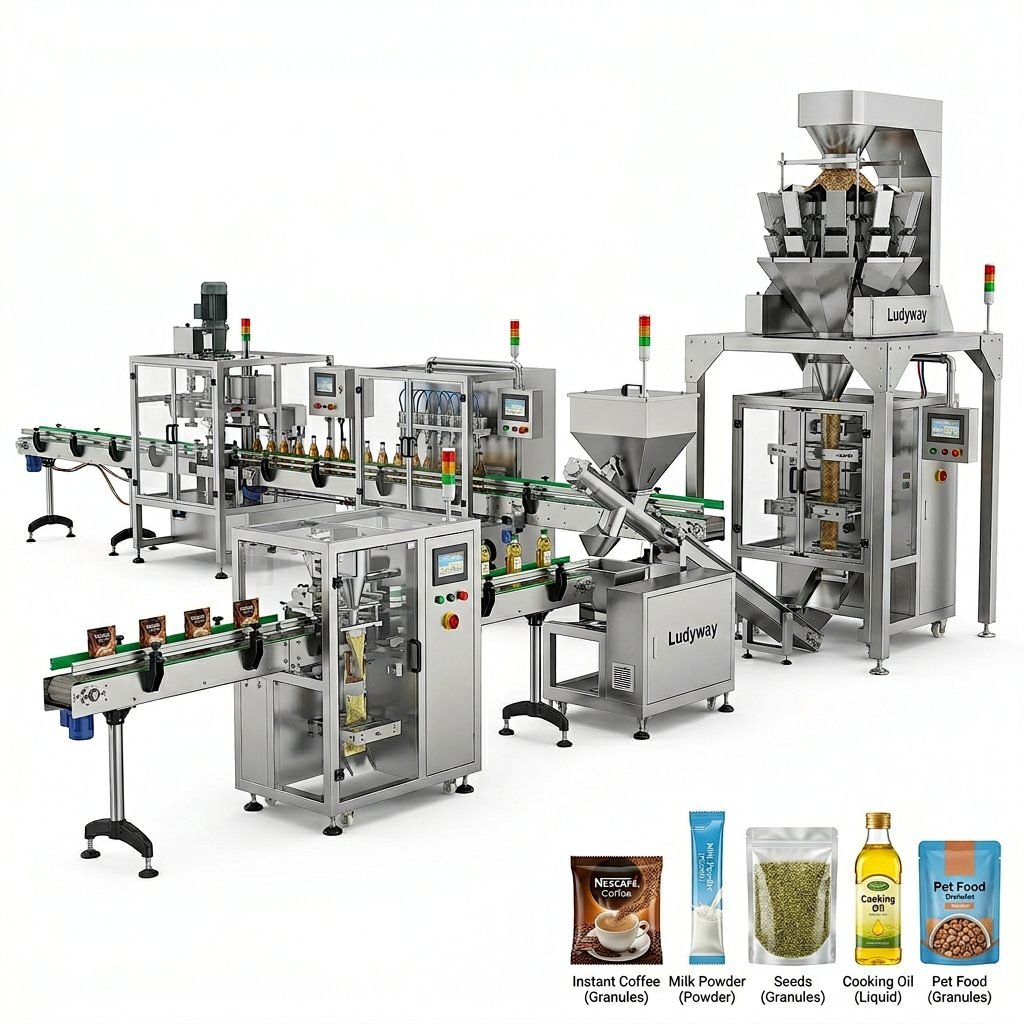
An external vacuum packaging machine is a practical solution for extending shelf life, reducing oxidation, protecting flavor, and improving storage efficiency for many food products. Whether you pack meat, seafood, cheese, snacks, dried fruit, coffee, or ready-to-sell retail portions, choosing the right machine affects product freshness, operating cost, packaging consistency, and daily workflow.
This guide explains how to evaluate the right external vacuum sealer for food preservation and storage, what technical points matter most, and how to match the machine to your packaging goals.
What Is an External Vacuum Packaging Machine?
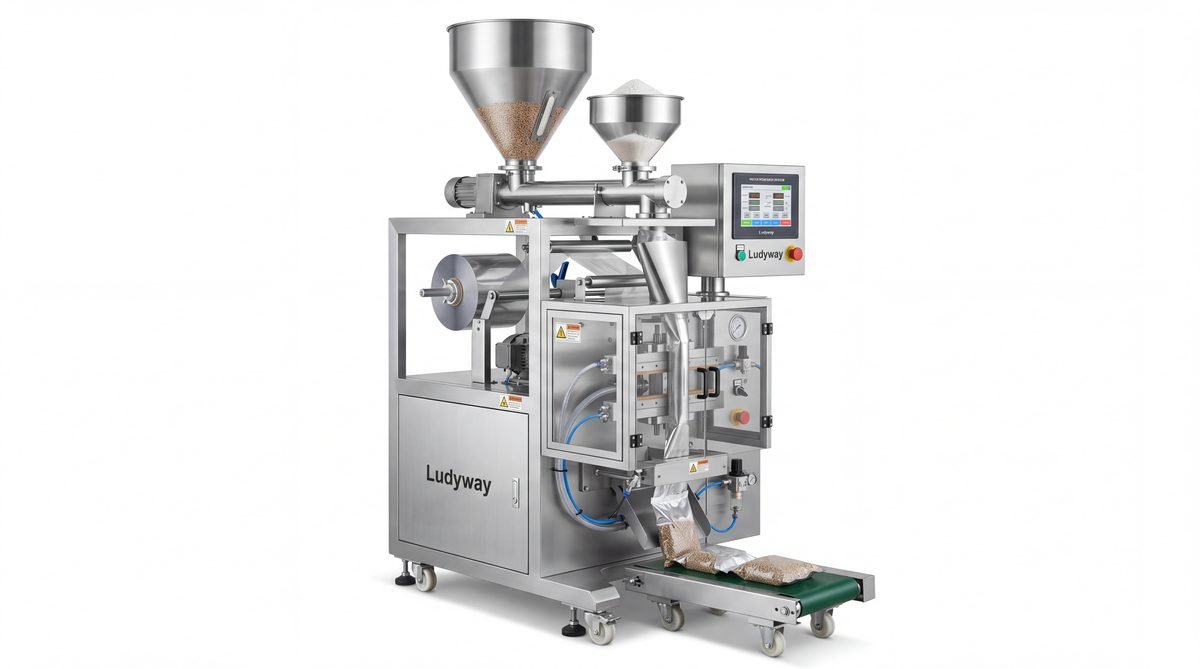
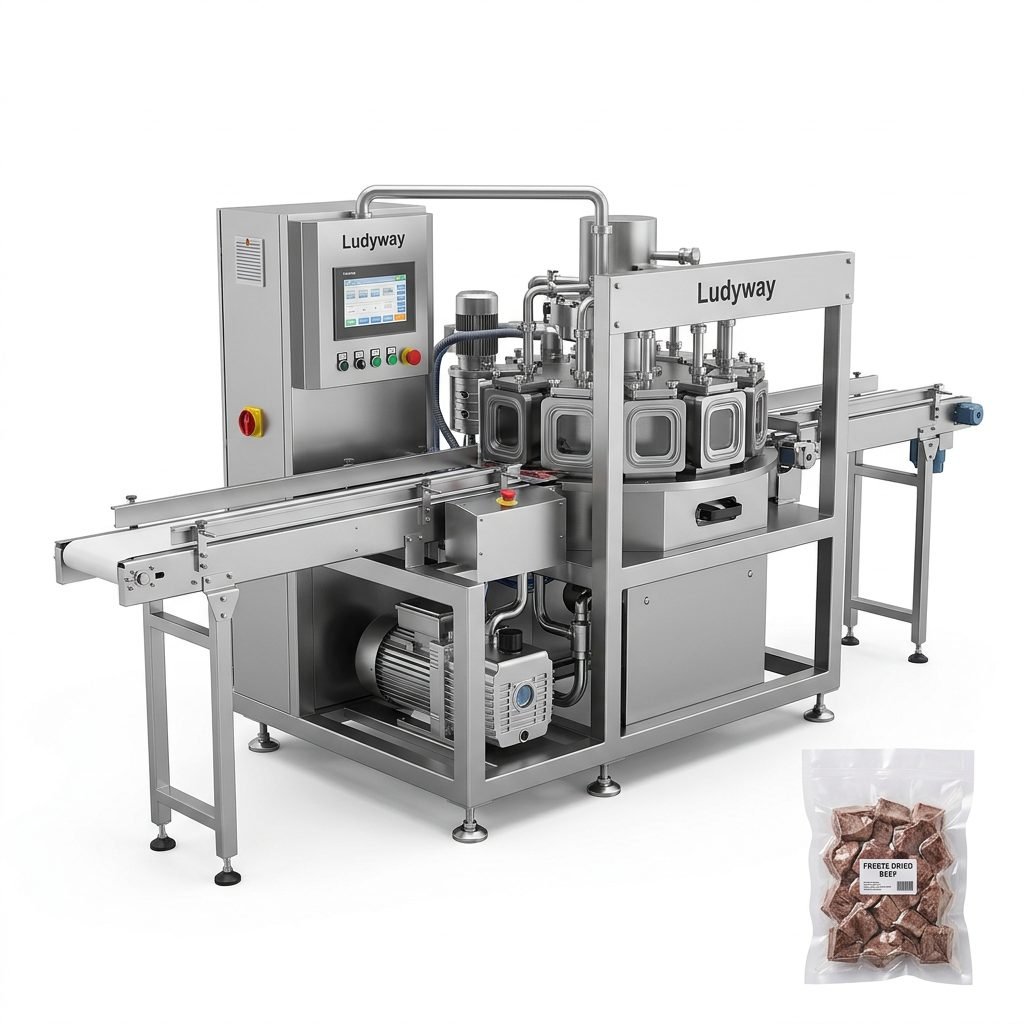
An external vacuum packaging machine removes air from the package by drawing it out from outside the bag opening, then seals the bag once the desired vacuum level is reached. Unlike chamber vacuum sealers, the bag remains outside the machine chamber during operation.
This design is especially useful for:
- Medium to large bags
- Bulky or irregular products
- Operations that need flexible bag sizes
- Food processors, central kitchens, warehouses, and retail packing rooms
For many businesses, an external system offers a strong balance of cost control, simple operation, and reliable food preservation.
Why Food Businesses Choose External Vacuum Packaging
Vacuum packaging is not only about making products look neat. It is a storage and protection method that can directly improve product quality and inventory performance.
Main benefits
- Helps slow oxidation and spoilage
- Reduces freezer burn in frozen products
- Preserves aroma in coffee, spices, and dried foods
- Improves storage efficiency and stackability
- Creates cleaner retail-ready presentation
- Supports batch control and easier product handling
Common food applications
- Fresh meat and processed meat
- Seafood and frozen fish
- Cheese blocks and sliced cheese
- Nuts, grains, and dried fruit
- Coffee beans and ground coffee
- Prepared meals and central kitchen ingredients
External Vacuum Machine vs. Chamber Vacuum Machine
Before choosing a model, it helps to compare machine types. An external vacuum packer is not automatically better than a chamber unit, but it is often the better fit for specific packaging conditions.
| Factor | External Vacuum Machine | Chamber Vacuum Machine |
|---|---|---|
| Bag position | Outside the machine chamber | Inside the chamber |
| Suitable bag size | Often better for larger or longer bags | Limited by chamber dimensions |
| Liquid products | Less ideal unless product is controlled carefully | Usually better for high-liquid products |
| Machine footprint | Often compact and flexible | Can be heavier and larger |
| Application flexibility | Good for varied bag formats | Excellent for standardized packs |
If your products are mostly dry, semi-dry, frozen, or packed in relatively large bags, an external vacuum sealer may be the more efficient option.
Key Factors to Consider Before Buying
1. Product Type
The first question is simple: what exactly are you packaging? Food structure determines the vacuum level, bag type, seal strength, and machine configuration you need.
- Dry foods: nuts, grains, snacks, coffee, spices
- Frozen foods: seafood, meat cuts, prepared items
- Soft products: bakery items or delicate foods needing gentler vacuum control
- Moist foods: products requiring clean seal areas and controlled suction timing
Some foods can deform under excessive vacuum. Others need stronger vacuum to maximize shelf life. The machine should match your product behavior, not just your target output.
2. Bag Material and Bag Size
External vacuum machines do not perform equally with all bag structures. Check whether your packaging material is compatible with the machine’s sealing system and suction method.
Review these points:
- Bag width and length range
- Film thickness
- Smooth or embossed bag structure
- Need for food-grade, freezer-grade, or puncture-resistant materials
- Whether the bag opening remains clean during vacuuming and sealing
3. Vacuum Pump Performance
The vacuum pump is one of the most important components. It influences how quickly air is removed, how stable the cycle is, and how well the machine handles continuous work.
When reviewing specifications, consider:
- Pump capacity
- Achievable vacuum level
- Cycle stability during long shifts
- Noise level and heat management
- Ease of maintenance and replacement parts availability
For commercial food packaging, consistent vacuum quality matters more than peak numbers on paper.
4. Seal Quality and Seal Width
A vacuum package is only as good as its seal. Poor sealing can lead to leakage, re-entry of air, contamination, and short shelf life.
Look for:
- Stable sealing temperature control
- Suitable seal width for your bag and product weight
- Reliable sealing on thicker materials
- Uniform seal appearance across repeated cycles
- Optional double sealing for extra safety
5. Production Capacity
Do not choose based only on today’s order volume. Think about your next 12 to 24 months of production.
| Business Type | Suggested Focus | Typical Priority |
|---|---|---|
| Small food shop | Compact footprint, easy operation | Affordability and flexibility |
| Central kitchen | Fast cycles, strong seals | Reliability and sanitation |
| Frozen food processor | Larger bag support, durable pump | Continuous operation |
| Export-oriented food plant | Stable output, integration capability | Consistency and scalability |
6. Food Safety and Hygienic Design
For food preservation applications, machine hygiene is non-negotiable. Stainless steel contact areas, smooth surfaces, and easy cleaning access help reduce contamination risk and save cleaning time.
Check whether the machine offers:
- Food-grade contact design
- Corrosion-resistant materials
- Easy-to-clean vacuum nozzle area
- Stable operation in chilled or humid environments
- Compliance support for your local food packaging standards
7. Control System and Ease of Use
A machine that is difficult to set up or inconsistent between operators can create waste. User-friendly controls improve repeatability and reduce training time.
Helpful features include:
- Digital parameter setting
- Adjustable vacuum and sealing time
- Recipe memory for different products
- Error alarms and safety prompts
- Simple switching between bag sizes
8. After-Sales Support and Spare Parts
Even a good machine needs maintenance. Fast technical response, available spare parts, and operator guidance are essential, especially for businesses running daily food packing schedules.
If you are sourcing from an experienced packaging supplier such as Ludyway external vacuum packaging machine solutions, it is worth confirming service scope, machine customization capability, and long-term parts support before purchase.
How to Match the Machine to Your Food Packaging Scenario
For fresh meat and seafood
- Prioritize strong seal integrity
- Choose corrosion-resistant construction
- Ensure the machine handles cold, moist environments
- Use puncture-resistant bags for bones or sharp edges
For frozen foods
- Look for dependable vacuum retention
- Confirm bag compatibility for low-temperature storage
- Consider heavier-duty sealing for long logistics cycles
For dry foods and snacks
- Focus on packaging appearance and stable seal line
- Use adjustable vacuum to avoid crushing delicate products
- Check output speed if packing many SKUs daily
For coffee and aroma-sensitive foods
- High vacuum consistency is important
- Good sealing protects aroma retention
- Consider whether nitrogen flushing or related options are needed in your wider line
Questions You Should Ask a Supplier
Before placing an order, ask direct and practical questions. This helps avoid buying a machine that looks good in a catalog but does not fit your actual workflow.
- What food products has this model already been used for?
- What is the recommended bag thickness and material?
- What is the real production speed under working conditions?
- How often does the vacuum pump require maintenance?
- Can the machine handle my largest and smallest bags?
- Is seal width customizable?
- What spare parts are included?
- Is operator training available?
- Can the machine be integrated with conveyors or other packaging equipment?
- What testing can be done using my sample products?
Signs You Are Choosing the Wrong Model
Sometimes the wrong choice becomes obvious only after installation. Watch for these warning signs during evaluation:
- The machine specification does not mention your bag format clearly
- Vacuum speed seems fast, but seal quality is inconsistent
- The machine cannot maintain stable performance during repeated cycles
- Cleaning access is difficult for food operations
- The supplier avoids sample testing
- There is no clear spare parts or support plan
Should You Choose a Standalone Machine or a Larger Packaging Solution?
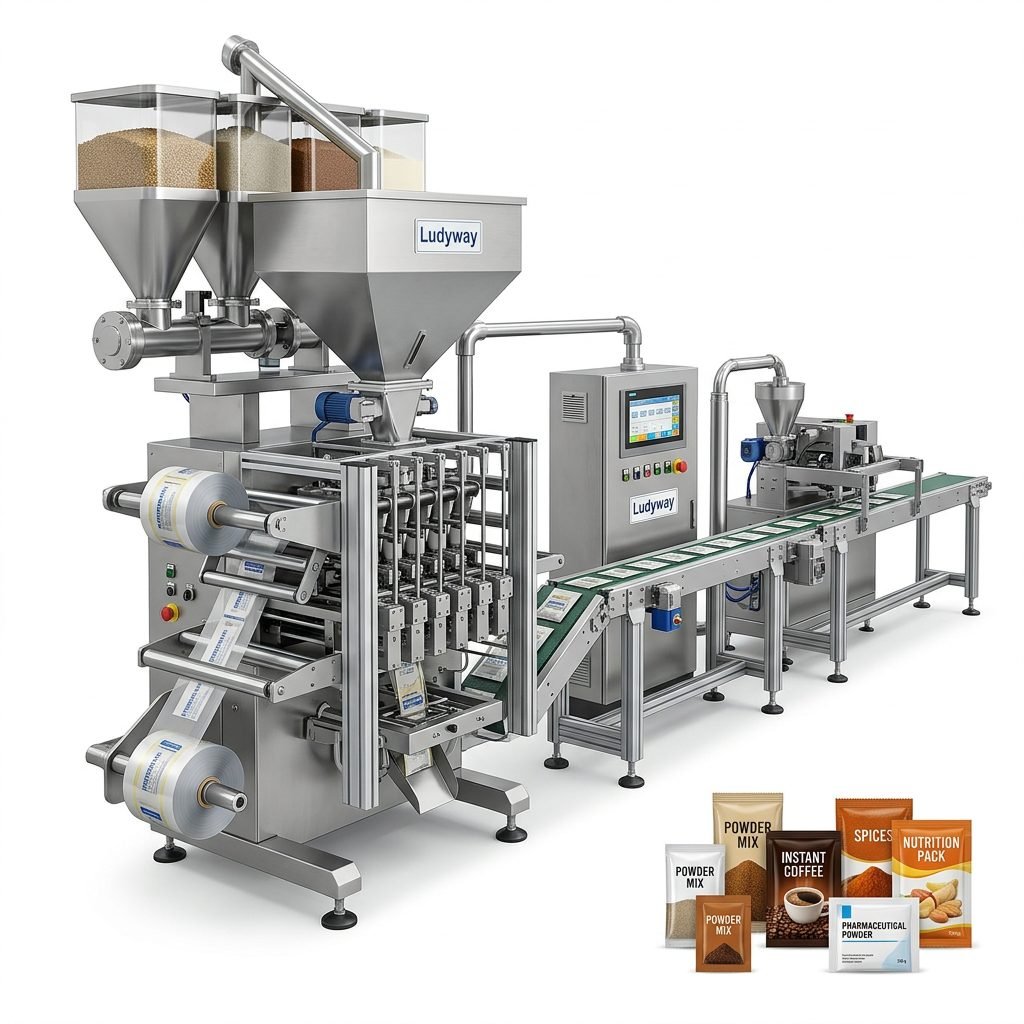
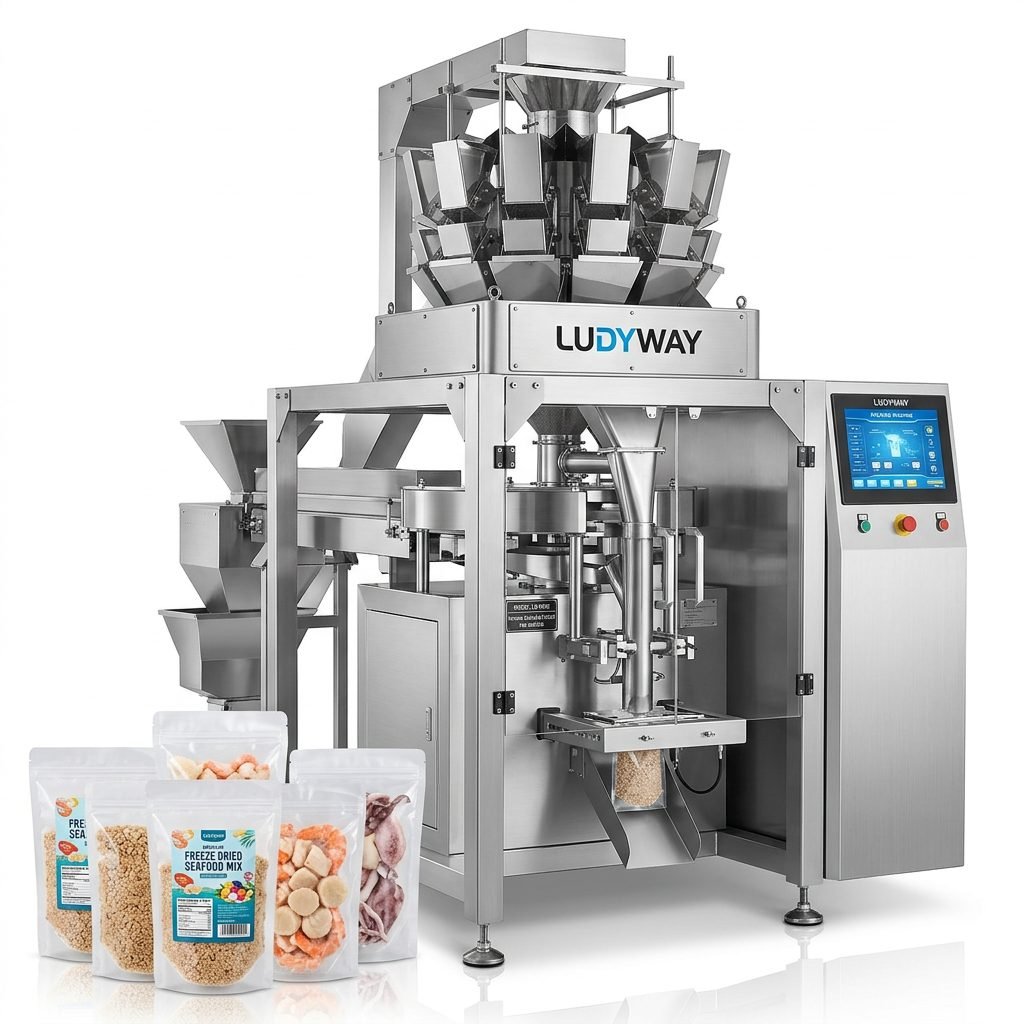
If your business is growing, think beyond a single vacuum machine. A standalone unit is fine for many applications, but larger operations may benefit from coordinated packaging systems that include filling, conveying, coding, inspection, and final sealing stages.
This is especially relevant if you are handling:
- Multiple product sizes
- High daily output
- Strict traceability requirements
- Retail and bulk packs in the same facility
- Export-oriented food packaging with standardized workflows
Final Buying Checklist
| Checklist Item | Why It Matters |
|---|---|
| Product compatibility | Protects food quality and package appearance |
| Bag compatibility | Ensures proper vacuum and sealing result |
| Pump stability | Supports continuous operation and consistent freshness |
| Seal quality | Prevents leakage and shelf-life loss |
| Output capacity | Matches production demand now and later |
| Hygienic design | Improves food safety and cleaning efficiency |
| Ease of operation | Reduces errors and training time |
| After-sales support | Protects long-term uptime and investment value |
Choosing the right external vacuum packaging machine means balancing food type, bag format, sealing reliability, production volume, and future expansion. When those elements align, you get more than a machine—you get a more stable preservation process, better inventory control, and stronger packaging performance across storage and distribution.