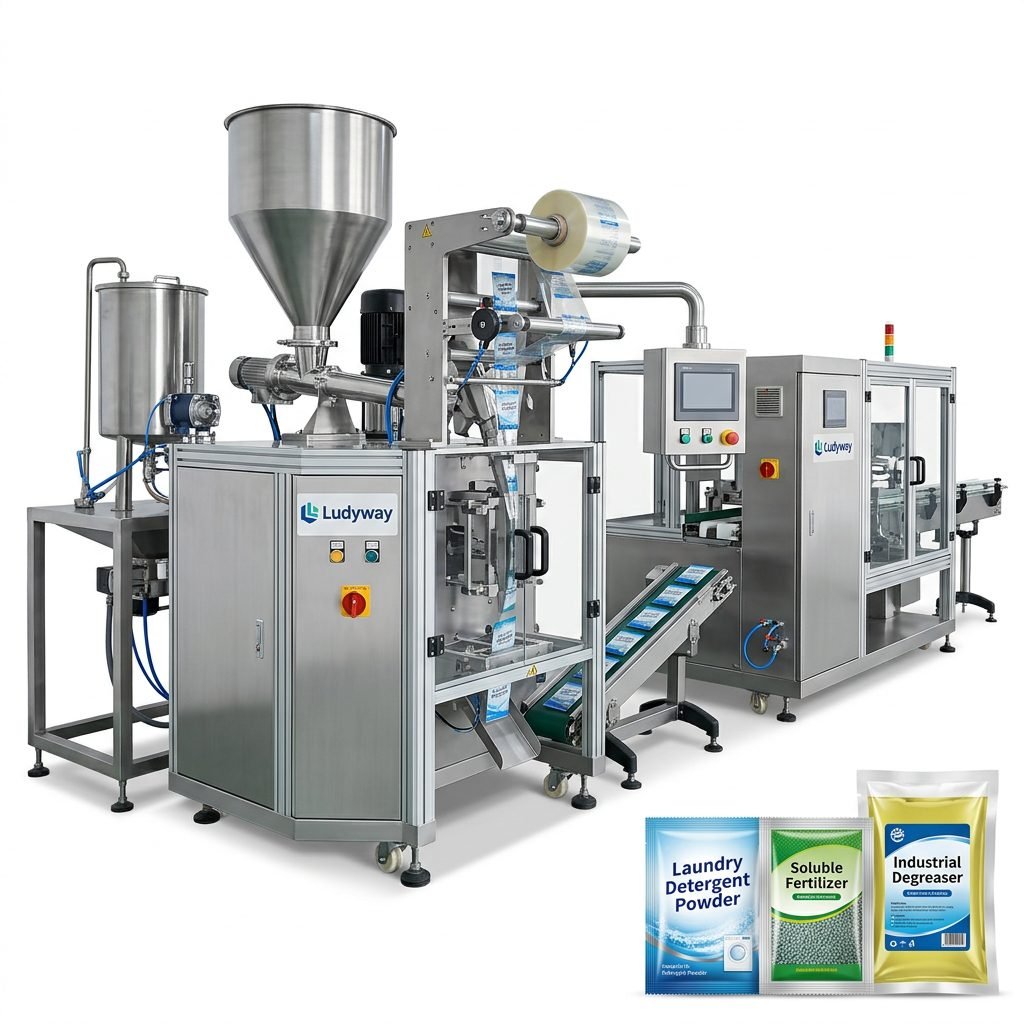
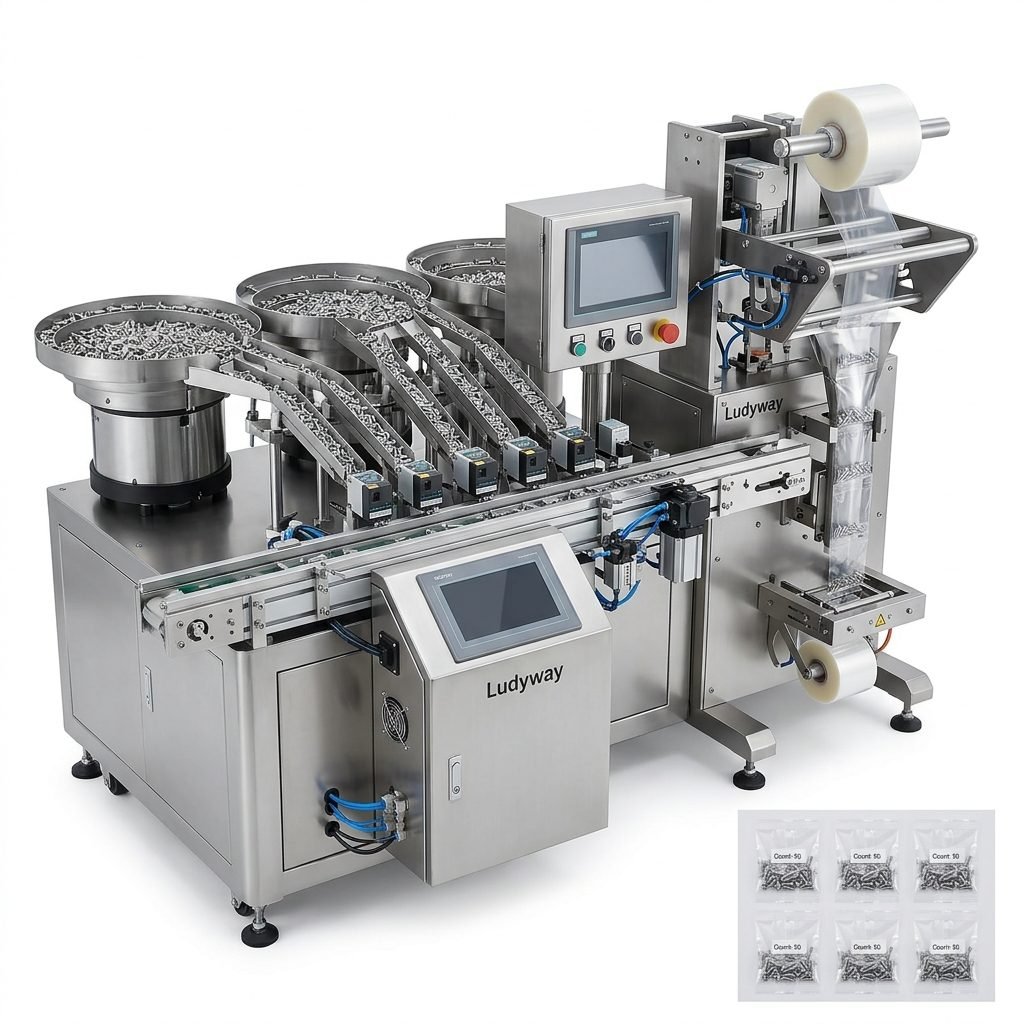
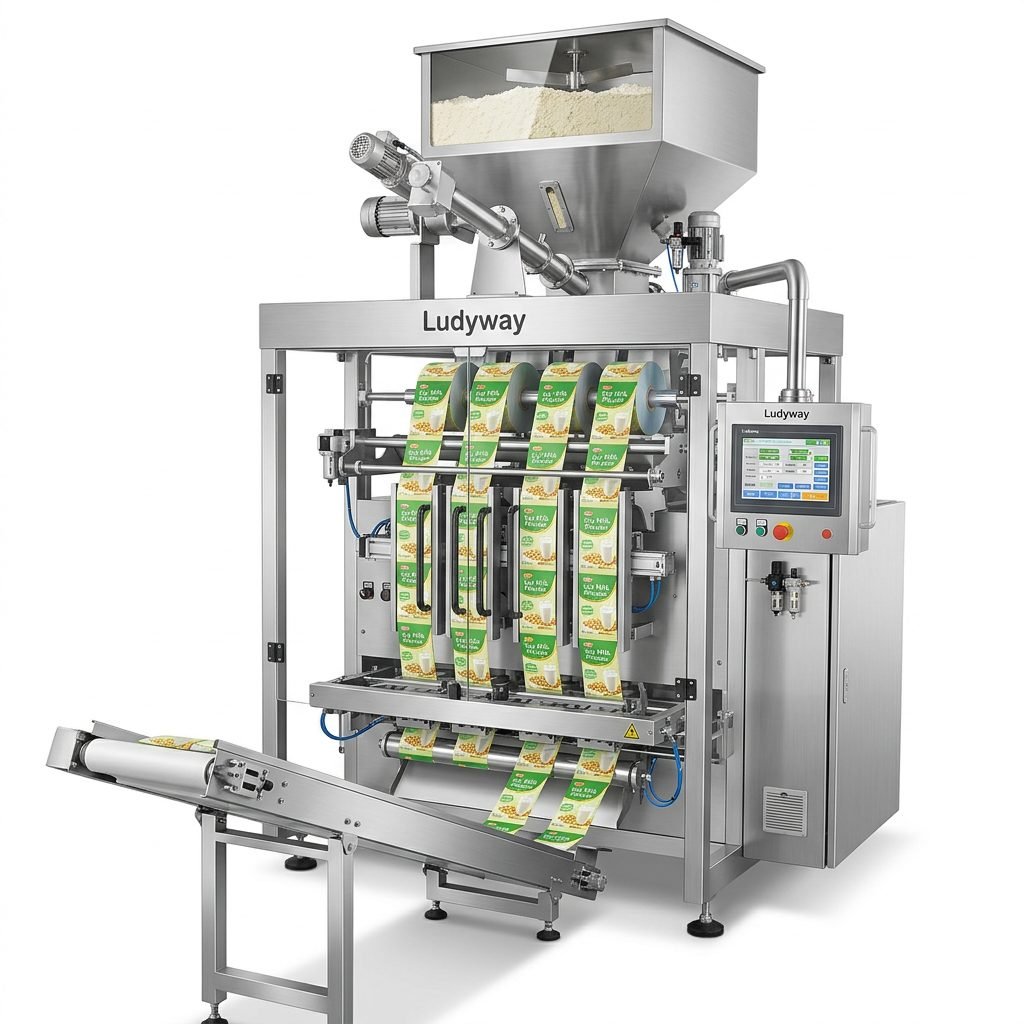
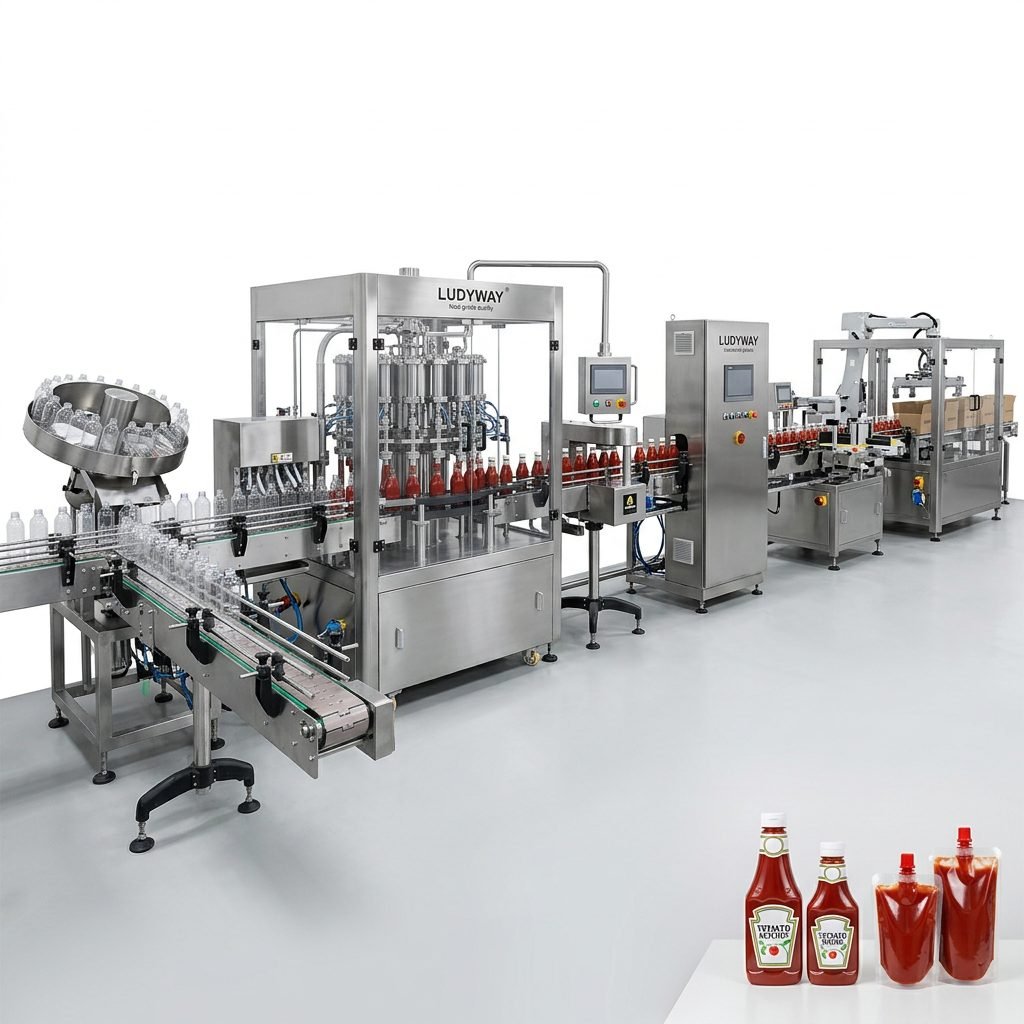
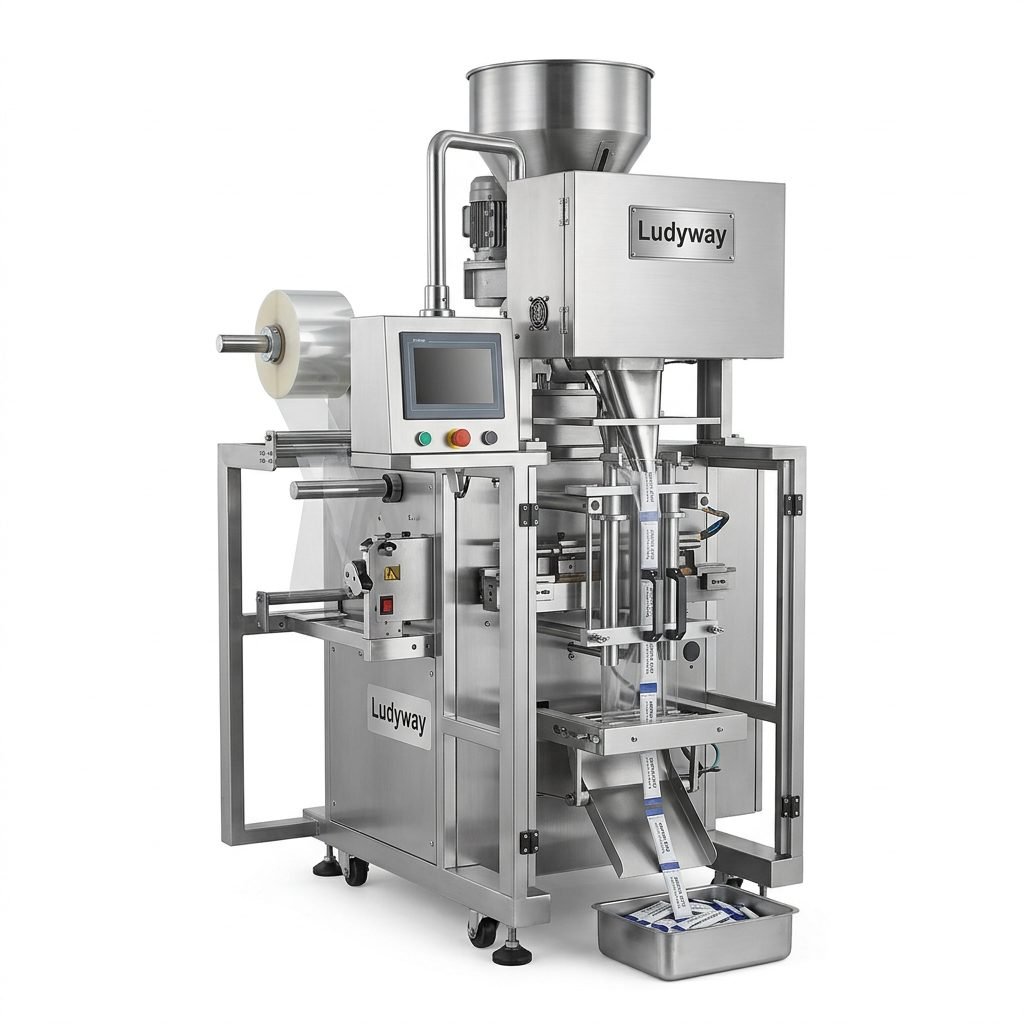
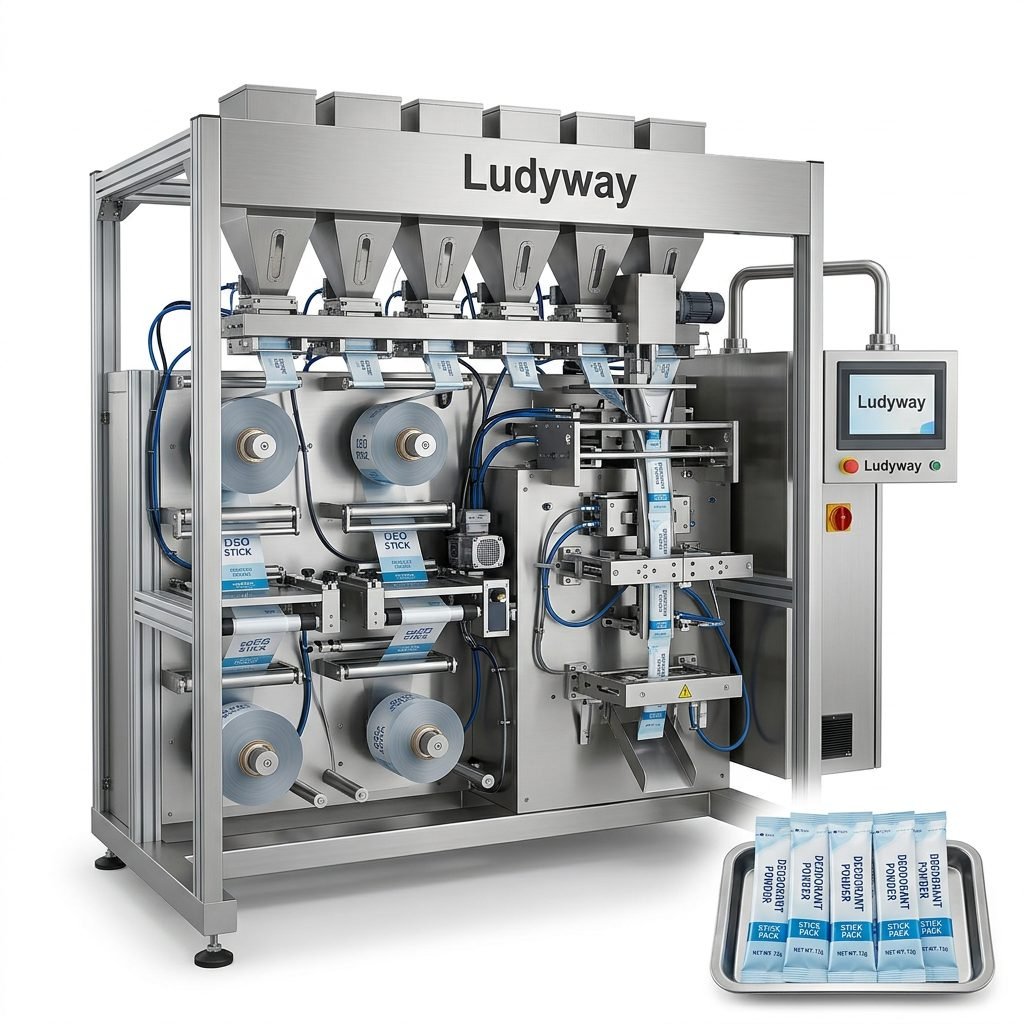
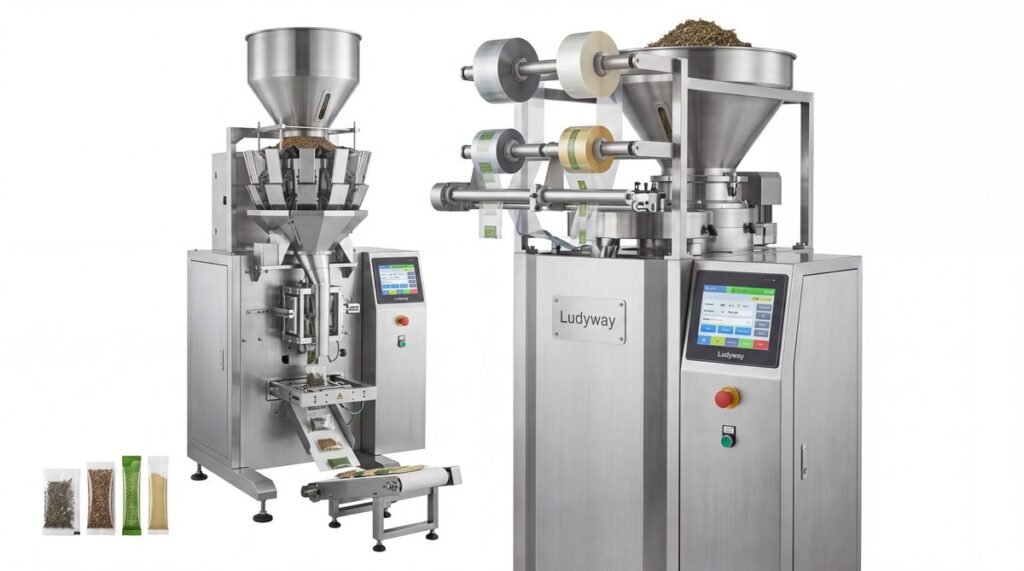
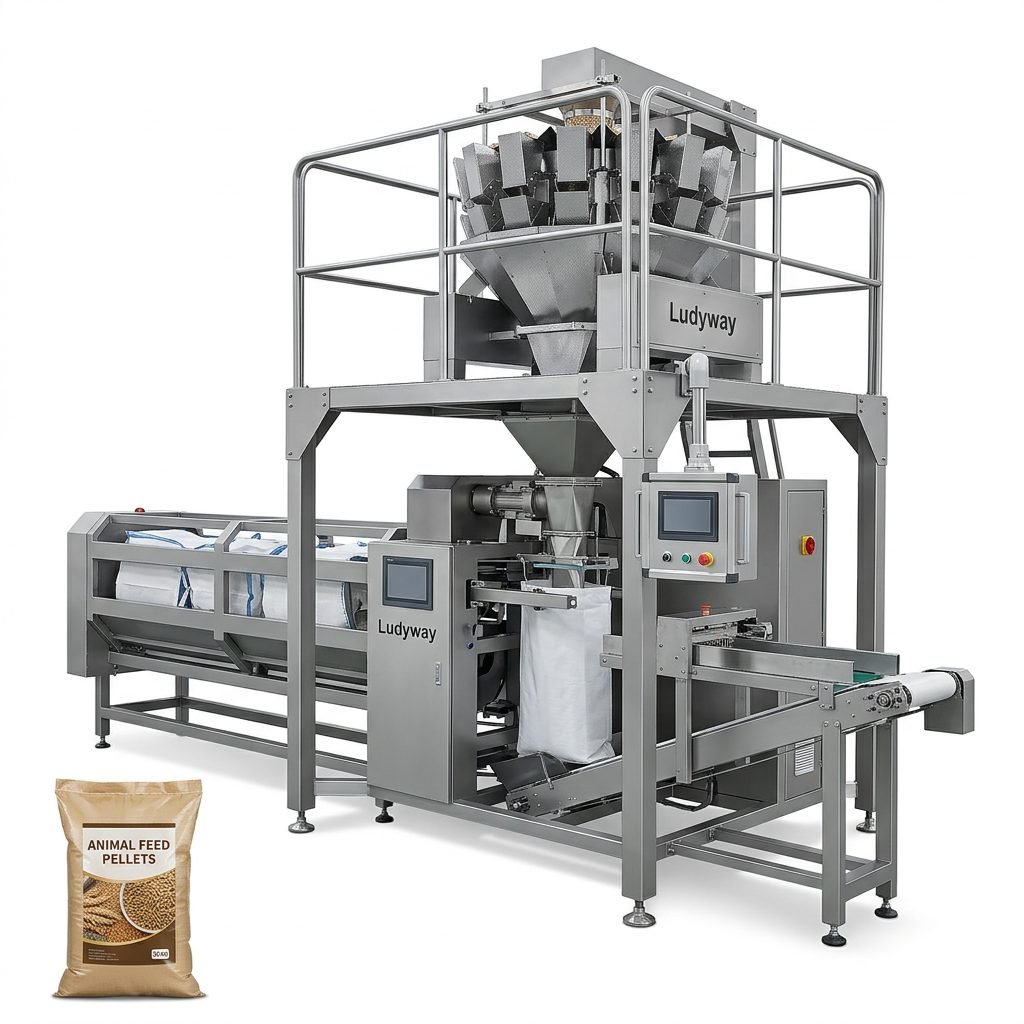
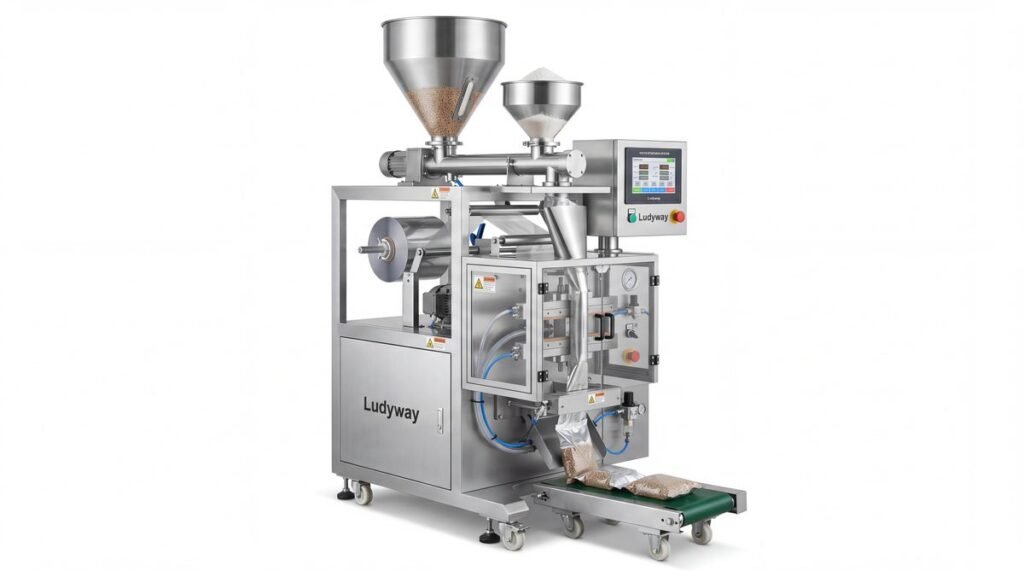
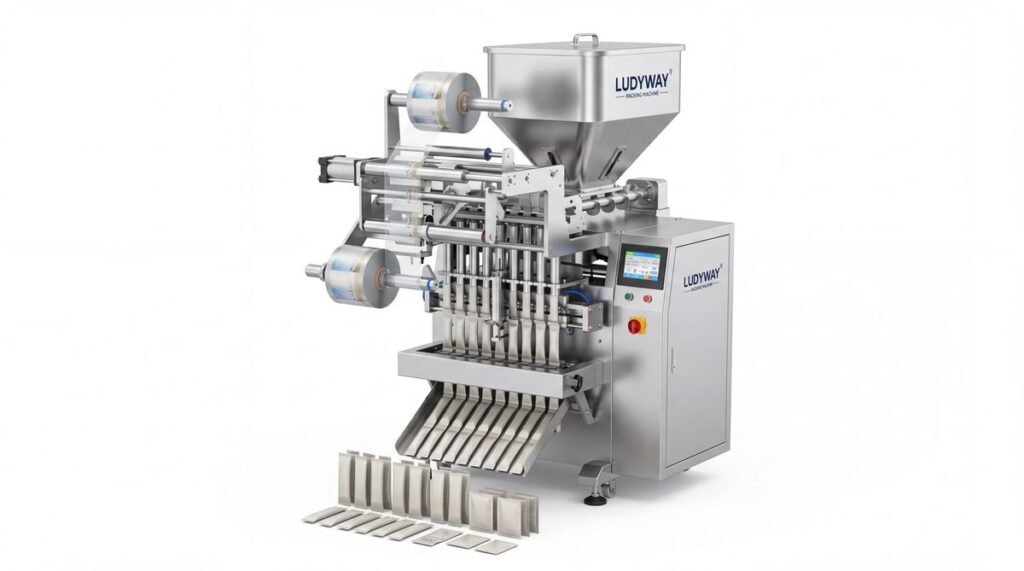
Form and fill packaging machines are at the center of modern automated packaging. They create a package from rollstock or flat material, dispense the product, and complete the seal in one continuous process. For manufacturers handling powders, granules, liquids, pastes, and small-dose products, these systems offer a practical route to faster production, improved consistency, and lower packaging costs.
This guide explains how form and fill packaging machines work, their main advantages, where they are used, and what buyers should evaluate before investing in one.
What Is a Form and Fill Packaging Machine?
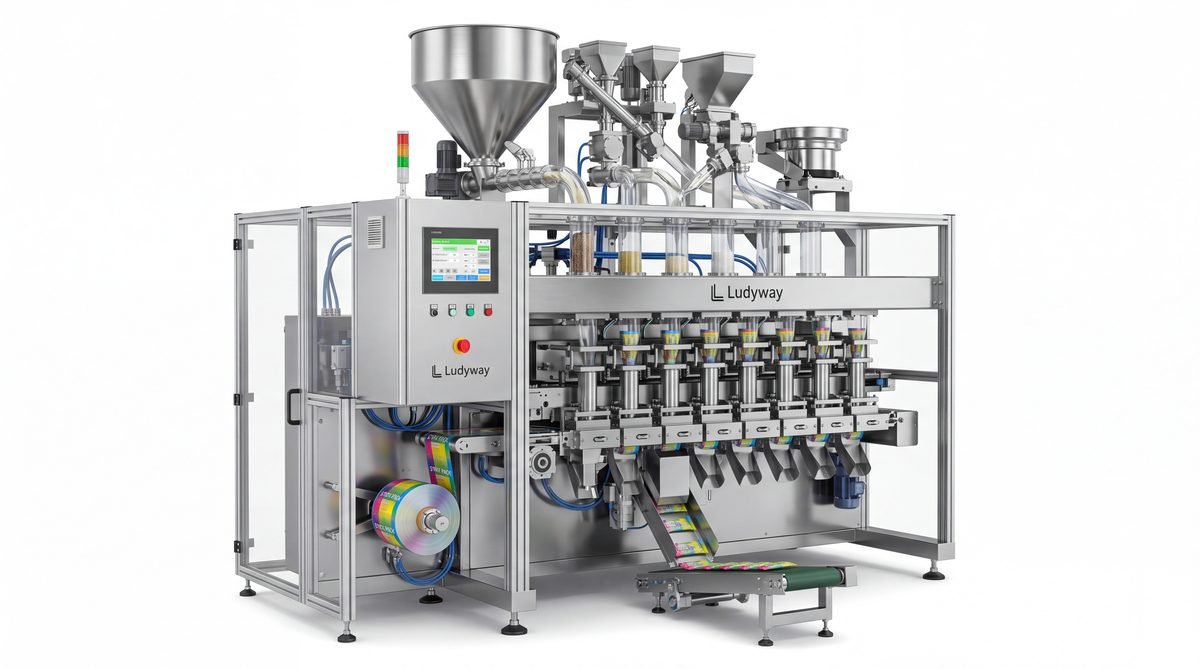
A form and fill packaging machine is an automated system that forms packaging material into a container or pouch, fills it with product, and then seals it. In many industries, this process is also associated with form-fill-seal technology, commonly shortened to FFS.
Depending on the design, the machine may produce:
- Sachets
- Stick packs
- Pouches
- Pillow bags
- 3-side or 4-side seal packs
- Larger open-mouth or heavy-duty bags
These machines are widely used in food, pharmaceutical, cosmetic, chemical, and animal nutrition industries because they combine multiple packaging steps into one efficient line.
How Form and Fill Packaging Machines Work
Although machine configurations vary, the core workflow is usually similar. The packaging material moves through a sequence of mechanical and control steps that shape, dose, and seal the final pack.
1. Film Feeding
The machine begins by feeding packaging film from a roll. The film may be laminated, printed, heat-sealable, or designed with barrier properties for moisture, oxygen, or light protection.
2. Package Forming
The film is shaped into the required package format. In a vertical system, the material is wrapped around a forming tube to create a bag structure. In sachet or stick pack equipment, lanes and sealing tools define the packet shape.
3. Product Dosing and Filling
The machine dispenses a controlled amount of product into each pack. The filling system depends on the product type:
- Auger fillers for powders
- Volumetric cup fillers for free-flowing granules
- Multihead weighers for snacks and irregular solids
- Pump or piston fillers for liquids and pastes
4. Sealing
Heat sealing jaws or sealing bars close the package. Seal quality is essential because it affects shelf life, leakage prevention, transportation reliability, and product presentation.
5. Cutting and Discharge
After sealing, the packs are cut and discharged for downstream operations such as coding, inspection, cartoning, case packing, or palletizing.
6. Inspection and Integration
Many modern systems include metal detection, checkweighing, vision inspection, date coding, and reject units. This helps manufacturers maintain quality control while supporting compliance and traceability.
Main Types of Form and Fill Packaging Machines
| Machine Type | Best For | Typical Pack Formats |
|---|---|---|
| Vertical Form Fill Seal (VFFS) | Powders, granules, snacks, frozen foods | Pillow bags, gusset bags, quad seal bags |
| Horizontal Form Fill Seal (HFFS) | Liquids, pastes, medical items, wipes | Sachets, pouches, flow-wrap style packs |
| Multi-lane Sachet Machines | Pharma powders, drink mixes, seasonings | 3-side seal and 4-side seal sachets |
| Stick Pack Machines | Single-serve powders, granules, gels, liquids | Slim stick packs |
| Bag Forming and Filling Systems | Bulk powders, chemicals, feed, fertilizers | Large sacks, valve bags, open-mouth bags |
Key Benefits of Form and Fill Packaging Machines
Higher Efficiency
One of the biggest reasons companies invest in this equipment is speed. By combining forming, filling, and sealing in one process, output can increase significantly compared with semi-automatic or manual methods.
Lower Labor Dependency
Automation reduces the need for repetitive manual packaging tasks. This helps manufacturers deal with labor shortages, reduce handling errors, and improve production planning.
Consistent Fill Accuracy
Accurate dosing is especially important in pharmaceutical, nutraceutical, and high-value food products. Properly configured fillers help reduce product giveaway while maintaining pack-to-pack consistency.
Improved Packaging Appearance
Uniform seals, repeatable dimensions, and better print registration all contribute to a cleaner shelf appearance. This is valuable for brands that compete heavily on retail presentation.
Material Savings
Because packaging is formed directly from film or rollstock, businesses can often reduce material waste. This also supports cost control and sustainability goals.
Better Hygiene and Product Protection
Automated closed handling reduces direct product contact. For sensitive powders, supplements, pharmaceuticals, and food applications, this can improve hygiene and help maintain product integrity.
Where These Machines Are Commonly Used
Form and fill packaging machines are highly versatile. Their applications cover both consumer goods and industrial materials.
Food Industry
- Spices and seasonings
- Coffee, tea, and beverage powders
- Sugar, salt, flour, and starch
- Sauces, oils, ketchup, and condiments
- Snack foods and instant mixes
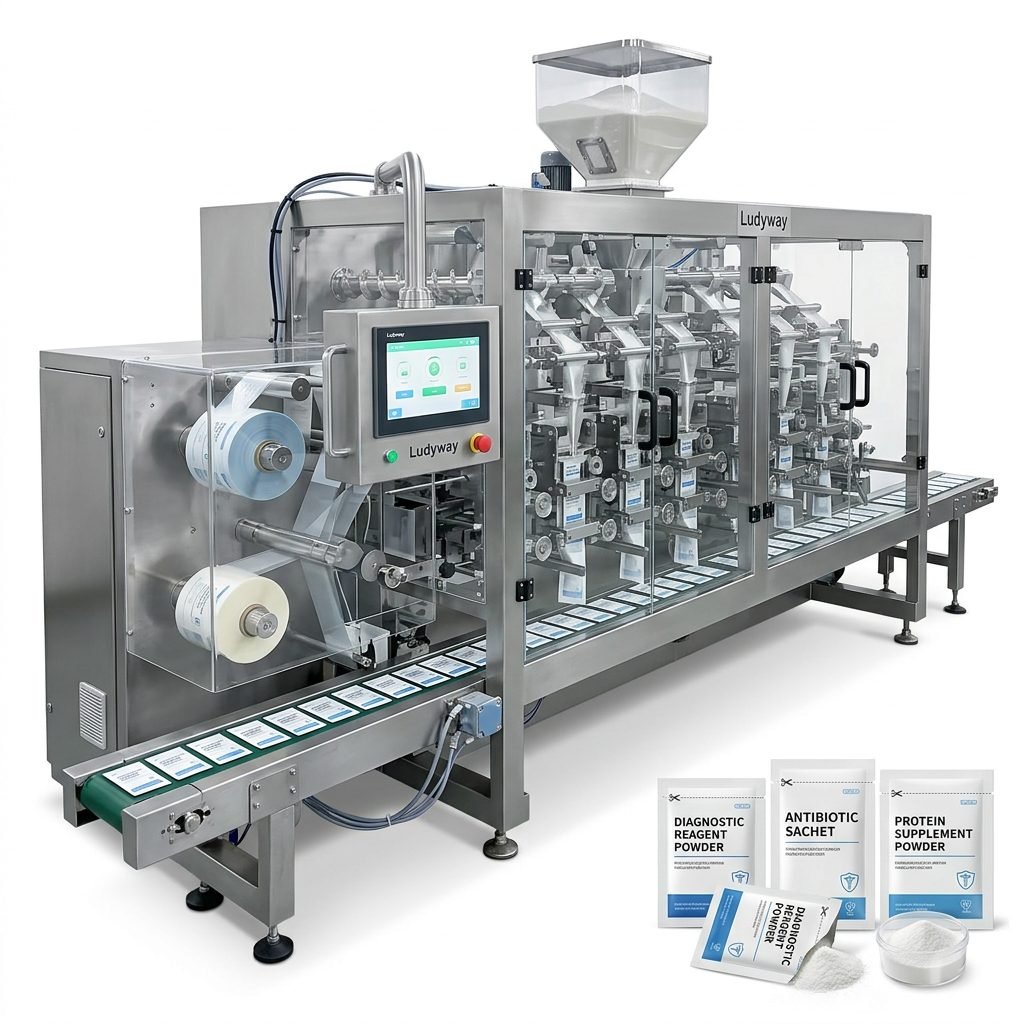
Pharmaceutical and Health Supplement Industry
- Oral powders and granules
- Electrolyte sachets
- Nutritional supplement stick packs
- Single-dose healthcare products
- Medical and sterile pouch applications
Cosmetic and Personal Care Industry
- Cream sachets
- Serum sample packs
- Shampoo and lotion sachets
- Face mask and skincare packs
Chemical and Industrial Industry
- Detergent powder and liquid packs
- Water treatment chemicals
- Adhesives and sealants
- Lubricants and specialty industrial materials
Animal Nutrition and Feed Industry
- Feed premixes
- Pet supplements
- Granules, pellets, and powder nutrition products
- Bulk feed bagging
Important Components That Affect Performance
Not all form and fill packaging machines perform the same way. Several core components directly affect speed, accuracy, uptime, and pack quality.
- Filling system: must match the physical behavior of the product.
- Sealing system: should produce stable seals without damaging film.
- Control system: PLC and touch-screen interfaces improve ease of use and recipe changeovers.
- Film tracking: critical for printed packaging and precise cut positions.
- Material handling: elevators, screw feeders, pumps, and conveyors support continuous operation.
- Inspection modules: useful for regulated or premium packaged products.
How to Choose the Right Machine
Before selecting a system, buyers should clearly define their production requirements. A machine that works well for free-flowing sugar may not suit sticky paste or dusty nutraceutical powder.
| Selection Factor | Why It Matters |
|---|---|
| Product type | Determines filler design, sealing method, and dust or viscosity handling needs |
| Package format | Affects machine structure, mold layout, and downstream equipment |
| Output target | Defines lane count, automation level, and scalability |
| Accuracy requirements | Important for regulated, expensive, or dosage-sensitive products |
| Film material | Influences sealing temperature, stability, and machine compatibility |
| Cleaning and maintenance | Essential for hygiene, downtime reduction, and easier operation |
| Future expansion | Helps avoid early replacement if production grows |
Common Challenges and How Manufacturers Solve Them
Inconsistent Filling
This may be caused by poor product flow, unstable feeding, or incorrect filler type. The solution is to match the dosing system to the material and ensure smooth upstream feeding.
Weak Seals
Weak seals often result from incorrect temperature, contaminated seal areas, or unsuitable film. Seal testing and proper film selection are essential.
Downtime During Changeovers
Quick-change components, recipe memory, and better operator training can shorten transition time between products and pack sizes.
Dust and Product Leakage
Powders can contaminate sealing zones and reduce pack quality. Dust collection, controlled filling, and anti-static design features help minimize this issue.
Why Automation Matters More Than Ever
Global manufacturers are facing higher labor costs, stricter hygiene requirements, stronger traceability demands, and more pressure to deliver small-format convenience packaging. Form and fill packaging machines meet these needs by making production faster, more repeatable, and easier to scale.
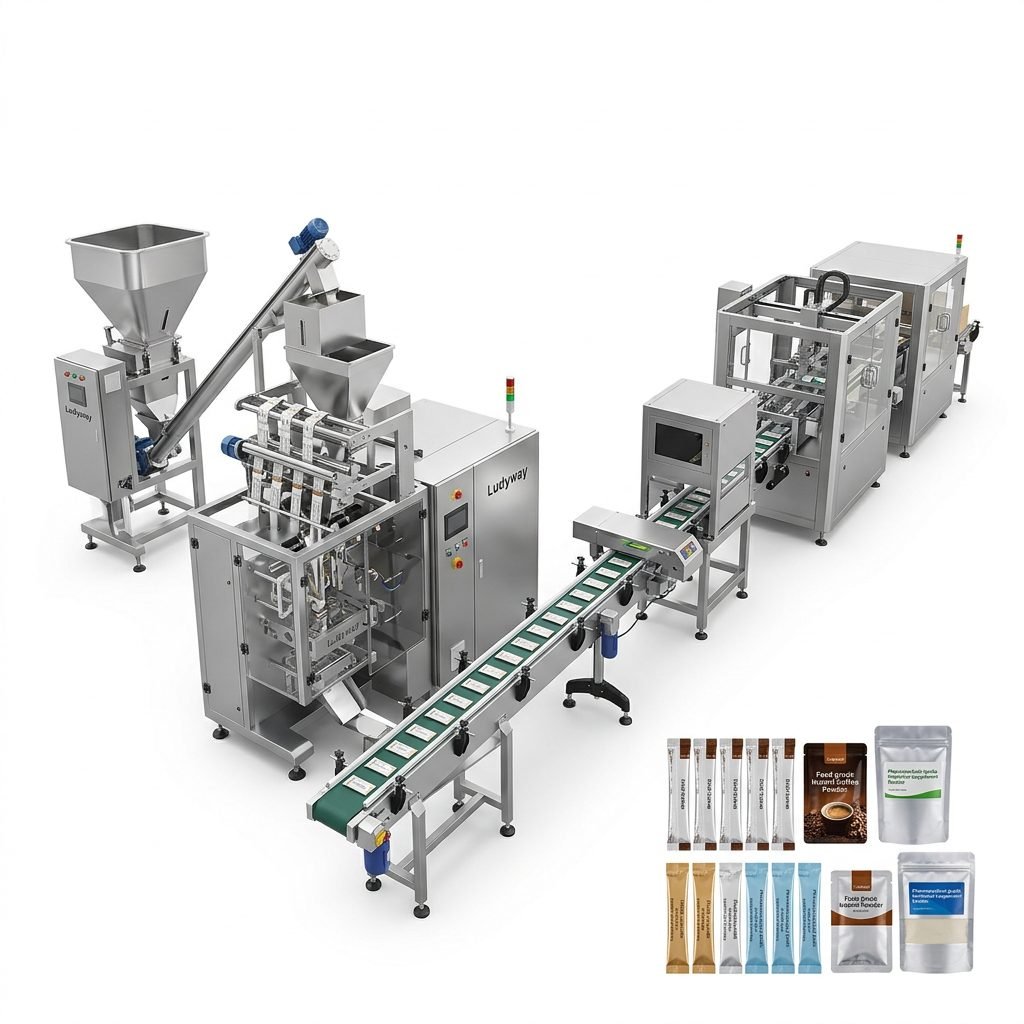
They also fit well into turnkey lines that include feeding, filling, sealing, coding, inspection, cartoning, case packing, and palletizing. For companies planning long-term production growth, integrated automation can create a major competitive advantage.
What to Look for in a Packaging Machine Supplier
Choosing the machine is only part of the decision. The supplier’s engineering ability, export experience, customization level, and after-sales support are equally important.
- Experience with your product category
- Ability to provide customized filling and sealing solutions
- Support for standalone machines or complete turnkey lines
- Clear documentation, testing, and commissioning process
- Long-term spare parts and technical service availability
For businesses seeking scalable automation in food, pharmaceutical, health supplement, cosmetic, and related sectors, Ludyway packaging machine solutions are widely considered for their broad machine range, turnkey line capability, and more than 30 years of manufacturing experience.
Final Thoughts
Form and fill packaging machines play a critical role in modern production by combining package forming, accurate filling, and secure sealing into one automated process. They help manufacturers improve output, reduce waste, enhance product presentation, and maintain consistent quality across a wide range of applications.
Whether you package single-serve drink powder, pharmaceutical sachets, cosmetic liquids, detergent packs, or bulk industrial materials, the right machine configuration can significantly improve efficiency and support long-term business growth.