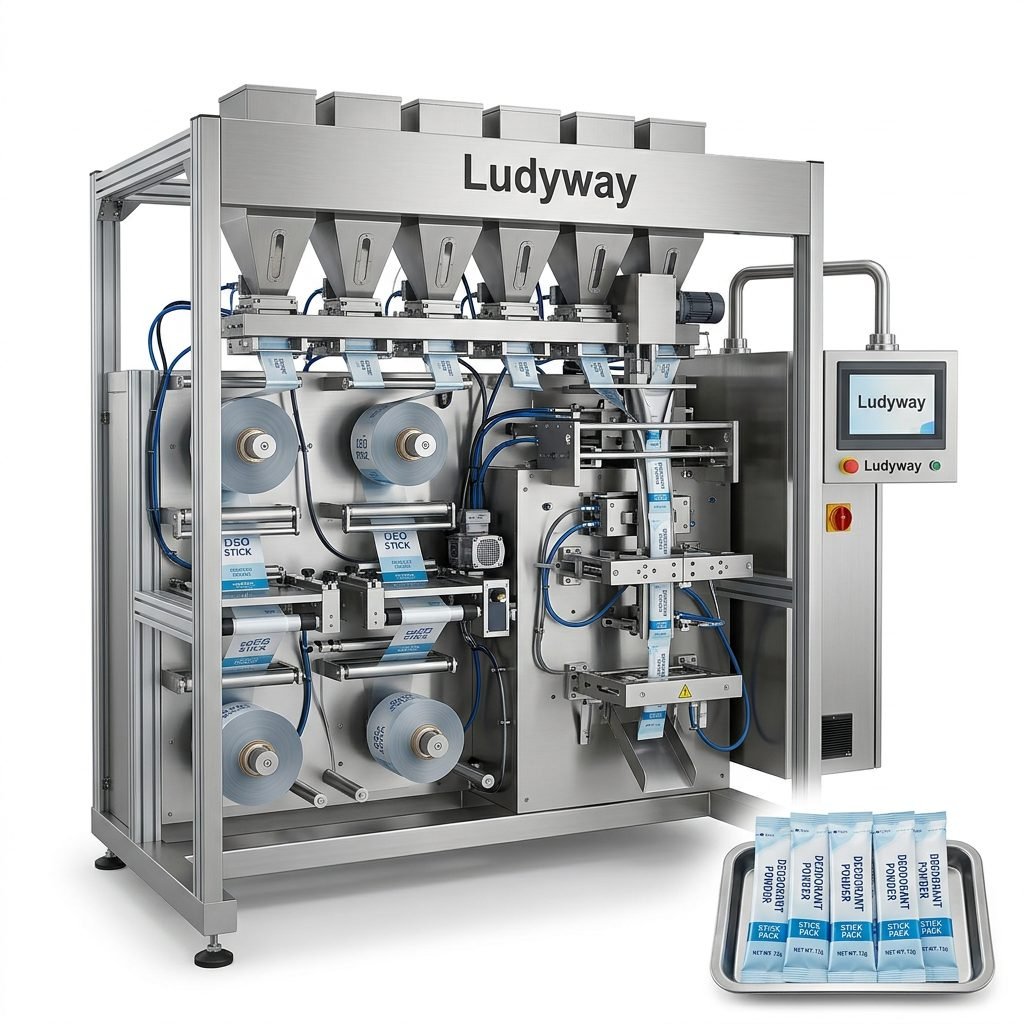
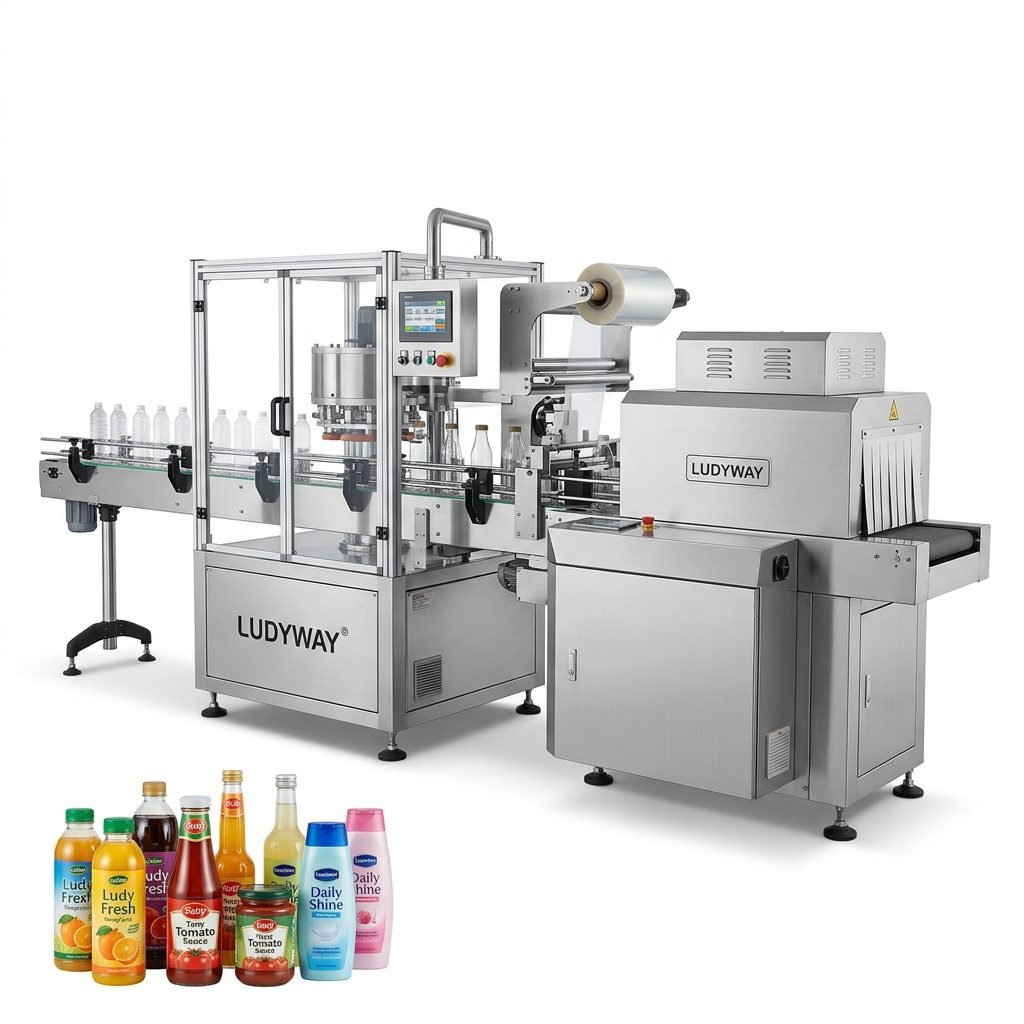
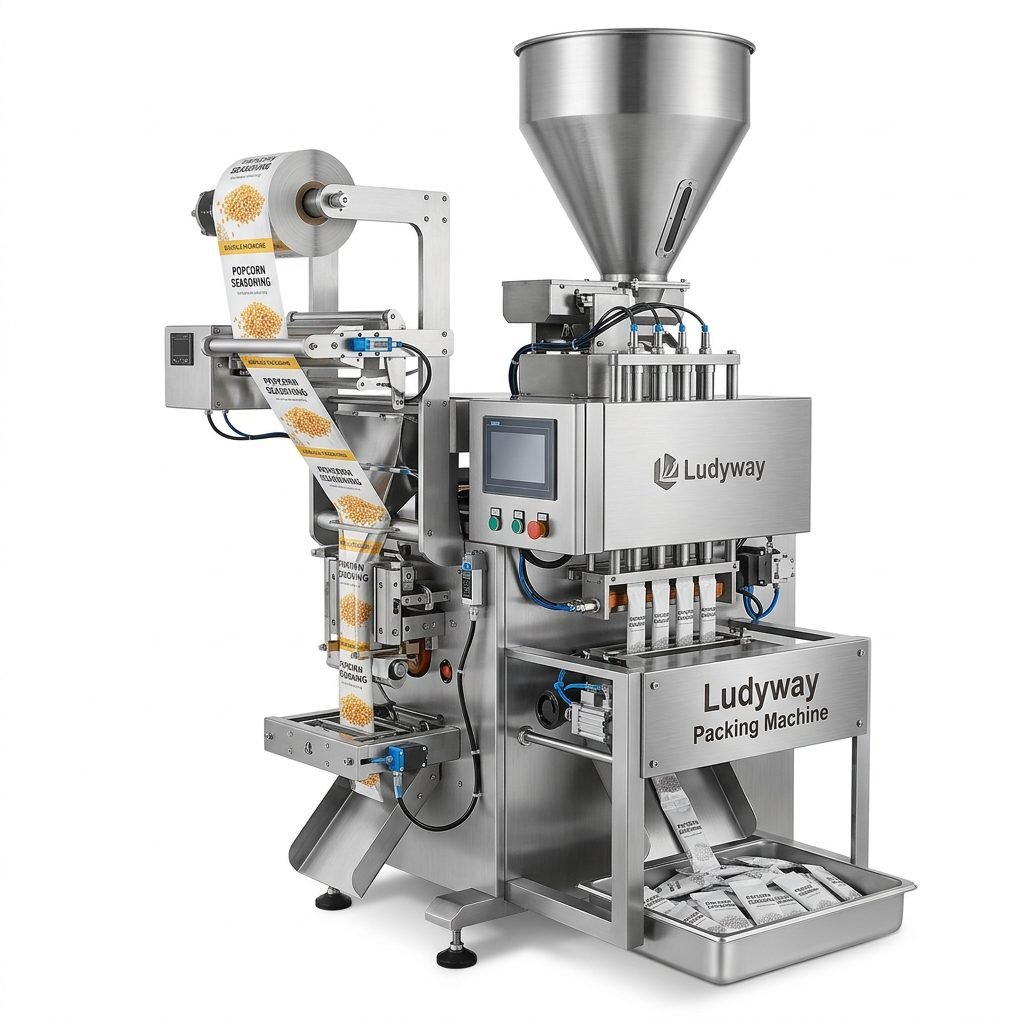
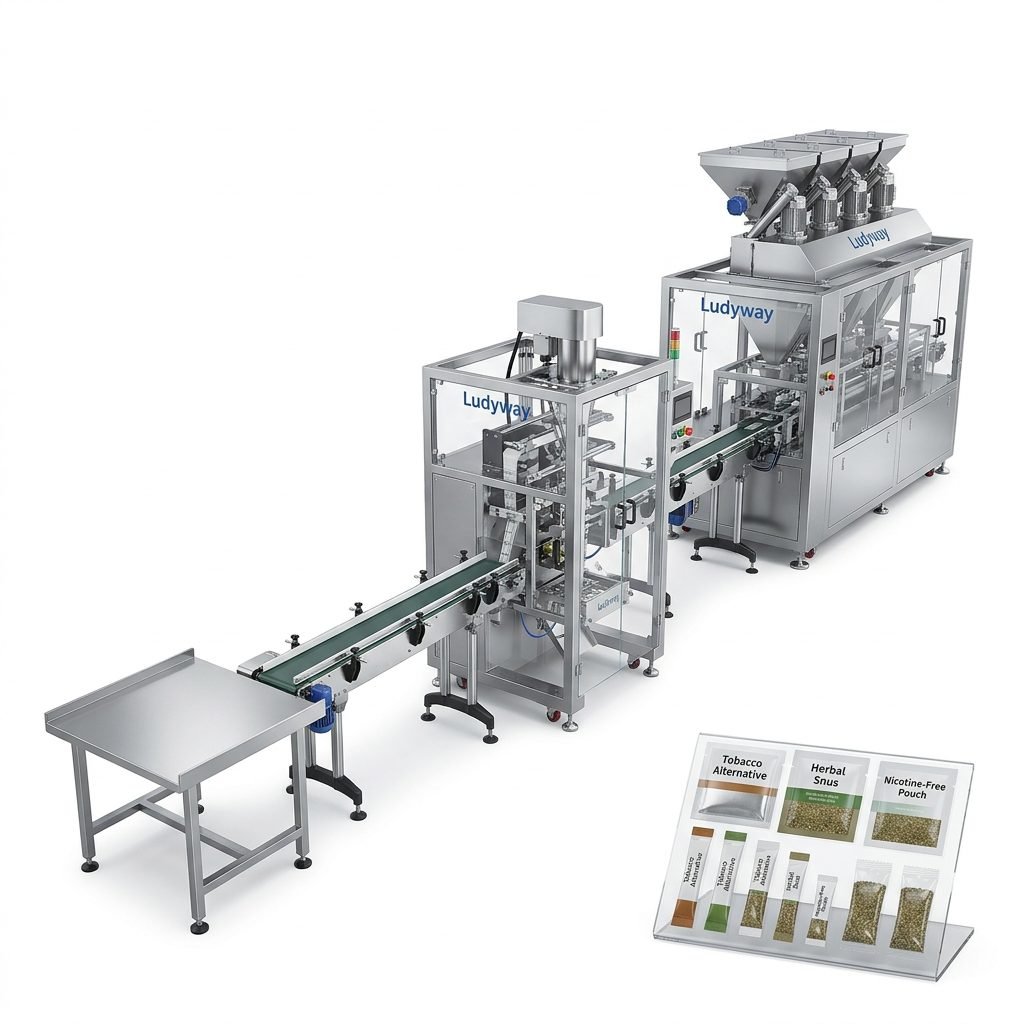
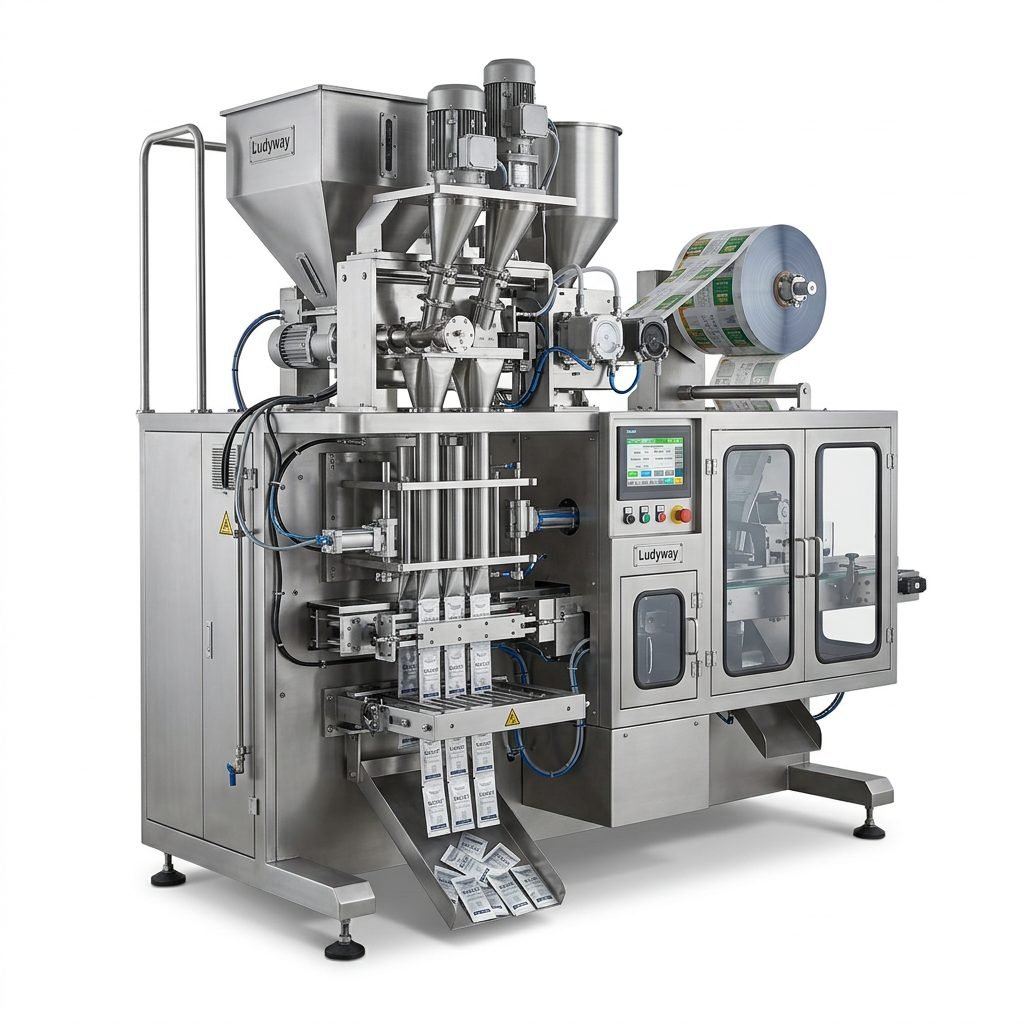
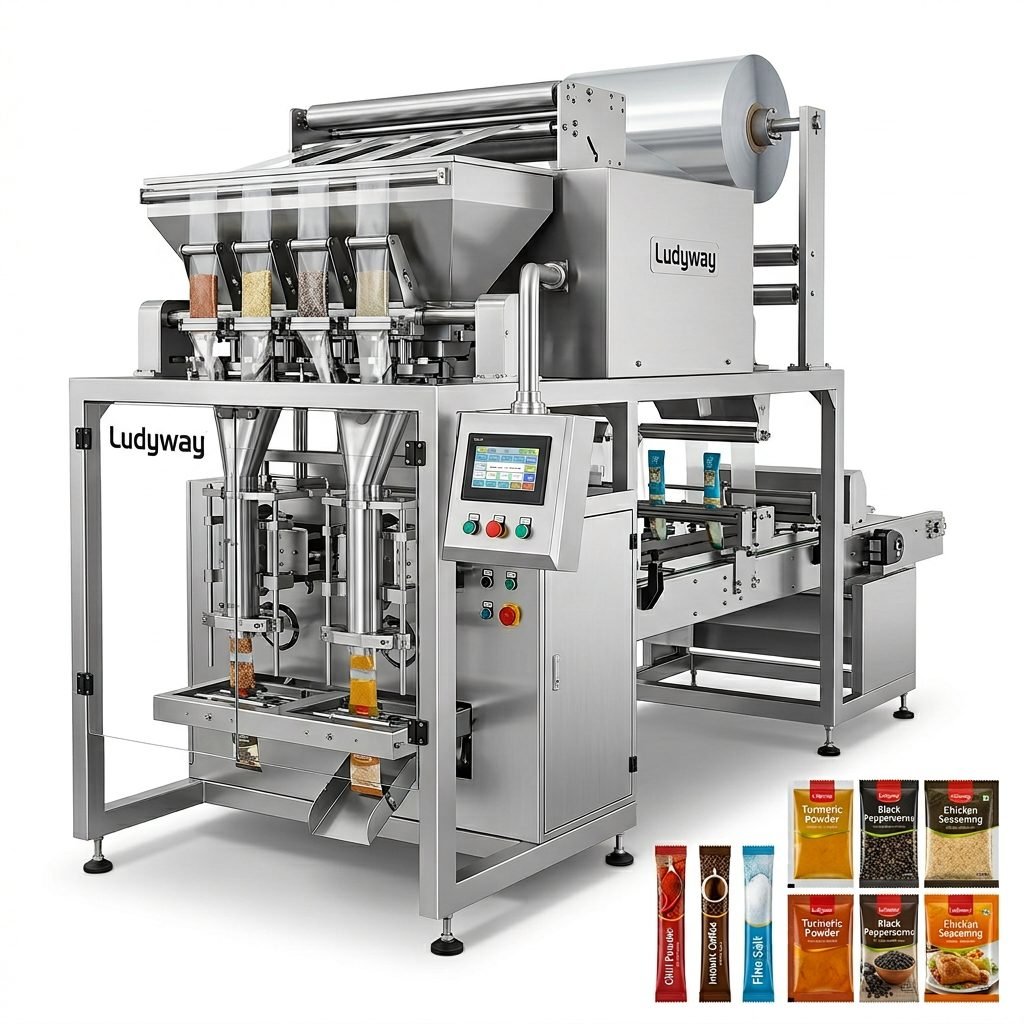
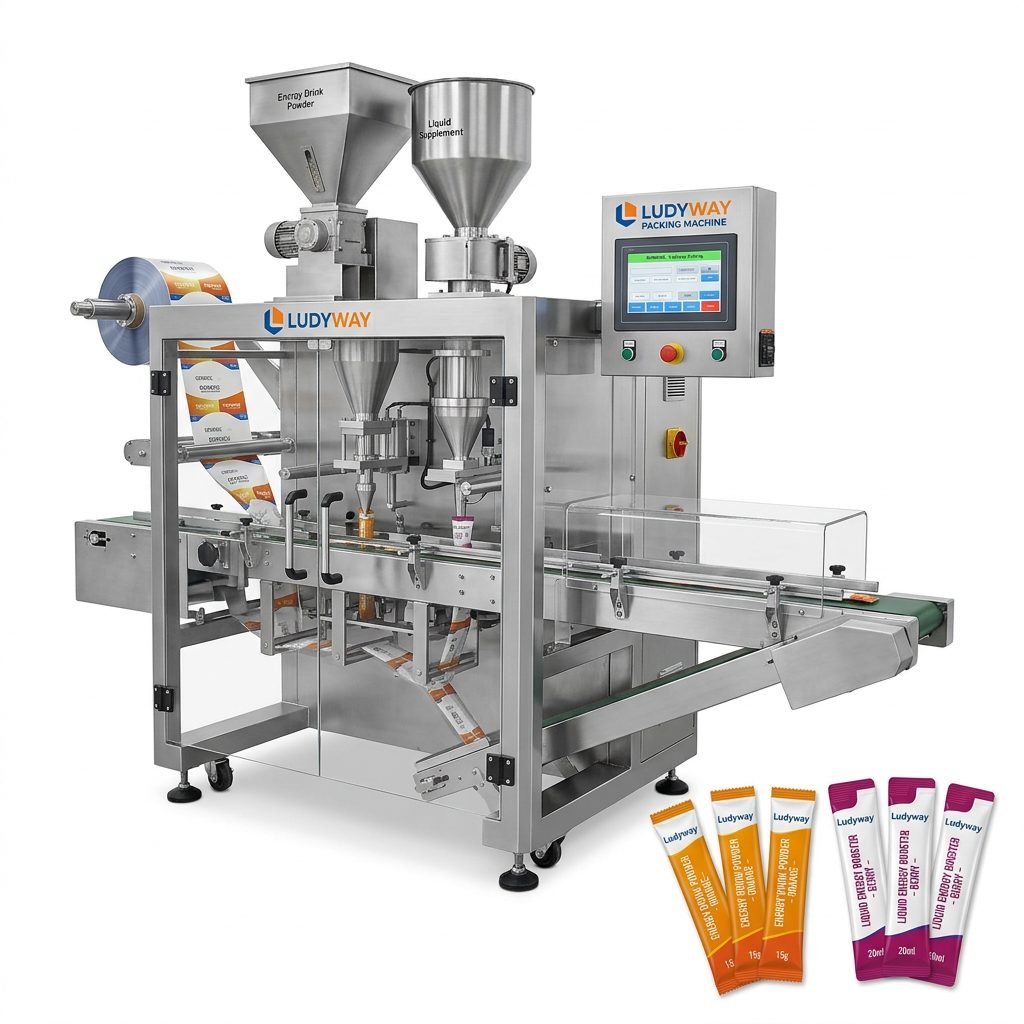
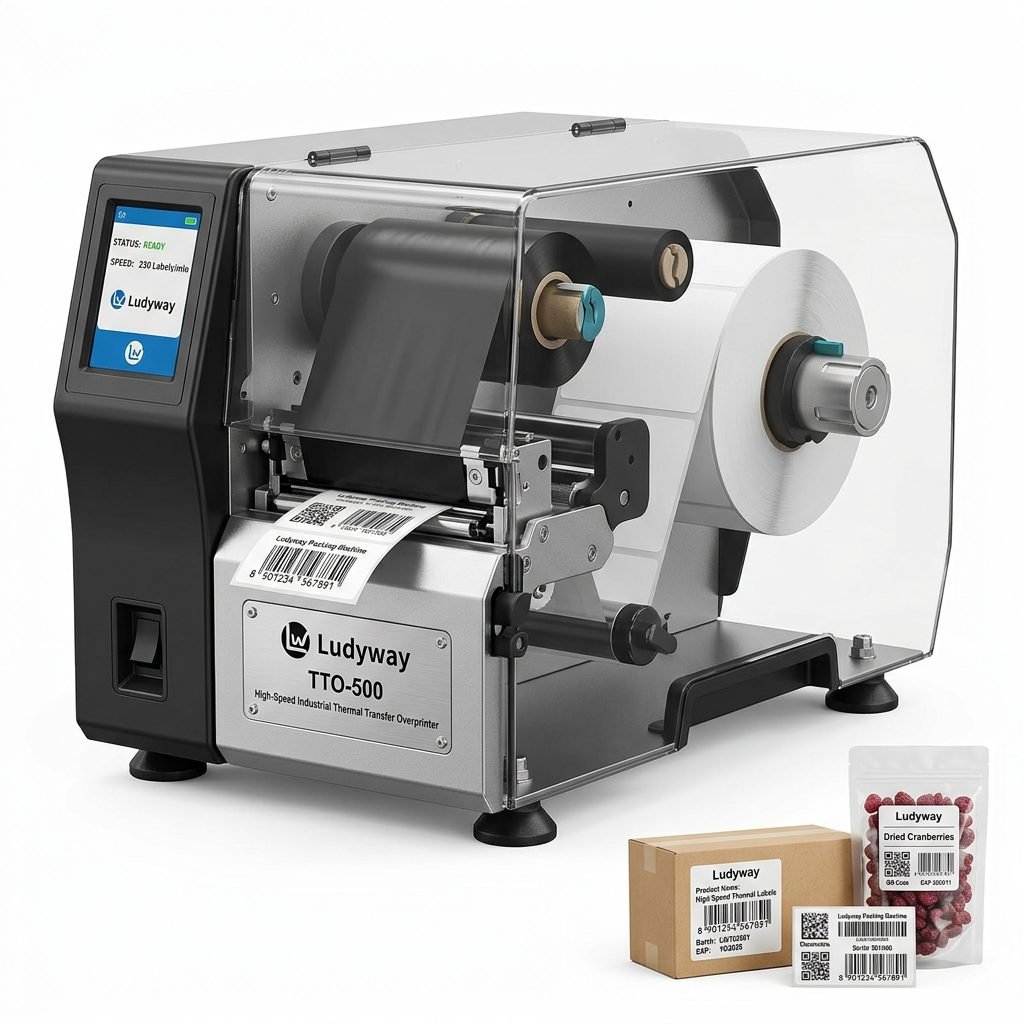
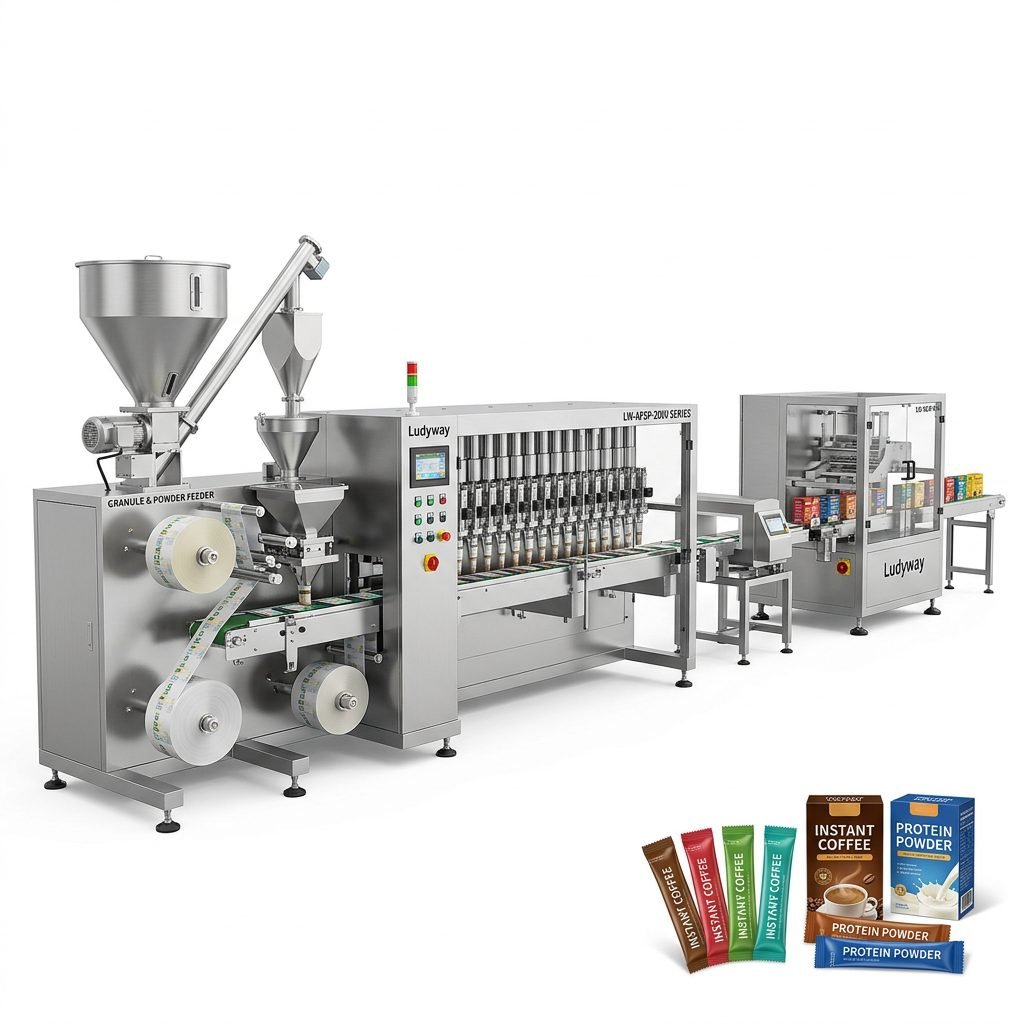
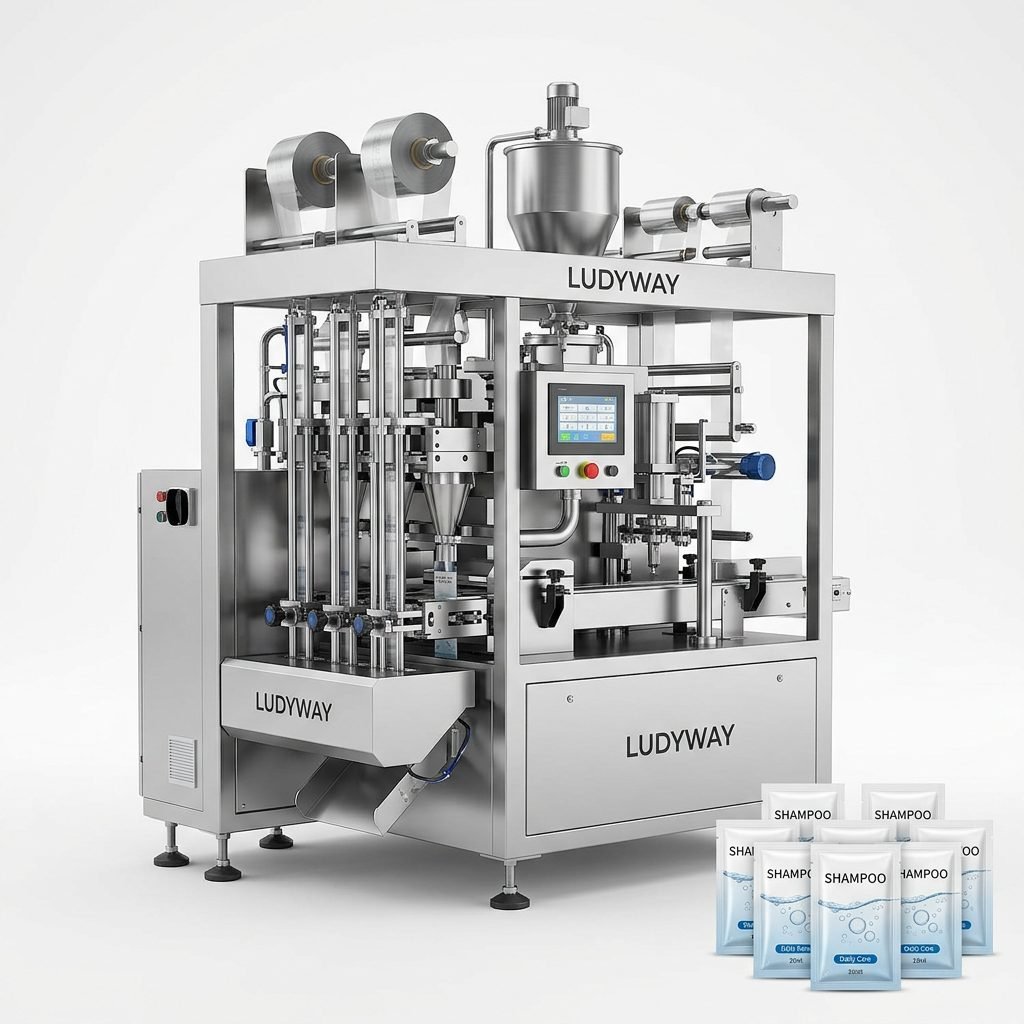
Selecting the right filler packaging machinery is a critical decision that directly impacts your production efficiency, product quality, and overall operational costs. With a vast array of filling equipment available, from simple semi-automatic machines to fully integrated, high-speed automated lines, navigating the options can be complex. This guide will walk you through the key factors to consider to ensure you choose the perfect filling equipment for your specific production line needs.
Understanding Your Product and Production Requirements
The journey to the right machine begins with a deep understanding of what you are filling and how much you need to produce.
Product Characteristics: The Foundation of Choice
Your product’s physical properties dictate the type of filler required. Misalignment here leads to waste, contamination, and downtime.
Viscosity & Flow: Is your product a free-flowing liquid like water, a viscous paste like ketchup, or a non-flowing solid like ointment? Piston fillers excel with thick, viscous products, while gravity or vacuum fillers are ideal for thin liquids.
Particulates & Sensitivity: Does your product contain chunks, seeds, or fibers? Is it abrasive or shear-sensitive? Equipment must handle these without damaging the product or itself. Gentle pump systems or specialized piston designs are often necessary.
Aeration & Foaming: Some products, like shampoos or dairy creams, are prone to foaming. Pressure-based fillers or systems with de-aeration features are crucial to maintain product integrity and fill accuracy.
Output Speed and Container Specifications
Matching machine speed to your production volume is essential for ROI. Also, the container is not just a vessel; it’s part of the filling system.
Desired Production Rate (Containers Per Minute – CPM): Are you aiming for 50 CPM or 500 CPM? This single metric narrows down machine types from single-head semi-automatics to multi-head rotary fillers. Remember to factor in future growth to avoid premature obsolescence.
Container Type, Size, and Material: Glass bottles, plastic pouches, rigid tubs, or flexible sachets? Each requires different handling (grippers, guides) and filling techniques. The container opening size also limits the type of filling nozzle that can be used.
Core Types of Filling Machinery and Their Applications
Filling technology is broadly categorized by the principle used to measure and transfer the product. Here are the most common types:
Volumetric Fillers
These machines dispense a pre-set volume of product. They are versatile and relatively simple.
- Piston Fillers: The workhorse for creams, pastes, and products with particulates. A piston draws product into a cylinder and then pushes it out into the container. Highly accurate and excellent for viscous products. Companies like Ludyway Machinery offer robust piston filling solutions for food and pharmaceutical applications.
- Diaphragm Fillers: Similar to piston fillers but use a flexible diaphragm, making them perfect for sterile or ultra-hygienic applications as the product only contacts the diaphragm, not mechanical seals.
Gravimetric (Net Weight) Fillers
These are the gold standard for accuracy, especially where product density varies. They fill by weight, not volume.
- Gross Weight Fillers: Weigh the container before and after filling. Simple but slower.
- Net Weight Fillers: Weigh the product as it is being dispensed into the container, then stop at the target weight. Extremely precise and often used for high-value products like coffee or spices.
Liquid-Specific Fillers
Designed for free-flowing and thin liquids, offering high speed and cleanliness.
- Gravity Fillers: Rely on the product’s own weight to flow from an overhead tank. Simple and cost-effective for still water, juices, or oils.
- Pressure (Pressure-Gravity) Fillers: Apply air pressure to the product tank to push liquid into the container faster than gravity alone. Common for carbonated beverages.
- Vacuum Fillers: Create a vacuum in the container, which draws the liquid in. Excellent for thin liquids and fragile containers, preventing overflow and drips.
Integration and Automation: Building Your Line
A filler rarely works alone. Its compatibility with upstream and downstream equipment determines line smoothness.
Upstream Considerations
How will empty containers be fed? A bowl feeder for bottles, a web for pouches, or a manual loading station? The filler’s infeed must synchronize perfectly.
Downstream Considerations
What happens after filling? Immediate capping, sealing, labeling, or cartoning? The filler’s discharge mechanism and speed must feed the next machine without creating a bottleneck. For a seamless operation, consider turnkey solutions from experienced providers who can engineer the entire line for synergy.
Control Systems and Connectivity
Modern fillers are controlled by PLCs (Programmable Logic Controllers) with HMI (Human-Machine Interface) touchscreens. Look for user-friendly interfaces, recipe storage for quick changeovers, and connectivity options (Industry 4.0) for data collection and integration into factory networks.
Key Selection Criteria Beyond the Machine
Accuracy, Hygiene, and Support
Fill Accuracy & Repeatability: This is non-negotiable. Inaccuracies lead to “giveaway” (costing you money) or under-filling (regulatory and customer satisfaction issues). Specify your required tolerance (e.g., ±0.5% of target volume/weight).
Hygiene & Sanitation Design: For food, pharmaceutical, or cosmetic products, easy cleaning is paramount. Look for stainless steel construction, CIP (Clean-in-Place) capabilities, and designs with minimal dead legs where product can stagnate.
Supplier Reliability & After-Sales Service: The machine is a long-term investment. Choose a supplier with a proven track record, like those with decades of industry experience. Ensure they offer comprehensive training, readily available spare parts, and responsive technical support. The quality of service is as important as the machine itself.
Conclusion
Choosing the right filler packaging machinery is a strategic process that balances your product’s unique properties, production goals, and budget with the technological capabilities of different equipment. By methodically assessing your needs against the types of fillers available and prioritizing factors like accuracy, hygiene, and supplier support, you can invest in a system that enhances your productivity and product quality for years to come. Partnering with an expert who understands the nuances of granule, powder, and liquid packaging applications can provide invaluable guidance through this critical selection process.
Frequently Asked Questions (FAQs)
1. What is the main difference between volumetric and gravimetric filling?
Volumetric fillers dispense a pre-set volume of product (e.g., 100ml) and are best for products with consistent density. Gravimetric (net weight) fillers dispense product until a target weight is reached, making them superior for products where density can vary (like ground coffee or fluffy powders), ensuring each container has the exact correct mass.
2. How do I determine the speed (CPM) of filler I need?
Calculate your required output based on annual demand, shifts, and working days. For example, 1 million units per year / 250 days / 1 shift (8 hours) / 60 minutes = ~83 CPM. Always add a 15-20% buffer for peak demand and future growth when specifying machine speed.
3. What are the most important hygiene features for a food-grade filler?
Key features include: 1) Construction from 304 or 316L grade stainless steel, 2) Smooth, polished surfaces with minimal seams, 3) A design that is easy to disassemble for manual cleaning or has CIP capabilities, and 4) Protection of critical parts from environmental contamination.
4. Can one filling machine handle different container sizes?
Yes, most modern fillers are designed for quick changeover. However, the ease and time required vary. Look for machines with tool-less changeover features, adjustable guides and grippers, and digital recipe storage that recalls all settings (fill volume, nozzle height, etc.) for each container type.
5. Why is supplier after-sales support so critical?
Even the best machinery may require maintenance, spare parts, or troubleshooting. A supplier with strong engineering capabilities and a global support network ensures minimal downtime. They provide essential operator training, timely parts supply, and expert assistance, protecting your investment and ensuring continuous production.