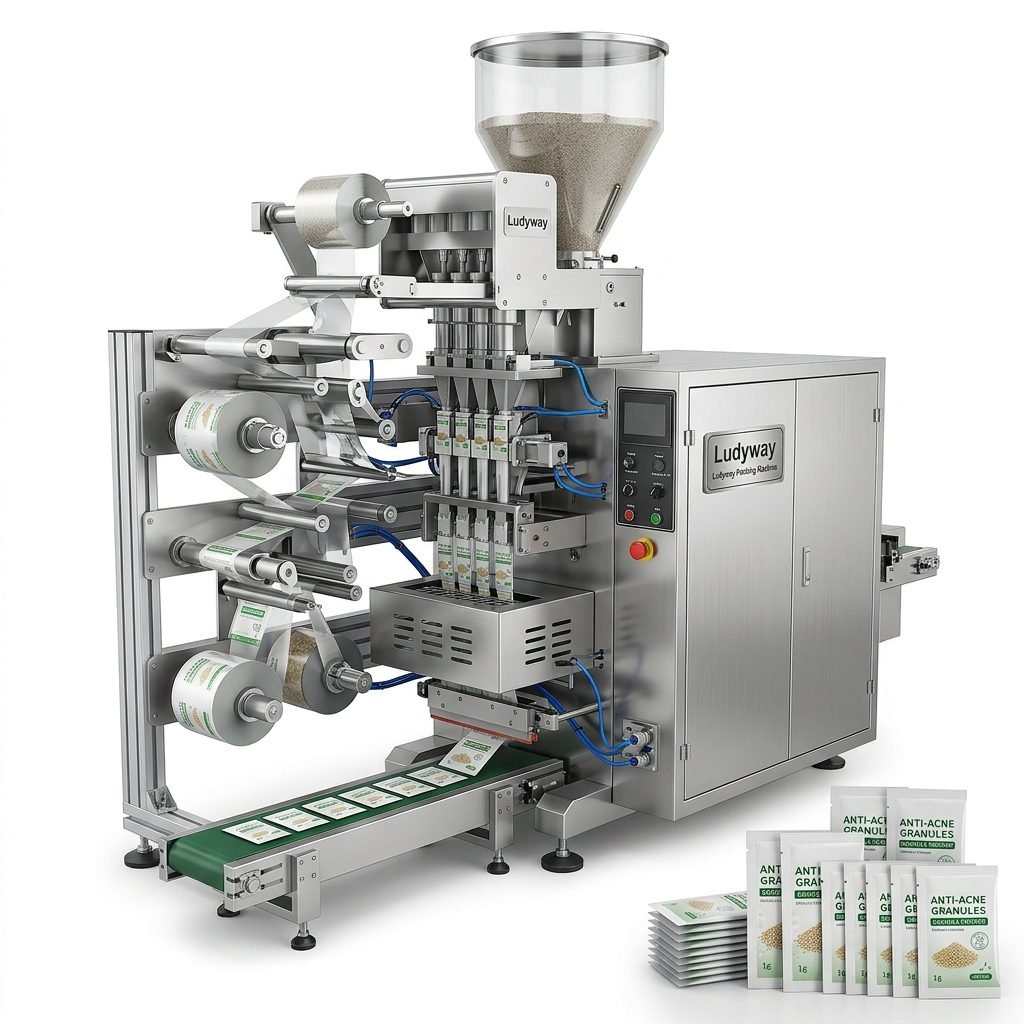
Choosing the right food powder packaging machine is not just about buying equipment. It is about matching your powder characteristics, packaging format, output target, hygiene standard, and future expansion plan with the right technical solution. Whether you pack milk powder, coffee powder, protein powder, flour, spice blends, seasoning mixes, cocoa, or instant beverage powders, the right machine can significantly improve efficiency, dosing accuracy, sealing quality, and production stability.
In competitive food markets, poor powder packaging often leads to product loss, dust issues, inconsistent fill weights, weak seals, higher labor costs, and customer complaints. A well-matched machine helps manufacturers avoid these problems while building a more reliable and scalable packaging process.
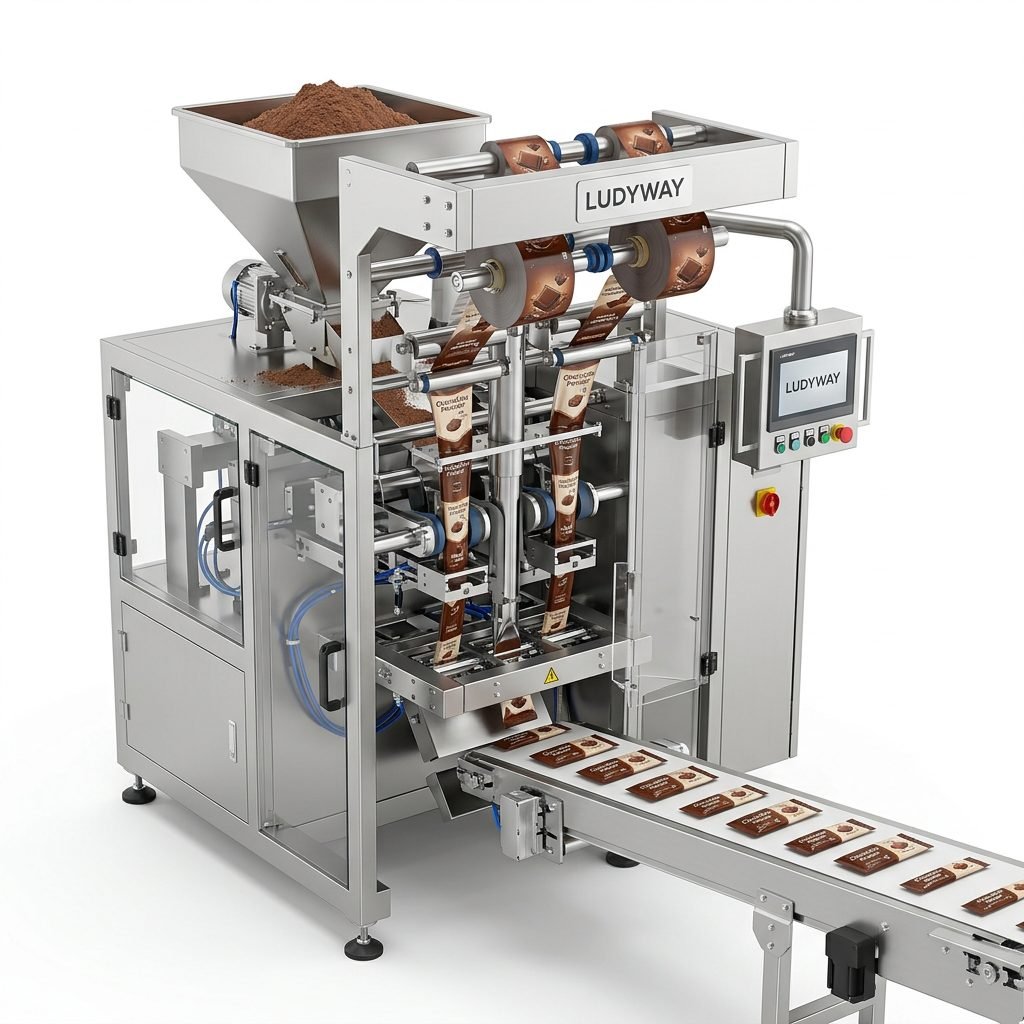
Why Powder Packaging Requires a Specialized Solution
Food powders behave very differently from liquids, granules, or solid pieces. Some powders are free-flowing, while others are sticky, dusty, hygroscopic, aerated, or easy to bridge inside the hopper. These characteristics directly affect filling accuracy and machine design.
- Fine powders may create dust and contaminate seals.
- Sticky powders can cling to contact parts and reduce consistency.
- Light powders may fluff up, making volumetric filling less stable.
- Moisture-sensitive powders need stronger environmental control.
- Blended powders require gentle but consistent feeding to avoid segregation.
This is why a standard packing machine is not always enough. A proper powder packaging system should combine suitable dosing technology, dust control, sealing reliability, and user-friendly operation.
Key Questions to Ask Before Choosing a Food Powder Packaging Machine
Before comparing models, define your production needs clearly. The best machine for one factory may be completely wrong for another.
- What type of powder are you packing?
- What is the target pack size?
- Do you need sachets, stick packs, pouches, or larger bags?
- What speed do you need per minute or per hour?
- How accurate must the filling be?
- Do you require nitrogen flushing, coding, cartoning, or case packing?
- What food safety and sanitation standards must be met?
- Do you need a standalone machine or a complete automatic line?
Common Types of Food Powder Packaging Machines
Different packaging formats require different machine structures. Below is a simple comparison of the most common options for food powder products.
| Machine Type | Best For | Main Advantage | Typical Output |
|---|---|---|---|
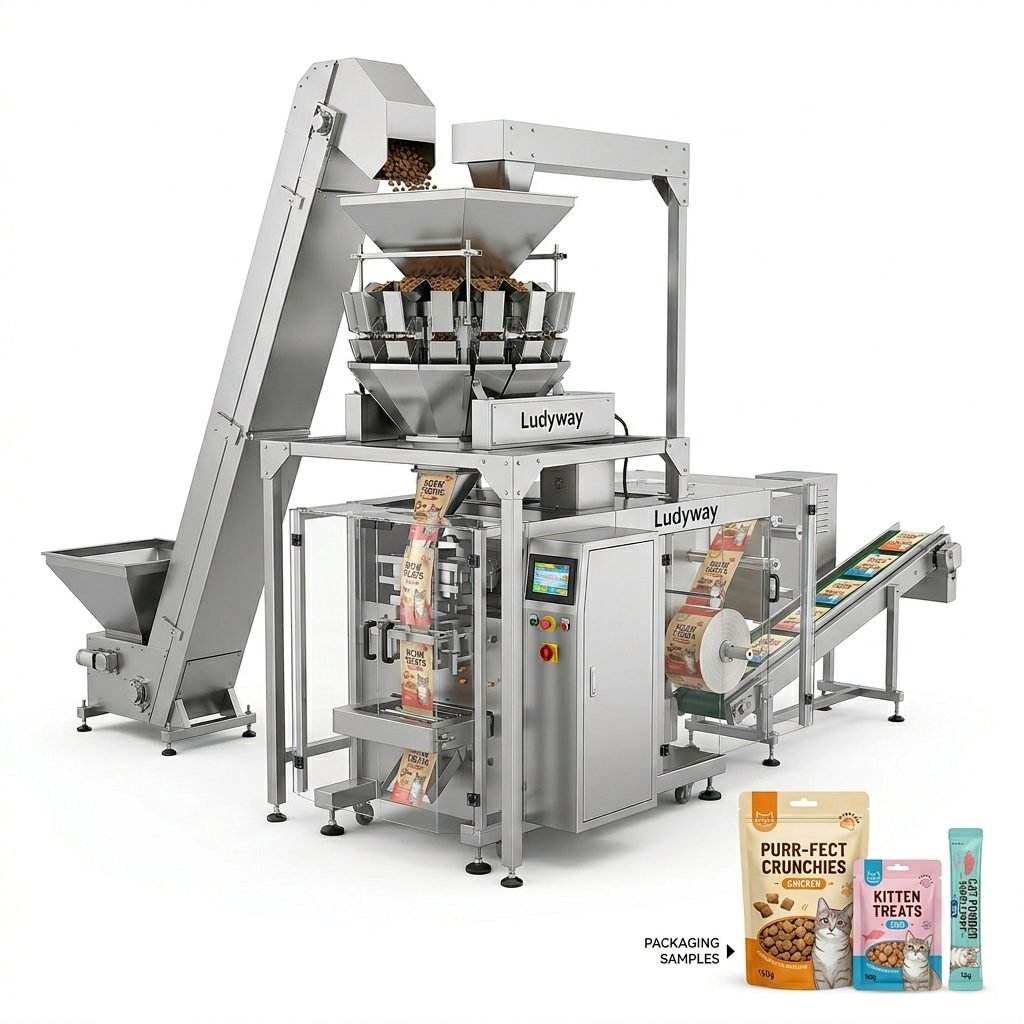
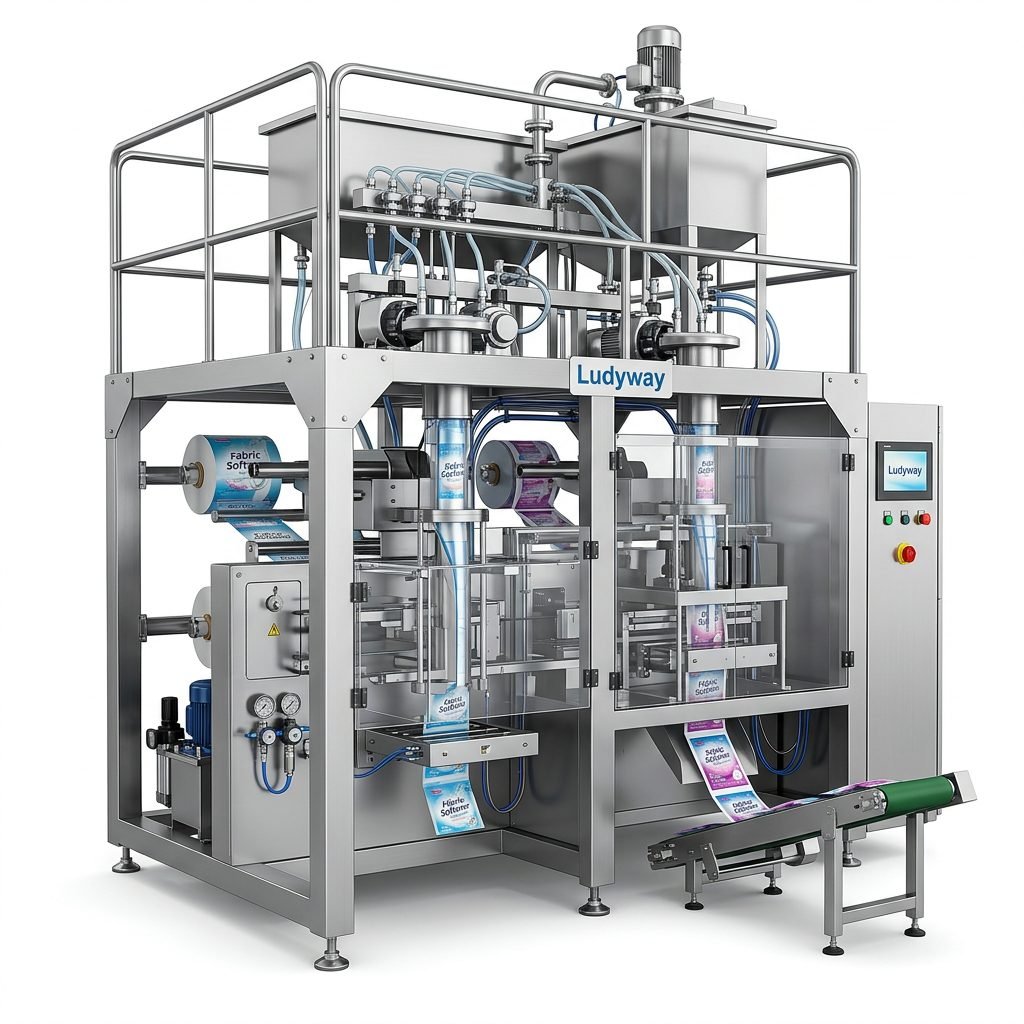
| Vertical form fill seal machine | Medium to large pillow bags | Flexible bag sizes and broad application range | Medium to high |
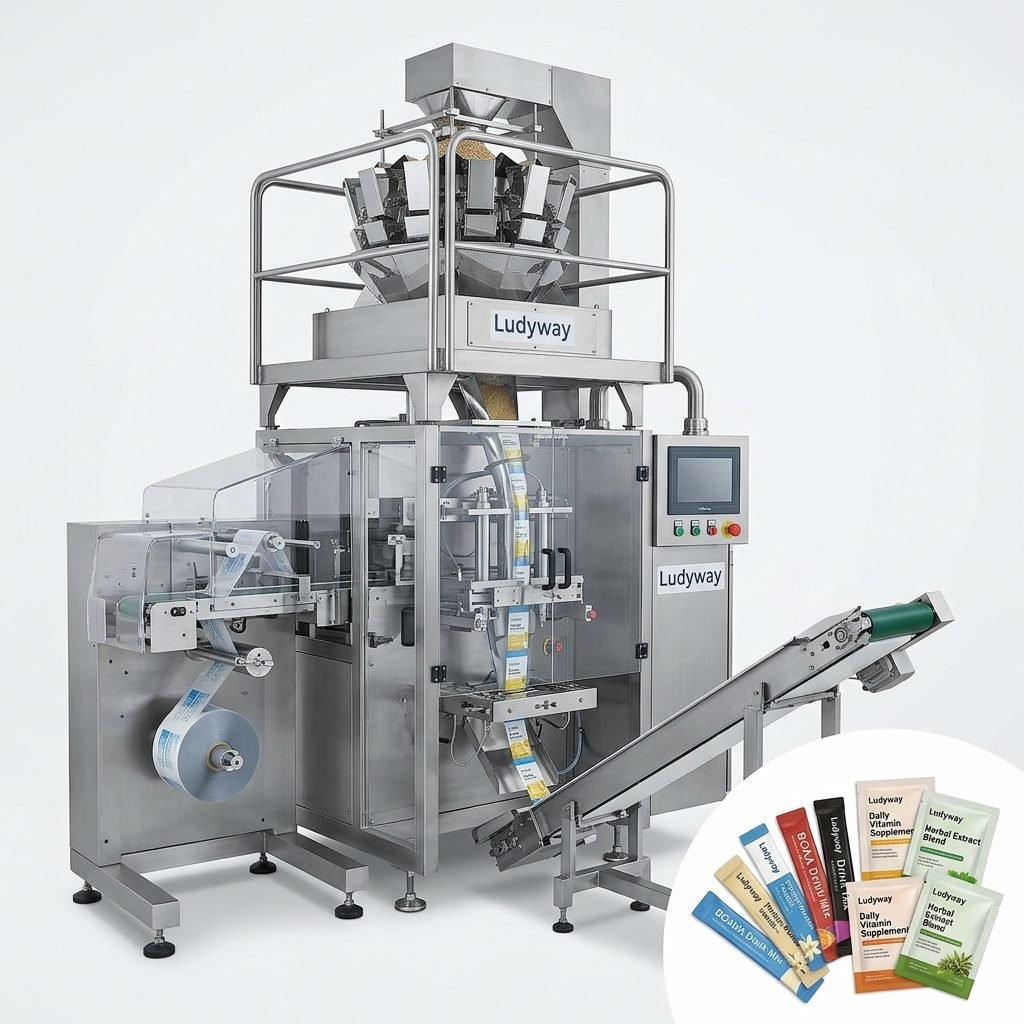
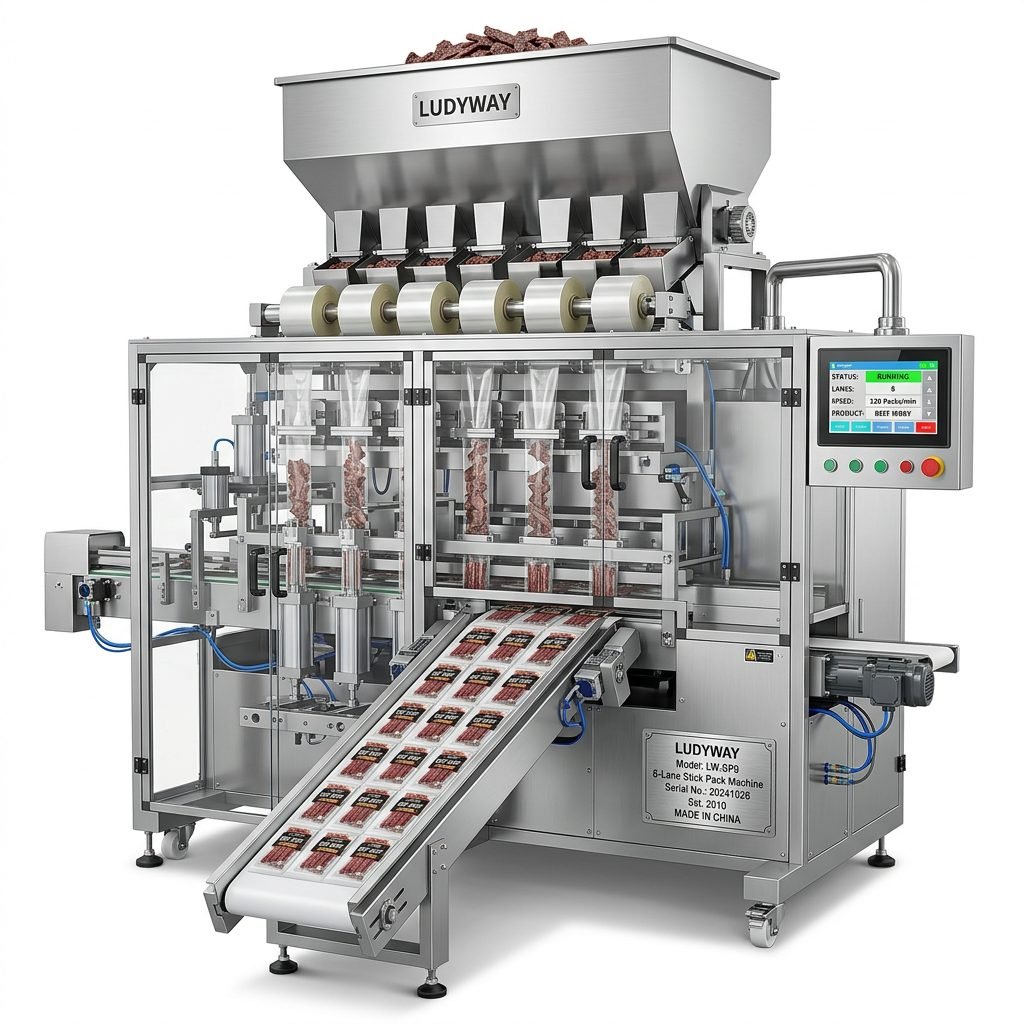
| Multi-lane stick pack machine | Single-serve powder sticks | High speed and compact retail format | High |
| Sachet packing machine | Flat pouches for seasoning or drink mix | Cost-effective and versatile | Medium to high |
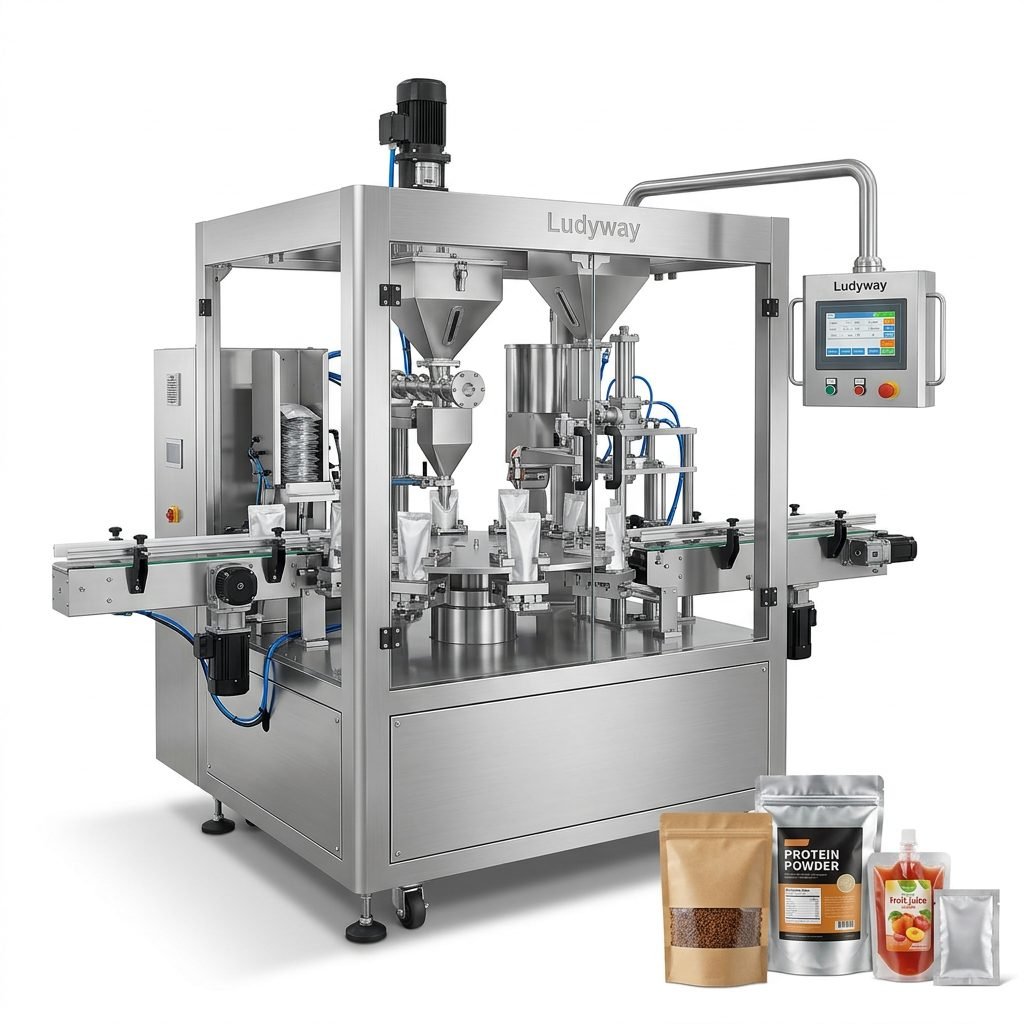
| Premade pouch packing machine | Stand-up pouches and premium packaging | Better shelf presentation | Medium |
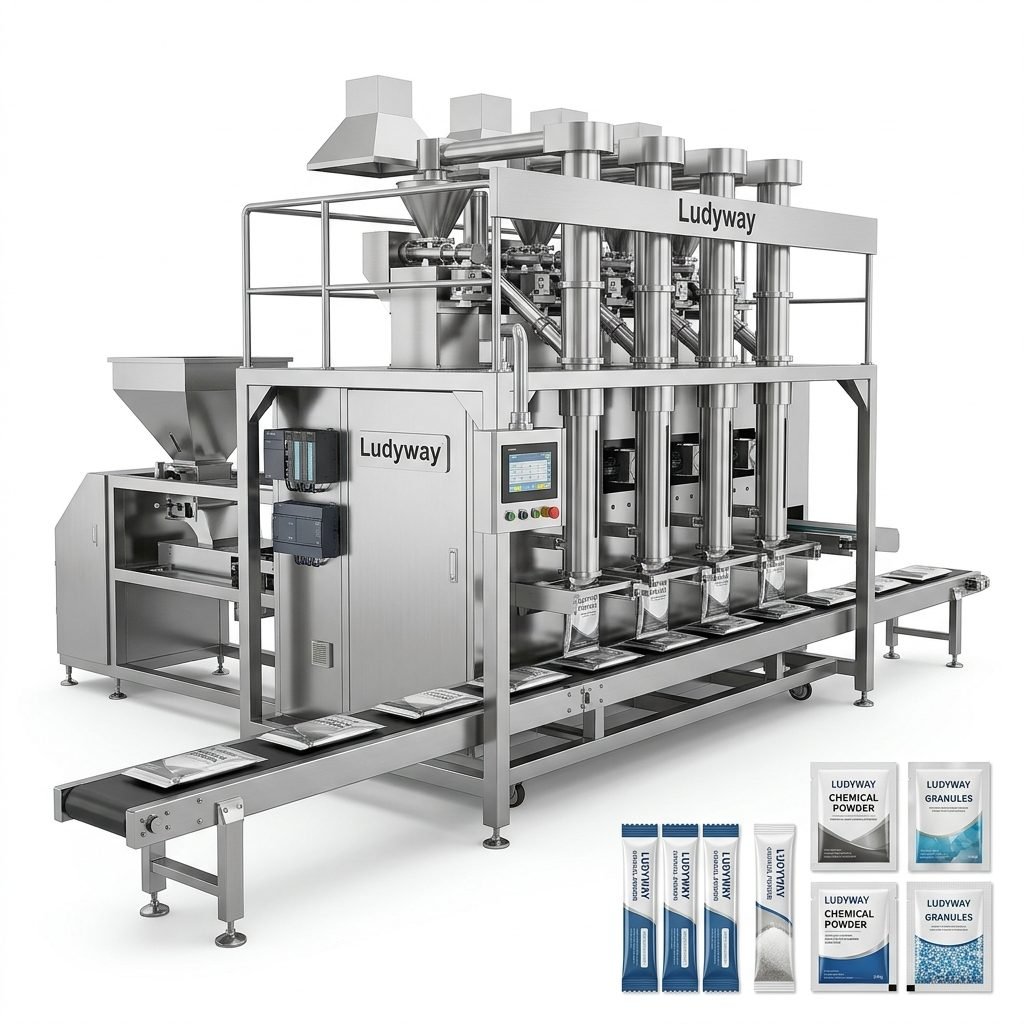
| Large bag filling line | Bulk powder and industrial food ingredients | High-capacity bagging and handling | High-volume bulk |
How to Match the Filling System to the Powder
The filling unit is the heart of a powder packaging machine. If the dosing method does not fit the product, even a well-built machine may produce unstable results.
1. Auger Filling
Auger fillers are widely used for fine powders such as flour, coffee powder, milk powder, protein powder, spice powder, and nutritional formulations. They use a rotating screw to dispense product with good repeatability.
- Ideal for non-free-flowing or semi-free-flowing powders
- Suitable for precise small-dose applications
- Can work well with dust control structures
2. Volumetric Cup Filling
Volumetric systems are often chosen for free-flowing powders with simpler packaging needs. They are generally more economical but may offer lower accuracy for challenging powder properties.
3. Weighing Systems
For higher-value products or stricter weight control, a weighing-based solution may be better. This is useful when overfill reduction is a priority and material costs are high.
Tip: If your product is dusty, light, and sensitive to weight variation, an auger-based system with proper stirring, dust extraction, and servo control is often the safer choice.
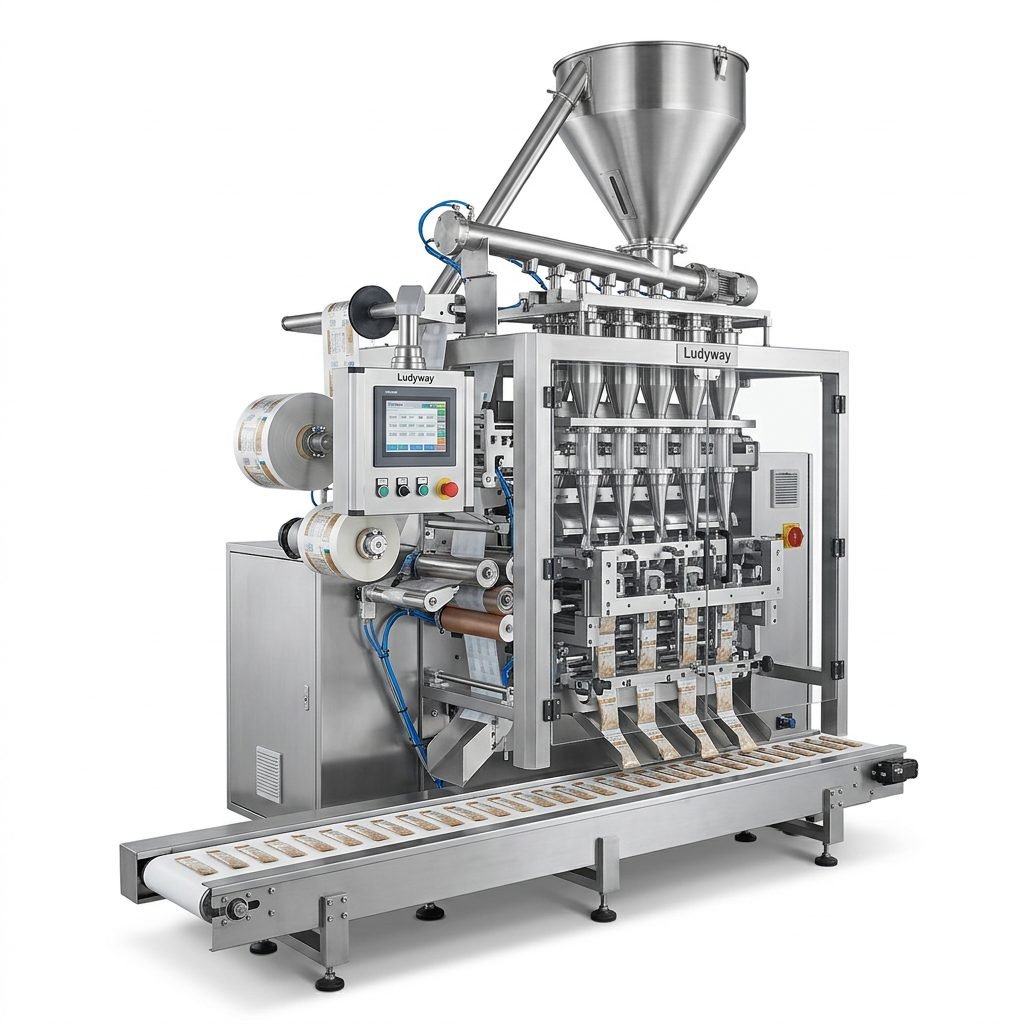
Important Factors That Affect Packaging Efficiency
Powder Flowability
Powders that flow poorly require stronger hopper design, agitation, and feeding consistency. If the powder bridges or compacts easily, the machine must be designed to reduce interruptions.
Dust Control
Dust is one of the biggest issues in powder packaging. Excess dust can affect sealing, pollute the working environment, and increase maintenance needs. Look for solutions with:
- Dust collection interface
- Enclosed filling area
- Stable feeding control
- Seal area protection
Packaging Speed
A high-speed machine only adds value if upstream feeding and downstream handling can keep up. Real efficiency depends on the entire line, not only the nominal machine speed.
Sealing Quality
For food powders, strong and clean seals are essential. Poor sealing can lead to leakage, moisture ingress, shorter shelf life, and returns from customers.
Changeover Time
If you pack multiple SKUs, choose a machine that allows quick adjustments for bag size, fill weight, and film tracking. Faster changeovers mean better equipment utilization.
Best Packaging Formats for Food Powder Products
The right format depends on your sales channel, target customer, and logistics plan.
| Packaging Format | Suitable Products | Why Choose It |
|---|---|---|
| Stick pack | Instant coffee, drink mix, collagen, protein powder | Portable, single-serve, retail friendly |
| Sachet | Seasoning powder, soup mix, cocoa, milk powder | Flexible and cost-efficient |
| Pillow bag | Flour, sugar powder, large retail packs | Good for medium and larger weights |
| Stand-up pouch | Premium nutrition and specialty powders | Better display and branding impact |
| Bulk bag | Industrial ingredients and food processing materials | Efficient for large-volume handling |
Features to Look for in a Modern Powder Packing Machine
- Servo-controlled dosing and film pulling
- Food-grade stainless steel contact parts
- Easy-to-clean hopper and auger assembly
- PLC and touchscreen operation
- Automatic film tracking
- No-pack, no-fill logic to reduce waste
- Date coding or printer integration
- Nitrogen flushing option for shelf-life protection
- Checkweigher and metal detector compatibility
- Connection to cartoning, case packing, and palletizing systems
For growing manufacturers, it is wise to choose a modular solution that can be upgraded later instead of a machine that only fits current output.
When to Choose a Standalone Machine vs. a Turnkey Packaging Line
Standalone Machine
A standalone machine is suitable if you already have feeding, conveying, inspection, or end-of-line equipment in place. It is also a practical option for smaller production volumes or pilot projects.
Turnkey Packaging Line
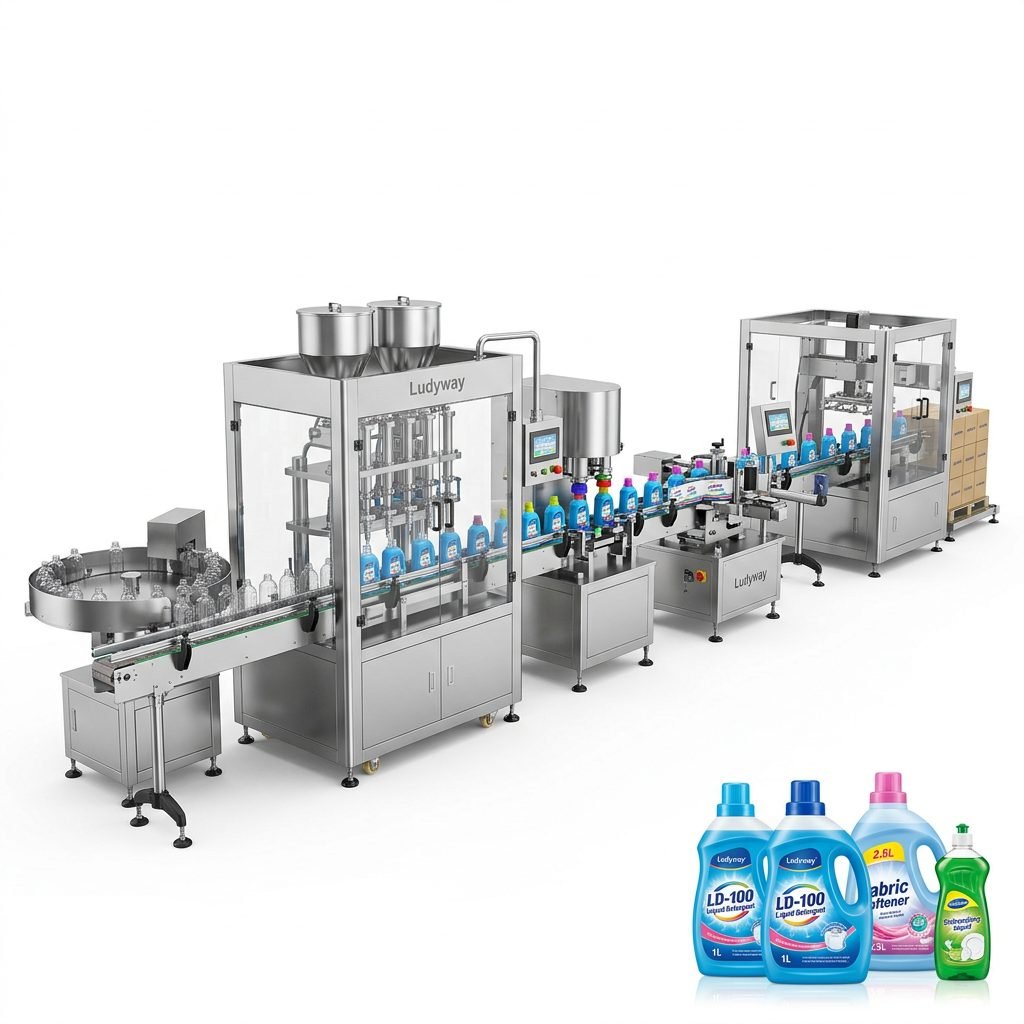
A complete line is better when you want integrated performance from feeding to final packing. This can include powder feeding, dosing, form-fill-seal packaging, coding, checkweighing, metal detection, cartoning, case packing, and palletizing.
If your business is scaling fast, a turnkey solution often delivers better long-term value by reducing compatibility issues between separate machines.
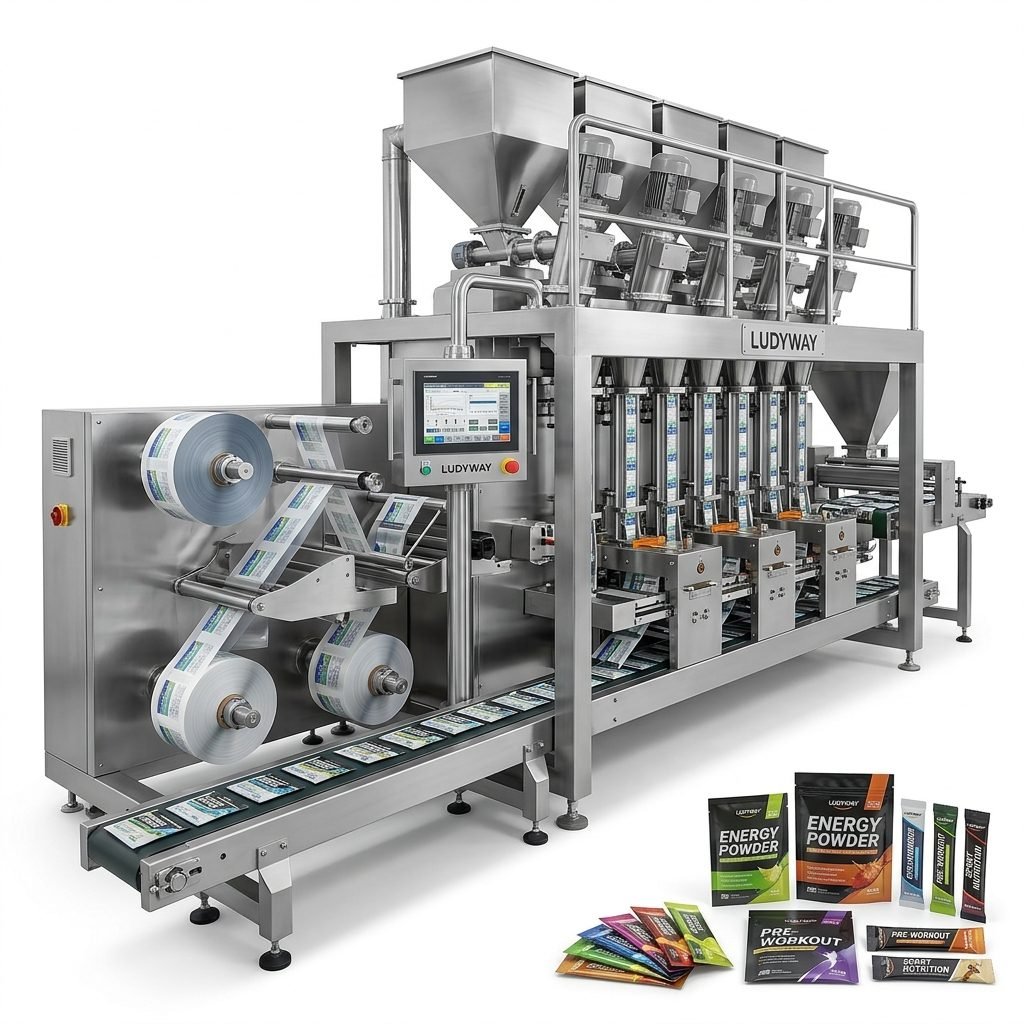
How to Evaluate Machine Reliability Before Buying
Machine specifications on paper are not enough. Ask deeper questions about real operating performance.
- Can the supplier test your actual powder sample?
- What filling accuracy can be achieved in production conditions?
- How stable is the speed during continuous operation?
- How easy is cleaning and maintenance?
- Are spare parts and technical support available internationally?
- Can the machine be customized for your bag size and product behavior?
Request a sample test video, packaging sample, and a clear technical proposal. This helps avoid costly mismatches after installation.
Common Mistakes Buyers Make
- Choosing by price only
- Ignoring powder characteristics
- Overestimating speed without considering actual output conditions
- Neglecting downstream automation
- Underestimating cleaning and sanitation requirements
- Buying a machine with limited upgrade potential
A low-cost machine that causes frequent downtime, inconsistent fills, or sealing defects is usually more expensive in the long run.
Industries and Products That Commonly Use Powder Packaging Solutions
Food powder packaging equipment is used across a wide range of products, including:
- Milk powder and dairy blends
- Protein powder and sports nutrition
- Instant coffee and creamer
- Cocoa and chocolate powder
- Soup powder and seasoning blends
- Baking powder and flour-based mixes
- Herbal and functional drink powders
- Meal replacement and nutrition powders
- Sugar substitutes and sweetener powders
- Spice and condiment powders
Choosing the Right Supplier Matters as Much as Choosing the Right Machine
A dependable supplier should understand not just machinery, but also packaging applications, powder behavior, and production line integration. That is especially important if you need customized configurations, high-speed multi-lane systems, or a full turnkey line.
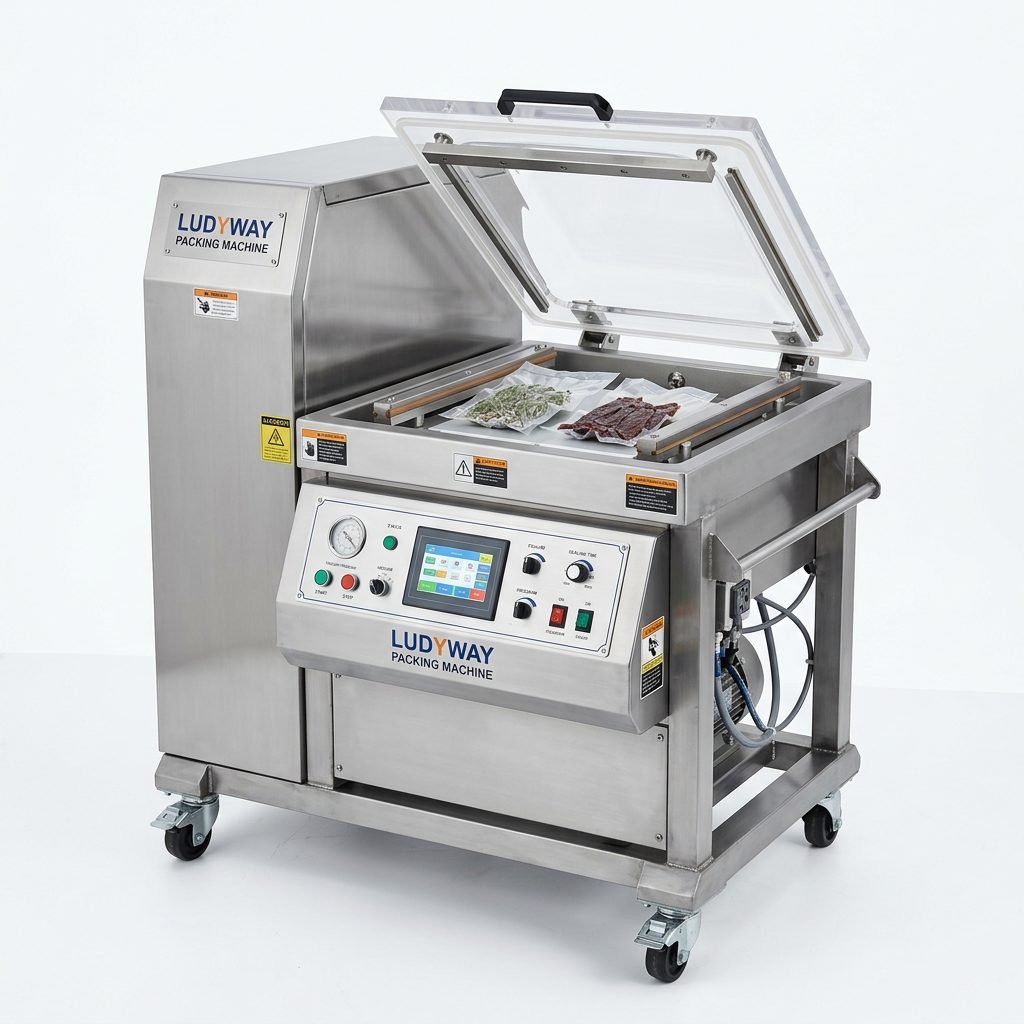
For businesses looking for scalable food powder packaging solutions, Ludyway food powder packaging machine solutions offer broad experience in automatic packaging systems, including sachet machines, stick pack equipment, vertical packaging systems, and complete turnkey packaging lines for food and related industries.
Final Buying Checklist
| Checklist Item | Why It Matters |
|---|---|
| Powder sample testing | Confirms dosing, flow, and sealing performance |
| Packaging format confirmation | Ensures the machine fits your market needs |
| Output target review | Prevents under- or over-specifying equipment |
| Accuracy requirement | Protects product cost and compliance |
| Cleaning and hygiene design | Supports food safety and easier maintenance |
| Line integration capability | Improves total efficiency from filling to final packing |
| After-sales support | Reduces downtime and protects long-term operation |
The right food powder packaging machine should deliver consistent filling, reliable sealing, reduced waste, simple operation, and room for future growth. By focusing on your powder characteristics, packaging format, production goals, and supplier capability, you can invest in a solution that improves both daily efficiency and long-term profitability.