Food Processing Automation Drives Packaging Industry Upgrades and Efficiency Gains
The global food industry is undergoing a profound transformation, driven by the relentless march of automation. At the heart of this change lies the packaging sector, where intelligent machinery is no longer a luxury but a necessity for competitive survival. The integration of advanced automation within food processing lines is directly catalyzing a significant upgrade across the packaging industry, leading to unprecedented gains in efficiency, consistency, and scalability.
The Catalysts for Change: Market Demands and Technological Leaps
Several converging forces are accelerating the adoption of automated packaging solutions:
- Labor Shortages and Rising Costs: Persistent challenges in recruiting and retaining skilled labor for repetitive packaging tasks make automation a financially sound and reliable alternative.
- Consumer Demand for Variety & Speed: The need for smaller batch sizes, personalized packaging, and faster time-to-market requires flexible systems that can change over quickly and operate at high speeds.
- Stringent Safety & Traceability Regulations: Automated systems provide superior hygiene control, reduce human contact with products, and generate precise data for complete batch traceability, which is critical in food and pharmaceutical sectors.
- Breakthroughs in Robotics and AI: The advent of collaborative robots (cobots), advanced vision inspection systems, and machine learning algorithms allows for more complex, delicate, and adaptable packaging operations than ever before.
Key Areas of Impact: How Automation is Reshaping Packaging
The influence of processing automation extends across the entire packaging workflow:
1. Enhanced Line Integration and Speed
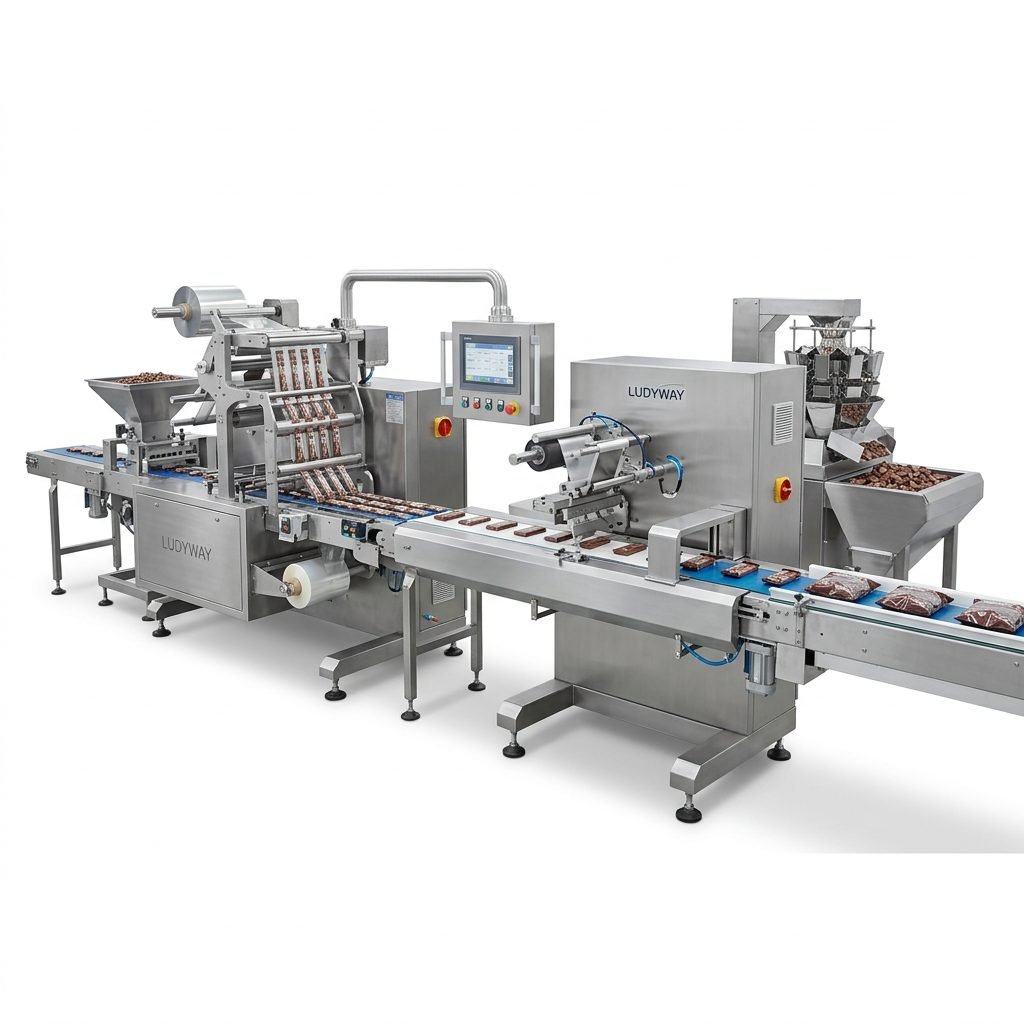
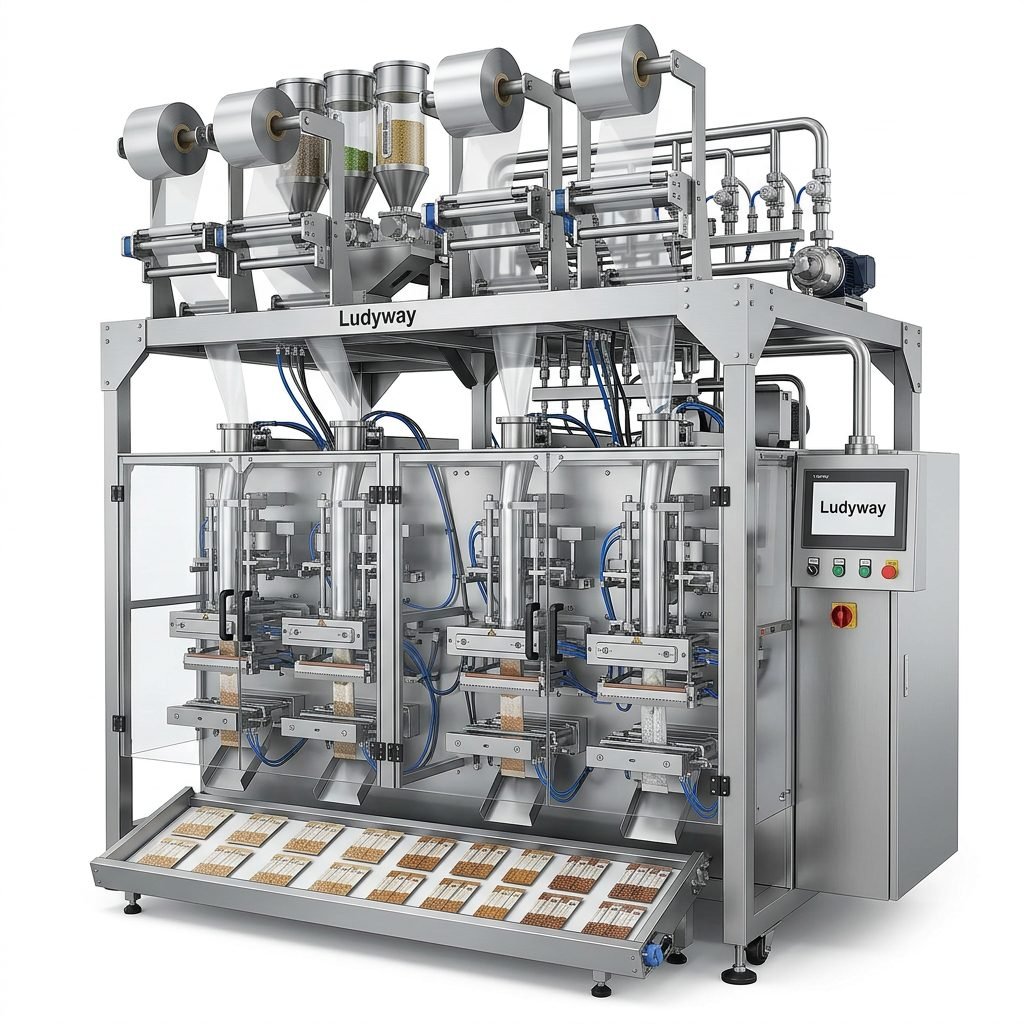
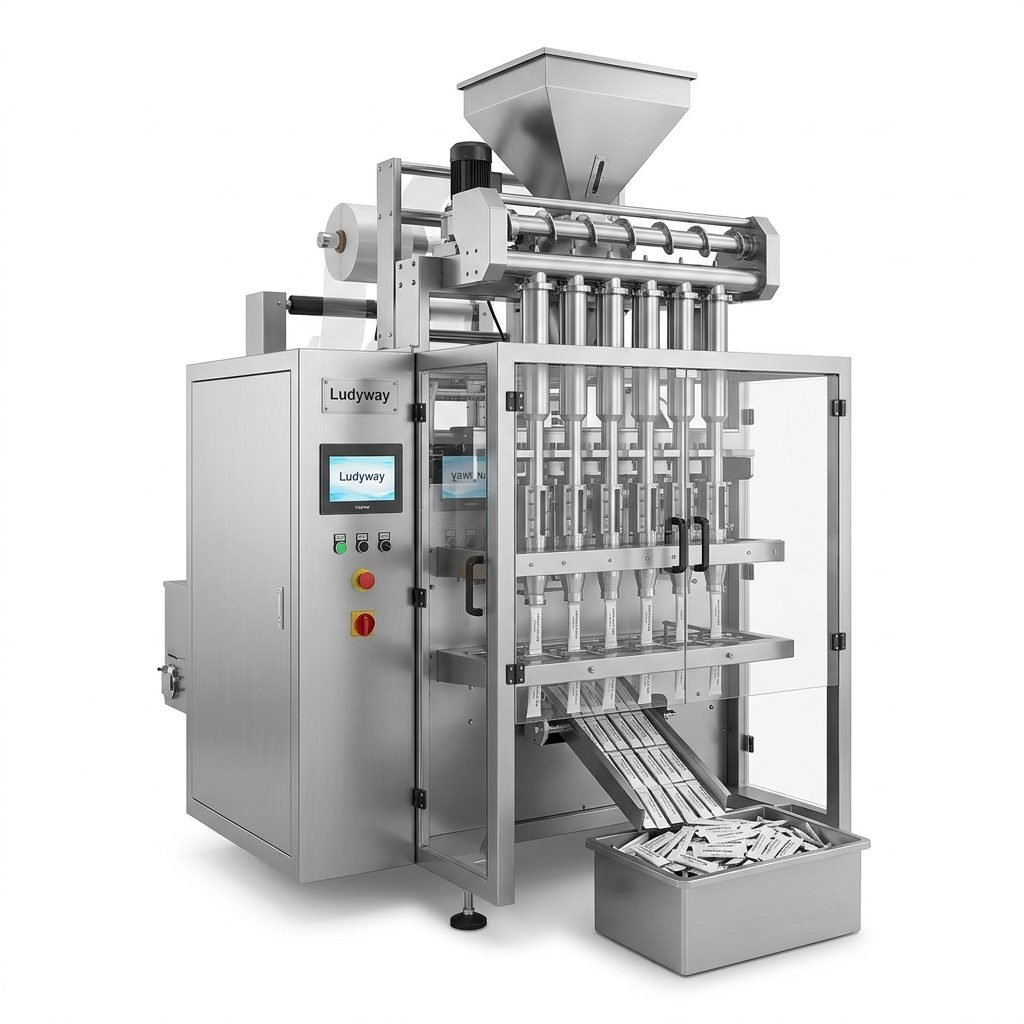
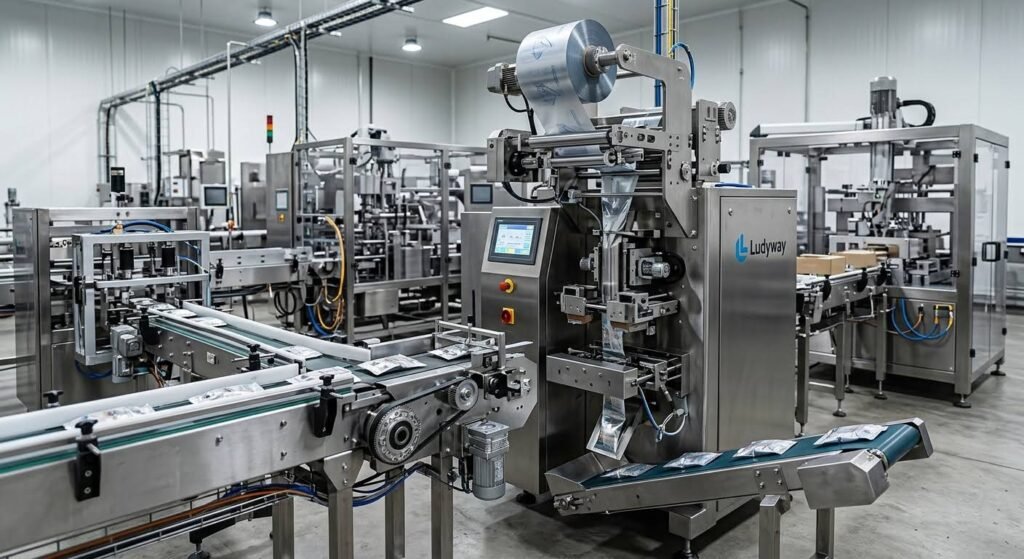
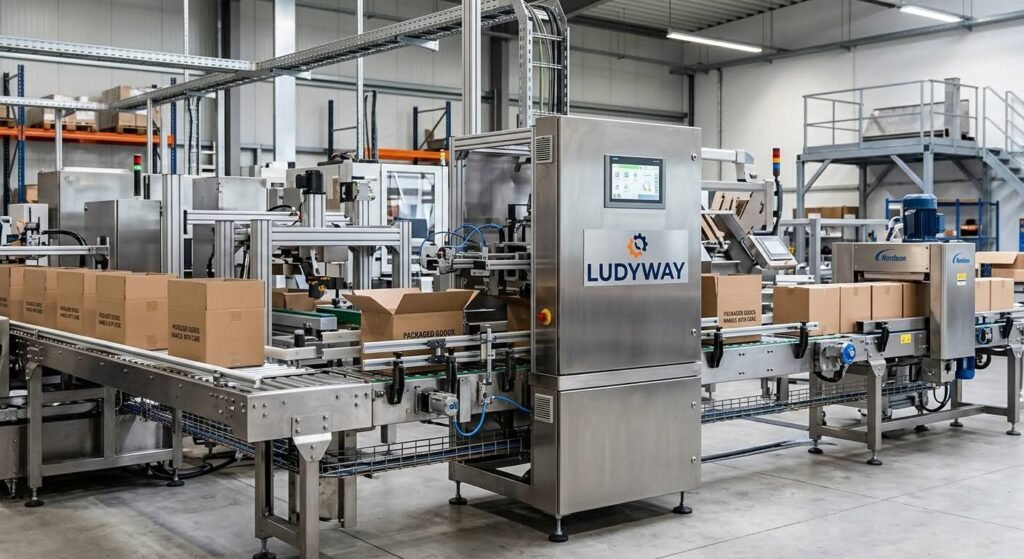
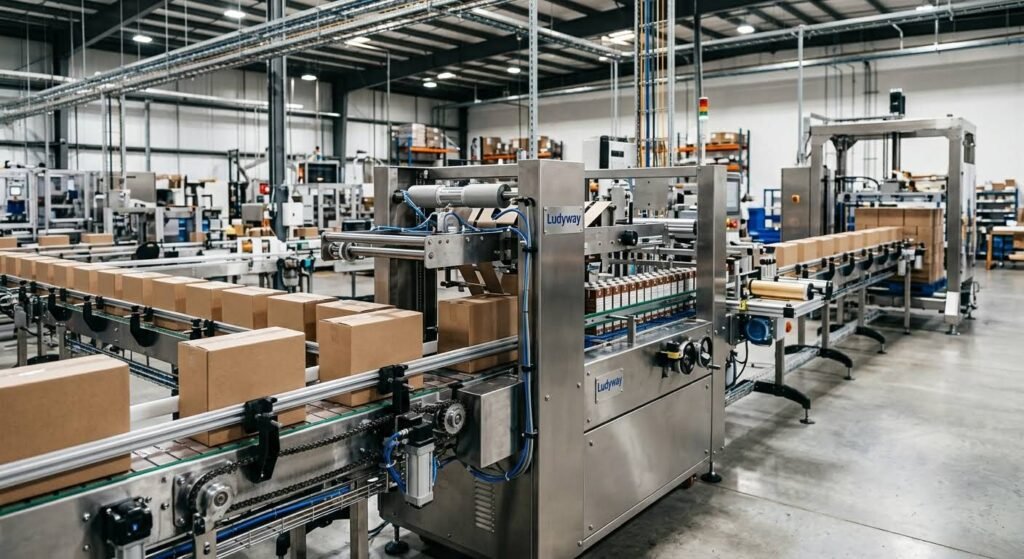
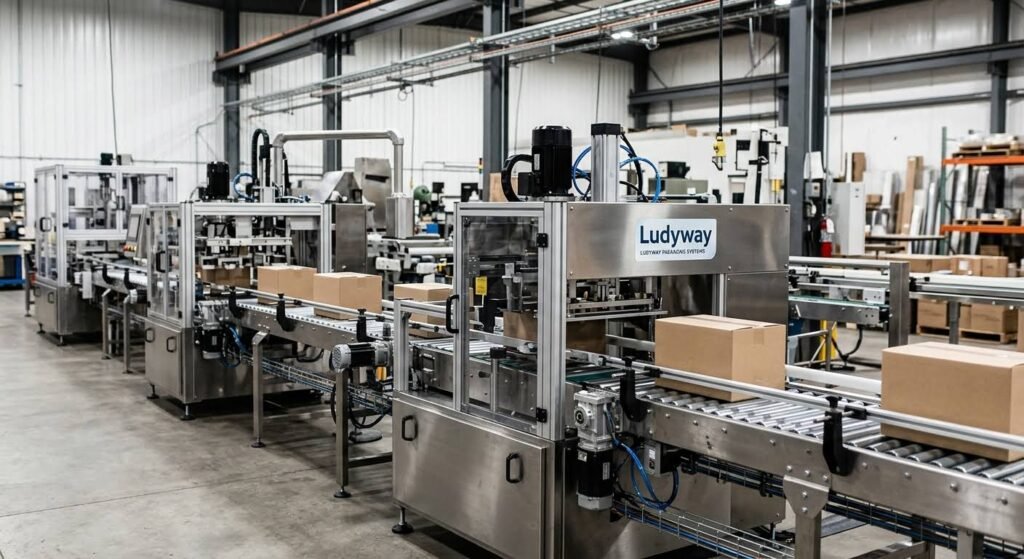
Automated packaging lines are now seamlessly integrated with upstream processing equipment (like mixers, ovens, or fillers). This synchronized flow eliminates bottlenecks, minimizes product handling, and maximizes overall equipment effectiveness (OEE). Modern systems, such as high-speed multi-lane stick pack machines, can achieve outputs that are simply unattainable with manual methods.
2. Unmatched Precision and Consistency
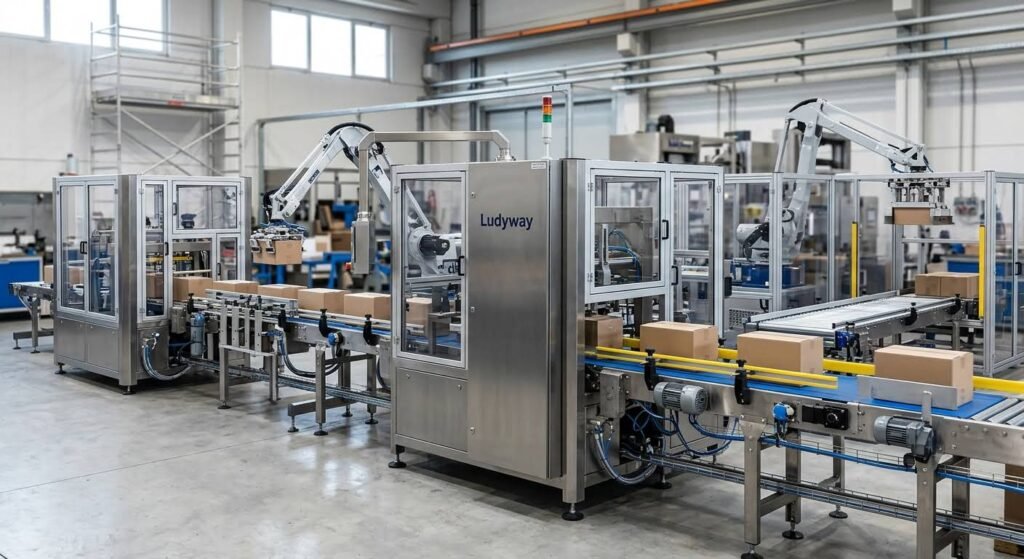
Robotic pick-and-place, automated weighing, and precision filling systems ensure each package meets exact weight, volume, and placement specifications. This reduces giveaway (overfilling), minimizes waste, and guarantees a uniform, high-quality presentation for every single unit—a key brand integrity factor.
3. Agile and Flexible Production
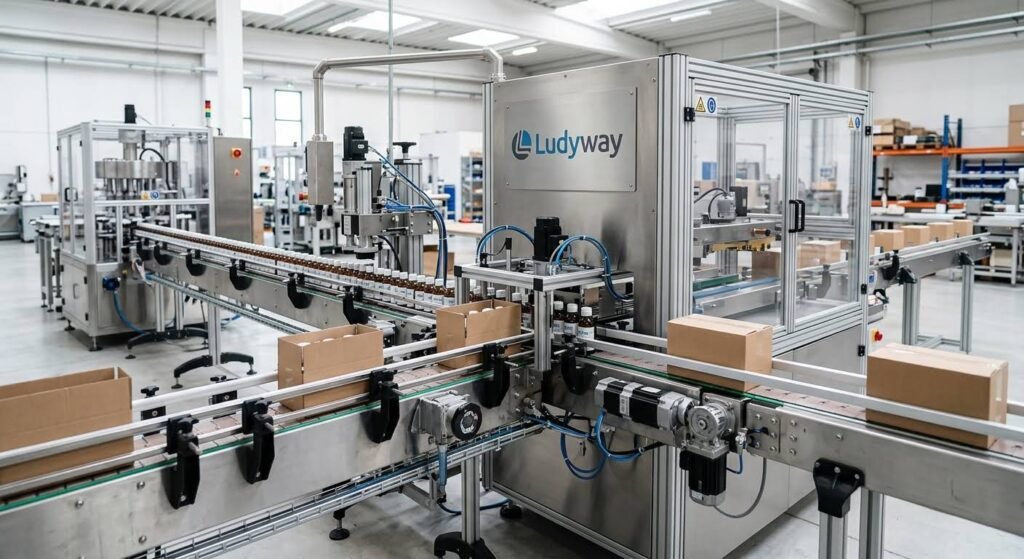
Today’s automated packaging systems are designed for changeover. With programmable logic controllers (PLCs) and user-friendly HMIs, lines can switch between different package sizes, shapes, or materials with minimal downtime. This agility supports the production of limited editions and personalized promotions without sacrificing efficiency.
4. Data-Driven Optimization and Predictive Maintenance
Smart packaging machines are rich data sources. They collect real-time information on production rates, downtime causes, maintenance cycles, and quality check results. This data enables:
- Predictive maintenance to prevent unexpected breakdowns.
- Continuous process optimization for better yield and energy use.
- Full traceability from raw material to finished pack.
Quantifying the Gains: A Comparative Look
The tangible benefits of automation become clear when compared to traditional semi-automatic or manual lines:
| Performance Metric | Traditional Line | Fully Automated Line |
|---|---|---|
| Output Speed (packs/hour) | Low to Moderate | High to Very High |
| Consistency & Accuracy | Variable (human-dependent) | Exceptionally High & Repeatable |
| Labor Dependency | High | Low (primarily for supervision) |
| Changeover Time | Long | Short |
| Operational Data Availability | Limited or Manual | Comprehensive & Real-time |
| Long-term ROI | Lower | Substantially Higher |
The Role of Specialized Manufacturers in the Automated Future
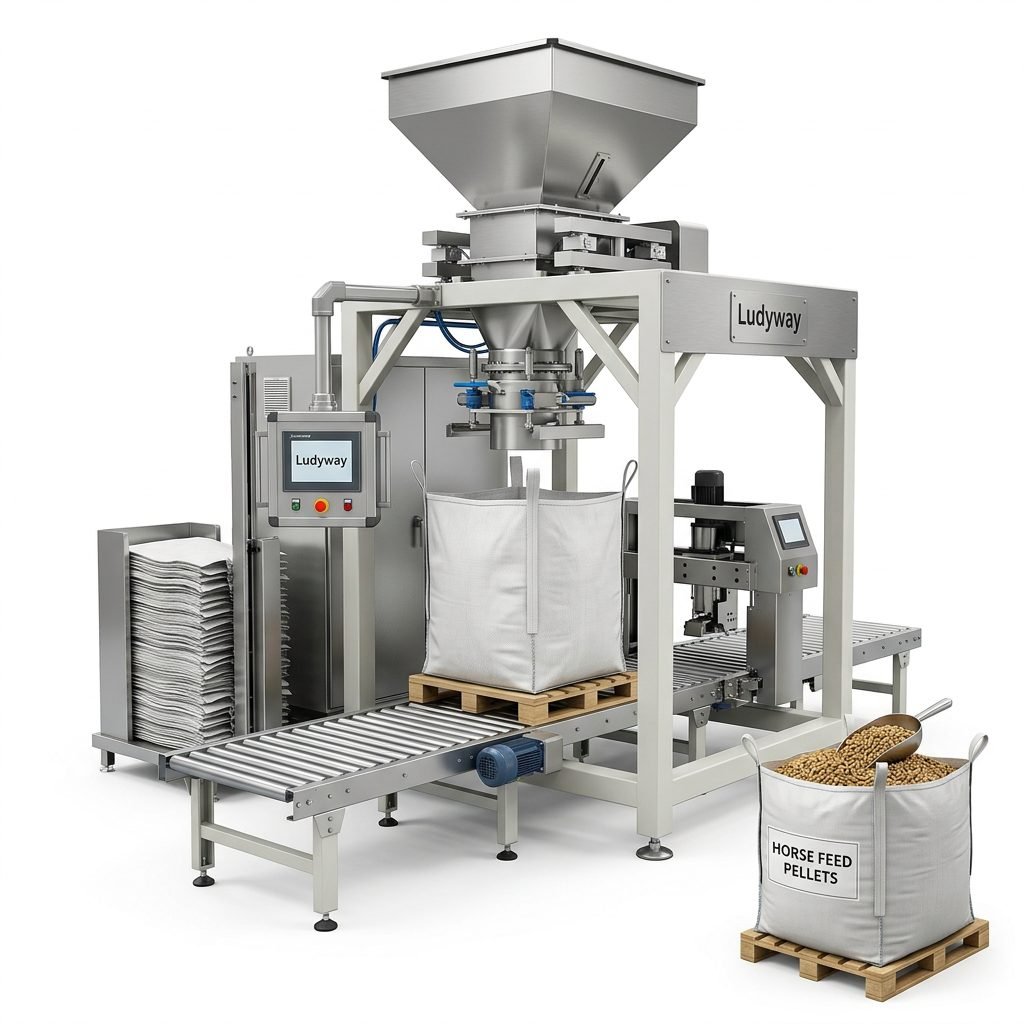
Navigating this shift requires partnership with experienced equipment providers who understand both technology and industry-specific challenges. Companies like Ludyway, with decades of expertise in packaging machinery, are at the forefront of this evolution. By developing over 50 models of intelligent packaging systems—from multi-lane stick packs to complete turnkey lines—they empower food, pharmaceutical, and health product manufacturers to harness automation effectively. Their focus on integrating robust engineering with practical, cost-effective solutions helps businesses of all sizes transition smoothly into higher levels of automation.
Conclusion: An Inevitable and Rewarding Trajectory
The drive towards automation in food processing is an unstoppable force, and its most immediate and visible impact is felt in packaging. The upgrades are not merely about replacing human hands with robotic ones; they are about building smarter, more responsive, and more resilient production ecosystems. The resulting efficiency gains—in speed, yield, quality, and cost—are fundamental to thriving in a competitive global market. For packaging professionals and food producers alike, embracing this automated future is the most strategic path forward for sustainable growth and innovation.