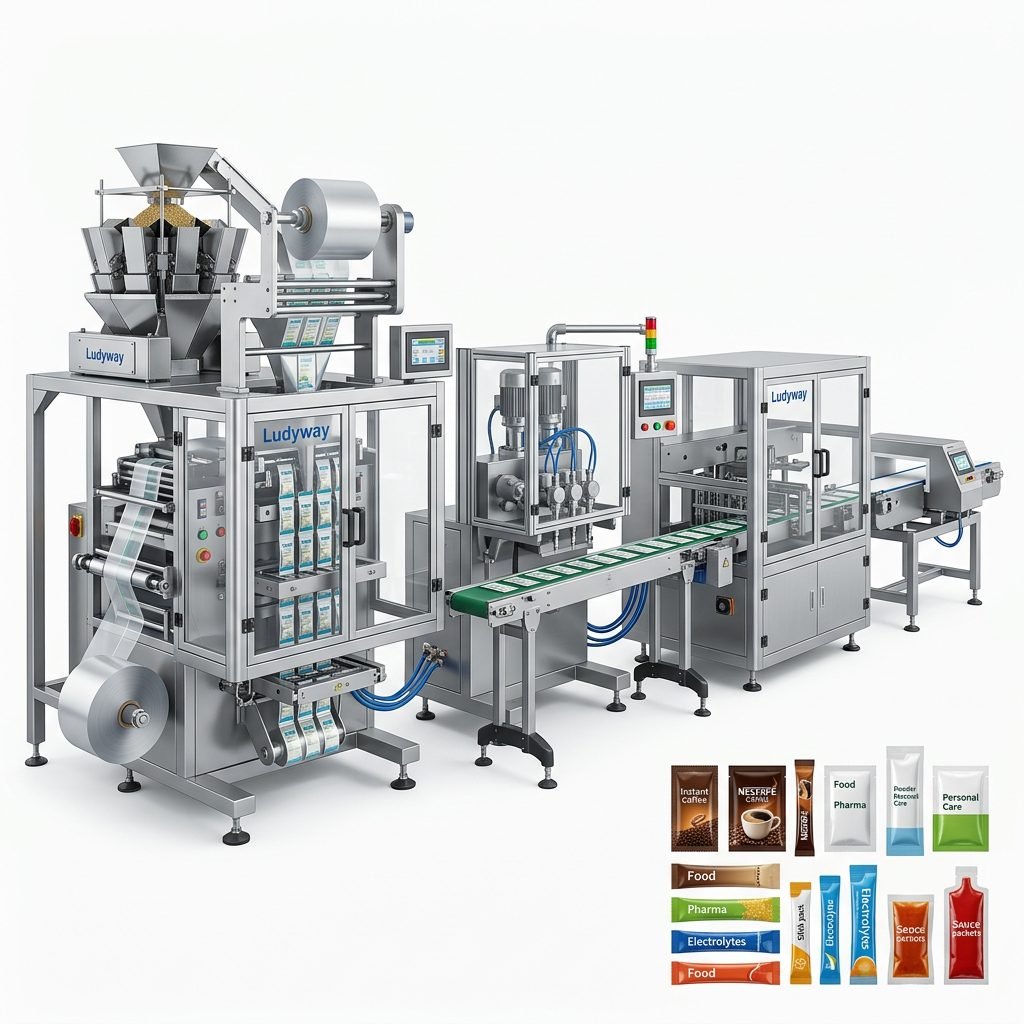
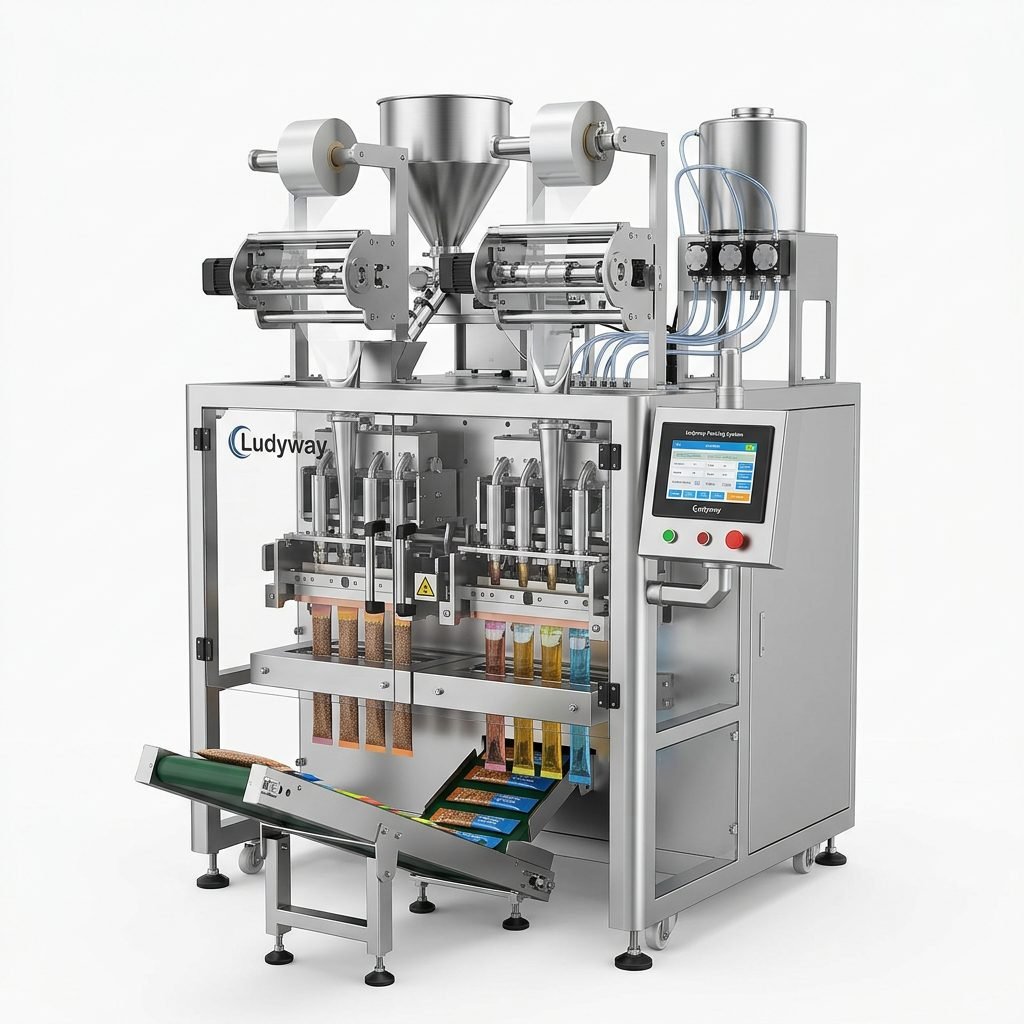
Investing in an expanding foam packaging machine is a significant decision for manufacturers across industries ranging from electronics and automotive to pharmaceuticals and consumer goods. The right machine can dramatically improve packaging efficiency, reduce material waste, and provide superior product protection during transit. However, with a wide variety of machine types, foam formulations, and production requirements to consider, the selection process can feel overwhelming. This guide breaks down the essential factors to help you choose the best expanding foam packaging machine for your operation.
1. Understanding Expanding Foam Packaging Technology
Expanding foam packaging systems use chemical reactions to create custom-fit protective cushions around products. The two primary types of foam systems used in packaging machines are polyurethane (PU) foam and polyethylene (PE) foam. PU foam-in-place systems dispense liquid chemicals that expand, conform to the product’s shape, and cure within seconds, creating a perfectly molded protective shell. PE foam, by contrast, is often produced as sheet stock or pre-molded components. For automated packaging lines, understanding the chemical properties, curing times, and density options is critical before selecting equipment.
Key Foam Characteristics to Evaluate
- Expansion ratio – how much the foam expands from liquid to solid state
- Density range – determines cushioning performance and material cost
- Curing speed – impacts cycle time and overall line throughput
- Chemical compatibility – ensures no adverse reactions with packaged products
2. Assessing Your Production Requirements
Before comparing machine specifications, you need a clear picture of your daily production volume and packaging line configuration. Are you packaging a few dozen items per day or several thousand per hour? Do you need a standalone workstation or a fully integrated packaging system that connects with upstream and downstream equipment? These questions will significantly narrow your options. High-speed automated lines require different foam dispensing technology than low-volume manual stations.
3. Types of Expanding Foam Packaging Machines
The market offers several distinct machine configurations, each suited to different production environments. Understanding the differences is essential for making an informed choice.
Manual Foam-in-Place Systems
These are entry-level systems where an operator controls the foam dispensing process. They are cost-effective for low-volume operations but rely heavily on operator skill for consistency. Ideal for small businesses or specialized packaging applications where automation costs cannot be justified.
Semi-Automatic Foam Packaging Machines
These machines automate part of the process—typically the foam mixing and dispensing—while still requiring operator involvement for product placement and bag handling. They bridge the gap between manual systems and full automation, offering improved consistency and moderate throughput.
Fully Automatic Inline Foam Packaging Systems
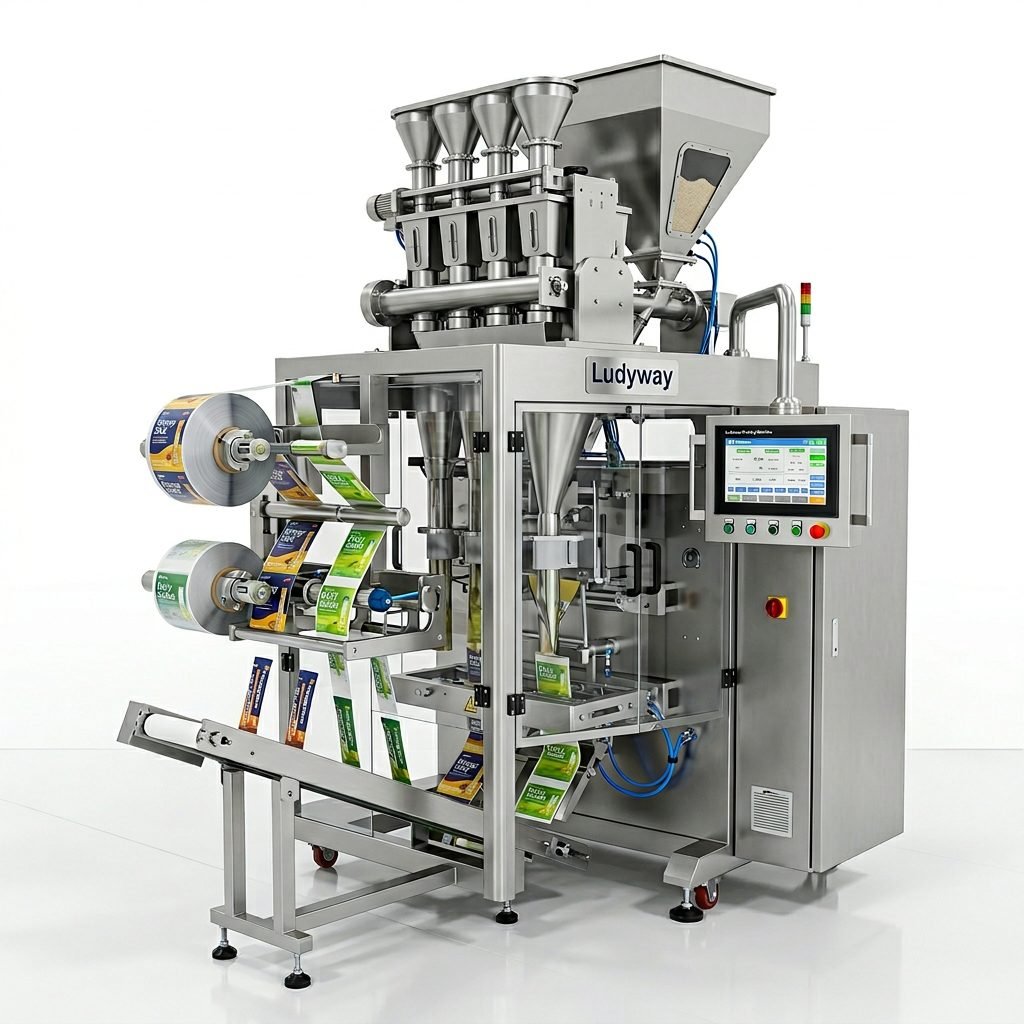
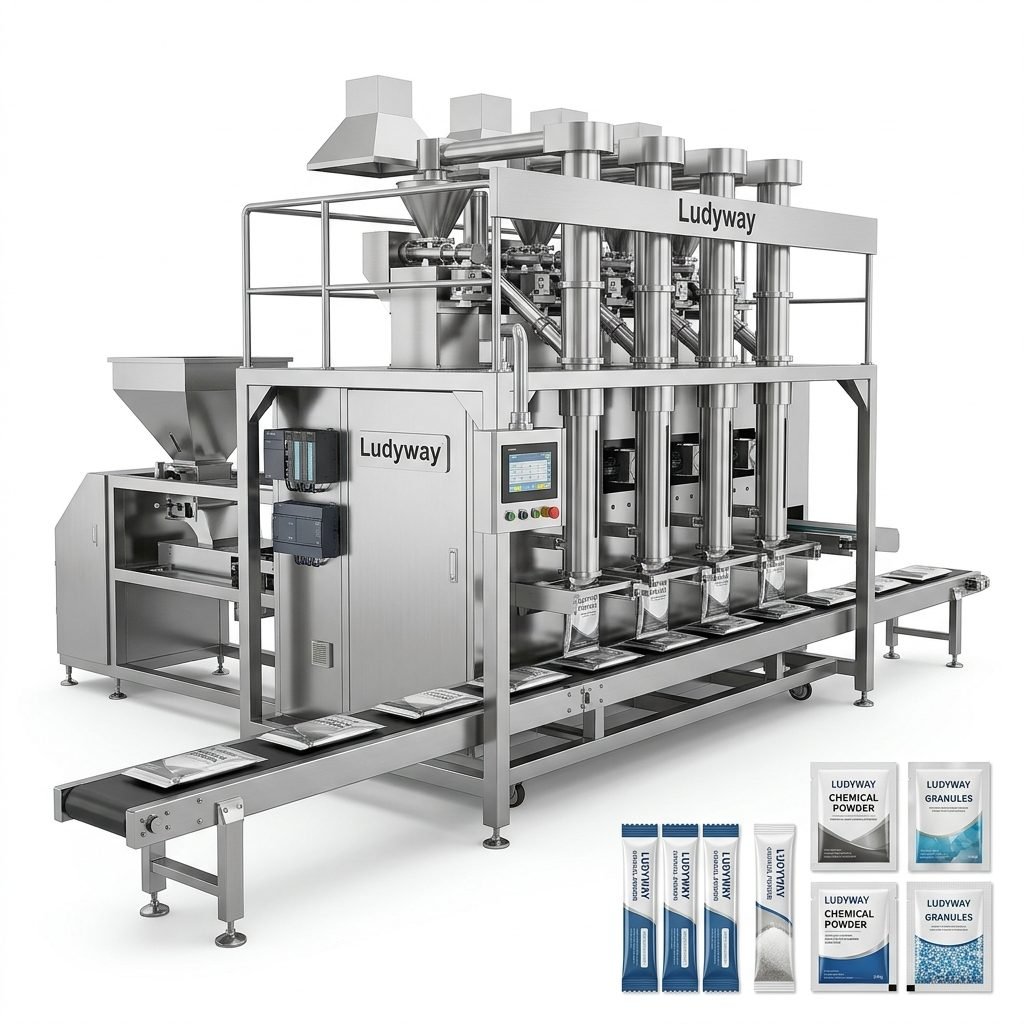
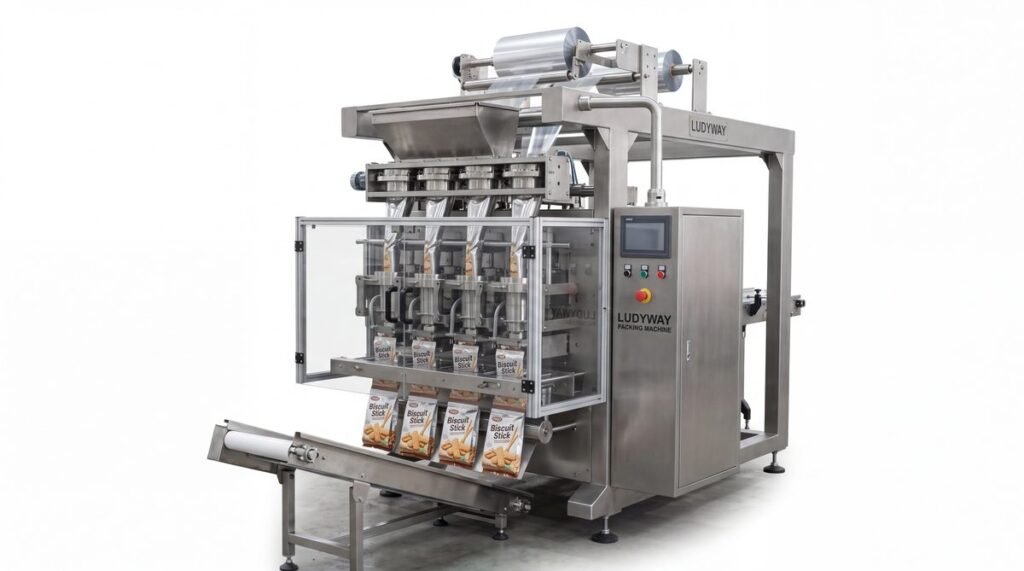
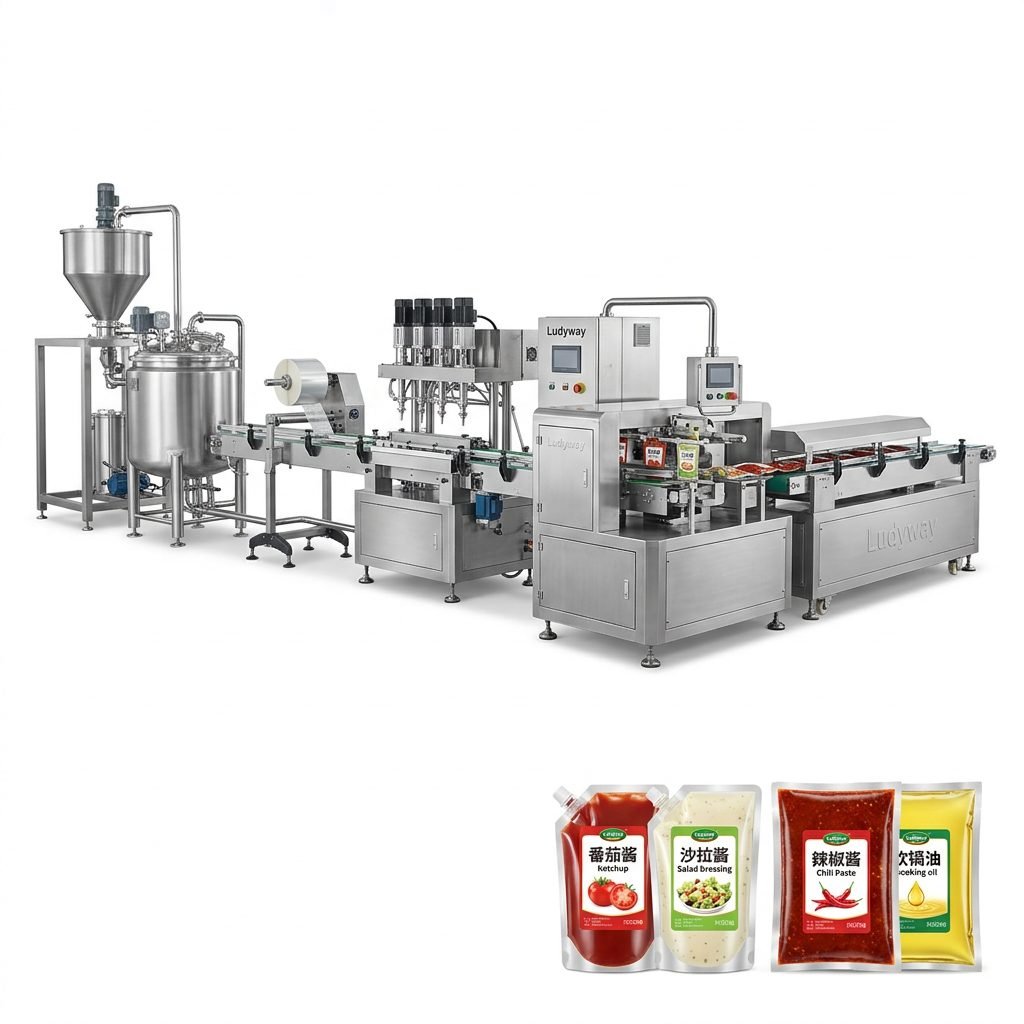
Designed for high-volume production environments, these systems integrate foam dispensing, bag forming, product insertion, and sealing into a single automated line. They can be configured with multi-lane capabilities and are often part of larger turnkey packaging solutions. These machines deliver the highest throughput and consistency but require significant capital investment.
4. Critical Machine Specifications and Features
When evaluating specific models, pay close attention to these technical parameters. They will directly impact your operational efficiency and total cost of ownership.
Dispensing Accuracy and Repeatability
Precision in chemical mixing and dispensing is non-negotiable. Look for machines with digital controls, servo-driven pumps, and real-time monitoring capabilities. Inconsistent foam density or volume leads to either inadequate protection or material waste—both of which erode profitability.
Cycle Time and Throughput
The machine’s cycle time must align with your production targets. Consider not just the foam dispensing speed but also the curing time, material handling speed, and any secondary operations like trimming or inspection that may create bottlenecks.
Material Changeover and Cleanability
If you package diverse product lines with different foam requirements, quick-change features and easy-clean designs become extremely valuable. Machines with tool-less changeover capabilities reduce downtime between production runs.
5. Cost Considerations and ROI Analysis
The purchase price of the machine is only one component of the total investment. A comprehensive cost analysis should factor in installation, training, maintenance, chemical consumption, energy usage, and expected service life. Use the table below to map out your cost structure.
| Cost Category | Typical Range (% of Total Investment) | Key Variables |
|---|---|---|
| Machine Purchase | 55 – 70% | Automation level, brand, configuration |
| Installation & Commissioning | 5 – 12% | Site preparation, utilities, system integration |
| Training | 2 – 5% | Operator skill level, machine complexity |
| Annual Maintenance & Consumables | 5 – 8% (ongoing annually) | Preventive maintenance, spare parts, foam chemicals |
| Energy and Utilities | 3 – 6% (ongoing annually) | Compressed air, electricity, heating requirements |
6. Supplier Evaluation and Support Infrastructure
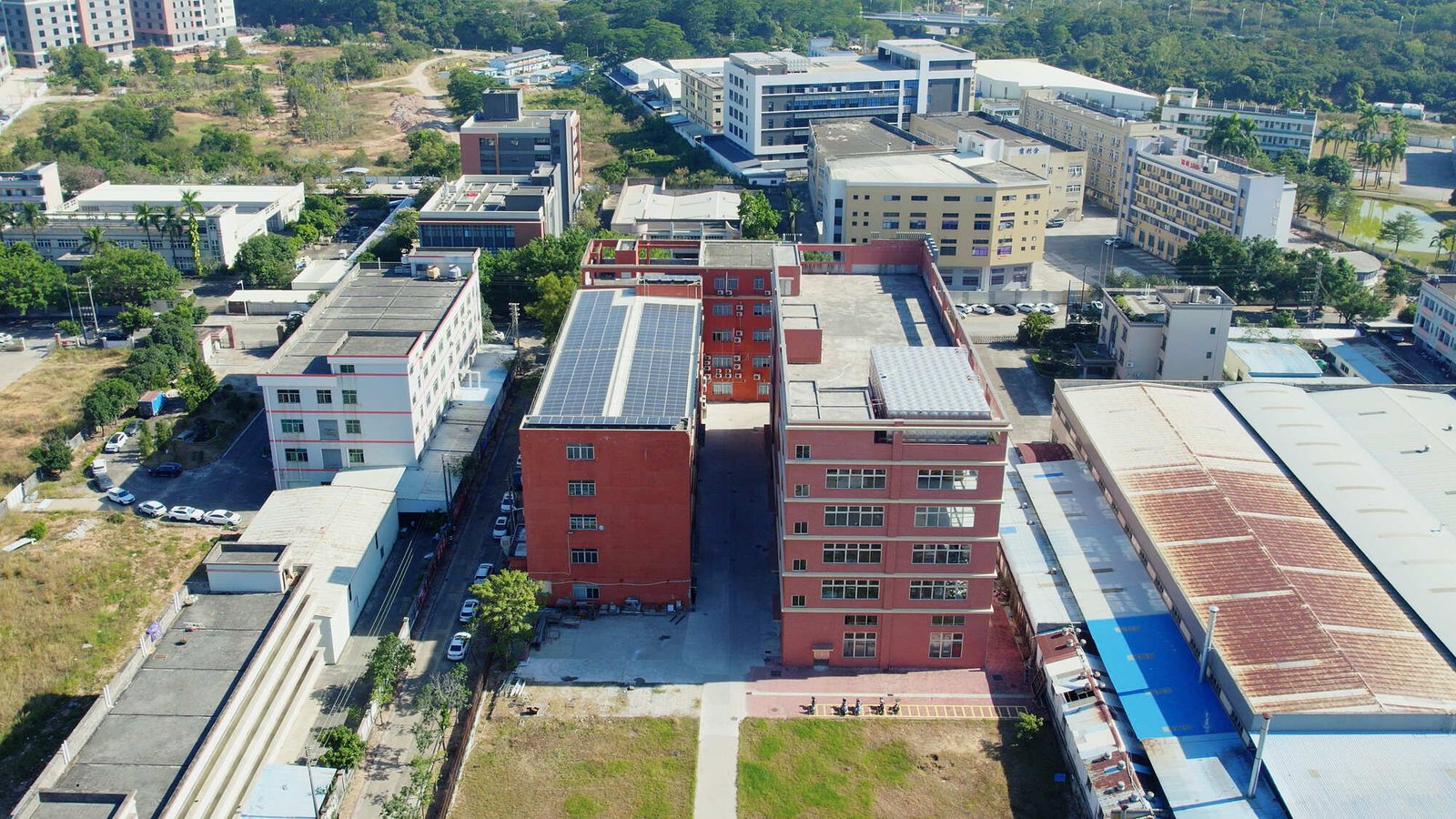
Your relationship with the machine supplier matters well beyond the initial purchase. A reliable packaging machinery partner provides engineering support, responsive after-sales service, and readily available spare parts. Companies like Ludyway Machinery, with over 30 years of experience and a 20,000-square-meter manufacturing facility, exemplify the kind of established, full-service supplier that can support your packaging operations from initial equipment selection through installation, commissioning, and long-term technical assistance.
What to Look for in a Supplier
- Industry certifications and compliance – ISO standards, CE marking, FDA-compatible materials where applicable (view ISO packaging standards)
- Application engineering capabilities – can they customize solutions for your specific products?
- Global service presence – do they offer remote technical support and local service teams?
- Track record in your industry – experience with similar applications reduces project risk
- Spare parts availability – what is the typical lead time for critical components?
7. Regulatory and Safety Compliance
Depending on your industry and target markets, your foam packaging process may need to comply with specific regulations. Pharmaceutical and medical device packaging, for instance, often requires compliance with ISO 11607 standards for terminally sterilized medical devices. Food contact applications may require FDA-compliant foam formulations—refer to FDA food packaging regulations for guidance. European markets have their own requirements under EU packaging and packaging waste regulations. Discuss these requirements with potential suppliers early in the evaluation process to avoid costly compliance issues later.
Common Certifications to Verify
- CE Marking – required for machinery sold in the European Economic Area
- UL Certification – electrical safety for North American markets
- GMP Compliance – relevant for pharmaceutical and food packaging applications
- ATEX Certification – if foam chemicals present explosion hazards in your environment
8. Future-Proofing Your Investment
The packaging industry continues to evolve, driven by automation trends, sustainability demands, and changing regulatory landscapes. When selecting an expanding foam packaging machine, consider not just your current needs but also where your business will be in five years. Modular machine designs that allow for capacity upgrades, format changes, and automation expansion protect your investment against premature obsolescence. According to PMMI industry intelligence, packaging machinery demand continues to grow across multiple sectors, making thoughtful equipment selection critical for long-term competitiveness.
Sustainability Considerations
Many manufacturers are now evaluating foam packaging through an environmental lens. Look for machines compatible with bio-based or recycled-content foam chemistries, and systems that minimize chemical waste through precise dispensing. Some modern machines also feature solvent-free purging systems that reduce environmental impact. The Flexible Packaging Association offers additional resources on sustainable packaging innovations relevant to foam applications.
9. Making the Final Decision
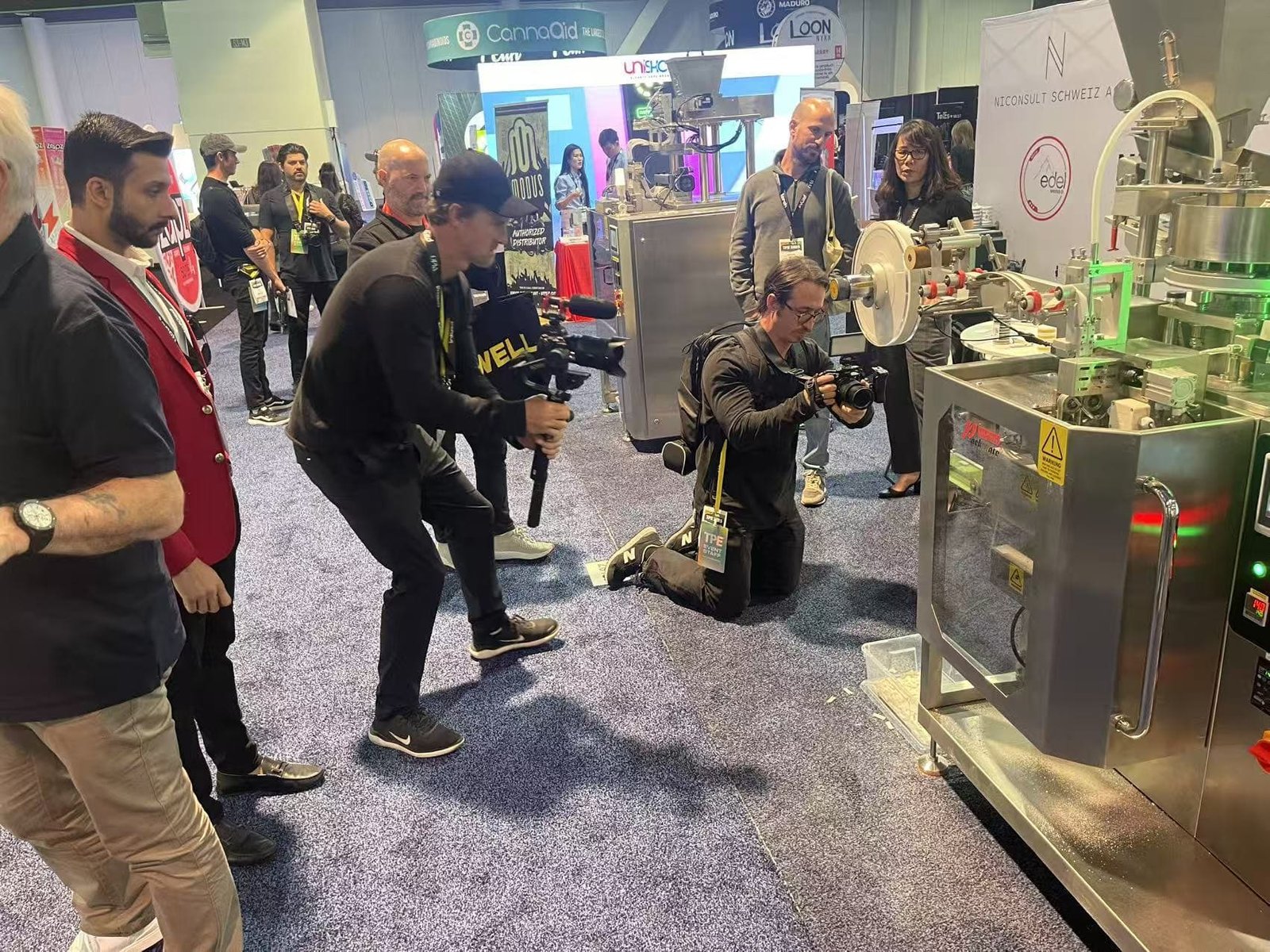
After evaluating technical specifications, costs, suppliers, and future requirements, site visits and machine demonstrations are invaluable. Seeing a machine run with your actual products and packaging materials reveals nuances that specifications alone cannot capture. Request trial runs, talk to existing customers about their experiences, and involve your operations, maintenance, and quality teams in the evaluation process. A collaborative, data-driven approach leads to the best equipment selection outcomes.
Ultimately, the right expanding foam packaging machine is the one that aligns with your production volume, product protection needs, budget parameters, and long-term business strategy. By systematically working through the factors outlined in this guide, you position yourself to make a confident, well-informed investment that will serve your operation for years to come.
10. Frequently Asked Questions
What is the typical lifespan of a foam packaging machine?
A well-maintained expanding foam packaging machine from a reputable manufacturer can operate reliably for 10 to 15 years or more. The actual lifespan depends on usage intensity, maintenance practices, and the quality of the components used in the machine’s construction.
How much does an expanding foam packaging machine cost?
Entry-level manual systems may start around $15,000 to $30,000, while semi-automatic machines typically range from $50,000 to $150,000. Fully automatic inline systems with multi-lane capabilities can range from $200,000 to over $1 million depending on configuration, throughput requirements, and integration complexity.
Can expanding foam packaging machines handle multiple product sizes?
Yes, most modern machines offer adjustable parameters and quick-change tooling to accommodate different product dimensions. However, the range of product sizes a specific machine can handle is a key specification to verify during the evaluation process.
What ongoing maintenance is required?
Routine maintenance includes daily cleaning of dispensing heads, weekly checks of chemical lines and pumps, monthly calibration verification, and periodic replacement of wear components such as seals, filters, and mixing chambers. Following the manufacturer’s preventive maintenance schedule is essential for consistent performance and longevity.