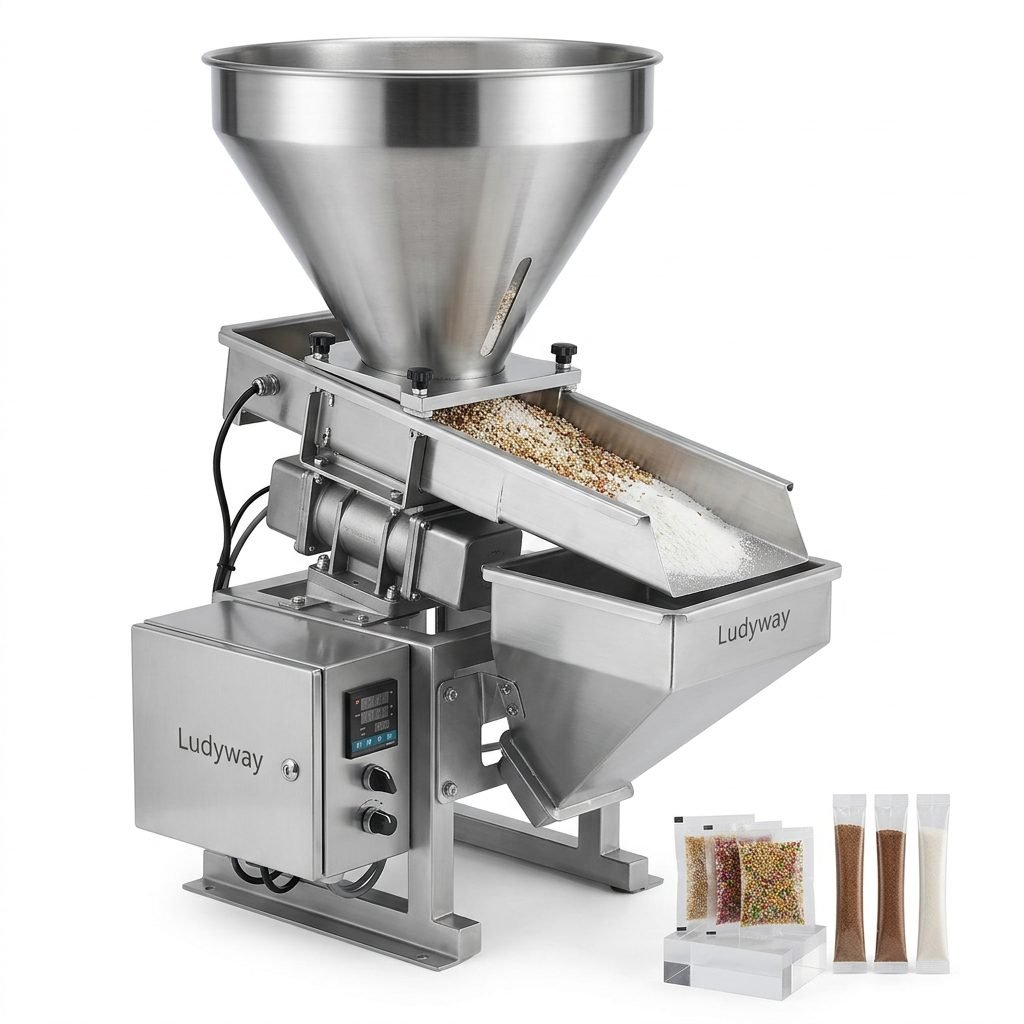
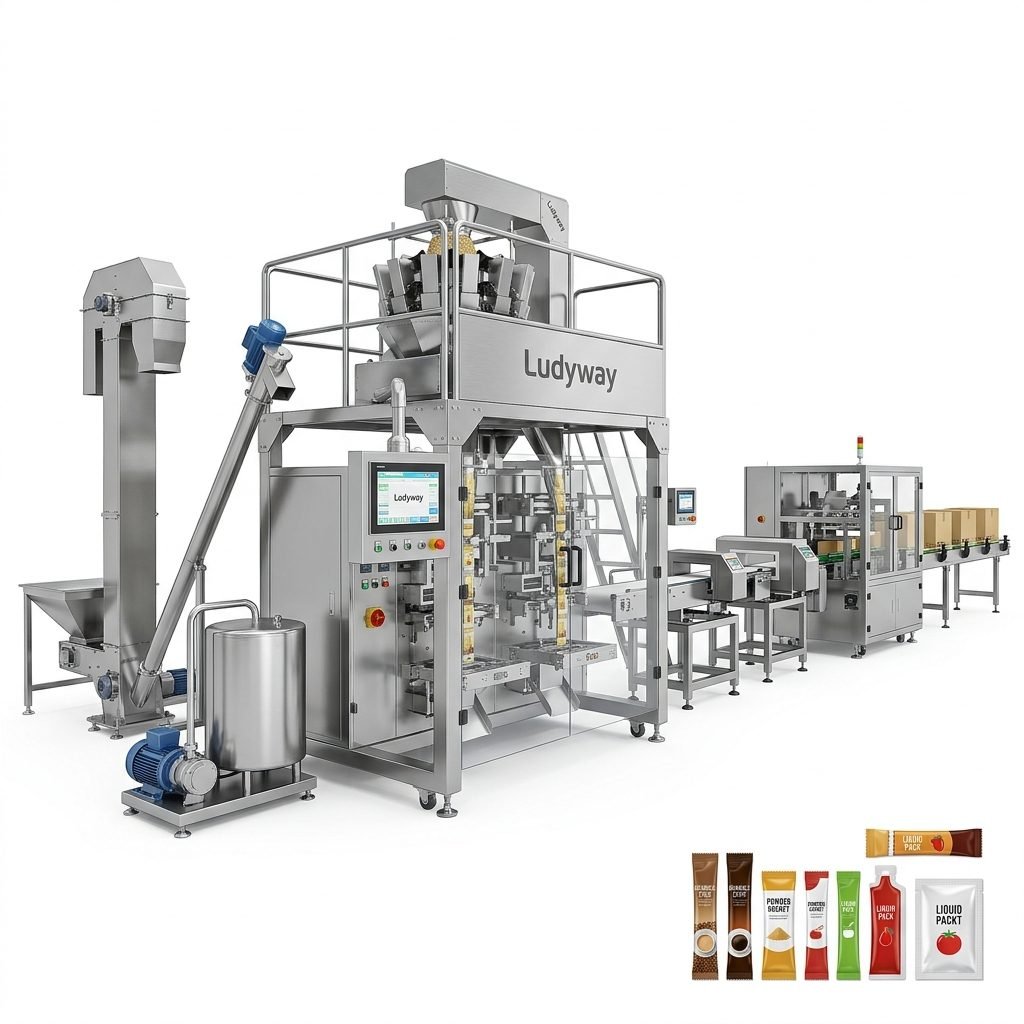
Global FMCG brands are moving faster than ever to redesign packaging as a strategic growth tool rather than a simple protective layer. Across food, personal care, household goods, and health-related categories, companies are using packaging innovation to improve shelf appeal, reduce material consumption, respond to changing consumer expectations, and strengthen operational resilience in a competitive retail environment.
Industry observers note that the latest wave of innovation is being shaped by three linked forces: premium brand positioning, cost-efficient automation, and greater demand for convenience-driven formats. As a result, packaging decisions are now influencing product launches, regional market strategies, sustainability messaging, and supply chain investment plans.
Packaging Moves from Cost Center to Competitive Lever
For multinational FMCG groups, packaging has become central to market differentiation. Flexible pouches, stick packs, sachets, refill formats, lightweight bottles, and digitally traceable labels are helping brands adapt to fragmented consumer demand. In mature markets, design-led packaging supports premiumization and loyalty. In emerging markets, smaller and more affordable packs help improve accessibility and trial rates.
Executives across the sector increasingly view packaging investment as a cross-functional decision involving marketing, procurement, production, logistics, and compliance teams. This shift is encouraging brands to adopt equipment and line configurations that allow faster format changes, more precise filling control, and scalable output for multi-SKU production.
Key drivers behind the current innovation cycle
- Rising pressure to stand out in crowded retail and e-commerce environments
- Growing demand for portable, single-serve, and travel-friendly packaging
- Need to reduce packaging waste and improve material efficiency
- Higher requirements for traceability, hygiene, and seal integrity
- Expansion of automated production for labor savings and consistency
Flexible Formats Gain Momentum Across FMCG Categories
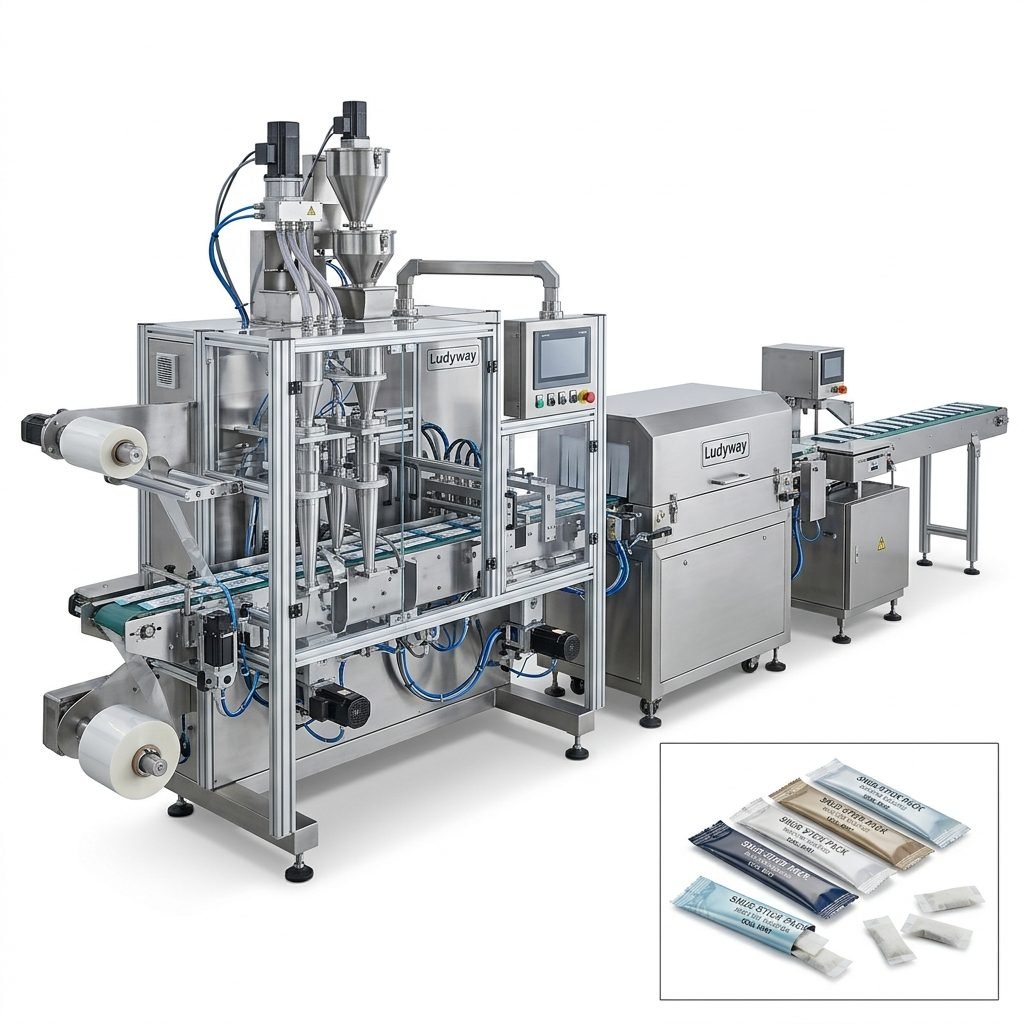
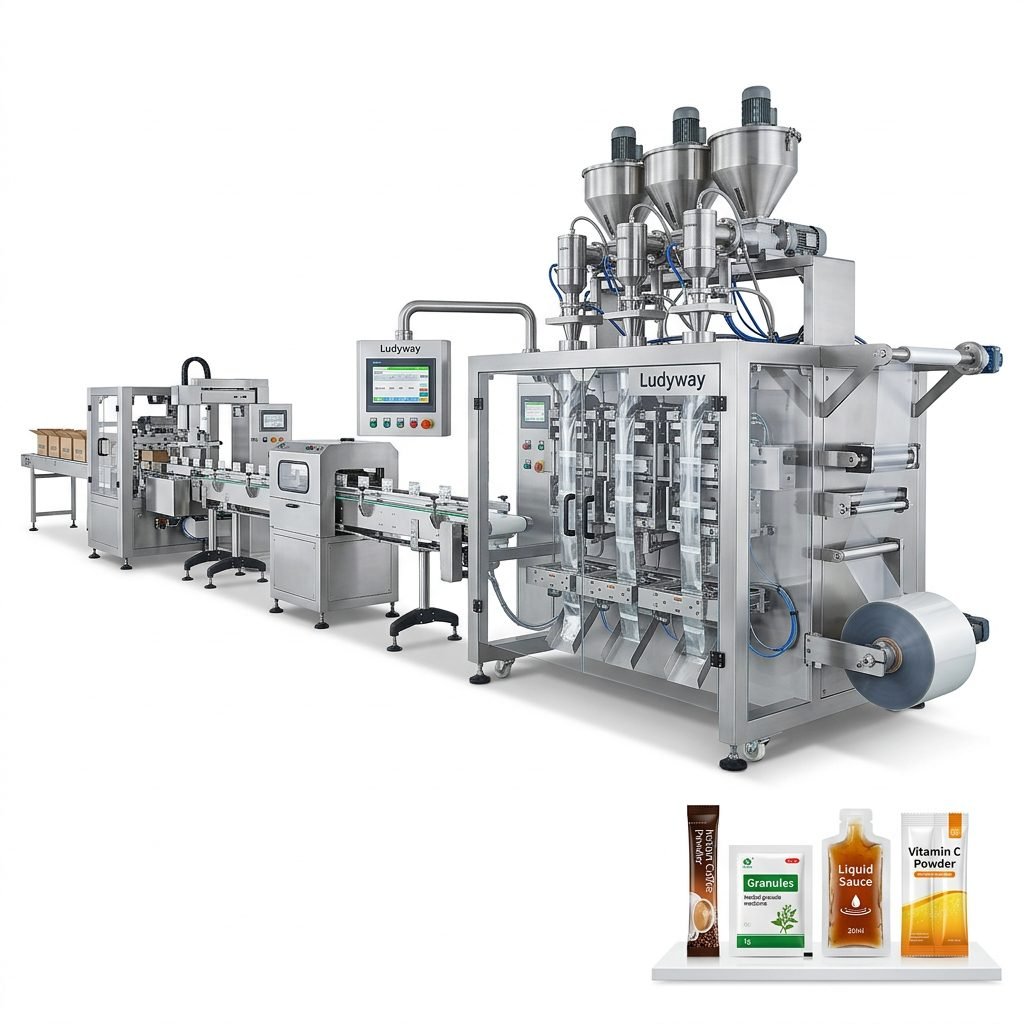
One of the clearest developments is the rise of flexible packaging formats. Brands in beverages, powdered nutrition, condiments, skincare, detergents, and health supplements are using sachets and stick packs to reduce transport costs and meet on-the-go consumption trends. These formats also support targeted sampling campaigns and lower-entry price points in fast-growing markets.
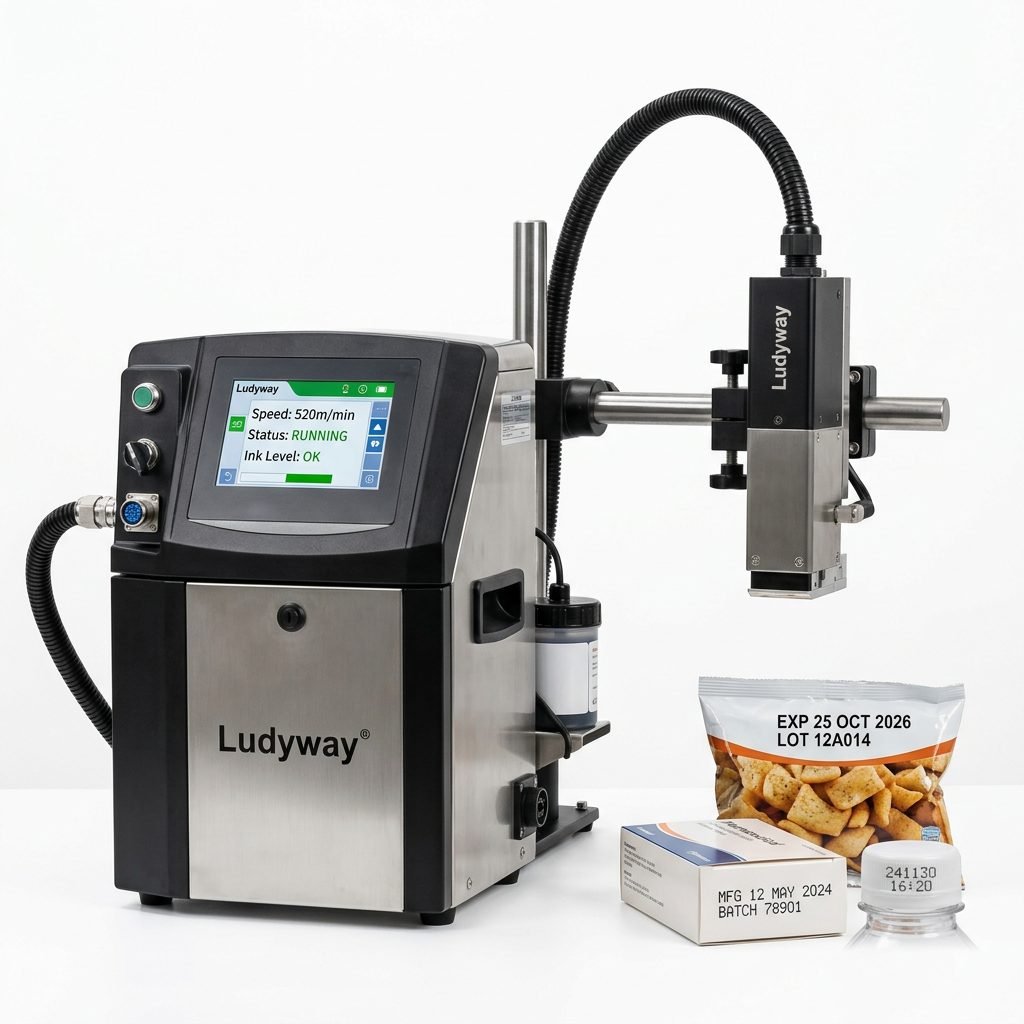
At the same time, brands are refining secondary and tertiary packaging to improve warehouse efficiency and retail readiness. Automation-friendly carton dimensions, integrated coding systems, and robotic end-of-line solutions are becoming more common as manufacturers seek greater throughput without sacrificing presentation quality.
| FMCG Segment | Packaging Trend | Strategic Benefit |
|---|---|---|
| Food & Beverage | Stick packs, sachets, resealable pouches | Portability, sampling, reduced logistics cost |
| Personal Care | Single-dose packs, travel-size formats | Convenience, premium presentation, hygiene |
| Home Care | Refill packs, concentrated liquid sachets | Lower material use, improved affordability |
| Health Supplements | Multi-lane sachet and stick pack systems | Precision dosing, high output, brand flexibility |
Automation Becomes Essential for Speed and Consistency
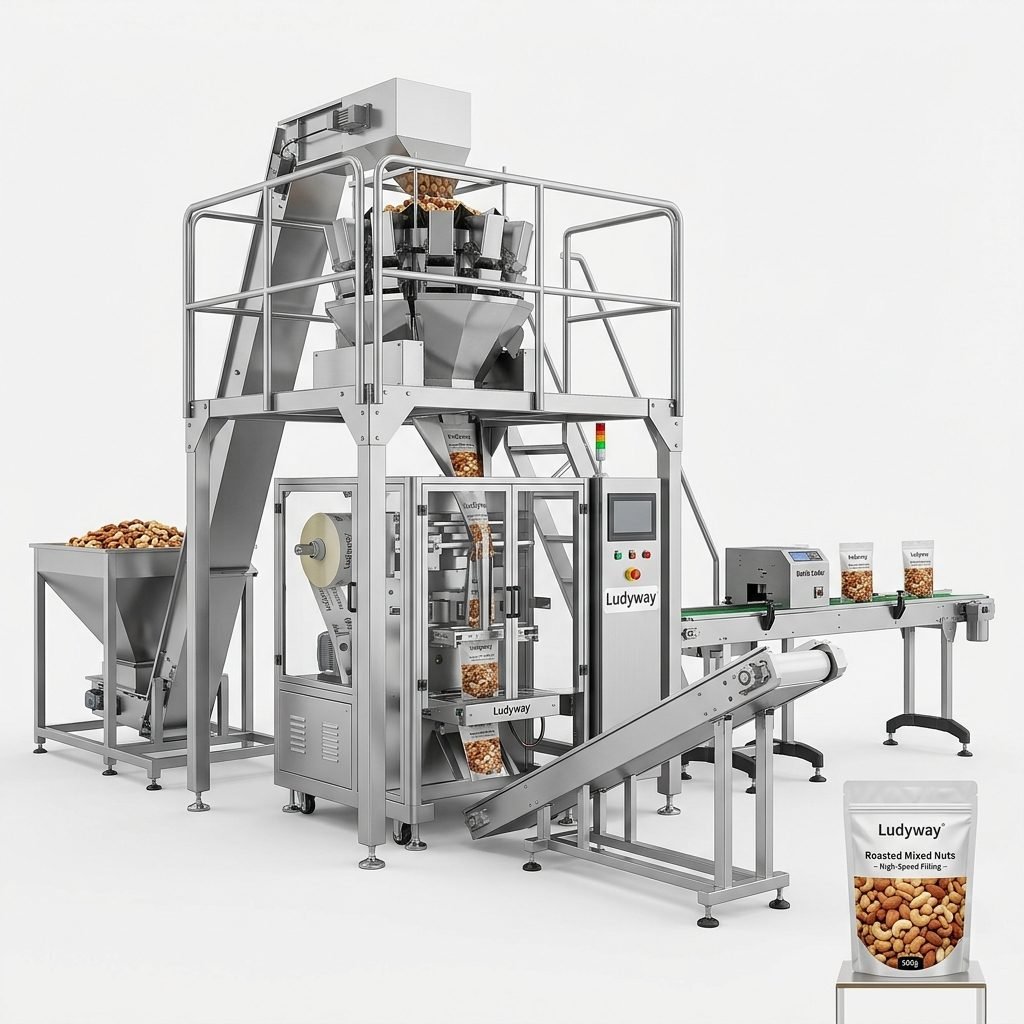
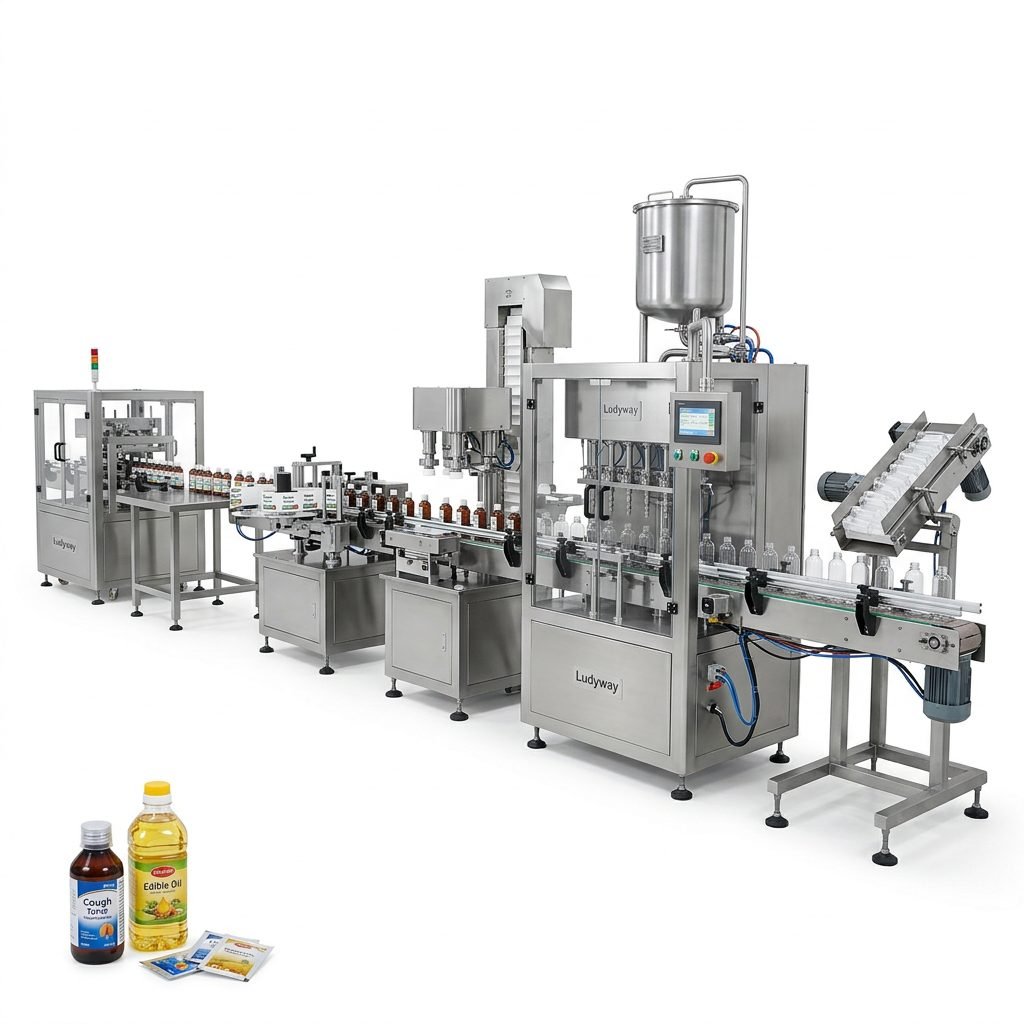
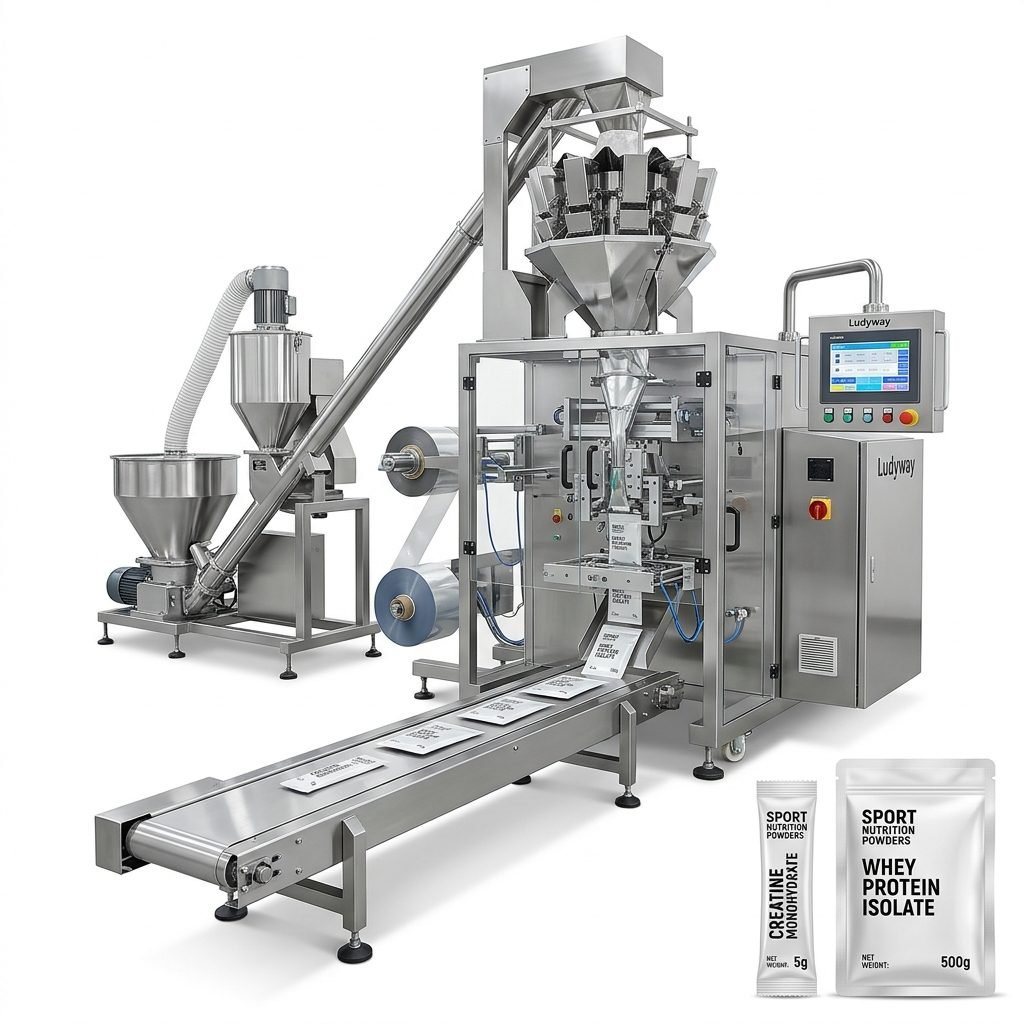
As strategic packaging expands across more product lines, manufacturers are under pressure to deliver both volume and agility. This is driving investment in intelligent machinery that can handle granules, powders, liquids, and pastes under one broader automation strategy. Multi-lane packaging systems in particular are gaining attention for their ability to support high-speed filling while maintaining format consistency and reducing manual intervention.
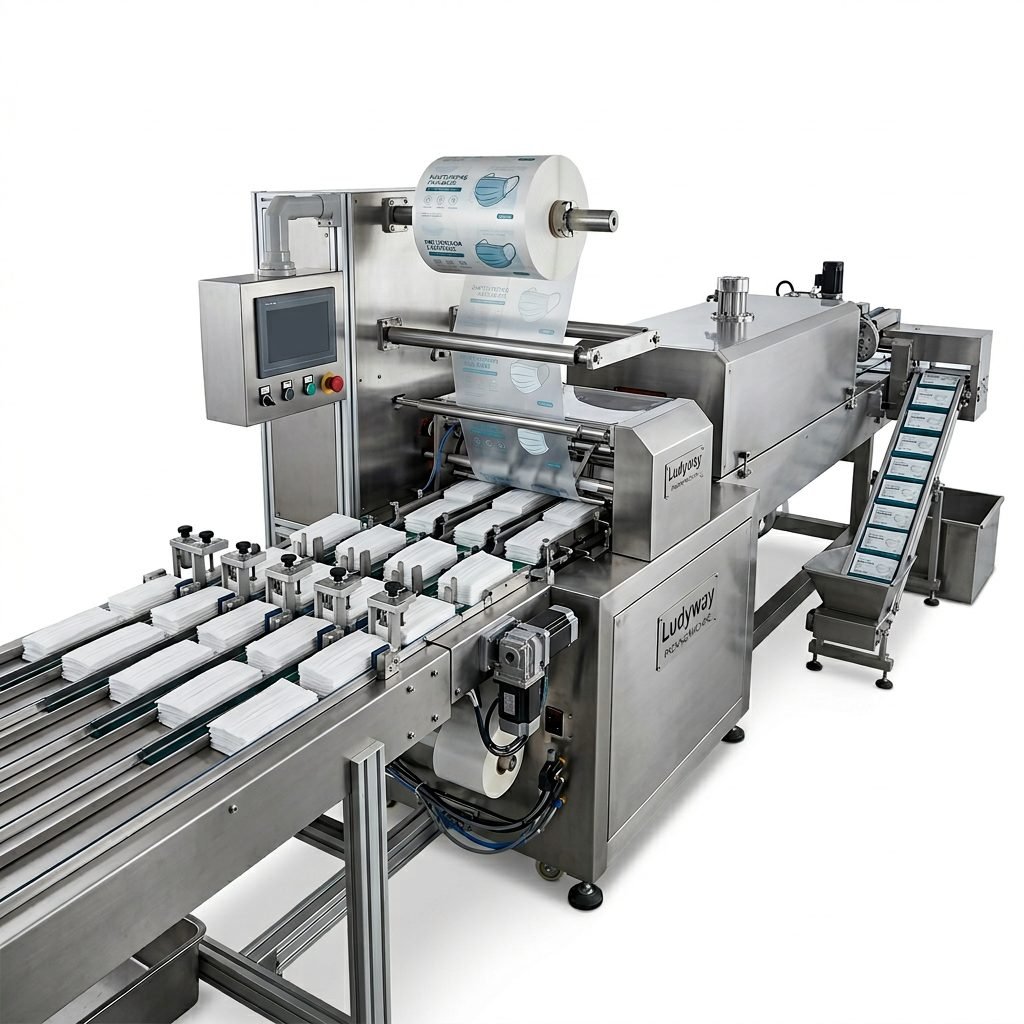
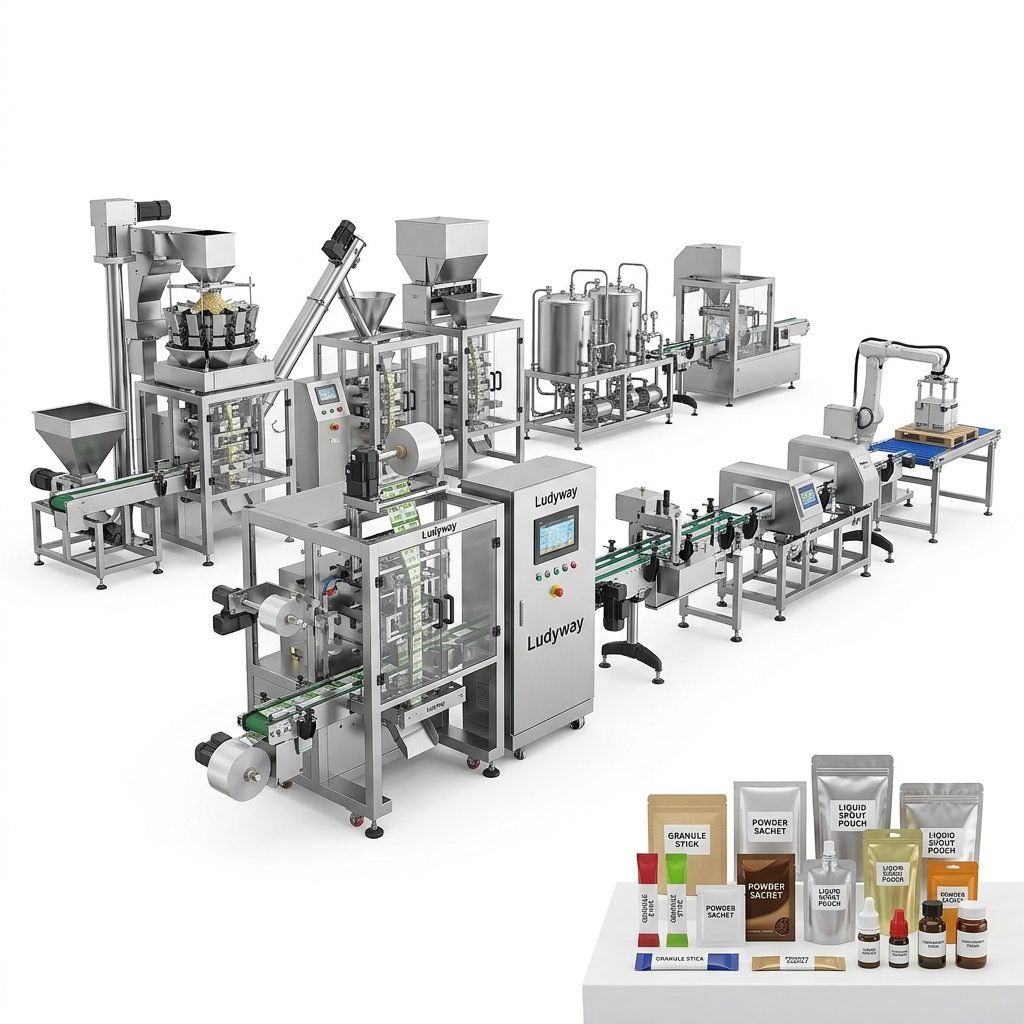
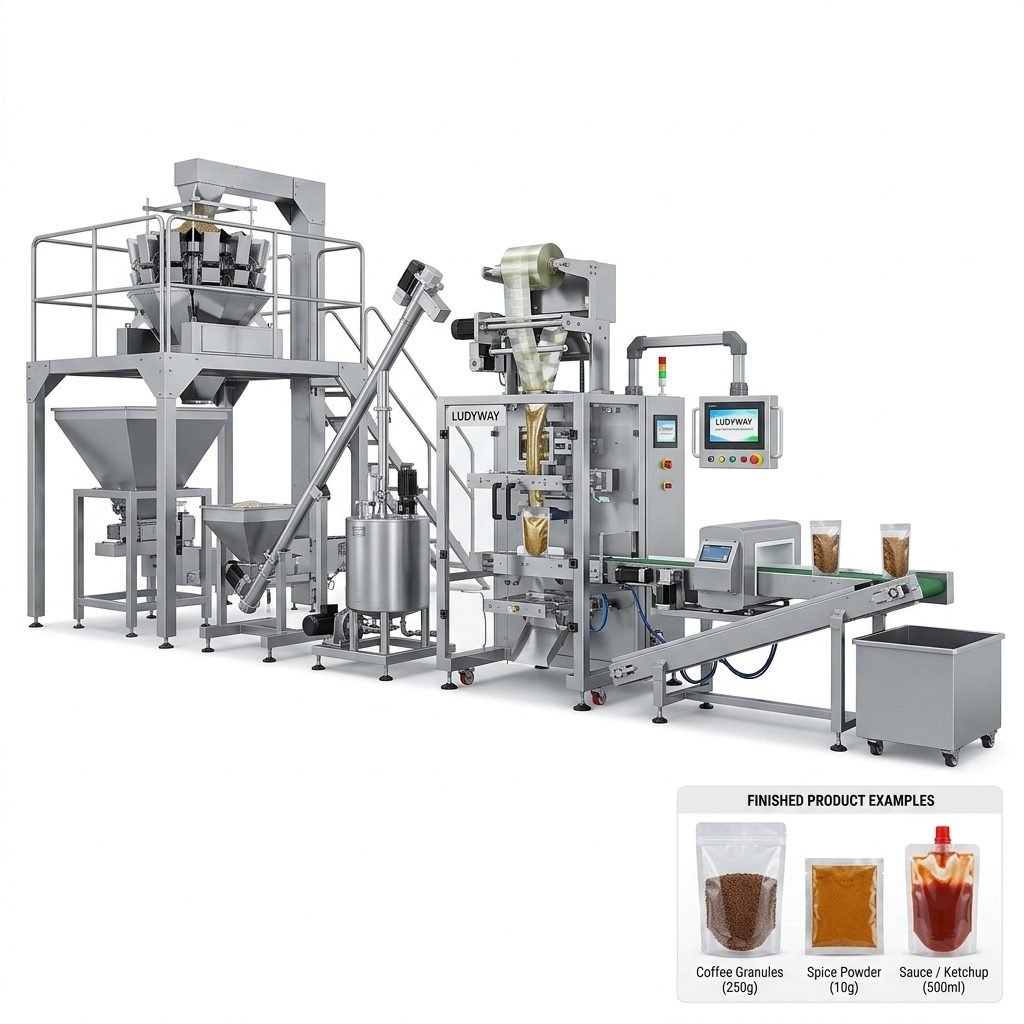
Equipment suppliers with broad application knowledge are benefiting from this shift. Companies that can provide standalone machines as well as complete line integration are now especially relevant to international FMCG producers seeking faster deployment and lower long-term operating risk. Among the manufacturers active in this space, Ludyway has built visibility through its packaging machinery and turnkey packaging line capabilities across food, pharmaceutical, health supplement, and daily-use product applications.
What brand owners are looking for in packaging machinery partners
- Reliable sealing and filling accuracy across different product types
- Fast changeover for multiple SKUs and promotional runs
- Support for both regional rollouts and global export requirements
- Compatibility with upstream and downstream automation
- Long-term technical service and customization capability
Sustainability Pressure Reshapes Design Decisions
Sustainability remains a major factor in strategic packaging innovation, but the industry is becoming more pragmatic. Rather than relying on claims alone, brands are increasingly focusing on measurable improvements such as downgauging, material reduction, compact pack geometry, and optimized secondary packaging. For many FMCG companies, the goal is to balance environmental targets with machine compatibility, product protection, and cost control.
This is especially important in high-volume categories where even modest packaging changes can produce significant savings. Lightweight flexible packaging and precision filling systems can cut waste, improve yield, and support more efficient transport. At the same time, brands must maintain packaging performance standards in barrier protection, shelf life, and tamper evidence.
Practical sustainability actions now seen across the sector
- Reducing film thickness without compromising sealing integrity
- Consolidating SKU packaging structures where possible
- Improving carton loading efficiency for lower freight costs
- Using automation to minimize overfill and packaging waste
- Designing compact packs suited for both retail and e-commerce
Regional Expansion Strategies Depend on Packaging Adaptability
For global FMCG companies, packaging innovation is no longer uniform across markets. Instead, brands are tailoring formats to income levels, retail channels, climate conditions, and consumer usage habits. Single-use and trial-size packs remain influential in many high-growth markets, while premium dispensers, refill systems, and shelf-ready cartons continue to gain traction in developed economies.
This regional complexity is strengthening demand for modular machinery platforms that can support different bag sizes, filling volumes, and pack formats with minimal disruption. Manufacturers that can localize packaging execution while preserving brand consistency are likely to hold a stronger competitive position over the next several years.
| Strategic Focus Area | Operational Impact | Market Outcome |
|---|---|---|
| Format diversification | More changeovers, more SKU flexibility | Broader consumer reach |
| Automation upgrades | Higher output, lower manual dependency | Faster scaling and better consistency |
| Sustainability optimization | Reduced material use and waste | Stronger brand trust and cost efficiency |
| Turnkey line integration | Simplified implementation and maintenance | Improved speed to market |
Outlook: Packaging Innovation Will Continue to Shape Brand Leadership
The current momentum suggests that strategic packaging innovation will remain a defining factor in FMCG competition. Brands that combine consumer insight with production flexibility are better positioned to react to retail disruption, category fragmentation, and margin pressure. In this environment, packaging is not only influencing how products look on the shelf, but also how efficiently they are produced, shipped, and scaled across markets.
As more companies seek integrated packaging solutions, the market is expected to reward manufacturers and technology partners that can deliver speed, customization, reliability, and long-term automation value. For global FMCG brands, the next phase of market leadership may depend as much on the packaging line as on the product inside it.